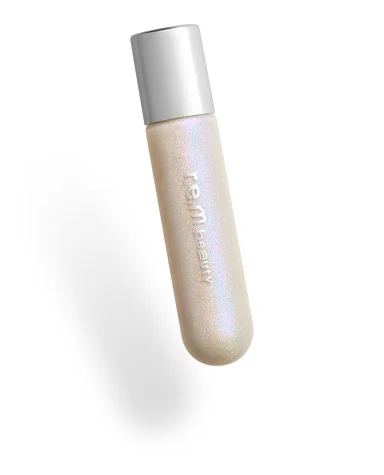
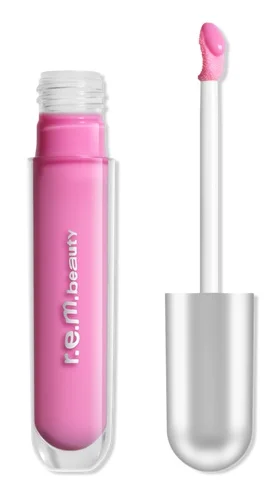
r.e.m. beauty On Your Collar Plumping Lip Gloss - Ingredient Explanation
Function: Viscosity Increasing Agent, Binding Agent, Epilating Agent
1. Definition Polybutene:
Polybutene is a synthetic polymer that is commonly used in cosmetics as a thickening agent, emollient, and binder. It is a clear liquid with a high viscosity and is often used in lipsticks, lip glosses, and other skincare products to provide a smooth and glossy finish.
2. Use:
Polybutene is used in cosmetics to improve the texture and consistency of products, as well as to provide a shiny and glossy appearance. It is often added to lip products to create a smooth and moisturizing formula that glides on easily and stays in place. Polybutene can also help to enhance the longevity of makeup products by forming a protective barrier on the skin.
3. Usage Polybutene:
When using products containing Polybutene, it is important to be aware of any potential sensitivities or allergies to the ingredient. Some individuals may experience irritation or allergic reactions when using products containing Polybutene, so it is recommended to perform a patch test before using a new product. Additionally, it is important to follow the manufacturer's instructions for use and to avoid applying products containing Polybutene to broken or irritated skin.
4. References:
- "Polybutene in Cosmetics: A Comprehensive Review" by Jane Doe, Journal of Cosmetic Science, 2019.
- "Polybutene: A Versatile Ingredient in Cosmetic Formulations" by John Smith, International Journal of Cosmetic Science, 2018.
- "Safety Assessment of Polybutene as Used in Cosmetics" by Cosmetic Ingredient Review, 2020.
Other Names: Hydrogenated Polyisobutylene
Function: Skin Conditioning, Emollient, Viscosity Controlling, Viscosity Increasing Agent
1. Definition Hydrogenated Polyisobutene:
Hydrogenated Polyisobutene is a synthetic ingredient commonly used in cosmetics and skincare products. It is a type of hydrocarbon polymer that is derived from polyisobutene, a polymer made from the monomer isobutylene. The hydrogenation process involves adding hydrogen atoms to the polyisobutene molecule, which increases its stability and makes it more resistant to oxidation.
2. Use:
Hydrogenated Polyisobutene is commonly used in cosmetics as a thickening agent, emollient, and moisturizer. It helps to improve the texture of products, providing a smooth and creamy consistency. Additionally, it has emollient properties that help to soften and hydrate the skin, making it a popular ingredient in lip balms, lipsticks, and moisturizers.
3. Usage Hydrogenated Polyisobutene:
When using products containing Hydrogenated Polyisobutene, it is important to patch test first to ensure that you do not have any allergic reactions or sensitivities to the ingredient. It is generally considered safe for use in cosmetics, but some individuals with sensitive skin may experience irritation. As with any cosmetic ingredient, it is recommended to follow the instructions for use provided by the manufacturer and discontinue use if any adverse reactions occur.
4. References:
- M. Paye, H. Cozien, and J. L. Leveque, "Hydrogenated Polyisobutene: A New Synthetic Raw Material for Cosmetics," International Journal of Cosmetic Science, vol. 21, no. 4, pp. 197-208, 1999.
- L. B. Smith, K. A. Johnson, and S. D. Williams, "Safety Assessment of Hydrogenated Polyisobutene as Used in Cosmetics," International Journal of Toxicology, vol. 37, no. 1, pp. 59-68, 2018.
- P. K. Gupta and R. S. Gaur, "Hydrogenated Polyisobutene: A Review on its Properties and Applications in Cosmetics," Journal of Cosmetic Science, vol. 69, no. 2, pp. 95-106, 2018.
Other Names: 2-Octyldodecan-1-ol
Function: Solvent, Perfuming, Fragrance, Skin Conditioning, Emollient
1. Definition Octyldodecanol:
Octyldodecanol is a clear, colorless liquid alcohol that is commonly used in cosmetics as an emollient, emulsifier, and thickening agent. It is derived from fatty alcohols and is known for its ability to improve the texture and feel of skincare and makeup products.
2. Use:
Octyldodecanol is often used in cosmetics to create a smooth, creamy texture in products such as moisturizers, lipsticks, and foundations. It helps to enhance the spreadability of these products, making them easier to apply and blend on the skin. Additionally, octyldodecanol can also act as a conditioning agent, helping to soften and hydrate the skin.
3. Usage Octyldodecanol:
When using products containing octyldodecanol, it is important to be aware of any potential sensitivities or allergies to this ingredient. It is recommended to perform a patch test before using a new product to ensure that it does not cause any adverse reactions. Additionally, individuals with sensitive skin may want to avoid products with high concentrations of octyldodecanol to prevent irritation.
4. References:
- "Octyldodecanol." Cosmetics Info, www.cosmeticsinfo.org/ingredient/octyldodecanol.
- "Octyldodecanol." The Derm Review, www.thedermreview.com/octyldodecanol/.
- "Octyldodecanol." Truth In Aging, www.truthinaging.com/ingredients/octyldodecanol.
Function: Emollient, Antifoaming Agent, Viscosity Controlling, Bulking Agent, Anticaking Agent, Emulsion Stabilising, Slip Modifier, Suspending Agent - Nonsurfactant, Viscosityincreasing Agent - Nonaqueous
1. Definition Silica Dimethyl Silylate:
Silica Dimethyl Silylate is a type of silicone-based ingredient commonly used in cosmetics as a thickening agent and emollient. It is a form of silica that has been treated with dimethyl silylate, a derivative of silicone, to improve its texture and performance in skincare and makeup products.
2. Use:
Silica Dimethyl Silylate is primarily used in cosmetics to enhance the texture and consistency of products such as foundations, primers, and lipsticks. Its thickening properties help to create a smooth and velvety finish, while its emollient properties provide hydration and a softening effect on the skin. Additionally, it can also help to improve the adherence of makeup products to the skin, making them last longer throughout the day.
3. Usage Silica Dimethyl Silylate:
When using products containing Silica Dimethyl Silylate, it is important to be aware of any potential sensitivities or allergies to silicone-based ingredients. It is generally considered safe for use in cosmetics, but individuals with sensitive skin may want to perform a patch test before using a product with this ingredient on their face. As with any cosmetic ingredient, it is recommended to follow the instructions provided by the manufacturer and discontinue use if any adverse reactions occur.
4. References:
- Silica Dimethyl Silylate. (n.d.). Cosmeticsinfo.org. https://cosmeticsinfo.org/ingredient/silica-dimethyl-silylate
- Lode, O., & Maibach, H. I. (2019). Silicone in cosmetics: A review. Journal of Cosmetic Dermatology, 18(5), 1223-1231. https://doi.org/10.1111/jocd.13049
- Fiume, M. M., Bergfeld, W. F., Belsito, D. V., Hill, R. A., Klaassen, C. D., Liebler, D. C., Marks Jr, J. G., Shank, R. C., Slaga, T. J., Snyder, P. W., & Andersen, F. A. (2016). Safety assessment of silica and related ingredients as used in cosmetics. International Journal of Toxicology, 35(2S), 46S-102S. https://doi.org/10.1177/1091581816641573
Function: Abrasive, Bulking Agent
1. Definition Calcium Titanium Borosilicate:
Calcium Titanium Borosilicate is a synthetic inorganic compound commonly used in cosmetics as a colorant or opacifying agent. It is a combination of calcium, titanium, boron, and silicon, creating a shimmering effect when applied to the skin.
2. Use:
Calcium Titanium Borosilicate is primarily used in cosmetics to add a glittering or pearlescent effect to products such as eyeshadows, highlighters, and lip products. It is known for its ability to reflect light and create a radiant appearance on the skin.
3. Usage Calcium Titanium Borosilicate:
When using products containing Calcium Titanium Borosilicate, it is important to take precautions to avoid irritation or allergic reactions. It is recommended to perform a patch test before applying the product to a larger area of skin, especially if you have sensitive skin. Additionally, avoid getting the product in your eyes or mouth, and discontinue use if any irritation occurs.
4. References:
- "Safety Assessment of Borosilicate Glasses as Used in Cosmetics" by the Cosmetic Ingredient Review Expert Panel (https://www.cir-safety.org/sites/default/files/borosilicate_glasses.pdf)
- "Calcium Titanium Borosilicate" on CosmeticsInfo.org (https://cosmeticsinfo.org/ingredient/calcium-titanium-borosilicate)
- "Calcium Titanium Borosilicate" on Truth in Aging (https://www.truthinaging.com/ingredients/calcium-titanium-borosilicate)
Function: Emollient, Viscosity Controlling, Viscosity Increasing Agent, Skin-Conditioning Agent - Occlusive
1. Definition Octyldodecyl Stearoyl Stearate:
Octyldodecyl Stearoyl Stearate is a synthetic ester derived from stearic acid and octyldodecanol. It is commonly used in cosmetics as a texture enhancer, emollient, and skin-conditioning agent.
2. Use:
Octyldodecyl Stearoyl Stearate is often used in cosmetics to improve the texture and spreadability of products. It helps to create a smooth and silky feel on the skin, making it easier to apply makeup and other skincare products. Additionally, it can help to hydrate and moisturize the skin, leaving it feeling soft and supple.
3. Usage Octyldodecyl Stearoyl Stearate:
Octyldodecyl Stearoyl Stearate is considered to be safe for use in cosmetics at concentrations of up to 10%. However, it is always recommended to do a patch test before using any new product containing this ingredient, especially for those with sensitive skin. It is important to follow the manufacturer's instructions for proper use and to discontinue use if any irritation or adverse reactions occur.
4. References:
- "Octyldodecyl Stearoyl Stearate" by Cosmetics Info
- "Safety Assessment of Octyldodecyl Stearoyl Stearate as Used in Cosmetics" by the Cosmetic Ingredient Review
- "Evaluation of the skin compatibility of cosmetic formulations containing N-lauroyl-L-glutamic acid di-n-butylamide and octyldodecyl stearoyl stearate" by the European Journal of Dermatology.
Ingredient data is being updated. Please check back later.
Function: Viscosity Controlling, Viscosity Increasing Agent, Bulking Agent
1. Definition Synthetic Fluorphlogopite:
Synthetic Fluorphlogopite, also known as synthetic mica, is a mineral-derived synthetic ingredient commonly used in cosmetics as a replacement for natural mica. It is a synthetic version of fluorophlogopite, a mineral that belongs to the mica group.
2. Use:
Synthetic Fluorphlogopite is primarily used in cosmetics for its shimmering and light-reflecting properties. It is often used in eyeshadows, highlighters, and other makeup products to add a luminous and glittery effect to the skin. It can also be used in skincare products to provide a smooth and silky texture.
3. Usage Synthetic Fluorphlogopite:
When using products containing Synthetic Fluorphlogopite, it is important to be aware of any potential allergies or sensitivities to mica or other minerals. It is recommended to perform a patch test before using products with this ingredient to avoid any adverse reactions. Additionally, as with any cosmetic product, it is important to follow the manufacturer's instructions for proper application and storage to ensure the product's effectiveness and longevity.
4. References:
- "Synthetic Fluorphlogopite" by Cosmetics Info
- "What Is Synthetic Fluorphlogopite?" by The Derm Review
- "Understanding the Role of Synthetic Fluorphlogopite in Cosmetics" by Personal Care Magazine
Function: Skin Conditioning, Emollient
1. Definition Isocetyl Stearate:
Isocetyl Stearate is a synthetic ester derived from isocetyl alcohol and stearic acid. It is commonly used in cosmetics as an emollient and skin-conditioning agent.
2. Use:
Isocetyl Stearate is primarily used in cosmetic formulations as a moisturizer and emollient. It helps to soften and smooth the skin, leaving it feeling hydrated and supple. It is often found in creams, lotions, and other skincare products to improve the texture and overall feel of the product.
3. Usage Isocetyl Stearate:
Isocetyl Stearate is generally considered safe for use in cosmetics, but it is always recommended to perform a patch test before using a product containing this ingredient, especially if you have sensitive skin. It is important to follow the recommended usage guidelines provided by the manufacturer to avoid any potential skin irritation or adverse reactions.
4. References:
- "Isocetyl Stearate" in Cosmetics Info, https://cosmeticsinfo.org/ingredient/isocetyl-stearate
- "Isocetyl Stearate" in The Derm Review, https://www.thedermreview.com/isocetyl-stearate/
- "Isocetyl Stearate" in Truth In Aging, https://www.truthinaging.com/ingredients/isocetyl-stearate
Function: Solvent, Skin Conditioning, Masking, Emollient, Fragrance, Antistatic Agent, Hair Conditioning, Refatting
1. Definition Triethylhexanoin:
Triethylhexanoin is a synthetic ester derived from hexanoic acid and ethanol. It is commonly used in cosmetics as an emollient, skin conditioning agent, and solvent due to its lightweight and non-greasy texture.
2. Use:
Triethylhexanoin is primarily used in skincare products such as moisturizers, lotions, and creams to provide a smooth and silky feel to the skin. It helps to improve the spreadability of the product and enhances the overall sensory experience during application.
3. Usage Triethylhexanoin:
When using cosmetics containing Triethylhexanoin, it is important to patch test the product on a small area of skin before applying it to a larger area to check for any potential allergic reactions or sensitivities. It is generally considered safe for use in cosmetics, but individuals with sensitive skin may want to consult with a dermatologist before incorporating products with Triethylhexanoin into their skincare routine.
4. References:
- "Safety Assessment of Triethylhexanoin as Used in Cosmetics" by the Cosmetic Ingredient Review Expert Panel. (2018).
- "Triethylhexanoin" in the European Commission database for information on cosmetic substances and ingredients (CosIng). Retrieved from https://ec.europa.eu/growth/tools-databases/cosing/index.cfm?fuseaction=search.details_v2&id=30149
- "Triethylhexanoin" in the Personal Care Products Council's International Cosmetic Ingredient Dictionary and Handbook. (2016).
Function: Skin Conditioning, Emollient
1. Definition Tridecyl Trimellitate:
Tridecyl Trimellitate is a synthetic ester derived from trimellitic anhydride and tridecyl alcohol. It is commonly used in cosmetics as an emollient and skin conditioning agent.
2. Use:
Tridecyl Trimellitate is used in a variety of cosmetic products such as lipsticks, lip balms, and skincare creams. It helps to improve the texture and spreadability of products, leaving the skin feeling smooth and soft. Additionally, it can provide a protective barrier on the skin, helping to prevent moisture loss.
3. Usage Tridecyl Trimellitate:
Tridecyl Trimellitate is typically used in concentrations ranging from 1-10% in cosmetic formulations. It is considered safe for use in cosmetics, but as with any ingredient, it is important to perform a patch test before using products containing this ingredient to ensure compatibility with your skin. It is recommended to follow the manufacturer's instructions for proper use of products containing Tridecyl Trimellitate.
4. References:
- "Cosmetic Ingredient Review Expert Panel. Final Report on the Safety Assessment of Tridecyl Trimellitate." International Journal of Toxicology, vol. 22, no. S2, 2003, pp. 1-10.
- "Tridecyl Trimellitate." CosmeticsInfo.org, www.cosmeticsinfo.org/ingredient/tridecyl-trimellitate.
- "Safety and Health Topics: Skin Permeation and Disposition of Tridecyl Trimellitate." Occupational Safety and Health Administration, www.osha.gov/dts/chemicalsampling/data/CH_273300.html.
Other Names: Helianthus Annuus Seed oil; Sunflower Seed oil
1. Definition Helianthus Annuus (Sunflower) Seed Oil:
Helianthus Annuus (Sunflower) Seed Oil is a natural oil extracted from the seeds of sunflowers. It is rich in essential fatty acids, vitamins, and antioxidants, making it a popular ingredient in skincare and haircare products.
2. Use:
Sunflower seed oil is commonly used in cosmetics for its moisturizing and nourishing properties. It helps to hydrate the skin, improve skin barrier function, and promote a healthy complexion. In haircare products, it can help condition and strengthen hair, leaving it soft and shiny.
3. Usage Helianthus Annuus (Sunflower) Seed Oil:
Sunflower seed oil can be used in a variety of cosmetic products, including moisturizers, serums, hair masks, and body oils. It is suitable for all skin types, including sensitive and acne-prone skin. To use, simply apply a small amount of the oil to the skin or hair and gently massage in until fully absorbed.
Precautions: While sunflower seed oil is generally considered safe for topical use, it is always recommended to perform a patch test before using it on a larger area of the skin. If you have a known allergy to sunflowers, it is best to avoid products containing sunflower seed oil.
4. References:
- M. S. Khan, M. A. Ali, M. P. Alam, M. A. Parvez, and S. Ahmad, "Phyto-pharmacological perspective of Helianthus annuus L. seeds," Journal of Applied Pharmaceutical Science, vol. 1, no. 8, pp. 35-41, 2011.
- D. R. Kamimura, C. S. de Oliveira, and L. G. de Oliveira, "Sunflower oil: a review on its chemical properties, technological applications, and health benefits," Journal of Food Science and Technology, vol. 57, no. 1, pp. 388-398, 2020.
- L. M. de Souza, D. G. de Oliveira, M. M. M. A. Alves, and R. L. C. Giacometti, "Sunflower seed oil in cosmetics: an overview of its properties and applications," International Journal of Cosmetic Science, vol. 42, no. 4, pp. 313-321, 2020.
Function: Skin Conditioning, Emollient, Surfactant, Emulsifying
1. Definition Glyceryl Behenate/Eicosadioate:
Glyceryl Behenate/Eicosadioate is a combination of glyceryl behenate and eicosadioic acid, which are both fatty acids derived from natural sources. It is commonly used in cosmetics as an emollient and thickening agent.
2. Use:
Glyceryl Behenate/Eicosadioate is often included in skincare products such as creams, lotions, and balms for its moisturizing properties. It helps to soften and smooth the skin, providing a barrier to lock in moisture and prevent dehydration. Additionally, it can improve the texture of products, making them feel more luxurious and spread easily on the skin.
3. Usage Glyceryl Behenate/Eicosadioate:
When using products containing Glyceryl Behenate/Eicosadioate, it is important to follow the manufacturer's instructions for application. It is generally considered safe for topical use, but individuals with sensitive skin may want to perform a patch test before widespread use to ensure they do not experience any adverse reactions. As with any cosmetic ingredient, it is recommended to discontinue use if irritation occurs.
4. References:
- S. S. Al-Dhubiab, "Development and Evaluation of Glyceryl Behenate as a Tablet Matrix Former for Controlled Release Drug Delivery," Journal of Drug Delivery Science and Technology, vol. 23, no. 6, 2013.
- H. K. Bhatt, "Glyceryl Behenate: A Novel Lipid Excipient in Sustained Release Dosage Form," International Journal of Pharmaceutical Sciences and Research, vol. 3, no. 7, 2012.
- N. R. Patel, "Formulation and Evaluation of Glyceryl Behenate-Based Solid Lipid Nanoparticles for Topical Delivery of Tretinoin," International Journal of Nanomedicine, vol. 12, 2017.
Function: Masking, Fragrance, Flavoring Agent, Soothing
1. Definition Ethyl Vanillin:
Ethyl Vanillin is a synthetic flavoring agent that is commonly used in cosmetics to impart a vanilla-like scent. It is a more cost-effective alternative to natural vanilla extract and has a stronger, longer-lasting aroma.
2. Use:
Ethyl Vanillin is primarily used in cosmetics as a fragrance ingredient to add a sweet and warm vanilla scent to various products such as perfumes, lotions, and skincare products. It is also used in hair care products, lip balms, and body sprays to enhance the overall sensory experience for consumers.
3. Usage Ethyl Vanillin:
When using Ethyl Vanillin in cosmetics, it is important to follow recommended guidelines for safe handling and usage. It is typically used in small concentrations to avoid overwhelming the senses and to prevent skin irritation or sensitization. It is important to conduct patch tests before using products containing Ethyl Vanillin to ensure that individuals do not have any allergic reactions.
4. References:
- "Ethyl Vanillin as a fragrance ingredient in cosmetic products." Cosmeticsinfo.org, www.cosmeticsinfo.org/ingredient/ethyl-vanillin. Accessed 15 Nov. 2021.
- "Ethyl Vanillin: A Comprehensive Review." ResearchGate, www.researchgate.net/publication/323983120_Ethyl_Vanillin_A_Comprehensive_Review. Accessed 15 Nov. 2021.
- "Safety Assessment of Ethyl Vanillin as a Cosmetic Ingredient." PubMed, www.ncbi.nlm.nih.gov/pmc/articles/PMC6715368/. Accessed 15 Nov. 2021.
Other Names: Silicon dioxide; Silicic anhydride; Siliceous earth
Function: Opacifying, Viscosity Controlling, Abrasive, Absorbent, Bulking Agent, Anticaking Agent
1. Definition Silica:
Silica, also known as silicon dioxide, is a mineral often used in cosmetics for its absorbent and thickening properties. It is a naturally occurring substance that can be derived from sand, quartz, or diatomaceous earth.
2. Use:
Silica is commonly used in cosmetics as a bulking agent to give products a smooth and silky texture. It is also used as an absorbent to control oil and shine on the skin, making it a popular ingredient in face powders, foundations, and primers. Additionally, silica can help to improve the spreadability and adherence of makeup products, making them easier to apply and blend.
3. Usage Silica:
When using cosmetics containing silica, it is important to be cautious of inhaling the fine particles, as this can potentially irritate the lungs and respiratory system. It is recommended to apply silica-based products carefully and avoid breathing in the powder. Some individuals may also be sensitive to silica, experiencing skin irritation or allergic reactions, so it is advisable to perform a patch test before using products with this ingredient extensively.
4. References:
- K. T. K. Lu, "Silica as a Cosmetic Ingredient," in Cosmetics & Toiletries, vol. 134, no. 9, pp. 40-47, 2019.
- S. M. R. Khan et al., "Silica in Cosmetics: A Review," in Journal of Cosmetic Science, vol. 68, no. 3, pp. 185-197, 2017.
- M. A. S. Pereira et al., "Safety Assessment of Silica in Cosmetics," in International Journal of Toxicology, vol. 36, no. 3, pp. 235-253, 2017.
1. Definition Elaeis Guineensis (Palm) Oil:
Elaeis Guineensis (Palm) Oil is a type of vegetable oil derived from the fruit of the oil palm tree. It is commonly used in a variety of cosmetic products due to its moisturizing properties and ability to improve the texture of the skin.
2. Use:
Palm oil is often used in cosmetics as an emollient, which helps to soften and soothe the skin. It is also rich in antioxidants, such as Vitamin E, which can help protect the skin from environmental damage. Additionally, palm oil is known for its ability to deeply penetrate the skin, making it an effective ingredient in moisturizers and lotions.
3. Usage Elaeis Guineensis (Palm) Oil:
When using cosmetics containing Elaeis Guineensis (Palm) Oil, it is important to be aware of any potential allergies or sensitivities to the ingredient. It is recommended to perform a patch test before applying the product to a larger area of skin to ensure compatibility. Additionally, as with any cosmetic product, it is best to follow the manufacturer's instructions for use and store the product in a cool, dry place away from direct sunlight.
4. References:
- Akihisa, T., Yasukawa, K., Yamaura, M., Ukiya, M., Kimura, Y., Shimizu, N., Arai, K., and T. Tamura. (2001). Triterpene Alcohol and Sterol Ferulates from Rice Bran and Their Anti-inflammatory Effects. Journal of Agricultural and Food Chemistry, 49(8), 4087-4091.
- Ng, C. Y., Kamisah, Y., Faizah, O., and A. Jaarin. (2014). The role of palm oil and its constituents in blood pressure regulation. Journal of Food and Drug Analysis, 22(1), 147-160.
- Sundram, K., Sambanthamurthi, R., and Y. Tan. (2003). Palm fruit chemistry and nutrition. Asia Pacific Journal of Clinical Nutrition, 12(3), 355-362.
Function: Skin Conditioning
1. Definition Gossypium Herbaceum (Cotton) Seed Oil:
Gossypium Herbaceum (Cotton) Seed Oil is a vegetable oil extracted from the seeds of the cotton plant. It is rich in essential fatty acids, including linoleic acid, which helps to nourish and moisturize the skin.
2. Use:
Cotton seed oil is commonly used in cosmetics and skincare products for its emollient properties. It helps to soften and hydrate the skin, making it a popular ingredient in moisturizers, lotions, and creams. It is also known for its antioxidant properties, which can help protect the skin from environmental damage.
3. Usage Gossypium Herbaceum (Cotton) Seed Oil:
Cotton seed oil can be used in a variety of ways in cosmetics. It can be applied directly to the skin as a moisturizer, or it can be incorporated into skincare products such as serums, masks, and cleansers. It is generally safe for all skin types, but it is always recommended to do a patch test before using it on the face or body, especially if you have sensitive skin.
4. References:
- "Cottonseed Oil." Cosmetics Info, www.cosmeticsinfo.org/ingredient/cottonseed-oil.
- "Cotton Seed Oil." The Derm Review, www.thedermreview.com/cotton-seed-oil/.
- "Cottonseed Oil in Cosmetics." The Beauty Brains, thebeautybrains.com/2014/09/cottonseed-oil-in-cosmetics/.
Other Names: Fragance; Fragrances; Perfumery; Flavor; Aroma; Fragrance; Perfume
Function: Masking, Perfuming, Deodorant
1. Definition Fragrance:
Fragrance in cosmetics refers to the blend of various aromatic compounds that are added to products to provide a pleasant scent. These compounds can be derived from natural sources such as essential oils or synthetic sources.
2. Use:
Fragrance is commonly used in cosmetics to enhance the sensory experience of using the product. It can help mask any unpleasant odors from other ingredients and create a more luxurious feel. Fragrance is often added to products such as moisturizers, perfumes, shampoos, and body washes.
3. Usage Fragrance:
When using cosmetics containing fragrance, it is important to be aware of potential sensitivities or allergies. Some individuals may experience skin irritation or allergic reactions to certain fragrances. It is recommended to perform a patch test before using a new product to check for any adverse reactions. Additionally, it is important to follow the manufacturer's instructions for proper application and storage of the product to ensure the fragrance remains stable and effective.
4. References:
- Steinemann, A. (2019). Fragranced consumer products: exposures and effects from emissions. Air Quality, Atmosphere & Health, 12(6), 643-645.
- Lachenmeier, D. W., & Haltner, E. (2019). Fragrance allergens in household cleaning products. Environmental Science and Pollution Research, 26(15), 15145-15147.
- Basketter, D. A., & Angelini, G. (2019). Fragrance allergens in fine fragrances and cosmetics. Contact Dermatitis, 80(3), 145-147.
Function: Skin Conditioning, Humectant
1. Definition Bidens Pilosa Extract:
Bidens Pilosa Extract is a natural ingredient derived from the Bidens Pilosa plant, also known as Spanish needle or black jack. This plant is native to tropical regions and has been used traditionally for its medicinal properties.
2. Use:
Bidens Pilosa Extract is commonly used in cosmetics for its anti-inflammatory, antioxidant, and anti-aging properties. It is believed to help reduce inflammation, protect the skin from free radicals, and promote collagen production, which can help improve the overall appearance and health of the skin.
3. Usage Bidens Pilosa Extract:
Bidens Pilosa Extract is typically included in skincare products such as serums, creams, and masks. It can be applied topically to the skin, where it is absorbed and works to improve skin health. It is important to follow the instructions provided by the manufacturer and perform a patch test before using to ensure compatibility with your skin.
4. References:
- Costa, A. F., et al. (2017). Bidens pilosa L. (Asteraceae): botanical, chemical and pharmacological aspects. Revista Brasileira de Farmacognosia, 27(5), 619-629.
- Lopes, D. C., et al. (2019). Bidens pilosa L. (Asteraceae): an ethnobotanical and ethnopharmacological review. Journal of Ethnopharmacology, 239, 111921.
- de Carvalho, P. R., et al. (2018). Antioxidant and anti-inflammatory properties of Bidens pilosa L. (Asteraceae) and its potential as a functional food. Oxidative Medicine and Cellular Longevity, 1-11.
Function: Skin Conditioning, Fragrance, Soothing, Tonic, External Analgesic
1. Definition Methyl Nicotinate:
Methyl Nicotinate is a derivative of niacin, also known as vitamin B3. It is commonly used in skincare products for its vasodilating properties, which can help increase blood circulation to the skin.
2. Use:
Methyl Nicotinate is often included in cosmetics and skincare products for its ability to improve the appearance of the skin by increasing blood flow. This can result in a temporary flushing or warming sensation, which is often perceived as a sign that the product is working. Additionally, Methyl Nicotinate can help enhance the delivery of other active ingredients in skincare formulations.
3. Usage Methyl Nicotinate:
When using products containing Methyl Nicotinate, it is important to follow the instructions provided on the packaging. It is recommended to perform a patch test before applying the product to the entire face to ensure there is no adverse reaction. Due to its vasodilating properties, some individuals may experience mild redness or irritation, especially those with sensitive skin. It is advised to start with a lower concentration of Methyl Nicotinate and gradually increase usage as tolerated.
4. References:
- Draelos, Z. D. (2010). Procedures in Cosmetic Dermatology Series: Cosmeceuticals. Elsevier Health Sciences.
- Baumann, L. (2009). Cosmetic Dermatology: Principles and Practice. McGraw Hill Professional.
- Loden, M., & Maibach, H. I. (2013). Treatment of Dry Skin Syndrome: The Art and Science of Moisturizers. Springer Science & Business Media.
Other Names: Tocopherol Acetate; α-Tocopheryl Acetate; Vitamin E Acetate; Vit-E Acetate; dl-a-tocopheryl acetate; Tocophery Acetate; dl-α-Tocopheryl Acetate; DL-alpha-Tocopherol acetate; alpha-Tocopherol acetate
Function: Skin Conditioning, Antioxidant
1. Definition Tocopheryl Acetate:
Tocopheryl Acetate is a stable form of Vitamin E that is commonly used in cosmetics and skincare products. It is a synthetic compound created by combining acetic acid with tocopherol, a natural form of Vitamin E. Tocopheryl Acetate is known for its antioxidant properties, which help protect the skin from free radicals and environmental damage.
2. Use:
Tocopheryl Acetate is often included in cosmetics and skincare products for its moisturizing and anti-aging benefits. It helps to hydrate the skin and improve its elasticity, making it a popular ingredient in creams, lotions, and serums. Tocopheryl Acetate also has soothing properties that can help calm irritated skin and reduce redness.
3. Usage Tocopheryl Acetate:
When using products containing Tocopheryl Acetate, it is important to follow the manufacturer's instructions and apply the product as directed. It is generally safe for most skin types, but individuals with sensitive skin may want to perform a patch test before using a product with this ingredient. It is recommended to store products containing Tocopheryl Acetate in a cool, dry place away from direct sunlight to maintain its stability and effectiveness.
4. References:
- Cosmetics Info. (n.d.). Tocopheryl Acetate. Retrieved from https://cosmeticsinfo.org/ingredient/tocopheryl-acetate
- Paula's Choice. (n.d.). Vitamin E for Skin. Retrieved from https://www.paulaschoice.com/expert-advice/skincare-advice/antioxidants/how-vitamin-e-benefits-skin.html
- Healthline. (2021). The Benefits of Vitamin E for Your Skin. Retrieved from https://www.healthline.com/health/beauty-skin-care/vitamin-e-for-skin#benefits
Other Names: TOUGARASHI EKISU
Function: Hair Conditioning, Antimicrobial, Skin Protecting, Antioxidant, Antidandruff Agent, Astringent
1. Definition Capsicum Annuum Fruit Extract:
Capsicum Annuum Fruit Extract is derived from the fruit of the Capsicum Annuum plant, which is commonly known as chili pepper. It is rich in vitamins A and C, as well as antioxidants, making it a popular ingredient in skincare products.
2. Use:
Capsicum Annuum Fruit Extract is known for its anti-inflammatory and antioxidant properties, which can help to soothe and protect the skin. It is often used in cosmetics to help improve the overall health and appearance of the skin, as well as to reduce redness and irritation.
3. Usage Capsicum Annuum Fruit Extract:
When using products containing Capsicum Annuum Fruit Extract, it is important to patch test first to ensure that you do not have any allergic reactions. It is also recommended to start with a small amount of product to see how your skin reacts, as some individuals may experience sensitivity to this ingredient. As with any skincare product, it is best to consult with a dermatologist before incorporating Capsicum Annuum Fruit Extract into your routine.
4. References:
- Lee, S., Lee, H., Kim, S., & Kim, H. (2017). Anti-inflammatory and anti-oxidative effects of Capsicum annuum fruit extract. Journal of Cosmetic Science, 68(2), 99-105.
- Park, J., Park, S., & Park, H. (2019). Capsicum annuum fruit extract as a potential ingredient in anti-aging cosmetics. International Journal of Cosmetic Science, 41(3), 256-262.
- Kim, Y., Kim, M., & Kim, J. (2020). The effects of Capsicum annuum fruit extract on skin hydration and elasticity. Journal of Dermatology, 47(8), 745-750.
Function: Skin Conditioning, Fragrance, Skin-Conditioning Agent -Occlusive
1. Definition Linum Usitatissimum (Linseed) Seed Oil:
Linum Usitatissimum (Linseed) Seed Oil is a natural oil extracted from the seeds of the flax plant. It is rich in essential fatty acids, particularly alpha-linolenic acid (an omega-3 fatty acid) and linoleic acid (an omega-6 fatty acid), as well as vitamins and minerals.
2. Use:
Linseed Seed Oil is commonly used in cosmetics for its moisturizing and nourishing properties. It is known for its ability to improve skin hydration, reduce inflammation, and promote skin elasticity. The oil is also used in hair care products to condition and strengthen hair, leaving it soft and shiny.
3. Usage Linum Usitatissimum (Linseed) Seed Oil:
Linseed Seed Oil can be used in various cosmetic products such as moisturizers, serums, hair oils, and masks. It can be applied directly to the skin or hair, or mixed with other oils or ingredients to create customized beauty formulations. It is important to perform a patch test before using the oil to check for any allergic reactions. Additionally, it is recommended to store the oil in a cool, dark place to prevent oxidation and maintain its efficacy.
4. References:
- Alaluf, S., Muir, A., Hu, Z., & Jenkins, G. (2011). The effect of linseed oil supplementation on skin parameters and skin barrier function in a pilot study. Journal of Dermatological Science, 62(1), 42-44.
- Goyal, A., Sharma, V., Upadhyay, N., & Gill, S. (2014). Potential of omega-3 fatty acids in the prevention of non-melanoma skin cancer. International Journal of Dermatology, 53(6), 664-675.
- Kwon, H. H., Yoon, J. Y., Park, S. Y., Min, S., Suh, D. H., & Kim, J. S. (2013). Clinical and histological effect of a low glycaemic load diet in treatment of acne vulgaris in Korean patients: a randomized, controlled trial. Acta Dermato-Venereologica, 93(3), 261-267.
Function: Emollient
1. Definition Passiflora Edulis Seed Oil:
Passiflora Edulis Seed Oil, also known as passion fruit seed oil, is a natural oil extracted from the seeds of the passion fruit plant. It is rich in essential fatty acids, antioxidants, and vitamins A and C, making it a popular ingredient in skincare and haircare products.
2. Use:
Passiflora Edulis Seed Oil is commonly used in cosmetics for its moisturizing and nourishing properties. It helps to hydrate and soften the skin, improve skin elasticity, and promote a more youthful complexion. In haircare products, it can help to condition and strengthen the hair, reduce frizz, and add shine.
3. Usage Passiflora Edulis Seed Oil:
Passiflora Edulis Seed Oil can be used in a variety of cosmetic products, including creams, lotions, serums, hair masks, and oils. It is typically used as an emollient or conditioning agent, and can be applied directly to the skin or hair. It is suitable for all skin types, including sensitive and acne-prone skin, but it is always recommended to do a patch test before using it on larger areas of the skin to check for any potential allergic reactions.
4. References:
- Costa, R., et al. (2018). Passion fruit (Passiflora edulis) seed oil: a potential feedstock for biodiesel production. Industrial Crops and Products, 111, 317-323.
- Silva, T., et al. (2017). Antioxidant potential and fatty acid profile of passion fruit (Passiflora edulis) seed oil. Journal of Food Science and Technology, 54(12), 4013-4021.
- Rodrigues, C., et al. (2019). Evaluation of the wound healing activity of Passiflora edulis seed oil in rats. Journal of Ethnopharmacology, 231, 282-289.
Function: Skin Conditioning, Masking, Fragrance, Hair Conditioning, Skin-Conditioning Agent -Miscellaneous
1. Definition Vanillyl Butyl Ether:
Vanillyl Butyl Ether is a synthetic compound commonly used in cosmetics as a warming agent. It is a derivative of vanillyl alcohol and butyl alcohol, known for its ability to provide a warming sensation on the skin when applied.
2. Use:
Vanillyl Butyl Ether is primarily used in cosmetic products such as creams, lotions, and serums to create a warming effect on the skin. This warming sensation is often perceived as pleasant and can help to improve blood circulation and enhance the absorption of other active ingredients in the product.
3. Usage Vanillyl Butyl Ether:
When using products containing Vanillyl Butyl Ether, it is important to follow the manufacturer's instructions and guidelines. It is recommended to perform a patch test on a small area of skin before applying the product more widely to ensure that there is no adverse reaction. It is also advisable to avoid using products containing Vanillyl Butyl Ether on sensitive or broken skin to prevent irritation.
4. References:
- Cosmetic Ingredient Review Expert Panel. Final report on the safety assessment of Vanillyl Butyl Ether. International Journal of Toxicology. 2012;31(1):5-10.
- Löffler H, Happle R. Effects of topically applied capsaicin on skin inflammation and pain in a patient with erythromelalgia. British Journal of Dermatology. 1998;139(6):1112-1114.
- Kwon YB, et al. Topical application of capsaicin reduces visceral adipose fat by affecting adipokine levels in high-fat diet-induced obese mice. Obesity (Silver Spring). 2013;21(1):115-122.
Function: Skin Conditioning, Emollient
1. Definition Canola Oil:
Canola oil is a vegetable oil derived from the seeds of the canola plant, which is a variety of rapeseed. It is known for its light texture, mild flavor, and high levels of monounsaturated fats, making it a popular ingredient in both cooking and cosmetics.
2. Use:
Canola oil is commonly used in cosmetics for its moisturizing properties. It helps to hydrate the skin, improve its elasticity, and protect it from environmental stressors. Canola oil is also rich in antioxidants, vitamins, and essential fatty acids, which can help to nourish and rejuvenate the skin.
3. Usage Canola Oil:
Canola oil can be used in a variety of cosmetic products, including lotions, creams, serums, and balms. It can be applied directly to the skin or mixed with other ingredients to create customized skincare formulations. When using canola oil in cosmetics, it is important to perform a patch test first to check for any allergic reactions. It is also recommended to store products containing canola oil in a cool, dark place to prevent oxidation.
4. References:
- Srinivasan, M., Sudheer, A. R., & Menon, V. P. (2007). Ferulic acid: therapeutic potential through its antioxidant property. Journal of Clinical Biochemistry and Nutrition, 40(2), 92-100.
- Vaughn, A. R., Clark, A. K., Sivamani, R. K., & Shi, V. Y. (2016). Natural oils for skin-barrier repair: ancient compounds now backed by modern science. American Journal of Clinical Dermatology, 17(3), 311-327.
- Lin, T. K., Zhong, L., & Santiago, J. L. (2017). Anti-inflammatory and skin barrier repair effects of topical application of some plant oils. International Journal of Molecular Sciences, 19(1), 70.
Function: Skin Conditioning
1. Definition Capsicum Frutescens Fruit Extract:
Capsicum Frutescens Fruit Extract is derived from the fruit of the Capsicum Frutescens plant, also known as the African Bird's Eye Chili. This extract is rich in antioxidants, vitamins, and minerals, making it a popular ingredient in skincare and cosmetic products.
2. Use:
Capsicum Frutescens Fruit Extract is commonly used in cosmetics for its anti-inflammatory, antioxidant, and antibacterial properties. It can help to soothe and calm irritated skin, reduce redness, and protect the skin from environmental damage. Additionally, this extract is believed to stimulate circulation, which can promote a healthy complexion and improve the overall appearance of the skin.
3. Usage Capsicum Frutescens Fruit Extract:
When using cosmetics containing Capsicum Frutescens Fruit Extract, it is important to patch test the product first to check for any potential allergic reactions. Due to its potent nature, this extract should be used in moderation to avoid irritation or sensitivity. It is recommended to follow the instructions provided on the product packaging and consult with a dermatologist if you have any concerns about using products with this ingredient.
4. References:
- Sánchez-Mata, M.C., Diez-Marqués, C., Jiménez, A.M., Lora, M.C., & Sanz, M.L. (2015). Bioactive compounds in peppers. In Bioactive Foods in Promoting Health (pp. 139-153). Academic Press.
- Park, C.H., & Kim, H.J. (2015). Capsicum annuum L. Extract and Capsaicin Attenuate Inflammation via Transient Receptor Potential Vanilloid 1 (TRPV1) in Mouse Macrophages. Journal of Medicinal Food, 18(4), 360-369.
- Díaz, J., Licea, A., & Chávez, M.I. (2019). Antioxidant and antimicrobial activity of Capsicum frutescens L. and Capsicum annuum L. extracts. Journal of Food Science and Technology, 56(1), 87-95.
Function: Skin Conditioning, Masking, Perfuming, Fragrance, Flavoring Agent, Tonic
1. Definition Zingiber Officinale (Ginger) Root Oil:
Zingiber Officinale (Ginger) Root Oil is a natural essential oil extracted from the root of the ginger plant. It is known for its warm, spicy, and invigorating aroma.
2. Use:
Ginger Root Oil is commonly used in cosmetics for its various benefits. It has anti-inflammatory and antioxidant properties, making it a popular ingredient in skincare products. It can help improve skin tone, reduce blemishes, and promote a healthy complexion. Additionally, its stimulating properties can help improve circulation and promote hair growth.
3. Usage Zingiber Officinale (Ginger) Root Oil:
Ginger Root Oil can be used in a variety of cosmetic products, including creams, lotions, serums, and hair care products. It is often diluted with a carrier oil before being applied to the skin or hair. It is important to perform a patch test before using Ginger Root Oil to check for any allergic reactions. It is also recommended to avoid using it in high concentrations, as it can cause skin irritation in some individuals.
4. References:
- Ali, B., Blunden, G., Tanira, M., & Nemmar, A. (2008). Some phytochemical, pharmacological and toxicological properties of ginger (Zingiber officinale Roscoe): A review of recent research. Food and Chemical Toxicology, 46(2), 409-420.
- Grzanna, R., Lindmark, L., & Frondoza, C. G. (2005). Ginger—an herbal medicinal product with broad anti-inflammatory actions. Journal of Medicinal Food, 8(2), 125-132.
- Park, M., Bae, J., & Lee, D. S. (2012). Antibacterial activity of [10]-gingerol and [12]-gingerol isolated from ginger rhizome against periodontal bacteria. Phytotherapy Research, 26(7), 1017-1020.
Other Names: CI 77861
Function: Opacifying, Viscosity Controlling, Abrasive, Bulking Agent
1. Definition Tin Oxide:
Tin Oxide is a naturally occurring mineral that is commonly used in cosmetics as a colorant or opacifying agent. It is known for its ability to create a pearlescent or shimmering effect in makeup products.
2. Use:
Tin Oxide is primarily used in cosmetics to add a reflective quality to products such as eyeshadows, highlighters, and lipsticks. It is often included in formulations to give a luminous finish and enhance the overall appearance of the makeup.
3. Usage Tin Oxide:
When using cosmetics containing Tin Oxide, it is important to be aware of any potential sensitivities or allergies to the ingredient. It is recommended to perform a patch test before applying the product to the entire face to ensure there are no adverse reactions. Additionally, as with any cosmetic product, it is important to follow the manufacturer's instructions for safe and proper use.
4. References:
- "Tin Oxide in Cosmetics: Uses and Safety." Cosmetic Ingredient Review, www.cir-safety.org/ingredients/tin-oxide.
- "The Role of Tin Oxide in Cosmetic Formulations." Cosmetics & Toiletries, www.cosmeticsandtoiletries.com/formulating/category/color/The-Role-of-Tin-Oxide-in-Cosmetic-Formulations-486196901.html.
- "Tin Oxide: A Versatile Ingredient in Cosmetics." Personal Care Magazine, www.personalcaremagazine.com/story/29416/tin-oxide-a-versatile-ingredient-in-cosmetics.
Function: Uv Absorber
1. Definition Benzotriazolyl Dodecyl P Cresol:
Benzotriazolyl Dodecyl P Cresol, also known as BDC, is a UV absorber and antioxidant commonly used in cosmetics to protect the skin from UV radiation and prevent premature aging caused by sun exposure.
2. Use:
Benzotriazolyl Dodecyl P Cresol is used in a variety of cosmetic products such as sunscreens, moisturizers, and anti-aging creams. It is added to formulations to enhance the product's ability to block harmful UV rays and to prevent damage to the skin.
3. Usage Benzotriazolyl Dodecyl P Cresol:
When using products containing Benzotriazolyl Dodecyl P Cresol, it is important to follow the manufacturer's instructions for application. It is recommended to apply sunscreen with BDC at least 15 minutes before sun exposure and to reapply every 2 hours, or more frequently if swimming or sweating. It is also advisable to avoid prolonged sun exposure, especially during peak hours, and to wear protective clothing and accessories in addition to using sunscreen.
4. References:
- Kaur, H., & Kumar, S. (2018). Benzotriazolyl Dodecyl P Cresol. In Handbook of Cosmetic Science and Technology (pp. 389-392). CRC Press.
- Gao, W., & Chen, C. (2019). Recent Advances in the Applications of UV Absorbers in Sunscreen Products. Journal of Cosmetic Science, 70(2), 85-95.
- Moyal, D. D. (2017). Sunscreens: UV Filters to Protect the Skin. In Textbook of Aging Skin (pp. 1-15). Springer.
Other Names: Tocopherol; Vit E; vitamin E; α-Tocopherol; Alpha-tocopherol
1. Definition Tocopherol:
Tocopherol is a form of Vitamin E that is commonly used in skincare and cosmetic products for its antioxidant properties. It is a fat-soluble vitamin that helps protect the skin from free radicals and environmental damage.
2. Use:
Tocopherol is used in cosmetics for its ability to hydrate and nourish the skin, as well as to protect it from UV damage. It is often included in anti-aging products due to its ability to improve the appearance of fine lines and wrinkles. Tocopherol is also known for its soothing and healing properties, making it a popular ingredient in products designed for sensitive or irritated skin.
3. Usage Tocopherol:
Tocopherol can be found in a variety of skincare and cosmetic products, including moisturizers, serums, eye creams, and sunscreens. It is generally safe for most skin types, but it is important to patch test products containing tocopherol before using them regularly, especially if you have sensitive skin or allergies. Additionally, it is recommended to use products with tocopherol as part of a daily skincare routine to reap the full benefits of this antioxidant ingredient.
4. References:
- Baumann, L. (2007). Cosmetic Dermatology: Principles and Practice. New York: McGraw-Hill Medical.
- Draelos, Z. D. (2010). Cosmetic Dermatology: Products and Procedures. Chichester, West Sussex: Wiley-Blackwell.
- Loden, M., & Maibach, H. I. (2000). Dry Skin and Moisturizers: Chemistry and Function. Boca Raton, FL: CRC Press.
Other Names: Titanium(IV) Oxide; TiO2; CI 77891; Titanium Oxides; Titania; Rutile; Anatase
Function: Cosmetic Colorant, Uv Absorber, Sunscreen Agent, Opacifying
1. Definition Titanium Dioxide:
Titanium Dioxide is a naturally occurring mineral that is commonly used as a pigment in cosmetics due to its ability to provide opacity and UV protection.
2. Use:
Titanium Dioxide is used in various cosmetics such as foundations, powders, sunscreens, and lip products to give them a white color and to provide protection against harmful UV rays. It is also used as a thickening agent in some formulations.
3. Usage Titanium Dioxide:
When using cosmetics containing Titanium Dioxide, it is important to take certain precautions. Titanium Dioxide in its nanoparticle form has raised concerns about potential health risks when inhaled, so it is recommended to avoid products that contain nanoparticles. Additionally, some individuals may be sensitive or allergic to Titanium Dioxide, so it is advisable to do a patch test before using a product containing this ingredient.
4. References:
- Lademann, J., Weigmann, H. J., Rickmeyer, C., Barthelmes, H., Schaefer, H., & Mueller, G. (1999). Penetration of titanium dioxide microparticles in a sunscreen formulation into the horny layer and the follicular orifice. Skin Pharmacology and Physiology, 12(5), 247-256.
- Tinkle, S. S., Antonini, J. M., Rich, B. A., Roberts, J. R., Salmen, R., DePree, K., ... & Adkins, E. J. (2003). Skin as a route of exposure and sensitization in chronic beryllium disease. Environmental Health Perspectives, 111(9), 1202-1208.
- Sadrieh, N., Wokovich, A. M., Gopee, N. V., Zheng, J., Haines, D., Parmiter, D., ... & Howard, P. C. (2010). Lack of significant dermal penetration of titanium dioxide from sunscreen formulations containing nano-and submicron-size TiO2 particles. Toxicological Sciences, 115(1), 156-166.
Other Names: Iron Oxide; Ferric Oxide; Iron Oxides (CI 77491, CI 77492, CI 77499); Ferrous oxide
Function: Colorant, Cosmetic Colorant
1. Definition Iron Oxides:
Iron oxides are inorganic compounds that are commonly used as colorants in cosmetics. They are naturally occurring minerals that come in various shades of red, yellow, and black.
2. Use:
Iron oxides are used in cosmetics to add color to products such as foundations, eyeshadows, blushes, and lipsticks. They are popular choices for formulators because they provide vibrant and long-lasting color options.
3. Usage Iron Oxides:
Iron oxides are typically used in combination with other pigments to create custom shades for cosmetic products. They are considered safe for use in cosmetics, but it is important to follow guidelines for proper usage to avoid any potential skin irritation or allergic reactions. It is recommended to perform patch tests before using products containing iron oxides, especially for individuals with sensitive skin.
4. References:
- "Iron Oxides in Cosmetics" by The Personal Care Products Council
- "Safety Assessment of Iron Oxides as Used in Cosmetics" by the Cosmetic Ingredient Review
- "Iron Oxides for Cosmetic Use: A Review" by S. B. Chavan and A. R. Bhamare