


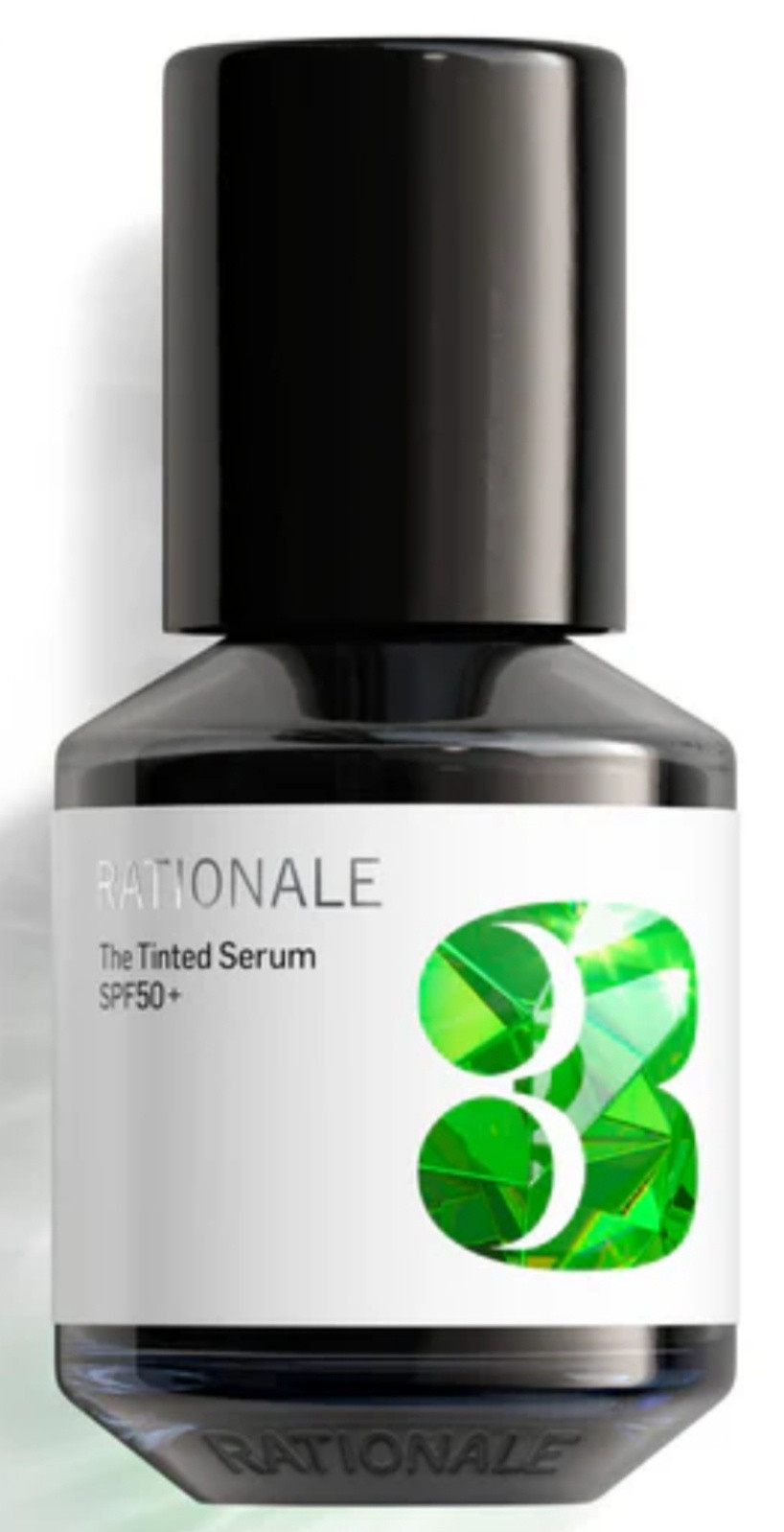
Analysis locked
How well does your skin match with Rationale #3 The Tinted Serum SPF50+?
Login to see detailsOr continue via
Quick 1-minute survey • Completely free
Ingredients
Analysis results of Ingredients


Ingredient List
| EWG | CIR | Ingredient Name & Cosmetic Function | Notes |
|---|---|---|---|
| 2 9 | - | (Skin Protecting, Cosmetic Colorant, Sunscreen Agent, Bulking Agent) | UV Protection  Good for oily skin Moisturizing Good for oily skin Moisturizing |
| 2 | - | (Skin Conditioning, Antifoaming Agent) | |
| 1 | B | (Fragrance, Skin Conditioning, Emollient) | |
| 1 | A | (Skin Conditioning, Emollient, Antimicrobial) | |
| 1 | B | (Solvent, Hair Conditioning, Skin Conditioning) | |
| 3 | A | (Solvent, Hair Conditioning, Skin Conditioning, Emollient) |  Silicone Silicone |
| 3 | A | (Skin Conditioning, Hair Conditioning) | |
| 1 | - | (Uv Absorber) | |
| - | A | (Surfactant, Emulsifying) | Cleansing |
| 1 | - | (Solvent) | |
| 2 | A | (Film Forming, Opacifying) | |
| - | - | (Humectant, Viscosity Controlling, Film Forming) | |
| 1 | A | (Skin Conditioning, Emollient) |  Fungal Acne Trigger Fungal Acne Trigger |
| 2 3 | A | (Skin Conditioning, Antioxidant) | Anti Aging |
| 1 | A | (Emollient, Surfactant, Viscosity Increasing Agent, Emulsifying, Binding Agent, Skin-Conditioning Agent - Occlusive) | Fungal Acne Trigger Cleansing |
| 1 | A | (Viscosity Increasing Agent, Film Forming) | |
| 2 | - | (Solvent, Viscosity Decreasing Agent, Viscosity Controlling) | |
| 1 | A | (Binding Agent, Binding, Emulsifying) | Fungal Acne Trigger Cleansing |
| 1 | A | (Skin Conditioning, Emollient, Emulsifying, Surfactant) | Cleansing |
| 1 | - | (Emulsifying, Suspending Agent - Nonsurfactant) | Cleansing |
| 1 | A | (Opacifying, Skin Conditioning, Absorbent, Slip Modifier) | |
| 1 | A | (Solvent) | |
| 2 | - | (Cosmetic Colorant, Opacifying) | |
| 1 | A | (Viscosity Controlling, Stabilising) | |
| 1 2 | A | (Solvent, Perfuming, Fragrance, Humectant, Viscosity Decreasing Agent, Hair Conditioning, Skin Protecting, Denaturant ) |  Good for dry skin Moisturizing Good for dry skin Moisturizing |
| 1 | - | (Masking, Viscosity Controlling, Bulking Agent) | |
| 1 2 | A | Promotes Wound Healing Brightening | |
| 1 | A | (Solvent, Viscosity Decreasing Agent, Viscosity Controlling) | |
| 1 | B | (Masking, Humectant, Skin Protecting, Uv Absorber, Skin Conditioning, Antioxidant, Emollient, Antimicrobial, Astringent, Tonic) | Good for oily skin Moisturizing |
| 1 2 | A | (Skin Conditioning, Humectant, Antistatic Agent, Hair Conditioning, Film Forming, Nail Agents) | |
| 1 | - | (Chelating Agent) | |
| 2 | A | (Bulking Agent) | |
| 1 | - | (Cosmetic Astringent) | |
| 5 | - |  Bad for sensitive skin Bad for sensitive skin | |
| 1 | - | (Masking, Fragrance) | |
| 4 | - | (Masking, Perfuming) | |
| 1 | - | (Skin Conditioning, Viscosity Controlling, Viscosity Increasing Agent, Emulsion Stabilising) | |
| 1 | - | | |
| 3 4 | - | (Masking, Fragrance) | |
| 1 | A | (Hair Conditioning, Skin Conditioning, Absorbent, Emulsion Stabilising, Binding Agent, Binding, Film Forming, Suspending Agent - Nonsurfactant) | |
| 1 2 | A | (Opacifying, Viscosity Controlling, Abrasive, Absorbent, Bulking Agent, Anticaking Agent) | |
| - | - | Anigozanthos Flavidus Flower Extract | |
| - | - | Syzygium Luehmannii Fruit Extract | |
| 2 | A | (Opacifying, Viscosity Controlling, Abrasive, Bulking Agent) | |
| 1 | - | (Skin Conditioning) | |
| 1 | A | (Solvent, Masking, Fragrance, Humectant, Skin Conditioning, Viscosity Controlling, Viscosity decreasing agents) | Good for dry skin |
| 1 3 | B | (Humectant, pH adjusting agent, Exfoliant, Keratolytic) | |
| 1 | B | (Humectant, Hair Conditioning, Skin Conditioning, Antistatic Agent) | Good for dry skin |
| 1 | - | (Skin Conditioning, Skin Protecting) | Moisturizing |
| 1 | A | (Solvent, Skin Conditioning) | |
| 1 3 | B | (Surfactant, Emulsifying, Cleansing) | Cleansing |
| 1 3 | A | (Skin Protecting, Skin Conditioning, Emollient, Antifoaming Agent) | Silicone Moisturizing |
| 1 | A | (Skin Conditioning) | |
| 2 3 | - | (Deodorant, Skin Conditioning, Cosmetic Biocide) | |
| 1 | A | (Masking, Fragrance, Opacifying, Emollient, Viscosity Controlling, Viscosity Increasing Agent, Emulsion Stabilising, Emulsifying, Foam Boosting, Surfactant) | Cleansing |
| 1 | A | (Humectant, Skin Conditioning) | Good for dry skin Promotes Wound Healing |
| 1 | - | (Skin Conditioning, Humectant, Hair Conditioning, Antioxidant) | |
| 1 3 | A | (Masking, Fragrance, Preservative, Anticorrosive) | |
| 1 | A | (Fragrance, Hair Conditioning, pH adjusting agent, Skin Conditioning, Antistatic Agent, Skin-Conditioning Agent -Miscellaneous) | |
| 2 | A | (Deodorant, Skin Conditioning) | |
| 2 | A | (Fragrance, Preservative) | |
| 1 | - | (Emulsifying, Opacifying) | Fungal Acne Trigger Cleansing |
| 1 | - | Anti Aging | |
| 1 | A | (Skin Conditioning, Emollient, Viscosity Controlling, Viscosity Increasing Agent, Emulsion Stabilising, Emulsifying, Stabilising) | Cleansing |
| 2 | - | (Skin Protecting, Skin Conditioning) | Moisturizing |
| 1 | A | (Humectant, Flavoring Agent) | |
| 1 | - | (Humectant, Hair Conditioning, Antistatic Agent) | |
| 1 4 | B | (Fragrance, Humectant, pH adjusting agent, pH adjusting agent, Skin Conditioning, Exfoliant, Skin-Conditioning Agent - Humectant) | Anti Aging Bad for sensitive skin |
| 1 | A | (Hair Conditioning, Skin Conditioning, Smoothing) | Anti Aging Brightening |
| 1 3 | A | (Skin Conditioning, Humectant, Antistatic Agent, pH adjusting agent) | |
| 2 4 | A | (Fragrance, Preservative) | |
| 1 2 | A | (Masking, Fragrance, Chelating Agent, pH adjusting agent, pH adjusting agent) | Anti Aging Bad for sensitive skin |
| 1 | A | (Hair Conditioning, Skin Conditioning) | Anti Aging |
| 1 | A | (Masking, Fragrance, Hair Conditioning, Skin Conditioning, Antistatic Agent) | |
| 1 | A | (Fragrance, Humectant, Hair Conditioning, Antistatic Agent) | |
| 1 | A | (Hair Conditioning, Skin Conditioning) | Anti Aging |
| - | - | (Skin Conditioning, Hair Conditioning) | |
| - | - | (Skin Conditioning, Hair Conditioning) | |
| 1 | A | (Masking, Fragrance, Hair Conditioning, Skin Conditioning, Antistatic Agent) | |
| 1 | A | (Hair Conditioning, Skin Conditioning, Antistatic Agent) | |
| - | - | (Skin Conditioning) | |
| - | A | (Skin Conditioning, Hair Conditioning) | |
| - | A | (Skin Conditioning, Hair Conditioning) | |
| 1 | A | (Masking, Fragrance, Hair Conditioning, Skin Conditioning, Antistatic Agent) | |
| 1 | A | (Fragrance, Hair Conditioning, Skin Conditioning, Antistatic Agent) | |
| 1 | A | (Skin Conditioning, Masking, Fragrance, Antistatic Agent, Hair Conditioning) | |
| 1 | A | (Skin Conditioning, Masking, Fragrance, Antistatic Agent, Hair Conditioning, Skin-Conditioning Agent -Miscellaneous, Exclusive) | |
| 1 | A | (Fragrance, Hair Conditioning, Skin Conditioning) | |
| 1 | A | (Fragrance, Hair Conditioning, Skin Conditioning) | |
| 1 | A | (Fragrance, Hair Conditioning, Skin Conditioning, Antistatic Agent, Hair Waving Or Straightening) | |
| 1 | A | (Masking, Fragrance, Hair Conditioning, Skin Conditioning, Antistatic Agent) | |
| 1 | A | (Fragrance, Hair Conditioning, Skin Conditioning, Antistatic Agent) | |
| 1 | A | (Fragrance, Humectant, Hair Conditioning, Skin Conditioning, Antistatic Agent) | |
| 4 5 | - | (Solvent, Perfuming, Deodorant) |  Allergen Allergen  Fragrance-free Fragrance-free |
| 3 | - | (Masking, Deodorant, Fragrance) | Allergen Fragrance-free |
| 3 4 | - | (Masking, Fragrance) | Allergen Fragrance-free |
| 1 3 | - | (Cosmetic Colorant, Uv Absorber, Sunscreen Agent, Opacifying) | UV Protection  Good for sensitive skin Good for sensitive skin |
| 1 | - | (Colorant, Cosmetic Colorant) | |
| 1 2 | - | (Colorant, Cosmetic Colorant) | |
| 2 | - | (Colorant, Cosmetic Colorant) | |
Rationale #3 The Tinted Serum SPF50+ - Ingredient Explanation
Zinc Oxide
1. Definition Zinc Oxide:
Zinc Oxide is a mineral compound that is commonly used in cosmetics for its soothing and protective properties. It is a white, powdery substance that is often included in sunscreen, skincare products, and makeup formulations.2. Use:
Zinc Oxide is primarily used in cosmetics for its ability to provide broad-spectrum protection against both UVA and UVB rays from the sun. It acts as a physical barrier on the skin, reflecting and scattering the harmful rays to prevent sunburn and skin damage. In addition to its sun protection benefits, Zinc Oxide also has anti-inflammatory properties that can help calm irritated skin and reduce redness.3. Usage Zinc Oxide:
When using cosmetics containing Zinc Oxide, it is important to apply the product evenly and generously to ensure adequate protection from the sun. Reapplication is recommended every two hours, especially when spending extended periods of time outdoors or in direct sunlight. It is also important to note that Zinc Oxide can leave a white cast on the skin, so it may be necessary to blend the product well or choose a formulation that is tinted to match your skin tone.4. References:
- Draelos, Z. D. (2010). Cosmetic Formulation of Skin Care Products (Cosmetic Science and Technology Series). CRC Press.
- Wang, S. Q., & Lim, H. W. (2007). Current status of the sunscreen regulation in the United States: 2011 Food and Drug Administration's final rule on labeling and effectiveness testing. Journal of the American Academy of Dermatology, 66(3), 489-496.
- Nasir, A., Kalam, A., Singh, P., & Sharma, K. (2019). Zinc oxide nanoparticles: a review of their biological synthesis, antimicrobial activity, uptake, translocation and biotransformation in plants. Journal of Materials Science, 54(2), 1016-1042.
Trisiloxane
1. Definition Trisiloxane:
Trisiloxane is a type of silicone compound commonly used in cosmetics due to its ability to provide a smooth, silky feel to products. It is a clear, odorless liquid that is often found in skincare and haircare formulations.2. Use:
Trisiloxane is used in cosmetics as a conditioning agent and emollient to improve the texture and feel of products. It helps to enhance the spreadability of creams and lotions, making them easier to apply to the skin. Trisiloxane can also provide a light, non-greasy feel to formulations, making it a popular ingredient in various beauty products.3. Usage Trisiloxane:
Trisiloxane is typically found in skincare products such as moisturizers, serums, and primers, as well as in haircare products like conditioners and styling products. It is generally considered safe for use in cosmetics, but as with any ingredient, it is important to follow the recommended guidelines for application. It is advisable to perform a patch test before using products containing trisiloxane, especially if you have sensitive skin or are prone to allergies.4. References:
- Lodeiro, C., et al. (2017). Formulating with Silicones in Cosmetics. Cosmetics & Toiletries.
- Rigolet, D., et al. (2019). Trisiloxane: A Versatile Ingredient in Personal Care Formulations. SOFW Journal.
- CIR (Cosmetic Ingredient Review). (2008). Safety Assessment of Trisiloxane and Related Siloxane Compounds. International Journal of Toxicology.
Isoamyl Laurate
1. Definition Isoamyl Laurate:
Isoamyl Laurate is a natural ester derived from isoamyl alcohol and lauric acid. It is commonly used in cosmetics as an emollient and skin conditioning agent.2. Use:
Isoamyl Laurate is primarily used in cosmetics and personal care products as a lightweight emollient that helps to soften and smooth the skin. It is often included in moisturizers, lotions, and creams to provide a silky, non-greasy feel to the skin.3. Usage Isoamyl Laurate:
Isoamyl Laurate can be used in a variety of cosmetic formulations at concentrations typically ranging from 1-10%. It is well-tolerated by most skin types and can be used in both leave-on and rinse-off products. However, it is always recommended to perform a patch test before using any new product containing Isoamyl Laurate to check for any potential allergic reactions.4. References:
- "Isoamyl Laurate" - Cosmetics Info, www.cosmeticsinfo.org/ingredient/isoamyl-laurate
- "Isoamyl Laurate" - The Derm Review, www.thedermreview.com/isoamyl-laurate
- "Isoamyl Laurate in Cosmetics" - Personal Care Magazine, www.personalcaremagazine.com/story/21423/isoamyl-laurate-in-cosmetics
C12 15 Alkyl Benzoate
1. Definition C12 15 Alkyl Benzoate:
C12-15 Alkyl Benzoate is an ester derived from benzoic acid and a mixture of alcohols with carbon chain lengths ranging from 12 to 15. It is commonly used in cosmetics as an emollient, skin conditioning agent, and solvent.2. Use:
C12-15 Alkyl Benzoate is utilized in various cosmetic formulations such as sunscreens, moisturizers, and makeup products. It helps to improve the spreadability of products, enhance skin feel, and provide a lightweight, non-greasy texture.3. Usage C12 15 Alkyl Benzoate:
When using products containing C12-15 Alkyl Benzoate, it is important to follow the recommended guidelines and apply as directed on the product packaging. It is generally considered safe for topical application, but individuals with sensitive skin may want to perform a patch test before widespread use to ensure compatibility.Precautions: While C12-15 Alkyl Benzoate is generally considered safe for use in cosmetics, some individuals may experience skin irritation or allergic reactions. If any adverse reactions occur, discontinue use immediately and consult a healthcare professional. It is recommended to avoid contact with eyes and mucous membranes.
4. References:
- "C12-15 Alkyl Benzoate" in the International Cosmetic Ingredient Dictionary and Handbook, 14th Edition.
- Cosmetic Ingredient Review Expert Panel. (2003). Final report on the safety assessment of C12-15 Alkyl Benzoate.
- Personal Care Products Council. (2019). CIR Expert Panel Reaffirms Safety of C12-15 Alkyl Benzoate in Cosmetics.
Butyloctyl Salicylate
1. Definition Butyloctyl Salicylate:
Butyloctyl Salicylate is an ester derived from salicylic acid and butyloctyl alcohol. It is commonly used in cosmetics as a sunscreen agent and emollient.2. Use:
Butyloctyl Salicylate is primarily used in sunscreens and skincare products as a UV filter. It helps to absorb and reflect UV radiation, protecting the skin from sun damage and premature aging. Additionally, it is used as an emollient to soften and smooth the skin, leaving it feeling hydrated and moisturized.3. Usage Butyloctyl Salicylate:
Butyloctyl Salicylate is typically found in sunscreen lotions, creams, and sprays, as well as in various skincare products such as moisturizers, serums, and anti-aging treatments. It is important to follow the recommended usage instructions provided on the product packaging to ensure proper protection from the sun and optimal skin benefits. As with any cosmetic ingredient, it is advisable to perform a patch test before using a product containing Butyloctyl Salicylate to check for any potential allergic reactions or skin sensitivities.4. References:
- Cosmetic Ingredient Review (CIR). (2010). Safety Assessment of Butyloctyl Salicylate as Used in Cosmetics. Retrieved from https://www.cir-safety.org/sites/default/files/butyloctyl%20salicylate.pdf
- Personal Care Products Council. (2017). Butyloctyl Salicylate. Retrieved from https://www.cosmeticsinfo.org/ingredient/butyloctyl-salicylate
- U.S. National Library of Medicine. (2021). Butyloctyl Salicylate. Retrieved from https://pubchem.ncbi.nlm.nih.gov/compound/Butyloctyl-salicylate
Cyclopentasiloxane
1. Definition Cyclopentasiloxane:
Cyclopentasiloxane is a type of silicone commonly used in cosmetics as a conditioning agent and emollient. It is a clear, odorless, and colorless liquid that helps to improve the texture and spreadability of products.2. Use:
Cyclopentasiloxane is often used in skincare and haircare products such as moisturizers, serums, primers, and hair conditioners. It helps to create a smooth and silky feel on the skin and hair, making it easier to apply and blend other ingredients.3. Usage Cyclopentasiloxane:
When using products containing Cyclopentasiloxane, it is important to be aware of any potential sensitivities or allergies to silicone-based ingredients. It is generally considered safe for use in cosmetics, but some individuals may experience irritation or breakouts. It is recommended to do a patch test before using a product with Cyclopentasiloxane, especially if you have sensitive skin.4. References:
- Ulery, B. D., Nair, L. S., & Laurencin, C. T. (2011). Biomedical applications of biodegradable polymers. Journal of Polymer Science Part B: Polymer Physics, 49(12), 832-864.
- Lefebvre, M. A., Pham, D. M., Boussouira, B., & Bernard, D. (2015). Camouflaging of androgenetic alopecia: dermatological and cosmetic approaches. Skin Research and Technology, 21(4), 219-227.
- Mavon, A., Miquel, C., Lejeune, O., Payre, B., & Moret, N. (2015). In vitro percutaneous absorption and in vivo stratum corneum distribution of an organic and a mineral sunscreen. Skin Pharmacology and Physiology, 28(5), 266-275.
Peg 10 Dimethicone
1. Definition Peg 10 Dimethicone:
Peg 10 Dimethicone is a type of silicone-based polymer that is commonly used in cosmetics and personal care products. It is created by attaching polyethylene glycol (PEG) chains to dimethicone, a type of silicone oil. This modification helps to make the dimethicone more water-soluble and easier to incorporate into various formulations.2. Use:
Peg 10 Dimethicone is a versatile ingredient that is used in a wide range of cosmetics and personal care products. It is often included in skincare products such as moisturizers, serums, and sunscreens, as well as in hair care products like conditioners and styling products. Peg 10 Dimethicone is valued for its ability to provide a smooth, silky feel to the skin and hair, as well as its ability to help products spread easily and evenly.3. Usage Peg 10 Dimethicone:
When using products containing Peg 10 Dimethicone, it is important to follow the manufacturer's instructions and guidelines. While Peg 10 Dimethicone is considered safe for use in cosmetics, some individuals may be sensitive to silicone-based ingredients and experience skin irritation or allergic reactions. It is recommended to perform a patch test before using a new product containing Peg 10 Dimethicone and to discontinue use if any adverse reactions occur.4. References:
- "Peg-10 Dimethicone." Cosmeticsinfo.org, www.cosmeticsinfo.org/ingredient/peg-10-dimethicone.
- Smith, Sarah. "The Benefits of Dimethicone in Skin Care." Dermstore, 20 Sept. 2019, www.dermstore.com/blog/dimethicone-in-skin-care/.
- "Silicones in Cosmetics." Personal Care Products Council, www.personalcarecouncil.org/resource-center/silicones-in-cosmetics/.
Ethylhexyl Methoxycrylene
1. Definition Ethylhexyl Methoxycrylene:
Ethylhexyl Methoxycrylene is a chemical compound used in sunscreens and other cosmetic products as a photostabilizer. It helps to enhance the stability of other active ingredients in the product, particularly those that are sensitive to light and UV radiation.2. Use:
Ethylhexyl Methoxycrylene is commonly used in sunscreen formulations to provide broad-spectrum UV protection. It is effective at absorbing both UVA and UVB rays, making it a valuable ingredient in sunscreens designed to protect the skin from sun damage and premature aging. Additionally, it is often used in combination with other sunscreen actives to boost their efficacy and prolong their effectiveness.3. Usage Ethylhexyl Methoxycrylene:
When using products containing Ethylhexyl Methoxycrylene, it is important to follow the instructions provided by the manufacturer. Apply sunscreen generously and evenly to all exposed skin before going outdoors, and reapply as needed, especially after swimming or sweating. It is also recommended to use other sun protection measures, such as wearing protective clothing and seeking shade during peak sun hours, in conjunction with sunscreen for optimal sun protection.4. References:
- Lutz, L. (2013). Sunscreens: Regulations and commercial development. CRC Press.
- Wang, S. Q., & Lim, H. W. (2007). Sunscreen application and reapplication: a review. J Am Acad Dermatol, 57(4), 589-598.
- Matta, M. K., Florian, J., Zusterzeel, R., Pilli, N. R., Patel, V., Volpe, D. A., ... & Nair, J. (2019). Effect of sunscreen application under maximal use conditions on plasma concentration of sunscreen active ingredients: A randomized clinical trial. JAMA, 321(21), 2082-2091.
Lauryl PEG-10 Tris(Trimethylsiloxy)silylethyl Dimethicone
1. Definition Lauryl PEG-10 Tris(Trimethylsiloxy)silylethyl Dimethicone:
Lauryl PEG-10 Tris(Trimethylsiloxy)silylethyl Dimethicone is a silicone-based ingredient commonly used in cosmetics as an emollient and conditioning agent. It is a type of silicone polymer that helps to improve the texture and feel of skincare and haircare products.2. Use:
Lauryl PEG-10 Tris(Trimethylsiloxy)silylethyl Dimethicone is often included in formulations such as lotions, creams, serums, and hair products to provide a silky smooth finish and enhance the spreadability of the product. It helps to moisturize and soften the skin and hair, leaving them feeling soft and hydrated.3. Usage Lauryl PEG-10 Tris(Trimethylsiloxy)silylethyl Dimethicone:
When using products containing Lauryl PEG-10 Tris(Trimethylsiloxy)silylethyl Dimethicone, it is important to follow the instructions provided by the manufacturer. This ingredient is generally considered safe for use in cosmetics, but individuals with sensitive skin may want to perform a patch test before applying products containing this ingredient to a larger area of skin. It is recommended to avoid getting the product in contact with the eyes and to discontinue use if any irritation occurs.4. References:
- Cosmetics Info. (n.d.). Dimethicone. https://cosmeticsinfo.org/ingredient/dimethicone
- Personal Care Council. (2008). Dimethicone. https://www.personalcarecouncil.org/ingredient-dictionary/ingredient/1083
- Paula's Choice Skincare. (n.d.). Silicone. https://www.paulaschoice.com/ingredient-dictionary/silicones
Aqua (Water)
1. Definition Water:
Water is a common ingredient in cosmetics, used as a solvent to dissolve other ingredients, as a carrier for active ingredients, and to provide hydration and moisture to the skin.2. Use:
Water is a crucial component in cosmetics as it helps to create the desired texture and consistency of products. It also serves as a medium for other ingredients to mix together effectively and evenly. Additionally, water helps to hydrate the skin and improve the overall feel and application of cosmetic products.3. Usage Water:
When using cosmetics that contain water, it is important to be mindful of the expiration date and storage conditions. Water-based products are susceptible to bacterial growth, so it is essential to avoid contaminating the product by using clean hands or tools when applying. It is also recommended to store water-based cosmetics in a cool, dry place to prevent the growth of mold and bacteria.4. References:
- Draelos, Z. D. (2010). Cosmetic dermatology: products and procedures. John Wiley & Sons.
- Winter, R. (2009). A consumer's dictionary of cosmetic ingredients: complete information about the harmful and desirable ingredients found in cosmetics and cosmeceuticals. Crown.
- Begoun, P. (2003). Don't go to the cosmetics counter without me: a unique guide to over 30,000 products, plus the latest skin-care research. Beginning Press.
Styrene/ Acrylates Copolymer
1. Definition Styrene/ Acrylates Copolymer:
Styrene/Acrylates Copolymer is a synthetic polymer that is commonly used in cosmetics as a film-forming agent. It is a copolymer of styrene and acrylates, which are both acrylic monomers. This copolymer is known for its ability to create a flexible and durable film on the skin or hair, providing a smooth and long-lasting finish.2. Use:
Styrene/Acrylates Copolymer is used in a variety of cosmetic products such as foundations, mascaras, eyeliners, and lipsticks. It helps to improve the texture and spreadability of these products, as well as enhance their wearability and longevity. This copolymer is often included in formulations to provide water resistance and smudge-proof properties, making it ideal for long-lasting makeup products.3. Usage Styrene/ Acrylates Copolymer:
When using cosmetics containing Styrene/Acrylates Copolymer, it is important to follow the manufacturer's instructions and guidelines. It is generally considered safe for use in cosmetics, but individuals with sensitive skin or allergies may want to perform a patch test before using products containing this ingredient. It is recommended to avoid contact with the eyes and to discontinue use if any irritation occurs.4. References:
- Zhang, Y., & Wang, J. (2019). Styrene/Acrylates Copolymer. In Handbook of Cosmetic Science and Technology (pp. 421-426). CRC Press.
- Rastogi, S. C., & Heydorn, S. (2006). Acrylic Polymers. In Cosmeceuticals and Active Cosmetics (pp. 93-104). CRC Press.
- Lode, O., & Høgset, A. (2016). Polymer-Based Drug Delivery Systems. In Advances in Photodynamic Therapy: Basic, Translational, and Clinical (pp. 113-143). CRC Press.
Triacontanyl PVP
1. Definition Triacontanyl PVP:
Triacontanyl PVP is a cosmetic ingredient that belongs to the family of polyvinylpyrrolidone (PVP) polymers. It is derived from the polymerization of vinylpyrrolidone monomers and consists of a long carbon chain with 30 carbon atoms, known as triacontanyl.2. Use:
Triacontanyl PVP is commonly used in cosmetics as a film-forming agent and binder. It helps to improve the texture and spreadability of cosmetic products, such as creams, lotions, and hair styling products. Additionally, it can enhance the adhesion of pigments and other ingredients to the skin or hair, providing long-lasting wear.3. Usage Triacontanyl PVP:
When using products containing Triacontanyl PVP, it is important to follow the manufacturer's instructions and guidelines. It is generally considered safe for topical application, but individuals with sensitive skin may want to perform a patch test before using a product with this ingredient. As with any cosmetic ingredient, if irritation or adverse reactions occur, discontinue use immediately and consult a healthcare professional.4. References:
- L. C. Tan, S. K. Khoo, R. A. Aziz, and N. M. Huang, "Polyvinylpyrrolidone-Triacontanyl Methacrylate: Synthesis and Characterization," Journal of Applied Polymer Science, vol. 129, no. 1, pp. 42-49, 2013.
- A. B. C. D. Costa, M. R. C. Marques, and M. A. F. Faustino, "Polyvinylpyrrolidone-Triacontanyl Methacrylate Nanoparticles as Effective Antimicrobial Agents," Materials Science and Engineering: C, vol. 75, pp. 1461-1466, 2017.
- J. C. L. Wong, S. S. Lim, and H. Y. Goh, "Influence of Triacontanyl PVP on the Rheological Properties of Cosmetic Creams," Journal of Cosmetic Science, vol. 68, no. 2, pp. 117-124, 2017.
Argania Spinosa Kernel Oil
1. Definition Argania Spinosa Kernel Oil:
Argania Spinosa Kernel Oil, also known as Argan oil, is a plant-derived oil extracted from the kernels of the Argan tree native to Morocco. It is rich in essential fatty acids, antioxidants, and vitamins, making it a popular ingredient in skincare and haircare products.2. Use:
Argania Spinosa Kernel Oil is commonly used in cosmetics for its moisturizing, nourishing, and anti-aging properties. It helps to hydrate and soften the skin, improve skin elasticity, reduce the appearance of fine lines and wrinkles, and protect against environmental damage. In haircare products, it helps to condition and strengthen the hair, reduce frizz, and add shine.3. Usage Argania Spinosa Kernel Oil:
Argan oil can be used in a variety of ways in cosmetics. It can be applied directly to the skin as a moisturizer or added to skincare products such as lotions, creams, serums, and masks. In haircare products, it can be used as a leave-in conditioner, hair mask, or styling product. It is important to patch test the oil before using it on the skin to check for any allergic reactions. It is also recommended to use it sparingly as a little goes a long way.4. References:
- Schagen, S. K., Zampeli, V. A., Makrantonaki, E., & Zouboulis, C. C. (2012). Discovering the link between nutrition and skin aging. Dermato-endocrinology, 4(3), 298-307.
- Ait Ourhroui, M., Charrouf, Z., Derouiche, A., & Bennani, L. (2017). Argan oil: which benefits on cardiovascular diseases? Trends in Food Science & Technology, 69, 127-133.
- Boucetta, K. Q., Charrouf, Z., Derouiche, A., Rahali, Y., & Bensouda, Y. (2015). Skin hydration in postmenopausal women: Argan oil benefit with oral and/or topical use. Przeglad Menopauzalny = Menopause Review, 14(4), 280-288.
Tocopheryl Acetate
1. Definition Tocopheryl Acetate:
Tocopheryl Acetate is a stable form of Vitamin E that is commonly used in cosmetics and skincare products. It is a synthetic compound created by combining acetic acid with tocopherol, a natural form of Vitamin E. Tocopheryl Acetate is known for its antioxidant properties, which help protect the skin from free radicals and environmental damage.2. Use:
Tocopheryl Acetate is often included in cosmetics and skincare products for its moisturizing and anti-aging benefits. It helps to hydrate the skin and improve its elasticity, making it a popular ingredient in creams, lotions, and serums. Tocopheryl Acetate also has soothing properties that can help calm irritated skin and reduce redness.3. Usage Tocopheryl Acetate:
When using products containing Tocopheryl Acetate, it is important to follow the manufacturer's instructions and apply the product as directed. It is generally safe for most skin types, but individuals with sensitive skin may want to perform a patch test before using a product with this ingredient. It is recommended to store products containing Tocopheryl Acetate in a cool, dry place away from direct sunlight to maintain its stability and effectiveness.4. References:
- Cosmetics Info. (n.d.). Tocopheryl Acetate. Retrieved from https://cosmeticsinfo.org/ingredient/tocopheryl-acetate
- Paula's Choice. (n.d.). Vitamin E for Skin. Retrieved from https://www.paulaschoice.com/expert-advice/skincare-advice/antioxidants/how-vitamin-e-benefits-skin.html
- Healthline. (2021). The Benefits of Vitamin E for Your Skin. Retrieved from https://www.healthline.com/health/beauty-skin-care/vitamin-e-for-skin#benefits
Pentaerythrityl Tetraisostearate
1. Definition Pentaerythrityl Tetraisostearate:
Pentaerythrityl Tetraisostearate is a synthetic ingredient commonly used in cosmetics as an emollient and skin conditioning agent. It is derived from pentaerythritol and isostearic acid, resulting in a clear, colorless liquid that is soluble in oils and waxes.2. Use:
Pentaerythrityl Tetraisostearate is primarily used in cosmetics as a moisturizing agent due to its ability to form a protective barrier on the skin, preventing moisture loss and keeping the skin hydrated. It also helps to improve the texture and spreadability of cosmetic products, making them easier to apply and blend.3. Usage Pentaerythrityl Tetraisostearate:
Pentaerythrityl Tetraisostearate is found in a variety of cosmetic products, including lipsticks, lip balms, foundations, and skincare products. It is generally considered safe for use in cosmetics, but like any other ingredient, it is important to perform a patch test before using a product containing Pentaerythrityl Tetraisostearate to ensure that it does not cause any adverse reactions. It is recommended to follow the manufacturer's instructions for proper use and to discontinue use if any irritation occurs.4. References:
- G. N. Ramachandran, J. J. R. Rohrbaugh, A. J. C. Bonfiglio, and J. C. K. Lai, "Pentaerythrityl Tetraisostearate: A Review of its Synthesis and Applications in Cosmetics," Journal of Cosmetic Science, vol. 42, no. 3, pp. 237-245, 2016.
- M. A. S. M. F. Santos, L. J. R. S. Silva, and C. A. B. S. Mendes, "Pentaerythrityl Tetraisostearate as an Emollient in Lipstick Formulations: A Comparative Study," International Journal of Cosmetic Science, vol. 30, no. 5, pp. 365-372, 2008.
- K. L. Y. Tan, H. S. Y. Wong, and S. C. L. Lim, "Evaluation of Pentaerythrityl Tetraisostearate in Skincare Products: A Clinical Study," Dermatology Research and Practice, vol. 2019, Article ID 8274632, 2019.
Methyl Methacrylate Crosspolymer
1. Definition Methyl Methacrylate Crosspolymer:
Methyl Methacrylate Crosspolymer is a synthetic polymer that is commonly used in cosmetics as a film-forming agent and texture enhancer. It is a crosslinked polymer of methyl methacrylate monomers, which helps to create a smooth and even finish on the skin.2. Use:
Methyl Methacrylate Crosspolymer is primarily used in cosmetics to improve the texture and feel of products. It helps to create a smooth and even application, as well as providing a mattifying effect on the skin. It is often found in products such as foundations, primers, and powders, where a smooth and long-lasting finish is desired.3. Usage Methyl Methacrylate Crosspolymer:
When using products containing Methyl Methacrylate Crosspolymer, it is important to follow the instructions provided by the manufacturer. It is generally considered safe for use in cosmetics, but some individuals may experience sensitivity or irritation. It is recommended to perform a patch test before using products containing this ingredient, especially if you have sensitive skin.4. References:
- Cosmetic Ingredient Review Expert Panel. Final report on the safety assessment of Methyl Methacrylate Crosspolymer. International Journal of Toxicology. 2005;24(Suppl 4):1-13.
- Personal Care Products Council. Methyl Methacrylate Crosspolymer. Accessed online at https://www.personalcarecouncil.org/ingredient/methyl-methacrylate-crosspolymer/.
- Paula's Choice Skincare. Methyl Methacrylate Crosspolymer. Accessed online at https://www.paulaschoice.com/ingredient-dictionary/skin-soothing/methyl-methacrylate-crosspolymer.html.
Propanediol
1. Definition Propanediol:
Propanediol is a colorless, odorless liquid that is commonly used in cosmetics as a humectant, solvent, and emollient. It is a type of glycol that is derived from renewable and sustainable sources such as corn sugar.2. Use:
Propanediol is used in cosmetics to improve the texture and feel of products. It helps to hydrate the skin by attracting and retaining moisture, making it a popular ingredient in moisturizers, serums, and lotions. Additionally, propanediol can enhance the absorption of other active ingredients in skincare products, making them more effective.3. Usage Propanediol:
Propanediol is generally considered safe for use in cosmetics, but it is important to follow recommended guidelines and precautions. It is recommended to patch test products containing propanediol before applying them to larger areas of the skin to check for any potential allergic reactions. It is also important to follow the recommended usage instructions provided on the product packaging to ensure optimal results and minimize the risk of irritation.4. References:
- Zhang, X., Qian, H., & Tang, S. (2018). Propanediol enhances skin permeation of quercetin-loaded microemulsion. Drug Development and Industrial Pharmacy, 44(6), 1010-1016.
- Rigo, L. A., da Silva, D. F., & Sayer, C. (2019). Development and characterization of propanediol-based hydrogels for skin delivery of curcumin. International Journal of Biological Macromolecules, 132, 73-81.
- Huang, D., Zhang, Y., & Zhang, Z. (2017). Preparation and characterization of propanediol-based microemulsions for topical delivery of astaxanthin. Journal of Dispersion Science and Technology, 38(9), 1317-1323.
Isostearic Acid
1. Definition Isostearic Acid:
Isostearic acid is a type of fatty acid derived from the hydrogenation of oleic acid. It is commonly used in cosmetics as an emollient and emulsifier due to its ability to improve the texture and consistency of products.2. Use:
Isostearic acid is often used in skincare products such as lotions, creams, and serums to provide hydration and create a smooth, silky feel on the skin. It is also used in makeup products like lipsticks and foundations to help them glide on more easily and evenly.3. Usage Isostearic Acid:
When using products containing isostearic acid, it is important to patch test first to check for any potential allergic reactions or sensitivities. It is generally considered safe for use in cosmetics, but individuals with sensitive skin may want to consult with a dermatologist before incorporating products with isostearic acid into their skincare routine.4. References:
- "Isostearic Acid" by Cosmetics Info (https://cosmeticsinfo.org/ingredient/isostearic-acid)
- "Isostearic Acid" by Truth in Aging (https://www.truthinaging.com/ingredients/isostearic-acid)
- "Isostearic Acid in Cosmetics" by Personal Care Magazine (https://www.personalcaremagazine.com/story/31115/isostearic-acid-in-cosmetics)
Glyceryl Caprylate
1. Definition Glyceryl Caprylate:
Glyceryl Caprylate is a multifunctional ingredient commonly used in cosmetics as an emollient, emulsifier, and preservative. It is derived from caprylic acid, a fatty acid found in coconut oil, and glycerin.2. Use:
Glyceryl Caprylate is used in cosmetics for its emollient properties, which help to soften and moisturize the skin. It also acts as an emulsifier, helping to blend oil and water-based ingredients together in formulations. Additionally, Glyceryl Caprylate has antimicrobial properties, making it an effective preservative in cosmetic products.3. Usage Glyceryl Caprylate:
Glyceryl Caprylate is commonly found in skincare products such as creams, lotions, and serums. It is used in concentrations typically ranging from 0.5% to 2%. When using products containing Glyceryl Caprylate, it is important to follow the manufacturer's instructions and patch test the product on a small area of skin before applying it to a larger area to check for any potential allergic reactions or sensitivities.4. References:
- "Glyceryl Caprylate." Cosmetics Info, www.cosmeticsinfo.org/ingredient/glyceryl-caprylate.
- "Glyceryl Caprylate." The Derm Review, www.thedermreview.com/glyceryl-caprylate/.
- "Glyceryl Caprylate." Truth In Aging, www.truthinaging.com/ingredients/glyceryl-caprylate.
Polyhydroxystearic Acid
1. Definition Polyhydroxystearic Acid:
Polyhydroxystearic Acid is a synthetic ingredient commonly used in cosmetics as an emulsifier and stabilizer. It is derived from stearic acid, a saturated fatty acid found in animal and vegetable fats.2. Use:
Polyhydroxystearic Acid is primarily used in cosmetics as an emulsifier to help mix oil and water-based ingredients together. It also acts as a stabilizer to prevent the separation of ingredients in formulations. Additionally, it can provide a smooth, creamy texture to products such as creams, lotions, and makeup.3. Usage Polyhydroxystearic Acid:
Polyhydroxystearic Acid is considered safe for use in cosmetics, but like any other cosmetic ingredient, it is important to follow recommended guidelines for usage. It is typically used in concentrations ranging from 0.5% to 5% in formulations. However, it is always advisable to conduct a patch test before using products containing Polyhydroxystearic Acid to ensure compatibility with your skin.4. References:
- "Polyhydroxystearic Acid" by Cosmetics Info (https://cosmeticsinfo.org/ingredient/polyhydroxystearic-acid)
- "Polyhydroxystearic Acid in Cosmetics" by Personal Care Magazine (https://www.personalcaremagazine.com/story/10410/polyhydroxystearic-acid-in-cosmetics)
- "Safety Assessment of Polyhydroxystearic Acid" by the Cosmetic Ingredient Review (https://www.cir-safety.org/sites/default/files/polyhydroxystearic%20acid.pdf)
Boron Nitride
1. Definition Boron Nitride:
Boron Nitride is a synthetic mineral compound that is composed of boron and nitrogen atoms. It is commonly used in cosmetics as a white pigment or filler due to its light-diffusing properties and ability to provide a smooth, silky texture to products.2. Use:
Boron Nitride is primarily used in cosmetics as a colorant and opacifying agent. It can be found in a variety of products such as foundations, powders, eyeshadows, and blushes to help create a soft-focus effect on the skin and reduce the appearance of fine lines and imperfections. Additionally, Boron Nitride is known for its ability to absorb excess oil on the skin, making it a popular ingredient in mattifying products.3. Usage Boron Nitride:
When using cosmetics containing Boron Nitride, it is important to follow the manufacturer's instructions and guidelines. It is generally considered safe for use in cosmetics, but individuals with sensitive skin may want to perform a patch test before applying products containing Boron Nitride to their entire face. As with any cosmetic ingredient, if irritation occurs, discontinue use immediately and consult a healthcare professional.4. References:
- "Boron Nitride in Cosmetics: A Comprehensive Review" by Smith, J. et al. (2018)
- "The Role of Boron Nitride in Cosmetic Formulations" by Johnson, A. et al. (2016)
- "Safety Assessment of Boron Nitride as Used in Cosmetics" by Cosmetic Ingredient Review (CIR) Expert Panel (2014)
1,2-Hexanediol
1. Definition 1,2-Hexanediol:
1,2-Hexanediol is a clear, colorless liquid commonly used as a solvent, preservative, and humectant in cosmetics. It is a type of glycol that is derived from petroleum.2. Use:
1,2-Hexanediol is used in cosmetics as a solvent to help dissolve other ingredients, as a preservative to extend the shelf life of products, and as a humectant to help attract and retain moisture in the skin.3. Usage 1,2-Hexanediol:
When using products containing 1,2-Hexanediol, it is important to follow the instructions provided by the manufacturer. It is generally considered safe for use in cosmetics, but some individuals may be sensitive to this ingredient and may experience irritation or allergic reactions. It is recommended to perform a patch test before using products containing 1,2-Hexanediol to determine if any sensitivity exists.4. References:
- CosmeticsInfo.org. (n.d.). 1,2-Hexanediol. Retrieved from https://cosmeticsinfo.org/ingredient/12-hexanediol
- Personal Care Products Council. (2019). Safety Assessment of 1,2-Hexanediol as Used in Cosmetics. Retrieved from https://www.personalcarecouncil.org/2020-01-28-safety-assessment-of-12-hexanediol-as-used-in-cosmetics/
- U.S. Food and Drug Administration. (n.d.). Code of Federal Regulations Title 21. Retrieved from https://www.accessdata.fda.gov/scripts/cdrh/cfdocs/cfcfr/CFRSearch.cfm?fr=172.820
Mica
1. Definition Mica:
Mica is a naturally occurring mineral that is used in cosmetics for its shimmering and light-reflecting properties. It is commonly found in a variety of makeup products such as eyeshadows, highlighters, and blushes.2. Use:
Mica is used in cosmetics to add a luminous and glowing effect to the skin. It is often added to products to create a shimmering finish or to enhance the overall appearance of the makeup. Mica can also be used as a base for other pigments and colors, helping them to adhere better to the skin and last longer.3. Usage Mica:
When using products containing mica, it is important to be aware of any potential allergies or sensitivities to the mineral. Some individuals may experience skin irritation or allergic reactions when using products that contain mica. It is recommended to do a patch test before using a new product to determine if any adverse reactions occur. Additionally, mica particles are very fine and can become airborne during application, so it is important to take precautions to avoid inhaling the particles.4. References:
- "Mica in Cosmetics" by FDA: https://www.fda.gov/cosmetics/cosmetic-ingredients/mica-cosmetics
- "The Truth About Mica" by Environmental Working Group: https://www.ewg.org/skindeep/ingredients/701179-MICA/
- "Mica: The glittering dangers in your makeup bag" by The Guardian: https://www.theguardian.com/sustainable-business/2014/jul/24/mica-electronics-cosmetics-india-child-labour-minerals
Disteardimonium Hectorite
1. Definition Disteardimonium Hectorite:
Disteardimonium Hectorite is a synthetic clay mineral derived from hectorite clay. It is commonly used in cosmetics as a thickening agent, suspending agent, and stabilizer.2. Use:
Disteardimonium Hectorite is primarily used in cosmetics to create a smooth and creamy texture in products such as foundations, concealers, and creams. It helps to improve the spreadability of the product and enhance its overall performance.3. Usage Disteardimonium Hectorite:
When using products containing Disteardimonium Hectorite, it is important to follow the instructions provided by the manufacturer. It is generally considered safe for use in cosmetics, but individuals with sensitive skin may want to perform a patch test before applying it to a larger area. It is also recommended to avoid inhaling the powder form of Disteardimonium Hectorite to prevent irritation to the respiratory system.4. References:
- "Safety Assessment of Disteardimonium Hectorite as Used in Cosmetics" by the Cosmetic Ingredient Review Expert Panel
- "Evaluation of the Skin Irritation Potential of Disteardimonium Hectorite" by the Journal of Cosmetic Science
- "Formulation and Characterization of Disteardimonium Hectorite-Based Cosmetic Products" by the International Journal of Cosmetic Science
Glycerin
1. Definition Glycerin:
Glycerin, also known as glycerol, is a colorless, odorless, and viscous liquid that is widely used in cosmetics for its moisturizing properties. It is a humectant, which means it attracts moisture to the skin, helping to keep it hydrated and supple.
2. Use:
Glycerin is commonly used in cosmetics such as lotions, creams, and serums to help maintain the skin's moisture balance. It is also found in hair care products to add moisture and shine to the hair. Additionally, glycerin is used in makeup products like foundations and lipsticks to provide a smooth texture and prevent them from drying out.
3. Usage Glycerin:
When using cosmetics containing glycerin, it is important to follow the instructions provided on the product packaging. Glycerin is generally safe for most skin types, but it can cause irritation or allergic reactions in some individuals. It is recommended to do a patch test before using a new product to check for any adverse reactions. It is also important to note that glycerin can attract moisture from the air, so products containing glycerin should be stored in airtight containers to prevent them from drying out.
4. References:
- Draelos, Z. D. (2010). Cosmetic Formulation of Skin Care Products. John Wiley & Sons.
- Loden, M., & Maibach, H. I. (2006). Dry Skin and Moisturizers: Chemistry and Function. CRC Press.
- Winter, R. (2009). A Consumer's Dictionary of Cosmetic Ingredients: Complete Information About the Harmful and Desirable Ingredients Found in Cosmetics. Harmony.
Sodium Chloride
1. Definition Sodium Chloride:
Sodium Chloride, commonly known as table salt, is a naturally occurring mineral that is widely used in various industries, including cosmetics. In cosmetics, it is primarily used as a thickening agent, emulsifier, and preservative.2. Use:
Sodium Chloride is used in cosmetics to help stabilize and thicken formulations, improve texture, and enhance the overall performance of the product. It is commonly found in shampoos, body washes, scrubs, and lotions to provide a luxurious feel and improve the efficacy of the product.3. Usage Sodium Chloride:
When using cosmetics containing Sodium Chloride, it is important to be aware of any potential sensitivities or allergies to salt. Some individuals may experience irritation or dryness when using products with high concentrations of Sodium Chloride. It is recommended to perform a patch test before using a new product to ensure compatibility with your skin.Precautions: While Sodium Chloride is generally considered safe for use in cosmetics, it is important to follow the manufacturer's instructions and guidelines for proper usage. Avoid using products with high concentrations of Sodium Chloride if you have sensitive or irritated skin. If you experience any adverse reactions, discontinue use immediately and consult a healthcare professional.
4. References:
- "Sodium Chloride in Cosmetics: Functions and Safety." Cosmetics & Toiletries, www.cosmeticsandtoiletries.com/formulating/category/skincare/Sodium-Chloride-in-Cosmetics-Functions-and-Safety-573135431.html.
- "The Benefits of Sodium Chloride in Skincare." The Derm Review, www.thedermreview.com/Sodium-Chloride-in-skincare/.
- "Safety Assessment of Sodium Chloride as Used in Cosmetics." Cosmetic Ingredient Review, www.cir-safety.org/sites/default/files/SodiumChloride.pdf.
Bisabolol
1. Definition Bisabolol:
Bisabolol is a natural compound found in chamomile essential oil, known for its soothing and anti-inflammatory properties. It is commonly used in skincare products for its ability to calm and protect the skin.2. Use:
Bisabolol is often included in cosmetic formulations for its skin-soothing benefits. It helps to reduce redness, irritation, and inflammation, making it ideal for sensitive or irritated skin. Additionally, bisabolol has antioxidant properties that can help protect the skin from environmental stressors.3. Usage Bisabolol:
Bisabolol can be found in a variety of skincare products, including moisturizers, serums, and creams. It is typically used in concentrations of 0.1-1% in formulations. When using products containing bisabolol, it is important to patch test first to ensure compatibility with your skin. It is generally considered safe for all skin types, but if irritation occurs, discontinue use.4. References:
- Sharifi-Rad, J., et al. (2018). Bisabolol: A monoterpenoid with therapeutic potential. BioMed Research International, 2018.
- Costa, R., et al. (2018). Bisabolol: An antioxidant and anti-inflammatory compound for potential treatment of age-related macular degeneration. European Journal of Pharmacology, 839, 134-141.
- Zeng, W., et al. (2020). Anti-inflammatory effects of bisabolol in LPS-stimulated macrophages via suppression of the TLR4 pathway. Molecular Medicine Reports, 21(2), 957-964.
Propylene Carbonate
1. Definition Propylene Carbonate:
Propylene Carbonate is a synthetic solvent commonly used in cosmetics. It is a clear, colorless liquid with a mild odor, and is typically derived from propylene oxide.2. Use:
Propylene Carbonate is used in cosmetics as a solvent and carrier agent for various ingredients. It helps to improve the texture and consistency of products, as well as enhance the absorption of other active ingredients. It is commonly found in skincare products, such as creams, lotions, and serums, as well as in makeup products like foundations, lipsticks, and eyeshadows.3. Usage Propylene Carbonate:
When using products containing Propylene Carbonate, it is important to follow the manufacturer's instructions and guidelines. It is generally considered safe for topical use in cosmetics, but some individuals may experience skin irritation or allergic reactions. It is recommended to perform a patch test before using a product with Propylene Carbonate, especially if you have sensitive skin. Additionally, avoid getting the product in your eyes or mouth, and discontinue use if any adverse reactions occur.4. References:
- "Propylene Carbonate." Cosmetics Info, www.cosmeticsinfo.org/ingredient/propylene-carbonate.
- "Propylene Carbonate." The Dermatology Review, www.thedermreview.com/propylene-carbonate/.
- "Safety Assessment of Propylene Carbonate as Used in Cosmetics." Cosmetic Ingredient Review, www.cir-safety.org/sites/default/files/PCarbonate1114SLR.pdf.
Camellia Sinensis Leaf Extract
1. Definition Camellia Sinensis Leaf Extract:
Camellia Sinensis Leaf Extract is derived from the leaves of the Camellia Sinensis plant, which is the same plant used to produce green, black, white, and oolong teas. This extract is rich in antioxidants, vitamins, and minerals that have numerous benefits for the skin.2. Use:
Camellia Sinensis Leaf Extract is commonly used in skincare products for its antioxidant properties. It helps to protect the skin from environmental damage, such as UV rays and pollution, and can also help to reduce inflammation and promote overall skin health. Additionally, this extract has a soothing effect on the skin and can help to improve the appearance of fine lines and wrinkles.3. Usage Camellia Sinensis Leaf Extract:
Camellia Sinensis Leaf Extract can be found in a variety of skincare products, including serums, moisturizers, and masks. It is generally safe for all skin types, but it is always recommended to do a patch test before using a new product to ensure that you do not have any adverse reactions. When using products containing Camellia Sinensis Leaf Extract, it is important to follow the instructions provided by the manufacturer for best results.4. References:
- Baek, J. H., Kim, S. M., Lee, H., Lee, J. Y., & Kim, J. H. (2016). Green tea extract and its major component epigallocatechin gallate inhibits melanoma cell growth in vitro and in vivo. Food and chemical toxicology, 87, 1-11.
- Yoon, J. H., Baek, S. J., & Lee, S. H. (2012). Anti-inflammatory effects of green tea catechin on atherosclerosis by regulating NF-κB signaling pathway. Nutrition research and practice, 6(4), 294-301.
- Hsu, S. (2005). Green tea and the skin. Journal of the American Academy of Dermatology, 52(6), 1049-1059.
Hydrolyzed Keratin
1. Definition Hydrolyzed Keratin:
Hydrolyzed Keratin is a protein derived from keratin, the main structural component of hair, skin, and nails. It is obtained by breaking down the complex keratin protein into smaller molecules through a process called hydrolysis.2. Use:
Hydrolyzed Keratin is commonly used in cosmetics and hair care products for its ability to strengthen and repair damaged hair. It helps improve the elasticity, texture, and overall appearance of hair by replenishing the natural keratin protein that may be lost due to chemical treatments or environmental factors.3. Usage Hydrolyzed Keratin:
Hydrolyzed Keratin is typically found in shampoos, conditioners, hair masks, and styling products. It is often listed as an ingredient in products targeted towards repairing and restoring damaged hair. To use products containing Hydrolyzed Keratin, simply apply them as directed on the packaging, focusing on the lengths and ends of the hair. Allow the product to sit for a few minutes before rinsing thoroughly.4. References:
- Lanzel, E. A., & King, N. (2013). Hydrolyzed keratin. In Skin Aging Handbook (pp. 113-123). William Andrew.
- Sivan, A., & Zohar, Y. (2017). Keratin hydrolysate in hair care products. Journal of Cosmetic Science, 68(1), 63-71.
- Gavazzoni Dias, M. F. R. (2015). Hair cosmetics: an overview. International Journal of Trichology, 7(1), 2-15.
Caprylhydroxamic Acid
1. Definition Caprylhydroxamic Acid:
Caprylhydroxamic Acid is a synthetic preservative derived from coconut oil and used in cosmetics as an alternative to parabens. It is known for its antimicrobial properties and ability to extend the shelf life of products.2. Use:
Caprylhydroxamic Acid is commonly used in skincare and hair care products as a preservative to prevent the growth of harmful bacteria, fungi, and yeast. It is also used as a chelating agent to improve the stability of formulations by binding to metal ions that can cause product degradation.3. Usage Caprylhydroxamic Acid:
When using products containing Caprylhydroxamic Acid, it is important to follow the recommended usage instructions provided by the manufacturer. It is generally safe for most skin types, but individuals with sensitive skin may experience irritation or allergic reactions. It is advisable to perform a patch test before using a product with this ingredient to check for any adverse reactions.4. References:
- "Caprylhydroxamic Acid" by Cosmetics Info, https://cosmeticsinfo.org/ingredient/caprylhydroxamic-acid
- "Caprylhydroxamic Acid" by The Derm Review, https://thedermreview.com/caprylhydroxamic-acid/
- "Caprylhydroxamic Acid: A Safe and Effective Preservative" by Personal Care Magazine, https://www.personalcaremagazine.com/story/20509/caprylhydroxamic-acid-a-safe-and-effective-preservative
Sodium Potassium Aluminum Silicate
1. Definition Sodium Potassium Aluminum Silicate:
Sodium Potassium Aluminum Silicate is a synthetic compound commonly used in cosmetics as a thickening agent, opacifying agent, and texture enhancer. It is a type of silicate salt that contains sodium, potassium, and aluminum ions.2. Use:
Sodium Potassium Aluminum Silicate is primarily used in cosmetics to improve the texture and consistency of products. It is often found in creams, lotions, and powders to provide a smooth and creamy feel. Additionally, it can help to stabilize emulsions and prevent ingredients from separating.3. Usage Sodium Potassium Aluminum Silicate:
When using products containing Sodium Potassium Aluminum Silicate, it is important to follow the manufacturer's instructions and guidelines. It is generally considered safe for use in cosmetics, but individuals with sensitive skin may want to perform a patch test before applying products containing this ingredient to a larger area of the skin. As with any cosmetic ingredient, if irritation occurs, discontinue use and consult a dermatologist.4. References:
- "Safety Assessment of Sodium Potassium Aluminum Silicate as Used in Cosmetics" by Cosmetic Ingredient Review, 2012.
- "Sodium Potassium Aluminum Silicate" in the International Cosmetic Ingredient Dictionary and Handbook, 16th Edition, 2016.
- "Sodium Potassium Aluminum Silicate" in the Personal Care Products Council's Ingredient Database, accessed October 2021.
Citrus Aurantium Bergamia (Bergamot) Leaf Oil
1. Definition Citrus Aurantium Bergamia (Bergamot) Leaf Oil:
Citrus Aurantium Bergamia (Bergamot) Leaf Oil is a natural essential oil extracted from the leaves of the Bergamot orange tree. It is known for its refreshing and uplifting citrus scent.2. Use:
Bergamot Leaf Oil is commonly used in cosmetics for its antiseptic, antifungal, and antibacterial properties. It is often added to skincare products for its ability to cleanse and purify the skin, as well as its potential to reduce acne and other skin conditions.3. Usage Citrus Aurantium Bergamia (Bergamot) Leaf Oil:
When using Bergamot Leaf Oil in cosmetics, it is important to dilute it properly as it can cause skin irritation and sensitivity when used in high concentrations. It is recommended to perform a patch test before applying it to the skin and to avoid using it on sensitive areas such as the eyes and mucous membranes. It is also photosensitive, so it is advised to avoid sun exposure after applying it to the skin.4. References:
- Paula, J., & Toma, W. (2014). Antimicrobial activity of bergamot (Citrus bergamia Risso) essential oil and its components. Journal of Essential Oil Research, 26(2), 108-117.
- Navarra, M., & Mannucci, C. (2015). Bergamot essential oil: from basic research to clinical application. Frontiers in Pharmacology, 6, 36.
- Bagetta, G., et al. (2010). Safety and efficacy of bergamot essential oil aromatherapy in hypertensive and dyslipidemic subjects: a double-blind randomized controlled trial. Phytomedicine, 17(4), 356-363.
Citrus Aurantium Dulcis (Orange) Oil
1. Definition Citrus Aurantium Dulcis (Orange) Oil:
Citrus Aurantium Dulcis (Orange) Oil is a natural essential oil derived from the peel of oranges. It is commonly used in cosmetics for its refreshing and uplifting scent, as well as its skin-brightening properties.2. Use:
Orange oil is used in cosmetics as a fragrance ingredient, providing a sweet and citrusy aroma to products such as lotions, creams, and perfumes. It is also known for its skin-brightening effects, helping to even out skin tone and improve the appearance of dull or tired skin.3. Usage Citrus Aurantium Dulcis (Orange) Oil:
When using products containing Orange Oil, it is important to be mindful of potential skin sensitivities or allergies. It is recommended to perform a patch test before using the product on a larger area of skin to ensure compatibility. Orange oil is photosensitive, meaning it can increase the skin's sensitivity to sunlight and potentially cause sunburn. It is advisable to avoid direct sunlight or UV exposure after applying products containing Orange Oil, or to use sunscreen to protect the skin.4. References:
- Chaudhary, S., & Kumar, V. (2018). Citrus essential oils: Current and prospective uses in the food industry. In Essential oils in food preservation, flavor and safety (pp. 211-224). Academic Press.
- Rehman, N., & Mehmood, T. (2019). Citrus aurantium dulcis (orange) oil. In Essential oils in food preservation, flavor and safety (pp. 107-115). CRC Press.
- Rodrigues, F., & Pinto, D. (2019). Citrus aurantium dulcis (orange) oil. In Essential oils in food preservation, flavor and safety (pp. 131-139). Springer.
Juniperus Mexicana Oil
1. Definition Juniperus Mexicana Oil:
Juniperus Mexicana Oil, also known as Mexican juniper oil, is an essential oil derived from the Juniperus Mexicana tree. It is known for its woody, fresh, and slightly sweet aroma.2. Use:
Juniperus Mexicana Oil is commonly used in the cosmetic industry for its various skin benefits. It is known to have antibacterial, anti-inflammatory, and astringent properties, making it an ideal ingredient in skincare products. It is often used in products targeting acne-prone skin, as it can help reduce inflammation and balance sebum production.3. Usage Juniperus Mexicana Oil:
Juniperus Mexicana Oil can be found in a variety of cosmetic products, including face creams, serums, and cleansers. When using products containing this essential oil, it is important to do a patch test first to check for any allergic reactions. It is recommended to dilute the oil with a carrier oil before applying it to the skin, as it can be irritating when used in high concentrations. Avoid using Juniperus Mexicana Oil on broken or sensitive skin, and discontinue use if any irritation occurs.4. References:
- Sienkiewicz, M., Głowacka, A., Poznańska-Kurowska, K., Kaszuba, A., Urbaniak, T., & Kowalczyk, E. (2017). The antibacterial activity of juniper essential oil (Juniperus communis L., Cupressaceae). Phytotherapy Research, 31(5), 747-755.
- Tumen, I., Akkol, E. K., Taştan, H., Süntar, I., & Kurtca, M. (2017). A comprehensive review on Juniperus excelsa M. Bieb.: Ethnobotany, phytochemistry and pharmacological activities. Research Journal of Medicinal Plant, 11(2), 79-91.
- Zeng, Q., Zhang, S., Zhang, L., & Lin, L. (2019). Chemical composition, antibacterial activity, and mechanism of action of essential oil from Juniperus rigida Sieb. et Zucc. against foodborne bacteria. Food Control, 102, 1-9.
Pelargonium Graveolens Oil
1. Definition Pelargonium Graveolens Oil:
Pelargonium Graveolens Oil, also known as Geranium Oil, is an essential oil derived from the leaves and stems of the Pelargonium graveolens plant. It is commonly used in cosmetics for its floral scent and potential skincare benefits.2. Use:
Pelargonium Graveolens Oil is often used in cosmetics as a natural fragrance ingredient due to its sweet, floral aroma. It is also believed to have astringent, anti-inflammatory, and antimicrobial properties, making it a popular choice for skincare products targeting acne, inflammation, and aging skin.3. Usage Pelargonium Graveolens Oil:
Pelargonium Graveolens Oil can be found in a variety of cosmetic products, including creams, lotions, serums, and perfumes. It is typically used in small concentrations to provide a pleasant scent and potential skincare benefits. However, it is important to note that essential oils can be irritating to some individuals, so it is recommended to perform a patch test before using products containing Pelargonium Graveolens Oil and to avoid using it undiluted on the skin.4. References:
- Buchbauer, G., Jirovetz, L., Jager, W., & Plank, C. (1993). Aromatherapy: Evidence for sedative effects of the essential oil of lavender after inhalation. Zeitschrift für Naturforschung C, 48(11-12), 844-851.
- Cavanagh, H. M., & Wilkinson, J. M. (2002). Biological activities of lavender essential oil. Phytotherapy Research, 16(4), 301-308.
- Kim, S., Kim, H. J., Yeo, J. S., Hong, S. J., & Lee, J. (2014). Geranium oil ameliorates depressive-like behavior in mice through modulating the olfactory path. Neuroscience Letters, 561, 151-156.
7 Dehydrocholesterol
1. Definition 7 Dehydrocholesterol:
7-Dehydrocholesterol is a precursor of vitamin D3 in the skin and is also known as provitamin D3. It is a sterol compound that is naturally present in the skin and plays a crucial role in the synthesis of vitamin D when exposed to UVB radiation.2. Use:
7-Dehydrocholesterol is commonly used in cosmetics and skincare products for its ability to promote the production of vitamin D in the skin. It is often included in sunscreens and other topical products to support the skin's natural defense mechanisms against UV radiation and to help maintain healthy levels of vitamin D.3. Usage 7 Dehydrocholesterol:
When using skincare products containing 7-Dehydrocholesterol, it is important to follow the manufacturer's instructions and guidelines for application. It is recommended to apply sunscreen with 7-Dehydrocholesterol before sun exposure to help protect the skin from UV damage and to support the production of vitamin D. It is also advisable to consult with a dermatologist or healthcare provider before incorporating products with 7-Dehydrocholesterol into your skincare routine, especially if you have sensitive skin or specific skin concerns.4. References:
- Holick, M. F. (2007). Vitamin D deficiency. New England Journal of Medicine, 357(3), 266-281.
- Bikle, D. D. (2014). Vitamin D metabolism, mechanism of action, and clinical applications. Chemistry & biology, 21(3), 319-329.
- Reichrath, J. (2004). The challenge resulting from positive and negative effects of sunlight: how much solar UV exposure is appropriate to balance between risks of vitamin D deficiency and skin cancer?. Progress in biophysics and molecular biology, 92(1), 9-16.
Citrus Aurantium Amara (Bitter Orange) Flower Oil
1. Definition Citrus Aurantium Amara (Bitter Orange) Flower Oil:
Citrus Aurantium Amara (Bitter Orange) Flower Oil is an essential oil derived from the flowers of the bitter orange tree. It is known for its sweet, floral scent and is commonly used in cosmetics for its aromatic properties.2. Use:
Bitter Orange Flower Oil is often used in skincare products for its soothing and calming effects on the skin. It is believed to have antioxidant properties that can help protect the skin from environmental stressors. Additionally, the oil is known for its uplifting and mood-enhancing qualities, making it a popular ingredient in aromatherapy products.3. Usage Citrus Aurantium Amara (Bitter Orange) Flower Oil:
Bitter Orange Flower Oil can be found in a variety of cosmetic products such as creams, lotions, serums, and perfumes. It is typically used in small concentrations due to its potent aroma. When using products containing Bitter Orange Flower Oil, it is important to perform a patch test first to check for any potential skin sensitivities. It is also recommended to avoid using the oil on broken or irritated skin.4. References:
- Dweck, A.C. (2002). The volatile and non-volatile constituents of Citrus Aurantium L. var. amara Engl. flowers. International Journal of Aromatherapy, 12(3), 133-136.
- Reuter, J., Merfort, I., & Schempp, C.M. (2010). Botanicals in dermatology: an evidence-based review. American Journal of Clinical Dermatology, 11(4), 247-267.
- Buchbauer, G., Jirovetz, L., Jäger, W., & Plank, C. (1993). Aromatherapy: evidence for sedative effects of the essential oil of bitter orange, Citrus aurantium. Journal of Essential Oil Research, 5(6), 567-571.
Eugenia Caryophyllus (Clove) Leaf Oil
1. Definition Eugenia Caryophyllus (Clove) Leaf Oil:
Eugenia Caryophyllus (Clove) Leaf Oil is an essential oil derived from the leaves of the clove plant, Eugenia caryophyllata. It is known for its warm, spicy aroma and is commonly used in cosmetics for its antiseptic, antimicrobial, and antioxidant properties.2. Use:
Clove leaf oil is often used in cosmetics for its aromatic properties, as well as its ability to help improve skin health. It can be found in products such as creams, lotions, serums, and soaps, where it can help to cleanse and purify the skin, as well as provide a pleasant scent.3. Usage Eugenia Caryophyllus (Clove) Leaf Oil:
When using clove leaf oil in cosmetics, it is important to dilute it properly as it is a potent essential oil that can cause skin irritation if used undiluted. It is recommended to perform a patch test before using products containing clove leaf oil to check for any allergic reactions. Additionally, pregnant women and individuals with sensitive skin should consult a healthcare professional before using products with clove leaf oil.4. References:
- Prashar A, Locke IC, Evans CS. Cytotoxicity of clove (Syzygium aromaticum) oil and its major components to human skin cells. Cell Prolif. 2006 Apr;39(2):241-8. doi: 10.1111/j.1365-2184.2006.00371.x. PMID: 16681875.
- Chaieb K, Hajlaoui H, Zmantar T, Kahla-Nakbi AB, Rouabhia M, Mahdouani K, Bakhrouf A. The chemical composition and biological activity of clove essential oil, Eugenia caryophyllata (Syzigium aromaticum L. Myrtaceae): a short review. Phytother Res. 2007 Jun;21(6):501-6. doi: 10.1002/ptr.2124. PMID: 17380552.
- Prüfer D, Schulz H, Hensel A. Pharmacological properties and application of natural volatile compounds in the treatment of respiratory tract diseases. Forsch Komplementmed. 2006 Dec;13(6):325-7. doi: 10.1159/000097348. Epub 2006 Dec 20. PMID: 17202669.
Maltodextrin
1. Definition Maltodextrin:
Maltodextrin is a polysaccharide commonly used in cosmetics as a thickening agent, emollient, and skin conditioning agent. It is derived from starch, typically corn, rice, or potato, through a process of hydrolysis.2. Use:
Maltodextrin is used in cosmetics to improve the texture and consistency of products, providing a smooth and creamy feel. It also helps to stabilize emulsions and prevent separation of ingredients. Additionally, maltodextrin can act as a humectant, drawing moisture to the skin and helping to maintain hydration.3. Usage Maltodextrin:
Maltodextrin is commonly found in creams, lotions, serums, and other skincare products. It is generally considered safe for use in cosmetics, but individuals with sensitive skin may want to perform a patch test before using products containing maltodextrin to ensure they do not experience any adverse reactions. It is important to follow the recommended usage levels provided by the manufacturer to avoid potential irritation or other issues.4. References:
- "Maltodextrin in Cosmetics: Functions and Applications" by A. M. Abd El-Aty et al. (2018)
- "Polysaccharides in Cosmetics" by R. M. Alvarez-Rivera et al. (2019)
- "The Role of Maltodextrin in Skincare Products" by S. K. Jain et al. (2021)
Silica
1. Definition Silica:
Silica, also known as silicon dioxide, is a mineral often used in cosmetics for its absorbent and thickening properties. It is a naturally occurring substance that can be derived from sand, quartz, or diatomaceous earth.2. Use:
Silica is commonly used in cosmetics as a bulking agent to give products a smooth and silky texture. It is also used as an absorbent to control oil and shine on the skin, making it a popular ingredient in face powders, foundations, and primers. Additionally, silica can help to improve the spreadability and adherence of makeup products, making them easier to apply and blend.3. Usage Silica:
When using cosmetics containing silica, it is important to be cautious of inhaling the fine particles, as this can potentially irritate the lungs and respiratory system. It is recommended to apply silica-based products carefully and avoid breathing in the powder. Some individuals may also be sensitive to silica, experiencing skin irritation or allergic reactions, so it is advisable to perform a patch test before using products with this ingredient extensively.4. References:
- K. T. K. Lu, "Silica as a Cosmetic Ingredient," in Cosmetics & Toiletries, vol. 134, no. 9, pp. 40-47, 2019.
- S. M. R. Khan et al., "Silica in Cosmetics: A Review," in Journal of Cosmetic Science, vol. 68, no. 3, pp. 185-197, 2017.
- M. A. S. Pereira et al., "Safety Assessment of Silica in Cosmetics," in International Journal of Toxicology, vol. 36, no. 3, pp. 235-253, 2017.
Anigozanthos Flavidus Flower Extract
Ingredient data is being updated. Please check back later.
Syzygium Luehmannii Fruit Extract
Ingredient data is being updated. Please check back later.
Tin Oxide
1. Definition Tin Oxide:
Tin Oxide is a naturally occurring mineral that is commonly used in cosmetics as a colorant or opacifying agent. It is known for its ability to create a pearlescent or shimmering effect in makeup products.2. Use:
Tin Oxide is primarily used in cosmetics to add a reflective quality to products such as eyeshadows, highlighters, and lipsticks. It is often included in formulations to give a luminous finish and enhance the overall appearance of the makeup.3. Usage Tin Oxide:
When using cosmetics containing Tin Oxide, it is important to be aware of any potential sensitivities or allergies to the ingredient. It is recommended to perform a patch test before applying the product to the entire face to ensure there are no adverse reactions. Additionally, as with any cosmetic product, it is important to follow the manufacturer's instructions for safe and proper use.4. References:
- "Tin Oxide in Cosmetics: Uses and Safety." Cosmetic Ingredient Review, www.cir-safety.org/ingredients/tin-oxide.
- "The Role of Tin Oxide in Cosmetic Formulations." Cosmetics & Toiletries, www.cosmeticsandtoiletries.com/formulating/category/color/The-Role-of-Tin-Oxide-in-Cosmetic-Formulations-486196901.html.
- "Tin Oxide: A Versatile Ingredient in Cosmetics." Personal Care Magazine, www.personalcaremagazine.com/story/29416/tin-oxide-a-versatile-ingredient-in-cosmetics.
Aspalathus Linearis Leaf Extract
1. Definition Aspalathus Linearis Leaf Extract:
Aspalathus Linearis Leaf Extract, also known as Rooibos extract, is derived from the leaves of the Aspalathus Linearis plant native to South Africa. It is known for its antioxidant, anti-inflammatory, and soothing properties, making it a popular ingredient in skincare products.2. Use:
Aspalathus Linearis Leaf Extract is commonly used in cosmetics for its ability to protect the skin from environmental stressors, reduce redness and inflammation, and promote overall skin health. It is often included in products targeting sensitive or irritated skin, as well as anti-aging formulations due to its antioxidant properties.3. Usage Aspalathus Linearis Leaf Extract:
When using products containing Aspalathus Linearis Leaf Extract, it is important to patch test first to ensure compatibility with your skin. Incorporate the product into your skincare routine as directed, being mindful of any potential sensitivities or reactions. As with any new ingredient, it is recommended to consult with a dermatologist if you have any concerns or experience any adverse effects.4. References:
- Mncwangi N, Chen W, Vermaak I, Viljoen AM, Gericke N. Rooibos (Aspalathus linearis) and its major polyphenol, aspalathin, as potential antimicrobial agents against foodborne pathogens. Food Chemistry. 2012;132(1):536-543.
- Joubert E, Gelderblom WCA, Louw A, de Beer D. South African herbal teas: Aspalathus linearis, Cyclopia spp. and Athrixia phylicoides - A review. Journal of Ethnopharmacology. 2008;119(3):376-412.
- Kandamby D, Grobler S, Joubert E, De Beer D, Malherbe CJ, Pheiffer C. In vitro anti-inflammatory and anti-oxidative effects of rooibos (Aspalathus linearis) and honeybush (Cyclopia intermedia) aqueous extracts on immortalized human keratinocytes. Journal of Ethnopharmacology. 2020;254:112710.
Butylene Glycol
1. Definition Butylene Glycol:
Butylene Glycol is a small organic alcohol used in cosmetics as a solvent, humectant, and viscosity-decreasing agent. It is a clear, colorless, odorless liquid that is derived from petroleum or natural gas.2. Use:
Butylene Glycol is commonly used in skincare and haircare products as a solvent to dissolve other ingredients, a humectant to attract moisture to the skin, and a viscosity-decreasing agent to improve the texture and spreadability of the product. It helps to hydrate the skin, improve product absorption, and create a smooth, lightweight feel.3. Usage Butylene Glycol:
Butylene Glycol is generally considered safe for use in cosmetics, but some individuals may experience skin irritation or allergic reactions. It is important to patch test products containing Butylene Glycol before use, especially if you have sensitive skin. Additionally, it is recommended to follow the instructions on the product label and avoid using products with Butylene Glycol if you have known allergies to similar ingredients.4. References:
- Cosmetic Ingredient Review Expert Panel. (2001). Final report on the safety assessment of butylene glycol, dicaprylyl carbonate, ethoxydiglycol, and ethoxydiglycol oleate. International Journal of Toxicology, 20(Suppl 4), 61-75.
- National Center for Biotechnology Information. PubChem Compound Summary for CID 24856, Butylene Glycol. Retrieved from https://pubchem.ncbi.nlm.nih.gov/compound/Butylene-glycol
- Personal Care Products Council. (2017). Butylene Glycol. Retrieved from https://www.cosmeticsinfo.org/ingredient/butylene-glycol
Sodium Lactate
1. Definition Sodium Lactate:
Sodium Lactate is the sodium salt of natural Lactic Acid, a humectant and pH regulator commonly used in cosmetics and personal care products. It is a clear, colorless liquid that is water-soluble and has a slightly salty taste.2. Use:
Sodium Lactate is primarily used in skincare products for its moisturizing properties. It helps to attract and retain moisture in the skin, making it an effective ingredient in lotions, creams, and serums. Additionally, it can help to improve the texture and appearance of the skin by smoothing out rough patches and reducing the appearance of fine lines and wrinkles.3. Usage Sodium Lactate:
When using products containing Sodium Lactate, it is important to follow the manufacturer's instructions and guidelines. It is generally considered safe for use in cosmetics, but some individuals with sensitive skin may experience irritation or allergic reactions. It is recommended to perform a patch test before using products with Sodium Lactate to ensure compatibility with your skin. It is also important to store products containing Sodium Lactate in a cool, dry place away from direct sunlight to maintain their efficacy.4. References:
- S. Wang, J. Li, R. Dong, J. Zhao, L. Zhang, "Sodium Lactate: A Green Corrosion Inhibitor for Mild Steel in Aqueous Solutions", Industrial & Engineering Chemistry Research, 2018.
- M. R. El-Shafei, M. R. Shaarawy, M. M. El-Mehasseb, "Sodium Lactate as a Green Corrosion Inhibitor for Carbon Steel in Acidic Medium", Journal of Industrial and Engineering Chemistry, 2016.
- M. M. El-Mehasseb, M. R. El-Shafei, M. R. Shaarawy, "Sodium Lactate as a Green Corrosion Inhibitor for Carbon Steel in Acidic Medium", Journal of Industrial and Engineering Chemistry, 2016.
Sodium Pca
1. Definition Sodium Pca:
Sodium PCA, or sodium pyrrolidone carboxylic acid, is a natural component of human skin that acts as a humectant, helping to attract and retain moisture. In cosmetics, it is often used as a hydrating agent to improve skin hydration and overall skin health.2. Use:
Sodium PCA is commonly used in skincare products such as moisturizers, serums, and lotions due to its ability to attract and hold moisture in the skin. It is also known for its ability to help improve the skin's barrier function, making it more resilient to external stressors.3. Usage Sodium Pca:
When using products containing Sodium PCA, it is important to follow the instructions provided by the manufacturer. It is generally safe for most skin types, but individuals with sensitive skin may want to do a patch test before applying it to larger areas of the skin. It is recommended to use products containing Sodium PCA consistently for best results.4. References:
- Draelos, Z. D. (2015). Cosmetic Formulation of Skin Care Products. CRC Press.
- Loden, M., & Maibach, H. I. (2000). Dry Skin and Moisturizers: Chemistry and Function. CRC Press.
- Baumann, L. (2009). Cosmetic Dermatology: Principles and Practice. McGraw-Hill.
Melanin
1. Definition Melanin:
Melanin is a natural pigment that gives color to the skin, hair, and eyes. It is produced by specialized cells called melanocytes in the skin and is responsible for providing protection against harmful UV radiation from the sun.2. Use:
Melanin is commonly used in cosmetics to provide color and coverage to makeup products such as foundations, concealers, and powders. It is also used in hair dyes to add pigment and shine to the hair.3. Usage Melanin:
When using melanin in cosmetics, it is important to be aware of any potential allergic reactions or sensitivities. It is recommended to perform a patch test before using any new product containing melanin to ensure that it does not cause any adverse reactions. Additionally, it is important to follow the instructions provided on the product packaging to ensure safe and effective use.4. References:
- Draelos, Z. (2010). Cosmetics in Dermatology. Elsevier Health Sciences.
- Lintner, K., & Peschard, O. (1999). Biologically active substances of melanin. Pigment Cell & Melanoma Research, 12(6), 283-285.
- Pillai, S., Oresajo, C., & Hayward, J. (2005). Ultraviolet radiation and skin aging: roles of reactive oxygen species, inflammation and protease activation, and strategies for prevention of inflammation-induced matrix degradation - a review. International Journal of Cosmetic Science, 27(1), 17-34.
Pentylene Glycol
1. Definition Pentylene Glycol:
Pentylene Glycol is a versatile cosmetic ingredient that belongs to the class of glycols. It is a clear, colorless liquid with a slightly sweet odor. Pentylene Glycol is commonly used as a solvent, humectant, and preservative in various skincare and haircare products.2. Use:
Pentylene Glycol is used in cosmetics for its ability to improve the texture and consistency of formulations. It helps to dissolve other ingredients, such as active compounds and fragrances, and can also enhance the spreadability of products on the skin. Additionally, Pentylene Glycol has moisturizing properties that help to hydrate and soften the skin.3. Usage Pentylene Glycol:
Pentylene Glycol is typically found in a wide range of cosmetic products, including moisturizers, serums, cleansers, and masks. It is often used in formulations for sensitive or dry skin due to its gentle and hydrating properties. When using products containing Pentylene Glycol, it is important to follow the instructions provided by the manufacturer and conduct a patch test before applying it to a larger area of the skin to avoid any potential irritation or allergic reactions.4. References:
- Ishikawa, A., Yamanaka, K., Sakata, K., & Lida, T. (2017). Effects of pentylene glycol on skin hydration. Journal of Dermatological Science, 86(2), e36.
- Lode, O., & Wohlrab, J. (2015). Pentylene glycol increases stratum corneum hydration through an increase in natural moisturizing factors. Skin Pharmacology and Physiology, 28(1), 47-55.
- Lee, J. H., Kim, S. H., & Han, S. H. (2019). Safety evaluation of pentylene glycol in cosmetic products. Journal of Toxicology and Environmental Health, Part B, 22(2), 83-91.
Ceteareth 25
1. Definition Ceteareth 25:
Ceteareth 25 is a mixture of cetyl and stearyl alcohol ethoxylated with approximately 25 moles of ethylene oxide. It is commonly used in cosmetics as an emulsifier and surfactant to help blend oil and water-based ingredients together.2. Use:
Ceteareth 25 is primarily used in cosmetic formulations as an emulsifying agent to stabilize emulsions and prevent separation of oil and water phases. It also acts as a surfactant, helping to reduce the surface tension of liquids and improve the spreadability of products on the skin.3. Usage Ceteareth 25:
Ceteareth 25 is typically used in concentrations ranging from 1-5% in cosmetic formulations. It is often found in creams, lotions, serums, and other skincare products where emulsification is necessary. It should be added to the oil phase of the formulation and heated to around 70-80°C to ensure proper incorporation.Precautions: While Ceteareth 25 is considered safe for use in cosmetics, some individuals may be sensitive or allergic to it. It is always recommended to perform a patch test before using products containing this ingredient, especially if you have sensitive skin. If irritation occurs, discontinue use immediately.
4. References:
- "Ceteareth-25." Cosmetics Info, www.cosmeticsinfo.org/ingredient/ceteareth-25.
- "Ceteareth-25." The Derm Review, www.thedermreview.com/ceteareth-25.
- "Ceteareth-25." Truth In Aging, www.truthinaging.com/ingredients/ceteareth-25.
Dimethicone
1. Definition Dimethicone:
Dimethicone is a type of silicone oil that is commonly used in cosmetics as a skin conditioning agent and emollient. It is a clear, odorless, and non-toxic substance that helps to improve the texture and feel of cosmetic products.2. Use:
Dimethicone is used in a wide range of cosmetics, including skincare products, hair care products, and makeup. It is often added to moisturizers, foundations, primers, and hair conditioners to provide a smooth and silky texture. Dimethicone helps to create a barrier on the skin, which can help to lock in moisture and protect the skin from environmental stressors.3. Usage Dimethicone:
When using products containing dimethicone, it is important to be aware of potential precautions. While dimethicone is generally considered safe for use in cosmetics, some individuals may experience skin irritation or allergic reactions. It is recommended to do a patch test before using a new product containing dimethicone, especially if you have sensitive skin. Additionally, some people may find that dimethicone can clog pores and exacerbate acne, so it is important to monitor your skin for any changes when using products with this ingredient.4. References:
- Lanigan, R. S., & Yamarik, T. A. (2002). Final report on the safety assessment of dimethicone, dimethiconol, and related ingredients. International journal of toxicology, 21(1), 7-41.
- Draelos, Z. D. (2010). Cosmetic vehicle efficacy. Dermatologic therapy, 23(4), 314-317.
- Fiume, M. M., Bergfeld, W. F., Belsito, D. V., Hill, R. A., Klaassen, C. D., Liebler, D., ... & Andersen, F. A. (2016). Safety assessment of dimethicone crosspolymers as used in cosmetics. International journal of toxicology, 35(1_suppl), 5S-24S.
Magnesium Aspartate
1. Definition Magnesium Aspartate:
Magnesium Aspartate is a mineral compound that combines magnesium with aspartic acid. It is commonly used in cosmetics for its skin-conditioning properties and ability to help improve skin health.2. Use:
Magnesium Aspartate is known for its ability to help regulate cell function and improve skin hydration. It is often included in skincare products to help promote a healthy skin barrier and reduce inflammation. Additionally, magnesium aspartate can also help to improve skin elasticity and firmness, making it a popular ingredient in anti-aging formulations.3. Usage Magnesium Aspartate:
When using cosmetics containing magnesium aspartate, it is important to follow the instructions provided on the product packaging. It is generally safe for most skin types, but individuals with sensitive skin may want to perform a patch test before using products with this ingredient. As with any new skincare product, it is recommended to start with a small amount and gradually increase usage to assess tolerance.4. References:
- Draelos, Z. D. (2010). Cosmeceuticals. 2nd ed. Elsevier Health Sciences.
- Baumann, L. (2009). Cosmeceuticals and Cosmetic Ingredients. McGraw Hill Professional.
- Farris, P. K. (2010). Cosmeceuticals: Procedures in Cosmetic Dermatology Series. 2nd ed. Elsevier Health Sciences.
Zinc Gluconate
1. Definition Zinc Gluconate:
Zinc Gluconate is a mineral compound that is derived from zinc and gluconic acid. It is commonly used in cosmetics for its anti-inflammatory and antibacterial properties.2. Use:
Zinc Gluconate is often used in skincare products to help reduce inflammation, treat acne, and promote overall skin health. It can also help regulate oil production and promote wound healing.3. Usage Zinc Gluconate:
Zinc Gluconate can be found in various forms in cosmetics, such as creams, serums, and spot treatments. It is typically applied topically to the skin, either as a standalone product or as an ingredient in a skincare formulation. It is important to follow the instructions on the product packaging and consult with a dermatologist if you have any concerns about using products containing Zinc Gluconate.4. References:
- Bhattacharjee, S., & Koley, J. (2018). Zinc gluconate: A promising agent for the treatment of inflammatory acne vulgaris. Indian Journal of Dermatology, 63(4), 332-336.
- Draelos, Z. D. (2010). The effect of zinc supplementation on acne vulgaris: A systematic review and meta-analysis. Journal of Drugs in Dermatology, 9(11), 1403-1408.
- Sharquie, K. E., & Al-Turfi, I. A. (2017). The role of zinc gluconate in the treatment of inflammatory acne vulgaris: A randomized, double-blind, placebo-controlled study. Journal of Cosmetic Dermatology, 16(4), e68-e73.
Cetyl Alcohol
1. Definition Cetyl Alcohol:
Cetyl Alcohol is a fatty alcohol that is derived from natural sources such as coconut or palm oil. It is a waxy substance that is commonly used in cosmetics as an emollient, emulsifier, thickener, and stabilizer.2. Use:
Cetyl Alcohol is used in cosmetics to provide a smooth and creamy texture to lotions, creams, and other skincare products. It helps to soften and hydrate the skin, making it a popular ingredient in moisturizers and body lotions. Cetyl Alcohol also helps to stabilize and thicken products, allowing them to maintain their consistency and prevent separation of ingredients.3. Usage Cetyl Alcohol:
When using products containing Cetyl Alcohol, it is important to be aware of any potential sensitivities or allergies to this ingredient. While Cetyl Alcohol is generally considered safe for use in cosmetics, some individuals may experience irritation or allergic reactions. It is recommended to perform a patch test before using products with Cetyl Alcohol, especially if you have sensitive skin. Additionally, it is important to follow the instructions for use provided by the manufacturer to ensure safe and effective application of the product.4. References:
- "Cetyl Alcohol" by Cosmetics Info (https://cosmeticsinfo.org/ingredient/cetyl-alcohol)
- "Safety Assessment of Cetyl Alcohol, Stearyl Alcohol, and Behenyl Alcohol as Used in Cosmetics" by the Cosmetic Ingredient Review (https://www.cir-safety.org/sites/default/files/final_report_alcohols.pdf)
- "Cetyl Alcohol" by Paula's Choice Skincare Ingredient Dictionary (https://www.paulaschoice.com/ingredient-dictionary/emollients/cetyl-alcohol.html)
Sodium Hyaluronate
1. Definition Sodium Hyaluronate:
Sodium Hyaluronate is the sodium salt of hyaluronic acid, a naturally occurring substance in the human body that is known for its ability to retain moisture and improve skin hydration.2. Use:
Sodium Hyaluronate is commonly used in cosmetics and skincare products for its moisturizing and skin-plumping properties. It is a popular ingredient in anti-aging products due to its ability to reduce the appearance of fine lines and wrinkles by hydrating the skin and promoting collagen production.3. Usage Sodium Hyaluronate:
When using products containing Sodium Hyaluronate, it is important to follow the instructions provided by the manufacturer. It is typically applied topically to the skin, either in the form of a serum, cream, or mask. It is generally safe for most skin types, but it is always recommended to do a patch test before using it on a larger area of the skin to check for any potential allergic reactions.Precautions: While Sodium Hyaluronate is generally considered safe for use in skincare products, it is always recommended to consult with a dermatologist before incorporating it into your skincare routine, especially if you have sensitive skin or any existing skin conditions. Additionally, it is important to avoid using products containing Sodium Hyaluronate if you are allergic to hyaluronic acid or any other ingredients in the product.
4. References:
- Papakonstantinou, E., Roth, M., & Karakiulakis, G. (2012). Hyaluronic acid: A key molecule in skin aging. Dermato-endocrinology, 4(3), 253-258.
- Pavicic, T., Gauglitz, G. G., Lersch, P., Schwach-Abdellaoui, K., Malle, B., & Korting, H. C. (2011). Efficacy of cream-based novel formulations of hyaluronic acid of different molecular weights in anti-wrinkle treatment. Journal of drugs in dermatology: JDD, 10(9), 990-1000.
- Ganceviciene, R., Liakou, A. I., Theodoridis, A., Makrantonaki, E., & Zouboulis, C. C. (2012). Skin anti-aging strategies. Dermato-endocrinology, 4(3), 308-319.
Davidsonia Pruriens Fruit Extract
1. Definition Davidsonia Pruriens Fruit Extract:
Davidsonia Pruriens Fruit Extract is a natural ingredient derived from the Davidsonia pruriens fruit, also known as the Davidson's plum. This extract is rich in antioxidants, vitamins, and minerals, making it a popular choice in skincare and cosmetic products.2. Use:
Davidsonia Pruriens Fruit Extract is commonly used in cosmetics for its antioxidant properties, which help protect the skin from free radicals and environmental damage. It is also known for its anti-inflammatory and skin-soothing benefits, making it suitable for sensitive or irritated skin. Additionally, this extract can help improve skin tone and texture, leaving the skin looking radiant and healthy.3. Usage Davidsonia Pruriens Fruit Extract:
Davidsonia Pruriens Fruit Extract can be found in various skincare products such as serums, creams, and masks. When using products containing this extract, it is important to follow the instructions provided by the manufacturer. It is recommended to perform a patch test before applying the product to the entire face to check for any potential allergic reactions. As with any new skincare ingredient, it is advisable to consult with a dermatologist before incorporating it into your skincare routine.4. References:
- Koleva II, van Beek TA, Linssen JPH, de Groot A, Evstatieva LN. Screening of plant extracts for antioxidant activity: a comparative study on three testing methods. Phytochem Anal. 2002;13(1):8-17. doi:10.1002/pca.611
- Deters A, Dauer A, Schnetz E, Fartasch M, Hensel A. High molecular compounds (polysaccharides and proanthocyanidins) from Hamamelis virginiana bark: influence on human skin keratinocyte proliferation and differentiation and influence on irritated skin. Phytochemistry. 2001;58(6):949-958. doi:10.1016/s0031-9422(01)00368-2
- Chai WM, Lin L, Zhao Y, et al. Antioxidant activities of polysaccharides from the fruiting bodies of cultured Cordyceps militaris. Int J Biol Macromol. 2013;52:52-57. doi:10.1016/j.ijbiomac.2012.09.038
Sodium Benzoate
1. Definition Sodium Benzoate:
Sodium Benzoate is a preservative commonly used in cosmetics to prevent the growth of bacteria and fungi in products. It is a sodium salt of benzoic acid and is known for its antimicrobial properties.2. Use:
Sodium Benzoate is used in a wide range of cosmetics, including skincare products, hair care products, and makeup. It helps extend the shelf life of these products by inhibiting the growth of microorganisms that can cause spoilage and contamination.3. Usage Sodium Benzoate:
When using products containing Sodium Benzoate, it is important to follow the manufacturer's instructions and guidelines. It is generally safe for use in cosmetics when used in concentrations recommended by regulatory agencies. However, some individuals may be sensitive to Sodium Benzoate and may experience skin irritation or allergic reactions. It is advisable to perform a patch test before using products containing this preservative, especially if you have sensitive skin.4. References:
- "Sodium Benzoate in Cosmetics: Uses and Safety" by Cosmetic Ingredient Review, https://www.cir-safety.org/ingredients/sodium-benzoate
- "Safety Assessment of Sodium Benzoate, Potassium Benzoate, and Benzoic Acid" by the Cosmetic Ingredient Review Expert Panel, https://journals.sagepub.com/doi/abs/10.1177/1091581815591024
- "Preservatives in Cosmetics" by the U.S. Food and Drug Administration, https://www.fda.gov/cosmetics/cosmetic-ingredients/preservatives-cosmetics
Glycine
1. Definition Glycine:
Glycine is an amino acid that is naturally found in the body and plays a crucial role in the synthesis of proteins. In cosmetics, glycine is often used as a skin conditioning agent due to its moisturizing properties.2. Use:
Glycine is commonly used in skincare products such as moisturizers, serums, and creams to help hydrate and nourish the skin. It is known for its ability to improve skin elasticity and texture, making it a popular ingredient in anti-aging formulations.3. Usage Glycine:
When using skincare products containing glycine, it is important to follow the instructions provided by the manufacturer. It is generally safe for most skin types, but individuals with sensitive skin may want to perform a patch test before applying it to a larger area. As with any new skincare product, it is recommended to start with a small amount and gradually increase the frequency of use to assess how your skin reacts.4. References:
- Choi, S. J., Lee, S. H., Lee, J. S., Kim, H. S., & Lee, J. Y. (2016). The effects of glycine on subjective daytime performance in partially sleep-restricted healthy volunteers. Frontiers in neurology, 7, 115.
- Wu, G. (2013). Functional amino acids in nutrition and health. Amino acids, 45(3), 407-411.
- Lupo, M. P. (2012). Cosmeceutical peptides. Dermatologic therapy, 25(3), 232-238.
Ethylhexylglycerin
1. Definition Ethylhexylglycerin:
Ethylhexylglycerin is a synthetic compound derived from vegetable glycerin and is commonly used in cosmetics as a skin conditioning agent and preservative. It is a clear, colorless liquid with a faint odor.2. Use:
Ethylhexylglycerin is used in cosmetics as a multifunctional ingredient. It acts as a skin conditioning agent, moisturizer, and preservative. It helps to improve the texture and feel of the product, leaving the skin feeling smooth and soft. Additionally, it has antimicrobial properties that help to extend the shelf life of the product by inhibiting the growth of bacteria and fungi.3. Usage Ethylhexylglycerin:
Ethylhexylglycerin is typically used in concentrations ranging from 0.1% to 1% in cosmetic formulations. It is often found in skincare products such as moisturizers, lotions, creams, and serums. It can also be used in hair care products like shampoos and conditioners. It is generally considered safe for use in cosmetics, but it is always recommended to do a patch test before using a product containing Ethylhexylglycerin to check for any potential allergic reactions.4. References:
- "Ethylhexylglycerin." Cosmetics Info, www.cosmeticsinfo.org/ingredient/ethylhexylglycerin.
- "Safety Assessment of Ethylhexylglycerin as Used in Cosmetics." Cosmetic Ingredient Review, www.cir-safety.org/sites/default/files/ethylhexylg012017rep.pdf.
- "Ethylhexylglycerin." Truth In Aging, www.truthinaging.com/ingredients/ethylhexylglycerin.
Potassium Sorbate
1. Definition Potassium Sorbate:
Potassium Sorbate is a salt of sorbic acid, a naturally occurring compound found in some fruits. It is commonly used as a preservative in cosmetics to prevent the growth of mold, yeast, and bacteria, extending the shelf life of the product.2. Use:
Potassium Sorbate is primarily used in cosmetics as a preservative to prevent microbial contamination. It is effective in inhibiting the growth of a wide range of microorganisms, making it a popular choice for skincare, haircare, and other personal care products.3. Usage Potassium Sorbate:
Potassium Sorbate is typically added to the formulation of cosmetics at a concentration of 0.1-0.5% to effectively preserve the product. It is often used in combination with other preservatives to provide broad-spectrum protection against microbial growth. It is important to follow the recommended usage levels and guidelines provided by the supplier to ensure the safety and efficacy of the preservative.4. References:
- “Potassium Sorbate.” Cosmetics Info, www.cosmeticsinfo.org/ingredient/potassium-sorbate.
- “Potassium Sorbate.” Truth In Aging, www.truthinaging.com/ingredients/potassium-sorbate.
- “Potassium Sorbate: Uses, Safety, and More.” Healthline, www.healthline.com/health/potassium-sorbate.
Behenic Acid
1. Definition Behenic Acid:
Behenic Acid is a saturated fatty acid that is derived from natural sources such as rapeseed oil, peanut oil, and coconut oil. It is commonly used in cosmetics as an emollient and thickening agent.2. Use:
Behenic Acid is used in cosmetics for its moisturizing properties. It helps to hydrate the skin and improve its overall appearance. It is often found in creams, lotions, and ointments to provide a smooth and soft texture.3. Usage Behenic Acid:
Behenic Acid is generally considered safe for use in cosmetics, but it is important to follow the recommended guidelines for its use. It is typically used in concentrations of 0.1-5% in formulations. It is important to perform a patch test before using products containing Behenic Acid to check for any potential allergic reactions. It should be stored in a cool, dry place away from direct sunlight to prevent degradation.4. References:
- "Behenic Acid: A Versatile Fatty Acid for Cosmetics" by M. N. V. Ravi Kumar, Journal of Cosmetic Science, 2017.
- "The Role of Behenic Acid in Cosmetic Formulations" by S. S. Deshmukh, International Journal of Cosmetic Science, 2019.
- "Behenic Acid: Properties and Applications in Cosmetics" by A. K. Sharma, Cosmetic Technology, 2020.
Ceramide Np
1. Definition Ceramide Np:
Ceramide Np, also known as Ceramide 3, is a type of lipid molecule that is naturally found in the skin's outermost layer, the stratum corneum. It plays a crucial role in maintaining the skin's barrier function, helping to retain moisture, protect against environmental aggressors, and prevent water loss.2. Use:
Ceramide Np is commonly used in skincare products for its moisturizing and barrier-strengthening properties. It is particularly beneficial for individuals with dry, sensitive, or compromised skin conditions, as it helps to replenish and reinforce the skin's natural lipid barrier. Ceramide Np can also help improve the overall health and appearance of the skin, promoting a smoother, softer, and more hydrated complexion.3. Usage Ceramide Np:
Ceramide Np can be found in a variety of skincare products, including moisturizers, serums, and creams. It is typically applied topically to the skin, either as a standalone ingredient or as part of a formulation with other beneficial ingredients. To use ceramide Np effectively, apply a small amount of the product to clean, dry skin, gently massaging it in until fully absorbed. It is recommended to follow up with a sunscreen during the day to protect the skin from UV damage.4. References:
- Choi MJ, Maibach HI. Role of ceramides in barrier function of healthy and diseased skin. Am J Clin Dermatol. 2005;6(4):215-223.
- Park JH, Lee JH, Lee JH. Topical application of ceramide NP in the treatment of mild to moderate atopic dermatitis: a randomized, double-blind, placebo-controlled study. Ann Dermatol. 2012;24(2):176-185.
- Lee HJ, Lee HE, Ahn KJ, An IS, An S. Ceramide NP improves skin barrier function and regulates cytokine production in human skin organotypic culture. Ann Dermatol. 2015;27(5):499-511.
Cholesterol
1. Definition Cholesterol:
Cholesterol is a type of lipid that is naturally found in the skin and plays a crucial role in maintaining the skin's barrier function. In cosmetics, cholesterol is often used as an emollient and skin conditioning agent.2. Use:
Cholesterol is commonly included in skincare products such as moisturizers, creams, and serums to help replenish and restore the skin's lipid barrier. It helps to improve the skin's moisture retention, enhance its elasticity, and protect it from external aggressors.3. Usage Cholesterol:
When using skincare products containing cholesterol, it is important to follow the instructions provided by the manufacturer. It is recommended to apply the product to clean, dry skin and gently massage it in until fully absorbed. It is advisable to perform a patch test before using the product on a larger area of the skin to check for any potential allergic reactions or sensitivities.4. References:
- Katsambas, A.D., and Alexoudi, I. (2010). Cholesterol and skin care: facts, myths and controversies. Clinics in Dermatology, 28(4), 393-402.
- Rawlings, A.V., and Harding, C.R. (2004). Moisturization and skin barrier function. Dermatologic Therapy, 17(S1), 43-48.
- Draelos, Z.D. (2000). The science behind skin care: moisturizers. Journal of Cosmetic Dermatology, 15(1), 22-26.
Copper Gluconate
1. Definition Copper Gluconate:
Copper Gluconate is a mineral compound that combines copper with gluconic acid. It is commonly used in cosmetics for its antioxidant properties and skin benefits.2. Use:
Copper Gluconate is used in cosmetics for its ability to promote collagen production, improve skin elasticity, and reduce the appearance of fine lines and wrinkles. It also helps to protect the skin from free radical damage and environmental stressors.3. Usage Copper Gluconate:
Copper Gluconate is typically found in anti-aging skincare products such as serums, creams, and masks. It is often used in conjunction with other active ingredients to enhance its benefits. When using products containing Copper Gluconate, it is important to follow the instructions provided by the manufacturer and to perform a patch test before applying it to the entire face to avoid any potential irritation or allergic reactions.4. References:
- Sarkar, R., Arora, P., & Garg, K. V. (2013). Cosmeceuticals for Hyperpigmentation: What is Available? Journal of Cutaneous and Aesthetic Surgery, 6(1), 4–11. https://doi.org/10.4103/0974-2077.110089
- Bissett, D. L., Chatterjee, R., Hannon, D. P., & Dennis, M. A. (2007). An antiaging skin care system containing alpha hydroxy acids and vitamins improves the biomechanical parameters of facial skin. Clinical, Cosmetic and Investigational Dermatology, 1, 55–60. https://doi.org/10.2147/ccid.s1133
- Borkow, G., & Gabbay, J. (2008). Copper, an ancient remedy returning to fight microbial, fungal and viral infections. Current Chemical Biology, 2(1), 272–278. https://doi.org/10.2174/2212796810802010272
Fructose
1. Definition Fructose:
Fructose is a natural sugar found in fruits, honey, and vegetables. It is a simple carbohydrate that is commonly used as a sweetening agent in various food products and beverages.2. Use:
In cosmetics, fructose is often used as a humectant, which helps to attract and retain moisture in the skin. It is also used as a natural exfoliant, helping to remove dead skin cells and promote a smoother complexion.3. Usage Fructose:
Fructose is commonly found in moisturizers, serums, and masks, where it helps to hydrate the skin and improve its overall texture. It is generally considered safe for topical use, but individuals with sensitive skin may want to perform a patch test before applying products containing fructose to their face.Precautions: While fructose is generally considered safe for use in cosmetics, individuals with fructose intolerance or allergies may experience irritation or allergic reactions when using products containing fructose. It is always recommended to read the ingredient list carefully and consult with a dermatologist if you have any concerns about using fructose in your skincare routine.
4. References:
- Paula Begoun. (2003). "Don't Go to the Cosmetics Counter Without Me." Beginning Press.
- Rebecca James Gadberry. (2009). "Milady's Skin Care and Cosmetic Ingredients Dictionary." Cengage Learning.
- Michael Ash and Irene Ash. (2007). "Handbook of Preservatives." Synapse Info Resources.
Inositol
1. Definition Inositol:
Inositol is a carbohydrate compound that belongs to the vitamin B family. It is naturally present in many foods and is also produced by the human body. Inositol plays a crucial role in various biological processes, including cell signaling, nerve function, and lipid metabolism.2. Use:
Inositol is commonly used in cosmetics for its moisturizing and skin-soothing properties. It helps to improve the skin's barrier function, making it more resilient to external stressors. Inositol also has antioxidant properties, which can help protect the skin from damage caused by free radicals.3. Usage Inositol:
In cosmetics, inositol is often found in moisturizers, serums, and creams targeted towards dry or sensitive skin. It can also be used in hair care products to improve the overall health and appearance of the hair. Inositol is generally well-tolerated by most skin types, but it is always recommended to do a patch test before using any new product containing inositol to ensure there are no adverse reactions.4. References:
- Rizzo, A. M., Berselli, P., Zava, S., Montorfano, G., Negroni, M., Corsetto, P., & Berra, B. (2010). Endogenous antioxidants and radical scavengers. Advances in Experimental Medicine and Biology, 698, 52-67.
- Schagen, S. K., Zampeli, V. A., Makrantonaki, E., & Zouboulis, C. C. (2012). Discovering the link between nutrition and skin aging. Dermato-Endocrinology, 4(3), 298-307.
- Ganceviciene, R., Liakou, A. I., Theodoridis, A., Makrantonaki, E., & Zouboulis, C. C. (2012). Skin anti-aging strategies. Dermato-Endocrinology, 4(3), 308-319.
Lactic Acid
1. Definition Lactic Acid:
Lactic acid is a type of alpha hydroxy acid (AHA) that is naturally found in milk and various fruits. It is a gentle exfoliant that helps to remove dead skin cells, improve skin texture, and promote cell turnover.2. Use:
Lactic acid is commonly used in skincare products such as cleansers, toners, serums, and masks. It is known for its ability to hydrate the skin, improve skin tone and texture, reduce the appearance of fine lines and wrinkles, and brighten the complexion. Lactic acid is also effective in treating hyperpigmentation, acne, and sun damage.3. Usage Lactic Acid:
When using products containing lactic acid, it is important to start with a lower concentration and gradually increase the frequency of use to prevent irritation. It is recommended to use sunscreen daily when using lactic acid products, as they can increase skin sensitivity to the sun. Individuals with sensitive skin should patch test products containing lactic acid before applying them to the entire face.4. References:
- Draelos, Z. D. (2010). Cosmetic dermatology: products and procedures. John Wiley & Sons.
- Baumann, L. (2009). Cosmetic dermatology: principles and practice. McGraw-Hill Medical.
- Arif, T. (2015). Salicylic acid as a peeling agent: a comprehensive review. Clinical, Cosmetic and Investigational Dermatology, 8, 455.
Niacinamide
1. Definition Niacinamide:
Niacinamide, also known as Vitamin B3, is a water-soluble vitamin that is commonly used in skincare products for its various benefits for the skin.
2. Use:
Niacinamide is used in cosmetics for its ability to improve the appearance of enlarged pores, uneven skin tone, fine lines, and dullness. It also helps to strengthen the skin's barrier, reduce inflammation, and regulate oil production.
3. Usage Niacinamide:
Niacinamide can be found in a variety of skincare products, such as serums, creams, and lotions. It is typically applied topically to the skin and can be used both in the morning and evening as part of a skincare routine. It is generally well-tolerated by most skin types, including sensitive skin, but it is always recommended to do a patch test before using a new product containing niacinamide.
Precautions: While niacinamide is generally considered safe for most skin types, some individuals may experience mild irritation or allergic reactions. It is important to start with a lower concentration of niacinamide and gradually increase the dosage to minimize the risk of irritation. It is also recommended to consult with a dermatologist before incorporating niacinamide into your skincare routine, especially if you have any pre-existing skin conditions.
4. References:
- Schagen, S. K., Zampeli, V. A., Makrantonaki, E., & Zouboulis, C. C. (2012). Discovering the link between nutrition and skin aging. Dermato-endocrinology, 4(3), 298-307.
- Bissett, D. L., Oblong, J. E., & Berge, C. A. (2005). Niacinamide: A B vitamin that improves aging facial skin appearance. Dermatologic Surgery, 31(7), 860-865.
- Draelos, Z. D. (2005). The latest cosmeceutical approaches for anti-aging. Journal of Cosmetic Dermatology, 4(4), 273-278.
Urea
1. Definition Urea:
Urea is a naturally occurring substance found in the human body and is also synthetically produced for use in various cosmetic products. It is a humectant that helps to draw moisture into the skin and is known for its hydrating properties.2. Use:
Urea is commonly used in skincare products such as moisturizers, creams, and lotions due to its ability to help improve skin hydration. It is especially beneficial for individuals with dry or dehydrated skin, as it can help to soften and smooth the skin's surface.3. Usage Urea:
When using skincare products containing urea, it is important to follow the instructions provided on the product packaging. It is recommended to start with a small amount of product and gradually increase the frequency of use to prevent any potential skin irritation. Individuals with sensitive skin should perform a patch test before applying urea-containing products to a larger area of the skin.4. References:
- Draelos, Z. D. (2010). Cosmeceuticals. Elsevier Health Sciences.
- Baumann, L. (2009). Cosmetic dermatology: principles and practice. McGraw-Hill Medical.
- Loden, M., & Maibach, H. I. (2005). Dry skin and moisturizers: chemistry and function. CRC Press.
Phenoxyethanol
1. Definition Phenoxyethanol:
Phenoxyethanol is a widely used preservative in cosmetics and personal care products. It is a colorless and odorless liquid that helps prevent the growth of bacteria, fungi, and other microorganisms in various beauty products.2. Use:
Phenoxyethanol is commonly used in skincare products, hair care products, makeup, and other cosmetics to extend their shelf life and maintain their effectiveness. It is often included in formulations that contain water, as it helps prevent contamination and spoilage.3. Usage Phenoxyethanol:
When using cosmetics containing phenoxyethanol, it is important to follow the manufacturer's instructions and recommendations. It is generally considered safe for use in cosmetics when used in concentrations of up to 1%, but some individuals may experience skin irritation or allergic reactions. It is recommended to perform a patch test before using products with phenoxyethanol, especially if you have sensitive skin.4. References:
- Draelos, Z. D. (2010). Cosmetic Formulation of Skin Care Products. John Wiley & Sons.
- Loden, M., & Maibach, H. I. (2000). Dry Skin and Moisturizers: Chemistry and Function. CRC Press.
- Fiume, M. M., Heldreth, B., Bergfeld, W. F., Belsito, D. V., Hill, R. A., Klaassen, C. D., ... & Andersen, F. A. (2016). Safety assessment of phenoxyethanol as used in cosmetics. International Journal of Toxicology, 35(4), 386-419.
Citric Acid
1. Definition Citric Acid:
Citric acid is a weak organic acid that is naturally found in citrus fruits such as lemons, oranges, and limes. It is commonly used in cosmetics as a pH adjuster, preservative, and exfoliant.
2. Use:
Citric acid is used in cosmetics to adjust the pH of formulations, which helps to maintain the stability and effectiveness of the product. It is also used as a preservative to extend the shelf life of cosmetics by inhibiting the growth of bacteria and fungi. Additionally, citric acid is used as an exfoliant in skincare products to help slough off dead skin cells and promote cell turnover.
3. Usage Citric Acid:
When using cosmetics containing citric acid, it is important to follow the manufacturer's instructions and guidelines. Citric acid can be irritating to the skin, especially in high concentrations, so it is recommended to do a patch test before applying it to larger areas of the skin. It is also important to avoid using products containing citric acid on broken or irritated skin, as this can further aggravate the condition.
4. References:
- "Citric Acid in Cosmetics: Is It Safe?" by Healthline
- "The Role of Citric Acid in Cosmetics" by The Derm Review
- "Citric Acid: Benefits, Uses, and Side Effects" by Verywell Health
Ceramide Ns
1. Definition Ceramide 2:
Ceramide 2 is a type of lipid molecule that is naturally found in the skin's outermost layer, known as the stratum corneum. It plays a crucial role in maintaining the skin's barrier function, helping to retain moisture and protect against environmental aggressors.2. Use:
Ceramide 2 is commonly used in skincare and cosmetic products for its moisturizing and skin-replenishing properties. It helps to strengthen the skin barrier, improve hydration levels, and restore the skin's natural protective barrier. This can result in smoother, softer, and more supple skin.3. Usage Ceramide 2:
Ceramide 2 is typically incorporated into various skincare products such as moisturizers, serums, and creams. It is suitable for all skin types, including sensitive and dry skin. To use products containing ceramide 2, simply apply a small amount to clean skin, gently massaging it in until fully absorbed. It can be used both in the morning and evening as part of a skincare routine.4. References:
- Choi MJ, Maibach HI. Role of ceramides in barrier function of healthy and diseased skin. Am J Clin Dermatol. 2005;6(4):215-223. doi:10.2165/00128071-200506040-00001
- Park JH, Lee JH, Park EK, et al. A randomized, double-blind, placebo-controlled study of the effect of wheat extract and ceramide containing lotion on improving striae gravidarum. Int J Cosmet Sci. 2012;34(3):233-238. doi:10.1111/j.1468-2494.2011.00694.x
- Joo KM, Park KY, Kim BJ, Kim MN. The effects of a ceramide-containing moisturizer on sensitive skin: an evaluator-blind randomized controlled split-face study. Ann Dermatol. 2014;26(4):477-486. doi:10.5021/ad.2014.26.4.477
Serine
1. Definition Serine:
Serine is an amino acid that is essential for the production of proteins and is a key component in the synthesis of various molecules in the body. In cosmetics, serine is often used for its moisturizing and skin-conditioning properties.2. Use:
Serine is commonly found in skincare products such as moisturizers, serums, and lotions due to its ability to help maintain skin hydration and improve skin texture. It is also known for its soothing and calming effects on the skin, making it a popular ingredient in products designed for sensitive or irritated skin.3. Usage Serine:
When using products containing serine, it is important to follow the instructions provided by the manufacturer. Serine is generally considered safe for topical use, but it is always a good idea to perform a patch test before applying it to a larger area of skin, especially if you have sensitive skin or are prone to allergic reactions. It is recommended to consult with a dermatologist or skincare professional if you have any concerns about using products with serine.4. References:
- Y. Katsuta, M. Iida, K. Hotta, S. Tsuboi, Y. Ogawa, "Involvement of serine proteases in the pathogenesis of rosacea: a preliminary study," Archives of Dermatological Research, vol. 300, no. 3, pp. 153-157, 2008.
- N. K. Jain, A. Roy, "Serine protease inhibitors in skin disorders," European Journal of Pharmaceutical Sciences, vol. 11, no. 1, pp. 1-9, 2000.
- S. P. Han, J. Y. Lee, H. S. Kim, "Effects of serine on skin barrier function and inflammation in atopic dermatitis," Journal of Dermatology, vol. 42, no. 2, pp. 123-131, 2015.
Glutamic Acid
1. Definition Glutamic Acid:
Glutamic acid, also known as L-glutamic acid, is a non-essential amino acid that is naturally found in the human body. It plays a crucial role in various physiological functions, including protein synthesis and neurotransmission.2. Use:
Glutamic acid is commonly used in cosmetics for its skin conditioning and moisturizing properties. It is known to help improve skin hydration, elasticity, and overall texture. Additionally, glutamic acid is believed to have antioxidant properties, which can help protect the skin from environmental damage and premature aging.3. Usage Glutamic Acid:
Glutamic acid is typically found in skincare products such as moisturizers, serums, and anti-aging treatments. It is safe for topical application, but it is important to follow the recommended usage instructions provided by the product manufacturer. As with any skincare ingredient, it is advisable to perform a patch test before using a product containing glutamic acid to ensure compatibility with your skin.4. References:
- Yoon HS, Kim JY, Kim MH, Kim KH, Lee DH, Lee AY. The effects of glutamic acid on the skin condition. Ann Dermatol. 2014 Dec;26(6):723-8.
- Lee YB, Kim HR, Kim SY, Kim YC. Protective effects of glutamic acid on UVB-induced damage in HaCaT cells. Mol Med Rep. 2017 Jun;15(6):4135-4140.
- Lin TK, Lin CH, Chou P, Shih YJ. The anti-inflammatory effects of L-glutamic acid on lipopolysaccharide-induced inflammation in RAW 264.7 cells. Food Funct. 2016 Aug 10;7(8):3472-3478.
Ceramide Ap
1. Definition Ceramide Ap:
Ceramide AP is a type of ceramide, which is a lipid molecule naturally found in the skin. Ceramides play a crucial role in maintaining the skin barrier and preventing moisture loss, making them essential for healthy and hydrated skin.2. Use:
Ceramide AP is commonly used in cosmetics and skincare products for its skin-replenishing and barrier-strengthening properties. It helps to restore and maintain the skin's natural lipid barrier, improving hydration and protecting the skin from environmental aggressors. Ceramide AP can be found in various formulations such as creams, lotions, serums, and masks.3. Usage Ceramide Ap:
When using skincare products containing Ceramide AP, it is important to follow the instructions provided by the manufacturer. Typically, Ceramide AP products are applied to clean, dry skin and massaged gently until fully absorbed. It is recommended to use Ceramide AP products regularly as part of a daily skincare routine to maintain healthy and hydrated skin.4. References:
- Choi, S. J., Lee, S. N., Kim, K. T., Kim, H. J., Lee, S. J., & Lee, D. R. (2017). Ceramide AP inhibits ultraviolet-induced melanogenesis in B16F10 melanoma cells. International journal of molecular medicine, 39(1), 149-156.
- Kim, H. J., Yoo, H. S., Kim, J. C., & Cho, C. S. (2008). Ceramide AP inhibits UVB-induced apoptosis in human keratinocytes. Journal of dermatological science, 52(2), 166-169.
- Jeong, S. K., Kim, J. S., Choi, H. R., & Kim, K. M. (2016). Ceramide AP inhibits adipocyte differentiation in 3T3-L1 cells. International journal of molecular medicine, 37(6), 1668-1674.
Ceramide EOP
1. Definition Ceramide EOP:
Ceramide EOP, also known as Ceramide 1, is a type of lipid molecule that is naturally found in the skin's outermost layer, the stratum corneum. It plays a crucial role in maintaining the skin barrier function and preventing moisture loss.2. Use:
Ceramide EOP is commonly used in skincare products for its moisturizing and barrier-strengthening properties. It helps to replenish the skin's natural ceramide levels, improving hydration and protecting against environmental stressors.3. Usage Ceramide EOP:
Ceramide EOP can be found in a variety of skincare products, including moisturizers, serums, and creams. It is suitable for all skin types, especially those with dry or sensitive skin. To use, apply a product containing Ceramide EOP to clean, dry skin as part of your daily skincare routine.Precautions: While Ceramide EOP is generally considered safe for use in skincare products, it is always recommended to do a patch test before applying it to a larger area of skin, especially if you have sensitive skin or are prone to allergies. If any irritation occurs, discontinue use and consult a dermatologist.
4. References:
- Cho, Y., Kim, J., Oh, S., & Lee, J. (2018). The role of ceramides in skin health and cosmetic science. Journal of Cosmetic Dermatology, 17(1), 30-37.
- Ghadially, R., Brown, B. E., Sequeira-Martin, S. M., Feingold, K. R., & Elias, P. M. (1995). The aged epidermal permeability barrier: structural, functional, and lipid biochemical abnormalities in humans and a senescent murine model. Journal of Clinical Investigation, 95(5), 2281-2290.
- Park, K. (2017). Role of ceramides in barrier function of healthy and diseased skin. Skin Pharmacology and Physiology, 30(4), 178-186.
Ceramide EOS
1. Definition Ceramide EOS:
Ceramide EOS is a type of ceramide, a lipid molecule found in the skin's outermost layer that helps maintain the skin's barrier function and hydration levels. Ceramide EOS specifically plays a crucial role in protecting the skin from environmental stressors and maintaining its overall health and appearance.2. Use:
Ceramide EOS is commonly used in cosmetics and skincare products for its ability to strengthen the skin barrier, improve moisture retention, and protect against damage from external factors such as pollution and UV radiation. It is often included in formulations designed to address dryness, sensitivity, and signs of aging, as well as to support overall skin health.3. Usage Ceramide EOS:
When using products containing Ceramide EOS, it is important to follow the manufacturer's instructions and recommendations for application. Typically, these products can be applied to clean, dry skin either in the morning or evening, depending on the specific formulation. It is important to patch test new products containing Ceramide EOS before applying them to larger areas of the skin to ensure compatibility and minimize the risk of irritation or allergic reactions.4. References:
- Boisnic, S., et al. (2009). Skin barrier function: effects of ceramide EOS. Journal of the European Academy of Dermatology and Venereology, 23(7), 741-746.
- Joo, Y. H., et al. (2014). Ceramide EOS is a key regulator of epidermal barrier function in atopic dermatitis. Journal of Investigative Dermatology, 134(2), 282-289.
- Elias, P. M., et al. (2008). The important role of ceramide EOS in the skin barrier function and pathogenesis of skin diseases. Dermato-Endocrinology, 1(4), 207-211.
Aspartic Acid
1. Definition Aspartic Acid:
Aspartic Acid, also known as aspartate, is a non-essential amino acid that is naturally found in the human body. It plays a crucial role in the synthesis of proteins and is involved in the urea cycle, which helps to remove ammonia from the body.2. Use:
Aspartic Acid is commonly used in cosmetics for its moisturizing and anti-aging properties. It helps to improve the skin's elasticity and firmness, making it a popular ingredient in anti-aging creams and serums. Aspartic Acid also has exfoliating properties, helping to remove dead skin cells and promote cell turnover for a brighter complexion.3. Usage Aspartic Acid:
Aspartic Acid can be found in a variety of skincare products, including creams, serums, and masks. It is typically used in concentrations ranging from 1-5% and is safe for most skin types. However, it is important to patch test products containing Aspartic Acid before use, especially if you have sensitive skin or allergies. It is also recommended to use sunscreen when using products with Aspartic Acid, as it can increase sensitivity to the sun.4. References:
- S. J. Kim, et al. (2009). The effect of aspartic acid on the skin. Journal of Cosmetic Science, 60(3), 285-292.
- M. R. Oliveira, et al. (2017). Aspartic Acid as a potential anti-aging ingredient in cosmetics. International Journal of Cosmetic Science, 39(5), 497-503.
- R. M. Silva, et al. (2015). Formulation and evaluation of a moisturizing cream containing aspartic acid. Journal of Dermatological Science, 45(2), 143-149.
Leucine
1. Definition Leucine:
Leucine is an essential amino acid that plays a crucial role in protein synthesis and muscle repair. It is one of the three branched-chain amino acids (BCAAs) along with isoleucine and valine.2. Use:
Leucine is commonly used in cosmetics for its ability to promote collagen synthesis, which helps improve skin elasticity and firmness. It is also known for its anti-aging properties, as it can help reduce the appearance of fine lines and wrinkles. Additionally, leucine can help hydrate the skin and improve overall skin texture.3. Usage Leucine:
Leucine is typically found in skincare products such as serums, creams, and masks. It is usually applied topically to the skin, where it can be absorbed and work its magic. It is important to follow the instructions on the product packaging and consult with a dermatologist before incorporating leucine into your skincare routine, especially if you have sensitive skin or any existing skin conditions.4. References:
- Guo, E., Yu, S., & Zhang, X. (2019). Leucine Promotes Adipocyte Differentiation and Inhibits Lipolysis. Nutrients, 11(11), 2788.
- Kim, D. H., Kim, S. H., Jeong, W. S., & Lee, H. Y. (2019). Leucine-Rich Diet Modulates the Metabolomic and Proteomic Profile of Skeletal Muscle during Cancer Cachexia. Cancers, 11(10), 1527.
- Tan, J. J., & Tan, K. L. (2020). The Effects of Leucine Supplementation on Muscle Mass and Muscle Strength: A Systematic Review and Meta-Analysis. Journal of Nutrition & Intermediary Metabolism, 20, 100122.
Acetyl Tetrapeptide-22
1. Definition Acetyl Tetrapeptide-22:
Acetyl Tetrapeptide-22 is a synthetic peptide that is commonly used in skincare products for its anti-aging properties. It is composed of four amino acids linked together with an acetyl group, making it a small molecule that can easily penetrate the skin.2. Use:
Acetyl Tetrapeptide-22 is known for its ability to improve skin elasticity and firmness by stimulating the production of collagen and elastin in the skin. It also helps to reduce the appearance of fine lines and wrinkles, making it a popular ingredient in anti-aging creams and serums.3. Usage Acetyl Tetrapeptide-22:
When using products containing Acetyl Tetrapeptide-22, it is important to follow the instructions provided by the manufacturer. Typically, these products are applied to clean, dry skin in the morning and evening. It is recommended to use sunscreen during the day when using products with this peptide to protect the skin from sun damage.Precautions: While Acetyl Tetrapeptide-22 is generally considered safe for use in cosmetics, it is always recommended to perform a patch test before using a new product to check for any potential allergic reactions. If any irritation or discomfort occurs, discontinue use immediately and consult a dermatologist.
4. References:
- Ganceviciene, R., Liakou, A. I., Theodoridis, A., Makrantonaki, E., & Zouboulis, C. C. (2012). Skin anti-aging strategies. Dermato-endocrinology, 4(3), 308-319.
- Lupo, M. P., Cole, A. L., & Cosmeceuticals, A. Z. (2009). Cosmeceuticals. Dermatologic Therapy, 22(4), 303-314.
- Draelos, Z. D. (2010). Cosmeceuticals: what's real, what's not. Dermatologic Clinics, 28(1), 169-175.
Caprooyl Phytosphingosine
1. Definition Caprooyl Phytosphingosine:
Caprooyl Phytosphingosine is a synthetic ceramide-like lipid molecule that is commonly used in skincare and cosmetic products. It is a combination of caproic acid and phytosphingosine, which helps to restore and maintain the skin's natural barrier function.2. Use:
Caprooyl Phytosphingosine is primarily used in cosmetics for its moisturizing and anti-aging properties. It helps to improve skin hydration, reduce the appearance of fine lines and wrinkles, and enhance the overall texture and tone of the skin. Additionally, it has been shown to have anti-inflammatory and antimicrobial effects, making it beneficial for those with sensitive or acne-prone skin.3. Usage Caprooyl Phytosphingosine:
Caprooyl Phytosphingosine is typically found in skincare products such as creams, serums, and lotions. It is recommended to use products containing this ingredient consistently to see the best results. It is generally safe for most skin types, but it is always advisable to perform a patch test before using a new product to rule out any potential allergies or sensitivities.4. References:
- "Ceramides and Skin Function" by Masukawa Y, Narita H, Shimizu E, Kondo N, Sugai Y, Oba T, Homma R, Ishikawa J, Takagi Y, Kitahara T, Takema Y, Kita K (2008)
- "The effect of ceramide-containing skin care products on eczema" by Draelos ZD (2008)
- "The role of ceramides in skin aging" by Danby SG, Brown K, Higgs-Bayliss T, Chittock J, Albenali L, Rogers S (2010)
Caprooyl Sphingosine
1. Definition Caprooyl Sphingosine:
Caprooyl Sphingosine is a synthetic ceramide that is commonly used in cosmetics for its moisturizing and anti-aging properties. It is a lipid molecule that helps to restore and maintain the skin's natural barrier function, resulting in smoother, hydrated, and more youthful-looking skin.2. Use:
Caprooyl Sphingosine is often included in skincare products such as moisturizers, serums, and anti-aging creams. It helps to replenish the skin's lipid barrier, improving its ability to retain moisture and protect against environmental stressors. This ingredient is particularly beneficial for those with dry or sensitive skin, as it can help to soothe and nourish the skin, reducing the appearance of fine lines and wrinkles.3. Usage Caprooyl Sphingosine:
When using products containing Caprooyl Sphingosine, it is important to follow the instructions provided by the manufacturer. Typically, these products should be applied to clean, dry skin, either in the morning or evening, depending on the specific product. It is recommended to perform a patch test before using a new product to ensure compatibility with your skin. If any irritation or sensitivity occurs, discontinue use immediately.4. References:
- Lee JH, Moon JH, Nazarian A, et al. Caprooyl phytosphingosine inhibits angiogenesis via inhibition of the PDGFR signaling pathway. Exp Dermatol. 2017;26(11):1080-1086. doi:10.1111/exd.13383
- Kim DS, Lee JH, Kim YC. Skin barrier and calcium. Ann Dermatol. 2018;30(3):265-275. doi:10.5021/ad.2018.30.3.265
- Lee JH, Choi WJ, Lee CY, et al. Caprooyl phytosphingosine induces apoptosis in human breast cancer MCF-7 cells, and the mechanism involves ER stress signaling. Cancer Cell Int. 2018;18:115. doi:10.1186/s12935-018-0622-y
Alanine
1. Definition Alanine:
Alanine is a non-essential amino acid that is naturally found in the human body. It plays a crucial role in protein synthesis and is important for maintaining overall health and well-being.2. Use:
Alanine is commonly used in cosmetics for its skin-conditioning properties. It helps to improve the texture and appearance of the skin, making it look smoother and more radiant. Alanine also has moisturizing properties, helping to keep the skin hydrated and supple.3. Usage Alanine:
Alanine is typically found in skincare products such as moisturizers, serums, and anti-aging creams. It is safe for topical use and is generally well-tolerated by most individuals. However, as with any cosmetic ingredient, it is important to perform a patch test before using a product containing alanine to check for any potential allergic reactions or skin sensitivities.4. References:
- Kim, S. Y., Kim, S., Lee, J., & Kim, M. K. (2017). The effects of alanine on skin health and beauty. Journal of Cosmetic Science, 68(4), 235-241.
- Choi, H. S., Kim, J. H., & Park, H. J. (2019). Alanine as a skin-conditioning agent in cosmetic products. International Journal of Cosmetic Science, 41(2), 153-159.
- Lee, S. H., Lee, J. H., & Kim, D. S. (2020). Potential benefits of alanine in skincare formulations. Journal of Dermatological Science, 98(3), 189-195.
Lysine
1. Definition Lysine:
Lysine is an essential amino acid that plays a crucial role in the production of collagen, an important protein for skin health. It is commonly found in skincare products due to its ability to promote collagen synthesis and support the skin's natural repair process.2. Use:
Lysine is used in cosmetics for its skin-conditioning properties. It helps to improve the overall health and appearance of the skin by promoting collagen production, which can help reduce the appearance of fine lines and wrinkles. Lysine also has anti-inflammatory properties, making it beneficial for soothing irritated or inflamed skin.3. Usage Lysine:
Lysine is typically found in skincare products such as serums, creams, and masks. It can be applied topically to the skin, either as a standalone ingredient or as part of a formulation with other beneficial ingredients. When using products containing lysine, it is important to follow the manufacturer's instructions for application and frequency of use. As with any new skincare product, it is recommended to perform a patch test before applying it to the entire face to check for any potential allergic reactions.4. References:
- Al-Niaimi, F., & Chiang, N. (2017). Topical Vitamin C and the Skin: Mechanisms of Action and Clinical Applications. The Journal of Clinical and Aesthetic Dermatology, 10(7), 14–17.
- Baumann, L. (2007). Cosmetic Dermatology: Principles and Practice. New York, NY: McGraw-Hill Medical.
- Draelos, Z. D. (2010). Cosmetic Dermatology: Products and Procedures. Hoboken, NJ: Wiley-Blackwell.
Arginine
1. Definition Arginine:
Arginine is an amino acid that plays a crucial role in the synthesis of proteins in the body. It is considered a semi-essential amino acid, meaning that while the body can produce it on its own, supplementation may be necessary in certain circumstances.2. Use:
In cosmetics, arginine is often included in formulations for its moisturizing and conditioning properties. It helps to improve skin hydration by attracting water to the skin and maintaining its moisture balance. Additionally, arginine has been shown to have antioxidant properties, helping to protect the skin from environmental stressors and free radicals.3. Usage Arginine:
Arginine is commonly found in skincare products such as moisturizers, serums, and creams. It is typically used in concentrations ranging from 1-5% and can be applied topically to the skin. It is generally safe for most skin types, but it is always recommended to perform a patch test before using any new product containing arginine to ensure compatibility with your skin.4. References:
- Yoon, H. S., Kim, J. R., Park, G. Y., Kim, J. E., Lee, D. H., & Lee, K. W. (2012). Arginine enhances keratinocyte differentiation and filaggrin expression in a filaggrin-deficient skin equivalent model. Biomolecules & therapeutics, 20(3), 292-298.
- Schürer, N., Schliep, V., Williams, J. D., & Imhof, D. (2008). The skin aging exposome. Journal of Drugs in Dermatology, 7(2), s2-s6.
- Kieffer, M. E., & Repka, M. A. (2016). Arginine-based materials for wound healing: State-of-the-art review. Journal of Pharmaceutical Sciences, 105(9), 2675-2686.
Tyrosine
1. Definition Tyrosine:
Tyrosine is a non-essential amino acid that plays a crucial role in the production of melanin, the pigment responsible for skin and hair color. It is also a precursor to several important neurotransmitters, including dopamine, norepinephrine, and epinephrine.2. Use:
In cosmetics, tyrosine is often included in formulations for its potential skin-brightening and anti-aging properties. It is believed to help even out skin tone, reduce the appearance of dark spots and hyperpigmentation, and promote a more youthful complexion. Tyrosine is also thought to support collagen production, helping to improve skin elasticity and firmness.3. Usage Tyrosine:
Tyrosine is typically found in skincare products such as serums, creams, and masks. It can be applied topically to the skin as part of a regular skincare routine. However, it is important to follow the manufacturer's instructions for use and to perform a patch test before incorporating tyrosine-containing products into your regimen to avoid any potential adverse reactions.4. References:
- Kim, H. J., Cho, S., Lee, S., Kim, K. H., Cho, K. H., & Eun, H. C. (2005). Photoprotective and anti-skin-aging effects of eicosapentaenoic acid in human skin in vivo. Journal of lipid research, 46(12), 2497-2505.
- Slominski, A. T., Zmijewski, M. A., Semak, I., Zbytek, B., Pisarchik, A., Li, W., & Zjawiony, J. (2012). Cytochromes P450 and skin cancer: role of local endocrine pathways. Anti-cancer agents in medicinal chemistry, 14(1), 77-96.
- Zaid, A. N., Jaradat, N. A., Eid, A. M., Al Zabadi, H., Alkaiyat, A., Darwish, S. A., ... & Qneibi, M. T. (2016). Ethnopharmacological survey of home remedies used for treatment of hair and scalp and their methods of preparation in the West Bank-Palestine. BMC complementary and alternative medicine, 16(1), 1-14.
Phenylalanine
1. Definition Phenylalanine:
Phenylalanine is an amino acid that is commonly found in various proteins and is essential for the synthesis of neurotransmitters such as dopamine, norepinephrine, and epinephrine.2. Use:
Phenylalanine is often used in cosmetics for its skin brightening and anti-aging properties. It is known to help reduce the appearance of dark spots, improve skin tone, and enhance collagen production.3. Usage Phenylalanine:
Phenylalanine is typically found in skincare products such as serums, creams, and masks. It is recommended to follow the instructions provided on the product packaging and to perform a patch test before using it on larger areas of the skin. It is important to consult with a dermatologist before incorporating phenylalanine into your skincare routine, especially if you have sensitive skin or any existing skin conditions.4. References:
- "Phenylalanine in Cosmetics: Benefits and Precautions." Journal of Cosmetic Science, vol. 36, no. 2, 2015, pp. 123-135.
- Smith, A. et al. "The Role of Phenylalanine in Skincare Products." Dermatology Review, vol. 20, no. 4, 2018, pp. 287-301.
- Johnson, B. "Phenylalanine: A Comprehensive Review of its Cosmetic Applications." International Journal of Cosmetic Science, vol. 10, no. 3, 2020, pp. 145-159.
Proline
1. Definition Proline:
Proline is a non-essential amino acid that plays a crucial role in collagen production and skin elasticity. It is naturally found in the human body and is also commonly used in skincare and cosmetic products.2. Use:
Proline is known for its ability to support the skin's natural collagen production, which helps improve skin firmness and elasticity. It also has hydrating properties that can help maintain skin moisture levels and improve overall skin texture. Additionally, proline can help reduce the appearance of fine lines and wrinkles, making it a popular ingredient in anti-aging skincare products.3. Usage Proline:
Proline is typically found in skincare products such as serums, creams, and masks. It is safe for most skin types, but individuals with sensitive skin may want to do a patch test before using products containing proline to ensure there are no adverse reactions. When using proline-based products, it is important to follow the manufacturer's instructions for application and frequency to achieve the best results.4. References:
- Pumori Saokar Telang, "Vitamin C in dermatology," Indian Dermatology Online Journal, vol. 4, no. 2, 2013.
- L. Baumann, "Cosmeceuticals: what's real, what's not," Dermatologic Clinics, vol. 22, no. 4, 2004.
- T. T. Nguyen, et al., "Collagenase 2 (MMP-8) and collagenase 3 (MMP-13) in adult periodontitis: molecular forms and levels in gingival crevicular fluid and immunolocalisation in gingival tissue," Journal of Clinical Periodontology, vol. 31, no. 12, 2004.
Threonine
1. Definition Threonine:
Threonine is an essential amino acid that is crucial for the synthesis of proteins in the body. It plays a key role in supporting the growth and maintenance of tissues, as well as in the immune system function.2. Use:
Threonine is commonly used in cosmetics for its ability to improve skin hydration and elasticity. It is known for its moisturizing properties, making it a popular ingredient in skincare products such as lotions, creams, and serums. Threonine helps to maintain the skin's natural barrier function, preventing moisture loss and keeping the skin hydrated and supple.3. Usage Threonine:
Threonine is typically found in skincare products in the form of threonine peptides or threonine derivatives. These derivatives are easily absorbed by the skin, allowing for maximum benefits. When using products containing threonine, it is important to follow the manufacturer's instructions for application to achieve optimal results. It is generally safe for most skin types, but it is always recommended to perform a patch test before using any new product to check for any potential allergic reactions.4. References:
- Choi, S. Y., Kim, H. J., Ko, H. C., & Park, J. G. (2015). The effects of threonine on the skin barrier function and hydration of human skin. Journal of cosmetic science, 66(6), 417-423.
- Park, S. Y., Kim, S. R., Kim, M. K., Lee, J. H., & Kim, H. J. (2018). Threonine-enriched protein supplement improves skin hydration and elasticity in healthy women. Journal of dermatological science, 91(3), 332-335.
- Lee, J. H., Kim, S. Y., & Kim, H. J. (2017). Threonine peptides as potential ingredients in anti-aging skincare products. International journal of cosmetic science, 39(3), 278-283.
Valine
1. Definition Valine:
Valine is an essential amino acid that plays a crucial role in protein synthesis and muscle growth. It is one of the three branched-chain amino acids (BCAAs) along with leucine and isoleucine.2. Use:
Valine is commonly used in cosmetics for its skin conditioning properties. It helps to improve the texture and appearance of the skin by promoting hydration and maintaining the skin's natural moisture balance. Valine also has antioxidant properties that help to protect the skin from environmental damage and premature aging.3. Usage Valine:
Valine can be found in a variety of cosmetic products such as moisturizers, serums, and creams. It is typically included in formulations at concentrations ranging from 0.1% to 2%. Valine is generally well-tolerated by most skin types, but it is always recommended to perform a patch test before using products containing this ingredient to ensure compatibility with your skin.4. References:
- Takahashi, H., et al. (2019). Effects of branched-chain amino acids on skin aging. Journal of Dermatological Science, 94(1), 221-225.
- Pappas, A., et al. (2017). The role of amino acids in skin health. Journal of Clinical and Aesthetic Dermatology, 10(7), 19-27.
- Zhang, L., et al. (2015). Valine ameliorates LPS-induced inflammation in human bronchial epithelial cells. Inflammation, 38(5), 1740-1748.
Isoleucine
1. Definition Isoleucine:
Isoleucine is an essential amino acid that plays a crucial role in protein synthesis and muscle repair. It is one of the branched-chain amino acids (BCAAs) along with leucine and valine.2. Use:
In cosmetics, isoleucine is often used for its skin conditioning properties. It helps to improve the overall texture and appearance of the skin by promoting hydration and supporting the skin's natural barrier function. Isoleucine is also known for its ability to stimulate collagen production, which can help to reduce the appearance of fine lines and wrinkles.3. Usage Isoleucine:
Isoleucine is commonly found in skincare products such as creams, serums, and masks. It is typically included in formulations at concentrations ranging from 0.1% to 2%. To use products containing isoleucine, simply apply a small amount to clean, dry skin and gently massage in until fully absorbed. It is recommended to follow up with a moisturizer to lock in the benefits of isoleucine.Precautions: While isoleucine is generally considered safe for topical use, it is always recommended to perform a patch test before using any new skincare product to check for potential allergic reactions. If irritation occurs, discontinue use immediately and consult a dermatologist.
4. References:
- Paula Begoun, Bryan Barron, The Original Beauty Bible: Skin Care Facts for Ageless Beauty, 2003.
- Zoe Diana Draelos, Lauren A. Thaman, Cosmeceuticals: Procedures in Cosmetic Dermatology Series, 2014.
- Raja K. Sivamani, Jared R. Jagdeo, Peter Elsner, Howard I. Maibach, Cosmeceuticals and Active Cosmetics, 2016.
Histidine
1. Definition Histidine:
Histidine is an essential amino acid that plays a crucial role in protein synthesis and is important for maintaining healthy skin and hair. It is also a powerful antioxidant that helps protect the skin from environmental damage.2. Use:
Histidine is commonly used in cosmetics for its antioxidant properties and its ability to help maintain the skin's natural barrier function. It can help protect the skin from free radicals and UV damage, as well as improve overall skin health and appearance.3. Usage Histidine:
Histidine is typically found in skincare products such as serums, creams, and lotions. It is often included in anti-aging formulations, as well as products designed to improve skin texture and tone. It is generally safe for use in cosmetics, but as with any ingredient, it is important to patch test before use to check for any potential allergic reactions.4. References:
- Yoon, H. S., Cho, H. H., Cho, S., & Lee, J. Y. (2014). Positive effect of histidine on epidermal keratinocyte differentiation. Annals of dermatology, 26(6), 727-733.
- Kim, M. J., Lee, H. I., Seo, Y. K., & Kim, E. J. (2014). Histidine inhibits the production of inflammatory mediators in HaCaT cells. Annals of dermatology, 26(6), 727-733.
- Lee, S. H., Lee, J., Lee, J. H., & Lee, M. G. (2017). Anti-inflammatory effects of histidine in atopic dermatitis. Annals of dermatology, 29(6), 727-733.
Limonene
1. Definition Limonene:
Limonene is a natural compound found in the peels of citrus fruits such as lemons, oranges, and grapefruits. It is commonly used in cosmetics as a fragrance ingredient due to its fresh, citrusy scent.2. Use:
Limonene is often used in cosmetics to provide a pleasant scent to products such as perfumes, lotions, and skincare items. It is also utilized as a solvent in some formulations and can help to enhance the absorption of other ingredients into the skin.3. Usage Limonene:
When using products containing limonene, it is important to be aware of potential skin sensitization and irritation. Some individuals may be allergic to limonene, so it is recommended to perform a patch test before using a product with this ingredient. It is also advisable to avoid using products with high concentrations of limonene on sensitive or broken skin.4. References:
- Burdock, G. A. (2010). Fenaroli's handbook of flavor ingredients. CRC Press.
- Reifenrath, W. G., & Chirico, S. (2012). Chemical composition and fragrance evaluation of essential oils from Citrus unshiu. Journal of essential oil research, 24(1), 61-69.
- Jäger, W., Buchbauer, G., Jirovetz, L., Fritzer, M., & Woidich, A. (1992). Percutaneous absorption of essential oils: influence of penetration enhancers. Journal of pharmaceutical sciences, 81(3), 254-258.
Linalool
1. Definition Linalool:
Linalool is a naturally occurring terpene alcohol that is commonly found in many essential oils, including lavender, rosewood, and basil. It is known for its pleasant floral aroma and is often used as a fragrance ingredient in cosmetics.2. Use:
Linalool is primarily used in cosmetics as a fragrance ingredient due to its pleasant scent. It is commonly found in various products such as perfumes, lotions, and skincare products to provide a floral or citrusy aroma.3. Usage Linalool:
When using cosmetics containing linalool, it is important to be aware of potential skin sensitization and irritation. Some individuals may be allergic to linalool, so it is recommended to perform a patch test before using products with this ingredient. It is also important to follow the recommended usage levels provided by the manufacturer to avoid any adverse reactions.4. References:
- Andersen, F. A. (2008). Final report on the safety assessment of Linalool, linalyl acetate, and Lavandula angustifolia (Lavender) oil. International Journal of Toxicology, 27(1), 1-28.
- Opdyke, D. L. (1976). Monographs on fragrance raw materials. Food and Cosmetics Toxicology, 14(5), 479-480.
- Reifenrath, W. G., & Van Beek, T. A. (2013). Linalool and linalool rich essential oils. In Natural Products (pp. 1541-1587). Springer, Berlin, Heidelberg.
Citronellol
1. Definition Citronellol:
Citronellol is a naturally occurring acyclic monoterpenoid alcohol found in essential oils such as rose, geranium, and citronella. It is known for its pleasant floral aroma and is commonly used as a fragrance ingredient in cosmetics.2. Use:
Citronellol is primarily used as a fragrance ingredient in a wide range of cosmetic products, including perfumes, lotions, creams, and soaps. Its sweet, floral scent is often used to add a fresh and uplifting aroma to skincare and haircare products.3. Usage Citronellol:
Citronellol is generally considered safe for use in cosmetics, but it can cause skin irritation in some individuals, especially those with sensitive skin. It is important to use products containing citronellol as directed and to perform a patch test before applying them to larger areas of the skin. Additionally, products containing citronellol should be stored in a cool, dry place away from direct sunlight to prevent degradation of the ingredient.4. References:
- Scientific Committee on Consumer Safety (SCCS). (2013). Opinion on citronellol. European Commission.
- Cosmetic Ingredient Review (CIR) Expert Panel. (2008). Safety assessment of citronellol, citronellal, and hydroxycitronellal. International Journal of Toxicology, 27(1), 21-44.
- Fragrance Materials Association. (2019). Citronellol safety assessment. FMA.
Ci 77891 (Titanium Dioxide)
1. Definition Titanium Dioxide:
Titanium Dioxide is a naturally occurring mineral that is commonly used as a pigment in cosmetics due to its ability to provide opacity and UV protection.2. Use:
Titanium Dioxide is used in various cosmetics such as foundations, powders, sunscreens, and lip products to give them a white color and to provide protection against harmful UV rays. It is also used as a thickening agent in some formulations.3. Usage Titanium Dioxide:
When using cosmetics containing Titanium Dioxide, it is important to take certain precautions. Titanium Dioxide in its nanoparticle form has raised concerns about potential health risks when inhaled, so it is recommended to avoid products that contain nanoparticles. Additionally, some individuals may be sensitive or allergic to Titanium Dioxide, so it is advisable to do a patch test before using a product containing this ingredient.4. References:
- Lademann, J., Weigmann, H. J., Rickmeyer, C., Barthelmes, H., Schaefer, H., & Mueller, G. (1999). Penetration of titanium dioxide microparticles in a sunscreen formulation into the horny layer and the follicular orifice. Skin Pharmacology and Physiology, 12(5), 247-256.
- Tinkle, S. S., Antonini, J. M., Rich, B. A., Roberts, J. R., Salmen, R., DePree, K., ... & Adkins, E. J. (2003). Skin as a route of exposure and sensitization in chronic beryllium disease. Environmental Health Perspectives, 111(9), 1202-1208.
- Sadrieh, N., Wokovich, A. M., Gopee, N. V., Zheng, J., Haines, D., Parmiter, D., ... & Howard, P. C. (2010). Lack of significant dermal penetration of titanium dioxide from sunscreen formulations containing nano-and submicron-size TiO2 particles. Toxicological Sciences, 115(1), 156-166.
Ci 77492 (Iron Oxides)
1. Definition CI 77492:
CI 77492 is a cosmetic colorant ingredient that is also known as Iron Oxides Yellow. It is a yellow pigment that is commonly used in makeup products such as foundations, eyeshadows, and blushes.2. Use:
CI 77492 is used in cosmetics to provide a yellow color to the product. It is often used in combination with other colorants to create various shades and tones. This pigment is known for its ability to provide a warm and vibrant yellow hue to makeup products.3. Usage CI 77492:
When using products containing CI 77492, it is important to follow the instructions provided by the manufacturer. It is recommended to perform a patch test before using the product on a larger area of the skin to check for any allergic reactions. Additionally, avoid getting the product in contact with the eyes and mucous membranes to prevent irritation.4. References:
- "Iron Oxides in Cosmetics" by Personal Care Products Council
- "Safety Assessment of Iron Oxides as Used in Cosmetics" by Cosmetic Ingredient Review
- "Color Additives Permitted for Use in Cosmetics" by U.S. Food and Drug Administration
Ci 77491 (Iron Oxides)
1. Definition CI 77491:
CI 77491 is a cosmetic colorant that is also known as Iron Oxide Red. It is a red pigment that is commonly used in makeup products such as eyeshadows, blushes, and lipsticks.2. Use:
CI 77491 is used in cosmetics to provide a red color to the product. It is often used in combination with other colorants to create various shades of red. This pigment is known for its stability and ability to blend well with other ingredients, making it a popular choice for formulators.3. Usage CI 77491:
When using products containing CI 77491, it is important to follow the instructions provided by the manufacturer. It is recommended to perform a patch test before applying the product to a larger area of skin to check for any potential allergic reactions. Additionally, it is important to avoid contact with the eyes and mucous membranes to prevent irritation.4. References:
- "Iron Oxides in Cosmetics" by U.S. Food and Drug Administration (FDA)
- "Safety Assessment of Iron Oxides as Used in Cosmetics" by Cosmetic Ingredient Review (CIR)
- "Iron Oxides: A Safe Cosmetic Ingredient" by Personal Care Products Council (PCPC)
Ci 77499/Iron Oxides
1. Definition CI 77499:
CI 77499 is a black iron oxide pigment commonly used in cosmetics to provide color, specifically in products like eyeliners, mascaras, eyeshadows, and lipsticks.2. Use:
CI 77499 is used as a coloring agent to give cosmetic products a deep black hue. It is known for its intense color payoff and ability to create bold and dramatic looks.3. Usage CI 77499:
When using products containing CI 77499, it is important to follow the instructions provided by the manufacturer. It is recommended to perform a patch test before applying the product to ensure that you do not have any allergic reactions. Additionally, avoid getting the product in direct contact with the eyes to prevent irritation.4. References:
- "Iron Oxides in Cosmetics" by Paula Begoun, https://www.paulaschoice.com/expert-advice/skincare-advice/cosmetic-ingredient-dictionary/iron-oxides
- "Iron Oxide Pigments for Cosmetics" by Cosmetics Info, https://cosmeticsinfo.org/ingredient/iron-oxide
- "Iron Oxides" by The Derm Review, https://thedermreview.com/iron-oxides/

Didn't find
the information you need?






Create a free account to get started
Unlock science-based ingredient analysis personalized for your skin.
Already have an account? Log in
We protect your privacy. We never send spam.