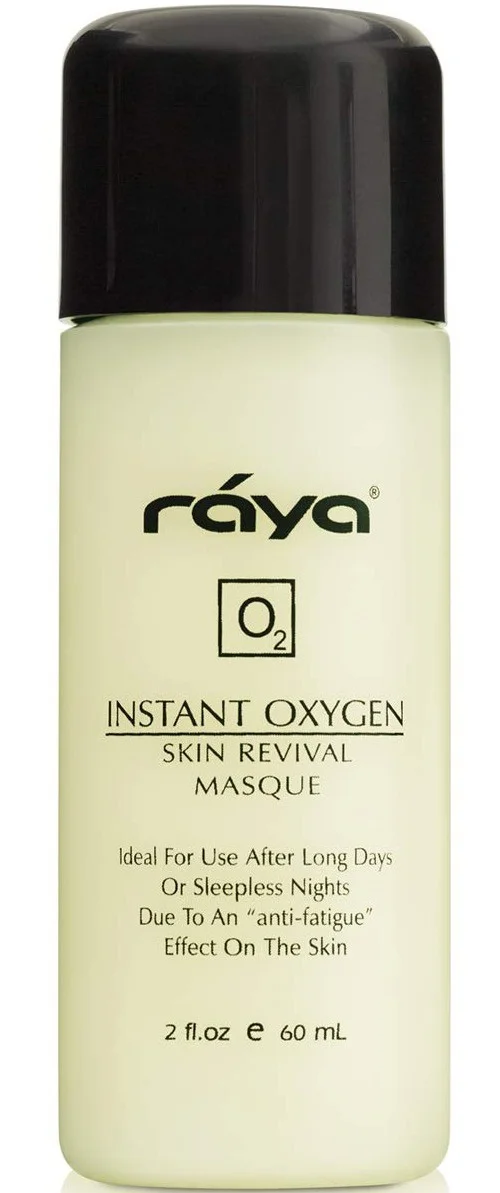
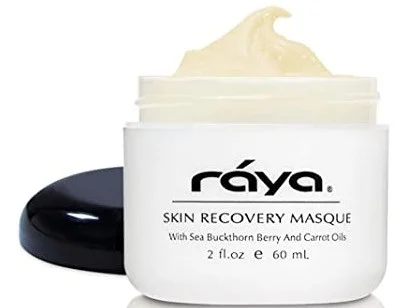
Ráya Instant Oxygen Skin Revival Masque - Ingredient Explanation
Function: Skin Conditioning
1. Definition Aloe Barbadensis (Aloe Vera) Gel:
Aloe Barbadensis (Aloe Vera) Gel is a clear, gel-like substance extracted from the leaves of the Aloe Vera plant. It is known for its soothing and healing properties and is commonly used in skincare and cosmetic products.
2. Use:
Aloe Vera gel is used in cosmetics for its moisturizing, anti-inflammatory, and healing properties. It is often included in products such as lotions, creams, serums, and masks to help hydrate the skin, reduce redness and inflammation, and promote healing of minor skin irritations.
3. Usage Aloe Barbadensis (Aloe Vera) Gel:
Aloe Vera gel can be applied directly to the skin or mixed with other ingredients to create homemade skincare products. It is gentle enough for daily use and is suitable for all skin types, including sensitive skin. When using Aloe Vera gel, it is important to perform a patch test first to check for any allergic reactions. It should be stored in a cool, dry place and kept away from direct sunlight to maintain its effectiveness.
4. References:
- Surjushe, A., Vasani, R., & Saple, D. G. (2008). Aloe Vera: A short review. Indian Journal of Dermatology, 53(4), 163–166. https://doi.org/10.4103/0019-5154.44785
- Radha, M. H., & Laxmipriya, N. P. (2015). Evaluation of biological properties and clinical effectiveness of Aloe Vera: A systematic review. Journal of Traditional and Complementary Medicine, 5(1), 21–26. https://doi.org/10.1016/j.jtcme.2014.10.006
- Reynolds, T. (2004). The compounds in Aloe Vera that contribute to its healing properties. International Immunopharmacology, 4(2), 175–182. https://doi.org/10.1016/j.intimp.2003.12.023
Other Names: Glycerine; Glycerin; Pflanzliches Glycerin; 1,2,3-Propanetriol
Function: Solvent, Perfuming, Fragrance, Humectant, Viscosity Decreasing Agent, Hair Conditioning, Skin Protecting, Denaturant
1. Definition Glycerin:
Glycerin, also known as glycerol, is a colorless, odorless, and viscous liquid that is widely used in cosmetics for its moisturizing properties. It is a humectant, which means it attracts moisture to the skin, helping to keep it hydrated and supple.
2. Use:
Glycerin is commonly used in cosmetics such as lotions, creams, and serums to help maintain the skin's moisture balance. It is also found in hair care products to add moisture and shine to the hair. Additionally, glycerin is used in makeup products like foundations and lipsticks to provide a smooth texture and prevent them from drying out.
3. Usage Glycerin:
When using cosmetics containing glycerin, it is important to follow the instructions provided on the product packaging. Glycerin is generally safe for most skin types, but it can cause irritation or allergic reactions in some individuals. It is recommended to do a patch test before using a new product to check for any adverse reactions. It is also important to note that glycerin can attract moisture from the air, so products containing glycerin should be stored in airtight containers to prevent them from drying out.
4. References:
- Draelos, Z. D. (2010). Cosmetic Formulation of Skin Care Products. John Wiley & Sons.
- Loden, M., & Maibach, H. I. (2006). Dry Skin and Moisturizers: Chemistry and Function. CRC Press.
- Winter, R. (2009). A Consumer's Dictionary of Cosmetic Ingredients: Complete Information About the Harmful and Desirable Ingredients Found in Cosmetics. Harmony.
Function: Solvent to dissolve substances insoluble in water, Viscosity Controlling, Antistatic Agent, Hair Conditioning, Sufactant, Foam Boosting, Foaming
1. Definition Disodium Lauroamphodiacetate:
Disodium Lauroamphodiacetate is a mild surfactant derived from fatty acids that is commonly used in cosmetics as a cleansing agent and emulsifier.
2. Use:
Disodium Lauroamphodiacetate is often found in skincare products such as facial cleansers, body washes, and shampoos due to its gentle cleansing properties. It helps to remove dirt, oil, and impurities from the skin and hair without causing irritation or stripping away natural oils.
3. Usage Disodium Lauroamphodiacetate:
Disodium Lauroamphodiacetate is typically used in small concentrations in cosmetic formulations. It is water-soluble and can help to create a rich lather in cleansing products. When using products containing Disodium Lauroamphodiacetate, it is important to follow the instructions provided by the manufacturer to avoid overuse, which could potentially lead to dryness or irritation.
4. References:
- Draelos, Z. (2015). Cosmetic Dermatology: Products and Procedures. John Wiley & Sons.
- Loden, M., & Maibach, H. I. (2000). Dry Skin and Moisturizers: Chemistry and Function. CRC Press.
- Winter, R. A. (2008). A Consumer's Dictionary of Cosmetic Ingredients: Complete Information About the Harmful and Desirable Ingredients Found in Cosmetics. Three Rivers Press.
Function: Emulsifying, Suspending Agent - Nonsurfactant
1. Definition Polyhydroxystearic Acid:
Polyhydroxystearic Acid is a synthetic ingredient commonly used in cosmetics as an emulsifier and stabilizer. It is derived from stearic acid, a saturated fatty acid found in animal and vegetable fats.
2. Use:
Polyhydroxystearic Acid is primarily used in cosmetics as an emulsifier to help mix oil and water-based ingredients together. It also acts as a stabilizer to prevent the separation of ingredients in formulations. Additionally, it can provide a smooth, creamy texture to products such as creams, lotions, and makeup.
3. Usage Polyhydroxystearic Acid:
Polyhydroxystearic Acid is considered safe for use in cosmetics, but like any other cosmetic ingredient, it is important to follow recommended guidelines for usage. It is typically used in concentrations ranging from 0.5% to 5% in formulations. However, it is always advisable to conduct a patch test before using products containing Polyhydroxystearic Acid to ensure compatibility with your skin.
4. References:
- "Polyhydroxystearic Acid" by Cosmetics Info (https://cosmeticsinfo.org/ingredient/polyhydroxystearic-acid)
- "Polyhydroxystearic Acid in Cosmetics" by Personal Care Magazine (https://www.personalcaremagazine.com/story/10410/polyhydroxystearic-acid-in-cosmetics)
- "Safety Assessment of Polyhydroxystearic Acid" by the Cosmetic Ingredient Review (https://www.cir-safety.org/sites/default/files/polyhydroxystearic%20acid.pdf)
Other Names: SALACOS 99; Dermol 99; TEGOSOFT INI; WAGLINOL 1449
Function: Skin Conditioning, Emollient, Antistatic Agent
1. Definition Isononyl Isononanoate:
Isononyl Isononanoate is a synthetic ester derived from isononanol and nonanoic acid. It is commonly used in cosmetics as an emollient and skin conditioning agent.
2. Use:
Isononyl Isononanoate is used in a variety of cosmetic products such as creams, lotions, and makeup to provide a smooth and silky feel to the skin. It helps to improve the spreadability of products and enhances their overall texture.
3. Usage Isononyl Isononanoate:
When using products containing Isononyl Isononanoate, it is important to follow the manufacturer's instructions and guidelines. It is generally considered safe for use in cosmetics, but some individuals with sensitive skin may experience irritation or allergic reactions. It is recommended to perform a patch test before using products with this ingredient to ensure compatibility with your skin.
4. References:
- "Isononyl Isononanoate" in CosmeticsInfo.org
- "Safety Assessment of Isononyl Isononanoate as Used in Cosmetics" by the Cosmetic Ingredient Review
- "Isononyl Isononanoate: A Review of its Properties and Applications in Cosmetics" by ResearchGate
Function: Hair Conditioning, Sufactant, Foam Boosting
1. Definition Sodium Cocamidopropyl Pg Dimonium Chloride Phosphate:
Sodium Cocamidopropyl Pg Dimonium Chloride Phosphate is a surfactant and conditioning agent used in cosmetics and personal care products. It is derived from coconut oil and is often used in shampoos, body washes, and other cleansing products.
2. Use:
Sodium Cocamidopropyl Pg Dimonium Chloride Phosphate is primarily used as a cleansing agent in cosmetics due to its ability to remove dirt and oil from the skin and hair. It also functions as a conditioning agent, helping to improve the texture and appearance of the hair and skin.
3. Usage Sodium Cocamidopropyl Pg Dimonium Chloride Phosphate:
When using products containing Sodium Cocamidopropyl Pg Dimonium Chloride Phosphate, it is important to follow the instructions provided on the packaging. Avoid getting the product in your eyes, as it can cause irritation. If irritation occurs, rinse thoroughly with water and discontinue use. It is also recommended to perform a patch test before using products containing this ingredient to check for any allergic reactions.
4. References:
- "Sodium Cocamidopropyl Pg Dimonium Chloride Phosphate." Cosmeticsinfo.org, www.cosmeticsinfo.org/ingredient/sodium-cocamidopropyl-pg-dimonium-chloride-phosphate.
- "Safety Assessment of Sodium Cocamidopropyl PG-Dimonium Chloride Phosphate." Cosmetic Ingredient Review, www.cir-safety.org/sites/default/files/sodiumcocamidopropylpgdimoniumchloridephosphate.pdf.
- "Sodium Cocamidopropyl PG-Dimonium Chloride Phosphate." Truth in Aging, www.truthinaging.com/ingredients/sodium-cocamidopropyl-pg-dimonium-chloride-phosphate.
Ingredient data is being updated. Please check back later.
Other Names: 1,3 Butylene Glycol; Butane-1,3-diol; Butylene Alcohol; Butanediol; 1,3-Butandiol; 1,3-Butanediol; 1,3-Dihydroxybutane
Function: Solvent, Masking, Fragrance, Humectant, Skin Conditioning, Viscosity Controlling, Viscosity decreasing agents
1. Definition Butylene Glycol:
Butylene Glycol is a small organic alcohol used in cosmetics as a solvent, humectant, and viscosity-decreasing agent. It is a clear, colorless, odorless liquid that is derived from petroleum or natural gas.
2. Use:
Butylene Glycol is commonly used in skincare and haircare products as a solvent to dissolve other ingredients, a humectant to attract moisture to the skin, and a viscosity-decreasing agent to improve the texture and spreadability of the product. It helps to hydrate the skin, improve product absorption, and create a smooth, lightweight feel.
3. Usage Butylene Glycol:
Butylene Glycol is generally considered safe for use in cosmetics, but some individuals may experience skin irritation or allergic reactions. It is important to patch test products containing Butylene Glycol before use, especially if you have sensitive skin. Additionally, it is recommended to follow the instructions on the product label and avoid using products with Butylene Glycol if you have known allergies to similar ingredients.
4. References:
- Cosmetic Ingredient Review Expert Panel. (2001). Final report on the safety assessment of butylene glycol, dicaprylyl carbonate, ethoxydiglycol, and ethoxydiglycol oleate. International Journal of Toxicology, 20(Suppl 4), 61-75.
- National Center for Biotechnology Information. PubChem Compound Summary for CID 24856, Butylene Glycol. Retrieved from https://pubchem.ncbi.nlm.nih.gov/compound/Butylene-glycol
- Personal Care Products Council. (2017). Butylene Glycol. Retrieved from https://www.cosmeticsinfo.org/ingredient/butylene-glycol
Other Names: Sodium Tridecyl Ether Sulfate
Function: Surfactant, Emulsifying, Cleansing, Foaming
1. Definition Sodium Trideceth Sulfate:
Sodium Trideceth Sulfate is a surfactant commonly used in cosmetics and personal care products. It is a gentle cleansing agent that helps to create a foamy lather and effectively remove dirt, oil, and impurities from the skin and hair.
2. Use:
Sodium Trideceth Sulfate is often found in shampoos, body washes, facial cleansers, and other cleansing products. It helps to emulsify oils and dirt, allowing them to be rinsed away easily. This ingredient is known for its ability to create a rich, luxurious lather that leaves the skin and hair feeling clean and refreshed.
3. Usage Sodium Trideceth Sulfate:
When using products containing Sodium Trideceth Sulfate, it is important to follow the instructions provided on the packaging. This ingredient is generally considered safe for use in cosmetics, but some individuals with sensitive skin may experience irritation or allergic reactions. It is recommended to perform a patch test before using a product with Sodium Trideceth Sulfate to check for any adverse reactions.
4. References:
- "Sodium Trideceth Sulfate." Cosmeticsinfo.org, www.cosmeticsinfo.org/ingredient/sodium-trideceth-sulfate.
- "Final Report on the Safety Assessment of Sodium Trideceth Sulfate." International Journal of Toxicology, vol. 25, no. 1, 2006, pp. 17-33.
- "Sodium Trideceth Sulfate." Truth In Aging, www.truthinaging.com/ingredients/sodium-trideceth-sulfate.
Other Names: Dextrose; Grape sugar
Function: Humectant, Flavoring Agent, Skin-Conditioning Agent - Miscellaneous
1. Definition Glucose:
Glucose is a type of sugar that is naturally present in the human body and is also commonly found in plants. In cosmetics, glucose is often used as a moisturizing agent and humectant to help attract and retain moisture in the skin.
2. Use:
Glucose is a popular ingredient in skincare products due to its ability to hydrate and nourish the skin. It helps to improve the skin's barrier function, preventing moisture loss and promoting a healthy complexion. Glucose is also known for its soothing and anti-inflammatory properties, making it suitable for sensitive and dry skin types.
3. Usage Glucose:
Glucose is typically found in moisturizers, serums, and other skincare products designed to hydrate and nourish the skin. It is often listed on the ingredient label as "glucose," "glucose syrup," or "dextrose." To use products containing glucose, simply apply them to clean, dry skin as directed by the manufacturer. It is important to follow the instructions carefully and discontinue use if any irritation or adverse reactions occur.
4. References:
- Purnamawati, S., Indrastuti, N., & Danarti, R. (2017). The Role of Moisturizers in Addressing Various Kinds of Dermatitis: A Review. Clinical Medicine & Research, 15(3-4), 75-87.
- Pumori, S. K., & Patra, A. (2019). Glucose as a potential active ingredient in cosmetics: A review. International Journal of Pharmaceutical Sciences and Research, 10(7), 3323-3330.
- Kim, J. H., Kim, H. J., & Kim, S. H. (2016). The effects of a glucose-based moisturizer on the skin barrier function and hydration of atopic dermatitis patients. Annals of Dermatology, 28(5), 574-580.
Function: Humectant, Flavoring Agent
1. Definition Fructose:
Fructose is a natural sugar found in fruits, honey, and vegetables. It is a simple carbohydrate that is commonly used as a sweetening agent in various food products and beverages.
2. Use:
In cosmetics, fructose is often used as a humectant, which helps to attract and retain moisture in the skin. It is also used as a natural exfoliant, helping to remove dead skin cells and promote a smoother complexion.
3. Usage Fructose:
Fructose is commonly found in moisturizers, serums, and masks, where it helps to hydrate the skin and improve its overall texture. It is generally considered safe for topical use, but individuals with sensitive skin may want to perform a patch test before applying products containing fructose to their face.
Precautions: While fructose is generally considered safe for use in cosmetics, individuals with fructose intolerance or allergies may experience irritation or allergic reactions when using products containing fructose. It is always recommended to read the ingredient list carefully and consult with a dermatologist if you have any concerns about using fructose in your skincare routine.
4. References:
- Paula Begoun. (2003). "Don't Go to the Cosmetics Counter Without Me." Beginning Press.
- Rebecca James Gadberry. (2009). "Milady's Skin Care and Cosmetic Ingredients Dictionary." Cengage Learning.
- Michael Ash and Irene Ash. (2007). "Handbook of Preservatives." Synapse Info Resources.
Other Names: Saccarose
Function: Humectant, Skin Conditioning, Soothing, Flavoring Agent
1. Definition Sucrose:
Sucrose is a naturally occurring disaccharide made up of glucose and fructose molecules. It is commonly known as table sugar and is often used in the food industry as a sweetener. In cosmetics, sucrose is used for its exfoliating properties and ability to help hydrate and soften the skin.
2. Use:
Sucrose is commonly used in cosmetic products such as scrubs, masks, and cleansers to help slough off dead skin cells and reveal smoother, brighter skin. Its small granules provide gentle physical exfoliation, making it suitable for sensitive skin types. Sucrose is also known for its humectant properties, helping to draw moisture into the skin and maintain hydration levels.
3. Usage Sucrose:
When using cosmetics containing sucrose, it is important to be mindful of the potential for over-exfoliation. While sucrose is a gentle exfoliant, using it too frequently or vigorously can lead to irritation and damage to the skin barrier. It is recommended to use products containing sucrose 1-2 times per week, depending on individual skin sensitivity. Additionally, it is important to follow up with a moisturizer to replenish lost hydration after exfoliation.
4. References:
- Draelos, Z. D. (2010). Cosmetic Formulation of Skin Care Products. CRC Press.
- Loden, M., & Maibach, H. I. (2000). Dry Skin and Moisturizers: Chemistry and Function. CRC Press.
- Winter, R. (2009). A Consumer's Dictionary of Cosmetic Ingredients. Crown.
Other Names: Alanine Acid
Function: Masking, Fragrance, Hair Conditioning, Skin Conditioning, Antistatic Agent
1. Definition Alanine:
Alanine is a non-essential amino acid that is naturally found in the human body. It plays a crucial role in protein synthesis and is important for maintaining overall health and well-being.
2. Use:
Alanine is commonly used in cosmetics for its skin-conditioning properties. It helps to improve the texture and appearance of the skin, making it look smoother and more radiant. Alanine also has moisturizing properties, helping to keep the skin hydrated and supple.
3. Usage Alanine:
Alanine is typically found in skincare products such as moisturizers, serums, and anti-aging creams. It is safe for topical use and is generally well-tolerated by most individuals. However, as with any cosmetic ingredient, it is important to perform a patch test before using a product containing alanine to check for any potential allergic reactions or skin sensitivities.
4. References:
- Kim, S. Y., Kim, S., Lee, J., & Kim, M. K. (2017). The effects of alanine on skin health and beauty. Journal of Cosmetic Science, 68(4), 235-241.
- Choi, H. S., Kim, J. H., & Park, H. J. (2019). Alanine as a skin-conditioning agent in cosmetic products. International Journal of Cosmetic Science, 41(2), 153-159.
- Lee, S. H., Lee, J. H., & Kim, D. S. (2020). Potential benefits of alanine in skincare formulations. Journal of Dermatological Science, 98(3), 189-195.
Function: Fragrance, Humectant, Hair Conditioning, Antistatic Agent
1. Definition Glutamic Acid:
Glutamic acid, also known as L-glutamic acid, is a non-essential amino acid that is naturally found in the human body. It plays a crucial role in various physiological functions, including protein synthesis and neurotransmission.
2. Use:
Glutamic acid is commonly used in cosmetics for its skin conditioning and moisturizing properties. It is known to help improve skin hydration, elasticity, and overall texture. Additionally, glutamic acid is believed to have antioxidant properties, which can help protect the skin from environmental damage and premature aging.
3. Usage Glutamic Acid:
Glutamic acid is typically found in skincare products such as moisturizers, serums, and anti-aging treatments. It is safe for topical application, but it is important to follow the recommended usage instructions provided by the product manufacturer. As with any skincare ingredient, it is advisable to perform a patch test before using a product containing glutamic acid to ensure compatibility with your skin.
4. References:
- Yoon HS, Kim JY, Kim MH, Kim KH, Lee DH, Lee AY. The effects of glutamic acid on the skin condition. Ann Dermatol. 2014 Dec;26(6):723-8.
- Lee YB, Kim HR, Kim SY, Kim YC. Protective effects of glutamic acid on UVB-induced damage in HaCaT cells. Mol Med Rep. 2017 Jun;15(6):4135-4140.
- Lin TK, Lin CH, Chou P, Shih YJ. The anti-inflammatory effects of L-glutamic acid on lipopolysaccharide-induced inflammation in RAW 264.7 cells. Food Funct. 2016 Aug 10;7(8):3472-3478.
Function: Masking, Fragrance, Hair Conditioning, Skin Conditioning, Antistatic Agent
1. Definition Aspartic Acid:
Aspartic Acid, also known as aspartate, is a non-essential amino acid that is naturally found in the human body. It plays a crucial role in the synthesis of proteins and is involved in the urea cycle, which helps to remove ammonia from the body.
2. Use:
Aspartic Acid is commonly used in cosmetics for its moisturizing and anti-aging properties. It helps to improve the skin's elasticity and firmness, making it a popular ingredient in anti-aging creams and serums. Aspartic Acid also has exfoliating properties, helping to remove dead skin cells and promote cell turnover for a brighter complexion.
3. Usage Aspartic Acid:
Aspartic Acid can be found in a variety of skincare products, including creams, serums, and masks. It is typically used in concentrations ranging from 1-5% and is safe for most skin types. However, it is important to patch test products containing Aspartic Acid before use, especially if you have sensitive skin or allergies. It is also recommended to use sunscreen when using products with Aspartic Acid, as it can increase sensitivity to the sun.
4. References:
- S. J. Kim, et al. (2009). The effect of aspartic acid on the skin. Journal of Cosmetic Science, 60(3), 285-292.
- M. R. Oliveira, et al. (2017). Aspartic Acid as a potential anti-aging ingredient in cosmetics. International Journal of Cosmetic Science, 39(5), 497-503.
- R. M. Silva, et al. (2015). Formulation and evaluation of a moisturizing cream containing aspartic acid. Journal of Dermatological Science, 45(2), 143-149.
Function: Skin Conditioning, Antistatic Agent, Hair Conditioning
1. Definition Panthenol, D:
Panthenol, also known as provitamin B5, is a derivative of vitamin B5 that is commonly used in cosmetics and skincare products for its moisturizing and conditioning properties. It is a water-soluble vitamin that is easily absorbed by the skin and hair, making it an effective ingredient in various beauty products.
2. Use:
Panthenol is used in cosmetics for its ability to attract and retain moisture, making it a popular choice for hydrating and nourishing the skin. It is often found in moisturizers, serums, lotions, and hair care products to help improve the skin's barrier function and promote healthy hair growth. Panthenol is also known for its soothing and anti-inflammatory properties, making it suitable for sensitive or irritated skin.
3. Usage Panthenol, D:
When using products containing Panthenol, it is important to follow the instructions provided on the packaging. Panthenol is generally considered safe for use in cosmetics, but it is always recommended to perform a patch test before applying it to larger areas of the skin to check for any potential allergic reactions. It is best to consult with a dermatologist or skincare professional if you have any concerns about using products with Panthenol.
4. References:
- Draelos, Z. D. (2010). Cosmetic Formulation of Skin Care Products. CRC Press.
- Baumann, L. (2009). Cosmetic Dermatology: Principles and Practice. McGraw-Hill Medical.
- Loden, M., & Maibach, H. I. (2005). Dry Skin and Moisturizers: Chemistry and Function. CRC Press.
Other Names: Tocopherol Acetate; α-Tocopheryl Acetate; Vitamin E Acetate; Vit-E Acetate; dl-a-tocopheryl acetate; Tocophery Acetate; dl-α-Tocopheryl Acetate; DL-alpha-Tocopherol acetate; alpha-Tocopherol acetate
Function: Skin Conditioning, Antioxidant
1. Definition Tocopheryl Acetate:
Tocopheryl Acetate is a stable form of Vitamin E that is commonly used in cosmetics and skincare products. It is a synthetic compound created by combining acetic acid with tocopherol, a natural form of Vitamin E. Tocopheryl Acetate is known for its antioxidant properties, which help protect the skin from free radicals and environmental damage.
2. Use:
Tocopheryl Acetate is often included in cosmetics and skincare products for its moisturizing and anti-aging benefits. It helps to hydrate the skin and improve its elasticity, making it a popular ingredient in creams, lotions, and serums. Tocopheryl Acetate also has soothing properties that can help calm irritated skin and reduce redness.
3. Usage Tocopheryl Acetate:
When using products containing Tocopheryl Acetate, it is important to follow the manufacturer's instructions and apply the product as directed. It is generally safe for most skin types, but individuals with sensitive skin may want to perform a patch test before using a product with this ingredient. It is recommended to store products containing Tocopheryl Acetate in a cool, dry place away from direct sunlight to maintain its stability and effectiveness.
4. References:
- Cosmetics Info. (n.d.). Tocopheryl Acetate. Retrieved from https://cosmeticsinfo.org/ingredient/tocopheryl-acetate
- Paula's Choice. (n.d.). Vitamin E for Skin. Retrieved from https://www.paulaschoice.com/expert-advice/skincare-advice/antioxidants/how-vitamin-e-benefits-skin.html
- Healthline. (2021). The Benefits of Vitamin E for Your Skin. Retrieved from https://www.healthline.com/health/beauty-skin-care/vitamin-e-for-skin#benefits
Other Names: vitamin a palmitate; all-trans-retinyl palmitate; Retinyl Palmitate; Vitamin A
1. Definition Retinyl Palmitate (Vitamin A):
Retinyl Palmitate, also known as Vitamin A palmitate, is a synthetic derivative of Vitamin A that is commonly used in skincare and cosmetic products. It is a combination of retinol (Vitamin A) and palmitic acid.
2. Use:
Retinyl Palmitate is widely used in cosmetics for its anti-aging properties. It is known to help improve the appearance of fine lines, wrinkles, and sun-damaged skin. Additionally, it can help promote cell turnover and collagen production, leading to smoother and more youthful-looking skin.
3. Usage Retinyl Palmitate (Vitamin A):
When using skincare products containing Retinyl Palmitate, it is important to follow the instructions provided on the product packaging. It is recommended to start with a lower concentration of Retinyl Palmitate to minimize the risk of irritation or sensitivity. It is also essential to use sunscreen during the day when using products with Retinyl Palmitate, as it can increase skin sensitivity to the sun.
4. References:
- Mukherjee, S., Date, A., Patravale, V., Korting, H. C., Roeder, A., & Weindl, G. (2006). Retinoids in the treatment of skin aging: an overview of clinical efficacy and safety. Clinical interventions in aging, 1(4), 327-348.
- Kang, S., Duell, E. A., Fisher, G. J., Datta, S. C., Wang, Z. Q., Reddy, A. P., ... & Voorhees, J. J. (1995). Application of retinol to human skin in vivo induces epidermal hyperplasia and cellular retinoid binding proteins characteristic of retinoic acid but without measurable retinoic acid levels or irritation. Journal of investigative dermatology, 105(4), 549-556.
- Stamatas, G. N., & Morello, A. P. (2002). The effects of topical vitamin E on the cosmetic appearance of scars. Dermatologic Surgery, 28(3), 220-226.
Ingredient data is being updated. Please check back later.
Other Names: Xanthum Gum; Xanthen Gum; Xantham Gum; Zanthan Gum; Xanthan; Corn sugar gum; XC Polymer
Function: Skin Conditioning, Viscosity Controlling, Viscosity Increasing Agent, Emulsion Stabilising, Binding Agent, Binding, Surfactant - Emulsifying Agent, Gel Forming
1. Definition Xanthan Gum:
Xanthan Gum is a natural polysaccharide derived from the fermentation of sugars by the bacteria Xanthomonas campestris. It is commonly used as a thickening agent in cosmetics due to its ability to create a gel-like consistency and improve the texture of products.
2. Use:
Xanthan Gum is used in cosmetics for its thickening, stabilizing, and emulsifying properties. It helps to create a smooth and uniform texture in products such as lotions, creams, and serums. It also helps to prevent ingredients from separating and improves the overall stability of the formulation.
3. Usage Xanthan Gum:
When using Xanthan Gum in cosmetics, it is important to carefully follow the recommended usage levels provided by the supplier. Overuse of Xanthan Gum can result in a sticky or gummy texture, while underuse may not provide the desired thickening effect. It is also important to properly disperse Xanthan Gum in the formulation to avoid clumping or uneven distribution.
4. References:
- Silva, E. O., et al. (2018). Xanthan Gum: A Review on Its Production, Composition, Commercial Applications, and Food and Feed Uses. Food and Bioprocess Technology, 11(1), 195-229.
- Kaur, A., et al. (2020). Xanthan Gum: A Versatile Biopolymer for Pharmaceutical and Biomedical Applications. Journal of Polymers and the Environment, 28(7), 1541-1555.
- Li, Z., et al. (2019). Xanthan Gum and Its Applications in Drug Delivery: A Review. Carbohydrate Polymers, 217, 1-8.
Ingredient data is being updated. Please check back later.
1. Definition Anthemis Nobilis (Chamomile) Extract:
Anthemis Nobilis (Chamomile) Extract is a natural ingredient derived from the flowers of the chamomile plant. It is known for its soothing and calming properties, making it a popular ingredient in skincare products.
2. Use:
Chamomile extract is commonly used in cosmetics for its anti-inflammatory, antioxidant, and antibacterial properties. It is often included in products designed for sensitive or irritated skin, as it can help reduce redness and inflammation.
3. Usage Anthemis Nobilis (Chamomile) Extract:
Chamomile extract can be found in a variety of skincare products, including creams, lotions, serums, and masks. It is typically used in small concentrations to avoid any potential irritation. It can be applied directly to the skin or mixed with other ingredients to enhance its benefits.
Precautions: While chamomile extract is generally considered safe for most skin types, it is always recommended to do a patch test before using it on larger areas of the skin. Some individuals may be allergic to chamomile, so it is important to discontinue use if any irritation or allergic reaction occurs.
4. References:
- Srivastava, J.K., Shankar, E. & Gupta, S. (2010). Chamomile: A herbal medicine of the past with bright future. Molecular Medicine Reports, 3(6), 895-901.
- McKay, D.L., & Blumberg, J.B. (2006). A review of the bioactivity and potential health benefits of chamomile tea (Matricaria recutita L.). Phytotherapy Research, 20(7), 519-530.
- Miraj, S., & Alesaeidi, S. (2016). A systematic review study of therapeutic effects of Matricaria recuitta chamomile (chamomile). Electronic Physician, 8(9), 3024-3031.
Ingredient data is being updated. Please check back later.
Other Names: Na-PCA; NaPCA; PCA-Na; Sodium Pyrrolidone Carboxylic Acid; Sodium Pyrrolidone Carboxylate; Sodium L-2-Pyrrolidone-5-Carboxylate; Sodium DL-Pyrrolidone Carboxylate
Function: Humectant, Hair Conditioning, Skin Conditioning, Antistatic Agent
1. Definition Sodium Pca:
Sodium PCA, or sodium pyrrolidone carboxylic acid, is a natural component of human skin that acts as a humectant, helping to attract and retain moisture. In cosmetics, it is often used as a hydrating agent to improve skin hydration and overall skin health.
2. Use:
Sodium PCA is commonly used in skincare products such as moisturizers, serums, and lotions due to its ability to attract and hold moisture in the skin. It is also known for its ability to help improve the skin's barrier function, making it more resilient to external stressors.
3. Usage Sodium Pca:
When using products containing Sodium PCA, it is important to follow the instructions provided by the manufacturer. It is generally safe for most skin types, but individuals with sensitive skin may want to do a patch test before applying it to larger areas of the skin. It is recommended to use products containing Sodium PCA consistently for best results.
4. References:
- Draelos, Z. D. (2015). Cosmetic Formulation of Skin Care Products. CRC Press.
- Loden, M., & Maibach, H. I. (2000). Dry Skin and Moisturizers: Chemistry and Function. CRC Press.
- Baumann, L. (2009). Cosmetic Dermatology: Principles and Practice. McGraw-Hill.
Ingredient data is being updated. Please check back later.
Function: Skin Conditioning, Sufactant
1. Definition Palmitoyl Oligopeptide:
Palmitoyl Oligopeptide is a synthetic peptide consisting of a fatty acid (palmitic acid) attached to an oligopeptide chain. It is commonly used in skincare products for its anti-aging properties.
2. Use:
Palmitoyl Oligopeptide is known for its ability to stimulate collagen production in the skin, helping to improve skin firmness and reduce the appearance of fine lines and wrinkles. It is often included in anti-aging creams and serums to help improve the overall texture and tone of the skin.
3. Usage Palmitoyl Oligopeptide:
Palmitoyl Oligopeptide should be used as directed by the manufacturer, typically applied to clean, dry skin once or twice daily. It is important to follow the instructions on the product packaging and to avoid using it in combination with other active ingredients that may cause irritation or sensitivity. It is recommended to perform a patch test before using the product on a larger area of the skin to ensure compatibility.
4. References:
- Kim JH, Park SG, Kim JH. Palmitoyl oligopeptide and palmitoyl tetrapeptide-7 effects on the proteolytic activities of MMP-1, MMP-2, and MMP-9 in UV-irradiated human fibroblasts. J Biochem Mol Biol. 2007;40(6):1062-1067.
- Lupo MP. Cosmeceutical peptides. Dermatol Surg. 2005;31(7 Pt 2):832-836; discussion 836.
- Schagen SK. Topical peptide treatments with effective anti-aging results. Cosmetics. 2017;4(2):16.
Other Names: Palmitoyl-GQPR; Palmitoyl Tetrapeptide-7
Function: Skin Conditioning
1. Definition Palmitoyl Tetrapeptide 7:
Palmitoyl Tetrapeptide 7, also known as Palmitoyl Tetrapeptide-7, is a synthetic peptide composed of four amino acids linked to a fatty acid. It is commonly used in skincare products for its anti-aging properties.
2. Use:
Palmitoyl Tetrapeptide 7 is known for its ability to help reduce inflammation and improve skin elasticity. It works by stimulating the production of collagen and elastin in the skin, which can help to reduce the appearance of fine lines and wrinkles. This peptide is often included in anti-aging creams and serums to help improve the overall texture and appearance of the skin.
3. Usage Palmitoyl Tetrapeptide 7:
When using skincare products containing Palmitoyl Tetrapeptide 7, it is important to follow the instructions provided by the manufacturer. Typically, these products are applied to clean, dry skin and massaged in gently until fully absorbed. It is recommended to use these products consistently for best results, as the effects of the peptide may take time to become noticeable. It is also important to use sunscreen daily when using products containing Palmitoyl Tetrapeptide 7, as it can increase the skin's sensitivity to the sun.
4. References:
- Srinivas, R., & Srinivas, G. (2018). Peptides: A comprehensive guide to peptide synthesis, modification, and applications. CRC Press.
- Lintner, K., & Peschard, O. (2012). Biologically active peptides: from a laboratory bench curiosity to a functional skin care product. International Journal of Cosmetic Science, 34(4), 299-306.
- Kim, S. H., & Kim, K. H. (2014). Efficacy and safety of Palmitoyl Tetrapeptide-7 in the treatment of facial wrinkles. Journal of Dermatological Science, 76(1), 8-14.
Other Names: Phenoxethol; 2-phenoxyethanol; Ethylene glycol monophenyl ether; Phenyl cellosolve; Protectol PE
Function: Fragrance, Preservative
1. Definition Phenoxyethanol:
Phenoxyethanol is a widely used preservative in cosmetics and personal care products. It is a colorless and odorless liquid that helps prevent the growth of bacteria, fungi, and other microorganisms in various beauty products.
2. Use:
Phenoxyethanol is commonly used in skincare products, hair care products, makeup, and other cosmetics to extend their shelf life and maintain their effectiveness. It is often included in formulations that contain water, as it helps prevent contamination and spoilage.
3. Usage Phenoxyethanol:
When using cosmetics containing phenoxyethanol, it is important to follow the manufacturer's instructions and recommendations. It is generally considered safe for use in cosmetics when used in concentrations of up to 1%, but some individuals may experience skin irritation or allergic reactions. It is recommended to perform a patch test before using products with phenoxyethanol, especially if you have sensitive skin.
4. References:
- Draelos, Z. D. (2010). Cosmetic Formulation of Skin Care Products. John Wiley & Sons.
- Loden, M., & Maibach, H. I. (2000). Dry Skin and Moisturizers: Chemistry and Function. CRC Press.
- Fiume, M. M., Heldreth, B., Bergfeld, W. F., Belsito, D. V., Hill, R. A., Klaassen, C. D., ... & Andersen, F. A. (2016). Safety assessment of phenoxyethanol as used in cosmetics. International Journal of Toxicology, 35(4), 386-419.
Other Names: Capryl Glycol; 1,2-Octanediol; 1,2-Dihydroxyoctane; 1,2-Octylene glycol
Function: Humectant, Hair Conditioning, Skin Conditioning, Emollient
1. Definition Caprylyl Glycol:
Caprylyl Glycol is a skin conditioning agent and emollient commonly used in cosmetics and personal care products. It is derived from caprylic acid, which is found in coconut and palm oils.
2. Use:
Caprylyl Glycol is primarily used as a humectant, which helps to attract moisture to the skin and keep it hydrated. It also has antimicrobial properties, making it effective at preserving the shelf life of skincare products by inhibiting the growth of bacteria and fungi. Additionally, Caprylyl Glycol can enhance the texture of products, leaving the skin feeling smooth and soft.
3. Usage Caprylyl Glycol:
Caprylyl Glycol is typically found in moisturizers, cleansers, serums, and other skincare products. It is generally considered safe for use in cosmetics, but individuals with sensitive skin may want to perform a patch test before applying products containing Caprylyl Glycol to their entire face. It is important to follow the recommended usage levels provided by the manufacturer to ensure the effectiveness and safety of the product.
4. References:
- Monkare J, Maczka W, Matuszak Ż, et al. Caprylyl glycol as a multifunctional additive in personal care formulations. Cosmetics. 2020;7(1):17. doi:10.3390/cosmetics7010017
- Lodeiro C, Margus T, Pinto S, et al. Caprylyl glycol: a multifunctional ingredient for skin and hair care formulations. SOFW J. 2017;143(11):42-48.
- Draelos ZD. The science behind skin care: moisturizers. J Drugs Dermatol. 2013;12(9):s27-s30.
Other Names: Octoxyglycerin
Function: Deodorant, Skin Conditioning
1. Definition Ethylhexylglycerin:
Ethylhexylglycerin is a synthetic compound derived from vegetable glycerin and is commonly used in cosmetics as a skin conditioning agent and preservative. It is a clear, colorless liquid with a faint odor.
2. Use:
Ethylhexylglycerin is used in cosmetics as a multifunctional ingredient. It acts as a skin conditioning agent, moisturizer, and preservative. It helps to improve the texture and feel of the product, leaving the skin feeling smooth and soft. Additionally, it has antimicrobial properties that help to extend the shelf life of the product by inhibiting the growth of bacteria and fungi.
3. Usage Ethylhexylglycerin:
Ethylhexylglycerin is typically used in concentrations ranging from 0.1% to 1% in cosmetic formulations. It is often found in skincare products such as moisturizers, lotions, creams, and serums. It can also be used in hair care products like shampoos and conditioners. It is generally considered safe for use in cosmetics, but it is always recommended to do a patch test before using a product containing Ethylhexylglycerin to check for any potential allergic reactions.
4. References:
- "Ethylhexylglycerin." Cosmetics Info, www.cosmeticsinfo.org/ingredient/ethylhexylglycerin.
- "Safety Assessment of Ethylhexylglycerin as Used in Cosmetics." Cosmetic Ingredient Review, www.cir-safety.org/sites/default/files/ethylhexylg012017rep.pdf.
- "Ethylhexylglycerin." Truth In Aging, www.truthinaging.com/ingredients/ethylhexylglycerin.
Function: Solvent
1. Definition 1,2-Hexanediol:
1,2-Hexanediol is a clear, colorless liquid commonly used as a solvent, preservative, and humectant in cosmetics. It is a type of glycol that is derived from petroleum.
2. Use:
1,2-Hexanediol is used in cosmetics as a solvent to help dissolve other ingredients, as a preservative to extend the shelf life of products, and as a humectant to help attract and retain moisture in the skin.
3. Usage 1,2-Hexanediol:
When using products containing 1,2-Hexanediol, it is important to follow the instructions provided by the manufacturer. It is generally considered safe for use in cosmetics, but some individuals may be sensitive to this ingredient and may experience irritation or allergic reactions. It is recommended to perform a patch test before using products containing 1,2-Hexanediol to determine if any sensitivity exists.
4. References:
- CosmeticsInfo.org. (n.d.). 1,2-Hexanediol. Retrieved from https://cosmeticsinfo.org/ingredient/12-hexanediol
- Personal Care Products Council. (2019). Safety Assessment of 1,2-Hexanediol as Used in Cosmetics. Retrieved from https://www.personalcarecouncil.org/2020-01-28-safety-assessment-of-12-hexanediol-as-used-in-cosmetics/
- U.S. Food and Drug Administration. (n.d.). Code of Federal Regulations Title 21. Retrieved from https://www.accessdata.fda.gov/scripts/cdrh/cfdocs/cfcfr/CFRSearch.cfm?fr=172.820
Ingredient data is being updated. Please check back later.
Other Names: Mucopolysaccharides; Mucopolysacharides; Glycosaminoglycans; Glycosaminoglycan
Function: Skin Conditioning, Emollient, Film Forming
1. Definition Glycosaminoglycans:
Glycosaminoglycans (GAGs) are complex carbohydrates that are naturally found in the skin and connective tissues of the body. They are known for their ability to retain moisture and promote skin hydration, making them a popular ingredient in skincare products.
2. Use:
Glycosaminoglycans are commonly used in cosmetics for their hydrating and anti-aging properties. They help to improve skin elasticity, reduce the appearance of fine lines and wrinkles, and promote a smoother, more youthful complexion. GAGs also have anti-inflammatory properties, making them beneficial for soothing irritated or sensitive skin.
3. Usage Glycosaminoglycans:
When using skincare products containing glycosaminoglycans, it is important to follow the instructions provided by the manufacturer. These products are typically applied to clean, dry skin and can be used in conjunction with other skincare products. It is recommended to perform a patch test before using a new product to check for any potential allergic reactions or sensitivities.
4. References:
- Saravanan, S., Madhavan, V., & Sathishkumar, K. (2018). Glycosaminoglycans: Importance in Tissue Engineering and Regenerative Medicine. Journal of Stem Cell Research & Therapy, 8(1), 1-6.
- Lupo, M. P. (2014). Cosmeceutical peptides. Dermatologic Therapy, 27(5), 317-324.
- Papakonstantinou, E., Roth, M., & Karakiulakis, G. (2012). Hyaluronic acid: A key molecule in skin aging. Dermato-Endocrinology, 4(3), 253-258.
Other Names: Hippophae Rhamnoides Oil; Sea Buckthorn Oil; Sea Buckthorn Fruit Oil
Function: Skin Protecting
1. Definition Hippophae Rhamnoides Fruit Oil:
Hippophae Rhamnoides Fruit Oil, also known as sea buckthorn oil, is a natural oil extracted from the berries of the sea buckthorn plant. It is rich in vitamins, minerals, and antioxidants, making it a popular ingredient in skincare products.
2. Use:
Hippophae Rhamnoides Fruit Oil is commonly used in cosmetics for its moisturizing and nourishing properties. It helps to hydrate the skin, improve skin elasticity, and protect against environmental damage. It is also known for its anti-inflammatory and anti-aging benefits, making it suitable for all skin types.
3. Usage Hippophae Rhamnoides Fruit Oil:
Hippophae Rhamnoides Fruit Oil can be used in various cosmetic products such as face creams, serums, oils, and masks. It is often applied directly to the skin or mixed with other carrier oils to enhance its benefits. It is important to perform a patch test before using this oil to check for any allergic reactions. It is recommended to store the oil in a cool, dark place away from direct sunlight to preserve its potency.
4. References:
- Lee, J. S., Kim, Y. J., Kim, Y. J., Lee, J. K., & Kim, K. H. (2016). Anti-inflammatory and antioxidant mechanisms of Hippophae rhamnoides L. (Sea Buckthorn) on Lipopolysaccharide-Induced Inflammation in RAW264. 7 Cells. Journal of Microbiology and Biotechnology, 26(10), 1515-1523.
- Yang, B., & Kallio, H. (2002). Composition and physiological effects of sea buckthorn (Hippophae) lipids. Trends in Food Science & Technology, 13(5), 160-167.
- Gupta, A., Kumar, R., & Pal, K. (2018). Sea buckthorn (Hippophae rhamnoides L.) oil. In Fruit Oils: Chemistry and Functionality (pp. 203-220). AOCS Press.