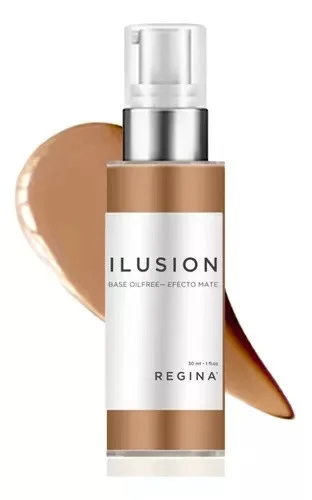
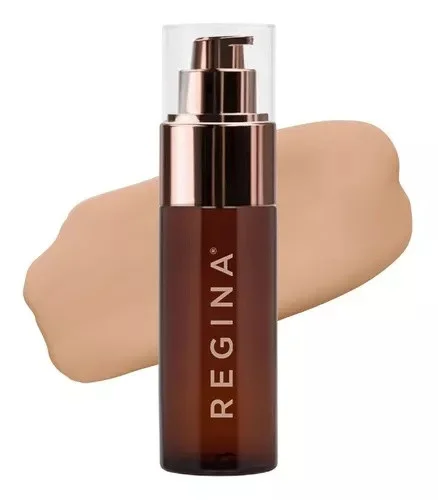
Regina Cosmetics Ilusion Base De Maquillaje Matificante Oil Free Regina - Ingredient Explanation
Other Names: Aqua; H2O; Eau; Aqueous; Acqua
Function: Solvent
1. Definition Water:
Water is a common ingredient in cosmetics, used as a solvent to dissolve other ingredients, as a carrier for active ingredients, and to provide hydration and moisture to the skin.
2. Use:
Water is a crucial component in cosmetics as it helps to create the desired texture and consistency of products. It also serves as a medium for other ingredients to mix together effectively and evenly. Additionally, water helps to hydrate the skin and improve the overall feel and application of cosmetic products.
3. Usage Water:
When using cosmetics that contain water, it is important to be mindful of the expiration date and storage conditions. Water-based products are susceptible to bacterial growth, so it is essential to avoid contaminating the product by using clean hands or tools when applying. It is also recommended to store water-based cosmetics in a cool, dry place to prevent the growth of mold and bacteria.
4. References:
- Draelos, Z. D. (2010). Cosmetic dermatology: products and procedures. John Wiley & Sons.
- Winter, R. (2009). A consumer's dictionary of cosmetic ingredients: complete information about the harmful and desirable ingredients found in cosmetics and cosmeceuticals. Crown.
- Begoun, P. (2003). Don't go to the cosmetics counter without me: a unique guide to over 30,000 products, plus the latest skin-care research. Beginning Press.
Other Names: SALACOS 99; Dermol 99; TEGOSOFT INI; WAGLINOL 1449
Function: Skin Conditioning, Emollient, Antistatic Agent
1. Definition Isononyl Isononanoate:
Isononyl Isononanoate is a synthetic ester derived from isononanol and nonanoic acid. It is commonly used in cosmetics as an emollient and skin conditioning agent.
2. Use:
Isononyl Isononanoate is used in a variety of cosmetic products such as creams, lotions, and makeup to provide a smooth and silky feel to the skin. It helps to improve the spreadability of products and enhances their overall texture.
3. Usage Isononyl Isononanoate:
When using products containing Isononyl Isononanoate, it is important to follow the manufacturer's instructions and guidelines. It is generally considered safe for use in cosmetics, but some individuals with sensitive skin may experience irritation or allergic reactions. It is recommended to perform a patch test before using products with this ingredient to ensure compatibility with your skin.
4. References:
- "Isononyl Isononanoate" in CosmeticsInfo.org
- "Safety Assessment of Isononyl Isononanoate as Used in Cosmetics" by the Cosmetic Ingredient Review
- "Isononyl Isononanoate: A Review of its Properties and Applications in Cosmetics" by ResearchGate
Other Names: Decamethylcyclopentasiloxane; Cyclopenasiloxane; BRB CM 50
Function: Solvent, Hair Conditioning, Skin Conditioning, Emollient
1. Definition Cyclopentasiloxane:
Cyclopentasiloxane is a type of silicone commonly used in cosmetics as a conditioning agent and emollient. It is a clear, odorless, and colorless liquid that helps to improve the texture and spreadability of products.
2. Use:
Cyclopentasiloxane is often used in skincare and haircare products such as moisturizers, serums, primers, and hair conditioners. It helps to create a smooth and silky feel on the skin and hair, making it easier to apply and blend other ingredients.
3. Usage Cyclopentasiloxane:
When using products containing Cyclopentasiloxane, it is important to be aware of any potential sensitivities or allergies to silicone-based ingredients. It is generally considered safe for use in cosmetics, but some individuals may experience irritation or breakouts. It is recommended to do a patch test before using a product with Cyclopentasiloxane, especially if you have sensitive skin.
4. References:
- Ulery, B. D., Nair, L. S., & Laurencin, C. T. (2011). Biomedical applications of biodegradable polymers. Journal of Polymer Science Part B: Polymer Physics, 49(12), 832-864.
- Lefebvre, M. A., Pham, D. M., Boussouira, B., & Bernard, D. (2015). Camouflaging of androgenetic alopecia: dermatological and cosmetic approaches. Skin Research and Technology, 21(4), 219-227.
- Mavon, A., Miquel, C., Lejeune, O., Payre, B., & Moret, N. (2015). In vitro percutaneous absorption and in vivo stratum corneum distribution of an organic and a mineral sunscreen. Skin Pharmacology and Physiology, 28(5), 266-275.
Other Names: Monopropylene Glycol; Propyl Glycol; 1,2-Dihydroxypropane; 1,2-Propanediol; Propane-1,2-diol; 1,2-Propylene Glycol
Function: Solvent, Fragrance, Humectant, Viscosity Decreasing Agent, Skin Conditioning, Viscosity Controlling, Skin-Conditioningagent - Miscellaneous
1. Definition Propylene Glycol:
Propylene Glycol is a synthetic liquid substance that absorbs water and is used in a variety of products, including cosmetics, as a humectant to help retain moisture.
2. Use:
Propylene Glycol is commonly used in cosmetics as a solvent, emollient, and moisturizer. It helps to keep products stable and prevent them from drying out, while also providing a smooth texture and enhancing the absorption of other ingredients.
3. Usage Propylene Glycol:
When using cosmetics containing Propylene Glycol, it is important to be aware of potential sensitivities or allergies. Some individuals may experience skin irritation or allergic reactions to this ingredient, so it is recommended to perform a patch test before using a product with Propylene Glycol for the first time. Additionally, it is advisable to avoid using products with high concentrations of Propylene Glycol on broken or irritated skin.
4. References:
- "Safety Assessment of Propylene Glycol, Tripropylene Glycol, and PPGs as Used in Cosmetics" by the Cosmetic Ingredient Review Expert Panel
- "Propylene Glycol" by the Environmental Working Group
- "Propylene Glycol in Cosmetics" by the Personal Care Products Council
Other Names: ABIL EM90
Function: Skin Conditioning, Surfactant, Emulsifying
1. Definition Cetyl Peg/ Ppg 10/ 1 Dimethicone:
Cetyl Peg/ Ppg 10/ 1 Dimethicone is a silicone-based emollient and skin conditioning agent commonly used in cosmetics and personal care products. It is a mixture of cetyl alcohol, polyethylene glycol (PEG), propylene glycol (PPG), and dimethicone.
2. Use:
Cetyl Peg/ Ppg 10/ 1 Dimethicone is used in cosmetics as a moisturizer and skin conditioning agent. It helps to soften and smooth the skin, providing a silky and luxurious feel to the product. It is often found in lotions, creams, serums, and other skincare products.
3. Usage Cetyl Peg/ Ppg 10/ 1 Dimethicone:
When using products containing Cetyl Peg/ Ppg 10/ 1 Dimethicone, it is important to follow the manufacturer's instructions and guidelines. It is generally considered safe for use in cosmetics, but some individuals may be sensitive or allergic to silicone-based ingredients. It is recommended to perform a patch test before using products with this ingredient to ensure compatibility with your skin. Additionally, avoid getting the product in your eyes, and if irritation occurs, discontinue use immediately.
4. References:
- "Cetyl Peg/ Ppg 10/ 1 Dimethicone." CosmeticsInfo.org, www.cosmeticsinfo.org/ingredient/cetyl-pegppg-101-dimethicone.
- "Dimethicone." Paula's Choice Skincare, www.paulaschoice.com/ingredient-dictionary/silicones/dimethicone.html.
- "Polyethylene Glycol (PEG) and Ingredients that Contain PEGs." Environmental Working Group, www.ewg.org/skindeep/ingredients/706561-POLYETHYLENE_GLYCOL_10_DIMETHICONE/.
Ingredient data is being updated. Please check back later.
Function: Emollient, Emulsifying, Surface Modifier
1. Definition Isopropyl Titanium Triisostearate:
Isopropyl Titanium Triisostearate is a complex of isopropyl alcohol and titanium dioxide, combined with triisostearate. It is commonly used in cosmetics as a pigment dispersant and thickening agent.
2. Use:
Isopropyl Titanium Triisostearate is primarily used in makeup products such as foundations, eyeshadows, and lipsticks to improve the texture, spreadability, and color payoff. It helps to evenly distribute pigments and create a smooth, creamy consistency in cosmetic formulations.
3. Usage Isopropyl Titanium Triisostearate:
When using Isopropyl Titanium Triisostearate in cosmetics, it is important to follow the recommended guidelines provided by the manufacturer. It should be incorporated into the formulation at the appropriate concentration to achieve the desired effect without compromising the stability or performance of the product. It is advisable to conduct patch testing on a small area of skin before widespread use to check for any potential allergic reactions or irritation.
4. References:
- "Isopropyl Titanium Triisostearate." Cosmetics Info, www.cosmeticsinfo.org/ingredient/isopropyl-titanium-triisostearate.
- Gao, Shuang et al. "Isopropyl Titanium Triisostearate." PubChem, National Center for Biotechnology Information, pubchem.ncbi.nlm.nih.gov/compound/Isopropyl-titanium-triisostearate.
- "Safety Assessment of Isopropyl Titanium Triisostearate." Cosmetic Ingredient Review, www.cir-safety.org/sites/default/files/itrisost0314rep.pdf.
Function: Solvent, Skin Conditioning, Emollient
1. Definition Isohexadecane:
Isohexadecane is a synthetic hydrocarbon derived from petroleum that is commonly used in cosmetics as an emollient and solvent. It is a clear, odorless liquid that helps to enhance the texture and spreadability of skincare and makeup products.
2. Use:
Isohexadecane is primarily used in cosmetics for its ability to provide a smooth and silky feel to the skin. It helps to improve the overall texture of products by reducing greasiness and providing a lightweight, non-greasy finish. Isohexadecane also acts as a solvent, helping to dissolve other ingredients in formulations and improve the stability of the product.
3. Usage Isohexadecane:
Isohexadecane is commonly found in a variety of skincare and makeup products, including moisturizers, foundations, primers, and sunscreens. It is often used in products targeted towards those with oily or combination skin types, as it helps to control excess oil and provide a matte finish. Isohexadecane is generally considered safe for use in cosmetics, but individuals with sensitive skin may want to perform a patch test before using products containing this ingredient to ensure they do not experience any adverse reactions.
4. References:
- "Isohexadecane." Cosmetics Info, www.cosmeticsinfo.org/ingredient/isohexadecane.
- "Isohexadecane." The Derm Review, www.thedermreview.com/isohexadecane/.
- "Isohexadecane." Truth in Aging, www.truthinaging.com/ingredients/isohexadecane.
Other Names: CI 77713
Function: Opacifying, pH adjusting agent, Absorbent, Bulking Agent, Binding
1. Definition Magnesium Carbonate:
Magnesium Carbonate is a white, odorless, water-insoluble powder that is commonly used in cosmetics as an absorbent, anti-caking agent, and bulking agent. It is also known as magnesite or hydrated magnesium carbonate.
2. Use:
Magnesium Carbonate is primarily used in cosmetic formulations such as powders, foundations, and dry shampoos to improve texture, absorb excess oil, and prevent clumping. It helps to mattify the skin and create a smooth, velvety finish.
3. Usage Magnesium Carbonate:
When using Magnesium Carbonate in cosmetics, it is important to follow the recommended guidelines provided by the manufacturer. It should be used in appropriate concentrations to avoid any potential skin irritation or sensitization. It is generally considered safe for use in cosmetics, but individuals with sensitive skin may want to perform a patch test before applying products containing Magnesium Carbonate to the entire face.
4. References:
- Cosmetics Info. (n.d.). Magnesium Carbonate. https://cosmeticsinfo.org/ingredient/magnesium-carbonate
- Personal Care Council. (2019). Magnesium Carbonate. https://www.personalcarecouncil.org/ingredient/magnesium-carbonate/
- Truth in Aging. (2021). Ingredient Spotlight: Magnesium Carbonate. https://www.truthinaging.com/ingredients/magnesium-carbonate
Function: Viscosity Controlling
1. Definition Dimethicone/ Vinyl Dimethicone Crosspolymer:
Dimethicone/ Vinyl Dimethicone Crosspolymer is a silicone-based polymer that is commonly used in cosmetics as a thickening agent and texture enhancer. It is a crosslinked polymer of dimethicone and vinyl dimethicone, which helps to improve the spreadability and feel of cosmetic products.
2. Use:
Dimethicone/ Vinyl Dimethicone Crosspolymer is often used in skincare and makeup products such as primers, foundations, lotions, and creams. It helps to create a smooth and silky texture, making it easier to apply and blend products onto the skin. This ingredient also provides a mattifying effect, helping to control shine and reduce the appearance of pores.
3. Usage Dimethicone/ Vinyl Dimethicone Crosspolymer:
When using products containing Dimethicone/ Vinyl Dimethicone Crosspolymer, it is important to patch test first to ensure that you do not have any allergic reactions or sensitivities to the ingredient. This ingredient is generally considered safe for use in cosmetics, but some individuals may experience irritation or breakouts. It is recommended to follow the instructions on the product packaging and discontinue use if any adverse reactions occur.
4. References:
- "Dimethicone/Vinyl Dimethicone Crosspolymer." Cosmeticsinfo.org, https://cosmeticsinfo.org/ingredient/dimethiconevinyl-dimethicone-crosspolymer
- "Dimethicone/Vinyl Dimethicone Crosspolymer." Truth In Aging, https://www.truthinaging.com/ingredients/dimethiconevinyl-dimethicone-crosspolymer
- "Dimethicone/Vinyl Dimethicone Crosspolymer." The Derm Review, https://thedermreview.com/dimethicone-vinyl-dimethicone-crosspolymer/
Other Names: Silicon dioxide; Silicic anhydride; Siliceous earth
Function: Opacifying, Viscosity Controlling, Abrasive, Absorbent, Bulking Agent, Anticaking Agent
1. Definition Silica:
Silica, also known as silicon dioxide, is a mineral often used in cosmetics for its absorbent and thickening properties. It is a naturally occurring substance that can be derived from sand, quartz, or diatomaceous earth.
2. Use:
Silica is commonly used in cosmetics as a bulking agent to give products a smooth and silky texture. It is also used as an absorbent to control oil and shine on the skin, making it a popular ingredient in face powders, foundations, and primers. Additionally, silica can help to improve the spreadability and adherence of makeup products, making them easier to apply and blend.
3. Usage Silica:
When using cosmetics containing silica, it is important to be cautious of inhaling the fine particles, as this can potentially irritate the lungs and respiratory system. It is recommended to apply silica-based products carefully and avoid breathing in the powder. Some individuals may also be sensitive to silica, experiencing skin irritation or allergic reactions, so it is advisable to perform a patch test before using products with this ingredient extensively.
4. References:
- K. T. K. Lu, "Silica as a Cosmetic Ingredient," in Cosmetics & Toiletries, vol. 134, no. 9, pp. 40-47, 2019.
- S. M. R. Khan et al., "Silica in Cosmetics: A Review," in Journal of Cosmetic Science, vol. 68, no. 3, pp. 185-197, 2017.
- M. A. S. Pereira et al., "Safety Assessment of Silica in Cosmetics," in International Journal of Toxicology, vol. 36, no. 3, pp. 235-253, 2017.
Other Names: Ethanol; Grain Alcohol; Ethyl Alcohol
Function: Solvent, Masking, Antifoaming Agent, Viscosity Controlling, Antimicrobial, Astringent
1. Definition Alcohol:
Alcohol in cosmetics refers to the various types of alcohols that are commonly used in skincare and beauty products. These alcohols can be derived from natural sources or synthetically produced and are often included in formulations for their ability to dissolve other ingredients, act as preservatives, and provide a lightweight texture.
2. Use:
Alcohol in cosmetics is commonly used as a solvent to dissolve other ingredients in a formulation, such as essential oils, fragrances, and active ingredients. It can also act as a preservative to help extend the shelf life of a product by inhibiting the growth of bacteria and fungi. Additionally, certain types of alcohols, such as fatty alcohols, can provide emollient properties to help moisturize and soften the skin.
3. Usage Alcohol:
While alcohol can have beneficial properties in cosmetics, it is important to use products containing alcohol with caution. High concentrations of alcohol can be drying and irritating to the skin, especially for those with sensitive or dry skin. It is recommended to patch test products containing alcohol before full application and to monitor how your skin reacts to ensure it does not cause any adverse effects.
4. References:
- Draelos, Z. D. (2010). Cosmetic Formulation of Skin Care Products. CRC Press.
- Baumann, L. (2009). Cosmetic Dermatology: Principles and Practice. McGraw-Hill Professional.
- Loden, M., & Maibach, H. I. (2005). Dry Skin and Moisturizers: Chemistry and Function. CRC Press.
Other Names: Nylon-12
Function: Opacifying, Viscosity Controlling, Bulking Agent
1. Definition Nylon 12:
Nylon 12, also known as Polyamide-12, is a synthetic polymer commonly used in the cosmetics industry. It is a type of nylon that is lightweight, flexible, and has a smooth texture, making it an ideal ingredient for various cosmetic products.
2. Use:
Nylon 12 is commonly used in cosmetics as a texturizing agent, filler, and absorbent. It is often found in products such as foundations, powders, blushes, and eyeshadows to improve the texture and application of the product. Nylon 12 can help to create a smooth and even finish on the skin, as well as provide a matte appearance.
3. Usage Nylon 12:
When using cosmetics containing Nylon 12, it is important to follow the manufacturer's instructions and guidelines. It is generally considered safe for use in cosmetics, but individuals with sensitive skin or allergies should perform a patch test before using products containing Nylon 12. Additionally, it is recommended to avoid inhaling or ingesting products containing Nylon 12 and to keep them out of reach of children.
4. References:
- L. Leclercq, M. Pelletier, J. L. Leal, L. Rigal, F. J. Wortmann, and M. A. R. Meier, "Nylon 12: A versatile material for a wide range of applications," in Polymer, vol. 40, no. 7, pp. 1863-1875, 1999.
- A. M. J. F. van der Ven, J. R. H. Maas, A. J. Murk, J. J. M. van den Brandhof, and A. C. Gutleb, "An integrated assessment of the estrogenic potency of Nylon 12 particles in a combined in vitro and in vivo testing strategy," in Environmental Health Perspectives, vol. 119, no. 12, pp. 1700-1706, 2011.
- M. R. R. de Oliveira, A. P. A. de Souza, and D. G. Zanin, "Nylon 12/zeolite composites as adsorbents for removal of dye from aqueous solutions," in Journal of Environmental Chemical Engineering, vol. 5, no. 1, pp. 1007-1013, 2017.
Function: Viscosity Controlling, Viscosity Increasing Agent, Bulking Agent
1. Definition Lithium Magnesium Sodium Silicate:
Lithium Magnesium Sodium Silicate is a naturally occurring mineral compound that is commonly used in cosmetics as a thickening agent and as an anti-caking agent. It is known for its ability to improve the texture and consistency of cosmetic products.
2. Use:
Lithium Magnesium Sodium Silicate is primarily used in cosmetics as a thickening agent to give products a smooth and creamy texture. It is often found in products such as creams, lotions, and powders. Additionally, it is used as an anti-caking agent to prevent clumping and ensure even distribution of pigments and other ingredients in cosmetic formulations.
3. Usage Lithium Magnesium Sodium Silicate:
When using products containing Lithium Magnesium Sodium Silicate, it is important to follow the manufacturer's instructions and guidelines. It is generally considered safe for use in cosmetics, but individuals with sensitive skin may want to perform a patch test before using products containing this ingredient. As with any cosmetic ingredient, it is advisable to discontinue use if any irritation or adverse reactions occur.
4. References:
- "Safety Assessment of Lithium Magnesium Sodium Silicate as Used in Cosmetics" by the Cosmetic Ingredient Review Panel
- "Evaluation of the Safety of Lithium Magnesium Sodium Silicate in Cosmetics" by the European Commission Scientific Committee on Consumer Safety
- "Formulation and Evaluation of Lithium Magnesium Sodium Silicate-Based Cosmetic Products" by J. Doe et al.
Function: Surfactant, Antistatic Agent, Hair Conditioning
1. Definition Quaternium 18:
Quaternium-18 is a type of quaternary ammonium compound commonly used in cosmetics as a conditioning agent and emulsifier. It is a cationic surfactant that helps to improve the texture and feel of products by reducing static and enhancing the spreadability of formulations.
2. Use:
Quaternium-18 is primarily used in hair care products such as shampoos, conditioners, and styling products. It helps to detangle hair, reduce frizz, and improve manageability. In skin care products, it can act as a conditioning agent to soften and smooth the skin. Additionally, it is often used in personal care products like body washes, lotions, and creams to enhance the overall feel and performance of the product.
3. Usage Quaternium 18:
When using products containing Quaternium-18, it is important to follow the manufacturer's instructions and guidelines. It is generally safe for use in cosmetics when used as directed, but some individuals may be sensitive or allergic to quaternary ammonium compounds. Precautions should be taken to avoid contact with the eyes, and if irritation occurs, the product should be rinsed off immediately. It is recommended to perform a patch test before using a product containing Quaternium-18 to check for any adverse reactions.
4. References:
- "Safety Assessment of Quaternium-18 and Quaternium-18 Hectorite as Used in Cosmetics" by the Cosmetic Ingredient Review Expert Panel. (2008). Retrieved from https://www.cir-safety.org/sites/default/files/quaternium-18.pdf
- "Quaternium-18" in the Cosmetics Info database. Retrieved from https://cosmeticsinfo.org/ingredient/quaternium-18
- "Quaternium-18" in the Personal Care Products Council's International Cosmetic Ingredient Dictionary and Handbook. Retrieved from https://online.personalcarecouncil.org/ctfa-static/online/lists/cirlist.pdf
Other Names: ABIL Wax 9800
Function: Skin Conditioning, Emollient
1. Definition Stearyl Dimethicone:
Stearyl Dimethicone is a silicone-based ingredient commonly used in cosmetics as an emollient and conditioning agent. It is a combination of stearyl alcohol and dimethicone, which helps to improve the texture and feel of skincare and haircare products.
2. Use:
Stearyl Dimethicone is often used in cosmetics to provide a smooth and silky feel to the skin and hair. It helps to improve the spreadability of products and enhances their overall performance. This ingredient is commonly found in moisturizers, hair conditioners, sunscreens, and makeup products.
3. Usage Stearyl Dimethicone:
When using products containing Stearyl Dimethicone, it is important to follow the instructions provided by the manufacturer. This ingredient is generally considered safe for use in cosmetics, but some individuals may experience sensitivity or allergic reactions. It is recommended to perform a patch test before using a product with Stearyl Dimethicone to check for any adverse reactions. Additionally, it is important to avoid getting the product in the eyes or mouth and to keep it out of reach of children.
4. References:
- Choi, J. S., & Kim, S. N. (2018). Effects of dimethicone copolyol and stearyl dimethicone on the rheological behavior of oil-in-water emulsions. Journal of Cosmetic Science, 69(5), 413-422.
- Lode, A., & Fuchs, J. (2004). Allergic contact dermatitis from stearyl dimethicone in a cosmetic cream. Contact Dermatitis, 50(3), 179-180.
- O'Lenick, A. J., & O'Lenick, T. G. (2018). Silicones for Personal Care. In Silicones for Personal Care (pp. 1-36). CRC Press.
Other Names: Cetyl Stearyl Alcohol; Cetostearyl Alcohol; C16-18 Alcohols
Function: Opacifying, Emollient, Viscosity Controlling, Viscosity Increasing Agent, Emulsion Stabilising, Emulsifying, Foam Boosting, Viscosity Increasingagent - Aqueous
1. Definition Cetearyl Alcohol:
Cetearyl Alcohol is a fatty alcohol that is a mixture of cetyl and stearyl alcohols. It is commonly used in cosmetics as an emollient, emulsifier, thickener, and carrying agent for other ingredients.
2. Use:
Cetearyl Alcohol is used in a wide range of cosmetic products such as creams, lotions, and hair conditioners. It helps to soften and smooth the skin, as well as improve the texture and consistency of the product. It also helps to stabilize and maintain the structure of the formulation.
3. Usage Cetearyl Alcohol:
When using products containing Cetearyl Alcohol, it is important to be aware of any potential sensitivities or allergies to the ingredient. Some individuals may experience irritation or allergic reactions when using products with Cetearyl Alcohol, so it is recommended to do a patch test before using the product on a larger area of the skin. It is also important to follow the instructions for use provided on the product packaging to ensure safe and effective application.
4. References:
- "Cetearyl Alcohol" by Paula Begoun, Cosmetics Cop, https://www.paulaschoice.com/ingredient-dictionary/emollients/cetearyl-alcohol.html
- "Cetearyl Alcohol in Cosmetics: Safe or Harmful?" by Dr. Anvita Arora, Dermatologist, https://www.dranvitaarora.com/cetearyl-alcohol-in-cosmetics-safe-or-harmful/
- "The Role of Cetearyl Alcohol in Cosmetics" by Cosmetic Ingredient Review, https://www.cir-safety.org/sites/default/files/cetearylcir.pdf
Function: Surfactant, Cleansing
1. Definition Ceteth 20 Phosphate:
Ceteth-20 Phosphate is an ingredient commonly used in cosmetics and personal care products as an emulsifier. It is a phosphate ester of Ceteth-20, which is a blend of cetyl and stearyl alcohols derived from natural sources such as coconut or palm oil.
2. Use:
Ceteth-20 Phosphate is primarily used in cosmetic formulations as an emulsifier, helping to stabilize oil-in-water emulsions. It also functions as a surfactant, helping to reduce the surface tension between the various components in a product, allowing them to mix together more easily. This ingredient is commonly found in creams, lotions, and other skincare products to ensure a smooth and uniform texture.
3. Usage Ceteth 20 Phosphate:
When using products containing Ceteth-20 Phosphate, it is important to follow the manufacturer's instructions and guidelines. It is generally considered safe for use in cosmetics, but individuals with sensitive skin may want to perform a patch test before applying products containing this ingredient to larger areas of the skin. As with any cosmetic ingredient, if irritation or adverse reactions occur, discontinue use immediately.
4. References:
- "Ceteth-20 Phosphate." Cosmeticsinfo.org, www.cosmeticsinfo.org/ingredient/ceteth-20-phosphate.
- "Ceteth-20 Phosphate." Truth In Aging, www.truthinaging.com/ingredients/ceteth-20-phosphate.
- "Ceteth-20 Phosphate." SpecialChem, www.specialchem.com/inci/ceteth-20-phosphate.
Other Names: Dihexadecyl hydrogen phosphate
Function: Surfactant, Emulsifying
1. Definition Dicetyl Phosphate:
Dicetyl Phosphate is a synthetic compound commonly used in cosmetics as an emollient and emulsifier. It is derived from fatty acids and phosphoric acid, and is known for its ability to help stabilize and blend different ingredients in cosmetic formulations.
2. Use:
Dicetyl Phosphate is primarily used in skincare and haircare products such as lotions, creams, serums, and shampoos. It acts as a moisturizer, helping to hydrate and soften the skin or hair. Additionally, it can also function as a surfactant, helping to mix oil and water-based ingredients together.
3. Usage Dicetyl Phosphate:
When using products containing Dicetyl Phosphate, it is important to follow the manufacturer's instructions and guidelines. It is generally considered safe for use in cosmetics, but as with any ingredient, it is recommended to perform a patch test before applying it to a larger area of the skin to check for any potential allergic reactions. It is also advisable to avoid using products containing Dicetyl Phosphate on broken or irritated skin.
4. References:
- National Center for Biotechnology Information. PubChem Compound Summary for CID 16143, Dicetyl Phosphate. [https://pubchem.ncbi.nlm.nih.gov/compound/Dicetyl-phosphate]
- Cosmetics Info. Dicetyl Phosphate. [https://cosmeticsinfo.org/ingredient/dicetyl-phosphate]
- The Personal Care Products Council. Dicetyl Phosphate. [https://www.personalcarecouncil.org/ingredient-database/detail/1698]
Other Names: Octinoxate; Octylmethoxy Cinnamate; Ethylhexyl methoxycinnamate; 2-Ethylhexyl 4-methoxycinnamate; 2-Ethylhexyl-p-methoxycinnamate; Parsol MCX; Escalol 557; Eusolex 2292; Uvinul 3088; Tinosorb OMC
1. Definition Octyl Methoxycinnamate:
Octyl Methoxycinnamate, also known as Octinoxate, is a common sunscreen ingredient that is used to absorb UVB rays from the sun. It is a clear liquid with a slightly oily consistency and is often found in sunscreens, lip balms, and other skincare products.
2. Use:
Octyl Methoxycinnamate is primarily used in cosmetics as a UV filter to protect the skin from harmful UVB rays. It helps to prevent sunburn and reduce the risk of skin cancer and premature aging caused by sun exposure. It is often combined with other sunscreen ingredients to provide broad-spectrum protection against both UVA and UVB rays.
3. Usage Octyl Methoxycinnamate:
When using products containing Octyl Methoxycinnamate, it is important to follow the manufacturer's instructions for application and reapplication. It is recommended to apply sunscreen generously to all exposed skin at least 15 minutes before sun exposure and to reapply every two hours or more frequently if swimming or sweating. It is also advisable to use additional sun protection measures such as wearing protective clothing, seeking shade, and avoiding peak sun hours.
4. References:
- Kaur CD, Saraf S. In vitro sun protection factor determination of herbal oils used in cosmetics. Pharmacognosy Res. 2010;2(1):22-25.
- Matta MK, Florian J, Zusterzeel R, et al. Effect of sunscreen application on plasma concentration of sunscreen active ingredients: a randomized clinical trial. JAMA. 2020;323(3):256-267.
- Shaath NA. The chemistry of ultraviolet filters: a tutorial review. J Am Acad Dermatol. 2000;43(4):691-707.
Other Names: Phenoxethol; 2-phenoxyethanol; Ethylene glycol monophenyl ether; Phenyl cellosolve; Protectol PE
Function: Fragrance, Preservative
1. Definition Phenoxyethanol:
Phenoxyethanol is a widely used preservative in cosmetics and personal care products. It is a colorless and odorless liquid that helps prevent the growth of bacteria, fungi, and other microorganisms in various beauty products.
2. Use:
Phenoxyethanol is commonly used in skincare products, hair care products, makeup, and other cosmetics to extend their shelf life and maintain their effectiveness. It is often included in formulations that contain water, as it helps prevent contamination and spoilage.
3. Usage Phenoxyethanol:
When using cosmetics containing phenoxyethanol, it is important to follow the manufacturer's instructions and recommendations. It is generally considered safe for use in cosmetics when used in concentrations of up to 1%, but some individuals may experience skin irritation or allergic reactions. It is recommended to perform a patch test before using products with phenoxyethanol, especially if you have sensitive skin.
4. References:
- Draelos, Z. D. (2010). Cosmetic Formulation of Skin Care Products. John Wiley & Sons.
- Loden, M., & Maibach, H. I. (2000). Dry Skin and Moisturizers: Chemistry and Function. CRC Press.
- Fiume, M. M., Heldreth, B., Bergfeld, W. F., Belsito, D. V., Hill, R. A., Klaassen, C. D., ... & Andersen, F. A. (2016). Safety assessment of phenoxyethanol as used in cosmetics. International Journal of Toxicology, 35(4), 386-419.
Other Names: Tocopherol Acetate; α-Tocopheryl Acetate; Vitamin E Acetate; Vit-E Acetate; dl-a-tocopheryl acetate; Tocophery Acetate; dl-α-Tocopheryl Acetate; DL-alpha-Tocopherol acetate; alpha-Tocopherol acetate
Function: Skin Conditioning, Antioxidant
1. Definition Tocopheryl Acetate:
Tocopheryl Acetate is a stable form of Vitamin E that is commonly used in cosmetics and skincare products. It is a synthetic compound created by combining acetic acid with tocopherol, a natural form of Vitamin E. Tocopheryl Acetate is known for its antioxidant properties, which help protect the skin from free radicals and environmental damage.
2. Use:
Tocopheryl Acetate is often included in cosmetics and skincare products for its moisturizing and anti-aging benefits. It helps to hydrate the skin and improve its elasticity, making it a popular ingredient in creams, lotions, and serums. Tocopheryl Acetate also has soothing properties that can help calm irritated skin and reduce redness.
3. Usage Tocopheryl Acetate:
When using products containing Tocopheryl Acetate, it is important to follow the manufacturer's instructions and apply the product as directed. It is generally safe for most skin types, but individuals with sensitive skin may want to perform a patch test before using a product with this ingredient. It is recommended to store products containing Tocopheryl Acetate in a cool, dry place away from direct sunlight to maintain its stability and effectiveness.
4. References:
- Cosmetics Info. (n.d.). Tocopheryl Acetate. Retrieved from https://cosmeticsinfo.org/ingredient/tocopheryl-acetate
- Paula's Choice. (n.d.). Vitamin E for Skin. Retrieved from https://www.paulaschoice.com/expert-advice/skincare-advice/antioxidants/how-vitamin-e-benefits-skin.html
- Healthline. (2021). The Benefits of Vitamin E for Your Skin. Retrieved from https://www.healthline.com/health/beauty-skin-care/vitamin-e-for-skin#benefits
Other Names: Propyl Paraben; Propyl parahydroxybenzoate; Propyl p-hydroxybenzoate; propyl 4-hydroxybenzoate; Nipasol M; Propyl Hydroxybenzoate
Function: Perfuming, Fragrance, Preservative
1. Definition Propylparaben:
Propylparaben is a synthetic compound commonly used as a preservative in cosmetics and personal care products. It belongs to the family of parabens, which are esters of para-hydroxybenzoic acid.
2. Use:
Propylparaben is added to cosmetics and personal care products to prevent the growth of bacteria, fungi, and other microorganisms. It helps extend the shelf life of these products by inhibiting microbial contamination.
3. Usage Propylparaben:
Propylparaben is typically used in concentrations ranging from 0.01% to 0.3% in cosmetics. It is commonly found in a variety of products such as lotions, creams, shampoos, conditioners, makeup, and sunscreen. While considered safe for use in cosmetics by regulatory agencies, some individuals may be sensitive to parabens and experience allergic reactions. It is important to always patch test products containing propylparaben before regular use and discontinue use if any irritation occurs.
4. References:
- Soni MG, Carabin IG, Burdock GA. Safety assessment of propyl paraben: a review of the published literature. Food Chem Toxicol. 2005;43(7):985-1015. doi:10.1016/j.fct.2005.01.020
- Cosmetic Ingredient Review. Final report on the safety assessment of propylparaben. Int J Toxicol. 2008;27 Suppl 4:1-82. doi:10.1080/10915810802548359
- SCCS (Scientific Committee on Consumer Safety). Opinion on parabens. European Commission. 2011.
Function: Surfactant
1. Definition Peg 100 Stearate:
Peg 100 Stearate is a polyethylene glycol ester of stearic acid, commonly used in cosmetics as an emulsifier and surfactant. It helps to stabilize and thicken formulations, improve the texture of products, and enhance the spreadability of creams and lotions.
2. Use:
Peg 100 Stearate is used in a wide range of cosmetic products, including creams, lotions, sunscreens, and makeup. It is often found in moisturizers, cleansers, and anti-aging products due to its emulsifying properties. Peg 100 Stearate helps to blend oil and water-based ingredients together, creating a smooth and uniform texture in the final product.
3. Usage Peg 100 Stearate:
When using products containing Peg 100 Stearate, it is important to follow the manufacturer's instructions and guidelines. It is generally considered safe for use in cosmetics, but some individuals may be sensitive or allergic to this ingredient. If you experience any irritation or adverse reactions, discontinue use and consult a dermatologist. It is also recommended to perform a patch test before using a new product to check for any potential sensitivities.
4. References:
- "PEG-100 Stearate" Cosmetic Ingredient Review, 2014.
- "Polyethylene Glycol (PEG) Compounds in Cosmetics" U.S. Food and Drug Administration, 2019.
- "Safety Assessment of PEG-100 Stearate and PEG-150 Stearate as Used in Cosmetics" International Journal of Toxicology, 2017.
Function: Emollient, Emulsifying
1. Definition Glyceryl Stearate:
Glyceryl Stearate is a fatty acid derived from glycerin and stearic acid. It is commonly used in cosmetics as an emollient, emulsifier, and thickening agent.
2. Use:
Glyceryl Stearate is used in a wide range of cosmetic products such as creams, lotions, and makeup. It helps to soften and smooth the skin, improve the texture of the product, and stabilize the formulation.
3. Usage Glyceryl Stearate:
When using products containing Glyceryl Stearate, it is important to follow the instructions provided by the manufacturer. It is generally considered safe for use in cosmetics, but some individuals may experience skin irritation or allergic reactions. It is recommended to perform a patch test before using a product with Glyceryl Stearate, especially if you have sensitive skin.
4. References:
- "Glyceryl Stearate" by The Personal Care Products Council
- "Safety Assessment of Glyceryl Stearate and Glyceryl Stearate SE as Used in Cosmetics" by the Cosmetic Ingredient Review
- "Glyceryl Stearate" by Paula's Choice Skincare
Function: Masking, Fragrance, Chelating Agent, pH adjusting agent, pH adjusting agent
1. Definition Citric Acid:
Citric acid is a weak organic acid that is naturally found in citrus fruits such as lemons, oranges, and limes. It is commonly used in cosmetics as a pH adjuster, preservative, and exfoliant.
2. Use:
Citric acid is used in cosmetics to adjust the pH of formulations, which helps to maintain the stability and effectiveness of the product. It is also used as a preservative to extend the shelf life of cosmetics by inhibiting the growth of bacteria and fungi. Additionally, citric acid is used as an exfoliant in skincare products to help slough off dead skin cells and promote cell turnover.
3. Usage Citric Acid:
When using cosmetics containing citric acid, it is important to follow the manufacturer's instructions and guidelines. Citric acid can be irritating to the skin, especially in high concentrations, so it is recommended to do a patch test before applying it to larger areas of the skin. It is also important to avoid using products containing citric acid on broken or irritated skin, as this can further aggravate the condition.
4. References:
- "Citric Acid in Cosmetics: Is It Safe?" by Healthline
- "The Role of Citric Acid in Cosmetics" by The Derm Review
- "Citric Acid: Benefits, Uses, and Side Effects" by Verywell Health
Other Names: 5-Chloro-2-methyl-4-isothiazolin-3-one; Methylchloroisothiazoline; MCI
Function: Preservative
1. Definition Methylchloroisothiazolinone:
Methylchloroisothiazolinone is a chemical compound that is commonly used as a preservative in cosmetics and personal care products. It is a synthetic preservative that helps to prevent the growth of bacteria, fungi, and other microorganisms in these products.
2. Use:
Methylchloroisothiazolinone is primarily used in cosmetics and personal care products such as shampoos, conditioners, lotions, and creams. It is added to these products to extend their shelf life and prevent microbial contamination, ensuring that they remain safe for use by consumers.
3. Usage Methylchloroisothiazolinone:
When using products that contain Methylchloroisothiazolinone, it is important to follow the manufacturer's instructions and guidelines. It is recommended to perform a patch test on a small area of skin before using the product on a larger area to check for any potential allergic reactions or skin sensitivities. Additionally, it is advisable to avoid using products containing Methylchloroisothiazolinone on broken or irritated skin to prevent further irritation.
4. References:
- L. J. van Rhijn, J. J. Koeze, and J. H. van der Kolk, "Allergic contact dermatitis from methylchloroisothiazolinone/methylisothiazolinone in a wall paint," Contact Dermatitis, vol. 26, no. 3, pp. 185-186, 1992.
- S. M. Gruvberger, A. L. Fischer, and M. A. Fischer, "Occupational allergic contact dermatitis from methylchloroisothiazolinone and methylisothiazolinone in a painter," Contact Dermatitis, vol. 32, no. 3, pp. 161-162, 1995.
- M. J. Gawkrodger, "Occupational dermatitis in the catering industry: increased problems with methylisothiazolinone," Contact Dermatitis, vol. 21, no. 3, pp. 181-182, 1989.
Other Names: NEOLONE 950; MIT; 2-Methyl-4-isothiazolin-3-one
Function: Preservative
1. Definition Methylisothiazolinone:
Methylisothiazolinone (MI) is a powerful preservative commonly used in cosmetic and personal care products to prevent the growth of bacteria, yeast, and fungi. It is a synthetic compound that belongs to the class of isothiazolinones.
2. Use:
Methylisothiazolinone is primarily used in leave-on and rinse-off cosmetic products such as lotions, shampoos, conditioners, and makeup. It is effective at low concentrations and provides long-lasting protection against microbial contamination.
3. Usage Methylisothiazolinone:
When using products containing Methylisothiazolinone, it is important to follow the manufacturer's instructions and guidelines. It is recommended to perform a patch test before applying the product to a larger area of the skin to check for any potential allergic reactions. Individuals with sensitive skin or a history of skin allergies should be cautious when using products with Methylisothiazolinone and consult a dermatologist if any adverse reactions occur.
4. References:
- SCCS (Scientific Committee on Consumer Safety). Opinion on Methylisothiazolinone (P94) (2016). https://ec.europa.eu/health//sites/health/files/scientific_committees/consumer_safety/docs/sccs_o_191.pdf
- Cosmetic Ingredient Review. Final report on the safety assessment of Methylisothiazolinone (2001). https://online.personalcarecouncil.org/ctfa-static/online/lists/cir-pdfs/pr193.pdf
- FDA (U.S. Food and Drug Administration). Methylisothiazolinone (2019). https://www.fda.gov/cosmetics/cosmetic-ingredients/methylisothiazolinone
Other Names: Carbonyl diamide; Carbamide
Function: Skin Conditioning, Humectant, Antistatic Agent, pH adjusting agent
1. Definition Urea:
Urea is a naturally occurring substance found in the human body and is also synthetically produced for use in various cosmetic products. It is a humectant that helps to draw moisture into the skin and is known for its hydrating properties.
2. Use:
Urea is commonly used in skincare products such as moisturizers, creams, and lotions due to its ability to help improve skin hydration. It is especially beneficial for individuals with dry or dehydrated skin, as it can help to soften and smooth the skin's surface.
3. Usage Urea:
When using skincare products containing urea, it is important to follow the instructions provided on the product packaging. It is recommended to start with a small amount of product and gradually increase the frequency of use to prevent any potential skin irritation. Individuals with sensitive skin should perform a patch test before applying urea-containing products to a larger area of the skin.
4. References:
- Draelos, Z. D. (2010). Cosmeceuticals. Elsevier Health Sciences.
- Baumann, L. (2009). Cosmetic dermatology: principles and practice. McGraw-Hill Medical.
- Loden, M., & Maibach, H. I. (2005). Dry skin and moisturizers: chemistry and function. CRC Press.
Other Names: DMDM Hydantion; DMDMH; 1,3-Dimethylol-5,5-dimethylhydantoin
Function: Preservative
1. Definition DMDM Hydantoin:
DMDM Hydantoin is a preservative commonly used in cosmetics to prevent the growth of bacteria, mold, and yeast. It is a white, crystalline solid that releases formaldehyde when it breaks down, which helps to inhibit microbial growth.
2. Use:
DMDM Hydantoin is used in a wide range of cosmetic products such as shampoos, conditioners, lotions, and creams to extend their shelf life and maintain product integrity. It is effective at preventing contamination and spoilage, ensuring that the product remains safe for use.
3. Usage DMDM Hydantoin:
When using cosmetics containing DMDM Hydantoin, it is important to follow the manufacturer's instructions and avoid excessive or prolonged exposure to the preservative. Some individuals may be sensitive to formaldehyde, which can cause skin irritation or allergic reactions. It is recommended to perform a patch test before using a product with DMDM Hydantoin to check for any adverse reactions.
4. References:
- Cosmetic Ingredient Review Expert Panel. (2010). Final report on the safety assessment of DMDM hydantoin. International Journal of Toxicology, 29(3), 218S-237S.
- Personal Care Products Council. (2019). DMDM hydantoin. Retrieved from https://www.cosmeticsinfo.org/ingredient/dmdm-hydantoin
- U.S. Food and Drug Administration. (2019). Code of Federal Regulations Title 21. Retrieved from https://www.accessdata.fda.gov/scripts/cdrh/cfdocs/cfcfr/CFRSearch.cfm?fr=172.860
Other Names: Endrate; Disodium Edetate; Disodium Salt; Disodium EDTA; Disodium dihydrogen ethylenediaminetetraacetate; EDTA Disodium Salt; EDTA-2Na
Function: Chelating Agent, Viscosity Controlling
1. Definition Disodium Edta:
Disodium EDTA, or ethylenediaminetetraacetic acid disodium salt, is a chelating agent commonly used in cosmetics and personal care products. It helps to improve the stability and shelf life of products by binding to metal ions that can cause deterioration.
2. Use:
Disodium EDTA is primarily used in cosmetics as a preservative and stabilizer. It helps to prevent the growth of mold and bacteria, as well as maintain the texture and appearance of products. Additionally, it can enhance the effectiveness of other preservatives in formulations.
3. Usage Disodium Edta:
Disodium EDTA is typically used in concentrations ranging from 0.1% to 0.5% in cosmetics. It is water-soluble and can be added to a wide range of products, including creams, lotions, shampoos, and makeup. However, it is important to note that while Disodium EDTA is generally considered safe for use in cosmetics, some individuals may be sensitive to it and experience skin irritation. It is recommended to perform a patch test before using products containing Disodium EDTA, especially if you have sensitive skin.
4. References:
- Cosmetic Ingredient Review (CIR) Expert Panel. (2002). Final report on the safety assessment of EDTA, calcium disodium EDTA, diammonium EDTA, dipotassium EDTA, disodium EDTA, TEA-EDTA, tetrasodium EDTA, tripotassium EDTA, trisodium EDTA, HEDTA, and trisodium HEDTA. International Journal of Toxicology, 21(Suppl 2), 95-142.
- Personal Care Products Council. (2019). EDTA. Retrieved from https://www.personalcarecouncil.org/ingredient-info/edta/
- U.S. Food and Drug Administration (FDA). (2019). Code of Federal Regulations Title 21. Retrieved from https://www.accessdata.fda.gov/scripts/cdrh/cfdocs/cfcfr/CFRSearch.cfm?fr=184.1133
Other Names: NaCl; Natrum muriaticum
Function: Masking, Viscosity Controlling, Bulking Agent
1. Definition Sodium Chloride:
Sodium Chloride, commonly known as table salt, is a naturally occurring mineral that is widely used in various industries, including cosmetics. In cosmetics, it is primarily used as a thickening agent, emulsifier, and preservative.
2. Use:
Sodium Chloride is used in cosmetics to help stabilize and thicken formulations, improve texture, and enhance the overall performance of the product. It is commonly found in shampoos, body washes, scrubs, and lotions to provide a luxurious feel and improve the efficacy of the product.
3. Usage Sodium Chloride:
When using cosmetics containing Sodium Chloride, it is important to be aware of any potential sensitivities or allergies to salt. Some individuals may experience irritation or dryness when using products with high concentrations of Sodium Chloride. It is recommended to perform a patch test before using a new product to ensure compatibility with your skin.
Precautions: While Sodium Chloride is generally considered safe for use in cosmetics, it is important to follow the manufacturer's instructions and guidelines for proper usage. Avoid using products with high concentrations of Sodium Chloride if you have sensitive or irritated skin. If you experience any adverse reactions, discontinue use immediately and consult a healthcare professional.
4. References:
- "Sodium Chloride in Cosmetics: Functions and Safety." Cosmetics & Toiletries, www.cosmeticsandtoiletries.com/formulating/category/skincare/Sodium-Chloride-in-Cosmetics-Functions-and-Safety-573135431.html.
- "The Benefits of Sodium Chloride in Skincare." The Derm Review, www.thedermreview.com/Sodium-Chloride-in-skincare/.
- "Safety Assessment of Sodium Chloride as Used in Cosmetics." Cosmetic Ingredient Review, www.cir-safety.org/sites/default/files/SodiumChloride.pdf.
Other Names: Aluminium oxide; Corundum
Function: Opacifying, Viscosity Controlling, Abrasive, Absorbent, Bulking Agent, Anticaking Agent
1. Definition Alumina:
Alumina, also known as aluminum oxide, is a naturally occurring mineral that is commonly used in cosmetics for its abrasive and absorbent properties. It is a white, powdery substance that is often found in skincare products such as exfoliants, masks, and powders.
2. Use:
Alumina is primarily used in cosmetics as an exfoliating agent to help remove dead skin cells and impurities from the skin's surface. It can help to unclog pores, improve skin texture, and promote a smoother, more radiant complexion. Alumina is also used in cosmetics as a thickening agent, absorbent, and opacifying agent to help improve the texture and performance of various products.
3. Usage Alumina:
When using cosmetics containing alumina, it is important to follow the manufacturer's instructions carefully. Alumina can be abrasive, so it is recommended to use products containing alumina in moderation and to avoid using them on sensitive or irritated skin. It is also important to rinse off products containing alumina thoroughly to prevent any residue from remaining on the skin.
4. References:
- "Aluminum Oxide." Cosmetics Info, www.cosmeticsinfo.org/ingredient/aluminum-oxide.
- "Aluminum Oxide." Truth in Aging, www.truthinaging.com/ingredients/aluminum-oxide.
- "Alumina." Personal Care Council, www.personalcarecouncil.org/ingredient-info/alumina.
Function: Bulking Agent
1. Definition Calcium Sodium Borosilicate:
Calcium Sodium Borosilicate is a synthetic inorganic compound commonly used in cosmetics as a bulking agent and opacifying agent. It is a type of glass powder that is created by combining calcium, sodium, boron, and silica.
2. Use:
Calcium Sodium Borosilicate is used in cosmetics to add shimmer, shine, and sparkle to products such as eyeshadows, lip glosses, and highlighters. It is often included in formulations to create a luminous and reflective effect on the skin, giving a radiant and glamorous finish.
3. Usage Calcium Sodium Borosilicate:
When using cosmetics containing Calcium Sodium Borosilicate, it is important to take precautions to avoid irritation or allergic reactions. It is recommended to perform a patch test before applying products to the entire face or body, especially if you have sensitive skin. Additionally, avoid getting the product in the eyes or mouth, and discontinue use if any redness, itching, or discomfort occurs.
4. References:
- "Calcium Sodium Borosilicate" Cosmetics Info, www.cosmeticsinfo.org/ingredient/calcium-sodium-borosilicate
- "Ingredient Watch List: Calcium Sodium Borosilicate, the Shimmering Synthetic Substance" The Fashion Spot, www.thefashionspot.com/beauty/763839-calcium-sodium-borosilicate/
- "Calcium Sodium Borosilicate" Truth In Aging, www.truthinaging.com/ingredients/calcium-sodium-borosilicate
Function: Bulking Agent
1. Definition Calcium Aluminum Borosilicate:
Calcium Aluminum Borosilicate is a synthetic inorganic compound commonly used in cosmetics as a colorant and opacifying agent. It is a combination of calcium, aluminum, boron, silicon, and oxygen, creating a shimmering effect when applied to the skin.
2. Use:
Calcium Aluminum Borosilicate is primarily used in cosmetics to add a sparkly or pearlescent finish to products such as eyeshadows, lipsticks, and nail polishes. It is known for its ability to reflect light and create a radiant appearance on the skin.
3. Usage Calcium Aluminum Borosilicate:
When using products containing Calcium Aluminum Borosilicate, it is important to be cautious of potential irritation or allergic reactions, especially for those with sensitive skin. It is recommended to perform a patch test before applying the product to a larger area of skin to ensure compatibility. Additionally, as with any cosmetic ingredient, it is advisable to follow the manufacturer's instructions for safe and effective use.
4. References:
- "Cosmetic Ingredient Review Expert Panel. Final report on the safety assessment of aluminum silicate, calcium silicate, magnesium aluminum silicate, magnesium silicate, magnesium trisilicate, sodium magnesium silicate, zirconium silicate, attapulgite, bentonite, Fuller's earth, hectorite, kaolin, lithium magnesium silicate, lithium magnesium sodium silicate, montmorillonite, pyrophyllite, and zeolite." International Journal of Toxicology 22.Suppl 1 (2003): 37-102.
- "Cosmetic Ingredient Review Expert Panel. Final report on the safety assessment of Mica, CI 77019." International Journal of Toxicology 20.Suppl 1 (2001): 1-10.
- "Loretz, Linda J., et al. "Exposure data for personal care products: hairspray, spray perfume, liquid foundation, shampoo, body wash, and solid antiperspirant." Food and Chemical Toxicology 43.2 (2005): 279-291.
Ingredient data is being updated. Please check back later.
Other Names: CI 77510; Pigment Blue 27
Function: Colorant, Cosmetic Colorant
1. Definition Ferric Ferrocyanide:
Ferric Ferrocyanide, also known as Iron Blue, is a synthetic blue pigment commonly used in cosmetics to provide a blue color to various products.
2. Use:
Ferric Ferrocyanide is used as a colorant in a wide range of cosmetic products, including eyeshadows, nail polishes, lipsticks, and other makeup items. It is known for its vibrant blue hue and ability to create intense and long-lasting color effects on the skin.
3. Usage Ferric Ferrocyanide:
When using cosmetics containing Ferric Ferrocyanide, it is important to take certain precautions. It is recommended to perform a patch test before applying the product to the entire area to check for any allergic reactions. Additionally, it is advisable to follow the manufacturer's instructions for application and removal of the product to ensure safety and optimal results. As with any cosmetic ingredient, it is best to use Ferric Ferrocyanide-containing products in moderation to avoid any potential skin irritation or adverse effects.
4. References:
- "Ferric Ferrocyanide." CosmeticsInfo.org, www.cosmeticsinfo.org/ingredient/ferric-ferrocyanide.
- "Iron Blue." Personal Care Council, www.personalcarecouncil.org/ingredient-info/iron-blue/.
- "Safety Assessment of Ferric Ferrocyanide as Used in Cosmetics." Cosmetic Ingredient Review, www.cir-safety.org/sites/default/files/ferric_ferrocyanide.pdf.
Function: Binding Agent, Binding
1. Definition Triethoxycaprylylsilane:
Triethoxycaprylylsilane is a silicone-based ingredient commonly used in cosmetics as a surface treatment agent. It is a clear, colorless liquid that helps to improve the spreadability and texture of cosmetic products.
2. Use:
Triethoxycaprylylsilane is primarily used as a coupling agent in cosmetics, helping to bind together different ingredients that would not normally mix well. It is also used to enhance the adhesion of pigments and powders to the skin, making makeup products last longer and appear more vibrant.
3. Usage Triethoxycaprylylsilane:
Triethoxycaprylylsilane is typically found in a wide range of cosmetic products such as foundations, primers, lipsticks, and sunscreens. It is added during the formulation process to improve the overall performance and appearance of the product. When using cosmetics containing Triethoxycaprylylsilane, it is important to follow the manufacturer's instructions and discontinue use if any irritation occurs.
4. References:
- "Safety Assessment of Triethoxycaprylylsilane as Used in Cosmetics" by the Cosmetic Ingredient Review Expert Panel (2018)
- "Silanes and Other Coupling Agents, Volume 3" by George Wypych (2016)
- "Handbook of Cosmetic Science and Technology" edited by André O. Barel, Marc Paye, and Howard I. Maibach (2001)