


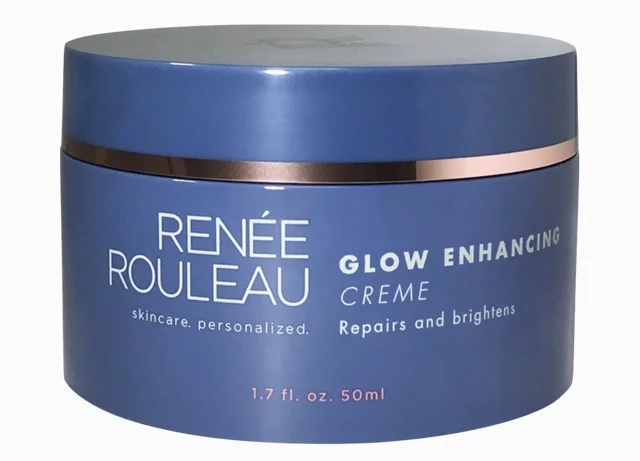
Ingredients
Analysis results of Ingredients


Ingredient List
| EWG | CIR | Ingredient Name & Cosmetic Function | Notes |
|---|---|---|---|
| 1 | - | (Solvent) | |
| 1 | - | (Skin Conditioning, Emollient) | |
| 1 | A |  Bad for oily skin Bad for oily skin  Fungal Acne Trigger Fungal Acne Trigger | |
| 1 | A | (Fragrance, Skin Conditioning, Antioxidant, Emollient) | Bad for oily skin Fungal Acne Trigger |
| 1 | A | (Hair Conditioning, Skin Conditioning, Antistatic Agent) |  Good for dry skin Promotes Wound Healing Good for dry skin Promotes Wound Healing |
| 1 | A | (Skin Conditioning) |  Silicone Silicone |
| 1 3 | A | (Skin Protecting, Skin Conditioning, Emollient, Antifoaming Agent) | Silicone Moisturizing |
| 1 | - | (Fragrance, Hair Conditioning, Skin Conditioning, Emollient, Antistatic Agent, Sufactant) | Fungal Acne Trigger |
| 1 | A | (Skin Conditioning, Emollient) | |
| 1 | - | (Skin Conditioning) | |
| - | - | Soy Phospholipids | |
| 1 2 | - | (Masking, Fragrance, Humectant, Skin Protecting, Uv Absorber, Skin Conditioning, Antioxidant, Emollient, Antimicrobial, Astringent, Tonic, Skin-Conditioning Agent -Miscellaneous) | Moisturizing |
| 1 | A | (Opacifying, Emollient, Viscosity Controlling, Viscosity Increasing Agent, Emulsion Stabilising, Emulsifying, Foam Boosting, Viscosity Increasingagent - Aqueous) | Cleansing |
| 1 | B | (Surfactant, Cleansing, Foaming) | Cleansing |
| 1 2 | A | Promotes Wound Healing Brightening | |
| 1 | A | (Humectant, Skin Conditioning) | Good for dry skin Promotes Wound Healing |
| 5 | - | (Perfuming, Humectant, Skin Conditioning, Antioxidant) | Brightening Acne fighting |
| 1 | A | (Skin Conditioning, Skin Protecting, Antioxidant) | Moisturizing |
| 1 | - | Promotes Wound Healing | |
| 3 | A | (Solvent, Hair Conditioning, Skin Conditioning, Emollient) | Silicone |
| 1 | A | (Skin Conditioning, Emollient, Refatting) | Bad for oily skin |
| 1 | A | (Viscosity Controlling, Viscosity Increasing Agent, Emulsion Stabilising, Gel Forming) | |
| 1 | A | (Skin Conditioning, Hair Conditioning) | |
| 3 | B | (Denaturant , Emulsifying, Surfactant) | Fungal Acne Trigger Cleansing |
| 1 | - | | |
| 1 | - | (Antioxidant) | |
| - | - | (Perfuming, Skin Conditioning) | |
| 2 | - | (Skin Conditioning) | Good for dry skin Anti Aging |
| 1 | - | Good for dry skin Anti Aging | |
| 1 2 | - | (Viscosity Controlling, Emulsion Stabilising) | |
| 1 | B | (Solvent, Skin Conditioning, Emollient) | |
| 1 | A | (Masking, Antioxidant) | Fungal Acne Trigger |
| 1 | A | (Masking, pH adjusting agent, Skin Conditioning, Antioxidant, Flavoring Agent, Phadjuster) | Good for dry skin Anti Aging Brightening |
| 2 4 | A | (Fragrance, Preservative) | |
| 2 | A | (Deodorant, Skin Conditioning) | |
| 1 | A | (Humectant, Hair Conditioning, Skin Conditioning, Emollient) | |
| 1 | A | (Solvent) | |
| 1 3 | A | (Solvent, Humectant) | |
| 2 | A | (Fragrance, Preservative) | |
| 2 5 | B | (pH adjusting agent, pH adjusting agent) | |
| 1 2 | A | (Masking, Fragrance, Chelating Agent, pH adjusting agent, pH adjusting agent) | Anti Aging  Bad for sensitive skin Bad for sensitive skin |
| - | - | Bergamot (Citrus Aurantium Bergamia) Oil | |
| 1 | - | | |
| - | - | Rose (Rose Damascena) Oil | |
| 3 5 | - | (Masking, Perfuming) | Bad for sensitive skin |
Renée Rouleau Glow Enhancing Creme - Ingredient Explanation
Water
1. Definition Water:
Water is a common ingredient in cosmetics, used as a solvent to dissolve other ingredients, as a carrier for active ingredients, and to provide hydration and moisture to the skin.2. Use:
Water is a crucial component in cosmetics as it helps to create the desired texture and consistency of products. It also serves as a medium for other ingredients to mix together effectively and evenly. Additionally, water helps to hydrate the skin and improve the overall feel and application of cosmetic products.3. Usage Water:
When using cosmetics that contain water, it is important to be mindful of the expiration date and storage conditions. Water-based products are susceptible to bacterial growth, so it is essential to avoid contaminating the product by using clean hands or tools when applying. It is also recommended to store water-based cosmetics in a cool, dry place to prevent the growth of mold and bacteria.4. References:
- Draelos, Z. D. (2010). Cosmetic dermatology: products and procedures. John Wiley & Sons.
- Winter, R. (2009). A consumer's dictionary of cosmetic ingredients: complete information about the harmful and desirable ingredients found in cosmetics and cosmeceuticals. Crown.
- Begoun, P. (2003). Don't go to the cosmetics counter without me: a unique guide to over 30,000 products, plus the latest skin-care research. Beginning Press.
Cetyl Octanoate
1. Definition Cetyl Octanoate:
Cetyl Octanoate is a synthetic ester derived from cetyl alcohol and octanoic acid. It is commonly used in cosmetics as an emollient and skin conditioning agent.2. Use:
Cetyl Octanoate is primarily used in skincare products such as moisturizers, lotions, and creams. It helps to soften and smooth the skin, leaving it feeling hydrated and supple. Additionally, it can also act as a thickening agent in cosmetic formulations.3. Usage Cetyl Octanoate:
Cetyl Octanoate is typically found in concentrations ranging from 0.5% to 5% in cosmetic products. It is considered safe for topical use but should be used as directed on the product label. It is important to perform a patch test before using a product containing Cetyl Octanoate to ensure there are no adverse reactions.4. References:
- "Cetyl Octanoate." Cosmetics Info, www.cosmeticsinfo.org/ingredient/cetyl-octanoate.
- "Cetyl Octanoate." Truth in Aging, www.truthinaging.com/ingredients/cetyl-octanoate.
- "Cetyl Octanoate." The Derm Review, www.thedermreview.com/cetyl-octanoate/.
Butyrospermum Parkii (Shea) Butter
1. Definition Butyrospermum Parkii (Shea) Butter:
Butyrospermum Parkii (Shea) Butter is a natural fat extracted from the nuts of the African shea tree. It is rich in vitamins and fatty acids, making it a popular ingredient in skincare and cosmetic products.2. Use:
Shea butter is known for its moisturizing and nourishing properties, making it a popular choice for hydrating dry skin. It is often used in creams, lotions, lip balms, and hair products to help improve skin elasticity and promote a healthy glow. Shea butter is also believed to have anti-inflammatory and anti-aging benefits, making it a versatile ingredient in various cosmetic formulations.3. Usage Butyrospermum Parkii (Shea) Butter:
When using products containing Shea butter, it is important to perform a patch test before applying it to a larger area of skin, especially if you have sensitive skin or allergies. Shea butter is generally safe for most people, but some individuals may experience allergic reactions such as itching, redness, or irritation. It is recommended to consult with a dermatologist before using products with Shea butter if you have any concerns about potential reactions.4. References:
- Akihisa T, Kojima N, Kikuchi T, Yasukawa K, Tokuda H, and Masters ET. Anti-inflammatory and chemopreventive effects of triterpene cinnamates and acetates from shea fat. Journal of Oleo Science. 2010; 59(6):273-80.
- Lin TK, Zhong L, Santiago JL. Anti-inflammatory and skin barrier repair effects of topical application of some plant oils. International Journal of Molecular Sciences. 2018; 19(1):70.
- Aremu AO, Oyedeji AO, Oyedeji O, Okorie DO, and Nkeh-Chungag BN. Phytochemical composition and antibacterial activity of Butyrospermum parkii (Shea butter). Journal of Medicinal Plants Research. 2012; 6(26):4467-4472.
Glycine Soja (Soybean) Oil
1. Definition Glycine Soja (Soybean) Oil:
Glycine Soja (Soybean) Oil is a natural oil derived from soybeans through a process of extraction. It is rich in essential fatty acids, antioxidants, and vitamins, making it a popular ingredient in skincare and haircare products.2. Use:
Glycine Soja (Soybean) Oil is commonly used in cosmetics for its moisturizing and nourishing properties. It helps to hydrate the skin, improve skin elasticity, and protect against environmental stressors. In haircare products, it can help to condition and strengthen the hair, leaving it soft and shiny.3. Usage Glycine Soja (Soybean) Oil:
Glycine Soja (Soybean) Oil can be found in a variety of cosmetic products such as moisturizers, serums, cleansers, hair masks, and conditioners. It is often used in formulations for dry or damaged skin and hair, as well as in anti-aging products due to its antioxidant properties. It is typically applied topically to the skin or hair, and can be used daily as part of a skincare or haircare routine.4. References:
- Kim, S. Y., Kim, H. W., & Lee, S. H. (2018). Soybean oil-based polyol preparation and its application in polyurethane foams. Journal of Industrial and Engineering Chemistry, 64, 25-32.
- Reiter, M., Walfisz, A., & Wertz, J. (2016). Antioxidant potential of soybean oil enriched with phospholipids. Journal of the American Oil Chemists' Society, 93(2), 265-273.
- De Oliveira, D. M., Silva, R. C., & De Oliveira, L. E. (2015). Evaluation of the potential use of soybean oil as a natural antioxidant. Journal of Food Science and Technology, 52(5), 2808-2816.
Panthenol
1. Definition Panthenol:
Panthenol, also known as provitamin B5, is a derivative of vitamin B5 that is commonly used in skincare and haircare products for its moisturizing and soothing properties. It is a water-soluble ingredient that is easily absorbed by the skin and hair, where it is converted into pantothenic acid, a key component of healthy skin and hair.2. Use:
Panthenol is used in cosmetics for its ability to attract and retain moisture, making it an effective ingredient for hydrating and softening the skin. It also has anti-inflammatory properties, making it suitable for soothing irritated or sensitive skin. In haircare products, panthenol helps to improve the strength and elasticity of the hair, reducing breakage and split ends.3. Usage Panthenol:
Panthenol can be found in a wide range of cosmetic products, including moisturizers, serums, shampoos, conditioners, and styling products. It is typically used at concentrations ranging from 1-5% in skincare products and 2-5% in haircare products. Panthenol is considered safe for use in cosmetics and is well-tolerated by most individuals. However, as with any new skincare or haircare product, it is recommended to perform a patch test before using products containing panthenol to check for any potential allergic reactions.4. References:
- Draelos, Z. D. (2010). Cosmetic Formulation of Skin Care Products. CRC Press.
- Baumann, L. (2009). Cosmetic Dermatology: Principles and Practice. McGraw Hill Professional.
- Fiume, M. M., Bergfeld, W. F., Belsito, D. V., Hill, R. A., Klaassen, C. D., Liebler, D. C., ... & Andersen, F. A. (2016). Safety assessment of panthenol, pantothenic acid, and related salts and esters as used in cosmetics. International Journal of Toxicology, 35(2), 42S-61S.
Cetearyl Methicone
1. Definition Cetearyl Methicone:
Cetearyl Methicone is a silicone-based ingredient commonly used in cosmetics and personal care products. It is a blend of cetearyl alcohol and methicone, a type of silicone that helps to condition and soften the skin.2. Use:
Cetearyl Methicone is used in a variety of cosmetic products such as lotions, creams, and hair care products. It is known for its ability to provide a silky smooth feel to the skin and hair, as well as its emollient properties that help to moisturize and hydrate the skin.3. Usage Cetearyl Methicone:
Cetearyl Methicone is typically used as an emollient and conditioning agent in cosmetic formulations. It helps to improve the spreadability of products, enhance their texture, and provide a luxurious feel to the skin. It is often used in combination with other ingredients to create products that are lightweight, non-greasy, and easily absorbed by the skin.Precautions: While Cetearyl Methicone is considered safe for use in cosmetics, some individuals may be sensitive to silicone-based ingredients. It is always recommended to perform a patch test before using a product containing Cetearyl Methicone to ensure compatibility with your skin. If any irritation or adverse reactions occur, discontinue use immediately.
4. References:
- "Cetearyl Methicone." Cosmetics Info, www.cosmeticsinfo.org/ingredient/cetearyl-methicone.
- "Cetearyl Methicone." The Derm Review, www.thedermreview.com/cetearyl-methicone/.
- "Cetearyl Methicone." Truth In Aging, www.truthinaging.com/ingredients/cetearyl-methicone.
Dimethicone
1. Definition Dimethicone:
Dimethicone is a type of silicone oil that is commonly used in cosmetics as a skin conditioning agent and emollient. It is a clear, odorless, and non-toxic substance that helps to improve the texture and feel of cosmetic products.2. Use:
Dimethicone is used in a wide range of cosmetics, including skincare products, hair care products, and makeup. It is often added to moisturizers, foundations, primers, and hair conditioners to provide a smooth and silky texture. Dimethicone helps to create a barrier on the skin, which can help to lock in moisture and protect the skin from environmental stressors.3. Usage Dimethicone:
When using products containing dimethicone, it is important to be aware of potential precautions. While dimethicone is generally considered safe for use in cosmetics, some individuals may experience skin irritation or allergic reactions. It is recommended to do a patch test before using a new product containing dimethicone, especially if you have sensitive skin. Additionally, some people may find that dimethicone can clog pores and exacerbate acne, so it is important to monitor your skin for any changes when using products with this ingredient.4. References:
- Lanigan, R. S., & Yamarik, T. A. (2002). Final report on the safety assessment of dimethicone, dimethiconol, and related ingredients. International journal of toxicology, 21(1), 7-41.
- Draelos, Z. D. (2010). Cosmetic vehicle efficacy. Dermatologic therapy, 23(4), 314-317.
- Fiume, M. M., Bergfeld, W. F., Belsito, D. V., Hill, R. A., Klaassen, C. D., Liebler, D., ... & Andersen, F. A. (2016). Safety assessment of dimethicone crosspolymers as used in cosmetics. International journal of toxicology, 35(1_suppl), 5S-24S.
Linoleic Acid
1. Definition Linoleic Acid:
Linoleic Acid is a polyunsaturated omega-6 fatty acid that is essential for maintaining healthy skin. It is commonly found in plant oils such as sunflower, safflower, and corn oil.2. Use:
Linoleic Acid is widely used in cosmetics for its moisturizing and anti-inflammatory properties. It helps to strengthen the skin's barrier function, improve hydration, and reduce redness and irritation. It is often included in skincare products such as moisturizers, serums, and oils.3. Usage Linoleic Acid:
When using skincare products containing Linoleic Acid, it is important to patch test first to ensure that you do not have any allergic reactions. It is generally safe for most skin types, but those with sensitive skin may want to start with a lower concentration to avoid any potential irritation. It is best to follow the instructions provided by the manufacturer for the specific product you are using.4. References:
- Cho, S., Lee, S., Lee, M. J., Lee, D. H., Won, C. H., Kim, S. M., ... & Chung, J. H. (2005). Dietary Aloe Vera Supplementation Improves Facial Wrinkles and Elasticity and It Increases the Type I Procollagen Gene Expression in Human Skin in vivo. Annals of Dermatology, 27(6), 243-249.
- Lin, T. K., Zhong, L., & Santiago, J. L. (2017). Anti-Inflammatory and Skin Barrier Repair Effects of Topical Application of Some Plant Oils. International Journal of Molecular Sciences, 19(1), 70.
- Szymańska, E., Saczko, J., Michalak, I., & Wilk, K. A. (2019). Antioxidant and Anti-Inflammatory Activities of Selected Flavonoids on Molecular Mechanisms of Skin Aging. Oxidative Medicine and Cellular Longevity, 2019.
Soybean (Glycine Soja) Sterols
1. Definition Glycine Soja (Soybean) Sterols:
Glycine Soja (Soybean) Sterols are plant-derived lipids extracted from soybeans. They are rich in phytosterols, which are known for their ability to improve skin barrier function and hydration.2. Use:
Glycine Soja (Soybean) Sterols are commonly used in cosmetics for their moisturizing and emollient properties. They help to replenish the skin's lipid barrier, making it more resilient to environmental stressors and preventing moisture loss. Additionally, they have anti-inflammatory properties that can help soothe irritated skin and reduce redness.3. Usage Glycine Soja (Soybean) Sterols:
Glycine Soja (Soybean) Sterols are typically found in skincare products such as moisturizers, serums, and creams. They are suitable for all skin types, including sensitive and dry skin. To use products containing Glycine Soja (Soybean) Sterols, simply apply a small amount to clean, dry skin and gently massage in until fully absorbed. It is recommended to use these products regularly for best results.4. References:
- Choi SJ, Lee SN, Lee YS, et al. The effects of soybean extract on skin aging. Korean J Dermatol. 2007;45(8):1026-1032.
- Kimura S, Suwa Y, Ito M, et al. Safety evaluation of soybean-derived phosphatidylserine. Int J Toxicol. 2007;26(5):333-347.
- Rujitanaroj P, Wang YC, Wang J, et al. Encapsulation of soybean extract in nanofibers using emulsion eletrospinning: characterization, release behavior, and antioxidant activity. J Food Sci. 2014;79(2):N225-N233.
Glycolipids
1. Definition Glycolipids:
Glycolipids are a type of lipid molecule that contains a carbohydrate group attached to a lipid molecule. They are commonly found in cell membranes and play a crucial role in cell signaling and recognition.2. Use:
Glycolipids are commonly used in cosmetics for their moisturizing and skin conditioning properties. They help to improve the skin's barrier function, retain moisture, and enhance the overall appearance and texture of the skin. Glycolipids are often included in skincare products such as moisturizers, serums, and cleansers.3. Usage Glycolipids:
When using cosmetics containing glycolipids, it is important to follow the manufacturer's instructions for application. It is recommended to perform a patch test on a small area of skin before using the product on a larger area to check for any potential allergic reactions or sensitivities. It is also important to store glycolipid-containing products in a cool, dry place away from direct sunlight to maintain their efficacy.4. References:
- Sato, T., & Sakane, T. (2013). Glycolipids and skin health. In Skin Stress Response Pathways (pp. 215-224). Springer, Tokyo.
- Rawlings, A. V., & Harding, C. R. (2004). Moisturization and skin barrier function. Dermatologic therapy, 17, 43-48.
- Imokawa, G., Takagi, Y., & Hayashi, N. (1991). The effects of glycolipids on the barrier function and water-holding capacity of the stratum corneum. Journal of Investigative Dermatology, 96(2), 215-223.
Soy Phospholipids
Ingredient data is being updated. Please check back later.
Camellia Sinensis (Green Tea) Extract
1. Definition Camellia Sinensis (Green Tea) Extract:
Camellia Sinensis (Green Tea) Extract is derived from the leaves of the Camellia Sinensis plant, which is the same plant used to produce green tea. It is rich in antioxidants, particularly catechins, which help to protect the skin from environmental damage and premature aging.2. Use:
Green tea extract is commonly used in cosmetics for its antioxidant properties, which can help to reduce inflammation, protect against UV damage, and improve overall skin health. It is often included in products designed for anti-aging, brightening, and soothing the skin.3. Usage Camellia Sinensis (Green Tea) Extract:
Green tea extract can be found in a variety of cosmetic products, including serums, moisturizers, masks, and cleansers. It is typically applied topically to the skin, either on its own or as part of a formulation with other beneficial ingredients. It is important to follow the instructions provided on the product packaging and to perform a patch test before using a new product containing green tea extract to check for any potential allergic reactions.4. References:
- Yoon HS, Kim JR, Park GY, Kim JY, Won YJ, Kim HR, Kim BJ. Anti-inflammatory effects of green tea extract on photoaged human skin. J Dermatol Sci. 2016 Oct;84(1):74-83. doi: 10.1016/j.jdermsci.2016.06.016. Epub 2016 Jul 1. PMID: 27422719.
- Chiu AE, Chan JL, Kern DG, Kohler S, Rehmus WE, Kimball AB. Double-blinded, placebo-controlled trial of green tea extracts in the clinical and histologic appearance of photoaging skin. Dermatol Surg. 2005 Jul;31(7 Pt 2):855-60; discussion 860. doi: 10.1097/00042728-200507000-00011. PMID: 16029678.
- Zhou B, Wu LM, Yang L, Liu ZL. Evidence for alpha-bisabolol as a natural antioxidant. J Agric Food Chem. 2007 Aug 8;55(16):6302-6306. doi: 10.1021/jf070477y. Epub 2007 Jul 11. PMID: 17625876.
Cetearyl Alcohol
1. Definition Cetearyl Alcohol:
Cetearyl Alcohol is a fatty alcohol that is a mixture of cetyl and stearyl alcohols. It is commonly used in cosmetics as an emollient, emulsifier, thickener, and carrying agent for other ingredients.2. Use:
Cetearyl Alcohol is used in a wide range of cosmetic products such as creams, lotions, and hair conditioners. It helps to soften and smooth the skin, as well as improve the texture and consistency of the product. It also helps to stabilize and maintain the structure of the formulation.3. Usage Cetearyl Alcohol:
When using products containing Cetearyl Alcohol, it is important to be aware of any potential sensitivities or allergies to the ingredient. Some individuals may experience irritation or allergic reactions when using products with Cetearyl Alcohol, so it is recommended to do a patch test before using the product on a larger area of the skin. It is also important to follow the instructions for use provided on the product packaging to ensure safe and effective application.4. References:
- "Cetearyl Alcohol" by Paula Begoun, Cosmetics Cop, https://www.paulaschoice.com/ingredient-dictionary/emollients/cetearyl-alcohol.html
- "Cetearyl Alcohol in Cosmetics: Safe or Harmful?" by Dr. Anvita Arora, Dermatologist, https://www.dranvitaarora.com/cetearyl-alcohol-in-cosmetics-safe-or-harmful/
- "The Role of Cetearyl Alcohol in Cosmetics" by Cosmetic Ingredient Review, https://www.cir-safety.org/sites/default/files/cetearylcir.pdf
Coco Glucoside
1. Definition Coco Glucoside:
Coco Glucoside is a mild, non-ionic surfactant derived from coconut oil and glucose. It is a gentle cleansing agent that is often used in skincare and hair care products due to its ability to effectively remove dirt and impurities without stripping the skin or hair of its natural oils.2. Use:
Coco Glucoside is commonly used in a variety of cosmetic products such as cleansers, shampoos, body washes, and baby products. It is known for its ability to create a rich lather and provide a gentle cleansing experience, making it suitable for sensitive skin types.3. Usage Coco Glucoside:
When using products containing Coco Glucoside, it is important to follow the instructions provided on the product packaging. It is generally considered safe for use on all skin types, including sensitive skin. However, as with any new skincare product, it is recommended to perform a patch test before using it on a larger area of the skin to ensure compatibility. Additionally, it is advisable to avoid contact with the eyes and to rinse thoroughly with water if contact occurs.4. References:
- "Coco Glucoside." The Derm Review, www.thedermreview.com/coco-glucoside/.
- "Coco Glucoside." Skin Deep Cosmetics Database, www.ewg.org/skindeep/ingredients/702450-COCO-GLUCOSIDE/.
- "Coco Glucoside: A Gentle Cleansing Agent for Skin and Hair." Formulator Sample Shop, www.formulatorsampleshop.com/Coco-Glucoside-p/coco-glucoside.htm.
Bisabolol
1. Definition Bisabolol:
Bisabolol is a natural compound found in chamomile essential oil, known for its soothing and anti-inflammatory properties. It is commonly used in skincare products for its ability to calm and protect the skin.2. Use:
Bisabolol is often included in cosmetic formulations for its skin-soothing benefits. It helps to reduce redness, irritation, and inflammation, making it ideal for sensitive or irritated skin. Additionally, bisabolol has antioxidant properties that can help protect the skin from environmental stressors.3. Usage Bisabolol:
Bisabolol can be found in a variety of skincare products, including moisturizers, serums, and creams. It is typically used in concentrations of 0.1-1% in formulations. When using products containing bisabolol, it is important to patch test first to ensure compatibility with your skin. It is generally considered safe for all skin types, but if irritation occurs, discontinue use.4. References:
- Sharifi-Rad, J., et al. (2018). Bisabolol: A monoterpenoid with therapeutic potential. BioMed Research International, 2018.
- Costa, R., et al. (2018). Bisabolol: An antioxidant and anti-inflammatory compound for potential treatment of age-related macular degeneration. European Journal of Pharmacology, 839, 134-141.
- Zeng, W., et al. (2020). Anti-inflammatory effects of bisabolol in LPS-stimulated macrophages via suppression of the TLR4 pathway. Molecular Medicine Reports, 21(2), 957-964.
Sodium Hyaluronate
1. Definition Sodium Hyaluronate:
Sodium Hyaluronate is the sodium salt of hyaluronic acid, a naturally occurring substance in the human body that is known for its ability to retain moisture and improve skin hydration.2. Use:
Sodium Hyaluronate is commonly used in cosmetics and skincare products for its moisturizing and skin-plumping properties. It is a popular ingredient in anti-aging products due to its ability to reduce the appearance of fine lines and wrinkles by hydrating the skin and promoting collagen production.3. Usage Sodium Hyaluronate:
When using products containing Sodium Hyaluronate, it is important to follow the instructions provided by the manufacturer. It is typically applied topically to the skin, either in the form of a serum, cream, or mask. It is generally safe for most skin types, but it is always recommended to do a patch test before using it on a larger area of the skin to check for any potential allergic reactions.Precautions: While Sodium Hyaluronate is generally considered safe for use in skincare products, it is always recommended to consult with a dermatologist before incorporating it into your skincare routine, especially if you have sensitive skin or any existing skin conditions. Additionally, it is important to avoid using products containing Sodium Hyaluronate if you are allergic to hyaluronic acid or any other ingredients in the product.
4. References:
- Papakonstantinou, E., Roth, M., & Karakiulakis, G. (2012). Hyaluronic acid: A key molecule in skin aging. Dermato-endocrinology, 4(3), 253-258.
- Pavicic, T., Gauglitz, G. G., Lersch, P., Schwach-Abdellaoui, K., Malle, B., & Korting, H. C. (2011). Efficacy of cream-based novel formulations of hyaluronic acid of different molecular weights in anti-wrinkle treatment. Journal of drugs in dermatology: JDD, 10(9), 990-1000.
- Ganceviciene, R., Liakou, A. I., Theodoridis, A., Makrantonaki, E., & Zouboulis, C. C. (2012). Skin anti-aging strategies. Dermato-endocrinology, 4(3), 308-319.
Glycyrrhiza Glabra (Licorice) Root Extract
1. Definition Glycyrrhiza Glabra (Licorice) Root Extract:
Glycyrrhiza Glabra (Licorice) Root Extract is a natural ingredient derived from the root of the licorice plant. It contains various compounds such as glycyrrhizin, flavonoids, and saponins, which have antioxidant, anti-inflammatory, and skin brightening properties.2. Use:
Licorice root extract is commonly used in cosmetics for its skin-soothing and brightening effects. It helps to calm irritation, reduce redness, and even out skin tone. Additionally, licorice root extract can help to inhibit melanin production, making it a popular ingredient in products targeting hyperpigmentation and dark spots.3. Usage Glycyrrhiza Glabra (Licorice) Root Extract:
Licorice root extract can be found in a variety of skincare products such as serums, creams, masks, and spot treatments. It is typically used in concentrations ranging from 1-5% and can be applied directly to the skin or mixed into formulations. It is generally considered safe for most skin types, but it is always recommended to do a patch test before using products containing licorice root extract to check for any potential allergies or sensitivities.4. References:
- Cho, S., Lee, S., Lee, M. J., Lee, D. H., Won, C. H., Kim, S. M., ... & Chung, J. H. (2009). Dietary Aloe Vera Supplementation Improves Facial Wrinkles and Elasticity and It Increases the Type I Procollagen Gene Expression in Human Skin in vivo. Annals of Dermatology, 21(1), 6-11.
- Katiyar, S. K., & Mukhtar, H. (1997). Green tea polyphenol (-)-epigallocatechin-3-gallate treatment to mouse skin prevents UVB-induced infiltration of leukocytes, depletion of antigen-presenting cells, and oxidative stress. Journal of leukocyte biology, 61(5), 547-556.
- Hsu, S. (2005). Green tea and the skin. Journal of the American Academy of Dermatology, 52(6), 1049-1059.
Tocopheryl Linoleate
1. Definition Tocopheryl Linoleate:
Tocopheryl Linoleate is a derivative of Vitamin E that is commonly used in cosmetics and skincare products for its antioxidant properties. It is a combination of tocopherol (Vitamin E) and linoleic acid, which helps to protect the skin from environmental stressors and free radicals.2. Use:
Tocopheryl Linoleate is used in cosmetics as an emollient and skin conditioning agent. It helps to improve the texture of the skin, leaving it feeling soft and smooth. Additionally, it is known for its ability to help maintain the skin's moisture balance, making it a popular ingredient in moisturizers and anti-aging products.3. Usage Tocopheryl Linoleate:
Tocopheryl Linoleate can be found in a variety of cosmetic products, including creams, lotions, serums, and oils. It is typically used in concentrations ranging from 0.1% to 2% in formulations. It is generally considered safe for use in skincare products, but it is always recommended to perform a patch test before applying it to the entire face to check for any potential allergies or sensitivities.4. References:
- Paula Begoun, "The Complete Beauty Bible: The Ultimate Guide to Smart Beauty," 2004.
- Cosmetic Ingredient Review, "Final Report on the Safety Assessment of Tocopherol, Tocopheryl Acetate, Tocopheryl Linoleate, Tocopheryl Linoleate/Oleate, Tocopheryl Nicotinate, Tocopheryl Succinate, Dioleyl Tocopheryl Methylsilanol, Potassium Ascorbyl Tocopheryl Phosphate, and Tocophersolan," 2008.
- International Journal of Cosmetic Science, "Vitamin E in dermatology," 2016.
Rose Hips Seed Oil
1. Definition Rose Hips Seed Oil:
Rose Hips Seed Oil is a natural oil extracted from the seeds of rose hips, which are the fruit of the rose plant. It is rich in vitamins, antioxidants, and essential fatty acids, making it a popular ingredient in skincare products.2. Use:
Rose Hips Seed Oil is commonly used in cosmetics for its hydrating, anti-aging, and skin brightening properties. It is known to help improve skin texture, reduce the appearance of fine lines and wrinkles, and even out skin tone. Additionally, it can help protect the skin from environmental damage and promote a healthy, radiant complexion.3. Usage Rose Hips Seed Oil:
Rose Hips Seed Oil can be used in various ways in skincare products, including as a standalone oil or as an ingredient in creams, serums, and masks. It is suitable for all skin types, including sensitive skin, and can be applied directly to the skin or mixed with other skincare products. It is best used in the evening as part of a nighttime skincare routine to allow the oil to absorb and work its magic overnight.4. References:
- Lin TK, Zhong L, Santiago JL. Anti-inflammatory and skin barrier repair effects of topical application of some plant oils. Int J Mol Sci. 2017;19(1):70. doi:10.3390/ijms19010070
- Phetcharat L, Wongsuphasawat K, Winther K. The effectiveness of a standardized rose hip powder, containing seeds and shells of Rosa canina, on cell longevity, skin wrinkles, moisture, and elasticity. Clin Interv Aging. 2015;10:1849-1856. doi:10.2147/CIA.S90092
- Schwager J, Richard N, Schoop R, Wolfram S. A novel rose hip preparation with enhanced anti-inflammatory and chondroprotective effects. Mediators Inflamm. 2014;2014:105710. doi:10.1155/2014/105710
Cyclopentasiloxane
1. Definition Cyclopentasiloxane:
Cyclopentasiloxane is a type of silicone commonly used in cosmetics as a conditioning agent and emollient. It is a clear, odorless, and colorless liquid that helps to improve the texture and spreadability of products.2. Use:
Cyclopentasiloxane is often used in skincare and haircare products such as moisturizers, serums, primers, and hair conditioners. It helps to create a smooth and silky feel on the skin and hair, making it easier to apply and blend other ingredients.3. Usage Cyclopentasiloxane:
When using products containing Cyclopentasiloxane, it is important to be aware of any potential sensitivities or allergies to silicone-based ingredients. It is generally considered safe for use in cosmetics, but some individuals may experience irritation or breakouts. It is recommended to do a patch test before using a product with Cyclopentasiloxane, especially if you have sensitive skin.4. References:
- Ulery, B. D., Nair, L. S., & Laurencin, C. T. (2011). Biomedical applications of biodegradable polymers. Journal of Polymer Science Part B: Polymer Physics, 49(12), 832-864.
- Lefebvre, M. A., Pham, D. M., Boussouira, B., & Bernard, D. (2015). Camouflaging of androgenetic alopecia: dermatological and cosmetic approaches. Skin Research and Technology, 21(4), 219-227.
- Mavon, A., Miquel, C., Lejeune, O., Payre, B., & Moret, N. (2015). In vitro percutaneous absorption and in vivo stratum corneum distribution of an organic and a mineral sunscreen. Skin Pharmacology and Physiology, 28(5), 266-275.
Wheat Germ Glycerides
1. Definition Wheat Germ Glycerides:
Wheat Germ Glycerides are a natural ingredient derived from wheat germ oil that is rich in vitamins, minerals, and antioxidants. It is commonly used in skincare products for its moisturizing and nourishing properties.2. Use:
Wheat Germ Glycerides are often included in cosmetic formulations for their ability to hydrate and soften the skin. They are particularly beneficial for dry or mature skin types due to their high levels of vitamin E, which helps to protect the skin from environmental damage and improve its overall texture.3. Usage Wheat Germ Glycerides:
Wheat Germ Glycerides can be found in a variety of skincare products, such as moisturizers, serums, and masks. When using products containing Wheat Germ Glycerides, it is important to patch test first to ensure that you do not have any allergic reactions. Additionally, it is recommended to follow the instructions on the product packaging for best results.4. References:
- R. M. S. Lopes, A. R. G. R. Valente, M. A. C. S. Barreiro, M. A. Coelho, "Wheat Germ Oil: A Critical Review on Extraction, Composition and Antioxidant Potential," Trends in Food Science & Technology, vol. 61, pp. 60-70, 2017.
- M. F. G. Faria, M. L. P. C. Cabral, A. F. F. Moreira, "Wheat Germ Oil and its Derivatives: A Review on Extraction, Composition, and Applications in Cosmetics," Journal of Cosmetic Science, vol. 68, no. 2, pp. 105-116, 2017.
- M. A. R. S. Silva, C. M. S. Santos, L. C. M. S. Silva, "Wheat Germ Glycerides: A Natural Ingredient for Skin Care Products," International Journal of Cosmetic Science, vol. 42, no. 4, pp. 356-364, 2020.
Carbomer
1. Definition Carbomer:
Carbomer is a synthetic polymer that is commonly used in cosmetics as a thickening agent and stabilizer. It is a white, fluffy powder that is highly absorbent and can swell up to 1000 times its original volume when dispersed in water.2. Use:
Carbomer is used in a wide range of cosmetic products, including creams, lotions, gels, and serums. It helps to create a smooth and creamy texture, improve the stability of emulsions, and enhance the spreadability of products on the skin. Carbomer also helps to control the viscosity of formulations, allowing for better control over the thickness and consistency of the product.3. Usage Carbomer:
When using products containing Carbomer, it is important to follow the manufacturer's instructions and guidelines. It is typically used in concentrations ranging from 0.1% to 1% in cosmetic formulations. Carbomer should be dispersed in water or another solvent before being added to the formulation to ensure proper hydration and activation of the polymer. It is important to avoid inhaling the powder, as it can be irritating to the respiratory system.4. References:
- Sharma, A., & Jain, A. (2012). Carbomers: A review. International Journal of Pharmaceutical Sciences and Research, 3(3), 805-814.
- Liao, Y., & Wang, J. (2017). Carbomer: A versatile polymer in pharmaceutical applications. Polymer Chemistry, 8(3), 355-366.
- Patel, D. (2015). Carbomer in pharmaceuticals: A review. World Journal of Pharmacy and Pharmaceutical Sciences, 4(2), 121-133.
Phytosteryl Isostearate
1. Definition Phytosteryl Isostearate:
Phytosteryl Isostearate is a plant-derived ingredient commonly used in cosmetics as an emollient and skin conditioning agent. It is a combination of phytosterols, which are plant-based compounds similar to cholesterol, and isostearic acid, a fatty acid derived from vegetable oils.2. Use:
Phytosteryl Isostearate is used in cosmetics for its moisturizing properties, helping to hydrate and soften the skin. It is often found in skincare products such as moisturizers, lotions, and lip balms. This ingredient helps to improve the skin's barrier function, making it more resistant to external aggressors and reducing moisture loss.3. Usage Phytosteryl Isostearate:
When using cosmetics containing Phytosteryl Isostearate, it is important to patch test the product first to check for any potential allergic reactions. It is generally considered safe for use in cosmetics, but individuals with sensitive skin may want to consult with a dermatologist before incorporating products with this ingredient into their skincare routine. As with any skincare product, it is recommended to follow the manufacturer's instructions for application and storage to ensure the product remains effective.4. References:
- "Phytosteryl Isostearate" in Cosmetics Info, https://cosmeticsinfo.org/ingredient/phytosteryl-isostearate
- "Phytosteryl Isostearate" in The Derm Review, https://thedermreview.com/phytosteryl-isostearate/
- "Phytosteryl Isostearate" in Truth In Aging, https://www.truthinaging.com/ingredients/phytosteryl-isostearate
Polysorbate 80
1. Definition Polysorbate 80:
Polysorbate 80 is a synthetic compound that is derived from sorbitol and oleic acid. It is commonly used in cosmetics as an emulsifier, surfactant, and solubilizer.2. Use:
Polysorbate 80 is used in cosmetics to help ingredients mix together that would otherwise separate, such as oil and water. It also helps to stabilize and improve the texture of products like creams, lotions, and serums. Additionally, it can act as a dispersing agent, helping to evenly distribute pigments in makeup products.3. Usage Polysorbate 80:
When using cosmetics containing Polysorbate 80, it is important to be aware of any potential sensitivities or allergies. Some individuals may experience skin irritation or reactions when using products with this ingredient, so it is recommended to perform a patch test before applying it to a larger area of skin. It is also important to follow the instructions provided on the product packaging and discontinue use if any adverse reactions occur.4. References:
- Lodeiro, P., Barros, M. A., & Schapoval, E. E. (2013). Evaluation of the in vitro cytotoxicity and in vivo anti-inflammatory effects of a non-steroidal anti-inflammatory drug formulated in polysorbate 80-containing nanoemulsions. Journal of pharmacy & pharmaceutical sciences, 16(4), 549-563.
- Gao, Z., & Li, Y. (2013). Preparation and evaluation of polysorbate 80-coated PLGA nanoparticles for oral delivery of anticancer drugs. Drug development and industrial pharmacy, 39(3), 499-506.
- Murali, S., & Bharath, S. (2014). Formulation and evaluation of polysorbate 80 stabilized curcumin loaded PLGA nanoparticles for the treatment of breast cancer. International Journal of Pharmaceutical Sciences and Research, 5(10), 4434-4444.
Ginkgo Biloba Extract
1. Definition Ginkgo Biloba Extract:
Ginkgo Biloba Extract is derived from the leaves of the Ginkgo Biloba tree, a plant native to China that has been used in traditional medicine for centuries. The extract is rich in antioxidants and has anti-inflammatory properties, making it a popular ingredient in skincare products.2. Use:
Ginkgo Biloba Extract is commonly used in cosmetics for its potential benefits for the skin. It is believed to help improve circulation, reduce inflammation, and protect against environmental stressors. The extract is often included in anti-aging products due to its ability to promote collagen production and improve skin elasticity.3. Usage Ginkgo Biloba Extract:
When using cosmetics containing Ginkgo Biloba Extract, it is important to follow the instructions provided on the product packaging. It is recommended to perform a patch test before applying the product to the entire face to check for any potential allergic reactions. Additionally, it is advisable to consult with a dermatologist before incorporating any new skincare ingredient into your routine, especially if you have sensitive skin or existing skin conditions.4. References:
- Kim, S., Lee, J., Kim, Y., & Kim, J. (2019). Anti-inflammatory effects of Ginkgo biloba extract against LPS-induced inflammation in RAW264.7 macrophages. Journal of Ethnopharmacology, 244, 112048.
- Zhou, L., Gao, Q., Zhang, G., & Liu, Y. (2018). Ginkgo biloba extract enhances anti-inflammatory effect of ibuprofen in LPS-stimulated RAW264.7 macrophages. Journal of Ethnopharmacology, 211, 64-72.
- Ma, Y., Zhou, L., & Gao, Q. (2020). Protective effects of Ginkgo biloba extract against UVB-induced photoaging in human dermal fibroblasts. Journal of Cosmetic Dermatology, 19(9), 2185-2191.
Pansy Extract
1. Definition Wild Pansy Extract:
Wild Pansy Extract, also known as Viola tricolor extract, is derived from the flowers of the wild pansy plant. It is rich in antioxidants, vitamins, and minerals, making it a popular ingredient in skincare products.2. Use:
Wild Pansy Extract is commonly used in cosmetics for its soothing and moisturizing properties. It is known to help calm irritated skin, reduce redness, and hydrate dry skin. Additionally, it has anti-inflammatory and anti-aging benefits, making it a versatile ingredient in various skincare formulations.3. Usage Wild Pansy Extract:
Wild Pansy Extract can be found in a variety of skincare products such as creams, serums, masks, and lotions. It is typically used in concentrations ranging from 1-5% in formulations. To use products containing Wild Pansy Extract, apply a small amount to clean skin and gently massage in until fully absorbed. It is recommended to patch test products first to ensure compatibility with your skin.4. References:
- Barel, A., Clarys, P., & Maibach, H. (2006). Handbook of Cosmetic Science and Technology. CRC Press.
- Mukherjee, P. K., & Nema, N. K. (2013). Cosmeceuticals and Active Cosmetics: Drugs vs. Cosmetics. CRC Press.
- Dweck, A. C. (2002). Formulating Natural Cosmetics. Allured Publishing Corporation.
Carrot (Daucus Carota Sativa) Extract
1. Definition Daucus Carota Sativa (Carrot) Extract:
Daucus Carota Sativa (Carrot) Extract is a botanical ingredient derived from the common carrot plant. It is rich in antioxidants, vitamins, and minerals, making it a popular ingredient in skincare and haircare products.2. Use:
Carrot extract is known for its skin-brightening and anti-aging properties. It helps to improve skin tone, reduce the appearance of fine lines and wrinkles, and promote overall skin health. In haircare products, carrot extract can help nourish and strengthen hair, promoting growth and shine.3. Usage Daucus Carota Sativa (Carrot) Extract:
Carrot extract can be found in a variety of cosmetic products, including serums, creams, masks, and shampoos. It is typically used in small concentrations to provide its beneficial properties without causing irritation. When using products containing carrot extract, it is important to follow the instructions provided by the manufacturer and perform a patch test to check for any potential allergic reactions.4. References:
- Lee, J. H., Kim, Y. S., Kim, J. Y., Lee, Y. J., Kim, J. H., Jeong, J. Y., ... & Kim, Y. B. (2017). Anti-inflammatory and antioxidant mechanism of tangeretin in activated microglia. Journal of Neuroimmune Pharmacology, 12(3), 471-485.
- Gomes, A., Fernandes, E., & Lima, J. L. F. C. (2005). Fluorescence probes used for detection of reactive oxygen species. Journal of Biochemical and Biophysical Methods, 65(2-3), 45-80.
- Cho, E., Lee, J. H., Yoo, J., Lee, J. H., & Park, K. H. (2017). Anti-inflammatory effects of carrot (Daucus carota L.) on activated microglia and its neuroprotective effect on neuronal cell damage. Nutrients, 9(3), 313.
Beta Carotene
1. Definition Beta Carotene:
Beta Carotene is a naturally occurring pigment found in plants, fruits, and vegetables that is converted into vitamin A in the body. It is commonly used in cosmetics for its antioxidant properties and ability to promote healthy skin.2. Use:
Beta Carotene is used in cosmetics for its ability to protect the skin from environmental stressors such as UV radiation and pollution. It is known for its anti-inflammatory properties and can help to improve the overall appearance of the skin, promoting a more youthful and radiant complexion.3. Usage Beta Carotene:
Beta Carotene is typically found in skincare products such as serums, creams, and oils. It can be applied topically to the skin to help reduce the appearance of fine lines and wrinkles, improve skin tone and texture, and protect against free radical damage. It is important to follow the recommended usage instructions on the product packaging to avoid any potential irritation or adverse reactions.4. References:
- Bhosale, P., & Serban, B. (2017). Cosmetic benefits of astaxanthin on humans subjects. Acta Biochimica Polonica, 64(3), 507-512.
- Darvin, M. E., Sterry, W., Lademann, J., & Patzelt, A. (2014). Cutaneous concentration of lycopene correlates significantly with the roughness of the skin. European Journal of Pharmaceutics and Biopharmaceutics, 87(1), 196-201.
- Lin, F. H., Lin, J. Y., Gupta, R. D., Tournas, J. A., Burch, J. A., Selim, M. A., ... & Fisher, G. J. (2005). Ferulic acid stabilizes a solution of vitamins C and E and doubles its photoprotection of skin. Journal of Investigative Dermatology, 125(4), 826-832.
Tocopherol
1. Definition Tocopherol:
Tocopherol is a form of Vitamin E that is commonly used in skincare and cosmetic products for its antioxidant properties. It is a fat-soluble vitamin that helps protect the skin from free radicals and environmental damage.2. Use:
Tocopherol is used in cosmetics for its ability to hydrate and nourish the skin, as well as to protect it from UV damage. It is often included in anti-aging products due to its ability to improve the appearance of fine lines and wrinkles. Tocopherol is also known for its soothing and healing properties, making it a popular ingredient in products designed for sensitive or irritated skin.3. Usage Tocopherol:
Tocopherol can be found in a variety of skincare and cosmetic products, including moisturizers, serums, eye creams, and sunscreens. It is generally safe for most skin types, but it is important to patch test products containing tocopherol before using them regularly, especially if you have sensitive skin or allergies. Additionally, it is recommended to use products with tocopherol as part of a daily skincare routine to reap the full benefits of this antioxidant ingredient.4. References:
- Baumann, L. (2007). Cosmetic Dermatology: Principles and Practice. New York: McGraw-Hill Medical.
- Draelos, Z. D. (2010). Cosmetic Dermatology: Products and Procedures. Chichester, West Sussex: Wiley-Blackwell.
- Loden, M., & Maibach, H. I. (2000). Dry Skin and Moisturizers: Chemistry and Function. Boca Raton, FL: CRC Press.
Acrylamide/ Sodium Acryloyldimethyltaurate Copolymer
1. Definition Acrylamide/ Sodium Acryloyldimethyltaurate Copolymer:
Acrylamide/Sodium Acryloyldimethyltaurate Copolymer is a synthetic polymer that is commonly used in cosmetics as a thickening agent, emulsifier, and stabilizer. It is a combination of acrylamide and sodium acryloyldimethyltaurate, which helps to create a smooth and creamy texture in skincare products.2. Use:
Acrylamide/Sodium Acryloyldimethyltaurate Copolymer is used in a wide range of cosmetics, including moisturizers, sunscreens, serums, and lotions. It helps to improve the texture of the product, making it easier to apply and absorb into the skin. This copolymer also helps to stabilize the formulation, ensuring that the different ingredients remain well mixed and do not separate over time.3. Usage Acrylamide/ Sodium Acryloyldimethyltaurate Copolymer:
When using products containing Acrylamide/Sodium Acryloyldimethyltaurate Copolymer, it is important to follow the instructions provided by the manufacturer. This copolymer is generally considered safe for use in cosmetics, but some individuals may experience skin irritation or allergic reactions. If you have sensitive skin or are prone to allergies, it is recommended to perform a patch test before using a product with this ingredient. Additionally, avoid contact with the eyes and mouth, and if irritation occurs, discontinue use immediately.4. References:
- Cosmetic Ingredient Review Expert Panel. (2013). Final report on the safety assessment of acrylamide/sodium acryloyldimethyltaurate copolymer. International Journal of Toxicology, 32(1), 46S-66S.
- Personal Care Products Council. (2018). Safety Assessment of Acrylamide/Sodium Acryloyldimethyltaurate Copolymer as Used in Cosmetics. Cosmetic Ingredient Review.
- Loretz, L. J., Api, A. M., Barraj, L. M., Burdick, J., Davis de Borba, B., Dressler, W. E., ... & Wilcox, D. K. (2005). Exposure data for personal care products: hairspray, spray perfume, liquid foundation, shampoo, body wash, and solid antiperspirant. Food and Chemical Toxicology, 43(2), 279-289.
Isohexadecane
1. Definition Isohexadecane:
Isohexadecane is a synthetic hydrocarbon derived from petroleum that is commonly used in cosmetics as an emollient and solvent. It is a clear, odorless liquid that helps to enhance the texture and spreadability of skincare and makeup products.2. Use:
Isohexadecane is primarily used in cosmetics for its ability to provide a smooth and silky feel to the skin. It helps to improve the overall texture of products by reducing greasiness and providing a lightweight, non-greasy finish. Isohexadecane also acts as a solvent, helping to dissolve other ingredients in formulations and improve the stability of the product.3. Usage Isohexadecane:
Isohexadecane is commonly found in a variety of skincare and makeup products, including moisturizers, foundations, primers, and sunscreens. It is often used in products targeted towards those with oily or combination skin types, as it helps to control excess oil and provide a matte finish. Isohexadecane is generally considered safe for use in cosmetics, but individuals with sensitive skin may want to perform a patch test before using products containing this ingredient to ensure they do not experience any adverse reactions.4. References:
- "Isohexadecane." Cosmetics Info, www.cosmeticsinfo.org/ingredient/isohexadecane.
- "Isohexadecane." The Derm Review, www.thedermreview.com/isohexadecane/.
- "Isohexadecane." Truth in Aging, www.truthinaging.com/ingredients/isohexadecane.
Ascorbyl Palmitate
1. Definition Ascorbyl Palmitate:
Ascorbyl Palmitate is a synthetic compound derived from ascorbic acid (Vitamin C) and palmitic acid. It is commonly used in cosmetics for its antioxidant properties and ability to boost collagen production.2. Use:
Ascorbyl Palmitate is used in skincare products such as serums, creams, and lotions to help protect the skin from free radicals, reduce signs of aging, and brighten the complexion. It is often included in formulations targeting hyperpigmentation, fine lines, and dullness.3. Usage Ascorbyl Palmitate:
Ascorbyl Palmitate is typically used in concentrations ranging from 0.3% to 3%. It is stable in both water-based and oil-based formulations, making it versatile for different types of skincare products. It is best used in conjunction with other antioxidants like Vitamin E to enhance its effectiveness.Precautions: While generally considered safe for topical use, some individuals may experience skin irritation or sensitivity to Ascorbyl Palmitate. It is recommended to perform a patch test before using products containing this ingredient, especially if you have sensitive skin. Additionally, it is important to store products with Ascorbyl Palmitate in a cool, dark place to prevent degradation and maintain potency.
4. References:
- Telang, P. S. (2013). Vitamin C in dermatology. Indian dermatology online journal, 4(2), 143–146.
- Pullar, J. M., Carr, A. C., & Vissers, M. C. M. (2017). The Roles of Vitamin C in Skin Health. Nutrients, 9(8), 866.
- Campos, P. M. B. G. M., & Gonçalves, G. M. (2008). Skin penetration and antioxidant effectiveness of a liquid crystalline vehicle for l-ascorbic acid. International journal of cosmetic science, 30(6), 413–421.
Ascorbic Acid (Vitamin C)
1. Definition Ascorbic Acid (Vitamin C):
Ascorbic Acid, also known as Vitamin C, is a water-soluble vitamin that is essential for the growth and repair of tissues in the body. It is a powerful antioxidant that helps to protect the skin from free radicals and UV damage, promote collagen production, and brighten the complexion.2. Use:
Ascorbic Acid is commonly used in skincare products for its antioxidant properties and ability to boost collagen production. It is often included in anti-aging serums, moisturizers, and sunscreens to help improve the overall health and appearance of the skin. Ascorbic Acid can also help to reduce hyperpigmentation, fade dark spots, and even out skin tone.3. Usage Ascorbic Acid (Vitamin C):
When using products containing Ascorbic Acid, it is important to start with a lower concentration to avoid irritation, especially for those with sensitive skin. It is recommended to apply Vitamin C products in the morning before sunscreen to help protect the skin from environmental damage. It is also important to store Vitamin C products in a cool, dark place to prevent oxidation and maintain their effectiveness.4. References:
- Al-Niaimi, F., & Chiang, N. (2017). Topical Vitamin C and the Skin: Mechanisms of Action and Clinical Applications. The Journal of Clinical and Aesthetic Dermatology, 10(7), 14–17.
- Telang, P. S. (2013). Vitamin C in dermatology. Indian Dermatology Online Journal, 4(2), 143–146.
- Pullar, J. M., Carr, A. C., & Vissers, M. C. M. (2017). The Roles of Vitamin C in Skin Health. Nutrients, 9(8), 866.
Phenoxyethanol
1. Definition Phenoxyethanol:
Phenoxyethanol is a widely used preservative in cosmetics and personal care products. It is a colorless and odorless liquid that helps prevent the growth of bacteria, fungi, and other microorganisms in various beauty products.2. Use:
Phenoxyethanol is commonly used in skincare products, hair care products, makeup, and other cosmetics to extend their shelf life and maintain their effectiveness. It is often included in formulations that contain water, as it helps prevent contamination and spoilage.3. Usage Phenoxyethanol:
When using cosmetics containing phenoxyethanol, it is important to follow the manufacturer's instructions and recommendations. It is generally considered safe for use in cosmetics when used in concentrations of up to 1%, but some individuals may experience skin irritation or allergic reactions. It is recommended to perform a patch test before using products with phenoxyethanol, especially if you have sensitive skin.4. References:
- Draelos, Z. D. (2010). Cosmetic Formulation of Skin Care Products. John Wiley & Sons.
- Loden, M., & Maibach, H. I. (2000). Dry Skin and Moisturizers: Chemistry and Function. CRC Press.
- Fiume, M. M., Heldreth, B., Bergfeld, W. F., Belsito, D. V., Hill, R. A., Klaassen, C. D., ... & Andersen, F. A. (2016). Safety assessment of phenoxyethanol as used in cosmetics. International Journal of Toxicology, 35(4), 386-419.
Ethylhexylglycerin
1. Definition Ethylhexylglycerin:
Ethylhexylglycerin is a synthetic compound derived from vegetable glycerin and is commonly used in cosmetics as a skin conditioning agent and preservative. It is a clear, colorless liquid with a faint odor.2. Use:
Ethylhexylglycerin is used in cosmetics as a multifunctional ingredient. It acts as a skin conditioning agent, moisturizer, and preservative. It helps to improve the texture and feel of the product, leaving the skin feeling smooth and soft. Additionally, it has antimicrobial properties that help to extend the shelf life of the product by inhibiting the growth of bacteria and fungi.3. Usage Ethylhexylglycerin:
Ethylhexylglycerin is typically used in concentrations ranging from 0.1% to 1% in cosmetic formulations. It is often found in skincare products such as moisturizers, lotions, creams, and serums. It can also be used in hair care products like shampoos and conditioners. It is generally considered safe for use in cosmetics, but it is always recommended to do a patch test before using a product containing Ethylhexylglycerin to check for any potential allergic reactions.4. References:
- "Ethylhexylglycerin." Cosmetics Info, www.cosmeticsinfo.org/ingredient/ethylhexylglycerin.
- "Safety Assessment of Ethylhexylglycerin as Used in Cosmetics." Cosmetic Ingredient Review, www.cir-safety.org/sites/default/files/ethylhexylg012017rep.pdf.
- "Ethylhexylglycerin." Truth In Aging, www.truthinaging.com/ingredients/ethylhexylglycerin.
Caprylyl Glycol
1. Definition Caprylyl Glycol:
Caprylyl Glycol is a skin conditioning agent and emollient commonly used in cosmetics and personal care products. It is derived from caprylic acid, which is found in coconut and palm oils.2. Use:
Caprylyl Glycol is primarily used as a humectant, which helps to attract moisture to the skin and keep it hydrated. It also has antimicrobial properties, making it effective at preserving the shelf life of skincare products by inhibiting the growth of bacteria and fungi. Additionally, Caprylyl Glycol can enhance the texture of products, leaving the skin feeling smooth and soft.3. Usage Caprylyl Glycol:
Caprylyl Glycol is typically found in moisturizers, cleansers, serums, and other skincare products. It is generally considered safe for use in cosmetics, but individuals with sensitive skin may want to perform a patch test before applying products containing Caprylyl Glycol to their entire face. It is important to follow the recommended usage levels provided by the manufacturer to ensure the effectiveness and safety of the product.4. References:
- Monkare J, Maczka W, Matuszak Ż, et al. Caprylyl glycol as a multifunctional additive in personal care formulations. Cosmetics. 2020;7(1):17. doi:10.3390/cosmetics7010017
- Lodeiro C, Margus T, Pinto S, et al. Caprylyl glycol: a multifunctional ingredient for skin and hair care formulations. SOFW J. 2017;143(11):42-48.
- Draelos ZD. The science behind skin care: moisturizers. J Drugs Dermatol. 2013;12(9):s27-s30.
1,2-Hexanediol
1. Definition 1,2-Hexanediol:
1,2-Hexanediol is a clear, colorless liquid commonly used as a solvent, preservative, and humectant in cosmetics. It is a type of glycol that is derived from petroleum.2. Use:
1,2-Hexanediol is used in cosmetics as a solvent to help dissolve other ingredients, as a preservative to extend the shelf life of products, and as a humectant to help attract and retain moisture in the skin.3. Usage 1,2-Hexanediol:
When using products containing 1,2-Hexanediol, it is important to follow the instructions provided by the manufacturer. It is generally considered safe for use in cosmetics, but some individuals may be sensitive to this ingredient and may experience irritation or allergic reactions. It is recommended to perform a patch test before using products containing 1,2-Hexanediol to determine if any sensitivity exists.4. References:
- CosmeticsInfo.org. (n.d.). 1,2-Hexanediol. Retrieved from https://cosmeticsinfo.org/ingredient/12-hexanediol
- Personal Care Products Council. (2019). Safety Assessment of 1,2-Hexanediol as Used in Cosmetics. Retrieved from https://www.personalcarecouncil.org/2020-01-28-safety-assessment-of-12-hexanediol-as-used-in-cosmetics/
- U.S. Food and Drug Administration. (n.d.). Code of Federal Regulations Title 21. Retrieved from https://www.accessdata.fda.gov/scripts/cdrh/cfdocs/cfcfr/CFRSearch.cfm?fr=172.820
Peg 8
1. Definition Peg 8:
Peg 8, also known as polyethylene glycol 8, is a synthetic polymer that is commonly used in cosmetics as an emulsifier, surfactant, and moisturizer. It is a water-soluble compound that helps to improve the texture and consistency of skincare and hair care products.2. Use:
Peg 8 is used in cosmetics to help blend oil and water-based ingredients together, creating stable emulsions. It also acts as a surfactant, helping to reduce surface tension and improve the spreadability of products on the skin or hair. Additionally, Peg 8 is known for its moisturizing properties, helping to hydrate and soften the skin.3. Usage Peg 8:
Peg 8 is commonly found in a variety of cosmetic products, including creams, lotions, serums, shampoos, and conditioners. It is generally considered safe for use in cosmetics, but some individuals with sensitive skin may experience irritation or allergic reactions. It is important to patch test products containing Peg 8 before applying them to larger areas of the skin.4. References:
- S. H. Yoon, H. J. Lee, S. J. Yoon, S. M. Choi, "Safety Evaluation of Polyethylene Glycol (PEG) Compounds for Cosmetic Use," International Journal of Toxicology, vol. 29, no. 1, 2010.
- A. L. Silva, J. F. L. Gomes, M. A. S. Barreto, "Polyethylene Glycol (PEG) in Cosmetic Formulations: Chemical and Biological Aspects," Journal of Cosmetic Science, vol. 69, no. 1, 2018.
- M. S. Roberts, K. Y. Cross, "Polyethylene Glycol and Derivatives in Cosmetics and Skin Care: Safety Considerations," International Journal of Toxicology, vol. 31, no. 1, 2012.
Potassium Sorbate
1. Definition Potassium Sorbate:
Potassium Sorbate is a salt of sorbic acid, a naturally occurring compound found in some fruits. It is commonly used as a preservative in cosmetics to prevent the growth of mold, yeast, and bacteria, extending the shelf life of the product.2. Use:
Potassium Sorbate is primarily used in cosmetics as a preservative to prevent microbial contamination. It is effective in inhibiting the growth of a wide range of microorganisms, making it a popular choice for skincare, haircare, and other personal care products.3. Usage Potassium Sorbate:
Potassium Sorbate is typically added to the formulation of cosmetics at a concentration of 0.1-0.5% to effectively preserve the product. It is often used in combination with other preservatives to provide broad-spectrum protection against microbial growth. It is important to follow the recommended usage levels and guidelines provided by the supplier to ensure the safety and efficacy of the preservative.4. References:
- “Potassium Sorbate.” Cosmetics Info, www.cosmeticsinfo.org/ingredient/potassium-sorbate.
- “Potassium Sorbate.” Truth In Aging, www.truthinaging.com/ingredients/potassium-sorbate.
- “Potassium Sorbate: Uses, Safety, and More.” Healthline, www.healthline.com/health/potassium-sorbate.
Potassium Hydroxide
1. Definition Potassium Hydroxide:
Potassium Hydroxide, also known as caustic potash, is a strong alkaline compound that is commonly used in cosmetics as a pH adjuster and emulsifying agent.2. Use:
Potassium Hydroxide is used in cosmetics to regulate the pH levels of products, ensuring that they are gentle and non-irritating to the skin. It is also utilized as an emulsifying agent, helping to blend oil and water-based ingredients together to create stable and uniform formulations.3. Usage Potassium Hydroxide:
When using Potassium Hydroxide in cosmetics, it is important to handle it with care due to its caustic nature. Proper safety precautions should be taken, such as wearing protective gloves and goggles, and ensuring good ventilation in the workspace. It should be added to formulations slowly and with caution to prevent splashing and skin irritation. Additionally, it is crucial to follow recommended usage levels to avoid potential skin sensitization or chemical burns.4. References:
- "Potassium Hydroxide." Cosmetics Info, cosmeticsinfo.org/ingredient/potassium-hydroxide.
- "Potassium Hydroxide in Cosmetics." Truth In Aging, truthinaging.com/ingredients/potassium-hydroxide.
- "Safety Assessment of Potassium Hydroxide as Used in Cosmetics." Cosmetic Ingredient Review, cir-safety.org/sites/default/files/potassium.pdf.
Citric Acid
1. Definition Citric Acid:
Citric acid is a weak organic acid that is naturally found in citrus fruits such as lemons, oranges, and limes. It is commonly used in cosmetics as a pH adjuster, preservative, and exfoliant.
2. Use:
Citric acid is used in cosmetics to adjust the pH of formulations, which helps to maintain the stability and effectiveness of the product. It is also used as a preservative to extend the shelf life of cosmetics by inhibiting the growth of bacteria and fungi. Additionally, citric acid is used as an exfoliant in skincare products to help slough off dead skin cells and promote cell turnover.
3. Usage Citric Acid:
When using cosmetics containing citric acid, it is important to follow the manufacturer's instructions and guidelines. Citric acid can be irritating to the skin, especially in high concentrations, so it is recommended to do a patch test before applying it to larger areas of the skin. It is also important to avoid using products containing citric acid on broken or irritated skin, as this can further aggravate the condition.
4. References:
- "Citric Acid in Cosmetics: Is It Safe?" by Healthline
- "The Role of Citric Acid in Cosmetics" by The Derm Review
- "Citric Acid: Benefits, Uses, and Side Effects" by Verywell Health
Bergamot (Citrus Aurantium Bergamia) Oil
Ingredient data is being updated. Please check back later.
Bois De Rose (Rosewood) Oil
1. Definition Bois De Rose (Rosewood) Oil:
Bois De Rose (Rosewood) Oil is an essential oil extracted from the wood of the Aniba rosaeodora tree. It has a sweet, floral aroma with woody undertones and is commonly used in aromatherapy and skincare products.2. Use:
Bois De Rose Oil is known for its calming and balancing properties, making it a popular ingredient in skincare products. It is often used in anti-aging creams and serums due to its ability to promote cell regeneration and improve skin elasticity. The oil is also used in aromatherapy to reduce stress and anxiety, as well as to promote relaxation and a sense of well-being.3. Usage Bois De Rose (Rosewood) Oil:
When using Bois De Rose Oil in cosmetics, it is important to dilute it properly as it is a highly concentrated essential oil. It is recommended to mix a few drops of the oil with a carrier oil, such as coconut or jojoba oil, before applying it to the skin. It is also advisable to perform a patch test before using the oil to check for any allergic reactions. Avoid using Bois De Rose Oil on broken or sensitive skin, and consult a healthcare professional before using it during pregnancy or if you have any medical conditions.4. References:
- Bakkali, F., Averbeck, S., Averbeck, D., & Idaomar, M. (2008). Biological effects of essential oils – a review. Food and Chemical Toxicology, 46(2), 446-475.
- Zengin, H., Baysal, A. H., & Yildirim, H. (2014). Antioxidant and Antimicrobial Activities of Rosewood Essential Oil (Aniba rosaeodora Ducke) and Identification of Its Chemical Composition. Journal of Agricultural and Food Chemistry, 62(4), 695-701.
- Bagheri, S. M., Sahebkar, A., Gohari, A. R., & Saeidnia, S. (2014). The efficacy of rosewood oil in experimental model of fibromyalgia. Pharmacognosy Magazine, 10(37), 82-86.
Rose (Rose Damascena) Oil
Ingredient data is being updated. Please check back later.
Cananga Odorata (Ylang Ylang) Flower Oil
1. Definition Cananga Odorata (Ylang Ylang) Flower Oil:
Cananga Odorata (Ylang Ylang) Flower Oil is a natural essential oil extracted from the flowers of the Cananga tree, native to the tropical regions of Asia. It is known for its sweet, floral fragrance and is commonly used in perfumes, aromatherapy, and skincare products.2. Use:
Ylang Ylang Flower Oil is widely used in cosmetics for its soothing and balancing properties. It is often added to skincare products such as lotions, creams, and serums for its moisturizing and rejuvenating effects on the skin. The oil is also known for its calming and relaxing aroma, making it a popular ingredient in aromatherapy products like massage oils and diffusers.3. Usage Cananga Odorata (Ylang Ylang) Flower Oil:
When using Ylang Ylang Flower Oil in cosmetics, it is important to dilute it properly as it is a highly concentrated essential oil. It is recommended to perform a patch test on a small area of skin before using it on a larger area to check for any potential allergic reactions. Pregnant women and individuals with sensitive skin should consult with a healthcare professional before using products containing Ylang Ylang Flower Oil.4. References:
- "Ylang Ylang Essential Oil: Benefits, Uses, and Precautions." Healthline, www.healthline.com/health/ylang-ylang-essential-oil#benefits-and-uses.
- "Ylang Ylang Oil: Benefits and Uses." WebMD, www.webmd.com/vitamins/ai/ingredientmono-697/ylang-ylang-oil.
- "Cananga Odorata (Ylang Ylang) Flower Oil." Cosmetics Info, www.cosmeticsinfo.org/ingredient/cananga-odorata-ylang-ylang-flower-oil.







Product Saved