


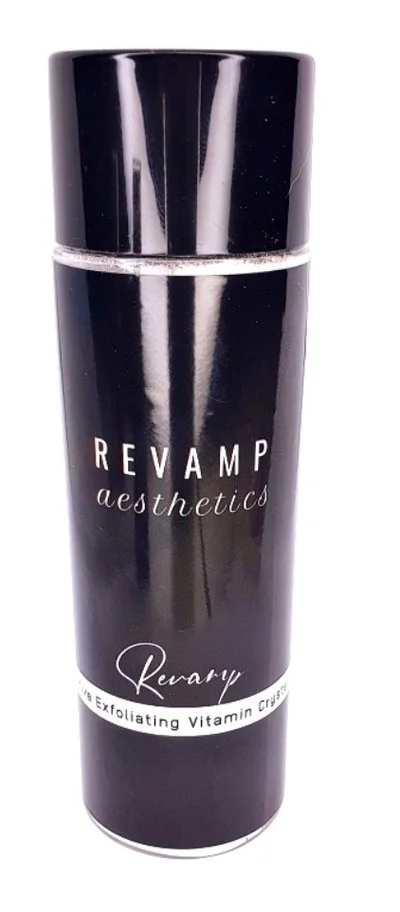
Analysis locked
How well does your skin match with Revamp Aesthetics Revamp Botanical Vitamin Crystals?
Login to see detailsOr continue via
Quick 1-minute survey • Completely free
Ingredients
Analysis results of Ingredients


Ingredient List
| EWG | CIR | Ingredient Name & Cosmetic Function | Notes |
|---|---|---|---|
| 1 2 | - | (Bulking Agent) | |
| 3 | - | (Skin Conditioning, Tonic, Astringent) | |
| 1 | - | | |
| - | - | Matricaria Recutita (Chamomile Flowers)* | |
Revamp Aesthetics Revamp Botanical Vitamin Crystals - Ingredient Explanation
Oryza Sativa (Rice) Powder
1. Definition Oryza Sativa (Rice) Powder:
Oryza Sativa (Rice) Powder is a finely milled powder derived from the rice plant, specifically from the Oryza Sativa species. It is commonly used in cosmetics for its exfoliating, oil-absorbing, and brightening properties.2. Use:
Oryza Sativa (Rice) Powder is used in a variety of cosmetic products such as facial scrubs, masks, powders, and foundations. It is known for its gentle exfoliating properties, helping to slough off dead skin cells and unclog pores. Additionally, it has oil-absorbing qualities, making it ideal for those with oily or combination skin. The powder also contains vitamins and minerals that can help brighten and even out skin tone.3. Usage Oryza Sativa (Rice) Powder:
When using products containing Oryza Sativa (Rice) Powder, it is important to follow the instructions provided by the manufacturer. Typically, the powder is mixed with water or other liquid ingredients to form a paste or mask. Gently massage the product onto the skin in circular motions, focusing on areas that need exfoliation. Rinse off thoroughly with warm water and follow up with a moisturizer. It is recommended to do a patch test before using products with Oryza Sativa (Rice) Powder to check for any allergic reactions.4. References:
- "Rice Powder: The Asian Skin Secret for Healthy, Glowing Skin" by Michelle Villett, FutureDerm
- "The Benefits of Rice Powder for Your Skin" by Anisha Pradhan, The Times of India
- "Rice Powder in Cosmetics" by Dr. Ritu Goel, International Journal of Cosmetic Science.
Rosa Gallica (French Rose) Flower Extract
1. Definition Rosa Gallica (French Rose) Flower Extract:
Rosa Gallica (French Rose) Flower Extract is an extract derived from the petals of the Rosa Gallica flower, also known as the French Rose. This extract is known for its soothing and antioxidant properties, making it a popular ingredient in skincare products.2. Use:
Rosa Gallica Flower Extract is commonly used in cosmetics for its anti-inflammatory, antioxidant, and moisturizing properties. It helps to calm and soothe irritated skin, reduce redness, and protect the skin from environmental stressors. Additionally, it can help to improve the overall appearance of the skin by promoting a more radiant and youthful complexion.3. Usage Rosa Gallica (French Rose) Flower Extract:
Rosa Gallica Flower Extract is typically used in skincare products such as serums, creams, lotions, and masks. It is suitable for all skin types, including sensitive skin, and can be incorporated into both daytime and nighttime skincare routines. To use products containing Rosa Gallica Flower Extract, simply apply a small amount to cleansed skin and gently massage in until fully absorbed.4. References:
- Chaudhuri, R. K. (2017). The multifaceted role of botanical extracts in cancer treatment. Journal of Carcinogenesis & Mutagenesis, 8(2), 1-6.
- Kim, S., & Lee, J. (2018). Anti-inflammatory and antioxidant effects of Rosa gallica extract in lipopolysaccharide-stimulated RAW 264.7 macrophages. Food Science and Biotechnology, 27(6), 1785-1792.
- Park, K. H., & Kim, D. S. (2019). Effects of Rosa gallica extract on skin hydration and barrier function in healthy human subjects. Journal of Cosmetic Dermatology, 18(5), 1234-1241.
Jasminum Officinale (Jasmine) Flower
1. Definition Jasminum Officinale (Jasmine) Flower:
Jasminum Officinale, commonly known as Jasmine, is a flowering plant species that belongs to the Oleaceae family. It is renowned for its fragrant white flowers that are often used in various cosmetic products.2. Use:
Jasmine flower extract is a popular ingredient in skincare and haircare products due to its soothing and hydrating properties. It is known for its ability to help improve skin elasticity, reduce the appearance of scars and stretch marks, and promote overall skin health. In haircare, Jasmine extract is often used to nourish and strengthen hair, leaving it soft and shiny.3. Usage Jasminum Officinale (Jasmine) Flower:
Jasmine flower extract can be found in a wide range of cosmetic products such as creams, lotions, serums, shampoos, and conditioners. It is typically added to formulations in small concentrations to provide its aromatic and beneficial properties. When using products containing Jasmine extract, it is important to perform a patch test first to check for any allergic reactions. Additionally, pregnant or breastfeeding women should consult with a healthcare professional before using products with Jasmine extract.4. References:
- Ali, B., Al-Wabel, N. A., Shams, S., Ahamad, A., Khan, S. A., & Anwar, F. (2015). Essential oils used in aromatherapy: A systemic review. Asian Pacific Journal of Tropical Biomedicine, 5(8), 601-611.
- Choi, I. S., & Lee, Y. S. (2014). Jasmine oil inhalation during sleep: A pilot study of the effects on sleep quality and emotional states. Journal of Biological Rhythms, 29(3), 214-223.
- Srivastava, J. K., Shankar, E., & Gupta, S. (2010). Chamomile: A herbal medicine of the past with bright future. Molecular Medicine Reports, 3(6), 895-901.
Matricaria Recutita (Chamomile Flowers)*
Ingredient data is being updated. Please check back later.
Review










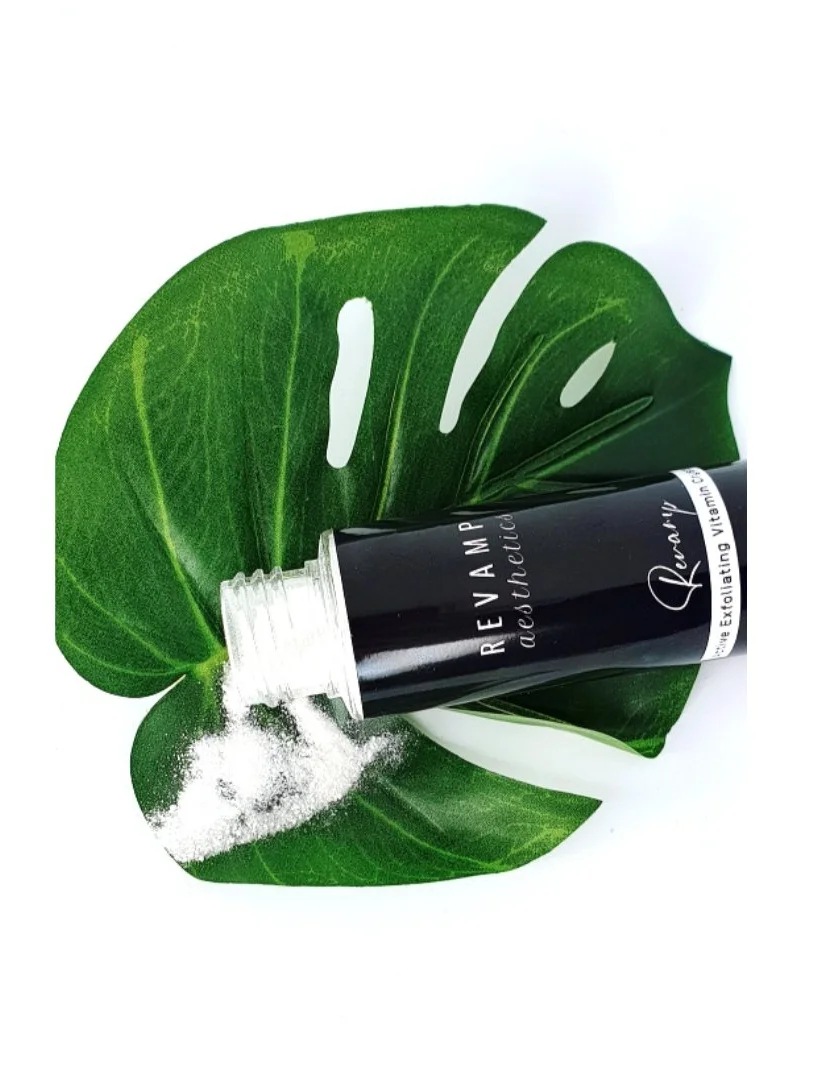
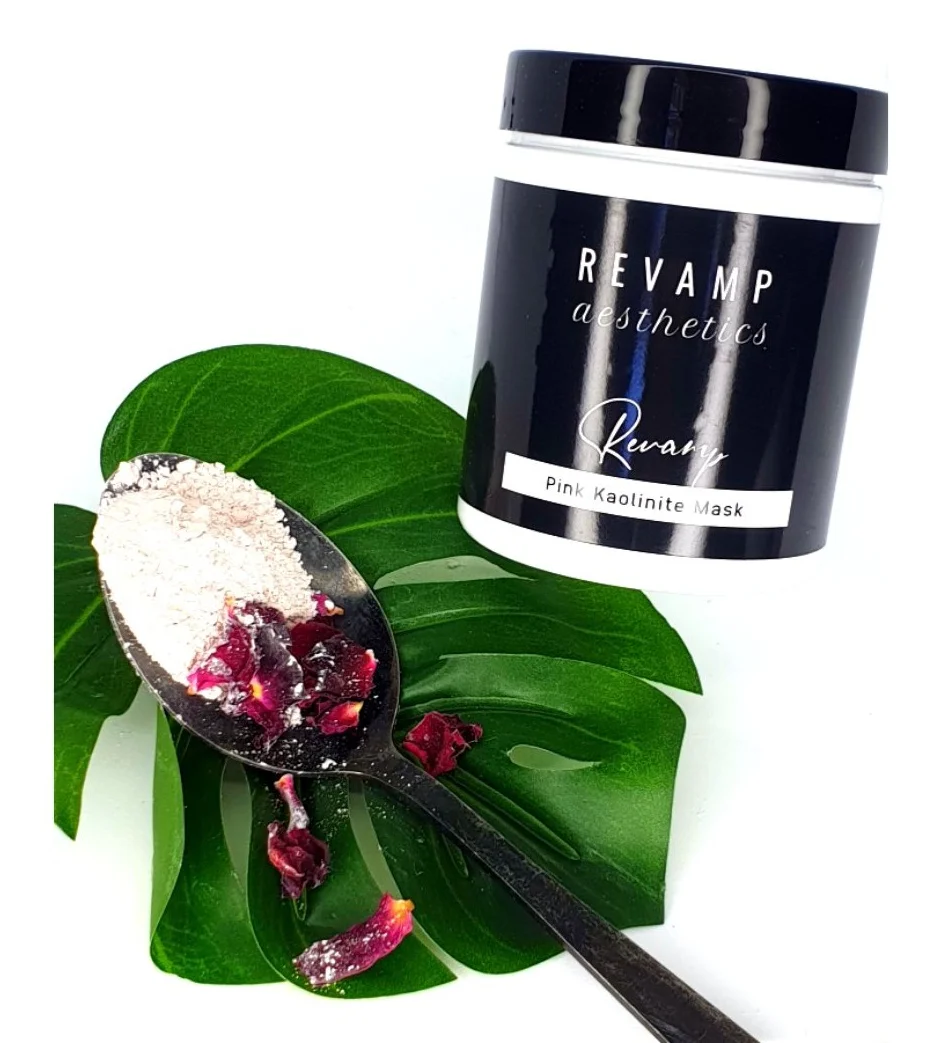
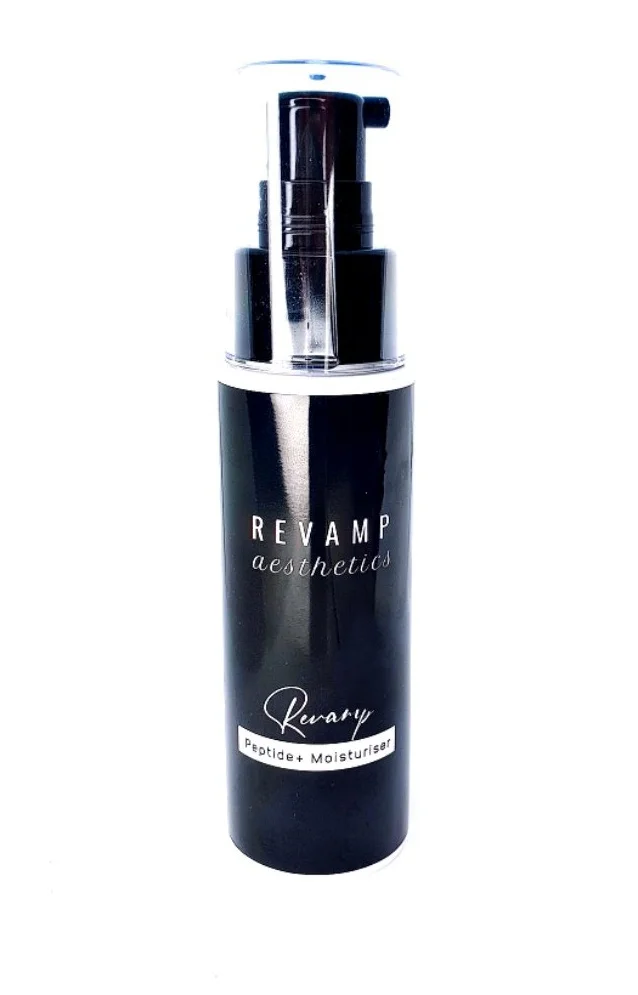
Create a free account to get started
Unlock science-based ingredient analysis personalized for your skin.
Already have an account? Log in
We protect your privacy. We never send spam.