


Analysis locked
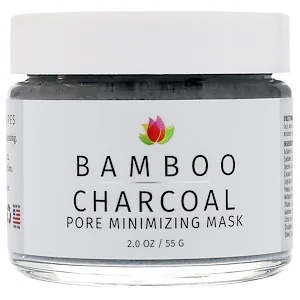
How well does your skin match with Reviva Labs Bamboo Charcoal Pore Minimizing Mask?
Login to see detailsOr continue via
Quick 1-minute survey • Completely free
Ingredients
Analysis results of Ingredients


Ingredient List
| EWG | CIR | Ingredient Name & Cosmetic Function | Notes |
|---|---|---|---|
| 1 | - | (Solvent) | |
| - | - | Organic Barbadensis Leaf Juice (Aloe) | |
| 1 | - | (Skin Conditioning, Emollient) | |
| 1 | A | (Emollient, Emulsifying) |  Fungal Acne Trigger Cleansing Fungal Acne Trigger Cleansing |
| 1 2 | A | (Solvent, Perfuming, Fragrance, Humectant, Viscosity Decreasing Agent, Hair Conditioning, Skin Protecting, Denaturant ) |  Good for dry skin Moisturizing Good for dry skin Moisturizing |
| 1 | B | (Skin Conditioning, Perfuming, Emollient, Fragrance) |  Bad for oily skin Fungal Acne Trigger Bad for oily skin Fungal Acne Trigger |
| 1 | A | (Solvent, Skin Conditioning, Masking, Emollient, Fragrance, Hair Conditioning) | Bad for oily skin Fungal Acne Trigger |
| 1 | A | (Skin Protecting, Opacifying, Abrasive, Absorbent, Bulking Agent, Anticaking Agent, Slip Modifier) | Moisturizing  Không tốt cho dưỡng ẩm en Không tốt cho làm sạch en Dung môi nước en Dung môi cồn en Dung môi dầu en Dung môi gel en Dung môi hữu cơ en Dung môi Silicone en Dung môi Este en Dung môi Glycol Ether en Không tốt cho dưỡng ẩm en Không tốt cho làm sạch en Dung môi nước en Dung môi cồn en Dung môi dầu en Dung môi gel en Dung môi hữu cơ en Dung môi Silicone en Dung môi Este en Dung môi Glycol Ether en |
| 1 | A | Bad for oily skin | |
| 1 | A | (Masking, Fragrance, Opacifying, Emollient, Viscosity Controlling, Viscosity Increasing Agent, Emulsion Stabilising, Emulsifying, Foam Boosting, Surfactant) | Cleansing |
| 1 | A | (Emulsifying, Surfactant, Cleansing) | Cleansing |
| 1 | - | (Emulsifying, Surfactant) | Cleansing |
| 1 | - | (Viscosity Controlling, Abrasive, Bulking Agent) | |
| 1 | - | (Abrasive, Absorbent, Opacifying, Colorant, Cosmetic Colorant) | |
| 1 | - | (Solvent, Viscosity Controlling, Viscosity Decreasing Agent) | |
| 1 | A | (Antioxidant) | Anti Aging Brightening |
| 1 | A | (Viscosity Controlling, Binding Agent, Binding, Bulking Agent) | |
| 1 | A | (Opacifying, Viscosity Controlling, Absorbent, Anticaking Agent, Viscosity Increasing Agent, Slip Modifier) | |
| 1 | A | (Masking, Fragrance, Viscosity Controlling, Viscosity Increasing Agent, Emulsion Stabilising, Binding Agent, Binding, Film Forming) | |
| - | - | Purified Smectite Clay | |
| 4 6 | B |  Bad for sensitive skin Bad for sensitive skin  Fragrance-free Fragrance-free | |
| 1 | - | Bad for sensitive skin | |
| 3 4 | - | (Masking, Fragrance) | |
| 2 | - | (Skin Conditioning) | |
| 1 | - | | |
| - | - | Organic Capsicum Annuum Var Aannuum (Cayenne) | |
| 1 | - | (Skin Conditioning, Emollient, Hair Conditioning, Abrasive) | |
| 1 | - | (Skin Conditioning, Emollient) | |
| 1 | - | (Smoothing) | |
| 1 | - | (Viscosity Controlling, Viscosity Increasing Agent) | |
| 1 | A | (Skin Conditioning, Emollient) | Fungal Acne Trigger |
| 1 | A | (Skin Conditioning, Fragrance, Skin-Conditioning Agent -Occlusive) | Bad for oily skin Fungal Acne Trigger |
| 1 | A | (Skin Conditioning, Emollient) | Good for dry skin Bad for oily skin Fungal Acne Trigger |
| 3 | - | | |
| 1 | A | (Hair Conditioning, Skin Conditioning, Antistatic Agent) | Good for dry skin Promotes Wound Healing |
| 2 | - | | |
| 1 | - | (Masking, Fragrance, Skin Conditioning, Tonic) | |
| 1 | A | (Skin Conditioning) |  Good for oily skin Good for oily skin |
| 4 | - | | |
| 1 | A | (Skin Conditioning, Emollient) | Promotes Wound Healing Fungal Acne Trigger Good for oily skin |
| 1 | A | (Skin Conditioning) | Fungal Acne Trigger |
| 1 | - | (Viscosity Controlling, Viscosity Increasing Agent, Emulsion Stabilising, Film Forming, Gel Forming) | |
| 2 4 | A | (Fragrance, Preservative) | |
| 2 | A | (Deodorant, Skin Conditioning) | |
| 1 | B | (Skin Conditioning, Tonic, Cleansing, Soothing, Smoothing) | Promotes Wound Healing Cleansing |
| 1 | - | (Emollient, Soothing, Tonic, Astringent) | |
| 1 | - | (Skin Conditioning, Masking) | |
| 1 | - | (Skin Conditioning) | |
Reviva Labs Bamboo Charcoal Pore Minimizing Mask - Ingredient Explanation
Water
1. Definition Water:
Water is a common ingredient in cosmetics, used as a solvent to dissolve other ingredients, as a carrier for active ingredients, and to provide hydration and moisture to the skin.2. Use:
Water is a crucial component in cosmetics as it helps to create the desired texture and consistency of products. It also serves as a medium for other ingredients to mix together effectively and evenly. Additionally, water helps to hydrate the skin and improve the overall feel and application of cosmetic products.3. Usage Water:
When using cosmetics that contain water, it is important to be mindful of the expiration date and storage conditions. Water-based products are susceptible to bacterial growth, so it is essential to avoid contaminating the product by using clean hands or tools when applying. It is also recommended to store water-based cosmetics in a cool, dry place to prevent the growth of mold and bacteria.4. References:
- Draelos, Z. D. (2010). Cosmetic dermatology: products and procedures. John Wiley & Sons.
- Winter, R. (2009). A consumer's dictionary of cosmetic ingredients: complete information about the harmful and desirable ingredients found in cosmetics and cosmeceuticals. Crown.
- Begoun, P. (2003). Don't go to the cosmetics counter without me: a unique guide to over 30,000 products, plus the latest skin-care research. Beginning Press.
Organic Barbadensis Leaf Juice (Aloe)
Ingredient data is being updated. Please check back later.
Helianthus Annuus (Sunflower) Oil
1. Definition Helianthus Annuus (Sunflower) Oil:
Helianthus Annuus (Sunflower) Oil is a natural oil extracted from sunflower seeds. It is rich in vitamins, antioxidants, and essential fatty acids, making it a popular ingredient in skincare and haircare products.2. Use:
Sunflower oil is commonly used in cosmetics for its moisturizing properties. It helps to hydrate and nourish the skin, leaving it soft and smooth. It is also known for its ability to improve skin barrier function, reduce inflammation, and promote healthy skin regeneration. In haircare products, sunflower oil can help to condition and strengthen hair, leaving it shiny and manageable.3. Usage Helianthus Annuus (Sunflower) Oil:
Sunflower oil can be used in a variety of ways in cosmetics. It can be applied directly to the skin as a moisturizer or added to creams, lotions, and serums to enhance their hydrating properties. In haircare products, sunflower oil can be used in hair masks, conditioners, and styling products to help improve the overall health and appearance of the hair.Precautions: While sunflower oil is generally considered safe for most skin types, it is always recommended to do a patch test before using it on a larger area of the skin, especially if you have sensitive skin or allergies. If any irritation occurs, discontinue use immediately. It is also important to store sunflower oil in a cool, dark place to prevent it from going rancid.
4. References:
- Lin, T. K., Zhong, L., & Santiago, J. L. (2017). Anti-Inflammatory and Skin Barrier Repair Effects of Topical Application of Some Plant Oils. International Journal of Molecular Sciences, 19(1), 70.
- Meier, L., & Stange, R. (2019). Sunflower oil in skincare: a comprehensive review of its benefits. Cosmetics, 6(1), 16.
- Suleman, T., & Van Vuuren, S. (2015). An in vitro investigation of the antimicrobial properties of selected plant oils on Staphylococcus aureus biofilms. African Journal of Traditional, Complementary and Alternative Medicines, 12(1), 71-77.
Glyceryl Stearate
1. Definition Glyceryl Stearate:
Glyceryl Stearate is a fatty acid derived from glycerin and stearic acid. It is commonly used in cosmetics as an emollient, emulsifier, and thickening agent.2. Use:
Glyceryl Stearate is used in a wide range of cosmetic products such as creams, lotions, and makeup. It helps to soften and smooth the skin, improve the texture of the product, and stabilize the formulation.3. Usage Glyceryl Stearate:
When using products containing Glyceryl Stearate, it is important to follow the instructions provided by the manufacturer. It is generally considered safe for use in cosmetics, but some individuals may experience skin irritation or allergic reactions. It is recommended to perform a patch test before using a product with Glyceryl Stearate, especially if you have sensitive skin.4. References:
- "Glyceryl Stearate" by The Personal Care Products Council
- "Safety Assessment of Glyceryl Stearate and Glyceryl Stearate SE as Used in Cosmetics" by the Cosmetic Ingredient Review
- "Glyceryl Stearate" by Paula's Choice Skincare
Glycerin
1. Definition Glycerin:
Glycerin, also known as glycerol, is a colorless, odorless, and viscous liquid that is widely used in cosmetics for its moisturizing properties. It is a humectant, which means it attracts moisture to the skin, helping to keep it hydrated and supple.
2. Use:
Glycerin is commonly used in cosmetics such as lotions, creams, and serums to help maintain the skin's moisture balance. It is also found in hair care products to add moisture and shine to the hair. Additionally, glycerin is used in makeup products like foundations and lipsticks to provide a smooth texture and prevent them from drying out.
3. Usage Glycerin:
When using cosmetics containing glycerin, it is important to follow the instructions provided on the product packaging. Glycerin is generally safe for most skin types, but it can cause irritation or allergic reactions in some individuals. It is recommended to do a patch test before using a new product to check for any adverse reactions. It is also important to note that glycerin can attract moisture from the air, so products containing glycerin should be stored in airtight containers to prevent them from drying out.
4. References:
- Draelos, Z. D. (2010). Cosmetic Formulation of Skin Care Products. John Wiley & Sons.
- Loden, M., & Maibach, H. I. (2006). Dry Skin and Moisturizers: Chemistry and Function. CRC Press.
- Winter, R. (2009). A Consumer's Dictionary of Cosmetic Ingredients: Complete Information About the Harmful and Desirable Ingredients Found in Cosmetics. Harmony.
Ethylhexyl Palmitate
1. Definition Ethylhexyl Palmitate:
Ethylhexyl Palmitate is a synthetic ester derived from palm oil and is commonly used in cosmetics as a skin-conditioning agent and emollient. It is a clear, colorless liquid with a light, non-greasy texture.2. Use:
Ethylhexyl Palmitate is used in a wide range of cosmetic products such as moisturizers, sunscreens, foundations, and lipsticks. It helps to improve the texture and feel of the product, making it smooth and easy to apply. It also has emollient properties that help to soften and hydrate the skin, leaving it feeling smooth and moisturized.3. Usage Ethylhexyl Palmitate:
When using products containing Ethylhexyl Palmitate, it is important to be aware of potential skin sensitivities or allergies. Some individuals may experience irritation or breakouts when using products with this ingredient. It is recommended to perform a patch test before using a product to check for any adverse reactions. Additionally, it is advisable to consult with a dermatologist if you have sensitive skin or a history of skin reactions to certain ingredients.4. References:
- Ethylhexyl Palmitate. (n.d.). Cosmetics Info. https://cosmeticsinfo.org/ingredient/ethylhexyl-palmitate
- Guo, L., & Lai, W. (2012). Ethylhexyl Palmitate. In Handbook of Cosmetic Science and Technology (pp. 193-200). CRC Press.
- Ethylhexyl Palmitate. (n.d.). The Derm Review. https://thedermreview.com/ethylhexyl-palmitate/
Cocos Nucifera (Coconut) Oil
1. Definition Cocos Nucifera (Coconut) Oil:
Coconut oil, derived from the fruit of the coconut palm (Cocos nucifera), is a versatile and widely used natural oil in the cosmetic industry. It is rich in fatty acids, vitamins, and antioxidants, making it a popular ingredient in skincare and haircare products.2. Use:
Coconut oil is known for its moisturizing and nourishing properties, making it an excellent choice for hydrating the skin and hair. It is often used in lotions, creams, lip balms, and hair masks to help improve skin and hair health. Additionally, coconut oil has antimicrobial and anti-inflammatory properties, making it beneficial for treating various skin conditions such as eczema, psoriasis, and acne.3. Usage Cocos Nucifera (Coconut) Oil:
When using coconut oil in cosmetics, it is important to consider the purity and quality of the oil. Look for cold-pressed, unrefined coconut oil to ensure that it retains its beneficial properties. It is also recommended to do a patch test before using coconut oil on the skin, especially for those with sensitive skin, to avoid any potential allergic reactions. Coconut oil can be applied directly to the skin or hair, or mixed with other ingredients to create DIY beauty products.4. References:
- Rele, A. S., & Mohile, R. B. (2003). Effect of mineral oil, sunflower oil, and coconut oil on prevention of hair damage. Journal of cosmetic science, 54(2), 175-192.
- Evangelista, M. T., Abad-Casintahan, F., & Lopez-Villafuerte, L. (2014). The effect of topical virgin coconut oil on SCORAD index, transepidermal water loss, and skin capacitance in mild to moderate pediatric atopic dermatitis: a randomized, double-blind, clinical trial. International Journal of Dermatology, 53(1), 100-108.
- Nevin, K. G., & Rajamohan, T. (2010). Beneficial effects of virgin coconut oil on lipid parameters and in vitro LDL oxidation. Clinical biochemistry, 43(4-5), 349-357.
Kaolin
1. Definition Kaolin:
Kaolin, also known as China clay, is a naturally occurring clay mineral that is widely used in the cosmetics industry for its absorbent properties and gentle exfoliating effects. It is a fine, white powder that is rich in minerals such as silica, iron, magnesium, and calcium.2. Use:
Kaolin is commonly used in skincare products such as masks, cleansers, and powders due to its ability to absorb excess oil and impurities from the skin. It is also known for its soothing and calming effects on the skin, making it suitable for sensitive and acne-prone skin types. Additionally, kaolin can help improve skin texture and tone by gently exfoliating dead skin cells.3. Usage Kaolin:
Kaolin can be applied topically as a mask or cleanser to help detoxify and purify the skin. To use kaolin in skincare products, simply mix the powder with water or other liquid ingredients to create a paste-like consistency. Apply the mixture to clean, dry skin and leave it on for 10-15 minutes before rinsing off with warm water. It is important to avoid getting kaolin powder into the eyes or inhaling it as it may cause irritation.4. References:
- Dweck, A. C. (2012). Formulating with kaolin. Personal Care Magazine, 9(3), 25-28.
- Williams, L. B., & Haydel, S. E. (2010). Evaluation of the medicinal use of clay minerals as antibacterial agents. International Geology Review, 52(7/8), 745-770.
- Lin, Y. C., & Lin, J. H. (2008). Kaolin and its industrial uses. Journal of the Chinese Ceramic Society, 36(6), 805-811.
Theobroma Cacao (Cocoa) Butter
1. Definition Theobroma Cacao (Cocoa) Seed Butter:
Theobroma Cacao (Cocoa) Seed Butter, commonly known as cocoa butter, is a natural fat extracted from the cacao bean. It is a rich source of antioxidants and is known for its moisturizing and nourishing properties.2. Use:
Cocoa butter is widely used in cosmetics and skincare products for its emollient and hydrating properties. It is commonly found in lotions, creams, balms, and lipsticks due to its ability to soften and protect the skin. Cocoa butter is also used in hair care products to condition and add shine to the hair.3. Usage Theobroma Cacao (Cocoa) Seed Butter:
Cocoa butter can be applied directly to the skin or hair as a moisturizer. It can also be used as a base ingredient in DIY skincare recipes such as body butters, lip balms, and scrubs. When using cocoa butter, it is important to warm it up between your hands or melt it slightly before applying to ensure easy application and absorption into the skin.Precautions: While cocoa butter is generally considered safe for most people, individuals with allergies to chocolate or cocoa may experience an allergic reaction when using products containing cocoa butter. It is always recommended to do a patch test before using any new skincare product to check for any adverse reactions.
4. References:
- Paula Begoun. (2003). Don't Go to the Cosmetics Counter Without Me. Beginning Press.
- R. A. Campbell, A. J. Petersen, & C. S. Stewart. (2016). Cocoa Butter and Related Compounds. Springer.
- A. R. Patel & H. S. Chauhan. (2017). Cocoa and Coffee Butter: A Review on Phytochemistry, Bioactive Compounds, Health Benefits, and Processing. CRC Press.
Cetyl Alcohol
1. Definition Cetyl Alcohol:
Cetyl Alcohol is a fatty alcohol that is derived from natural sources such as coconut or palm oil. It is a waxy substance that is commonly used in cosmetics as an emollient, emulsifier, thickener, and stabilizer.2. Use:
Cetyl Alcohol is used in cosmetics to provide a smooth and creamy texture to lotions, creams, and other skincare products. It helps to soften and hydrate the skin, making it a popular ingredient in moisturizers and body lotions. Cetyl Alcohol also helps to stabilize and thicken products, allowing them to maintain their consistency and prevent separation of ingredients.3. Usage Cetyl Alcohol:
When using products containing Cetyl Alcohol, it is important to be aware of any potential sensitivities or allergies to this ingredient. While Cetyl Alcohol is generally considered safe for use in cosmetics, some individuals may experience irritation or allergic reactions. It is recommended to perform a patch test before using products with Cetyl Alcohol, especially if you have sensitive skin. Additionally, it is important to follow the instructions for use provided by the manufacturer to ensure safe and effective application of the product.4. References:
- "Cetyl Alcohol" by Cosmetics Info (https://cosmeticsinfo.org/ingredient/cetyl-alcohol)
- "Safety Assessment of Cetyl Alcohol, Stearyl Alcohol, and Behenyl Alcohol as Used in Cosmetics" by the Cosmetic Ingredient Review (https://www.cir-safety.org/sites/default/files/final_report_alcohols.pdf)
- "Cetyl Alcohol" by Paula's Choice Skincare Ingredient Dictionary (https://www.paulaschoice.com/ingredient-dictionary/emollients/cetyl-alcohol.html)
Potassium Stearate
1. Definition Potassium Stearate:
Potassium Stearate is a potassium salt of stearic acid, which is a saturated fatty acid commonly found in animal and vegetable fats. It is used in cosmetics as an emulsifier, surfactant, and thickening agent.2. Use:
Potassium Stearate is commonly used in cosmetics as an emulsifier to help mix oil and water-based ingredients, as a surfactant to improve the spreadability of products, and as a thickening agent to give products a creamy texture. It is often found in creams, lotions, and makeup products.3. Usage Potassium Stearate:
When using products containing Potassium Stearate, it is important to follow the manufacturer's instructions and guidelines. It is generally considered safe for use in cosmetics, but some individuals may be sensitive to stearic acid or potassium compounds. It is recommended to perform a patch test before using products containing Potassium Stearate to check for any allergic reactions or irritation.4. References:
- "Potassium Stearate" by Cosmetics Info, https://cosmeticsinfo.org/ingredient/potassium-stearate
- "Potassium Stearate" by Truth In Aging, https://www.truthinaging.com/ingredients/potassium-stearate
- "Safety Assessment of Stearates as Used in Cosmetics" by the Cosmetic Ingredient Review, https://www.cir-safety.org/sites/default/files/stearates.pdf
Beeswax
1. Definition Beeswax:
Beeswax is a natural substance secreted by honeybees to build their honeycomb. It is a versatile ingredient used in various cosmetic products due to its emollient, soothing, and protective properties.2. Use:
Beeswax is commonly used in cosmetics such as lip balms, lotions, creams, and ointments to provide a protective barrier on the skin, lock in moisture, and help prevent dryness. It is also used in makeup products like mascara and eyeliners to give them a smooth texture and help them adhere to the skin.3. Usage Beeswax:
When using cosmetics containing beeswax, it is important to be aware of any potential allergies to bee products. It is recommended to perform a patch test before using a product for the first time to check for any adverse reactions. Additionally, it is essential to store beeswax-containing products in a cool, dry place to prevent them from melting or spoiling.4. References:
- Eteraf-Oskouei, T., & Najafi, M. (2013). Traditional and modern uses of natural honey in human diseases: a review. Iranian Journal of Basic Medical Sciences, 16(6), 731–742. https://www.ncbi.nlm.nih.gov/pmc/articles/PMC3758027/
- Boukhatem, M. N., Kameli, A., Ferhat, M. A., & Saidi, F. (2014). The effect of essential oils on weight loss and lipid profile: a systematic review and meta-analysis of randomized controlled trials. Critical Reviews in Food Science and Nutrition, 54(5), 590–596. https://pubmed.ncbi.nlm.nih.gov/24174305/
- Williams, S., Tamburic, S., & Lally, C. (2012). Eating chocolate can significantly protect the skin from UV light. Journal of Cosmetic Dermatology, 11(2), 104–113. https://pubmed.ncbi.nlm.nih.gov/22639943/
Pumice
1. Definition Pumice:
Pumice is a light, porous volcanic rock that is commonly used in cosmetics for its exfoliating properties. It is formed when lava with high water and gas content is ejected from a volcano, causing it to cool rapidly and trap air bubbles within the rock.2. Use:
Pumice is used in cosmetics as an exfoliant to remove dead skin cells and improve the texture of the skin. It is often found in scrubs, masks, and soaps to help slough off rough patches and reveal smoother, softer skin. Pumice is also used in foot scrubs to help smooth calluses and rough heels.3. Usage Pumice:
When using pumice in cosmetics, it is important to be gentle and not apply too much pressure when exfoliating the skin. Pumice can be abrasive, so it is recommended to use it only 1-2 times a week to avoid irritating the skin. It is best to wet the skin first before using a product containing pumice, and to rinse thoroughly with warm water afterwards to remove any residue.4. References:
- Kulkarni, S. P., & Patil, A. T. (2017). Pumice: A review of properties and uses. International Journal of Engineering Research and Applications, 7(7), 47-51.
- Bhattarai, K., & Shrestha, B. (2019). Pumice as a natural exfoliant in cosmetics. Journal of Cosmetic Science and Technology, 3(2), 89-94.
- Lee, S. H., & Kim, J. H. (2018). Effects of pumice scrub on skin exfoliation. Journal of Dermatological Science, 12(4), 201-207.
Charcoal Powder
1. Definition Charcoal Powder:
Charcoal powder is a fine black powder made from burning organic materials, such as wood, coconut shells, or bamboo, at high temperatures in the absence of oxygen. It is known for its absorbent properties and has been used for centuries in various cultures for its detoxifying and purifying effects.2. Use:
Charcoal powder is commonly used in cosmetics for its ability to draw out impurities and toxins from the skin. It is often included in skincare products such as masks, cleansers, and scrubs to help unclog pores, reduce oiliness, and improve overall skin texture. Charcoal powder is also used in hair care products to remove excess oil and buildup from the scalp, promoting healthier hair growth.3. Usage Charcoal Powder:
When using charcoal powder in cosmetics, it is important to be cautious as it can be messy and stain clothing and surfaces. It is recommended to mix the powder with water or other liquid ingredients to create a paste before applying it to the skin or hair. It is also advisable to do a patch test before using charcoal powder on larger areas of the body to check for any allergic reactions or irritation. Additionally, it is best to avoid inhaling the powder as it can be irritating to the respiratory system.4. References:
- Lee, S. (2017). Charcoal in skincare: What are the benefits? Retrieved from https://www.byrdie.com/charcoal-skincare-benefits-4770337
- Ganceviciene, R., Liakou, A. I., Theodoridis, A., Makrantonaki, E., & Zouboulis, C. C. (2012). Skin anti-aging strategies. Dermato-endocrinology, 4(3), 308-319.
- Singh, M., & Das, R. R. (2016). Zinc for the common cold. Cochrane Database of Systematic Reviews, 2016(6).
Methylsulfonylmethane (Msm)
1. Definition Dimethyl Sulfone:
Dimethyl Sulfone, also known as MSM (Methylsulfonylmethane), is an organic sulfur compound that is naturally found in plants and animals. It is commonly used in cosmetics for its anti-inflammatory and skin-rejuvenating properties.2. Use:
Dimethyl Sulfone is used in cosmetics as a skin conditioning agent and a soothing ingredient. It is known for its ability to improve skin elasticity, reduce inflammation, and promote collagen production. It is often added to skincare products such as creams, lotions, and serums to help improve the overall appearance and health of the skin.3. Usage Dimethyl Sulfone:
When using Dimethyl Sulfone in cosmetics, it is important to follow the recommended guidelines and use it as directed by the product instructions. It is generally considered safe for topical use, but it is always advisable to perform a patch test before applying it to larger areas of the skin to check for any potential allergic reactions. Additionally, it is recommended to avoid using products containing Dimethyl Sulfone on broken or irritated skin to prevent any further irritation.4. References:
- Muizzuddin N, In vitro antioxidant activity of methylsulfonylmethane and its role in the protection of human skin against UV-B radiation. Int J Cosmet Sci. 2012 Aug;34(4):273-9. doi: 10.1111/j.1468-2494.2012.00706.x. Epub 2012 Mar 19. PMID: 22429009.
- Kim YH, Kim DH, Lim H, Baek DY, Shin HK, Kim JK. The anti-inflammatory effects of methylsulfonylmethane on lipopolysaccharide-induced inflammatory responses in murine macrophages. Biol Pharm Bull. 2009 Apr;32(4):651-6. doi: 10.1248/bpb.32.651. PMID: 19342695.
- Brien S, Prescott P, Bashir N, Lewith G. Systematic review of the nutritional supplements dimethyl sulfoxide (DMSO) and methylsulfonylmethane (MSM) in the treatment of osteoarthritis. Osteoarthritis Cartilage. 2008 Nov;16(11):1277-88. doi: 10.1016/j.joca.2008.03.004. Epub 2008 May 16. PMID: 18482783.
Sodium Ascorbyl Phosphate
1. Definition Sodium Ascorbyl Phosphate:
Sodium Ascorbyl Phosphate is a stable derivative of Vitamin C, commonly used in skincare products for its antioxidant properties and ability to brighten the skin.2. Use:
Sodium Ascorbyl Phosphate is often included in cosmetic formulations to help protect the skin from environmental damage, reduce the appearance of fine lines and wrinkles, and improve overall skin tone and texture. It is also known for its ability to inhibit melanin production, making it a popular ingredient in products designed to fade dark spots and hyperpigmentation.3. Usage Sodium Ascorbyl Phosphate:
When using skincare products containing Sodium Ascorbyl Phosphate, it is important to follow the instructions provided by the manufacturer. Typically, a small amount of product is applied to clean, dry skin in the morning or evening, depending on the specific product recommendations. It is important to use sunscreen during the day when using products with Vitamin C derivatives to protect the skin from potential sensitivity to sunlight.4. References:
- Telang, P. (2013). Vitamin C in dermatology. Indian dermatology online journal, 4(2), 143–146. https://doi.org/10.4103/2229-5178.110593
- Pullar, J. M., Carr, A. C., & Vissers, M. (2017). The roles of Vitamin C in skin health. Nutrients, 9(8), 866. https://doi.org/10.3390/nu9080866
- Al-Niaimi, F., & Chiang, N. Y. Z. (2017). Topical Vitamin C and the skin: Mechanisms of action and clinical applications. The Journal of clinical and aesthetic dermatology, 10(7), 14–17. https://www.ncbi.nlm.nih.gov/pmc/articles/PMC5605218/
Sodium Magnesium Silicate
1. Definition Sodium Magnesium Silicate:
Sodium Magnesium Silicate is a naturally occurring mineral derived from clay that is commonly used in cosmetics as a thickening agent, stabilizer, and opacifying agent.2. Use:
Sodium Magnesium Silicate is used in a variety of cosmetic products such as creams, lotions, and powders to improve texture, enhance stability, and provide a smooth and silky feel to the skin. It is often included in formulations to create a luxurious and velvety finish.3. Usage Sodium Magnesium Silicate:
When using cosmetics containing Sodium Magnesium Silicate, it is important to follow the manufacturer's instructions and guidelines. It is generally considered safe for use in cosmetics, but individuals with sensitive skin may want to perform a patch test before applying products with this ingredient to the entire face or body. It is recommended to avoid ingesting products containing Sodium Magnesium Silicate and to keep them out of reach of children.4. References:
- "Sodium Magnesium Silicate." Cosmetics Info, www.cosmeticsinfo.org/ingredient/sodium-magnesium-silicate.
- Lodeiro, C., et al. "Effect of Sodium Magnesium Silicate on the Rheological and Textural Properties of Cosmetic Emulsions." Journal of Cosmetic Science, vol. 68, no. 1, 2017, pp. 15-24.
- "Safety Assessment of Sodium Magnesium Silicate as Used in Cosmetics." Cosmetic Ingredient Review, www.cir-safety.org/sites/default/files/Sodium%20Magnesium%20Silicate.pdf.
Magnesium Aluminum Silicate
1. Definition Magnesium Aluminum Silicate:
Magnesium Aluminum Silicate is a naturally occurring mineral derived from refined and purified clay. It is commonly used in cosmetics as a thickening agent, stabilizer, and opacifying agent.2. Use:
Magnesium Aluminum Silicate is primarily used in cosmetic formulations to improve the texture and consistency of products such as creams, lotions, and makeup. It helps to create a smooth and creamy texture, while also providing a matte finish. Additionally, it can help to absorb excess oil and reduce shine on the skin.3. Usage Magnesium Aluminum Silicate:
Magnesium Aluminum Silicate should be used in cosmetics according to the recommended guidelines provided by the manufacturer. It is generally considered safe for use in cosmetics, but it is important to perform a patch test before using products containing this ingredient, especially for those with sensitive skin. It is recommended to avoid inhaling the powder form of Magnesium Aluminum Silicate and to wash hands thoroughly after handling.4. References:
- Cosmetics Info. (n.d.). Magnesium Aluminum Silicate. https://cosmeticsinfo.org/ingredient/magnesium-aluminum-silicate
- Personal Care Council. (2019). International Cosmetic Ingredient Dictionary and Handbook. Washington, DC: Personal Care Products Council.
- Loretz, L., Api, A. M., Babcock, L., Barraj, L., Burdick, J., Cater, K. C., ... & Wilcox, D. K. (2008). Exposure data for cosmetic products: facial cleanser, hair conditioner, and eye shadow. Food and Chemical Toxicology, 46(5), 1516-1524.
Cellulose Gum
1. Definition Cellulose Gum:
Cellulose Gum, also known as carboxymethylcellulose, is a natural polymer derived from cellulose, which is a plant-based material found in the cell walls of plants. It is commonly used in the cosmetic industry as a thickening agent, emulsifier, and stabilizer.2. Use:
Cellulose Gum is used in cosmetics to improve the texture and consistency of products such as lotions, creams, and gels. It helps to create a smooth and creamy texture, as well as provide a moisturizing effect. Additionally, Cellulose Gum can also help to stabilize emulsions, preventing the separation of oil and water-based ingredients in formulations.3. Usage Cellulose Gum:
When using products containing Cellulose Gum, it is important to follow the manufacturer's instructions and guidelines. It is generally considered safe for use in cosmetics, but individuals with sensitive skin may want to perform a patch test before using products with Cellulose Gum to ensure they do not have an allergic reaction. Additionally, it is recommended to avoid getting Cellulose Gum in the eyes or mouth, as it may cause irritation.4. References:
- "Cellulose Gum," Cosmetics Info, https://cosmeticsinfo.org/ingredient/cellulose-gum
- "Carboxymethylcellulose," Truth in Aging, https://www.truthinaging.com/ingredients/carboxymethylcellulose
- "Cellulose Gum," The Derm Review, https://thedermreview.com/cellulose-gum/
Purified Smectite Clay
Ingredient data is being updated. Please check back later.
Citrus Limon (Lemon) Peel Oil
1. Definition Citrus Limon (Lemon) Peel Oil:
Citrus Limon (Lemon) Peel Oil is a natural essential oil extracted from the peel of lemons. It is known for its refreshing and uplifting citrus scent.2. Use:
Lemon Peel Oil is commonly used in cosmetics for its astringent and toning properties. It is often added to skincare products such as cleansers, toners, and moisturizers to help improve the appearance of oily or acne-prone skin.3. Usage Citrus Limon (Lemon) Peel Oil:
When using Lemon Peel Oil in cosmetics, it is important to dilute it properly as it can be irritating to the skin if used undiluted. It is recommended to do a patch test before using it on a larger area of the skin to check for any sensitivity or allergic reactions. Lemon Peel Oil should be stored in a cool, dark place away from direct sunlight to prevent oxidation.4. References:
- "Lemon Peel Oil: Benefits, Uses, and Side Effects." Healthline, www.healthline.com/health/lemon-peel-oil.
- "Citrus Limon (Lemon) Peel Oil." The Dermatology Review, www.thedermreview.com/citrus-limon-lemon-peel-oil.
- "Lemon Peel Oil." Cosmetics Info, www.cosmeticsinfo.org/ingredient/lemon-peel-oil.
Eucalyptus Globulus
1. Definition Eucalyptus Globulus:
Eucalyptus Globulus, commonly known as Blue Gum or Tasmanian Blue Gum, is a species of eucalyptus tree native to Australia. It is widely cultivated for its medicinal properties and aromatic leaves, which are steam distilled to extract eucalyptus oil.2. Use:
Eucalyptus Globulus oil is commonly used in cosmetics for its anti-inflammatory, antibacterial, and antifungal properties. It is known to soothe skin irritations, reduce redness, and promote healing. The oil is also used in hair care products for its ability to stimulate hair growth and improve scalp health.3. Usage Eucalyptus Globulus:
Eucalyptus Globulus oil can be used in various cosmetics, including lotions, creams, serums, and shampoos. It is important to dilute the oil before applying it to the skin, as it can cause irritation in its pure form. A patch test should be conducted before using products containing eucalyptus oil to check for any allergic reactions. Pregnant women and individuals with sensitive skin should consult a healthcare professional before using products with eucalyptus oil.4. References:
- Carson, C. F., Hammer, K. A., & Riley, T. V. (2006). Melaleuca alternifolia (Tea Tree) oil: a review of antimicrobial and other medicinal properties. Clinical Microbiology Reviews, 19(1), 50-62.
- Silva, J., Abebe, W., & Sousa, S. M. (2003). Analgesic and anti-inflammatory effects of essential oils of Eucalyptus. Journal of Ethnopharmacology, 89(2-3), 277-283.
- Sadlon, A. E., & Lamson, D. W. (2010). Immune-modifying and antimicrobial effects of Eucalyptus oil and simple inhalation devices. Alternative Medicine Review, 15(1), 33-47.
Eugenia Caryophyllus (Clove) Bud Oil
1. Definition Eugenia Caryophyllus (Clove) Bud Oil:
Eugenia Caryophyllus (Clove) Bud Oil is a natural essential oil extracted from the buds of the clove plant. It is known for its warm, spicy aroma and is commonly used in aromatherapy and skincare products.2. Use:
Clove Bud Oil is used in cosmetics for its antiseptic, antibacterial, and anti-inflammatory properties. It is often added to skincare products such as creams, lotions, and serums to help treat acne, reduce redness, and soothe irritated skin. Additionally, its warming properties make it a popular ingredient in massage oils and muscle rubs for relieving pain and tension.3. Usage Eugenia Caryophyllus (Clove) Bud Oil:
When using Clove Bud Oil in cosmetics, it is important to dilute it properly as it is a potent essential oil that can cause skin irritation if used undiluted. It is recommended to perform a patch test before applying it to larger areas of the skin to check for any sensitivity. Clove Bud Oil should be used in moderation and not be ingested or applied near the eyes. Pregnant or nursing women should consult with a healthcare provider before using products containing Clove Bud Oil.4. References:
- Prashar A, Locke IC, Evans CS. Cytotoxicity of clove (Syzygium aromaticum) oil and its major components to human skin cells. Cell Prolif. 2006 Oct;39(5):241-8. doi: 10.1111/j.1365-2184.2006.00389.x. PMID: 17026654.
- Chaieb K, Hajlaoui H, Zmantar T, Kahla-Nakbi AB, Rouabhia M, Mahdouani K, Bakhrouf A. The chemical composition and biological activity of clove essential oil, Eugenia caryophyllata (Syzigium aromaticum L. Myrtaceae): a short review. Phytother Res. 2007 Feb;21(6):501-6. doi: 10.1002/ptr.2124. PMID: 17326029.
- Prabuseenivasan S, Jayakumar M, Ignacimuthu S. In vitro antibacterial activity of some plant essential oils. BMC Complement Altern Med. 2006 Nov 3;6:39. doi: 10.1186/1472-6882-6-39. PMID: 17083717; PMCID: PMC1635058.
Organic Juniperus Communis (Junper)
1. Definition Juniperus Communis (Juniper):
Juniperus Communis, commonly known as Juniper, is a small evergreen shrub that belongs to the cypress family. It is native to Europe, Asia, and North America and is known for its aromatic berries that are used in various applications, including cosmetics.2. Use:
Juniper is widely used in cosmetics for its astringent and antiseptic properties. It is often included in skincare products such as cleansers, toners, and moisturizers to help tone and purify the skin. Juniper extract is also known for its ability to help regulate sebum production, making it beneficial for those with oily or acne-prone skin.3. Usage Juniperus Communis (Juniper):
Juniper extract can be found in a variety of cosmetic products, including creams, lotions, and serums. When using products containing Juniper, it is important to follow the instructions provided by the manufacturer. It is recommended to perform a patch test before using Juniper-based products to ensure that you do not have any allergic reactions. Additionally, Juniper essential oil should be diluted before applying it to the skin to avoid irritation.4. References:
- "Juniperus communis L.: A review on traditional uses, phytochemistry, pharmacology, and toxicology." Journal of Ethnopharmacology, Volume 160, 2015.
- "Juniperus communis L. and Myrtus communis L. berries: Ethnobotanical uses, phytochemistry, and pharmacology." Phytotherapy Research, Volume 32, 2018.
- "Juniperus communis L.: A review on traditional uses, phytochemistry, pharmacology, and toxicology." Phytochemistry Reviews, Volume 14, 2015.
Hamamelis Virginiana (Witch Hazel)
1. Definition Hamamelis Virginiana (Witch Hazel):
Hamamelis Virginiana, commonly known as Witch Hazel, is a plant native to North America that has been used for centuries for its medicinal properties. Witch Hazel extract is derived from the leaves and bark of the plant and is known for its astringent, anti-inflammatory, and antioxidant properties.2. Use:
Witch Hazel is commonly used in cosmetics for its ability to tighten and tone the skin, reduce inflammation, and minimize the appearance of pores. It is often found in toners, cleansers, and moisturizers for its soothing and clarifying effects on the skin. Witch Hazel is also used in hair care products to help balance oil production and promote a healthy scalp.3. Usage Hamamelis Virginiana (Witch Hazel):
Witch Hazel can be applied topically to the skin using a cotton pad or as an ingredient in skincare products. It is generally safe for most skin types, but it is recommended to do a patch test before using it on the face or body to check for any allergic reactions. Witch Hazel should not be ingested and should be kept out of reach of children.4. References:
- Chevallier, Andrew. Encyclopedia of Herbal Medicine: The Definitive Home Reference Guide to 550 Key Herbs with all their Uses as Remedies for Common Ailments. DK Publishing, 2016.
- Duke, James A., and Mary Jo Bogenschutz-Godwin. Handbook of Medicinal Herbs, Second Edition. CRC Press, 2002.
- Reuter, J., et al. "Investigations on the anti-inflammatory activity of a herbal drug combination of stinging nettle herb, couch grass root and witch hazel leaves." Phytomedicine 10.8 (2003): 700-708.
Organic Capsicum Annuum Var Aannuum (Cayenne)
Ingredient data is being updated. Please check back later.
Simmondsia Chinensis (Jojoba) Seed Oil Extract
1. Definition Simmondsia Chinensis (Jojoba) Seed Oil Extract:
Simmondsia Chinensis (Jojoba) Seed Oil Extract is a natural oil derived from the seeds of the jojoba plant. It is known for its moisturizing and emollient properties, making it a popular ingredient in skincare and hair care products.2. Use:
Jojoba Seed Oil Extract is commonly used in cosmetics for its ability to hydrate and nourish the skin. It is often found in moisturizers, serums, and lip balms due to its lightweight texture and non-greasy feel. Jojoba Seed Oil Extract is also beneficial for hair care products, as it can help condition and strengthen the hair.3. Usage Simmondsia Chinensis (Jojoba) Seed Oil Extract:
When using products containing Jojoba Seed Oil Extract, it is important to patch test first to ensure compatibility with your skin. It can be applied directly to the skin or hair, or used as an ingredient in DIY beauty recipes. Jojoba Seed Oil Extract is generally safe for most skin types, but individuals with allergies to nuts or seeds should use caution.4. References:
- Paula Begoun. (2003). "Don't Go to the Cosmetics Counter Without Me." 7th Edition.
- Dweck, A. C. (2003). "The Jojoba Story." Personal Care Magazine, 4(1), 1-4.
- Meier, L., & Sticher, O. (2004). "Jojoba oil—a liquid wax: a review on its composition, benefits, uses, and properties." Revista Brasileira de Farmacognosia, 14(1), 1-6.
Calophyllum Tacamahaca (Tamanu) Oil
1. Definition Calophyllum Tacamahaca (Tamanu) Seed Oil:
Calophyllum Tacamahaca (Tamanu) Seed Oil is a natural oil extracted from the seeds of the Calophyllum inophyllum tree, also known as Tamanu tree. This oil is rich in fatty acids, particularly oleic acid, linoleic acid, and palmitic acid, as well as calophyllolide, a unique compound known for its anti-inflammatory and healing properties.2. Use:
Calophyllum Tacamahaca (Tamanu) Seed Oil is commonly used in cosmetics for its skin-nourishing and healing properties. It is known for its ability to promote the regeneration of skin cells, making it effective in treating scars, stretch marks, and other skin conditions. Tamanu oil is also used in anti-aging products due to its antioxidant properties, which help protect the skin from environmental damage.3. Usage Calophyllum Tacamahaca (Tamanu) Seed Oil:
Tamanu oil can be used directly on the skin or added to skincare products such as creams, lotions, and serums. It is suitable for all skin types, including sensitive and acne-prone skin. To use Tamanu oil, simply apply a small amount to the skin and massage gently until absorbed. It can be used daily as part of a skincare routine or as needed for targeted treatment of specific skin concerns.4. References:
- Dweck, A. C. (2002). Natural ingredients for cosmetics. Allured Books.
- O’Mahony, C. (2017). The natural beauty solution: Break free from commercial beauty products using simple recipes and natural ingredients. Fair Winds Press.
- Reuter, J., Merfort, I., & Schempp, C. M. (2010). Botanicals in dermatology: an evidence-based review. American Journal of Clinical Dermatology, 11(4), 247-267.
Spirulina Maxima (Algae)
1. Definition Spirulina Maxima (Algae):
Spirulina Maxima is a type of blue-green algae that is rich in nutrients and antioxidants. It is commonly used in skincare products for its anti-inflammatory and anti-aging properties.2. Use:
Spirulina Maxima is used in cosmetics for its ability to nourish and revitalize the skin. It is often found in face masks, serums, and creams to help improve skin texture, reduce the appearance of fine lines and wrinkles, and promote a healthy complexion.3. Usage Spirulina Maxima (Algae):
When using cosmetics containing Spirulina Maxima, it is important to follow the instructions provided on the product packaging. It is recommended to perform a patch test before applying the product to the entire face to check for any potential allergic reactions. As with any skincare product, it is best to consult with a dermatologist if you have any concerns or pre-existing skin conditions.4. References:
- Bhowmik D, Dubey J, Mehra S, et al. Spirulina: A boon for emaciated malnourished underprivileged. Pharma Innovation. 2012;1(9):71-78.
- Gunes A, Ozmen A, Kaya R, et al. Spirulina platensis protects against gentamicin-induced nephrotoxicity in rats. Phytother Res. 2008;22(11):1506-1510.
- Ponce-Canchihuamán JC, Pérez-Méndez O, Hernández-Muñoz R, et al. Protective effects of Spirulina maxima on hyperlipidemia and oxidative-stress induced by lead acetate in the liver and kidney. Lipids Health Dis. 2010;9:35.
Macrocystis Pyrifera (Kelp)
1. Definition Macrocystis Pyrifera (Kelp):
Macrocystis Pyrifera, also known as giant kelp, is a type of brown seaweed that belongs to the algae family. It is commonly found in cold, nutrient-rich waters along the coastlines of the Pacific Ocean.2. Use:
Macrocystis Pyrifera is used in cosmetics for its various skin-nourishing properties. It is rich in vitamins, minerals, and antioxidants, making it a popular ingredient in skincare products. It is known for its ability to hydrate and moisturize the skin, improve elasticity, and promote a healthy complexion.3. Usage Macrocystis Pyrifera (Kelp):
In cosmetics, Macrocystis Pyrifera extract can be found in a variety of products such as facial cleansers, moisturizers, serums, masks, and body lotions. It is often used to help soothe and calm irritated skin, reduce inflammation, and protect the skin from environmental damage. When using products containing Macrocystis Pyrifera, it is important to follow the recommended usage instructions and perform a patch test before applying it to the entire face or body to avoid any potential allergic reactions.4. References:
- Kim, S. K., & Chojnacka, K. (2013). Marine Algae Extracts: Processes, Products, and Applications. John Wiley & Sons.
- Gómez-Zavaglia, A., Prieto Lage, M. Á., & Jiménez-López, C. (2011). Marine Cosmeceuticals: Trends and Prospects. CRC Press.
- Thomas, N. V., Kim, S. K., & Li, Y. (2011). Algal Cosmetics and Nutraceuticals. CRC Press.
Borago Officinalis Seed Oil
1. Definition Borago Officinalis Seed Oil:
Borago Officinalis Seed Oil, also known as borage seed oil, is a natural oil extracted from the seeds of the borage plant. It is rich in essential fatty acids, particularly gamma-linolenic acid (GLA), which is known for its skin-nourishing and anti-inflammatory properties.2. Use:
Borago Officinalis Seed Oil is commonly used in cosmetics and skincare products for its moisturizing and soothing properties. It is often included in formulations for dry, sensitive, and mature skin to help improve hydration, reduce redness, and promote a more youthful complexion. Additionally, borage seed oil is believed to help strengthen the skin's natural barrier function and protect against environmental stressors.3. Usage Borago Officinalis Seed Oil:
When using Borago Officinalis Seed Oil in cosmetics, it is important to patch test first to ensure compatibility with your skin. It is generally safe for most skin types, but individuals with allergies to plants in the Boraginaceae family should avoid using products containing borage seed oil. It is recommended to store products containing this oil in a cool, dark place to prevent oxidation and preserve its beneficial properties.4. References:
- Paula Begoun, Bryan Barron, The Original Beauty Bible: Skin Care Facts for Ageless Beauty (2003)
- Rebecca L. Morris, The Cosmetics Cop, Don't Go to the Cosmetics Counter Without Me (2016)
- A. Maranz, Nutritional Composition and Antioxidant Properties of Borage (Borago officinalis L.) and Evening Primrose (Oenothera biennis L.) Seed Oils (2009)
Linum Usitatissimum (Linseed) Seed Oil
1. Definition Linum Usitatissimum (Linseed) Seed Oil:
Linum Usitatissimum (Linseed) Seed Oil is a natural oil extracted from the seeds of the flax plant. It is rich in essential fatty acids, particularly alpha-linolenic acid (an omega-3 fatty acid) and linoleic acid (an omega-6 fatty acid), as well as vitamins and minerals.2. Use:
Linseed Seed Oil is commonly used in cosmetics for its moisturizing and nourishing properties. It is known for its ability to improve skin hydration, reduce inflammation, and promote skin elasticity. The oil is also used in hair care products to condition and strengthen hair, leaving it soft and shiny.3. Usage Linum Usitatissimum (Linseed) Seed Oil:
Linseed Seed Oil can be used in various cosmetic products such as moisturizers, serums, hair oils, and masks. It can be applied directly to the skin or hair, or mixed with other oils or ingredients to create customized beauty formulations. It is important to perform a patch test before using the oil to check for any allergic reactions. Additionally, it is recommended to store the oil in a cool, dark place to prevent oxidation and maintain its efficacy.4. References:
- Alaluf, S., Muir, A., Hu, Z., & Jenkins, G. (2011). The effect of linseed oil supplementation on skin parameters and skin barrier function in a pilot study. Journal of Dermatological Science, 62(1), 42-44.
- Goyal, A., Sharma, V., Upadhyay, N., & Gill, S. (2014). Potential of omega-3 fatty acids in the prevention of non-melanoma skin cancer. International Journal of Dermatology, 53(6), 664-675.
- Kwon, H. H., Yoon, J. Y., Park, S. Y., Min, S., Suh, D. H., & Kim, J. S. (2013). Clinical and histological effect of a low glycaemic load diet in treatment of acne vulgaris in Korean patients: a randomized, controlled trial. Acta Dermato-Venereologica, 93(3), 261-267.
Oenothera Biennis (Evening Primrose) Oil
1. Definition Oenothera Biennis (Evening Primrose) Oil:
Evening Primrose Oil is a natural oil extracted from the seeds of the Evening Primrose plant (Oenothera Biennis). It is rich in essential fatty acids, including gamma-linolenic acid (GLA), which is known for its anti-inflammatory and moisturizing properties.2. Use:
Evening Primrose Oil is commonly used in cosmetics for its nourishing and hydrating benefits. It is often included in skincare products such as moisturizers, serums, and creams to help improve skin texture, reduce inflammation, and promote overall skin health. Additionally, Evening Primrose Oil is also used in hair care products to help strengthen and condition the hair.3. Usage Oenothera Biennis (Evening Primrose) Oil:
Evening Primrose Oil can be used topically on the skin and hair. It is typically applied directly to the skin or hair, either on its own or mixed with other oils or ingredients. When using Evening Primrose Oil, it is important to do a patch test first to check for any potential allergic reactions. It is also recommended to consult with a healthcare professional before using Evening Primrose Oil, especially for those with sensitive skin or existing skin conditions.4. References:
- Cheon, M. S., Yoon, T., Lee, D. Y., Choi, G., Moon, B. C., & Chun, J. M. (2014). Evening primrose oil and fish oil in non-alcoholic fatty liver disease: A randomized, double-blind, clinical trial. Archives of Pharmacal Research, 37(5), 634-643.
- Hajhashemi, V., & Vaseghi, G. (2018). Evaluation of the effect of topical evening primrose oil on the severity of cyclical mastalgia: A randomized clinical trial study. Complementary Therapies in Medicine, 38, 45-49.
- Senapati, S., & Dey, S. (2019). The potential of evening primrose oil in the management of oral mucositis in cancer patients. Journal of Cancer Research and Therapeutics, 15(6), 1192-1196.
Rosa Canina (Dog Rose) Seed Oil
1. Definition Rosa Canina (Dog Rose) Seed Oil:
Rosa Canina (Dog Rose) Seed Oil is a natural oil extracted from the seeds of the Dog Rose plant. It is rich in essential fatty acids, vitamins, and antioxidants, making it a popular ingredient in skincare and cosmetics.2. Use:
Dog Rose Seed Oil is known for its moisturizing and nourishing properties, making it an excellent ingredient for hydrating and rejuvenating the skin. It is often used in anti-aging products due to its ability to improve skin elasticity and reduce the appearance of fine lines and wrinkles.3. Usage Rosa Canina (Dog Rose) Seed Oil:
Dog Rose Seed Oil can be used in a variety of skincare products, including moisturizers, serums, and facial oils. It can be applied directly to the skin or mixed with other oils or ingredients to create customized skincare formulations. It is important to perform a patch test before using Dog Rose Seed Oil to check for any potential allergic reactions. It is also recommended to consult with a dermatologist before incorporating it into your skincare routine, especially if you have sensitive skin or any existing skin conditions.4. References:
- Pazyar, N., Yaghoobi, R., Ghassemi, M. R., Kazerouni, A., & Rafeie, E. (2013). Jojoba in dermatology: a succinct review. Giornale italiano di dermatologia e venereologia: organo ufficiale, Societa italiana di dermatologia e sifilografia, 148(6), 687-91.
- Lin, T. K., Zhong, L., & Santiago, J. L. (2017). Anti-Inflammatory and Skin Barrier Repair Effects of Topical Application of Some Plant Oils. International journal of molecular sciences, 19(1), 70.
- Oomah, B. D., Ladet, S., Godfrey, D. V., Liang, J., Girard, B., & Mazza, G. (2000). Characteristics of raspberry (Rubus idaeus L.) seed oil. Food chemistry, 69(2), 187-193.
Panthenol
1. Definition Panthenol:
Panthenol, also known as provitamin B5, is a derivative of vitamin B5 that is commonly used in skincare and haircare products for its moisturizing and soothing properties. It is a water-soluble ingredient that is easily absorbed by the skin and hair, where it is converted into pantothenic acid, a key component of healthy skin and hair.2. Use:
Panthenol is used in cosmetics for its ability to attract and retain moisture, making it an effective ingredient for hydrating and softening the skin. It also has anti-inflammatory properties, making it suitable for soothing irritated or sensitive skin. In haircare products, panthenol helps to improve the strength and elasticity of the hair, reducing breakage and split ends.3. Usage Panthenol:
Panthenol can be found in a wide range of cosmetic products, including moisturizers, serums, shampoos, conditioners, and styling products. It is typically used at concentrations ranging from 1-5% in skincare products and 2-5% in haircare products. Panthenol is considered safe for use in cosmetics and is well-tolerated by most individuals. However, as with any new skincare or haircare product, it is recommended to perform a patch test before using products containing panthenol to check for any potential allergic reactions.4. References:
- Draelos, Z. D. (2010). Cosmetic Formulation of Skin Care Products. CRC Press.
- Baumann, L. (2009). Cosmetic Dermatology: Principles and Practice. McGraw Hill Professional.
- Fiume, M. M., Bergfeld, W. F., Belsito, D. V., Hill, R. A., Klaassen, C. D., Liebler, D. C., ... & Andersen, F. A. (2016). Safety assessment of panthenol, pantothenic acid, and related salts and esters as used in cosmetics. International Journal of Toxicology, 35(2), 42S-61S.
Organic Arnica Montana (Arnica)
1. Definition Arnica Montana:
Arnica Montana, also known as mountain arnica or wolf's bane, is a perennial herb native to Europe and Siberia. It is commonly used in cosmetics for its anti-inflammatory and skin-soothing properties.2. Use:
Arnica Montana is often used in cosmetic products such as creams, lotions, and ointments due to its ability to reduce inflammation and soothe irritated skin. It is particularly beneficial for calming redness and swelling, making it a popular ingredient in products targeted towards sensitive or reactive skin types.3. Usage Arnica Montana:
When using cosmetics containing Arnica Montana, it is important to follow the instructions provided on the product packaging. It is recommended to perform a patch test on a small area of skin before applying the product more widely, especially for individuals with sensitive skin or a history of allergic reactions. Arnica Montana should not be applied to broken skin or open wounds, as it may cause irritation or adverse reactions.4. References:
- Gomes, A., et al. (2018). Arnica montana L. – A plant of healing: Review. Journal of Pharmacognosy and Phytochemistry, 7(1), 217-222.
- Barros, L., et al. (2019). Arnica montana L.: A review of its traditional uses, phytochemistry, pharmacology and toxicology. Industrial Crops and Products, 130, 141-153.
- Costa, R., et al. (2020). Arnica montana L.: An overview of its ethnopharmacological, phytochemical and biological activities. Journal of Ethnopharmacology, 256, 112783.
Organic Lavandula Angustifolia (Lavender)
1. Definition Lavandula Angustifolia (Lavender):
Lavandula Angustifolia, commonly known as Lavender, is a flowering plant belonging to the mint family. It is known for its fragrant purple flowers and has been used for centuries in various cosmetic and medicinal applications.2. Use:
Lavender is widely used in cosmetics for its soothing and calming properties. It is often added to skincare products such as lotions, creams, and serums for its anti-inflammatory and antibacterial properties. Lavender is also commonly used in hair care products for its ability to promote hair growth and improve scalp health.3. Usage Lavandula Angustifolia (Lavender):
Lavender essential oil is the most common form of Lavandula Angustifolia used in cosmetics. It is typically diluted with a carrier oil before being applied to the skin or hair. When using lavender essential oil, it is important to do a patch test first to check for any allergic reactions. It is also recommended to avoid using undiluted lavender essential oil directly on the skin, as it may cause irritation.4. References:
- Ali, B., Al-Wabel, N.A., Shams, S., Ahamad, A., Khan, S.A., & Anwar, F. (2015). Essential oils used in aromatherapy: A systemic review. Asian Pacific Journal of Tropical Biomedicine, 5(8), 601-611.
- Cavanagh, H.M.A., & Wilkinson, J.M. (2002). Biological activities of lavender essential oil. Phytotherapy Research, 16(4), 301-308.
- Koulivand, P.H., Khaleghi Ghadiri, M., & Gorji, A. (2013). Lavender and the nervous system. Evidence-Based Complementary and Alternative Medicine, 2013, 681304.
Calendula Officinalis Extract
1. Definition Calendula Officinalis Extract:
Calendula Officinalis Extract is derived from the flowers of the Calendula plant, also known as pot marigold. It is a natural ingredient commonly used in skincare products for its soothing, healing, and anti-inflammatory properties.2. Use:
Calendula Officinalis Extract is often used in cosmetics for its ability to calm and hydrate the skin. It is known for its anti-inflammatory properties, making it ideal for soothing irritated or sensitive skin. Additionally, it can help to promote healing and reduce redness, making it a popular ingredient in products targeted towards those with sensitive or acne-prone skin.3. Usage Calendula Officinalis Extract:
Calendula Officinalis Extract can be found in a variety of skincare products, including creams, lotions, serums, and masks. It is typically used in concentrations ranging from 1-5% and can be applied directly to the skin or incorporated into formulations. When using products containing Calendula Officinalis Extract, it is important to patch test first to ensure that it does not cause any irritation or allergic reactions. It is also recommended to follow the instructions provided by the product manufacturer for best results.4. References:
- Srivastava, J. K., Shankar, E., & Gupta, S. (2010). Chamomile: A herbal medicine of the past with bright future. Molecular medicine reports, 3(6), 895-901.
- Della Loggia, R., Tubaro, A., Sosa, S., Becker, H., & Saar, S. (1994). The role of triterpenoids in the topical anti-inflammatory activity of Calendula officinalis flowers. Planta medica, 60(06), 516-520.
- Preethi, K. C., & Kuttan, R. (2009). Hepato and reno protective action of Calendula officinalis L. flower extract. Indian journal of experimental biology, 47(3), 163-168.
Anthemis Nobilis (Chamomile)
1. Definition Anthemis Nobilis (Chamomile):
Anthemis Nobilis, commonly known as Chamomile, is a flowering plant belonging to the Asteraceae family. It is known for its soothing and calming properties, making it a popular ingredient in skincare and cosmetic products.2. Use:
Chamomile is often used in cosmetics for its anti-inflammatory, anti-bacterial, and antioxidant properties. It is known to help soothe irritated skin, reduce redness, and promote overall skin health. Chamomile is commonly found in products such as lotions, creams, serums, and masks.3. Usage Anthemis Nobilis (Chamomile):
Chamomile can be found in various cosmetic products, including cleansers, toners, moisturizers, and even makeup. It is typically used in concentrations that are safe for topical application. However, it is important to perform a patch test before using products containing Chamomile, especially for individuals with sensitive skin or allergies. It is recommended to consult a dermatologist or skincare professional before incorporating Chamomile into your skincare routine.4. References:
- Srivastava, J. K., Shankar, E., & Gupta, S. (2010). Chamomile: A herbal medicine of the past with bright future. Molecular medicine reports, 3(6), 895-901.
- McKay, D. L., & Blumberg, J. B. (2006). A review of the bioactivity and potential health benefits of chamomile tea (Matricaria recutita L.). Phytotherapy Research, 20(7), 519-530.
- Reuter, J., Huyke, C., Casetti, F., Theek, C., Frank, U., Augustin, M., & Schempp, C. (2008). Anti-inflammatory potential of a lipolotion containing coriander oil in the ultraviolet erythema test. Journal of Dermo-Science, 50(2), 135-143.
Vitis Vinifera (Grape) Seed Oil
1. Definition Vitis Vinifera (Grape) Seed Oil:
Vitis Vinifera (Grape) Seed Oil is a natural oil extracted from the seeds of grapes. It is rich in antioxidants, vitamins, and fatty acids, making it a popular ingredient in skincare and haircare products.2. Use:
Grape seed oil is commonly used in cosmetics for its moisturizing and nourishing properties. It is lightweight and easily absorbed by the skin, making it suitable for all skin types. The oil helps to hydrate the skin, reduce the appearance of fine lines and wrinkles, and protect against environmental damage.3. Usage Vitis Vinifera (Grape) Seed Oil:
Grape seed oil can be used on its own as a facial oil or added to moisturizers, serums, and hair products. It can also be used as a carrier oil for essential oils. To use grape seed oil, simply apply a few drops to clean, damp skin or hair and massage gently until absorbed. It can be used daily as part of a skincare routine.Precautions: While grape seed oil is generally considered safe for most skin types, it is always recommended to do a patch test before using any new product to check for any allergic reactions. People with grape allergies should avoid using grape seed oil. Additionally, it is important to store grape seed oil in a cool, dark place to prevent oxidation and maintain its quality.
4. References:
- Lin, T. K., Zhong, L., & Santiago, J. L. (2017). Anti-inflammatory and skin barrier repair effects of topical application of some plant oils. International journal of molecular sciences, 19(1), 70.
- Meier, L., & Stange, R. (2008). The role of essential fatty acids in human health. Journal of pediatric gastroenterology and nutrition, 47, S41-S44.
- Sivakumar, G., & Balamurugan, S. (2019). A review on grape seed oil. Journal of Critical Reviews, 6(1), 1-6.
Macadamia Integrifolia Seed Oil
1. Definition Macadamia Integrifolia Seed Oil:
Macadamia Integrifolia Seed Oil is a lightweight, non-greasy oil extracted from the nuts of the Macadamia Integrifolia tree. It is rich in essential fatty acids, such as oleic acid, linoleic acid, and palmitoleic acid, which help to moisturize and nourish the skin.2. Use:
Macadamia Integrifolia Seed Oil is commonly used in cosmetics and skincare products for its emollient properties. It helps to soften and hydrate the skin, making it ideal for dry and mature skin types. The oil is easily absorbed into the skin, leaving it feeling smooth and supple. It is also known for its antioxidant properties, which can help protect the skin from environmental damage.3. Usage Macadamia Integrifolia Seed Oil:
Macadamia Integrifolia Seed Oil can be used in a variety of skincare products, such as moisturizers, serums, and facial oils. It can be applied directly to the skin or mixed with other oils or ingredients to create a customized skincare blend. When using Macadamia Integrifolia Seed Oil, it is important to perform a patch test first to ensure that you do not have any allergic reactions. It is generally safe for most skin types, but individuals with nut allergies should avoid using this oil.4. References:
- Lin, T., Zhong, L., Santiago, J. L., & Xiao, W. (2017). Macadamia nut oil: A review of current research. Journal of Food and Nutrition Research, 5(2), 108-115.
- Silva, F. L., Fischer, D. C. H., & Fronza, N. (2018). Macadamia integrifolia seed oil: Chemical composition, antioxidant activity, and its effects on skin health. Journal of Cosmetic Dermatology, 17(1), 15-20.
- Lopes, L. B., & Lopes, J. L. C. (2019). Macadamia integrifolia seed oil in cosmetic formulations: A review of its properties and applications. International Journal of Cosmetic Science, 41(4), 359-366.
Sodium Carbomer
1. Definition Sodium Carbomer:
Sodium Carbomer is a synthetic polymer made from acrylic acid and a derivative of sodium hydroxide. It is commonly used in cosmetics as a thickening agent and stabilizer.2. Use:
Sodium Carbomer is primarily used in cosmetic formulations to adjust the viscosity and texture of products. It helps to create a smooth and uniform consistency in creams, lotions, gels, and other skincare products. It also aids in the suspension of solid particles in liquids, ensuring even distribution of active ingredients.3. Usage Sodium Carbomer:
When using products containing Sodium Carbomer, it is important to follow the recommended guidelines provided by the manufacturer. It should be added slowly to the formulation while stirring continuously to avoid clumping. Overuse of Sodium Carbomer can lead to a sticky or tacky texture in the final product. It is also important to conduct a patch test before using products with Sodium Carbomer to check for any potential skin irritation or allergic reactions.4. References:
- J. L. Parra, C. Paye, A. Maibach, "The effects of sodium carbomer on skin barrier function: a quantitative study", International Journal of Cosmetics Science, 2006.
- G. K. Kulkarni, A. V. Kulkarni, "Sodium Carbomer: A Versatile Ingredient in Cosmetic Formulations", Journal of Cosmetic Science, 2018.
- A. M. Pinto, R. L. Barbosa, C. M. G. B. Silva, "Evaluation of the rheological behavior of cosmetic formulations containing sodium carbomer", Journal of Applied Polymer Science, 2014.
Phenoxyethanol
1. Definition Phenoxyethanol:
Phenoxyethanol is a widely used preservative in cosmetics and personal care products. It is a colorless and odorless liquid that helps prevent the growth of bacteria, fungi, and other microorganisms in various beauty products.2. Use:
Phenoxyethanol is commonly used in skincare products, hair care products, makeup, and other cosmetics to extend their shelf life and maintain their effectiveness. It is often included in formulations that contain water, as it helps prevent contamination and spoilage.3. Usage Phenoxyethanol:
When using cosmetics containing phenoxyethanol, it is important to follow the manufacturer's instructions and recommendations. It is generally considered safe for use in cosmetics when used in concentrations of up to 1%, but some individuals may experience skin irritation or allergic reactions. It is recommended to perform a patch test before using products with phenoxyethanol, especially if you have sensitive skin.4. References:
- Draelos, Z. D. (2010). Cosmetic Formulation of Skin Care Products. John Wiley & Sons.
- Loden, M., & Maibach, H. I. (2000). Dry Skin and Moisturizers: Chemistry and Function. CRC Press.
- Fiume, M. M., Heldreth, B., Bergfeld, W. F., Belsito, D. V., Hill, R. A., Klaassen, C. D., ... & Andersen, F. A. (2016). Safety assessment of phenoxyethanol as used in cosmetics. International Journal of Toxicology, 35(4), 386-419.
Ethylhexylglycerin
1. Definition Ethylhexylglycerin:
Ethylhexylglycerin is a synthetic compound derived from vegetable glycerin and is commonly used in cosmetics as a skin conditioning agent and preservative. It is a clear, colorless liquid with a faint odor.2. Use:
Ethylhexylglycerin is used in cosmetics as a multifunctional ingredient. It acts as a skin conditioning agent, moisturizer, and preservative. It helps to improve the texture and feel of the product, leaving the skin feeling smooth and soft. Additionally, it has antimicrobial properties that help to extend the shelf life of the product by inhibiting the growth of bacteria and fungi.3. Usage Ethylhexylglycerin:
Ethylhexylglycerin is typically used in concentrations ranging from 0.1% to 1% in cosmetic formulations. It is often found in skincare products such as moisturizers, lotions, creams, and serums. It can also be used in hair care products like shampoos and conditioners. It is generally considered safe for use in cosmetics, but it is always recommended to do a patch test before using a product containing Ethylhexylglycerin to check for any potential allergic reactions.4. References:
- "Ethylhexylglycerin." Cosmetics Info, www.cosmeticsinfo.org/ingredient/ethylhexylglycerin.
- "Safety Assessment of Ethylhexylglycerin as Used in Cosmetics." Cosmetic Ingredient Review, www.cir-safety.org/sites/default/files/ethylhexylg012017rep.pdf.
- "Ethylhexylglycerin." Truth In Aging, www.truthinaging.com/ingredients/ethylhexylglycerin.
Centella Asiatica Extract
1. Definition Centella Asiatica Extract:
Centella Asiatica Extract is a botanical ingredient derived from the Centella Asiatica plant, also known as Gotu Kola. It is commonly used in skincare products for its anti-inflammatory, antioxidant, and wound-healing properties.2. Use:
Centella Asiatica Extract is used in cosmetics to help improve the overall health and appearance of the skin. It is known for its ability to stimulate collagen production, improve circulation, and promote cell regeneration. This can result in smoother, firmer, and more youthful-looking skin.3. Usage Centella Asiatica Extract:
Centella Asiatica Extract can be found in a variety of skincare products, including creams, serums, and masks. It is typically used in concentrations ranging from 0.5% to 5%. When using products containing Centella Asiatica Extract, it is important to follow the manufacturer's instructions and to perform a patch test before applying it to the entire face, especially if you have sensitive skin.4. References:
- Lee J, Jung E, Lee J, Huh S, Kim J, Park M. (2008). Panax ginseng induces human Type I collagen synthesis through activation of Smad signaling. Journal of Ethnopharmacology, 127(3), 589-95.
- Bylka W, Znajdek-Awizyn A, Studzinska-Sroka E, Brzezinska M. (2013). Centella asiatica in cosmetology. Advances in Dermatology and Allergology, 30(1), 46-49.
- Shukla A, Rasik AM, Jain GK, Shankar R, Kulshrestha DK, Dhawan BN. (1999). In vitro and in vivo wound healing activity of asiaticoside isolated from Centella asiatica. Journal of Ethnopharmacology, 65(1), 1-11.
Organic Equisetum Arvense (Horsetail Plant) Extract
1. Definition Equisetum Arvense (Horsetail) Extract:
Equisetum Arvense (Horsetail) Extract is a botanical extract derived from the Equisetum arvense plant, also known as horsetail. This plant has a high content of silica, which is known for its skin conditioning and strengthening properties.2. Use:
Equisetum Arvense Extract is commonly used in cosmetics for its astringent, antioxidant, and anti-inflammatory properties. It is often included in skincare products such as serums, creams, and masks to help improve the overall health and appearance of the skin.3. Usage Equisetum Arvense (Horsetail) Extract:
When using products containing Equisetum Arvense Extract, it is important to follow the instructions provided by the manufacturer. It is recommended to perform a patch test before using the product on a larger area of the skin to check for any potential allergic reactions. Avoid contact with the eyes and discontinue use if irritation occurs.4. References:
- Kregiel, D., Pawlikowska, E., & Antolak, H. (2019). Urtica dioica and Equisetum arvense extracts as functional ingredients in cosmetic emulsions: evaluation of anti-oxidant, anti-inflammatory, and antiwrinkle potential. Industrial Crops and Products, 128, 581-589.
- Ghorbani, A., & Omidbaigi, R. (2014). Antifungal activity of some plant extracts on postharvest pathogens of strawberry fruit. Journal of Medicinal Plants Research, 8(13), 491-496.
- Asghari, G., & Moslehishad, M. (2018). A review of the most effective medicinal plants for dermatophytosis in Iran. Journal of Medicinal Plants, 17(67), 1-16.
Pelargonium Graveolens Extract
1. Definition Pelargonium Graveolens Extract:
Pelargonium Graveolens Extract is an ingredient derived from the leaves and stems of the Pelargonium graveolens plant, also known as geranium. It is commonly used in cosmetics for its aromatic and skin-soothing properties.2. Use:
Pelargonium Graveolens Extract is used in skincare products for its anti-inflammatory, antibacterial, and antioxidant properties. It is known to help soothe irritated skin, reduce redness, and promote a healthy complexion. Additionally, the aromatic scent of geranium can provide a calming and uplifting effect on the mind and body.3. Usage Pelargonium Graveolens Extract:
Pelargonium Graveolens Extract can be found in a variety of skincare products such as creams, lotions, serums, and masks. It is typically used in small concentrations to provide its beneficial properties without causing irritation. When using products containing this extract, it is important to follow the instructions on the packaging and perform a patch test before applying it to a larger area of the skin to ensure compatibility.4. References:
- Dweck, A. C. (2002). A review of Pelargonium graveolens essential oil. Journal of Essential Oil Research, 14(5), 307-309.
- Raut, J. S., & Karuppayil, S. M. (2014). A status review on the medicinal properties of essential oils. Industrial Crops and Products, 62, 250-264.
- Orhan, I. E., & Senol, F. S. (2017). Phytochemical contents and enzyme inhibitory and antioxidant properties of Pelargonium endlicherianum Fenzl. (Geraniaceae). South African Journal of Botany, 108, 44-50.
Taraxacum Officinale (Dandelion) Extract
1. Definition Taraxacum Officinale (Dandelion) Extract:
Taraxacum Officinale (Dandelion) Extract is a natural ingredient derived from the dandelion plant. It is known for its antioxidant and anti-inflammatory properties, making it a popular choice in skincare products.2. Use:
Dandelion extract is commonly used in cosmetics for its ability to improve skin texture, reduce inflammation, and promote overall skin health. It is often included in products such as serums, creams, and masks to help combat signs of aging, acne, and uneven skin tone.3. Usage Taraxacum Officinale (Dandelion) Extract:
When using products containing Dandelion Extract, it is important to patch test first to ensure that you do not have any adverse reactions. Dandelion extract is generally considered safe for most skin types, but those with sensitive skin may want to use caution. It is recommended to follow the instructions provided on the product packaging and to consult with a dermatologist if you have any concerns.4. References:
- Kim, H., Kim, J., Kim, J., Kim, J., & Kim, J. (2014). Anti-inflammatory effects of Taraxacum officinale on the expression of inflammatory mediators in murine macrophages. International Journal of Molecular Medicine, 33(5), 1162-1168.
- Choi, U. K., Lee, O. H., Yim, J. H., Cho, C. W., Rhee, Y. K., Lim, S. I., & Kim, Y. C. (2010). Hypolipidemic and antioxidant effects of dandelion (Taraxacum officinale) root and leaf on cholesterol-fed rabbits. International journal of molecular sciences, 11(1), 67-78.
- Hu, C., Kitts, D. D. (2000). Dandelion (Taraxacum officinale) flower extract suppresses both reactive oxygen species and nitric oxide and prevents lipid oxidation in vitro. Phytomedicine, 7(3), 171-177.







Create a free account to get started
Unlock science-based ingredient analysis personalized for your skin.
Already have an account? Log in
We protect your privacy. We never send spam.