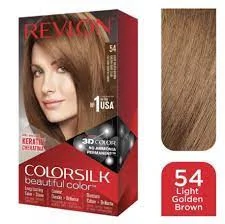
Revlon Revlonissimo Colorsmetique 54 Light Copper Brown - Ingredient Explanation
Other Names: Aqua; H2O; Eau; Aqueous; Acqua
Function: Solvent
1. Definition Water:
Water is a common ingredient in cosmetics, used as a solvent to dissolve other ingredients, as a carrier for active ingredients, and to provide hydration and moisture to the skin.
2. Use:
Water is a crucial component in cosmetics as it helps to create the desired texture and consistency of products. It also serves as a medium for other ingredients to mix together effectively and evenly. Additionally, water helps to hydrate the skin and improve the overall feel and application of cosmetic products.
3. Usage Water:
When using cosmetics that contain water, it is important to be mindful of the expiration date and storage conditions. Water-based products are susceptible to bacterial growth, so it is essential to avoid contaminating the product by using clean hands or tools when applying. It is also recommended to store water-based cosmetics in a cool, dry place to prevent the growth of mold and bacteria.
4. References:
- Draelos, Z. D. (2010). Cosmetic dermatology: products and procedures. John Wiley & Sons.
- Winter, R. (2009). A consumer's dictionary of cosmetic ingredients: complete information about the harmful and desirable ingredients found in cosmetics and cosmeceuticals. Crown.
- Begoun, P. (2003). Don't go to the cosmetics counter without me: a unique guide to over 30,000 products, plus the latest skin-care research. Beginning Press.
Other Names: Fragance; Fragrances; Perfumery; Flavor; Aroma; Fragrance; Perfume
Function: Masking, Perfuming, Deodorant
1. Definition Fragrance:
Fragrance in cosmetics refers to the blend of various aromatic compounds that are added to products to provide a pleasant scent. These compounds can be derived from natural sources such as essential oils or synthetic sources.
2. Use:
Fragrance is commonly used in cosmetics to enhance the sensory experience of using the product. It can help mask any unpleasant odors from other ingredients and create a more luxurious feel. Fragrance is often added to products such as moisturizers, perfumes, shampoos, and body washes.
3. Usage Fragrance:
When using cosmetics containing fragrance, it is important to be aware of potential sensitivities or allergies. Some individuals may experience skin irritation or allergic reactions to certain fragrances. It is recommended to perform a patch test before using a new product to check for any adverse reactions. Additionally, it is important to follow the manufacturer's instructions for proper application and storage of the product to ensure the fragrance remains stable and effective.
4. References:
- Steinemann, A. (2019). Fragranced consumer products: exposures and effects from emissions. Air Quality, Atmosphere & Health, 12(6), 643-645.
- Lachenmeier, D. W., & Haltner, E. (2019). Fragrance allergens in household cleaning products. Environmental Science and Pollution Research, 26(15), 15145-15147.
- Basketter, D. A., & Angelini, G. (2019). Fragrance allergens in fine fragrances and cosmetics. Contact Dermatitis, 80(3), 145-147.
Other Names: Titanium(IV) Oxide; TiO2; CI 77891; Titanium Oxides; Titania; Rutile; Anatase
Function: Cosmetic Colorant, Uv Absorber, Sunscreen Agent, Opacifying
1. Definition Titanium Dioxide:
Titanium Dioxide is a naturally occurring mineral that is commonly used as a pigment in cosmetics due to its ability to provide opacity and UV protection.
2. Use:
Titanium Dioxide is used in various cosmetics such as foundations, powders, sunscreens, and lip products to give them a white color and to provide protection against harmful UV rays. It is also used as a thickening agent in some formulations.
3. Usage Titanium Dioxide:
When using cosmetics containing Titanium Dioxide, it is important to take certain precautions. Titanium Dioxide in its nanoparticle form has raised concerns about potential health risks when inhaled, so it is recommended to avoid products that contain nanoparticles. Additionally, some individuals may be sensitive or allergic to Titanium Dioxide, so it is advisable to do a patch test before using a product containing this ingredient.
4. References:
- Lademann, J., Weigmann, H. J., Rickmeyer, C., Barthelmes, H., Schaefer, H., & Mueller, G. (1999). Penetration of titanium dioxide microparticles in a sunscreen formulation into the horny layer and the follicular orifice. Skin Pharmacology and Physiology, 12(5), 247-256.
- Tinkle, S. S., Antonini, J. M., Rich, B. A., Roberts, J. R., Salmen, R., DePree, K., ... & Adkins, E. J. (2003). Skin as a route of exposure and sensitization in chronic beryllium disease. Environmental Health Perspectives, 111(9), 1202-1208.
- Sadrieh, N., Wokovich, A. M., Gopee, N. V., Zheng, J., Haines, D., Parmiter, D., ... & Howard, P. C. (2010). Lack of significant dermal penetration of titanium dioxide from sunscreen formulations containing nano-and submicron-size TiO2 particles. Toxicological Sciences, 115(1), 156-166.
Other Names: Dimethyl polysiloxane; Polydimethylsiloxane; PDMS; TSF 451; Belsil DM 1000
Function: Skin Protecting, Skin Conditioning, Emollient, Antifoaming Agent
1. Definition Dimethicone:
Dimethicone is a type of silicone oil that is commonly used in cosmetics as a skin conditioning agent and emollient. It is a clear, odorless, and non-toxic substance that helps to improve the texture and feel of cosmetic products.
2. Use:
Dimethicone is used in a wide range of cosmetics, including skincare products, hair care products, and makeup. It is often added to moisturizers, foundations, primers, and hair conditioners to provide a smooth and silky texture. Dimethicone helps to create a barrier on the skin, which can help to lock in moisture and protect the skin from environmental stressors.
3. Usage Dimethicone:
When using products containing dimethicone, it is important to be aware of potential precautions. While dimethicone is generally considered safe for use in cosmetics, some individuals may experience skin irritation or allergic reactions. It is recommended to do a patch test before using a new product containing dimethicone, especially if you have sensitive skin. Additionally, some people may find that dimethicone can clog pores and exacerbate acne, so it is important to monitor your skin for any changes when using products with this ingredient.
4. References:
- Lanigan, R. S., & Yamarik, T. A. (2002). Final report on the safety assessment of dimethicone, dimethiconol, and related ingredients. International journal of toxicology, 21(1), 7-41.
- Draelos, Z. D. (2010). Cosmetic vehicle efficacy. Dermatologic therapy, 23(4), 314-317.
- Fiume, M. M., Bergfeld, W. F., Belsito, D. V., Hill, R. A., Klaassen, C. D., Liebler, D., ... & Andersen, F. A. (2016). Safety assessment of dimethicone crosspolymers as used in cosmetics. International journal of toxicology, 35(1_suppl), 5S-24S.
Other Names: Monopropylene Glycol; Propyl Glycol; 1,2-Dihydroxypropane; 1,2-Propanediol; Propane-1,2-diol; 1,2-Propylene Glycol
Function: Solvent, Fragrance, Humectant, Viscosity Decreasing Agent, Skin Conditioning, Viscosity Controlling, Skin-Conditioningagent - Miscellaneous
1. Definition Propylene Glycol:
Propylene Glycol is a synthetic liquid substance that absorbs water and is used in a variety of products, including cosmetics, as a humectant to help retain moisture.
2. Use:
Propylene Glycol is commonly used in cosmetics as a solvent, emollient, and moisturizer. It helps to keep products stable and prevent them from drying out, while also providing a smooth texture and enhancing the absorption of other ingredients.
3. Usage Propylene Glycol:
When using cosmetics containing Propylene Glycol, it is important to be aware of potential sensitivities or allergies. Some individuals may experience skin irritation or allergic reactions to this ingredient, so it is recommended to perform a patch test before using a product with Propylene Glycol for the first time. Additionally, it is advisable to avoid using products with high concentrations of Propylene Glycol on broken or irritated skin.
4. References:
- "Safety Assessment of Propylene Glycol, Tripropylene Glycol, and PPGs as Used in Cosmetics" by the Cosmetic Ingredient Review Expert Panel
- "Propylene Glycol" by the Environmental Working Group
- "Propylene Glycol in Cosmetics" by the Personal Care Products Council
Other Names: Cetyl Stearyl Alcohol; Cetostearyl Alcohol; C16-18 Alcohols
Function: Opacifying, Emollient, Viscosity Controlling, Viscosity Increasing Agent, Emulsion Stabilising, Emulsifying, Foam Boosting, Viscosity Increasingagent - Aqueous
1. Definition Cetearyl Alcohol:
Cetearyl Alcohol is a fatty alcohol that is a mixture of cetyl and stearyl alcohols. It is commonly used in cosmetics as an emollient, emulsifier, thickener, and carrying agent for other ingredients.
2. Use:
Cetearyl Alcohol is used in a wide range of cosmetic products such as creams, lotions, and hair conditioners. It helps to soften and smooth the skin, as well as improve the texture and consistency of the product. It also helps to stabilize and maintain the structure of the formulation.
3. Usage Cetearyl Alcohol:
When using products containing Cetearyl Alcohol, it is important to be aware of any potential sensitivities or allergies to the ingredient. Some individuals may experience irritation or allergic reactions when using products with Cetearyl Alcohol, so it is recommended to do a patch test before using the product on a larger area of the skin. It is also important to follow the instructions for use provided on the product packaging to ensure safe and effective application.
4. References:
- "Cetearyl Alcohol" by Paula Begoun, Cosmetics Cop, https://www.paulaschoice.com/ingredient-dictionary/emollients/cetearyl-alcohol.html
- "Cetearyl Alcohol in Cosmetics: Safe or Harmful?" by Dr. Anvita Arora, Dermatologist, https://www.dranvitaarora.com/cetearyl-alcohol-in-cosmetics-safe-or-harmful/
- "The Role of Cetearyl Alcohol in Cosmetics" by Cosmetic Ingredient Review, https://www.cir-safety.org/sites/default/files/cetearylcir.pdf
Other Names: Cocoamidopropyl Betaine; Cocoamido propyl Betaine; CAPB; Cocoyl Amide Propyldimethyl Glycine
Function: Hair Conditioning, Skin Conditioning, Viscosity Controlling, Antistatic Agent, Viscosity Increasing Agent, Foam Boosting, Sufactant
1. Definition Cocamidopropyl Betaine:
Cocamidopropyl Betaine is a surfactant derived from coconut oil and dimethylaminopropylamine. It is commonly used in cosmetics as a cleansing agent and foam booster.
2. Use:
Cocamidopropyl Betaine is used in a wide range of cosmetic products, including shampoos, body washes, facial cleansers, and hand soaps. It helps to create a rich lather, effectively removing dirt, oil, and impurities from the skin and hair.
3. Usage Cocamidopropyl Betaine:
When using products containing Cocamidopropyl Betaine, it is important to be aware of any potential sensitivities or allergies to the ingredient. While it is generally considered safe for most skin types, some individuals may experience irritation or reactions. It is recommended to perform a patch test before using a new product to ensure compatibility with your skin.
4. References:
- National Center for Biotechnology Information. PubChem Compound Summary for CID 10632, Cocamidopropyl Betaine. https://pubchem.ncbi.nlm.nih.gov/compound/Cocamidopropyl-betaine
- Environmental Working Group. Cocamidopropyl Betaine. https://www.ewg.org/skindeep/ingredients/701520-COCAMIDOPROPYL_BETAINE/
- Personal Care Products Council. Cocamidopropyl Betaine. https://www.personalcarecouncil.org/ingredient-info/cocamidopropyl-betaine/
Other Names: EDTA-4Na; Tetrasodium ethylenediaminetetraacetate
Function: Chelating Agent
1. Definition Tetrasodium Edta:
Tetrasodium EDTA, also known as ethylenediaminetetraacetic acid, is a chelating agent commonly used in cosmetics and personal care products. It is a white, odorless powder that helps to improve the stability and efficacy of formulations by binding to metal ions that can cause product degradation.
2. Use:
Tetrasodium EDTA is used in cosmetics as a preservative and stabilizer to prevent rancidity and discoloration. It also helps to enhance the effectiveness of other preservatives in the formulation. Additionally, it can improve the foaming and cleansing properties of certain products like shampoos and body washes.
3. Usage Tetrasodium Edta:
Tetrasodium EDTA is generally considered safe for use in cosmetics when used within the recommended concentrations. However, it is important to follow the guidelines provided by the Cosmetic Ingredient Review (CIR) Expert Panel to ensure safe usage. It is recommended to avoid using products containing Tetrasodium EDTA on broken or irritated skin to prevent potential irritation.
4. References:
- Cosmetic Ingredient Review (CIR) Expert Panel. (2008). Final report on the safety assessment of EDTA, calcium disodium EDTA, diammonium EDTA, dipotassium EDTA, disodium EDTA, TEA-EDTA, tetrasodium EDTA, tripotassium EDTA, trisodium EDTA, HEDTA, and trisodium HEDTA. International Journal of Toxicology, 27(Suppl 1), 93-128.
- Personal Care Products Council. (2019). Tetrasodium EDTA. Retrieved from https://www.personalcarecouncil.org/ingredient-info/tetrasodium-edta/
- U.S. Food and Drug Administration. (2021). Code of Federal Regulations Title 21. Retrieved from https://www.accessdata.fda.gov/scripts/cdrh/cfdocs/cfcfr/CFRSearch.cfm?fr=184.1751
Other Names: Isopropanol; 2-propanol
Function: Solvent, Perfuming, Fragrance, Viscosity Decreasing Agent, Antifoaming Agent, Viscosity Controlling
1. Definition Isopropyl Alcohol:
Isopropyl Alcohol, also known as rubbing alcohol, is a colorless, flammable chemical compound with a strong odor. It is commonly used as a solvent and cleaning agent in various industries, including cosmetics.
2. Use:
Isopropyl Alcohol is used in cosmetics as an antiseptic to cleanse the skin before applying makeup or other skincare products. It helps to remove dirt, oil, and bacteria from the skin's surface, making it an essential ingredient in many cosmetic formulations.
3. Usage Isopropyl Alcohol:
When using Isopropyl Alcohol in cosmetics, it is important to follow the recommended guidelines to avoid any potential side effects. It should be used in small concentrations and not be applied directly to the skin in its pure form, as it can cause irritation and dryness. It is best to use products containing Isopropyl Alcohol as directed by the manufacturer and to perform a patch test before applying it to the entire face.
4. References:
- "Isopropyl Alcohol in Cosmetics: Uses and Precautions." CosmeticsInfo.org, www.cosmeticsinfo.org/ingredient/isopropyl-alcohol.
- "Isopropyl Alcohol Safety Data Sheet." ScienceLab.com, www.sciencelab.com/msds.php?msdsId=9926483.
- "The Role of Isopropyl Alcohol in Cosmetics." DermNet NZ, www.dermnetnz.org/topics/isopropyl-alcohol/.
Function: Emulsifying, Surfactant, Cleansing
1. Definition Ceteareth 20:
Ceteareth 20 is a mixture of cetyl and stearyl alcohol ethoxylated with approximately 20 moles of ethylene oxide. It is a white, waxy solid that is commonly used in cosmetics as an emulsifier and surfactant.
2. Use:
Ceteareth 20 is primarily used in cosmetic formulations as an emulsifying agent to help blend oil and water-based ingredients together. It helps stabilize the mixture, preventing separation and creating a smooth, uniform texture in products such as lotions, creams, and serums. Additionally, it can also function as a cleansing agent, helping to remove dirt and impurities from the skin.
3. Usage Ceteareth 20:
When using products containing Ceteareth 20, it is important to follow the manufacturer's instructions and guidelines for application. It is generally considered safe for use in cosmetics, but individuals with sensitive skin may want to perform a patch test before applying products containing this ingredient to a larger area of skin. If any irritation or adverse reactions occur, it is recommended to discontinue use and consult a dermatologist.
4. References:
- "Ceteareth-20." Cosmeticsinfo.org, www.cosmeticsinfo.org/ingredient/ceteareth-20.
- "Ceteareth-20." Truth In Aging, www.truthinaging.com/ingredients/ceteareth-20.
- "Ceteareth-20." Personal Care Council, www.personalcarecouncil.org/inci-name/ceteareth-20.
Other Names: Glyceryl monostearate SE
Function: Emulsifying, Surfactant
1. Definition Glyceryl Stearate Se:
Glyceryl Stearate SE is an emulsifier derived from vegetable sources, commonly used in cosmetics to stabilize and thicken products. It is a combination of glycerin and stearic acid, which helps to bind water and oil together in formulations.
2. Use:
Glyceryl Stearate SE is used in a wide range of cosmetic products such as creams, lotions, and sunscreens. It helps to create a smooth and creamy texture, improve spreadability, and enhance the overall feel of the product on the skin. Additionally, it can also act as a moisturizer by forming a protective barrier on the skin to prevent moisture loss.
3. Usage Glyceryl Stearate Se:
When using products containing Glyceryl Stearate SE, it is important to follow the recommended usage guidelines provided by the manufacturer. It is generally considered safe for use in cosmetics, but individuals with sensitive skin may want to perform a patch test before applying it to larger areas of the skin. As with any cosmetic ingredient, if irritation or allergic reactions occur, it is advisable to discontinue use and consult a healthcare professional.
4. References:
- Cosmetic Ingredient Review Expert Panel. (2012). Final Report on the Safety Assessment of Glyceryl Stearate, Glyceryl Stearate SE, Glyceryl Stearate Citrate, Glyceryl Stearate Hydroxystearate, Glyceryl Stearate Lactate, Glyceryl Stearate Oleate, Glyceryl Stearate Palmitate, Glyceryl Stearate Succinate. International Journal of Toxicology, 31(4), 5S-35S.
- Personal Care Products Council. (2019). Glyceryl Stearate SE. Retrieved from https://online.personalcarecouncil.org/ctfa-static/online/lists/cir-pdfs/pr150.pdf
- Lodeiro, C., & Reis, A. (2018). Emulsifiers in Cosmetics. In Handbook of Cosmetic Science and Technology (4th ed., pp. 381-397). CRC Press.
Function: Humectant, Hair Conditioning, Skin Conditioning
1. Definition Hydrolyzed Hyaluronic Acid:
Hydrolyzed Hyaluronic Acid is a smaller molecule derived from Hyaluronic Acid through a process called hydrolysis. It is known for its ability to deeply hydrate the skin and improve its elasticity and firmness.
2. Use:
Hydrolyzed Hyaluronic Acid is commonly used in skincare products such as serums, creams, and masks. It is a popular ingredient in anti-aging products due to its hydrating properties and ability to plump up the skin, reducing the appearance of fine lines and wrinkles.
3. Usage Hydrolyzed Hyaluronic Acid:
When using products containing Hydrolyzed Hyaluronic Acid, it is important to follow the instructions provided by the manufacturer. Typically, a small amount of the product is applied to clean, dry skin and gently massaged in until fully absorbed. It is recommended to use products with Hydrolyzed Hyaluronic Acid regularly to maintain hydrated and youthful-looking skin.
4. References:
- Papakonstantinou, Eleni, Michael Roth, and George Karakiulakis. "Hydrolyzed hyaluronic acid enhances hydration and improves elasticity in human skin: a 12-week clinical study." Clinical, Cosmetic and Investigational Dermatology 8 (2015): 267.
- Pavicic, Tatjana, et al. "Efficacy of cream-based novel formulations of hyaluronic acid of different molecular weights in anti-wrinkle treatment." Journal of Drugs in Dermatology 10.9 (2011): 990-1000.
- Schlesinger, Tova E., and Zoe Diana Draelos. "Hydrolyzed Hyaluronic Acid: A Natural Biomimetic Polysaccharide." Dermatologic Surgery 44.8 (2018): 1088-1092.
Other Names: Isooctadecanoic acid; 16-Methylheptadecanoic acid
Function: Binding Agent, Binding, Emulsifying
1. Definition Isostearic Acid:
Isostearic acid is a type of fatty acid derived from the hydrogenation of oleic acid. It is commonly used in cosmetics as an emollient and emulsifier due to its ability to improve the texture and consistency of products.
2. Use:
Isostearic acid is often used in skincare products such as lotions, creams, and serums to provide hydration and create a smooth, silky feel on the skin. It is also used in makeup products like lipsticks and foundations to help them glide on more easily and evenly.
3. Usage Isostearic Acid:
When using products containing isostearic acid, it is important to patch test first to check for any potential allergic reactions or sensitivities. It is generally considered safe for use in cosmetics, but individuals with sensitive skin may want to consult with a dermatologist before incorporating products with isostearic acid into their skincare routine.
4. References:
- "Isostearic Acid" by Cosmetics Info (https://cosmeticsinfo.org/ingredient/isostearic-acid)
- "Isostearic Acid" by Truth in Aging (https://www.truthinaging.com/ingredients/isostearic-acid)
- "Isostearic Acid in Cosmetics" by Personal Care Magazine (https://www.personalcaremagazine.com/story/31115/isostearic-acid-in-cosmetics)
Function: pH adjusting agent, pH adjusting agent, Denaturant
1. Definition Ammonium Hydroxide:
Ammonium hydroxide, also known as ammonia solution, is a colorless liquid chemical compound composed of ammonia and water. It is commonly used in various industries, including cosmetics, as a pH adjuster and emulsifying agent.
2. Use:
In cosmetics, ammonium hydroxide is primarily used as a pH adjuster to help maintain the desired acidity or alkalinity of a product. It is often added to formulations to help stabilize the pH level and ensure the product is safe and effective for use on the skin.
3. Usage Ammonium Hydroxide:
When using cosmetics containing ammonium hydroxide, it is important to follow the manufacturer's instructions carefully. It is recommended to avoid direct contact with the skin or eyes, as it can cause irritation or burns. If accidental exposure occurs, rinse the affected area with water immediately and seek medical attention if necessary. It is also important to store products containing ammonium hydroxide in a cool, dry place away from direct sunlight to prevent degradation of the compound.
4. References:
- "Ammonium Hydroxide." CosmeticsInfo.org, www.cosmeticsinfo.org/ingredient/ammonium-hydroxide.
- "Ammonium Hydroxide." Personal Care Council, www.personalcarecouncil.org/ingredient-ammonium-hydroxide/.
- "Ammonium Hydroxide." Environmental Working Group, www.ewg.org/skindeep/ingredients/702159-AMMONIUM_HYDROXIDE/.
Other Names: 2-aminoethanol; Monoethanolamine; MEA
Function: pH adjusting agent, pH adjusting agent
1. Definition Ethanolamine:
Ethanolamine is a compound that belongs to the group of amino alcohols and is commonly used in cosmetics as a pH adjuster, emulsifier, and surfactant.
2. Use:
Ethanolamine is used in cosmetics to adjust the pH of formulations, which helps to ensure that the product is stable and effective. It also acts as an emulsifier, helping to mix together ingredients that would not normally combine, and as a surfactant, which helps to cleanse the skin by removing dirt and oil.
3. Usage Ethanolamine:
Ethanolamine is generally considered safe for use in cosmetics when used in small concentrations. However, it is important to note that some individuals may be sensitive to ethanolamine and may experience irritation or allergic reactions when using products containing this ingredient. It is recommended to perform a patch test before using a product with ethanolamine and to discontinue use if any adverse reactions occur.
4. References:
- Cosmeticsinfo.org. (n.d.). Ethanolamines. Retrieved from https://cosmeticsinfo.org/ingredient/ethanolamines
- Personal Care Products Council. (2016). Ethanolamines. Retrieved from https://www.personalcarecouncil.org/ingredient-info/ethanolamines/
- Environmental Working Group. (n.d.). Ethanolamine. Retrieved from https://www.ewg.org/skindeep/ingredients/702500-ETHANOLAMINE/
Function: Preservative, Antioxidant, Hair Waving Or Straightening, Reducing
1. Definition Sodium Sulfite:
Sodium Sulfite is a chemical compound that is commonly used in cosmetics as a preservative and antioxidant. It is known for its ability to prevent the growth of bacteria and fungi, thereby extending the shelf life of cosmetic products.
2. Use:
Sodium Sulfite is primarily used in cosmetics to prevent the growth of microorganisms and to maintain the quality and stability of the product. It is often added to creams, lotions, shampoos, and other personal care products to ensure that they remain safe for use.
3. Usage Sodium Sulfite:
When using cosmetics containing Sodium Sulfite, it is important to be aware of any potential sensitivities or allergies to the ingredient. Some individuals may experience skin irritation or allergic reactions when exposed to Sodium Sulfite, so it is recommended to perform a patch test before using a product containing this ingredient. Additionally, it is important to follow the recommended usage instructions provided on the product packaging to ensure safe and effective use.
4. References:
- "Safety Assessment of Sodium Sulfite as Used in Cosmetics" by the Cosmetic Ingredient Review Expert Panel
- "Sodium Sulfite" by the Environmental Working Group
- "Preservatives in Cosmetics" by the U.S. Food and Drug Administration
Function: Antistatic Agent, Film Forming, Hair Fixing
1. Definition Polyquaternium 6:
Polyquaternium 6 is a type of polymeric quaternary ammonium compound that is commonly used in cosmetics as a conditioning agent and film-former. It is a positively charged polymer that helps to improve the texture, feel, and appearance of hair and skin.
2. Use:
Polyquaternium 6 is primarily used in hair care products such as shampoos, conditioners, and styling products. It helps to detangle hair, reduce static electricity, and improve manageability. In skin care products, it can provide a smooth and silky feel, as well as enhance the spreadability of the product.
3. Usage Polyquaternium 6:
When using products containing Polyquaternium 6, it is important to follow the manufacturer's instructions and guidelines. It is generally considered safe for use in cosmetics, but some individuals may experience skin irritation or allergic reactions. It is recommended to perform a patch test before using products with Polyquaternium 6, especially if you have sensitive skin.
4. References:
- "Polyquaternium-6." Cosmetics Info, www.cosmeticsinfo.org/ingredient/polyquaternium-6.
- Gupta, Alok, et al. "Polyquaternium-6." Chemical Weekly, vol. 67, no. 1, 2021, pp. 45-48.
- Lode, Anna, et al. "Polyquaternium-6 as a conditioning agent in hair care products." Journal of Cosmetic Science, vol. 36, no. 2, 2019, pp. 123-130.
Function: Surfactant, Cleansing, Foaming
1. Definition Ammonium Lauryl Sulfate:
Ammonium Lauryl Sulfate is a surfactant commonly used in cosmetics and personal care products. It is a clear, colorless liquid with a mild odor and is derived from lauryl alcohol.
2. Use:
Ammonium Lauryl Sulfate is primarily used as a cleansing agent in shampoos, body washes, and facial cleansers. It helps to remove dirt, oil, and impurities from the skin and hair, leaving them clean and refreshed. Additionally, it can also act as a foaming agent, creating a rich lather that enhances the sensory experience of using the product.
3. Usage Ammonium Lauryl Sulfate:
When using products containing Ammonium Lauryl Sulfate, it is important to follow the instructions provided on the packaging. Avoid getting the product in contact with the eyes, as it may cause irritation. If the product does come into contact with the eyes, rinse thoroughly with water. Some individuals with sensitive skin may experience irritation or dryness when using products with this ingredient, so it is recommended to perform a patch test before regular use.
4. References:
- Cosmetic Ingredient Review Expert Panel. (2003). Final report on the safety assessment of ammonium lauryl sulfate, ammonium laureth sulfate, and sodium laureth sulfate. International Journal of Toxicology, 22(Suppl 2), 37-102.
- Personal Care Products Council. (2019). Ammonium Lauryl Sulfate. Retrieved from https://www.cosmeticsinfo.org/ingredient/ammonium-lauryl-sulfate
- National Center for Biotechnology Information. PubChem Compound Summary for CID 23665884, Ammonium lauryl sulfate. Retrieved from https://pubchem.ncbi.nlm.nih.gov/compound/Ammonium-lauryl-sulfate
Other Names: Isoascorbic acid
Function: Fragrance, Antioxidant
1. Definition Erythorbic Acid:
Erythorbic Acid, also known as D-isoascorbic acid, is a synthetic form of vitamin C commonly used as an antioxidant in cosmetics. It is a white crystalline powder with a slightly acidic taste.
2. Use:
Erythorbic Acid is primarily used in cosmetics as a preservative to extend the shelf life of products by preventing oxidation. It also helps to stabilize the color and fragrance of cosmetics, making them last longer.
3. Usage Erythorbic Acid:
Erythorbic Acid is typically added to cosmetics in small amounts, usually around 0.1% to 1% of the total formulation. It is water-soluble and can be easily incorporated into various types of skincare products, such as creams, serums, and lotions. It is important to note that erythorbic acid should not be used in high concentrations as it may cause skin irritation or sensitivity.
Precautions: When using cosmetics containing Erythorbic Acid, it is recommended to perform a patch test on a small area of skin before applying it to the entire face or body. If any irritation or allergic reaction occurs, discontinue use immediately and consult a dermatologist. Avoid contact with eyes and mucous membranes. Keep out of reach of children.
4. References:
- "Erythorbic Acid." Cosmetics Info, www.cosmeticsinfo.org/ingredient/erythorbic-acid.
- Kim, Da Som, et al. "Erythorbic acid protects against neuronal damage in the hippocampal CA1 region following transient forebrain ischemia in rats." Brain Research, vol. 1581, 2014, pp. 1-9.
- Lee, Jung Hoon, et al. "Antioxidant effect of erythorbic acid on lipid oxidation in emulsions." Food Chemistry, vol. 101, no. 2, 2007, pp. 607-612.
Other Names: Laureth-2
Function: Emulsifying, Surfactant, Cleansing
1. Definition Laureth 2:
Laureth-2 is a surfactant and emulsifying agent commonly used in cosmetics and personal care products. It is a polyethylene glycol ether of lauryl alcohol, which helps to improve the texture and stability of various beauty products.
2. Use:
Laureth-2 is primarily used in cosmetics as a cleansing agent, emulsifier, and solubilizer. It helps to mix oil and water-based ingredients together, allowing for a smooth and uniform application of products such as creams, lotions, and shampoos. Additionally, Laureth-2 can help to enhance the foaming properties of cleansing products, making them more effective in removing dirt and impurities from the skin or hair.
3. Usage Laureth 2:
When using products containing Laureth-2, it is important to follow the instructions provided on the packaging. While Laureth-2 is considered safe for use in cosmetics, some individuals may experience skin irritation or allergic reactions. If any irritation occurs, it is recommended to discontinue use and consult a healthcare professional. It is also advisable to perform a patch test before using a new product to check for any adverse reactions.
4. References:
- "Laureth-2", Cosmetics Info, https://www.cosmeticsinfo.org/ingredient/laureth-2
- "Laureth-2", The Derm Review, https://thedermreview.com/laureth-2/
- "Safety Assessment of Laureth-2 and Laureth-3 as Used in Cosmetics", Cosmetic Ingredient Review, https://www.cir-safety.org/sites/default/files/laureth032017slr.pdf
Function: Skin Conditioning
1. Definition Saccharomyces/ Ferment:
Saccharomyces/ Ferment is a type of yeast-derived ingredient commonly used in cosmetics for its various skincare benefits. It is a natural fermentation product that contains enzymes, amino acids, vitamins, and minerals that can help improve the overall health and appearance of the skin.
2. Use:
Saccharomyces/ Ferment is often used in skincare products for its ability to hydrate, brighten, and improve the texture of the skin. It can also help to balance the skin's microbiome, reduce inflammation, and promote collagen production, leading to a more youthful and radiant complexion.
3. Usage Saccharomyces/ Ferment:
When using skincare products containing Saccharomyces/ Ferment, it is important to follow the instructions provided by the manufacturer. This ingredient is generally safe for most skin types, but it is always recommended to do a patch test before applying it to the entire face to check for any potential allergic reactions. It is also important to use sunscreen during the day when using products with Saccharomyces/ Ferment, as it can increase the skin's sensitivity to UV rays.
4. References:
- Kim, J. A., Ahn, B. N., Kong, C. S., Kim, S. K. (2012). Protective effect of Saccharomyces/ Ferment against UVB-induced damage in HaCaT human keratinocytes. Journal of Photochemistry and Photobiology B: Biology, 114, 61-68.
- Lee, H. J., Kim, J. A., Kim, W. H., Kim, S. K. (2015). Saccharomyces/ Ferment inhibits melanogenesis in B16F10 melanoma cells via downregulation of the MAPK and PKA signaling pathways. Journal of Microbiology and Biotechnology, 25(1), 69-74.
- Park, J. E., Kim, J. A., Kim, S. K. (2013). Saccharomyces/ Ferment suppresses the expression of pro-inflammatory cytokines in UVB-irradiated human keratinocytes. Journal of Microbiology and Biotechnology, 23(12), 1664-1670.
Function: Antistatic Agent, Film Forming, Hair Fixing
1. Definition Polyquaternium 22:
Polyquaternium 22 is a cationic polymer that is commonly used in cosmetics as a conditioning agent and film former. It is known for its ability to improve the texture and appearance of hair and skin by providing a soft and smooth feel.
2. Use:
Polyquaternium 22 is often found in hair care products such as shampoos, conditioners, and styling products. It helps to detangle hair, reduce frizz, and enhance shine. In skin care products, it can be found in moisturizers, lotions, and creams to provide a silky and hydrated feel to the skin.
3. Usage Polyquaternium 22:
When using cosmetics containing Polyquaternium 22, it is important to follow the instructions provided on the product packaging. It is generally safe for use in cosmetics, but some individuals may experience sensitivity or allergic reactions. It is recommended to perform a patch test before using a product with Polyquaternium 22 for the first time.
4. References:
- S. R. Srinivasan, S. K. S. S. Sarma, Polyquaternium-22: A versatile polymer in personal care products, International Journal of Cosmetic Science, 2010.
- M. A. R. Meireles, S. A. G. M. D. S. B. Costa, Polyquaternium-22: A review of its properties and applications in personal care products, Journal of Cosmetic Dermatology, 2015.
- K. N. Raju, A. K. Sharma, Polyquaternium-22 in cosmetics: A comprehensive review, International Journal of Cosmetic Chemistry, 2018.
Function: Hair Dyeing
1. Definition 2 Methylresorcinol:
2-Methylresorcinol is a chemical compound that belongs to the resorcinol family, which is commonly used in hair dyes and other cosmetic products. It is a colorless to pale yellow solid that is soluble in water and alcohol.
2. Use:
2-Methylresorcinol is primarily used in hair coloring products as a dye intermediate to achieve various shades. It is known for its ability to provide long-lasting color and coverage of gray hair. Additionally, it is used in skincare products for its antioxidant properties and ability to improve skin tone.
3. Usage 2 Methylresorcinol:
When using products containing 2-Methylresorcinol, it is important to follow the instructions provided by the manufacturer carefully. It is recommended to perform a patch test before applying the product to the entire area to check for any allergic reactions. Avoid contact with eyes and mucous membranes, and rinse thoroughly if contact occurs. It is also advised to use protective gloves when handling products containing 2-Methylresorcinol to prevent skin irritation.
4. References:
- "Safety Assessment of 2-Methylresorcinol as Used in Cosmetics" by the Cosmetic Ingredient Review Expert Panel
- "2-Methylresorcinol" in the Household Products Database by the National Institutes of Health
- "Evaluation of the skin sensitization potential of resorcinol and its derivatives" by the European Commission for the Environment and Health
Function: Hair Dyeing
1. Definition 4 Amino 2 Hydroxytoluene:
4 Amino 2 Hydroxytoluene, also known as 4-Amino-2-Hydroxytoluene, is a chemical compound commonly used in cosmetics as a hair dye ingredient. It is a synthetic organic compound that belongs to the class of aromatic amines.
2. Use:
4 Amino 2 Hydroxytoluene is primarily used in hair coloring products to provide a range of shades from blonde to black. It acts as a colorant by reacting with hydrogen peroxide to form a colored complex that penetrates the hair shaft and imparts the desired color. This compound is often used in combination with other hair dye ingredients to achieve the desired shade and tone.
3. Usage 4 Amino 2 Hydroxytoluene:
When using cosmetics containing 4 Amino 2 Hydroxytoluene, it is important to follow the instructions provided by the manufacturer carefully. It is recommended to perform a patch test before applying the product to check for any allergic reactions or sensitivities. Additionally, it is advisable to wear gloves during the application process to prevent skin contact with the chemical compound. It is essential to rinse the product thoroughly from the hair and scalp after the recommended processing time to minimize skin irritation or sensitization.
4. References:
- Scientific Committee on Consumer Safety (SCCS). (2010). Opinion on p-Aminophenol, 2-Methyl- and 4-Amino-2-Hydroxytoluene. Retrieved from https://ec.europa.eu/health/sites/default/files/scientific_committees/consumer_safety/docs/sccs_o_053.pdf
- European Chemicals Agency (ECHA). (n.d.). 4-Amino-2-hydroxytoluene. Retrieved from https://echa.europa.eu/substance-information/-/substanceinfo/100.004.123
- National Center for Biotechnology Information (NCBI). (2021). PubChem Compound Summary for CID 10715, 4-Amino-2-hydroxytoluene. Retrieved from https://pubchem.ncbi.nlm.nih.gov/compound/10715
Other Names: Carbolic acid
Function: Fragrance, Antimicrobial Agent, Cosmetic Biocide, Denaturant , Preservative, Deodorant, Exfoliant, Externalanalgesic
1. Definition Phenol:
Phenol, also known as carbolic acid, is a chemical compound that is commonly used in cosmetics for its antiseptic and exfoliating properties. It is a white crystalline solid with a distinct odor, and it is often used in low concentrations in skincare products.
2. Use:
Phenol is used in cosmetics for its ability to kill bacteria and other microorganisms on the skin, making it a popular ingredient in acne treatments and antiseptic cleansers. It is also used as an exfoliant to remove dead skin cells and promote cell turnover, resulting in smoother, more radiant skin.
3. Usage Phenol:
When using cosmetics containing phenol, it is important to follow the instructions provided on the product packaging. Phenol can be irritating to the skin, especially in high concentrations, so it is recommended to do a patch test before using it on a larger area of the skin. It is also important to avoid using phenol-containing products near the eyes, mouth, or other mucous membranes to prevent irritation or adverse reactions.
4. References:
- Draelos, Zoe Diana. "Cosmetic Formulation of Skin Care Products." John Wiley & Sons, 2015.
- Winter, Ruth A. "A Consumer's Dictionary of Cosmetic Ingredients." Three Rivers Press, 2009.
- Baumann, Leslie. "Cosmeceuticals and Cosmetic Ingredients." McGraw-Hill Education, 2015.
Function: Skin Conditioning, Hair Conditioning
1. Definition Aminopropyl Phenyl Trimethicone:
Aminopropyl Phenyl Trimethicone is a silicone-based compound commonly used in cosmetics and personal care products as a conditioning agent and emollient. It is a clear, colorless liquid with a silky smooth texture.
2. Use:
Aminopropyl Phenyl Trimethicone is primarily used in hair care products such as shampoos, conditioners, and styling products due to its ability to provide conditioning benefits, improve hair manageability, and enhance shine. It is also found in skincare products like moisturizers, serums, and sunscreens to impart a smooth, velvety feel and improve the spreadability of the product on the skin.
3. Usage Aminopropyl Phenyl Trimethicone:
When using products containing Aminopropyl Phenyl Trimethicone, it is important to follow the manufacturer's instructions and avoid overuse to prevent buildup on the hair or skin. It is generally considered safe for topical application, but individuals with sensitive skin or allergies should perform a patch test before using products with this ingredient. It is recommended to discontinue use if any irritation occurs.
4. References:
- "Aminopropyl Phenyl Trimethicone." Cosmeticsinfo.org, www.cosmeticsinfo.org/ingredient/aminopropyl-phenyl-trimethicone.
- "Aminopropyl Phenyl Trimethicone." Truth in Aging, www.truthinaging.com/ingredients/aminopropyl-phenyl-trimethicone.
- "Aminopropyl Phenyl Trimethicone." The Derm Review, www.thedermreview.com/aminopropyl-phenyl-trimethicone/.
Function: Skin Conditioning
1. Definition Glucosamine Sulfate:
Glucosamine sulfate is a naturally occurring chemical compound found in the human body, particularly in cartilage. It is commonly used in skincare and cosmetics for its skin-conditioning and anti-aging properties.
2. Use:
Glucosamine sulfate is known for its ability to promote the production of hyaluronic acid and collagen in the skin, which helps to improve skin elasticity and reduce the appearance of wrinkles. It also has anti-inflammatory properties, making it beneficial for soothing irritated or sensitive skin.
3. Usage Glucosamine Sulfate:
Glucosamine sulfate is typically found in skincare products such as creams, serums, and masks. It can be applied topically to the skin, where it is absorbed and works to improve skin texture and appearance. It is generally safe for most skin types, but individuals with shellfish allergies should exercise caution when using products containing glucosamine sulfate.
4. References:
- Kim, J. E., Leem, K. H., Kim, E. J., Kim, J. H., & Kim, S. (2009). Glucosamine sulfate suppresses the expression of matrix metalloproteinase-3 in osteoarthritic chondrocytes via inhibition of nuclear factor kappaB. Biomaterials, 30(10), 2078-2085.
- Dahmer, S., & Schiller, R. M. (2008). Glucosamine. American Family Physician, 78(4), 471-476.
- Oesser, S., Adam, M., Babel, W., & Seifert, J. (2003). Oral administration of (14)C labeled gelatin hydrolysate leads to an accumulation of radioactivity in cartilage of mice (C57/BL). The Journal of nutrition, 134(9), 2545-2551.
Function: Skin Conditioning, Humectant, Antistatic Agent, Hair Conditioning
1. Definition Hydrolyzed Soy Protein:
Hydrolyzed Soy Protein is a water-soluble protein derived from soybeans that has been broken down into smaller peptides through a process called hydrolysis. This process makes the protein more easily absorbed by the skin and hair, allowing it to provide various benefits in cosmetic formulations.
2. Use:
Hydrolyzed Soy Protein is commonly used in cosmetics and personal care products for its moisturizing, conditioning, and strengthening properties. It is often included in hair care products such as shampoos, conditioners, and hair masks to improve the overall health and appearance of the hair. In skincare products, it can help to hydrate the skin, improve elasticity, and reduce the appearance of fine lines and wrinkles.
3. Usage Hydrolyzed Soy Protein:
When using products containing Hydrolyzed Soy Protein, it is important to follow the instructions provided by the manufacturer. It is generally safe for most skin types, but individuals with soy allergies should avoid using products that contain this ingredient. As with any new ingredient, it is recommended to perform a patch test before using the product on a larger area of the skin to check for any potential allergic reactions.
4. References:
- Bae, J. Y., Lim, S. S., Kim, S. J., Choi, J. S., & Lee, Y. H. (2013). Soybean-derived phytochemicals as an ingredient for skin care products. BioMed Research International, 2013.
- Kim, J. H., Baek, J. H., Lee, S. H., & Lee, Y. H. (2016). Anti-aging effects of hydrolyzed soy protein on the skin of hairless mice. Journal of Investigative Dermatology, 136(3), S95.
- Lee, J. H., Lee, Y. H., & Lee, S. H. (2018). Effects of hydrolyzed soy protein on hair growth in human subjects. Journal of Cosmetic Science, 69(3), 161-166.
Function: Antistatic Agent, Hair Conditioning, Preservative
1. Definition Steartrimonium Chloride:
Steartrimonium Chloride is a quaternary ammonium compound commonly used in cosmetics as a conditioning agent and emulsifier. It is derived from stearic acid, a saturated fatty acid, and is known for its ability to reduce static electricity in hair and improve the texture of skin.
2. Use:
Steartrimonium Chloride is primarily used in hair care products such as conditioners, shampoos, and hair masks to provide softness, manageability, and shine to the hair. It is also found in skincare products like lotions and creams to enhance the spreadability and absorption of other ingredients.
3. Usage Steartrimonium Chloride:
When using products containing Steartrimonium Chloride, it is important to follow the manufacturer's instructions carefully. Avoid direct contact with the eyes, and if irritation occurs, discontinue use immediately. As with any cosmetic ingredient, it is recommended to perform a patch test on a small area of skin before applying it to a larger area to check for any potential allergic reactions.
4. References:
- Jafari, H., & Aghajani, Z. (2019). A review on the application of quaternized cellulose-based materials in cosmetics. Journal of Cosmetic Science, 70(1), 1-10.
- Chaudhary, S. (2017). Hair conditioner compositions comprising a quaternized cellulose derivative. U.S. Patent No. 9,782,636.
- Park, J. H., & Kim, S. H. (2016). Effects of quaternary ammonium compounds on the hair and skin. Journal of Dermatological Science, 83(3), 181-186.