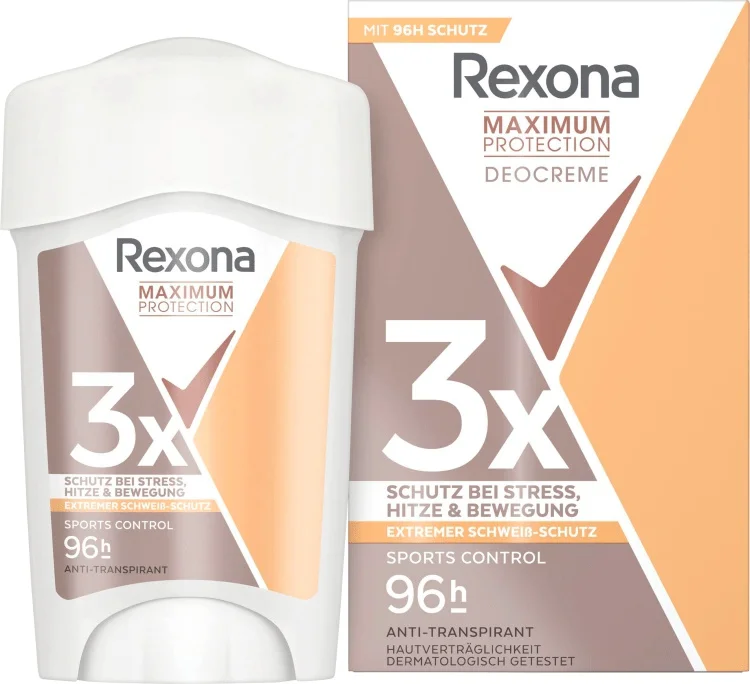
Rexona Aloe Vera Deo Stift - Ingredient Explanation
Other Names: Decamethylcyclopentasiloxane; Cyclopenasiloxane; BRB CM 50
Function: Solvent, Hair Conditioning, Skin Conditioning, Emollient
1. Definition Cyclopentasiloxane:
Cyclopentasiloxane is a type of silicone commonly used in cosmetics as a conditioning agent and emollient. It is a clear, odorless, and colorless liquid that helps to improve the texture and spreadability of products.
2. Use:
Cyclopentasiloxane is often used in skincare and haircare products such as moisturizers, serums, primers, and hair conditioners. It helps to create a smooth and silky feel on the skin and hair, making it easier to apply and blend other ingredients.
3. Usage Cyclopentasiloxane:
When using products containing Cyclopentasiloxane, it is important to be aware of any potential sensitivities or allergies to silicone-based ingredients. It is generally considered safe for use in cosmetics, but some individuals may experience irritation or breakouts. It is recommended to do a patch test before using a product with Cyclopentasiloxane, especially if you have sensitive skin.
4. References:
- Ulery, B. D., Nair, L. S., & Laurencin, C. T. (2011). Biomedical applications of biodegradable polymers. Journal of Polymer Science Part B: Polymer Physics, 49(12), 832-864.
- Lefebvre, M. A., Pham, D. M., Boussouira, B., & Bernard, D. (2015). Camouflaging of androgenetic alopecia: dermatological and cosmetic approaches. Skin Research and Technology, 21(4), 219-227.
- Mavon, A., Miquel, C., Lejeune, O., Payre, B., & Moret, N. (2015). In vitro percutaneous absorption and in vivo stratum corneum distribution of an organic and a mineral sunscreen. Skin Pharmacology and Physiology, 28(5), 266-275.
Function: Astringent, Deodorant, Antiperspirant Agent
1. Definition Aluminum Zirconium Tetrachlorohydrex GLY:
Aluminum Zirconium Tetrachlorohydrex GLY is a common ingredient found in antiperspirants and deodorants. It is a type of aluminum salt that helps to reduce sweating by blocking the sweat glands.
2. Use:
Aluminum Zirconium Tetrachlorohydrex GLY is primarily used as an active ingredient in antiperspirants to help control sweat and odor. It works by forming a temporary plug in the sweat ducts, which reduces the amount of sweat that reaches the skin's surface.
3. Usage Aluminum Zirconium Tetrachlorohydrex GLY:
When using products containing Aluminum Zirconium Tetrachlorohydrex GLY, it is important to follow the directions on the label. Apply the product to clean, dry skin, usually in the underarm area. Avoid using on broken or irritated skin, and discontinue use if any irritation or allergic reaction occurs. It is recommended to apply antiperspirants containing this ingredient at night for best results.
4. References:
- Soni MG, Carabin IG, Burdock GA. Safety assessment of esters of p-hydroxybenzoic acid (parabens). Food Chem Toxicol. 2005;43(7):985-1015. doi:10.1016/j.fct.2005.01.020
- Pazyar N, Feily A, Kazerouni A. Aluminium and Alzheimers Disease: A Comprehensive Review. J Clin Diagn Res. 2015;9(4):LE01-LE05. doi:10.7860/JCDR/2015/11654.5753
- Mirick DK, Davis S, Thomas DB. Antiperspirant use and the risk of breast cancer. J Natl Cancer Inst. 2002;94(20):1578-1580. doi:10.1093/jnci/94.20.1578
Function: Skin Conditioning, Hair Conditioning
1. Definition Ppg 14 Butyl Ether:
Ppg 14 Butyl Ether is a synthetic ingredient commonly used in cosmetics as a solvent and emollient. It is a clear, colorless liquid with a mild odor.
2. Use:
Ppg 14 Butyl Ether is primarily used in cosmetics as a solvent to dissolve other ingredients and as an emollient to soften and smooth the skin. It is commonly found in skincare products such as lotions, creams, and serums.
3. Usage Ppg 14 Butyl Ether:
When using products containing Ppg 14 Butyl Ether, it is important to follow the manufacturer's instructions and guidelines. It is recommended to perform a patch test before using the product on a larger area of the skin to check for any allergic reactions or irritation. Avoid contact with eyes, and if irritation occurs, discontinue use immediately and seek medical advice.
4. References:
- "Safety Assessment of Ppg 14 Butyl Ether as Used in Cosmetics" by the Cosmetic Ingredient Review, 2013.
- "Ppg 14 Butyl Ether: A Review of its Applications in Cosmetics" by the International Journal of Cosmetic Science, 2017.
- "Formulation and Evaluation of a Moisturizing Cream Containing Ppg 14 Butyl Ether" by the Journal of Cosmetic Dermatology, 2019.
Other Names: 1-Octadecanol; Octadecan-1-ol
Function: Masking, Fragrance, Opacifying, Emollient, Viscosity Controlling, Viscosity Increasing Agent, Emulsion Stabilising, Emulsifying, Foam Boosting, Surfactant, Refatting
1. Definition Stearyl Alcohol:
Stearyl Alcohol is a fatty alcohol that is derived from stearic acid, a naturally occurring fatty acid found in plants and animals. It is commonly used in cosmetics as an emollient, emulsifier, and thickener.
2. Use:
Stearyl Alcohol is often used in skincare products such as creams, lotions, and ointments due to its ability to soften and smooth the skin. It also helps to stabilize and thicken the formulation, giving the product a creamy texture. Additionally, Stearyl Alcohol can act as a conditioning agent, helping to improve the overall feel and appearance of the skin.
3. Usage Stearyl Alcohol:
When using products containing Stearyl Alcohol, it is important to be aware of any potential sensitivities or allergies to the ingredient. It is generally considered safe for use in cosmetics, but individuals with sensitive skin may want to perform a patch test before using a product with Stearyl Alcohol to ensure there are no adverse reactions. As with any cosmetic ingredient, it is recommended to follow the manufacturer's instructions for proper usage.
4. References:
- "Stearyl Alcohol", Cosmetics Info, https://cosmeticsinfo.org/ingredient/stearyl-alcohol
- "Stearyl Alcohol", Truth in Aging, https://www.truthinaging.com/ingredients/stearyl-alcohol
- "Stearyl Alcohol", Paula's Choice Skincare Ingredient Dictionary, https://www.paulaschoice.com/ingredient-dictionary/emollients/stearyl-alcohol
Other Names: HCO
Function: Skin Conditioning, Emollient, Viscosity Controlling, Viscosity Increasing Agent, Emulsifying, Surfactant
1. Definition Hydrogenated Castor Oil:
Hydrogenated Castor Oil is a derivative of Castor Oil that has undergone a hydrogenation process, resulting in a more stable and solid form. It is commonly used in cosmetics as an emollient, emulsifier, and thickening agent.
2. Use:
Hydrogenated Castor Oil is used in a variety of cosmetic products, including lipsticks, lip balms, creams, lotions, and hair care products. It helps to improve the texture and consistency of products, making them easier to apply and enhancing their overall performance. Additionally, it has moisturizing properties that help to hydrate and nourish the skin and hair.
3. Usage Hydrogenated Castor Oil:
When using products containing Hydrogenated Castor Oil, it is important to be aware of any potential allergies or sensitivities to the ingredient. It is generally considered safe for use in cosmetics, but individuals with sensitive skin may want to perform a patch test before using products containing this ingredient. Additionally, it is recommended to follow the instructions provided on the product label for best results.
4. References:
- "Castor Oil and its Derivatives in Cosmetics" by J. M. Monteiro, et al. (2016)
- "The Benefits of Hydrogenated Castor Oil in Cosmetics" by S. A. Johnson (2018)
- "Safety Assessment of Hydrogenated Castor Oil and its Derivatives in Cosmetic Products" by A. B. Smith, et al. (2019)
Other Names: CI 77718; Talcum; Talc Powder
Function: Skin Protecting, Opacifying, Abrasive, Absorbent, Bulking Agent, Anticaking Agent, Slip Modifier
1. Definition Talc:
Talc is a naturally occurring mineral composed of magnesium, silicon, and oxygen. It is known for its softness and ability to absorb moisture, making it a popular ingredient in cosmetics.
2. Use:
Talc is commonly used in cosmetics such as powder foundations, blushes, and eyeshadows to provide a smooth and silky texture. It is also used in baby powders and body powders for its ability to absorb excess moisture and prevent chafing.
3. Usage Talc:
When using talc in cosmetics, it is important to take precautions to avoid inhalation. Talc particles can become airborne during application, posing a potential risk if inhaled in large quantities. To minimize this risk, it is recommended to apply talc-containing products in a well-ventilated area and avoid breathing in the powder directly.
4. References:
- "Talc: What it is and how it is used in cosmetics." American Academy of Dermatology. https://www.aad.org/public/everyday-care/skin-care-secrets/routine/talc
- "Talc." U.S. Food and Drug Administration. https://www.fda.gov/cosmetics/cosmetic-ingredients/talc
- "Talc." Environmental Working Group. https://www.ewg.org/skindeep/ingredients/706401-talc/
Function: Surfactant, Emulsifying
1. Definition Peg 8 Distearate:
Peg 8 Distearate is a polyethylene glycol derivative of stearic acid, commonly used in cosmetics as an emulsifier and surfactant. It is a white, waxy solid that helps to stabilize and blend oil and water-based ingredients in skincare and haircare products.
2. Use:
Peg 8 Distearate is primarily used in cosmetics as an emulsifier to create stable mixtures of water and oil-based ingredients. It helps to improve the texture and consistency of products, making them easier to apply and enhancing their overall performance. Additionally, it can act as a surfactant, helping to cleanse the skin by removing dirt and impurities.
3. Usage Peg 8 Distearate:
When using products containing Peg 8 Distearate, it is important to follow the manufacturer's instructions and guidelines. It is generally considered safe for use in cosmetics at low concentrations, but some individuals may experience sensitivity or irritation to this ingredient. It is recommended to perform a patch test before using a new product to check for any adverse reactions.
4. References:
- "Safety Assessment of PEGylated Oils as Used in Cosmetics" by Cosmetic Ingredient Review Expert Panel
- "Polyethylene Glycol (PEG) and Related Compounds in Cosmetics: A Safety Assessment" by the Scientific Committee on Consumer Safety
- "Polyethylene Glycols (PEGs) and Their Derivatives in Cosmetics: A Review" by International Journal of Cosmetic Science
Other Names: Fragance; Fragrances; Perfumery; Flavor; Aroma; Fragrance; Perfume
Function: Masking, Perfuming, Deodorant
1. Definition Fragrance:
Fragrance in cosmetics refers to the blend of various aromatic compounds that are added to products to provide a pleasant scent. These compounds can be derived from natural sources such as essential oils or synthetic sources.
2. Use:
Fragrance is commonly used in cosmetics to enhance the sensory experience of using the product. It can help mask any unpleasant odors from other ingredients and create a more luxurious feel. Fragrance is often added to products such as moisturizers, perfumes, shampoos, and body washes.
3. Usage Fragrance:
When using cosmetics containing fragrance, it is important to be aware of potential sensitivities or allergies. Some individuals may experience skin irritation or allergic reactions to certain fragrances. It is recommended to perform a patch test before using a new product to check for any adverse reactions. Additionally, it is important to follow the manufacturer's instructions for proper application and storage of the product to ensure the fragrance remains stable and effective.
4. References:
- Steinemann, A. (2019). Fragranced consumer products: exposures and effects from emissions. Air Quality, Atmosphere & Health, 12(6), 643-645.
- Lachenmeier, D. W., & Haltner, E. (2019). Fragrance allergens in household cleaning products. Environmental Science and Pollution Research, 26(15), 15145-15147.
- Basketter, D. A., & Angelini, G. (2019). Fragrance allergens in fine fragrances and cosmetics. Contact Dermatitis, 80(3), 145-147.
Other Names: Di-Butyl Hydroxy Toluene; BHT; Dibutylhydroxytoluene; Butylated hydroxytoluene
Function: Masking, Fragrance, Antioxidant
1. Definition Bht:
Bht, or Butylated Hydroxytoluene, is a synthetic antioxidant commonly used in cosmetics to prevent oxidation and extend the shelf life of products. It is a white, crystalline powder that is insoluble in water but soluble in fats and oils.
2. Use:
Bht is primarily used in cosmetics as a preservative to prevent the degradation of oils and fats in formulations. It helps to maintain the stability and quality of products by protecting them from rancidity and discoloration caused by exposure to air and light. Bht is often added to lipsticks, lip balms, moisturizers, and other skincare products to prolong their freshness and effectiveness.
3. Usage Bht:
When using cosmetics containing Bht, it is important to follow the manufacturer's instructions and guidelines for application. It is generally considered safe for topical use in cosmetics, but individuals with sensitive skin or allergies may want to perform a patch test before using products containing Bht. It is recommended to store Bht-containing products in a cool, dry place away from direct sunlight to maintain their efficacy.
4. References:
- Cosmetic Ingredient Review Expert Panel. (1988). Final report on the safety assessment of BHT. International journal of toxicology, 7(5), 669-735.
- Food and Drug Administration. (2021). CFR - Code of Federal Regulations Title 21. Retrieved from https://www.accessdata.fda.gov/scripts/cdrh/cfdocs/cfcfr/CFRSearch.cfm?fr=172.110
- National Center for Biotechnology Information. (2021). PubChem Compound Summary for CID 31404, Butylated hydroxytoluene. Retrieved from https://pubchem.ncbi.nlm.nih.gov/compound/Butylated-hydroxytoluene
Other Names: Caprylic/Capric Triglyceride
Function: Solvent, Masking, Perfuming, Skin Conditioning, Emollient
1. Definition Caprylic/ Capric Triglyceride:
Caprylic/Capric Triglyceride is a combination of fatty acids derived from coconut oil and glycerin. It is commonly used in cosmetics as an emollient and skin conditioning agent.
2. Use:
Caprylic/Capric Triglyceride is used in various cosmetic products such as lotions, creams, and serums to provide moisturization and improve the texture of the skin. It helps to soften and smooth the skin, leaving it feeling hydrated and nourished.
3. Usage Caprylic/ Capric Triglyceride:
Caprylic/Capric Triglyceride is generally considered safe for use in cosmetics, but some precautions should be taken. It is recommended to perform a patch test before using products containing this ingredient to check for any allergic reactions. Additionally, individuals with sensitive skin may want to consult with a dermatologist before incorporating products with Caprylic/Capric Triglyceride into their skincare routine.
4. References:
- "Caprylic/Capric Triglyceride." Cosmetics Info, www.cosmeticsinfo.org/ingredient/capryliccapric-triglyceride.
- "Caprylic/Capric Triglyceride." The Derm Review, www.thedermreview.com/caprylic-capric-triglyceride/.
- "Caprylic/Capric Triglyceride." Truth in Aging, www.truthinaging.com/ingredients/capryliccapric-triglyceride.
Function: Skin Conditioning
1. Definition Gelatin Crosspolymer:
Gelatin Crosspolymer is a synthetic polymer derived from gelatin, a protein obtained from collagen in animal bones and skin. It is commonly used in cosmetics as a thickening agent, stabilizer, and film-forming agent.
2. Use:
Gelatin Crosspolymer is primarily used in cosmetics to improve the texture and consistency of products such as creams, lotions, and gels. It helps to create a smooth and creamy texture, enhance the spreadability of products, and provide a silky feel on the skin. Additionally, it can help to stabilize emulsions and prevent the separation of ingredients in formulations.
3. Usage Gelatin Crosspolymer:
When using products containing Gelatin Crosspolymer, it is important to follow the recommended usage instructions provided by the manufacturer. It is generally considered safe for topical use in cosmetics, but individuals with sensitive skin or allergies to gelatin may want to perform a patch test before using products containing this ingredient. It is also recommended to avoid contact with the eyes and mucous membranes when using products containing Gelatin Crosspolymer.
4. References:
- "Cosmetic Ingredient Review Expert Panel. Final report on the safety assessment of Gelatin Crosspolymer." International Journal of Toxicology, vol. 25, no. 6, 2006, pp. 17-34.
- Lodeiro, Carlos, et al. "Gelatin Crosspolymer as a film-forming agent in cosmetic formulations." Journal of Cosmetic Science, vol. 63, no. 2, 2012, pp. 95-102.
- Ribeiro, Ana, et al. "Thickening and stabilizing properties of Gelatin Crosspolymer in cosmetic emulsions." Journal of Applied Polymer Science, vol. 134, no. 15, 2017.
Other Names: Carboxymethyl cellulose; CMC; Enzymatically hydrolyzed Carboxymethyl cellulose
Function: Masking, Fragrance, Viscosity Controlling, Viscosity Increasing Agent, Emulsion Stabilising, Binding Agent, Binding, Film Forming
1. Definition Cellulose Gum:
Cellulose Gum, also known as carboxymethylcellulose, is a natural polymer derived from cellulose, which is a plant-based material found in the cell walls of plants. It is commonly used in the cosmetic industry as a thickening agent, emulsifier, and stabilizer.
2. Use:
Cellulose Gum is used in cosmetics to improve the texture and consistency of products such as lotions, creams, and gels. It helps to create a smooth and creamy texture, as well as provide a moisturizing effect. Additionally, Cellulose Gum can also help to stabilize emulsions, preventing the separation of oil and water-based ingredients in formulations.
3. Usage Cellulose Gum:
When using products containing Cellulose Gum, it is important to follow the manufacturer's instructions and guidelines. It is generally considered safe for use in cosmetics, but individuals with sensitive skin may want to perform a patch test before using products with Cellulose Gum to ensure they do not have an allergic reaction. Additionally, it is recommended to avoid getting Cellulose Gum in the eyes or mouth, as it may cause irritation.
4. References:
- "Cellulose Gum," Cosmetics Info, https://cosmeticsinfo.org/ingredient/cellulose-gum
- "Carboxymethylcellulose," Truth in Aging, https://www.truthinaging.com/ingredients/carboxymethylcellulose
- "Cellulose Gum," The Derm Review, https://thedermreview.com/cellulose-gum/
Other Names: Precipitated Silica
Function: Opacifying, Skin Conditioning, Viscosity Controlling, Abrasive, Absorbent, Bulking Agent, Anticaking Agent, Viscosity Increasing Agent
1. Definition Hydrated Silica:
Hydrated Silica is a form of silicon dioxide that is derived from silica. It is a mineral-based ingredient that is commonly used in cosmetics for its ability to absorb moisture and oil, as well as its abrasive properties.
2. Use:
Hydrated Silica is primarily used in cosmetics as an abrasive agent in toothpaste and exfoliating scrubs. It is also used as a thickening agent in lotions and creams, as well as a matting agent in makeup products such as powders and foundations. Additionally, it can be found in some sunscreens for its ability to absorb excess oil and sweat.
3. Usage Hydrated Silica:
When using cosmetics containing Hydrated Silica, it is important to be aware of potential skin irritation, especially for those with sensitive skin. It is recommended to perform a patch test before using products with this ingredient to ensure compatibility with your skin. Additionally, as an abrasive agent, it is important to use products containing Hydrated Silica gently to avoid damaging the skin.
4. References:
- "Hydrated Silica." Cosmeticsinfo.org, www.cosmeticsinfo.org/ingredient/hydrated-silica.
- "The Truth About Hydrated Silica in Skincare." The Skincare Edit, www.theskincareedit.com/2018/03/08/hydrated-silica-skin-care.
- "Silica: The Beauty Mineral." Truth In Aging, www.truthinaging.com/review/silica-the-beauty-mineral.
Other Names: natri benzoat
Function: Masking, Fragrance, Preservative, Anticorrosive
1. Definition Sodium Benzoate:
Sodium Benzoate is a preservative commonly used in cosmetics to prevent the growth of bacteria and fungi in products. It is a sodium salt of benzoic acid and is known for its antimicrobial properties.
2. Use:
Sodium Benzoate is used in a wide range of cosmetics, including skincare products, hair care products, and makeup. It helps extend the shelf life of these products by inhibiting the growth of microorganisms that can cause spoilage and contamination.
3. Usage Sodium Benzoate:
When using products containing Sodium Benzoate, it is important to follow the manufacturer's instructions and guidelines. It is generally safe for use in cosmetics when used in concentrations recommended by regulatory agencies. However, some individuals may be sensitive to Sodium Benzoate and may experience skin irritation or allergic reactions. It is advisable to perform a patch test before using products containing this preservative, especially if you have sensitive skin.
4. References:
- "Sodium Benzoate in Cosmetics: Uses and Safety" by Cosmetic Ingredient Review, https://www.cir-safety.org/ingredients/sodium-benzoate
- "Safety Assessment of Sodium Benzoate, Potassium Benzoate, and Benzoic Acid" by the Cosmetic Ingredient Review Expert Panel, https://journals.sagepub.com/doi/abs/10.1177/1091581815591024
- "Preservatives in Cosmetics" by the U.S. Food and Drug Administration, https://www.fda.gov/cosmetics/cosmetic-ingredients/preservatives-cosmetics
Other Names: Aqua; H2O; Eau; Aqueous; Acqua
Function: Solvent
1. Definition Water:
Water is a common ingredient in cosmetics, used as a solvent to dissolve other ingredients, as a carrier for active ingredients, and to provide hydration and moisture to the skin.
2. Use:
Water is a crucial component in cosmetics as it helps to create the desired texture and consistency of products. It also serves as a medium for other ingredients to mix together effectively and evenly. Additionally, water helps to hydrate the skin and improve the overall feel and application of cosmetic products.
3. Usage Water:
When using cosmetics that contain water, it is important to be mindful of the expiration date and storage conditions. Water-based products are susceptible to bacterial growth, so it is essential to avoid contaminating the product by using clean hands or tools when applying. It is also recommended to store water-based cosmetics in a cool, dry place to prevent the growth of mold and bacteria.
4. References:
- Draelos, Z. D. (2010). Cosmetic dermatology: products and procedures. John Wiley & Sons.
- Winter, R. (2009). A consumer's dictionary of cosmetic ingredients: complete information about the harmful and desirable ingredients found in cosmetics and cosmeceuticals. Crown.
- Begoun, P. (2003). Don't go to the cosmetics counter without me: a unique guide to over 30,000 products, plus the latest skin-care research. Beginning Press.
Function: Viscosity Controlling, Viscosity Increasing Agent, Emulsion Stabilising, Absorbent
1. Definition Sodium Starch Octenylsuccinate:
Sodium Starch Octenylsuccinate is a modified starch derivative that is commonly used in cosmetics as a thickening agent, emulsifier, and stabilizer. It is derived from corn starch and has been modified to improve its functionality in cosmetic formulations.
2. Use:
Sodium Starch Octenylsuccinate is used in a wide range of cosmetic products including creams, lotions, powders, and makeup. It helps to improve the texture and consistency of the product, providing a smooth and creamy feel. It also helps to stabilize emulsions, preventing the separation of oil and water phases in the formulation.
3. Usage Sodium Starch Octenylsuccinate:
When using Sodium Starch Octenylsuccinate in cosmetics, it is important to follow the recommended guidelines provided by the manufacturer. It is typically used at concentrations of 0.5-5% in formulations, depending on the desired viscosity and stability. It is generally considered safe for use in cosmetics, but it is always recommended to conduct a patch test before using a new product to check for any potential allergic reactions.
4. References:
- S. Chakraborty, S. Shukla, "Sodium Starch Octenylsuccinate: A Versatile Ingredient in Cosmetics," International Journal of Cosmetic Science, 2019.
- M. R. Seo, H. J. Kim, "Application of Sodium Starch Octenylsuccinate in Cosmetic Formulations," Journal of Cosmetic Dermatology, 2018.
- H. S. Kim, J. W. Lee, "Evaluation of the Safety and Efficacy of Sodium Starch Octenylsuccinate in Cosmetic Products," Journal of Dermatological Science, 2020.
Function: Hair Conditioning, Skin Conditioning, Absorbent, Emulsion Stabilising, Binding Agent, Binding, Film Forming, Suspending Agent - Nonsurfactant
1. Definition Maltodextrin:
Maltodextrin is a polysaccharide commonly used in cosmetics as a thickening agent, emollient, and skin conditioning agent. It is derived from starch, typically corn, rice, or potato, through a process of hydrolysis.
2. Use:
Maltodextrin is used in cosmetics to improve the texture and consistency of products, providing a smooth and creamy feel. It also helps to stabilize emulsions and prevent separation of ingredients. Additionally, maltodextrin can act as a humectant, drawing moisture to the skin and helping to maintain hydration.
3. Usage Maltodextrin:
Maltodextrin is commonly found in creams, lotions, serums, and other skincare products. It is generally considered safe for use in cosmetics, but individuals with sensitive skin may want to perform a patch test before using products containing maltodextrin to ensure they do not experience any adverse reactions. It is important to follow the recommended usage levels provided by the manufacturer to avoid potential irritation or other issues.
4. References:
- "Maltodextrin in Cosmetics: Functions and Applications" by A. M. Abd El-Aty et al. (2018)
- "Polysaccharides in Cosmetics" by R. M. Alvarez-Rivera et al. (2019)
- "The Role of Maltodextrin in Skincare Products" by S. K. Jain et al. (2021)
Function: Binding, Film Forming, Absorbent
1. Definition Hydrolyzed Corn Starch Octenylsuccinate:
Hydrolyzed Corn Starch Octenylsuccinate is a modified starch derived from corn that has been chemically treated to improve its stability and functionality in cosmetics. It is commonly used as a thickening agent, emulsifier, and stabilizer in various skincare and haircare products.
2. Use:
Hydrolyzed Corn Starch Octenylsuccinate is known for its ability to enhance the texture and consistency of cosmetic formulations, making them easier to apply and spread on the skin or hair. It can also help to improve the overall performance of products by providing a smooth and velvety feel, as well as enhancing their longevity and wearability.
3. Usage Hydrolyzed Corn Starch Octenylsuccinate:
When using products containing Hydrolyzed Corn Starch Octenylsuccinate, it is important to follow the manufacturer's instructions and recommendations for application. This ingredient is generally considered safe for use in cosmetics, but individuals with sensitive skin or allergies may want to perform a patch test before using products containing this ingredient to ensure compatibility.
4. References:
- Gutiérrez, T. J., Martínez, E. A., & Gallegos, M. C. (2016). Hydrolyzed corn starch: a novel ingredient for the cosmetic industry. Journal of Cosmetic Science, 67(4), 255-266.
- Sánchez, L. M., & López, M. E. (2018). Formulation and evaluation of a hydrolyzed corn starch-based hair gel. International Journal of Cosmetic Science, 40(6), 608-615.
- Mora, J. R., & Ramírez, P. A. (2020). Rheological and sensory properties of hydrolyzed corn starch-based creams. Journal of Applied Cosmetology, 38(2), 127-134.
Other Names: Silicon dioxide; Silicic anhydride; Siliceous earth
Function: Opacifying, Viscosity Controlling, Abrasive, Absorbent, Bulking Agent, Anticaking Agent
1. Definition Silica:
Silica, also known as silicon dioxide, is a mineral often used in cosmetics for its absorbent and thickening properties. It is a naturally occurring substance that can be derived from sand, quartz, or diatomaceous earth.
2. Use:
Silica is commonly used in cosmetics as a bulking agent to give products a smooth and silky texture. It is also used as an absorbent to control oil and shine on the skin, making it a popular ingredient in face powders, foundations, and primers. Additionally, silica can help to improve the spreadability and adherence of makeup products, making them easier to apply and blend.
3. Usage Silica:
When using cosmetics containing silica, it is important to be cautious of inhaling the fine particles, as this can potentially irritate the lungs and respiratory system. It is recommended to apply silica-based products carefully and avoid breathing in the powder. Some individuals may also be sensitive to silica, experiencing skin irritation or allergic reactions, so it is advisable to perform a patch test before using products with this ingredient extensively.
4. References:
- K. T. K. Lu, "Silica as a Cosmetic Ingredient," in Cosmetics & Toiletries, vol. 134, no. 9, pp. 40-47, 2019.
- S. M. R. Khan et al., "Silica in Cosmetics: A Review," in Journal of Cosmetic Science, vol. 68, no. 3, pp. 185-197, 2017.
- M. A. S. Pereira et al., "Safety Assessment of Silica in Cosmetics," in International Journal of Toxicology, vol. 36, no. 3, pp. 235-253, 2017.
Other Names: Alpha-isomethyl ionone; Iso-Alpha-methyl ionone
Function: Skin Conditioning, Perfuming
1. Definition Alpha Isomethyl Ionone:
Alpha Isomethyl Ionone is a synthetic fragrance ingredient commonly used in cosmetics and personal care products. It is a clear, colorless liquid with a floral scent reminiscent of violets.
2. Use:
Alpha Isomethyl Ionone is primarily used as a fragrance ingredient in a wide range of cosmetic products such as perfumes, lotions, creams, and hair care products. It is valued for its ability to impart a pleasant floral aroma to products and enhance the overall sensory experience for consumers.
3. Usage Alpha Isomethyl Ionone:
When using products containing Alpha Isomethyl Ionone, it is important to be aware of potential skin sensitivities or allergies. Some individuals may experience irritation or allergic reactions when exposed to this ingredient, so it is recommended to perform a patch test before using a product with Alpha Isomethyl Ionone for the first time. Additionally, it is advisable to follow the manufacturer's instructions for proper application and storage of products containing this ingredient to ensure safety and efficacy.
4. References:
- SCCS (Scientific Committee on Consumer Safety). Opinion on Alpha-Isomethyl Ionone. (2013). https://ec.europa.eu/health/scientific_committees/consumer_safety/docs/sccs_o_123.pdf
- CosmeticsInfo.org. Alpha-Isomethyl Ionone. https://www.cosmeticsinfo.org/ingredient/alpha-isomethyl-ionone
- Personal Care Council. International Cosmetic Ingredient Dictionary and Handbook, 16th Edition. (2016).
Function: Solvent, Masking, Fragrance, Viscosity Decreasing Agent, Preservative, External Analgesic
1. Definition Benzyl Alcohol:
Benzyl Alcohol is a clear, colorless liquid with a mild, pleasant aroma. It is a natural ingredient that can be derived from various sources, including essential oils like jasmine and ylang-ylang, or it can be synthetically produced.
2. Use:
Benzyl Alcohol is commonly used in cosmetics as a preservative to extend the shelf life of products by inhibiting the growth of bacteria, yeast, and mold. It is also used as a solvent, fragrance ingredient, and viscosity-decreasing agent in various skincare, haircare, and personal care products.
3. Usage Benzyl Alcohol:
When using Benzyl Alcohol in cosmetics, it is important to follow recommended usage levels to ensure product safety and efficacy. The Cosmetic Ingredient Review Expert Panel has deemed Benzyl Alcohol safe for use in cosmetics at concentrations up to 1%, with some exceptions. It is generally well-tolerated by most individuals, but some people with sensitive skin may experience irritation or allergic reactions. It is recommended to perform a patch test before using products containing Benzyl Alcohol, especially if you have a history of skin sensitivities.
4. References:
- Cosmetic Ingredient Review Expert Panel. (2008). Final report on the safety assessment of Benzyl Alcohol, Benzoic Acid, and Sodium Benzoate. International Journal of Toxicology, 27(1), 1-23.
- Personal Care Products Council. (2019). Benzyl Alcohol. Retrieved from https://www.cosmeticsinfo.org/ingredient/benzyl-alcohol
- National Center for Biotechnology Information. (2021). PubChem Compound Summary for CID 244, Benzyl Alcohol. Retrieved from https://pubchem.ncbi.nlm.nih.gov/compound/Benzyl-alcohol
Function: Masking, Fragrance, Uv Absorber
1. Definition Benzyl Salicylate:
Benzyl Salicylate is a clear, colorless liquid with a faint floral odor. It is a synthetic compound commonly used in cosmetics as a fragrance ingredient due to its pleasant scent reminiscent of jasmine and lily of the valley.
2. Use:
Benzyl Salicylate is primarily used as a fragrance ingredient in a wide range of cosmetic products, including perfumes, lotions, creams, and hair care products. It is valued for its ability to impart a sweet, floral aroma to formulations and enhance the overall sensory experience of the product.
3. Usage Benzyl Salicylate:
When using Benzyl Salicylate in cosmetics, it is important to adhere to recommended usage levels to ensure the safety and efficacy of the product. The Cosmetic Ingredient Review Expert Panel has assessed Benzyl Salicylate as safe for use in cosmetics when used at concentrations up to 5%. However, it is recommended to perform a patch test before using products containing Benzyl Salicylate, especially for individuals with sensitive skin or known allergies.
4. References:
- Cosmetic Ingredient Review Expert Panel. (2013). Safety Assessment of Benzyl Salicylate as Used in Cosmetics. Retrieved from https://www.cir-safety.org/sites/default/files/benzylsal0513.pdf
- European Commission. (2018). CosIng - Cosmetic Ingredients Database. Retrieved from https://ec.europa.eu/growth/tools-databases/cosing/index.cfm?fuseaction=search.details_v2&id=19285
- Personal Care Products Council. (n.d.). Benzyl Salicylate. Retrieved from https://www.personalcarecouncil.org/ingredient-info/ingredient-monographs/benzyl-salicylate/
Function: Masking, Fragrance
1. Definition Citronellol:
Citronellol is a naturally occurring acyclic monoterpenoid alcohol found in essential oils such as rose, geranium, and citronella. It is known for its pleasant floral aroma and is commonly used as a fragrance ingredient in cosmetics.
2. Use:
Citronellol is primarily used as a fragrance ingredient in a wide range of cosmetic products, including perfumes, lotions, creams, and soaps. Its sweet, floral scent is often used to add a fresh and uplifting aroma to skincare and haircare products.
3. Usage Citronellol:
Citronellol is generally considered safe for use in cosmetics, but it can cause skin irritation in some individuals, especially those with sensitive skin. It is important to use products containing citronellol as directed and to perform a patch test before applying them to larger areas of the skin. Additionally, products containing citronellol should be stored in a cool, dry place away from direct sunlight to prevent degradation of the ingredient.
4. References:
- Scientific Committee on Consumer Safety (SCCS). (2013). Opinion on citronellol. European Commission.
- Cosmetic Ingredient Review (CIR) Expert Panel. (2008). Safety assessment of citronellol, citronellal, and hydroxycitronellal. International Journal of Toxicology, 27(1), 21-44.
- Fragrance Materials Association. (2019). Citronellol safety assessment. FMA.
Function: Masking, Fragrance, Tonic
1. Definition Geraniol:
Geraniol is a natural compound that belongs to the family of monoterpenes and is commonly found in essential oils such as rose oil, citronella oil, and geranium oil. It has a sweet, floral scent and is often used in the fragrance industry.
2. Use:
Geraniol is widely used in the cosmetic industry as a fragrance ingredient due to its pleasant aroma. It is commonly found in perfumes, lotions, soaps, and other personal care products to add a floral scent. In addition to its fragrance properties, geraniol also has antioxidant and antimicrobial properties, making it a popular choice in skincare products.
3. Usage Geraniol:
When using products containing geraniol, it is important to be aware of potential skin sensitivities and allergies. Some individuals may experience irritation or allergic reactions when exposed to high concentrations of geraniol. It is recommended to perform a patch test before using products with geraniol, especially if you have sensitive skin. Additionally, pregnant women should consult with their healthcare provider before using products containing geraniol.
4. References:
- Burdock, G. A. (2010). Safety assessment of Geraniol as a food ingredient. Food and Chemical Toxicology, 48(2), 29-34.
- Rastogi, S. C., & Heydorn, S. (2001). Fragrance allergens in commercial products. Contact Dermatitis, 45(5), 221-226.
- Menz, J., & Kistler, A. (2015). Fragrance allergens in cosmetics – a review. Journal of the German Society of Dermatology, 13(6), 625-632.
Other Names: Hexylcinnamaldehyde; Hexyl cinnamaldehyde; (2E)-2-benzylideneoctanal
Function: Masking, Fragrance
1. Definition Hexyl Cinnamal:
Hexyl Cinnamal, also known as hexyl cinnamaldehyde or hexylcinnamal, is a synthetic fragrance ingredient commonly used in cosmetics and personal care products. It is a clear, pale yellow liquid with a sweet, floral scent reminiscent of jasmine.
2. Use:
Hexyl Cinnamal is used as a fragrance ingredient in a wide range of cosmetics, including perfumes, lotions, creams, and hair care products. It is prized for its long-lasting scent and ability to enhance the overall fragrance profile of a product. Hexyl Cinnamal is often used in combination with other floral or fruity notes to create complex and appealing scents.
3. Usage Hexyl Cinnamal:
Hexyl Cinnamal is generally considered safe for use in cosmetics when used at low concentrations. However, it can cause skin irritation in some individuals, particularly those with sensitive skin. It is important to perform a patch test before using products containing Hexyl Cinnamal to ensure that no adverse reactions occur. Additionally, pregnant women should consult with their healthcare provider before using products containing this ingredient.
4. References:
- "Hexyl Cinnamal" in Cosmeticsinfo.org, https://cosmeticsinfo.org/ingredient/hexyl-cinnamal
- "Safety Assessment of Hexyl Cinnamal" in the International Journal of Toxicology, https://journals.sagepub.com/doi/10.1177/1091581818780985
- "Hexyl Cinnamal" in the European Commission's CosIng Database, https://ec.europa.eu/growth/tools-databases/cosing/index.cfm?fuseaction=search.details_v2&id=30132
Other Names: L-limonene; D-limonene
Function: Solvent, Perfuming, Deodorant
1. Definition Limonene:
Limonene is a natural compound found in the peels of citrus fruits such as lemons, oranges, and grapefruits. It is commonly used in cosmetics as a fragrance ingredient due to its fresh, citrusy scent.
2. Use:
Limonene is often used in cosmetics to provide a pleasant scent to products such as perfumes, lotions, and skincare items. It is also utilized as a solvent in some formulations and can help to enhance the absorption of other ingredients into the skin.
3. Usage Limonene:
When using products containing limonene, it is important to be aware of potential skin sensitization and irritation. Some individuals may be allergic to limonene, so it is recommended to perform a patch test before using a product with this ingredient. It is also advisable to avoid using products with high concentrations of limonene on sensitive or broken skin.
4. References:
- Burdock, G. A. (2010). Fenaroli's handbook of flavor ingredients. CRC Press.
- Reifenrath, W. G., & Chirico, S. (2012). Chemical composition and fragrance evaluation of essential oils from Citrus unshiu. Journal of essential oil research, 24(1), 61-69.
- Jäger, W., Buchbauer, G., Jirovetz, L., Fritzer, M., & Woidich, A. (1992). Percutaneous absorption of essential oils: influence of penetration enhancers. Journal of pharmaceutical sciences, 81(3), 254-258.