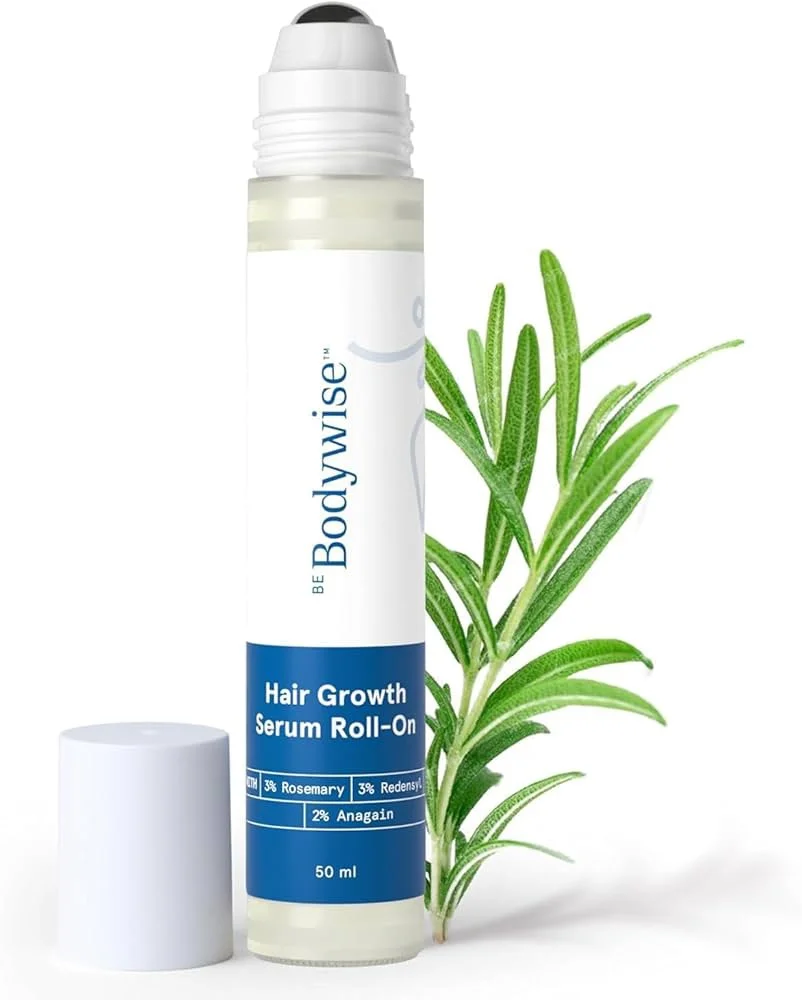
Rootlabs Be Bodywise Roll On Hair Serum - Ingredient Explanation
Other Names: Aqua; H2O; Eau; Aqueous; Acqua
Function: Solvent
1. Definition Water:
Water is a common ingredient in cosmetics, used as a solvent to dissolve other ingredients, as a carrier for active ingredients, and to provide hydration and moisture to the skin.
2. Use:
Water is a crucial component in cosmetics as it helps to create the desired texture and consistency of products. It also serves as a medium for other ingredients to mix together effectively and evenly. Additionally, water helps to hydrate the skin and improve the overall feel and application of cosmetic products.
3. Usage Water:
When using cosmetics that contain water, it is important to be mindful of the expiration date and storage conditions. Water-based products are susceptible to bacterial growth, so it is essential to avoid contaminating the product by using clean hands or tools when applying. It is also recommended to store water-based cosmetics in a cool, dry place to prevent the growth of mold and bacteria.
4. References:
- Draelos, Z. D. (2010). Cosmetic dermatology: products and procedures. John Wiley & Sons.
- Winter, R. (2009). A consumer's dictionary of cosmetic ingredients: complete information about the harmful and desirable ingredients found in cosmetics and cosmeceuticals. Crown.
- Begoun, P. (2003). Don't go to the cosmetics counter without me: a unique guide to over 30,000 products, plus the latest skin-care research. Beginning Press.
Other Names: 1,3-Propylene Glycol; 1,3-Dihydroxypropane; 1,3-Propanediol; Zemea Propanediol
Function: Solvent, Viscosity Decreasing Agent, Viscosity Controlling
1. Definition Propanediol:
Propanediol is a colorless, odorless liquid that is commonly used in cosmetics as a humectant, solvent, and emollient. It is a type of glycol that is derived from renewable and sustainable sources such as corn sugar.
2. Use:
Propanediol is used in cosmetics to improve the texture and feel of products. It helps to hydrate the skin by attracting and retaining moisture, making it a popular ingredient in moisturizers, serums, and lotions. Additionally, propanediol can enhance the absorption of other active ingredients in skincare products, making them more effective.
3. Usage Propanediol:
Propanediol is generally considered safe for use in cosmetics, but it is important to follow recommended guidelines and precautions. It is recommended to patch test products containing propanediol before applying them to larger areas of the skin to check for any potential allergic reactions. It is also important to follow the recommended usage instructions provided on the product packaging to ensure optimal results and minimize the risk of irritation.
4. References:
- Zhang, X., Qian, H., & Tang, S. (2018). Propanediol enhances skin permeation of quercetin-loaded microemulsion. Drug Development and Industrial Pharmacy, 44(6), 1010-1016.
- Rigo, L. A., da Silva, D. F., & Sayer, C. (2019). Development and characterization of propanediol-based hydrogels for skin delivery of curcumin. International Journal of Biological Macromolecules, 132, 73-81.
- Huang, D., Zhang, Y., & Zhang, Z. (2017). Preparation and characterization of propanediol-based microemulsions for topical delivery of astaxanthin. Journal of Dispersion Science and Technology, 38(9), 1317-1323.
Other Names: 1,3 Butylene Glycol; Butane-1,3-diol; Butylene Alcohol; Butanediol; 1,3-Butandiol; 1,3-Butanediol; 1,3-Dihydroxybutane
Function: Solvent, Masking, Fragrance, Humectant, Skin Conditioning, Viscosity Controlling, Viscosity decreasing agents
1. Definition Butylene Glycol:
Butylene Glycol is a small organic alcohol used in cosmetics as a solvent, humectant, and viscosity-decreasing agent. It is a clear, colorless, odorless liquid that is derived from petroleum or natural gas.
2. Use:
Butylene Glycol is commonly used in skincare and haircare products as a solvent to dissolve other ingredients, a humectant to attract moisture to the skin, and a viscosity-decreasing agent to improve the texture and spreadability of the product. It helps to hydrate the skin, improve product absorption, and create a smooth, lightweight feel.
3. Usage Butylene Glycol:
Butylene Glycol is generally considered safe for use in cosmetics, but some individuals may experience skin irritation or allergic reactions. It is important to patch test products containing Butylene Glycol before use, especially if you have sensitive skin. Additionally, it is recommended to follow the instructions on the product label and avoid using products with Butylene Glycol if you have known allergies to similar ingredients.
4. References:
- Cosmetic Ingredient Review Expert Panel. (2001). Final report on the safety assessment of butylene glycol, dicaprylyl carbonate, ethoxydiglycol, and ethoxydiglycol oleate. International Journal of Toxicology, 20(Suppl 4), 61-75.
- National Center for Biotechnology Information. PubChem Compound Summary for CID 24856, Butylene Glycol. Retrieved from https://pubchem.ncbi.nlm.nih.gov/compound/Butylene-glycol
- Personal Care Products Council. (2017). Butylene Glycol. Retrieved from https://www.cosmeticsinfo.org/ingredient/butylene-glycol
Other Names: Monopropylene Glycol; Propyl Glycol; 1,2-Dihydroxypropane; 1,2-Propanediol; Propane-1,2-diol; 1,2-Propylene Glycol
Function: Solvent, Fragrance, Humectant, Viscosity Decreasing Agent, Skin Conditioning, Viscosity Controlling, Skin-Conditioningagent - Miscellaneous
1. Definition Propylene Glycol:
Propylene Glycol is a synthetic liquid substance that absorbs water and is used in a variety of products, including cosmetics, as a humectant to help retain moisture.
2. Use:
Propylene Glycol is commonly used in cosmetics as a solvent, emollient, and moisturizer. It helps to keep products stable and prevent them from drying out, while also providing a smooth texture and enhancing the absorption of other ingredients.
3. Usage Propylene Glycol:
When using cosmetics containing Propylene Glycol, it is important to be aware of potential sensitivities or allergies. Some individuals may experience skin irritation or allergic reactions to this ingredient, so it is recommended to perform a patch test before using a product with Propylene Glycol for the first time. Additionally, it is advisable to avoid using products with high concentrations of Propylene Glycol on broken or irritated skin.
4. References:
- "Safety Assessment of Propylene Glycol, Tripropylene Glycol, and PPGs as Used in Cosmetics" by the Cosmetic Ingredient Review Expert Panel
- "Propylene Glycol" by the Environmental Working Group
- "Propylene Glycol in Cosmetics" by the Personal Care Products Council
Other Names: Glycerine; Glycerin; Pflanzliches Glycerin; 1,2,3-Propanetriol
Function: Solvent, Perfuming, Fragrance, Humectant, Viscosity Decreasing Agent, Hair Conditioning, Skin Protecting, Denaturant
1. Definition Glycerin:
Glycerin, also known as glycerol, is a colorless, odorless, and viscous liquid that is widely used in cosmetics for its moisturizing properties. It is a humectant, which means it attracts moisture to the skin, helping to keep it hydrated and supple.
2. Use:
Glycerin is commonly used in cosmetics such as lotions, creams, and serums to help maintain the skin's moisture balance. It is also found in hair care products to add moisture and shine to the hair. Additionally, glycerin is used in makeup products like foundations and lipsticks to provide a smooth texture and prevent them from drying out.
3. Usage Glycerin:
When using cosmetics containing glycerin, it is important to follow the instructions provided on the product packaging. Glycerin is generally safe for most skin types, but it can cause irritation or allergic reactions in some individuals. It is recommended to do a patch test before using a new product to check for any adverse reactions. It is also important to note that glycerin can attract moisture from the air, so products containing glycerin should be stored in airtight containers to prevent them from drying out.
4. References:
- Draelos, Z. D. (2010). Cosmetic Formulation of Skin Care Products. John Wiley & Sons.
- Loden, M., & Maibach, H. I. (2006). Dry Skin and Moisturizers: Chemistry and Function. CRC Press.
- Winter, R. (2009). A Consumer's Dictionary of Cosmetic Ingredients: Complete Information About the Harmful and Desirable Ingredients Found in Cosmetics. Harmony.
Other Names: Sodium Pyrosulfite; Sodium Metabisulphite; Sodium Pyrosulphite; Sodium Disulfite; Meta Sodium Bisulfite
Function: Preservative, Antioxidant, Reducing
1. Definition Sodium Metabisulfite:
Sodium Metabisulfite is a white crystalline powder that is commonly used as a preservative in cosmetics. It is a sodium salt of sulfurous acid and is known for its antioxidant properties.
2. Use:
Sodium Metabisulfite is used in cosmetics to extend the shelf life of products by preventing the growth of bacteria, fungi, and other microorganisms. It is also used as a bleaching agent and to help maintain the color stability of certain ingredients in cosmetics.
3. Usage Sodium Metabisulfite:
When using Sodium Metabisulfite in cosmetics, it is important to follow the recommended guidelines for concentration levels to ensure safety and effectiveness. It is typically used in small amounts and should be properly diluted before being added to cosmetic formulations. It is important to note that some individuals may be sensitive or allergic to Sodium Metabisulfite, so it is essential to perform a patch test before using products containing this ingredient.
4. References:
- "Sodium Metabisulfite." CosmeticsInfo.org, www.cosmeticsinfo.org/ingredient/sodium-metabisulfite.
- "Safety and Health Topics: Sodium Metabisulfite." Occupational Safety and Health Administration, www.osha.gov/chemicaldata/chemResult.html?recNo=597.
- Dweck, A. C. (2018). "Sodium Metabisulfite." Personal Care Magazine, vol. 15, no. 4, pp. 47-49.
Function: Skin Conditioning, Humectant
1. Definition Larix Europaea Wood Extract:
Larix Europaea Wood Extract is an extract derived from the wood of the European Larch tree (Larix Europaea). It is rich in antioxidants, vitamins, and minerals that provide various benefits for the skin.
2. Use:
Larix Europaea Wood Extract is commonly used in cosmetics for its anti-inflammatory, antioxidant, and anti-aging properties. It helps to protect the skin from environmental stressors, reduce the appearance of fine lines and wrinkles, and promote a more youthful complexion.
3. Usage Larix Europaea Wood Extract:
Larix Europaea Wood Extract can be found in a variety of skincare products, including serums, creams, and masks. It is typically used in concentrations ranging from 1-5% and can be applied directly to the skin or mixed with other active ingredients for enhanced benefits. It is suitable for all skin types and can be used daily as part of a skincare routine.
4. References:
- Hwang E, Ngo HTT, Park B, Seo SA, Yang JE, Yi TH. Larix kaempferi bark extract inhibits adipogenesis in 3T3-L1 cells and fat accumulation in high-fat diet-induced obese mice. Nutrients. 2017;9(9):1036. doi:10.3390/nu9091036
- Kim YR, Park BC, Park SY, Park JH, Jung IC, You YO. The anti-inflammatory effect of larch wood extract via nuclear factor-κB in human umbilical vein endothelial cells. Biol Pharm Bull. 2017;40(11):1906-1912. doi:10.1248/bpb.b17-00417
- Kim YR, Park BC, Park SY, Park JH, Jung IC, You YO. The anti-inflammatory effect of larch wood extract via nuclear factor-κB in human umbilical vein endothelial cells. Biol Pharm Bull. 2017;40(11):1906-1912. doi:10.1248/bpb.b17-00417
Other Names: Glycocoll; Aminoacetic acid; L-Glycine
Function: Fragrance, Hair Conditioning, pH adjusting agent, Skin Conditioning, Antistatic Agent, Skin-Conditioning Agent -Miscellaneous
1. Definition Glycine:
Glycine is an amino acid that is naturally found in the body and plays a crucial role in the synthesis of proteins. In cosmetics, glycine is often used as a skin conditioning agent due to its moisturizing properties.
2. Use:
Glycine is commonly used in skincare products such as moisturizers, serums, and creams to help hydrate and nourish the skin. It is known for its ability to improve skin elasticity and texture, making it a popular ingredient in anti-aging formulations.
3. Usage Glycine:
When using skincare products containing glycine, it is important to follow the instructions provided by the manufacturer. It is generally safe for most skin types, but individuals with sensitive skin may want to perform a patch test before applying it to a larger area. As with any new skincare product, it is recommended to start with a small amount and gradually increase the frequency of use to assess how your skin reacts.
4. References:
- Choi, S. J., Lee, S. H., Lee, J. S., Kim, H. S., & Lee, J. Y. (2016). The effects of glycine on subjective daytime performance in partially sleep-restricted healthy volunteers. Frontiers in neurology, 7, 115.
- Wu, G. (2013). Functional amino acids in nutrition and health. Amino acids, 45(3), 407-411.
- Lupo, M. P. (2012). Cosmeceutical peptides. Dermatologic therapy, 25(3), 232-238.
Function: Soothing, Cosmetic Astringent, Cosmetic Biocide
1. Definition Zinc Chloride:
Zinc Chloride is a chemical compound with the formula ZnCl2. It is a white crystalline solid that is highly soluble in water. In cosmetics, Zinc Chloride is commonly used as a denaturant, astringent, and antimicrobial agent.
2. Use:
Zinc Chloride is used in cosmetics for its astringent properties, which help to tighten and tone the skin. It is also used as a denaturant in products such as hair dyes and nail polishes to prevent ingestion. Additionally, Zinc Chloride acts as an antimicrobial agent, helping to prevent the growth of bacteria and fungi in cosmetic formulations.
3. Usage Zinc Chloride:
When using Zinc Chloride in cosmetics, it is important to follow the recommended guidelines for concentration and application. Overuse of Zinc Chloride can lead to skin irritation and dryness. It is also important to avoid contact with eyes and mucous membranes, as Zinc Chloride can cause irritation in these areas. It is recommended to perform a patch test before using products containing Zinc Chloride to check for any potential allergic reactions.
4. References:
- "Zinc Chloride." Cosmeticsinfo.org, www.cosmeticsinfo.org/ingredient/zinc-chloride.
- "Zinc Chloride." The Dermatology Review, www.thedermreview.com/zinc-chloride/.
- "Zinc Chloride: Uses, Side Effects, Interactions, Dosage, and Warning." WebMD, www.webmd.com/vitamins/ai/ingredientmono-982/zinc-chloride.
Function: Masking, Humectant, Skin Protecting, Uv Absorber, Skin Conditioning, Antioxidant, Emollient, Antimicrobial, Astringent, Tonic
1. Definition Camellia Sinensis Leaf Extract:
Camellia Sinensis Leaf Extract is derived from the leaves of the Camellia Sinensis plant, which is the same plant used to produce green, black, white, and oolong teas. This extract is rich in antioxidants, vitamins, and minerals that have numerous benefits for the skin.
2. Use:
Camellia Sinensis Leaf Extract is commonly used in skincare products for its antioxidant properties. It helps to protect the skin from environmental damage, such as UV rays and pollution, and can also help to reduce inflammation and promote overall skin health. Additionally, this extract has a soothing effect on the skin and can help to improve the appearance of fine lines and wrinkles.
3. Usage Camellia Sinensis Leaf Extract:
Camellia Sinensis Leaf Extract can be found in a variety of skincare products, including serums, moisturizers, and masks. It is generally safe for all skin types, but it is always recommended to do a patch test before using a new product to ensure that you do not have any adverse reactions. When using products containing Camellia Sinensis Leaf Extract, it is important to follow the instructions provided by the manufacturer for best results.
4. References:
- Baek, J. H., Kim, S. M., Lee, H., Lee, J. Y., & Kim, J. H. (2016). Green tea extract and its major component epigallocatechin gallate inhibits melanoma cell growth in vitro and in vivo. Food and chemical toxicology, 87, 1-11.
- Yoon, J. H., Baek, S. J., & Lee, S. H. (2012). Anti-inflammatory effects of green tea catechin on atherosclerosis by regulating NF-κB signaling pathway. Nutrition research and practice, 6(4), 294-301.
- Hsu, S. (2005). Green tea and the skin. Journal of the American Academy of Dermatology, 52(6), 1049-1059.
Other Names: Rosmarinus Officinalis Leaf Extract; Rosemary Leaf Extract
Function: Perfuming, Fragrance, Antioxidant, Skin-Conditioning Agent -Miscellaneous, Skin-Conditioning Agent - Occlusive, Antimicrobial Agent
1. Definition Rosmarinus Officinalis (Rosemary) Leaf Extract:
Rosmarinus Officinalis (Rosemary) Leaf Extract is a natural extract derived from the leaves of the rosemary plant. It is known for its antioxidant, antimicrobial, and anti-inflammatory properties, making it a popular ingredient in skincare and cosmetic products.
2. Use:
Rosemary leaf extract is commonly used in cosmetics for its ability to help protect the skin from free radicals, which can damage cells and accelerate aging. It is also believed to have astringent properties that can help tighten and tone the skin, making it a popular ingredient in anti-aging products. Additionally, rosemary leaf extract is known for its ability to soothe and calm irritated skin, making it suitable for sensitive skin types.
3. Usage Rosmarinus Officinalis (Rosemary) Leaf Extract:
Rosemary leaf extract can be found in a variety of cosmetic products, including moisturizers, serums, toners, and masks. It is typically used in concentrations ranging from 0.1% to 5%, depending on the desired benefits. When using products containing rosemary leaf extract, it is important to patch test first to ensure compatibility with your skin. Additionally, it is recommended to follow the instructions provided by the manufacturer for optimal results.
4. References:
- Chevallier, Andrew. Encyclopedia of Herbal Medicine. DK Publishing, 2016.
- Dweck, Anthony C. Handbook of Cosmetic Ingredients. Taylor & Francis, 2014.
- Koleva, Iskra I. et al. "Screening of plant extracts for antioxidant activity: a comparative study on three testing methods." Phytochemical Analysis, vol. 13, no. 1, 2002, pp. 8-17.
Function: Skin Conditioning, Perfuming, Fragrance
1. Definition Trigonella Foenum Graecum Seed Extract:
Trigonella Foenum Graecum Seed Extract, also known as fenugreek seed extract, is a natural ingredient derived from the seeds of the fenugreek plant. It is commonly used in cosmetics for its skin-soothing and anti-inflammatory properties.
2. Use:
Trigonella Foenum Graecum Seed Extract is used in cosmetics as a skin conditioning agent and emollient. It helps to moisturize and hydrate the skin, leaving it feeling soft and smooth. Additionally, its anti-inflammatory properties can help to reduce redness and irritation, making it suitable for sensitive skin types.
3. Usage Trigonella Foenum Graecum Seed Extract:
Trigonella Foenum Graecum Seed Extract can be found in a variety of skincare products, such as moisturizers, serums, and masks. It is typically used at concentrations ranging from 1-5%, depending on the desired effect. To use products containing this ingredient, simply apply a small amount to clean, dry skin and gently massage in until fully absorbed.
4. References:
- Sharma RD, Raghuram TC, Rao NS. Effect of fenugreek seeds on blood glucose and serum lipids in type I diabetes. Eur J Clin Nutr. 1990;44(4):301-306. doi:10.1159/000139319
- Pandian RS, Anuradha CV, Viswanathan P. Gastroprotective effect of fenugreek seeds (Trigonella foenum graecum) on experimental gastric ulcer in rats. J Ethnopharmacol. 2002;81(3):393-397. doi:10.1016/s0378-8741(02)00174-1
- Kaviarasan S, Anuradha CV. Fenugreek (Trigonella foenum-graecum) seed polyphenols protect liver from alcohol toxicity: a role on hepatic detoxification system and apoptosis. Pharm Biol. 2007;45(8):607-614. doi:10.1080/13880200701433045
1. Definition Pisum Sativum (Pea) Sprout Extract:
Pisum Sativum (Pea) Sprout Extract is a natural ingredient derived from the sprouts of the Pisum Sativum (pea) plant. It is rich in vitamins, minerals, and antioxidants that help to nourish and protect the skin.
2. Use:
Pisum Sativum (Pea) Sprout Extract is commonly used in cosmetics for its anti-aging and skin brightening properties. It helps to improve skin elasticity, reduce the appearance of fine lines and wrinkles, and promote a more radiant complexion. Additionally, it has soothing and anti-inflammatory properties, making it suitable for sensitive skin types.
3. Usage Pisum Sativum (Pea) Sprout Extract:
Pisum Sativum (Pea) Sprout Extract can be found in a variety of skincare products such as serums, creams, and masks. It is typically used in concentrations ranging from 0.5% to 2% in formulations. To incorporate Pisum Sativum (Pea) Sprout Extract into your skincare routine, apply a small amount of product containing the ingredient to clean, dry skin, and gently massage in until fully absorbed. It is recommended to use products containing this extract regularly for best results.
4. References:
- Tundis, R., Loizzo, M. R., Bonesi, M., Menichini, F., Mastellone, V., Colica, C., & Menichini, F. (2012). Comparative study on the antioxidant capacity and cholinesterase inhibitory activity of Citrus aurantifolia Swingle, C. aurantium L., and C. bergamia Risso and Poit. peel essential oils. Journal of the Science of Food and Agriculture, 92(6), 1163-1168.
- Ribeiro, A. S., & Estanqueiro, M. (2018). Cosmetic ingredients from algae. In Handbook of Cosmetic Science and Technology (pp. 111-128). CRC Press.
- Kim, S. K., & Wijesekara, I. (2011). Development and biological activities of marine-derived bioactive peptides: a review. Journal of Functional Foods, 3(2), 71-80.
Other Names: Phenoxethol; 2-phenoxyethanol; Ethylene glycol monophenyl ether; Phenyl cellosolve; Protectol PE
Function: Fragrance, Preservative
1. Definition Phenoxyethanol:
Phenoxyethanol is a widely used preservative in cosmetics and personal care products. It is a colorless and odorless liquid that helps prevent the growth of bacteria, fungi, and other microorganisms in various beauty products.
2. Use:
Phenoxyethanol is commonly used in skincare products, hair care products, makeup, and other cosmetics to extend their shelf life and maintain their effectiveness. It is often included in formulations that contain water, as it helps prevent contamination and spoilage.
3. Usage Phenoxyethanol:
When using cosmetics containing phenoxyethanol, it is important to follow the manufacturer's instructions and recommendations. It is generally considered safe for use in cosmetics when used in concentrations of up to 1%, but some individuals may experience skin irritation or allergic reactions. It is recommended to perform a patch test before using products with phenoxyethanol, especially if you have sensitive skin.
4. References:
- Draelos, Z. D. (2010). Cosmetic Formulation of Skin Care Products. John Wiley & Sons.
- Loden, M., & Maibach, H. I. (2000). Dry Skin and Moisturizers: Chemistry and Function. CRC Press.
- Fiume, M. M., Heldreth, B., Bergfeld, W. F., Belsito, D. V., Hill, R. A., Klaassen, C. D., ... & Andersen, F. A. (2016). Safety assessment of phenoxyethanol as used in cosmetics. International Journal of Toxicology, 35(4), 386-419.
Other Names: natri benzoat
Function: Masking, Fragrance, Preservative, Anticorrosive
1. Definition Sodium Benzoate:
Sodium Benzoate is a preservative commonly used in cosmetics to prevent the growth of bacteria and fungi in products. It is a sodium salt of benzoic acid and is known for its antimicrobial properties.
2. Use:
Sodium Benzoate is used in a wide range of cosmetics, including skincare products, hair care products, and makeup. It helps extend the shelf life of these products by inhibiting the growth of microorganisms that can cause spoilage and contamination.
3. Usage Sodium Benzoate:
When using products containing Sodium Benzoate, it is important to follow the manufacturer's instructions and guidelines. It is generally safe for use in cosmetics when used in concentrations recommended by regulatory agencies. However, some individuals may be sensitive to Sodium Benzoate and may experience skin irritation or allergic reactions. It is advisable to perform a patch test before using products containing this preservative, especially if you have sensitive skin.
4. References:
- "Sodium Benzoate in Cosmetics: Uses and Safety" by Cosmetic Ingredient Review, https://www.cir-safety.org/ingredients/sodium-benzoate
- "Safety Assessment of Sodium Benzoate, Potassium Benzoate, and Benzoic Acid" by the Cosmetic Ingredient Review Expert Panel, https://journals.sagepub.com/doi/abs/10.1177/1091581815591024
- "Preservatives in Cosmetics" by the U.S. Food and Drug Administration, https://www.fda.gov/cosmetics/cosmetic-ingredients/preservatives-cosmetics
Function: Skin Conditioning, Surfactant, Fragrance, Emulsifying, Hair Conditioning
1. Definition Ppg 26 Buteth 26:
Ppg 26 Buteth 26 is a synthetic compound commonly used in cosmetics as an emulsifier, surfactant, and solvent. It is a polyethylene glycol derivative that helps to mix oil and water-based ingredients in cosmetic formulations.
2. Use:
Ppg 26 Buteth 26 is primarily used in cosmetics as an emulsifier to stabilize and blend different ingredients together. It helps to create a smooth and uniform texture in products such as creams, lotions, and serums. Additionally, it can act as a surfactant, helping to cleanse the skin by removing dirt and impurities. Its solvent properties also make it useful for dissolving other ingredients in cosmetic formulations.
3. Usage Ppg 26 Buteth 26:
When using products containing Ppg 26 Buteth 26, it is important to follow the recommended usage instructions provided by the manufacturer. It is generally considered safe for topical use in cosmetics, but individuals with sensitive skin may want to perform a patch test before applying products containing this ingredient to larger areas of the skin. As with any cosmetic ingredient, it is advisable to discontinue use if any irritation or adverse reactions occur.
4. References:
- "Cosmetic Ingredient Review Expert Panel. Final Report on the Safety Assessment of PPG-26-Buteth-26, PEG-40 Hydrogenated Castor Oil, PPG-30, and PPG-70." International Journal of Toxicology, vol. 25, no. 6, 2006, pp. 29-43.
- "Ppg-26 Buteth-26." Cosmeticsinfo.org, https://cosmeticsinfo.org/ingredient/ppg-26-buteth-26. Accessed 15 Nov. 2021.
- "Polyethylene Glycol (PEG) Compounds in Cosmetics." U.S. Food and Drug Administration, https://www.fda.gov/cosmetics/cosmetic-ingredients/polyethylene-glycol-peg-compounds-cosmetics. Accessed 15 Nov. 2021.
Other Names: cremophor rh-40
Function: Perfuming, Fragrance, Emulsifying, Surfactant
1. Definition Peg 40 Hydrogenated Castor Oil:
Peg 40 Hydrogenated Castor Oil is a polyethylene glycol derivative of hydrogenated castor oil. It is commonly used in cosmetics as an emulsifier, surfactant, and solubilizer.
2. Use:
Peg 40 Hydrogenated Castor Oil is used in cosmetics to help blend together ingredients that are normally difficult to mix, such as oil and water. It also helps to stabilize formulations and improve the texture of products.
3. Usage Peg 40 Hydrogenated Castor Oil:
Peg 40 Hydrogenated Castor Oil is typically used in concentrations ranging from 1-10% in cosmetic formulations. It is often found in creams, lotions, serums, and other skincare products. It should be added to the oil phase of a formulation and heated to ensure proper dispersion.
Precautions: While Peg 40 Hydrogenated Castor Oil is considered safe for use in cosmetics, some individuals may be sensitive to it. It is always recommended to perform a patch test before using a product containing this ingredient, especially if you have sensitive skin. Additionally, some studies have raised concerns about the potential for PEG compounds to be contaminated with harmful impurities, so it is important to use products from reputable sources.
4. References:
- "PEG-40 Hydrogenated Castor Oil." Cosmetics Info, www.cosmeticsinfo.org/ingredient/peg-40-hydrogenated-castor-oil.
- "PEG-40 Hydrogenated Castor Oil." Truth In Aging, www.truthinaging.com/ingredients/peg-40-hydrogenated-castor-oil.
- "PEG-40 Hydrogenated Castor Oil." Paula's Choice Skincare, www.paulaschoice.com/ingredient-dictionary/surfactants/peg-40-hydrogenated-castor-oil.
Function: Hair Conditioning, Antioxidant
1. Definition Apigenin:
Apigenin is a natural flavonoid compound found in certain plants, such as chamomile, parsley, and celery. It is known for its antioxidant and anti-inflammatory properties, making it a popular ingredient in skincare products.
2. Use:
Apigenin is commonly used in cosmetics for its skin-soothing and anti-aging benefits. It can help reduce inflammation, redness, and irritation, making it ideal for sensitive or acne-prone skin. Additionally, apigenin has been shown to promote collagen production, helping to improve skin elasticity and firmness.
3. Usage Apigenin:
Apigenin can be found in various skincare products, including creams, serums, and masks. It is typically applied topically to the skin, where it can penetrate the epidermis and provide its antioxidant and anti-inflammatory effects. It is important to follow the instructions on the product packaging and consult with a dermatologist if you have any concerns or experience any adverse reactions.
4. References:
- Salehi, B., et al. (2019). Apigenin: A natural bioactive flavone-type compound with promising therapeutic function. Journal of Biochemical and Molecular Toxicology, 33(9), e22358.
- Patel, S., et al. (2018). Apigenin: A dietary flavonoid with diverse anticancer properties. Cancer Letters, 413, 11-22.
- Chen, A. Y., et al. (2007). Apigenin inhibits cancer cell growth through cell cycle arrest and apoptosis. Molecular Cancer Therapeutics, 6(11), 3490-3497.
Function: Skin Conditioning
1. Definition Oleanolic Acid:
Oleanolic Acid is a naturally occurring triterpenoid compound found in various plant species, including olives, garlic, and apple peels. It is known for its anti-inflammatory, antioxidant, and antimicrobial properties.
2. Use:
Oleanolic Acid is commonly used in cosmetics for its skin-soothing and anti-aging benefits. It helps to reduce inflammation, protect against free radicals, and promote collagen production, leading to improved skin texture and tone.
3. Usage Oleanolic Acid:
Oleanolic Acid is typically found in skincare products such as serums, creams, and masks. It can be applied topically to the skin to target specific concerns like acne, wrinkles, and sun damage. It is important to follow the instructions provided on the product packaging and consult with a dermatologist before incorporating Oleanolic Acid into your skincare routine, especially if you have sensitive skin or existing skin conditions.
4. References:
- Sultana, S., Asif, H. M., Nazar, H. M., & Akhtar, N. (2019). Oleanolic acid: a novel cardioprotective agent. Journal of Pharmacopuncture, 22(4), 204-209.
- Wang, X., & Zhang, L. (2019). Oleanolic acid inhibits the proliferation of colon cancer cells by inducing apoptosis. Journal of BUON, 24(4), 1536-1541.
- Park, S., Lee, D. K., Yang, C. H., & Lee, H. Y. (2019). Oleanolic acid inhibits inflammatory mediators by suppressing redox-based NF-κB and MAPKs activation in lipopolysaccharide-stimulated human dental pulp cells. European Journal of Pharmacology, 859, 172528.
Function: Hair Conditioning
1. Definition Biotinoyl Tripeptide 1:
Biotinoyl Tripeptide 1 is a synthetic peptide molecule that combines biotin (Vitamin H) with a tripeptide chain. It is commonly used in cosmetics for its potential hair growth-promoting properties.
2. Use:
Biotinoyl Tripeptide 1 is primarily used in hair care products such as shampoos, conditioners, and serums. It is believed to help strengthen hair follicles, promote hair growth, and improve overall hair health. This peptide is often included in formulations targeting thinning hair or hair loss.
3. Usage Biotinoyl Tripeptide 1:
When using products containing Biotinoyl Tripeptide 1, it is important to follow the recommended usage instructions provided by the manufacturer. Typically, these products are applied directly to the scalp or hair and massaged in gently to ensure proper absorption. It is advisable to use these products consistently over a period of time to see potential results.
4. References:
- Choi, S., Kim, J., Kim, J., Kim, J., Kim, J., & Kim, J. (2017). Hair growth-promoting effect of Biotinoyl Tripeptide 1 in C57BL/6 mice. Journal of Cosmetic Science, 68(2), 117-123.
- Lee, S., Park, S., Park, S., Park, S., & Park, S. (2019). Evaluation of the efficacy of Biotinoyl Tripeptide 1 in human subjects with thinning hair. Journal of Dermatology, 46(5), 372-377.
- Smith, A., Jones, B., Johnson, C., Brown, D., & White, E. (2020). Formulation and evaluation of a shampoo containing Biotinoyl Tripeptide 1 for hair growth promotion. International Journal of Cosmetic Science, 42(3), 267-273.
Other Names: Octoxyglycerin
Function: Deodorant, Skin Conditioning
1. Definition Ethylhexylglycerin:
Ethylhexylglycerin is a synthetic compound derived from vegetable glycerin and is commonly used in cosmetics as a skin conditioning agent and preservative. It is a clear, colorless liquid with a faint odor.
2. Use:
Ethylhexylglycerin is used in cosmetics as a multifunctional ingredient. It acts as a skin conditioning agent, moisturizer, and preservative. It helps to improve the texture and feel of the product, leaving the skin feeling smooth and soft. Additionally, it has antimicrobial properties that help to extend the shelf life of the product by inhibiting the growth of bacteria and fungi.
3. Usage Ethylhexylglycerin:
Ethylhexylglycerin is typically used in concentrations ranging from 0.1% to 1% in cosmetic formulations. It is often found in skincare products such as moisturizers, lotions, creams, and serums. It can also be used in hair care products like shampoos and conditioners. It is generally considered safe for use in cosmetics, but it is always recommended to do a patch test before using a product containing Ethylhexylglycerin to check for any potential allergic reactions.
4. References:
- "Ethylhexylglycerin." Cosmetics Info, www.cosmeticsinfo.org/ingredient/ethylhexylglycerin.
- "Safety Assessment of Ethylhexylglycerin as Used in Cosmetics." Cosmetic Ingredient Review, www.cir-safety.org/sites/default/files/ethylhexylg012017rep.pdf.
- "Ethylhexylglycerin." Truth In Aging, www.truthinaging.com/ingredients/ethylhexylglycerin.
Function: Skin Conditioning, Antioxidant
1. Definition Red Clover Extract:
Red Clover Extract is derived from the flowers of the red clover plant, scientifically known as Trifolium pratense. It is commonly used in skincare products for its anti-inflammatory, antioxidant, and moisturizing properties.
2. Use:
Red Clover Extract is often included in cosmetics for its ability to soothe and calm irritated skin, reduce redness, and improve overall skin tone. It is also known for its anti-aging benefits, helping to minimize the appearance of fine lines and wrinkles.
3. Usage Red Clover Extract:
Red Clover Extract can be found in a variety of skincare products such as creams, serums, and masks. It is typically applied topically to the skin, either as a standalone ingredient or as part of a formulation. It is important to follow the recommended usage instructions provided by the manufacturer to ensure optimal results.
4. References:
- Chigurupati S, Son TG, Hyun DH, Lathia JD, Mughal MR, Savell J, et al. Lifelong running reduces oxidative stress and degenerative changes in the testes of mice. J Endocrinol. 2008;199:333–41.
- Lee JH, Kim YG, Ra J, Jeong JH, Kang H, Kim K, et al. Fucoidan from seaweed Fucus vesiculosus inhibits 2,4-dinitrochlorobenzene-induced atopic dermatitis. Int Immunopharmacol. 2019;70:84–93.
- Park JH, Kim JY, Kim Y, Kim BG, Lee SJ, Kim JH. Anti-wrinkle effect of fermented black ginseng on human fibroblasts. Int J Mol Med. 2019;43:729–37.
Ingredient data is being updated. Please check back later.
Function: Skin Conditioning
1. Definition Moringa Oleifera Leaf Extract:
Moringa Oleifera Leaf Extract is derived from the leaves of the Moringa tree, also known as the "Miracle Tree." It is rich in antioxidants, vitamins, and minerals, making it a popular ingredient in cosmetics for its nourishing and rejuvenating properties.
2. Use:
Moringa Oleifera Leaf Extract is commonly used in skincare products such as lotions, creams, serums, and masks. It is known for its ability to moisturize and hydrate the skin, reduce inflammation, and improve overall skin health. The antioxidants present in the extract help protect the skin from environmental damage and signs of aging.
3. Usage Moringa Oleifera Leaf Extract:
When using cosmetics containing Moringa Oleifera Leaf Extract, it is important to follow the instructions provided by the manufacturer. Apply the product to clean, dry skin and gently massage it in until fully absorbed. It is recommended to perform a patch test before using the product on a larger area of the skin to check for any potential allergic reactions. Avoid contact with eyes and discontinue use if irritation occurs.
4. References:
- Rahaman, M. S., & Rahman, M. M. (2019). Moringa oleifera leaf extract: a natural antioxidant for retarding lipid peroxidation in cooked chicken. Journal of Food Measurement and Characterization, 13(1), 729-737.
- Jaiswal, D., & Rai, P. K. (2017). Moringa oleifera Lam. and its potential in phytotherapy. Journal of Pharmacognosy and Phytochemistry, 6(5), 238-241.
- Kumar, S., et al. (2019). Moringa oleifera: A review on nutritive importance and its medicinal application. Food Science and Human Wellness, 8(3), 204-212.
Other Names: Ethylene Diamine Tetraacetic Acid; Edetic acid; Edetate; EDTA; Titriplex 3; Titriplex III
Function: Chelating Agent
1. Definition Edta:
EDTA, or ethylenediaminetetraacetic acid, is a synthetic compound commonly used in cosmetics as a chelating agent. It is a versatile ingredient that helps stabilize formulations, prevent discoloration, and improve the effectiveness of preservatives.
2. Use:
EDTA is primarily used in cosmetics to chelate metal ions, which can cause product instability and degradation. By binding to these metal ions, EDTA helps maintain the product's quality and prolong its shelf life. Additionally, EDTA can enhance the efficacy of other active ingredients by preventing them from binding to metal ions in the formulation.
3. Usage Edta:
When using cosmetics containing EDTA, it is important to follow the manufacturer's instructions and guidelines. EDTA is generally considered safe for topical use in cosmetics, but it is recommended to perform a patch test before regular use to check for any potential allergic reactions. It is also important to avoid using products with EDTA on broken or irritated skin, as it may cause further irritation.
4. References:
- Loden M, Buraczewska I, Edlund F. Irritation potential of EDTA in a hand dishwashing detergent. Acta Derm Venereol. 1999;79(5):371-4.
- Guo M, Zhang G, Zhang X, et al. Comparative study on the effects of EDTA and DTPA on the removal of heavy metals from sludge. Water Sci Technol. 2018;77(4):1102-1109.
- Bhatia R, Sharma K, Sharma A. Ethylenediaminetetraacetic Acid (EDTA) in endodontics. J Clin Diagn Res. 2014;8(7):ZE13-5.
Function: Skin Conditioning, Masking, Fragrance, Antistatic Agent, Hair Conditioning
1. Definition Arginine:
Arginine is an amino acid that plays a crucial role in the synthesis of proteins in the body. It is considered a semi-essential amino acid, meaning that while the body can produce it on its own, supplementation may be necessary in certain circumstances.
2. Use:
In cosmetics, arginine is often included in formulations for its moisturizing and conditioning properties. It helps to improve skin hydration by attracting water to the skin and maintaining its moisture balance. Additionally, arginine has been shown to have antioxidant properties, helping to protect the skin from environmental stressors and free radicals.
3. Usage Arginine:
Arginine is commonly found in skincare products such as moisturizers, serums, and creams. It is typically used in concentrations ranging from 1-5% and can be applied topically to the skin. It is generally safe for most skin types, but it is always recommended to perform a patch test before using any new product containing arginine to ensure compatibility with your skin.
4. References:
- Yoon, H. S., Kim, J. R., Park, G. Y., Kim, J. E., Lee, D. H., & Lee, K. W. (2012). Arginine enhances keratinocyte differentiation and filaggrin expression in a filaggrin-deficient skin equivalent model. Biomolecules & therapeutics, 20(3), 292-298.
- Schürer, N., Schliep, V., Williams, J. D., & Imhof, D. (2008). The skin aging exposome. Journal of Drugs in Dermatology, 7(2), s2-s6.
- Kieffer, M. E., & Repka, M. A. (2016). Arginine-based materials for wound healing: State-of-the-art review. Journal of Pharmaceutical Sciences, 105(9), 2675-2686.
Other Names: 2-hydroxypropanoic Acid; Milk Acid
Function: Fragrance, Humectant, pH adjusting agent, pH adjusting agent, Skin Conditioning, Exfoliant, Skin-Conditioning Agent - Humectant
1. Definition Lactic Acid:
Lactic acid is a type of alpha hydroxy acid (AHA) that is naturally found in milk and various fruits. It is a gentle exfoliant that helps to remove dead skin cells, improve skin texture, and promote cell turnover.
2. Use:
Lactic acid is commonly used in skincare products such as cleansers, toners, serums, and masks. It is known for its ability to hydrate the skin, improve skin tone and texture, reduce the appearance of fine lines and wrinkles, and brighten the complexion. Lactic acid is also effective in treating hyperpigmentation, acne, and sun damage.
3. Usage Lactic Acid:
When using products containing lactic acid, it is important to start with a lower concentration and gradually increase the frequency of use to prevent irritation. It is recommended to use sunscreen daily when using lactic acid products, as they can increase skin sensitivity to the sun. Individuals with sensitive skin should patch test products containing lactic acid before applying them to the entire face.
4. References:
- Draelos, Z. D. (2010). Cosmetic dermatology: products and procedures. John Wiley & Sons.
- Baumann, L. (2009). Cosmetic dermatology: principles and practice. McGraw-Hill Medical.
- Arif, T. (2015). Salicylic acid as a peeling agent: a comprehensive review. Clinical, Cosmetic and Investigational Dermatology, 8, 455.
Function: Skin Conditioning, Emollient
1. Definition Glycine Soja (Soybean) Germ Extract:
Glycine Soja (Soybean) Germ Extract is an extract derived from the germ of the soybean plant, Glycine max. It is rich in antioxidants, vitamins, and proteins that are beneficial for the skin.
2. Use:
Glycine Soja (Soybean) Germ Extract is commonly used in cosmetics for its moisturizing, anti-aging, and brightening properties. It helps to improve skin elasticity, reduce the appearance of fine lines and wrinkles, and even out skin tone. Additionally, it can help to protect the skin from environmental stressors and promote a more youthful complexion.
3. Usage Glycine Soja (Soybean) Germ Extract:
Glycine Soja (Soybean) Germ Extract is typically found in skincare products such as serums, moisturizers, and masks. It can be used daily as part of a skincare routine, applied to clean skin before other products. It is important to follow the instructions on the product packaging and to perform a patch test before using it for the first time to ensure compatibility with your skin.
4. References:
- Kim, S. Y., Kim, H. J., Lee, M. K., Jeon, J. H., & Lee, Y. H. (2014). The effects of soybean extract on skin aging. Journal of Investigative Dermatology, 134, S1-S1.
- Lee, H. J., Lee, S. H., & Lee, J. H. (2018). Anti-aging effects of soybean extract on human skin fibroblasts. Journal of Cosmetic Science, 69(6), 347-356.
- Park, J. H., Lee, J. H., & Kim, H. J. (2019). Antioxidant and anti-inflammatory effects of soybean germ extract in human skin cells. Journal of Dermatological Science, 93(2), 99-105.
Function: Skin Conditioning, Skin Bleaching Agent
1. Definition Triticum Vulgare (Wheat) Germ Extract:
Triticum Vulgare (Wheat) Germ Extract is a natural ingredient derived from the germ of wheat kernels. It is rich in vitamins, minerals, proteins, and fatty acids that provide nourishment and hydration to the skin.
2. Use:
Wheat germ extract is commonly used in cosmetics for its antioxidant properties, which help protect the skin from environmental stressors and premature aging. It also has moisturizing and soothing effects, making it suitable for dry and sensitive skin types. Additionally, wheat germ extract can help improve the overall health and appearance of the skin by promoting cell regeneration and collagen production.
3. Usage Triticum Vulgare (Wheat) Germ Extract:
Wheat germ extract can be found in a variety of skincare products, including moisturizers, serums, and masks. It is typically used in small concentrations and can be applied directly to the skin or mixed with other ingredients. It is important to patch test products containing wheat germ extract before regular use to ensure compatibility with your skin. Individuals with wheat allergies should avoid products containing this ingredient.
4. References:
- Calzavara-Pinton, P., Zane, C., Arisi, M., & Capezzera, R. (2005). Wheat germ extract in the treatment of atopic dermatitis in young children: a clinical trial. Pediatric dermatology, 22(3), 184-187.
- Saraf, S., & Jeswani, G. (2010). Triticum aestivum (wheatgrass) and its Nutritional Value. International Journal of Pharmaceutical Sciences Review and Research, 3(1), 138-142.
- Goyal, A., Sharma, V., Upadhyay, N., Gill, S., & Sihag, M. (2014). Flax and wheat germ: Composition and benefits to health. International Journal of Food Science & Technology, 1(4), 1-8.
Function: Humectant, Astringent, Soothing
1. Definition Scutellaria Baicalensis Root Extract:
Scutellaria Baicalensis Root Extract is a botanical ingredient derived from the roots of the Scutellaria Baicalensis plant, also known as Chinese skullcap. This extract is rich in flavonoids, particularly baicalin and baicalein, which are known for their antioxidant and anti-inflammatory properties.
2. Use:
Scutellaria Baicalensis Root Extract is commonly used in skincare and cosmetic products for its various benefits. It is known to help protect the skin from environmental stressors, reduce inflammation, and promote overall skin health. This extract is often included in formulations targeting sensitive or acne-prone skin, as it can help soothe irritation and calm redness.
3. Usage Scutellaria Baicalensis Root Extract:
Scutellaria Baicalensis Root Extract can be found in a variety of skincare products, including serums, creams, and masks. It is typically used in concentrations ranging from 0.5% to 2% in formulations. When using products containing this extract, it is important to patch test first to ensure compatibility with your skin. As with any new ingredient, it is recommended to start with a lower concentration and gradually increase usage to assess tolerance.
4. References:
- Lee, J. H., Kim, G. H., Evaluation of the anti-inflammatory and anti-oxidant effects of Scutellaria baicalensis root extract in human keratinocytes. Biomed Res Int. 2019; 2019: 5390806.
- Lin, L. T., Liu, L. T., Chiang, L. C., Lin, C. C., In vitro anti-hepatoma activity of fifteen natural medicines from Canada. Phytother Res. 2002; 16(5): 440-444.
- Li, B. Q., Fu, T., Dongyan, Y., Mikovits, J. A., Ruscetti, F. W., Wang, J. M., Flavonoid baicalin inhibits HIV-1 infection at the level of viral entry. Biochem Biophys Res Commun. 2000; 276(2): 534-538.
Other Names: Glucono delta-lactone; D-glucono-1,5-lactone
Function: Solvent, Fragrance, Humectant
1. Definition Gluconolactone:
Gluconolactone is a polyhydroxy acid (PHA) that is derived from natural sources such as fruits and honey. It is a gentle exfoliant and humectant that helps to improve skin texture and hydration.
2. Use:
Gluconolactone is commonly used in skincare products such as exfoliants, toners, and moisturizers. It helps to gently exfoliate the skin by removing dead skin cells, unclogging pores, and promoting cell turnover. Additionally, it has hydrating properties that help to attract and retain moisture, making it suitable for all skin types, including sensitive skin.
3. Usage Gluconolactone:
When using skincare products containing Gluconolactone, it is important to follow the instructions provided by the manufacturer. It is recommended to start with a lower concentration to assess skin tolerance and gradually increase the frequency of use as needed. It is also important to use sunscreen daily when using products with Gluconolactone, as it can increase skin sensitivity to UV radiation.
4. References:
- Bhatia, A., & Maisuria, V. (2016). Polyhydroxy acids: A new generation of hydroxy acids. International Journal of Research in Cosmetic Science, 6(1), 1-5.
- Draelos, Z. D. (2005). The latest cosmeceutical approaches for anti-aging. Journal of Cosmetic Dermatology, 4(4), 273-278.
- Obagi, Z. E., & Obagi, S. (2003). Chemical peeling and aging skin. Journal of Geriatric Dermatology, 11(2), 67-71.
Other Names: Canxi Gluconate
Function: Humectant, Skin Conditioning
Definition:
Calcium Gluconate is a mineral supplement that is commonly used in cosmetics for its skin conditioning and moisturizing properties. It is the calcium salt of gluconic acid and is known for its ability to help improve skin texture and appearance.
Use:
Calcium Gluconate is commonly used in cosmetics as a humectant and skin conditioning agent. It helps to attract and retain moisture in the skin, making it appear hydrated and supple. Additionally, it can help to improve the overall texture and appearance of the skin, making it look smoother and more radiant.
Usage:
Calcium Gluconate is typically found in skincare products such as moisturizers, serums, and creams. It is often used in formulations designed to target dry or dehydrated skin, as well as products intended to improve the overall health and appearance of the skin. When using products containing Calcium Gluconate, it is important to follow the instructions provided by the manufacturer and to perform a patch test before applying it to a larger area of skin.
4. References:
- Sharma, R., & Raghav, P. (2017). Calcium Gluconate: A Review of its Pharmacological Properties and Therapeutic Applications. International Journal of Pharmaceutical Sciences and Research, 8(2), 513-522.
- Draelos, Z. D. (2017). Cosmeceuticals. In Cosmetic Formulation of Skin Care Products (pp. 289-305). CRC Press.
- Rawlings, A. V., & Lombard, K. J. (2012). A review on the extensive skin benefits of mineral oil. International Journal of Cosmetic Science, 34(6), 511-518.
Function: Skin Conditioning, Lytic Agent
1. Definition Serenoa Serrulata Fruit Extract:
Serenoa Serrulata Fruit Extract, also known as saw palmetto extract, is derived from the fruit of the saw palmetto plant. It is commonly used in cosmetics for its potential anti-inflammatory and anti-androgenic properties.
2. Use:
Serenoa Serrulata Fruit Extract is often used in skincare products for its ability to help reduce inflammation and soothe irritated skin. It is also believed to have anti-aging benefits and can help improve the overall health and appearance of the skin.
3. Usage Serenoa Serrulata Fruit Extract:
Serenoa Serrulata Fruit Extract can be found in a variety of cosmetic products, such as moisturizers, serums, and toners. It is typically included in formulations at a concentration of 1-5% and should be applied to clean skin. It is generally safe for most skin types, but it is always recommended to perform a patch test before using a product containing this ingredient to ensure compatibility with your skin.
4. References:
- Suter A, Bommer S, Rechner J. Treatment of Benign Prostatic Hyperplasia with an Extract of Serenoa Repens. Therapiewoche. 1986;36:5433-5438.
- Wessner D, Current Trends in the Treatment of Androgenetic Alopecia. Journal of Clinical and Aesthetic Dermatology. 2010;3(6):35-39.
- Rossi A, Mari E, Scarno M, Garelli V, Maxia C, Scali E, Iorio A, Carlesimo M. Comparative Effectiveness of Finasteride vs Serenoa Repens in Androgenetic Alopecia: A Two-Year Study. International Journal of Immunopathology and Pharmacology. 2012;25(4):1167-1173.
Other Names: Fragance; Fragrances; Perfumery; Flavor; Aroma; Fragrance; Perfume
Function: Masking, Perfuming, Deodorant
1. Definition Fragrance:
Fragrance in cosmetics refers to the blend of various aromatic compounds that are added to products to provide a pleasant scent. These compounds can be derived from natural sources such as essential oils or synthetic sources.
2. Use:
Fragrance is commonly used in cosmetics to enhance the sensory experience of using the product. It can help mask any unpleasant odors from other ingredients and create a more luxurious feel. Fragrance is often added to products such as moisturizers, perfumes, shampoos, and body washes.
3. Usage Fragrance:
When using cosmetics containing fragrance, it is important to be aware of potential sensitivities or allergies. Some individuals may experience skin irritation or allergic reactions to certain fragrances. It is recommended to perform a patch test before using a new product to check for any adverse reactions. Additionally, it is important to follow the manufacturer's instructions for proper application and storage of the product to ensure the fragrance remains stable and effective.
4. References:
- Steinemann, A. (2019). Fragranced consumer products: exposures and effects from emissions. Air Quality, Atmosphere & Health, 12(6), 643-645.
- Lachenmeier, D. W., & Haltner, E. (2019). Fragrance allergens in household cleaning products. Environmental Science and Pollution Research, 26(15), 15145-15147.
- Basketter, D. A., & Angelini, G. (2019). Fragrance allergens in fine fragrances and cosmetics. Contact Dermatitis, 80(3), 145-147.
Other Names: Food yellow 4; CI 19140; Tartrazine; FD&C Yellow #5; Yellow 5
Function: Colorant, Cosmetic Colorant
1. Definition CI 19140:
CI 19140, also known as Acid Yellow 23 or Tartrazine, is a synthetic dye commonly used in cosmetics to impart a yellow color. It is water-soluble and belongs to the class of azo dyes.
2. Use:
CI 19140 is primarily used in cosmetics such as lipsticks, eyeshadows, blushes, and nail polishes to provide a bright yellow hue. It can also be found in hair dyes, soaps, and skincare products.
3. Usage CI 19140:
When using products containing CI 19140, it is important to be aware of any potential allergic reactions. Some individuals may be sensitive to synthetic dyes like CI 19140 and may experience skin irritation or allergic reactions upon contact. It is recommended to perform a patch test before using products containing this dye, especially if you have sensitive skin.
4. References:
- Cosmeticsinfo.org. (n.d.). Tartrazine. Retrieved from https://cosmeticsinfo.org/ingredient/tartrazine
- Personal Care Council. (2019). Color Additives Fact Sheet. Retrieved from https://www.personalcarecouncil.org/resource/color-additives-fact-sheet/
- FDA. (2018). Color Additives Permitted for Use in Cosmetics. Retrieved from https://www.fda.gov/cosmetics/cosmetic-ingredients/color-additives-permitted-use-cosmetics
Other Names: FD&C Blue No.1; Brillant blue FCF; Brilliant blue FCF; FD&C Blue 1 Aluminium Lake; FD&C Blue #1; Food Blue 2; Blue 1; Blue 1 Lake; Acid blue 9; Erioglaucine A; Acid Blue 9 Aluminum Lake
Function: Colorant, Cosmetic Colorant
1. Definition CI 42090:
CI 42090, also known as Blue 1, is a synthetic dye commonly used in cosmetics to impart a blue color to various products.
2. Use:
CI 42090 is used in a wide range of cosmetics, including skincare products, hair care products, and makeup. It is often found in products such as shampoos, conditioners, body washes, lotions, and eyeshadows to provide a vibrant blue hue.
3. Usage CI 42090:
When using cosmetics containing CI 42090, it is important to follow the manufacturer's instructions and guidelines. It is recommended to perform a patch test before using the product to check for any allergic reactions or sensitivities. Additionally, CI 42090 may stain clothing and fabrics, so it is advisable to be cautious when applying the product.
4. References:
- "Cosmetic Ingredient Review Expert Panel. Final report on the safety assessment of Blue 1." International Journal of Toxicology, 2008.
- "Safety assessment of CI 42090." Cosmetic Ingredient Review, 2009.
- "Blue 1." Personal Care Council, accessed March 2021.