


Analysis locked
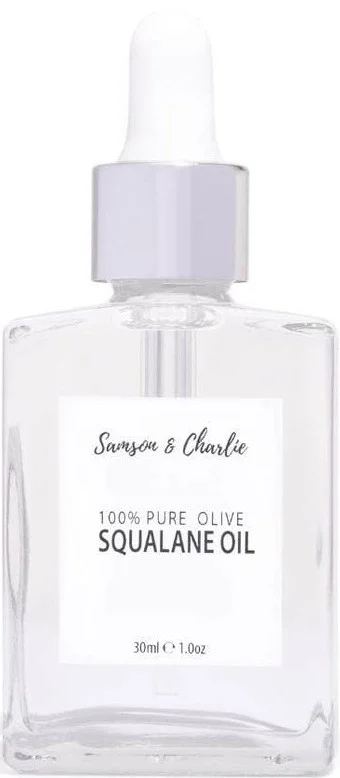
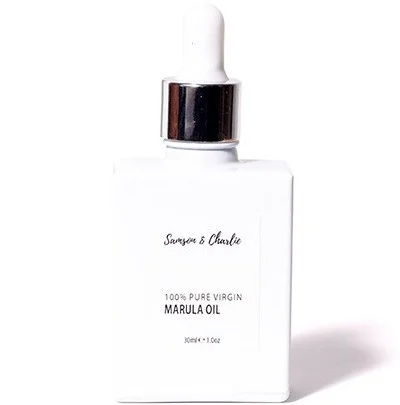
How well does your skin match with Samson & Charlie 100% Pure Olive Squalane Oil?
Login to see detailsOr continue via
Quick 1-minute survey • Completely free
Ingredients
Analysis results of Ingredients


Ingredient List
| EWG | CIR | Ingredient Name & Cosmetic Function | Notes |
|---|---|---|---|
| 1 | A | (Skin Conditioning, Emollient, Hair Conditioning, Refatting) | |
Samson & Charlie 100% Pure Olive Squalane Oil - Ingredient Explanation
Squalane Oil
1. Definition Squalane Oil:
Squalane oil is a colorless and odorless oil derived from squalene, a natural compound found in the skin's sebum. It is a highly stable and versatile emollient that is commonly used in skincare products due to its excellent moisturizing properties.2. Use:
Squalane oil is known for its ability to hydrate and nourish the skin without leaving a greasy residue. It is suitable for all skin types, including sensitive and acne-prone skin. This oil is also non-comedogenic, making it an ideal choice for those with oily skin as it helps regulate oil production and balance the skin's moisture levels.3. Usage Squalane Oil:
Squalane oil can be used in various ways in skincare routines. It can be applied directly to the skin as a standalone moisturizer or mixed with other products such as serums, creams, or lotions to boost their hydrating properties. Squalane oil is lightweight and fast-absorbing, making it suitable for both daytime and nighttime use. It can also be used to soften cuticles, tame frizz, and add shine to hair.4. References:
- Baumann, L. (2009). Cosmetic dermatology: Principles and practice. New York, NY: McGraw-Hill Medical.
- Mukherjee, S., Date, A., Patravale, V., Korting, H. C., Roeder, A., & Weindl, G. (2006). Retinoids in the treatment of skin aging: an overview of clinical efficacy and safety. Clinical interventions in aging, 1(4), 327–348.
- Kullavanijaya, P., & Lim, H. W. (2010). Photodermatology. New York, NY: Informa Healthcare.
Review

Didn't find
the information you need?








Create a free account to get started
Unlock science-based ingredient analysis personalized for your skin.
Already have an account? Log in
We protect your privacy. We never send spam.