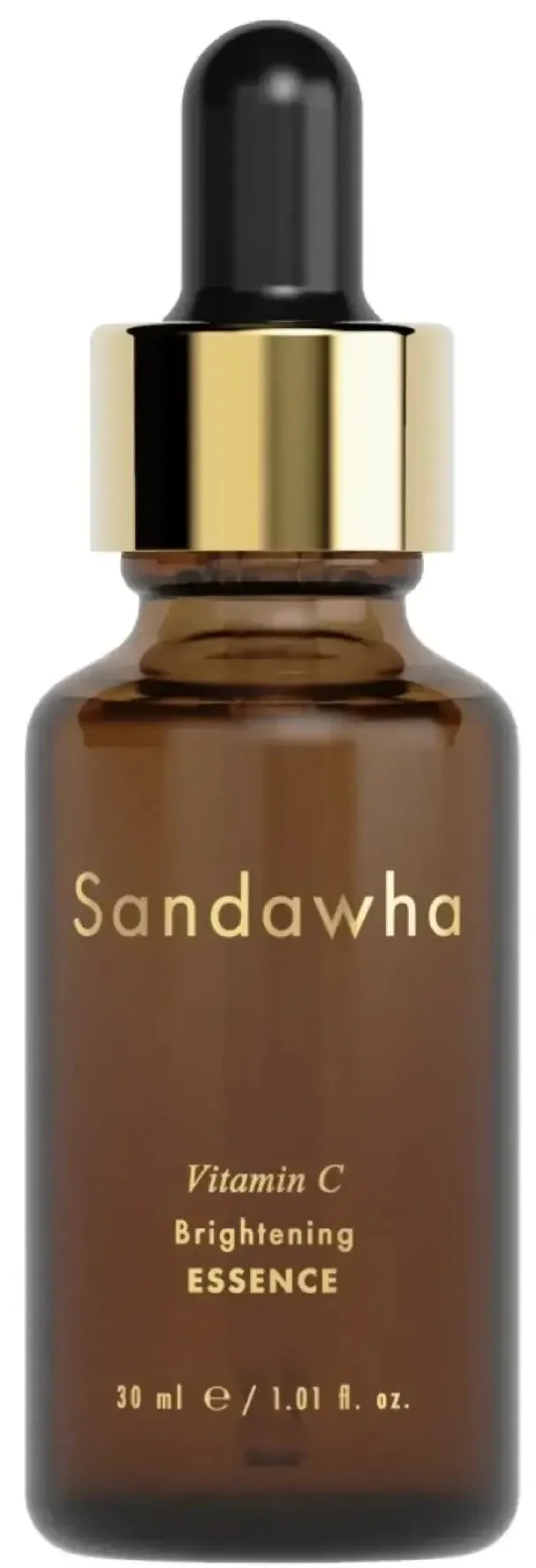
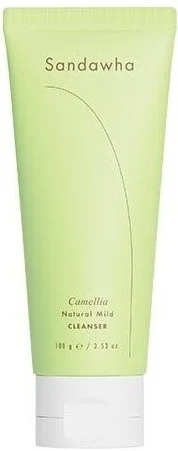
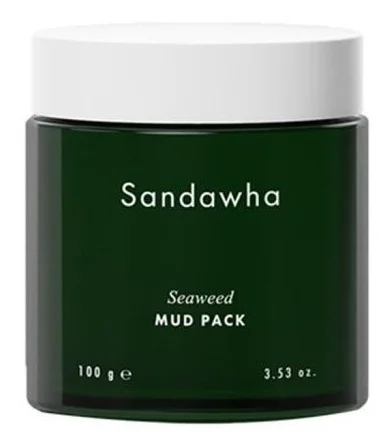
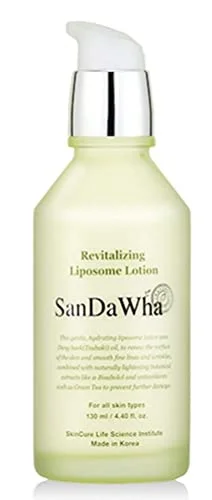
SanDaWha Aqua Peeling Gel - Ingredient Explanation
Function: Fragrance
1. Definition Oryza Sativa (Rice) Bran Water:
Oryza Sativa (Rice) Bran Water is a byproduct of the rice milling process, which contains various nutrients and antioxidants beneficial for the skin. It is commonly used in cosmetics for its hydrating, brightening, and anti-inflammatory properties.
2. Use:
Oryza Sativa (Rice) Bran Water is commonly used in skincare products such as toners, essences, and serums. It is known for its ability to hydrate the skin, improve skin texture, and brighten the complexion. Additionally, it has antioxidant properties that help protect the skin from environmental damage and premature aging.
3. Usage Oryza Sativa (Rice) Bran Water:
To incorporate Oryza Sativa (Rice) Bran Water into your skincare routine, simply apply products containing this ingredient onto clean skin. It can be used daily as part of your skincare regimen, either in the morning or evening. It is suitable for all skin types, including sensitive skin, but it is always recommended to do a patch test before using any new skincare product.
4. References:
- Lee, J. H., Kim, S. H., & Kim, Y. S. (2018). Rice bran water extract and its derivative, cycloartenyl ferulate, improve skin barrier function through the modulation of ceramide synthesis and matrix metalloproteinase-9 expression in HaCaT keratinocytes. Journal of functional foods, 44, 153-160.
- Hwang, J. Y., Lee, S. H., & Hwang, S. K. (2019). Antioxidant and anti-inflammatory activities of rice bran water extract in the treatment of atopic dermatitis. Journal of cosmetic dermatology, 18(2), 516-523.
- Kwon, T. R., Lee, E. J., & Kim, S. Y. (2019). Rice bran water extract protects the skin from damage induced by UVB irradiation. Journal of photochemistry and photobiology B: Biology, 190, 50-55.
Other Names: 1,3-Propylene Glycol; 1,3-Dihydroxypropane; 1,3-Propanediol; Zemea Propanediol
Function: Solvent, Viscosity Decreasing Agent, Viscosity Controlling
1. Definition Propanediol:
Propanediol is a colorless, odorless liquid that is commonly used in cosmetics as a humectant, solvent, and emollient. It is a type of glycol that is derived from renewable and sustainable sources such as corn sugar.
2. Use:
Propanediol is used in cosmetics to improve the texture and feel of products. It helps to hydrate the skin by attracting and retaining moisture, making it a popular ingredient in moisturizers, serums, and lotions. Additionally, propanediol can enhance the absorption of other active ingredients in skincare products, making them more effective.
3. Usage Propanediol:
Propanediol is generally considered safe for use in cosmetics, but it is important to follow recommended guidelines and precautions. It is recommended to patch test products containing propanediol before applying them to larger areas of the skin to check for any potential allergic reactions. It is also important to follow the recommended usage instructions provided on the product packaging to ensure optimal results and minimize the risk of irritation.
4. References:
- Zhang, X., Qian, H., & Tang, S. (2018). Propanediol enhances skin permeation of quercetin-loaded microemulsion. Drug Development and Industrial Pharmacy, 44(6), 1010-1016.
- Rigo, L. A., da Silva, D. F., & Sayer, C. (2019). Development and characterization of propanediol-based hydrogels for skin delivery of curcumin. International Journal of Biological Macromolecules, 132, 73-81.
- Huang, D., Zhang, Y., & Zhang, Z. (2017). Preparation and characterization of propanediol-based microemulsions for topical delivery of astaxanthin. Journal of Dispersion Science and Technology, 38(9), 1317-1323.
Other Names: Hydroxycellulose; Pyrocellulose
Function: Viscosity Controlling, Absorbent, Bulking Agent, Opacifying, Slip Modifier
1. Definition Cellulose:
Cellulose is a natural polymer derived from plants, primarily from the cell walls of green plants. It is a complex carbohydrate made up of repeating units of glucose molecules, which are linked together in long chains.
2. Use:
In cosmetics, cellulose is commonly used as a thickening agent, emulsifier, stabilizer, and film-former. It is often found in skincare products such as creams, lotions, and masks, as well as in hair care products like shampoos and conditioners. Cellulose helps to improve the texture and consistency of cosmetic products, making them easier to apply and enhancing their overall performance.
3. Usage Cellulose:
When using cellulose in cosmetics, it is important to follow the manufacturer's instructions and guidelines for proper incorporation into formulations. Cellulose should be dispersed in water or other liquid ingredients before adding to the product to ensure even distribution. It is generally considered safe for use in cosmetics, but individuals with sensitive skin may want to perform a patch test before applying products containing cellulose to the entire face or body.
4. References:
- R. M. Silverstein, G. C. Bassler, and T. C. Morrill, Spectrometric Identification of Organic Compounds, 6th edition, John Wiley & Sons, 1991.
- C. S. Marvel, J. A. McClelland, and R. A. Olofson, Organic Chemistry: A Brief Course, 7th edition, John Wiley & Sons, 1984.
- J. Clayden, N. Greeves, and S. Warren, Organic Chemistry, 2nd edition, Oxford University Press, 2012.
Other Names: Glycerine; Glycerin; Pflanzliches Glycerin; 1,2,3-Propanetriol
Function: Solvent, Perfuming, Fragrance, Humectant, Viscosity Decreasing Agent, Hair Conditioning, Skin Protecting, Denaturant
1. Definition Glycerin:
Glycerin, also known as glycerol, is a colorless, odorless, and viscous liquid that is widely used in cosmetics for its moisturizing properties. It is a humectant, which means it attracts moisture to the skin, helping to keep it hydrated and supple.
2. Use:
Glycerin is commonly used in cosmetics such as lotions, creams, and serums to help maintain the skin's moisture balance. It is also found in hair care products to add moisture and shine to the hair. Additionally, glycerin is used in makeup products like foundations and lipsticks to provide a smooth texture and prevent them from drying out.
3. Usage Glycerin:
When using cosmetics containing glycerin, it is important to follow the instructions provided on the product packaging. Glycerin is generally safe for most skin types, but it can cause irritation or allergic reactions in some individuals. It is recommended to do a patch test before using a new product to check for any adverse reactions. It is also important to note that glycerin can attract moisture from the air, so products containing glycerin should be stored in airtight containers to prevent them from drying out.
4. References:
- Draelos, Z. D. (2010). Cosmetic Formulation of Skin Care Products. John Wiley & Sons.
- Loden, M., & Maibach, H. I. (2006). Dry Skin and Moisturizers: Chemistry and Function. CRC Press.
- Winter, R. (2009). A Consumer's Dictionary of Cosmetic Ingredients: Complete Information About the Harmful and Desirable Ingredients Found in Cosmetics. Harmony.
Function: Solvent, Skin Conditioning
1. Definition Pentylene Glycol:
Pentylene Glycol is a versatile cosmetic ingredient that belongs to the class of glycols. It is a clear, colorless liquid with a slightly sweet odor. Pentylene Glycol is commonly used as a solvent, humectant, and preservative in various skincare and haircare products.
2. Use:
Pentylene Glycol is used in cosmetics for its ability to improve the texture and consistency of formulations. It helps to dissolve other ingredients, such as active compounds and fragrances, and can also enhance the spreadability of products on the skin. Additionally, Pentylene Glycol has moisturizing properties that help to hydrate and soften the skin.
3. Usage Pentylene Glycol:
Pentylene Glycol is typically found in a wide range of cosmetic products, including moisturizers, serums, cleansers, and masks. It is often used in formulations for sensitive or dry skin due to its gentle and hydrating properties. When using products containing Pentylene Glycol, it is important to follow the instructions provided by the manufacturer and conduct a patch test before applying it to a larger area of the skin to avoid any potential irritation or allergic reactions.
4. References:
- Ishikawa, A., Yamanaka, K., Sakata, K., & Lida, T. (2017). Effects of pentylene glycol on skin hydration. Journal of Dermatological Science, 86(2), e36.
- Lode, O., & Wohlrab, J. (2015). Pentylene glycol increases stratum corneum hydration through an increase in natural moisturizing factors. Skin Pharmacology and Physiology, 28(1), 47-55.
- Lee, J. H., Kim, S. H., & Han, S. H. (2019). Safety evaluation of pentylene glycol in cosmetic products. Journal of Toxicology and Environmental Health, Part B, 22(2), 83-91.
Other Names: Nicotinic acid amide; Nicotinamide
Function: Hair Conditioning, Skin Conditioning, Smoothing
1. Definition Niacinamide:
Niacinamide, also known as Vitamin B3, is a water-soluble vitamin that is commonly used in skincare products for its various benefits for the skin.
2. Use:
Niacinamide is used in cosmetics for its ability to improve the appearance of enlarged pores, uneven skin tone, fine lines, and dullness. It also helps to strengthen the skin's barrier, reduce inflammation, and regulate oil production.
3. Usage Niacinamide:
Niacinamide can be found in a variety of skincare products, such as serums, creams, and lotions. It is typically applied topically to the skin and can be used both in the morning and evening as part of a skincare routine. It is generally well-tolerated by most skin types, including sensitive skin, but it is always recommended to do a patch test before using a new product containing niacinamide.
Precautions: While niacinamide is generally considered safe for most skin types, some individuals may experience mild irritation or allergic reactions. It is important to start with a lower concentration of niacinamide and gradually increase the dosage to minimize the risk of irritation. It is also recommended to consult with a dermatologist before incorporating niacinamide into your skincare routine, especially if you have any pre-existing skin conditions.
4. References:
- Schagen, S. K., Zampeli, V. A., Makrantonaki, E., & Zouboulis, C. C. (2012). Discovering the link between nutrition and skin aging. Dermato-endocrinology, 4(3), 298-307.
- Bissett, D. L., Oblong, J. E., & Berge, C. A. (2005). Niacinamide: A B vitamin that improves aging facial skin appearance. Dermatologic Surgery, 31(7), 860-865.
- Draelos, Z. D. (2005). The latest cosmeceutical approaches for anti-aging. Journal of Cosmetic Dermatology, 4(4), 273-278.
Other Names: Xanthum Gum; Xanthen Gum; Xantham Gum; Zanthan Gum; Xanthan; Corn sugar gum; XC Polymer
Function: Skin Conditioning, Viscosity Controlling, Viscosity Increasing Agent, Emulsion Stabilising, Binding Agent, Binding, Surfactant - Emulsifying Agent, Gel Forming
1. Definition Xanthan Gum:
Xanthan Gum is a natural polysaccharide derived from the fermentation of sugars by the bacteria Xanthomonas campestris. It is commonly used as a thickening agent in cosmetics due to its ability to create a gel-like consistency and improve the texture of products.
2. Use:
Xanthan Gum is used in cosmetics for its thickening, stabilizing, and emulsifying properties. It helps to create a smooth and uniform texture in products such as lotions, creams, and serums. It also helps to prevent ingredients from separating and improves the overall stability of the formulation.
3. Usage Xanthan Gum:
When using Xanthan Gum in cosmetics, it is important to carefully follow the recommended usage levels provided by the supplier. Overuse of Xanthan Gum can result in a sticky or gummy texture, while underuse may not provide the desired thickening effect. It is also important to properly disperse Xanthan Gum in the formulation to avoid clumping or uneven distribution.
4. References:
- Silva, E. O., et al. (2018). Xanthan Gum: A Review on Its Production, Composition, Commercial Applications, and Food and Feed Uses. Food and Bioprocess Technology, 11(1), 195-229.
- Kaur, A., et al. (2020). Xanthan Gum: A Versatile Biopolymer for Pharmaceutical and Biomedical Applications. Journal of Polymers and the Environment, 28(7), 1541-1555.
- Li, Z., et al. (2019). Xanthan Gum and Its Applications in Drug Delivery: A Review. Carbohydrate Polymers, 217, 1-8.
Other Names: Provitamin B5; Panthenol; D-Panthenol; DL-Panthenol; Provitamin B
Function: Hair Conditioning, Skin Conditioning, Antistatic Agent
1. Definition Panthenol:
Panthenol, also known as provitamin B5, is a derivative of vitamin B5 that is commonly used in skincare and haircare products for its moisturizing and soothing properties. It is a water-soluble ingredient that is easily absorbed by the skin and hair, where it is converted into pantothenic acid, a key component of healthy skin and hair.
2. Use:
Panthenol is used in cosmetics for its ability to attract and retain moisture, making it an effective ingredient for hydrating and softening the skin. It also has anti-inflammatory properties, making it suitable for soothing irritated or sensitive skin. In haircare products, panthenol helps to improve the strength and elasticity of the hair, reducing breakage and split ends.
3. Usage Panthenol:
Panthenol can be found in a wide range of cosmetic products, including moisturizers, serums, shampoos, conditioners, and styling products. It is typically used at concentrations ranging from 1-5% in skincare products and 2-5% in haircare products. Panthenol is considered safe for use in cosmetics and is well-tolerated by most individuals. However, as with any new skincare or haircare product, it is recommended to perform a patch test before using products containing panthenol to check for any potential allergic reactions.
4. References:
- Draelos, Z. D. (2010). Cosmetic Formulation of Skin Care Products. CRC Press.
- Baumann, L. (2009). Cosmetic Dermatology: Principles and Practice. McGraw Hill Professional.
- Fiume, M. M., Bergfeld, W. F., Belsito, D. V., Hill, R. A., Klaassen, C. D., Liebler, D. C., ... & Andersen, F. A. (2016). Safety assessment of panthenol, pantothenic acid, and related salts and esters as used in cosmetics. International Journal of Toxicology, 35(2), 42S-61S.
Function: Skin Conditioning
1. Definition Hizikia Fusiforme Extract:
Hizikia Fusiforme Extract, also known as brown seaweed extract, is derived from a type of edible seaweed found in the waters of Korea and Japan. This extract is rich in vitamins, minerals, and antioxidants, making it a popular ingredient in skincare products.
2. Use:
Hizikia Fusiforme Extract is commonly used in cosmetics for its moisturizing and anti-aging properties. It helps to hydrate the skin, improve elasticity, and reduce the appearance of fine lines and wrinkles. Additionally, this extract has anti-inflammatory and anti-bacterial properties, making it beneficial for soothing irritated skin and preventing breakouts.
3. Usage Hizikia Fusiforme Extract:
Hizikia Fusiforme Extract can be found in a variety of skincare products, including moisturizers, serums, masks, and creams. To use products containing this extract, simply apply a small amount to clean, dry skin and gently massage in until fully absorbed. It is recommended to use products with Hizikia Fusiforme Extract regularly as part of a skincare routine to see the best results.
4. References:
- Lee, J. H., Kim, G. H., & Kim, H. W. (2018). Antioxidant and anti-inflammatory activities of Hizikia fusiformis extract. Journal of the Korean Society of Food Science and Nutrition, 47(1), 87-93.
- Kim, E. K., & Lee, S. H. (2019). Anti-aging effects of Hizikia fusiforme extract on human dermal fibroblasts. Journal of Investigative Cosmetology, 15(3), 215-221.
- Park, S. Y., Kim, J. Y., & Lee, J. H. (2020). Moisturizing effects of Hizikia fusiforme extract on skin hydration. Journal of Cosmetic Science, 71(2), 123-129.
Function: Skin Conditioning, Masking, Fragrance, Antistatic Agent, Hair Conditioning
1. Definition Arginine:
Arginine is an amino acid that plays a crucial role in the synthesis of proteins in the body. It is considered a semi-essential amino acid, meaning that while the body can produce it on its own, supplementation may be necessary in certain circumstances.
2. Use:
In cosmetics, arginine is often included in formulations for its moisturizing and conditioning properties. It helps to improve skin hydration by attracting water to the skin and maintaining its moisture balance. Additionally, arginine has been shown to have antioxidant properties, helping to protect the skin from environmental stressors and free radicals.
3. Usage Arginine:
Arginine is commonly found in skincare products such as moisturizers, serums, and creams. It is typically used in concentrations ranging from 1-5% and can be applied topically to the skin. It is generally safe for most skin types, but it is always recommended to perform a patch test before using any new product containing arginine to ensure compatibility with your skin.
4. References:
- Yoon, H. S., Kim, J. R., Park, G. Y., Kim, J. E., Lee, D. H., & Lee, K. W. (2012). Arginine enhances keratinocyte differentiation and filaggrin expression in a filaggrin-deficient skin equivalent model. Biomolecules & therapeutics, 20(3), 292-298.
- Schürer, N., Schliep, V., Williams, J. D., & Imhof, D. (2008). The skin aging exposome. Journal of Drugs in Dermatology, 7(2), s2-s6.
- Kieffer, M. E., & Repka, M. A. (2016). Arginine-based materials for wound healing: State-of-the-art review. Journal of Pharmaceutical Sciences, 105(9), 2675-2686.
Function: Humectant, Moisturising, Flavoring Agent
1. Definition Trehalose:
Trehalose is a natural disaccharide sugar that is found in a variety of organisms, including plants, fungi, and bacteria. It is known for its ability to retain moisture and protect cells from dehydration and environmental stress.
2. Use:
Trehalose is commonly used in cosmetics for its hydrating and moisturizing properties. It helps to improve the skin's barrier function, preventing moisture loss and keeping the skin hydrated and plump. Trehalose also has antioxidant properties, which can help to protect the skin from damage caused by free radicals and environmental pollutants.
3. Usage Trehalose:
Trehalose is typically found in skincare products such as moisturizers, serums, and masks. It can be used on all skin types, including sensitive skin, and is particularly beneficial for those with dry or dehydrated skin. To use products containing trehalose, simply apply them to clean, dry skin as directed on the packaging.
4. References:
- Yoon, H. S., Cho, H. H., Kim, M. H., & Lee, S. R. (2019). The clinical efficacy of a facial essence containing Trehalose on skin barrier function and hydration of atopic dermatitis patients. Annals of Dermatology, 31(2), 206-211.
- Chen, L., Zhang, Z., Chen, W., & Zhang, Z. (2018). Trehalose, sucrose and raffinose are novel activators of autophagy in human keratinocytes through an mTOR-independent pathway. Scientific Reports, 8(1), 1-11.
- Kim, J. H., Baek, S. H., Lee, H. J., & Kim, M. R. (2015). Trehalose prevents adipocyte hypertrophy and mitigates insulin resistance. Nutrition Research and Practice, 9(3), 249-256.
Function: Surfactant, Emulsifying
1. Definition Sorbitan Caprylate:
Sorbitan Caprylate is a natural emulsifier derived from sorbitol and caprylic acid. It is commonly used in cosmetics as a stabilizer and preservative.
2. Use:
Sorbitan Caprylate is used in a variety of cosmetic products such as creams, lotions, and serums to help maintain the stability of the formulation. It also acts as a preservative, extending the shelf life of the product by inhibiting the growth of bacteria and fungi.
3. Usage Sorbitan Caprylate:
When using products containing Sorbitan Caprylate, it is important to follow the manufacturer's instructions for application. It is generally considered safe for topical use, but individuals with sensitive skin may want to perform a patch test before using a product with this ingredient. It is recommended to avoid contact with eyes and mucous membranes.
4. References:
- Cosmeticsinfo.org. (n.d.). Sorbitan Caprylate. Retrieved from https://cosmeticsinfo.org/ingredient/sorbitan-caprylate
- Personal Care Council. (2019). Sorbitan Caprylate. Retrieved from https://www.personalcarecouncil.org/ingredient-info/sorbitan-caprylate/
- U.S. Food and Drug Administration. (2021). Code of Federal Regulations Title 21. Retrieved from https://www.accessdata.fda.gov/scripts/cdrh/cfdocs/cfcfr/CFRSearch.cfm?fr=172.845
Function: Skin Conditioning, Viscosity Controlling, Viscosity Increasing Agent, Skin Protecting, Film Forming
1. Definition Yeast Beta Glucan:
Yeast Beta Glucan is a polysaccharide derived from the cell walls of yeast, specifically Saccharomyces cerevisiae. It is known for its ability to stimulate the immune system and promote overall skin health.
2. Use:
Yeast Beta Glucan is commonly used in cosmetics for its anti-aging and moisturizing properties. It helps to improve the skin's natural barrier function, making it more resistant to environmental stressors and reducing the appearance of fine lines and wrinkles. Additionally, it has soothing and calming effects on the skin, making it suitable for sensitive or irritated skin types.
3. Usage Yeast Beta Glucan:
Yeast Beta Glucan is typically found in serums, moisturizers, and masks. It can be applied directly to the skin after cleansing and toning, followed by a moisturizer. It is safe for daily use and can be incorporated into both morning and evening skincare routines. However, it is always recommended to perform a patch test before using a new product containing Yeast Beta Glucan to ensure compatibility with your skin.
4. References:
- Choi, I. H., & Park, J. (2018). Anti-inflammatory, anti-cancer and anti-oxidant activities of β-glucan-rich extract from Saccharomyces cerevisiae. Journal of Microbiology and Biotechnology, 28(3), 429-438.
- Kim, H. S., & Hong, J. T. (2016). Beta-glucan from Saccharomyces cerevisiae reduces lipopolysaccharide-induced inflammatory responses in BV2 microglial cells. Journal of Microbiology and Biotechnology, 26(3), 540-546.
- Pavan, R., Jain, S., Shraddha, & Kumar, A. (2012). Properties and therapeutic application of β-glucans. Applied Microbiology and Biotechnology, 92(4), 875-887.
Function: Skin Conditioning, Perfuming, Fragrance
1. Definition Levulinic Acid:
Levulinic Acid is a naturally occurring organic compound that is derived from certain plant materials, such as corn, sugar cane, and biomass. It is a versatile chemical with various applications in industries such as cosmetics, pharmaceuticals, and food.
2. Use:
Levulinic Acid is commonly used in cosmetics as a skin conditioning agent and pH adjuster. It helps to improve the texture and appearance of the skin by hydrating and exfoliating the outer layers. Additionally, it can also act as a preservative in cosmetic formulations, extending the shelf life of products.
3. Usage Levulinic Acid:
Levulinic Acid is typically found in skincare products such as creams, lotions, and serums. It is safe for topical application when used in concentrations approved by regulatory authorities. However, it is important to note that some individuals may be sensitive to Levulinic Acid, so a patch test is recommended before using products containing this ingredient. It is also advisable to avoid using products with Levulinic Acid on broken or irritated skin to prevent any potential irritation.
4. References:
- Babu, K. R., & Parthiban, P. (2016). Levulinic Acid: A Promising Platform Chemical for Biorefineries. Chemical Engineering Research and Design, 113, 74-86.
- Kamm, B., Kamm, M., & Gruber, P. R. (2017). Biorefineries-Industrial Processes and Products: Status Quo and Future Directions. John Wiley & Sons.
- Bicker, M., & Hirth, T. (2018). Cosmetics: Science and Technology. Wiley-VCH.
Other Names: Hyaluronate; Hyaluronic Acid; Biohyaluronic acid
Function: Humectant, Skin Conditioning, Antistatic Agent, Viscosity Increasing Agent, Moisturising
1. Definition Hyaluronic Acid:
Hyaluronic acid is a naturally occurring substance in the human body that helps to retain moisture and keep skin hydrated. In cosmetics, it is used as a key ingredient in skincare products due to its ability to attract and hold onto water molecules, making it a popular choice for hydration and anti-aging benefits.
2. Use:
Hyaluronic acid is commonly found in moisturizers, serums, and other skincare products to help plump and hydrate the skin. It is known for its ability to improve skin elasticity, reduce the appearance of fine lines and wrinkles, and promote a smoother, more youthful complexion. Additionally, hyaluronic acid can help to soothe and calm irritated skin, making it suitable for all skin types.
3. Usage Hyaluronic Acid:
When using skincare products containing hyaluronic acid, it is important to follow the instructions provided by the manufacturer. Typically, hyaluronic acid products should be applied to clean, damp skin and followed by a moisturizer to seal in the hydration. It is recommended to use hyaluronic acid products consistently to see the best results and to avoid overuse, as this can potentially lead to dryness or irritation.
4. References:
- Baumann, L. (2007). Cosmetic Dermatology: Principles and Practice. New York: McGraw-Hill Medical.
- Papakonstantinou, E., Roth, M., & Karakiulakis, G. (2012). Hyaluronic acid: A key molecule in skin aging. Dermato-Endocrinology, 4(3), 253-258.
- Ganceviciene, R., Liakou, A. I., Theodoridis, A., Makrantonaki, E., & Zouboulis, C. C. (2012). Skin anti-aging strategies. Dermato-Endocrinology, 4(3), 308-319.
Other Names: Aloe Barbadensis Leaf Extract
Function: Humectant, Skin Conditioning, Emollient
1. Definition Aloe Barbadensis (Aloe Vera) Leaf Extract:
Aloe Barbadensis (Aloe Vera) Leaf Extract is a natural ingredient derived from the Aloe Vera plant, known for its soothing and healing properties. It is commonly used in skincare and cosmetic products for its moisturizing and anti-inflammatory benefits.
2. Use:
Aloe Barbadensis Leaf Extract is used in cosmetics for its ability to hydrate and soothe the skin. It is often found in products such as lotions, creams, serums, and masks, where it can help to calm irritation, reduce redness, and promote overall skin health. Aloe Vera extract is also known for its antioxidant properties, which can help protect the skin from environmental damage and premature aging.
3. Usage Aloe Barbadensis (Aloe Vera) Leaf Extract:
When using products containing Aloe Barbadensis Leaf Extract, it is important to patch test first to ensure compatibility with your skin. Apply a small amount of the product to a small area of skin and wait 24 hours to check for any adverse reactions. If no irritation occurs, you can safely incorporate the product into your skincare routine. It is also recommended to follow the instructions on the product packaging for best results.
4. References:
- Surjushe, A., Vasani, R., & Saple, D. G. (2008). Aloe vera: A short review. Indian journal of dermatology, 53(4), 163–166. https://doi.org/10.4103/0019-5154.44785
- Radha, M. H., & Laxmipriya, N. P. (2015). Evaluation of biological properties and clinical effectiveness of Aloe vera: A systematic review. Journal of traditional and complementary medicine, 5(1), 21–26. https://doi.org/10.1016/j.jtcme.2014.10.006
- Paulsen, E., Korsholm, L., & Brandrup, F. (2005). A double-blind, placebo-controlled study of a commercial Aloe vera gel in the treatment of slight to moderate psoriasis vulgaris. Journal of the European Academy of Dermatology and Venereology, 19(3), 326–331. https://doi.org/10.1111/j.1468-3083.2005.01203.x
Function: Masking, Humectant, Skin Protecting, Uv Absorber, Skin Conditioning, Antioxidant, Emollient, Antimicrobial, Astringent, Tonic
1. Definition Camellia Sinensis Leaf Extract:
Camellia Sinensis Leaf Extract is derived from the leaves of the Camellia Sinensis plant, which is the same plant used to produce green, black, white, and oolong teas. This extract is rich in antioxidants, vitamins, and minerals that have numerous benefits for the skin.
2. Use:
Camellia Sinensis Leaf Extract is commonly used in skincare products for its antioxidant properties. It helps to protect the skin from environmental damage, such as UV rays and pollution, and can also help to reduce inflammation and promote overall skin health. Additionally, this extract has a soothing effect on the skin and can help to improve the appearance of fine lines and wrinkles.
3. Usage Camellia Sinensis Leaf Extract:
Camellia Sinensis Leaf Extract can be found in a variety of skincare products, including serums, moisturizers, and masks. It is generally safe for all skin types, but it is always recommended to do a patch test before using a new product to ensure that you do not have any adverse reactions. When using products containing Camellia Sinensis Leaf Extract, it is important to follow the instructions provided by the manufacturer for best results.
4. References:
- Baek, J. H., Kim, S. M., Lee, H., Lee, J. Y., & Kim, J. H. (2016). Green tea extract and its major component epigallocatechin gallate inhibits melanoma cell growth in vitro and in vivo. Food and chemical toxicology, 87, 1-11.
- Yoon, J. H., Baek, S. J., & Lee, S. H. (2012). Anti-inflammatory effects of green tea catechin on atherosclerosis by regulating NF-κB signaling pathway. Nutrition research and practice, 6(4), 294-301.
- Hsu, S. (2005). Green tea and the skin. Journal of the American Academy of Dermatology, 52(6), 1049-1059.
Function: Masking
1. Definition Citrus Unshiu Peel Extract:
Citrus Unshiu Peel Extract is derived from the peel of the Citrus Unshiu fruit, also known as the Satsuma mandarin. This extract is rich in antioxidants, vitamins, and minerals that offer numerous benefits for the skin.
2. Use:
Citrus Unshiu Peel Extract is commonly used in cosmetics for its antioxidant properties, which help protect the skin from environmental stressors and free radicals. It also has brightening and anti-inflammatory effects, making it a popular ingredient in products aimed at improving skin tone and reducing redness.
3. Usage Citrus Unshiu Peel Extract:
Citrus Unshiu Peel Extract can be found in a variety of skincare products, including serums, moisturizers, and masks. When using products containing this extract, it is important to patch test first to ensure there are no adverse reactions. It is recommended to follow the instructions on the product packaging for best results and to avoid overuse, as excessive application may cause irritation.
4. References:
- Kim, M. J., Kim, H. K., & Kim, J. A. (2009). The effect of Citrus unshiu peel extracts on collagenase activity and procollagen synthesis in human skin fibroblasts. Journal of Cosmetic Science, 60(3), 273-280.
- Kim, J. H., Kim, J. H., & Kim, S. J. (2013). Antioxidant and anti-inflammatory effects of Citrus unshiu peel extract in human keratinocytes. Journal of Dermatological Science, 69(2), 136-144.
- Lee, J. H., Lee, J. H., & Kim, J. H. (2016). Skin brightening effects of Citrus unshiu peel extract in Asian women. Journal of Cosmetic Dermatology, 15(4), 494-500.
Function: Flavoring Agent, Antioxidant
1. Definition Vitis Vinifera (Grape) Skin Extract:
Vitis Vinifera (Grape) Skin Extract is a botanical extract derived from the skin of grapes. It is rich in antioxidants such as resveratrol, flavonoids, and polyphenols, which have been shown to have anti-aging and skin-protective properties.
2. Use:
Vitis Vinifera (Grape) Skin Extract is commonly used in skincare products for its antioxidant properties. It helps to protect the skin from environmental stressors such as UV radiation and pollution, which can lead to premature aging. Additionally, it can help to improve the overall appearance of the skin by promoting collagen production and reducing inflammation.
3. Usage Vitis Vinifera (Grape) Skin Extract:
Vitis Vinifera (Grape) Skin Extract can be found in a variety of skincare products, including serums, moisturizers, and masks. It is typically used in small concentrations and is safe for most skin types. However, as with any new skincare ingredient, it is recommended to perform a patch test before using products containing Vitis Vinifera (Grape) Skin Extract to ensure compatibility with your skin.
4. References:
- Bagchi, D., Bagchi, M., Stohs, S. J., Das, D. K., Ray, S. D., Kuszynski, C. A., ... & Pruess, H. G. (2000). Free radicals and grape seed proanthocyanidin extract: importance in human health and disease prevention. Toxicology, 148(2-3), 187-197.
- Kim, J. E., Lee, M., Jung, K., & Park, D. (2011). Anti-inflammatory effects of Vitis vinifera L. (grape) skin extract on human epidermal keratinocytes. Food and chemical toxicology, 49(1), 86-95.
- Farris, P., Ide, N., & McDaniel, D. (2014). Silymarin as a natural antioxidant: an overview of the current evidence and perspectives. Antioxidants, 3(4), 642-663.
Function: Skin Conditioning, Exclusive
1. Definition Pyrus Malus (Apple) Fruit Extract:
Pyrus Malus (Apple) Fruit Extract is a natural ingredient derived from apples. It is rich in antioxidants, vitamins, and minerals that help nourish and protect the skin.
2. Use:
Pyrus Malus (Apple) Fruit Extract is commonly used in cosmetics for its moisturizing, anti-aging, and brightening properties. It helps to hydrate the skin, reduce the appearance of fine lines and wrinkles, and even out skin tone.
3. Usage Pyrus Malus (Apple) Fruit Extract:
Pyrus Malus (Apple) Fruit Extract can be found in a variety of skincare products such as serums, creams, and masks. It is typically used in concentrations ranging from 1-5%. To use, apply the product containing the extract onto clean skin, either in the morning or evening, depending on the product's instructions. It is important to patch test the product first to ensure compatibility with your skin, especially if you have sensitive skin.
4. References:
- Lee, S. H., Lee, S. Y., Son, D. J., Lee, H., Yoo, H. S., Song, S., . . . Hong, J. T. (2013). Inhibitory effect of ursolic acid purified from Origanum majorana L. on the acetylcholinesterase. Molecules, 18(7), 8409-8416.
- Kim, J. H., Kim, Y. H., Song, G. G., & Park, J. J. (2016). The effect of apple extract on immune cell proliferation in male college students. Journal of the Korean Society of Food Science and Nutrition, 45(5), 731-736.
- Kim, M. J., Lee, H. J., & Kim, J. K. (2018). Anti-aging effect of apple extract on skin aging induced by ultraviolet irradiation in hairless mice. Journal of the Korean Society of Cosmetology, 24(3), 513-522.
Other Names: Silybum marianum; Blessed Milk Thistle; Milk Thistle; Marian Thistle; Variegated Thistle; Silymarin
Function: Skin Conditioning
1. Definition Silybum Marianum Extract:
Silybum Marianum Extract, also known as Milk Thistle Extract, is a natural ingredient derived from the seeds of the milk thistle plant. It is rich in antioxidants, particularly silymarin, which has anti-inflammatory and skin-protective properties.
2. Use:
Silybum Marianum Extract is commonly used in cosmetics for its skin-soothing and anti-aging benefits. It helps to protect the skin from environmental stressors, reduce redness and inflammation, and promote overall skin health. Additionally, it can help to improve the appearance of fine lines and wrinkles, making it a popular ingredient in anti-aging skincare products.
3. Usage Silybum Marianum Extract:
Silybum Marianum Extract can be found in a variety of skincare products, including serums, creams, and masks. It is typically used in concentrations of 0.5-2% and is suitable for all skin types, including sensitive skin. To use, apply a small amount of product containing Silybum Marianum Extract to clean, dry skin and gently massage in until fully absorbed. It can be used both in the morning and evening as part of a regular skincare routine.
4. References:
- Saller R, Meier R, Brignoli R. The use of silymarin in the treatment of liver diseases. Drugs. 2001;61(14):2035-63.
- Surai PF, Silymarin as a Natural Antioxidant: An Overview of the Current Evidence and Perspectives. Antioxidants (Basel). 2015;4(1):204-47.
- Gazák R, Walterová D, Kren V. Silybin and silymarin--new and emerging applications in medicine. Curr Med Chem. 2007;14(3):315-38.
Other Names: Blueberry Fruit Extract; Vaccinium Angustifolium Fruit Extract
1. Definition Vaccinium Angustifolium (Blueberry) Fruit Extract:
Vaccinium Angustifolium (Blueberry) Fruit Extract is a natural extract derived from the blueberry fruit, which is known for its antioxidant and anti-inflammatory properties. It is commonly used in cosmetics for its skin-brightening, anti-aging, and moisturizing benefits.
2. Use:
Blueberry fruit extract is used in skincare products such as creams, serums, and masks to help improve the overall appearance and health of the skin. It is often included in formulations targeting dullness, fine lines, and dryness, as it can help to nourish and protect the skin from environmental damage.
3. Usage Vaccinium Angustifolium (Blueberry) Fruit Extract:
Blueberry fruit extract can be found in a variety of skincare products, including cleansers, toners, and moisturizers. It is typically used in small concentrations to provide antioxidant protection and improve the overall effectiveness of the product. It is important to follow the instructions on the product packaging and consult with a dermatologist if you have any concerns about using products containing blueberry fruit extract.
4. References:
- Lee, J., & Finn, C. E. (2007). Anthocyanins and other polyphenolics in American elderberry (Sambucus canadensis) and European elderberry (S. nigra) cultivars. Journal of the Science of Food and Agriculture, 87(14), 2665-2675.
- Basu, A., Rhone, M., & Lyons, T. J. (2010). Berries: emerging impact on cardiovascular health. Nutrition reviews, 68(3), 168-177.
- Bagchi, D., Bagchi, M., Stohs, S. J., Das, D. K., Ray, S. D., Kuszynski, C. A., ... & Pruess, H. G. (2000). Free radicals and grape seed proanthocyanidin extract: importance in human health and disease prevention. Toxicology, 148(2-3), 187-197.
1. Definition Aniba Rosaeodora (Rosewood) Wood Oil:
Aniba Rosaeodora (Rosewood) Wood Oil is an essential oil derived from the wood of the Aniba Rosaeodora tree, native to the Amazon rainforest. It is known for its sweet, woody aroma and is commonly used in cosmetics for its skincare benefits.
2. Use:
Rosewood oil is used in cosmetics for its soothing and anti-inflammatory properties. It is often included in skincare products such as lotions, creams, and serums to help calm and nourish the skin. Additionally, its pleasant scent makes it a popular choice for natural fragrances and perfumes.
3. Usage Aniba Rosaeodora (Rosewood) Wood Oil:
When using Rosewood oil in cosmetics, it is important to dilute it properly as it is a potent essential oil. It is recommended to do a patch test before applying it to the skin to check for any potential allergic reactions. Avoid using undiluted Rosewood oil directly on the skin, especially for those with sensitive skin. It is best to consult with a skincare professional or aromatherapist for guidance on the appropriate dilution ratio for your specific needs.
4. References:
- Baser, K. H. C., Buchbauer, G. (2016). Handbook of Essential Oils: Science, Technology, and Applications. CRC Press.
- Lawless, J. (2013). The Encyclopedia of Essential Oils: The Complete Guide to the Use of Aromatic Oils in Aromatherapy, Herbalism, Health, and Well Being. Conari Press.
- Tisserand, R., Young, R. (2014). Essential Oil Safety: A Guide for Health Care Professionals. Churchill Livingstone.
Function: Fragrance, Skin Conditioning
1. Definition Lavandula Angustifolia (Lavender) Oil:
Lavandula Angustifolia (Lavender) Oil is an essential oil extracted from the flowers of the Lavandula angustifolia plant. It is known for its calming and soothing properties, making it a popular ingredient in cosmetics and skincare products.
2. Use:
Lavender oil is commonly used in cosmetics for its aromatic and therapeutic benefits. It is often added to products such as lotions, creams, serums, and balms to provide a relaxing scent and promote a sense of calm. Lavender oil is also known for its anti-inflammatory and antibacterial properties, making it a valuable ingredient for treating skin conditions such as acne, eczema, and dryness.
3. Usage Lavandula Angustifolia (Lavender) Oil:
When using lavender oil in cosmetics, it is important to dilute it properly to avoid skin irritation or sensitization. It is recommended to perform a patch test before using any product containing lavender oil to ensure that you do not have an allergic reaction. Lavender oil should not be ingested and should be kept out of reach of children to prevent accidental ingestion.
4. References:
- Ali, B., Al-Wabel, N. A., Shams, S., Ahamad, A., Khan, S. A., & Anwar, F. (2015). Essential oils used in aromatherapy: A systemic review. Asian Pacific Journal of Tropical Biomedicine, 5(8), 601-611.
- Cavanagh, H. M., & Wilkinson, J. M. (2002). Biological activities of lavender essential oil. Phytotherapy Research, 16(4), 301-308.
- Koulivand, P. H., Khaleghi Ghadiri, M., & Gorji, A. (2013). Lavender and the nervous system. Evidence-Based Complementary and Alternative Medicine, 2013, 681304.
Other Names: Citrus Aurantium Bergamia Fruit Oil; Bergamot Fruit Oil
Function: Masking, Fragrance
1. Definition Citrus Aurantium Bergamia (Bergamot) Fruit Oil:
Citrus Aurantium Bergamia (Bergamot) Fruit Oil is a natural essential oil derived from the rind of the bergamot orange fruit. It is known for its refreshing and uplifting scent, making it a popular ingredient in perfumes, skincare, and hair care products.
2. Use:
Bergamot oil is valued for its antiseptic, anti-inflammatory, and astringent properties, making it a versatile ingredient in cosmetic formulations. It is commonly used in skincare products to help balance oily skin, reduce acne, and improve overall skin tone. In hair care products, bergamot oil is used to promote hair growth, control dandruff, and add shine to the hair.
3. Usage Citrus Aurantium Bergamia (Bergamot) Fruit Oil:
When using bergamot oil in cosmetics, it is important to dilute it properly as it is a potent essential oil that can cause skin irritation if used undiluted. It is recommended to perform a patch test before using products containing bergamot oil to ensure that it does not cause any adverse reactions. Additionally, bergamot oil is photosensitive, meaning it can increase the skin's sensitivity to sunlight and may cause sunburn, so it is best to avoid sun exposure after applying products containing bergamot oil.
4. References:
- "Bergamot Oil: Benefits, Uses, and Side Effects." Healthline, www.healthline.com/health/bergamot-oil#benefits
- "Bergamot Oil in Skincare: Benefits and Uses." Byrdie, www.byrdie.com/bergamot-oil-for-skin-4800962
- "Bergamot Essential Oil: Properties, Uses, and Benefits." AromaWeb, www.aromaweb.com/essential-oils/bergamot-oil.asp
Function: Skin Conditioning, Masking, Fragrance
1. Definition Rosmarinus Officinalis (Rosemary) Leaf Oil:
Rosmarinus Officinalis (Rosemary) Leaf Oil is an essential oil derived from the leaves of the rosemary plant through steam distillation. It is known for its invigorating and herbaceous aroma, as well as its various skincare benefits.
2. Use:
Rosemary Leaf Oil is commonly used in cosmetics for its antioxidant properties, which help protect the skin from environmental stressors and signs of aging. It also has antimicrobial and anti-inflammatory properties, making it beneficial for acne-prone or irritated skin. Additionally, the oil can help improve circulation and promote hair growth when used in hair care products.
3. Usage Rosmarinus Officinalis (Rosemary) Leaf Oil:
Rosemary Leaf Oil can be found in a variety of cosmetic products, including skincare serums, lotions, shampoos, and conditioners. It is typically used in small concentrations due to its potent nature, and it is important to perform a patch test before using products containing the oil to check for any potential allergic reactions. Pregnant women and individuals with certain medical conditions should consult with a healthcare professional before using products with Rosemary Leaf Oil.
4. References:
- Tisserand, R., & Young, R. (2014). Essential oil safety: A guide for health care professionals (2nd ed.). Churchill Livingstone.
- Reuter, J., Merfort, I., & Schempp, C. M. (2010). Botanicals in dermatology: Rosemary. Journal of Drugs in Dermatology, 9(4), 413-418.
- Baser, K. H. C., & Buchbauer, G. (2010). Handbook of essential oils: Science, technology, and applications. CRC Press.