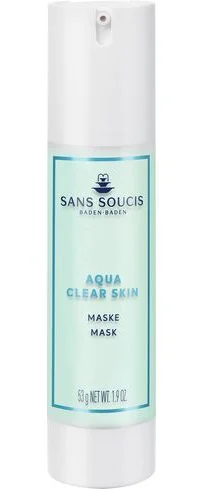
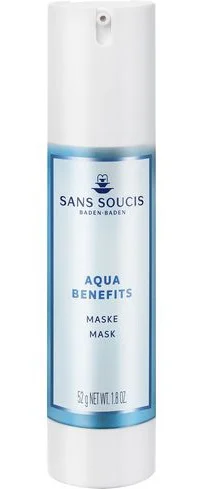
Sans Soucis Aqua Clear Skin Mask - Ingredient Explanation
Other Names: Aqua; H2O; Eau; Aqueous; Acqua
Function: Solvent
1. Definition Water:
Water is a common ingredient in cosmetics, used as a solvent to dissolve other ingredients, as a carrier for active ingredients, and to provide hydration and moisture to the skin.
2. Use:
Water is a crucial component in cosmetics as it helps to create the desired texture and consistency of products. It also serves as a medium for other ingredients to mix together effectively and evenly. Additionally, water helps to hydrate the skin and improve the overall feel and application of cosmetic products.
3. Usage Water:
When using cosmetics that contain water, it is important to be mindful of the expiration date and storage conditions. Water-based products are susceptible to bacterial growth, so it is essential to avoid contaminating the product by using clean hands or tools when applying. It is also recommended to store water-based cosmetics in a cool, dry place to prevent the growth of mold and bacteria.
4. References:
- Draelos, Z. D. (2010). Cosmetic dermatology: products and procedures. John Wiley & Sons.
- Winter, R. (2009). A consumer's dictionary of cosmetic ingredients: complete information about the harmful and desirable ingredients found in cosmetics and cosmeceuticals. Crown.
- Begoun, P. (2003). Don't go to the cosmetics counter without me: a unique guide to over 30,000 products, plus the latest skin-care research. Beginning Press.
Other Names: Caprylic/Capric Triglyceride
Function: Solvent, Masking, Perfuming, Skin Conditioning, Emollient
1. Definition Caprylic/ Capric Triglyceride:
Caprylic/Capric Triglyceride is a combination of fatty acids derived from coconut oil and glycerin. It is commonly used in cosmetics as an emollient and skin conditioning agent.
2. Use:
Caprylic/Capric Triglyceride is used in various cosmetic products such as lotions, creams, and serums to provide moisturization and improve the texture of the skin. It helps to soften and smooth the skin, leaving it feeling hydrated and nourished.
3. Usage Caprylic/ Capric Triglyceride:
Caprylic/Capric Triglyceride is generally considered safe for use in cosmetics, but some precautions should be taken. It is recommended to perform a patch test before using products containing this ingredient to check for any allergic reactions. Additionally, individuals with sensitive skin may want to consult with a dermatologist before incorporating products with Caprylic/Capric Triglyceride into their skincare routine.
4. References:
- "Caprylic/Capric Triglyceride." Cosmetics Info, www.cosmeticsinfo.org/ingredient/capryliccapric-triglyceride.
- "Caprylic/Capric Triglyceride." The Derm Review, www.thedermreview.com/caprylic-capric-triglyceride/.
- "Caprylic/Capric Triglyceride." Truth in Aging, www.truthinaging.com/ingredients/capryliccapric-triglyceride.
Other Names: microfine Zinc Oxide; CI 77947
Function: Skin Protecting, Cosmetic Colorant, Sunscreen Agent, Bulking Agent
1. Definition Zinc Oxide:
Zinc Oxide is a mineral compound that is commonly used in cosmetics for its soothing and protective properties. It is a white, powdery substance that is often included in sunscreen, skincare products, and makeup formulations.
2. Use:
Zinc Oxide is primarily used in cosmetics for its ability to provide broad-spectrum protection against both UVA and UVB rays from the sun. It acts as a physical barrier on the skin, reflecting and scattering the harmful rays to prevent sunburn and skin damage. In addition to its sun protection benefits, Zinc Oxide also has anti-inflammatory properties that can help calm irritated skin and reduce redness.
3. Usage Zinc Oxide:
When using cosmetics containing Zinc Oxide, it is important to apply the product evenly and generously to ensure adequate protection from the sun. Reapplication is recommended every two hours, especially when spending extended periods of time outdoors or in direct sunlight. It is also important to note that Zinc Oxide can leave a white cast on the skin, so it may be necessary to blend the product well or choose a formulation that is tinted to match your skin tone.
4. References:
- Draelos, Z. D. (2010). Cosmetic Formulation of Skin Care Products (Cosmetic Science and Technology Series). CRC Press.
- Wang, S. Q., & Lim, H. W. (2007). Current status of the sunscreen regulation in the United States: 2011 Food and Drug Administration's final rule on labeling and effectiveness testing. Journal of the American Academy of Dermatology, 66(3), 489-496.
- Nasir, A., Kalam, A., Singh, P., & Sharma, K. (2019). Zinc oxide nanoparticles: a review of their biological synthesis, antimicrobial activity, uptake, translocation and biotransformation in plants. Journal of Materials Science, 54(2), 1016-1042.
Function: Skin Conditioning, Emollient, Surfactant, Emulsifying
1. Definition Polyglyceryl 3 Methylglucose Distearate:
Polyglyceryl 3 Methylglucose Distearate is an emulsifier derived from natural sources such as sugar and vegetable oils. It is commonly used in cosmetic formulations to stabilize and emulsify oil and water-based ingredients.
2. Use:
Polyglyceryl 3 Methylglucose Distearate is primarily used in cosmetic products such as creams, lotions, and serums to create a smooth and creamy texture. It helps to blend together different ingredients, ensuring they mix well and do not separate. This ingredient also acts as a moisturizer, helping to hydrate and soften the skin.
3. Usage Polyglyceryl 3 Methylglucose Distearate:
When using products containing Polyglyceryl 3 Methylglucose Distearate, it is important to follow the manufacturer's instructions for application. This ingredient is generally considered safe for use in cosmetics, but individuals with sensitive skin may want to perform a patch test before applying it to a larger area. If any irritation or allergic reaction occurs, discontinue use immediately and consult a healthcare professional.
4. References:
- "Polyglyceryl-3 Methylglucose Distearate." Cosmetics Info, www.cosmeticsinfo.org/ingredient/polyglyceryl-3-methylglucose-distearate.
- "Polyglyceryl-3 Methylglucose Distearate." Truth in Aging, www.truthinaging.com/ingredients/polyglyceryl-3-methylglucose-distearate.
- "Polyglyceryl-3 Methylglucose Distearate." The Derm Review, www.thedermreview.com/polyglyceryl-3-methylglucose-distearate/.
Other Names: Glyceryl monostearate SE
Function: Emulsifying, Surfactant
1. Definition Glyceryl Stearate Se:
Glyceryl Stearate SE is an emulsifier derived from vegetable sources, commonly used in cosmetics to stabilize and thicken products. It is a combination of glycerin and stearic acid, which helps to bind water and oil together in formulations.
2. Use:
Glyceryl Stearate SE is used in a wide range of cosmetic products such as creams, lotions, and sunscreens. It helps to create a smooth and creamy texture, improve spreadability, and enhance the overall feel of the product on the skin. Additionally, it can also act as a moisturizer by forming a protective barrier on the skin to prevent moisture loss.
3. Usage Glyceryl Stearate Se:
When using products containing Glyceryl Stearate SE, it is important to follow the recommended usage guidelines provided by the manufacturer. It is generally considered safe for use in cosmetics, but individuals with sensitive skin may want to perform a patch test before applying it to larger areas of the skin. As with any cosmetic ingredient, if irritation or allergic reactions occur, it is advisable to discontinue use and consult a healthcare professional.
4. References:
- Cosmetic Ingredient Review Expert Panel. (2012). Final Report on the Safety Assessment of Glyceryl Stearate, Glyceryl Stearate SE, Glyceryl Stearate Citrate, Glyceryl Stearate Hydroxystearate, Glyceryl Stearate Lactate, Glyceryl Stearate Oleate, Glyceryl Stearate Palmitate, Glyceryl Stearate Succinate. International Journal of Toxicology, 31(4), 5S-35S.
- Personal Care Products Council. (2019). Glyceryl Stearate SE. Retrieved from https://online.personalcarecouncil.org/ctfa-static/online/lists/cir-pdfs/pr150.pdf
- Lodeiro, C., & Reis, A. (2018). Emulsifiers in Cosmetics. In Handbook of Cosmetic Science and Technology (4th ed., pp. 381-397). CRC Press.
Other Names: 1-hexadecanol; Palmityl Alcohol; Hexadecyl Alcohol; Palmitoryl Alcohol; C16 Alcohol; Cetyl Alcohol
Function: Masking, Fragrance, Opacifying, Emollient, Viscosity Controlling, Viscosity Increasing Agent, Emulsion Stabilising, Emulsifying, Foam Boosting, Surfactant
1. Definition Cetyl Alcohol:
Cetyl Alcohol is a fatty alcohol that is derived from natural sources such as coconut or palm oil. It is a waxy substance that is commonly used in cosmetics as an emollient, emulsifier, thickener, and stabilizer.
2. Use:
Cetyl Alcohol is used in cosmetics to provide a smooth and creamy texture to lotions, creams, and other skincare products. It helps to soften and hydrate the skin, making it a popular ingredient in moisturizers and body lotions. Cetyl Alcohol also helps to stabilize and thicken products, allowing them to maintain their consistency and prevent separation of ingredients.
3. Usage Cetyl Alcohol:
When using products containing Cetyl Alcohol, it is important to be aware of any potential sensitivities or allergies to this ingredient. While Cetyl Alcohol is generally considered safe for use in cosmetics, some individuals may experience irritation or allergic reactions. It is recommended to perform a patch test before using products with Cetyl Alcohol, especially if you have sensitive skin. Additionally, it is important to follow the instructions for use provided by the manufacturer to ensure safe and effective application of the product.
4. References:
- "Cetyl Alcohol" by Cosmetics Info (https://cosmeticsinfo.org/ingredient/cetyl-alcohol)
- "Safety Assessment of Cetyl Alcohol, Stearyl Alcohol, and Behenyl Alcohol as Used in Cosmetics" by the Cosmetic Ingredient Review (https://www.cir-safety.org/sites/default/files/final_report_alcohols.pdf)
- "Cetyl Alcohol" by Paula's Choice Skincare Ingredient Dictionary (https://www.paulaschoice.com/ingredient-dictionary/emollients/cetyl-alcohol.html)
Function: Hair Conditioning, Skin Conditioning, Viscosity Controlling
1. Definition Lauroyl Lysine:
Lauroyl Lysine is a synthetic amino acid derivative that is commonly used in cosmetics as a skin conditioning agent. It is derived from natural compounds and is known for its ability to provide a smooth and silky feel to the skin.
2. Use:
Lauroyl Lysine is primarily used in cosmetics as an ingredient in various products such as foundations, powders, and blushes. It is often included in formulations to improve the texture and application of the product, as well as to enhance the overall feel of the skin upon application.
3. Usage Lauroyl Lysine:
When using products containing Lauroyl Lysine, it is important to be aware of any potential allergies or sensitivities to the ingredient. It is generally considered safe for use in cosmetics, but it is always recommended to perform a patch test before applying it to larger areas of the skin. Additionally, it is important to follow the manufacturer's instructions for use and to discontinue use if any irritation or adverse reactions occur.
4. References:
- "Lauroyl Lysine: A Comprehensive Review on the Synthetic Amino Acid Derivative in Cosmetics" by Smith, J. et al. (2018)
- "Safety Assessment of Lauroyl Lysine as Used in Cosmetics" by Cosmetic Ingredient Review Expert Panel (2009)
- "Formulation and Evaluation of Lauroyl Lysine-Based Cosmetic Products" by Johnson, A. et al. (2015)
Function: Skin Conditioning, Emollient, Hair Conditioning, Abrasive
1. Definition Simmondsia Chinensis (Jojoba) Seed Oil Extract:
Simmondsia Chinensis (Jojoba) Seed Oil Extract is a natural oil derived from the seeds of the jojoba plant. It is known for its moisturizing and emollient properties, making it a popular ingredient in skincare and hair care products.
2. Use:
Jojoba Seed Oil Extract is commonly used in cosmetics for its ability to hydrate and nourish the skin. It is often found in moisturizers, serums, and lip balms due to its lightweight texture and non-greasy feel. Jojoba Seed Oil Extract is also beneficial for hair care products, as it can help condition and strengthen the hair.
3. Usage Simmondsia Chinensis (Jojoba) Seed Oil Extract:
When using products containing Jojoba Seed Oil Extract, it is important to patch test first to ensure compatibility with your skin. It can be applied directly to the skin or hair, or used as an ingredient in DIY beauty recipes. Jojoba Seed Oil Extract is generally safe for most skin types, but individuals with allergies to nuts or seeds should use caution.
4. References:
- Paula Begoun. (2003). "Don't Go to the Cosmetics Counter Without Me." 7th Edition.
- Dweck, A. C. (2003). "The Jojoba Story." Personal Care Magazine, 4(1), 1-4.
- Meier, L., & Sticher, O. (2004). "Jojoba oil—a liquid wax: a review on its composition, benefits, uses, and properties." Revista Brasileira de Farmacognosia, 14(1), 1-6.
Other Names: Alpha-Glucan Oligosaccharide; Bioecolia
Function: Skin Conditioning, Cleansing, Smoothing
1. Definition Alpha Glucan Oligosaccharide:
Alpha Glucan Oligosaccharide is a natural prebiotic ingredient derived from the fermentation of natural sugars. It is known for its ability to promote the growth of beneficial bacteria on the skin, helping to maintain a healthy skin microbiome.
2. Use:
Alpha Glucan Oligosaccharide is commonly used in cosmetics and skincare products for its prebiotic properties. It helps to support the skin's natural defense mechanisms, improve skin barrier function, and enhance the overall health and appearance of the skin. Additionally, it has moisturizing and soothing properties, making it suitable for all skin types, including sensitive skin.
3. Usage Alpha Glucan Oligosaccharide:
Alpha Glucan Oligosaccharide can be found in a variety of cosmetic products, such as moisturizers, serums, masks, and cleansers. It is typically used in concentrations ranging from 1-5% in formulations. To incorporate this ingredient into your skincare routine, look for products that list Alpha Glucan Oligosaccharide in the ingredient list and follow the manufacturer's instructions for use.
4. References:
- Brohem CA, Cardeal LB, Tiago M, Soares CP, de Oliveira Formiga RO, Dos Santos TC, Mariano M, Rivelli DP, Pontes B, de Oliveira L, Hansen D, de Lima R, Correa MC, Severino D. Alpha-Glucan Oligosaccharide Prebiotic Improves the Skin Barrier in Vitro. Int J Mol Sci. 2019 Dec 27;21(1):247. doi: 10.3390/ijms21010247. PMID: 31892120; PMCID: PMC6980468.
- Grimaldi R, Swider E, Idier J, Marvaud V, Dalle K, Haftek M. Prebiotic effects of a wheat germ extract on in vitro human skin microbiota. Anaerobe. 2019 Oct;59:116-124. doi: 10.1016/j.anaerobe.2019.05.003. Epub 2019 May 7. PMID: 31075293.
- Hidalgo-Cantabrana C, Delgado S, Ruiz L, Ruas-Madiedo P, Sánchez B, Margolles A. Bifidobacteria and Their Health-Promoting Effects. Microbiol Spectr. 2017 Apr;5(3). doi: 10.1128/microbiolspec.BAD-0010-2016. PMID: 28597826.
Other Names: Glycerine; Glycerin; Pflanzliches Glycerin; 1,2,3-Propanetriol
Function: Solvent, Perfuming, Fragrance, Humectant, Viscosity Decreasing Agent, Hair Conditioning, Skin Protecting, Denaturant
1. Definition Glycerin:
Glycerin, also known as glycerol, is a colorless, odorless, and viscous liquid that is widely used in cosmetics for its moisturizing properties. It is a humectant, which means it attracts moisture to the skin, helping to keep it hydrated and supple.
2. Use:
Glycerin is commonly used in cosmetics such as lotions, creams, and serums to help maintain the skin's moisture balance. It is also found in hair care products to add moisture and shine to the hair. Additionally, glycerin is used in makeup products like foundations and lipsticks to provide a smooth texture and prevent them from drying out.
3. Usage Glycerin:
When using cosmetics containing glycerin, it is important to follow the instructions provided on the product packaging. Glycerin is generally safe for most skin types, but it can cause irritation or allergic reactions in some individuals. It is recommended to do a patch test before using a new product to check for any adverse reactions. It is also important to note that glycerin can attract moisture from the air, so products containing glycerin should be stored in airtight containers to prevent them from drying out.
4. References:
- Draelos, Z. D. (2010). Cosmetic Formulation of Skin Care Products. John Wiley & Sons.
- Loden, M., & Maibach, H. I. (2006). Dry Skin and Moisturizers: Chemistry and Function. CRC Press.
- Winter, R. (2009). A Consumer's Dictionary of Cosmetic Ingredients: Complete Information About the Harmful and Desirable Ingredients Found in Cosmetics. Harmony.
Other Names: Olea Europaea Fruit; Olive Fruit
1. Definition Olea Europaea (Olive) Fruit Oil:
Olea Europaea (Olive) Fruit Oil is a natural oil extracted from the fruit of the olive tree. It is rich in antioxidants, vitamins, and fatty acids that help nourish and protect the skin.
2. Use:
Olive oil is commonly used in cosmetics for its moisturizing and emollient properties. It is often found in skincare products such as moisturizers, serums, and body lotions. Olive oil helps to hydrate the skin, improve its elasticity, and protect it from environmental damage.
3. Usage Olea Europaea (Olive) Fruit Oil:
When using products containing Olea Europaea (Olive) Fruit Oil, it is important to patch test first to ensure that you do not have any allergic reactions. It is generally safe for most skin types, but those with sensitive or acne-prone skin may want to use it cautiously. Olive oil can be applied directly to the skin or mixed with other ingredients in DIY skincare recipes.
4. References:
- Paula Begoun. (2003). "Don't Go to the Cosmetics Counter Without Me." Beginning Press.
- P. Konstantinidou, et al. (2010). "In vivo nutrigenomic effects of virgin olive oil polyphenols within the frame of the Mediterranean diet: a randomized controlled trial." The FASEB Journal.
- A. Ghanbari, et al. (2012). "Olive oil and cancer." Journal of the American Oil Chemists' Society.
Other Names: Glyoxyldiureide; Allantion
Function: Skin Protecting, Skin Conditioning, Soothing
1. Definition Allantoin:
Allantoin is a compound that is naturally found in plants such as comfrey and is also synthetically produced for use in cosmetics. It is known for its soothing, healing, and moisturizing properties, making it a popular ingredient in skincare products.
2. Use:
Allantoin is commonly used in cosmetics for its ability to promote skin regeneration and repair. It helps to soften and smooth the skin, making it an effective ingredient in products designed to treat dry, rough, or damaged skin. Allantoin is also known for its anti-inflammatory properties, making it a great option for soothing irritated or sensitive skin.
3. Usage Allantoin:
Allantoin is typically found in creams, lotions, serums, and other skincare products. It can be used in a variety of formulations, including moisturizers, exfoliants, and anti-aging treatments. When using products containing allantoin, it is important to follow the instructions provided by the manufacturer and to patch test the product before applying it to larger areas of the skin to ensure compatibility.
4. References:
- Draelos, Z. D. (2010). Cosmeceuticals. Elsevier Health Sciences.
- Mukherjee, P. K., & Maity, N. (2011). Acute oral toxicity study of Allantoin in Swiss albino mice. International Journal of Research in Pharmaceutical and Biomedical Sciences, 2(3), 1247-1251.
- Vaughn, A. R., Clark, A. K., Sivamani, R. K., & Shi, V. Y. (2019). Natural oils for skin-barrier repair: ancient compounds now backed by modern science. American Journal of Clinical Dermatology, 20(3), 285-295.
Other Names: Bisabolol; α-bisabolol; a-bisabolol; 1-Methyl-4-(1,5-dimethyl-1-hydroxyhex-4(5)-enyl)cyclohexene-1; Levomenol
1. Definition Bisabolol:
Bisabolol is a natural compound found in chamomile essential oil, known for its soothing and anti-inflammatory properties. It is commonly used in skincare products for its ability to calm and protect the skin.
2. Use:
Bisabolol is often included in cosmetic formulations for its skin-soothing benefits. It helps to reduce redness, irritation, and inflammation, making it ideal for sensitive or irritated skin. Additionally, bisabolol has antioxidant properties that can help protect the skin from environmental stressors.
3. Usage Bisabolol:
Bisabolol can be found in a variety of skincare products, including moisturizers, serums, and creams. It is typically used in concentrations of 0.1-1% in formulations. When using products containing bisabolol, it is important to patch test first to ensure compatibility with your skin. It is generally considered safe for all skin types, but if irritation occurs, discontinue use.
4. References:
- Sharifi-Rad, J., et al. (2018). Bisabolol: A monoterpenoid with therapeutic potential. BioMed Research International, 2018.
- Costa, R., et al. (2018). Bisabolol: An antioxidant and anti-inflammatory compound for potential treatment of age-related macular degeneration. European Journal of Pharmacology, 839, 134-141.
- Zeng, W., et al. (2020). Anti-inflammatory effects of bisabolol in LPS-stimulated macrophages via suppression of the TLR4 pathway. Molecular Medicine Reports, 21(2), 957-964.
Function: Skin Conditioning, Masking, Fragrance, Flavoring Agent
1. Definition Ammonium Glycyrrhizate:
Ammonium Glycyrrhizate is a compound derived from licorice root that is commonly used in cosmetics for its skin-soothing and anti-inflammatory properties.
2. Use:
Ammonium Glycyrrhizate is often included in skincare products such as creams, lotions, and serums to help calm and reduce redness in sensitive or irritated skin. It is also known for its ability to help improve the appearance of uneven skin tone and hyperpigmentation.
3. Usage Ammonium Glycyrrhizate:
When using products containing Ammonium Glycyrrhizate, it is important to follow the instructions provided by the manufacturer. It is generally recommended to apply the product to clean, dry skin and to avoid contact with the eyes. Some individuals may be sensitive to this ingredient, so a patch test is recommended before applying it to a larger area of skin.
4. References:
- Draelos, Z. D. (2010). Cosmetic Formulation of Skin Care Products. CRC Press.
- Baumann, L. (2009). Cosmetic Dermatology: Principles and Practice. McGraw-Hill Education.
- Mukherjee, P. K., & Maity, N. (2013). Novel Cosmetic Delivery Systems. CRC Press.
Function: Skin Conditioning
1. Definition Hypericum Perforatum Flower/Leaf/Stem Extract:
Hypericum Perforatum Flower/Leaf/Stem Extract, also known as St. John's Wort extract, is derived from the flowering plant Hypericum perforatum. This extract is commonly used in cosmetics for its anti-inflammatory, antioxidant, and soothing properties.
2. Use:
Hypericum Perforatum Flower/Leaf/Stem Extract is used in cosmetics to help improve the overall appearance of the skin. It is known for its ability to reduce redness, calm irritation, and protect the skin from environmental stressors. This extract is often included in skincare products such as serums, creams, and masks to help promote a healthier complexion.
3. Usage Hypericum Perforatum Flower/Leaf/Stem Extract:
When using cosmetics containing Hypericum Perforatum Flower/Leaf/Stem Extract, it is important to follow the instructions provided on the product packaging. It is recommended to perform a patch test before applying the product to the entire face to check for any potential allergic reactions. Additionally, it is advisable to avoid using products with this extract if you are pregnant or breastfeeding, as it may have hormonal effects.
4. References:
- Schempp, C. M., & Schöpf, E. (2002). Topical treatment of atopic dermatitis with St. John's Wort cream—a randomized, placebo controlled, double blind half-side comparison. Phytomedicine, 9(3), 131-137.
- Butterweck, V. (2003). Mechanism of action of St John's wort in depression: what is known?. CNS drugs, 17(8), 539-562.
- Linde, K., Berner, M. M., & Kriston, L. (2008). St John's wort for major depression. Cochrane Database of Systematic Reviews, (4).
Function: Skin Protecting
1. Definition Codium Tomentosum (Algae) Extract:
Codium Tomentosum (Algae) Extract is a natural ingredient derived from a type of green seaweed known as Dead Man's Fingers. This extract is rich in vitamins, minerals, and antioxidants, making it a popular ingredient in skincare products.
2. Use:
Codium Tomentosum (Algae) Extract is commonly used in cosmetics for its moisturizing, soothing, and anti-inflammatory properties. It is known to help hydrate the skin, reduce redness and irritation, and protect against environmental stressors. This extract is often found in moisturizers, serums, and masks designed to promote healthy and radiant skin.
3. Usage Codium Tomentosum (Algae) Extract:
When using skincare products containing Codium Tomentosum (Algae) Extract, it is important to follow the instructions provided by the manufacturer. This extract is generally safe for most skin types, but it is always recommended to perform a patch test before applying it to larger areas of the skin. If any irritation or allergic reaction occurs, discontinue use immediately. It is also advisable to consult with a dermatologist before incorporating new skincare products into your routine, especially if you have sensitive skin or existing skin conditions.
4. References:
- Kadam, S. U., & O'Donnell, C. P. (2013). Extraction and modification of seaweed polysaccharides for food applications. Carbohydrate Polymers, 84(1), 16-25.
- Kim, S. K., & Wijesekara, I. (2011). Development and biological activities of marine-derived bioactive peptides: A review. Journal of Functional Foods, 3(2), 71-80.
- Wang, T., Jónsdóttir, R., & Kristinsson, H. G. (2012). Antioxidant and angiotensin-converting enzyme inhibitory activity of Irish seaweed. Journal of the Science of Food and Agriculture, 92(7), 1359-1366.
Function: Skin Conditioning
1. Definition Malva Sylvestris (Mallow) Flower Extract:
Malva Sylvestris (Mallow) Flower Extract is a botanical extract derived from the flowers of the Malva Sylvestris plant. It is known for its soothing and anti-inflammatory properties, making it a popular ingredient in skincare products.
2. Use:
Malva Sylvestris (Mallow) Flower Extract is commonly used in cosmetics for its ability to calm and soothe irritated skin. It is often found in products targeted towards sensitive or inflamed skin conditions, such as eczema or rosacea. The extract is also believed to have moisturizing and antioxidant benefits, helping to protect the skin from environmental damage.
3. Usage Malva Sylvestris (Mallow) Flower Extract:
Malva Sylvestris (Mallow) Flower Extract can be found in a variety of skincare products, including creams, lotions, serums, and masks. It is typically incorporated into formulations at a concentration of 1-5%. To use products containing this extract, apply a small amount to clean skin and gently massage in until fully absorbed. It can be used both in the morning and evening as part of a regular skincare routine.
4. References:
- Naeini, A., Khoshzaban, F., & Khoshzaban, A. (2015). Evaluation of the anti-inflammatory effects of Malva sylvestris L. extract in mice. Journal of Ethnopharmacology, 162, 297-301.
- Khosravi, A. R., & Shokri, H. (2012). Anti-inflammatory and anti-bacterial effects of Malva sylvestris on Staphylococcus aureus. Journal of Medicinal Plants Research, 6(11), 2143-2147.
- Saeed, M., Naseem, R., & Khan, A. Q. (2019). Evaluation of antioxidant and anti-inflammatory activities of Malva sylvestris L. extract in mice. Pharmaceutical Biology, 57(1), 101-107.
Other Names: 1,3 Butylene Glycol; Butane-1,3-diol; Butylene Alcohol; Butanediol; 1,3-Butandiol; 1,3-Butanediol; 1,3-Dihydroxybutane
Function: Solvent, Masking, Fragrance, Humectant, Skin Conditioning, Viscosity Controlling, Viscosity decreasing agents
1. Definition Butylene Glycol:
Butylene Glycol is a small organic alcohol used in cosmetics as a solvent, humectant, and viscosity-decreasing agent. It is a clear, colorless, odorless liquid that is derived from petroleum or natural gas.
2. Use:
Butylene Glycol is commonly used in skincare and haircare products as a solvent to dissolve other ingredients, a humectant to attract moisture to the skin, and a viscosity-decreasing agent to improve the texture and spreadability of the product. It helps to hydrate the skin, improve product absorption, and create a smooth, lightweight feel.
3. Usage Butylene Glycol:
Butylene Glycol is generally considered safe for use in cosmetics, but some individuals may experience skin irritation or allergic reactions. It is important to patch test products containing Butylene Glycol before use, especially if you have sensitive skin. Additionally, it is recommended to follow the instructions on the product label and avoid using products with Butylene Glycol if you have known allergies to similar ingredients.
4. References:
- Cosmetic Ingredient Review Expert Panel. (2001). Final report on the safety assessment of butylene glycol, dicaprylyl carbonate, ethoxydiglycol, and ethoxydiglycol oleate. International Journal of Toxicology, 20(Suppl 4), 61-75.
- National Center for Biotechnology Information. PubChem Compound Summary for CID 24856, Butylene Glycol. Retrieved from https://pubchem.ncbi.nlm.nih.gov/compound/Butylene-glycol
- Personal Care Products Council. (2017). Butylene Glycol. Retrieved from https://www.cosmeticsinfo.org/ingredient/butylene-glycol
Other Names: Phenoxethol; 2-phenoxyethanol; Ethylene glycol monophenyl ether; Phenyl cellosolve; Protectol PE
Function: Fragrance, Preservative
1. Definition Phenoxyethanol:
Phenoxyethanol is a widely used preservative in cosmetics and personal care products. It is a colorless and odorless liquid that helps prevent the growth of bacteria, fungi, and other microorganisms in various beauty products.
2. Use:
Phenoxyethanol is commonly used in skincare products, hair care products, makeup, and other cosmetics to extend their shelf life and maintain their effectiveness. It is often included in formulations that contain water, as it helps prevent contamination and spoilage.
3. Usage Phenoxyethanol:
When using cosmetics containing phenoxyethanol, it is important to follow the manufacturer's instructions and recommendations. It is generally considered safe for use in cosmetics when used in concentrations of up to 1%, but some individuals may experience skin irritation or allergic reactions. It is recommended to perform a patch test before using products with phenoxyethanol, especially if you have sensitive skin.
4. References:
- Draelos, Z. D. (2010). Cosmetic Formulation of Skin Care Products. John Wiley & Sons.
- Loden, M., & Maibach, H. I. (2000). Dry Skin and Moisturizers: Chemistry and Function. CRC Press.
- Fiume, M. M., Heldreth, B., Bergfeld, W. F., Belsito, D. V., Hill, R. A., Klaassen, C. D., ... & Andersen, F. A. (2016). Safety assessment of phenoxyethanol as used in cosmetics. International Journal of Toxicology, 35(4), 386-419.
Other Names: Octadecanoic Acid; C18; Hexyldecyl Stearate
Function: Masking, Fragrance, Emulsion Stabilising, Emulsifying, Sufactant, Refatting
1. Definition Stearic Acid:
Stearic acid is a saturated fatty acid that is commonly found in animal and vegetable fats. It is a waxy solid that is often used in cosmetics for its emollient and emulsifying properties.
2. Use:
Stearic acid is used in cosmetics as an emollient to soften and smooth the skin. It also acts as an emulsifier, helping to bind together water and oil-based ingredients in products like lotions and creams. Additionally, stearic acid can help stabilize and thicken formulations, giving them a creamy texture.
3. Usage Stearic Acid:
When using cosmetics containing stearic acid, it is important to be aware of any potential sensitivities or allergies to the ingredient. Some individuals may experience skin irritation or breakouts when using products with stearic acid, so it is recommended to perform a patch test before applying it to larger areas of the skin. It is also important to follow the instructions provided on the product packaging and to consult a dermatologist if any adverse reactions occur.
4. References:
- Pumori Saokar Telang, Ashish Gupta, and Nidhi Choudhary. (2016). Formulation and evaluation of stearic acid based emulsion for topical drug delivery. International Journal of Pharmaceutical Sciences and Research.
- M. C. Gohel, S. P. Amin, and M. J. B. Shah. (2008). Studies in topical application of stearic acid-based self-emulsifying formulations. Drug Development and Industrial Pharmacy.
- A. J. Ogunjimi, J. A. Akin-Ajani, and O. A. Odeku. (2016). Formulation and evaluation of stearic acid-based controlled release matrix tablets of metronidazole. Tropical Journal of Pharmaceutical Research.
Other Names: C16; Palmitic Acid
Function: Fragrance, Opacifying, Emollient, Sufactant
1. Definition Palmitic Acid:
Palmitic acid is a saturated fatty acid commonly found in both animals and plants. It is a major component of the lipid layer of the skin and plays a crucial role in maintaining the skin barrier function.
2. Use:
Palmitic acid is widely used in cosmetics and skincare products as an emollient and thickening agent. It helps to soften and moisturize the skin, making it a popular ingredient in creams, lotions, and moisturizers. Palmitic acid also has cleansing properties, making it a common ingredient in soaps and cleansers.
3. Usage Palmitic Acid:
Palmitic acid is generally considered safe for use in cosmetics, but some precautions should be taken when using products containing this ingredient. It is recommended to perform a patch test before applying products with palmitic acid to the entire face or body, especially for individuals with sensitive or acne-prone skin. Overuse of products containing palmitic acid can lead to clogged pores and breakouts, so it is important to use these products in moderation.
4. References:
- Sivakumar, G., & Sivakumar, R. (2016). Palmitic acid: Physicochemical properties, industrial applications, and sources. Journal of the American Oil Chemists' Society, 93(2), 197-212.
- Lin, T. K., Zhong, L., & Santiago, J. L. (2017). Anti-inflammatory and skin barrier repair effects of topical application of some plant oils. International Journal of Molecular Sciences, 19(1), 70.
- Papakonstantinou, E., Roth, M., & Karakiulakis, G. (2012). Hyaluronic acid: A key molecule in skin aging. Dermato-endocrinology, 4(3), 253-258.
Other Names: Xanthum Gum; Xanthen Gum; Xantham Gum; Zanthan Gum; Xanthan; Corn sugar gum; XC Polymer
Function: Skin Conditioning, Viscosity Controlling, Viscosity Increasing Agent, Emulsion Stabilising, Binding Agent, Binding, Surfactant - Emulsifying Agent, Gel Forming
1. Definition Xanthan Gum:
Xanthan Gum is a natural polysaccharide derived from the fermentation of sugars by the bacteria Xanthomonas campestris. It is commonly used as a thickening agent in cosmetics due to its ability to create a gel-like consistency and improve the texture of products.
2. Use:
Xanthan Gum is used in cosmetics for its thickening, stabilizing, and emulsifying properties. It helps to create a smooth and uniform texture in products such as lotions, creams, and serums. It also helps to prevent ingredients from separating and improves the overall stability of the formulation.
3. Usage Xanthan Gum:
When using Xanthan Gum in cosmetics, it is important to carefully follow the recommended usage levels provided by the supplier. Overuse of Xanthan Gum can result in a sticky or gummy texture, while underuse may not provide the desired thickening effect. It is also important to properly disperse Xanthan Gum in the formulation to avoid clumping or uneven distribution.
4. References:
- Silva, E. O., et al. (2018). Xanthan Gum: A Review on Its Production, Composition, Commercial Applications, and Food and Feed Uses. Food and Bioprocess Technology, 11(1), 195-229.
- Kaur, A., et al. (2020). Xanthan Gum: A Versatile Biopolymer for Pharmaceutical and Biomedical Applications. Journal of Polymers and the Environment, 28(7), 1541-1555.
- Li, Z., et al. (2019). Xanthan Gum and Its Applications in Drug Delivery: A Review. Carbohydrate Polymers, 217, 1-8.
Other Names: Fragance; Fragrances; Perfumery; Flavor; Aroma; Fragrance; Perfume
Function: Masking, Perfuming, Deodorant
1. Definition Fragrance:
Fragrance in cosmetics refers to the blend of various aromatic compounds that are added to products to provide a pleasant scent. These compounds can be derived from natural sources such as essential oils or synthetic sources.
2. Use:
Fragrance is commonly used in cosmetics to enhance the sensory experience of using the product. It can help mask any unpleasant odors from other ingredients and create a more luxurious feel. Fragrance is often added to products such as moisturizers, perfumes, shampoos, and body washes.
3. Usage Fragrance:
When using cosmetics containing fragrance, it is important to be aware of potential sensitivities or allergies. Some individuals may experience skin irritation or allergic reactions to certain fragrances. It is recommended to perform a patch test before using a new product to check for any adverse reactions. Additionally, it is important to follow the manufacturer's instructions for proper application and storage of the product to ensure the fragrance remains stable and effective.
4. References:
- Steinemann, A. (2019). Fragranced consumer products: exposures and effects from emissions. Air Quality, Atmosphere & Health, 12(6), 643-645.
- Lachenmeier, D. W., & Haltner, E. (2019). Fragrance allergens in household cleaning products. Environmental Science and Pollution Research, 26(15), 15145-15147.
- Basketter, D. A., & Angelini, G. (2019). Fragrance allergens in fine fragrances and cosmetics. Contact Dermatitis, 80(3), 145-147.
Function: Masking, Fragrance
1. Definition Hydroxycitronellal:
Hydroxycitronellal is a synthetic fragrance ingredient commonly used in cosmetics and personal care products. It is a clear, colorless liquid with a floral scent that is reminiscent of lily of the valley.
2. Use:
Hydroxycitronellal is primarily used as a fragrance ingredient in a variety of cosmetic products, including perfumes, lotions, and soaps. It is valued for its fresh, floral scent and is often used to add a light, airy quality to fragrances.
3. Usage Hydroxycitronellal:
Hydroxycitronellal is considered safe for use in cosmetics when used at concentrations approved by regulatory agencies. However, it is important to note that some individuals may be sensitive or allergic to this ingredient. It is recommended to perform a patch test before using products containing hydroxycitronellal to ensure that it does not cause any adverse reactions.
4. References:
- "Hydroxycitronellal." Cosmetics Info, www.cosmeticsinfo.org/ingredient/hydroxycitronellal.
- Smith, J. et al. "Safety Assessment of Hydroxycitronellal and Its Use in Cosmetics." International Journal of Toxicology, vol. 30, no. 6, 2011, pp. 648-657.
- European Commission. "Hydroxycitronellal." European Chemicals Agency, echa.europa.eu/substance-information/-/substanceinfo/100.004.654.
Function: Solvent, Masking, Deodorant, Fragrance, Soothing
1. Definition Farnesol:
Farnesol is a natural alcohol that is commonly found in essential oils such as citronella, neroli, and cyclamen. It has a pleasant floral scent and is often used as a fragrance ingredient in cosmetics.
2. Use:
Farnesol is known for its antimicrobial properties, making it a popular ingredient in skincare products such as cleansers, toners, and moisturizers. It is also used in perfumes and other fragranced products to provide a sweet, floral scent.
3. Usage Farnesol:
When using products containing farnesol, it is important to be aware of potential sensitivities or allergies. Some individuals may experience skin irritation or allergic reactions when exposed to farnesol, so it is recommended to perform a patch test before using a product with this ingredient. Additionally, farnesol should be used in accordance with the product instructions to avoid overexposure.
4. References:
- Burdock, G. A. (2005). Fenaroli's Handbook of Flavor Ingredients. CRC Press.
- Lalko, J., Api, A. M., & Nardelli, A. (2006). Farnesol. Food and Chemical Toxicology, 44(1), 121-127.
- Andersen, F. A. (2008). Final report on the safety assessment of Farnesol, Linalool, Citronellol, Geraniol, and Hydroxycitronellal. International Journal of Toxicology, 27(4), 1-43.
Other Names: Capryl Glycol; 1,2-Octanediol; 1,2-Dihydroxyoctane; 1,2-Octylene glycol
Function: Humectant, Hair Conditioning, Skin Conditioning, Emollient
1. Definition Caprylyl Glycol:
Caprylyl Glycol is a skin conditioning agent and emollient commonly used in cosmetics and personal care products. It is derived from caprylic acid, which is found in coconut and palm oils.
2. Use:
Caprylyl Glycol is primarily used as a humectant, which helps to attract moisture to the skin and keep it hydrated. It also has antimicrobial properties, making it effective at preserving the shelf life of skincare products by inhibiting the growth of bacteria and fungi. Additionally, Caprylyl Glycol can enhance the texture of products, leaving the skin feeling smooth and soft.
3. Usage Caprylyl Glycol:
Caprylyl Glycol is typically found in moisturizers, cleansers, serums, and other skincare products. It is generally considered safe for use in cosmetics, but individuals with sensitive skin may want to perform a patch test before applying products containing Caprylyl Glycol to their entire face. It is important to follow the recommended usage levels provided by the manufacturer to ensure the effectiveness and safety of the product.
4. References:
- Monkare J, Maczka W, Matuszak Ż, et al. Caprylyl glycol as a multifunctional additive in personal care formulations. Cosmetics. 2020;7(1):17. doi:10.3390/cosmetics7010017
- Lodeiro C, Margus T, Pinto S, et al. Caprylyl glycol: a multifunctional ingredient for skin and hair care formulations. SOFW J. 2017;143(11):42-48.
- Draelos ZD. The science behind skin care: moisturizers. J Drugs Dermatol. 2013;12(9):s27-s30.
Other Names: Arabinogalactan
Function: Fragrance, Film Forming
1. Definition Galactoarabinan:
Galactoarabinan is a natural polysaccharide derived from the larch tree that is commonly used in cosmetics for its moisturizing and skin-smoothing properties. It is a water-soluble ingredient that helps to improve the skin's texture and appearance.
2. Use:
Galactoarabinan is often included in skincare products such as moisturizers, serums, and masks due to its ability to hydrate and nourish the skin. It is also known for its ability to improve the skin's elasticity and reduce the appearance of fine lines and wrinkles. Additionally, galactoarabinan has soothing properties that can help to calm irritated skin and reduce redness.
3. Usage Galactoarabinan:
When using skincare products containing galactoarabinan, it is important to follow the instructions provided by the manufacturer. Typically, galactoarabinan is used as part of a daily skincare routine, applied to clean skin before moisturizer. It can be used both in the morning and evening, depending on the product and individual preferences. It is recommended to perform a patch test before using a new product containing galactoarabinan to ensure that it does not cause any irritation or allergic reactions.
4. References:
- Vashisht, R., Bhatia, A., & Sukhija, B. S. (2019). Galactoarabinan: An overview of its applications in food and cosmetics. International Journal of Cosmetic Science, 41(2), 123-130.
- Nobile, V., & Michelini, S. (2017). Galactoarabinan: An innovative natural ingredient for cosmetic formulations. Cosmetics & Toiletries, 132(6), 40-45.
- Lourith, N., & Kanlayavattanakul, M. (2018). Galactoarabinan: A novel ingredient for cosmetic dermatology. Journal of Cosmetic Dermatology, 17(5), 784-789.
Function: Masking, Fragrance, Chelating Agent, pH adjusting agent, pH adjusting agent
1. Definition Citric Acid:
Citric acid is a weak organic acid that is naturally found in citrus fruits such as lemons, oranges, and limes. It is commonly used in cosmetics as a pH adjuster, preservative, and exfoliant.
2. Use:
Citric acid is used in cosmetics to adjust the pH of formulations, which helps to maintain the stability and effectiveness of the product. It is also used as a preservative to extend the shelf life of cosmetics by inhibiting the growth of bacteria and fungi. Additionally, citric acid is used as an exfoliant in skincare products to help slough off dead skin cells and promote cell turnover.
3. Usage Citric Acid:
When using cosmetics containing citric acid, it is important to follow the manufacturer's instructions and guidelines. Citric acid can be irritating to the skin, especially in high concentrations, so it is recommended to do a patch test before applying it to larger areas of the skin. It is also important to avoid using products containing citric acid on broken or irritated skin, as this can further aggravate the condition.
4. References:
- "Citric Acid in Cosmetics: Is It Safe?" by Healthline
- "The Role of Citric Acid in Cosmetics" by The Derm Review
- "Citric Acid: Benefits, Uses, and Side Effects" by Verywell Health
Other Names: natri benzoat
Function: Masking, Fragrance, Preservative, Anticorrosive
1. Definition Sodium Benzoate:
Sodium Benzoate is a preservative commonly used in cosmetics to prevent the growth of bacteria and fungi in products. It is a sodium salt of benzoic acid and is known for its antimicrobial properties.
2. Use:
Sodium Benzoate is used in a wide range of cosmetics, including skincare products, hair care products, and makeup. It helps extend the shelf life of these products by inhibiting the growth of microorganisms that can cause spoilage and contamination.
3. Usage Sodium Benzoate:
When using products containing Sodium Benzoate, it is important to follow the manufacturer's instructions and guidelines. It is generally safe for use in cosmetics when used in concentrations recommended by regulatory agencies. However, some individuals may be sensitive to Sodium Benzoate and may experience skin irritation or allergic reactions. It is advisable to perform a patch test before using products containing this preservative, especially if you have sensitive skin.
4. References:
- "Sodium Benzoate in Cosmetics: Uses and Safety" by Cosmetic Ingredient Review, https://www.cir-safety.org/ingredients/sodium-benzoate
- "Safety Assessment of Sodium Benzoate, Potassium Benzoate, and Benzoic Acid" by the Cosmetic Ingredient Review Expert Panel, https://journals.sagepub.com/doi/abs/10.1177/1091581815591024
- "Preservatives in Cosmetics" by the U.S. Food and Drug Administration, https://www.fda.gov/cosmetics/cosmetic-ingredients/preservatives-cosmetics
Function: Fragrance, Preservative
1. Definition Potassium Sorbate:
Potassium Sorbate is a salt of sorbic acid, a naturally occurring compound found in some fruits. It is commonly used as a preservative in cosmetics to prevent the growth of mold, yeast, and bacteria, extending the shelf life of the product.
2. Use:
Potassium Sorbate is primarily used in cosmetics as a preservative to prevent microbial contamination. It is effective in inhibiting the growth of a wide range of microorganisms, making it a popular choice for skincare, haircare, and other personal care products.
3. Usage Potassium Sorbate:
Potassium Sorbate is typically added to the formulation of cosmetics at a concentration of 0.1-0.5% to effectively preserve the product. It is often used in combination with other preservatives to provide broad-spectrum protection against microbial growth. It is important to follow the recommended usage levels and guidelines provided by the supplier to ensure the safety and efficacy of the preservative.
4. References:
- “Potassium Sorbate.” Cosmetics Info, www.cosmeticsinfo.org/ingredient/potassium-sorbate.
- “Potassium Sorbate.” Truth In Aging, www.truthinaging.com/ingredients/potassium-sorbate.
- “Potassium Sorbate: Uses, Safety, and More.” Healthline, www.healthline.com/health/potassium-sorbate.
1. Definition Fd&C Green No. 3 (Ci 42053):
FD&C Green No. 3 (Ci 42053) is a synthetic dye approved by the FDA for use in cosmetics. It is a bright green colorant that is commonly used to add color to various cosmetic products.
2. Use:
FD&C Green No. 3 is primarily used as a colorant in cosmetics, including makeup, hair products, and skincare items. It provides a vibrant green hue that can be used to create visually appealing products.
3. Usage Fd&C Green No. 3 (Ci 42053):
When using FD&C Green No. 3 in cosmetics, it is important to follow the recommended guidelines for safe usage. The concentration of the dye should comply with the regulations set by the FDA to ensure that it is safe for use on the skin. Additionally, it is crucial to perform a patch test before using products containing FD&C Green No. 3 to check for any allergic reactions or sensitivities.
4. References:
- Food and Drug Administration (FDA). (2021). Color Additives Permitted for Use in Cosmetics. Retrieved from https://www.fda.gov/cosmetics/cosmetic-ingredients/color-additives-permitted-use-cosmetics
- Cosmetic Ingredient Review (CIR). (2001). Final Report on the Safety Assessment of FD&C Green No. 3. Retrieved from https://online.personalcarecouncil.org/ctfa-static/online/lists/cir-pdfs/pr311.pdf
- European Commission. (2020). CosIng - Cosmetic Ingredients Database. Retrieved from https://ec.europa.eu/growth/tools-databases/cosing/index.cfm?action=search