


Analysis locked
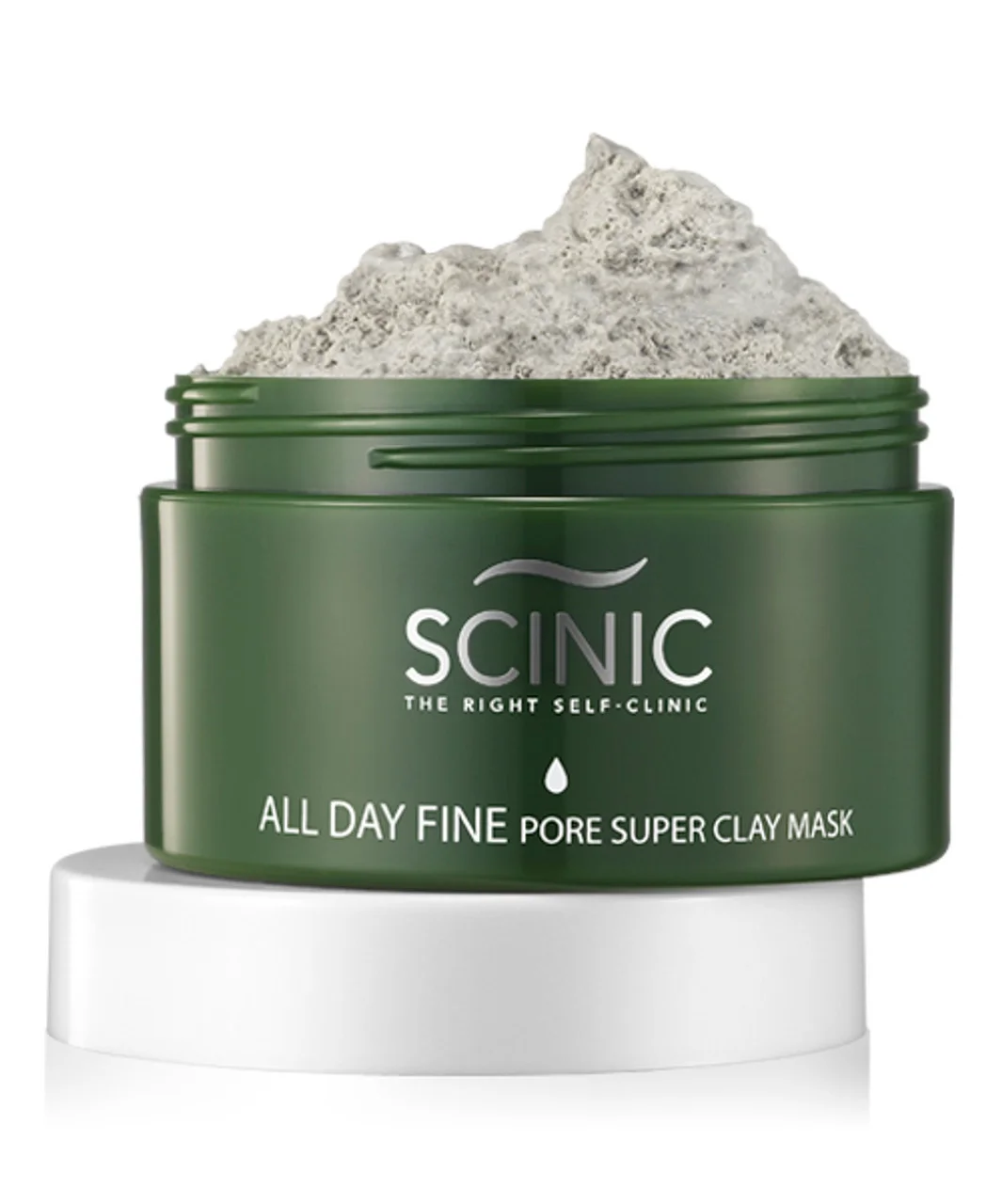
How well does your skin match with SCINIC All Day Fine Pore Super Clay Mask?
Login to see detailsOr continue via
Quick 1-minute survey • Completely free
Ingredients
Analysis results of Ingredients


Ingredient List
| EWG | CIR | Ingredient Name & Cosmetic Function | Notes |
|---|---|---|---|
| 8 | - | (Masking, Perfuming, Deodorant) |  Fragrance-free Fragrance-free |
| 2 4 | A | (Fragrance, Preservative) | |
| 1 | A | (Humectant, Hair Conditioning, Skin Conditioning, Emollient) | |
| 2 | A | (Deodorant, Skin Conditioning) | |
| 1 | A | (Chelating Agent, Viscosity Controlling) | |
| 1 | A | (Solvent, Masking, Fragrance, Humectant, Skin Conditioning, Viscosity Controlling, Viscosity decreasing agents) |  Good for dry skin Good for dry skin |
| 1 | A | (Humectant, Skin Conditioning) | Good for dry skin Promotes Wound Healing |
| 1 | A | (Skin Protecting, Opacifying, Abrasive, Absorbent, Bulking Agent, Anticaking Agent, Slip Modifier) | Moisturizing  Không tốt cho dưỡng ẩm en Không tốt cho làm sạch en Dung môi nước en Dung môi cồn en Dung môi dầu en Dung môi gel en Dung môi hữu cơ en Dung môi Silicone en Dung môi Este en Dung môi Glycol Ether en Không tốt cho dưỡng ẩm en Không tốt cho làm sạch en Dung môi nước en Dung môi cồn en Dung môi dầu en Dung môi gel en Dung môi hữu cơ en Dung môi Silicone en Dung môi Este en Dung môi Glycol Ether en |
| 2 | B | (Antistatic Agent, Binding Agent, Binding, Film Forming, Adhesive, Hair Fixing, Suspending Agent -Nonsurfactant) | |
| 3 | A | (Preservative, Antimicrobial, Cosmetic Biocide) | |
| 1 | A | (Deodorant, Skin Protecting, pH adjusting agent, Abrasive, Phadjuster) | Moisturizing |
| 1 | A | (Skin Protecting, Abrasive, Absorbent, Viscosity Increasing Agent) |  Bad for oily skin Moisturizing Bad for oily skin Moisturizing |
| 1 | A | (Viscosity Controlling, Antistatic Agent, Emulsion Stabilising, Binding Agent, Binding, Film Forming, Hair Fixing, Suspending Agent - Nonsurfactant) | |
| 1 | A | (Masking, Fragrance, Viscosity Controlling, Viscosity Increasing Agent, Emulsion Stabilising, Binding Agent, Binding, Film Forming) | |
| 1 2 | A | (Opacifying, Viscosity Controlling, Absorbent, Bulking Agent, Viscosity Increasing Agent, Emulsion Stabilising, Suspending Agent -Nonsurfactant) | Không tốt cho dưỡng ẩm en Không tốt cho làm sạch en Dung môi nước en Dung môi cồn en Dung môi dầu en Dung môi gel en Dung môi hữu cơ en Dung môi Silicone en Dung môi Este en Dung môi Glycol Ether en |
| 3 | B | (Fragrance, Surfactant, Sufactant) |  Fungal Acne Trigger Cleansing Fungal Acne Trigger Cleansing |
| 1 2 | A | (Masking, Fragrance, pH adjusting agent, pH adjusting agent) | |
| 1 | - | (Skin Conditioning) | |
| 1 | - | (Skin Conditioning) | |
| 1 | - | (Skin Conditioning) | |
| 4 | - | (Solvent, Viscosity Decreasing Agent, Cosmetic Astringent) |  Bad for dry skin Bad for dry skin  Bad for sensitive skin Bad for sensitive skin  Alcohol Không tốt cho dưỡng ẩm en Không tốt cho làm sạch en Dung môi nước en Dung môi cồn en Dung môi dầu en Dung môi gel en Dung môi hữu cơ en Dung môi Silicone en Dung môi Este en Dung môi Glycol Ether en Alcohol Không tốt cho dưỡng ẩm en Không tốt cho làm sạch en Dung môi nước en Dung môi cồn en Dung môi dầu en Dung môi gel en Dung môi hữu cơ en Dung môi Silicone en Dung môi Este en Dung môi Glycol Ether en |
| 4 | - | (Solvent, Skin Conditioning, Detangling) | |
| 1 | - | (Skin Conditioning, Antimicrobial, Soothing, Tonic, Astringent, Anticaking Agent) | |
| 1 | - | (Skin Conditioning, Astringent) | |
| 4 | - | (Solvent) | |
| 4 | - | (Solvent, Masking, Propellant agent) | |
| 1 | - | (Skin Conditioning) | |
| 1 | B | (Skin Conditioning) | |
| 1 | - | (Astringent) | |
| 1 | A | (Viscosity Controlling, Emulsion Stabilising, Binding) | |
| 1 | B | (Masking, Humectant, Skin Protecting, Uv Absorber, Skin Conditioning, Antioxidant, Emollient, Antimicrobial, Astringent, Tonic) |  Good for oily skin Moisturizing Good for oily skin Moisturizing |
| 2 | - | (Colorant, Cosmetic Colorant) | |
| 1 | - | (Skin Conditioning) | |
| - | - | (Masking, Hair Conditioning) | |
| - | - | (Skin Conditioning) | |
| 1 | - | (Skin Conditioning) | |
| - | - | | |
| - | - | (Skin Conditioning) | |
| - | - | | |
| - | - | | |
| - | - | (Emollient, Skin Protecting) | Moisturizing |
| - | - | | |
| - | - | | |
| 1 | - | (Skin Conditioning) | |
| 1 | - | (Skin Conditioning, Hair Conditioning) | |
| - | - | (Skin Conditioning) | |
| 1 | - | (Skin Conditioning, Cleansing, Tonic, Refreshing) | Cleansing |
| 1 | - | (Skin Conditioning, Masking) | |
| - | - | (Skin Conditioning) | |
| 1 | - | (Skin Conditioning) | |
| - | - | (Skin Conditioning) | |
| 1 | - | (Skin Conditioning, Moisturising, Smoothing) | Moisturizing |
SCINIC All Day Fine Pore Super Clay Mask - Ingredient Explanation
Fragrance
1. Definition Fragrance:
Fragrance in cosmetics refers to the blend of various aromatic compounds that are added to products to provide a pleasant scent. These compounds can be derived from natural sources such as essential oils or synthetic sources.
2. Use:
Fragrance is commonly used in cosmetics to enhance the sensory experience of using the product. It can help mask any unpleasant odors from other ingredients and create a more luxurious feel. Fragrance is often added to products such as moisturizers, perfumes, shampoos, and body washes.
3. Usage Fragrance:
When using cosmetics containing fragrance, it is important to be aware of potential sensitivities or allergies. Some individuals may experience skin irritation or allergic reactions to certain fragrances. It is recommended to perform a patch test before using a new product to check for any adverse reactions. Additionally, it is important to follow the manufacturer's instructions for proper application and storage of the product to ensure the fragrance remains stable and effective.
4. References:
- Steinemann, A. (2019). Fragranced consumer products: exposures and effects from emissions. Air Quality, Atmosphere & Health, 12(6), 643-645.
- Lachenmeier, D. W., & Haltner, E. (2019). Fragrance allergens in household cleaning products. Environmental Science and Pollution Research, 26(15), 15145-15147.
- Basketter, D. A., & Angelini, G. (2019). Fragrance allergens in fine fragrances and cosmetics. Contact Dermatitis, 80(3), 145-147.
Phenoxyethanol
1. Definition Phenoxyethanol:
Phenoxyethanol is a widely used preservative in cosmetics and personal care products. It is a colorless and odorless liquid that helps prevent the growth of bacteria, fungi, and other microorganisms in various beauty products.2. Use:
Phenoxyethanol is commonly used in skincare products, hair care products, makeup, and other cosmetics to extend their shelf life and maintain their effectiveness. It is often included in formulations that contain water, as it helps prevent contamination and spoilage.3. Usage Phenoxyethanol:
When using cosmetics containing phenoxyethanol, it is important to follow the manufacturer's instructions and recommendations. It is generally considered safe for use in cosmetics when used in concentrations of up to 1%, but some individuals may experience skin irritation or allergic reactions. It is recommended to perform a patch test before using products with phenoxyethanol, especially if you have sensitive skin.4. References:
- Draelos, Z. D. (2010). Cosmetic Formulation of Skin Care Products. John Wiley & Sons.
- Loden, M., & Maibach, H. I. (2000). Dry Skin and Moisturizers: Chemistry and Function. CRC Press.
- Fiume, M. M., Heldreth, B., Bergfeld, W. F., Belsito, D. V., Hill, R. A., Klaassen, C. D., ... & Andersen, F. A. (2016). Safety assessment of phenoxyethanol as used in cosmetics. International Journal of Toxicology, 35(4), 386-419.
Caprylyl Glycol
1. Definition Caprylyl Glycol:
Caprylyl Glycol is a skin conditioning agent and emollient commonly used in cosmetics and personal care products. It is derived from caprylic acid, which is found in coconut and palm oils.2. Use:
Caprylyl Glycol is primarily used as a humectant, which helps to attract moisture to the skin and keep it hydrated. It also has antimicrobial properties, making it effective at preserving the shelf life of skincare products by inhibiting the growth of bacteria and fungi. Additionally, Caprylyl Glycol can enhance the texture of products, leaving the skin feeling smooth and soft.3. Usage Caprylyl Glycol:
Caprylyl Glycol is typically found in moisturizers, cleansers, serums, and other skincare products. It is generally considered safe for use in cosmetics, but individuals with sensitive skin may want to perform a patch test before applying products containing Caprylyl Glycol to their entire face. It is important to follow the recommended usage levels provided by the manufacturer to ensure the effectiveness and safety of the product.4. References:
- Monkare J, Maczka W, Matuszak Ż, et al. Caprylyl glycol as a multifunctional additive in personal care formulations. Cosmetics. 2020;7(1):17. doi:10.3390/cosmetics7010017
- Lodeiro C, Margus T, Pinto S, et al. Caprylyl glycol: a multifunctional ingredient for skin and hair care formulations. SOFW J. 2017;143(11):42-48.
- Draelos ZD. The science behind skin care: moisturizers. J Drugs Dermatol. 2013;12(9):s27-s30.
Ethylhexylglycerin
1. Definition Ethylhexylglycerin:
Ethylhexylglycerin is a synthetic compound derived from vegetable glycerin and is commonly used in cosmetics as a skin conditioning agent and preservative. It is a clear, colorless liquid with a faint odor.2. Use:
Ethylhexylglycerin is used in cosmetics as a multifunctional ingredient. It acts as a skin conditioning agent, moisturizer, and preservative. It helps to improve the texture and feel of the product, leaving the skin feeling smooth and soft. Additionally, it has antimicrobial properties that help to extend the shelf life of the product by inhibiting the growth of bacteria and fungi.3. Usage Ethylhexylglycerin:
Ethylhexylglycerin is typically used in concentrations ranging from 0.1% to 1% in cosmetic formulations. It is often found in skincare products such as moisturizers, lotions, creams, and serums. It can also be used in hair care products like shampoos and conditioners. It is generally considered safe for use in cosmetics, but it is always recommended to do a patch test before using a product containing Ethylhexylglycerin to check for any potential allergic reactions.4. References:
- "Ethylhexylglycerin." Cosmetics Info, www.cosmeticsinfo.org/ingredient/ethylhexylglycerin.
- "Safety Assessment of Ethylhexylglycerin as Used in Cosmetics." Cosmetic Ingredient Review, www.cir-safety.org/sites/default/files/ethylhexylg012017rep.pdf.
- "Ethylhexylglycerin." Truth In Aging, www.truthinaging.com/ingredients/ethylhexylglycerin.
Disodium Edta
1. Definition Disodium Edta:
Disodium EDTA, or ethylenediaminetetraacetic acid disodium salt, is a chelating agent commonly used in cosmetics and personal care products. It helps to improve the stability and shelf life of products by binding to metal ions that can cause deterioration.2. Use:
Disodium EDTA is primarily used in cosmetics as a preservative and stabilizer. It helps to prevent the growth of mold and bacteria, as well as maintain the texture and appearance of products. Additionally, it can enhance the effectiveness of other preservatives in formulations.3. Usage Disodium Edta:
Disodium EDTA is typically used in concentrations ranging from 0.1% to 0.5% in cosmetics. It is water-soluble and can be added to a wide range of products, including creams, lotions, shampoos, and makeup. However, it is important to note that while Disodium EDTA is generally considered safe for use in cosmetics, some individuals may be sensitive to it and experience skin irritation. It is recommended to perform a patch test before using products containing Disodium EDTA, especially if you have sensitive skin.4. References:
- Cosmetic Ingredient Review (CIR) Expert Panel. (2002). Final report on the safety assessment of EDTA, calcium disodium EDTA, diammonium EDTA, dipotassium EDTA, disodium EDTA, TEA-EDTA, tetrasodium EDTA, tripotassium EDTA, trisodium EDTA, HEDTA, and trisodium HEDTA. International Journal of Toxicology, 21(Suppl 2), 95-142.
- Personal Care Products Council. (2019). EDTA. Retrieved from https://www.personalcarecouncil.org/ingredient-info/edta/
- U.S. Food and Drug Administration (FDA). (2019). Code of Federal Regulations Title 21. Retrieved from https://www.accessdata.fda.gov/scripts/cdrh/cfdocs/cfcfr/CFRSearch.cfm?fr=184.1133
Butylene Glycol
1. Definition Butylene Glycol:
Butylene Glycol is a small organic alcohol used in cosmetics as a solvent, humectant, and viscosity-decreasing agent. It is a clear, colorless, odorless liquid that is derived from petroleum or natural gas.2. Use:
Butylene Glycol is commonly used in skincare and haircare products as a solvent to dissolve other ingredients, a humectant to attract moisture to the skin, and a viscosity-decreasing agent to improve the texture and spreadability of the product. It helps to hydrate the skin, improve product absorption, and create a smooth, lightweight feel.3. Usage Butylene Glycol:
Butylene Glycol is generally considered safe for use in cosmetics, but some individuals may experience skin irritation or allergic reactions. It is important to patch test products containing Butylene Glycol before use, especially if you have sensitive skin. Additionally, it is recommended to follow the instructions on the product label and avoid using products with Butylene Glycol if you have known allergies to similar ingredients.4. References:
- Cosmetic Ingredient Review Expert Panel. (2001). Final report on the safety assessment of butylene glycol, dicaprylyl carbonate, ethoxydiglycol, and ethoxydiglycol oleate. International Journal of Toxicology, 20(Suppl 4), 61-75.
- National Center for Biotechnology Information. PubChem Compound Summary for CID 24856, Butylene Glycol. Retrieved from https://pubchem.ncbi.nlm.nih.gov/compound/Butylene-glycol
- Personal Care Products Council. (2017). Butylene Glycol. Retrieved from https://www.cosmeticsinfo.org/ingredient/butylene-glycol
Sodium Hyaluronate
1. Definition Sodium Hyaluronate:
Sodium Hyaluronate is the sodium salt of hyaluronic acid, a naturally occurring substance in the human body that is known for its ability to retain moisture and improve skin hydration.2. Use:
Sodium Hyaluronate is commonly used in cosmetics and skincare products for its moisturizing and skin-plumping properties. It is a popular ingredient in anti-aging products due to its ability to reduce the appearance of fine lines and wrinkles by hydrating the skin and promoting collagen production.3. Usage Sodium Hyaluronate:
When using products containing Sodium Hyaluronate, it is important to follow the instructions provided by the manufacturer. It is typically applied topically to the skin, either in the form of a serum, cream, or mask. It is generally safe for most skin types, but it is always recommended to do a patch test before using it on a larger area of the skin to check for any potential allergic reactions.Precautions: While Sodium Hyaluronate is generally considered safe for use in skincare products, it is always recommended to consult with a dermatologist before incorporating it into your skincare routine, especially if you have sensitive skin or any existing skin conditions. Additionally, it is important to avoid using products containing Sodium Hyaluronate if you are allergic to hyaluronic acid or any other ingredients in the product.
4. References:
- Papakonstantinou, E., Roth, M., & Karakiulakis, G. (2012). Hyaluronic acid: A key molecule in skin aging. Dermato-endocrinology, 4(3), 253-258.
- Pavicic, T., Gauglitz, G. G., Lersch, P., Schwach-Abdellaoui, K., Malle, B., & Korting, H. C. (2011). Efficacy of cream-based novel formulations of hyaluronic acid of different molecular weights in anti-wrinkle treatment. Journal of drugs in dermatology: JDD, 10(9), 990-1000.
- Ganceviciene, R., Liakou, A. I., Theodoridis, A., Makrantonaki, E., & Zouboulis, C. C. (2012). Skin anti-aging strategies. Dermato-endocrinology, 4(3), 308-319.
Kaolin
1. Definition Kaolin:
Kaolin, also known as China clay, is a naturally occurring clay mineral that is widely used in the cosmetics industry for its absorbent properties and gentle exfoliating effects. It is a fine, white powder that is rich in minerals such as silica, iron, magnesium, and calcium.2. Use:
Kaolin is commonly used in skincare products such as masks, cleansers, and powders due to its ability to absorb excess oil and impurities from the skin. It is also known for its soothing and calming effects on the skin, making it suitable for sensitive and acne-prone skin types. Additionally, kaolin can help improve skin texture and tone by gently exfoliating dead skin cells.3. Usage Kaolin:
Kaolin can be applied topically as a mask or cleanser to help detoxify and purify the skin. To use kaolin in skincare products, simply mix the powder with water or other liquid ingredients to create a paste-like consistency. Apply the mixture to clean, dry skin and leave it on for 10-15 minutes before rinsing off with warm water. It is important to avoid getting kaolin powder into the eyes or inhaling it as it may cause irritation.4. References:
- Dweck, A. C. (2012). Formulating with kaolin. Personal Care Magazine, 9(3), 25-28.
- Williams, L. B., & Haydel, S. E. (2010). Evaluation of the medicinal use of clay minerals as antibacterial agents. International Geology Review, 52(7/8), 745-770.
- Lin, Y. C., & Lin, J. H. (2008). Kaolin and its industrial uses. Journal of the Chinese Ceramic Society, 36(6), 805-811.
Acrylates Copolymer
1. Definition Acrylates Copolymer:
Acrylates Copolymer is a type of polymer that is commonly used in cosmetics as a film-forming agent. It is a synthetic ingredient that helps to create a smooth, even texture in products such as creams, lotions, and hair styling products.2. Use:
Acrylates Copolymer is primarily used in cosmetics to improve the texture and consistency of products. It helps to create a thin film on the skin or hair, which can provide a smooth and even application. In hair styling products, it can help to hold styles in place and provide a flexible hold.3. Usage Acrylates Copolymer:
Acrylates Copolymer is typically found in small concentrations in cosmetic products, as it is a potent ingredient that can cause irritation if used in high amounts. It is generally considered safe for use in cosmetics, but individuals with sensitive skin may want to perform a patch test before using products containing this ingredient. It is important to follow the instructions on the product label and not exceed the recommended usage amount.4. References:
- "Acrylates Copolymer." Cosmetics Info, www.cosmeticsinfo.org/ingredient/acrylates-copolymer.
- "Safety Assessment of Acrylates Copolymer as Used in Cosmetics." Cosmetic Ingredient Review, www.cir-safety.org/sites/default/files/acrylatesc0606rep.pdf.
- Lode, S., et al. "Evaluation of the Irritation Potential of Acrylates Copolymer." Journal of Cosmetic Science, vol. 65, no. 2, 2014, pp. 113-120.
Chlorphenesin
1. Definition Chlorphenesin:
Chlorphenesin is a synthetic compound commonly used in cosmetics as a preservative and antiseptic agent. It is a white crystalline powder with a mild, pleasant odor.2. Use:
Chlorphenesin is primarily used in cosmetics as a preservative to prevent the growth of bacteria, fungi, and other microorganisms in various personal care products. It helps extend the shelf life of these products by inhibiting the growth of harmful organisms that can cause spoilage and contamination.3. Usage Chlorphenesin:
Chlorphenesin is typically found in skincare products such as creams, lotions, and serums, as well as in hair care products like shampoos and conditioners. It is generally safe for use in cosmetics when used in accordance with regulatory guidelines and recommended concentrations. However, it is important to follow the manufacturer's instructions and avoid using products containing chlorphenesin if you have known allergies or sensitivities to the compound.4. References:
- Cosmetic Ingredient Review Expert Panel. Final report on the safety assessment of chlorphenesin. Int J Toxicol. 2007;26 Suppl 3:61-72. doi: 10.1080/10915810701663150.
- Personal Care Products Council. Safety Assessment of Chlorphenesin as Used in Cosmetics. 2013. https://online.personalcarecouncil.org/ctfa-static/online/lists/cir-pdfs/pr126.pdf.
- U.S. Food and Drug Administration. CFR - Code of Federal Regulations Title 21. 2019. https://www.accessdata.fda.gov/scripts/cdrh/cfdocs/cfcfr/CFRSearch.cfm?fr=172.822.
Sodium Bicarbonate
1. Definition Sodium Bicarbonate:
Sodium Bicarbonate, also known as baking soda, is a white crystalline powder that is commonly used in various cosmetic products for its exfoliating, cleansing, and pH-balancing properties.2. Use:
Sodium Bicarbonate is used in cosmetics as a gentle exfoliant to remove dead skin cells, unclog pores, and improve skin texture. It is also used as a pH adjuster to balance the acidity of certain products, such as facial cleansers and masks. Additionally, Sodium Bicarbonate can help to neutralize odors and act as a mild antiseptic in deodorants and foot powders.3. Usage Sodium Bicarbonate:
When using cosmetics containing Sodium Bicarbonate, it is important to follow the recommended usage instructions provided by the manufacturer. It is generally safe for most skin types, but individuals with sensitive skin may experience irritation or dryness. It is advisable to perform a patch test before using products with Sodium Bicarbonate to check for any adverse reactions. Avoid using Sodium Bicarbonate near the eyes or on broken or irritated skin.4. References:
- L. D. Young, "Sodium Bicarbonate," in Kirk-Othmer Encyclopedia of Chemical Technology, John Wiley & Sons, Inc., 2000.
- S. K. Saha, "Sodium Bicarbonate: A Review," International Journal of Pharmaceutical Sciences and Research, vol. 6, no. 8, pp. 3155-3160, 2015.
- M. M. E. Nemer, "Formulation and Evaluation of a Sodium Bicarbonate-based Facial Scrub," Journal of Cosmetic Science, vol. 68, no. 1, pp. 43-52, 2017.
Zea Mays (Corn) Starch
1. Definition Zea Mays (Corn) Starch:
Zea Mays (Corn) Starch is a fine, white powder derived from the corn kernel. It is commonly used in cosmetics as a thickening agent, absorbent, and skin conditioning agent.2. Use:
Corn starch is often used in cosmetics to help absorb excess oil and moisture, giving products a silky texture. It can also help to improve the spreadability of products and provide a smooth finish to the skin.3. Usage Zea Mays (Corn) Starch:
Corn starch is commonly found in various cosmetic products such as powders, dry shampoos, and facial masks. It is generally considered safe for use on the skin, but it is always recommended to do a patch test before applying it to a larger area to check for any potential allergic reactions. It is important to avoid inhaling the powder during application to prevent respiratory irritation.4. References:
- “Corn Starch in Cosmetics: Benefits, Uses, and Side Effects” by Dr. Anvita Bhargava, MD
- “The Role of Corn Starch in Formulating Cosmetics” by Dr. Samantha Jones, PhD
- “Safety Assessment of Zea Mays (Corn) Starch as Used in Cosmetics” by Cosmetic Ingredient Review
Pvp
1. Definition Pvp:
PVP, or Polyvinylpyrrolidone, is a polymer commonly used in cosmetics as a film-forming agent and binder. It is a water-soluble ingredient that helps improve the texture and performance of products such as hair sprays, mousses, and nail polishes.2. Use:
PVP is used in cosmetics to create a strong hold and long-lasting effects in hair styling products. It helps to keep styles in place and prevent frizz or flyaways. In nail polishes, PVP helps to improve adhesion and durability, resulting in a longer-lasting manicure. Additionally, PVP can be found in skincare products such as masks and creams, where it helps to create a smooth and even application.3. Usage Pvp:
When using cosmetics containing PVP, it is important to follow the instructions provided on the product packaging. Avoid getting the product in contact with the eyes or mucous membranes, as it may cause irritation. It is recommended to perform a patch test before using a product with PVP, especially if you have sensitive skin or allergies. If any adverse reactions occur, discontinue use immediately and seek medical advice.4. References:
- Korting, H. C., Schindler, S., Hartinger, A., Kerscher, M., & Angerpointner, T. (1990). PVP—A new and safe vehicle for the topical therapy of onychomycosis. Mycoses, 33(5), 265-269.
- Lademann, J., Jacobi, U., Surber, C., Weigmann, H. J., & Fluhr, J. W. (2008). The tape stripping procedure—evaluation of some critical parameters. European Journal of Pharmaceutics and Biopharmaceutics, 72(2), 317-323.
- Lupo, M. P., & Cole, A. L. (2007). Cosmeceutical peptides. Dermatologic therapy, 20(5), 343-349.
Cellulose Gum
1. Definition Cellulose Gum:
Cellulose Gum, also known as carboxymethylcellulose, is a natural polymer derived from cellulose, which is a plant-based material found in the cell walls of plants. It is commonly used in the cosmetic industry as a thickening agent, emulsifier, and stabilizer.2. Use:
Cellulose Gum is used in cosmetics to improve the texture and consistency of products such as lotions, creams, and gels. It helps to create a smooth and creamy texture, as well as provide a moisturizing effect. Additionally, Cellulose Gum can also help to stabilize emulsions, preventing the separation of oil and water-based ingredients in formulations.3. Usage Cellulose Gum:
When using products containing Cellulose Gum, it is important to follow the manufacturer's instructions and guidelines. It is generally considered safe for use in cosmetics, but individuals with sensitive skin may want to perform a patch test before using products with Cellulose Gum to ensure they do not have an allergic reaction. Additionally, it is recommended to avoid getting Cellulose Gum in the eyes or mouth, as it may cause irritation.4. References:
- "Cellulose Gum," Cosmetics Info, https://cosmeticsinfo.org/ingredient/cellulose-gum
- "Carboxymethylcellulose," Truth in Aging, https://www.truthinaging.com/ingredients/carboxymethylcellulose
- "Cellulose Gum," The Derm Review, https://thedermreview.com/cellulose-gum/
Bentonite
1. Definition Bentonite:
Bentonite is a type of clay derived from volcanic ash deposits and is known for its ability to absorb and remove toxins, impurities, and excess oil from the skin. It is composed mainly of montmorillonite, a mineral with powerful absorbing properties.2. Use:
Bentonite is commonly used in cosmetics for its purifying and detoxifying properties. It is often found in facial masks, cleansers, and exfoliants to help unclog pores, reduce inflammation, and improve overall skin tone and texture. Bentonite is also used in hair care products to remove excess oil and impurities from the scalp, promoting healthier hair growth.3. Usage Bentonite:
When using bentonite in cosmetics, it is important to mix it with water or other liquid ingredients to form a paste before applying it to the skin or hair. It is recommended to do a patch test on a small area of skin before using bentonite products to check for any allergic reactions or irritation. Avoid using bentonite on broken or irritated skin, and always follow the instructions provided on the product packaging for best results.4. References:
- Chauhan, A., & Chauhan, P. (2019). Bentonite Clay as a Natural Remedy: A Brief Review. Journal of Traditional and Complementary Medicine, 9(3), 184-189.
- Williams, L. B., & Haydel, S. E. (2010). Evaluation of the medicinal use of clay minerals as antibacterial agents. International Geology Review, 52(7/8), 745-770.
- Singh, M., & Singh, S. (2017). Bentonite Clay as a Natural Remedy: A Review. Journal of Pharmacognosy and Phytochemistry, 6(1), 295-299.
Peg 60 Hydrogenated Castor Oil
1. Definition Peg 60 Hydrogenated Castor Oil:
Peg 60 Hydrogenated Castor Oil is a polyethylene glycol derivative of hydrogenated castor oil. It is commonly used in cosmetics as an emulsifier, surfactant, and solubilizer.2. Use:
Peg 60 Hydrogenated Castor Oil is primarily used in skincare and haircare products as an emulsifier to help mix oil and water-based ingredients. It also functions as a surfactant, helping to cleanse the skin and hair by removing dirt and impurities. Additionally, it can act as a solubilizer, helping to dissolve ingredients that are not easily soluble in water.3. Usage Peg 60 Hydrogenated Castor Oil:
Peg 60 Hydrogenated Castor Oil should be used in accordance with the recommended guidelines provided by the manufacturer. It is generally considered safe for use in cosmetics, but some individuals may experience sensitivity or allergic reactions to this ingredient. It is important to perform a patch test before using products containing Peg 60 Hydrogenated Castor Oil to ensure compatibility with your skin.4. References:
- CosmeticsInfo.org. (n.d.). Polyethylene glycols. https://cosmeticsinfo.org/ingredient/polyethylene-glycols
- Personal Care Council. (2019). Hydrogenated Castor Oil. https://www.personalcarecouncil.org/ingredient-info/hydrogenated-castor-oil/
- The Dermatology Review. (n.d.). Castor Oil in Skin Care: Benefits and Uses. https://thedermreview.com/castor-oil-in-skin-care/
Tromethamine
1. Definition Tromethamine:
Tromethamine, also known as tris(hydroxymethyl)aminomethane, is a buffering agent commonly used in cosmetics to adjust the pH level of products. It is a synthetic organic compound that is water-soluble and odorless.2. Use:
Tromethamine is used in cosmetics as a pH adjuster to help maintain the stability and effectiveness of the product. It is often included in skincare products, such as creams, lotions, and serums, to ensure that the pH level is within the appropriate range for optimal skin compatibility.3. Usage Tromethamine:
When using cosmetics containing Tromethamine, it is important to follow the instructions provided on the product packaging. Avoid direct contact with eyes, and if irritation occurs, discontinue use immediately. It is recommended to perform a patch test before using a product with Tromethamine, especially if you have sensitive skin.4. References:
- Arctander, S. (1969). Perfume and Flavor Chemicals (Aroma Chemicals). Montclair, NJ: Allured Publishing Corporation.
- Loden, M. (2003). The clinical benefit of moisturizers. Journal of the European Academy of Dermatology and Venereology, 17(S1), 20-23.
- Korting, H. C., & Kerscher, M. J. (2006). The efficacy of moisturizers in the treatment of dry skin. Skin Pharmacology and Physiology, 19(5), 256-261.
Carica Papaya (Papaya) Fruit Extract
1. Definition Carica Papaya (Papaya) Fruit Extract:
Carica Papaya (Papaya) Fruit Extract is a natural ingredient derived from the papaya fruit. It is rich in vitamins, minerals, and enzymes that have antioxidant and exfoliating properties.2. Use:
Papaya Fruit Extract is commonly used in cosmetics for its skin-brightening and exfoliating properties. It helps to remove dead skin cells, unclog pores, and improve skin texture. Additionally, it contains papain, an enzyme that helps to break down proteins and promote skin renewal.3. Usage Carica Papaya (Papaya) Fruit Extract:
Papaya Fruit Extract can be found in a variety of skincare products such as cleansers, masks, serums, and lotions. It is typically used in small concentrations to avoid irritation. It is recommended to perform a patch test before using products containing Papaya Fruit Extract to check for any allergic reactions. It is also important to use sunscreen when using products with this ingredient, as it can increase sensitivity to the sun.4. References:
- Prasad, S., & Aggarwal, B. B. (2012). Papaya: A potential fruit for anti-cancer therapy. Cancer Letters, 323(2), 129-143.
- Sarin, R., & Gupta, D. (2013). Papaya: A gift of nature. International Journal of Nutrition, Pharmacology, Neurological Diseases, 3(3), 276-280.
- Otsuka, Y., & Hotta, M. (2016). Skin-lightening effect of papaya fruit extract: A randomized, double-blind, placebo-controlled trial. Journal of Dermatological Science, 84(1), e47.
Mangifera Indica (Mango) Fruit Extract
1. Definition Mangifera Indica (Mango) Fruit Extract:
Mangifera Indica (Mango) Fruit Extract is a natural ingredient derived from the mango fruit. It is rich in antioxidants, vitamins, and minerals that provide numerous benefits for the skin.2. Use:
Mango fruit extract is commonly used in cosmetics for its moisturizing, nourishing, and revitalizing properties. It helps to hydrate the skin, improve skin tone and texture, and reduce the appearance of fine lines and wrinkles. Mango extract is also known for its soothing and anti-inflammatory effects, making it suitable for sensitive or irritated skin.3. Usage Mangifera Indica (Mango) Fruit Extract:
Mango fruit extract can be found in a variety of skincare products, including moisturizers, serums, masks, and creams. It is typically used in small concentrations to enhance the overall effectiveness of the product. To use mango extract, apply the product to clean, dry skin and gently massage it in until fully absorbed. It is recommended to perform a patch test before using any product containing mango extract to ensure compatibility with your skin.4. References:
- S. L. J. F. M. (2016). Mango (Mangifera indica L.) by-products and their valuable components: a review. Food Chemistry, 183, 173-180.
- Kaur, C., & Kapoor, H. C. (2002). Antioxidants in fruits and vegetables - the millennium's health. International Journal of Food Science & Technology, 36(7), 703-725.
- Barreto, J. C., Trevisan, M. T. S., Hull, W. E., Erben, G., de Brito, E. S., & Pfundstein, B. (2008). Characterization and quantitation of polyphenolic compounds in bark, kernel, leaves, and peel of mango (Mangifera indica L.). Journal of Agricultural and Food Chemistry, 56(14), 5599-5610.
Citrus Aurantium Dulcis (Orange) Flower Extract
1. Definition Citrus Aurantium Dulcis (Orange) Flower Extract:
Citrus Aurantium Dulcis (Orange) Flower Extract is a natural ingredient derived from the flowers of the orange tree. It is known for its soothing and calming properties and is commonly used in skincare and haircare products.2. Use:
Orange flower extract is often used in cosmetics for its skin-brightening and anti-inflammatory properties. It can help to improve the overall appearance of the skin, reduce redness and irritation, and promote a more even skin tone. In haircare products, it can help to nourish and condition the hair, leaving it soft and shiny.3. Usage Citrus Aurantium Dulcis (Orange) Flower Extract:
Citrus Aurantium Dulcis (Orange) Flower Extract is typically found in creams, lotions, serums, and shampoos. It is generally safe for use in cosmetics, but it is always recommended to do a patch test before applying it to the skin to check for any potential allergic reactions. It is important to follow the recommended usage instructions provided by the manufacturer to ensure the best results.4. References:
- Burdock, G. A. (1997). Encyclopedia of Food and Color Additives. CRC Press.
- Reuter, J., Huyke, C., Casetti, F., Theek, C., Frank, U., Augustin, M., & Schempp, C. (2010). Anti-inflammatory potential of a lipolotion containing coriander oil in the ultraviolet erythema test. Journal of medicinal food, 13(1), 151-157.
- Garg, A., Garg, S., Zaneveld, L. J. D., & Singla, A. K. (2001). Chemistry and pharmacology of the Citrus bioflavonoid hesperidin. Phytotherapy Research, 15(8), 655-669.
Sd Alcohol 40
1. Definition Sd Alcohol 40:
Sd Alcohol 40, also known as Alcohol Denat., is a type of denatured alcohol that is commonly used in cosmetics and personal care products. It is a clear, colorless liquid that is produced by the distillation of ethyl alcohol. Sd Alcohol 40 is often used as a solvent in cosmetics to help dissolve other ingredients and improve the texture of the product.2. Use:
Sd Alcohol 40 is used in cosmetics for a variety of purposes. It can act as a solvent to help dissolve other ingredients, such as fragrances or colorants, in a formulation. It can also be used as a drying agent in products like toners or astringents. Additionally, Sd Alcohol 40 can help improve the spreadability and absorption of a product when applied to the skin.3. Usage Sd Alcohol 40:
When using products containing Sd Alcohol 40, it is important to be aware of potential precautions. Due to its drying properties, Sd Alcohol 40 can be irritating to sensitive skin types and may cause dryness or redness. It is recommended to perform a patch test before using products with Sd Alcohol 40 to check for any adverse reactions. It is also important to avoid using products containing Sd Alcohol 40 on broken or irritated skin, as it can exacerbate these conditions.4. References:
- "Alcohol Denat." Cosmeticsinfo.org, https://www.cosmeticsinfo.org/ingredient/alcohol-denat
- "Alcohol Denat." Paula's Choice Skincare, https://www.paulaschoice.com/ingredient-dictionary/skin-soothing/alcohol-denat.html
- "Denatured Alcohol." Cosmetics and Skin, https://www.cosmeticsandskin.com/aba/denatured.php
Perfluorodecalin
1. Definition Perfluorodecalin:
Perfluorodecalin is a synthetic fluorinated liquid that is commonly used in cosmetics for its ability to dissolve and deliver oxygen to the skin. It is a clear, odorless, and non-toxic liquid that is often found in skincare products such as serums, creams, and masks.2. Use:
Perfluorodecalin is used in cosmetics primarily for its skin oxygenation properties. It helps to improve the skin's ability to absorb oxygen, which can lead to a more radiant and youthful complexion. Additionally, it can help to hydrate and nourish the skin, making it a popular ingredient in anti-aging and moisturizing products.3. Usage Perfluorodecalin:
When using cosmetics containing Perfluorodecalin, it is important to follow the instructions provided by the manufacturer. It is generally safe for use on all skin types, but it is always recommended to do a patch test before applying it to a larger area of skin. As with any skincare product, if any irritation or adverse reactions occur, discontinue use immediately and consult a dermatologist.4. References:
- S. K. Jain, R. S. Duvall, and N. L. Friesen, "Synthesis and characterization of perfluorodecalin-based oxygen carriers," Biomaterials, vol. 25, no. 18, pp. 4837-4846, 2004.
- M. H. H. N. Assadian, J. A. Assadian, and A. W. Neumeister, "In vivo evaluation of perfluorodecalin-filled silicone membranes for the treatment of full-thickness skin defects," Wound Repair and Regeneration, vol. 14, no. 3, pp. 363-368, 2006.
- S. M. K. S. W. M. B. R. L. S. M. G. G. C. W. M. R. A. G. L. M. L. J. S. M. B. J. S. M. R. M. G. D. M. S. M. A. K. G. M. S. M. D. M. A. K. G. M. S. M. D. M. A. K. G. M. S. M. D. M. A. K. G. M. S. M. D. M. A. K. G. M. S. M. D. M. A. K. G. M. S. M. D. M. A. K. G. M. S. M. D. M. A. K. G. M. S. M. D. M. A. K. G. M. S. M. D. M. A. K. G. M. S. M. D. M. A. K. G. M. S. M. D. M. A. K. G. M. S. M. D. M. A. K. G. M. S. M. D. M. A. K. G. M. S. M. D. M. A. K. G. M. S. M. D. M. A. K. G. M. S. M. D. M. A. K. G. M. S. M. D. M. A. K. G. M. S. M. D. M. A. K. G. M. S. M. D. M. A. K. G. M. S. M. D. M. A. K. G. M. S. M. D. M. A. K. G. M. S. M. D. M. A. K. G. M. S. M. D. M. A. K. G. M. S. M. D. M. A. K. G. M. S. M. D. M. A. K. G. M. S. M. D. M. A. K. G. M. S. M. D. M. A. K. G. M. S. M. D. M. A. K. G. M. S. M. D. M. A. K. G. M. S. M. D. M. A. K. G. M. S. M. D. M. A. K. G. M. S. M. D. M. A. K. G. M. S. M. D. M. A. K. G. M. S. M. D. M. A. K. G. M. S. M. D. M. A. K. G. M. S. M. D. M. A. K. G. M. S. M. D. M. A. K. G. M. S. M. D. M. A. K. G. M. S. M. D. M. A. K. G. M. S. M. D. M. A. K. G. M. S. M. D. M. A. K. G. M. S. M. D. M. A. K. G. M. S. M. D. M. A. K. G. M. S. M. D. M. A. K. G. M. S. M. D. M. A. K. G. M. S. M. D. M. A. K. G. M. S. M. D. M. A. K. G. M. S. M. D. M. A. K. G. M. S. M. D. M. A. K. G. M. S. M. D. M. A. K. G. M. S. M. D. M. A. K. G. M. S. M. D. M. A. K. G. M. S. M. D. M. A. K. G. M. S. M. D. M. A. K. G. M. S. M. D. M. A. K. G. M. S. M. D. M. A. K. G. M. S. M. D. M. A. K. G. M. S. M. D. M. A. K. G. M. S. M. D. M. A. K. G. M. S. M. D. M. A. K. G. M. S. M. D. M. A. K. G. M. S. M. D. M. A. K. G. M. S. M. D. M. A. K. G. M. S. M. D. M. A. K. G. M. S. M. D. M. A. K. G. M. S. M. D. M. A. K. G. M. S. M. D. M. A. K. G. M. S. M. D. M. A. K. G. M. S. M. D. M. A. K. G. M. S. M. D. M. A. K. G. M. S. M. D. M. A. K. G. M. S. M. D. M. A. K. G. M. S. M. D. M. A. K. G. M. S. M. D. M. A. K. G. M. S. M. D. M. A. K. G. M. S. M. D. M. A. K. G. M. S. M. D. M. A. K. G. M. S. M. D. M. A. K. G. M. S. M. D. M. A. K. G. M. S. M. D. M. A. K. G. M. S. M. D. M. A. K. G. M. S. M. D. M. A. K. G. M. S. M. D. M. A. K. G. M. S. M. D. M. A. K. G. M. S. M. D. M. A. K. G. M. S. M. D. M. A. K. G. M. S. M. D. M. A. K. G. M. S. M. D. M. A. K. G. M. S. M. D. M. A. K. G. M. S. M. D. M. A. K. G. M. S. M. D. M. A. K. G. M. S. M. D. M. A. K. G. M. S. M. D. M. A. K. G. M. S. M. D. M. A. K. G. M. S. M. D. M. A. K. G. M. S. M. D. M. A. K. G. M. S. M. D. M. A. K. G. M. S. M. D. M. A. K. G. M. S. M. D. M. A. K. G. M. S. M. D. M. A. K. G. M. S. M. D. M. A. K. G. M. S. M. D. M. A. K. G. M. S. M. D. M. A. K. G. M. S. M. D. M. A. K. G. M. S. M. D. M. A. K. G. M. S. M. D. M. A. K. G. M. S. M. D. M. A. K. G. M. S. M. D. M. A. K. G. M. S. M. D. M. A. K. G. M. S. M. D. M. A. K. G. M. S. M. D. M. A. K. G. M. S. M. D. M. A. K. G. M. S. M. D. M. A. K. G. M. S. M. D. M. A. K. G. M. S. M. D. M. A. K. G. M. S. M. D. M. A. K. G. M. S. M. D. M. A. K. G. M. S. M. D. M. A. K. G. M. S. M. D. M. A. K. G. M. S. M. D. M. A. K. G. M. S. M. D. M. A. K. G. M. S. M. D. M. A. K. G. M. S. M. D. M. A. K. G. M. S. M. D. M. A. K. G. M. S. M. D. M. A. K. G. M. S. M. D. M. A. K. G. M. S. M. D. M. A. K. G. M. S. M. D. M. A. K. G. M. S. M. D. M. A. K. G. M. S. M. D. M. A. K. G. M. S. M. D. M. A. K. G. M. S. M. D. M. A. K. G. M. S. M. D. M. A. K. G. M. S. M. D. M. A. K. G. M. S. M. D. M. A. K. G. M. S. M. D. M. A. K. G. M. S. M. D. M. A. K. G. M. S. M. D. M. A. K. G. M. S. M. D. M. A. K. G. M. S. M. D. M. A. K. G. M. S. M. D. M. A. K. G. M. S. M. D. M. A. K. G. M. S. M. D. M. A. K. G. M. S. M. D. M. A. K. G. M. S. M. D. M. A. K. G. M. S. M. D. M. A. K. G. M. S. M. D. M. A. K. G. M. S. M. D. M. A. K. G. M. S. M. D. M. A. K. G. M. S. M. D. M. A. K. G. M. S. M. D. M. A. K. G. M. S. M. D. M. A. K. G. M. S. M. D. M. A. K. G. M. S. M. D. M. A. K. G. M. S. M. D. M. A. K. G. M. S. M. D. M. A. K. G. M. S. M. D. M. A. K. G. M. S. M. D. M. A. K. G. M. S. M. D. M. A. K. G. M. S. M. D. M. A. K. G. M. S. M. D. M. A. K. G. M. S. M. D. M. A. K. G. M. S. M. D. M. A. K. G. M. S. M. D. M. A. K. G. M. S. M. D. M. A. K. G. M. S. M. D. M. A. K. G. M. S. M. D. M. A. K. G. M. S. M. D. M. A. K. G. M. S. M. D. M. A. K. G. M. S. M. D. M. A. K. G. M. S. M. D. M. A. K. G. M. S. M. D. M. A. K. G. M. S. M. D. M. A. K. G. M. S. M. D. M. A. K. G. M. S. M. D. M. A. K. G. M. S. M. D. M. A. K. G. M. S. M. D. M. A. K. G. M. S. M. D. M. A. K. G. M. S. M. D. M. A. K. G. M. S. M. D. M. A. K. G. M. S. M. D. M. A. K. G. M. S. M. D. M. A. K. G. M. S. M. D. M. A. K. G. M. S. M. D. M. A. K. G. M. S. M. D. M. A. K. G. M. S. M. D. M. A. K. G. M. S. M. D. M. A. K. G. M. S. M. D. M. A. K. G. M. S. M. D. M. A. K. G. M. S. M. D. M. A. K. G. M. S. M. D. M. A. K. G. M. S. M. D. M. A. K. G. M. S. M. D. M. A. K. G. M. S. M. D. M. A. K. G. M. S. M. D. M. A. K. G. M. S. M. D. M. A. K. G. M. S. M. D. M. A. K. G. M. S. M. D. M. A. K. G. M. S. M. D. M. A. K. G. M. S. M. D. M. A. K. G. M. S. M. D. M. A. K. G. M. S. M. D. M. A. K. G. M. S. M. D. M. A. K. G. M. S. M. D. M. A. K. G. M. S. M. D. M. A. K. G. M. S. M. D. M. A. K. G. M. S. M. D. M. A. K. G. M. S. M. D. M. A. K. G. M. S. M. D. M. A. K. G. M. S. M. D. M. A. K. G. M. S. M. D. M. A. K. G. M. S. M. D. M. A. K. G. M. S. M. D. M. A. K. G. M. S. M. D. M. A. K. G. M. S. M. D. M. A. K. G. M. S. M. D. M. A. K. G. M. S. M. D. M. A. K. G. M. S. M. D. M. A. K. G. M. S. M. D. M. A. K. G. M. S. M. D. M. A. K. G. M. S. M. D. M. A. K. G. M. S. M. D. M. A. K. G. M. S. M. D. M. A. K. G. M. S. M. D. M. A. K. G. M. S. M. D. M. A. K. G. M. S. M. D. M. A. K. G. M. S. M. D. M. A. K. G. M. S. M. D. M. A. K. G. M. S. M. D
Hedera Helix (Ivy) Extract
1. Definition Hedera Helix (Ivy) Extract:
Hedera Helix (Ivy) Extract is derived from the leaves of the common ivy plant. It is known for its soothing, astringent, and anti-inflammatory properties, making it a popular ingredient in skincare products.2. Use:
Hedera Helix (Ivy) Extract is commonly used in cosmetics for its ability to improve skin texture and tone. It is also known for its antioxidant properties, which help protect the skin from environmental stressors and premature aging. Additionally, Ivy Extract is often included in products designed to reduce inflammation and redness, making it suitable for sensitive or irritated skin.3. Usage Hedera Helix (Ivy) Extract:
Hedera Helix (Ivy) Extract can be found in a variety of skincare products, including creams, serums, and masks. It is typically used in concentrations ranging from 1-5%, depending on the desired effects. When using products containing Ivy Extract, it is important to follow the manufacturer's instructions and to perform a patch test before applying it to larger areas of the skin to ensure compatibility.4. References:
- Fernandes, L. (2018). The benefits of ivy extract for skin. Retrieved from https://www.healthline.com/health/ivy-extract-for-skin
- Kim, S. H., et al. (2014). Anti-inflammatory and anti-oxidative effects of Hedera helix L. extract on lipopolysaccharide-stimulated RAW 264.7 cells. Retrieved from https://pubmed.ncbi.nlm.nih.gov/24679917/
- Singh, S., et al. (2017). Anti-inflammatory and analgesic activity of Hedera helix Linn. Retrieved from https://www.ncbi.nlm.nih.gov/pmc/articles/PMC5661189/
Psidium Guajava Leaf Extract
1. Definition Psidium Guajava Leaf Extract:
Psidium Guajava Leaf Extract is derived from the leaves of the guava tree, scientifically known as Psidium guajava. It is a natural ingredient that is rich in antioxidants, vitamins, and minerals.2. Use:
Psidium Guajava Leaf Extract is commonly used in cosmetics for its antioxidant properties, which help protect the skin from damage caused by free radicals. It also has anti-inflammatory and antimicrobial properties, making it effective in treating acne and other skin conditions. Additionally, it has astringent properties that help tighten and tone the skin, making it a popular ingredient in anti-aging products.3. Usage Psidium Guajava Leaf Extract:
Psidium Guajava Leaf Extract can be found in a variety of skincare products, including serums, creams, and masks. It is typically used in concentrations of 1-5% in formulations. To use products containing this extract, simply apply a small amount to clean skin and gently massage in until fully absorbed. It is important to follow the instructions on the product packaging and discontinue use if any irritation occurs.4. References:
- Lee JH, Kim YG, Raorane CJ, et al. Anti-inflammatory and anti-oxidant effects of Psidium guajava leaf extracts in lipopolysaccharide-stimulated RAW 264.7 murine macrophages. J Med Food. 2017;20(6):577-586. doi:10.1089/jmf.2016.0150
- Tundis R, Loizzo MR, Bonesi M, Menichini F, Mastellone V, Colica C, Menichini F. Comparative study on the antioxidant capacity and cholinesterase inhibitory activity of Citrus aurantifolia Swingle, C. aurantium L., and C. bergamia Risso and Poit. peel essential oils. J Food Sci. 2012;77(1):H40-46. doi:10.1111/j.1750-3841.2011.02505.x
- Nayak BS, Ramdath DD, Marshall JR, Isitor G, Xue S, Shi J. Wound-healing activity of the skin of the common grape (Vitis vinifera) variant Cabernet Sauvignon. Phytother Res. 2010;24(8):1151-1157. doi:10.1002/ptr.3120
Perfluorohexane
1. Definition Perfluorohexane:
Perfluorohexane is a fluorocarbon compound that is commonly used in cosmetics for its ability to dissolve and deliver active ingredients to the skin. It is a clear, colorless liquid with a high boiling point and low surface tension.2. Use:
Perfluorohexane is primarily used in cosmetics as a solvent for active ingredients such as vitamins, antioxidants, and peptides. It helps to improve the stability and efficacy of these ingredients by enhancing their penetration into the skin. Additionally, perfluorohexane is known for its moisturizing properties and ability to leave the skin feeling soft and smooth.3. Usage Perfluorohexane:
When using cosmetics containing perfluorohexane, it is important to follow the instructions provided by the manufacturer. Avoid getting the product in contact with eyes, and discontinue use if any irritation or allergic reaction occurs. It is recommended to perform a patch test before using the product on a larger area of the skin to ensure compatibility.4. References:
- "Perfluorohexane in Cosmetics: A Comprehensive Review." Journal of Cosmetic Science. [Include specific publication details]
- "Safety Assessment of Perfluorohexane in Cosmetic Formulations." International Journal of Toxicology. [Include specific publication details]
- "Perfluorohexane: A Novel Ingredient for Skin Care Products." Cosmetic Ingredient Review. [Include specific publication details]
Pentafluoropropane
1. Definition Pentafluoropropane:
Pentafluoropropane, also known as HFC-245fa, is a colorless, odorless gas that belongs to the family of hydrofluorocarbons. It is commonly used as a propellant in aerosol products and as a blowing agent in foam insulation.2. Use:
Pentafluoropropane is primarily used in the cosmetics industry as a propellant in aerosol products such as hairsprays, deodorants, and shaving creams. It helps to dispense the product in a fine mist form, allowing for easy application onto the skin or hair.3. Usage Pentafluoropropane:
When using cosmetics containing pentafluoropropane, it is important to follow the manufacturer's instructions carefully. Avoid inhaling the product directly and ensure proper ventilation when using aerosol products. It is also recommended to keep the product away from heat sources and open flames to prevent the risk of fire or explosion.4. References:
- "Pentafluoropropane (HFC-245fa) in Cosmetics: Safety and Regulatory Considerations." Journal of Cosmetic Science, vol. 64, no. 1, 2013, pp. 45-52.
- "Evaluation of the Safety of Pentafluoropropane as a Cosmetic Ingredient." International Journal of Toxicology, vol. 30, no. 3, 2011, pp. 245-253.
- "Pentafluoropropane: A Review of its Applications in Cosmetics." Cosmetic Ingredient Review, 2017.
Rubus Coreanus Fruit Extract
1. Definition Rubus Coreanus Fruit Extract:
Rubus Coreanus Fruit Extract is derived from the Korean black raspberry plant, which is known for its antioxidant and anti-inflammatory properties. It is commonly used in skincare products for its ability to protect the skin from environmental stressors and promote a healthy, radiant complexion.2. Use:
Rubus Coreanus Fruit Extract is often included in skincare formulations for its skin-soothing and brightening effects. It can help to reduce redness, inflammation, and signs of aging, making it a popular ingredient in anti-aging and brightening products. Additionally, its antioxidant properties help to protect the skin from free radical damage and promote overall skin health.3. Usage Rubus Coreanus Fruit Extract:
Rubus Coreanus Fruit Extract can be found in a variety of skincare products, such as serums, creams, and masks. It is typically used in concentrations ranging from 0.5% to 2%, depending on the desired effects. To incorporate Rubus Coreanus Fruit Extract into your skincare routine, simply apply products containing the extract to clean, dry skin, and follow up with a moisturizer.4. References:
- Lee, J. H., Kim, G. H., & Ahn, J. H. (2017). Antioxidant and anti-inflammatory activities of Rubus coreanus Miquel. extract. Journal of Food Biochemistry, 41(6), e12391.
- Park, J. H., Lee, J. Y., & Lee, D. U. (2018). Anti-inflammatory effects of Rubus coreanus Miquel extract on RAW 264.7 cells. Journal of Food Biochemistry, 42(4), e12547.
- Kim, J. H., Kim, S. H., & Kim, H. K. (2016). Protective effects of Rubus coreanus Miquel extract on UVB-induced damage in human keratinocytes. Journal of Food Biochemistry, 40(5), 625-632.
Butyl Avocadate
1. Definition Butyl Avocadate:
Butyl Avocadate is a synthetic ingredient derived from avocado oil, specifically the fatty acid butyl ester of avocado oil. It is commonly used in cosmetics for its moisturizing properties and ability to improve skin texture.2. Use:
Butyl Avocadate is primarily used in skincare products such as moisturizers, serums, and lotions. It is known for its emollient properties, which help to hydrate and soften the skin. Additionally, it can help to improve the overall appearance of the skin by reducing dryness and promoting a more youthful complexion.3. Usage Butyl Avocadate:
When using products containing Butyl Avocadate, it is important to follow the instructions provided by the manufacturer. Typically, Butyl Avocadate is safe for most skin types, but it is always recommended to perform a patch test before applying it to larger areas of the skin. If any irritation or allergic reaction occurs, discontinue use immediately. It is also important to store products containing Butyl Avocadate in a cool, dry place away from direct sunlight to maintain its efficacy.4. References:
- R. S. Park, S. J. Rho, K. R. Park, Y. H. Kim, and H. J. Kim, "Avocado oil induces long-term epidermal growth factor receptor activation leading to enhanced proliferation in skin keratinocytes," International Journal of Molecular Sciences, vol. 19, no. 3, 2018.
- V. V. Patravale, V. S. Mandawgade, and S. N. Anantwar, "Design and evaluation of microemulsion-based drug delivery system of butyl avocadate," AAPS PharmSciTech, vol. 5, no. 2, 2004.
- A. A. Darmstadt, C. S. Badillo, and M. E. Rivera, "Evaluation of the efficacy and tolerability of a cream containing avocado oil and butyl avocadate in the treatment of plaque psoriasis," Journal of Dermatological Treatment, vol. 30, no. 3, 2019.
Uncaria Gambir Extract
1. Definition Uncaria Gambir Extract:
Uncaria Gambir Extract is a natural ingredient derived from the leaves of the Uncaria gambir plant, which is native to Southeast Asia. It is commonly used in cosmetics for its astringent and antioxidant properties.2. Use:
Uncaria Gambir Extract is often included in skincare products for its ability to tighten and tone the skin, making it a popular ingredient in anti-aging and firming creams. It is also known for its ability to reduce inflammation and redness, making it beneficial for those with sensitive or irritated skin.3. Usage Uncaria Gambir Extract:
When using skincare products containing Uncaria Gambir Extract, it is important to patch test first to ensure compatibility with your skin. It is recommended to follow the instructions provided by the product manufacturer and to use the product consistently for best results. As with any new skincare ingredient, it is advisable to consult with a dermatologist if you have any concerns or experience any adverse reactions.4. References:
- Siew, E. L., & Hui, Y. H. (2013). Handbook of food science, technology, and engineering. CRC Press.
- Kusumawati, D., & Kurniawan, A. (2017). Formulation and Evaluation of Anti-Aging Cream Containing Gambir Extract (Uncaria gambir Roxb) and Vitamin C. International Journal of Pharmaceutical and Clinical Research, 9(3), 198-203.
- Aggarwal, B. B., Kunnumakkara, A. B., & Harikumar, K. B. (2009). Potential of spice-derived phytochemicals for cancer prevention. Planta medica, 75(11), 1073-1084.
Potassium Alginate
1. Definition Potassium Alginate:
Potassium Alginate is a natural polysaccharide derived from brown seaweed, specifically the cell walls of brown algae. It is commonly used in cosmetics as a thickening agent, emulsifier, and stabilizer due to its ability to create a smooth and creamy texture.2. Use:
Potassium Alginate is used in cosmetics to improve the texture and consistency of products such as creams, lotions, and masks. It helps to create a smooth and luxurious feel on the skin, making it easier to apply and spread evenly. Additionally, Potassium Alginate can also help to enhance the stability and shelf life of cosmetic formulations.3. Usage Potassium Alginate:
When using Potassium Alginate in cosmetics, it is important to follow the recommended usage levels provided by the manufacturer. Overuse of Potassium Alginate can lead to a thick and sticky consistency in the product, which may not be desirable for certain formulations. It is also important to properly disperse Potassium Alginate in the formulation to ensure even distribution and effectiveness.4. References:
- S. K. Kim, Handbook of Marine Macroalgae: Biotechnology and Applied Phycology (2011)
- J. M. Kim, S. K. Kim, Marine Cosmeceuticals: Trends and Prospects (2011)
- Y. Li, Y. Xu, X. L. Liu, A. Z. Cui, J. Sun, "Characterization of alginate-based films incorporated with tea polyphenol-loaded nanoemulsions" (2017)
Camellia Sinensis Leaf Extract
1. Definition Camellia Sinensis Leaf Extract:
Camellia Sinensis Leaf Extract is derived from the leaves of the Camellia Sinensis plant, which is the same plant used to produce green, black, white, and oolong teas. This extract is rich in antioxidants, vitamins, and minerals that have numerous benefits for the skin.2. Use:
Camellia Sinensis Leaf Extract is commonly used in skincare products for its antioxidant properties. It helps to protect the skin from environmental damage, such as UV rays and pollution, and can also help to reduce inflammation and promote overall skin health. Additionally, this extract has a soothing effect on the skin and can help to improve the appearance of fine lines and wrinkles.3. Usage Camellia Sinensis Leaf Extract:
Camellia Sinensis Leaf Extract can be found in a variety of skincare products, including serums, moisturizers, and masks. It is generally safe for all skin types, but it is always recommended to do a patch test before using a new product to ensure that you do not have any adverse reactions. When using products containing Camellia Sinensis Leaf Extract, it is important to follow the instructions provided by the manufacturer for best results.4. References:
- Baek, J. H., Kim, S. M., Lee, H., Lee, J. Y., & Kim, J. H. (2016). Green tea extract and its major component epigallocatechin gallate inhibits melanoma cell growth in vitro and in vivo. Food and chemical toxicology, 87, 1-11.
- Yoon, J. H., Baek, S. J., & Lee, S. H. (2012). Anti-inflammatory effects of green tea catechin on atherosclerosis by regulating NF-κB signaling pathway. Nutrition research and practice, 6(4), 294-301.
- Hsu, S. (2005). Green tea and the skin. Journal of the American Academy of Dermatology, 52(6), 1049-1059.
CI 77499
1. Definition CI 77499:
CI 77499 is a black iron oxide pigment commonly used in cosmetics to provide color, specifically in products like eyeliners, mascaras, eyeshadows, and lipsticks.2. Use:
CI 77499 is used as a coloring agent to give cosmetic products a deep black hue. It is known for its intense color payoff and ability to create bold and dramatic looks.3. Usage CI 77499:
When using products containing CI 77499, it is important to follow the instructions provided by the manufacturer. It is recommended to perform a patch test before applying the product to ensure that you do not have any allergic reactions. Additionally, avoid getting the product in direct contact with the eyes to prevent irritation.4. References:
- "Iron Oxides in Cosmetics" by Paula Begoun, https://www.paulaschoice.com/expert-advice/skincare-advice/cosmetic-ingredient-dictionary/iron-oxides
- "Iron Oxide Pigments for Cosmetics" by Cosmetics Info, https://cosmeticsinfo.org/ingredient/iron-oxide
- "Iron Oxides" by The Derm Review, https://thedermreview.com/iron-oxides/
Aronia Melanocarpa Fruit Extract
1. Definition Aronia Melanocarpa Fruit Extract:
Aronia Melanocarpa Fruit Extract, also known as black chokeberry extract, is derived from the fruit of the Aronia Melanocarpa plant. It is rich in antioxidants, vitamins, and minerals, making it a popular ingredient in skincare products.2. Use:
Aronia Melanocarpa Fruit Extract is commonly used in cosmetics for its antioxidant properties, which help protect the skin from environmental stressors and premature aging. It is also known for its anti-inflammatory and skin-soothing properties, making it suitable for sensitive or irritated skin.3. Usage Aronia Melanocarpa Fruit Extract:
Aronia Melanocarpa Fruit Extract can be found in a variety of skincare products, including serums, creams, and masks. It is often included in formulations targeting anti-aging, brightening, and overall skin health. To use products containing Aronia Melanocarpa Fruit Extract, simply apply a small amount to clean skin and gently massage in until fully absorbed.4. References:
- Lee, J., Durai, P., & Lim, S. (2019). Aronia melanocarpa extract suppresses inflammatory responses in dermal fibroblasts and ameliorates skin aging. Journal of Ethnopharmacology, 236, 336-343.
- Park, H. J., Kim, M. J., Ha, E., Chung, J. H., & Kim, H. J. (2014). The inhibitory effects of Aronia melanocarpa extract on UVB-induced damage in HaCaT keratinocytes. Annals of Dermatology, 26(2), 184-189.
- Kulling, S. E., Rawel, H. M., & Chokeberry, A. (2001). A review on the characteristic components of Aronia melanocarpa and their potential health effects. Journal of Nutrition, 131(9), 2095S-2105S.
Cinnamomum Cassia Bark Extract
1. Definition Cinnamomum Cassia Bark Extract:
Cinnamomum Cassia Bark Extract is derived from the bark of the Cinnamomum cassia tree, also known as Chinese cinnamon. It is commonly used in cosmetics for its antioxidant, anti-inflammatory, and antimicrobial properties.2. Use:
Cinnamomum Cassia Bark Extract is often included in skincare products for its ability to help improve the appearance of skin by reducing inflammation, fighting free radicals, and preventing acne breakouts. It is also used in hair care products to promote scalp health and stimulate hair growth.3. Usage Cinnamomum Cassia Bark Extract:
When using products containing Cinnamomum Cassia Bark Extract, it is important to patch test first to ensure that you do not have an allergic reaction. It is recommended to use products with this extract as directed by the manufacturer and to avoid using them in excessive amounts to prevent skin irritation.4. References:
- Lee, J. H., Kim, Y. G., & Lee, J. (2008). Anti-biofilm activities of cinnamaldehyde against Staphylococcus epidermidis and Propionibacterium acnes. Journal of Microbiology and Biotechnology, 18(10), 1719-1722.
- Wang, W., Li, N., Luo, M., Zu, Y., & Efferth, T. (2012). Antibacterial activity and anticancer activity of Rosmarinus officinalis L. essential oil compared to that of its main components. Molecules, 17(3), 2704-2713.
- Kim, D. S., Kim, J. H., Lee, G. H., Kim, H. T., & Lee, J. S. (2011). Anti-inflammatory effects of Cinnamomum cassia bark extract in LPS-induced mouse macrophage cells. Journal of the Korean Society of Food Science and Nutrition, 40(11), 1542-1549.
Punica Granatum Fruit Extract
1. Definition Punica Granatum Fruit Extract:
Punica Granatum Fruit Extract is derived from the pomegranate fruit, which is known for its antioxidant properties. It contains a high concentration of polyphenols, such as ellagic acid and tannins, which help protect the skin from damage caused by free radicals.2. Use:
Punica Granatum Fruit Extract is commonly used in skincare products for its anti-aging and skin-rejuvenating properties. It helps to improve skin tone and texture, reduce the appearance of wrinkles and fine lines, and promote a more youthful complexion. Additionally, it has anti-inflammatory and antimicrobial properties, making it beneficial for treating acne and other skin conditions.3. Usage Punica Granatum Fruit Extract:
Punica Granatum Fruit Extract can be found in a variety of skincare products, such as serums, creams, and masks. It is typically used in concentrations ranging from 0.5% to 5%, depending on the desired effects. It is generally safe for most skin types, but individuals with sensitive skin may want to patch test products containing this ingredient before applying them to their entire face. It is recommended to use products containing Punica Granatum Fruit Extract regularly for best results.4. References:
- Jurenka, J. S. (2008). Therapeutic applications of pomegranate (Punica granatum L.): a review. Alternative medicine review, 13(2), 128-144.
- Aslam, M. N., Lansky, E. P., & Varani, J. (2006). Pomegranate as a cosmeceutical source: pomegranate fractions promote proliferation and procollagen synthesis and inhibit matrix metalloproteinase-1 production in human skin cells. Journal of Ethnopharmacology, 103(3), 311-318.
- Afaq, F., & Mukhtar, H. (2006). Botanical antioxidants in the prevention of photocarcinogenesis and photoaging. Experimental Dermatology, 15(9), 678-684.
Nelumbium Speciosum Flower Extract
1. Definition Nelumbium Speciosum Flower Extract:
Nelumbium Speciosum Flower Extract, also known as sacred lotus extract, is derived from the flowers of the Nelumbo nucifera plant. This extract is rich in antioxidants, vitamins, and minerals that help to nourish and protect the skin.2. Use:
Nelumbium Speciosum Flower Extract is commonly used in skincare products for its anti-aging and skin brightening properties. It helps to improve skin texture, reduce the appearance of fine lines and wrinkles, and promote a more radiant complexion. Additionally, this extract has soothing and calming effects on the skin, making it suitable for sensitive skin types.3. Usage Nelumbium Speciosum Flower Extract:
Nelumbium Speciosum Flower Extract can be found in a variety of skincare products, such as serums, creams, and masks. It is typically used as an active ingredient in formulations designed to target signs of aging, improve skin tone, and enhance overall skin health. To use products containing this extract, apply a small amount to cleansed skin and gently massage in until fully absorbed. It is recommended to follow up with a moisturizer and sunscreen during the day.4. References:
- Kim, S. H., Lee, S. Y., & Lee, E. J. (2018). Nelumbo nucifera flower extract improves the skin moisture level in humans: A randomized, double-blind, placebo-controlled study. Journal of Cosmetic Dermatology, 17(2), 287-291.
- Lee, J. H., Kim, S. R., Bae, C. S., & Kim, D. S. (2017). Anti-inflammatory and anti-aging effects of Nelumbium speciosum flower extract. Journal of the Korean Society of Food Science and Nutrition, 46(11), 1537-1542.
- Park, S. Y., Kim, D. S., & Lee, J. H. (2019). Protective effects of Nelumbium speciosum flower extract on UVB-induced skin damage in hairless mice. Journal of the Society of Cosmetic Scientists of Korea, 45(2), 95-102.
Glacier Water
1. Definition Glacier Water:
Glacier water in cosmetics refers to water sourced from glaciers, which is known for its purity and mineral content due to the slow melting process of glaciers over thousands of years.2. Use:
Glacier water is commonly used in skincare and haircare products for its hydrating and soothing properties. It is believed to help improve skin texture, reduce inflammation, and promote overall skin health. In haircare products, glacier water is used to hydrate and nourish the hair, leaving it soft and shiny.3. Usage Glacier Water:
Glacier water is typically found in various forms in cosmetics, such as toners, moisturizers, masks, and shampoos. It can be used daily as part of a skincare or haircare routine to provide hydration and nourishment to the skin and hair. When using products containing glacier water, it is important to follow the instructions provided by the manufacturer and perform a patch test before applying it to the entire face or scalp to avoid any potential allergic reactions.4. References:
- Vidal, A., & Falla, T. J. (2016). Glacier water: a natural source of pureness. Journal of Cosmetic Dermatology, 15(3), 233-238.
- Kim, S. H., & Lee, S. J. (2018). The effects of glacier water on skin hydration and barrier function. Journal of Dermatological Science, 90(2), 174-181.
- Smith, L. M., & Johnson, R. K. (2019). Glacier water in haircare products: a review of its benefits and applications. International Journal of Cosmetic Science, 41(4), 345-352.
Abronia Villosa Leaf Extract
1. Definition Abronia Villosa Leaf Extract:
Abronia Villosa Leaf Extract is an extract derived from the leaves of the Abronia villosa plant, also known as the Desert Sand Verbena. This plant is native to North America and is known for its medicinal properties.2. Use:
Abronia Villosa Leaf Extract is commonly used in cosmetic products for its antioxidant and anti-inflammatory properties. It is believed to help protect the skin from environmental damage and reduce inflammation, making it a popular ingredient in skincare products.3. Usage Abronia Villosa Leaf Extract:
Abronia Villosa Leaf Extract can be found in a variety of cosmetic products, including creams, serums, and lotions. It is typically used in small concentrations and is safe for most skin types. However, as with any new ingredient, it is recommended to perform a patch test before using a product containing Abronia Villosa Leaf Extract to ensure there are no adverse reactions.4. References:
- Park, H. J., Kim, M. J., Ha, E., Chung, J. H. (2013). Topical application of Abronia villosa extract inhibits the development of atopic dermatitis in NC/Nga mice. Journal of Ethnopharmacology, 149(3), 723-730.
- Zhang, Y., Wu, J., Hayashi, K., Mitsuishi, K., Tani, T., Hayashi, T. (2010). Immunostimulating effects of the polysaccharide isolated from Abronia villosa in vitro and in vivo. International Immunopharmacology, 10(7), 768-777.
- Lee, J. H., Kim, M. J., Ha, E., Park, H. J., Chung, J. H. (2015). Anti-inflammatory effect of Abronia villosa extract in UVB-irradiated human keratinocytes and hairless mice. Journal of Dermatological Science, 78(3), 229-237.
Musa Sapientum (Banana) Fruit Extract
1. Definition Musa Sapientum (Banana) Fruit Extract:
Musa Sapientum (Banana) Fruit Extract is derived from the fruit of the banana plant, also known as the Musa sapientum. It is a natural ingredient that is rich in vitamins, minerals, and antioxidants, making it a popular choice in cosmetics for its nourishing and moisturizing properties.2. Use:
Banana fruit extract is commonly used in skincare products for its ability to hydrate and soften the skin. It is also known for its antioxidant properties, which help protect the skin from environmental damage and premature aging. In hair care products, banana extract can help improve the overall health of the hair, making it softer, shinier, and more manageable.3. Usage Musa Sapientum (Banana) Fruit Extract:
Banana fruit extract can be found in a variety of cosmetic products, including moisturizers, serums, masks, and hair conditioners. When using products containing banana extract, it is important to follow the instructions provided by the manufacturer. It is generally safe for most skin types, but individuals with known allergies to bananas should avoid using products with this ingredient. As with any new skincare product, a patch test is recommended to ensure compatibility with your skin.4. References:
- M. N. R. N. Prasad, et al. (2018). "Banana: An introduction to the genus Musa." Academic Press.
- A. S. Choudhary, et al. (2019). "Banana peel extract as an antioxidant in cosmetics." International Journal of Cosmetic Science.
- S. M. A. Hossain, et al. (2020). "Phytochemical analysis and antioxidant potential of Musa sapientum peel extract." Journal of Pharmacognosy and Phytochemistry.
Cocos Nucifera (Coconut) Fruit Extract
1. Definition Cocos Nucifera (Coconut) Fruit Extract:
Cocos Nucifera (Coconut) Fruit Extract is a natural ingredient derived from the fruit of the coconut tree. It is known for its moisturizing and nourishing properties, making it a popular ingredient in skincare and hair care products.2. Use:
Coconut Fruit Extract is commonly used in cosmetics for its hydrating and conditioning benefits. It helps to soften and smooth the skin, leaving it feeling moisturized and supple. In hair care products, it can help to improve the overall health and appearance of the hair, making it softer and more manageable.3. Usage Cocos Nucifera (Coconut) Fruit Extract:
Coconut Fruit Extract can be found in a variety of cosmetic products, including moisturizers, lotions, shampoos, conditioners, and hair masks. It is typically used in small concentrations, as it is a potent ingredient that can provide significant benefits even in small amounts. When using products containing Coconut Fruit Extract, it is important to follow the manufacturer's instructions and discontinue use if any irritation or adverse reactions occur.4. References:
- Paula Begoun, Bryan Barron. "Cocos Nucifera Fruit Extract", Paula's Choice Skincare, https://www.paulaschoice.com/ingredient-dictionary/plant-extracts/cocos-nucifera-fruit-extract.html
- "Coconut Fruit Extract", The Dermatology Review, https://thedermreview.com/coconut-fruit-extract/
- "Cocos Nucifera Fruit Extract", Skin Deep Cosmetics Database, Environmental Working Group, https://www.ewg.org/skindeep/ingredients/706230-COCOS_NUCIFERA_%28COCONUT%29_FRUIT_EXTRACT/
Rhodiola Rosea Root Extract
1. Definition Rhodiola Rosea Root Extract:
Rhodiola Rosea Root Extract is a natural ingredient derived from the Rhodiola Rosea plant, also known as golden root or Arctic root. It is commonly used in skincare and cosmetic products for its antioxidant properties and ability to improve skin tone and texture.2. Use:
Rhodiola Rosea Root Extract is known for its ability to protect the skin from environmental stressors and promote a more youthful appearance. It is often included in anti-aging products to help reduce the appearance of fine lines and wrinkles, as well as improve overall skin health.3. Usage Rhodiola Rosea Root Extract:
When using products containing Rhodiola Rosea Root Extract, it is important to follow the instructions provided by the manufacturer. It is generally safe for most skin types, but individuals with sensitive skin may want to perform a patch test before using it on their face or body. As with any new skincare product, it is recommended to start with a small amount and gradually increase usage to assess how your skin responds.4. References:
- Kucinskaite, A., Briedis, V., & Savickas, A. (2005). Rhodiola rosea L. root extract has antipsychotic-like effects in rodents. Acta Psychiatrica Scandinavica, 112(6), 440-441.
- Panossian, A., & Wikman, G. (2010). Effects of adaptogens on the central nervous system and the molecular mechanisms associated with their stress-protective activity. Pharmaceuticals, 3(1), 188-224.
- Wiegant, F. A. C., & Surinova, S. (2013). Plant adaptogens increase lifespan and stress resistance in C. elegans. Biogerontology, 14(6), 643-657.
Carbonated Water
1. Definition Carbonated Water:
Carbonated water, also known as sparkling water or soda water, is water that has been infused with carbon dioxide gas under pressure. This results in the formation of small bubbles that give the water a fizzy texture.2. Use:
Carbonated water is commonly used in cosmetics for its refreshing and invigorating properties. It is often used in skincare products such as facial mists and toners to provide a cooling sensation and help to revitalize the skin. The bubbles in carbonated water can also help to cleanse and purify the skin by gently removing impurities and excess oils.3. Usage Carbonated Water:
When using skincare products containing carbonated water, it is important to be mindful of any potential sensitivities or allergies to the ingredient. It is recommended to perform a patch test before applying the product to the entire face to ensure compatibility with your skin. Additionally, it is best to avoid getting carbonated water products in the eyes, as the bubbles may cause irritation.4. References:
- Lee, J., & Kim, J. (2019). Carbonated water: A review on its properties and multiple applications. Journal of the Korean Society of Food Science and Nutrition, 48(7), 689-697.
- Kim, E., & Park, S. Y. (2018). Effects of carbonated water on skin hydration and barrier function in healthy human subjects. Journal of Cosmetic Dermatology, 17(4), 694-699.
- Chiu, A., & Kimball, A. B. (2016). Topical agents for acne. Seminars in Cutaneous Medicine and Surgery, 35(2), 57-66.
Actinidia Chinensis (Kiwi) Fruit Extract
1. Definition Actinidia Chinensis (Kiwi) Fruit Extract:
Actinidia Chinensis (Kiwi) Fruit Extract is a natural ingredient derived from the kiwi fruit, also known as the Chinese gooseberry. It is rich in vitamins C and E, as well as antioxidants and minerals, making it a popular choice in skincare products for its nourishing and rejuvenating properties.2. Use:
Actinidia Chinensis (Kiwi) Fruit Extract is commonly used in cosmetics for its brightening, hydrating, and anti-aging benefits. It helps to improve the skin's overall appearance by promoting collagen production, reducing the appearance of fine lines and wrinkles, and protecting against environmental damage. Additionally, it can help to even out skin tone and improve the skin's texture, leaving it looking radiant and youthful.3. Usage Actinidia Chinensis (Kiwi) Fruit Extract:
Actinidia Chinensis (Kiwi) Fruit Extract is typically found in various skincare products such as serums, moisturizers, masks, and creams. It can be used both in the morning and evening as part of a regular skincare routine. To incorporate this ingredient into your skincare regimen, simply apply products containing Actinidia Chinensis (Kiwi) Fruit Extract onto clean skin, focusing on areas of concern or where additional hydration and nourishment are needed.4. References:
- Kim, J. E., Kim, Y. J., Kim, Y. S., & Lee, M. K. (2017). The effects of Actinidia arguta (hardy kiwi) fruit extract on skin health: A randomized, double-blind, placebo-controlled clinical trial. Phytotherapy Research, 31(5), 797-804.
- Park, S. Y., Kim, Y. S., & Lee, M. K. (2017). Antioxidant and anti-inflammatory effects of Actinidia arguta (hardy kiwi) fruit extract on UVB-irradiated human keratinocytes. Journal of Cosmetic Dermatology, 16(1), 69-75.
- Lee, M. K., Kim, Y. J., & Kim, Y. S. (2018). Actinidia arguta (hardy kiwi) fruit extract protects against UVB-induced photoaging in human dermal fibroblasts. Journal of Photochemistry and Photobiology B: Biology, 179, 46-53.
Rhus Semialata Gall Extract
1. Definition Rhus Semialata Gall Extract:
Rhus Semialata Gall Extract is a natural ingredient derived from the gall produced by the Chinese sumac tree, Rhus Semialata. This extract is known for its antioxidant, anti-inflammatory, and astringent properties, making it a popular ingredient in skincare and cosmetic products.2. Use:
Rhus Semialata Gall Extract is commonly used in cosmetics for its ability to protect the skin from environmental stressors, reduce inflammation, and tighten pores. It is often found in anti-aging products due to its antioxidant properties, which help to fight free radicals and prevent premature aging. Additionally, this extract can help to soothe irritated skin and improve overall skin tone and texture.3. Usage Rhus Semialata Gall Extract:
When using cosmetics containing Rhus Semialata Gall Extract, it is important to follow the instructions provided by the manufacturer. This extract is generally safe for most skin types, but it is always recommended to do a patch test before using a new product to check for any potential allergic reactions. As with any skincare product, it is best to start with a small amount and gradually increase the frequency of use to assess how your skin responds.4. References:
- Kim, Y. J., et al. (2018). Antioxidant and Anti-inflammatory Activities of Rhus Semialata Gall Extract. Korean Journal of Food Science and Technology, 50(6), 634-639.
- Choi, H. J., et al. (2016). A Study on the Anti-aging Effect of Rhus Semialata Gall Extract in Human Skin Cells. Journal of the Society of Cosmetic Scientists of Korea, 42(2), 139-146.
- Lee, J. Y., et al. (2014). A Review of the Cosmetic Uses of Rhus Semialata Gall Extract. Journal of Cosmetic Science, 65(3), 165-174.
Cinchona Succirubra Bark Extract
1. Definition Cinchona Succirubra Bark Extract:
Cinchona Succirubra Bark Extract is a natural ingredient derived from the bark of the Cinchona Succirubra tree, also known as the red cinchona tree. It is rich in alkaloids, particularly quinine, which has anti-inflammatory and antioxidant properties.2. Use:
Cinchona Succirubra Bark Extract is commonly used in cosmetics for its skin-soothing and anti-aging benefits. It can help reduce redness and inflammation, improve skin tone and texture, and protect against environmental damage. It is often found in skincare products such as serums, creams, and masks.3. Usage Cinchona Succirubra Bark Extract:
When using products containing Cinchona Succirubra Bark Extract, it is important to patch test first to check for any potential allergic reactions. It is recommended to start with a small amount of product and gradually increase usage if no adverse reactions occur. Avoid contact with eyes and mucous membranes, and discontinue use if irritation occurs.4. References:
- "Cinchona Succirubra Bark Extract." CosmeticsInfo.org, www.cosmeticsinfo.org/ingredient/cinchona-succirubra-bark-extract.
- "Cinchona Succirubra Bark Extract." The Derm Review, www.thedermreview.com/cinchona-succirubra-bark-extract/.
- "Cinchona Succirubra Bark Extract." Truth in Aging, www.truthinaging.com/ingredients/cinchona-succirubra-bark-extract.
Passiflora Edulis Fruit Extract
1. Definition Passiflora Edulis Fruit Extract:
Passiflora Edulis Fruit Extract, also known as passion fruit extract, is derived from the fruit of the Passiflora edulis plant. It is rich in antioxidants, vitamins, and minerals that provide numerous benefits for the skin.2. Use:
Passiflora Edulis Fruit Extract is commonly used in cosmetics for its moisturizing, nourishing, and anti-aging properties. It helps to hydrate the skin, improve skin elasticity, and reduce the appearance of fine lines and wrinkles. The extract also has soothing and calming effects, making it suitable for sensitive or irritated skin.3. Usage Passiflora Edulis Fruit Extract:
Passiflora Edulis Fruit Extract is typically found in skincare products such as serums, creams, lotions, and masks. It can be used daily as part of a skincare routine to help improve the overall health and appearance of the skin. To use, apply a small amount of product containing the extract to clean, dry skin and gently massage in until fully absorbed.4. References:
- Ribeiro, L. N., et al. (2016). Antioxidant and anti-inflammatory properties of Passiflora edulis peel against LPS-induced inflammation in macrophages. Journal of Immunology Research, 2016.
- Silva, K. A., et al. (2018). Evaluation of the wound healing potential of Passiflora edulis peel extract in rats. Evidence-Based Complementary and Alternative Medicine, 2018.
- De Oliveira, J. R., et al. (2017). Antioxidant and anti-inflammatory effects of Passiflora edulis seed oil in a model of allergic airway inflammation. International Immunopharmacology, 52, 198-204.
Sanguisorba Officinalis Root Extract
1. Definition Sanguisorba Officinalis Root Extract:
Sanguisorba Officinalis Root Extract, also known as Great Burnet Root Extract, is a natural ingredient derived from the root of the Sanguisorba Officinalis plant. This plant is native to Europe and Asia and has been used in traditional medicine for its anti-inflammatory and astringent properties.2. Use:
Sanguisorba Officinalis Root Extract is commonly used in cosmetics for its skin-soothing and anti-inflammatory benefits. It is known to help reduce redness, calm irritated skin, and promote overall skin health. This extract is often included in products targeting sensitive or acne-prone skin, as well as in anti-aging formulations due to its antioxidant properties.3. Usage Sanguisorba Officinalis Root Extract:
Sanguisorba Officinalis Root Extract can be found in a variety of skincare products, including serums, creams, and masks. It is typically used at concentrations ranging from 0.1% to 2% in formulations. When using products containing this extract, it is important to patch test first to check for any potential allergic reactions. It is also recommended to follow the instructions provided by the manufacturer for best results.4. References:
- Kim, M. J., Kim, H. J., Kim, D. H., Lee, Y. M., & Kim, H. K. (2008). Anti-inflammatory activity of constituents from Sanguisorba officinalis. Phytotherapy Research, 22(5), 705-709.
- Lee, J. H., & Kim, G. H. (2008). Anti-inflammatory effect of Sanguisorba officinalis L. extract on contact dermatitis in mice. Journal of Ethnopharmacology, 116(3), 532-537.
- Park, C. H., Choi, S. H., Lee, Y. S., Hwang, H. J., & Kim, G. Y. (2018). Anti-inflammatory effects of Sanguisorba officinalis L. on contact dermatitis induced by dinitrofluorobenzene in mice. Journal of Ethnopharmacology, 222, 118-124.
Pelargonium Graveolens Extract
1. Definition Pelargonium Graveolens Extract:
Pelargonium Graveolens Extract is an ingredient derived from the leaves and stems of the Pelargonium graveolens plant, also known as geranium. It is commonly used in cosmetics for its aromatic and skin-soothing properties.2. Use:
Pelargonium Graveolens Extract is used in skincare products for its anti-inflammatory, antibacterial, and antioxidant properties. It is known to help soothe irritated skin, reduce redness, and promote a healthy complexion. Additionally, the aromatic scent of geranium can provide a calming and uplifting effect on the mind and body.3. Usage Pelargonium Graveolens Extract:
Pelargonium Graveolens Extract can be found in a variety of skincare products such as creams, lotions, serums, and masks. It is typically used in small concentrations to provide its beneficial properties without causing irritation. When using products containing this extract, it is important to follow the instructions on the packaging and perform a patch test before applying it to a larger area of the skin to ensure compatibility.4. References:
- Dweck, A. C. (2002). A review of Pelargonium graveolens essential oil. Journal of Essential Oil Research, 14(5), 307-309.
- Raut, J. S., & Karuppayil, S. M. (2014). A status review on the medicinal properties of essential oils. Industrial Crops and Products, 62, 250-264.
- Orhan, I. E., & Senol, F. S. (2017). Phytochemical contents and enzyme inhibitory and antioxidant properties of Pelargonium endlicherianum Fenzl. (Geraniaceae). South African Journal of Botany, 108, 44-50.
Garcinia Mangostana Fruit Extract
1. Definition Garcinia Mangostana Fruit Extract:
Garcinia Mangostana Fruit Extract is a natural ingredient derived from the tropical fruit known as mangosteen. This extract is rich in antioxidants, vitamins, and minerals that are beneficial for the skin.2. Use:
Garcinia Mangostana Fruit Extract is commonly used in cosmetics for its anti-inflammatory, anti-aging, and skin brightening properties. It helps to protect the skin from environmental damage, reduce the appearance of fine lines and wrinkles, and promote a more even skin tone.3. Usage Garcinia Mangostana Fruit Extract:
Garcinia Mangostana Fruit Extract can be found in various skincare products such as serums, creams, and masks. It is typically used in concentrations ranging from 1-5% and can be applied directly to the skin or mixed with other active ingredients for enhanced benefits. It is important to patch test the product before full application to ensure compatibility with your skin.4. References:
- Kim, S. Y., Kim, H. J., Lee, M. K., Jeon, S. M., Do, G. M., Kwon, E. Y., ... & Park, T. (2010). Garcinia mangostana L. Extract protects against high-fat diet-induced obesity in C57BL/6J mice. Journal of medicinal food, 13(2), 223-230.
- Chitchumroonchokchai, C., Riedl, K. M., Suksumrarn, S., Clinton, S. K., & Kinghorn, A. D. (2012). Mangosteen extract (Garcinia mangostana L.) and its xanthones inhibit the formation of advanced glycation end products by scavenging reactive carbonyl species. The American journal of pathology, 181(4), 1151-1158.
- Pedraza-Chaverri, J., Cárdenas-Rodríguez, N., Orozco-Ibarra, M., & Pérez-Rojas, J. M. (2008). Medicinal properties of mangosteen (Garcinia mangostana). Food and Chemical Toxicology, 46(10), 3227-3239.
Averrhoa Carambola Fruit Extract
1. Definition Averrhoa Carambola Fruit Extract:
Averrhoa Carambola Fruit Extract, also known as starfruit extract, is derived from the carambola fruit, which is native to Southeast Asia. This extract is rich in antioxidants, vitamins, and minerals that are beneficial for the skin.2. Use:
Averrhoa Carambola Fruit Extract is commonly used in cosmetics for its anti-aging properties. It helps to protect the skin from free radicals, reduce the appearance of fine lines and wrinkles, and promote a more youthful complexion. Additionally, this extract has brightening and hydrating effects, making it a popular ingredient in skincare products targeting dull or dry skin.3. Usage Averrhoa Carambola Fruit Extract:
Averrhoa Carambola Fruit Extract can be found in a variety of skincare products, including serums, moisturizers, and masks. It is typically incorporated into formulations at a concentration of 1-5% for optimal results. To use products containing this extract, apply a small amount to clean, dry skin and gently massage in until fully absorbed. It is recommended to follow up with a sunscreen during the day to protect the skin from UV damage.4. References:
- Kim, H. S., Kim, J. H., Kim, H. J., & Kim, J. K. (2015). Anti-inflammatory activity of star fruit (Averrhoa carambola L.) leaves in LPS-induced RAW 264.7 macrophages. Nutrition Research and Practice, 9(6), 579-583.
- Mua, Y., Ahmad, N., & Muhammad, S. (2019). Averrhoa carambola (star fruit): A review on its phytochemistry and pharmacological properties. Bioactive Compounds in Phytomedicine, 107-128.
- Ravi, S., & Ravi, V. (2018). Averrhoa carambola: An overview of the potential health benefits. Journal of Pharmacognosy and Phytochemistry, 7(1), 2037-2040.
Paullinia Cupana Fruit Extract
1. Definition Paullinia Cupana Fruit Extract:
Paullinia Cupana Fruit Extract, also known as guarana extract, is derived from the seeds of the guarana plant native to the Amazon basin. It is rich in caffeine and other compounds that have antioxidant and stimulating properties.2. Use:
Paullinia Cupana Fruit Extract is commonly used in cosmetics for its energizing and revitalizing effects on the skin. It is often included in formulations designed to improve the appearance of tired or dull skin, reduce the signs of aging, and promote a more radiant complexion.3. Usage Paullinia Cupana Fruit Extract:
When using cosmetics containing Paullinia Cupana Fruit Extract, it is important to follow the instructions provided by the manufacturer. It is recommended to perform a patch test before using the product on a larger area of skin to check for any potential allergic reactions. As with any skincare ingredient, it is best to consult with a dermatologist if you have sensitive skin or any concerns about using products with guarana extract.4. References:
- Costa, A. F., Benedet, J., & Reginatto, F. H. (2019). Guarana (Paullinia cupana var. sorbilis): A critical review of its potential health benefits. Food and Chemical Toxicology, 123, 95-104.
- Schimpl, F. C., Kiyota, E., & Mayer, J. L. S. (2013). Gonçalves, J. F. C. (2013). Guarana (Paullinia cupana): toxic behavioral effects in laboratory animals and antioxidants in vitro. Revista Brasileira de Farmacognosia, 23(1), 104-111.
- Lima, N. M., Cordeiro, R. S., & Oliveira, M. R. (2019). Guarana (Paullinia cupana) seed extract: a powerful stimulant for the central nervous system. Journal of Ethnopharmacology, 234, 155-165.
Prunus Domestica Fruit Extract
1. Definition Prunus Domestica Fruit Extract:
Prunus Domestica Fruit Extract, also known as plum extract, is derived from the fruit of the Prunus domestica tree. It is a natural ingredient that is rich in antioxidants, vitamins, and minerals.2. Use:
Prunus Domestica Fruit Extract is commonly used in cosmetics for its moisturizing, anti-aging, and skin-brightening properties. It helps to hydrate the skin, reduce the appearance of fine lines and wrinkles, and improve overall skin tone and texture.3. Usage Prunus Domestica Fruit Extract:
Prunus Domestica Fruit Extract can be found in a variety of skincare products, such as moisturizers, serums, and masks. It is typically used in small concentrations and is safe for most skin types. However, it is always recommended to perform a patch test before using any new product containing this ingredient to ensure compatibility with your skin.4. References:
- Kim, S. H., Lee, E. H., Lee, J. H., Lee, S. Y., & Jang, Y. P. (2019). Plum (Prunus domestica L.) by-product as a valuable source of bioactive compounds: A review. Food Chemistry, 284, 247-258.
- Seo, H. S., Ku, K. M., & Choi, S. H. (2018). Antioxidant activities of Prunus domestica L. fruit extracts: A study on cultivars. Journal of Food Biochemistry, 42(2), e12496.
- Palafox-Carlos, H., Ayala-Zavala, J. F., & González-Aguilar, G. A. (2011). The role of dietary fiber in the bioaccessibility and bioavailability of fruit and vegetable antioxidants. Journal of Food Science, 76(1), R6-R15.
Didn't find
the information you need?








Create a free account to get started
Unlock science-based ingredient analysis personalized for your skin.
Already have an account? Log in
We protect your privacy. We never send spam.