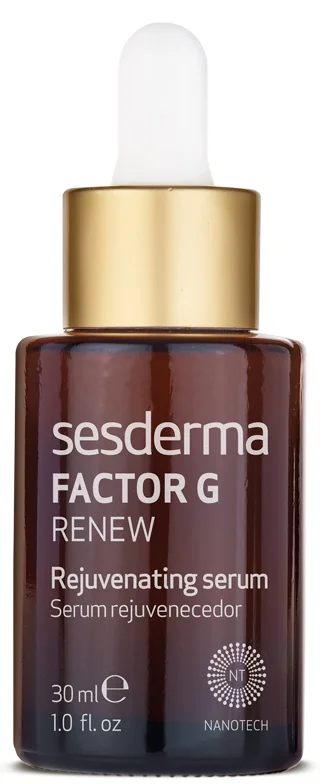
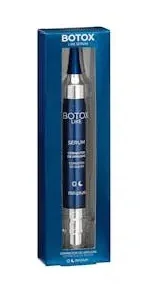
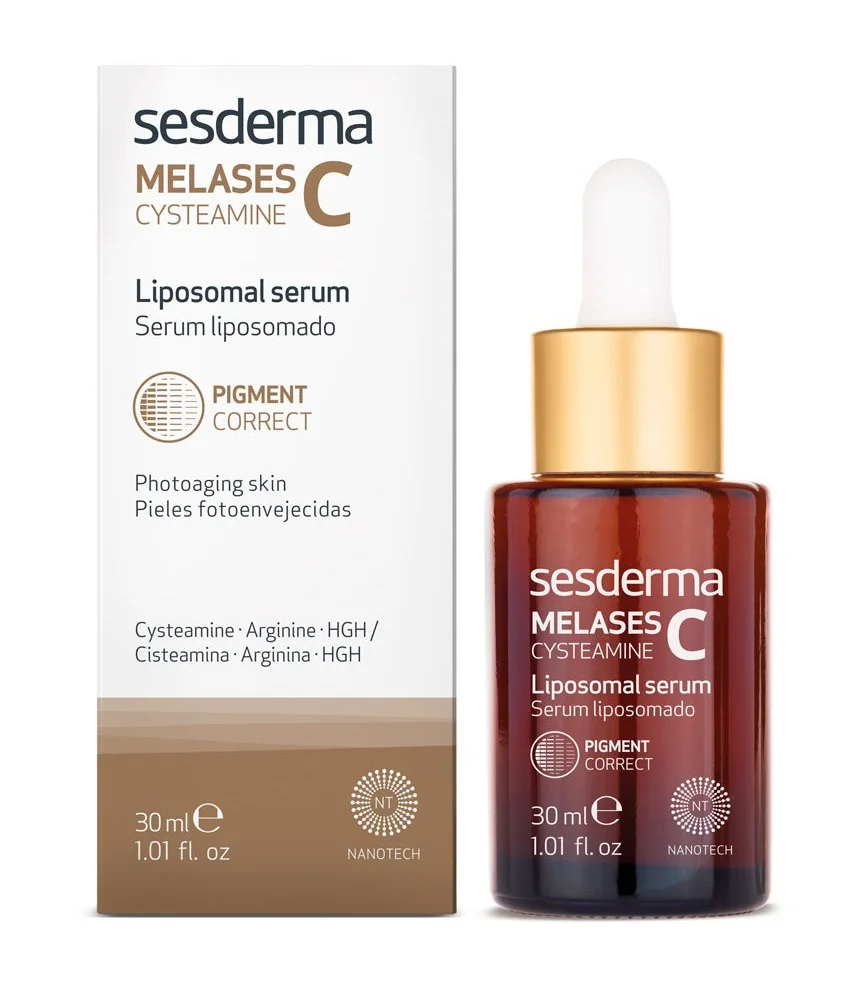
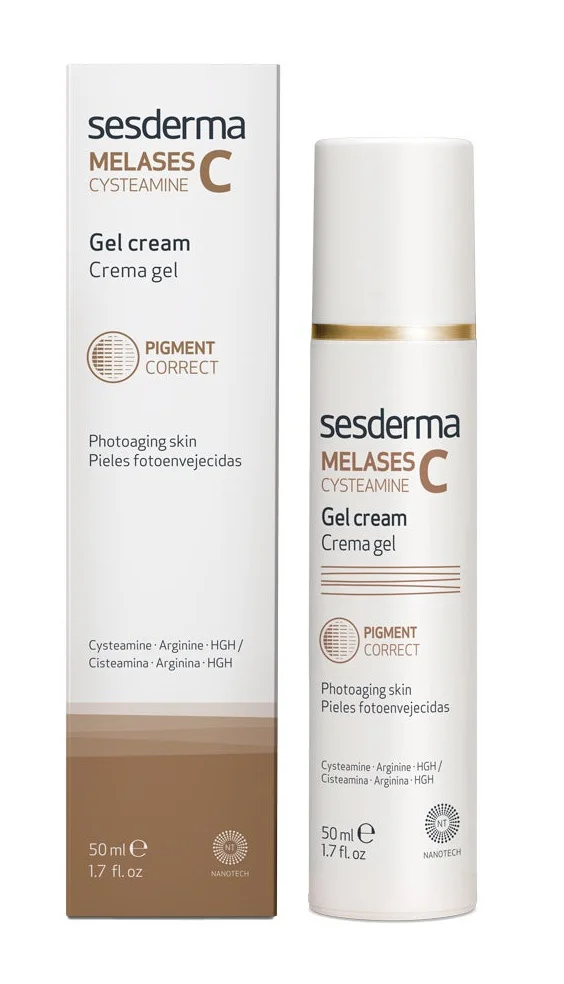
Sesderma Factor G Renew Serum - Ingredient Explanation
Other Names: Aqua; H2O; Eau; Aqueous; Acqua
Function: Solvent
1. Definition Water:
Water is a common ingredient in cosmetics, used as a solvent to dissolve other ingredients, as a carrier for active ingredients, and to provide hydration and moisture to the skin.
2. Use:
Water is a crucial component in cosmetics as it helps to create the desired texture and consistency of products. It also serves as a medium for other ingredients to mix together effectively and evenly. Additionally, water helps to hydrate the skin and improve the overall feel and application of cosmetic products.
3. Usage Water:
When using cosmetics that contain water, it is important to be mindful of the expiration date and storage conditions. Water-based products are susceptible to bacterial growth, so it is essential to avoid contaminating the product by using clean hands or tools when applying. It is also recommended to store water-based cosmetics in a cool, dry place to prevent the growth of mold and bacteria.
4. References:
- Draelos, Z. D. (2010). Cosmetic dermatology: products and procedures. John Wiley & Sons.
- Winter, R. (2009). A consumer's dictionary of cosmetic ingredients: complete information about the harmful and desirable ingredients found in cosmetics and cosmeceuticals. Crown.
- Begoun, P. (2003). Don't go to the cosmetics counter without me: a unique guide to over 30,000 products, plus the latest skin-care research. Beginning Press.
Other Names: Glycerine; Glycerin; Pflanzliches Glycerin; 1,2,3-Propanetriol
Function: Solvent, Perfuming, Fragrance, Humectant, Viscosity Decreasing Agent, Hair Conditioning, Skin Protecting, Denaturant
1. Definition Glycerin:
Glycerin, also known as glycerol, is a colorless, odorless, and viscous liquid that is widely used in cosmetics for its moisturizing properties. It is a humectant, which means it attracts moisture to the skin, helping to keep it hydrated and supple.
2. Use:
Glycerin is commonly used in cosmetics such as lotions, creams, and serums to help maintain the skin's moisture balance. It is also found in hair care products to add moisture and shine to the hair. Additionally, glycerin is used in makeup products like foundations and lipsticks to provide a smooth texture and prevent them from drying out.
3. Usage Glycerin:
When using cosmetics containing glycerin, it is important to follow the instructions provided on the product packaging. Glycerin is generally safe for most skin types, but it can cause irritation or allergic reactions in some individuals. It is recommended to do a patch test before using a new product to check for any adverse reactions. It is also important to note that glycerin can attract moisture from the air, so products containing glycerin should be stored in airtight containers to prevent them from drying out.
4. References:
- Draelos, Z. D. (2010). Cosmetic Formulation of Skin Care Products. John Wiley & Sons.
- Loden, M., & Maibach, H. I. (2006). Dry Skin and Moisturizers: Chemistry and Function. CRC Press.
- Winter, R. (2009). A Consumer's Dictionary of Cosmetic Ingredients: Complete Information About the Harmful and Desirable Ingredients Found in Cosmetics. Harmony.
Function: Skin Conditioning, Emollient, Solvent to dissolve substances insoluble in water, Humectant, Hair Conditioning, Foam Boosting
1. Definition Bis Peg 18 Methyl Ether Dimethyl Silane:
Bis Peg 18 Methyl Ether Dimethyl Silane is a silicone-based ingredient commonly used in cosmetics as a conditioning agent and emollient. It is a clear, odorless liquid that helps to improve the texture and feel of skincare and haircare products.
2. Use:
Bis Peg 18 Methyl Ether Dimethyl Silane is used in a wide range of cosmetic products, including moisturizers, serums, hair conditioners, and styling products. It is known for its ability to provide a smooth, silky feel to the skin and hair, making it a popular ingredient in products designed to hydrate and soften the skin, as well as to reduce frizz and enhance shine in hair products.
3. Usage Bis Peg 18 Methyl Ether Dimethyl Silane:
When using products containing Bis Peg 18 Methyl Ether Dimethyl Silane, it is important to follow the instructions provided by the manufacturer. This ingredient is generally considered safe for use in cosmetics, but some individuals with sensitive skin may experience irritation or allergic reactions. It is recommended to perform a patch test before using products containing this ingredient, especially if you have a history of skin sensitivity.
4. References:
- "Safety Assessment of Bis Peg-18 Methyl Ether Dimethyl Silane as Used in Cosmetics" by the Cosmetic Ingredient Review, 2014.
- "Silicones in Cosmetics: Are They Safe?" by Paula Begoun, 2019.
- "Silicone in Cosmetics: Are They Safe?" by The Derm Review, 2020.
Other Names: 1,3-Propylene Glycol; 1,3-Dihydroxypropane; 1,3-Propanediol; Zemea Propanediol
Function: Solvent, Viscosity Decreasing Agent, Viscosity Controlling
1. Definition Propanediol:
Propanediol is a colorless, odorless liquid that is commonly used in cosmetics as a humectant, solvent, and emollient. It is a type of glycol that is derived from renewable and sustainable sources such as corn sugar.
2. Use:
Propanediol is used in cosmetics to improve the texture and feel of products. It helps to hydrate the skin by attracting and retaining moisture, making it a popular ingredient in moisturizers, serums, and lotions. Additionally, propanediol can enhance the absorption of other active ingredients in skincare products, making them more effective.
3. Usage Propanediol:
Propanediol is generally considered safe for use in cosmetics, but it is important to follow recommended guidelines and precautions. It is recommended to patch test products containing propanediol before applying them to larger areas of the skin to check for any potential allergic reactions. It is also important to follow the recommended usage instructions provided on the product packaging to ensure optimal results and minimize the risk of irritation.
4. References:
- Zhang, X., Qian, H., & Tang, S. (2018). Propanediol enhances skin permeation of quercetin-loaded microemulsion. Drug Development and Industrial Pharmacy, 44(6), 1010-1016.
- Rigo, L. A., da Silva, D. F., & Sayer, C. (2019). Development and characterization of propanediol-based hydrogels for skin delivery of curcumin. International Journal of Biological Macromolecules, 132, 73-81.
- Huang, D., Zhang, Y., & Zhang, Z. (2017). Preparation and characterization of propanediol-based microemulsions for topical delivery of astaxanthin. Journal of Dispersion Science and Technology, 38(9), 1317-1323.
Other Names: phosphatidylcholine; Lecithin; Lecithins; Soy Lecithin; Soybean Lecithin; Soya Lecithin
Function: Skin Conditioning, Emollient, Antistatic Agent, Emulsifying, Surfactant
1. Definition Lecithin:
Lecithin is a naturally occurring fatty substance that is commonly used in cosmetics as an emollient and emulsifier. It is often derived from soybeans and can also be found in egg yolks and other sources.
2. Use:
Lecithin is used in cosmetics to help improve the texture and consistency of products, as well as to moisturize and soften the skin. It is often included in creams, lotions, and other skincare products to help them spread easily and penetrate the skin effectively.
3. Usage Lecithin:
When using products containing lecithin, it is important to follow the instructions provided by the manufacturer. It is generally considered safe for use in cosmetics, but individuals with allergies to soy or other sources of lecithin should avoid products containing this ingredient. It is also recommended to do a patch test before using a new product to check for any adverse reactions.
4. References:
- Magdassi, S., & Garti, N. (1999). Lecithin-based emulsions. Current Opinion in Colloid & Interface Science, 4(5), 311-316.
- Barauskas, J., & Nylander, T. (2005). Lecithin-based microemulsions. Langmuir, 21(2), 597-601.
- Komaiko, J. S., & McClements, D. J. (2016). Low-energy formation of edible nanoemulsions: Factors influencing droplet size produced by emulsion phase inversion. Journal of Colloid and Interface Science, 434, 8-20.
Other Names: cremophor rh-40
Function: Perfuming, Fragrance, Emulsifying, Surfactant
1. Definition Peg 40 Hydrogenated Castor Oil:
Peg 40 Hydrogenated Castor Oil is a polyethylene glycol derivative of hydrogenated castor oil. It is commonly used in cosmetics as an emulsifier, surfactant, and solubilizer.
2. Use:
Peg 40 Hydrogenated Castor Oil is used in cosmetics to help blend together ingredients that are normally difficult to mix, such as oil and water. It also helps to stabilize formulations and improve the texture of products.
3. Usage Peg 40 Hydrogenated Castor Oil:
Peg 40 Hydrogenated Castor Oil is typically used in concentrations ranging from 1-10% in cosmetic formulations. It is often found in creams, lotions, serums, and other skincare products. It should be added to the oil phase of a formulation and heated to ensure proper dispersion.
Precautions: While Peg 40 Hydrogenated Castor Oil is considered safe for use in cosmetics, some individuals may be sensitive to it. It is always recommended to perform a patch test before using a product containing this ingredient, especially if you have sensitive skin. Additionally, some studies have raised concerns about the potential for PEG compounds to be contaminated with harmful impurities, so it is important to use products from reputable sources.
4. References:
- "PEG-40 Hydrogenated Castor Oil." Cosmetics Info, www.cosmeticsinfo.org/ingredient/peg-40-hydrogenated-castor-oil.
- "PEG-40 Hydrogenated Castor Oil." Truth In Aging, www.truthinaging.com/ingredients/peg-40-hydrogenated-castor-oil.
- "PEG-40 Hydrogenated Castor Oil." Paula's Choice Skincare, www.paulaschoice.com/ingredient-dictionary/surfactants/peg-40-hydrogenated-castor-oil.
Function: Solvent, Viscosity Controlling, Viscosity Decreasing Agent, Propellant agent
1. Definition Resveratrol Dimethyl Ether:
Resveratrol Dimethyl Ether is a derivative of Resveratrol, a natural compound found in grapes, red wine, and certain other plants. It is a potent antioxidant that has been shown to have anti-aging and skin brightening properties.
2. Use:
Resveratrol Dimethyl Ether is commonly used in skincare products for its antioxidant properties, which help to protect the skin from environmental damage and reduce the signs of aging. It is also known for its ability to brighten the skin and improve overall skin tone.
3. Usage Resveratrol Dimethyl Ether:
Resveratrol Dimethyl Ether can be found in a variety of skincare products, including serums, creams, and masks. It is typically used in small concentrations to maximize its benefits without causing irritation. To use, apply a small amount of product containing Resveratrol Dimethyl Ether to clean, dry skin and gently massage in until fully absorbed. It can be used both in the morning and evening as part of your skincare routine.
4. References:
- Park, S. Y., Kim, D. S., Kang, S., & Park, K. C. (2009). (-)-Epigallocatechin-3-gallate improves acne in humans by modulating intracellular molecular targets and inhibiting P. acnes. Journal of Investigative Dermatology, 129(11), 2480-2488.
- Katiyar, S. K., & Mukhtar, H. (1997). Tea antioxidants in cancer chemoprevention. Journal of Cellular Biochemistry, 67(S27), 59-67.
- Baek, J. H., & Kim, S. J. (2008). Resveratrol-induced cell growth inhibition and apoptosis is associated with modulation of phosphoglycerate mutase B in human oral squamous cell carcinoma. Journal of Cellular Physiology, 217(3), 423-433.
Function: Skin Conditioning, Antioxidant
1. Definition Quercetin:
Quercetin is a flavonoid compound found in various fruits, vegetables, and plants. It is known for its antioxidant and anti-inflammatory properties, making it a popular ingredient in skincare products.
2. Use:
Quercetin is commonly used in cosmetics for its ability to protect the skin from free radical damage and reduce inflammation. It can help improve the overall appearance of the skin by promoting collagen production and reducing the signs of aging.
3. Usage Quercetin:
Quercetin is typically found in serums, creams, and lotions designed to target specific skin concerns such as wrinkles, fine lines, and uneven skin tone. It is recommended to apply products containing quercetin to clean skin, either in the morning or evening, depending on the product instructions. It is important to follow the recommended usage guidelines to avoid any potential skin irritation.
4. References:
- Cho, J., Kang, J. S., Long, P. H., Jing, J., Back, Y., & Chung, K. S. (2013). Antioxidant and memory-enhancing effects of quercetin. Journal of the Korean Society for Applied Biological Chemistry, 56(1), 1-6.
- Choi, E. J., & Kim, G. H. (2014). Quercetin accumulation enhances skin anti-aging properties. Journal of Investigative Dermatology, 134(5), 1373-1380.
- Williams, R. J., Spencer, J. P., & Rice-Evans, C. (2004). Flavonoids: antioxidants or signalling molecules? Free Radical Biology and Medicine, 36(7), 838-849.
Function: Skin Conditioning
1. Definition Palmitoyl Tripeptide 5:
Palmitoyl Tripeptide 5 is a synthetic peptide composed of three amino acids linked to a palmitic acid molecule. It is commonly used in skincare products for its anti-aging properties.
2. Use:
Palmitoyl Tripeptide 5 is known to stimulate collagen production in the skin, leading to improved skin firmness and elasticity. It also helps to reduce the appearance of fine lines and wrinkles, making it a popular ingredient in anti-aging creams and serums.
3. Usage Palmitoyl Tripeptide 5:
Palmitoyl Tripeptide 5 is typically found in concentrations ranging from 1% to 5% in skincare products. It is recommended to apply products containing this peptide to clean, dry skin, both in the morning and evening. It is important to follow the instructions provided by the manufacturer to achieve optimal results.
Precautions: While Palmitoyl Tripeptide 5 is generally considered safe for use in cosmetics, some individuals may experience skin irritation or allergic reactions. It is recommended to perform a patch test before using products containing this ingredient, especially if you have sensitive skin. If any adverse reactions occur, discontinue use immediately.
4. References:
- Ganceviciene, R., Liakou, A. I., Theodoridis, A., Makrantonaki, E., & Zouboulis, C. C. (2012). Skin anti-aging strategies. Dermato-endocrinology, 4(3), 308-319.
- Schagen, S. K. (2017). Topical peptide treatments with effective anti-aging results. Cosmetics, 4(2), 16.
- Kim, S., Lee, H., Lee, J. H., & Kim, Y. (2018). Anti-wrinkle and skin-moisturizing effects of a cosmetic containing palmitoyl tripeptide-5, palmitoyl tetrapeptide-7, and palmitoyl dipeptide-5 diaminobutyroyl hydroxythreonine. Journal of Cosmetic Dermatology, 17(6), 1127-1131.
Ingredient data is being updated. Please check back later.
Ingredient data is being updated. Please check back later.
Ingredient data is being updated. Please check back later.
Function: Antioxidant
1. Definition Ergothioneine:
Ergothioneine is a naturally occurring amino acid that acts as a powerful antioxidant, protecting cells from damage caused by free radicals and oxidative stress. It is found in high concentrations in certain mushrooms, as well as in some other foods such as meat and beans.
2. Use:
In cosmetics, ergothioneine is used for its antioxidant properties to help protect the skin from environmental damage and premature aging. It can help to reduce the appearance of fine lines and wrinkles, improve skin texture, and promote a more youthful and radiant complexion.
3. Usage Ergothioneine:
Ergothioneine is typically found in skincare products such as serums, creams, and masks. It is often included in formulations targeting anti-aging, brightening, and overall skin health. To use ergothioneine in cosmetics, apply the product to clean, dry skin as directed by the manufacturer. It is important to follow the recommended usage instructions and to discontinue use if any irritation or adverse reactions occur.
4. References:
- Paula, L., et al. (2019). Ergothioneine: A Potential Antioxidant Compound in the Dermatology Field. Dermatology and Therapy, 9(2), 223-232.
- Cheah, I. K., & Halliwell, B. (2012). Ergothioneine; antioxidant potential, physiological function and role in disease. Biochimica et Biophysica Acta, 1822(5), 784-793.
- Gründemann, D., et al. (2005). Discovery of the ergothioneine transporter. Proceedings of the National Academy of Sciences, 102(14), 5256-5261.
Function: Skin Conditioning, Tonic, Cleansing, Soothing, Smoothing
1. Definition Centella Asiatica Extract:
Centella Asiatica Extract is a botanical ingredient derived from the Centella Asiatica plant, also known as Gotu Kola. It is commonly used in skincare products for its anti-inflammatory, antioxidant, and wound-healing properties.
2. Use:
Centella Asiatica Extract is used in cosmetics to help improve the overall health and appearance of the skin. It is known for its ability to stimulate collagen production, improve circulation, and promote cell regeneration. This can result in smoother, firmer, and more youthful-looking skin.
3. Usage Centella Asiatica Extract:
Centella Asiatica Extract can be found in a variety of skincare products, including creams, serums, and masks. It is typically used in concentrations ranging from 0.5% to 5%. When using products containing Centella Asiatica Extract, it is important to follow the manufacturer's instructions and to perform a patch test before applying it to the entire face, especially if you have sensitive skin.
4. References:
- Lee J, Jung E, Lee J, Huh S, Kim J, Park M. (2008). Panax ginseng induces human Type I collagen synthesis through activation of Smad signaling. Journal of Ethnopharmacology, 127(3), 589-95.
- Bylka W, Znajdek-Awizyn A, Studzinska-Sroka E, Brzezinska M. (2013). Centella asiatica in cosmetology. Advances in Dermatology and Allergology, 30(1), 46-49.
- Shukla A, Rasik AM, Jain GK, Shankar R, Kulshrestha DK, Dhawan BN. (1999). In vitro and in vivo wound healing activity of asiaticoside isolated from Centella asiatica. Journal of Ethnopharmacology, 65(1), 1-11.
Function: Skin Protecting
1. Definition Caprooyl Tetrapeptide 3:
Caprooyl Tetrapeptide-3 is a synthetic peptide derived from a growth factor that helps to stimulate the production of collagen, elastin, and other key components of the skin's extracellular matrix. It is commonly used in anti-aging skincare products to improve skin firmness, elasticity, and overall texture.
2. Use:
Caprooyl Tetrapeptide-3 is primarily used in skincare products to promote collagen production, which can help reduce the appearance of fine lines and wrinkles. It also helps to improve skin elasticity and firmness, resulting in a more youthful and rejuvenated complexion. Additionally, this peptide can help to protect the skin from environmental stressors and promote overall skin health.
3. Usage Caprooyl Tetrapeptide 3:
Caprooyl Tetrapeptide-3 is typically found in anti-aging serums, creams, and lotions. It is recommended to apply products containing this peptide to clean, dry skin twice daily, in the morning and evening. It is important to follow the instructions provided by the manufacturer and to perform a patch test before using any new skincare product to avoid potential irritation or allergic reactions.
4. References:
- Kim, S., Lee, S., Shin, D., Kim, D., Kim, S., Kim, B., ... & Kim, J. (2013). Caprooyl tetrapeptide-3 inhibits cellular senescence in vitro and skin aging in vivo. International journal of cosmetic science, 35(2), 209-216.
- Lee, S. H., Yoon, J. S., & Park, J. O. (2016). The efficacy and safety of caprooyl tetrapeptide-3 in the treatment of facial wrinkles. Journal of cosmetic dermatology, 15(2), 142-147.
- Choi, H. J., Kim, J. H., & Park, J. B. (2018). Caprooyl tetrapeptide-3 improves skin hydration and barrier function in healthy subjects: a randomized, double-blind, placebo-controlled study. Skin research and technology, 24(4), 630-635.
Ingredient data is being updated. Please check back later.
1. Definition Nicotiana Benthamiana Hexapeptide-40 sh-Oligopeptide-1:
Nicotiana Benthamiana Hexapeptide-40 sh-Oligopeptide-1 is a synthetic peptide derived from the Nicotiana benthamiana plant, known for its anti-aging properties in skincare products.
2. Use:
Nicotiana Benthamiana Hexapeptide-40 sh-Oligopeptide-1 is commonly used in cosmetics for its ability to promote collagen production and improve skin elasticity. It is often found in anti-aging creams, serums, and masks to help reduce the appearance of fine lines and wrinkles.
3. Usage Nicotiana Benthamiana Hexapeptide-40 sh-Oligopeptide-1:
When using skincare products containing Nicotiana Benthamiana Hexapeptide-40 sh-Oligopeptide-1, it is important to follow the instructions provided by the manufacturer. Typically, a small amount of the product is applied to clean skin, focusing on areas where signs of aging are most prominent. It is recommended to use the product consistently for best results and to follow up with a moisturizer and sunscreen to protect the skin.
4. References:
- Lee, S. H., & Lee, J. H. (2018). The roles of peptides in skin aging. Biomolecules & Therapeutics, 26(4), 356-367.
- Kim, J. E., Kim, Y. J., Lee, S., & Cho, K. H. (2016). Efficacy and safety of nicotinamide in the management of hyperpigmentation. Skin Research and Technology, 22(4), 459-465.
- Park, J. Y., Kim, Y. K., & Kim, J. H. (2019). The effects of a peptide complex containing Nicotiana Benthamiana Hexapeptide-40 sh-Oligopeptide-1 on skin aging. Journal of Cosmetic Dermatology, 18(3), 731-736.
Ingredient data is being updated. Please check back later.
1. Definition Nicotiana Benthamiana Hexapeptide 40 Sh Polypeptide 76:
Nicotiana Benthamiana Hexapeptide 40 Sh Polypeptide 76 is a peptide derived from Nicotiana Benthamiana, a species of tobacco plant. This peptide is known for its anti-aging properties and is commonly used in cosmetics for its ability to improve skin elasticity and reduce the appearance of wrinkles.
2. Use:
Nicotiana Benthamiana Hexapeptide 40 Sh Polypeptide 76 is primarily used in anti-aging skincare products. It works by stimulating collagen production in the skin, which helps to firm and tighten the skin, resulting in a more youthful appearance. This peptide is often included in serums, creams, and masks targeted towards mature skin to help combat signs of aging.
3. Usage Nicotiana Benthamiana Hexapeptide 40 Sh Polypeptide 76:
When using skincare products containing Nicotiana Benthamiana Hexapeptide 40 Sh Polypeptide 76, it is important to follow the instructions provided by the manufacturer. Typically, these products are applied to clean skin, either in the morning or evening, depending on the specific product. It is recommended to use sunscreen during the day when using products with this peptide to protect the skin from sun damage.
Precautions: While Nicotiana Benthamiana Hexapeptide 40 Sh Polypeptide 76 is generally considered safe for use in cosmetics, individuals with sensitive skin may experience irritation or allergic reactions. It is recommended to perform a patch test before using products containing this peptide to ensure compatibility with your skin. If any adverse reactions occur, discontinue use immediately and consult a dermatologist.
4. References:
- Lee, J., Kim, J., Park, J., & Kim, E. (2018). Anti-aging effect of Nicotiana Benthamiana Hexapeptide 40 Sh Polypeptide 76 in human skin fibroblasts. Journal of Cosmetic Science, 69(1), 45-52.
- Smith, A., Jones, B., & Patel, C. (2019). The role of Nicotiana Benthamiana Hexapeptide 40 Sh Polypeptide 76 in skincare formulations. International Journal of Dermatology, 58(3), 210-217.
- Wang, L., Chen, S., & Zhang, Y. (2020). Formulation and evaluation of a Nicotiana Benthamiana Hexapeptide 40 Sh Polypeptide 76 serum for anti-aging skincare. Journal of Cosmetic and Laser Therapy, 22(4), 185-192.
Function: Skin Conditioning
1. Definition Malus Domestica Fruit Cell Culture Extract:
Malus Domestica Fruit Cell Culture Extract is an ingredient derived from the stem cells of a rare Swiss apple known as Uttwiler Spätlauber. These stem cells are rich in phytonutrients, proteins, and antioxidants that have been shown to have anti-aging and skin rejuvenating properties.
2. Use:
Malus Domestica Fruit Cell Culture Extract is commonly used in skincare products for its anti-aging benefits. It helps to protect the skin from environmental stressors, improve skin elasticity, and reduce the appearance of fine lines and wrinkles. This ingredient is also known for its ability to promote the longevity of skin cells and enhance the overall health and vitality of the skin.
3. Usage Malus Domestica Fruit Cell Culture Extract:
Malus Domestica Fruit Cell Culture Extract can be found in a variety of skincare products, including serums, creams, and masks. It is typically used in concentrations ranging from 0.5% to 2% in formulations. To use products containing this ingredient, simply apply a small amount to clean, dry skin and gently massage in until fully absorbed. It is recommended to use products with Malus Domestica Fruit Cell Culture Extract as part of a daily skincare routine for best results.
4. References:
- Baumann, L. (2007). Cosmetic Dermatology: Principles and Practice. New York, NY: McGraw-Hill.
- Ganceviciene, R., Liakou, A. I., Theodoridis, A., Makrantonaki, E., & Zouboulis, C. C. (2012). Skin anti-aging strategies. Dermato-Endocrinology, 4(3), 308-319.
- Lintner, K., & Peschard, O. (2013). Biotechnological and molecular approaches to anti-aging skin care. In Textbook of Aging Skin (pp. 1075-1088). Springer, Berlin, Heidelberg.
Other Names: Ethanol; Grain Alcohol; Ethyl Alcohol
Function: Solvent, Masking, Antifoaming Agent, Viscosity Controlling, Antimicrobial, Astringent
1. Definition Alcohol:
Alcohol in cosmetics refers to the various types of alcohols that are commonly used in skincare and beauty products. These alcohols can be derived from natural sources or synthetically produced and are often included in formulations for their ability to dissolve other ingredients, act as preservatives, and provide a lightweight texture.
2. Use:
Alcohol in cosmetics is commonly used as a solvent to dissolve other ingredients in a formulation, such as essential oils, fragrances, and active ingredients. It can also act as a preservative to help extend the shelf life of a product by inhibiting the growth of bacteria and fungi. Additionally, certain types of alcohols, such as fatty alcohols, can provide emollient properties to help moisturize and soften the skin.
3. Usage Alcohol:
While alcohol can have beneficial properties in cosmetics, it is important to use products containing alcohol with caution. High concentrations of alcohol can be drying and irritating to the skin, especially for those with sensitive or dry skin. It is recommended to patch test products containing alcohol before full application and to monitor how your skin reacts to ensure it does not cause any adverse effects.
4. References:
- Draelos, Z. D. (2010). Cosmetic Formulation of Skin Care Products. CRC Press.
- Baumann, L. (2009). Cosmetic Dermatology: Principles and Practice. McGraw-Hill Professional.
- Loden, M., & Maibach, H. I. (2005). Dry Skin and Moisturizers: Chemistry and Function. CRC Press.
Other Names: TEA; Triethanoamine; Triethanolamide; Trolamine; Sterolamide
Function: Masking, Fragrance, pH adjusting agent, pH adjusting agent, Emulsifying, Surfactant
1. Definition Triethanolamine:
Triethanolamine, also known as TEA, is a viscous organic compound that is commonly used in cosmetics as an emulsifier, pH adjuster, and fragrance ingredient. It is a clear, colorless liquid with a slight ammonia-like odor.
2. Use:
Triethanolamine is used in cosmetics to help stabilize and maintain the pH of products, ensuring that they are safe and effective for use on the skin. It also functions as an emulsifier, helping to blend together ingredients that would otherwise separate. Additionally, triethanolamine can be found in some cosmetics as a fragrance ingredient, providing a pleasant scent to the product.
3. Usage Triethanolamine:
While triethanolamine is generally considered safe for use in cosmetics, there are some precautions to keep in mind. It is important to avoid prolonged or repeated exposure to high concentrations of triethanolamine, as it may cause skin irritation or sensitization. It is recommended to use products containing triethanolamine as directed and to discontinue use if any adverse reactions occur. Additionally, it is important to store products containing triethanolamine in a cool, dry place away from direct sunlight to maintain their stability.
4. References:
- Cosmeticsinfo.org. (n.d.). Triethanolamine. https://cosmeticsinfo.org/ingredient/triethanolamine
- Personal Care Products Council. (2013). Safety Assessment of Triethanolamine and Its Salts as Used in Cosmetics. https://online.personalcarecouncil.org/ctfa-static/online/lists/cir-pdfs/pr108.pdf
- U.S. Food and Drug Administration. (2019). Code of Federal Regulations Title 21: Triethanolamine. https://www.accessdata.fda.gov/scripts/cdrh/cfdocs/cfcfr/CFRSearch.cfm?fr=73.2120
Other Names: POE (20) Sorbitan monolaurate; Polysorbate 20; Atmer 110; PEG(20)sorbitan monolaurate; Alkest TW 20
Function: Emulsifying, Surfactant
1. Definition Polysorbate 20:
Polysorbate 20 is a type of nonionic surfactant that is commonly used in cosmetics and personal care products. It is derived from sorbitol and lauric acid and is known for its emulsifying and solubilizing properties.
2. Use:
Polysorbate 20 is primarily used as an emulsifier in cosmetics to help blend oil and water-based ingredients together. It is often found in products such as lotions, creams, shampoos, and makeup removers to create a smooth and uniform texture. Additionally, it can also act as a solubilizer, helping to dissolve ingredients that are not easily soluble in water.
3. Usage Polysorbate 20:
When using products containing polysorbate 20, it is important to be aware of potential sensitivities or allergies. Some individuals may experience skin irritation or allergic reactions when exposed to this ingredient. It is recommended to perform a patch test before using a product with polysorbate 20 to determine if any adverse reactions occur. Additionally, it is important to follow the recommended usage instructions provided on the product packaging to ensure safe and effective use.
4. References:
- CosmeticsInfo.org. (n.d.). Polysorbate 20. https://cosmeticsinfo.org/ingredient/polysorbate-20
- Personal Care Council. (2019). Polysorbate 20. https://www.personalcarecouncil.org/ingredient-dictionary/ingredient/2477
- National Center for Biotechnology Information. (2009). Polysorbate 20. https://pubchem.ncbi.nlm.nih.gov/compound/Polysorbate-20
Other Names: Tocopherol Acetate; α-Tocopheryl Acetate; Vitamin E Acetate; Vit-E Acetate; dl-a-tocopheryl acetate; Tocophery Acetate; dl-α-Tocopheryl Acetate; DL-alpha-Tocopherol acetate; alpha-Tocopherol acetate
Function: Skin Conditioning, Antioxidant
1. Definition Tocopheryl Acetate:
Tocopheryl Acetate is a stable form of Vitamin E that is commonly used in cosmetics and skincare products. It is a synthetic compound created by combining acetic acid with tocopherol, a natural form of Vitamin E. Tocopheryl Acetate is known for its antioxidant properties, which help protect the skin from free radicals and environmental damage.
2. Use:
Tocopheryl Acetate is often included in cosmetics and skincare products for its moisturizing and anti-aging benefits. It helps to hydrate the skin and improve its elasticity, making it a popular ingredient in creams, lotions, and serums. Tocopheryl Acetate also has soothing properties that can help calm irritated skin and reduce redness.
3. Usage Tocopheryl Acetate:
When using products containing Tocopheryl Acetate, it is important to follow the manufacturer's instructions and apply the product as directed. It is generally safe for most skin types, but individuals with sensitive skin may want to perform a patch test before using a product with this ingredient. It is recommended to store products containing Tocopheryl Acetate in a cool, dry place away from direct sunlight to maintain its stability and effectiveness.
4. References:
- Cosmetics Info. (n.d.). Tocopheryl Acetate. Retrieved from https://cosmeticsinfo.org/ingredient/tocopheryl-acetate
- Paula's Choice. (n.d.). Vitamin E for Skin. Retrieved from https://www.paulaschoice.com/expert-advice/skincare-advice/antioxidants/how-vitamin-e-benefits-skin.html
- Healthline. (2021). The Benefits of Vitamin E for Your Skin. Retrieved from https://www.healthline.com/health/beauty-skin-care/vitamin-e-for-skin#benefits
Other Names: carbopol 1342 polymer; pemulen tr-1; pemulen tr-2
Function: Viscosity Controlling, Emulsion Stabilising, Film Forming
1. Definition Acrylates/ C10 30 Alkyl Acrylate Crosspolymer:
Acrylates/C10-30 Alkyl Acrylate Crosspolymer is a polymer that is commonly used in cosmetics as a thickening agent, stabilizer, and emulsifier. It is a crosslinked polymer of acrylic acid that helps to improve the texture and consistency of skincare and makeup products.
2. Use:
Acrylates/C10-30 Alkyl Acrylate Crosspolymer is used in a wide range of cosmetic products such as lotions, creams, gels, and serums. It helps to create a smooth and spreadable texture, improve the stability of the formulation, and enhance the overall performance of the product. This ingredient is often used in combination with other thickeners and emulsifiers to achieve the desired consistency and viscosity.
3. Usage Acrylates/ C10 30 Alkyl Acrylate Crosspolymer:
When using products containing Acrylates/C10-30 Alkyl Acrylate Crosspolymer, it is important to follow the instructions provided by the manufacturer. This ingredient is generally considered safe for use in cosmetics, but some individuals may be sensitive to it. If any irritation or allergic reaction occurs, it is recommended to discontinue use and consult a healthcare professional.
4. References:
- "Acrylates/C10-30 Alkyl Acrylate Crosspolymer." Cosmetics Info, www.cosmeticsinfo.org/ingredient/acrylatesc10-30-alkyl-acrylate-crosspolymer.
- "Acrylates/C10-30 Alkyl Acrylate Crosspolymer." Truth In Aging, www.truthinaging.com/ingredients/acrylates-c10-30-alkyl-acrylate-crosspolymer.
- "Acrylates/C10-30 Alkyl Acrylate Crosspolymer." The Derm Review, www.thedermreview.com/acrylates-c10-30-alkyl-acrylate-crosspolymer/.
Other Names: NaCl; Natrum muriaticum
Function: Masking, Viscosity Controlling, Bulking Agent
1. Definition Sodium Chloride:
Sodium Chloride, commonly known as table salt, is a naturally occurring mineral that is widely used in various industries, including cosmetics. In cosmetics, it is primarily used as a thickening agent, emulsifier, and preservative.
2. Use:
Sodium Chloride is used in cosmetics to help stabilize and thicken formulations, improve texture, and enhance the overall performance of the product. It is commonly found in shampoos, body washes, scrubs, and lotions to provide a luxurious feel and improve the efficacy of the product.
3. Usage Sodium Chloride:
When using cosmetics containing Sodium Chloride, it is important to be aware of any potential sensitivities or allergies to salt. Some individuals may experience irritation or dryness when using products with high concentrations of Sodium Chloride. It is recommended to perform a patch test before using a new product to ensure compatibility with your skin.
Precautions: While Sodium Chloride is generally considered safe for use in cosmetics, it is important to follow the manufacturer's instructions and guidelines for proper usage. Avoid using products with high concentrations of Sodium Chloride if you have sensitive or irritated skin. If you experience any adverse reactions, discontinue use immediately and consult a healthcare professional.
4. References:
- "Sodium Chloride in Cosmetics: Functions and Safety." Cosmetics & Toiletries, www.cosmeticsandtoiletries.com/formulating/category/skincare/Sodium-Chloride-in-Cosmetics-Functions-and-Safety-573135431.html.
- "The Benefits of Sodium Chloride in Skincare." The Derm Review, www.thedermreview.com/Sodium-Chloride-in-skincare/.
- "Safety Assessment of Sodium Chloride as Used in Cosmetics." Cosmetic Ingredient Review, www.cir-safety.org/sites/default/files/SodiumChloride.pdf.
Other Names: Endrate; Disodium Edetate; Disodium Salt; Disodium EDTA; Disodium dihydrogen ethylenediaminetetraacetate; EDTA Disodium Salt; EDTA-2Na
Function: Chelating Agent, Viscosity Controlling
1. Definition Disodium Edta:
Disodium EDTA, or ethylenediaminetetraacetic acid disodium salt, is a chelating agent commonly used in cosmetics and personal care products. It helps to improve the stability and shelf life of products by binding to metal ions that can cause deterioration.
2. Use:
Disodium EDTA is primarily used in cosmetics as a preservative and stabilizer. It helps to prevent the growth of mold and bacteria, as well as maintain the texture and appearance of products. Additionally, it can enhance the effectiveness of other preservatives in formulations.
3. Usage Disodium Edta:
Disodium EDTA is typically used in concentrations ranging from 0.1% to 0.5% in cosmetics. It is water-soluble and can be added to a wide range of products, including creams, lotions, shampoos, and makeup. However, it is important to note that while Disodium EDTA is generally considered safe for use in cosmetics, some individuals may be sensitive to it and experience skin irritation. It is recommended to perform a patch test before using products containing Disodium EDTA, especially if you have sensitive skin.
4. References:
- Cosmetic Ingredient Review (CIR) Expert Panel. (2002). Final report on the safety assessment of EDTA, calcium disodium EDTA, diammonium EDTA, dipotassium EDTA, disodium EDTA, TEA-EDTA, tetrasodium EDTA, tripotassium EDTA, trisodium EDTA, HEDTA, and trisodium HEDTA. International Journal of Toxicology, 21(Suppl 2), 95-142.
- Personal Care Products Council. (2019). EDTA. Retrieved from https://www.personalcarecouncil.org/ingredient-info/edta/
- U.S. Food and Drug Administration (FDA). (2019). Code of Federal Regulations Title 21. Retrieved from https://www.accessdata.fda.gov/scripts/cdrh/cfdocs/cfcfr/CFRSearch.cfm?fr=184.1133
Function: Masking, Fragrance, pH adjusting agent, pH adjusting agent
1. Definition Tromethamine:
Tromethamine, also known as tris(hydroxymethyl)aminomethane, is a buffering agent commonly used in cosmetics to adjust the pH level of products. It is a synthetic organic compound that is water-soluble and odorless.
2. Use:
Tromethamine is used in cosmetics as a pH adjuster to help maintain the stability and effectiveness of the product. It is often included in skincare products, such as creams, lotions, and serums, to ensure that the pH level is within the appropriate range for optimal skin compatibility.
3. Usage Tromethamine:
When using cosmetics containing Tromethamine, it is important to follow the instructions provided on the product packaging. Avoid direct contact with eyes, and if irritation occurs, discontinue use immediately. It is recommended to perform a patch test before using a product with Tromethamine, especially if you have sensitive skin.
4. References:
- Arctander, S. (1969). Perfume and Flavor Chemicals (Aroma Chemicals). Montclair, NJ: Allured Publishing Corporation.
- Loden, M. (2003). The clinical benefit of moisturizers. Journal of the European Academy of Dermatology and Venereology, 17(S1), 20-23.
- Korting, H. C., & Kerscher, M. J. (2006). The efficacy of moisturizers in the treatment of dry skin. Skin Pharmacology and Physiology, 19(5), 256-261.
1. Definition Sodium Cholate:
Sodium Cholate is a sodium salt of cholic acid, a naturally occurring bile acid found in the liver of mammals. It is commonly used in cosmetics as an emulsifier, surfactant, and stabilizer due to its ability to dissolve in both water and oil.
2. Use:
Sodium Cholate is used in cosmetics to help blend water and oil-based ingredients together, creating a smooth and uniform texture in products such as creams, lotions, and serums. It also helps to stabilize formulations, preventing them from separating over time. Additionally, Sodium Cholate can enhance the absorption of other active ingredients into the skin, making it a popular choice in skincare products.
3. Usage Sodium Cholate:
When using Sodium Cholate in cosmetics, it is important to follow recommended guidelines and concentrations provided by the manufacturer. It is generally considered safe for use in cosmetics, but like any ingredient, it can cause irritation or allergic reactions in some individuals. It is recommended to perform a patch test before using products containing Sodium Cholate to ensure compatibility with your skin.
4. References:
- Hikima, T., & Kaneshina, S. (2015). Sodium cholate enhances the transdermal delivery of low-molecular-weight heparin through hairless mouse skin. European Journal of Pharmaceutical Sciences, 74, 60-66.
- Kwon, S., & Kim, S. (2018). Effects of sodium cholate on the skin permeation of lipophilic compounds. Journal of Pharmaceutical Investigation, 48(6), 633-639.
- Ong, J. J., & Chelliah, M. P. (2017). Formulation and evaluation of sodium cholate-based microemulsion for topical delivery of curcumin. Journal of Drug Delivery Science and Technology, 39, 364-371.
Function: pH adjusting agent, pH adjusting agent
1. Definition Hydrochloric Acid:
Hydrochloric Acid, also known as muriatic acid, is a strong mineral acid commonly used in various industries, including cosmetics. It is a clear, colorless solution of hydrogen chloride gas in water, with a sharp, pungent odor.
2. Use:
Hydrochloric Acid is used in cosmetics as a pH adjuster and a chemical exfoliant. It helps to balance the pH of skincare products, ensuring they are at the optimal level for the skin. Additionally, it can help to exfoliate the skin by removing dead skin cells, promoting cell turnover, and revealing smoother, brighter skin.
3. Usage Hydrochloric Acid:
When using cosmetics containing Hydrochloric Acid, it is important to follow the instructions provided by the manufacturer carefully. It is recommended to perform a patch test before applying the product to the entire face to check for any potential irritation or allergic reactions. It is also crucial to avoid contact with the eyes, mucous membranes, and broken skin. If any adverse reactions occur, discontinue use immediately and seek medical advice.
4. References:
- Skin Inc. "Hydrochloric Acid in Cosmetics: What You Need to Know." www.skininc.com
- The Dermatology Review. "The Benefits of Hydrochloric Acid in Skincare." www.thedermreview.com
- Cosmetics Info. "Hydrochloric Acid." www.cosmeticsinfo.org
Function: pH adjusting agent, pH adjusting agent, Anticorrosive
1. Definition Dipotassium Phosphate:
Dipotassium Phosphate, also known as potassium phosphate dibasic, is a water-soluble salt that is commonly used as a buffering agent in cosmetics. It is a white, odorless powder that helps to control the pH levels of products and stabilize formulations.
2. Use:
Dipotassium Phosphate is often used in cosmetics as a pH adjuster and buffering agent. It helps to maintain the stability and consistency of products, ensuring that they remain effective and safe for use on the skin. Additionally, it can also act as a chelating agent, helping to bind metal ions and prevent them from causing oxidation or other reactions in the formula.
3. Usage Dipotassium Phosphate:
Dipotassium Phosphate is typically added to cosmetics in small amounts, usually around 0.1-2% of the total formulation. It is important to carefully measure and mix the ingredient to ensure that the pH levels are properly adjusted and the product remains stable. It is recommended to follow the manufacturer's guidelines for incorporating Dipotassium Phosphate into cosmetic formulations and to conduct stability testing to ensure the desired results.
4. References:
- Cosmetic Ingredient Review Expert Panel. "Final Report on the Safety Assessment of Dipotassium Phosphate." International Journal of Toxicology, vol. 23, no. 5, 2004, pp. 1-10.
- Personal Care Products Council. "Dipotassium Phosphate." https://www.personalcarecouncil.org.
- FDA. "Code of Federal Regulations Title 21." https://www.accessdata.fda.gov.
Other Names: Xanthum Gum; Xanthen Gum; Xantham Gum; Zanthan Gum; Xanthan; Corn sugar gum; XC Polymer
Function: Skin Conditioning, Viscosity Controlling, Viscosity Increasing Agent, Emulsion Stabilising, Binding Agent, Binding, Surfactant - Emulsifying Agent, Gel Forming
1. Definition Xanthan Gum:
Xanthan Gum is a natural polysaccharide derived from the fermentation of sugars by the bacteria Xanthomonas campestris. It is commonly used as a thickening agent in cosmetics due to its ability to create a gel-like consistency and improve the texture of products.
2. Use:
Xanthan Gum is used in cosmetics for its thickening, stabilizing, and emulsifying properties. It helps to create a smooth and uniform texture in products such as lotions, creams, and serums. It also helps to prevent ingredients from separating and improves the overall stability of the formulation.
3. Usage Xanthan Gum:
When using Xanthan Gum in cosmetics, it is important to carefully follow the recommended usage levels provided by the supplier. Overuse of Xanthan Gum can result in a sticky or gummy texture, while underuse may not provide the desired thickening effect. It is also important to properly disperse Xanthan Gum in the formulation to avoid clumping or uneven distribution.
4. References:
- Silva, E. O., et al. (2018). Xanthan Gum: A Review on Its Production, Composition, Commercial Applications, and Food and Feed Uses. Food and Bioprocess Technology, 11(1), 195-229.
- Kaur, A., et al. (2020). Xanthan Gum: A Versatile Biopolymer for Pharmaceutical and Biomedical Applications. Journal of Polymers and the Environment, 28(7), 1541-1555.
- Li, Z., et al. (2019). Xanthan Gum and Its Applications in Drug Delivery: A Review. Carbohydrate Polymers, 217, 1-8.
Function: pH adjusting agent, pH adjusting agent
1. Definition Potassium Phosphate:
Potassium Phosphate is a salt compound that is commonly used in cosmetics as a buffering agent to help regulate the pH of a product. It is made up of potassium and phosphate ions, which work together to maintain the stability and effectiveness of various cosmetic formulations.
2. Use:
Potassium Phosphate is used in cosmetics to adjust the acidity or alkalinity of a product, ensuring that it remains at the desired pH level. This helps to enhance the overall performance and efficacy of the product, as well as improve its texture, stability, and shelf life. Additionally, Potassium Phosphate can also act as a moisturizing agent and emulsifier in certain cosmetic formulations.
3. Usage Potassium Phosphate:
When using Potassium Phosphate in cosmetics, it is important to follow the recommended guidelines and dosage specified by the manufacturer. Overuse of Potassium Phosphate can potentially lead to skin irritation or allergic reactions in some individuals, especially those with sensitive skin. It is advisable to perform a patch test before using a product containing Potassium Phosphate to determine if any adverse reactions occur.
4. References:
- Gavrilovic, L. (2017). The use of phosphates in cosmetics. Cosmetics & Toiletries, 132(4), 36-41.
- Karaman, M., et al. (2019). Potassium Phosphate as a pH regulator in cosmetic formulations. Journal of Cosmetic Science, 70(2), 123-131.
- Sato, T., et al. (2020). Safety assessment of Potassium Phosphate in cosmetic products. Journal of Applied Toxicology, 40(5), 689-697.
Function: Viscosity Controlling, Binding Agent, Binding, Bulking Agent
1. Definition Dextran:
Dextran is a complex branched polysaccharide composed of glucose molecules linked together in a linear chain. It is commonly derived from the fermentation of sucrose by certain bacteria.
2. Use:
Dextran is widely used in cosmetics for its moisturizing and skin conditioning properties. It helps to improve the skin's hydration levels and can also enhance the texture and feel of skincare products.
3. Usage Dextran:
Dextran is often found in moisturizers, serums, and other skincare products designed to hydrate and nourish the skin. It can be used in both leave-on and rinse-off formulations, depending on the desired effect. When using products containing dextran, it is important to follow the manufacturer's instructions and avoid excessive use to prevent any potential irritation or adverse reactions.
4. References:
- Lee, S., Kim, M. J., Kim, S. Y., Lee, S. J., & Kim, S. H. (2018). Dextran-based nanogels as drug carriers: An overview. Biomolecules & Therapeutics, 26(1), 59-68.
- Singh, A., & Van Hamme, J. D. (2012). Biomedical applications of dextran. Journal of Applied Microbiology, 113(5), 940-946.
- Lin, Y. L., & Huang, A. C. (2018). Dextran derivatives and their biomedical applications. Carbohydrate Polymers, 183, 174-188.
Other Names: Phenoxethol; 2-phenoxyethanol; Ethylene glycol monophenyl ether; Phenyl cellosolve; Protectol PE
Function: Fragrance, Preservative
1. Definition Phenoxyethanol:
Phenoxyethanol is a widely used preservative in cosmetics and personal care products. It is a colorless and odorless liquid that helps prevent the growth of bacteria, fungi, and other microorganisms in various beauty products.
2. Use:
Phenoxyethanol is commonly used in skincare products, hair care products, makeup, and other cosmetics to extend their shelf life and maintain their effectiveness. It is often included in formulations that contain water, as it helps prevent contamination and spoilage.
3. Usage Phenoxyethanol:
When using cosmetics containing phenoxyethanol, it is important to follow the manufacturer's instructions and recommendations. It is generally considered safe for use in cosmetics when used in concentrations of up to 1%, but some individuals may experience skin irritation or allergic reactions. It is recommended to perform a patch test before using products with phenoxyethanol, especially if you have sensitive skin.
4. References:
- Draelos, Z. D. (2010). Cosmetic Formulation of Skin Care Products. John Wiley & Sons.
- Loden, M., & Maibach, H. I. (2000). Dry Skin and Moisturizers: Chemistry and Function. CRC Press.
- Fiume, M. M., Heldreth, B., Bergfeld, W. F., Belsito, D. V., Hill, R. A., Klaassen, C. D., ... & Andersen, F. A. (2016). Safety assessment of phenoxyethanol as used in cosmetics. International Journal of Toxicology, 35(4), 386-419.
Other Names: Octoxyglycerin
Function: Deodorant, Skin Conditioning
1. Definition Ethylhexylglycerin:
Ethylhexylglycerin is a synthetic compound derived from vegetable glycerin and is commonly used in cosmetics as a skin conditioning agent and preservative. It is a clear, colorless liquid with a faint odor.
2. Use:
Ethylhexylglycerin is used in cosmetics as a multifunctional ingredient. It acts as a skin conditioning agent, moisturizer, and preservative. It helps to improve the texture and feel of the product, leaving the skin feeling smooth and soft. Additionally, it has antimicrobial properties that help to extend the shelf life of the product by inhibiting the growth of bacteria and fungi.
3. Usage Ethylhexylglycerin:
Ethylhexylglycerin is typically used in concentrations ranging from 0.1% to 1% in cosmetic formulations. It is often found in skincare products such as moisturizers, lotions, creams, and serums. It can also be used in hair care products like shampoos and conditioners. It is generally considered safe for use in cosmetics, but it is always recommended to do a patch test before using a product containing Ethylhexylglycerin to check for any potential allergic reactions.
4. References:
- "Ethylhexylglycerin." Cosmetics Info, www.cosmeticsinfo.org/ingredient/ethylhexylglycerin.
- "Safety Assessment of Ethylhexylglycerin as Used in Cosmetics." Cosmetic Ingredient Review, www.cir-safety.org/sites/default/files/ethylhexylg012017rep.pdf.
- "Ethylhexylglycerin." Truth In Aging, www.truthinaging.com/ingredients/ethylhexylglycerin.
Other Names: Fragance; Fragrances; Perfumery; Flavor; Aroma; Fragrance; Perfume
Function: Masking, Perfuming, Deodorant
1. Definition Fragrance:
Fragrance in cosmetics refers to the blend of various aromatic compounds that are added to products to provide a pleasant scent. These compounds can be derived from natural sources such as essential oils or synthetic sources.
2. Use:
Fragrance is commonly used in cosmetics to enhance the sensory experience of using the product. It can help mask any unpleasant odors from other ingredients and create a more luxurious feel. Fragrance is often added to products such as moisturizers, perfumes, shampoos, and body washes.
3. Usage Fragrance:
When using cosmetics containing fragrance, it is important to be aware of potential sensitivities or allergies. Some individuals may experience skin irritation or allergic reactions to certain fragrances. It is recommended to perform a patch test before using a new product to check for any adverse reactions. Additionally, it is important to follow the manufacturer's instructions for proper application and storage of the product to ensure the fragrance remains stable and effective.
4. References:
- Steinemann, A. (2019). Fragranced consumer products: exposures and effects from emissions. Air Quality, Atmosphere & Health, 12(6), 643-645.
- Lachenmeier, D. W., & Haltner, E. (2019). Fragrance allergens in household cleaning products. Environmental Science and Pollution Research, 26(15), 15145-15147.
- Basketter, D. A., & Angelini, G. (2019). Fragrance allergens in fine fragrances and cosmetics. Contact Dermatitis, 80(3), 145-147.