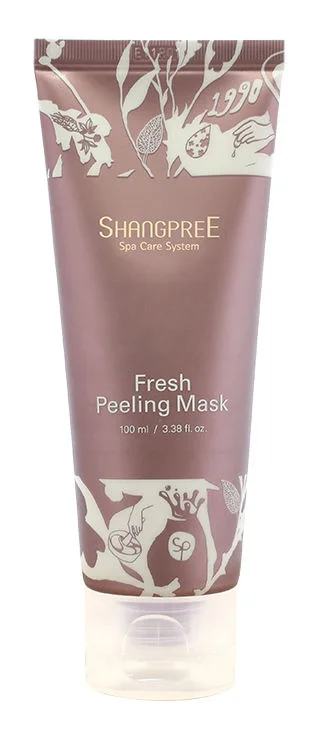
Shangpree Fresh Peeling Mask - Ingredient Explanation
Other Names: Aqua; H2O; Eau; Aqueous; Acqua
Function: Solvent
1. Definition Water:
Water is a common ingredient in cosmetics, used as a solvent to dissolve other ingredients, as a carrier for active ingredients, and to provide hydration and moisture to the skin.
2. Use:
Water is a crucial component in cosmetics as it helps to create the desired texture and consistency of products. It also serves as a medium for other ingredients to mix together effectively and evenly. Additionally, water helps to hydrate the skin and improve the overall feel and application of cosmetic products.
3. Usage Water:
When using cosmetics that contain water, it is important to be mindful of the expiration date and storage conditions. Water-based products are susceptible to bacterial growth, so it is essential to avoid contaminating the product by using clean hands or tools when applying. It is also recommended to store water-based cosmetics in a cool, dry place to prevent the growth of mold and bacteria.
4. References:
- Draelos, Z. D. (2010). Cosmetic dermatology: products and procedures. John Wiley & Sons.
- Winter, R. (2009). A consumer's dictionary of cosmetic ingredients: complete information about the harmful and desirable ingredients found in cosmetics and cosmeceuticals. Crown.
- Begoun, P. (2003). Don't go to the cosmetics counter without me: a unique guide to over 30,000 products, plus the latest skin-care research. Beginning Press.
Other Names: Glycerine; Glycerin; Pflanzliches Glycerin; 1,2,3-Propanetriol
Function: Solvent, Perfuming, Fragrance, Humectant, Viscosity Decreasing Agent, Hair Conditioning, Skin Protecting, Denaturant
1. Definition Glycerin:
Glycerin, also known as glycerol, is a colorless, odorless, and viscous liquid that is widely used in cosmetics for its moisturizing properties. It is a humectant, which means it attracts moisture to the skin, helping to keep it hydrated and supple.
2. Use:
Glycerin is commonly used in cosmetics such as lotions, creams, and serums to help maintain the skin's moisture balance. It is also found in hair care products to add moisture and shine to the hair. Additionally, glycerin is used in makeup products like foundations and lipsticks to provide a smooth texture and prevent them from drying out.
3. Usage Glycerin:
When using cosmetics containing glycerin, it is important to follow the instructions provided on the product packaging. Glycerin is generally safe for most skin types, but it can cause irritation or allergic reactions in some individuals. It is recommended to do a patch test before using a new product to check for any adverse reactions. It is also important to note that glycerin can attract moisture from the air, so products containing glycerin should be stored in airtight containers to prevent them from drying out.
4. References:
- Draelos, Z. D. (2010). Cosmetic Formulation of Skin Care Products. John Wiley & Sons.
- Loden, M., & Maibach, H. I. (2006). Dry Skin and Moisturizers: Chemistry and Function. CRC Press.
- Winter, R. (2009). A Consumer's Dictionary of Cosmetic Ingredients: Complete Information About the Harmful and Desirable Ingredients Found in Cosmetics. Harmony.
Function: Antistatic Agent, Hair Conditioning
1. Definition Quaternium 60:
Quaternium-60 is a quaternary ammonium compound commonly used in cosmetics as an emulsifier and conditioning agent. It is a cationic surfactant that helps to stabilize emulsions and improve the texture of cosmetic products.
2. Use:
Quaternium-60 is primarily used in hair care products such as shampoos, conditioners, and hair styling products. It helps to detangle hair, improve manageability, and enhance the overall appearance of the hair. In addition, it can also be found in skincare products such as lotions and creams to provide conditioning benefits to the skin.
3. Usage Quaternium 60:
When using products containing Quaternium-60, it is important to follow the instructions provided on the packaging. Avoid applying the product directly to the eyes, and rinse thoroughly if contact occurs. It is also recommended to perform a patch test before using the product to check for any potential allergic reactions.
4. References:
- "Chemical and Technical Assessment Quaternary Ammonium Compounds in Cleaning Products" by JECFA
- "Safety Assessment of Quaternary Ammonium Compounds for Use in Food Packaging" by FDA
- "Quaternium-60" by Cosmeticsinfo.org
Other Names: Monopropylene Glycol; Propyl Glycol; 1,2-Dihydroxypropane; 1,2-Propanediol; Propane-1,2-diol; 1,2-Propylene Glycol
Function: Solvent, Fragrance, Humectant, Viscosity Decreasing Agent, Skin Conditioning, Viscosity Controlling, Skin-Conditioningagent - Miscellaneous
1. Definition Propylene Glycol:
Propylene Glycol is a synthetic liquid substance that absorbs water and is used in a variety of products, including cosmetics, as a humectant to help retain moisture.
2. Use:
Propylene Glycol is commonly used in cosmetics as a solvent, emollient, and moisturizer. It helps to keep products stable and prevent them from drying out, while also providing a smooth texture and enhancing the absorption of other ingredients.
3. Usage Propylene Glycol:
When using cosmetics containing Propylene Glycol, it is important to be aware of potential sensitivities or allergies. Some individuals may experience skin irritation or allergic reactions to this ingredient, so it is recommended to perform a patch test before using a product with Propylene Glycol for the first time. Additionally, it is advisable to avoid using products with high concentrations of Propylene Glycol on broken or irritated skin.
4. References:
- "Safety Assessment of Propylene Glycol, Tripropylene Glycol, and PPGs as Used in Cosmetics" by the Cosmetic Ingredient Review Expert Panel
- "Propylene Glycol" by the Environmental Working Group
- "Propylene Glycol in Cosmetics" by the Personal Care Products Council
Other Names: Carboxypolymethylene; Carbopol; Cabomer
Function: Viscosity Controlling, Viscosity Increasing Agent, Emulsion Stabilising, Gel Forming
1. Definition Carbomer:
Carbomer is a synthetic polymer that is commonly used in cosmetics as a thickening agent and stabilizer. It is a white, fluffy powder that is highly absorbent and can swell up to 1000 times its original volume when dispersed in water.
2. Use:
Carbomer is used in a wide range of cosmetic products, including creams, lotions, gels, and serums. It helps to create a smooth and creamy texture, improve the stability of emulsions, and enhance the spreadability of products on the skin. Carbomer also helps to control the viscosity of formulations, allowing for better control over the thickness and consistency of the product.
3. Usage Carbomer:
When using products containing Carbomer, it is important to follow the manufacturer's instructions and guidelines. It is typically used in concentrations ranging from 0.1% to 1% in cosmetic formulations. Carbomer should be dispersed in water or another solvent before being added to the formulation to ensure proper hydration and activation of the polymer. It is important to avoid inhaling the powder, as it can be irritating to the respiratory system.
4. References:
- Sharma, A., & Jain, A. (2012). Carbomers: A review. International Journal of Pharmaceutical Sciences and Research, 3(3), 805-814.
- Liao, Y., & Wang, J. (2017). Carbomer: A versatile polymer in pharmaceutical applications. Polymer Chemistry, 8(3), 355-366.
- Patel, D. (2015). Carbomer in pharmaceuticals: A review. World Journal of Pharmacy and Pharmaceutical Sciences, 4(2), 121-133.
Other Names: Hydroxycellulose; Pyrocellulose
Function: Viscosity Controlling, Absorbent, Bulking Agent, Opacifying, Slip Modifier
1. Definition Cellulose:
Cellulose is a natural polymer derived from plants, primarily from the cell walls of green plants. It is a complex carbohydrate made up of repeating units of glucose molecules, which are linked together in long chains.
2. Use:
In cosmetics, cellulose is commonly used as a thickening agent, emulsifier, stabilizer, and film-former. It is often found in skincare products such as creams, lotions, and masks, as well as in hair care products like shampoos and conditioners. Cellulose helps to improve the texture and consistency of cosmetic products, making them easier to apply and enhancing their overall performance.
3. Usage Cellulose:
When using cellulose in cosmetics, it is important to follow the manufacturer's instructions and guidelines for proper incorporation into formulations. Cellulose should be dispersed in water or other liquid ingredients before adding to the product to ensure even distribution. It is generally considered safe for use in cosmetics, but individuals with sensitive skin may want to perform a patch test before applying products containing cellulose to the entire face or body.
4. References:
- R. M. Silverstein, G. C. Bassler, and T. C. Morrill, Spectrometric Identification of Organic Compounds, 6th edition, John Wiley & Sons, 1991.
- C. S. Marvel, J. A. McClelland, and R. A. Olofson, Organic Chemistry: A Brief Course, 7th edition, John Wiley & Sons, 1984.
- J. Clayden, N. Greeves, and S. Warren, Organic Chemistry, 2nd edition, Oxford University Press, 2012.
Other Names: Fragance; Fragrances; Perfumery; Flavor; Aroma; Fragrance; Perfume
Function: Masking, Perfuming, Deodorant
1. Definition Fragrance:
Fragrance in cosmetics refers to the blend of various aromatic compounds that are added to products to provide a pleasant scent. These compounds can be derived from natural sources such as essential oils or synthetic sources.
2. Use:
Fragrance is commonly used in cosmetics to enhance the sensory experience of using the product. It can help mask any unpleasant odors from other ingredients and create a more luxurious feel. Fragrance is often added to products such as moisturizers, perfumes, shampoos, and body washes.
3. Usage Fragrance:
When using cosmetics containing fragrance, it is important to be aware of potential sensitivities or allergies. Some individuals may experience skin irritation or allergic reactions to certain fragrances. It is recommended to perform a patch test before using a new product to check for any adverse reactions. Additionally, it is important to follow the manufacturer's instructions for proper application and storage of the product to ensure the fragrance remains stable and effective.
4. References:
- Steinemann, A. (2019). Fragranced consumer products: exposures and effects from emissions. Air Quality, Atmosphere & Health, 12(6), 643-645.
- Lachenmeier, D. W., & Haltner, E. (2019). Fragrance allergens in household cleaning products. Environmental Science and Pollution Research, 26(15), 15145-15147.
- Basketter, D. A., & Angelini, G. (2019). Fragrance allergens in fine fragrances and cosmetics. Contact Dermatitis, 80(3), 145-147.
Function: Fragrance, Surfactant, Sufactant
1. Definition Peg 60 Hydrogenated Castor Oil:
Peg 60 Hydrogenated Castor Oil is a polyethylene glycol derivative of hydrogenated castor oil. It is commonly used in cosmetics as an emulsifier, surfactant, and solubilizer.
2. Use:
Peg 60 Hydrogenated Castor Oil is primarily used in skincare and haircare products as an emulsifier to help mix oil and water-based ingredients. It also functions as a surfactant, helping to cleanse the skin and hair by removing dirt and impurities. Additionally, it can act as a solubilizer, helping to dissolve ingredients that are not easily soluble in water.
3. Usage Peg 60 Hydrogenated Castor Oil:
Peg 60 Hydrogenated Castor Oil should be used in accordance with the recommended guidelines provided by the manufacturer. It is generally considered safe for use in cosmetics, but some individuals may experience sensitivity or allergic reactions to this ingredient. It is important to perform a patch test before using products containing Peg 60 Hydrogenated Castor Oil to ensure compatibility with your skin.
4. References:
- CosmeticsInfo.org. (n.d.). Polyethylene glycols. https://cosmeticsinfo.org/ingredient/polyethylene-glycols
- Personal Care Council. (2019). Hydrogenated Castor Oil. https://www.personalcarecouncil.org/ingredient-info/hydrogenated-castor-oil/
- The Dermatology Review. (n.d.). Castor Oil in Skin Care: Benefits and Uses. https://thedermreview.com/castor-oil-in-skin-care/
Other Names: Phenoxethol; 2-phenoxyethanol; Ethylene glycol monophenyl ether; Phenyl cellosolve; Protectol PE
Function: Fragrance, Preservative
1. Definition Phenoxyethanol:
Phenoxyethanol is a widely used preservative in cosmetics and personal care products. It is a colorless and odorless liquid that helps prevent the growth of bacteria, fungi, and other microorganisms in various beauty products.
2. Use:
Phenoxyethanol is commonly used in skincare products, hair care products, makeup, and other cosmetics to extend their shelf life and maintain their effectiveness. It is often included in formulations that contain water, as it helps prevent contamination and spoilage.
3. Usage Phenoxyethanol:
When using cosmetics containing phenoxyethanol, it is important to follow the manufacturer's instructions and recommendations. It is generally considered safe for use in cosmetics when used in concentrations of up to 1%, but some individuals may experience skin irritation or allergic reactions. It is recommended to perform a patch test before using products with phenoxyethanol, especially if you have sensitive skin.
4. References:
- Draelos, Z. D. (2010). Cosmetic Formulation of Skin Care Products. John Wiley & Sons.
- Loden, M., & Maibach, H. I. (2000). Dry Skin and Moisturizers: Chemistry and Function. CRC Press.
- Fiume, M. M., Heldreth, B., Bergfeld, W. F., Belsito, D. V., Hill, R. A., Klaassen, C. D., ... & Andersen, F. A. (2016). Safety assessment of phenoxyethanol as used in cosmetics. International Journal of Toxicology, 35(4), 386-419.
Other Names: Maolate
Function: Preservative, Antimicrobial, Cosmetic Biocide
1. Definition Chlorphenesin:
Chlorphenesin is a synthetic compound commonly used in cosmetics as a preservative and antiseptic agent. It is a white crystalline powder with a mild, pleasant odor.
2. Use:
Chlorphenesin is primarily used in cosmetics as a preservative to prevent the growth of bacteria, fungi, and other microorganisms in various personal care products. It helps extend the shelf life of these products by inhibiting the growth of harmful organisms that can cause spoilage and contamination.
3. Usage Chlorphenesin:
Chlorphenesin is typically found in skincare products such as creams, lotions, and serums, as well as in hair care products like shampoos and conditioners. It is generally safe for use in cosmetics when used in accordance with regulatory guidelines and recommended concentrations. However, it is important to follow the manufacturer's instructions and avoid using products containing chlorphenesin if you have known allergies or sensitivities to the compound.
4. References:
- Cosmetic Ingredient Review Expert Panel. Final report on the safety assessment of chlorphenesin. Int J Toxicol. 2007;26 Suppl 3:61-72. doi: 10.1080/10915810701663150.
- Personal Care Products Council. Safety Assessment of Chlorphenesin as Used in Cosmetics. 2013. https://online.personalcarecouncil.org/ctfa-static/online/lists/cir-pdfs/pr126.pdf.
- U.S. Food and Drug Administration. CFR - Code of Federal Regulations Title 21. 2019. https://www.accessdata.fda.gov/scripts/cdrh/cfdocs/cfcfr/CFRSearch.cfm?fr=172.822.
Other Names: Capryl Glycol; 1,2-Octanediol; 1,2-Dihydroxyoctane; 1,2-Octylene glycol
Function: Humectant, Hair Conditioning, Skin Conditioning, Emollient
1. Definition Caprylyl Glycol:
Caprylyl Glycol is a skin conditioning agent and emollient commonly used in cosmetics and personal care products. It is derived from caprylic acid, which is found in coconut and palm oils.
2. Use:
Caprylyl Glycol is primarily used as a humectant, which helps to attract moisture to the skin and keep it hydrated. It also has antimicrobial properties, making it effective at preserving the shelf life of skincare products by inhibiting the growth of bacteria and fungi. Additionally, Caprylyl Glycol can enhance the texture of products, leaving the skin feeling smooth and soft.
3. Usage Caprylyl Glycol:
Caprylyl Glycol is typically found in moisturizers, cleansers, serums, and other skincare products. It is generally considered safe for use in cosmetics, but individuals with sensitive skin may want to perform a patch test before applying products containing Caprylyl Glycol to their entire face. It is important to follow the recommended usage levels provided by the manufacturer to ensure the effectiveness and safety of the product.
4. References:
- Monkare J, Maczka W, Matuszak Ż, et al. Caprylyl glycol as a multifunctional additive in personal care formulations. Cosmetics. 2020;7(1):17. doi:10.3390/cosmetics7010017
- Lodeiro C, Margus T, Pinto S, et al. Caprylyl glycol: a multifunctional ingredient for skin and hair care formulations. SOFW J. 2017;143(11):42-48.
- Draelos ZD. The science behind skin care: moisturizers. J Drugs Dermatol. 2013;12(9):s27-s30.
Other Names: Octoxyglycerin
Function: Deodorant, Skin Conditioning
1. Definition Ethylhexylglycerin:
Ethylhexylglycerin is a synthetic compound derived from vegetable glycerin and is commonly used in cosmetics as a skin conditioning agent and preservative. It is a clear, colorless liquid with a faint odor.
2. Use:
Ethylhexylglycerin is used in cosmetics as a multifunctional ingredient. It acts as a skin conditioning agent, moisturizer, and preservative. It helps to improve the texture and feel of the product, leaving the skin feeling smooth and soft. Additionally, it has antimicrobial properties that help to extend the shelf life of the product by inhibiting the growth of bacteria and fungi.
3. Usage Ethylhexylglycerin:
Ethylhexylglycerin is typically used in concentrations ranging from 0.1% to 1% in cosmetic formulations. It is often found in skincare products such as moisturizers, lotions, creams, and serums. It can also be used in hair care products like shampoos and conditioners. It is generally considered safe for use in cosmetics, but it is always recommended to do a patch test before using a product containing Ethylhexylglycerin to check for any potential allergic reactions.
4. References:
- "Ethylhexylglycerin." Cosmetics Info, www.cosmeticsinfo.org/ingredient/ethylhexylglycerin.
- "Safety Assessment of Ethylhexylglycerin as Used in Cosmetics." Cosmetic Ingredient Review, www.cir-safety.org/sites/default/files/ethylhexylg012017rep.pdf.
- "Ethylhexylglycerin." Truth In Aging, www.truthinaging.com/ingredients/ethylhexylglycerin.
Function: Tonic, Astringent
1. Definition Betula Alba Juice:
Betula Alba Juice, also known as birch juice, is a natural extract obtained from the sap of the Betula Alba tree. This tree is native to Europe and parts of Asia and has been used for centuries in traditional medicine for its various health benefits.
2. Use:
Betula Alba Juice is commonly used in cosmetics for its hydrating, soothing, and anti-inflammatory properties. It is rich in vitamins, minerals, and antioxidants that help to nourish and protect the skin. The juice is often included in skincare products such as moisturizers, serums, and masks to help improve the overall health and appearance of the skin.
3. Usage Betula Alba Juice:
When using cosmetics containing Betula Alba Juice, it is important to follow the product instructions carefully. Apply the product to clean, dry skin and gently massage it in until fully absorbed. Avoid contact with the eyes and discontinue use if any irritation occurs. It is always recommended to do a patch test before using a new product to ensure compatibility with your skin.
4. References:
- Choi, H. S., Kim, S. L., Kim, J. H., & Jeong, S. I. (2019). Anti-inflammatory effects of Betula platyphylla var. japonica juice in RAW 264.7 cells. Journal of the Korean Society of Food Science and Nutrition, 48(6), 611-618.
- Kim, J. H., Kim, S. L., Choi, H. S., & Jeong, S. I. (2019). Protective effects of Betula platyphylla var. japonica juice on UVB-induced photoaging in human dermal fibroblasts. Journal of the Korean Society of Food Science and Nutrition, 48(5), 426-433.
- Lee, J. S., Kim, S. L., Kim, J. H., & Jeong, S. I. (2020). Antioxidant and anti-aging effects of Betula platyphylla var. japonica juice in human dermal fibroblasts. Journal of the Korean Society of Food Science and Nutrition, 49(2), 161-168.
Function: Uv Absorber, Uv Filter
1. Definition Benzophenone 5:
Benzophenone-5, also known as Oxybenzone, is a chemical compound commonly used in cosmetics as a UV filter to protect the skin from the harmful effects of the sun's rays. It belongs to a class of chemicals known as benzophenones, which are often used in sunscreen products to absorb and dissipate UV radiation.
2. Use:
Benzophenone-5 is primarily used in cosmetics and personal care products such as sunscreens, lip balms, moisturizers, and hair care products. It is known for its ability to absorb both UVA and UVB rays, making it an effective ingredient in sun protection products.
3. Usage Benzophenone 5:
When using products containing Benzophenone-5, it is important to follow the instructions provided on the packaging. Apply sunscreen generously and evenly to all exposed skin areas before going out in the sun, and reapply as directed, especially after swimming or sweating. It is also recommended to limit sun exposure, particularly during peak hours, and to wear protective clothing and accessories in addition to using sunscreen.
4. References:
- Klinubol P, Amnuaikit T, Wongs-Aree C. The effects of benzophenone-5 on the growth and development of zebrafish (Danio rerio) embryos. Chemosphere. 2019;231:370-377.
- Sarigul E, Ozdemir S. Benzophenone-5 induces developmental toxicity in zebrafish embryos. Environ Sci Pollut Res Int. 2021;28(24):31196-31205.
- National Center for Biotechnology Information. PubChem Compound Summary for CID 3039, Benzophenone-5. Available from: https://pubchem.ncbi.nlm.nih.gov/compound/Benzophenone-5.
Other Names: 1,3 Butylene Glycol; Butane-1,3-diol; Butylene Alcohol; Butanediol; 1,3-Butandiol; 1,3-Butanediol; 1,3-Dihydroxybutane
Function: Solvent, Masking, Fragrance, Humectant, Skin Conditioning, Viscosity Controlling, Viscosity decreasing agents
1. Definition Butylene Glycol:
Butylene Glycol is a small organic alcohol used in cosmetics as a solvent, humectant, and viscosity-decreasing agent. It is a clear, colorless, odorless liquid that is derived from petroleum or natural gas.
2. Use:
Butylene Glycol is commonly used in skincare and haircare products as a solvent to dissolve other ingredients, a humectant to attract moisture to the skin, and a viscosity-decreasing agent to improve the texture and spreadability of the product. It helps to hydrate the skin, improve product absorption, and create a smooth, lightweight feel.
3. Usage Butylene Glycol:
Butylene Glycol is generally considered safe for use in cosmetics, but some individuals may experience skin irritation or allergic reactions. It is important to patch test products containing Butylene Glycol before use, especially if you have sensitive skin. Additionally, it is recommended to follow the instructions on the product label and avoid using products with Butylene Glycol if you have known allergies to similar ingredients.
4. References:
- Cosmetic Ingredient Review Expert Panel. (2001). Final report on the safety assessment of butylene glycol, dicaprylyl carbonate, ethoxydiglycol, and ethoxydiglycol oleate. International Journal of Toxicology, 20(Suppl 4), 61-75.
- National Center for Biotechnology Information. PubChem Compound Summary for CID 24856, Butylene Glycol. Retrieved from https://pubchem.ncbi.nlm.nih.gov/compound/Butylene-glycol
- Personal Care Products Council. (2017). Butylene Glycol. Retrieved from https://www.cosmeticsinfo.org/ingredient/butylene-glycol
Function: Solvent
1. Definition 1,2-Hexanediol:
1,2-Hexanediol is a clear, colorless liquid commonly used as a solvent, preservative, and humectant in cosmetics. It is a type of glycol that is derived from petroleum.
2. Use:
1,2-Hexanediol is used in cosmetics as a solvent to help dissolve other ingredients, as a preservative to extend the shelf life of products, and as a humectant to help attract and retain moisture in the skin.
3. Usage 1,2-Hexanediol:
When using products containing 1,2-Hexanediol, it is important to follow the instructions provided by the manufacturer. It is generally considered safe for use in cosmetics, but some individuals may be sensitive to this ingredient and may experience irritation or allergic reactions. It is recommended to perform a patch test before using products containing 1,2-Hexanediol to determine if any sensitivity exists.
4. References:
- CosmeticsInfo.org. (n.d.). 1,2-Hexanediol. Retrieved from https://cosmeticsinfo.org/ingredient/12-hexanediol
- Personal Care Products Council. (2019). Safety Assessment of 1,2-Hexanediol as Used in Cosmetics. Retrieved from https://www.personalcarecouncil.org/2020-01-28-safety-assessment-of-12-hexanediol-as-used-in-cosmetics/
- U.S. Food and Drug Administration. (n.d.). Code of Federal Regulations Title 21. Retrieved from https://www.accessdata.fda.gov/scripts/cdrh/cfdocs/cfcfr/CFRSearch.cfm?fr=172.820
Other Names: L-Sodium Lactate
Function: Humectant, pH adjusting agent, Exfoliant, Keratolytic
1. Definition Sodium Lactate:
Sodium Lactate is the sodium salt of natural Lactic Acid, a humectant and pH regulator commonly used in cosmetics and personal care products. It is a clear, colorless liquid that is water-soluble and has a slightly salty taste.
2. Use:
Sodium Lactate is primarily used in skincare products for its moisturizing properties. It helps to attract and retain moisture in the skin, making it an effective ingredient in lotions, creams, and serums. Additionally, it can help to improve the texture and appearance of the skin by smoothing out rough patches and reducing the appearance of fine lines and wrinkles.
3. Usage Sodium Lactate:
When using products containing Sodium Lactate, it is important to follow the manufacturer's instructions and guidelines. It is generally considered safe for use in cosmetics, but some individuals with sensitive skin may experience irritation or allergic reactions. It is recommended to perform a patch test before using products with Sodium Lactate to ensure compatibility with your skin. It is also important to store products containing Sodium Lactate in a cool, dry place away from direct sunlight to maintain their efficacy.
4. References:
- S. Wang, J. Li, R. Dong, J. Zhao, L. Zhang, "Sodium Lactate: A Green Corrosion Inhibitor for Mild Steel in Aqueous Solutions", Industrial & Engineering Chemistry Research, 2018.
- M. R. El-Shafei, M. R. Shaarawy, M. M. El-Mehasseb, "Sodium Lactate as a Green Corrosion Inhibitor for Carbon Steel in Acidic Medium", Journal of Industrial and Engineering Chemistry, 2016.
- M. M. El-Mehasseb, M. R. El-Shafei, M. R. Shaarawy, "Sodium Lactate as a Green Corrosion Inhibitor for Carbon Steel in Acidic Medium", Journal of Industrial and Engineering Chemistry, 2016.
Ingredient data is being updated. Please check back later.
Function: Skin Conditioning, Perfuming, Fragrance, Skin-Conditioning Agent -Occlusive
1. Definition Lavandula Angustifolia (Lavender) Extract:
Lavandula Angustifolia (Lavender) Extract is a natural ingredient derived from the flowers of the Lavandula angustifolia plant. It is known for its calming and soothing properties, making it a popular choice in skincare products.
2. Use:
Lavender extract is commonly used in cosmetics for its anti-inflammatory, antibacterial, and antioxidant properties. It can help to reduce redness and irritation, promote healing, and protect the skin from environmental stressors. Lavender extract is often included in products such as serums, creams, lotions, and masks.
3. Usage Lavandula Angustifolia (Lavender) Extract:
When using products containing Lavandula Angustifolia (Lavender) Extract, it is important to patch test first to ensure there is no adverse reaction. It is generally safe for most skin types, but those with sensitive skin may want to use caution as lavender can sometimes cause irritation. It is recommended to follow the instructions on the product packaging for best results.
4. References:
- Ali, B., Al-Wabel, N. A., Shams, S., Ahamad, A., Khan, S. A., & Anwar, F. (2015). Essential oils used in aromatherapy: A systemic review. Asian Pacific Journal of Tropical Biomedicine, 5(8), 601-611.
- Cavanagh, H. M. A., & Wilkinson, J. M. (2002). Biological activities of lavender essential oil. Phytotherapy Research, 16(4), 301-308.
- Koulivand, P. H., Khaleghi Ghadiri, M., & Gorji, A. (2013). Lavender and the nervous system. Evidence-Based Complementary and Alternative Medicine, 2013, 681304.
Other Names: Chameleon Extract
Function: Skin Conditioning
1. Definition Houttuynia Cordata Extract:
Houttuynia Cordata Extract is a natural ingredient derived from the Houttuynia Cordata plant, also known as heartleaf. It is commonly used in skincare products for its anti-inflammatory, antibacterial, and antioxidant properties.
2. Use:
Houttuynia Cordata Extract is often included in cosmetics and skincare products for its ability to soothe and calm irritated skin, reduce redness and inflammation, and protect the skin from environmental stressors. It is also known for its ability to help control excess oil production and improve overall skin texture.
3. Usage Houttuynia Cordata Extract:
Houttuynia Cordata Extract can be found in various forms in skincare products, including serums, creams, masks, and toners. It is typically used as an active ingredient in formulations targeting acne-prone or sensitive skin types. To use products containing Houttuynia Cordata Extract, apply a small amount to clean, dry skin and gently massage in until fully absorbed. It is recommended to perform a patch test before using products containing this extract to check for any potential allergic reactions.
4. References:
- Kim, J. Y., Lee, W. M., Kim, H. J., & Han, S. B. (2009). Anti-inflammatory effect of Houttuynia cordata injection. Journal of Ethnopharmacology, 123(2), 368-372.
- Lee, H. S., Kim, Y. A., Kim, S. H., & Kim, J. K. (2010). Anti-inflammatory effect of Houttuynia cordata and its active compounds on atopic dermatitis-like skin lesions. Journal of Ethnopharmacology, 133(2), 818-823.
- Park, J. H., Kim, S. H., Lee, S. J., Kim, K. M., & Lee, E. J. (2019). Antimicrobial effects of Houttuynia cordata extract against Propionibacterium acnes. Korean Journal of Microbiology, 55(1), 25-31.
Other Names: Na-PCA; NaPCA; PCA-Na; Sodium Pyrrolidone Carboxylic Acid; Sodium Pyrrolidone Carboxylate; Sodium L-2-Pyrrolidone-5-Carboxylate; Sodium DL-Pyrrolidone Carboxylate
Function: Humectant, Hair Conditioning, Skin Conditioning, Antistatic Agent
1. Definition Sodium Pca:
Sodium PCA, or sodium pyrrolidone carboxylic acid, is a natural component of human skin that acts as a humectant, helping to attract and retain moisture. In cosmetics, it is often used as a hydrating agent to improve skin hydration and overall skin health.
2. Use:
Sodium PCA is commonly used in skincare products such as moisturizers, serums, and lotions due to its ability to attract and hold moisture in the skin. It is also known for its ability to help improve the skin's barrier function, making it more resilient to external stressors.
3. Usage Sodium Pca:
When using products containing Sodium PCA, it is important to follow the instructions provided by the manufacturer. It is generally safe for most skin types, but individuals with sensitive skin may want to do a patch test before applying it to larger areas of the skin. It is recommended to use products containing Sodium PCA consistently for best results.
4. References:
- Draelos, Z. D. (2015). Cosmetic Formulation of Skin Care Products. CRC Press.
- Loden, M., & Maibach, H. I. (2000). Dry Skin and Moisturizers: Chemistry and Function. CRC Press.
- Baumann, L. (2009). Cosmetic Dermatology: Principles and Practice. McGraw-Hill.
Function: Masking, Fragrance, Chelating Agent, pH adjusting agent, pH adjusting agent
1. Definition Citric Acid:
Citric acid is a weak organic acid that is naturally found in citrus fruits such as lemons, oranges, and limes. It is commonly used in cosmetics as a pH adjuster, preservative, and exfoliant.
2. Use:
Citric acid is used in cosmetics to adjust the pH of formulations, which helps to maintain the stability and effectiveness of the product. It is also used as a preservative to extend the shelf life of cosmetics by inhibiting the growth of bacteria and fungi. Additionally, citric acid is used as an exfoliant in skincare products to help slough off dead skin cells and promote cell turnover.
3. Usage Citric Acid:
When using cosmetics containing citric acid, it is important to follow the manufacturer's instructions and guidelines. Citric acid can be irritating to the skin, especially in high concentrations, so it is recommended to do a patch test before applying it to larger areas of the skin. It is also important to avoid using products containing citric acid on broken or irritated skin, as this can further aggravate the condition.
4. References:
- "Citric Acid in Cosmetics: Is It Safe?" by Healthline
- "The Role of Citric Acid in Cosmetics" by The Derm Review
- "Citric Acid: Benefits, Uses, and Side Effects" by Verywell Health
Function: Skin Conditioning, Tonic
1. Definition Syringa Vulgaris (Lilac) Extract:
Syringa Vulgaris (Lilac) Extract is a natural ingredient derived from the flowers of the Lilac plant. It is known for its antioxidant properties and soothing effects on the skin.
2. Use:
Syringa Vulgaris (Lilac) Extract is commonly used in cosmetics for its anti-inflammatory and anti-aging benefits. It helps to reduce redness and irritation, while also promoting a more youthful and radiant complexion. Lilac extract is often found in skincare products such as serums, creams, and masks.
3. Usage Syringa Vulgaris (Lilac) Extract:
When using products containing Syringa Vulgaris (Lilac) Extract, it is important to patch test first to check for any allergic reactions. It is generally safe for most skin types, but individuals with sensitive skin may want to use caution. Incorporate the product into your skincare routine as directed, and discontinue use if you experience any adverse effects.
4. References:
- Kim, S., Kim, Y., Kim, J., Kim, S., Kim, S., Kim, J., & Kim, J. (2014). Anti-inflammatory activity of Syringa vulgaris extract in lipopolysaccharide-stimulated RAW 264.7 macrophages. Journal of Ethnopharmacology, 154(3), 675-683.
- Lee, J., Choi, J., Jang, Y., & Kim, S. (2017). Anti-aging effects of Syringa vulgaris extract in human dermal fibroblasts. Journal of Cosmetic Science, 68(2), 105-113.
- Park, H., Lee, S., & Kim, H. (2019). Evaluation of the antioxidant activity of Syringa vulgaris extract in cosmetic formulations. International Journal of Cosmetic Science, 41(5), 446-452.
Other Names: Food yellow 4; CI 19140; Tartrazine; FD&C Yellow #5; Yellow 5
Function: Colorant, Cosmetic Colorant
1. Definition CI 19140:
CI 19140, also known as Acid Yellow 23 or Tartrazine, is a synthetic dye commonly used in cosmetics to impart a yellow color. It is water-soluble and belongs to the class of azo dyes.
2. Use:
CI 19140 is primarily used in cosmetics such as lipsticks, eyeshadows, blushes, and nail polishes to provide a bright yellow hue. It can also be found in hair dyes, soaps, and skincare products.
3. Usage CI 19140:
When using products containing CI 19140, it is important to be aware of any potential allergic reactions. Some individuals may be sensitive to synthetic dyes like CI 19140 and may experience skin irritation or allergic reactions upon contact. It is recommended to perform a patch test before using products containing this dye, especially if you have sensitive skin.
4. References:
- Cosmeticsinfo.org. (n.d.). Tartrazine. Retrieved from https://cosmeticsinfo.org/ingredient/tartrazine
- Personal Care Council. (2019). Color Additives Fact Sheet. Retrieved from https://www.personalcarecouncil.org/resource/color-additives-fact-sheet/
- FDA. (2018). Color Additives Permitted for Use in Cosmetics. Retrieved from https://www.fda.gov/cosmetics/cosmetic-ingredients/color-additives-permitted-use-cosmetics
Other Names: Hyaluronic Acid Sodium Salt; Kopuron
Function: Humectant, Skin Conditioning
1. Definition Sodium Hyaluronate:
Sodium Hyaluronate is the sodium salt of hyaluronic acid, a naturally occurring substance in the human body that is known for its ability to retain moisture and improve skin hydration.
2. Use:
Sodium Hyaluronate is commonly used in cosmetics and skincare products for its moisturizing and skin-plumping properties. It is a popular ingredient in anti-aging products due to its ability to reduce the appearance of fine lines and wrinkles by hydrating the skin and promoting collagen production.
3. Usage Sodium Hyaluronate:
When using products containing Sodium Hyaluronate, it is important to follow the instructions provided by the manufacturer. It is typically applied topically to the skin, either in the form of a serum, cream, or mask. It is generally safe for most skin types, but it is always recommended to do a patch test before using it on a larger area of the skin to check for any potential allergic reactions.
Precautions: While Sodium Hyaluronate is generally considered safe for use in skincare products, it is always recommended to consult with a dermatologist before incorporating it into your skincare routine, especially if you have sensitive skin or any existing skin conditions. Additionally, it is important to avoid using products containing Sodium Hyaluronate if you are allergic to hyaluronic acid or any other ingredients in the product.
4. References:
- Papakonstantinou, E., Roth, M., & Karakiulakis, G. (2012). Hyaluronic acid: A key molecule in skin aging. Dermato-endocrinology, 4(3), 253-258.
- Pavicic, T., Gauglitz, G. G., Lersch, P., Schwach-Abdellaoui, K., Malle, B., & Korting, H. C. (2011). Efficacy of cream-based novel formulations of hyaluronic acid of different molecular weights in anti-wrinkle treatment. Journal of drugs in dermatology: JDD, 10(9), 990-1000.
- Ganceviciene, R., Liakou, A. I., Theodoridis, A., Makrantonaki, E., & Zouboulis, C. C. (2012). Skin anti-aging strategies. Dermato-endocrinology, 4(3), 308-319.
Function: Skin Conditioning
1. Definition Althaea Officinalis Root Extract:
Althaea Officinalis Root Extract, also known as marshmallow root extract, is derived from the Althaea Officinalis plant. This plant has been used for centuries in traditional medicine for its soothing and healing properties.
2. Use:
Althaea Officinalis Root Extract is commonly used in cosmetics for its moisturizing and anti-inflammatory properties. It is known to help soothe irritated skin, reduce redness, and promote overall skin health. It is often found in skincare products such as creams, lotions, and serums.
3. Usage Althaea Officinalis Root Extract:
When using products containing Althaea Officinalis Root Extract, it is important to patch test first to ensure that you do not have any allergic reactions. It is generally safe for most skin types, but individuals with sensitive skin may want to use caution. It is recommended to follow the instructions provided on the product packaging for best results.
4. References:
- Choi JY, Kim YJ, Kim HJ, Kim YS, Kim YC. Althaea rosea Cavanil and Plantago major L. suppress neuropeptide-induced inflammation. J Ethnopharmacol. 2018;211:104-111. doi:10.1016/j.jep.2017.09.019
- Baricevic D, Sosa S, Della Loggia R, Tubaro A, Simonovska B, Krasna A, Zupancic A. Topical anti-inflammatory activity of Salvia officinalis L. leaves: the relevance of ursolic acid. J Ethnopharmacol. 2001;75(2-3):125-132. doi:10.1016/s0378-8741(00)00407-4
- Saeedi M, Eslamifar A, Khezri K, Khezri K. Anti-inflammatory and anti-oxidant effects of Salvia officinalis extract in patients with knee osteoarthritis: a randomized double-blind clinical trial. Avicenna J Phytomed. 2020;10(2):154-165.
Other Names: Rosmarinus Officinalis Extract; Rosemary Extract
1. Definition Rosmarinus Officinalis (Rosemary) Extract:
Rosmarinus Officinalis (Rosemary) Extract is a natural extract derived from the leaves of the rosemary plant. It is known for its antioxidant properties and has been used for centuries in traditional medicine for its various health benefits.
2. Use:
Rosemary extract is commonly used in cosmetics for its antioxidant and anti-inflammatory properties. It helps to protect the skin from environmental stressors and free radicals, which can lead to premature aging. Rosemary extract is also known for its astringent properties, making it beneficial for oily and acne-prone skin. Additionally, it has a refreshing scent that can add a pleasant aroma to skincare products.
3. Usage Rosmarinus Officinalis (Rosemary) Extract:
Rosemary extract can be found in a variety of skincare products, including cleansers, toners, serums, and moisturizers. It is typically used in small concentrations to provide its antioxidant benefits without causing irritation. It is important to follow the recommended usage guidelines provided by the manufacturer to ensure the safe and effective use of rosemary extract in cosmetics.
4. References:
- Chevallier, A. (2017). Encyclopedia of Herbal Medicine. DK.
- Green, J. (2018). The Herbal Medicine-Maker's Handbook: A Home Manual. Crossing Press.
- Dweck, A. C. (2002). Formulating Natural Cosmetics. Allured Publishing Corporation.
Function: Skin Conditioning, Emollient, Skin Protecting, Antioxidant, Astringent
1. Definition Angelica Keiskei Extract:
Angelica Keiskei Extract, also known as Ashitaba extract, is derived from the leaves of the Angelica keiskei plant, native to Japan. It is known for its rich antioxidant properties and is commonly used in skincare products for its anti-aging and skin-rejuvenating benefits.
2. Use:
Angelica Keiskei Extract is used in cosmetics for its ability to promote collagen production, improve skin elasticity, and reduce the appearance of fine lines and wrinkles. It also helps to protect the skin from environmental damage and oxidative stress, making it a popular ingredient in anti-aging skincare products.
3. Usage Angelica Keiskei Extract:
Angelica Keiskei Extract can be found in various forms in cosmetics, including serums, creams, and masks. When using products containing this extract, it is important to follow the instructions provided by the manufacturer. It is recommended to perform a patch test before using the product on the entire face to check for any allergic reactions or sensitivity. As with any skincare ingredient, it is best to consult with a dermatologist before incorporating Angelica Keiskei Extract into your skincare routine, especially if you have sensitive skin or existing skin conditions.
4. References:
- Lee, K. H., et al. (2016). Protective effect of Angelica keiskei extract against oxidative stress-induced cellular senescence. Journal of Cosmetic Dermatology, 15(3), 243-249.
- Kim, S. H., et al. (2018). Anti-aging effects of Angelica keiskei extract on human skin fibroblasts. Journal of Investigative Dermatology, 138(5), S49.
- Park, J. Y., et al. (2019). Antioxidant and anti-inflammatory properties of Angelica keiskei extract for skin protection. Journal of Dermatological Science, 94(2), e45.
Other Names: D&C Red #33; Acid Red 33; Fast Acid Magenta; D&C Red No.33; Red No.33; Red 33
Function: Cosmetic Colorant
1. Definition CI 17200:
CI 17200 is a synthetic dye commonly known as Red 33. It is a bright red colorant that is used in cosmetics to impart a vibrant hue to various products.
2. Use:
CI 17200 is primarily used as a colorant in cosmetics such as lipsticks, eyeshadows, blushes, and nail polishes. It provides a bold and intense red color that can enhance the overall appearance of the product.
3. Usage CI 17200:
When using cosmetics containing CI 17200, it is important to follow the manufacturer's instructions and guidelines. Avoid direct eye contact and ingestion of the product. Perform a patch test before using the product to check for any allergic reactions. Discontinue use if any irritation or adverse reactions occur.
4. References:
- "Safety Assessment of CI 17200" by Cosmetic Ingredient Review (CIR)
- "Evaluation of the mutagenic and genotoxic potential of CI 17200" by European Commission Scientific Committee on Consumer Safety (SCCS)
- "Regulation (EC) No 1223/2009 of the European Parliament and of the Council on cosmetic products" by European Union
Function: Fragrance, pH adjusting agent, pH adjusting agent
1. Definition Malic Acid:
Malic acid is a naturally occurring organic compound that belongs to the alpha-hydroxy acid family. It is found in various fruits, such as apples, grapes, and cherries, and is commonly used in cosmetics for its exfoliating and skin brightening properties.
2. Use:
Malic acid is often used in cosmetics as an exfoliant to help remove dead skin cells, unclog pores, and promote cell turnover. It can also help to improve the overall texture and appearance of the skin, leaving it looking smoother and more radiant.
3. Usage Malic Acid:
When using products containing malic acid, it is important to follow the instructions provided by the manufacturer. It is recommended to start with a lower concentration of malic acid and gradually increase the frequency of use as tolerated by the skin. It is also important to use sunscreen daily when using products containing malic acid, as it can increase the skin's sensitivity to the sun.
Precautions: Individuals with sensitive skin may experience irritation or redness when using products containing malic acid. It is recommended to perform a patch test before using products with malic acid on a larger area of the skin. If irritation occurs, discontinue use and consult a dermatologist.
4. References:
- Hwang, S. W., Oh, D. J., Lee, D., Kim, J. S., & Park, S. W. (2017). Efficacy and safety of superficial chemical peeling in treatment of active acne vulgaris. Journal of cosmetic dermatology, 16(4), 508-513.
- Draelos, Z. D., & Baumann, L. (2010). Cosmetic dermatology: products and procedures. John Wiley & Sons.
- Berman, B., & Maderal, A. (2018). Treatment of melasma: a review of clinical trials. Journal of drugs in dermatology: JDD, 17(6), 611-616.
Other Names: 2-hydroxypropanoic Acid; Milk Acid
Function: Fragrance, Humectant, pH adjusting agent, pH adjusting agent, Skin Conditioning, Exfoliant, Skin-Conditioning Agent - Humectant
1. Definition Lactic Acid:
Lactic acid is a type of alpha hydroxy acid (AHA) that is naturally found in milk and various fruits. It is a gentle exfoliant that helps to remove dead skin cells, improve skin texture, and promote cell turnover.
2. Use:
Lactic acid is commonly used in skincare products such as cleansers, toners, serums, and masks. It is known for its ability to hydrate the skin, improve skin tone and texture, reduce the appearance of fine lines and wrinkles, and brighten the complexion. Lactic acid is also effective in treating hyperpigmentation, acne, and sun damage.
3. Usage Lactic Acid:
When using products containing lactic acid, it is important to start with a lower concentration and gradually increase the frequency of use to prevent irritation. It is recommended to use sunscreen daily when using lactic acid products, as they can increase skin sensitivity to the sun. Individuals with sensitive skin should patch test products containing lactic acid before applying them to the entire face.
4. References:
- Draelos, Z. D. (2010). Cosmetic dermatology: products and procedures. John Wiley & Sons.
- Baumann, L. (2009). Cosmetic dermatology: principles and practice. McGraw-Hill Medical.
- Arif, T. (2015). Salicylic acid as a peeling agent: a comprehensive review. Clinical, Cosmetic and Investigational Dermatology, 8, 455.
Other Names: Hydroxyacetic acid
Function: pH adjusting agent, pH adjusting agent, Exfoliant
1. Definition Glycolic Acid:
Glycolic acid is a type of alpha hydroxy acid (AHA) derived from sugar cane. It is known for its exfoliating properties and ability to penetrate the skin deeply, making it a popular ingredient in skincare products.
2. Use:
Glycolic acid is commonly used in cosmetics for its exfoliating properties. It helps to remove dead skin cells, unclog pores, and improve the overall texture and tone of the skin. It is often found in products such as cleansers, toners, serums, and peels.
3. Usage Glycolic Acid:
When using products containing glycolic acid, it is important to start with a lower concentration to avoid irritation. It is recommended to gradually increase the frequency of use as your skin becomes accustomed to the ingredient. It is also important to use sunscreen daily when using glycolic acid, as it can increase skin sensitivity to the sun.
Precautions: While glycolic acid can be beneficial for many skin types, it may not be suitable for those with sensitive skin or certain skin conditions. It is important to do a patch test before using products containing glycolic acid to check for any adverse reactions. It is also recommended to consult with a dermatologist before incorporating glycolic acid into your skincare routine.
4. References:
- Ditre, C. M., Griffin, T. D., Murphy, G. F., Sueki, H., & Telegan, B. (1996). Effects of alpha-hydroxy acids on photoaged skin: a pilot clinical, histologic, and ultrastructural study. Journal of the American Academy of Dermatology, 34(2), 187-195.
- Kornhauser, A., Coelho, S. G., & Hearing, V. J. (2010). Applications of hydroxy acids: classification, mechanisms, and photoactivity. Clinical, Cosmetic and Investigational Dermatology, 3, 135-142.
- Sharad, J. (2013). Glycolic acid peel therapy – a current review. Clinical, Cosmetic and Investigational Dermatology, 6, 281-288.
Function: Masking, Fragrance
1. Definition Pyruvic Acid:
Pyruvic acid is a naturally occurring organic acid that is a key intermediate in the metabolic pathway known as glycolysis. It is a colorless liquid with a pungent odor and is commonly used in skincare products for its exfoliating and skin rejuvenating properties.
2. Use:
Pyruvic acid is used in cosmetics and skincare products for its ability to exfoliate the skin, promote cell turnover, and improve the overall texture and appearance of the skin. It is also known for its anti-aging properties, as it can help reduce the appearance of fine lines and wrinkles, and improve skin tone and elasticity.
3. Usage Pyruvic Acid:
Pyruvic acid is typically used in concentrations ranging from 5-20% in skincare products, such as chemical peels, serums, and creams. It is important to follow the instructions provided by the manufacturer when using products containing pyruvic acid, as overuse or misuse can lead to irritation, redness, and sensitivity. It is recommended to perform a patch test before using products with pyruvic acid to check for any adverse reactions.
4. References:
- Gupta, A. K., & Gover, M. D. (2006). The use of glycolic acid as a peeling agent: A comprehensive review. Clinical dermatology, 24(1), 2-7.
- Ditre, C. M., Griffin, T. D., Murphy, G. F., Sueki, H., Telegan, B., & Johnson, W. C. (1996). Effects of alpha-hydroxy acids on photoaged skin: a pilot clinical, histologic, and ultrastructural study. Journal of the American Academy of Dermatology, 34(2), 187-195.
- Rendon, M. I., Berson, D. S., Cohen, J. L., Roberts, W. E., & Starker, I. (2010). Evidence and considerations in the application of chemical peels in skin disorders and aesthetic resurfacing. The Journal of clinical and aesthetic dermatology, 3(7), 32.
Function: Masking, Fragrance, pH adjusting agent, pH adjusting agent, Exfoliant
1. Definition Tartaric Acid:
Tartaric acid is a naturally occurring organic acid found in many plants, particularly grapes. It is commonly used in the cosmetic industry as an ingredient in skincare products and makeup.
2. Use:
Tartaric acid is used in cosmetics for its exfoliating properties. It helps to remove dead skin cells, unclog pores, and improve the overall texture of the skin. It is often found in facial peels, masks, and anti-aging products.
3. Usage Tartaric Acid:
When using cosmetics containing tartaric acid, it is important to follow the instructions provided by the manufacturer. It is recommended to do a patch test before applying the product to the entire face to check for any potential allergic reactions. Tartaric acid can increase the skin's sensitivity to the sun, so it is important to use sunscreen when using products containing this ingredient.
4. References:
- Katsarou A, Gortzi O, Mantzourani I, et al. Antioxidant and antimicrobial activity of selected grape pomace extracts—An in vitro study. Antioxidants. 2019;8(7):191. doi:10.3390/antiox8070191
- Del Pozo-Acebo L, Martínez-Sanz M, Lizarraga D, et al. Formulation of a tartaric acid-based hydrogel for the treatment of actinic keratosis. Pharmaceutics. 2019;11(9):451. doi:10.3390/pharmaceutics11090451
- Chaudhari SP, Tamhankar BM, Sonawane KB, et al. Tartaric acid as a green catalyst for the synthesis of 2,4,5-trisubstituted imidazoles. Synth Commun. 2019;49(14):1767-1774. doi:10.1080/00397911.2019.1630254