


Analysis locked
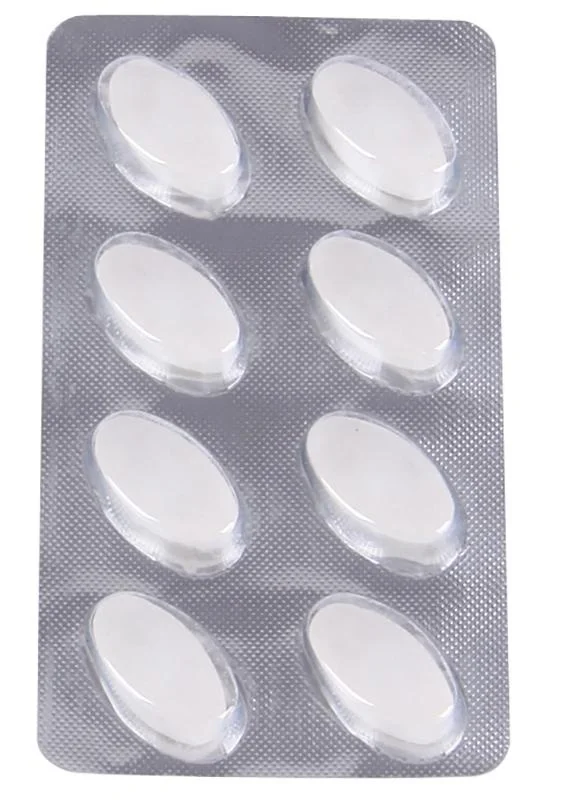
How well does your skin match with Sheet Faced Mask Pills?
Login to see detailsOr continue via
Quick 1-minute survey • Completely free
Ingredients
Analysis results of Ingredients


Ingredient List
| EWG | CIR | Ingredient Name & Cosmetic Function | Notes |
|---|---|---|---|
| 1 | - | | |
| 3 | - | (Viscosity Increasing Agent, Emulsion Stabilising, Binding Agent) | |
| 1 | - | (Masking, Fragrance, pH adjusting agent, pH adjusting agent, Exfoliant) |  |
| - | - | (Skin Conditioning, Skin Protecting) | |

Sheet Faced Mask Pills - Ingredient Explanation
Carrageenan
1. Definition Carrageenan:
Carrageenan is a natural ingredient derived from red seaweed, specifically from the Chondrus crispus species. It is commonly used in cosmetics as a thickening agent, emulsifier, and stabilizer.2. Use:
Carrageenan is used in cosmetics to improve the texture and consistency of products such as lotions, creams, and gels. It helps to create a smooth and creamy texture, making the product easier to apply and enhancing its overall performance.3. Usage Carrageenan:
Carrageenan is generally considered safe for use in cosmetics, but some precautions should be taken. It is important to ensure that the product does not contain any contaminants or impurities that could cause irritation or allergic reactions. Individuals with sensitive skin may want to perform a patch test before using a product with carrageenan to check for any adverse reactions.4. References:
- Cox, S., Abu-Ghannam, N., & Gupta, S. (2010). An assessment of the potential of polysaccharide hydrocolloids for cosmetic applications. International Journal of Cosmetic Science, 32(5), 369-387.
- Pereira, L., Amado, A. M., Critchley, A. T., & van de Velde, F. (2009). Polysaccharides from seaweeds. In D. A. Thomas (Ed.), Seaweed in health and disease prevention (pp. 203-225). Academic Press.
- Ngo, D. H., Kim, S. K. (2013). Sulfated polysaccharides as bioactive agents from marine algae. International Journal of Biological Macromolecules, 62, 70-75.
PEG-5M
1. Definition PEG-5M:
PEG-5M, also known as Polyethylene Glycol-5 Monostearate, is a type of polyethylene glycol that is commonly used in cosmetics as an emulsifier and surfactant. It is a water-soluble polymer that helps to stabilize and emulsify oil and water-based ingredients in cosmetic formulations.2. Use:
PEG-5M is used in cosmetics to create stable emulsions, improve the texture and consistency of products, and enhance the spreadability of formulations. It is commonly found in creams, lotions, and other skincare products where it helps to blend water and oil-based ingredients together.3. Usage PEG-5M:
When using products containing PEG-5M, it is important to be aware of potential sensitivities or allergies to this ingredient. Some individuals may experience skin irritation or allergic reactions when using products with PEG-5M, so it is recommended to perform a patch test before using a new product. Additionally, it is important to follow the manufacturer's instructions for use and to discontinue use if any adverse reactions occur.4. References:
- Cosmetics Info. (n.d.). Polyethylene Glycols. https://cosmeticsinfo.org/ingredient/polyethylene-glycols
- Personal Care Council. (2019). Polyethylene Glycols. https://www.personalcarecouncil.org/ingredients-dictionary/polyethylene-glycols
- Truth in Aging. (2010). Polyethylene Glycol. https://www.truthinaging.com/ingredients/polyethylene-glycol
Tartaric Acid
1. Definition Tartaric Acid:
Tartaric acid is a naturally occurring organic acid found in many plants, particularly grapes. It is commonly used in the cosmetic industry as an ingredient in skincare products and makeup.2. Use:
Tartaric acid is used in cosmetics for its exfoliating properties. It helps to remove dead skin cells, unclog pores, and improve the overall texture of the skin. It is often found in facial peels, masks, and anti-aging products.3. Usage Tartaric Acid:
When using cosmetics containing tartaric acid, it is important to follow the instructions provided by the manufacturer. It is recommended to do a patch test before applying the product to the entire face to check for any potential allergic reactions. Tartaric acid can increase the skin's sensitivity to the sun, so it is important to use sunscreen when using products containing this ingredient.4. References:
- Katsarou A, Gortzi O, Mantzourani I, et al. Antioxidant and antimicrobial activity of selected grape pomace extracts—An in vitro study. Antioxidants. 2019;8(7):191. doi:10.3390/antiox8070191
- Del Pozo-Acebo L, Martínez-Sanz M, Lizarraga D, et al. Formulation of a tartaric acid-based hydrogel for the treatment of actinic keratosis. Pharmaceutics. 2019;11(9):451. doi:10.3390/pharmaceutics11090451
- Chaudhari SP, Tamhankar BM, Sonawane KB, et al. Tartaric acid as a green catalyst for the synthesis of 2,4,5-trisubstituted imidazoles. Synth Commun. 2019;49(14):1767-1774. doi:10.1080/00397911.2019.1630254
Glucomannan
1. Definition Glucomannan:
Glucomannan is a natural polysaccharide derived from the roots of the konjac plant. It is known for its high water-absorbing capacity and is commonly used in cosmetics for its ability to hydrate and moisturize the skin.2. Use:
Glucomannan is often used in skincare products such as creams, lotions, and masks due to its ability to form a protective barrier on the skin, locking in moisture and preventing dehydration. It is also known for its soothing and calming properties, making it suitable for sensitive or irritated skin.3. Usage Glucomannan:
When using skincare products containing glucomannan, it is important to follow the instructions provided by the manufacturer. Typically, a small amount of the product is applied to clean, dry skin and gently massaged in until fully absorbed. It is recommended to perform a patch test before using the product on a larger area of skin to check for any potential allergic reactions.Precautions: While glucomannan is generally considered safe for use in cosmetics, individuals with sensitive skin or allergies should exercise caution and consult a dermatologist before incorporating products containing glucomannan into their skincare routine. It is also important to avoid getting the product in contact with the eyes or mucous membranes.
4. References:
- Fong, P., & Rivas, M. (2018). Cosmeceuticals and Active Cosmetics (3rd ed.). CRC Press.
- Lupo, M. P., & Kircik, L. H. (2014). Natural ingredients in dermatology. CRC Press.
- Draelos, Z. D. (2010). Cosmeceuticals (3rd ed.). Elsevier.
Review





Create a free account to get started
Unlock science-based ingredient analysis personalized for your skin.
Already have an account? Log in
We protect your privacy. We never send spam.