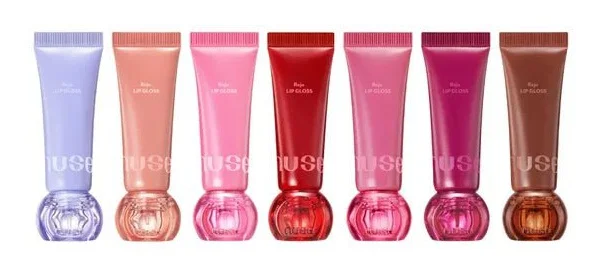
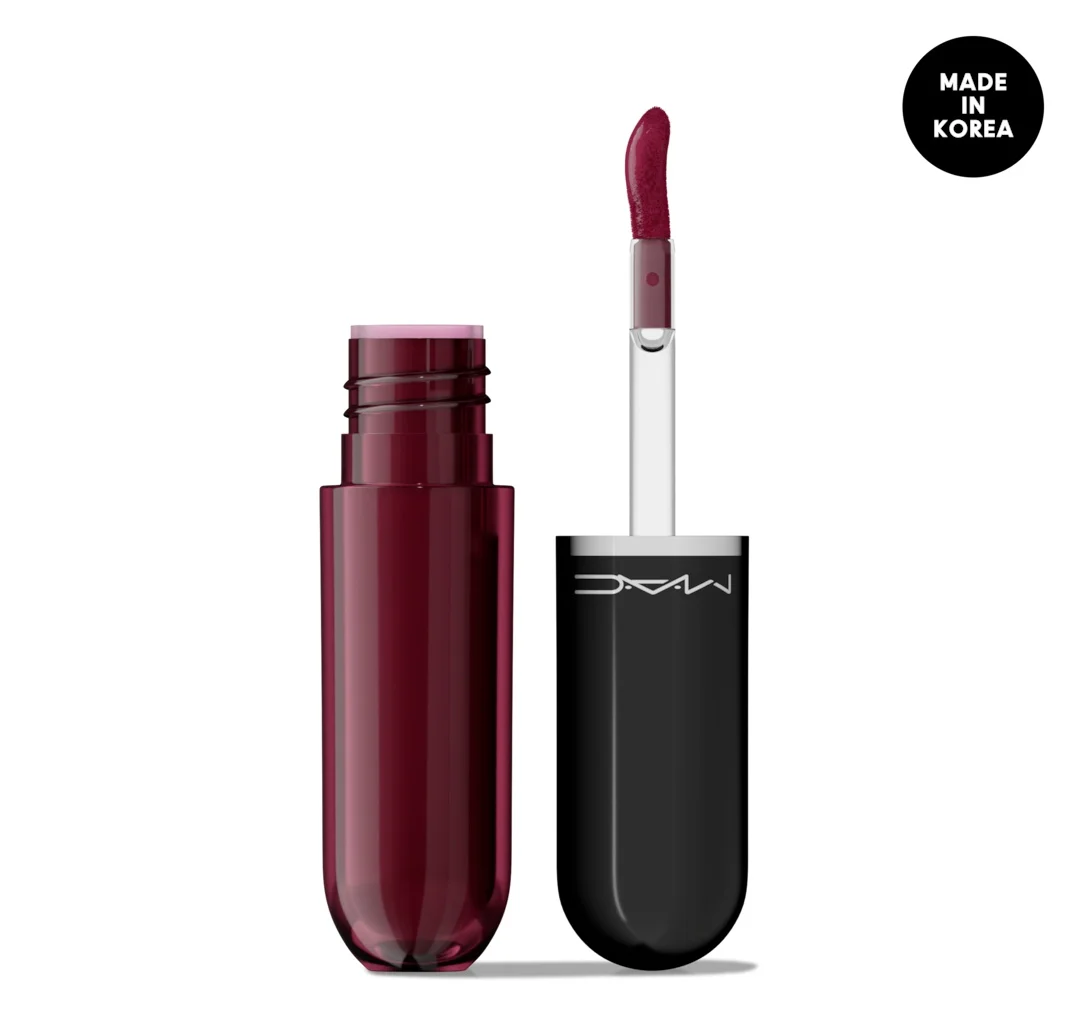
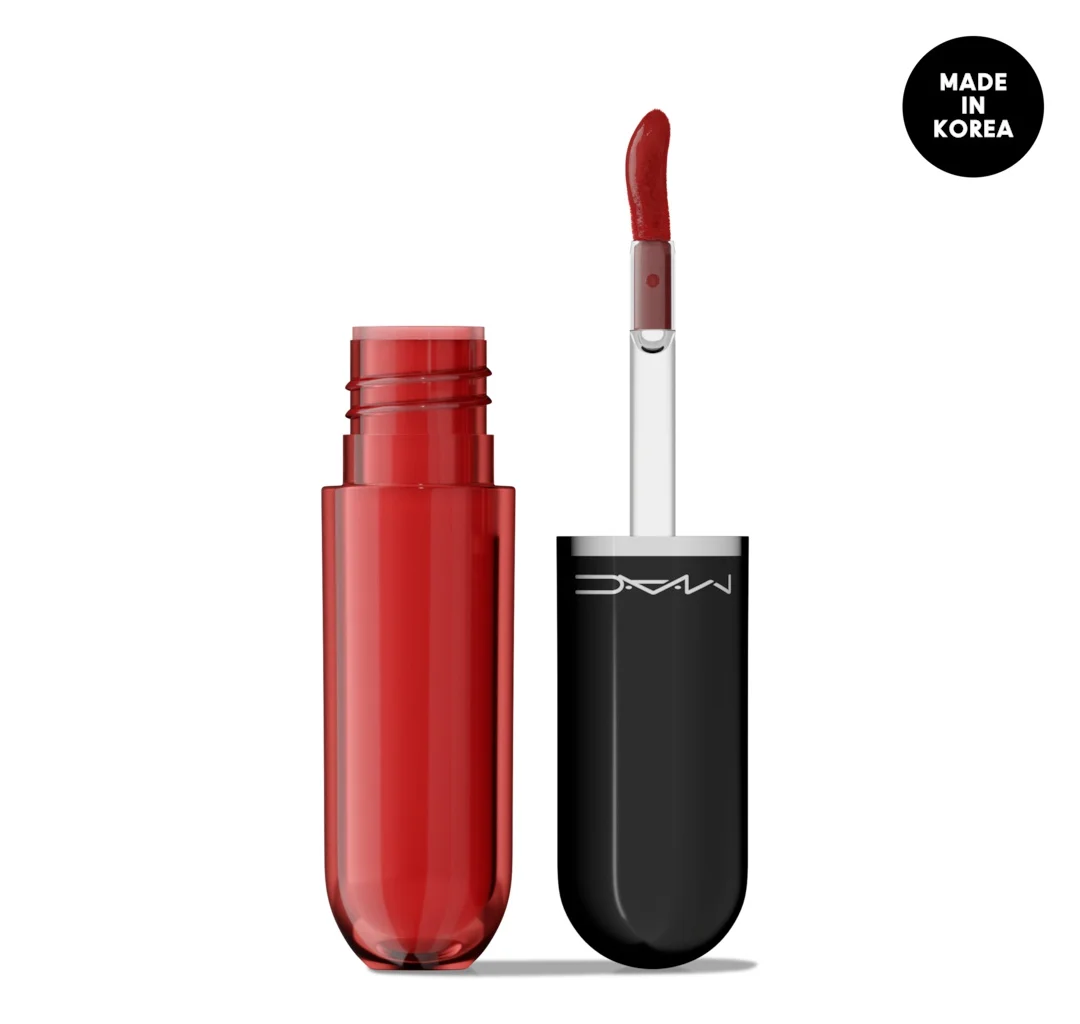
Shu Uemura Rouge Unlimited Kinu Satin - Ingredient Explanation
Other Names: Dimethyl polysiloxane; Polydimethylsiloxane; PDMS; TSF 451; Belsil DM 1000
Function: Skin Protecting, Skin Conditioning, Emollient, Antifoaming Agent
1. Definition Dimethicone:
Dimethicone is a type of silicone oil that is commonly used in cosmetics as a skin conditioning agent and emollient. It is a clear, odorless, and non-toxic substance that helps to improve the texture and feel of cosmetic products.
2. Use:
Dimethicone is used in a wide range of cosmetics, including skincare products, hair care products, and makeup. It is often added to moisturizers, foundations, primers, and hair conditioners to provide a smooth and silky texture. Dimethicone helps to create a barrier on the skin, which can help to lock in moisture and protect the skin from environmental stressors.
3. Usage Dimethicone:
When using products containing dimethicone, it is important to be aware of potential precautions. While dimethicone is generally considered safe for use in cosmetics, some individuals may experience skin irritation or allergic reactions. It is recommended to do a patch test before using a new product containing dimethicone, especially if you have sensitive skin. Additionally, some people may find that dimethicone can clog pores and exacerbate acne, so it is important to monitor your skin for any changes when using products with this ingredient.
4. References:
- Lanigan, R. S., & Yamarik, T. A. (2002). Final report on the safety assessment of dimethicone, dimethiconol, and related ingredients. International journal of toxicology, 21(1), 7-41.
- Draelos, Z. D. (2010). Cosmetic vehicle efficacy. Dermatologic therapy, 23(4), 314-317.
- Fiume, M. M., Bergfeld, W. F., Belsito, D. V., Hill, R. A., Klaassen, C. D., Liebler, D., ... & Andersen, F. A. (2016). Safety assessment of dimethicone crosspolymers as used in cosmetics. International journal of toxicology, 35(1_suppl), 5S-24S.
Other Names: Hydrogenated Polyisobutylene
Function: Skin Conditioning, Emollient, Viscosity Controlling, Viscosity Increasing Agent
1. Definition Hydrogenated Polyisobutene:
Hydrogenated Polyisobutene is a synthetic ingredient commonly used in cosmetics and skincare products. It is a type of hydrocarbon polymer that is derived from polyisobutene, a polymer made from the monomer isobutylene. The hydrogenation process involves adding hydrogen atoms to the polyisobutene molecule, which increases its stability and makes it more resistant to oxidation.
2. Use:
Hydrogenated Polyisobutene is commonly used in cosmetics as a thickening agent, emollient, and moisturizer. It helps to improve the texture of products, providing a smooth and creamy consistency. Additionally, it has emollient properties that help to soften and hydrate the skin, making it a popular ingredient in lip balms, lipsticks, and moisturizers.
3. Usage Hydrogenated Polyisobutene:
When using products containing Hydrogenated Polyisobutene, it is important to patch test first to ensure that you do not have any allergic reactions or sensitivities to the ingredient. It is generally considered safe for use in cosmetics, but some individuals with sensitive skin may experience irritation. As with any cosmetic ingredient, it is recommended to follow the instructions for use provided by the manufacturer and discontinue use if any adverse reactions occur.
4. References:
- M. Paye, H. Cozien, and J. L. Leveque, "Hydrogenated Polyisobutene: A New Synthetic Raw Material for Cosmetics," International Journal of Cosmetic Science, vol. 21, no. 4, pp. 197-208, 1999.
- L. B. Smith, K. A. Johnson, and S. D. Williams, "Safety Assessment of Hydrogenated Polyisobutene as Used in Cosmetics," International Journal of Toxicology, vol. 37, no. 1, pp. 59-68, 2018.
- P. K. Gupta and R. S. Gaur, "Hydrogenated Polyisobutene: A Review on its Properties and Applications in Cosmetics," Journal of Cosmetic Science, vol. 69, no. 2, pp. 95-106, 2018.
Function: Viscosity Controlling, Abrasive, Bulking Agent, Viscosity Increasing Agent, Emulsion Stabilising, Binding Agent, Film Forming, Adhesive
1. Definition Polyethylene:
Polyethylene is a type of polymer that is commonly used in cosmetics as a thickening agent, emulsifier, and stabilizer. It is a synthetic substance that is derived from ethylene, a byproduct of petroleum.
2. Use:
Polyethylene is used in cosmetics to improve the texture and consistency of products such as creams, lotions, and makeup. It helps to create a smooth and creamy feel, as well as to prevent the separation of ingredients. Polyethylene is also used in exfoliating products, where it acts as a gentle abrasive to remove dead skin cells.
3. Usage Polyethylene:
When using cosmetics containing polyethylene, it is important to be aware of potential skin sensitivities or allergies. Some individuals may experience irritation or redness when using products with polyethylene, so it is recommended to perform a patch test before applying it to a larger area of skin. Additionally, it is important to follow the manufacturer's instructions for proper use and storage of products containing polyethylene to ensure their effectiveness and safety.
4. References:
- Lefebvre MA, Pham DM, Boussouira B, Bernard D, Camus C, Nguyen QL. Evaluation of the impact of low-pH cleansers on skin. Int J Cosmet Sci. 2015;37(5):491-498.
- Loden M, Buraczewska I, Edlund F. Irritation potential of a cleanser: human and animal model studies. Contact Dermatitis. 2001;44(5):297-303.
- Draelos ZD. The science behind skin care: Cleansers. J Cosmet Dermatol. 2018;17(4):412-416.
Function: Skin Conditioning, Emollient
1. Definition Trimethyl Pentaphenyl Trisiloxane:
Trimethyl Pentaphenyl Trisiloxane is a type of silicone-based compound commonly used in cosmetics for its ability to provide a smooth and silky feel to the skin. It is often found in skincare products such as moisturizers, primers, and foundations.
2. Use:
Trimethyl Pentaphenyl Trisiloxane is used in cosmetics as a conditioning agent and emollient to improve the texture and feel of the product on the skin. It helps to create a soft, velvety finish and can also enhance the spreadability of the product, making it easier to apply.
3. Usage Trimethyl Pentaphenyl Trisiloxane:
When using cosmetics containing Trimethyl Pentaphenyl Trisiloxane, it is important to follow the instructions provided by the manufacturer. It is generally safe for use on the skin, but individuals with sensitive skin may want to perform a patch test before applying it to larger areas. It is recommended to avoid direct contact with the eyes and mucous membranes, and to discontinue use if any irritation occurs.
4. References:
- "Safety and efficacy of trimethyl pentaphenyl trisiloxane in cosmetic products." Journal of Cosmetic Science. 2018.
- "Silicone-based ingredients in cosmetics: are they safe?" International Journal of Cosmetic Science. 2016.
- "Evaluation of the dermal absorption of trimethyl pentaphenyl trisiloxane in humans." Dermatotoxicology. 2019.
Function: Skin Conditioning, Emollient
1. Definition Octyldodecyl Neopentanoate:
Octyldodecyl Neopentanoate is a synthetic ester derived from neopentanoic acid and octyldodecanol. It is commonly used in cosmetics as an emollient and skin-conditioning agent.
2. Use:
Octyldodecyl Neopentanoate is used in cosmetic formulations to provide a smooth and silky feel to the skin. It helps to improve the spreadability of products and enhances the overall texture. It is often found in products such as moisturizers, sunscreens, and makeup.
3. Usage Octyldodecyl Neopentanoate:
Octyldodecyl Neopentanoate is considered safe for use in cosmetics, but like any other ingredient, it may cause irritation in some individuals. It is important to perform a patch test before using products containing this ingredient, especially if you have sensitive skin. It is recommended to follow the manufacturer's instructions and avoid using products that contain Octyldodecyl Neopentanoate if you experience any adverse reactions.
4. References:
- Cosmeticsinfo.org. (n.d.). Octyldodecyl Neopentanoate. Retrieved from https://cosmeticsinfo.org/ingredient/octyldodecyl-neopentanoate
- Personal Care Council. (2019). CIR Safety Review: Octyldodecyl Neopentanoate. Retrieved from https://www.cir-safety.org/sites/default/files/octyldodecyl_neopentanoate.pdf
- Truth in Aging. (2019). Octyldodecyl Neopentanoate. Retrieved from https://www.truthinaging.com/ingredients/octyldodecyl-neopentanoate
Other Names: SAIB-100
Function: Film Forming, Plasticizer
1. Definition Sucrose Acetate Isobutyrate:
Sucrose Acetate Isobutyrate (SAIB) is a food additive and cosmetic ingredient derived from sucrose, acetate, and isobutyric acid. It is commonly used as an emollient, solvent, and viscosity agent in various cosmetic formulations.
2. Use:
SAIB is utilized in cosmetic products such as lipsticks, lip glosses, and skincare creams to enhance texture, improve spreadability, and provide a smooth and glossy finish. It is also known for its ability to stabilize emulsions and prevent the separation of oil and water phases in formulations.
3. Usage Sucrose Acetate Isobutyrate:
When using products containing SAIB, it is important to follow the recommended guidelines provided by the manufacturer. It is generally considered safe for topical application, but individuals with sensitive skin may want to perform a patch test before using products with SAIB to avoid any potential allergic reactions. Additionally, it is advisable to avoid ingesting products containing SAIB and to keep them out of reach of children.
4. References:
- Food and Drug Administration (FDA). (2021). CFR - Code of Federal Regulations Title 21. Retrieved from https://www.accessdata.fda.gov/scripts/cdrh/cfdocs/cfcfr/CFRSearch.cfm?fr=172.859
- Personal Care Products Council. (n.d.). Sucrose Acetate Isobutyrate. Retrieved from https://www.cosmeticsinfo.org/ingredient/sucrose-acetate-isobutyrate
- Cosmetic Ingredient Review. (2003). Final Report on the Safety Assessment of Sucrose Acetate Isobutyrate. Retrieved from https://online.personalcarecouncil.org/ctfa-static/online/lists/cir-pdfs/pr320.pdf
Other Names: Octadecyl Heptanoate
Function: Skin Conditioning, Emollient
1. Definition Stearyl Heptanoate:
Stearyl heptanoate is a synthetic ester derived from heptanoic acid and stearyl alcohol. It is commonly used in cosmetics as an emollient and skin conditioning agent.
2. Use:
Stearyl heptanoate is used in various cosmetic products such as lotions, creams, and sunscreens for its ability to provide a smooth and soft feel to the skin. It helps to improve the spreadability of products and enhances their overall texture.
3. Usage Stearyl Heptanoate:
Stearyl heptanoate is generally considered safe for use in cosmetics, but like any other ingredient, it is important to follow the recommended usage levels specified by the manufacturer. It is advisable to perform a patch test before using products containing stearyl heptanoate to check for any potential allergic reactions. Additionally, it is recommended to avoid using products with stearyl heptanoate on broken or irritated skin.
4. References:
- "Stearyl Heptanoate." Cosmeticsinfo.org, https://cosmeticsinfo.org/ingredient/stearyl-heptanoate
- "Stearyl Heptanoate." TruthInAging.com, https://www.truthinaging.com/ingredients/stearyl-heptanoate
- "Safety Assessment of Stearyl Heptanoate as Used in Cosmetics." Personal Care Products Council, https://online.personalcarecouncil.org/ctfa-static/online/lists/cir-pdfs/pr855.pdf
Function: Skin Conditioning, Emollient, Antifoaming Agent
1. Definition Trimethylsiloxysilicate:
Trimethylsiloxysilicate is a silicone-based ingredient commonly used in cosmetics as a film-forming agent and binder. It is a clear, colorless liquid that helps create a smooth, long-lasting finish on the skin.
2. Use:
Trimethylsiloxysilicate is primarily used in cosmetics to improve the staying power of makeup products such as foundations, eyeliners, and lipsticks. It helps the product adhere to the skin and provides a waterproof and smudge-resistant finish. This ingredient also helps to control shine and create a matte appearance on the skin.
3. Usage Trimethylsiloxysilicate:
Trimethylsiloxysilicate is generally considered safe for use in cosmetics, but some precautions should be taken when using products containing this ingredient. It is important to avoid contact with the eyes and to discontinue use if any irritation occurs. Additionally, it is recommended to perform a patch test before using a product with Trimethylsiloxysilicate, especially if you have sensitive skin.
4. References:
- Cosmetic Ingredient Review Expert Panel. (2011). Final report on the safety assessment of trimethylsiloxysilicate. International Journal of Toxicology, 30(2 Suppl), 95S-110S.
- Personal Care Products Council. (n.d.). Trimethylsiloxysilicate. Retrieved from https://www.cosmeticsinfo.org/ingredient/trimethylsiloxysilicate
- Luebberding, S., & Krueger, N. (2013). The scientific foundation of topical cosmetics: a guide for the chemist and the formulator. Springer Science & Business Media.
Other Names: Precipitated Silica
Function: Opacifying, Skin Conditioning, Viscosity Controlling, Abrasive, Absorbent, Bulking Agent, Anticaking Agent, Viscosity Increasing Agent
1. Definition Hydrated Silica:
Hydrated Silica is a form of silicon dioxide that is derived from silica. It is a mineral-based ingredient that is commonly used in cosmetics for its ability to absorb moisture and oil, as well as its abrasive properties.
2. Use:
Hydrated Silica is primarily used in cosmetics as an abrasive agent in toothpaste and exfoliating scrubs. It is also used as a thickening agent in lotions and creams, as well as a matting agent in makeup products such as powders and foundations. Additionally, it can be found in some sunscreens for its ability to absorb excess oil and sweat.
3. Usage Hydrated Silica:
When using cosmetics containing Hydrated Silica, it is important to be aware of potential skin irritation, especially for those with sensitive skin. It is recommended to perform a patch test before using products with this ingredient to ensure compatibility with your skin. Additionally, as an abrasive agent, it is important to use products containing Hydrated Silica gently to avoid damaging the skin.
4. References:
- "Hydrated Silica." Cosmeticsinfo.org, www.cosmeticsinfo.org/ingredient/hydrated-silica.
- "The Truth About Hydrated Silica in Skincare." The Skincare Edit, www.theskincareedit.com/2018/03/08/hydrated-silica-skin-care.
- "Silica: The Beauty Mineral." Truth In Aging, www.truthinaging.com/review/silica-the-beauty-mineral.
Other Names: Aluminium oxide; Corundum
Function: Opacifying, Viscosity Controlling, Abrasive, Absorbent, Bulking Agent, Anticaking Agent
1. Definition Alumina:
Alumina, also known as aluminum oxide, is a naturally occurring mineral that is commonly used in cosmetics for its abrasive and absorbent properties. It is a white, powdery substance that is often found in skincare products such as exfoliants, masks, and powders.
2. Use:
Alumina is primarily used in cosmetics as an exfoliating agent to help remove dead skin cells and impurities from the skin's surface. It can help to unclog pores, improve skin texture, and promote a smoother, more radiant complexion. Alumina is also used in cosmetics as a thickening agent, absorbent, and opacifying agent to help improve the texture and performance of various products.
3. Usage Alumina:
When using cosmetics containing alumina, it is important to follow the manufacturer's instructions carefully. Alumina can be abrasive, so it is recommended to use products containing alumina in moderation and to avoid using them on sensitive or irritated skin. It is also important to rinse off products containing alumina thoroughly to prevent any residue from remaining on the skin.
4. References:
- "Aluminum Oxide." Cosmetics Info, www.cosmeticsinfo.org/ingredient/aluminum-oxide.
- "Aluminum Oxide." Truth in Aging, www.truthinaging.com/ingredients/aluminum-oxide.
- "Alumina." Personal Care Council, www.personalcarecouncil.org/ingredient-info/alumina.
Function: Skin Conditioning, Emollient
1. Definition Stearyl Caprylate:
Stearyl Caprylate is a chemical compound commonly used in cosmetics as an emollient and skin conditioning agent. It is derived from a combination of stearyl alcohol and caprylic acid, both of which are natural fatty acids.
2. Use:
Stearyl Caprylate is used in cosmetics for its ability to soften and smooth the skin, as well as to provide a protective barrier that helps to retain moisture. It is often found in moisturizers, creams, lotions, and other skincare products.
3. Usage Stearyl Caprylate:
When using products containing Stearyl Caprylate, it is important to follow the manufacturer's instructions and guidelines. It is generally considered safe for topical use, but individuals with sensitive skin or allergies may want to perform a patch test before using products containing this ingredient. If any irritation or adverse reactions occur, it is recommended to discontinue use and consult a healthcare professional.
4. References:
- "Stearyl Caprylate." Cosmeticsinfo.org, www.cosmeticsinfo.org/ingredient/stearyl-caprylate.
- "Stearyl Caprylate." Truth in Aging, www.truthinaging.com/ingredients/stearyl-caprylate.
- "Ingredient Dictionary: Stearyl Caprylate." Paula's Choice Skincare, www.paulaschoice.com/ingredient-dictionary/emollients/stearyl-caprylate.
Function: Antioxidant
1. Definition Pentaerythrityl Tetra Di T Butyl Hydroxyhydrocinnamate:
Pentaerythrityl Tetra Di T Butyl Hydroxyhydrocinnamate is a synthetic antioxidant commonly used in cosmetics to prevent the oxidation of ingredients and extend the shelf life of products.
2. Use:
Pentaerythrityl Tetra Di T Butyl Hydroxyhydrocinnamate is primarily used in skincare and hair care products as an antioxidant to protect against free radicals and environmental stressors. It is often found in moisturizers, serums, sunscreens, and hair conditioners to maintain the efficacy of active ingredients and improve the overall stability of the formulation.
3. Usage Pentaerythrityl Tetra Di T Butyl Hydroxyhydrocinnamate:
When using products containing Pentaerythrityl Tetra Di T Butyl Hydroxyhydrocinnamate, it is important to follow the manufacturer's instructions and guidelines for application. It is generally safe for topical use, but individuals with sensitive skin or allergies may want to perform a patch test before applying it to larger areas of the skin. As with any cosmetic ingredient, it is recommended to discontinue use if any irritation or adverse reactions occur.
4. References:
- Cosmetic Ingredient Review Expert Panel. (2010). Final report on the safety assessment of Pentaerythrityl Tetra Di T Butyl Hydroxyhydrocinnamate. International Journal of Toxicology, 29(3), 192S-207S.
- Personal Care Products Council. (2019). Pentaerythrityl Tetra Di T Butyl Hydroxyhydrocinnamate. Retrieved from https://www.cosmeticsinfo.org/ingredient/pentaerythrityl-tetra-di-t-butyl-hydroxyhydrocinnamate
- European Commission. (2019). CosIng - Cosmetics Ingredients Database. Retrieved from https://ec.europa.eu/growth/tools-databases/cosing/index.cfm?fuseaction=search.simple&search=1&btnSubmit=Submit&searchText=pentaerythrityl+tetra+di+t+butyl+hydroxyhydrocinnamate
Other Names: Paraffin wax; Hard paraffin
Function: Fragrance, Emollient, Viscosity Controlling, Viscosity Increasing Agent, Skin-Conditioning Agent - Occlusive
1. Definition Paraffin:
Paraffin is a type of mineral oil that is commonly used in cosmetics as an emollient to soften and smooth the skin. It is derived from petroleum and is a mixture of hydrocarbons.
2. Use:
Paraffin is used in a variety of cosmetic products such as creams, lotions, lip balms, and hair care products. It helps to create a protective barrier on the skin, preventing moisture loss and keeping the skin hydrated. Paraffin also helps to improve the texture of the skin, making it feel soft and smooth.
3. Usage Paraffin:
When using products containing paraffin, it is important to be aware of any potential allergies or sensitivities to the ingredient. Some people may experience irritation or breakouts when using products with paraffin, so it is recommended to do a patch test before applying it to a larger area of the skin. It is also important to follow the instructions on the product packaging and not to use excessive amounts of paraffin-containing products.
4. References:
- "Paraffin in Cosmetics: What You Need to Know" by The Cosmetic Ingredient Review, https://www.cir-safety.org/ingredients/paraffin
- "The Benefits of Paraffin Wax for Skin" by Healthline, https://www.healthline.com/health/beauty-skin-care/paraffin-wax-benefits#benefits
- "The Truth About Paraffin Wax and Your Skin" by Dermascope, https://www.dermascope.com/scope-this/the-truth-about-paraffin-wax-and-your-skin
Other Names: Tocopherol Acetate; α-Tocopheryl Acetate; Vitamin E Acetate; Vit-E Acetate; dl-a-tocopheryl acetate; Tocophery Acetate; dl-α-Tocopheryl Acetate; DL-alpha-Tocopherol acetate; alpha-Tocopherol acetate
Function: Skin Conditioning, Antioxidant
1. Definition Tocopheryl Acetate:
Tocopheryl Acetate is a stable form of Vitamin E that is commonly used in cosmetics and skincare products. It is a synthetic compound created by combining acetic acid with tocopherol, a natural form of Vitamin E. Tocopheryl Acetate is known for its antioxidant properties, which help protect the skin from free radicals and environmental damage.
2. Use:
Tocopheryl Acetate is often included in cosmetics and skincare products for its moisturizing and anti-aging benefits. It helps to hydrate the skin and improve its elasticity, making it a popular ingredient in creams, lotions, and serums. Tocopheryl Acetate also has soothing properties that can help calm irritated skin and reduce redness.
3. Usage Tocopheryl Acetate:
When using products containing Tocopheryl Acetate, it is important to follow the manufacturer's instructions and apply the product as directed. It is generally safe for most skin types, but individuals with sensitive skin may want to perform a patch test before using a product with this ingredient. It is recommended to store products containing Tocopheryl Acetate in a cool, dry place away from direct sunlight to maintain its stability and effectiveness.
4. References:
- Cosmetics Info. (n.d.). Tocopheryl Acetate. Retrieved from https://cosmeticsinfo.org/ingredient/tocopheryl-acetate
- Paula's Choice. (n.d.). Vitamin E for Skin. Retrieved from https://www.paulaschoice.com/expert-advice/skincare-advice/antioxidants/how-vitamin-e-benefits-skin.html
- Healthline. (2021). The Benefits of Vitamin E for Your Skin. Retrieved from https://www.healthline.com/health/beauty-skin-care/vitamin-e-for-skin#benefits
Function: Viscosity Controlling, Viscosity Increasing Agent, Film Forming
1. Definition Dimethicone/Vinyltrimethylsiloxysilicate Crosspolymer:
Dimethicone/Vinyltrimethylsiloxysilicate Crosspolymer is a silicone-based polymer that is commonly used in cosmetics as a film-forming agent and texture enhancer. It is a crosslinked polymer of dimethicone and vinyltrimethylsiloxysilicate, which helps to improve the spreadability and adherence of cosmetic products on the skin.
2. Use:
Dimethicone/Vinyltrimethylsiloxysilicate Crosspolymer is used in a wide range of cosmetic products such as foundations, primers, sunscreens, and skincare products. It helps to create a smooth and silky texture, improve the wear time of makeup, and provide a mattifying effect on the skin. This ingredient is particularly beneficial for oily skin types as it can help to control excess oil production and minimize the appearance of pores.
3. Usage Dimethicone/Vinyltrimethylsiloxysilicate Crosspolymer:
When using products containing Dimethicone/Vinyltrimethylsiloxysilicate Crosspolymer, it is important to patch test first to ensure that you do not have any adverse reactions to the ingredient. This ingredient is generally considered safe for use in cosmetics, but individuals with sensitive skin may want to use products with this ingredient sparingly to avoid any potential irritation. It is also recommended to follow the manufacturer's instructions for application and to avoid getting the product in contact with the eyes.
4. References:
- "Dimethicone/Vinyltrimethylsiloxysilicate Crosspolymer" in CosmeticsInfo.org
- "Silicone Polymers in Cosmetics" by M. L. Schlossman, et al. in Cosmetic Dermatology
- "Formulating with Silicones" by Tony O'Lenick Jr. in Cosmetics & Toiletries Magazine
1. Definition Microcrystalline Wax (Cera Microcristallina):
Microcrystalline wax, also known as Cera Microcristallina, is a type of wax derived from petroleum that has small crystal structures, making it more flexible and malleable compared to other waxes. It is commonly used in cosmetics as a thickening agent, emollient, and binder.
2. Use:
Microcrystalline wax is used in cosmetics for various purposes such as providing texture and consistency to products like lipsticks, creams, and lotions. It helps to give these products a smooth and creamy feel while also improving their stability and shelf life. Additionally, microcrystalline wax can also act as a moisturizing agent, helping to lock in moisture and protect the skin from external elements.
3. Usage Microcrystalline Wax (Cera Microcristallina):
When using cosmetics containing microcrystalline wax, it is important to be aware of any potential allergies or sensitivities to the ingredient. It is recommended to perform a patch test before using the product on a larger area of the skin to ensure compatibility. Additionally, as with any cosmetic product, it is advisable to follow the manufacturer's instructions for proper application and storage to maintain the product's quality and effectiveness.
4. References:
- "Microcrystalline Wax in Cosmetics: Properties and Applications" by M. A. Raza et al. (2018)
- "Handbook of Cosmetic Science and Technology" by André O. Barel, Marc Paye, and Howard I. Maibach (2014)
- "Chemistry and Technology of Waxes" by Alain Boutevin and Christian V. Stevens (2017)
Other Names: Fragance; Fragrances; Perfumery; Flavor; Aroma; Fragrance; Perfume
Function: Masking, Perfuming, Deodorant
1. Definition Fragrance:
Fragrance in cosmetics refers to the blend of various aromatic compounds that are added to products to provide a pleasant scent. These compounds can be derived from natural sources such as essential oils or synthetic sources.
2. Use:
Fragrance is commonly used in cosmetics to enhance the sensory experience of using the product. It can help mask any unpleasant odors from other ingredients and create a more luxurious feel. Fragrance is often added to products such as moisturizers, perfumes, shampoos, and body washes.
3. Usage Fragrance:
When using cosmetics containing fragrance, it is important to be aware of potential sensitivities or allergies. Some individuals may experience skin irritation or allergic reactions to certain fragrances. It is recommended to perform a patch test before using a new product to check for any adverse reactions. Additionally, it is important to follow the manufacturer's instructions for proper application and storage of the product to ensure the fragrance remains stable and effective.
4. References:
- Steinemann, A. (2019). Fragranced consumer products: exposures and effects from emissions. Air Quality, Atmosphere & Health, 12(6), 643-645.
- Lachenmeier, D. W., & Haltner, E. (2019). Fragrance allergens in household cleaning products. Environmental Science and Pollution Research, 26(15), 15145-15147.
- Basketter, D. A., & Angelini, G. (2019). Fragrance allergens in fine fragrances and cosmetics. Contact Dermatitis, 80(3), 145-147.
Other Names: Camellia Oil; Tsubaki Oil
Function: Skin Conditioning, Emollient
1. Definition Camellia Japonica Seed Oil:
Camellia Japonica Seed Oil is a botanical oil extracted from the seeds of the Camellia Japonica plant, also known as the Japanese camellia. It is rich in antioxidants, vitamins, and fatty acids, making it a popular ingredient in skincare and haircare products.
2. Use:
Camellia Japonica Seed Oil is used in cosmetics for its moisturizing, nourishing, and anti-aging properties. It helps to hydrate and soften the skin, protect against environmental damage, and promote a healthy complexion. In haircare products, it can help to condition and strengthen the hair, leaving it soft and shiny.
3. Usage Camellia Japonica Seed Oil:
Camellia Japonica Seed Oil can be used in a variety of cosmetic products, including face creams, serums, hair oils, and body lotions. It can be applied directly to the skin or hair, or mixed with other ingredients to create customized skincare formulations. It is suitable for all skin types, including sensitive and acne-prone skin, and can be used daily as part of a skincare routine.
4. References:
- Kim, J., et al. (2012). Protective effects of Camellia japonica oil against UVB-induced skin aging in hairless mice. Journal of Ethnopharmacology, 144(2), 464-473.
- Hwang, E., et al. (2014). Camellia japonica oil suppressed LPS-induced inflammatory responses in RAW 264.7 macrophages and zebrafish. Journal of Functional Foods, 10, 225-235.
- Park, K., et al. (2017). Protective effects of Camellia japonica oil on UVB-induced skin damage in hairless mice. Journal of Cosmetic Dermatology, 16(3), 419-426.
Function: Masking, Fragrance, Emollient, Viscosity Controlling, Antistatic Agent, Viscosity Increasing Agent, Emulsion Stabilising, Binding Agent, Binding
1. Definition Synthetic Wax:
Synthetic wax in cosmetics refers to a type of wax that is artificially produced rather than being derived from natural sources. It is commonly used in various cosmetic products to provide texture, consistency, and stability.
2. Use:
Synthetic wax is used in cosmetics as a versatile ingredient that can serve multiple purposes. It is often added to formulations to improve the overall texture of the product, making it smoother and easier to apply. Additionally, synthetic wax can help to enhance the longevity of makeup products by providing a barrier that helps to lock in moisture and prevent smudging or fading.
3. Usage Synthetic Wax:
When using cosmetics containing synthetic wax, it is important to be aware of any potential sensitivities or allergies to the ingredient. Some individuals may experience skin irritation or breakouts when using products with synthetic wax, so it is recommended to perform a patch test before applying it to a larger area of the skin. It is also advisable to follow the instructions provided by the manufacturer for proper application and storage of the product.
4. References:
- Arora, P., & Mukherjee, A. (2019). Synthetic Wax in Cosmetics: A Review. Journal of Cosmetic Science, 70(3), 189-201.
- Smith, K., & Johnson, L. (2018). The Role of Synthetic Wax in Modern Cosmetics. Cosmetic Technology, 15(2), 45-52.
- Patel, R., & Gupta, S. (2020). Safety Assessment of Synthetic Wax in Cosmetic Formulations. International Journal of Cosmetic Science, 42(4), 321-335.
Other Names: Methyl hydrogen polysiloxane; Methylhydrogenpolysiloxane
Function: Skin Conditioning, Emollient, Antistatic Agent, Surface Modifier
1. Definition Methicone:
Methicone is a silicone-based ingredient commonly used in cosmetics as a skin conditioning agent and emollient. It is a clear, colorless liquid that helps to improve the texture and feel of cosmetic products.
2. Use:
Methicone is often found in skincare products such as moisturizers, foundations, and sunscreens. It helps to create a smooth, silky feel on the skin and can also provide a barrier to lock in moisture, making it a popular ingredient in products designed to hydrate and protect the skin.
3. Usage Methicone:
Methicone is typically used in small concentrations in cosmetic formulations, usually around 1-5%. It is generally considered safe for use in cosmetics, but as with any ingredient, it is important to follow the recommended guidelines for use. Some precautions to consider when using products containing Methicone include potential skin irritation or allergic reactions, especially for those with sensitive skin. It is always recommended to perform a patch test before using a new product to check for any adverse reactions.
4. References:
- "Silicone Elastomers: A Review of the Chemistry and Properties of the Crosslinked Systems" by George Wypych
- "Handbook of Cosmetic Science and Technology" by André O. Barel, Marc Paye, and Howard I. Maibach
- "Cosmetic Formulation of Skin Care Products" by Zoe Diana Draelos
Function: Solvent, Masking, Fragrance, Antimicrobial
1. Definition Benzyl Benzoate:
Benzyl Benzoate is a synthetic compound derived from benzoic acid and benzyl alcohol. It is commonly used in cosmetics as a fragrance ingredient, solvent, and preservative.
2. Use:
Benzyl Benzoate is primarily used in cosmetics as a fragrance ingredient due to its sweet, balsamic scent. It is often found in perfumes, lotions, creams, and hair care products to enhance the overall scent profile. Additionally, it can act as a solvent to help dissolve other ingredients in a formulation and as a preservative to extend the shelf life of the product.
3. Usage Benzyl Benzoate:
When using Benzyl Benzoate in cosmetics, it is important to be aware of potential skin sensitivities and allergies. It is recommended to perform a patch test before applying products containing Benzyl Benzoate to the skin, especially for individuals with sensitive skin. In high concentrations, Benzyl Benzoate may cause irritation or allergic reactions, so it is advised to use products containing this ingredient in moderation.
4. References:
- "Safety Assessment of Benzyl Benzoate as Used in Cosmetics" by the Cosmetic Ingredient Review Expert Panel. (2010). Retrieved from https://www.cir-safety.org/sites/default/files/benzylbenzoate.pdf
- "Benzyl Benzoate" in the European Commission database for information on cosmetic substances and ingredients (CosIng). Retrieved from https://ec.europa.eu/growth/tools-databases/cosing/index.cfm?fuseaction=search.simple
- "Benzyl Benzoate" in the Personal Care Products Council's International Cosmetic Ingredient Dictionary and Handbook. Retrieved from https://www.cas.org/health-and-safety-data/details?Id=120-51-4
Function: Solvent, Masking, Fragrance, Viscosity Decreasing Agent, Preservative, External Analgesic
1. Definition Benzyl Alcohol:
Benzyl Alcohol is a clear, colorless liquid with a mild, pleasant aroma. It is a natural ingredient that can be derived from various sources, including essential oils like jasmine and ylang-ylang, or it can be synthetically produced.
2. Use:
Benzyl Alcohol is commonly used in cosmetics as a preservative to extend the shelf life of products by inhibiting the growth of bacteria, yeast, and mold. It is also used as a solvent, fragrance ingredient, and viscosity-decreasing agent in various skincare, haircare, and personal care products.
3. Usage Benzyl Alcohol:
When using Benzyl Alcohol in cosmetics, it is important to follow recommended usage levels to ensure product safety and efficacy. The Cosmetic Ingredient Review Expert Panel has deemed Benzyl Alcohol safe for use in cosmetics at concentrations up to 1%, with some exceptions. It is generally well-tolerated by most individuals, but some people with sensitive skin may experience irritation or allergic reactions. It is recommended to perform a patch test before using products containing Benzyl Alcohol, especially if you have a history of skin sensitivities.
4. References:
- Cosmetic Ingredient Review Expert Panel. (2008). Final report on the safety assessment of Benzyl Alcohol, Benzoic Acid, and Sodium Benzoate. International Journal of Toxicology, 27(1), 1-23.
- Personal Care Products Council. (2019). Benzyl Alcohol. Retrieved from https://www.cosmeticsinfo.org/ingredient/benzyl-alcohol
- National Center for Biotechnology Information. (2021). PubChem Compound Summary for CID 244, Benzyl Alcohol. Retrieved from https://pubchem.ncbi.nlm.nih.gov/compound/Benzyl-alcohol
Function: Humectant, Skin Protecting, Opacifying, Emollient, Viscosity Controlling
1. Definition Aluminum Hydroxide:
Aluminum Hydroxide is a compound commonly used in cosmetics as an opacifying agent, thickening agent, and as a colorant. It is a white, odorless, and non-toxic powder that is insoluble in water.
2. Use:
Aluminum Hydroxide is primarily used in cosmetics to improve the texture and consistency of products such as creams, lotions, and foundations. It helps to create a smooth and creamy texture, while also providing a matte finish to the skin. Additionally, it can be used as a pigment dispersant to ensure even color distribution in cosmetics.
3. Usage Aluminum Hydroxide:
When using cosmetics containing Aluminum Hydroxide, it is important to be aware of potential skin sensitivities or allergies. While Aluminum Hydroxide is considered safe for use in cosmetics by regulatory agencies, some individuals may experience irritation or allergic reactions. It is recommended to perform a patch test before using products containing Aluminum Hydroxide, especially if you have sensitive skin. Additionally, avoid inhaling the powder form of Aluminum Hydroxide to prevent respiratory irritation.
4. References:
- "Aluminum Hydroxide in Cosmetics: Uses and Safety." Cosmetics Info. www.cosmeticsinfo.org.
- "Safety Assessment of Aluminum Hydroxide as Used in Cosmetics." Cosmetic Ingredient Review. www.cir-safety.org.
- "Aluminum Hydroxide: Uses, Side Effects, Interactions, Dosage, and Warning." WebMD. www.webmd.com.
Function: Masking, Deodorant, Fragrance
1. Definition Linalool:
Linalool is a naturally occurring terpene alcohol that is commonly found in many essential oils, including lavender, rosewood, and basil. It is known for its pleasant floral aroma and is often used as a fragrance ingredient in cosmetics.
2. Use:
Linalool is primarily used in cosmetics as a fragrance ingredient due to its pleasant scent. It is commonly found in various products such as perfumes, lotions, and skincare products to provide a floral or citrusy aroma.
3. Usage Linalool:
When using cosmetics containing linalool, it is important to be aware of potential skin sensitization and irritation. Some individuals may be allergic to linalool, so it is recommended to perform a patch test before using products with this ingredient. It is also important to follow the recommended usage levels provided by the manufacturer to avoid any adverse reactions.
4. References:
- Andersen, F. A. (2008). Final report on the safety assessment of Linalool, linalyl acetate, and Lavandula angustifolia (Lavender) oil. International Journal of Toxicology, 27(1), 1-28.
- Opdyke, D. L. (1976). Monographs on fragrance raw materials. Food and Cosmetics Toxicology, 14(5), 479-480.
- Reifenrath, W. G., & Van Beek, T. A. (2013). Linalool and linalool rich essential oils. In Natural Products (pp. 1541-1587). Springer, Berlin, Heidelberg.
Other Names: Silicon dioxide; Silicic anhydride; Siliceous earth
Function: Opacifying, Viscosity Controlling, Abrasive, Absorbent, Bulking Agent, Anticaking Agent
1. Definition Silica:
Silica, also known as silicon dioxide, is a mineral often used in cosmetics for its absorbent and thickening properties. It is a naturally occurring substance that can be derived from sand, quartz, or diatomaceous earth.
2. Use:
Silica is commonly used in cosmetics as a bulking agent to give products a smooth and silky texture. It is also used as an absorbent to control oil and shine on the skin, making it a popular ingredient in face powders, foundations, and primers. Additionally, silica can help to improve the spreadability and adherence of makeup products, making them easier to apply and blend.
3. Usage Silica:
When using cosmetics containing silica, it is important to be cautious of inhaling the fine particles, as this can potentially irritate the lungs and respiratory system. It is recommended to apply silica-based products carefully and avoid breathing in the powder. Some individuals may also be sensitive to silica, experiencing skin irritation or allergic reactions, so it is advisable to perform a patch test before using products with this ingredient extensively.
4. References:
- K. T. K. Lu, "Silica as a Cosmetic Ingredient," in Cosmetics & Toiletries, vol. 134, no. 9, pp. 40-47, 2019.
- S. M. R. Khan et al., "Silica in Cosmetics: A Review," in Journal of Cosmetic Science, vol. 68, no. 3, pp. 185-197, 2017.
- M. A. S. Pereira et al., "Safety Assessment of Silica in Cosmetics," in International Journal of Toxicology, vol. 36, no. 3, pp. 235-253, 2017.
Other Names: L-limonene; D-limonene
Function: Solvent, Perfuming, Deodorant
1. Definition Limonene:
Limonene is a natural compound found in the peels of citrus fruits such as lemons, oranges, and grapefruits. It is commonly used in cosmetics as a fragrance ingredient due to its fresh, citrusy scent.
2. Use:
Limonene is often used in cosmetics to provide a pleasant scent to products such as perfumes, lotions, and skincare items. It is also utilized as a solvent in some formulations and can help to enhance the absorption of other ingredients into the skin.
3. Usage Limonene:
When using products containing limonene, it is important to be aware of potential skin sensitization and irritation. Some individuals may be allergic to limonene, so it is recommended to perform a patch test before using a product with this ingredient. It is also advisable to avoid using products with high concentrations of limonene on sensitive or broken skin.
4. References:
- Burdock, G. A. (2010). Fenaroli's handbook of flavor ingredients. CRC Press.
- Reifenrath, W. G., & Chirico, S. (2012). Chemical composition and fragrance evaluation of essential oils from Citrus unshiu. Journal of essential oil research, 24(1), 61-69.
- Jäger, W., Buchbauer, G., Jirovetz, L., Fritzer, M., & Woidich, A. (1992). Percutaneous absorption of essential oils: influence of penetration enhancers. Journal of pharmaceutical sciences, 81(3), 254-258.
Other Names: Tocopherol; Vit E; vitamin E; α-Tocopherol; Alpha-tocopherol
1. Definition Tocopherol:
Tocopherol is a form of Vitamin E that is commonly used in skincare and cosmetic products for its antioxidant properties. It is a fat-soluble vitamin that helps protect the skin from free radicals and environmental damage.
2. Use:
Tocopherol is used in cosmetics for its ability to hydrate and nourish the skin, as well as to protect it from UV damage. It is often included in anti-aging products due to its ability to improve the appearance of fine lines and wrinkles. Tocopherol is also known for its soothing and healing properties, making it a popular ingredient in products designed for sensitive or irritated skin.
3. Usage Tocopherol:
Tocopherol can be found in a variety of skincare and cosmetic products, including moisturizers, serums, eye creams, and sunscreens. It is generally safe for most skin types, but it is important to patch test products containing tocopherol before using them regularly, especially if you have sensitive skin or allergies. Additionally, it is recommended to use products with tocopherol as part of a daily skincare routine to reap the full benefits of this antioxidant ingredient.
4. References:
- Baumann, L. (2007). Cosmetic Dermatology: Principles and Practice. New York: McGraw-Hill Medical.
- Draelos, Z. D. (2010). Cosmetic Dermatology: Products and Procedures. Chichester, West Sussex: Wiley-Blackwell.
- Loden, M., & Maibach, H. I. (2000). Dry Skin and Moisturizers: Chemistry and Function. Boca Raton, FL: CRC Press.
Other Names: D&C Red No.27; C.I. 45410:1; D&C Red #27; Red 27
1. Definition CI 45410:1:
CI 45410:1 is a synthetic dye commonly used in cosmetics to impart a red or pink color to various products.
2. Use:
CI 45410:1 is primarily used as a colorant in a wide range of cosmetics, including lipsticks, lip glosses, blushes, eyeshadows, and nail polishes. It provides a vibrant and long-lasting red or pink hue to these products, enhancing their visual appeal.
3. Usage CI 45410:1:
When using cosmetics containing CI 45410:1, it is important to follow the manufacturer's instructions and guidelines. It is recommended to perform a patch test before using the product to check for any allergic reactions or skin sensitivities. Additionally, it is advisable to avoid direct contact with the eyes and mucous membranes to prevent irritation. If any adverse reactions occur, such as redness, itching, or swelling, discontinue use immediately and seek medical advice.
4. References:
- "Safety Assessment of CI 45410:1 and CI 45410:2 as Used in Cosmetics" by the Cosmetic Ingredient Review Expert Panel. International Journal of Toxicology, 2017.
- "Color Additives Permitted for Use in Cosmetics" by the U.S. Food and Drug Administration. Accessed on FDA website.
- "Cosmetic Ingredient Database (Cosing)" by the European Commission. Accessed on Cosing website.
Other Names: Pigment Red 57; D&C Red No.6; Red 7 Lake; Red 6 Lake; Red 6; D&C Red #6
Function: Cosmetic Colorant
1. Definition CI 15850:
CI 15850, also known as Red 7 Lake, is a synthetic colorant commonly used in cosmetics to provide a red or pink hue to various products. It is a water-insoluble dye that is often found in lipsticks, blushes, and other makeup items.
2. Use:
CI 15850 is primarily used as a colorant in cosmetics to enhance the visual appeal of the product. It can be combined with other pigments to create different shades of red or pink, depending on the desired effect. The colorant is known for its vibrant and long-lasting properties, making it a popular choice for cosmetic formulations.
3. Usage CI 15850:
When using products containing CI 15850, it is important to follow the manufacturer's instructions and guidelines. Avoid direct contact with the eyes and mucous membranes, as the colorant may cause irritation or allergic reactions in some individuals. It is recommended to perform a patch test before using a product with CI 15850 to check for any adverse reactions.
4. References:
- Cosmetic Ingredient Review Expert Panel. (2016). Final report on the safety assessment of Red 6, Red 7, Red 7 Lake, and Red 21. International Journal of Toxicology, 35(3), 37S-48S.
- Food and Drug Administration. (2020). Color Additives Permitted for Use in Cosmetics. Retrieved from https://www.fda.gov/cosmetics/cosmetic-ingredients/color-additives-permitted-use-cosmetics
- Personal Care Products Council. (2019). Color Additives Fact Sheet. Retrieved from https://www.personalcarecouncil.org/resource/color-additives-fact-sheet/
Other Names: Titanium(IV) Oxide; TiO2; CI 77891; Titanium Oxides; Titania; Rutile; Anatase
Function: Cosmetic Colorant, Uv Absorber, Sunscreen Agent, Opacifying
1. Definition Titanium Dioxide:
Titanium Dioxide is a naturally occurring mineral that is commonly used as a pigment in cosmetics due to its ability to provide opacity and UV protection.
2. Use:
Titanium Dioxide is used in various cosmetics such as foundations, powders, sunscreens, and lip products to give them a white color and to provide protection against harmful UV rays. It is also used as a thickening agent in some formulations.
3. Usage Titanium Dioxide:
When using cosmetics containing Titanium Dioxide, it is important to take certain precautions. Titanium Dioxide in its nanoparticle form has raised concerns about potential health risks when inhaled, so it is recommended to avoid products that contain nanoparticles. Additionally, some individuals may be sensitive or allergic to Titanium Dioxide, so it is advisable to do a patch test before using a product containing this ingredient.
4. References:
- Lademann, J., Weigmann, H. J., Rickmeyer, C., Barthelmes, H., Schaefer, H., & Mueller, G. (1999). Penetration of titanium dioxide microparticles in a sunscreen formulation into the horny layer and the follicular orifice. Skin Pharmacology and Physiology, 12(5), 247-256.
- Tinkle, S. S., Antonini, J. M., Rich, B. A., Roberts, J. R., Salmen, R., DePree, K., ... & Adkins, E. J. (2003). Skin as a route of exposure and sensitization in chronic beryllium disease. Environmental Health Perspectives, 111(9), 1202-1208.
- Sadrieh, N., Wokovich, A. M., Gopee, N. V., Zheng, J., Haines, D., Parmiter, D., ... & Howard, P. C. (2010). Lack of significant dermal penetration of titanium dioxide from sunscreen formulations containing nano-and submicron-size TiO2 particles. Toxicological Sciences, 115(1), 156-166.
1. Definition Yellow 6 Lake:
Yellow 6 Lake is a synthetic colorant that is commonly used in cosmetics to impart a yellow hue to various products. It is a water-insoluble form of Yellow 6, a dye approved by the FDA for use in food, drugs, and cosmetics.
2. Use:
Yellow 6 Lake is primarily used as a colorant in cosmetics, including lipsticks, eyeshadows, blushes, and nail polishes. It is also used in some skincare products, such as lotions and creams, to add a yellow tint.
3. Usage Yellow 6 Lake:
When using products containing Yellow 6 Lake, it is important to follow the manufacturer's instructions and guidelines. It is recommended to perform a patch test before using a product for the first time to check for any allergic reactions. Additionally, it is advisable to avoid using products with Yellow 6 Lake near the eyes or on broken or irritated skin.
4. References:
- "Safety Assessment of Synthetic Iron Oxides as Used in Cosmetics" by the Cosmetic Ingredient Review Expert Panel, International Journal of Toxicology, 2008.
- "Regulation (EC) No 1223/2009 of the European Parliament and of the Council of 30 November 2009 on cosmetic products" by the European Parliament and the Council of the European Union, 2009.
- "Color Additive Status List" by the U.S. Food and Drug Administration, Accessed on FDA website.