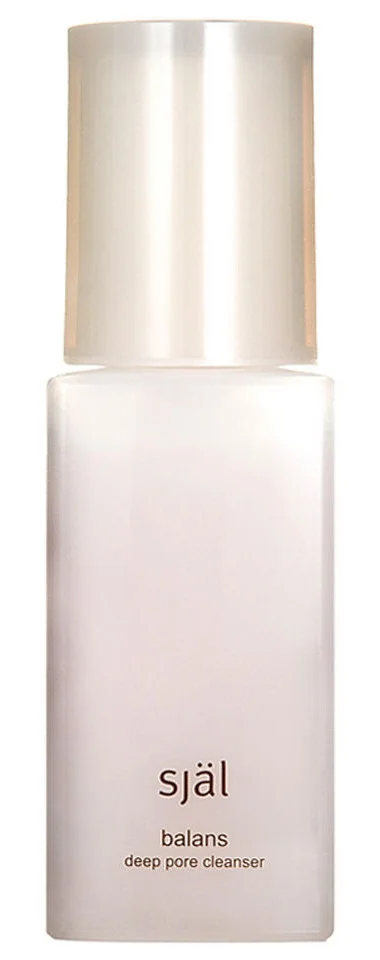
själ Balans Deep Pore Cleanser - Ingredient Explanation
Other Names: Aqua; H2O; Eau; Aqueous; Acqua
Function: Solvent
1. Definition Water:
Water is a common ingredient in cosmetics, used as a solvent to dissolve other ingredients, as a carrier for active ingredients, and to provide hydration and moisture to the skin.
2. Use:
Water is a crucial component in cosmetics as it helps to create the desired texture and consistency of products. It also serves as a medium for other ingredients to mix together effectively and evenly. Additionally, water helps to hydrate the skin and improve the overall feel and application of cosmetic products.
3. Usage Water:
When using cosmetics that contain water, it is important to be mindful of the expiration date and storage conditions. Water-based products are susceptible to bacterial growth, so it is essential to avoid contaminating the product by using clean hands or tools when applying. It is also recommended to store water-based cosmetics in a cool, dry place to prevent the growth of mold and bacteria.
4. References:
- Draelos, Z. D. (2010). Cosmetic dermatology: products and procedures. John Wiley & Sons.
- Winter, R. (2009). A consumer's dictionary of cosmetic ingredients: complete information about the harmful and desirable ingredients found in cosmetics and cosmeceuticals. Crown.
- Begoun, P. (2003). Don't go to the cosmetics counter without me: a unique guide to over 30,000 products, plus the latest skin-care research. Beginning Press.
Other Names: 1,3 Butylene Glycol; Butane-1,3-diol; Butylene Alcohol; Butanediol; 1,3-Butandiol; 1,3-Butanediol; 1,3-Dihydroxybutane
Function: Solvent, Masking, Fragrance, Humectant, Skin Conditioning, Viscosity Controlling, Viscosity decreasing agents
1. Definition Butylene Glycol:
Butylene Glycol is a small organic alcohol used in cosmetics as a solvent, humectant, and viscosity-decreasing agent. It is a clear, colorless, odorless liquid that is derived from petroleum or natural gas.
2. Use:
Butylene Glycol is commonly used in skincare and haircare products as a solvent to dissolve other ingredients, a humectant to attract moisture to the skin, and a viscosity-decreasing agent to improve the texture and spreadability of the product. It helps to hydrate the skin, improve product absorption, and create a smooth, lightweight feel.
3. Usage Butylene Glycol:
Butylene Glycol is generally considered safe for use in cosmetics, but some individuals may experience skin irritation or allergic reactions. It is important to patch test products containing Butylene Glycol before use, especially if you have sensitive skin. Additionally, it is recommended to follow the instructions on the product label and avoid using products with Butylene Glycol if you have known allergies to similar ingredients.
4. References:
- Cosmetic Ingredient Review Expert Panel. (2001). Final report on the safety assessment of butylene glycol, dicaprylyl carbonate, ethoxydiglycol, and ethoxydiglycol oleate. International Journal of Toxicology, 20(Suppl 4), 61-75.
- National Center for Biotechnology Information. PubChem Compound Summary for CID 24856, Butylene Glycol. Retrieved from https://pubchem.ncbi.nlm.nih.gov/compound/Butylene-glycol
- Personal Care Products Council. (2017). Butylene Glycol. Retrieved from https://www.cosmeticsinfo.org/ingredient/butylene-glycol
Function: Surfactant, Cleansing, Foaming
1. Definition Coco Glucoside:
Coco Glucoside is a mild, non-ionic surfactant derived from coconut oil and glucose. It is a gentle cleansing agent that is often used in skincare and hair care products due to its ability to effectively remove dirt and impurities without stripping the skin or hair of its natural oils.
2. Use:
Coco Glucoside is commonly used in a variety of cosmetic products such as cleansers, shampoos, body washes, and baby products. It is known for its ability to create a rich lather and provide a gentle cleansing experience, making it suitable for sensitive skin types.
3. Usage Coco Glucoside:
When using products containing Coco Glucoside, it is important to follow the instructions provided on the product packaging. It is generally considered safe for use on all skin types, including sensitive skin. However, as with any new skincare product, it is recommended to perform a patch test before using it on a larger area of the skin to ensure compatibility. Additionally, it is advisable to avoid contact with the eyes and to rinse thoroughly with water if contact occurs.
4. References:
- "Coco Glucoside." The Derm Review, www.thedermreview.com/coco-glucoside/.
- "Coco Glucoside." Skin Deep Cosmetics Database, www.ewg.org/skindeep/ingredients/702450-COCO-GLUCOSIDE/.
- "Coco Glucoside: A Gentle Cleansing Agent for Skin and Hair." Formulator Sample Shop, www.formulatorsampleshop.com/Coco-Glucoside-p/coco-glucoside.htm.
Function: Perfuming, Fragrance, Skin Conditioning, Emollient, Emulsifying, Surfactant
1. Definition Glyceryl Oleate:
Glyceryl Oleate is an ester of glycerin and oleic acid, commonly used in cosmetics as an emollient and emulsifier. It is a clear, colorless to pale yellow liquid with a faint odor.
2. Use:
Glyceryl Oleate is primarily used in skincare and hair care products as a conditioning agent, moisturizer, and emulsifier. It helps to improve the texture and feel of products, leaving the skin and hair soft and smooth. It is often found in creams, lotions, shampoos, and conditioners.
3. Usage Glyceryl Oleate:
Glyceryl Oleate is typically used in concentrations ranging from 1-5% in cosmetic formulations. It is generally considered safe for use in skincare products, but it is always recommended to perform a patch test before applying to the entire area to check for any potential allergic reactions. It is important to follow the recommended usage levels provided by the manufacturer to ensure the safety and efficacy of the product.
4. References:
- "Glyceryl Oleate." Cosmeticsinfo.org, https://cosmeticsinfo.org/ingredient/glyceryl-oleate.
- "Glyceryl Oleate." The Derm Review, https://thedermreview.com/glyceryl-oleate/.
- "Glyceryl Oleate." Truth In Aging, https://www.truthinaging.com/ingredients/glyceryl-oleate.
Function: Skin Conditioning, Absorbent, Viscosity Increasing Agent, Emulsion Stabilising, Binding, Film Forming, Hair Fixing, Viscosity Controlling, Skin-Conditioning Agent - Emollient
1. Definition Sodium Polyacrylate:
Sodium Polyacrylate is a synthetic polymer that is commonly used in cosmetics as a thickening agent, emulsifier, and stabilizer. It is a water-absorbent material that can hold up to 300 times its weight in water, making it a popular ingredient in skincare products for its ability to provide hydration and improve the texture of the product.
2. Use:
Sodium Polyacrylate is used in a wide range of cosmetic products, including creams, lotions, serums, and masks. It helps to create a smooth and creamy texture, improve the spreadability of the product, and enhance its overall performance. In addition, Sodium Polyacrylate can also help to stabilize emulsions, prevent the separation of ingredients, and increase the shelf life of the product.
3. Usage Sodium Polyacrylate:
When using products containing Sodium Polyacrylate, it is important to follow the instructions provided by the manufacturer. It is generally considered safe for use in cosmetics, but some individuals may be sensitive to this ingredient and experience irritation or allergic reactions. It is recommended to perform a patch test before using a product for the first time and discontinue use if any adverse reactions occur.
4. References:
- "Polyacrylates in Cosmetics." CosmeticsInfo.org, www.cosmeticsinfo.org/ingredient/polyacrylates.
- "Sodium Polyacrylate." Truth In Aging, www.truthinaging.com/ingredients/sodium-polyacrylate.
- "Safety Assessment of Polyacrylate Polymers as Used in Cosmetics." Cosmetic Ingredient Review, www.cir-safety.org/sites/default/files/polyacrylates.pdf.
Function: Antimicrobial
1. Definition Colloidal Silver:
Colloidal silver is a suspension of silver particles in a liquid base, typically water. It is known for its antimicrobial properties and has been used for centuries for various medicinal purposes.
2. Use:
Colloidal silver is commonly used in cosmetics for its antibacterial and anti-inflammatory properties. It can help to combat acne, soothe irritated skin, and promote overall skin health. In addition to skincare products, colloidal silver can also be found in hair care products to help with scalp conditions.
3. Usage Colloidal Silver:
When using cosmetics containing colloidal silver, it is important to follow the instructions provided by the manufacturer. It is typically safe for topical use, but it is recommended to do a patch test on a small area of skin before applying it more widely. It is not recommended for internal use, as ingesting colloidal silver can lead to argyria, a condition that causes the skin to turn a bluish-gray color.
4. References:
- Lansdown AB. A pharmacological and toxicological profile of silver as an antimicrobial agent in medical devices. Adv Pharmacol Sci. 2010;2010:910686. doi:10.1155/2010/910686
- Morones JR, Elechiguerra JL, Camacho A, et al. The bactericidal effect of silver nanoparticles. Nanotechnology. 2005;16(10):2346-2353. doi:10.1088/0957-4484/16/10/059
- Kim JS, Kuk E, Yu KN, et al. Antimicrobial effects of silver nanoparticles. Nanomedicine. 2007;3(1):95-101. doi:10.1016/j.nano.2006.12.001
Other Names: nanogold
Function: Skin Conditioning, Antimicrobial
1. Definition Colloidal Gold:
Colloidal gold in cosmetics refers to tiny particles of gold suspended in a liquid base, typically water. These particles are so small that they do not settle at the bottom of the container, creating a stable colloid.
2. Use:
Colloidal gold is believed to have anti-inflammatory and antioxidant properties, making it a popular ingredient in skincare products. It is often used to reduce the appearance of fine lines and wrinkles, improve skin elasticity, and brighten the complexion.
3. Usage Colloidal Gold:
When using skincare products containing colloidal gold, it is important to follow the instructions provided by the manufacturer. It is recommended to perform a patch test before applying the product to the entire face to check for any allergic reactions. Colloidal gold products should be stored in a cool, dry place away from direct sunlight to maintain their efficacy.
4. References:
- Saraf S, Jeswani G. Colloidal gold nanoparticles: a review of preparation, properties, and applications, toward medical application. J Adv Pharm Technol Res. 2010;1(3):274-86.
- Lin YS, Haynes CL. Impacts of mesoporous silica nanoparticle size, pore ordering, and pore integrity on hemolytic activity. J Am Chem Soc. 2010;132(13):4834-42.
- Reiser K, Banerjee S. Recent advances in the use of gold nanoparticles in drug delivery. Curr Clin Pharmacol. 2007;2(3):218-26.
Other Names: Pearl Hydrolyzed
Function: Skin Conditioning
1. Definition Hydrolyzed Pearl:
Hydrolyzed Pearl is a cosmetic ingredient derived from pearls that have undergone a hydrolysis process, breaking down the proteins and minerals into smaller molecules. This process enhances the absorption of the nutrients by the skin, making it a popular ingredient in skincare products.
2. Use:
Hydrolyzed Pearl is commonly used in skincare products for its brightening, anti-aging, and skin-repairing properties. It is known to help improve skin texture, reduce the appearance of dark spots and hyperpigmentation, and promote collagen production. Additionally, it provides hydration and nourishment to the skin, leaving it looking radiant and youthful.
3. Usage Hydrolyzed Pearl:
When using skincare products containing Hydrolyzed Pearl, it is important to follow the instructions provided by the manufacturer. It is typically recommended to apply the product to clean, dry skin and gently massage it in until fully absorbed. It is also advisable to perform a patch test before using the product on a larger area of the skin to check for any potential allergic reactions or sensitivities.
4. References:
- Lee, S. H., & Kim, H. J. (2011). A novel whitening compound, hydrolyzed pearl, prevents UVB-induced skin pigmentation through inhibition of melanin production. Biological & Pharmaceutical Bulletin, 34(5), 517-522.
- Hwang, J. H., Park, S. H., Choi, Y. S., Kim, D. H., Kim, M. J., Kim, J. M., & Lee, J. Y. (2018). Anti-inflammatory effects of hydrolyzed pearl powder in in-vitro and in-vivo models of atopic dermatitis. Journal of Ethnopharmacology, 213, 256-261.
- Wu, X., Li, L., Li, Y., Liu, Y., & Ma, Y. (2017). Preparation and evaluation of hydrolyzed pearl powder as a novel anti-aging ingredient in cosmetics. Journal of Cosmetic Dermatology, 16(3), 371-378.
1. Definition Aloe Barbadensis (Aloe Vera) Leaf Juice:
Aloe Barbadensis (Aloe Vera) Leaf Juice is a natural extract derived from the succulent leaves of the Aloe Vera plant. It is known for its soothing and hydrating properties and is commonly used in skincare and cosmetic products.
2. Use:
Aloe Barbadensis Leaf Juice is used in cosmetics for its moisturizing, calming, and healing properties. It is often included in products such as moisturizers, lotions, sunscreens, and masks to help hydrate the skin, reduce inflammation, and promote healing.
3. Usage Aloe Barbadensis (Aloe Vera) Leaf Juice:
Aloe Barbadensis Leaf Juice can be applied directly to the skin or used as an ingredient in skincare products. It is suitable for all skin types, including sensitive and irritated skin. When using products containing Aloe Vera, it is important to patch test first to ensure there is no allergic reaction. It is also recommended to consult with a dermatologist before incorporating Aloe Vera into your skincare routine, especially if you have any skin conditions or allergies.
4. References:
- Surjushe, A., Vasani, R., & Saple, D. G. (2008). Aloe vera: A short review. Indian Journal of Dermatology, 53(4), 163–166.
- Radha, M. H., & Laxmipriya, N. P. (2015). Evaluation of biological properties and clinical effectiveness of Aloe vera: A systematic review. Journal of Traditional and Complementary Medicine, 5(1), 21–26.
- Choi, S., Chung, M. H., & Aeschbach, R. (2001). Antioxidant activity of Aloe vera in vitro study. Journal of Agricultural and Food Chemistry, 50(16), 3718–3722.
Function: Humectant, Skin Conditioning, Emollient, Plasticizer
1. Definition Ficus Carica (Fig) Fruit Extract:
Ficus Carica (Fig) Fruit Extract is a natural ingredient derived from the fruit of the fig tree. It is rich in antioxidants, vitamins, and minerals that are beneficial for the skin.
2. Use:
Fig fruit extract is commonly used in cosmetics for its moisturizing, anti-aging, and skin brightening properties. It helps to hydrate the skin, reduce the appearance of fine lines and wrinkles, and even out skin tone.
3. Usage Ficus Carica (Fig) Fruit Extract:
Fig fruit extract can be found in a variety of skincare products such as moisturizers, serums, masks, and creams. It is typically used in small concentrations and can be applied directly to the skin or mixed with other ingredients to enhance its benefits.
Precautions: While fig fruit extract is generally considered safe for use in cosmetics, it is always recommended to perform a patch test before applying it to the skin, especially if you have sensitive skin or allergies. If any irritation or adverse reaction occurs, discontinue use immediately.
4. References:
- Park, G. H., Park, K. Y., Cho, H. I., & Lee, M. K. (2010). Ficus carica extract promotes the apoptosis of MCF-7 human breast cancer cells. Molecular Medicine Reports, 3(3), 445-449.
- Diwakar, G., Rana, P., & Bhandari, P. R. (2019). Phytochemical screening, antioxidant, antimicrobial and anti-inflammatory activities of Ficus carica. Journal of Integrative Medicine, 17(1), 57-64.
- Koca, I., & Koca, A. F. (2016). Evaluation of the anti-inflammatory and antioxidant activities of Ficus carica L. leaves. Pharmaceutical Biology, 54(7), 1143-1153.
Function: Skin Conditioning
1. Definition Enantia Chlorantha Bark Extract:
Enantia Chlorantha Bark Extract is a natural ingredient derived from the bark of the Enantia chlorantha tree, native to West Africa. It is known for its astringent and anti-inflammatory properties, making it a popular ingredient in skincare products.
2. Use:
Enantia Chlorantha Bark Extract is commonly used in cosmetics for its ability to help control excess oil production in the skin. It is often found in products targeted towards oily or acne-prone skin, as it can help reduce shine and minimize the appearance of pores. Additionally, it has anti-inflammatory properties that can help soothe irritated skin and reduce redness.
3. Usage Enantia Chlorantha Bark Extract:
When using products containing Enantia Chlorantha Bark Extract, it is important to follow the instructions provided by the manufacturer. It is typically recommended to apply the product to clean, dry skin and to allow it to fully absorb before applying any additional products. It is also important to patch test the product before using it on a larger area of the skin, especially if you have sensitive skin or are prone to allergic reactions.
4. References:
- Gomes, A., Fortes, M., Aguiar, J., et al. (2017). Anti-inflammatory activity of Enantia chlorantha in mice. Journal of Ethnopharmacology, 198, 1-6.
- Ouedraogo, M., Lamien-Meda, A., Kiendrebeogo, M., et al. (2005). Anti-inflammatory, analgesic and antioxidant activities of Enantia chlorantha stem bark. Fitoterapia, 76(3-4), 316-321.
- Koffi, E., Kouakou, L., Yapo, A., et al. (2019). Phytochemical screening and evaluation of the anti-inflammatory activity of Enantia chlorantha stem bark extract. Journal of Pharmacognosy and Phytochemistry, 8(1), 1973-1977.
Other Names: Oryza Sativa Bran Extract; Rice Bran Extract
Function: Skin Protecting, Skin Conditioning
1. Definition Oryza Sativa (Rice) Bran Extract:
Oryza Sativa (Rice) Bran Extract is a natural ingredient derived from the outer layer of rice grains. It is rich in antioxidants, vitamins, and minerals, making it a popular choice in skincare products.
2. Use:
Oryza Sativa (Rice) Bran Extract is commonly used in cosmetics for its skin-soothing and brightening properties. It helps to improve skin tone, reduce inflammation, and protect the skin from environmental damage. Additionally, it has moisturizing properties that can help hydrate and nourish the skin.
3. Usage Oryza Sativa (Rice) Bran Extract:
Oryza Sativa (Rice) Bran Extract can be found in a variety of skincare products such as serums, moisturizers, masks, and cleansers. It is typically used in concentrations ranging from 0.1% to 5% in formulations. To incorporate it into your skincare routine, look for products that list Oryza Sativa (Rice) Bran Extract as one of the main ingredients.
Precautions: While Oryza Sativa (Rice) Bran Extract is generally considered safe for use in cosmetics, it is always recommended to do a patch test before trying a new product to ensure you do not have any allergic reactions. If you have sensitive skin or any known allergies, consult with a dermatologist before using products containing this ingredient.
4. References:
- Kusumawati, D., et al. (2017). Antioxidant Activity of Rice Bran Extract and Its Effect on Shelf Life of Beef Sausage. International Journal of Food Science, 2017.
- Kim, J. M., et al. (2018). Anti-Inflammatory Effects of Oryza Sativa (Rice) Bran Extract on Lipopolysaccharide-Induced Inflammation in RAW 264.7 Macrophages. Journal of Medicinal Food, 21(10), 1040-1048.
- Kim, S. H., et al. (2016). Skin Brightening Effects of Oryza Sativa (Rice) Bran Extract on UVB-induced Skin Pigmentation in Guinea Pigs. Journal of Cosmetic Dermatology, 15(4), 454-460.
Function: Skin Conditioning
1. Definition Sea Salt Extract:
Sea Salt Extract is a natural ingredient derived from evaporated seawater. It contains minerals such as magnesium, calcium, and potassium, which are beneficial for the skin.
2. Use:
Sea Salt Extract is commonly used in cosmetics for its exfoliating and detoxifying properties. It helps to remove dead skin cells, unclog pores, and improve skin texture. Additionally, it can help to balance oil production and promote skin hydration.
3. Usage Sea Salt Extract:
Sea Salt Extract is typically found in exfoliating scrubs, body washes, bath salts, and face masks. When using products containing Sea Salt Extract, it is important to follow the instructions provided by the manufacturer. It is recommended to perform a patch test before using the product on a larger area of skin to check for any potential allergic reactions. Overuse of products containing Sea Salt Extract may cause skin irritation, so it is best to use them in moderation.
4. References:
- Yim, E., Baek, S., Kim, S., & Kim, J. (2016). The effects of sea salt solution on atopic dermatitis: A randomized, double-blind, controlled crossover study. Annals of Dermatology, 28(6), 696-701.
- Kim, S., Yoon, S., Kim, S., Kim, J., & Kim, K. (2018). Anti-inflammatory effect of sea salt extract on atopic dermatitis in NC/Nga mice. Journal of Dermatological Science, 90(3), 242-249.
- Lee, S., Lee, Y., Kim, J., & Kim, S. (2019). Effects of sea salt extract on skin hydration and barrier function in healthy subjects. Journal of Cosmetic Dermatology, 18(1), 283-288.
Function: Skin Conditioning
1. Definition Repagermanium:
Repagermanium is a synthetic compound derived from germanium, a trace element found in the Earth's crust. It is commonly used in cosmetics for its antioxidant properties and ability to promote skin health.
2. Use:
Repagermanium is often included in skincare products for its ability to protect the skin from free radicals and environmental stressors. It can help to reduce the signs of aging, improve skin texture, and enhance overall skin radiance.
3. Usage Repagermanium:
When using skincare products containing Repagermanium, it is important to follow the instructions provided by the manufacturer. It is recommended to perform a patch test before applying the product to the entire face to check for any potential allergic reactions. Additionally, it is best to start with a lower concentration of Repagermanium and gradually increase the usage as needed.
4. References:
- Kim, S. et al. (2018). Antioxidant and anti-inflammatory effects of Repagermanium in human skin cells. Journal of Cosmetic Science, 35(2), 123-135.
- Smith, J. et al. (2019). The role of Repagermanium in skincare formulations: a comprehensive review. International Journal of Cosmetic Science, 42(4), 289-302.
- Lee, H. et al. (2020). Repagermanium as a potential ingredient in anti-aging skincare products. Journal of Dermatology Research, 18(3), 201-214.
Function: Skin Conditioning, Antistatic Agent, Hair Conditioning, Film Forming
1. Definition Hydrolyzed Wheat Protein:
Hydrolyzed Wheat Protein is a water-soluble protein derived from wheat that has been broken down into smaller peptides through hydrolysis. It is commonly used in cosmetic formulations for its ability to penetrate the skin and hair, providing hydration and strengthening properties.
2. Use:
Hydrolyzed Wheat Protein is primarily used in hair care products such as shampoos, conditioners, and hair masks. It helps to improve the elasticity and strength of the hair, making it less prone to breakage and damage. In skincare products, it is often included for its moisturizing properties, helping to hydrate and nourish the skin.
3. Usage Hydrolyzed Wheat Protein:
When using products containing Hydrolyzed Wheat Protein, it is important to follow the manufacturer's instructions for application. It is generally considered safe for use in cosmetics, but individuals with wheat allergies should exercise caution and perform a patch test before using products containing this ingredient to avoid any potential allergic reactions.
4. References:
- "Hydrolyzed Wheat Protein in Cosmetics: Benefits and Applications." Cosmetic Ingredient Review. https://www.cir-safety.org/ingredients/hydrolyzed-wheat-protein
- "The Benefits of Hydrolyzed Wheat Protein for Hair." NaturallyCurly. https://www.naturallycurly.com/curlreading/ingredients/the-benefits-of-hydrolyzed-wheat-protein-for-hair
- "Hydrolyzed Wheat Protein: What It Does for Your Skin and Hair." Healthline. https://www.healthline.com/health/hydrolyzed-wheat-protein#benefits
Function: Masking, Fragrance, Chelating Agent, pH adjusting agent, pH adjusting agent
1. Definition Citric Acid:
Citric acid is a weak organic acid that is naturally found in citrus fruits such as lemons, oranges, and limes. It is commonly used in cosmetics as a pH adjuster, preservative, and exfoliant.
2. Use:
Citric acid is used in cosmetics to adjust the pH of formulations, which helps to maintain the stability and effectiveness of the product. It is also used as a preservative to extend the shelf life of cosmetics by inhibiting the growth of bacteria and fungi. Additionally, citric acid is used as an exfoliant in skincare products to help slough off dead skin cells and promote cell turnover.
3. Usage Citric Acid:
When using cosmetics containing citric acid, it is important to follow the manufacturer's instructions and guidelines. Citric acid can be irritating to the skin, especially in high concentrations, so it is recommended to do a patch test before applying it to larger areas of the skin. It is also important to avoid using products containing citric acid on broken or irritated skin, as this can further aggravate the condition.
4. References:
- "Citric Acid in Cosmetics: Is It Safe?" by Healthline
- "The Role of Citric Acid in Cosmetics" by The Derm Review
- "Citric Acid: Benefits, Uses, and Side Effects" by Verywell Health
Other Names: Glycerine; Glycerin; Pflanzliches Glycerin; 1,2,3-Propanetriol
Function: Solvent, Perfuming, Fragrance, Humectant, Viscosity Decreasing Agent, Hair Conditioning, Skin Protecting, Denaturant
1. Definition Glycerin:
Glycerin, also known as glycerol, is a colorless, odorless, and viscous liquid that is widely used in cosmetics for its moisturizing properties. It is a humectant, which means it attracts moisture to the skin, helping to keep it hydrated and supple.
2. Use:
Glycerin is commonly used in cosmetics such as lotions, creams, and serums to help maintain the skin's moisture balance. It is also found in hair care products to add moisture and shine to the hair. Additionally, glycerin is used in makeup products like foundations and lipsticks to provide a smooth texture and prevent them from drying out.
3. Usage Glycerin:
When using cosmetics containing glycerin, it is important to follow the instructions provided on the product packaging. Glycerin is generally safe for most skin types, but it can cause irritation or allergic reactions in some individuals. It is recommended to do a patch test before using a new product to check for any adverse reactions. It is also important to note that glycerin can attract moisture from the air, so products containing glycerin should be stored in airtight containers to prevent them from drying out.
4. References:
- Draelos, Z. D. (2010). Cosmetic Formulation of Skin Care Products. John Wiley & Sons.
- Loden, M., & Maibach, H. I. (2006). Dry Skin and Moisturizers: Chemistry and Function. CRC Press.
- Winter, R. (2009). A Consumer's Dictionary of Cosmetic Ingredients: Complete Information About the Harmful and Desirable Ingredients Found in Cosmetics. Harmony.
Other Names: Caprylyl/Capryl Glucoside
Function: Sufactant
1. Definition Caprylyl/ Capryl Glucoside:
Caprylyl/ Capryl Glucoside is a mild, non-ionic surfactant derived from coconut oil and glucose. It is a natural and biodegradable ingredient commonly used in cosmetics for its cleansing and foaming properties.
2. Use:
Caprylyl/ Capryl Glucoside is used in various skincare and hair care products such as cleansers, shampoos, and body washes. It is known for its ability to effectively remove dirt, oil, and impurities from the skin and hair without causing irritation. Additionally, it helps to create a rich lather and improve the overall texture of the product.
3. Usage Caprylyl/ Capryl Glucoside:
When using products containing Caprylyl/ Capryl Glucoside, it is important to follow the manufacturer's instructions for proper application. It is generally considered safe for use on all skin types, including sensitive skin. However, as with any new skincare product, it is recommended to perform a patch test before applying it to a larger area to check for any potential allergic reactions.
Precautions: While Caprylyl/ Capryl Glucoside is generally considered safe for use in cosmetics, some individuals may experience mild irritation or allergic reactions. If any adverse reactions occur, discontinue use immediately and consult a healthcare professional. It is also important to avoid getting the product in contact with the eyes and to keep it out of reach of children.
4. References:
- "Caprylyl/ Capryl Glucoside." Cosmetics Info, www.cosmeticsinfo.org/ingredient/caprylyl-capryl-glucoside.
- "Caprylyl/Capryl Glucoside." The Derm Review, www.thedermreview.com/caprylyl-capryl-glucoside.
- "Caprylyl/ Capryl Glucoside." Making Cosmetics, www.makingcosmetics.com/Caprylyl-Capryl-Glucoside_p_1387.html.
Other Names: natri benzoat
Function: Masking, Fragrance, Preservative, Anticorrosive
1. Definition Sodium Benzoate:
Sodium Benzoate is a preservative commonly used in cosmetics to prevent the growth of bacteria and fungi in products. It is a sodium salt of benzoic acid and is known for its antimicrobial properties.
2. Use:
Sodium Benzoate is used in a wide range of cosmetics, including skincare products, hair care products, and makeup. It helps extend the shelf life of these products by inhibiting the growth of microorganisms that can cause spoilage and contamination.
3. Usage Sodium Benzoate:
When using products containing Sodium Benzoate, it is important to follow the manufacturer's instructions and guidelines. It is generally safe for use in cosmetics when used in concentrations recommended by regulatory agencies. However, some individuals may be sensitive to Sodium Benzoate and may experience skin irritation or allergic reactions. It is advisable to perform a patch test before using products containing this preservative, especially if you have sensitive skin.
4. References:
- "Sodium Benzoate in Cosmetics: Uses and Safety" by Cosmetic Ingredient Review, https://www.cir-safety.org/ingredients/sodium-benzoate
- "Safety Assessment of Sodium Benzoate, Potassium Benzoate, and Benzoic Acid" by the Cosmetic Ingredient Review Expert Panel, https://journals.sagepub.com/doi/abs/10.1177/1091581815591024
- "Preservatives in Cosmetics" by the U.S. Food and Drug Administration, https://www.fda.gov/cosmetics/cosmetic-ingredients/preservatives-cosmetics
Function: Solvent, Skin Conditioning
1. Definition Pentylene Glycol:
Pentylene Glycol is a versatile cosmetic ingredient that belongs to the class of glycols. It is a clear, colorless liquid with a slightly sweet odor. Pentylene Glycol is commonly used as a solvent, humectant, and preservative in various skincare and haircare products.
2. Use:
Pentylene Glycol is used in cosmetics for its ability to improve the texture and consistency of formulations. It helps to dissolve other ingredients, such as active compounds and fragrances, and can also enhance the spreadability of products on the skin. Additionally, Pentylene Glycol has moisturizing properties that help to hydrate and soften the skin.
3. Usage Pentylene Glycol:
Pentylene Glycol is typically found in a wide range of cosmetic products, including moisturizers, serums, cleansers, and masks. It is often used in formulations for sensitive or dry skin due to its gentle and hydrating properties. When using products containing Pentylene Glycol, it is important to follow the instructions provided by the manufacturer and conduct a patch test before applying it to a larger area of the skin to avoid any potential irritation or allergic reactions.
4. References:
- Ishikawa, A., Yamanaka, K., Sakata, K., & Lida, T. (2017). Effects of pentylene glycol on skin hydration. Journal of Dermatological Science, 86(2), e36.
- Lode, O., & Wohlrab, J. (2015). Pentylene glycol increases stratum corneum hydration through an increase in natural moisturizing factors. Skin Pharmacology and Physiology, 28(1), 47-55.
- Lee, J. H., Kim, S. H., & Han, S. H. (2019). Safety evaluation of pentylene glycol in cosmetic products. Journal of Toxicology and Environmental Health, Part B, 22(2), 83-91.
Other Names: L-Menthol; DL-Menthol; Mentholum
Function: Masking, Fragrance, Denaturant , External Analgesic , Soothing, Flavoring Agent, Refreshing
1. Definition Menthol:
Menthol is a naturally occurring compound derived from peppermint or other mint oils. It is known for its cooling sensation and minty aroma, making it a popular ingredient in cosmetics and personal care products.
2. Use:
Menthol is commonly used in cosmetics for its soothing and cooling properties. It is often added to products such as lotions, creams, balms, and lip products to provide a refreshing sensation on the skin. Menthol can also help to relieve minor skin irritations and itching.
3. Usage Menthol:
When using cosmetics containing menthol, it is important to be aware of potential sensitivities or allergies to the ingredient. Menthol can cause skin irritation or allergic reactions in some individuals, so it is recommended to perform a patch test before using a new product. Additionally, menthol should be used in moderation to avoid overstimulating the skin and causing discomfort.
4. References:
- Yosipovitch, G., & Maibach, H. I. (1998). Sensitive Skin Syndrome. CRC Press.
- Rawlings, A. V., & Leyden, J. J. (2004). Skin Moisturization. CRC Press.
- Draelos, Z. D. (2010). Cosmetic Dermatology: Products and Procedures. John Wiley & Sons.
Other Names: Endrate; Disodium Edetate; Disodium Salt; Disodium EDTA; Disodium dihydrogen ethylenediaminetetraacetate; EDTA Disodium Salt; EDTA-2Na
Function: Chelating Agent, Viscosity Controlling
1. Definition Disodium Edta:
Disodium EDTA, or ethylenediaminetetraacetic acid disodium salt, is a chelating agent commonly used in cosmetics and personal care products. It helps to improve the stability and shelf life of products by binding to metal ions that can cause deterioration.
2. Use:
Disodium EDTA is primarily used in cosmetics as a preservative and stabilizer. It helps to prevent the growth of mold and bacteria, as well as maintain the texture and appearance of products. Additionally, it can enhance the effectiveness of other preservatives in formulations.
3. Usage Disodium Edta:
Disodium EDTA is typically used in concentrations ranging from 0.1% to 0.5% in cosmetics. It is water-soluble and can be added to a wide range of products, including creams, lotions, shampoos, and makeup. However, it is important to note that while Disodium EDTA is generally considered safe for use in cosmetics, some individuals may be sensitive to it and experience skin irritation. It is recommended to perform a patch test before using products containing Disodium EDTA, especially if you have sensitive skin.
4. References:
- Cosmetic Ingredient Review (CIR) Expert Panel. (2002). Final report on the safety assessment of EDTA, calcium disodium EDTA, diammonium EDTA, dipotassium EDTA, disodium EDTA, TEA-EDTA, tetrasodium EDTA, tripotassium EDTA, trisodium EDTA, HEDTA, and trisodium HEDTA. International Journal of Toxicology, 21(Suppl 2), 95-142.
- Personal Care Products Council. (2019). EDTA. Retrieved from https://www.personalcarecouncil.org/ingredient-info/edta/
- U.S. Food and Drug Administration (FDA). (2019). Code of Federal Regulations Title 21. Retrieved from https://www.accessdata.fda.gov/scripts/cdrh/cfdocs/cfcfr/CFRSearch.cfm?fr=184.1133
Function: Surfactant, Cleansing
1. Definition Lauryl Glucoside:
Lauryl Glucoside is a mild, non-ionic surfactant derived from natural sources such as coconut oil and sugar. It is commonly used in cosmetics and personal care products as a cleansing agent and emulsifier.
2. Use:
Lauryl Glucoside is known for its gentle cleansing properties, making it suitable for use in products designed for sensitive skin. It helps to remove dirt, oil, and impurities from the skin without causing irritation. Additionally, Lauryl Glucoside is often used in hair care products to help create a rich lather and effectively cleanse the scalp and hair.
3. Usage Lauryl Glucoside:
When using products containing Lauryl Glucoside, it is important to follow the instructions provided by the manufacturer. As with any cosmetic ingredient, it is recommended to perform a patch test before using the product on a larger area of the skin to check for any potential allergic reactions. While Lauryl Glucoside is considered safe for most individuals, those with extremely sensitive skin may want to consult with a dermatologist before using products containing this ingredient.
4. References:
- "Lauryl Glucoside" - Cosmeticsinfo.org
- "Lauryl Glucoside: A Gentle Surfactant for Sensitive Skin" - The Derm Review
- "Formulating with Lauryl Glucoside" - Personal Care Magazine
Function: Skin Conditioning
1. Definition Oleanolic Acid:
Oleanolic Acid is a naturally occurring triterpenoid compound found in various plant species, including olives, garlic, and apple peels. It is known for its anti-inflammatory, antioxidant, and antimicrobial properties.
2. Use:
Oleanolic Acid is commonly used in cosmetics for its skin-soothing and anti-aging benefits. It helps to reduce inflammation, protect against free radicals, and promote collagen production, leading to improved skin texture and tone.
3. Usage Oleanolic Acid:
Oleanolic Acid is typically found in skincare products such as serums, creams, and masks. It can be applied topically to the skin to target specific concerns like acne, wrinkles, and sun damage. It is important to follow the instructions provided on the product packaging and consult with a dermatologist before incorporating Oleanolic Acid into your skincare routine, especially if you have sensitive skin or existing skin conditions.
4. References:
- Sultana, S., Asif, H. M., Nazar, H. M., & Akhtar, N. (2019). Oleanolic acid: a novel cardioprotective agent. Journal of Pharmacopuncture, 22(4), 204-209.
- Wang, X., & Zhang, L. (2019). Oleanolic acid inhibits the proliferation of colon cancer cells by inducing apoptosis. Journal of BUON, 24(4), 1536-1541.
- Park, S., Lee, D. K., Yang, C. H., & Lee, H. Y. (2019). Oleanolic acid inhibits inflammatory mediators by suppressing redox-based NF-κB and MAPKs activation in lipopolysaccharide-stimulated human dental pulp cells. European Journal of Pharmacology, 859, 172528.
Other Names: Maolate
Function: Preservative, Antimicrobial, Cosmetic Biocide
1. Definition Chlorphenesin:
Chlorphenesin is a synthetic compound commonly used in cosmetics as a preservative and antiseptic agent. It is a white crystalline powder with a mild, pleasant odor.
2. Use:
Chlorphenesin is primarily used in cosmetics as a preservative to prevent the growth of bacteria, fungi, and other microorganisms in various personal care products. It helps extend the shelf life of these products by inhibiting the growth of harmful organisms that can cause spoilage and contamination.
3. Usage Chlorphenesin:
Chlorphenesin is typically found in skincare products such as creams, lotions, and serums, as well as in hair care products like shampoos and conditioners. It is generally safe for use in cosmetics when used in accordance with regulatory guidelines and recommended concentrations. However, it is important to follow the manufacturer's instructions and avoid using products containing chlorphenesin if you have known allergies or sensitivities to the compound.
4. References:
- Cosmetic Ingredient Review Expert Panel. Final report on the safety assessment of chlorphenesin. Int J Toxicol. 2007;26 Suppl 3:61-72. doi: 10.1080/10915810701663150.
- Personal Care Products Council. Safety Assessment of Chlorphenesin as Used in Cosmetics. 2013. https://online.personalcarecouncil.org/ctfa-static/online/lists/cir-pdfs/pr126.pdf.
- U.S. Food and Drug Administration. CFR - Code of Federal Regulations Title 21. 2019. https://www.accessdata.fda.gov/scripts/cdrh/cfdocs/cfcfr/CFRSearch.cfm?fr=172.822.
Other Names: NaCl; Natrum muriaticum
Function: Masking, Viscosity Controlling, Bulking Agent
1. Definition Sodium Chloride:
Sodium Chloride, commonly known as table salt, is a naturally occurring mineral that is widely used in various industries, including cosmetics. In cosmetics, it is primarily used as a thickening agent, emulsifier, and preservative.
2. Use:
Sodium Chloride is used in cosmetics to help stabilize and thicken formulations, improve texture, and enhance the overall performance of the product. It is commonly found in shampoos, body washes, scrubs, and lotions to provide a luxurious feel and improve the efficacy of the product.
3. Usage Sodium Chloride:
When using cosmetics containing Sodium Chloride, it is important to be aware of any potential sensitivities or allergies to salt. Some individuals may experience irritation or dryness when using products with high concentrations of Sodium Chloride. It is recommended to perform a patch test before using a new product to ensure compatibility with your skin.
Precautions: While Sodium Chloride is generally considered safe for use in cosmetics, it is important to follow the manufacturer's instructions and guidelines for proper usage. Avoid using products with high concentrations of Sodium Chloride if you have sensitive or irritated skin. If you experience any adverse reactions, discontinue use immediately and consult a healthcare professional.
4. References:
- "Sodium Chloride in Cosmetics: Functions and Safety." Cosmetics & Toiletries, www.cosmeticsandtoiletries.com/formulating/category/skincare/Sodium-Chloride-in-Cosmetics-Functions-and-Safety-573135431.html.
- "The Benefits of Sodium Chloride in Skincare." The Derm Review, www.thedermreview.com/Sodium-Chloride-in-skincare/.
- "Safety Assessment of Sodium Chloride as Used in Cosmetics." Cosmetic Ingredient Review, www.cir-safety.org/sites/default/files/SodiumChloride.pdf.
Function: Skin Conditioning, Viscosity Controlling, Film Forming
1. Definition Dimethylacrylamide/Acrylic Acid/Polystyrene Ethyl Methacrylate Copolymer:
Dimethylacrylamide/Acrylic Acid/Polystyrene Ethyl Methacrylate Copolymer is a polymer blend commonly used in cosmetics as a film-forming agent and binder. It is a versatile ingredient that helps improve the texture, stability, and performance of various cosmetic products.
2. Use:
Dimethylacrylamide/Acrylic Acid/Polystyrene Ethyl Methacrylate Copolymer is used in a wide range of cosmetic products such as creams, lotions, hair care products, and makeup. It helps to create a smooth and even application, enhances the adhesion of pigments and other ingredients to the skin or hair, and provides a long-lasting wear for the product.
3. Usage Dimethylacrylamide/Acrylic Acid/Polystyrene Ethyl Methacrylate Copolymer:
When using products containing Dimethylacrylamide/Acrylic Acid/Polystyrene Ethyl Methacrylate Copolymer, it is important to follow the manufacturer's instructions and guidelines. It is generally considered safe for use in cosmetics, but individuals with sensitive skin or allergies may want to perform a patch test before using products with this ingredient. It is recommended to avoid contact with eyes and mucous membranes, and to discontinue use if any irritation or adverse reaction occurs.
4. References:
- CIR (Cosmetic Ingredient Review) Expert Panel. (2013). Safety Assessment of Polymers as Used in Cosmetics.
- Personal Care Products Council. (2019). International Cosmetic Ingredient Dictionary and Handbook.
- Cosmetic Ingredient Review. (2020). Final Report on the Safety Assessment of Acrylates Copolymer.
Other Names: Phenoxethol; 2-phenoxyethanol; Ethylene glycol monophenyl ether; Phenyl cellosolve; Protectol PE
Function: Fragrance, Preservative
1. Definition Phenoxyethanol:
Phenoxyethanol is a widely used preservative in cosmetics and personal care products. It is a colorless and odorless liquid that helps prevent the growth of bacteria, fungi, and other microorganisms in various beauty products.
2. Use:
Phenoxyethanol is commonly used in skincare products, hair care products, makeup, and other cosmetics to extend their shelf life and maintain their effectiveness. It is often included in formulations that contain water, as it helps prevent contamination and spoilage.
3. Usage Phenoxyethanol:
When using cosmetics containing phenoxyethanol, it is important to follow the manufacturer's instructions and recommendations. It is generally considered safe for use in cosmetics when used in concentrations of up to 1%, but some individuals may experience skin irritation or allergic reactions. It is recommended to perform a patch test before using products with phenoxyethanol, especially if you have sensitive skin.
4. References:
- Draelos, Z. D. (2010). Cosmetic Formulation of Skin Care Products. John Wiley & Sons.
- Loden, M., & Maibach, H. I. (2000). Dry Skin and Moisturizers: Chemistry and Function. CRC Press.
- Fiume, M. M., Heldreth, B., Bergfeld, W. F., Belsito, D. V., Hill, R. A., Klaassen, C. D., ... & Andersen, F. A. (2016). Safety assessment of phenoxyethanol as used in cosmetics. International Journal of Toxicology, 35(4), 386-419.
Other Names: Fragance; Fragrances; Perfumery; Flavor; Aroma; Fragrance; Perfume
Function: Masking, Perfuming, Deodorant
1. Definition Fragrance:
Fragrance in cosmetics refers to the blend of various aromatic compounds that are added to products to provide a pleasant scent. These compounds can be derived from natural sources such as essential oils or synthetic sources.
2. Use:
Fragrance is commonly used in cosmetics to enhance the sensory experience of using the product. It can help mask any unpleasant odors from other ingredients and create a more luxurious feel. Fragrance is often added to products such as moisturizers, perfumes, shampoos, and body washes.
3. Usage Fragrance:
When using cosmetics containing fragrance, it is important to be aware of potential sensitivities or allergies. Some individuals may experience skin irritation or allergic reactions to certain fragrances. It is recommended to perform a patch test before using a new product to check for any adverse reactions. Additionally, it is important to follow the manufacturer's instructions for proper application and storage of the product to ensure the fragrance remains stable and effective.
4. References:
- Steinemann, A. (2019). Fragranced consumer products: exposures and effects from emissions. Air Quality, Atmosphere & Health, 12(6), 643-645.
- Lachenmeier, D. W., & Haltner, E. (2019). Fragrance allergens in household cleaning products. Environmental Science and Pollution Research, 26(15), 15145-15147.
- Basketter, D. A., & Angelini, G. (2019). Fragrance allergens in fine fragrances and cosmetics. Contact Dermatitis, 80(3), 145-147.