


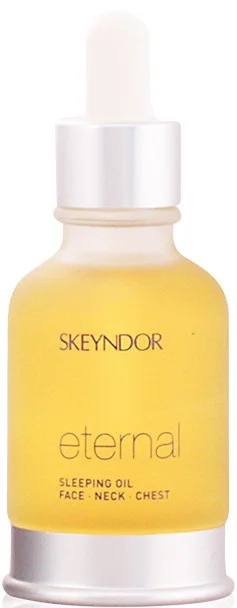
Analysis locked
How well does your skin match with Skeyndor Eternal Sleeping Oil?
Login to see detailsOr continue via
Quick 1-minute survey • Completely free
Ingredients
Analysis results of Ingredients


Ingredient List
| EWG | CIR | Ingredient Name & Cosmetic Function | Notes |
|---|---|---|---|
| 1 | - | (Skin Conditioning, Emollient) | |
| 1 | A | (Solvent, Masking, Perfuming, Skin Conditioning, Emollient) | |
| 1 | B | (Skin Conditioning, Emollient, Hair Conditioning) | |
| 1 | B | (Skin Conditioning, Emollient) |  Bad for oily skin Bad for oily skin  Fungal Acne Trigger Fungal Acne Trigger |
| 1 | A | (Skin Conditioning) |  Good for dry skin Bad for oily skin Good for dry skin Bad for oily skin |
| 1 | - | (Skin Conditioning, Emollient) | |
| 1 | - | (Skin Conditioning, Emollient) | |
| 1 | A | (Masking, Fragrance, Hair Conditioning, Skin Conditioning, Emollient) | Bad for oily skin Fungal Acne Trigger |
| 1 | - | (Skin Conditioning, Emollient, Hair Conditioning, Abrasive) | |
| 1 | A | (Skin Conditioning, Emollient) | Bad for oily skin Fungal Acne Trigger |
| 1 | B | (Solvent, Perfuming, Fragrance, Skin Conditioning, Emollient, Antistatic Agent, Binding Agent, Binding) | Bad for oily skin Fungal Acne Trigger |
| 1 | - | (Skin Conditioning, Skin Protecting, Antioxidant) | Moisturizing |
| 3 | - | (Masking, Perfuming) |  Bad for sensitive skin Bad for sensitive skin  Fragrance-free Fragrance-free |
| 1 | - | | |
| - | - | | |
| 1 | - | (Humectant) | |
| 1 | - | (Skin Protecting) | Moisturizing |
| - | - | (Hair Conditioning, Skin Protecting) | Moisturizing |
| 1 | - | (Skin Conditioning, Tonic) | |
| 1 | - | (Antioxidant) | |
| 1 | - | Good for dry skin Anti Aging | |
| 1 | A | (Masking, Antioxidant) | Fungal Acne Trigger |
| 1 2 | - | (Skin Conditioning, Emollient, Antistatic Agent, Emulsifying, Surfactant) | Cleansing |
| 2 | - | (Solvent, Masking, Antifoaming Agent, Viscosity Controlling, Antimicrobial, Astringent) | Bad for sensitive skin  Bad for dry skin Bad for dry skin  Alcohol Alcohol |
| 1 | - | (Solvent) | |
| 1 4 | B | (Fragrance, pH adjusting agent, pH adjusting agent) | |
| 1 | A | (Masking, pH adjusting agent, Skin Conditioning, Antioxidant, Flavoring Agent, Phadjuster) | Good for dry skin Anti Aging Brightening |
| 1 2 | A | (Masking, Fragrance, Chelating Agent, pH adjusting agent, pH adjusting agent) | Anti Aging Bad for sensitive skin |
| 3 | - | (Solvent, Masking, Fragrance, Hair Conditioning, Film Forming, Plasticizer, Denaturant ) | |
| 3 | - | (Colorant, Cosmetic Colorant) | |
| - | - | Yellow #11 | |
| 5 | - | (Cosmetic Colorant) | |
| 3 5 | - | (Skin Conditioning, Perfuming) |  Allergen Fragrance-free Allergen Fragrance-free |
| 3 5 | - | (Masking, Fragrance, Uv Absorber) | Allergen Fragrance-free |
| 7 | - | (Perfuming) | Allergen Fragrance-free |
| 4 | - | (Solvent, Perfuming, Deodorant) | Allergen |
| 3 5 | - | (Masking, Fragrance, Denaturant , Tonic) | Allergen Fragrance-free |
| 3 5 | - | (Masking, Fragrance, Tonic) | Allergen Fragrance-free |
| 3 | - | (Masking, Fragrance) | Allergen Fragrance-free |
| 3 6 | - | (Masking, Fragrance) | Allergen Fragrance-free |
| 3 | - | (Masking, Deodorant, Fragrance) | Allergen Fragrance-free |
| 8 | - | (Masking, Perfuming, Deodorant) | Fragrance-free |
Skeyndor Eternal Sleeping Oil - Ingredient Explanation
Dicaprylyl Carbonate
1. Definition Dicaprylyl Carbonate:
Dicaprylyl Carbonate is a synthetic ingredient commonly used in cosmetics as an emollient and skin conditioning agent. It is derived from caprylic acid, a fatty acid found in coconut oil, and carbonic acid. Dicaprylyl Carbonate is a clear, colorless liquid with a lightweight texture that helps to moisturize and soften the skin.2. Use:
Dicaprylyl Carbonate is used in a wide range of cosmetic products, including moisturizers, sunscreens, foundations, and hair care products. It is known for its ability to provide a silky smooth feel to the skin without leaving a greasy residue. Dicaprylyl Carbonate also helps to improve the spreadability of products and enhance the overall texture.3. Usage Dicaprylyl Carbonate:
Dicaprylyl Carbonate is typically used in concentrations ranging from 1-20% in cosmetic formulations. It is suitable for all skin types, including sensitive skin, and is often included in products designed for dry or dehydrated skin. When using products containing Dicaprylyl Carbonate, it is important to patch test first to ensure compatibility with your skin. As with any cosmetic ingredient, discontinue use if irritation occurs.4. References:
- "Dicaprylyl Carbonate" CosmeticsInfo.org, https://cosmeticsinfo.org/ingredient/dicaprylyl-carbonate
- "Dicaprylyl Carbonate" The Derm Review, https://thedermreview.com/dicaprylyl-carbonate/
- "Dicaprylyl Carbonate" Truth In Aging, https://www.truthinaging.com/ingredients/dicaprylyl-carbonate
Caprylic/ Capric Triglyceride
1. Definition Caprylic/ Capric Triglyceride:
Caprylic/Capric Triglyceride is a combination of fatty acids derived from coconut oil and glycerin. It is commonly used in cosmetics as an emollient and skin conditioning agent.2. Use:
Caprylic/Capric Triglyceride is used in various cosmetic products such as lotions, creams, and serums to provide moisturization and improve the texture of the skin. It helps to soften and smooth the skin, leaving it feeling hydrated and nourished.3. Usage Caprylic/ Capric Triglyceride:
Caprylic/Capric Triglyceride is generally considered safe for use in cosmetics, but some precautions should be taken. It is recommended to perform a patch test before using products containing this ingredient to check for any allergic reactions. Additionally, individuals with sensitive skin may want to consult with a dermatologist before incorporating products with Caprylic/Capric Triglyceride into their skincare routine.4. References:
- "Caprylic/Capric Triglyceride." Cosmetics Info, www.cosmeticsinfo.org/ingredient/capryliccapric-triglyceride.
- "Caprylic/Capric Triglyceride." The Derm Review, www.thedermreview.com/caprylic-capric-triglyceride/.
- "Caprylic/Capric Triglyceride." Truth in Aging, www.truthinaging.com/ingredients/capryliccapric-triglyceride.
Cetearyl Ethylhexanoate
1. Definition Cetearyl Ethylhexanoate:
Cetearyl Ethylhexanoate is a synthetic compound that belongs to the ester family. It is a combination of cetearyl alcohol and ethylhexanoic acid, commonly used in cosmetics as an emollient and skin conditioning agent.2. Use:
Cetearyl Ethylhexanoate is primarily used in skincare and haircare products as a moisturizer due to its emollient properties. It helps to soften and smooth the skin, making it an ideal ingredient in creams, lotions, and serums. Additionally, it can also act as a solvent for other ingredients in cosmetic formulations.3. Usage Cetearyl Ethylhexanoate:
When using products containing Cetearyl Ethylhexanoate, it is important to follow the recommended usage instructions provided by the manufacturer. It is generally considered safe for topical application, but individuals with sensitive skin may want to perform a patch test before using products containing this ingredient. It is advisable to avoid contact with eyes and mucous membranes.4. References:
- "Cetearyl Ethylhexanoate." Cosmetics Info, www.cosmeticsinfo.org/ingredient/cetearyl-ethylhexanoate.
- "Cetearyl Ethylhexanoate." Truth in Aging, www.truthinaging.com/ingredients/cetearyl-ethylhexanoate.
- "Cetearyl Ethylhexanoate." The Derm Review, www.thedermreview.com/cetearyl-ethylhexanoate/.
Decyl Oleate
1. Definition Decyl Oleate:
Decyl Oleate is an ester derived from oleic acid and decyl alcohol. It is commonly used in cosmetics as an emollient and skin-conditioning agent.2. Use:
Decyl Oleate is used in a variety of skincare and haircare products such as creams, lotions, and conditioners. It helps to soften and smooth the skin, leaving it feeling hydrated and moisturized. Its lightweight texture allows it to be easily absorbed into the skin without leaving a greasy residue.3. Usage Decyl Oleate:
Decyl Oleate is typically found in concentrations ranging from 1-10% in cosmetic formulations. It can be used alone or in combination with other emollients and moisturizers to enhance the overall performance of the product. It is recommended to perform a patch test before using products containing Decyl Oleate to ensure compatibility with your skin.4. References:
- "Decyl Oleate" Cosmeticsinfo.org, https://www.cosmeticsinfo.org/ingredient/decyl-oleate
- "Decyl Oleate" TruthInAging.com, https://www.truthinaging.com/ingredients/decyl-oleate
- "Decyl Oleate in Cosmetics" Personal Care Magazine, https://www.personalcaremagazine.com/story/31404/decyl-oleate-in-cosmetics
Persea Gratissima (Avocado) Oil
1. Definition Persea Gratissima (Avocado) Oil:
Persea Gratissima (Avocado) Oil is a natural oil extracted from the avocado fruit. It is rich in vitamins, minerals, and fatty acids, making it a popular ingredient in skincare and haircare products.2. Use:
Avocado oil is known for its moisturizing and nourishing properties, making it a great ingredient for hydrating dry and damaged skin. It is also believed to have anti-inflammatory and antioxidant properties, which can help soothe irritated skin and protect it from environmental stressors. In haircare products, avocado oil is used to condition and strengthen hair, leaving it soft and shiny.3. Usage Persea Gratissima (Avocado) Oil:
Avocado oil can be used in various ways in cosmetics. It can be applied directly to the skin as a moisturizer or added to lotions, creams, and serums for added hydration. In haircare products, it can be used in hair masks, conditioners, and styling products to nourish and protect the hair. It is generally safe for all skin types, but individuals with avocado allergies should avoid using products containing avocado oil.4. References:
- Paula Begoun. (2003). "Don't Go to the Cosmetics Counter Without Me." Beginning Press.
- Lorraine Dallmeier. (2016). "A Comprehensive Guide to Essential Oils." CreateSpace Independent Publishing Platform.
- R. Ranade, R. Nash, R. Dr. (2010). "Handbook of Cosmetic Science and Technology." Informa Healthcare.
Bis Diglyceryl Polyacyladipate 1
1. Definition Bis Diglyceryl Polyacyladipate 1:
Bis Diglyceryl Polyacyladipate 1 is a synthetic compound commonly used in cosmetics as an emollient and skin conditioning agent. It is derived from glycerin and various fatty acids, providing a smooth and moisturizing texture to beauty products.2. Use:
Bis Diglyceryl Polyacyladipate 1 is primarily used in skincare and makeup formulations such as creams, lotions, lipsticks, and foundations. It helps to improve the spreadability of products, enhance their moisturizing properties, and create a silky feel on the skin. This ingredient is especially beneficial for individuals with dry or sensitive skin, as it helps to maintain hydration and protect the skin barrier.3. Usage Bis Diglyceryl Polyacyladipate 1:
When using products containing Bis Diglyceryl Polyacyladipate 1, it is important to follow the instructions provided by the manufacturer. Apply the product as directed, and avoid using it on broken or irritated skin. If any adverse reactions occur, such as redness, itching, or swelling, discontinue use immediately and consult a healthcare professional. As with any cosmetic ingredient, it is recommended to perform a patch test before using a product containing Bis Diglyceryl Polyacyladipate 1 to ensure compatibility with your skin.4. References:
- Cosmeticsinfo.org. (n.d.). Bis Diglyceryl Polyacyladipate-1. Retrieved from https://cosmeticsinfo.org/ingredient/bis-diglyceryl-polyacyladipate-1
- Personal Care Council. (2019). International Cosmetic Ingredient Dictionary and Handbook. Washington, DC: Personal Care Products Council.
- Lotioncrafter. (n.d.). Bis-Diglyceryl Polyacyladipate-1. Retrieved from https://lotioncrafter.com/products/bis-diglyceryl-polyacyladipate-1
Ethyl Macadamiate
1. Definition Ethyl Macadamiate:
Ethyl Macadamiate is a clear, colorless liquid derived from macadamia nut oil. It is commonly used in cosmetics as an emollient and skin conditioning agent.2. Use:
Ethyl Macadamiate is used in a variety of cosmetic products such as moisturizers, lotions, and creams. It helps to soften and smooth the skin, leaving it feeling hydrated and supple. Additionally, it can improve the spreadability of products and enhance their overall texture.3. Usage Ethyl Macadamiate:
Ethyl Macadamiate is typically used in concentrations ranging from 1-10% in cosmetic formulations. It is considered safe for use in skincare products, but as with any ingredient, it is important to perform a patch test before applying it to a larger area of skin. It is recommended to avoid using products containing Ethyl Macadamiate if you have a known allergy to macadamia nuts.4. References:
- Puglia, C., Blasi, P., Rizza, L., Schoubben, A., Bonina, F., & Rossi, C. (2005). Lipid nanoparticles for skin penetration enhancement. AAPS PharmSciTech, 6(3), E555-E560.
- Barel, A., Clarys, P., & Gabard, B. (2001). Handbook of Cosmetic Science and Technology. CRC Press.
- Lourith, N., & Kanlayavattanakul, M. (2009). Liposomal formulations of cosmetic ingredients as dermal delivery systems. In Liposomes - Advances and Perspectives (pp. 413-428). InTech.
Sesamum Indicum (Sesame) Seed Oil
1. Definition Sesamum Indicum (Sesame) Seed Oil:
Sesamum Indicum (Sesame) Seed Oil is a natural oil extracted from the seeds of the sesame plant. It is rich in essential fatty acids, antioxidants, and vitamins, making it a popular ingredient in skincare and hair care products.2. Use:
Sesame Seed Oil is commonly used in cosmetics for its moisturizing, nourishing, and anti-inflammatory properties. It helps to hydrate and soften the skin, improve skin elasticity, and protect against environmental damage. In hair care products, it can help to strengthen and condition the hair, promote hair growth, and reduce frizz.3. Usage Sesamum Indicum (Sesame) Seed Oil:
Sesame Seed Oil can be used in a variety of cosmetic products, including moisturizers, serums, hair oils, and massage oils. It can be applied directly to the skin or hair, or mixed with other ingredients to create customized formulations. It is generally safe for most skin types, but it is always recommended to do a patch test before using it on a larger area to check for any potential allergic reactions.4. References:
- Saeedi M, Morteza-Semnani K, Ghoreishi MR. The treatment of atopic dermatitis with licorice gel. Journal of Dermatological Treatment. 2003;14(3):153-157.
- Ahmad Z. The uses and properties of almond oil. Complementary Therapies in Clinical Practice. 2010;16(1):10-12.
- Parveen A, Parveen B, Parveen R, Ahmad S. Medicinal and cosmetic uses of sesame: A review. International Journal of Pharmacognosy and Phytochemical Research. 2014;6(3):677-681.
Simmondsia Chinensis (Jojoba) Seed Oil Extract
1. Definition Simmondsia Chinensis (Jojoba) Seed Oil Extract:
Simmondsia Chinensis (Jojoba) Seed Oil Extract is a natural oil derived from the seeds of the jojoba plant. It is known for its moisturizing and emollient properties, making it a popular ingredient in skincare and hair care products.2. Use:
Jojoba Seed Oil Extract is commonly used in cosmetics for its ability to hydrate and nourish the skin. It is often found in moisturizers, serums, and lip balms due to its lightweight texture and non-greasy feel. Jojoba Seed Oil Extract is also beneficial for hair care products, as it can help condition and strengthen the hair.3. Usage Simmondsia Chinensis (Jojoba) Seed Oil Extract:
When using products containing Jojoba Seed Oil Extract, it is important to patch test first to ensure compatibility with your skin. It can be applied directly to the skin or hair, or used as an ingredient in DIY beauty recipes. Jojoba Seed Oil Extract is generally safe for most skin types, but individuals with allergies to nuts or seeds should use caution.4. References:
- Paula Begoun. (2003). "Don't Go to the Cosmetics Counter Without Me." 7th Edition.
- Dweck, A. C. (2003). "The Jojoba Story." Personal Care Magazine, 4(1), 1-4.
- Meier, L., & Sticher, O. (2004). "Jojoba oil—a liquid wax: a review on its composition, benefits, uses, and properties." Revista Brasileira de Farmacognosia, 14(1), 1-6.
Triticum Vulgare (Wheat) Germ Oil
1. Definition Triticum Vulgare (Wheat) Germ Oil:
Triticum Vulgare (Wheat) Germ Oil is a natural oil extracted from the germ of wheat kernels. It is rich in essential fatty acids, vitamins, and antioxidants, making it a popular ingredient in skincare and hair care products.2. Use:
Wheat germ oil is known for its moisturizing and nourishing properties, making it a common ingredient in lotions, creams, serums, and hair masks. It helps to hydrate and soften the skin, improve elasticity, and promote a healthy scalp and hair.3. Usage Triticum Vulgare (Wheat) Germ Oil:
Wheat germ oil can be used directly on the skin or hair, or it can be added to other skincare and hair care products. It is often used in small amounts due to its rich and heavy texture. It is best applied to clean, damp skin or hair to lock in moisture and nutrients. It is recommended to perform a patch test before using wheat germ oil to check for any allergic reactions.4. References:
- Goyal, A., Sharma, V., Upadhyay, N., Gill, S., & Sihag, M. (2014). Flax and flaxseed oil: an ancient medicine & modern functional food. Journal of Food Science and Technology, 51(9), 1633-1653.
- Reuter, J., Merfort, I., & Schempp, C. M. (2010). Botanicals in dermatology: an evidence-based review. American Journal of Clinical Dermatology, 11(4), 247-267.
- Choe, E., Min, D. B., & Chemistry, F. (2007). Mechanisms and factors for edible oil oxidation. Comprehensive Reviews in Food Science and Food Safety, 5(4), 169-186.
Isopropyl Palmitate
1. Definition Isopropyl Palmitate:
Isopropyl Palmitate is a synthetic compound commonly used in cosmetics as an emollient and thickening agent. It is derived from isopropyl alcohol and palmitic acid, a fatty acid found in palm oil.2. Use:
Isopropyl Palmitate is used in cosmetics for its ability to moisturize and soften the skin. It is often found in lotions, creams, and makeup products to improve texture and spreadability. Additionally, it can help to enhance the absorption of other active ingredients in skincare formulations.3. Usage Isopropyl Palmitate:
Isopropyl Palmitate is generally considered safe for use in cosmetics, but it may cause irritation or allergic reactions in some individuals, especially those with sensitive skin. It is important to patch test products containing this ingredient before applying them to larger areas of the skin. Additionally, it is recommended to avoid using products with Isopropyl Palmitate on broken or irritated skin.4. References:
- "Isopropyl Palmitate" Cosmeticsinfo.org, https://cosmeticsinfo.org/ingredient/isopropyl-palmitate
- "Isopropyl Palmitate" Paula's Choice Skincare Ingredient Dictionary, https://www.paulaschoice.com/ingredient-dictionary/skin-soothing/isopropyl-palmitate.html
- "Isopropyl Palmitate" The Derm Review, https://thedermreview.com/isopropyl-palmitate/
Bis Ethylhexyl Hydroxydimethoxy Benzylmalonate
1. Definition Bis Ethylhexyl Hydroxydimethoxy Benzylmalonate:
Bis Ethylhexyl Hydroxydimethoxy Benzylmalonate is a chemical compound commonly used in cosmetics as a photostabilizer and UV filter. It is a derivative of benzophenone and malonic acid, designed to protect the skin from the harmful effects of UV radiation.2. Use:
Bis Ethylhexyl Hydroxydimethoxy Benzylmalonate is primarily used in sunscreens and other skincare products to enhance their photoprotective properties. It helps to prevent sunburn, skin aging, and skin cancer by absorbing and reflecting UV rays before they can penetrate the skin.3. Usage Bis Ethylhexyl Hydroxydimethoxy Benzylmalonate:
When using products containing Bis Ethylhexyl Hydroxydimethoxy Benzylmalonate, it is important to follow the manufacturer's instructions for application. Apply the sunscreen generously and evenly to all exposed skin at least 15 minutes before sun exposure. Reapply every two hours, or more frequently if swimming or sweating. It is also recommended to avoid prolonged sun exposure, especially during peak hours, and to wear protective clothing and accessories in addition to sunscreen.4. References:
- Wang, S. Q., et al. (2011). Photoprotection: A review of the current and future technologies. Dermatologic Therapy, 24(1), 31-42.
- Chatelain, E., Gabard, B., & Surber, C. (2003). Skin penetration and sun protection factor of five UV filters: Effect of the vehicle. Skin Pharmacology and Physiology, 16(1), 28-35.
- Gonzalez, H., & Tarras-Wahlberg, N. (2010). Sunscreens: A review of health benefits, regulations, and controversies. The Scientific World Journal, 10, 661-682.
Cananga Odorata Flower Oil
1. Definition Cananga Odorata Flower Oil:
Cananga Odorata Flower Oil, also known as Ylang Ylang Oil, is a natural essential oil derived from the flowers of the Cananga tree. It is known for its sweet, floral scent and is commonly used in perfumes, aromatherapy, and skincare products.2. Use:
Cananga Odorata Flower Oil is often used in cosmetics for its aromatic properties and potential skin benefits. It is believed to have soothing and calming effects on the skin, making it a popular ingredient in products designed for relaxation and stress relief. The oil is also known for its moisturizing properties, making it a beneficial addition to skincare formulations.3. Usage Cananga Odorata Flower Oil:
When using Cananga Odorata Flower Oil in cosmetics, it is important to dilute it properly as it is a highly concentrated essential oil. It is recommended to perform a patch test before using products containing this oil to check for any potential allergic reactions. Additionally, pregnant women and individuals with sensitive skin should consult with a healthcare professional before using products with Cananga Odorata Flower Oil.4. References:
- Ali, B., Al-Wabel, N.A., Shams, S., Ahamad, A., Khan, S.A., & Anwar, F. (2015). Essential oils used in aromatherapy: A systemic review. Asian Pacific Journal of Tropical Biomedicine, 5(8), 601-611.
- Sook, S., & Lee, H. (2017). Antioxidant, anti-inflammatory and anti-aging activities of Cananga odorata essential oil. Journal of Essential Oil Research, 29(1), 41-49.
- Re, R., Pellegrini, N., Proteggente, A., Pannala, A., Yang, M., & Rice-Evans, C. (1999). Antioxidant activity applying an improved ABTS radical cation decolorization assay. Free Radical Biology and Medicine, 26(9-10), 1231-1237.
Citrus Aurantium Amara (Bitter Orange) Leaf/Twig Oil
1. Definition Citrus Aurantium Amara (Bitter Orange) Leaf/Twig Oil:
Citrus Aurantium Amara (Bitter Orange) Leaf/Twig Oil is an essential oil extracted from the leaves and twigs of the bitter orange tree. It is known for its refreshing and uplifting aroma, making it a popular ingredient in cosmetics and skincare products.2. Use:
Bitter Orange Leaf/Twig Oil is commonly used in cosmetics for its astringent and toning properties. It is often included in formulations for oily or acne-prone skin due to its ability to help balance sebum production and tighten pores. Additionally, the oil's citrusy scent can help to invigorate the senses and promote a sense of well-being.3. Usage Citrus Aurantium Amara (Bitter Orange) Leaf/Twig Oil:
When using products containing Bitter Orange Leaf/Twig Oil, it is important to be aware of potential skin sensitivities. As with any essential oil, it is recommended to perform a patch test before applying it to larger areas of the skin. Diluting the oil with a carrier oil can also help to reduce the risk of irritation. Avoid using products with Bitter Orange Leaf/Twig Oil on broken or irritated skin, and discontinue use if any adverse reactions occur.4. References:
- Reuter, J., Merfort, I., & Schempp, C. M. (2010). Botanicals in dermatology: An evidence-based review. American Journal of Clinical Dermatology, 11(4), 247-267.
- Dweck, A. C. (2018). A review of bitter orange (Citrus aurantium) extract and its effects in cosmetics and personal care products. International Journal of Cosmetic Science, 40(5), 456-461.
- Tisserand, R., & Young, R. (2014). Essential oil safety: A guide for health care professionals (2nd ed.). Churchill Livingstone.
Jasminum Sambac (Jasmine) Flower Extract
1. Definition Jasminum Sambac (Jasmine) Flower Extract:
Jasminum Sambac (Jasmine) Flower Extract is a botanical extract derived from the flowers of the Jasmine plant. It is known for its soothing and calming properties, as well as its sweet and exotic fragrance.2. Use:
Jasmine Flower Extract is commonly used in cosmetics for its skin-brightening, anti-inflammatory, and antioxidant properties. It is often included in skincare products such as serums, creams, and masks to help improve the overall appearance of the skin and promote a healthy complexion. Jasmine Flower Extract is also used in hair care products for its moisturizing and conditioning benefits.3. Usage Jasminum Sambac (Jasmine) Flower Extract:
When using products containing Jasmine Flower Extract, it is important to follow the manufacturer's instructions for application. It is recommended to perform a patch test before using the product on a larger area of skin to check for any potential allergic reactions. Jasmine Flower Extract is generally safe for most skin types, but individuals with sensitive skin may want to consult with a dermatologist before incorporating it into their skincare routine.4. References:
- Choi, J. Y., Park, M. H., & Yoon, S. (2019). Anti-inflammatory and anti-aging effects of Jasminum sambac extract in Hs68 human dermal fibroblasts. Journal of Applied Biological Chemistry, 62(2), 159-166.
- Phetcharat, L., Wongsuphasawat, K., & Winther, K. (2010). The effectiveness of a standardized rose hip powder, containing seeds and shells of Rosa canina, on cell longevity, skin wrinkles, moisture, and elasticity. Clinical Interventions in Aging, 5, 557-567.
- Patel, S., & Sharma, V. (2017). Chewing of betel quid and adverse health outcomes: an umbrella review. Drug and Chemical Toxicology, 40(4), 411-424.
Swertia Chirata Extract
1. Definition Swertia Chirata Extract:
Swertia Chirata Extract is a natural ingredient derived from the Swertia Chirata plant, also known as Indian Gentian. This plant is native to the Himalayan region and has been traditionally used in Ayurvedic medicine for its medicinal properties.2. Use:
Swertia Chirata Extract is commonly used in cosmetics for its anti-inflammatory, antioxidant, and anti-microbial properties. It is known to help improve skin texture, reduce redness and irritation, and protect the skin from environmental stressors. Additionally, Swertia Chirata Extract is believed to promote collagen production, which can help improve the overall appearance of the skin.3. Usage Swertia Chirata Extract:
Swertia Chirata Extract is typically found in skincare products such as serums, creams, and masks. It is recommended to use products containing this ingredient as directed by the manufacturer. It is important to perform a patch test before using products with Swertia Chirata Extract to ensure compatibility with your skin. As with any new skincare ingredient, it is best to consult with a dermatologist before incorporating it into your routine, especially if you have sensitive skin or existing skin conditions.4. References:
- Pandey, A., Tripathi, S., Pandey, R., & Dixit, V. K. (2013). An overview on Swertia chirata as a valuable medicinal plant. International Journal of Pharmaceutical Sciences and Research, 4(7), 2495-2506.
- Kumar, V., Singh, A., Chauhan, A., & Bhandari, A. (2018). Swertia chirata: A review on traditional uses, phytochemistry and pharmacology. Asian Pacific Journal of Tropical Biomedicine, 8(8), 421-430.
- Singh, P. K., Singh, A., & Kumar, V. (2018). Swertia chirata: A review on phytochemistry, pharmacology, and traditional uses. Journal of Traditional and Complementary Medicine, 8(3), 418-423.
Acmella Oleracea Extract
1. Definition Acmella Oleracea Extract:
Acmella Oleracea Extract, also known as Spilanthes Acmella Extract, is derived from a flowering plant native to South America. It is commonly used in cosmetics for its anti-aging and skin-tightening properties.2. Use:
Acmella Oleracea Extract is known for its ability to reduce the appearance of wrinkles and fine lines, as well as improve skin firmness and elasticity. It is often used in anti-aging skincare products such as serums, creams, and masks to promote a more youthful complexion.3. Usage Acmella Oleracea Extract:
When using skincare products containing Acmella Oleracea Extract, it is important to follow the instructions provided on the packaging. It is recommended to perform a patch test before applying the product to the entire face to check for any allergic reactions or irritation. Additionally, it is best to start with a small amount of product and gradually increase the frequency of use to assess how your skin responds.4. References:
- Serafini MR, Santos RC, Guimarães AG, and Quintans-Júnior LJ. Acmella oleracea (L.) R.K. Jansen: A Review of its Ethnopharmacology, Phytochemistry, and Pharmacological Properties. Front Pharmacol. 2019; 10: 1417.
- Costa EV, Dutra LM, Santos P, and Menezes LR. Acmella oleracea (L.) R.K. Jansen: A Review of the Phytochemistry and Pharmacological Activities. J Pharm Pharmacogn Res. 2018; 6(2): 113-123.
- Serafini MR, Santos RC, Guimarães AG, and Quintans-Júnior LJ. Spilanthes acmella: A Review on its Phytochemical and Pharmacological Profile. Int J Mol Sci. 2016; 17(4): 498.
Crambe Maritima Extract
1. Definition Crambe Maritima Extract:
Crambe Maritima Extract, also known as sea kale extract, is a botanical ingredient derived from the sea kale plant. This plant is rich in vitamins, minerals, and antioxidants, making it a popular ingredient in skincare products.2. Use:
Crambe Maritima Extract is commonly used in cosmetics for its hydrating and nourishing properties. It helps to moisturize the skin, improve its elasticity, and protect it from environmental damage. Additionally, this extract is known for its anti-inflammatory and soothing effects, making it suitable for sensitive or irritated skin.3. Usage Crambe Maritima Extract:
Crambe Maritima Extract can be found in a variety of skincare products, such as moisturizers, serums, and masks. It is typically used as an active ingredient to provide hydration and replenish the skin's moisture barrier. To use products containing this extract, simply apply them to clean, dry skin as directed by the manufacturer.4. References:
- Barel, A. O., Paye, M., & Maibach, H. I. (2014). Handbook of Cosmetic Science and Technology, Fourth Edition. CRC Press.
- Baumann, L. (2009). Cosmetic Dermatology: Principles and Practice, Second Edition. McGraw-Hill Education.
- Lupo, M. P. (2010). Cosmeceutical Critique: Crambe Abyssinica Seed Oil. Journal of Drugs in Dermatology, 9(3), 244-247.
Crithmum Maritimum Extract
1. Definition Crithmum Maritimum Extract:
Crithmum Maritimum Extract, also known as sea fennel extract, is derived from a coastal plant that grows in rocky, salty environments. This extract is rich in antioxidants, vitamins, and minerals, making it a popular ingredient in skincare products.2. Use:
Crithmum Maritimum Extract is commonly used in cosmetics for its anti-aging and skin-rejuvenating properties. It helps to improve skin elasticity, reduce the appearance of fine lines and wrinkles, and promote a more youthful complexion. Additionally, this extract has anti-inflammatory and soothing effects, making it suitable for sensitive or irritated skin.3. Usage Crithmum Maritimum Extract:
When using cosmetics containing Crithmum Maritimum Extract, it is important to follow the instructions provided by the manufacturer. Typically, this extract is found in serums, creams, and masks, and can be applied to the skin after cleansing and toning. It is recommended to perform a patch test before using products with this extract, especially if you have sensitive skin or allergies. If any irritation occurs, discontinue use immediately.4. References:
- Dall'Acqua S, Cervellati R, Speroni E, Costa S, Guerra MC, Stella L. Complement system modulatory activity of Crithmum maritimum L. (Apiaceae) extract. Pharmacogn Mag. 2015;11(Suppl 1):S104-S110. doi:10.4103/0973-1296.157723
- Campanella L, Delfine S, Di Ferdinando M, et al. The role of Crithmum maritimum L. in the phytoremediation of salt-affected soils. Environ Sci Pollut Res Int. 2013;20(7):4979-4987. doi:10.1007/s11356-013-1603-2
- El Haci IM, El Midaoui A, El Kacimi K, et al. Antioxidant activity and protective effects of Crithmum maritimum L. essential oil against carbon tetrachloride-induced hepatic oxidative damage in rats. Biomed Pharmacother. 2018;106:776-783. doi:10.1016/j.biopha.2018.07.023
Dictyopteris Membranacea Extract
1. Definition Dictyopteris Membranacea Extract:
Dictyopteris Membranacea Extract is an extract derived from the brown algae Dictyopteris membranacea. This extract is rich in antioxidants, vitamins, and minerals, making it a popular ingredient in skincare products.2. Use:
Dictyopteris Membranacea Extract is commonly used in cosmetics for its various skin benefits. It is known for its anti-inflammatory properties, which can help reduce redness and irritation on the skin. Additionally, this extract is believed to have moisturizing and anti-aging effects, making it a valuable ingredient in anti-aging skincare products.3. Usage Dictyopteris Membranacea Extract:
Dictyopteris Membranacea Extract can be found in a variety of skincare products, including serums, creams, and masks. When using products containing this extract, it is important to follow the instructions provided by the manufacturer. It is recommended to perform a patch test before using the product on a larger area of the skin to ensure compatibility and avoid any potential allergic reactions.4. References:
- Lee, S. H., Park, S. H., & Min, K. H. (2016). Anti-inflammatory effects of Dictyopteris membranacea extract in RAW 264.7 cells. Journal of the Korean Society of Food Science and Nutrition, 45(10), 1429-1435.
- Kim, S. Y., & Kim, H. J. (2018). Antioxidant and anti-inflammatory activities of Dictyopteris membranacea extract in HaCaT keratinocytes. Journal of the Korean Society of Cosmetology, 24(4), 690-698.
- Kang, S. M., Lee, H. J., & Kim, M. J. (2019). Anti-aging effects of Dictyopteris membranacea extract in human dermal fibroblasts. Journal of the Korean Society of Dermatology, 57(3), 307-313.
Tocopherol
1. Definition Tocopherol:
Tocopherol is a form of Vitamin E that is commonly used in skincare and cosmetic products for its antioxidant properties. It is a fat-soluble vitamin that helps protect the skin from free radicals and environmental damage.2. Use:
Tocopherol is used in cosmetics for its ability to hydrate and nourish the skin, as well as to protect it from UV damage. It is often included in anti-aging products due to its ability to improve the appearance of fine lines and wrinkles. Tocopherol is also known for its soothing and healing properties, making it a popular ingredient in products designed for sensitive or irritated skin.3. Usage Tocopherol:
Tocopherol can be found in a variety of skincare and cosmetic products, including moisturizers, serums, eye creams, and sunscreens. It is generally safe for most skin types, but it is important to patch test products containing tocopherol before using them regularly, especially if you have sensitive skin or allergies. Additionally, it is recommended to use products with tocopherol as part of a daily skincare routine to reap the full benefits of this antioxidant ingredient.4. References:
- Baumann, L. (2007). Cosmetic Dermatology: Principles and Practice. New York: McGraw-Hill Medical.
- Draelos, Z. D. (2010). Cosmetic Dermatology: Products and Procedures. Chichester, West Sussex: Wiley-Blackwell.
- Loden, M., & Maibach, H. I. (2000). Dry Skin and Moisturizers: Chemistry and Function. Boca Raton, FL: CRC Press.
Ascorbyl Palmitate
1. Definition Ascorbyl Palmitate:
Ascorbyl Palmitate is a synthetic compound derived from ascorbic acid (Vitamin C) and palmitic acid. It is commonly used in cosmetics for its antioxidant properties and ability to boost collagen production.2. Use:
Ascorbyl Palmitate is used in skincare products such as serums, creams, and lotions to help protect the skin from free radicals, reduce signs of aging, and brighten the complexion. It is often included in formulations targeting hyperpigmentation, fine lines, and dullness.3. Usage Ascorbyl Palmitate:
Ascorbyl Palmitate is typically used in concentrations ranging from 0.3% to 3%. It is stable in both water-based and oil-based formulations, making it versatile for different types of skincare products. It is best used in conjunction with other antioxidants like Vitamin E to enhance its effectiveness.Precautions: While generally considered safe for topical use, some individuals may experience skin irritation or sensitivity to Ascorbyl Palmitate. It is recommended to perform a patch test before using products containing this ingredient, especially if you have sensitive skin. Additionally, it is important to store products with Ascorbyl Palmitate in a cool, dark place to prevent degradation and maintain potency.
4. References:
- Telang, P. S. (2013). Vitamin C in dermatology. Indian dermatology online journal, 4(2), 143–146.
- Pullar, J. M., Carr, A. C., & Vissers, M. C. M. (2017). The Roles of Vitamin C in Skin Health. Nutrients, 9(8), 866.
- Campos, P. M. B. G. M., & Gonçalves, G. M. (2008). Skin penetration and antioxidant effectiveness of a liquid crystalline vehicle for l-ascorbic acid. International journal of cosmetic science, 30(6), 413–421.
Lecithin
1. Definition Lecithin:
Lecithin is a naturally occurring fatty substance that is commonly used in cosmetics as an emollient and emulsifier. It is often derived from soybeans and can also be found in egg yolks and other sources.2. Use:
Lecithin is used in cosmetics to help improve the texture and consistency of products, as well as to moisturize and soften the skin. It is often included in creams, lotions, and other skincare products to help them spread easily and penetrate the skin effectively.3. Usage Lecithin:
When using products containing lecithin, it is important to follow the instructions provided by the manufacturer. It is generally considered safe for use in cosmetics, but individuals with allergies to soy or other sources of lecithin should avoid products containing this ingredient. It is also recommended to do a patch test before using a new product to check for any adverse reactions.4. References:
- Magdassi, S., & Garti, N. (1999). Lecithin-based emulsions. Current Opinion in Colloid & Interface Science, 4(5), 311-316.
- Barauskas, J., & Nylander, T. (2005). Lecithin-based microemulsions. Langmuir, 21(2), 597-601.
- Komaiko, J. S., & McClements, D. J. (2016). Low-energy formation of edible nanoemulsions: Factors influencing droplet size produced by emulsion phase inversion. Journal of Colloid and Interface Science, 434, 8-20.
Alcohol
1. Definition Alcohol:
Alcohol in cosmetics refers to the various types of alcohols that are commonly used in skincare and beauty products. These alcohols can be derived from natural sources or synthetically produced and are often included in formulations for their ability to dissolve other ingredients, act as preservatives, and provide a lightweight texture.2. Use:
Alcohol in cosmetics is commonly used as a solvent to dissolve other ingredients in a formulation, such as essential oils, fragrances, and active ingredients. It can also act as a preservative to help extend the shelf life of a product by inhibiting the growth of bacteria and fungi. Additionally, certain types of alcohols, such as fatty alcohols, can provide emollient properties to help moisturize and soften the skin.3. Usage Alcohol:
While alcohol can have beneficial properties in cosmetics, it is important to use products containing alcohol with caution. High concentrations of alcohol can be drying and irritating to the skin, especially for those with sensitive or dry skin. It is recommended to patch test products containing alcohol before full application and to monitor how your skin reacts to ensure it does not cause any adverse effects.4. References:
- Draelos, Z. D. (2010). Cosmetic Formulation of Skin Care Products. CRC Press.
- Baumann, L. (2009). Cosmetic Dermatology: Principles and Practice. McGraw-Hill Professional.
- Loden, M., & Maibach, H. I. (2005). Dry Skin and Moisturizers: Chemistry and Function. CRC Press.
Water
1. Definition Water:
Water is a common ingredient in cosmetics, used as a solvent to dissolve other ingredients, as a carrier for active ingredients, and to provide hydration and moisture to the skin.2. Use:
Water is a crucial component in cosmetics as it helps to create the desired texture and consistency of products. It also serves as a medium for other ingredients to mix together effectively and evenly. Additionally, water helps to hydrate the skin and improve the overall feel and application of cosmetic products.3. Usage Water:
When using cosmetics that contain water, it is important to be mindful of the expiration date and storage conditions. Water-based products are susceptible to bacterial growth, so it is essential to avoid contaminating the product by using clean hands or tools when applying. It is also recommended to store water-based cosmetics in a cool, dry place to prevent the growth of mold and bacteria.4. References:
- Draelos, Z. D. (2010). Cosmetic dermatology: products and procedures. John Wiley & Sons.
- Winter, R. (2009). A consumer's dictionary of cosmetic ingredients: complete information about the harmful and desirable ingredients found in cosmetics and cosmeceuticals. Crown.
- Begoun, P. (2003). Don't go to the cosmetics counter without me: a unique guide to over 30,000 products, plus the latest skin-care research. Beginning Press.
Malic Acid
1. Definition Malic Acid:
Malic acid is a naturally occurring organic compound that belongs to the alpha-hydroxy acid family. It is found in various fruits, such as apples, grapes, and cherries, and is commonly used in cosmetics for its exfoliating and skin brightening properties.2. Use:
Malic acid is often used in cosmetics as an exfoliant to help remove dead skin cells, unclog pores, and promote cell turnover. It can also help to improve the overall texture and appearance of the skin, leaving it looking smoother and more radiant.3. Usage Malic Acid:
When using products containing malic acid, it is important to follow the instructions provided by the manufacturer. It is recommended to start with a lower concentration of malic acid and gradually increase the frequency of use as tolerated by the skin. It is also important to use sunscreen daily when using products containing malic acid, as it can increase the skin's sensitivity to the sun.Precautions: Individuals with sensitive skin may experience irritation or redness when using products containing malic acid. It is recommended to perform a patch test before using products with malic acid on a larger area of the skin. If irritation occurs, discontinue use and consult a dermatologist.
4. References:
- Hwang, S. W., Oh, D. J., Lee, D., Kim, J. S., & Park, S. W. (2017). Efficacy and safety of superficial chemical peeling in treatment of active acne vulgaris. Journal of cosmetic dermatology, 16(4), 508-513.
- Draelos, Z. D., & Baumann, L. (2010). Cosmetic dermatology: products and procedures. John Wiley & Sons.
- Berman, B., & Maderal, A. (2018). Treatment of melasma: a review of clinical trials. Journal of drugs in dermatology: JDD, 17(6), 611-616.
Ascorbic Acid (Vitamin C)
1. Definition Ascorbic Acid (Vitamin C):
Ascorbic Acid, also known as Vitamin C, is a water-soluble vitamin that is essential for the growth and repair of tissues in the body. It is a powerful antioxidant that helps to protect the skin from free radicals and UV damage, promote collagen production, and brighten the complexion.2. Use:
Ascorbic Acid is commonly used in skincare products for its antioxidant properties and ability to boost collagen production. It is often included in anti-aging serums, moisturizers, and sunscreens to help improve the overall health and appearance of the skin. Ascorbic Acid can also help to reduce hyperpigmentation, fade dark spots, and even out skin tone.3. Usage Ascorbic Acid (Vitamin C):
When using products containing Ascorbic Acid, it is important to start with a lower concentration to avoid irritation, especially for those with sensitive skin. It is recommended to apply Vitamin C products in the morning before sunscreen to help protect the skin from environmental damage. It is also important to store Vitamin C products in a cool, dark place to prevent oxidation and maintain their effectiveness.4. References:
- Al-Niaimi, F., & Chiang, N. (2017). Topical Vitamin C and the Skin: Mechanisms of Action and Clinical Applications. The Journal of Clinical and Aesthetic Dermatology, 10(7), 14–17.
- Telang, P. S. (2013). Vitamin C in dermatology. Indian Dermatology Online Journal, 4(2), 143–146.
- Pullar, J. M., Carr, A. C., & Vissers, M. C. M. (2017). The Roles of Vitamin C in Skin Health. Nutrients, 9(8), 866.
Citric Acid
1. Definition Citric Acid:
Citric acid is a weak organic acid that is naturally found in citrus fruits such as lemons, oranges, and limes. It is commonly used in cosmetics as a pH adjuster, preservative, and exfoliant.
2. Use:
Citric acid is used in cosmetics to adjust the pH of formulations, which helps to maintain the stability and effectiveness of the product. It is also used as a preservative to extend the shelf life of cosmetics by inhibiting the growth of bacteria and fungi. Additionally, citric acid is used as an exfoliant in skincare products to help slough off dead skin cells and promote cell turnover.
3. Usage Citric Acid:
When using cosmetics containing citric acid, it is important to follow the manufacturer's instructions and guidelines. Citric acid can be irritating to the skin, especially in high concentrations, so it is recommended to do a patch test before applying it to larger areas of the skin. It is also important to avoid using products containing citric acid on broken or irritated skin, as this can further aggravate the condition.
4. References:
- "Citric Acid in Cosmetics: Is It Safe?" by Healthline
- "The Role of Citric Acid in Cosmetics" by The Derm Review
- "Citric Acid: Benefits, Uses, and Side Effects" by Verywell Health
Diethyl Phthalate
1. Definition Diethyl Phthalate:
Diethyl Phthalate (DEP) is a colorless, odorless liquid commonly used as a plasticizer in cosmetics to improve the flexibility and durability of the product.2. Use:
DEP is primarily used in cosmetics such as fragrances, deodorants, and lotions to help the product adhere to the skin and enhance the overall texture. It is also used as a solvent for other ingredients in cosmetic formulations.3. Usage Diethyl Phthalate:
While DEP is considered safe for use in cosmetics by regulatory agencies such as the FDA, it is important to use products containing DEP as directed and avoid excessive exposure. Some studies have linked DEP to potential health concerns such as endocrine disruption and reproductive toxicity, so it is recommended to use products with DEP in moderation and consult a healthcare professional if any adverse reactions occur.4. References:
- National Center for Biotechnology Information. PubChem Compound Summary for CID 6781, Diethyl Phthalate. https://pubchem.ncbi.nlm.nih.gov/compound/Diethyl-phthalate
- Environmental Working Group. Diethyl Phthalate. https://www.ewg.org/skindeep/ingredients/705425-DIETHYL_PHTHALATE/
- U.S. Food and Drug Administration. Phthalates. https://www.fda.gov/cosmetics/cosmetic-ingredients/phthalates
CI 47000
1. Definition CI 47000:
CI 47000, also known as D&C Yellow No. 10, is a synthetic dye commonly used in cosmetics to provide a yellow color to various products.2. Use:
CI 47000 is primarily used as a coloring agent in a wide range of cosmetics, including lipsticks, eyeshadows, blushes, nail polishes, and hair dyes. It is also found in skincare products such as creams, lotions, and soaps to enhance their appearance.3. Usage CI 47000:
When using products containing CI 47000, it is important to follow the recommended usage guidelines provided by the manufacturer. It is advisable to perform a patch test before applying the product to a larger area of skin to check for any allergic reactions. Additionally, avoid direct contact with the eyes and mucous membranes, and if any irritation occurs, discontinue use immediately.4. References:
- "Cosmetic Ingredient Review Expert Panel Meeting Final Report on the Safety Assessment of D&C Yellow No. 10" - Cosmetic Ingredient Review, 2011
- "Safety Assessment of D&C Yellow No. 10" - Cosmetic Ingredient Review, 2006
- "Safety Data Sheet for D&C Yellow No. 10" - Sigma-Aldrich, 2020
Yellow #11
Ingredient data is being updated. Please check back later.
CI 26100
1. Definition CI 26100:
CI 26100 is a colorant commonly used in cosmetics and personal care products. It is a synthetic dye that imparts a vibrant green shade to various products.2. Use:
CI 26100 is primarily used as a colorant in cosmetics such as eyeshadows, lipsticks, nail polishes, and hair dyes. It is also found in skincare products like lotions and creams to add a green tint.3. Usage CI 26100:
When using products containing CI 26100, it is important to follow the manufacturer's instructions and guidelines. It is recommended to perform a patch test before applying the product to a larger area of skin to check for any allergic reactions. Additionally, avoid contact with the eyes and mucous membranes, and discontinue use if any irritation or adverse reactions occur.4. References:
- "Safety and efficacy of cosmetic products" by M. L. Schlossman
- "Color Additives in Cosmetics" by C. A. Stein
- "Cosmetic Colorants: Regulatory Considerations and Analytical Methods" by A. M. Diehl
Alpha Isomethyl Ionone
1. Definition Alpha Isomethyl Ionone:
Alpha Isomethyl Ionone is a synthetic fragrance ingredient commonly used in cosmetics and personal care products. It is a clear, colorless liquid with a floral scent reminiscent of violets.2. Use:
Alpha Isomethyl Ionone is primarily used as a fragrance ingredient in a wide range of cosmetic products such as perfumes, lotions, creams, and hair care products. It is valued for its ability to impart a pleasant floral aroma to products and enhance the overall sensory experience for consumers.3. Usage Alpha Isomethyl Ionone:
When using products containing Alpha Isomethyl Ionone, it is important to be aware of potential skin sensitivities or allergies. Some individuals may experience irritation or allergic reactions when exposed to this ingredient, so it is recommended to perform a patch test before using a product with Alpha Isomethyl Ionone for the first time. Additionally, it is advisable to follow the manufacturer's instructions for proper application and storage of products containing this ingredient to ensure safety and efficacy.4. References:
- SCCS (Scientific Committee on Consumer Safety). Opinion on Alpha-Isomethyl Ionone. (2013). https://ec.europa.eu/health/scientific_committees/consumer_safety/docs/sccs_o_123.pdf
- CosmeticsInfo.org. Alpha-Isomethyl Ionone. https://www.cosmeticsinfo.org/ingredient/alpha-isomethyl-ionone
- Personal Care Council. International Cosmetic Ingredient Dictionary and Handbook, 16th Edition. (2016).
Benzyl Salicylate
1. Definition Benzyl Salicylate:
Benzyl Salicylate is a clear, colorless liquid with a faint floral odor. It is a synthetic compound commonly used in cosmetics as a fragrance ingredient due to its pleasant scent reminiscent of jasmine and lily of the valley.2. Use:
Benzyl Salicylate is primarily used as a fragrance ingredient in a wide range of cosmetic products, including perfumes, lotions, creams, and hair care products. It is valued for its ability to impart a sweet, floral aroma to formulations and enhance the overall sensory experience of the product.3. Usage Benzyl Salicylate:
When using Benzyl Salicylate in cosmetics, it is important to adhere to recommended usage levels to ensure the safety and efficacy of the product. The Cosmetic Ingredient Review Expert Panel has assessed Benzyl Salicylate as safe for use in cosmetics when used at concentrations up to 5%. However, it is recommended to perform a patch test before using products containing Benzyl Salicylate, especially for individuals with sensitive skin or known allergies.4. References:
- Cosmetic Ingredient Review Expert Panel. (2013). Safety Assessment of Benzyl Salicylate as Used in Cosmetics. Retrieved from https://www.cir-safety.org/sites/default/files/benzylsal0513.pdf
- European Commission. (2018). CosIng - Cosmetic Ingredients Database. Retrieved from https://ec.europa.eu/growth/tools-databases/cosing/index.cfm?fuseaction=search.details_v2&id=19285
- Personal Care Products Council. (n.d.). Benzyl Salicylate. Retrieved from https://www.personalcarecouncil.org/ingredient-info/ingredient-monographs/benzyl-salicylate/
Butylphenyl Methylpropional
1. Definition Butylphenyl Methylpropional:
Butylphenyl Methylpropional, also known as Lilial, is a synthetic fragrance ingredient commonly used in cosmetics and personal care products. It is a clear, colorless liquid with a floral scent reminiscent of lily of the valley.2. Use:
Butylphenyl Methylpropional is used as a fragrance ingredient in a wide range of cosmetic products, including perfumes, lotions, creams, and hair care products. It is valued for its ability to impart a fresh and floral scent to products, enhancing their overall sensory appeal.3. Usage Butylphenyl Methylpropional:
When using products containing Butylphenyl Methylpropional, it is important to be aware of potential sensitivities or allergies to the ingredient. Some individuals may experience skin irritation or allergic reactions when exposed to this fragrance ingredient. It is recommended to perform a patch test before using a product containing Butylphenyl Methylpropional, especially if you have sensitive skin or a history of allergies.4. References:
- Scientific Committee on Consumer Safety (SCCS). (2018). Opinion on Butylphenyl Methylpropional. Retrieved from https://ec.europa.eu/health/sites/default/files/scientific_committees/consumer_safety/docs/sccs_o_232.pdf
- Cosmetics Info. (n.d.). Butylphenyl Methylpropional. Retrieved from https://cosmeticsinfo.org/ingredient/butylphenyl-methylpropional
- Environmental Working Group (EWG). (n.d.). Butylphenyl Methylpropional. Retrieved from https://www.ewg.org/skindeep/ingredients/702319-BUTYLPHENYL_METHYLPROPIONAL/
D Limonene
1. Definition D Limonene:
D Limonene is a natural compound found in the peel of citrus fruits such as lemons, oranges, and grapefruits. It is commonly used as a fragrance ingredient in cosmetics due to its citrusy scent.2. Use:
D Limonene is primarily used in cosmetics as a fragrance ingredient to impart a fresh and invigorating citrus scent to products such as perfumes, lotions, and skincare products. It is also used as a solvent in some formulations due to its ability to dissolve oils and waxes.3. Usage D Limonene:
When using products containing D Limonene, it is important to be aware of potential skin sensitization and irritation. Some individuals may be allergic to D Limonene and may experience reactions such as redness, itching, or swelling upon contact with the skin. It is recommended to perform a patch test before using products containing D Limonene to determine if any sensitivity exists.Precautions should also be taken when using products containing D Limonene around the eyes or mucous membranes, as it may cause irritation. It is advisable to avoid direct contact with these areas and to wash hands thoroughly after use.
4. References:
- RIFM. (2013). Safety Assessment of Limonene. Retrieved from https://www.rifm.org/limonene
- Cosmetic Ingredient Review. (2008). Final Report on the Safety Assessment of Limonene. Retrieved from https://www.cir-safety.org/sites/default/files/limonene.pdf
- FDA. (2020). Code of Federal Regulations Title 21. Retrieved from https://www.accessdata.fda.gov/scripts/cdrh/cfdocs/cfcfr/CFRSearch.cfm?fr=182.60
Eugenol
1. Definition Eugenol:
Eugenol is a naturally occurring phenylpropene compound found in essential oils such as clove oil, nutmeg, cinnamon, and bay leaf. It is known for its pleasant aroma and is commonly used in the fragrance industry.2. Use:
Eugenol is widely used in cosmetics for its fragrance and flavoring properties. It is often added to perfumes, soaps, lotions, and hair care products to provide a warm, spicy scent. Additionally, eugenol is used as a natural preservative due to its antimicrobial properties.3. Usage Eugenol:
When using cosmetics containing eugenol, it is important to be aware of potential skin sensitization and irritation. Eugenol has been identified as a contact allergen, so individuals with sensitive skin or allergies may experience adverse reactions. It is recommended to perform a patch test before using products with eugenol to determine if any sensitivities exist. Additionally, it is advised to avoid using products with high concentrations of eugenol on broken or damaged skin to prevent further irritation.4. References:
- Prashar, A., Locke, I. C., & Evans, C. S. (2006). Cytotoxicity of clove (Syzygium aromaticum) oil and its major components to human skin cells. Cell Proliferation, 39(4), 241-248.
- Jirovetz, L., Buchbauer, G., Shafi, M. P., & Kaniampady, M. M. (2006). Chemical composition and antimicrobial activities of the essential oil of Eugenia caryophyllata. International Journal of Aromatherapy, 16(1), 41-47.
- Valente, J., Zuzarte, M., Gonçalves, M. J., Lopes, M. C., Cavaleiro, C., Salgueiro, L., & Cruz, M. T. (2013). Antifungal, antioxidant and anti-inflammatory activities of Oenanthe crocata L. essential oil. Food and Chemical Toxicology, 62, 349-354.
Geraniol
1. Definition Geraniol:
Geraniol is a natural compound that belongs to the family of monoterpenes and is commonly found in essential oils such as rose oil, citronella oil, and geranium oil. It has a sweet, floral scent and is often used in the fragrance industry.2. Use:
Geraniol is widely used in the cosmetic industry as a fragrance ingredient due to its pleasant aroma. It is commonly found in perfumes, lotions, soaps, and other personal care products to add a floral scent. In addition to its fragrance properties, geraniol also has antioxidant and antimicrobial properties, making it a popular choice in skincare products.3. Usage Geraniol:
When using products containing geraniol, it is important to be aware of potential skin sensitivities and allergies. Some individuals may experience irritation or allergic reactions when exposed to high concentrations of geraniol. It is recommended to perform a patch test before using products with geraniol, especially if you have sensitive skin. Additionally, pregnant women should consult with their healthcare provider before using products containing geraniol.4. References:
- Burdock, G. A. (2010). Safety assessment of Geraniol as a food ingredient. Food and Chemical Toxicology, 48(2), 29-34.
- Rastogi, S. C., & Heydorn, S. (2001). Fragrance allergens in commercial products. Contact Dermatitis, 45(5), 221-226.
- Menz, J., & Kistler, A. (2015). Fragrance allergens in cosmetics – a review. Journal of the German Society of Dermatology, 13(6), 625-632.
Hexyl Cinnamal
1. Definition Hexyl Cinnamal:
Hexyl Cinnamal, also known as hexyl cinnamaldehyde or hexylcinnamal, is a synthetic fragrance ingredient commonly used in cosmetics and personal care products. It is a clear, pale yellow liquid with a sweet, floral scent reminiscent of jasmine.2. Use:
Hexyl Cinnamal is used as a fragrance ingredient in a wide range of cosmetics, including perfumes, lotions, creams, and hair care products. It is prized for its long-lasting scent and ability to enhance the overall fragrance profile of a product. Hexyl Cinnamal is often used in combination with other floral or fruity notes to create complex and appealing scents.3. Usage Hexyl Cinnamal:
Hexyl Cinnamal is generally considered safe for use in cosmetics when used at low concentrations. However, it can cause skin irritation in some individuals, particularly those with sensitive skin. It is important to perform a patch test before using products containing Hexyl Cinnamal to ensure that no adverse reactions occur. Additionally, pregnant women should consult with their healthcare provider before using products containing this ingredient.4. References:
- "Hexyl Cinnamal" in Cosmeticsinfo.org, https://cosmeticsinfo.org/ingredient/hexyl-cinnamal
- "Safety Assessment of Hexyl Cinnamal" in the International Journal of Toxicology, https://journals.sagepub.com/doi/10.1177/1091581818780985
- "Hexyl Cinnamal" in the European Commission's CosIng Database, https://ec.europa.eu/growth/tools-databases/cosing/index.cfm?fuseaction=search.details_v2&id=30132
Hydroxycitronellal
1. Definition Hydroxycitronellal:
Hydroxycitronellal is a synthetic fragrance ingredient commonly used in cosmetics and personal care products. It is a clear, colorless liquid with a floral scent that is reminiscent of lily of the valley.2. Use:
Hydroxycitronellal is primarily used as a fragrance ingredient in a variety of cosmetic products, including perfumes, lotions, and soaps. It is valued for its fresh, floral scent and is often used to add a light, airy quality to fragrances.3. Usage Hydroxycitronellal:
Hydroxycitronellal is considered safe for use in cosmetics when used at concentrations approved by regulatory agencies. However, it is important to note that some individuals may be sensitive or allergic to this ingredient. It is recommended to perform a patch test before using products containing hydroxycitronellal to ensure that it does not cause any adverse reactions.4. References:
- "Hydroxycitronellal." Cosmetics Info, www.cosmeticsinfo.org/ingredient/hydroxycitronellal.
- Smith, J. et al. "Safety Assessment of Hydroxycitronellal and Its Use in Cosmetics." International Journal of Toxicology, vol. 30, no. 6, 2011, pp. 648-657.
- European Commission. "Hydroxycitronellal." European Chemicals Agency, echa.europa.eu/substance-information/-/substanceinfo/100.004.654.
Linalool
1. Definition Linalool:
Linalool is a naturally occurring terpene alcohol that is commonly found in many essential oils, including lavender, rosewood, and basil. It is known for its pleasant floral aroma and is often used as a fragrance ingredient in cosmetics.2. Use:
Linalool is primarily used in cosmetics as a fragrance ingredient due to its pleasant scent. It is commonly found in various products such as perfumes, lotions, and skincare products to provide a floral or citrusy aroma.3. Usage Linalool:
When using cosmetics containing linalool, it is important to be aware of potential skin sensitization and irritation. Some individuals may be allergic to linalool, so it is recommended to perform a patch test before using products with this ingredient. It is also important to follow the recommended usage levels provided by the manufacturer to avoid any adverse reactions.4. References:
- Andersen, F. A. (2008). Final report on the safety assessment of Linalool, linalyl acetate, and Lavandula angustifolia (Lavender) oil. International Journal of Toxicology, 27(1), 1-28.
- Opdyke, D. L. (1976). Monographs on fragrance raw materials. Food and Cosmetics Toxicology, 14(5), 479-480.
- Reifenrath, W. G., & Van Beek, T. A. (2013). Linalool and linalool rich essential oils. In Natural Products (pp. 1541-1587). Springer, Berlin, Heidelberg.
Fragrance
1. Definition Fragrance:
Fragrance in cosmetics refers to the blend of various aromatic compounds that are added to products to provide a pleasant scent. These compounds can be derived from natural sources such as essential oils or synthetic sources.
2. Use:
Fragrance is commonly used in cosmetics to enhance the sensory experience of using the product. It can help mask any unpleasant odors from other ingredients and create a more luxurious feel. Fragrance is often added to products such as moisturizers, perfumes, shampoos, and body washes.
3. Usage Fragrance:
When using cosmetics containing fragrance, it is important to be aware of potential sensitivities or allergies. Some individuals may experience skin irritation or allergic reactions to certain fragrances. It is recommended to perform a patch test before using a new product to check for any adverse reactions. Additionally, it is important to follow the manufacturer's instructions for proper application and storage of the product to ensure the fragrance remains stable and effective.
4. References:
- Steinemann, A. (2019). Fragranced consumer products: exposures and effects from emissions. Air Quality, Atmosphere & Health, 12(6), 643-645.
- Lachenmeier, D. W., & Haltner, E. (2019). Fragrance allergens in household cleaning products. Environmental Science and Pollution Research, 26(15), 15145-15147.
- Basketter, D. A., & Angelini, G. (2019). Fragrance allergens in fine fragrances and cosmetics. Contact Dermatitis, 80(3), 145-147.









Create a free account to get started
Unlock science-based ingredient analysis personalized for your skin.
Already have an account? Log in
We protect your privacy. We never send spam.