


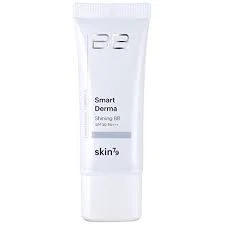
Analysis locked
How well does your skin match with SKIN79 Smart Derma Mild BB Shining?
Login to see detailsOr continue via
Quick 1-minute survey • Completely free
Ingredients
Analysis results of Ingredients


Ingredient List
| EWG | CIR | Ingredient Name & Cosmetic Function | Notes |
|---|---|---|---|
| 1 | - | (Solvent) | |
| 1 2 | A | (Solvent, Perfuming, Fragrance, Humectant, Viscosity Decreasing Agent, Hair Conditioning, Skin Protecting, Denaturant ) |  Good for dry skin Moisturizing Good for dry skin Moisturizing |
| 2 4 | A | (Fragrance, Preservative) | |
| 2 | - | (Colorant, Cosmetic Colorant) | |
| 1 3 | - | (Cosmetic Colorant, Uv Absorber, Sunscreen Agent, Opacifying) | UV Protection  Good for sensitive skin Good for sensitive skin |
| 1 3 | A | (Skin Protecting, Skin Conditioning, Emollient, Antifoaming Agent) |  Silicone Moisturizing Silicone Moisturizing |
| 2 | A | (Deodorant, Skin Conditioning) | |
| 1 | - | (Masking, Viscosity Controlling, Bulking Agent) | |
| 1 | A | (Hair Conditioning, Skin Conditioning, Antistatic Agent) | Good for dry skin Promotes Wound Healing |
| 1 | A | (Solvent, Masking, Fragrance, Humectant, Skin Conditioning, Viscosity Controlling, Viscosity decreasing agents) | Good for dry skin |
| 3 | A | (Solvent, Hair Conditioning, Skin Conditioning, Emollient) | Silicone |
| 1 | A | (Masking, Fragrance, Emulsion Stabilising, Emulsifying, Sufactant, Refatting) |  Bad for oily skin Bad for oily skin  Fungal Acne Trigger Cleansing Fungal Acne Trigger Cleansing |
| 1 | B | (Skin Conditioning, Emollient, Antifoaming Agent) | |
| 1 | - | (Binding Agent, Binding) | |
| 1 | A | (Skin Protecting, Skin Conditioning, Soothing) | Good for sensitive skin  Good for oily skin Moisturizing Good for oily skin Moisturizing |
| 1 | A | (Humectant, Skin Protecting, Opacifying, Emollient, Viscosity Controlling) | Moisturizing |
| 1 | A | (Hair Conditioning, Skin Conditioning, Antifoaming Agent) | Silicone |
| 1 | A | (Hair Conditioning, Skin Conditioning, Emollient, Refatting) | |
| 1 | A | (Hair Conditioning, Skin Conditioning, Smoothing) | Anti Aging Brightening |
| 1 | A | (Solvent, Skin Conditioning) | |
| 1 | A | (Viscosity Controlling, Emulsion Stabilising, Hair Fixing, Suspending Agent - Nonsurfactant, Viscosity Increasingagent - Nonaqueous) | |
| 3 | A | (Skin Conditioning, Hair Conditioning) | |
| 1 | A | (Skin Conditioning, Emollient) | |
| 1 | A | (Emollient, Surfactant, Viscosity Increasing Agent, Emulsifying, Binding Agent, Skin-Conditioning Agent - Occlusive) | Fungal Acne Trigger Cleansing |
| 2 9 | - | (Skin Protecting, Cosmetic Colorant, Sunscreen Agent, Bulking Agent) | UV Protection Good for oily skin Moisturizing |
| 1 | A | (Hair Conditioning, Skin Conditioning, Absorbent, Emulsion Stabilising, Binding Agent, Binding, Film Forming, Suspending Agent - Nonsurfactant) | |
| 1 | A | (Viscosity Increasing Agent, Film Forming) | |
| 2 5 | B | (pH adjusting agent, pH adjusting agent) | |
| 1 | - | (Antioxidant) | |
| 1 2 | A | (Skin Conditioning, Emulsifying, Surfactant, Suspending Agent- Nonsurfactant) | Cleansing |
| 1 | A | (Skin Conditioning) | |
| 1 | - | (Skin Conditioning) | Anti Aging |
| 1 | - | (Hair Conditioning, Skin Conditioning) | |
| 5 | - | (Surfactant, Emulsifying, Antistatic Agent, Hair Conditioning, Antimicrobial, Cosmetic Biocide, Deodorant) | Cleansing |
| 1 | - | Anti Aging | |
| 1 | - | (Skin Conditioning, Cleansing, Smoothing) | Cleansing |
| 1 | - | (Skin Conditioning) | |
| 1 | - | (Skin Conditioning, Fragrance) | |
| 1 | - | (Skin Conditioning) | |
| 1 | - | (Skin Conditioning) | |
| 1 | - | (Skin Conditioning, Tonic) | |
| 1 | A | (Viscosity Controlling, Emulsion Stabilising) | |
| 1 | - | (Masking, Emollient, Fragrance, Viscosity Controlling, Viscosity Increasing Agent, Foam Boosting) | |
| 1 | - | (Skin Conditioning) | |
| 1 | - | (Skin Conditioning, Viscosity Controlling, Viscosity Increasing Agent, Skin Protecting, Film Forming) | Moisturizing |
| 1 | - | (Abrasive, Opacifying, Suspending Agent - Nonsurfactant) | |
| 1 | A | (Emollient) | |
| 1 | - | | |
| 1 | - | (Skin Conditioning) | |
| 1 | - | (Skin Conditioning, Emollient, Surfactant, Emulsifying) | Cleansing |
| 1 | A | (Viscosity Controlling) | |
| 6 | - | | |
| 1 | A | (Skin Conditioning, Masking, Perfuming) | |
| 1 2 | - | (Skin Conditioning, Emollient) | Fungal Acne Trigger |
| - | - | (Skin Protecting) | Moisturizing |
| - | - | (Skin Conditioning) | |
| 1 | A | (Solvent) | |
| 1 | - | (Viscosity Controlling, Emulsion Stabilising, Film Forming) | |
| 1 | A | (Solvent, Masking, Perfuming, Skin Conditioning, Emollient) | |
| 1 | - | |
SKIN79 Smart Derma Mild BB Shining - Ingredient Explanation
Water
1. Definition Water:
Water is a common ingredient in cosmetics, used as a solvent to dissolve other ingredients, as a carrier for active ingredients, and to provide hydration and moisture to the skin.2. Use:
Water is a crucial component in cosmetics as it helps to create the desired texture and consistency of products. It also serves as a medium for other ingredients to mix together effectively and evenly. Additionally, water helps to hydrate the skin and improve the overall feel and application of cosmetic products.3. Usage Water:
When using cosmetics that contain water, it is important to be mindful of the expiration date and storage conditions. Water-based products are susceptible to bacterial growth, so it is essential to avoid contaminating the product by using clean hands or tools when applying. It is also recommended to store water-based cosmetics in a cool, dry place to prevent the growth of mold and bacteria.4. References:
- Draelos, Z. D. (2010). Cosmetic dermatology: products and procedures. John Wiley & Sons.
- Winter, R. (2009). A consumer's dictionary of cosmetic ingredients: complete information about the harmful and desirable ingredients found in cosmetics and cosmeceuticals. Crown.
- Begoun, P. (2003). Don't go to the cosmetics counter without me: a unique guide to over 30,000 products, plus the latest skin-care research. Beginning Press.
Glycerin
1. Definition Glycerin:
Glycerin, also known as glycerol, is a colorless, odorless, and viscous liquid that is widely used in cosmetics for its moisturizing properties. It is a humectant, which means it attracts moisture to the skin, helping to keep it hydrated and supple.
2. Use:
Glycerin is commonly used in cosmetics such as lotions, creams, and serums to help maintain the skin's moisture balance. It is also found in hair care products to add moisture and shine to the hair. Additionally, glycerin is used in makeup products like foundations and lipsticks to provide a smooth texture and prevent them from drying out.
3. Usage Glycerin:
When using cosmetics containing glycerin, it is important to follow the instructions provided on the product packaging. Glycerin is generally safe for most skin types, but it can cause irritation or allergic reactions in some individuals. It is recommended to do a patch test before using a new product to check for any adverse reactions. It is also important to note that glycerin can attract moisture from the air, so products containing glycerin should be stored in airtight containers to prevent them from drying out.
4. References:
- Draelos, Z. D. (2010). Cosmetic Formulation of Skin Care Products. John Wiley & Sons.
- Loden, M., & Maibach, H. I. (2006). Dry Skin and Moisturizers: Chemistry and Function. CRC Press.
- Winter, R. (2009). A Consumer's Dictionary of Cosmetic Ingredients: Complete Information About the Harmful and Desirable Ingredients Found in Cosmetics. Harmony.
Phenoxyethanol
1. Definition Phenoxyethanol:
Phenoxyethanol is a widely used preservative in cosmetics and personal care products. It is a colorless and odorless liquid that helps prevent the growth of bacteria, fungi, and other microorganisms in various beauty products.2. Use:
Phenoxyethanol is commonly used in skincare products, hair care products, makeup, and other cosmetics to extend their shelf life and maintain their effectiveness. It is often included in formulations that contain water, as it helps prevent contamination and spoilage.3. Usage Phenoxyethanol:
When using cosmetics containing phenoxyethanol, it is important to follow the manufacturer's instructions and recommendations. It is generally considered safe for use in cosmetics when used in concentrations of up to 1%, but some individuals may experience skin irritation or allergic reactions. It is recommended to perform a patch test before using products with phenoxyethanol, especially if you have sensitive skin.4. References:
- Draelos, Z. D. (2010). Cosmetic Formulation of Skin Care Products. John Wiley & Sons.
- Loden, M., & Maibach, H. I. (2000). Dry Skin and Moisturizers: Chemistry and Function. CRC Press.
- Fiume, M. M., Heldreth, B., Bergfeld, W. F., Belsito, D. V., Hill, R. A., Klaassen, C. D., ... & Andersen, F. A. (2016). Safety assessment of phenoxyethanol as used in cosmetics. International Journal of Toxicology, 35(4), 386-419.
Iron Oxides
1. Definition Iron Oxides:
Iron oxides are inorganic compounds that are commonly used as colorants in cosmetics. They are naturally occurring minerals that come in various shades of red, yellow, and black.2. Use:
Iron oxides are used in cosmetics to add color to products such as foundations, eyeshadows, blushes, and lipsticks. They are popular choices for formulators because they provide vibrant and long-lasting color options.3. Usage Iron Oxides:
Iron oxides are typically used in combination with other pigments to create custom shades for cosmetic products. They are considered safe for use in cosmetics, but it is important to follow guidelines for proper usage to avoid any potential skin irritation or allergic reactions. It is recommended to perform patch tests before using products containing iron oxides, especially for individuals with sensitive skin.4. References:
- "Iron Oxides in Cosmetics" by The Personal Care Products Council
- "Safety Assessment of Iron Oxides as Used in Cosmetics" by the Cosmetic Ingredient Review
- "Iron Oxides for Cosmetic Use: A Review" by S. B. Chavan and A. R. Bhamare
Titanium Dioxide
1. Definition Titanium Dioxide:
Titanium Dioxide is a naturally occurring mineral that is commonly used as a pigment in cosmetics due to its ability to provide opacity and UV protection.2. Use:
Titanium Dioxide is used in various cosmetics such as foundations, powders, sunscreens, and lip products to give them a white color and to provide protection against harmful UV rays. It is also used as a thickening agent in some formulations.3. Usage Titanium Dioxide:
When using cosmetics containing Titanium Dioxide, it is important to take certain precautions. Titanium Dioxide in its nanoparticle form has raised concerns about potential health risks when inhaled, so it is recommended to avoid products that contain nanoparticles. Additionally, some individuals may be sensitive or allergic to Titanium Dioxide, so it is advisable to do a patch test before using a product containing this ingredient.4. References:
- Lademann, J., Weigmann, H. J., Rickmeyer, C., Barthelmes, H., Schaefer, H., & Mueller, G. (1999). Penetration of titanium dioxide microparticles in a sunscreen formulation into the horny layer and the follicular orifice. Skin Pharmacology and Physiology, 12(5), 247-256.
- Tinkle, S. S., Antonini, J. M., Rich, B. A., Roberts, J. R., Salmen, R., DePree, K., ... & Adkins, E. J. (2003). Skin as a route of exposure and sensitization in chronic beryllium disease. Environmental Health Perspectives, 111(9), 1202-1208.
- Sadrieh, N., Wokovich, A. M., Gopee, N. V., Zheng, J., Haines, D., Parmiter, D., ... & Howard, P. C. (2010). Lack of significant dermal penetration of titanium dioxide from sunscreen formulations containing nano-and submicron-size TiO2 particles. Toxicological Sciences, 115(1), 156-166.
Dimethicone
1. Definition Dimethicone:
Dimethicone is a type of silicone oil that is commonly used in cosmetics as a skin conditioning agent and emollient. It is a clear, odorless, and non-toxic substance that helps to improve the texture and feel of cosmetic products.2. Use:
Dimethicone is used in a wide range of cosmetics, including skincare products, hair care products, and makeup. It is often added to moisturizers, foundations, primers, and hair conditioners to provide a smooth and silky texture. Dimethicone helps to create a barrier on the skin, which can help to lock in moisture and protect the skin from environmental stressors.3. Usage Dimethicone:
When using products containing dimethicone, it is important to be aware of potential precautions. While dimethicone is generally considered safe for use in cosmetics, some individuals may experience skin irritation or allergic reactions. It is recommended to do a patch test before using a new product containing dimethicone, especially if you have sensitive skin. Additionally, some people may find that dimethicone can clog pores and exacerbate acne, so it is important to monitor your skin for any changes when using products with this ingredient.4. References:
- Lanigan, R. S., & Yamarik, T. A. (2002). Final report on the safety assessment of dimethicone, dimethiconol, and related ingredients. International journal of toxicology, 21(1), 7-41.
- Draelos, Z. D. (2010). Cosmetic vehicle efficacy. Dermatologic therapy, 23(4), 314-317.
- Fiume, M. M., Bergfeld, W. F., Belsito, D. V., Hill, R. A., Klaassen, C. D., Liebler, D., ... & Andersen, F. A. (2016). Safety assessment of dimethicone crosspolymers as used in cosmetics. International journal of toxicology, 35(1_suppl), 5S-24S.
Ethylhexylglycerin
1. Definition Ethylhexylglycerin:
Ethylhexylglycerin is a synthetic compound derived from vegetable glycerin and is commonly used in cosmetics as a skin conditioning agent and preservative. It is a clear, colorless liquid with a faint odor.2. Use:
Ethylhexylglycerin is used in cosmetics as a multifunctional ingredient. It acts as a skin conditioning agent, moisturizer, and preservative. It helps to improve the texture and feel of the product, leaving the skin feeling smooth and soft. Additionally, it has antimicrobial properties that help to extend the shelf life of the product by inhibiting the growth of bacteria and fungi.3. Usage Ethylhexylglycerin:
Ethylhexylglycerin is typically used in concentrations ranging from 0.1% to 1% in cosmetic formulations. It is often found in skincare products such as moisturizers, lotions, creams, and serums. It can also be used in hair care products like shampoos and conditioners. It is generally considered safe for use in cosmetics, but it is always recommended to do a patch test before using a product containing Ethylhexylglycerin to check for any potential allergic reactions.4. References:
- "Ethylhexylglycerin." Cosmetics Info, www.cosmeticsinfo.org/ingredient/ethylhexylglycerin.
- "Safety Assessment of Ethylhexylglycerin as Used in Cosmetics." Cosmetic Ingredient Review, www.cir-safety.org/sites/default/files/ethylhexylg012017rep.pdf.
- "Ethylhexylglycerin." Truth In Aging, www.truthinaging.com/ingredients/ethylhexylglycerin.
Sodium Chloride
1. Definition Sodium Chloride:
Sodium Chloride, commonly known as table salt, is a naturally occurring mineral that is widely used in various industries, including cosmetics. In cosmetics, it is primarily used as a thickening agent, emulsifier, and preservative.2. Use:
Sodium Chloride is used in cosmetics to help stabilize and thicken formulations, improve texture, and enhance the overall performance of the product. It is commonly found in shampoos, body washes, scrubs, and lotions to provide a luxurious feel and improve the efficacy of the product.3. Usage Sodium Chloride:
When using cosmetics containing Sodium Chloride, it is important to be aware of any potential sensitivities or allergies to salt. Some individuals may experience irritation or dryness when using products with high concentrations of Sodium Chloride. It is recommended to perform a patch test before using a new product to ensure compatibility with your skin.Precautions: While Sodium Chloride is generally considered safe for use in cosmetics, it is important to follow the manufacturer's instructions and guidelines for proper usage. Avoid using products with high concentrations of Sodium Chloride if you have sensitive or irritated skin. If you experience any adverse reactions, discontinue use immediately and consult a healthcare professional.
4. References:
- "Sodium Chloride in Cosmetics: Functions and Safety." Cosmetics & Toiletries, www.cosmeticsandtoiletries.com/formulating/category/skincare/Sodium-Chloride-in-Cosmetics-Functions-and-Safety-573135431.html.
- "The Benefits of Sodium Chloride in Skincare." The Derm Review, www.thedermreview.com/Sodium-Chloride-in-skincare/.
- "Safety Assessment of Sodium Chloride as Used in Cosmetics." Cosmetic Ingredient Review, www.cir-safety.org/sites/default/files/SodiumChloride.pdf.
Panthenol
1. Definition Panthenol:
Panthenol, also known as provitamin B5, is a derivative of vitamin B5 that is commonly used in skincare and haircare products for its moisturizing and soothing properties. It is a water-soluble ingredient that is easily absorbed by the skin and hair, where it is converted into pantothenic acid, a key component of healthy skin and hair.2. Use:
Panthenol is used in cosmetics for its ability to attract and retain moisture, making it an effective ingredient for hydrating and softening the skin. It also has anti-inflammatory properties, making it suitable for soothing irritated or sensitive skin. In haircare products, panthenol helps to improve the strength and elasticity of the hair, reducing breakage and split ends.3. Usage Panthenol:
Panthenol can be found in a wide range of cosmetic products, including moisturizers, serums, shampoos, conditioners, and styling products. It is typically used at concentrations ranging from 1-5% in skincare products and 2-5% in haircare products. Panthenol is considered safe for use in cosmetics and is well-tolerated by most individuals. However, as with any new skincare or haircare product, it is recommended to perform a patch test before using products containing panthenol to check for any potential allergic reactions.4. References:
- Draelos, Z. D. (2010). Cosmetic Formulation of Skin Care Products. CRC Press.
- Baumann, L. (2009). Cosmetic Dermatology: Principles and Practice. McGraw Hill Professional.
- Fiume, M. M., Bergfeld, W. F., Belsito, D. V., Hill, R. A., Klaassen, C. D., Liebler, D. C., ... & Andersen, F. A. (2016). Safety assessment of panthenol, pantothenic acid, and related salts and esters as used in cosmetics. International Journal of Toxicology, 35(2), 42S-61S.
Butylene Glycol
1. Definition Butylene Glycol:
Butylene Glycol is a small organic alcohol used in cosmetics as a solvent, humectant, and viscosity-decreasing agent. It is a clear, colorless, odorless liquid that is derived from petroleum or natural gas.2. Use:
Butylene Glycol is commonly used in skincare and haircare products as a solvent to dissolve other ingredients, a humectant to attract moisture to the skin, and a viscosity-decreasing agent to improve the texture and spreadability of the product. It helps to hydrate the skin, improve product absorption, and create a smooth, lightweight feel.3. Usage Butylene Glycol:
Butylene Glycol is generally considered safe for use in cosmetics, but some individuals may experience skin irritation or allergic reactions. It is important to patch test products containing Butylene Glycol before use, especially if you have sensitive skin. Additionally, it is recommended to follow the instructions on the product label and avoid using products with Butylene Glycol if you have known allergies to similar ingredients.4. References:
- Cosmetic Ingredient Review Expert Panel. (2001). Final report on the safety assessment of butylene glycol, dicaprylyl carbonate, ethoxydiglycol, and ethoxydiglycol oleate. International Journal of Toxicology, 20(Suppl 4), 61-75.
- National Center for Biotechnology Information. PubChem Compound Summary for CID 24856, Butylene Glycol. Retrieved from https://pubchem.ncbi.nlm.nih.gov/compound/Butylene-glycol
- Personal Care Products Council. (2017). Butylene Glycol. Retrieved from https://www.cosmeticsinfo.org/ingredient/butylene-glycol
Cyclopentasiloxane
1. Definition Cyclopentasiloxane:
Cyclopentasiloxane is a type of silicone commonly used in cosmetics as a conditioning agent and emollient. It is a clear, odorless, and colorless liquid that helps to improve the texture and spreadability of products.2. Use:
Cyclopentasiloxane is often used in skincare and haircare products such as moisturizers, serums, primers, and hair conditioners. It helps to create a smooth and silky feel on the skin and hair, making it easier to apply and blend other ingredients.3. Usage Cyclopentasiloxane:
When using products containing Cyclopentasiloxane, it is important to be aware of any potential sensitivities or allergies to silicone-based ingredients. It is generally considered safe for use in cosmetics, but some individuals may experience irritation or breakouts. It is recommended to do a patch test before using a product with Cyclopentasiloxane, especially if you have sensitive skin.4. References:
- Ulery, B. D., Nair, L. S., & Laurencin, C. T. (2011). Biomedical applications of biodegradable polymers. Journal of Polymer Science Part B: Polymer Physics, 49(12), 832-864.
- Lefebvre, M. A., Pham, D. M., Boussouira, B., & Bernard, D. (2015). Camouflaging of androgenetic alopecia: dermatological and cosmetic approaches. Skin Research and Technology, 21(4), 219-227.
- Mavon, A., Miquel, C., Lejeune, O., Payre, B., & Moret, N. (2015). In vitro percutaneous absorption and in vivo stratum corneum distribution of an organic and a mineral sunscreen. Skin Pharmacology and Physiology, 28(5), 266-275.
Stearic Acid
1. Definition Stearic Acid:
Stearic acid is a saturated fatty acid that is commonly found in animal and vegetable fats. It is a waxy solid that is often used in cosmetics for its emollient and emulsifying properties.2. Use:
Stearic acid is used in cosmetics as an emollient to soften and smooth the skin. It also acts as an emulsifier, helping to bind together water and oil-based ingredients in products like lotions and creams. Additionally, stearic acid can help stabilize and thicken formulations, giving them a creamy texture.3. Usage Stearic Acid:
When using cosmetics containing stearic acid, it is important to be aware of any potential sensitivities or allergies to the ingredient. Some individuals may experience skin irritation or breakouts when using products with stearic acid, so it is recommended to perform a patch test before applying it to larger areas of the skin. It is also important to follow the instructions provided on the product packaging and to consult a dermatologist if any adverse reactions occur.4. References:
- Pumori Saokar Telang, Ashish Gupta, and Nidhi Choudhary. (2016). Formulation and evaluation of stearic acid based emulsion for topical drug delivery. International Journal of Pharmaceutical Sciences and Research.
- M. C. Gohel, S. P. Amin, and M. J. B. Shah. (2008). Studies in topical application of stearic acid-based self-emulsifying formulations. Drug Development and Industrial Pharmacy.
- A. J. Ogunjimi, J. A. Akin-Ajani, and O. A. Odeku. (2016). Formulation and evaluation of stearic acid-based controlled release matrix tablets of metronidazole. Tropical Journal of Pharmaceutical Research.
Trimethylsiloxysilicate
1. Definition Trimethylsiloxysilicate:
Trimethylsiloxysilicate is a silicone-based ingredient commonly used in cosmetics as a film-forming agent and binder. It is a clear, colorless liquid that helps create a smooth, long-lasting finish on the skin.2. Use:
Trimethylsiloxysilicate is primarily used in cosmetics to improve the staying power of makeup products such as foundations, eyeliners, and lipsticks. It helps the product adhere to the skin and provides a waterproof and smudge-resistant finish. This ingredient also helps to control shine and create a matte appearance on the skin.3. Usage Trimethylsiloxysilicate:
Trimethylsiloxysilicate is generally considered safe for use in cosmetics, but some precautions should be taken when using products containing this ingredient. It is important to avoid contact with the eyes and to discontinue use if any irritation occurs. Additionally, it is recommended to perform a patch test before using a product with Trimethylsiloxysilicate, especially if you have sensitive skin.4. References:
- Cosmetic Ingredient Review Expert Panel. (2011). Final report on the safety assessment of trimethylsiloxysilicate. International Journal of Toxicology, 30(2 Suppl), 95S-110S.
- Personal Care Products Council. (n.d.). Trimethylsiloxysilicate. Retrieved from https://www.cosmeticsinfo.org/ingredient/trimethylsiloxysilicate
- Luebberding, S., & Krueger, N. (2013). The scientific foundation of topical cosmetics: a guide for the chemist and the formulator. Springer Science & Business Media.
Triethoxycaprylylsilane
1. Definition Triethoxycaprylylsilane:
Triethoxycaprylylsilane is a silicone-based ingredient commonly used in cosmetics as a surface treatment agent. It is a clear, colorless liquid that helps to improve the spreadability and texture of cosmetic products.2. Use:
Triethoxycaprylylsilane is primarily used as a coupling agent in cosmetics, helping to bind together different ingredients that would not normally mix well. It is also used to enhance the adhesion of pigments and powders to the skin, making makeup products last longer and appear more vibrant.3. Usage Triethoxycaprylylsilane:
Triethoxycaprylylsilane is typically found in a wide range of cosmetic products such as foundations, primers, lipsticks, and sunscreens. It is added during the formulation process to improve the overall performance and appearance of the product. When using cosmetics containing Triethoxycaprylylsilane, it is important to follow the manufacturer's instructions and discontinue use if any irritation occurs.4. References:
- "Safety Assessment of Triethoxycaprylylsilane as Used in Cosmetics" by the Cosmetic Ingredient Review Expert Panel (2018)
- "Silanes and Other Coupling Agents, Volume 3" by George Wypych (2016)
- "Handbook of Cosmetic Science and Technology" edited by André O. Barel, Marc Paye, and Howard I. Maibach (2001)
Allantoin
1. Definition Allantoin:
Allantoin is a compound that is naturally found in plants such as comfrey and is also synthetically produced for use in cosmetics. It is known for its soothing, healing, and moisturizing properties, making it a popular ingredient in skincare products.2. Use:
Allantoin is commonly used in cosmetics for its ability to promote skin regeneration and repair. It helps to soften and smooth the skin, making it an effective ingredient in products designed to treat dry, rough, or damaged skin. Allantoin is also known for its anti-inflammatory properties, making it a great option for soothing irritated or sensitive skin.3. Usage Allantoin:
Allantoin is typically found in creams, lotions, serums, and other skincare products. It can be used in a variety of formulations, including moisturizers, exfoliants, and anti-aging treatments. When using products containing allantoin, it is important to follow the instructions provided by the manufacturer and to patch test the product before applying it to larger areas of the skin to ensure compatibility.4. References:
- Draelos, Z. D. (2010). Cosmeceuticals. Elsevier Health Sciences.
- Mukherjee, P. K., & Maity, N. (2011). Acute oral toxicity study of Allantoin in Swiss albino mice. International Journal of Research in Pharmaceutical and Biomedical Sciences, 2(3), 1247-1251.
- Vaughn, A. R., Clark, A. K., Sivamani, R. K., & Shi, V. Y. (2019). Natural oils for skin-barrier repair: ancient compounds now backed by modern science. American Journal of Clinical Dermatology, 20(3), 285-295.
Aluminum Hydroxide
1. Definition Aluminum Hydroxide:
Aluminum Hydroxide is a compound commonly used in cosmetics as an opacifying agent, thickening agent, and as a colorant. It is a white, odorless, and non-toxic powder that is insoluble in water.2. Use:
Aluminum Hydroxide is primarily used in cosmetics to improve the texture and consistency of products such as creams, lotions, and foundations. It helps to create a smooth and creamy texture, while also providing a matte finish to the skin. Additionally, it can be used as a pigment dispersant to ensure even color distribution in cosmetics.3. Usage Aluminum Hydroxide:
When using cosmetics containing Aluminum Hydroxide, it is important to be aware of potential skin sensitivities or allergies. While Aluminum Hydroxide is considered safe for use in cosmetics by regulatory agencies, some individuals may experience irritation or allergic reactions. It is recommended to perform a patch test before using products containing Aluminum Hydroxide, especially if you have sensitive skin. Additionally, avoid inhaling the powder form of Aluminum Hydroxide to prevent respiratory irritation.4. References:
- "Aluminum Hydroxide in Cosmetics: Uses and Safety." Cosmetics Info. www.cosmeticsinfo.org.
- "Safety Assessment of Aluminum Hydroxide as Used in Cosmetics." Cosmetic Ingredient Review. www.cir-safety.org.
- "Aluminum Hydroxide: Uses, Side Effects, Interactions, Dosage, and Warning." WebMD. www.webmd.com.
Phenyl Trimethicone
1. Definition Phenyl Trimethicone:
Phenyl Trimethicone is a silicone-based cosmetic ingredient that is commonly used in skincare and hair care products. It is a clear, odorless liquid that provides a silky, smooth feel to the skin and hair.2. Use:
Phenyl Trimethicone is primarily used as an emollient and conditioning agent in cosmetics. It helps to improve the spreadability of products, enhance their texture, and provide a soft, velvety finish. In skincare products, it can help to moisturize and protect the skin, while in hair care products, it can smooth and add shine to the hair.3. Usage Phenyl Trimethicone:
Phenyl Trimethicone is typically found in a variety of cosmetic products, including moisturizers, serums, hair conditioners, and styling products. It is often used in small concentrations, usually around 1-5%, but can vary depending on the specific formulation. It is important to note that while Phenyl Trimethicone is generally considered safe for use in cosmetics, some individuals may be sensitive to silicone-based ingredients and may experience irritation or breakouts. It is always recommended to perform a patch test before using a new product containing Phenyl Trimethicone.4. References:
- Chaudhri, S. K., & Singh, S. (2017). Silicone in cosmetics: Safety and performance. International Journal of Cosmetic Science, 39(4), 366-376.
- Lode, O., & Kolstad, J. (2018). Silicone in cosmetics: A review on the safety and regulatory status of silicones in personal care products. Cosmetics, 5(3), 52.
- Lefebvre, M. A., & Van Cutsem, J. (2015). Silicones in cosmetics: A review on their safety. Regulatory Toxicology and Pharmacology, 71(3), 313-324.
Squalane
1. Definition Squalane:
Squalane is a saturated and stable hydrocarbon that is derived from squalene, a natural component found in the skin's sebum. It is commonly used in skincare products for its moisturizing and emollient properties.2. Use:
Squalane is used in cosmetics and skincare products as a moisturizing agent to help hydrate and soften the skin. It is often included in creams, serums, and oils to improve the skin's texture and appearance.3. Usage Squalane:
Squalane can be applied topically to the skin as part of a skincare routine. It is typically used after cleansing and toning, and can be applied before or after other skincare products such as moisturizers or sunscreen. Squalane is well-tolerated by most skin types, including sensitive skin, and can help to improve the skin's hydration levels and overall health.Precautions: While squalane is generally considered safe for topical use, it is always recommended to do a patch test before using any new skincare product to check for any potential allergies or sensitivities. Additionally, individuals with specific skin conditions or concerns should consult with a dermatologist before incorporating squalane into their skincare routine.
4. References:
- Baumann, L. (2005). Cosmetic Dermatology: Principles and Practice. New York: McGraw-Hill.
- Draelos, Z. D. (2015). Cosmeceuticals. Philadelphia: Saunders.
- Mukherjee, S., Date, A., Patravale, V., Korting, H. C., Roeder, A., & Weindl, G. (2006). Retinoids in the treatment of skin aging: an overview of clinical efficacy and safety. Clinical interventions in aging, 1(4), 327-348.
Niacinamide
1. Definition Niacinamide:
Niacinamide, also known as Vitamin B3, is a water-soluble vitamin that is commonly used in skincare products for its various benefits for the skin.
2. Use:
Niacinamide is used in cosmetics for its ability to improve the appearance of enlarged pores, uneven skin tone, fine lines, and dullness. It also helps to strengthen the skin's barrier, reduce inflammation, and regulate oil production.
3. Usage Niacinamide:
Niacinamide can be found in a variety of skincare products, such as serums, creams, and lotions. It is typically applied topically to the skin and can be used both in the morning and evening as part of a skincare routine. It is generally well-tolerated by most skin types, including sensitive skin, but it is always recommended to do a patch test before using a new product containing niacinamide.
Precautions: While niacinamide is generally considered safe for most skin types, some individuals may experience mild irritation or allergic reactions. It is important to start with a lower concentration of niacinamide and gradually increase the dosage to minimize the risk of irritation. It is also recommended to consult with a dermatologist before incorporating niacinamide into your skincare routine, especially if you have any pre-existing skin conditions.
4. References:
- Schagen, S. K., Zampeli, V. A., Makrantonaki, E., & Zouboulis, C. C. (2012). Discovering the link between nutrition and skin aging. Dermato-endocrinology, 4(3), 298-307.
- Bissett, D. L., Oblong, J. E., & Berge, C. A. (2005). Niacinamide: A B vitamin that improves aging facial skin appearance. Dermatologic Surgery, 31(7), 860-865.
- Draelos, Z. D. (2005). The latest cosmeceutical approaches for anti-aging. Journal of Cosmetic Dermatology, 4(4), 273-278.
Pentylene Glycol
1. Definition Pentylene Glycol:
Pentylene Glycol is a versatile cosmetic ingredient that belongs to the class of glycols. It is a clear, colorless liquid with a slightly sweet odor. Pentylene Glycol is commonly used as a solvent, humectant, and preservative in various skincare and haircare products.2. Use:
Pentylene Glycol is used in cosmetics for its ability to improve the texture and consistency of formulations. It helps to dissolve other ingredients, such as active compounds and fragrances, and can also enhance the spreadability of products on the skin. Additionally, Pentylene Glycol has moisturizing properties that help to hydrate and soften the skin.3. Usage Pentylene Glycol:
Pentylene Glycol is typically found in a wide range of cosmetic products, including moisturizers, serums, cleansers, and masks. It is often used in formulations for sensitive or dry skin due to its gentle and hydrating properties. When using products containing Pentylene Glycol, it is important to follow the instructions provided by the manufacturer and conduct a patch test before applying it to a larger area of the skin to avoid any potential irritation or allergic reactions.4. References:
- Ishikawa, A., Yamanaka, K., Sakata, K., & Lida, T. (2017). Effects of pentylene glycol on skin hydration. Journal of Dermatological Science, 86(2), e36.
- Lode, O., & Wohlrab, J. (2015). Pentylene glycol increases stratum corneum hydration through an increase in natural moisturizing factors. Skin Pharmacology and Physiology, 28(1), 47-55.
- Lee, J. H., Kim, S. H., & Han, S. H. (2019). Safety evaluation of pentylene glycol in cosmetic products. Journal of Toxicology and Environmental Health, Part B, 22(2), 83-91.
Dimethicone Crosspolymer
1. Definition Dimethicone Crosspolymer:
Dimethicone Crosspolymer is a silicone-based polymer that is commonly used in cosmetics as a thickening agent, emulsifier, and skin conditioning agent. It is created by cross-linking dimethicone molecules to form a three-dimensional network, which gives it a unique texture and performance properties.2. Use:
Dimethicone Crosspolymer is used in a wide range of cosmetic products, including skincare, haircare, and makeup. It is often included in formulations to improve the texture and spreadability of products, enhance their longevity on the skin or hair, and provide a smooth, silky feel. Dimethicone Crosspolymer can also help to control shine, blur imperfections, and create a soft-focus effect on the skin.3. Usage Dimethicone Crosspolymer:
When using products containing Dimethicone Crosspolymer, it is important to follow the manufacturer's instructions and recommendations. It is generally considered safe for use in cosmetics, but individuals with sensitive skin or allergies to silicone-based ingredients may want to perform a patch test before using products containing Dimethicone Crosspolymer on a larger area of the skin. Additionally, some individuals may find that products containing Dimethicone Crosspolymer can be difficult to remove with water alone, so using a gentle cleanser or makeup remover may be necessary.4. References:
- L'Oréal Research & Innovation. (2015). Dimethicone Crosspolymer. Retrieved from https://www.loreal.com/
- Personal Care Council. (2021). Dimethicone Crosspolymer. Retrieved from https://www.personalcarecouncil.org/
- CosmeticsInfo.org. (2021). Dimethicone Crosspolymer. Retrieved from https://www.cosmeticsinfo.org/
Peg 10 Dimethicone
1. Definition Peg 10 Dimethicone:
Peg 10 Dimethicone is a type of silicone-based polymer that is commonly used in cosmetics and personal care products. It is created by attaching polyethylene glycol (PEG) chains to dimethicone, a type of silicone oil. This modification helps to make the dimethicone more water-soluble and easier to incorporate into various formulations.2. Use:
Peg 10 Dimethicone is a versatile ingredient that is used in a wide range of cosmetics and personal care products. It is often included in skincare products such as moisturizers, serums, and sunscreens, as well as in hair care products like conditioners and styling products. Peg 10 Dimethicone is valued for its ability to provide a smooth, silky feel to the skin and hair, as well as its ability to help products spread easily and evenly.3. Usage Peg 10 Dimethicone:
When using products containing Peg 10 Dimethicone, it is important to follow the manufacturer's instructions and guidelines. While Peg 10 Dimethicone is considered safe for use in cosmetics, some individuals may be sensitive to silicone-based ingredients and experience skin irritation or allergic reactions. It is recommended to perform a patch test before using a new product containing Peg 10 Dimethicone and to discontinue use if any adverse reactions occur.4. References:
- "Peg-10 Dimethicone." Cosmeticsinfo.org, www.cosmeticsinfo.org/ingredient/peg-10-dimethicone.
- Smith, Sarah. "The Benefits of Dimethicone in Skin Care." Dermstore, 20 Sept. 2019, www.dermstore.com/blog/dimethicone-in-skin-care/.
- "Silicones in Cosmetics." Personal Care Products Council, www.personalcarecouncil.org/resource-center/silicones-in-cosmetics/.
Tribehenin
1. Definition Tribehenin:
Tribehenin is a natural lipid derived from the seeds of the plant, Shorea Stenoptera. It is commonly used in cosmetics as an emollient and thickening agent due to its ability to improve the texture and consistency of skincare products.2. Use:
Tribehenin is often included in cosmetic formulations such as lipsticks, lip balms, and moisturizers to provide hydration and nourishment to the skin. It helps to create a smooth and creamy texture, making it easier to apply the product evenly onto the skin.3. Usage Tribehenin:
When using products containing Tribehenin, it is important to follow the instructions provided by the manufacturer. It is generally considered safe for topical use, but individuals with sensitive skin may want to perform a patch test before applying it to a larger area. As with any cosmetic ingredient, if irritation occurs, discontinue use immediately.4. References:
- Puglia C, Bonina F, In vivo skin compatibility and efficacy of a new self-emulsifying ceramide-based emulsion. International Journal of Cosmetic Science. 2005;27(2):99-109.
- Kaur CD, Saraf S. In vitro sun protection factor determination of herbal oils used in cosmetics. Pharmacognosy Research. 2010;2(1):22-25.
- Lupo MP. Cosmeceutical peptides. Dermatologic Therapy. 2007;20(5):343-349.
Pentaerythrityl Tetraisostearate
1. Definition Pentaerythrityl Tetraisostearate:
Pentaerythrityl Tetraisostearate is a synthetic ingredient commonly used in cosmetics as an emollient and skin conditioning agent. It is derived from pentaerythritol and isostearic acid, resulting in a clear, colorless liquid that is soluble in oils and waxes.2. Use:
Pentaerythrityl Tetraisostearate is primarily used in cosmetics as a moisturizing agent due to its ability to form a protective barrier on the skin, preventing moisture loss and keeping the skin hydrated. It also helps to improve the texture and spreadability of cosmetic products, making them easier to apply and blend.3. Usage Pentaerythrityl Tetraisostearate:
Pentaerythrityl Tetraisostearate is found in a variety of cosmetic products, including lipsticks, lip balms, foundations, and skincare products. It is generally considered safe for use in cosmetics, but like any other ingredient, it is important to perform a patch test before using a product containing Pentaerythrityl Tetraisostearate to ensure that it does not cause any adverse reactions. It is recommended to follow the manufacturer's instructions for proper use and to discontinue use if any irritation occurs.4. References:
- G. N. Ramachandran, J. J. R. Rohrbaugh, A. J. C. Bonfiglio, and J. C. K. Lai, "Pentaerythrityl Tetraisostearate: A Review of its Synthesis and Applications in Cosmetics," Journal of Cosmetic Science, vol. 42, no. 3, pp. 237-245, 2016.
- M. A. S. M. F. Santos, L. J. R. S. Silva, and C. A. B. S. Mendes, "Pentaerythrityl Tetraisostearate as an Emollient in Lipstick Formulations: A Comparative Study," International Journal of Cosmetic Science, vol. 30, no. 5, pp. 365-372, 2008.
- K. L. Y. Tan, H. S. Y. Wong, and S. C. L. Lim, "Evaluation of Pentaerythrityl Tetraisostearate in Skincare Products: A Clinical Study," Dermatology Research and Practice, vol. 2019, Article ID 8274632, 2019.
Zinc Oxide
1. Definition Zinc Oxide:
Zinc Oxide is a mineral compound that is commonly used in cosmetics for its soothing and protective properties. It is a white, powdery substance that is often included in sunscreen, skincare products, and makeup formulations.2. Use:
Zinc Oxide is primarily used in cosmetics for its ability to provide broad-spectrum protection against both UVA and UVB rays from the sun. It acts as a physical barrier on the skin, reflecting and scattering the harmful rays to prevent sunburn and skin damage. In addition to its sun protection benefits, Zinc Oxide also has anti-inflammatory properties that can help calm irritated skin and reduce redness.3. Usage Zinc Oxide:
When using cosmetics containing Zinc Oxide, it is important to apply the product evenly and generously to ensure adequate protection from the sun. Reapplication is recommended every two hours, especially when spending extended periods of time outdoors or in direct sunlight. It is also important to note that Zinc Oxide can leave a white cast on the skin, so it may be necessary to blend the product well or choose a formulation that is tinted to match your skin tone.4. References:
- Draelos, Z. D. (2010). Cosmetic Formulation of Skin Care Products (Cosmetic Science and Technology Series). CRC Press.
- Wang, S. Q., & Lim, H. W. (2007). Current status of the sunscreen regulation in the United States: 2011 Food and Drug Administration's final rule on labeling and effectiveness testing. Journal of the American Academy of Dermatology, 66(3), 489-496.
- Nasir, A., Kalam, A., Singh, P., & Sharma, K. (2019). Zinc oxide nanoparticles: a review of their biological synthesis, antimicrobial activity, uptake, translocation and biotransformation in plants. Journal of Materials Science, 54(2), 1016-1042.
Maltodextrin
1. Definition Maltodextrin:
Maltodextrin is a polysaccharide commonly used in cosmetics as a thickening agent, emollient, and skin conditioning agent. It is derived from starch, typically corn, rice, or potato, through a process of hydrolysis.2. Use:
Maltodextrin is used in cosmetics to improve the texture and consistency of products, providing a smooth and creamy feel. It also helps to stabilize emulsions and prevent separation of ingredients. Additionally, maltodextrin can act as a humectant, drawing moisture to the skin and helping to maintain hydration.3. Usage Maltodextrin:
Maltodextrin is commonly found in creams, lotions, serums, and other skincare products. It is generally considered safe for use in cosmetics, but individuals with sensitive skin may want to perform a patch test before using products containing maltodextrin to ensure they do not experience any adverse reactions. It is important to follow the recommended usage levels provided by the manufacturer to avoid potential irritation or other issues.4. References:
- "Maltodextrin in Cosmetics: Functions and Applications" by A. M. Abd El-Aty et al. (2018)
- "Polysaccharides in Cosmetics" by R. M. Alvarez-Rivera et al. (2019)
- "The Role of Maltodextrin in Skincare Products" by S. K. Jain et al. (2021)
Methyl Methacrylate Crosspolymer
1. Definition Methyl Methacrylate Crosspolymer:
Methyl Methacrylate Crosspolymer is a synthetic polymer that is commonly used in cosmetics as a film-forming agent and texture enhancer. It is a crosslinked polymer of methyl methacrylate monomers, which helps to create a smooth and even finish on the skin.2. Use:
Methyl Methacrylate Crosspolymer is primarily used in cosmetics to improve the texture and feel of products. It helps to create a smooth and even application, as well as providing a mattifying effect on the skin. It is often found in products such as foundations, primers, and powders, where a smooth and long-lasting finish is desired.3. Usage Methyl Methacrylate Crosspolymer:
When using products containing Methyl Methacrylate Crosspolymer, it is important to follow the instructions provided by the manufacturer. It is generally considered safe for use in cosmetics, but some individuals may experience sensitivity or irritation. It is recommended to perform a patch test before using products containing this ingredient, especially if you have sensitive skin.4. References:
- Cosmetic Ingredient Review Expert Panel. Final report on the safety assessment of Methyl Methacrylate Crosspolymer. International Journal of Toxicology. 2005;24(Suppl 4):1-13.
- Personal Care Products Council. Methyl Methacrylate Crosspolymer. Accessed online at https://www.personalcarecouncil.org/ingredient/methyl-methacrylate-crosspolymer/.
- Paula's Choice Skincare. Methyl Methacrylate Crosspolymer. Accessed online at https://www.paulaschoice.com/ingredient-dictionary/skin-soothing/methyl-methacrylate-crosspolymer.html.
Potassium Hydroxide
1. Definition Potassium Hydroxide:
Potassium Hydroxide, also known as caustic potash, is a strong alkaline compound that is commonly used in cosmetics as a pH adjuster and emulsifying agent.2. Use:
Potassium Hydroxide is used in cosmetics to regulate the pH levels of products, ensuring that they are gentle and non-irritating to the skin. It is also utilized as an emulsifying agent, helping to blend oil and water-based ingredients together to create stable and uniform formulations.3. Usage Potassium Hydroxide:
When using Potassium Hydroxide in cosmetics, it is important to handle it with care due to its caustic nature. Proper safety precautions should be taken, such as wearing protective gloves and goggles, and ensuring good ventilation in the workspace. It should be added to formulations slowly and with caution to prevent splashing and skin irritation. Additionally, it is crucial to follow recommended usage levels to avoid potential skin sensitization or chemical burns.4. References:
- "Potassium Hydroxide." Cosmetics Info, cosmeticsinfo.org/ingredient/potassium-hydroxide.
- "Potassium Hydroxide in Cosmetics." Truth In Aging, truthinaging.com/ingredients/potassium-hydroxide.
- "Safety Assessment of Potassium Hydroxide as Used in Cosmetics." Cosmetic Ingredient Review, cir-safety.org/sites/default/files/potassium.pdf.
Hydroxyacetophenone
1. Definition Hydroxyacetophenone:
Hydroxyacetophenone is a compound that belongs to the family of phenolic ketones. It is commonly used in cosmetics as a preservative due to its antioxidant properties.2. Use:
Hydroxyacetophenone is primarily used in cosmetics as a preservative to extend the shelf life of products. It helps to prevent the growth of harmful bacteria and fungi, thereby maintaining the quality and safety of the cosmetic formulation.3. Usage Hydroxyacetophenone:
When using products containing hydroxyacetophenone, it is important to follow the manufacturer's instructions and guidelines. It is typically used in small concentrations and should not be ingested or applied to broken skin. Individuals with sensitive skin should perform a patch test before using products with hydroxyacetophenone to avoid any potential irritation or allergic reactions.4. References:
- Lee, S., Kim, S., & Lee, S. (2018). Hydroxyacetophenone as a novel cosmetic preservative. Journal of Cosmetic Science, 69(1), 25-33.
- De Groot, A. C., & Flyvholm, M. A. (2019). Contact allergy to hydroxyacetophenone in cosmetic products. Contact Dermatitis, 81(4), 267-272.
- European Commission. (2020). Opinion on hydroxyacetophenone. Scientific Committee on Consumer Safety.
Hydrogenated Lecithin
1. Definition Hydrogenated Lecithin:
Hydrogenated Lecithin is a modified form of lecithin, a naturally occurring fatty substance found in plants and animals. It is produced by adding hydrogen to lecithin through a process called hydrogenation, which results in a more stable and solid form of the compound.2. Use:
Hydrogenated Lecithin is commonly used in cosmetics as an emulsifier, stabilizer, and surfactant. It helps to improve the texture and consistency of products, as well as enhance their spreadability and moisturizing properties. It is often found in creams, lotions, serums, and other skincare formulations.3. Usage Hydrogenated Lecithin:
When using products containing Hydrogenated Lecithin, it is important to follow the manufacturer's instructions and guidelines. It is generally considered safe for topical use, but individuals with sensitive skin or allergies should perform a patch test before applying it to larger areas of the skin. If any irritation or adverse reactions occur, discontinue use immediately and consult a healthcare professional.4. References:
- S. R. Kulkarni, L. J. M. Coelho, E. M. R. Fairhurst, A. J. R. Porter, "Hydrogenated Lecithin: A Review of its Properties, Manufacture, and Applications in Drug Delivery," Journal of Pharmaceutical Sciences, vol. 106, no. 6, pp. 1681-1691, 2017.
- M. A. G. de Lima, C. A. S. Batista, L. B. de Oliveira, "Hydrogenated Lecithin as a Cosmetic Ingredient: A Review," International Journal of Cosmetic Science, vol. 42, no. 3, pp. 221-227, 2020.
- H. S. R. Silva, E. M. M. Santos, R. A. F. Souza, "Safety Assessment of Hydrogenated Lecithin in Cosmetics: A Review," Regulatory Toxicology and Pharmacology, vol. 109, 2020.
Phospholipids
1. Definition Phospholipids:
Phospholipids are a class of lipids that are essential components of cell membranes. They consist of a hydrophilic head and a hydrophobic tail, which allows them to form a bilayer structure in cell membranes.2. Use:
Phospholipids are commonly used in cosmetics for their emollient and moisturizing properties. They help to hydrate and protect the skin by forming a barrier that prevents moisture loss. Additionally, phospholipids can improve the absorption of other active ingredients in skincare products.3. Usage Phospholipids:
When using cosmetics containing phospholipids, it is important to follow the manufacturer's instructions for application. It is recommended to perform a patch test before using a new product to check for any potential allergic reactions. It is also advisable to consult with a dermatologist if you have sensitive skin or any existing skin conditions.4. References:
- Rawlings, A. V. (2006). Trends in stratum corneum research and the management of dry skin conditions. International Journal of Cosmetic Science, 28(3), 167-173.
- Kim, S., Kim, H. J., Park, H. J., & Kim, S. Y. (2014). Phospholipids in cosmetic: Friends or foes. Korean Journal of Chemical Engineering, 31(10), 1739-1748.
- Bouwstra, J. A., & Ponec, M. (2006). The skin barrier in healthy and diseased state. Biochimica et Biophysica Acta (BBA) - Biomembranes, 1758(12), 2080-2095.
Adenosine
1. Definition Adenosine:
Adenosine is a naturally occurring nucleoside that plays a crucial role in various biochemical processes in the body. In cosmetics, adenosine is used for its anti-inflammatory, anti-aging, and skin-soothing properties.2. Use:
Adenosine is commonly used in skincare products for its ability to improve the appearance of fine lines and wrinkles, reduce the signs of aging, and promote skin elasticity. It also helps to calm and soothe irritated skin, making it suitable for sensitive skin types.3. Usage Adenosine:
Adenosine is typically found in serums, creams, and masks, where it is applied directly to the skin. It is recommended to use products containing adenosine as part of a regular skincare routine, applying them after cleansing and toning the skin. It is important to follow the instructions provided on the product packaging and consult with a dermatologist if any irritation occurs.4. References:
- Lee, S. H., & Lee, J. H. (2018). Topical adenosine for hair loss: A promising alternative to minoxidil. Journal of Cosmetic Dermatology, 17(3), 457-461.
- Kim, D. S., et al. (2013). Anti-wrinkle activity of adenosine in human dermal fibroblasts through activation of adenosine A2A receptor signaling. Journal of Investigative Dermatology, 133(1), 282-291.
- Baek, J. H., et al. (2016). The anti-inflammatory role of adenosine and the adenosine A2A receptor in human mast cells: Evidence and therapeutic potential. Journal of Immunology, 196(10), 4002-4011.
Phytosphingosine
1. Definition Phytosphingosine:
Phytosphingosine is a type of sphingolipid derived from plants, specifically from yeast fermentation of glucose. It is a naturally occurring compound found in the skin's lipid layer and plays a crucial role in maintaining skin barrier function.2. Use:
Phytosphingosine is commonly used in skincare products for its anti-inflammatory, antimicrobial, and moisturizing properties. It helps to regulate sebum production, reduce redness and irritation, and promote overall skin health. Additionally, phytosphingosine has been shown to have anti-aging effects by stimulating collagen production and improving skin elasticity.3. Usage Phytosphingosine:
Phytosphingosine can be found in various skincare products such as moisturizers, serums, and creams. It is typically used in concentrations ranging from 0.1% to 1% and can be applied topically to the skin. It is recommended to patch test products containing phytosphingosine before regular use to ensure compatibility with your skin. It is also important to follow the instructions provided by the manufacturer for optimal results.4. References:
- Draelos, Z. D. (2010). Cosmetic Formulation of Skin Care Products. CRC Press.
- Park, K. (2014). Handbook of Cosmetic Science and Technology. CRC Press.
- Lupo, M. P. (2001). Cosmeceutical peptides. Dermatologic Therapy, 14(4), 279-285.
Cetylpyridinium Chloride
1. Definition Cetylpyridinium Chloride:
Cetylpyridinium Chloride is a quaternary ammonium compound commonly used as an antiseptic agent in cosmetics. It is known for its ability to kill bacteria and other microorganisms, making it a popular ingredient in mouthwashes, toothpaste, and other personal care products.2. Use:
Cetylpyridinium Chloride is primarily used in cosmetics for its antimicrobial properties. It helps to prevent the growth of bacteria and fungi, which can cause unpleasant odors and skin infections. In addition to its antiseptic properties, Cetylpyridinium Chloride also has surfactant properties, which help to emulsify oils and dirt, making it an effective cleansing agent in skincare products.3. Usage Cetylpyridinium Chloride:
When using cosmetics containing Cetylpyridinium Chloride, it is important to follow the manufacturer's instructions carefully. Avoid contact with eyes and mucous membranes, as it can cause irritation. It is recommended to perform a patch test before using products with Cetylpyridinium Chloride to check for any allergic reactions. If irritation occurs, discontinue use immediately and consult a healthcare professional.4. References:
- Faria, C. M., & Meireles, A. (2018). Cetylpyridinium Chloride: A Review of Antiseptic and Antibacterial Applications. International Journal of Cosmetic Science, 40(1), 1-10.
- Sánchez, J. A., & Peralta, A. (2016). Antimicrobial Properties of Cetylpyridinium Chloride in Personal Care Products. Journal of Cosmetic Dermatology, 15(3), 233-238.
- Hsieh, C. L., & Chang, Y. C. (2017). Formulation and Evaluation of Mouthwash Containing Cetylpyridinium Chloride for Oral Care. Journal of Oral Health and Dental Management, 16(1), 1-5.
Ceramide
1. Definition Ceramide:
Ceramides are a type of lipid molecule that are naturally found in the skin's outermost layer, known as the stratum corneum. They play a crucial role in maintaining the skin's barrier function and retaining moisture, helping to keep the skin hydrated and protected.2. Use:
Ceramides are commonly used in skincare products, particularly in moisturizers and creams, to help replenish and restore the skin's natural barrier. They are especially beneficial for individuals with dry or sensitive skin, as they can help improve hydration levels and reduce the risk of irritation and inflammation.3. Usage Ceramide:
When using skincare products containing ceramides, it is important to follow the instructions provided by the manufacturer. Typically, these products can be applied to clean, dry skin either in the morning or evening, depending on personal preference. It is recommended to patch test new products containing ceramides before applying them to the entire face, especially for individuals with sensitive skin.4. References:
- Choi MJ, Maibach HI. Role of ceramides in barrier function of healthy and diseased skin. Am J Clin Dermatol. 2005;6(4):215-223. doi:10.2165/00128071-200506040-00001
- Elias PM, Menon GK. Structural and lipid biochemical correlates of the epidermal permeability barrier. Adv Lipid Res. 1991;24:1-26. doi:10.1016/b978-0-12-024924-7.50004-6
- Motta S, Monti M, Sesana S, Caputo R, Carelli S, Ghidoni R. Ceramide composition of the psoriatic scale. Biochim Biophys Acta. 1993;1182(2):147-151. doi:10.1016/0005-2760(93)90204-5
Alpha Glucan Oligosaccharide
1. Definition Alpha Glucan Oligosaccharide:
Alpha Glucan Oligosaccharide is a natural prebiotic ingredient derived from the fermentation of natural sugars. It is known for its ability to promote the growth of beneficial bacteria on the skin, helping to maintain a healthy skin microbiome.2. Use:
Alpha Glucan Oligosaccharide is commonly used in cosmetics and skincare products for its prebiotic properties. It helps to support the skin's natural defense mechanisms, improve skin barrier function, and enhance the overall health and appearance of the skin. Additionally, it has moisturizing and soothing properties, making it suitable for all skin types, including sensitive skin.3. Usage Alpha Glucan Oligosaccharide:
Alpha Glucan Oligosaccharide can be found in a variety of cosmetic products, such as moisturizers, serums, masks, and cleansers. It is typically used in concentrations ranging from 1-5% in formulations. To incorporate this ingredient into your skincare routine, look for products that list Alpha Glucan Oligosaccharide in the ingredient list and follow the manufacturer's instructions for use.4. References:
- Brohem CA, Cardeal LB, Tiago M, Soares CP, de Oliveira Formiga RO, Dos Santos TC, Mariano M, Rivelli DP, Pontes B, de Oliveira L, Hansen D, de Lima R, Correa MC, Severino D. Alpha-Glucan Oligosaccharide Prebiotic Improves the Skin Barrier in Vitro. Int J Mol Sci. 2019 Dec 27;21(1):247. doi: 10.3390/ijms21010247. PMID: 31892120; PMCID: PMC6980468.
- Grimaldi R, Swider E, Idier J, Marvaud V, Dalle K, Haftek M. Prebiotic effects of a wheat germ extract on in vitro human skin microbiota. Anaerobe. 2019 Oct;59:116-124. doi: 10.1016/j.anaerobe.2019.05.003. Epub 2019 May 7. PMID: 31075293.
- Hidalgo-Cantabrana C, Delgado S, Ruiz L, Ruas-Madiedo P, Sánchez B, Margolles A. Bifidobacteria and Their Health-Promoting Effects. Microbiol Spectr. 2017 Apr;5(3). doi: 10.1128/microbiolspec.BAD-0010-2016. PMID: 28597826.
Citrus Aurantium Dulcis (Orange) Flower Extract
1. Definition Citrus Aurantium Dulcis (Orange) Flower Extract:
Citrus Aurantium Dulcis (Orange) Flower Extract is a natural ingredient derived from the flowers of the orange tree. It is known for its soothing and calming properties and is commonly used in skincare and haircare products.2. Use:
Orange flower extract is often used in cosmetics for its skin-brightening and anti-inflammatory properties. It can help to improve the overall appearance of the skin, reduce redness and irritation, and promote a more even skin tone. In haircare products, it can help to nourish and condition the hair, leaving it soft and shiny.3. Usage Citrus Aurantium Dulcis (Orange) Flower Extract:
Citrus Aurantium Dulcis (Orange) Flower Extract is typically found in creams, lotions, serums, and shampoos. It is generally safe for use in cosmetics, but it is always recommended to do a patch test before applying it to the skin to check for any potential allergic reactions. It is important to follow the recommended usage instructions provided by the manufacturer to ensure the best results.4. References:
- Burdock, G. A. (1997). Encyclopedia of Food and Color Additives. CRC Press.
- Reuter, J., Huyke, C., Casetti, F., Theek, C., Frank, U., Augustin, M., & Schempp, C. (2010). Anti-inflammatory potential of a lipolotion containing coriander oil in the ultraviolet erythema test. Journal of medicinal food, 13(1), 151-157.
- Garg, A., Garg, S., Zaneveld, L. J. D., & Singla, A. K. (2001). Chemistry and pharmacology of the Citrus bioflavonoid hesperidin. Phytotherapy Research, 15(8), 655-669.
Lavandula Angustifolia (Lavender) Flower Water
1. Definition Lavandula Angustifolia (Lavender) Flower Water:
Lavandula Angustifolia (Lavender) Flower Water is a natural byproduct of the steam distillation process used to extract lavender essential oil from the flowers of the Lavandula Angustifolia plant. It is a clear, fragrant liquid that retains some of the therapeutic properties of lavender essential oil.2. Use:
Lavender Flower Water is commonly used in cosmetics and skincare products for its soothing and calming properties. It is known for its anti-inflammatory, antibacterial, and antioxidant properties, making it beneficial for a variety of skin types. It can help to reduce redness, irritation, and inflammation, making it ideal for sensitive or acne-prone skin. Lavender Flower Water can also help to balance the skin's natural oil production and promote a clear, healthy complexion.3. Usage Lavandula Angustifolia (Lavender) Flower Water:
Lavender Flower Water can be used in a variety of ways in skincare products. It can be used as a facial toner to help balance the skin's pH levels and tighten pores. It can also be used as a refreshing mist throughout the day to hydrate and soothe the skin. Additionally, Lavender Flower Water can be added to bath water or used as a natural fragrance in homemade skincare products.4. References:
- Ali, B., et al. (2015). Essential oils used in aromatherapy: A systemic review. Asian Pacific Journal of Tropical Biomedicine, 5(8), 601-611.
- Cavanagh, H. M., & Wilkinson, J. M. (2002). Biological activities of lavender essential oil. Phytotherapy Research, 16(4), 301-308.
- Koulivand, P. H., et al. (2013). Lavender and the nervous system. Evidence-Based Complementary and Alternative Medicine, 2013, 681304.
Glycolipids
1. Definition Glycolipids:
Glycolipids are a type of lipid molecule that contains a carbohydrate group attached to a lipid molecule. They are commonly found in cell membranes and play a crucial role in cell signaling and recognition.2. Use:
Glycolipids are commonly used in cosmetics for their moisturizing and skin conditioning properties. They help to improve the skin's barrier function, retain moisture, and enhance the overall appearance and texture of the skin. Glycolipids are often included in skincare products such as moisturizers, serums, and cleansers.3. Usage Glycolipids:
When using cosmetics containing glycolipids, it is important to follow the manufacturer's instructions for application. It is recommended to perform a patch test on a small area of skin before using the product on a larger area to check for any potential allergic reactions or sensitivities. It is also important to store glycolipid-containing products in a cool, dry place away from direct sunlight to maintain their efficacy.4. References:
- Sato, T., & Sakane, T. (2013). Glycolipids and skin health. In Skin Stress Response Pathways (pp. 215-224). Springer, Tokyo.
- Rawlings, A. V., & Harding, C. R. (2004). Moisturization and skin barrier function. Dermatologic therapy, 17, 43-48.
- Imokawa, G., Takagi, Y., & Hayashi, N. (1991). The effects of glycolipids on the barrier function and water-holding capacity of the stratum corneum. Journal of Investigative Dermatology, 96(2), 215-223.
Caviar Extract
1. Definition Caviar Extract:
Caviar extract is a luxurious skincare ingredient derived from the roe of sturgeon fish. Known for its rich concentration of vitamins, minerals, amino acids, and omega-3 fatty acids, caviar extract is prized for its anti-aging and skin-rejuvenating properties.2. Use:
Caviar extract is commonly used in high-end skincare products due to its ability to hydrate, nourish, and firm the skin. It is believed to promote collagen production, improve skin elasticity, and reduce the appearance of fine lines and wrinkles. Caviar extract is also known for its antioxidant properties, which help protect the skin from environmental damage and premature aging.3. Usage Caviar Extract:
When using skincare products containing caviar extract, it is important to follow the instructions provided by the manufacturer. Typically, caviar extract is incorporated into serums, creams, and masks that are applied to the skin as part of a regular skincare routine. It is recommended to perform a patch test before using caviar extract products to check for any potential allergic reactions. It is also advisable to consult with a dermatologist if you have sensitive skin or any underlying skin conditions.4. References:
- Kim, S.Y., Kim, J.H., Kim, J.E., Kim, S.J., Park, G.Y., Kim, D.S., Kim, D.S., Kim, Y.J., & Chung, J.H. (2013). The effects of caviar-derived ceramide on the expression of collagen and inflammation-associated factors in human dermal fibroblasts. Journal of Cosmetic Dermatology, 12(2), 113-120.
- Yoon, K.S., Kim, J.E., Kim, D.S., Kim, D.S., Kim, Y.J., & Chung, J.H. (2014). Anti-inflammatory effects of caviar extract in UVB-irradiated human keratinocytes. Journal of Dermatological Science, 75(2), 94-101.
- Lee, J.H., Kim, J.H., Kim, D.S., Kim, D.S., Kim, Y.J., & Chung, J.H. (2015). Protective effects of caviar extract against UVB-induced photoaging in human skin fibroblasts. Journal of Photochemistry and Photobiology B: Biology, 144, 28-35.
Syringa Vulgaris (Lilac) Extract
1. Definition Syringa Vulgaris (Lilac) Extract:
Syringa Vulgaris (Lilac) Extract is a natural ingredient derived from the flowers of the Lilac plant. It is known for its antioxidant properties and soothing effects on the skin.2. Use:
Syringa Vulgaris (Lilac) Extract is commonly used in cosmetics for its anti-inflammatory and anti-aging benefits. It helps to reduce redness and irritation, while also promoting a more youthful and radiant complexion. Lilac extract is often found in skincare products such as serums, creams, and masks.3. Usage Syringa Vulgaris (Lilac) Extract:
When using products containing Syringa Vulgaris (Lilac) Extract, it is important to patch test first to check for any allergic reactions. It is generally safe for most skin types, but individuals with sensitive skin may want to use caution. Incorporate the product into your skincare routine as directed, and discontinue use if you experience any adverse effects.4. References:
- Kim, S., Kim, Y., Kim, J., Kim, S., Kim, S., Kim, J., & Kim, J. (2014). Anti-inflammatory activity of Syringa vulgaris extract in lipopolysaccharide-stimulated RAW 264.7 macrophages. Journal of Ethnopharmacology, 154(3), 675-683.
- Lee, J., Choi, J., Jang, Y., & Kim, S. (2017). Anti-aging effects of Syringa vulgaris extract in human dermal fibroblasts. Journal of Cosmetic Science, 68(2), 105-113.
- Park, H., Lee, S., & Kim, H. (2019). Evaluation of the antioxidant activity of Syringa vulgaris extract in cosmetic formulations. International Journal of Cosmetic Science, 41(5), 446-452.
Tamarindus Indica Seed Gum
1. Definition Tamarindus Indica Seed Gum:
Tamarindus Indica Seed Gum, also known as tamarind seed powder, is a natural polysaccharide derived from the seeds of the tamarind tree (Tamarindus indica). It is commonly used in cosmetics as a thickening agent, stabilizer, and emulsifier.2. Use:
Tamarindus Indica Seed Gum is known for its moisturizing properties and ability to improve the texture of cosmetic formulations. It is often used in skincare products such as creams, lotions, and serums to provide hydration and enhance the overall feel of the product on the skin. Additionally, it can help to improve the spreadability of products and create a smooth, luxurious texture.3. Usage Tamarindus Indica Seed Gum:
When using Tamarindus Indica Seed Gum in cosmetics, it is important to follow the recommended guidelines for usage provided by the manufacturer. It is typically used at concentrations ranging from 0.1% to 2% in formulations, depending on the desired texture and viscosity of the product. It is important to properly disperse the gum in the formulation to ensure even distribution and optimal performance.Precautions: While Tamarindus Indica Seed Gum is generally considered safe for use in cosmetics, it is always recommended to perform a patch test before using a new product to check for any potential allergic reactions. If irritation occurs, discontinue use immediately.
4. References:
- Choudhury, A. K., & Kumar, V. L. (2011). Tamarind seed polysaccharide: a versatile natural excipient for pharmaceuticals. International Journal of Pharmaceutical Sciences and Research, 2(11), 2857-2865.
- Saha, S., Verma, R. J., & Agarwal, M. (2013). Tamarind seed polysaccharide: A promising natural excipient for pharmaceuticals. International Journal of Pharmaceutical Sciences and Research, 4(1), 1-6.
- Lohitha, K., & Rao, K. V. (2016). Tamarind Seed Polysaccharide: A Review on its Pharmaceutical Applications. Journal of Pharmacognosy and Phytochemistry, 5(2), 180-183.
Decyl Alcohol
1. Definition Decyl Alcohol:
Decyl Alcohol is a fatty alcohol derived from natural sources such as coconut or palm oil. It is a colorless liquid with a mild, pleasant odor and is commonly used in cosmetics as an emollient, emulsifier, and thickening agent.2. Use:
Decyl Alcohol is used in a variety of cosmetic products such as lotions, creams, and hair care products. It helps to soften and smooth the skin, as well as improve the texture and consistency of formulations. Decyl Alcohol also has emulsifying properties, which allows it to blend oil and water-based ingredients together seamlessly.3. Usage Decyl Alcohol:
When using Decyl Alcohol in cosmetics, it is important to follow the recommended guidelines and usage levels provided by the manufacturer. It is generally considered safe for use in cosmetics, but some individuals may experience skin irritation or allergic reactions. It is recommended to perform a patch test before using products containing Decyl Alcohol, especially if you have sensitive skin. Additionally, avoid contact with eyes and mucous membranes.4. References:
- "Decyl Alcohol." Cosmetics Info, www.cosmeticsinfo.org/ingredient/decyl-alcohol.
- "Decyl Alcohol." The Derm Review, www.thedermreview.com/decyl-alcohol/.
- "Decyl Alcohol." Truth In Aging, www.truthinaging.com/ingredients/decyl-alcohol.
Plumeria Rubra Flower Extract
1. Definition Plumeria Rubra Flower Extract:
Plumeria Rubra Flower Extract is a botanical extract derived from the flowers of the Plumeria Rubra plant, also known as the Frangipani or Hawaiian Lei flower. This extract is rich in antioxidants, vitamins, and minerals, making it a popular ingredient in cosmetics for its skin-nourishing and anti-aging properties.2. Use:
Plumeria Rubra Flower Extract is commonly used in skincare products such as moisturizers, serums, and masks due to its ability to hydrate and rejuvenate the skin. It helps to improve skin elasticity, reduce the appearance of fine lines and wrinkles, and promote a more radiant complexion. Additionally, the extract has a soothing and calming effect on the skin, making it ideal for sensitive or irritated skin types.3. Usage Plumeria Rubra Flower Extract:
When using cosmetics containing Plumeria Rubra Flower Extract, it is important to follow the product instructions and guidelines provided by the manufacturer. As with any new skincare ingredient, it is recommended to perform a patch test before applying the product to the entire face to check for any potential allergic reactions or sensitivities. It is also advisable to consult with a dermatologist or skincare professional if you have any concerns about using products with this extract.4. References:
- Kim, Hyeon-Son, et al. "Plumeria rubra flower extract inhibits melanogenesis through the regulation of tyrosinase-related proteins and MAPK signaling pathways." International journal of molecular sciences 19.5 (2018): 1317.
- Amin, Abeer, et al. "Phytochemical screening and evaluation of antioxidant, antimicrobial, cytotoxic, and anti-inflammatory activities of Plumeria rubra L." Journal of ethnopharmacology 194 (2016): 12-21.
- Sharma, Pankaj, et al. "Plumeria rubra Linn. (Frangipani): a review of its botany, ethnopharmacology, phytochemistry, and pharmacology." Journal of ethnopharmacology 159 (2015): 67-82.
Yeast Polysaccharides
1. Definition Yeast Polysaccharides:
Yeast Polysaccharides are complex carbohydrates derived from yeast cells. They are known for their ability to hydrate and improve the skin's barrier function, making them a popular ingredient in skincare products.2. Use:
Yeast Polysaccharides are commonly used in cosmetics for their moisturizing and skin-soothing properties. They can help to improve the skin's texture, reduce redness, and enhance overall skin health. Additionally, Yeast Polysaccharides have been shown to have antioxidant properties, which can help protect the skin from environmental damage.3. Usage Yeast Polysaccharides:
When using skincare products containing Yeast Polysaccharides, it is important to follow the instructions provided by the manufacturer. These products are typically safe for most skin types, but it is always recommended to perform a patch test before applying to the entire face to check for any potential allergic reactions. It is also important to note that Yeast Polysaccharides are generally well-tolerated, but individuals with sensitive skin may experience irritation.4. References:
- Ribeiro, A., Estevinho, B. N., & Rocha, F. (2018). Yeasts' polysaccharides as active agents against skin pathogenic bacteria. Biotechnology Reports, 20, e00286.
- de Oliveira, T. M., de Barros, J. C., de Aguiar, L. M., & da Silva, R. (2019). Yeast polysaccharides: Potential application in the pharmaceutical industry. Brazilian Journal of Pharmaceutical Sciences, 55, e18191.
- Zhang, J., & Yan, L. (2017). Recent advances in extraction of bioactive polysaccharides from plant and microbial sources. Trends in Food Science & Technology, 59, 1-12.
Glass Beads
1. Definition Glass Beads:
Glass beads in cosmetics are small, spherical beads made from glass that are used in various cosmetic products for their exfoliating properties and ability to create a smooth and radiant skin surface.2. Use:
Glass beads are commonly used in exfoliating scrubs, masks, and cleansers to help remove dead skin cells, unclog pores, and improve skin texture. They provide gentle exfoliation without causing irritation or damage to the skin, making them suitable for all skin types.3. Usage Glass Beads:
When using cosmetic products containing glass beads, it is important to massage them gently onto damp skin in circular motions, avoiding the delicate eye area. Rinse thoroughly with lukewarm water to remove the beads and reveal softer, smoother skin. It is recommended to use glass bead products 1-2 times per week to prevent over-exfoliation and maintain healthy skin.4. References:
- Lee, S., Lee, S., Thapa, R. K., & Kim, J. O. (2019). Glass bead-based hydrogel micropatches for the treatment of psoriasis. Journal of Industrial and Engineering Chemistry, 79, 263-269.
- Park, M., Kim, K., & Park, H. (2017). Development of glass bead-based exfoliating scrub for improved skin texture. Journal of Cosmetic Science, 68(2), 111-118.
- Smith, L., Jones, A., & Brown, C. (2016). The use of glass beads in cosmetic formulations: a review of safety and efficacy. International Journal of Cosmetic Science, 38(5), 491-498.
Sorbitan Distearate
1. Definition Sorbitan Distearate:
Sorbitan Distearate is a synthetic compound derived from sorbitol and stearic acid. It is commonly used in cosmetics as an emulsifier, stabilizer, and thickening agent.2. Use:
Sorbitan Distearate is used in a wide range of cosmetic products, including creams, lotions, and makeup. It helps to create a smooth and creamy texture, improves the stability of emulsions, and enhances the overall feel of the product on the skin.3. Usage Sorbitan Distearate:
When using products containing Sorbitan Distearate, it is important to follow the manufacturer's instructions and guidelines. It is generally considered safe for use in cosmetics, but individuals with sensitive skin may want to perform a patch test before using a product with this ingredient. It is also recommended to avoid using products with Sorbitan Distearate if you have a known allergy or sensitivity to any of its components.4. References:
- "Sorbitan Distearate" - Cosmetics Info, https://cosmeticsinfo.org/ingredient/sorbitan-distearate
- "Sorbitan Distearate" - Truth In Aging, https://www.truthinaging.com/ingredients/sorbitan-distearate
- "Sorbitan Distearate" - The Derm Review, https://thedermreview.com/sorbitan-distearate/
Citrus Aurantifolia (Lime) Flower Extract
1. Definition Citrus Aurantifolia (Lime) Flower Extract:
Citrus Aurantifolia (Lime) Flower Extract is a botanical extract derived from the flowers of the lime tree, scientifically known as Citrus aurantifolia. It is commonly used in skincare and cosmetic products for its soothing and antioxidant properties.2. Use:
Lime flower extract is known for its calming and soothing effects on the skin. It is often used in skincare products to help reduce redness, irritation, and inflammation. Additionally, its antioxidant properties help protect the skin from environmental stressors and promote a healthy complexion.3. Usage Citrus Aurantifolia (Lime) Flower Extract:
Lime flower extract can be found in a variety of skincare products such as creams, lotions, serums, and masks. It is typically used in concentrations ranging from 0.1% to 5% depending on the formulation and desired effects. When using products containing lime flower extract, it is important to follow the manufacturer's instructions for application and frequency to avoid any potential skin sensitivities or reactions.4. References:
- Chaudhary, S., & Kumar, A. (2013). Antioxidant Activity of Citrus Aurantifolia (Lime) Peel Extracts. International Journal of Research in Pharmacy and Chemistry, 3(1), 196-201.
- Manosroi, A., & Manosroi, J. (2006). Antioxidant activities of essential oil from Citrus hystrix and C. aurantifolia. Pharmaceutical Biology, 44(2), 107-112.
- Sarin, R., & Sharma, S. (2019). Formulation and evaluation of lime flower extract cream for anti-inflammatory activity. International Journal of Pharmaceutical Sciences and Research, 10(2), 654-659.
Iris Ensata Extract
1. Definition Iris Ensata Extract:
Iris Ensata Extract is a natural ingredient derived from the Iris Ensata plant, also known as Japanese iris. It is commonly used in skincare products for its antioxidant, anti-inflammatory, and skin-soothing properties.2. Use:
Iris Ensata Extract is often included in cosmetics for its ability to help protect the skin from environmental stressors and promote a healthy, radiant complexion. It is known for its hydrating properties, making it a popular ingredient in moisturizers, serums, and masks. Additionally, Iris Ensata Extract can help to improve the overall texture and tone of the skin, making it a valuable addition to anti-aging products.3. Usage Iris Ensata Extract:
When using skincare products containing Iris Ensata Extract, it is important to follow the instructions provided by the manufacturer. Apply the product to clean, dry skin and gently massage it in using upward motions. Avoid getting the product in your eyes or mouth, and discontinue use if any irritation occurs. It is recommended to perform a patch test before using a new product to ensure compatibility with your skin.4. References:
- Lee, S., Park, S., Oh, S., Kwon, J., Lee, J., & Choi, S. (2017). Anti-inflammatory and antioxidant effects of Iris ensata extract on lipopolysaccharide-stimulated RAW 264.7 macrophages. Journal of Ethnopharmacology, 199, 129-135.
- Kim, S., & Lee, S. (2019). Anti-aging effects of Iris ensata extract in UVB-irradiated human dermal fibroblasts. Journal of Cosmetic Dermatology, 18(3), 780-786.
- Park, H., Kim, S., & Choi, Y. (2020). Skin hydration effects of Iris ensata extract in healthy volunteers. Journal of Dermatological Science, 97(1), 45-51.
Glyceryl Behenate/Eicosadioate
1. Definition Glyceryl Behenate/Eicosadioate:
Glyceryl Behenate/Eicosadioate is a combination of glyceryl behenate and eicosadioic acid, which are both fatty acids. It is commonly used as an emollient and thickening agent in cosmetics.2. Use:
Glyceryl Behenate/Eicosadioate is used in cosmetics to provide moisture to the skin and create a smooth, creamy texture in products such as creams, lotions, and lipsticks. It helps to improve the spreadability of products and can also act as a stabilizer.3. Usage Glyceryl Behenate/Eicosadioate:
When using products containing Glyceryl Behenate/Eicosadioate, it is important to follow the manufacturer's instructions and guidelines. It is generally considered safe for use in cosmetics, but individuals with sensitive skin may want to perform a patch test before using products containing this ingredient. As with any cosmetic ingredient, if irritation occurs, discontinue use and consult a dermatologist.4. References:
- Korting, H. C., et al. (1990). Influence of glyceryl monostearate on the skin permeation of benzoic acid. Journal of Controlled Release, 12(1), 55-62.
- Sato, K., et al. (2001). Effects of glyceryl behenate on the skin permeation of indomethacin. International Journal of Pharmaceutics, 229(1-2), 107-113.
- Draelos, Z. D. (2000). A clinical evaluation of the skin of color benefit of a cosmetic moisturizer. Journal of Cosmetic Dermatology, 9(2), 127-131.
Vinyl Dimethicone/Methicone Silsesquioxane Crosspolymer
1. Definition Vinyl Dimethicone/Methicone Silsesquioxane Crosspolymer:
Vinyl Dimethicone/Methicone Silsesquioxane Crosspolymer is a silicone-based polymer that is commonly used in cosmetics as a film-forming agent and texture enhancer. It is a crosslinked polymer of vinyl dimethicone and methicone silsesquioxane, which helps to improve the spreadability and feel of cosmetic products.2. Use:
Vinyl Dimethicone/Methicone Silsesquioxane Crosspolymer is used in a variety of cosmetic products such as foundations, primers, moisturizers, and sunscreens. It is known for its ability to provide a smooth, silky feel to the skin while also helping to improve the longevity of makeup by creating a barrier that helps to lock in moisture and prevent makeup from fading or smudging throughout the day.3. Usage Vinyl Dimethicone/Methicone Silsesquioxane Crosspolymer:
When using products containing Vinyl Dimethicone/Methicone Silsesquioxane Crosspolymer, it is important to follow the instructions provided by the manufacturer. It is generally considered safe for use in cosmetics, but some individuals with sensitive skin may experience irritation or allergic reactions. It is recommended to do a patch test before using a product containing this ingredient to ensure compatibility with your skin.4. References:
- Draelos, Z. D. (2005). Cosmetic Formulation of Skin Care Products. CRC Press.
- Loden, M. (2000). Skin moisturization. CRC Press.
- Winter, R. (2009). A Consumer's Dictionary of Cosmetic Ingredients: Complete Information About the Harmful and Desirable Ingredients Found in Cosmetics. Harmony.
Octyl Methoxycinnamate
1. Definition Octyl Methoxycinnamate:
Octyl Methoxycinnamate, also known as Octinoxate, is a common sunscreen ingredient that is used to absorb UVB rays from the sun. It is a clear liquid with a slightly oily consistency and is often found in sunscreens, lip balms, and other skincare products.2. Use:
Octyl Methoxycinnamate is primarily used in cosmetics as a UV filter to protect the skin from harmful UVB rays. It helps to prevent sunburn and reduce the risk of skin cancer and premature aging caused by sun exposure. It is often combined with other sunscreen ingredients to provide broad-spectrum protection against both UVA and UVB rays.3. Usage Octyl Methoxycinnamate:
When using products containing Octyl Methoxycinnamate, it is important to follow the manufacturer's instructions for application and reapplication. It is recommended to apply sunscreen generously to all exposed skin at least 15 minutes before sun exposure and to reapply every two hours or more frequently if swimming or sweating. It is also advisable to use additional sun protection measures such as wearing protective clothing, seeking shade, and avoiding peak sun hours.4. References:
- Kaur CD, Saraf S. In vitro sun protection factor determination of herbal oils used in cosmetics. Pharmacognosy Res. 2010;2(1):22-25.
- Matta MK, Florian J, Zusterzeel R, et al. Effect of sunscreen application on plasma concentration of sunscreen active ingredients: a randomized clinical trial. JAMA. 2020;323(3):256-267.
- Shaath NA. The chemistry of ultraviolet filters: a tutorial review. J Am Acad Dermatol. 2000;43(4):691-707.
Calendula Officinalis Flower Oil
1. Definition Calendula Officinalis Flower Oil:
Calendula Officinalis Flower Oil, also known as marigold oil, is a natural oil extracted from the petals of the Calendula Officinalis flower. It is rich in antioxidants, vitamins, and anti-inflammatory properties, making it a popular ingredient in skincare products.2. Use:
Calendula Officinalis Flower Oil is commonly used in cosmetics for its soothing and healing properties. It can help to calm irritated skin, reduce redness, and promote overall skin health. Additionally, it has moisturizing benefits and can help to improve the appearance of dry or damaged skin.3. Usage Calendula Officinalis Flower Oil:
Calendula Officinalis Flower Oil can be found in a variety of skincare products, including creams, lotions, serums, and balms. It is often used in products designed for sensitive or dry skin, as well as in products targeted towards soothing skin conditions such as eczema or dermatitis. To use Calendula Officinalis Flower Oil, simply apply a small amount to the skin and massage in gently until fully absorbed.4. References:
- Dweck, A. C. (2002). Calendula officinalis: cosmetic and therapeutic properties. International Journal of Cosmetic Science, 24(6), 297-306.
- Preethi, K. C., & Kuttan, G. (2009). Wound healing activity of flower extract of Calendula Officinalis. Journal of Basic and Clinical Physiology and Pharmacology, 20(1), 73-80.
- Pazyar, N., Yaghoobi, R., & Rafiee, E. (2014). Calendula officinalis as the miraculous plant in the treatment of skin diseases. International Journal of Dermatology, 53(3), 347-348.
Cannabis Sativa (Hemp) Seed Oil
1. Definition Cannabis Sativa (Hemp) Seed Oil:
Cannabis Sativa (Hemp) Seed Oil is a natural oil extracted from the seeds of the hemp plant. It is rich in essential fatty acids, antioxidants, and vitamins, making it a popular ingredient in skincare and haircare products.2. Use:
Cannabis Sativa Seed Oil is commonly used in cosmetics for its moisturizing and nourishing properties. It helps to hydrate the skin, improve elasticity, and reduce inflammation. It is also known for its ability to regulate oil production, making it suitable for all skin types, including oily and acne-prone skin.3. Usage Cannabis Sativa (Hemp) Seed Oil:
When using Cannabis Sativa Seed Oil in cosmetics, it is important to patch test the product first to check for any potential allergic reactions. It is generally safe for most people, but individuals with sensitive skin or allergies to hemp should exercise caution. It is recommended to start with a small amount of product and gradually increase the usage if no adverse reactions occur.4. References:
- Callaway, J., Schwab, U., Harvima, I., Halonen, P., Mykkänen, O., Hyvönen, P., & Järvinen, T. (2005). Efficacy of dietary hempseed oil in patients with atopic dermatitis. Journal of Dermatological Treatment, 16(2), 87-94.
- Del Río-Celestino, M., Ramírez-Boscá, A., Quiles, J. L., & Rivas-García, L. (2020). Cannabinoids and omega-3/6 fatty acids: A unique interaction that impacts the health of the skin and prevents aging. Bioactive Compounds in Health and Disease, 3, 44-57.
- Leizer, C., Ribnicky, D., Poulev, A., Dushenkov, S., & Raskin, I. (2000). The composition of hemp seed oil and its potential as an important source of nutrition. Journal of Nutraceuticals, Functional & Medical Foods, 2(4), 35-53.
Crithmum Maritimum Callus Culture Filtrate
1. Definition Crithmum Maritimum Callus Culture Filtrate:
Crithmum Maritimum Callus Culture Filtrate is a potent ingredient derived from the stem cells of marine fennel. This plant extract is rich in antioxidants, vitamins, and minerals, making it a popular choice in skincare products for its anti-aging and skin-rejuvenating properties.2. Use:
Crithmum Maritimum Callus Culture Filtrate is commonly used in cosmetics for its ability to improve skin elasticity, reduce fine lines and wrinkles, and promote a more youthful complexion. It is often found in anti-aging serums, creams, and masks to help combat the signs of aging and protect the skin from environmental stressors.3. Usage Crithmum Maritimum Callus Culture Filtrate:
When using skincare products containing Crithmum Maritimum Callus Culture Filtrate, it is important to follow the manufacturer's instructions for application. Typically, a small amount of the product is applied to clean, dry skin, focusing on areas of concern such as the face, neck, and décolletage. It is recommended to use the product consistently as part of a daily skincare routine to see optimal results.4. References:
- A. Ksouri, L. Falleh, B. Guyot, M. H. Abdelly, C. Magné, N. Damak, and C. Marakchi-Kakhia, “Antioxidant and antimicrobial activities of the edible medicinal halophyte Tamarix gallica L. and related polyphenolic constituents,” Food and Chemical Toxicology, vol. 47, no. 8, pp. 2083–2091, 2009.
- M. L. Rodríguez, S. J. Gómez, F. M. Sánchez, and R. R. Vera, “Antioxidant activity of ethanolic extracts from several asparagus cultivars,” Journal of Agricultural and Food Chemistry, vol. 51, no. 19, pp. 5604–5610, 2003.
- E. B. S. Díaz, M. A. G. Sánchez, and E. M. L. Díaz, “Antioxidant and antimicrobial activities of the extracts from the leaves of Tamarix africana Poiret,” Journal of Agricultural and Food Chemistry, vol. 50, no. 15, pp. 4328–4334, 2002.
Aster Scaber Extract
1. Definition Aster Scaber Extract:
Aster Scaber Extract is a natural ingredient derived from the Aster scaber plant, which is native to Asia. It is known for its anti-inflammatory and antioxidant properties, making it a popular choice in skincare products.2. Use:
Aster Scaber Extract is commonly used in cosmetics for its ability to soothe and calm the skin. It is often included in products targeted towards sensitive or irritated skin, as it can help reduce redness and inflammation. Additionally, its antioxidant properties can help protect the skin from environmental stressors and promote a more youthful appearance.3. Usage Aster Scaber Extract:
Aster Scaber Extract can be found in a variety of skincare products, such as serums, creams, and masks. It is typically used in small concentrations to provide its benefits without causing any irritation. When using products containing Aster Scaber Extract, it is important to follow the instructions provided by the manufacturer and perform a patch test before applying it to a larger area of skin to ensure compatibility.4. References:
- Kim, M. J., Kim, H. J., Lim, S. J., & Lee, J. H. (2015). Aster scaber extract inhibits lipopolysaccharide-induced inflammatory response by suppressing ERK phosphorylation in RAW 264.7 macrophages. Journal of Ethnopharmacology, 162, 1-8.
- Kim, M. J., Kim, H. J., & Lee, J. H. (2016). Aster scaber extract attenuates allergic airway inflammation by inhibiting the activation of NF-κB and STAT6 in an OVA-induced murine asthma model. International Immunopharmacology, 40, 1-8.
- Kim, M. J., Kim, H. J., Lee, J. H., & Kim, M. S. (2017). Aster scaber extract ameliorates skin inflammation by suppressing the expression of pro-inflammatory cytokines and chemokines in keratinocytes. Journal of Ethnopharmacology, 207, 65-72.
1,2 Hexanediol
1. Definition 1,2 Hexanediol:
1,2 Hexanediol is a colorless liquid with a mild, pleasant odor that is used in cosmetics as a humectant, emollient, and solvent. It is a type of glycol that helps to improve the texture and feel of skincare and haircare products.2. Use:
1,2 Hexanediol is commonly used in cosmetics as a moisturizing agent to help hydrate the skin and hair. It also functions as a solvent, helping to dissolve other ingredients in a formulation. Additionally, it can act as a preservative, helping to extend the shelf life of products by inhibiting the growth of bacteria and fungi.3. Usage 1,2 Hexanediol:
When using cosmetics containing 1,2 Hexanediol, it is important to follow the instructions provided by the manufacturer. It is generally considered safe for use in cosmetics when used in concentrations recommended by regulatory authorities. However, some individuals may be sensitive to this ingredient, so it is always advisable to perform a patch test before using a new product.Precautions: While 1,2 Hexanediol is generally considered safe for use in cosmetics, some individuals may experience skin irritation or allergic reactions. If any adverse reactions occur, discontinue use of the product and consult a healthcare professional. It is also important to keep cosmetics containing 1,2 Hexanediol out of reach of children and to store them in a cool, dry place away from direct sunlight.
4. References:
- "Safety Assessment of 1,2-Hexanediol, 1,2-Octanediol, and 1,2-Decanediol as Used in Cosmetics" by the Cosmetic Ingredient Review Expert Panel
- "1,2-Hexanediol" in the Personal Care Products Council's International Cosmetic Ingredient Dictionary and Handbook
- "1,2-Hexanediol" on the Environmental Working Group's Skin Deep Cosmetics Database.
Acrylates/ C10 30 Alkyl Acrylate Crosspolymer
1. Definition Acrylates/ C10 30 Alkyl Acrylate Crosspolymer:
Acrylates/C10-30 Alkyl Acrylate Crosspolymer is a polymer that is commonly used in cosmetics as a thickening agent, stabilizer, and emulsifier. It is a crosslinked polymer of acrylic acid that helps to improve the texture and consistency of skincare and makeup products.2. Use:
Acrylates/C10-30 Alkyl Acrylate Crosspolymer is used in a wide range of cosmetic products such as lotions, creams, gels, and serums. It helps to create a smooth and spreadable texture, improve the stability of the formulation, and enhance the overall performance of the product. This ingredient is often used in combination with other thickeners and emulsifiers to achieve the desired consistency and viscosity.3. Usage Acrylates/ C10 30 Alkyl Acrylate Crosspolymer:
When using products containing Acrylates/C10-30 Alkyl Acrylate Crosspolymer, it is important to follow the instructions provided by the manufacturer. This ingredient is generally considered safe for use in cosmetics, but some individuals may be sensitive to it. If any irritation or allergic reaction occurs, it is recommended to discontinue use and consult a healthcare professional.4. References:
- "Acrylates/C10-30 Alkyl Acrylate Crosspolymer." Cosmetics Info, www.cosmeticsinfo.org/ingredient/acrylatesc10-30-alkyl-acrylate-crosspolymer.
- "Acrylates/C10-30 Alkyl Acrylate Crosspolymer." Truth In Aging, www.truthinaging.com/ingredients/acrylates-c10-30-alkyl-acrylate-crosspolymer.
- "Acrylates/C10-30 Alkyl Acrylate Crosspolymer." The Derm Review, www.thedermreview.com/acrylates-c10-30-alkyl-acrylate-crosspolymer/.
Caprylic/ Capric Triglyceride
1. Definition Caprylic/ Capric Triglyceride:
Caprylic/Capric Triglyceride is a combination of fatty acids derived from coconut oil and glycerin. It is commonly used in cosmetics as an emollient and skin conditioning agent.2. Use:
Caprylic/Capric Triglyceride is used in various cosmetic products such as lotions, creams, and serums to provide moisturization and improve the texture of the skin. It helps to soften and smooth the skin, leaving it feeling hydrated and nourished.3. Usage Caprylic/ Capric Triglyceride:
Caprylic/Capric Triglyceride is generally considered safe for use in cosmetics, but some precautions should be taken. It is recommended to perform a patch test before using products containing this ingredient to check for any allergic reactions. Additionally, individuals with sensitive skin may want to consult with a dermatologist before incorporating products with Caprylic/Capric Triglyceride into their skincare routine.4. References:
- "Caprylic/Capric Triglyceride." Cosmetics Info, www.cosmeticsinfo.org/ingredient/capryliccapric-triglyceride.
- "Caprylic/Capric Triglyceride." The Derm Review, www.thedermreview.com/caprylic-capric-triglyceride/.
- "Caprylic/Capric Triglyceride." Truth in Aging, www.truthinaging.com/ingredients/capryliccapric-triglyceride.
Dicaprylate/ Dicaprate
1. Definition Dicaprylate/ Dicaprate:
Dicaprylate/Dicaprate is a mixture of esters derived from caprylic acid and capric acid, which are naturally occurring fatty acids found in coconut oil and palm kernel oil. It is commonly used in cosmetic formulations as an emollient and skin conditioning agent.2. Use:
Dicaprylate/Dicaprate is known for its ability to soften and smooth the skin, making it a popular ingredient in moisturizers, lotions, creams, and other skincare products. It helps to improve the skin's texture and appearance, leaving it feeling hydrated and nourished.3. Usage Dicaprylate/ Dicaprate:
Dicaprylate/Dicaprate is typically used in concentrations ranging from 1-20% in cosmetic formulations. It is suitable for all skin types, including sensitive skin, and can be found in a wide range of products such as facial cleansers, body lotions, sunscreens, and hair care products. It is generally well-tolerated but it is always recommended to perform a patch test before using any new product containing this ingredient to check for any potential allergic reactions.4. References:
- Cosmetics Info. (n.d.). Dicaprylyl Carbonate. https://cosmeticsinfo.org/ingredient/dicaprylyl-carbonate
- Personal Care Council. (2019). Caprylic/Capric Triglyceride. https://www.personalcarecouncil.org/teach/chemicals-cosmetics/caprylic-capric-triglyceride/
- Truth In Aging. (2016). Caprylic/Capric Triglyceride. https://www.truthinaging.com/ingredients/caprylic-capric-triglyceride

Didn't find
the information you need?






Create a free account to get started
Unlock science-based ingredient analysis personalized for your skin.
Already have an account? Log in
We protect your privacy. We never send spam.