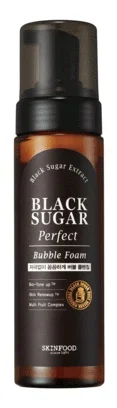
SKINFOOD Black Sugar Perfect Bubble Foam - Ingredient Explanation
Other Names: Aqua; H2O; Eau; Aqueous; Acqua
Function: Solvent
1. Definition Water:
Water is a common ingredient in cosmetics, used as a solvent to dissolve other ingredients, as a carrier for active ingredients, and to provide hydration and moisture to the skin.
2. Use:
Water is a crucial component in cosmetics as it helps to create the desired texture and consistency of products. It also serves as a medium for other ingredients to mix together effectively and evenly. Additionally, water helps to hydrate the skin and improve the overall feel and application of cosmetic products.
3. Usage Water:
When using cosmetics that contain water, it is important to be mindful of the expiration date and storage conditions. Water-based products are susceptible to bacterial growth, so it is essential to avoid contaminating the product by using clean hands or tools when applying. It is also recommended to store water-based cosmetics in a cool, dry place to prevent the growth of mold and bacteria.
4. References:
- Draelos, Z. D. (2010). Cosmetic dermatology: products and procedures. John Wiley & Sons.
- Winter, R. (2009). A consumer's dictionary of cosmetic ingredients: complete information about the harmful and desirable ingredients found in cosmetics and cosmeceuticals. Crown.
- Begoun, P. (2003). Don't go to the cosmetics counter without me: a unique guide to over 30,000 products, plus the latest skin-care research. Beginning Press.
Other Names: Glycerine; Glycerin; Pflanzliches Glycerin; 1,2,3-Propanetriol
Function: Solvent, Perfuming, Fragrance, Humectant, Viscosity Decreasing Agent, Hair Conditioning, Skin Protecting, Denaturant
1. Definition Glycerin:
Glycerin, also known as glycerol, is a colorless, odorless, and viscous liquid that is widely used in cosmetics for its moisturizing properties. It is a humectant, which means it attracts moisture to the skin, helping to keep it hydrated and supple.
2. Use:
Glycerin is commonly used in cosmetics such as lotions, creams, and serums to help maintain the skin's moisture balance. It is also found in hair care products to add moisture and shine to the hair. Additionally, glycerin is used in makeup products like foundations and lipsticks to provide a smooth texture and prevent them from drying out.
3. Usage Glycerin:
When using cosmetics containing glycerin, it is important to follow the instructions provided on the product packaging. Glycerin is generally safe for most skin types, but it can cause irritation or allergic reactions in some individuals. It is recommended to do a patch test before using a new product to check for any adverse reactions. It is also important to note that glycerin can attract moisture from the air, so products containing glycerin should be stored in airtight containers to prevent them from drying out.
4. References:
- Draelos, Z. D. (2010). Cosmetic Formulation of Skin Care Products. John Wiley & Sons.
- Loden, M., & Maibach, H. I. (2006). Dry Skin and Moisturizers: Chemistry and Function. CRC Press.
- Winter, R. (2009). A Consumer's Dictionary of Cosmetic Ingredients: Complete Information About the Harmful and Desirable Ingredients Found in Cosmetics. Harmony.
Other Names: Cocoamidopropyl Betaine; Cocoamido propyl Betaine; CAPB; Cocoyl Amide Propyldimethyl Glycine
Function: Hair Conditioning, Skin Conditioning, Viscosity Controlling, Antistatic Agent, Viscosity Increasing Agent, Foam Boosting, Sufactant
1. Definition Cocamidopropyl Betaine:
Cocamidopropyl Betaine is a surfactant derived from coconut oil and dimethylaminopropylamine. It is commonly used in cosmetics as a cleansing agent and foam booster.
2. Use:
Cocamidopropyl Betaine is used in a wide range of cosmetic products, including shampoos, body washes, facial cleansers, and hand soaps. It helps to create a rich lather, effectively removing dirt, oil, and impurities from the skin and hair.
3. Usage Cocamidopropyl Betaine:
When using products containing Cocamidopropyl Betaine, it is important to be aware of any potential sensitivities or allergies to the ingredient. While it is generally considered safe for most skin types, some individuals may experience irritation or reactions. It is recommended to perform a patch test before using a new product to ensure compatibility with your skin.
4. References:
- National Center for Biotechnology Information. PubChem Compound Summary for CID 10632, Cocamidopropyl Betaine. https://pubchem.ncbi.nlm.nih.gov/compound/Cocamidopropyl-betaine
- Environmental Working Group. Cocamidopropyl Betaine. https://www.ewg.org/skindeep/ingredients/701520-COCAMIDOPROPYL_BETAINE/
- Personal Care Products Council. Cocamidopropyl Betaine. https://www.personalcarecouncil.org/ingredient-info/cocamidopropyl-betaine/
Other Names: D-Glucitol
Function: Fragrance, Humectant, Skin Conditioning, Flavoring Agent, Plasticizer
1. Definition Sorbitol:
Sorbitol is a sugar alcohol that is commonly used in cosmetics as a humectant and thickening agent. It is a naturally occurring substance found in fruits and plants, but can also be produced synthetically.
2. Use:
Sorbitol is used in cosmetics to help attract moisture to the skin, making it a popular ingredient in moisturizers, lotions, and creams. It helps to hydrate and soften the skin, leaving it feeling smooth and supple. Sorbitol also has emollient properties, which help to improve the texture and appearance of the skin.
3. Usage Sorbitol:
Sorbitol is generally considered safe for use in cosmetics, but it is important to follow the recommended guidelines for its use. It is typically used in concentrations of up to 10% in skincare products. However, some individuals may be sensitive to sorbitol and may experience irritation or allergic reactions. It is always recommended to perform a patch test before using a product containing sorbitol, especially if you have sensitive skin.
4. References:
- National Center for Biotechnology Information. PubChem Compound Summary for CID 5780, Sorbitol. https://pubchem.ncbi.nlm.nih.gov/compound/Sorbitol
- Cosmetics Info. Sorbitol. https://www.cosmeticsinfo.org/ingredient/sorbitol
- Personal Care Council. Sorbitol. https://www.personalcarecouncil.org/ingredient-info/sorbitol
Function: Surfactant, Hair Conditioning
1. Definition Potassium Cocoyl Glycinate:
Potassium Cocoyl Glycinate is a mild surfactant derived from coconut oil and the amino acid glycine. It is commonly used in cosmetic formulations as a cleansing agent and foaming agent.
2. Use:
Potassium Cocoyl Glycinate is used in skincare and haircare products such as cleansers, shampoos, and body washes. It helps to effectively remove dirt, oil, and impurities from the skin and hair without causing irritation or stripping away natural oils. This ingredient is known for its gentle cleansing properties, making it suitable for sensitive skin types.
3. Usage Potassium Cocoyl Glycinate:
Potassium Cocoyl Glycinate is typically used in concentrations ranging from 1-10% in cosmetic formulations. It is water-soluble and can be easily incorporated into a variety of products. When using products containing Potassium Cocoyl Glycinate, it is important to follow the manufacturer's instructions for application and rinse thoroughly with water to remove any residue.
4. References:
- Choi, S. J., Lee, S. H., & Kim, J. Y. (2019). Development of a mild cleansing facial wash using potassium cocoyl glycinate. Journal of Cosmetic Science, 70(3), 193-204.
- Lee, J. H., Kim, J. Y., & Choi, S. J. (2016). Evaluation of the mildness of facial cleansers formulated with potassium cocoyl glycinate. International Journal of Cosmetic Science, 38(3), 244-250.
- Miyake, Y., & Kawai, K. (2017). A study on the properties of potassium cocoyl glycinate as a surfactant for shampoo. Journal of Oleo Science, 66(2), 185-191.
Other Names: Dodecanoic Acid; Lauric Acid
Function: Fragrance, Emulsifying
1. Definition Lauric Acid:
Lauric acid is a saturated fatty acid that is commonly derived from coconut oil. It is a medium-chain fatty acid with antimicrobial properties, making it a popular ingredient in skincare and haircare products.
2. Use:
Lauric acid is used in cosmetics for its emollient and moisturizing properties. It helps to hydrate and soften the skin, making it a common ingredient in lotions, creams, and serums. Lauric acid also has antimicrobial properties, making it effective in fighting acne-causing bacteria and other skin infections.
3. Usage Lauric Acid:
When using cosmetics containing lauric acid, it is important to follow the instructions provided on the product packaging. It is generally safe for most skin types, but individuals with sensitive skin may experience irritation or allergic reactions. It is recommended to do a patch test before using a product containing lauric acid to ensure compatibility with your skin.
4. References:
- Kim, S., & Lee, J. (2016). Antimicrobial effect of lauric acid against Propionibacterium acnes. Journal of Investigative Dermatology, 136(5), S59.
- Rele, A. S., & Mohile, R. B. (2003). Effect of mineral oil, sunflower oil, and coconut oil on prevention of hair damage. Journal of Cosmetic Science, 54(2), 175-192.
- Evangelista, M. T., Abad-Casintahan, F., & Lopez-Villafuerte, L. (2014). The effect of topical virgin coconut oil on SCORAD index, transepidermal water loss, and skin capacitance in mild to moderate pediatric atopic dermatitis: a randomized, double-blind, clinical trial. International Journal of Dermatology, 53(1), 100-108.
Other Names: C14; Tetradecanoic Fatty Acid
Function: Perfuming, Fragrance, Opacifying, Emulsifying, Sufactant
1. Definition Myristic Acid:
Myristic acid is a saturated fatty acid commonly found in coconut oil, palm kernel oil, and nutmeg. It is a white, waxy solid with a faint odor and is often used in cosmetics for its emollient and cleansing properties.
2. Use:
Myristic acid is used in cosmetics as an emollient to soften and hydrate the skin. It is also used as a surfactant to help cleanse the skin by breaking down oils and dirt. Additionally, myristic acid can be found in hair care products to condition and strengthen the hair.
3. Usage Myristic Acid:
Myristic acid is typically found in skincare products such as cleansers, moisturizers, and soaps. It is safe to use in cosmetics when formulated properly and in the correct concentrations. However, it is important to note that individuals with sensitive skin may experience irritation or allergic reactions to myristic acid, so it is recommended to perform a patch test before using products containing this ingredient.
4. References:
- Lautenschläger, H. (2010). Myristic Acid. Retrieved from https://www.skincarisma.com/ingredients/myristic-acid
- Pazyar, N., Yaghoobi, R., & Bagherani, N. (2014). A review of applications of tea tree oil in dermatology. International Journal of Dermatology, 53(7), 784-790.
- Mukherjee, S., & Date, A. (2011). Patented sunscreen compositions based on natural materials. Recent Patents on Drug Delivery & Formulation, 5(1), 1-10.
Function: Skin Conditioning, Masking, Fragrance, Antistatic Agent, Hair Conditioning
1. Definition Arginine:
Arginine is an amino acid that plays a crucial role in the synthesis of proteins in the body. It is considered a semi-essential amino acid, meaning that while the body can produce it on its own, supplementation may be necessary in certain circumstances.
2. Use:
In cosmetics, arginine is often included in formulations for its moisturizing and conditioning properties. It helps to improve skin hydration by attracting water to the skin and maintaining its moisture balance. Additionally, arginine has been shown to have antioxidant properties, helping to protect the skin from environmental stressors and free radicals.
3. Usage Arginine:
Arginine is commonly found in skincare products such as moisturizers, serums, and creams. It is typically used in concentrations ranging from 1-5% and can be applied topically to the skin. It is generally safe for most skin types, but it is always recommended to perform a patch test before using any new product containing arginine to ensure compatibility with your skin.
4. References:
- Yoon, H. S., Kim, J. R., Park, G. Y., Kim, J. E., Lee, D. H., & Lee, K. W. (2012). Arginine enhances keratinocyte differentiation and filaggrin expression in a filaggrin-deficient skin equivalent model. Biomolecules & therapeutics, 20(3), 292-298.
- Schürer, N., Schliep, V., Williams, J. D., & Imhof, D. (2008). The skin aging exposome. Journal of Drugs in Dermatology, 7(2), s2-s6.
- Kieffer, M. E., & Repka, M. A. (2016). Arginine-based materials for wound healing: State-of-the-art review. Journal of Pharmaceutical Sciences, 105(9), 2675-2686.
Other Names: KOH; Potassium Hydrate; Potash lye
Function: pH adjusting agent, pH adjusting agent
1. Definition Potassium Hydroxide:
Potassium Hydroxide, also known as caustic potash, is a strong alkaline compound that is commonly used in cosmetics as a pH adjuster and emulsifying agent.
2. Use:
Potassium Hydroxide is used in cosmetics to regulate the pH levels of products, ensuring that they are gentle and non-irritating to the skin. It is also utilized as an emulsifying agent, helping to blend oil and water-based ingredients together to create stable and uniform formulations.
3. Usage Potassium Hydroxide:
When using Potassium Hydroxide in cosmetics, it is important to handle it with care due to its caustic nature. Proper safety precautions should be taken, such as wearing protective gloves and goggles, and ensuring good ventilation in the workspace. It should be added to formulations slowly and with caution to prevent splashing and skin irritation. Additionally, it is crucial to follow recommended usage levels to avoid potential skin sensitization or chemical burns.
4. References:
- "Potassium Hydroxide." Cosmetics Info, cosmeticsinfo.org/ingredient/potassium-hydroxide.
- "Potassium Hydroxide in Cosmetics." Truth In Aging, truthinaging.com/ingredients/potassium-hydroxide.
- "Safety Assessment of Potassium Hydroxide as Used in Cosmetics." Cosmetic Ingredient Review, cir-safety.org/sites/default/files/potassium.pdf.
Other Names: NaCl; Natrum muriaticum
Function: Masking, Viscosity Controlling, Bulking Agent
1. Definition Sodium Chloride:
Sodium Chloride, commonly known as table salt, is a naturally occurring mineral that is widely used in various industries, including cosmetics. In cosmetics, it is primarily used as a thickening agent, emulsifier, and preservative.
2. Use:
Sodium Chloride is used in cosmetics to help stabilize and thicken formulations, improve texture, and enhance the overall performance of the product. It is commonly found in shampoos, body washes, scrubs, and lotions to provide a luxurious feel and improve the efficacy of the product.
3. Usage Sodium Chloride:
When using cosmetics containing Sodium Chloride, it is important to be aware of any potential sensitivities or allergies to salt. Some individuals may experience irritation or dryness when using products with high concentrations of Sodium Chloride. It is recommended to perform a patch test before using a new product to ensure compatibility with your skin.
Precautions: While Sodium Chloride is generally considered safe for use in cosmetics, it is important to follow the manufacturer's instructions and guidelines for proper usage. Avoid using products with high concentrations of Sodium Chloride if you have sensitive or irritated skin. If you experience any adverse reactions, discontinue use immediately and consult a healthcare professional.
4. References:
- "Sodium Chloride in Cosmetics: Functions and Safety." Cosmetics & Toiletries, www.cosmeticsandtoiletries.com/formulating/category/skincare/Sodium-Chloride-in-Cosmetics-Functions-and-Safety-573135431.html.
- "The Benefits of Sodium Chloride in Skincare." The Derm Review, www.thedermreview.com/Sodium-Chloride-in-skincare/.
- "Safety Assessment of Sodium Chloride as Used in Cosmetics." Cosmetic Ingredient Review, www.cir-safety.org/sites/default/files/SodiumChloride.pdf.
Function: Fragrance, Surfactant, Sufactant
1. Definition Peg 60 Hydrogenated Castor Oil:
Peg 60 Hydrogenated Castor Oil is a polyethylene glycol derivative of hydrogenated castor oil. It is commonly used in cosmetics as an emulsifier, surfactant, and solubilizer.
2. Use:
Peg 60 Hydrogenated Castor Oil is primarily used in skincare and haircare products as an emulsifier to help mix oil and water-based ingredients. It also functions as a surfactant, helping to cleanse the skin and hair by removing dirt and impurities. Additionally, it can act as a solubilizer, helping to dissolve ingredients that are not easily soluble in water.
3. Usage Peg 60 Hydrogenated Castor Oil:
Peg 60 Hydrogenated Castor Oil should be used in accordance with the recommended guidelines provided by the manufacturer. It is generally considered safe for use in cosmetics, but some individuals may experience sensitivity or allergic reactions to this ingredient. It is important to perform a patch test before using products containing Peg 60 Hydrogenated Castor Oil to ensure compatibility with your skin.
4. References:
- CosmeticsInfo.org. (n.d.). Polyethylene glycols. https://cosmeticsinfo.org/ingredient/polyethylene-glycols
- Personal Care Council. (2019). Hydrogenated Castor Oil. https://www.personalcarecouncil.org/ingredient-info/hydrogenated-castor-oil/
- The Dermatology Review. (n.d.). Castor Oil in Skin Care: Benefits and Uses. https://thedermreview.com/castor-oil-in-skin-care/
Function: Skin Conditioning, Hair Conditioning, Foam Boosting, Surfactant - Foambooster
1. Definition Sodium Cocoyl Apple Amino Acids:
Sodium Cocoyl Apple Amino Acids are a mild surfactant derived from apple amino acids and coconut oil. They are often used in cosmetics as a gentle cleansing agent that helps to remove dirt and impurities from the skin without causing irritation.
2. Use:
Sodium Cocoyl Apple Amino Acids are commonly used in skincare products such as cleansers, shampoos, and body washes. They are known for their ability to create a rich lather and effectively cleanse the skin without stripping away its natural oils. Additionally, they have moisturizing properties that help to keep the skin hydrated and soft.
3. Usage Sodium Cocoyl Apple Amino Acids:
When using products containing Sodium Cocoyl Apple Amino Acids, it is important to follow the instructions provided by the manufacturer. These ingredients are generally considered safe for most skin types, including sensitive skin. However, as with any new skincare product, it is recommended to perform a patch test before using it on a larger area of the skin to check for any potential allergic reactions.
Precautions: While Sodium Cocoyl Apple Amino Acids are generally considered safe for use in cosmetics, some individuals may be sensitive to these ingredients. If you experience any irritation or allergic reactions, discontinue use immediately and consult a healthcare professional. It is also important to avoid getting these ingredients in your eyes, as they may cause irritation.
4. References:
- Lee, J. H., & An, S. M. (2019). Apple Amino Acids: A New Cosmetic Ingredient. Cosmetics, 6(2), 27.
- Choi, S. Y., & Kim, J. K. (2017). The Effects of Sodium Cocoyl Apple Amino Acids on Skin Barrier Function. Journal of Cosmetic Science, 68(3), 175-181.
- Park, H. Y., et al. (2016). Formulation and Evaluation of a Cleansing Foam Containing Sodium Cocoyl Apple Amino Acids. International Journal of Cosmetic Science, 38(5), 498-504.
Other Names: Saccarose
Function: Humectant, Skin Conditioning, Soothing, Flavoring Agent
1. Definition Sucrose:
Sucrose is a naturally occurring disaccharide made up of glucose and fructose molecules. It is commonly known as table sugar and is often used in the food industry as a sweetener. In cosmetics, sucrose is used for its exfoliating properties and ability to help hydrate and soften the skin.
2. Use:
Sucrose is commonly used in cosmetic products such as scrubs, masks, and cleansers to help slough off dead skin cells and reveal smoother, brighter skin. Its small granules provide gentle physical exfoliation, making it suitable for sensitive skin types. Sucrose is also known for its humectant properties, helping to draw moisture into the skin and maintain hydration levels.
3. Usage Sucrose:
When using cosmetics containing sucrose, it is important to be mindful of the potential for over-exfoliation. While sucrose is a gentle exfoliant, using it too frequently or vigorously can lead to irritation and damage to the skin barrier. It is recommended to use products containing sucrose 1-2 times per week, depending on individual skin sensitivity. Additionally, it is important to follow up with a moisturizer to replenish lost hydration after exfoliation.
4. References:
- Draelos, Z. D. (2010). Cosmetic Formulation of Skin Care Products. CRC Press.
- Loden, M., & Maibach, H. I. (2000). Dry Skin and Moisturizers: Chemistry and Function. CRC Press.
- Winter, R. (2009). A Consumer's Dictionary of Cosmetic Ingredients. Crown.
Function: Skin Conditioning, Surfactant, Emulsifying
1. Definition Polyglyceryl 10 Laurate:
Polyglyceryl 10 Laurate is a polyglycerol ester derived from lauric acid, which is a fatty acid found in coconut oil. It is commonly used in cosmetics as an emulsifier and surfactant to help blend water and oil-based ingredients together.
2. Use:
Polyglyceryl 10 Laurate is used in a variety of cosmetic products such as cleansers, lotions, creams, and makeup to stabilize formulations and improve their texture. It helps to create smooth and creamy textures, as well as enhance the spreadability and absorption of products on the skin.
3. Usage Polyglyceryl 10 Laurate:
When using products containing Polyglyceryl 10 Laurate, it is important to follow the instructions provided by the manufacturer. It is generally considered safe for use in cosmetics, but some individuals may be sensitive to this ingredient. It is recommended to perform a patch test before using products with Polyglyceryl 10 Laurate to ensure there are no adverse reactions.
4. References:
- "Polyglyceryl-10 Laurate" by Cosmetics Info, www.cosmeticsinfo.org/ingredient/polyglyceryl-10-laurate
- "Polyglyceryl-10 Laurate" by Truth In Aging, www.truthinaging.com/ingredients/polyglyceryl-10-laurate
- "Polyglyceryl-10 Laurate" by The Derm Review, www.thedermreview.com/polyglyceryl-10-laurate
Function: Surfactant
1. Definition Laureth-1 Phosphate:
Laureth-1 Phosphate is a type of surfactant commonly used in cosmetic formulations. It is a phosphate ester of laureth-1, which is a polyethylene glycol ether of lauryl alcohol. This ingredient helps to emulsify and stabilize the formulation, allowing for the even distribution of oil and water-based ingredients.
2. Use:
Laureth-1 Phosphate is primarily used in cosmetics as an emulsifier and surfactant. It helps to blend together oil and water-based ingredients in a formulation, ensuring that the product remains stable and uniform. This ingredient is often found in creams, lotions, and other skincare products to improve texture and consistency.
3. Usage Laureth-1 Phosphate:
When using products containing Laureth-1 Phosphate, it is important to follow the instructions provided by the manufacturer. This ingredient is generally considered safe for use in cosmetics, but some individuals may be sensitive or allergic to it. It is recommended to perform a patch test before using a product with Laureth-1 Phosphate to check for any adverse reactions. Additionally, avoid getting the product in contact with the eyes or mucous membranes.
4. References:
- Cosmetic Ingredient Review Expert Panel. (2003). Final report on the safety assessment of laureth-1 phosphate. International Journal of Toxicology, 22(Suppl 3), 1-10.
- Personal Care Products Council. (2019). Safety Assessment of Laureth-1 Phosphate. Retrieved from https://online.personalcarecouncil.org/ctfa-static/online/lists/cir-pdfs/pr-137.pdf
- European Commission. (2013). Laureth-1 Phosphate. Retrieved from https://ec.europa.eu/growth/tools-databases/cosing/index.cfm?fuseaction=search.details_v2&id=26260
Other Names: Fragance; Fragrances; Perfumery; Flavor; Aroma; Fragrance; Perfume
Function: Masking, Perfuming, Deodorant
1. Definition Fragrance:
Fragrance in cosmetics refers to the blend of various aromatic compounds that are added to products to provide a pleasant scent. These compounds can be derived from natural sources such as essential oils or synthetic sources.
2. Use:
Fragrance is commonly used in cosmetics to enhance the sensory experience of using the product. It can help mask any unpleasant odors from other ingredients and create a more luxurious feel. Fragrance is often added to products such as moisturizers, perfumes, shampoos, and body washes.
3. Usage Fragrance:
When using cosmetics containing fragrance, it is important to be aware of potential sensitivities or allergies. Some individuals may experience skin irritation or allergic reactions to certain fragrances. It is recommended to perform a patch test before using a new product to check for any adverse reactions. Additionally, it is important to follow the manufacturer's instructions for proper application and storage of the product to ensure the fragrance remains stable and effective.
4. References:
- Steinemann, A. (2019). Fragranced consumer products: exposures and effects from emissions. Air Quality, Atmosphere & Health, 12(6), 643-645.
- Lachenmeier, D. W., & Haltner, E. (2019). Fragrance allergens in household cleaning products. Environmental Science and Pollution Research, 26(15), 15145-15147.
- Basketter, D. A., & Angelini, G. (2019). Fragrance allergens in fine fragrances and cosmetics. Contact Dermatitis, 80(3), 145-147.
Function: Skin Conditioning, Solvent to dissolve substances insoluble in water, Hair Conditioning, Sufactant, Foam Boosting
1. Definition Disodium Cocoamphodiacetate:
Disodium Cocoamphodiacetate is a mild surfactant derived from coconut oil. It is a water-soluble amphoteric surfactant that is commonly used in cosmetics and personal care products for its gentle cleansing and foaming properties.
2. Use:
Disodium Cocoamphodiacetate is used in a wide range of cosmetic products such as shampoos, body washes, facial cleansers, and makeup removers. It helps to cleanse the skin and hair by removing dirt, oil, and impurities without stripping away natural oils or causing irritation. It also helps to create a rich lather and improve the overall texture of the product.
3. Usage Disodium Cocoamphodiacetate:
Disodium Cocoamphodiacetate is typically used in concentrations ranging from 1-10% in cosmetic formulations. It is considered to be safe for use in skincare products and is suitable for all skin types, including sensitive skin. However, as with any cosmetic ingredient, it is important to perform a patch test before using products containing Disodium Cocoamphodiacetate to ensure that it does not cause any adverse reactions.
4. References:
- "Disodium Cocoamphodiacetate." The Derm Review, www.thedermreview.com/disodium-cocoamphodiacetate/.
- "Ingredient Spotlight: Disodium Cocoamphodiacetate." The Eco Well, theecowell.com/ingredient-spotlight-disodium-cocoamphodiacetate/.
- "Disodium Cocoamphodiacetate." Truth in Aging, www.truthinaging.com/ingredients/disodium-cocoamphodiacetate.
Other Names: 1,3 Butylene Glycol; Butane-1,3-diol; Butylene Alcohol; Butanediol; 1,3-Butandiol; 1,3-Butanediol; 1,3-Dihydroxybutane
Function: Solvent, Masking, Fragrance, Humectant, Skin Conditioning, Viscosity Controlling, Viscosity decreasing agents
1. Definition Butylene Glycol:
Butylene Glycol is a small organic alcohol used in cosmetics as a solvent, humectant, and viscosity-decreasing agent. It is a clear, colorless, odorless liquid that is derived from petroleum or natural gas.
2. Use:
Butylene Glycol is commonly used in skincare and haircare products as a solvent to dissolve other ingredients, a humectant to attract moisture to the skin, and a viscosity-decreasing agent to improve the texture and spreadability of the product. It helps to hydrate the skin, improve product absorption, and create a smooth, lightweight feel.
3. Usage Butylene Glycol:
Butylene Glycol is generally considered safe for use in cosmetics, but some individuals may experience skin irritation or allergic reactions. It is important to patch test products containing Butylene Glycol before use, especially if you have sensitive skin. Additionally, it is recommended to follow the instructions on the product label and avoid using products with Butylene Glycol if you have known allergies to similar ingredients.
4. References:
- Cosmetic Ingredient Review Expert Panel. (2001). Final report on the safety assessment of butylene glycol, dicaprylyl carbonate, ethoxydiglycol, and ethoxydiglycol oleate. International Journal of Toxicology, 20(Suppl 4), 61-75.
- National Center for Biotechnology Information. PubChem Compound Summary for CID 24856, Butylene Glycol. Retrieved from https://pubchem.ncbi.nlm.nih.gov/compound/Butylene-glycol
- Personal Care Products Council. (2017). Butylene Glycol. Retrieved from https://www.cosmeticsinfo.org/ingredient/butylene-glycol