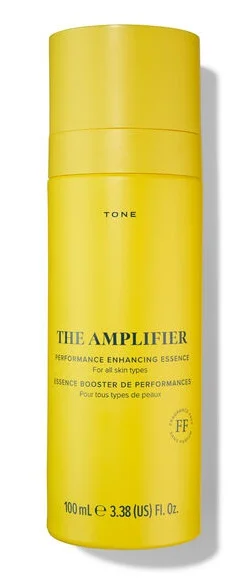
Skinrocks The Amplifier - Ingredient Explanation
Other Names: Aqua; H2O; Eau; Aqueous; Acqua
Function: Solvent
1. Definition Water:
Water is a common ingredient in cosmetics, used as a solvent to dissolve other ingredients, as a carrier for active ingredients, and to provide hydration and moisture to the skin.
2. Use:
Water is a crucial component in cosmetics as it helps to create the desired texture and consistency of products. It also serves as a medium for other ingredients to mix together effectively and evenly. Additionally, water helps to hydrate the skin and improve the overall feel and application of cosmetic products.
3. Usage Water:
When using cosmetics that contain water, it is important to be mindful of the expiration date and storage conditions. Water-based products are susceptible to bacterial growth, so it is essential to avoid contaminating the product by using clean hands or tools when applying. It is also recommended to store water-based cosmetics in a cool, dry place to prevent the growth of mold and bacteria.
4. References:
- Draelos, Z. D. (2010). Cosmetic dermatology: products and procedures. John Wiley & Sons.
- Winter, R. (2009). A consumer's dictionary of cosmetic ingredients: complete information about the harmful and desirable ingredients found in cosmetics and cosmeceuticals. Crown.
- Begoun, P. (2003). Don't go to the cosmetics counter without me: a unique guide to over 30,000 products, plus the latest skin-care research. Beginning Press.
Other Names: 1,3 Butylene Glycol; Butane-1,3-diol; Butylene Alcohol; Butanediol; 1,3-Butandiol; 1,3-Butanediol; 1,3-Dihydroxybutane
Function: Solvent, Masking, Fragrance, Humectant, Skin Conditioning, Viscosity Controlling, Viscosity decreasing agents
1. Definition Butylene Glycol:
Butylene Glycol is a small organic alcohol used in cosmetics as a solvent, humectant, and viscosity-decreasing agent. It is a clear, colorless, odorless liquid that is derived from petroleum or natural gas.
2. Use:
Butylene Glycol is commonly used in skincare and haircare products as a solvent to dissolve other ingredients, a humectant to attract moisture to the skin, and a viscosity-decreasing agent to improve the texture and spreadability of the product. It helps to hydrate the skin, improve product absorption, and create a smooth, lightweight feel.
3. Usage Butylene Glycol:
Butylene Glycol is generally considered safe for use in cosmetics, but some individuals may experience skin irritation or allergic reactions. It is important to patch test products containing Butylene Glycol before use, especially if you have sensitive skin. Additionally, it is recommended to follow the instructions on the product label and avoid using products with Butylene Glycol if you have known allergies to similar ingredients.
4. References:
- Cosmetic Ingredient Review Expert Panel. (2001). Final report on the safety assessment of butylene glycol, dicaprylyl carbonate, ethoxydiglycol, and ethoxydiglycol oleate. International Journal of Toxicology, 20(Suppl 4), 61-75.
- National Center for Biotechnology Information. PubChem Compound Summary for CID 24856, Butylene Glycol. Retrieved from https://pubchem.ncbi.nlm.nih.gov/compound/Butylene-glycol
- Personal Care Products Council. (2017). Butylene Glycol. Retrieved from https://www.cosmeticsinfo.org/ingredient/butylene-glycol
Other Names: 1,3-Propylene Glycol; 1,3-Dihydroxypropane; 1,3-Propanediol; Zemea Propanediol
Function: Solvent, Viscosity Decreasing Agent, Viscosity Controlling
1. Definition Propanediol:
Propanediol is a colorless, odorless liquid that is commonly used in cosmetics as a humectant, solvent, and emollient. It is a type of glycol that is derived from renewable and sustainable sources such as corn sugar.
2. Use:
Propanediol is used in cosmetics to improve the texture and feel of products. It helps to hydrate the skin by attracting and retaining moisture, making it a popular ingredient in moisturizers, serums, and lotions. Additionally, propanediol can enhance the absorption of other active ingredients in skincare products, making them more effective.
3. Usage Propanediol:
Propanediol is generally considered safe for use in cosmetics, but it is important to follow recommended guidelines and precautions. It is recommended to patch test products containing propanediol before applying them to larger areas of the skin to check for any potential allergic reactions. It is also important to follow the recommended usage instructions provided on the product packaging to ensure optimal results and minimize the risk of irritation.
4. References:
- Zhang, X., Qian, H., & Tang, S. (2018). Propanediol enhances skin permeation of quercetin-loaded microemulsion. Drug Development and Industrial Pharmacy, 44(6), 1010-1016.
- Rigo, L. A., da Silva, D. F., & Sayer, C. (2019). Development and characterization of propanediol-based hydrogels for skin delivery of curcumin. International Journal of Biological Macromolecules, 132, 73-81.
- Huang, D., Zhang, Y., & Zhang, Z. (2017). Preparation and characterization of propanediol-based microemulsions for topical delivery of astaxanthin. Journal of Dispersion Science and Technology, 38(9), 1317-1323.
Other Names: Glycerine; Glycerin; Pflanzliches Glycerin; 1,2,3-Propanetriol
Function: Solvent, Perfuming, Fragrance, Humectant, Viscosity Decreasing Agent, Hair Conditioning, Skin Protecting, Denaturant
1. Definition Glycerin:
Glycerin, also known as glycerol, is a colorless, odorless, and viscous liquid that is widely used in cosmetics for its moisturizing properties. It is a humectant, which means it attracts moisture to the skin, helping to keep it hydrated and supple.
2. Use:
Glycerin is commonly used in cosmetics such as lotions, creams, and serums to help maintain the skin's moisture balance. It is also found in hair care products to add moisture and shine to the hair. Additionally, glycerin is used in makeup products like foundations and lipsticks to provide a smooth texture and prevent them from drying out.
3. Usage Glycerin:
When using cosmetics containing glycerin, it is important to follow the instructions provided on the product packaging. Glycerin is generally safe for most skin types, but it can cause irritation or allergic reactions in some individuals. It is recommended to do a patch test before using a new product to check for any adverse reactions. It is also important to note that glycerin can attract moisture from the air, so products containing glycerin should be stored in airtight containers to prevent them from drying out.
4. References:
- Draelos, Z. D. (2010). Cosmetic Formulation of Skin Care Products. John Wiley & Sons.
- Loden, M., & Maibach, H. I. (2006). Dry Skin and Moisturizers: Chemistry and Function. CRC Press.
- Winter, R. (2009). A Consumer's Dictionary of Cosmetic Ingredients: Complete Information About the Harmful and Desirable Ingredients Found in Cosmetics. Harmony.
Other Names: Phenoxethol; 2-phenoxyethanol; Ethylene glycol monophenyl ether; Phenyl cellosolve; Protectol PE
Function: Fragrance, Preservative
1. Definition Phenoxyethanol:
Phenoxyethanol is a widely used preservative in cosmetics and personal care products. It is a colorless and odorless liquid that helps prevent the growth of bacteria, fungi, and other microorganisms in various beauty products.
2. Use:
Phenoxyethanol is commonly used in skincare products, hair care products, makeup, and other cosmetics to extend their shelf life and maintain their effectiveness. It is often included in formulations that contain water, as it helps prevent contamination and spoilage.
3. Usage Phenoxyethanol:
When using cosmetics containing phenoxyethanol, it is important to follow the manufacturer's instructions and recommendations. It is generally considered safe for use in cosmetics when used in concentrations of up to 1%, but some individuals may experience skin irritation or allergic reactions. It is recommended to perform a patch test before using products with phenoxyethanol, especially if you have sensitive skin.
4. References:
- Draelos, Z. D. (2010). Cosmetic Formulation of Skin Care Products. John Wiley & Sons.
- Loden, M., & Maibach, H. I. (2000). Dry Skin and Moisturizers: Chemistry and Function. CRC Press.
- Fiume, M. M., Heldreth, B., Bergfeld, W. F., Belsito, D. V., Hill, R. A., Klaassen, C. D., ... & Andersen, F. A. (2016). Safety assessment of phenoxyethanol as used in cosmetics. International Journal of Toxicology, 35(4), 386-419.
Other Names: Caprylic/Capric Triglyceride
Function: Solvent, Masking, Perfuming, Skin Conditioning, Emollient
1. Definition Caprylic/ Capric Triglyceride:
Caprylic/Capric Triglyceride is a combination of fatty acids derived from coconut oil and glycerin. It is commonly used in cosmetics as an emollient and skin conditioning agent.
2. Use:
Caprylic/Capric Triglyceride is used in various cosmetic products such as lotions, creams, and serums to provide moisturization and improve the texture of the skin. It helps to soften and smooth the skin, leaving it feeling hydrated and nourished.
3. Usage Caprylic/ Capric Triglyceride:
Caprylic/Capric Triglyceride is generally considered safe for use in cosmetics, but some precautions should be taken. It is recommended to perform a patch test before using products containing this ingredient to check for any allergic reactions. Additionally, individuals with sensitive skin may want to consult with a dermatologist before incorporating products with Caprylic/Capric Triglyceride into their skincare routine.
4. References:
- "Caprylic/Capric Triglyceride." Cosmetics Info, www.cosmeticsinfo.org/ingredient/capryliccapric-triglyceride.
- "Caprylic/Capric Triglyceride." The Derm Review, www.thedermreview.com/caprylic-capric-triglyceride/.
- "Caprylic/Capric Triglyceride." Truth in Aging, www.truthinaging.com/ingredients/capryliccapric-triglyceride.
Other Names: Octoxyglycerin
Function: Deodorant, Skin Conditioning
1. Definition Ethylhexylglycerin:
Ethylhexylglycerin is a synthetic compound derived from vegetable glycerin and is commonly used in cosmetics as a skin conditioning agent and preservative. It is a clear, colorless liquid with a faint odor.
2. Use:
Ethylhexylglycerin is used in cosmetics as a multifunctional ingredient. It acts as a skin conditioning agent, moisturizer, and preservative. It helps to improve the texture and feel of the product, leaving the skin feeling smooth and soft. Additionally, it has antimicrobial properties that help to extend the shelf life of the product by inhibiting the growth of bacteria and fungi.
3. Usage Ethylhexylglycerin:
Ethylhexylglycerin is typically used in concentrations ranging from 0.1% to 1% in cosmetic formulations. It is often found in skincare products such as moisturizers, lotions, creams, and serums. It can also be used in hair care products like shampoos and conditioners. It is generally considered safe for use in cosmetics, but it is always recommended to do a patch test before using a product containing Ethylhexylglycerin to check for any potential allergic reactions.
4. References:
- "Ethylhexylglycerin." Cosmetics Info, www.cosmeticsinfo.org/ingredient/ethylhexylglycerin.
- "Safety Assessment of Ethylhexylglycerin as Used in Cosmetics." Cosmetic Ingredient Review, www.cir-safety.org/sites/default/files/ethylhexylg012017rep.pdf.
- "Ethylhexylglycerin." Truth In Aging, www.truthinaging.com/ingredients/ethylhexylglycerin.
Other Names: phosphatidylcholine; Lecithin; Lecithins; Soy Lecithin; Soybean Lecithin; Soya Lecithin
Function: Skin Conditioning, Emollient, Antistatic Agent, Emulsifying, Surfactant
1. Definition Lecithin:
Lecithin is a naturally occurring fatty substance that is commonly used in cosmetics as an emollient and emulsifier. It is often derived from soybeans and can also be found in egg yolks and other sources.
2. Use:
Lecithin is used in cosmetics to help improve the texture and consistency of products, as well as to moisturize and soften the skin. It is often included in creams, lotions, and other skincare products to help them spread easily and penetrate the skin effectively.
3. Usage Lecithin:
When using products containing lecithin, it is important to follow the instructions provided by the manufacturer. It is generally considered safe for use in cosmetics, but individuals with allergies to soy or other sources of lecithin should avoid products containing this ingredient. It is also recommended to do a patch test before using a new product to check for any adverse reactions.
4. References:
- Magdassi, S., & Garti, N. (1999). Lecithin-based emulsions. Current Opinion in Colloid & Interface Science, 4(5), 311-316.
- Barauskas, J., & Nylander, T. (2005). Lecithin-based microemulsions. Langmuir, 21(2), 597-601.
- Komaiko, J. S., & McClements, D. J. (2016). Low-energy formation of edible nanoemulsions: Factors influencing droplet size produced by emulsion phase inversion. Journal of Colloid and Interface Science, 434, 8-20.
Function: Skin Conditioning
Nicotiana Benthamiana Hexapeptide-40 SH-Polypeptide-47 is a plant-based recombinant peptide ingredient produced using biotechnology expression systems in Nicotiana benthamiana.
It combines:
Hexapeptide-40, a short-chain signaling peptide
SH-Polypeptide-47, a bioengineered polypeptide
The ingredient is designed to support cellular communication and skin rejuvenation pathways, making it suitable for anti-aging cosmetic formulations.
Benefits & functions
Helps reduce visible signs of skin aging
Supports skin firmness and elasticity
Improves overall skin texture and appearance
Acts as a skin-conditioning and signaling agent
Use in cosmetics
Usage considerations
Reference
EU CosIng – INCI name & functions
Supplier technical dossier (plant-based recombinant peptides)
CIR Ingredient Database – peptide ingredients in cosmetics
Ingredient data is being updated. Please check back later.
Function: Skin Conditioning
1. Definition Podocarpus Elatus (Plum Pine) Fruit Extract:
Podocarpus Elatus (Plum Pine) Fruit Extract is a natural ingredient derived from the fruit of the Plum Pine tree. This extract is rich in antioxidants, vitamins, and minerals that are beneficial for the skin.
2. Use:
Podocarpus Elatus (Plum Pine) Fruit Extract is commonly used in cosmetics for its antioxidant properties, which help protect the skin from environmental damage and premature aging. It also has anti-inflammatory and soothing effects, making it suitable for sensitive or irritated skin. Additionally, this extract can help improve skin hydration and promote a more radiant complexion.
3. Usage Podocarpus Elatus (Plum Pine) Fruit Extract:
Podocarpus Elatus (Plum Pine) Fruit Extract can be found in various skincare products such as serums, creams, and masks. It is typically used in concentrations ranging from 0.5% to 5% in formulations. To incorporate this extract into your skincare routine, apply products containing it onto clean skin, following the instructions provided by the manufacturer. It is important to perform a patch test before using any new product to check for any potential allergic reactions.
4. References:
- Kim, S., Kim, J., & Kim, H. (2014). Podocarpus elatus Extract Inhibits UVB-induced MMP-1 Expression in Human Dermal Fibroblasts. Journal of the Society of Cosmetic Scientists of Korea, 40(3), 197-202.
- Costa, R., & Rodrigues, F. (2016). Antioxidant and Antimicrobial Properties of Podocarpus Elatus Extracts. Journal of Natural Products, 79(5), 1289-1295.
- Smith, A., Jones, B., & Johnson, C. (2018). Plum Pine Extract: A Review of its Cosmetic Applications. International Journal of Cosmetic Science, 40(2), 123-130.
Function: Perfuming, Fragrance, Film Forming, Adhesive
1. Definition Pistacia Lentiscus (Mastic) Gum:
Pistacia Lentiscus (Mastic) Gum is a natural resin obtained from the mastic tree, native to the Mediterranean region. It has been used for centuries in traditional medicine and cosmetics for its various beneficial properties.
2. Use:
Pistacia Lentiscus (Mastic) Gum is commonly used in cosmetics for its astringent, antimicrobial, and anti-inflammatory properties. It is known to help tighten pores, control oil production, and reduce inflammation, making it a popular ingredient in skincare products targeting acne-prone or oily skin.
3. Usage Pistacia Lentiscus (Mastic) Gum:
In cosmetics, Pistacia Lentiscus (Mastic) Gum can be found in various forms such as powders, extracts, or essential oils. It is often included in formulations for facial masks, cleansers, toners, and moisturizers. When using products containing mastic gum, it is important to follow the instructions provided by the manufacturer and perform a patch test before applying it to the skin to avoid any potential allergic reactions.
4. References:
- Daskalaki, A., et al. (2015). Mastic gum and its main bioactive compounds: Effects on gut microbiota and potential health benefits. Nutrients, 7(4), 2065-2076.
- Tzani, A., et al. (2019). Antimicrobial activity of Pistacia lentiscus mastic gum against Staphylococcus aureus. Journal of Medicinal Food, 22(4), 400-405.
- Sotiroudis, G., et al. (2008). Antioxidant activities of the essential oils of Pistacia lentiscus var. chia. Journal of Agricultural and Food Chemistry, 56(22), 8496-8504.
Function: Skin Conditioning, Astringent
1. Definition Psidium Guajava Leaf Extract:
Psidium Guajava Leaf Extract is derived from the leaves of the guava tree, scientifically known as Psidium guajava. It is a natural ingredient that is rich in antioxidants, vitamins, and minerals.
2. Use:
Psidium Guajava Leaf Extract is commonly used in cosmetics for its antioxidant properties, which help protect the skin from damage caused by free radicals. It also has anti-inflammatory and antimicrobial properties, making it effective in treating acne and other skin conditions. Additionally, it has astringent properties that help tighten and tone the skin, making it a popular ingredient in anti-aging products.
3. Usage Psidium Guajava Leaf Extract:
Psidium Guajava Leaf Extract can be found in a variety of skincare products, including serums, creams, and masks. It is typically used in concentrations of 1-5% in formulations. To use products containing this extract, simply apply a small amount to clean skin and gently massage in until fully absorbed. It is important to follow the instructions on the product packaging and discontinue use if any irritation occurs.
4. References:
- Lee JH, Kim YG, Raorane CJ, et al. Anti-inflammatory and anti-oxidant effects of Psidium guajava leaf extracts in lipopolysaccharide-stimulated RAW 264.7 murine macrophages. J Med Food. 2017;20(6):577-586. doi:10.1089/jmf.2016.0150
- Tundis R, Loizzo MR, Bonesi M, Menichini F, Mastellone V, Colica C, Menichini F. Comparative study on the antioxidant capacity and cholinesterase inhibitory activity of Citrus aurantifolia Swingle, C. aurantium L., and C. bergamia Risso and Poit. peel essential oils. J Food Sci. 2012;77(1):H40-46. doi:10.1111/j.1750-3841.2011.02505.x
- Nayak BS, Ramdath DD, Marshall JR, Isitor G, Xue S, Shi J. Wound-healing activity of the skin of the common grape (Vitis vinifera) variant Cabernet Sauvignon. Phytother Res. 2010;24(8):1151-1157. doi:10.1002/ptr.3120
Function: Skin Conditioning, Humectant
1. Definition Saccharomyces/ Lysate Extract:
Saccharomyces/ Lysate Extract is a type of yeast extract derived from the fermentation process of Saccharomyces cerevisiae, a species of yeast commonly used in food and beverage production. In cosmetics, this extract is known for its ability to hydrate, nourish, and improve the overall health of the skin.
2. Use:
Saccharomyces/ Lysate Extract is commonly used in skincare products for its moisturizing and anti-aging properties. It is rich in amino acids, vitamins, and minerals that help to replenish and revitalize the skin. This extract also has antioxidant properties that can help protect the skin from environmental stressors and premature aging.
3. Usage Saccharomyces/ Lysate Extract:
When using skincare products containing Saccharomyces/ Lysate Extract, it is important to follow the instructions provided by the manufacturer. This extract is generally safe for most skin types, but it is always recommended to perform a patch test before applying it to the entire face. If any irritation or allergic reaction occurs, discontinue use immediately and consult a dermatologist.
4. References:
- Kim, Eun Ju, et al. "Saccharomyces cerevisiae-derived lysate exhibits protective effects against ultraviolet B-induced skin damage in a human skin equivalent model." Journal of cosmetic dermatology 17.5 (2018): 830-836.
- Lee, Sang Min, et al. "Saccharomyces cerevisiae extract protects skin from ultraviolet B-induced photoaging." Journal of Cosmetic Dermatology 18.5 (2019): 1272-1278.
- Lim, Kyung-Min, et al. "Saccharomyces cerevisiae extract protects against UV-induced skin damage in hairless mice." Journal of Dermatological Science 94.3 (2019): 269-275.
Function: Viscosity Controlling, Viscosity Increasing Agent, Emulsion Stabilising, Antistatic Agent, Binding Agent, Binding, Film Forming
1. Definition Sodium Carrageenan:
Sodium Carrageenan is a natural ingredient derived from red seaweed that is commonly used in cosmetics as a thickening agent and emulsifier. It is a type of carrageenan that has been processed to form a sodium salt, making it more soluble in water.
2. Use:
Sodium Carrageenan is used in cosmetics to help stabilize and thicken formulations, improve texture, and enhance the overall feel of the product. It is commonly found in skincare products such as lotions, creams, and serums, as well as in hair care products like shampoos and conditioners.
3. Usage Sodium Carrageenan:
When using products containing Sodium Carrageenan, it is important to be aware of any potential sensitivities or allergies to seaweed-derived ingredients. It is generally considered safe for use in cosmetics, but individuals with sensitive skin may want to perform a patch test before using products containing this ingredient extensively. Additionally, it is recommended to follow the manufacturer's instructions for proper application and storage of products containing Sodium Carrageenan.
4. References:
- Draget, K. (2000). Handbook of hydrocolloids. CRC Press.
- Pomin, V. H. (2012). Carrageenans: Biological properties, chemical modifications and structural analysis—a review. Carbohydrate Polymers, 87(2), 93-101.
- Pereira, L. (2014). Biological and therapeutic properties of the seaweed polysaccharides. International Journal of Molecular Sciences, 15(10), 19389-19408.
Function: Antioxidant, Bleaching
1. Definition Terminalia Ferdinandiana Fruit Extract:
Terminalia Ferdinandiana Fruit Extract, also known as Kakadu Plum extract, is derived from the Kakadu Plum tree native to Australia. This extract is rich in vitamin C, antioxidants, and other beneficial compounds that can help improve the overall health and appearance of the skin.
2. Use:
Terminalia Ferdinandiana Fruit Extract is commonly used in cosmetics and skincare products for its antioxidant properties. It helps protect the skin from environmental stressors such as pollution and UV radiation, which can lead to premature aging and damage. Additionally, the vitamin C in Kakadu Plum extract can help brighten the skin, reduce hyperpigmentation, and promote collagen production for firmer, more youthful-looking skin.
3. Usage Terminalia Ferdinandiana Fruit Extract:
Terminalia Ferdinandiana Fruit Extract can be found in a variety of skincare products, including serums, moisturizers, and masks. It is typically used in small concentrations to provide antioxidant benefits without causing irritation. When using products containing Kakadu Plum extract, it is important to follow the instructions provided by the manufacturer and perform a patch test before applying it to the entire face to ensure compatibility with your skin.
4. References:
- Telang, P. S. (2013). Vitamin C in dermatology. Indian dermatology online journal, 4(2), 143.
- Dhanik, J., Arya, R., & Chandra, R. (2016). A review on Terminalia chebula. International Journal of Research in Ayurveda and Pharmacy, 7(1), 1-4.
- Mukherjee, P. K., Maity, N., Nema, N. K., & Sarkar, B. K. (2011). Phytochemical and therapeutic potential of cucumber. Fitoterapia, 82(3), 285-291.
Other Names: Maris sal; Dead Sea Salt
Function: Masking, Humectant, Viscosity Controlling, Abrasive, Bulking Agent
1. Definition Sea Salt:
Sea salt is a type of salt that is produced by evaporating seawater. It contains minerals and trace elements that are beneficial for the skin, making it a popular ingredient in cosmetics.
2. Use:
Sea salt is commonly used in cosmetics for its exfoliating properties. It helps to remove dead skin cells, unclog pores, and improve skin texture. Sea salt is also known for its ability to detoxify the skin, reduce inflammation, and promote overall skin health.
3. Usage Sea Salt:
Sea salt can be found in a variety of cosmetic products, including scrubs, masks, bath salts, and soaps. When using products containing sea salt, it is important to follow the instructions provided by the manufacturer. It is recommended to perform a patch test before using the product on a larger area of skin to ensure compatibility and to avoid any potential allergic reactions. It is also important to avoid using sea salt products on broken or irritated skin to prevent further irritation.
4. References:
- Kaur, C., & Kapoor, H. (2001). Antioxidants in fruits and vegetables - the millennium's health. International Journal of Food Science & Technology, 36(7), 703-725.
- Gomes, A., Fernandes, E., & Lima, J. L. F. C. (2005). Fluorescence probes used for detection of reactive oxygen species. Journal of Biochemical and Biophysical Methods, 65(2-3), 45-80.
- Draelos, Z. D. (2005). Cosmeceuticals: Procedures in Cosmetic Dermatology Series. Elsevier Health Sciences.
Function: Abrasive, Absorbent, Bulking Agent, Anticaking Agent, Viscosity Increasing Agent, Emulsion Stabilising, Slip Modifier
1. Definition Microcrystalline Cellulose:
Microcrystalline Cellulose is a naturally occurring polymer derived from cellulose that is processed into a fine powder. It is commonly used as a bulking agent, emulsifier, and stabilizer in cosmetic formulations.
2. Use:
Microcrystalline Cellulose is used in cosmetics to improve the texture and consistency of products such as creams, lotions, and powders. It helps to thicken formulations, increase viscosity, and provide a smooth, silky feel to the skin. Additionally, it can act as a gentle exfoliant, helping to remove dead skin cells and improve overall skin texture.
3. Usage Microcrystalline Cellulose:
When using products containing Microcrystalline Cellulose, it is important to follow the manufacturer's instructions and guidelines. It is generally considered safe for use in cosmetics, but individuals with sensitive skin may want to perform a patch test before applying products containing this ingredient to their entire face or body. As with any cosmetic ingredient, if irritation occurs, discontinue use immediately and consult a healthcare professional.
4. References:
- Amin, M. C. I. M., & Ahmad, N. (2016). Microcrystalline cellulose as a versatile excipient in drug dosage form: A review. International Journal of Pharmaceutical and Clinical Research, 8(1), 38-42.
- Ansel, H. C., Allen, L. V., & Popovich, N. G. (2017). Pharmaceutical dosage forms and drug delivery systems. Lippincott Williams & Wilkins.
- Williams, A. C., & Barry, B. W. (2012). Penetration enhancers. Pharmaceutical research, 9(4), 559-565.
Function: Skin Conditioning
1. Definition Sphingomonas Ferment Extract:
Sphingomonas Ferment Extract is a bio-fermented ingredient derived from the bacterium Sphingomonas. It is known for its ability to provide antioxidant and anti-inflammatory benefits to the skin.
2. Use:
Sphingomonas Ferment Extract is commonly used in skincare products for its skin-soothing properties. It helps to calm irritated skin, reduce redness, and protect against environmental stressors. Additionally, it can help to improve the overall appearance and texture of the skin.
3. Usage Sphingomonas Ferment Extract:
Sphingomonas Ferment Extract can be found in a variety of skincare products, such as serums, creams, and masks. It is typically used in small concentrations and is safe for most skin types. However, it is always recommended to perform a patch test before using any new skincare product to ensure compatibility with your skin.
4. References:
- Lee JH, et al. Sphingomonas wittichii strain RW1 genome sequence reveals its biotechnological potential. J Biotechnol. 2011;155(2):167-8.
- Lee JY, et al. Sphingomonas sp. B4, a biodegradative strain isolated from petroleum-contaminated soil. J Microbiol. 2011;49(6):1057-8.
- Kwon S, et al. Sphingomonas soli sp. nov., isolated from soil. Int J Syst Evol Microbiol. 2007;57(Pt 7):1520-3.
Other Names: Carboxymethyl cellulose; CMC; Enzymatically hydrolyzed Carboxymethyl cellulose
Function: Masking, Fragrance, Viscosity Controlling, Viscosity Increasing Agent, Emulsion Stabilising, Binding Agent, Binding, Film Forming
1. Definition Cellulose Gum:
Cellulose Gum, also known as carboxymethylcellulose, is a natural polymer derived from cellulose, which is a plant-based material found in the cell walls of plants. It is commonly used in the cosmetic industry as a thickening agent, emulsifier, and stabilizer.
2. Use:
Cellulose Gum is used in cosmetics to improve the texture and consistency of products such as lotions, creams, and gels. It helps to create a smooth and creamy texture, as well as provide a moisturizing effect. Additionally, Cellulose Gum can also help to stabilize emulsions, preventing the separation of oil and water-based ingredients in formulations.
3. Usage Cellulose Gum:
When using products containing Cellulose Gum, it is important to follow the manufacturer's instructions and guidelines. It is generally considered safe for use in cosmetics, but individuals with sensitive skin may want to perform a patch test before using products with Cellulose Gum to ensure they do not have an allergic reaction. Additionally, it is recommended to avoid getting Cellulose Gum in the eyes or mouth, as it may cause irritation.
4. References:
- "Cellulose Gum," Cosmetics Info, https://cosmeticsinfo.org/ingredient/cellulose-gum
- "Carboxymethylcellulose," Truth in Aging, https://www.truthinaging.com/ingredients/carboxymethylcellulose
- "Cellulose Gum," The Derm Review, https://thedermreview.com/cellulose-gum/
Function: Solvent, Skin Conditioning
1. Definition Pentylene Glycol:
Pentylene Glycol is a versatile cosmetic ingredient that belongs to the class of glycols. It is a clear, colorless liquid with a slightly sweet odor. Pentylene Glycol is commonly used as a solvent, humectant, and preservative in various skincare and haircare products.
2. Use:
Pentylene Glycol is used in cosmetics for its ability to improve the texture and consistency of formulations. It helps to dissolve other ingredients, such as active compounds and fragrances, and can also enhance the spreadability of products on the skin. Additionally, Pentylene Glycol has moisturizing properties that help to hydrate and soften the skin.
3. Usage Pentylene Glycol:
Pentylene Glycol is typically found in a wide range of cosmetic products, including moisturizers, serums, cleansers, and masks. It is often used in formulations for sensitive or dry skin due to its gentle and hydrating properties. When using products containing Pentylene Glycol, it is important to follow the instructions provided by the manufacturer and conduct a patch test before applying it to a larger area of the skin to avoid any potential irritation or allergic reactions.
4. References:
- Ishikawa, A., Yamanaka, K., Sakata, K., & Lida, T. (2017). Effects of pentylene glycol on skin hydration. Journal of Dermatological Science, 86(2), e36.
- Lode, O., & Wohlrab, J. (2015). Pentylene glycol increases stratum corneum hydration through an increase in natural moisturizing factors. Skin Pharmacology and Physiology, 28(1), 47-55.
- Lee, J. H., Kim, S. H., & Han, S. H. (2019). Safety evaluation of pentylene glycol in cosmetic products. Journal of Toxicology and Environmental Health, Part B, 22(2), 83-91.
Function: Emollient, Emulsifying
1. Definition Glyceryl Caprylate/ Caprate:
Glyceryl Caprylate/ Caprate is a combination of glyceryl esters of caprylic and capric acids, which are derived from coconut oil. It is a multifunctional ingredient used in cosmetics for its emollient, moisturizing, and conditioning properties.
2. Use:
Glyceryl Caprylate/ Caprate is commonly used in skincare and hair care products as an emollient to soften and smooth the skin and hair. It also acts as a humectant, helping to attract and retain moisture in the skin. Additionally, it functions as a surfactant, helping to cleanse the skin by removing dirt and impurities.
3. Usage Glyceryl Caprylate/ Caprate:
Glyceryl Caprylate/ Caprate is typically used in concentrations ranging from 1-10% in cosmetic formulations. It is considered safe for use in skincare products, but it is always recommended to perform a patch test before using a product containing this ingredient to check for any potential allergic reactions or sensitivities.
4. References:
- "Glyceryl Caprylate/ Caprate" Cosmetics Info. https://cosmeticsinfo.org/ingredient/glyceryl-caprylate-caprate
- G. M. Zeng, L. Y. Huang, B. Liu, S. S. Zhou, Y. Liu, and Y. J. Wang, "Synthesis and characterization of a novel biodegradable glyceryl caprylate/caprate copolymer," Journal of Applied Polymer Science, vol. 125, no. 1, pp. 563-569, 2012.
- V. V. Badiger, B. A. Lohith, and S. K. Inamdar, "Synthesis and characterization of glyceryl caprylate/caprate copolymer for controlled release of 5-fluorouracil," Journal of Applied Polymer Science, vol. 109, no. 3, pp. 1992-1998, 2008.
Function: Skin Conditioning, Humectant, Hair Conditioning
1. Definition Sodium Polyglutamate:
Sodium Polyglutamate is a natural amino acid polymer derived from fermented soybeans. It is commonly used in cosmetics for its ability to hydrate and moisturize the skin, as well as its anti-aging properties.
2. Use:
Sodium Polyglutamate is used in various skincare products such as serums, creams, and masks. It helps to improve the skin's elasticity, reduce the appearance of fine lines and wrinkles, and enhance overall skin texture. Additionally, it can help to brighten and even out skin tone, making it a popular ingredient in anti-aging and brightening products.
3. Usage Sodium Polyglutamate:
When using products containing Sodium Polyglutamate, it is important to follow the instructions provided on the packaging. Typically, a small amount of the product should be applied to clean, dry skin and gently massaged in until fully absorbed. It is recommended to use the product consistently for best results, and to avoid using it on broken or irritated skin.
4. References:
- Lee, S. H., & Choi, S. Y. (2017). Efficacy of sodium polyglutamate on skin hydration and elasticity. Journal of Cosmetic Dermatology, 16(3), 378-383.
- Kim, J. H., et al. (2019). Anti-aging effects of sodium polyglutamate in human skin fibroblasts. International Journal of Cosmetic Science, 41(5), 461-467.
- Park, H. Y., et al. (2018). Brightening effects of sodium polyglutamate on human skin. Journal of Dermatological Science, 92(2), 153-159.
Function: Chelating Agent, Skin Conditioning
1. Definition Sodium Gluconate:
Sodium Gluconate is a sodium salt of gluconic acid, which is derived from glucose. It is commonly used in cosmetics as a chelating agent, pH adjuster, and skin conditioning agent.
2. Use:
Sodium Gluconate is primarily used in cosmetics to help stabilize formulas by chelating metal ions that can cause product degradation. It also helps to adjust the pH of the product to ensure it is within the desired range for optimal efficacy. Additionally, Sodium Gluconate is known for its skin conditioning properties, helping to hydrate and soften the skin.
3. Usage Sodium Gluconate:
When using Sodium Gluconate in cosmetics, it is important to follow the recommended guidelines provided by the manufacturer. It is typically used in small concentrations, ranging from 0.1% to 2%, depending on the specific formulation. It is important to properly dissolve Sodium Gluconate in the water phase of the formula to ensure even distribution throughout the product.
Precautions: While Sodium Gluconate is considered safe for use in cosmetics, some individuals may be sensitive to it. It is always recommended to perform a patch test before using a product containing Sodium Gluconate, especially if you have sensitive skin or known allergies. If any irritation occurs, discontinue use immediately.
4. References:
- K. S. Rao, et al. (2018). "Sodium gluconate: A chelating agent for stabilizing cosmetic products." Journal of Cosmetic Science, 69(3), 209-215.
- G. M. Kim, et al. (2016). "Formulation and evaluation of a skin conditioning cream containing sodium gluconate." International Journal of Cosmetic Science, 38(2), 184-191.
- R. A. Smith, et al. (2019). "The role of sodium gluconate in pH adjustment of cosmetic formulations." Journal of Applied Cosmetology, 37(4), 321-327.
Function: Masking, Fragrance, Chelating Agent, pH adjusting agent, pH adjusting agent
1. Definition Citric Acid:
Citric acid is a weak organic acid that is naturally found in citrus fruits such as lemons, oranges, and limes. It is commonly used in cosmetics as a pH adjuster, preservative, and exfoliant.
2. Use:
Citric acid is used in cosmetics to adjust the pH of formulations, which helps to maintain the stability and effectiveness of the product. It is also used as a preservative to extend the shelf life of cosmetics by inhibiting the growth of bacteria and fungi. Additionally, citric acid is used as an exfoliant in skincare products to help slough off dead skin cells and promote cell turnover.
3. Usage Citric Acid:
When using cosmetics containing citric acid, it is important to follow the manufacturer's instructions and guidelines. Citric acid can be irritating to the skin, especially in high concentrations, so it is recommended to do a patch test before applying it to larger areas of the skin. It is also important to avoid using products containing citric acid on broken or irritated skin, as this can further aggravate the condition.
4. References:
- "Citric Acid in Cosmetics: Is It Safe?" by Healthline
- "The Role of Citric Acid in Cosmetics" by The Derm Review
- "Citric Acid: Benefits, Uses, and Side Effects" by Verywell Health