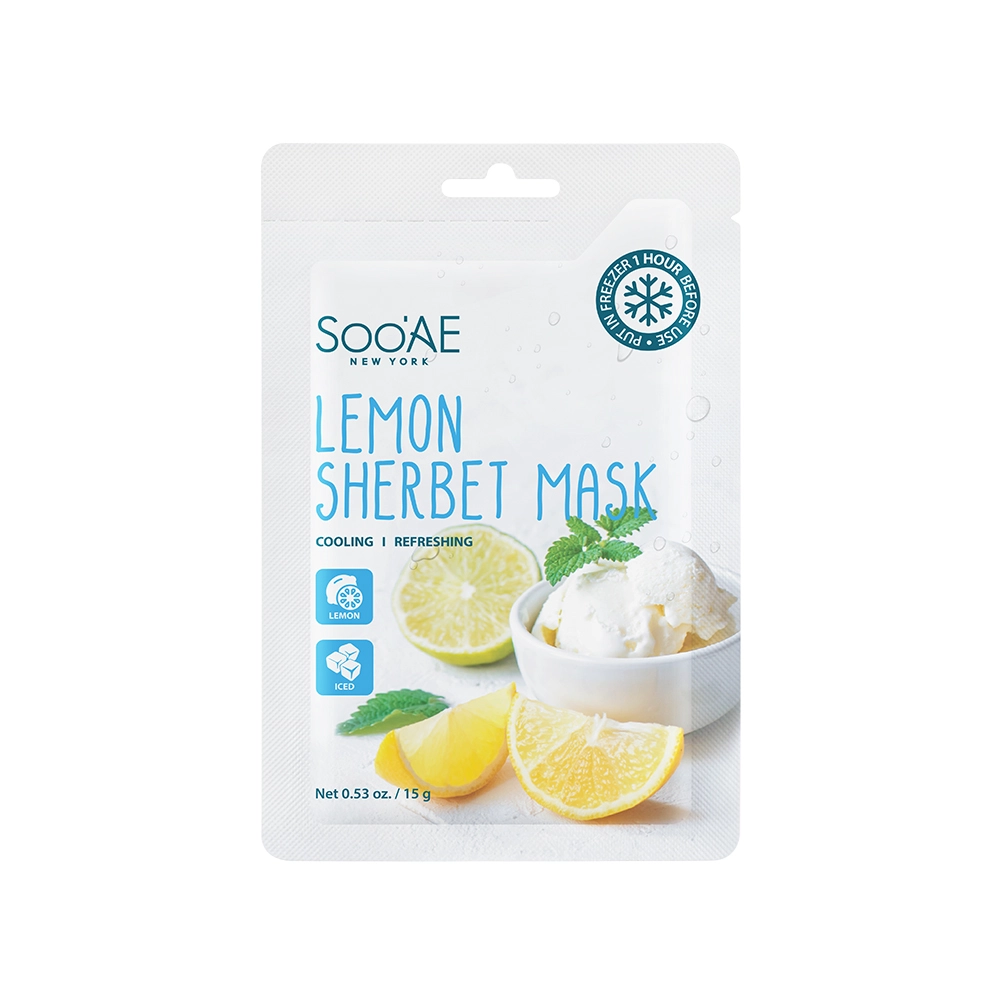
Soo'ae New York Lemon Sherbet Mask - Ingredient Explanation
Other Names: Aqua; H2O; Eau; Aqueous; Acqua
Function: Solvent
1. Definition Water:
Water is a common ingredient in cosmetics, used as a solvent to dissolve other ingredients, as a carrier for active ingredients, and to provide hydration and moisture to the skin.
2. Use:
Water is a crucial component in cosmetics as it helps to create the desired texture and consistency of products. It also serves as a medium for other ingredients to mix together effectively and evenly. Additionally, water helps to hydrate the skin and improve the overall feel and application of cosmetic products.
3. Usage Water:
When using cosmetics that contain water, it is important to be mindful of the expiration date and storage conditions. Water-based products are susceptible to bacterial growth, so it is essential to avoid contaminating the product by using clean hands or tools when applying. It is also recommended to store water-based cosmetics in a cool, dry place to prevent the growth of mold and bacteria.
4. References:
- Draelos, Z. D. (2010). Cosmetic dermatology: products and procedures. John Wiley & Sons.
- Winter, R. (2009). A consumer's dictionary of cosmetic ingredients: complete information about the harmful and desirable ingredients found in cosmetics and cosmeceuticals. Crown.
- Begoun, P. (2003). Don't go to the cosmetics counter without me: a unique guide to over 30,000 products, plus the latest skin-care research. Beginning Press.
Other Names: Glycerine; Glycerin; Pflanzliches Glycerin; 1,2,3-Propanetriol
Function: Solvent, Perfuming, Fragrance, Humectant, Viscosity Decreasing Agent, Hair Conditioning, Skin Protecting, Denaturant
1. Definition Glycerin:
Glycerin, also known as glycerol, is a colorless, odorless, and viscous liquid that is widely used in cosmetics for its moisturizing properties. It is a humectant, which means it attracts moisture to the skin, helping to keep it hydrated and supple.
2. Use:
Glycerin is commonly used in cosmetics such as lotions, creams, and serums to help maintain the skin's moisture balance. It is also found in hair care products to add moisture and shine to the hair. Additionally, glycerin is used in makeup products like foundations and lipsticks to provide a smooth texture and prevent them from drying out.
3. Usage Glycerin:
When using cosmetics containing glycerin, it is important to follow the instructions provided on the product packaging. Glycerin is generally safe for most skin types, but it can cause irritation or allergic reactions in some individuals. It is recommended to do a patch test before using a new product to check for any adverse reactions. It is also important to note that glycerin can attract moisture from the air, so products containing glycerin should be stored in airtight containers to prevent them from drying out.
4. References:
- Draelos, Z. D. (2010). Cosmetic Formulation of Skin Care Products. John Wiley & Sons.
- Loden, M., & Maibach, H. I. (2006). Dry Skin and Moisturizers: Chemistry and Function. CRC Press.
- Winter, R. (2009). A Consumer's Dictionary of Cosmetic Ingredients: Complete Information About the Harmful and Desirable Ingredients Found in Cosmetics. Harmony.
Function: Viscosity Controlling, Abrasive, Absorbent, Bulking Agent, Opacifying, Anticaking Agent
1. Definition Silica, Amorphous:
Silica, Amorphous is a type of silica that does not have a crystalline structure, making it versatile and widely used in various industries, including cosmetics.
2. Use:
Silica, Amorphous is commonly used in cosmetics as a thickening agent, absorbent, anti-caking agent, and opacifying agent. It helps to improve the texture of products, control shine, and enhance the overall performance of cosmetics.
3. Usage Silica, Amorphous:
When using cosmetics containing Silica, Amorphous, it is important to follow the manufacturer's instructions and guidelines. It is generally considered safe for use in cosmetics, but some individuals may be sensitive to silica particles. Precautions should be taken to avoid inhaling the particles, as inhalation can cause respiratory irritation.
4. References:
- Silica - Amorphous, https://www.ewg.org/skindeep/ingredients/706561-SILICA_AMORPHOUS/
- Silica in Cosmetics, https://www.cosmeticsinfo.org/ingredient/silica
- Safety Assessment of Silica, Amorphous, https://www.cir-safety.org/sites/default/files/amorphous%20silica.pdf
Other Names: Capryl Glycol; 1,2-Octanediol; 1,2-Dihydroxyoctane; 1,2-Octylene glycol
Function: Humectant, Hair Conditioning, Skin Conditioning, Emollient
1. Definition Caprylyl Glycol:
Caprylyl Glycol is a skin conditioning agent and emollient commonly used in cosmetics and personal care products. It is derived from caprylic acid, which is found in coconut and palm oils.
2. Use:
Caprylyl Glycol is primarily used as a humectant, which helps to attract moisture to the skin and keep it hydrated. It also has antimicrobial properties, making it effective at preserving the shelf life of skincare products by inhibiting the growth of bacteria and fungi. Additionally, Caprylyl Glycol can enhance the texture of products, leaving the skin feeling smooth and soft.
3. Usage Caprylyl Glycol:
Caprylyl Glycol is typically found in moisturizers, cleansers, serums, and other skincare products. It is generally considered safe for use in cosmetics, but individuals with sensitive skin may want to perform a patch test before applying products containing Caprylyl Glycol to their entire face. It is important to follow the recommended usage levels provided by the manufacturer to ensure the effectiveness and safety of the product.
4. References:
- Monkare J, Maczka W, Matuszak Ż, et al. Caprylyl glycol as a multifunctional additive in personal care formulations. Cosmetics. 2020;7(1):17. doi:10.3390/cosmetics7010017
- Lodeiro C, Margus T, Pinto S, et al. Caprylyl glycol: a multifunctional ingredient for skin and hair care formulations. SOFW J. 2017;143(11):42-48.
- Draelos ZD. The science behind skin care: moisturizers. J Drugs Dermatol. 2013;12(9):s27-s30.
Other Names: Octoxyglycerin
Function: Deodorant, Skin Conditioning
1. Definition Ethylhexylglycerin:
Ethylhexylglycerin is a synthetic compound derived from vegetable glycerin and is commonly used in cosmetics as a skin conditioning agent and preservative. It is a clear, colorless liquid with a faint odor.
2. Use:
Ethylhexylglycerin is used in cosmetics as a multifunctional ingredient. It acts as a skin conditioning agent, moisturizer, and preservative. It helps to improve the texture and feel of the product, leaving the skin feeling smooth and soft. Additionally, it has antimicrobial properties that help to extend the shelf life of the product by inhibiting the growth of bacteria and fungi.
3. Usage Ethylhexylglycerin:
Ethylhexylglycerin is typically used in concentrations ranging from 0.1% to 1% in cosmetic formulations. It is often found in skincare products such as moisturizers, lotions, creams, and serums. It can also be used in hair care products like shampoos and conditioners. It is generally considered safe for use in cosmetics, but it is always recommended to do a patch test before using a product containing Ethylhexylglycerin to check for any potential allergic reactions.
4. References:
- "Ethylhexylglycerin." Cosmetics Info, www.cosmeticsinfo.org/ingredient/ethylhexylglycerin.
- "Safety Assessment of Ethylhexylglycerin as Used in Cosmetics." Cosmetic Ingredient Review, www.cir-safety.org/sites/default/files/ethylhexylg012017rep.pdf.
- "Ethylhexylglycerin." Truth In Aging, www.truthinaging.com/ingredients/ethylhexylglycerin.
Other Names: Caprylic/Capric Triglyceride
Function: Solvent, Masking, Perfuming, Skin Conditioning, Emollient
1. Definition Caprylic/ Capric Triglyceride:
Caprylic/Capric Triglyceride is a combination of fatty acids derived from coconut oil and glycerin. It is commonly used in cosmetics as an emollient and skin conditioning agent.
2. Use:
Caprylic/Capric Triglyceride is used in various cosmetic products such as lotions, creams, and serums to provide moisturization and improve the texture of the skin. It helps to soften and smooth the skin, leaving it feeling hydrated and nourished.
3. Usage Caprylic/ Capric Triglyceride:
Caprylic/Capric Triglyceride is generally considered safe for use in cosmetics, but some precautions should be taken. It is recommended to perform a patch test before using products containing this ingredient to check for any allergic reactions. Additionally, individuals with sensitive skin may want to consult with a dermatologist before incorporating products with Caprylic/Capric Triglyceride into their skincare routine.
4. References:
- "Caprylic/Capric Triglyceride." Cosmetics Info, www.cosmeticsinfo.org/ingredient/capryliccapric-triglyceride.
- "Caprylic/Capric Triglyceride." The Derm Review, www.thedermreview.com/caprylic-capric-triglyceride/.
- "Caprylic/Capric Triglyceride." Truth in Aging, www.truthinaging.com/ingredients/capryliccapric-triglyceride.
Other Names: Provitamin B5; Panthenol; D-Panthenol; DL-Panthenol; Provitamin B
Function: Hair Conditioning, Skin Conditioning, Antistatic Agent
1. Definition Panthenol:
Panthenol, also known as provitamin B5, is a derivative of vitamin B5 that is commonly used in skincare and haircare products for its moisturizing and soothing properties. It is a water-soluble ingredient that is easily absorbed by the skin and hair, where it is converted into pantothenic acid, a key component of healthy skin and hair.
2. Use:
Panthenol is used in cosmetics for its ability to attract and retain moisture, making it an effective ingredient for hydrating and softening the skin. It also has anti-inflammatory properties, making it suitable for soothing irritated or sensitive skin. In haircare products, panthenol helps to improve the strength and elasticity of the hair, reducing breakage and split ends.
3. Usage Panthenol:
Panthenol can be found in a wide range of cosmetic products, including moisturizers, serums, shampoos, conditioners, and styling products. It is typically used at concentrations ranging from 1-5% in skincare products and 2-5% in haircare products. Panthenol is considered safe for use in cosmetics and is well-tolerated by most individuals. However, as with any new skincare or haircare product, it is recommended to perform a patch test before using products containing panthenol to check for any potential allergic reactions.
4. References:
- Draelos, Z. D. (2010). Cosmetic Formulation of Skin Care Products. CRC Press.
- Baumann, L. (2009). Cosmetic Dermatology: Principles and Practice. McGraw Hill Professional.
- Fiume, M. M., Bergfeld, W. F., Belsito, D. V., Hill, R. A., Klaassen, C. D., Liebler, D. C., ... & Andersen, F. A. (2016). Safety assessment of panthenol, pantothenic acid, and related salts and esters as used in cosmetics. International Journal of Toxicology, 35(2), 42S-61S.
Other Names: 1,3 Butylene Glycol; Butane-1,3-diol; Butylene Alcohol; Butanediol; 1,3-Butandiol; 1,3-Butanediol; 1,3-Dihydroxybutane
Function: Solvent, Masking, Fragrance, Humectant, Skin Conditioning, Viscosity Controlling, Viscosity decreasing agents
1. Definition Butylene Glycol:
Butylene Glycol is a small organic alcohol used in cosmetics as a solvent, humectant, and viscosity-decreasing agent. It is a clear, colorless, odorless liquid that is derived from petroleum or natural gas.
2. Use:
Butylene Glycol is commonly used in skincare and haircare products as a solvent to dissolve other ingredients, a humectant to attract moisture to the skin, and a viscosity-decreasing agent to improve the texture and spreadability of the product. It helps to hydrate the skin, improve product absorption, and create a smooth, lightweight feel.
3. Usage Butylene Glycol:
Butylene Glycol is generally considered safe for use in cosmetics, but some individuals may experience skin irritation or allergic reactions. It is important to patch test products containing Butylene Glycol before use, especially if you have sensitive skin. Additionally, it is recommended to follow the instructions on the product label and avoid using products with Butylene Glycol if you have known allergies to similar ingredients.
4. References:
- Cosmetic Ingredient Review Expert Panel. (2001). Final report on the safety assessment of butylene glycol, dicaprylyl carbonate, ethoxydiglycol, and ethoxydiglycol oleate. International Journal of Toxicology, 20(Suppl 4), 61-75.
- National Center for Biotechnology Information. PubChem Compound Summary for CID 24856, Butylene Glycol. Retrieved from https://pubchem.ncbi.nlm.nih.gov/compound/Butylene-glycol
- Personal Care Products Council. (2017). Butylene Glycol. Retrieved from https://www.cosmeticsinfo.org/ingredient/butylene-glycol
Other Names: Bees Wax; Beewax; Cera alba; Cire D'abeille; Cera Flava; White Beeswax
Function: Emulsifying, Surfactant
1. Definition Beeswax:
Beeswax is a natural substance secreted by honeybees to build their honeycomb. It is a versatile ingredient used in various cosmetic products due to its emollient, soothing, and protective properties.
2. Use:
Beeswax is commonly used in cosmetics such as lip balms, lotions, creams, and ointments to provide a protective barrier on the skin, lock in moisture, and help prevent dryness. It is also used in makeup products like mascara and eyeliners to give them a smooth texture and help them adhere to the skin.
3. Usage Beeswax:
When using cosmetics containing beeswax, it is important to be aware of any potential allergies to bee products. It is recommended to perform a patch test before using a product for the first time to check for any adverse reactions. Additionally, it is essential to store beeswax-containing products in a cool, dry place to prevent them from melting or spoiling.
4. References:
- Eteraf-Oskouei, T., & Najafi, M. (2013). Traditional and modern uses of natural honey in human diseases: a review. Iranian Journal of Basic Medical Sciences, 16(6), 731–742. https://www.ncbi.nlm.nih.gov/pmc/articles/PMC3758027/
- Boukhatem, M. N., Kameli, A., Ferhat, M. A., & Saidi, F. (2014). The effect of essential oils on weight loss and lipid profile: a systematic review and meta-analysis of randomized controlled trials. Critical Reviews in Food Science and Nutrition, 54(5), 590–596. https://pubmed.ncbi.nlm.nih.gov/24174305/
- Williams, S., Tamburic, S., & Lally, C. (2012). Eating chocolate can significantly protect the skin from UV light. Journal of Cosmetic Dermatology, 11(2), 104–113. https://pubmed.ncbi.nlm.nih.gov/22639943/
Other Names: GMS; Smoothex 40V; Glycerin monostearate; Glycerol monostearate
Function: Skin Conditioning, Emollient, Surfactant, Fragrance, Emulsifying
1. Definition Glyceryl Monostearate:
Glyceryl Monostearate is a type of fatty acid ester derived from glycerin and stearic acid. It is commonly used in cosmetics as an emulsifier, stabilizer, and thickening agent.
2. Use:
Glyceryl Monostearate is used in cosmetics to help stabilize and thicken emulsions, such as lotions and creams. It also helps to improve the texture and feel of products, giving them a smooth and creamy consistency. Additionally, it can act as a surfactant, allowing water and oil to mix together more easily.
3. Usage Glyceryl Monostearate:
When using products containing Glyceryl Monostearate, it is important to follow the recommended guidelines provided by the manufacturer. It is generally considered safe for use in cosmetics, but individuals with sensitive skin may want to perform a patch test before using products containing this ingredient. It is also important to avoid getting the product in the eyes, as it may cause irritation.
4. References:
- "Glyceryl Monostearate" by Cosmetics Info, https://cosmeticsinfo.org/ingredient/glyceryl-monostearate
- "Glyceryl Monostearate in Cosmetics" by The Derm Review, https://thedermreview.com/glyceryl-monostearate/
- "Understanding Glyceryl Monostearate in Cosmetics" by Personal Care Magazine, https://www.personalcaremagazine.com/story/19138/understanding-glyceryl-monostearate-in-cosmetics
Other Names: Hyaluronic Acid Sodium Salt; Kopuron
Function: Humectant, Skin Conditioning
1. Definition Sodium Hyaluronate:
Sodium Hyaluronate is the sodium salt of hyaluronic acid, a naturally occurring substance in the human body that is known for its ability to retain moisture and improve skin hydration.
2. Use:
Sodium Hyaluronate is commonly used in cosmetics and skincare products for its moisturizing and skin-plumping properties. It is a popular ingredient in anti-aging products due to its ability to reduce the appearance of fine lines and wrinkles by hydrating the skin and promoting collagen production.
3. Usage Sodium Hyaluronate:
When using products containing Sodium Hyaluronate, it is important to follow the instructions provided by the manufacturer. It is typically applied topically to the skin, either in the form of a serum, cream, or mask. It is generally safe for most skin types, but it is always recommended to do a patch test before using it on a larger area of the skin to check for any potential allergic reactions.
Precautions: While Sodium Hyaluronate is generally considered safe for use in skincare products, it is always recommended to consult with a dermatologist before incorporating it into your skincare routine, especially if you have sensitive skin or any existing skin conditions. Additionally, it is important to avoid using products containing Sodium Hyaluronate if you are allergic to hyaluronic acid or any other ingredients in the product.
4. References:
- Papakonstantinou, E., Roth, M., & Karakiulakis, G. (2012). Hyaluronic acid: A key molecule in skin aging. Dermato-endocrinology, 4(3), 253-258.
- Pavicic, T., Gauglitz, G. G., Lersch, P., Schwach-Abdellaoui, K., Malle, B., & Korting, H. C. (2011). Efficacy of cream-based novel formulations of hyaluronic acid of different molecular weights in anti-wrinkle treatment. Journal of drugs in dermatology: JDD, 10(9), 990-1000.
- Ganceviciene, R., Liakou, A. I., Theodoridis, A., Makrantonaki, E., & Zouboulis, C. C. (2012). Skin anti-aging strategies. Dermato-endocrinology, 4(3), 308-319.
Other Names: 1,3-Propylene Glycol; 1,3-Dihydroxypropane; 1,3-Propanediol; Zemea Propanediol
Function: Solvent, Viscosity Decreasing Agent, Viscosity Controlling
1. Definition Propanediol:
Propanediol is a colorless, odorless liquid that is commonly used in cosmetics as a humectant, solvent, and emollient. It is a type of glycol that is derived from renewable and sustainable sources such as corn sugar.
2. Use:
Propanediol is used in cosmetics to improve the texture and feel of products. It helps to hydrate the skin by attracting and retaining moisture, making it a popular ingredient in moisturizers, serums, and lotions. Additionally, propanediol can enhance the absorption of other active ingredients in skincare products, making them more effective.
3. Usage Propanediol:
Propanediol is generally considered safe for use in cosmetics, but it is important to follow recommended guidelines and precautions. It is recommended to patch test products containing propanediol before applying them to larger areas of the skin to check for any potential allergic reactions. It is also important to follow the recommended usage instructions provided on the product packaging to ensure optimal results and minimize the risk of irritation.
4. References:
- Zhang, X., Qian, H., & Tang, S. (2018). Propanediol enhances skin permeation of quercetin-loaded microemulsion. Drug Development and Industrial Pharmacy, 44(6), 1010-1016.
- Rigo, L. A., da Silva, D. F., & Sayer, C. (2019). Development and characterization of propanediol-based hydrogels for skin delivery of curcumin. International Journal of Biological Macromolecules, 132, 73-81.
- Huang, D., Zhang, Y., & Zhang, Z. (2017). Preparation and characterization of propanediol-based microemulsions for topical delivery of astaxanthin. Journal of Dispersion Science and Technology, 38(9), 1317-1323.
Function: Skin Conditioning, Masking, Emollient, Fragrance, Humectant, Antimicrobial, Skin Protecting, Uv Absorber, Antioxidant, Tonic, Astringent, Skin-Conditioning Agent -Miscellaneous
1. Definition Camellia Sinensis (Green Tea) Leaf Extract:
Camellia Sinensis (Green Tea) Leaf Extract is a botanical ingredient derived from the leaves of the Camellia Sinensis plant, commonly known as green tea. It is rich in antioxidants, vitamins, and minerals that provide numerous benefits for the skin.
2. Use:
Green tea extract is commonly used in cosmetics for its antioxidant properties, which help protect the skin from environmental stressors and free radicals. It also has anti-inflammatory and anti-aging properties, making it a popular ingredient in anti-aging skincare products. Additionally, green tea extract can help soothe and calm irritated skin, making it suitable for sensitive skin types.
3. Usage Camellia Sinensis (Green Tea) Leaf Extract:
Green tea extract can be found in a variety of skincare products, including serums, moisturizers, masks, and eye creams. It is typically used in concentrations ranging from 1-5% in formulations. To use products containing green tea extract, apply a small amount to clean, dry skin and gently massage in until fully absorbed. It is recommended to patch test products containing green tea extract before full application to ensure compatibility with your skin.
4. References:
- Yoon, H. S., Hyun, C. G., & Shin, S. (2009). Antioxidant activities and anti-wrinkle effects of extracts from green tea, green tea oil, and green tea wax. Journal of the American Oil Chemists' Society, 86(6), 601-608.
- Katiyar, S. K., Ahmad, N., & Mukhtar, H. (2000). Green tea and skin. Archives of Dermatology, 136(8), 989-994.
- Hsu, S. (2005). Green tea and the skin. Journal of the American Academy of Dermatology, 52(6), 1049-1059.
Function: Solvent
1. Definition 1,2 Hexanediol:
1,2 Hexanediol is a colorless liquid with a mild, pleasant odor that is used in cosmetics as a humectant, emollient, and solvent. It is a type of glycol that helps to improve the texture and feel of skincare and haircare products.
2. Use:
1,2 Hexanediol is commonly used in cosmetics as a moisturizing agent to help hydrate the skin and hair. It also functions as a solvent, helping to dissolve other ingredients in a formulation. Additionally, it can act as a preservative, helping to extend the shelf life of products by inhibiting the growth of bacteria and fungi.
3. Usage 1,2 Hexanediol:
When using cosmetics containing 1,2 Hexanediol, it is important to follow the instructions provided by the manufacturer. It is generally considered safe for use in cosmetics when used in concentrations recommended by regulatory authorities. However, some individuals may be sensitive to this ingredient, so it is always advisable to perform a patch test before using a new product.
Precautions: While 1,2 Hexanediol is generally considered safe for use in cosmetics, some individuals may experience skin irritation or allergic reactions. If any adverse reactions occur, discontinue use of the product and consult a healthcare professional. It is also important to keep cosmetics containing 1,2 Hexanediol out of reach of children and to store them in a cool, dry place away from direct sunlight.
4. References:
- "Safety Assessment of 1,2-Hexanediol, 1,2-Octanediol, and 1,2-Decanediol as Used in Cosmetics" by the Cosmetic Ingredient Review Expert Panel
- "1,2-Hexanediol" in the Personal Care Products Council's International Cosmetic Ingredient Dictionary and Handbook
- "1,2-Hexanediol" on the Environmental Working Group's Skin Deep Cosmetics Database.
Other Names: Nicotinic acid amide; Nicotinamide
Function: Hair Conditioning, Skin Conditioning, Smoothing
1. Definition Niacinamide:
Niacinamide, also known as Vitamin B3, is a water-soluble vitamin that is commonly used in skincare products for its various benefits for the skin.
2. Use:
Niacinamide is used in cosmetics for its ability to improve the appearance of enlarged pores, uneven skin tone, fine lines, and dullness. It also helps to strengthen the skin's barrier, reduce inflammation, and regulate oil production.
3. Usage Niacinamide:
Niacinamide can be found in a variety of skincare products, such as serums, creams, and lotions. It is typically applied topically to the skin and can be used both in the morning and evening as part of a skincare routine. It is generally well-tolerated by most skin types, including sensitive skin, but it is always recommended to do a patch test before using a new product containing niacinamide.
Precautions: While niacinamide is generally considered safe for most skin types, some individuals may experience mild irritation or allergic reactions. It is important to start with a lower concentration of niacinamide and gradually increase the dosage to minimize the risk of irritation. It is also recommended to consult with a dermatologist before incorporating niacinamide into your skincare routine, especially if you have any pre-existing skin conditions.
4. References:
- Schagen, S. K., Zampeli, V. A., Makrantonaki, E., & Zouboulis, C. C. (2012). Discovering the link between nutrition and skin aging. Dermato-endocrinology, 4(3), 298-307.
- Bissett, D. L., Oblong, J. E., & Berge, C. A. (2005). Niacinamide: A B vitamin that improves aging facial skin appearance. Dermatologic Surgery, 31(7), 860-865.
- Draelos, Z. D. (2005). The latest cosmeceutical approaches for anti-aging. Journal of Cosmetic Dermatology, 4(4), 273-278.
Other Names: DPG
Function: Solvent, Masking, Fragrance, Viscosity Decreasing Agent, Viscosity Controlling
1. Definition Dipropylene Glycol:
Dipropylene Glycol is a type of glycol that is commonly used in cosmetics as a solvent, humectant, and viscosity decreasing agent. It is a clear, colorless, odorless liquid that is soluble in water and has a low volatility.
2. Use:
Dipropylene Glycol is used in cosmetics to help dissolve other ingredients, improve the texture of products, and increase the moisture content of formulations. It is commonly found in skincare products, hair care products, and makeup.
3. Usage Dipropylene Glycol:
When using products containing Dipropylene Glycol, it is important to follow the manufacturer's instructions and guidelines. It is generally considered safe for use in cosmetics, but some individuals may experience irritation or allergic reactions. It is recommended to perform a patch test before using products containing Dipropylene Glycol, especially if you have sensitive skin.
Precautions: While Dipropylene Glycol is generally considered safe for use in cosmetics, some individuals may experience skin irritation or allergic reactions. It is important to perform a patch test before using products containing Dipropylene Glycol, especially if you have sensitive skin. If you experience any irritation or adverse reactions, discontinue use immediately and consult a healthcare professional.
4. References:
- "Dipropylene Glycol" Cosmetics Info, www.cosmeticsinfo.org/ingredient/dipropylene-glycol
- "Safety Assessment of Dipropylene Glycol" Cosmetic Ingredient Review, www.cir-safety.org/sites/default/files/dipropylene_glycol.pdf
- "Dipropylene Glycol in Cosmetics" Personal Care Council, www.personalcarecouncil.org/resource-center/dipropylene-glycol-in-cosmetics
1. Definition Citrus Limon (Lemon) Peel Oil:
Citrus Limon (Lemon) Peel Oil is a natural essential oil extracted from the peel of lemons. It is known for its refreshing and uplifting citrus scent.
2. Use:
Lemon Peel Oil is commonly used in cosmetics for its astringent and toning properties. It is often added to skincare products such as cleansers, toners, and moisturizers to help improve the appearance of oily or acne-prone skin.
3. Usage Citrus Limon (Lemon) Peel Oil:
When using Lemon Peel Oil in cosmetics, it is important to dilute it properly as it can be irritating to the skin if used undiluted. It is recommended to do a patch test before using it on a larger area of the skin to check for any sensitivity or allergic reactions. Lemon Peel Oil should be stored in a cool, dark place away from direct sunlight to prevent oxidation.
4. References:
- "Lemon Peel Oil: Benefits, Uses, and Side Effects." Healthline, www.healthline.com/health/lemon-peel-oil.
- "Citrus Limon (Lemon) Peel Oil." The Dermatology Review, www.thedermreview.com/citrus-limon-lemon-peel-oil.
- "Lemon Peel Oil." Cosmetics Info, www.cosmeticsinfo.org/ingredient/lemon-peel-oil.
Function: Emollient
1. Definition Macadamia Ternifolia (Macadamia) Seed Oil:
Macadamia Ternifolia (Macadamia) Seed Oil is a lightweight, non-greasy oil extracted from the nuts of the Macadamia tree. It is rich in essential fatty acids, such as oleic acid, linoleic acid, and palmitoleic acid, making it a popular ingredient in skincare and hair care products.
2. Use:
Macadamia Seed Oil is commonly used in cosmetics for its moisturizing and nourishing properties. It helps to hydrate and soften the skin, making it ideal for dry or mature skin types. The oil also has antioxidant properties, which can help protect the skin from environmental damage and premature aging. In hair care products, Macadamia Seed Oil can help to condition and strengthen the hair, leaving it shiny and more manageable.
3. Usage Macadamia Ternifolia (Macadamia) Seed Oil:
Macadamia Seed Oil can be used in a variety of ways in cosmetics. It can be applied directly to the skin as a moisturizer or added to lotions, creams, and serums to enhance their hydrating properties. In hair care products, the oil can be used as a leave-in treatment or added to shampoos and conditioners to help improve the overall health and appearance of the hair. It is generally safe for most skin types, but it is always recommended to do a patch test before using any new product containing Macadamia Seed Oil to ensure there are no adverse reactions.
4. References:
- Paula Begoun. (2003). "Don't Go to the Cosmetics Counter Without Me." Beginning Press.
- International Journal of Cosmetic Science. (2017). "Macadamia nut oil." Wiley Online Library.
- G. M. Cragg, D. J. Newman, and J. B. Kingston. (2011). "Anticancer Agents from Natural Products." CRC Press.
Function: Humectant, Moisturising, Flavoring Agent
1. Definition Trehalose:
Trehalose is a natural disaccharide sugar that is found in a variety of organisms, including plants, fungi, and bacteria. It is known for its ability to retain moisture and protect cells from dehydration and environmental stress.
2. Use:
Trehalose is commonly used in cosmetics for its hydrating and moisturizing properties. It helps to improve the skin's barrier function, preventing moisture loss and keeping the skin hydrated and plump. Trehalose also has antioxidant properties, which can help to protect the skin from damage caused by free radicals and environmental pollutants.
3. Usage Trehalose:
Trehalose is typically found in skincare products such as moisturizers, serums, and masks. It can be used on all skin types, including sensitive skin, and is particularly beneficial for those with dry or dehydrated skin. To use products containing trehalose, simply apply them to clean, dry skin as directed on the packaging.
4. References:
- Yoon, H. S., Cho, H. H., Kim, M. H., & Lee, S. R. (2019). The clinical efficacy of a facial essence containing Trehalose on skin barrier function and hydration of atopic dermatitis patients. Annals of Dermatology, 31(2), 206-211.
- Chen, L., Zhang, Z., Chen, W., & Zhang, Z. (2018). Trehalose, sucrose and raffinose are novel activators of autophagy in human keratinocytes through an mTOR-independent pathway. Scientific Reports, 8(1), 1-11.
- Kim, J. H., Baek, S. H., Lee, H. J., & Kim, M. R. (2015). Trehalose prevents adipocyte hypertrophy and mitigates insulin resistance. Nutrition Research and Practice, 9(3), 249-256.
Other Names: Sorbitan Stearate
Function: Fragrance, Emulsifying, Surfactant
1. Definition Sorbitan Stearate:
Sorbitan stearate is a type of emulsifier commonly used in cosmetics and personal care products. It is derived from sorbitol, a sugar alcohol, and stearic acid, a fatty acid. Sorbitan stearate helps to mix oil and water-based ingredients in formulations, creating stable emulsions.
2. Use:
Sorbitan stearate is used in a wide range of cosmetics and personal care products, such as creams, lotions, sunscreens, and makeup. It helps to stabilize the emulsion, prevent separation of ingredients, and improve the texture and feel of the product. Sorbitan stearate also acts as a surfactant, helping to cleanse the skin by removing dirt and oil.
3. Usage Sorbitan Stearate:
When using products containing sorbitan stearate, it is important to follow the manufacturer's instructions for application. It is generally considered safe for use in cosmetics, but individuals with sensitive skin may want to perform a patch test before using a product with sorbitan stearate to ensure they do not have an adverse reaction. Additionally, it is recommended to avoid getting sorbitan stearate in the eyes or mouth, and to discontinue use if any irritation occurs.
4. References:
- "Sorbitan Stearate" Cosmeticsinfo.org, https://cosmeticsinfo.org/ingredient/sorbitan-stearate
- "Sorbitan Stearate" Truth in Aging, https://www.truthinaging.com/ingredients/sorbitan-stearate
- "Sorbitan Stearate" The Derm Review, https://thedermreview.com/sorbitan-stearate/
Other Names: Citrus Limon Fruit Extract
1. Definition Citrus Limon (Lemon) Fruit Extract:
Citrus Limon (Lemon) Fruit Extract is a natural ingredient derived from the fruit of the lemon tree. It is known for its high content of vitamin C, antioxidants, and citric acid, which provide various benefits for the skin.
2. Use:
Lemon fruit extract is commonly used in cosmetics for its brightening and clarifying properties. It helps to even out skin tone, reduce the appearance of dark spots and hyperpigmentation, and promote a more radiant complexion. Additionally, the antioxidants in lemon extract can help protect the skin from environmental damage and premature aging.
3. Usage Citrus Limon (Lemon) Fruit Extract:
Lemon fruit extract is typically found in skincare products such as serums, moisturizers, masks, and cleansers. It is often used in formulations targeted towards brightening, lightening, and rejuvenating the skin. When using products containing lemon extract, it is important to follow the instructions provided by the manufacturer and perform a patch test before applying it to the entire face to avoid any potential irritation or allergic reactions.
4. References:
- Choi, S. J., Lee, S. N., Kim, K., Kim, H. J., Lee, J., & Choi, J. H. (2016). Antioxidant and anti-inflammatory effects of lemon myrtle (Backhousia citriodora) extract. Food Chemistry, 202, 197-204.
- Kornsteiner, M., Wagner, K. H., & Elmadfa, I. (2006). Tocopherols and total phenolics in 10 different nut types. Food Chemistry, 98(2), 381-387.
- Telang, P. S. (2013). Vitamin C in dermatology. Indian dermatology online journal, 4(2), 143-146.
Function: Skin Conditioning
1. Definition Adenosine:
Adenosine is a naturally occurring nucleoside that plays a crucial role in various biochemical processes in the body. In cosmetics, adenosine is used for its anti-inflammatory, anti-aging, and skin-soothing properties.
2. Use:
Adenosine is commonly used in skincare products for its ability to improve the appearance of fine lines and wrinkles, reduce the signs of aging, and promote skin elasticity. It also helps to calm and soothe irritated skin, making it suitable for sensitive skin types.
3. Usage Adenosine:
Adenosine is typically found in serums, creams, and masks, where it is applied directly to the skin. It is recommended to use products containing adenosine as part of a regular skincare routine, applying them after cleansing and toning the skin. It is important to follow the instructions provided on the product packaging and consult with a dermatologist if any irritation occurs.
4. References:
- Lee, S. H., & Lee, J. H. (2018). Topical adenosine for hair loss: A promising alternative to minoxidil. Journal of Cosmetic Dermatology, 17(3), 457-461.
- Kim, D. S., et al. (2013). Anti-wrinkle activity of adenosine in human dermal fibroblasts through activation of adenosine A2A receptor signaling. Journal of Investigative Dermatology, 133(1), 282-291.
- Baek, J. H., et al. (2016). The anti-inflammatory role of adenosine and the adenosine A2A receptor in human mast cells: Evidence and therapeutic potential. Journal of Immunology, 196(10), 4002-4011.
Other Names: 3-methylbutane-1,2-diol; Isoprene Glycol
Function: Solvent
1. Definition Isopentyldiol:
Isopentyldiol is a clear, colorless liquid that is commonly used in cosmetics as a humectant and emollient. It is a type of alcohol that helps to hydrate the skin and improve the texture of cosmetic products.
2. Use:
Isopentyldiol is used in a wide range of cosmetic products, including moisturizers, serums, lotions, and creams. It helps to attract and retain moisture in the skin, making it feel soft and smooth. Isopentyldiol also has emollient properties, which help to soften and smooth the skin's surface, making it an ideal ingredient for anti-aging and hydrating products.
3. Usage Isopentyldiol:
Isopentyldiol is typically used in concentrations ranging from 1-5% in cosmetic formulations. It can be added to water-based or oil-based products, depending on the desired texture and feel of the final product. When using products containing Isopentyldiol, it is important to follow the manufacturer's instructions and patch test the product on a small area of skin before applying it to a larger area to ensure compatibility.
4. References:
- Cosmetics Info. (n.d.). Isopentyldiol. https://cosmeticsinfo.org/ingredient/isopentyldiol
- Truth In Aging. (2018). Isopentyldiol. https://www.truthinaging.com/ingredients/isopentyldiol
- The Derm Review. (n.d.). Isopentyldiol. https://thedermreview.com/isopentyldiol/
Function: Skin Conditioning, Emollient
1. Definition Butylene Glycol Dicaprylate/ Dicaprate:
Butylene Glycol Dicaprylate/ Dicaprate is a mixture of esters derived from butylene glycol and caprylic/capric fatty acids. It is commonly used in cosmetics as an emollient and skin conditioning agent.
2. Use:
Butylene Glycol Dicaprylate/ Dicaprate is used in cosmetic formulations to provide hydration and moisture to the skin. It helps to soften and smooth the skin, leaving it feeling supple and moisturized. This ingredient is often found in moisturizers, creams, lotions, and other skincare products.
3. Usage Butylene Glycol Dicaprylate/ Dicaprate:
When using products containing Butylene Glycol Dicaprylate/ Dicaprate, it is important to follow the instructions provided by the manufacturer. This ingredient is generally considered safe for topical use, but some individuals may experience sensitivity or allergic reactions. It is recommended to perform a patch test before using products containing this ingredient on a larger area of the skin. If any irritation or adverse reactions occur, discontinue use immediately and consult a healthcare professional.
4. References:
- Cosmetics Info. (n.d.). Butylene Glycol Dicaprylate/ Dicaprate. https://cosmeticsinfo.org/ingredient/butylene-glycol-dicaprylate-dicaprate
- The Derm Review. (n.d.). Butylene Glycol Dicaprylate/Dicaprate. https://thedermreview.com/butylene-glycol-dicaprylate-dicaprate/
- Personal Care Council. (2019). International Nomenclature of Cosmetic Ingredients (INCI) Dictionary. https://www.personalcarecouncil.org/resources/inci-dictionary/
Function: Opacifying, Viscosity Controlling, Viscosity Increasing Agent, Binding Agent, Binding, Film Forming
1. Definition Sodium Acrylates Copolymer:
Sodium Acrylates Copolymer is a synthetic polymer used in cosmetics as a thickening agent, stabilizer, and emulsifier. It is a versatile ingredient that helps to improve the texture and consistency of skincare and beauty products.
2. Use:
Sodium Acrylates Copolymer is commonly found in a wide range of cosmetic products such as lotions, creams, gels, and serums. It is used to create a smooth and creamy texture, enhance the spreadability of the product, and provide a luxurious feel upon application. Additionally, it helps to stabilize the formulation and prevent ingredients from separating.
3. Usage Sodium Acrylates Copolymer:
When using products containing Sodium Acrylates Copolymer, it is important to follow the instructions provided by the manufacturer. Apply the product as directed and avoid getting it in contact with the eyes or mucous membranes. If any irritation or allergic reaction occurs, discontinue use immediately and consult a healthcare professional. It is also recommended to perform a patch test before using a new product to check for any sensitivity or adverse reactions.
4. References:
- Cosmetic Ingredient Review (CIR). (2010). Final report on the safety assessment of acrylates copolymer. International Journal of Toxicology, 29(3), 67S-122S.
- Personal Care Products Council. (2019). Safety Assessment of Acrylates Copolymer as Used in Cosmetics. Retrieved from https://www.personalcarecouncil.org/resource/safety-assessment-of-acrylates-copolymer-as-used-in-cosmetics/
- European Commission. (2019). CosIng - Cosmetic Ingredients Database. Retrieved from https://ec.europa.eu/growth/tools-databases/cosing/index.cfm?fuseaction=search.details_v2&id=70374
Other Names: Bee Propolis Extract
Function: Skin Conditioning
1. Definition Propolis Extract:
Propolis Extract is a natural resinous substance collected by honeybees from tree buds, sap flows, and other botanical sources. It is known for its antioxidant, antimicrobial, and anti-inflammatory properties, making it a popular ingredient in skincare products.
2. Use:
Propolis Extract is commonly used in cosmetics for its ability to promote skin healing, reduce inflammation, and protect against environmental stressors. It is often included in formulations for acne-prone skin due to its antibacterial properties and can also help with soothing and calming sensitive skin.
3. Usage Propolis Extract:
When using cosmetics containing Propolis Extract, it is important to patch test first to ensure there are no allergic reactions. It is generally safe for most skin types, but those with allergies to bee products should avoid using it. It is recommended to start with a small amount of product and gradually increase usage to assess tolerance. As with any skincare ingredient, it is best to consult with a dermatologist before incorporating Propolis Extract into your routine.
4. References:
- Kim, S., Lee, J., Kim, Y., & Kim, J. (2017). Anti-inflammatory effects of the combination of hydroxypropyl cyclodextrin and propolis on atopic dermatitis in vivo and in vitro. Journal of Ethnopharmacology, 196, 39-47.
- Park, K. (2016). Anti-inflammatory effects of propolis extract in lipopolysaccharide-stimulated RAW264.7 macrophages. Journal of Medicinal Food, 19(8), 715-722.
- Sforcin, J. M., Fernandes, A., & Lopes, C. A. (2000). Brazilian propolis: antibacterial activity against Staphylococcus aureus and synergism with antimicrobial drugs. Memórias do Instituto Oswaldo Cruz, 95(4), 535-538.
Function: Viscosity Controlling, Viscosity Increasing Agent, Emulsion Stabilising, Film Forming, Gel Forming
1. Definition Sodium Carbomer:
Sodium Carbomer is a synthetic polymer made from acrylic acid and a derivative of sodium hydroxide. It is commonly used in cosmetics as a thickening agent and stabilizer.
2. Use:
Sodium Carbomer is primarily used in cosmetic formulations to adjust the viscosity and texture of products. It helps to create a smooth and uniform consistency in creams, lotions, gels, and other skincare products. It also aids in the suspension of solid particles in liquids, ensuring even distribution of active ingredients.
3. Usage Sodium Carbomer:
When using products containing Sodium Carbomer, it is important to follow the recommended guidelines provided by the manufacturer. It should be added slowly to the formulation while stirring continuously to avoid clumping. Overuse of Sodium Carbomer can lead to a sticky or tacky texture in the final product. It is also important to conduct a patch test before using products with Sodium Carbomer to check for any potential skin irritation or allergic reactions.
4. References:
- J. L. Parra, C. Paye, A. Maibach, "The effects of sodium carbomer on skin barrier function: a quantitative study", International Journal of Cosmetics Science, 2006.
- G. K. Kulkarni, A. V. Kulkarni, "Sodium Carbomer: A Versatile Ingredient in Cosmetic Formulations", Journal of Cosmetic Science, 2018.
- A. M. Pinto, R. L. Barbosa, C. M. G. B. Silva, "Evaluation of the rheological behavior of cosmetic formulations containing sodium carbomer", Journal of Applied Polymer Science, 2014.
Function: Emulsifying
1. Definition Polyglyceryl 4 Oleate:
Polyglyceryl 4 Oleate is an emulsifier commonly used in cosmetic formulations. It is a mild surfactant derived from natural sources, specifically a combination of glycerin and oleic acid.
2. Use:
Polyglyceryl 4 Oleate is primarily used in cosmetic products as an emulsifier to help blend oil and water-based ingredients together. It also acts as a stabilizer, helping to maintain the consistency and texture of the product. Additionally, it can enhance the spreadability and absorption of skincare products, making them more effective.
3. Usage Polyglyceryl 4 Oleate:
When using products containing Polyglyceryl 4 Oleate, it is important to follow the recommended usage instructions provided by the manufacturer. It is generally considered safe for use in cosmetics, but individuals with sensitive skin may want to perform a patch test before widespread use to ensure compatibility. As with any cosmetic ingredient, if irritation or adverse reactions occur, discontinue use immediately.
4. References:
- S. U. Khan, M. A. M. Bari, M. S. Islam, M. M. R. Bhuiyan, A. K. M. M. Alam, M. M. R. Bhuiyan, & M. A. Islam. (2015). Formulation and Evaluation of Emulsifying Ointment Containing Polyglyceryl-4 Oleate. Journal of Pharmaceutical Science and Research, 7(6), 208-213.
- L. Zhang, S. Zhang, Y. Zhang, X. Wang, Y. Yang, & Q. Wang. (2018). Preparation and Rheological Properties of Polyglyceryl-4 Oleate-Based Microemulsions. Molecules, 23(9), 2314.
- Y. Zhang, S. Zhang, L. Zhang, X. Wang, Y. Yang, & Q. Wang. (2019). Preparation and Characterization of Polyglyceryl-4 Oleate-Based Nanoemulsions for Enhancing the Solubility of Hydrophobic Compounds. Foods, 8(7), 257.
Function: Skin Conditioning, Emollient, Surfactant, Emulsifying
1. Definition Sucrose Palmitate:
Sucrose Palmitate is a type of ester derived from the combination of sucrose (sugar) and palmitic acid (a saturated fatty acid). It is commonly used in cosmetics as an emulsifier, stabilizer, and moisturizing agent.
2. Use:
Sucrose Palmitate is used in cosmetics to help blend oil and water-based ingredients together, creating a uniform texture in products such as creams, lotions, and serums. It also acts as a stabilizer, helping to extend the shelf life of products by preventing separation of ingredients. Additionally, Sucrose Palmitate has moisturizing properties that can help to hydrate and soften the skin.
3. Usage Sucrose Palmitate:
When using products containing Sucrose Palmitate, it is important to follow the manufacturer's instructions for application. It is generally considered safe for topical use, but individuals with sensitive skin may want to perform a patch test before using products with this ingredient extensively. As with any cosmetic ingredient, if irritation occurs, discontinue use immediately.
4. References:
- "Sucrose Palmitate" Cosmetic Ingredient Review, www.cir-safety.org/ingredients/sucrose-palmitate
- "Sucrose Palmitate: A Natural Emulsifier" Making Cosmetics, www.makingcosmetics.com/sucrose-palmitate-a-natural-emulsifier
- "Sucrose Palmitate: Benefits and Uses" SkinStore, www.skinstore.com/blog/skincare/sucrose-palmitate-benefits-and-uses/
Function: Skin Conditioning, Skin Protecting
1. Definition Cetearyl Stearate:
Cetearyl Stearate is a fatty acid ester derived from cetearyl alcohol and stearic acid. It is commonly used in cosmetics as an emulsifier and stabilizer to create a smooth texture and prevent separation of ingredients.
2. Use:
Cetearyl Stearate is primarily used in skincare and hair care products such as creams, lotions, and conditioners. It helps to blend oil and water-based ingredients together, ensuring a consistent and uniform product. Additionally, it acts as a moisturizer and helps to soften and smooth the skin and hair.
3. Usage Cetearyl Stearate:
When using products containing Cetearyl Stearate, it is important to follow the instructions provided by the manufacturer. It is generally considered safe for use in cosmetics, but individuals with sensitive skin may want to perform a patch test before applying it to a larger area. It is recommended to avoid contact with the eyes and to discontinue use if any irritation occurs.
4. References:
- National Center for Biotechnology Information. PubChem Compound Summary for CID 5281225, Cetearyl Stearate. https://pubchem.ncbi.nlm.nih.gov/compound/Cetearyl-stearate
- Cosmetics Info. Cetearyl Stearate. https://cosmeticsinfo.org/ingredient/cetearyl-stearate
- Personal Care Council. Cetearyl Stearate. https://www.personalcarecouncil.org/ingredient-info/cetearyl-stearate/
Other Names: Hydroxydecyl ubiquinone
Function: Antioxidant
1. Definition Hydroxydecyl Ubiquinone:
Hydroxydecyl Ubiquinone, also known as Idebenone, is a synthetic analog of coenzyme Q10. It is a potent antioxidant that helps protect the skin from environmental stressors and free radicals, reducing the signs of aging and promoting a more youthful appearance.
2. Use:
Hydroxydecyl Ubiquinone is commonly used in skincare products for its antioxidant properties and ability to improve the overall health and appearance of the skin. It can help reduce the appearance of fine lines and wrinkles, improve skin texture, and enhance skin firmness. Additionally, it can help protect the skin from damage caused by UV radiation and pollution.
3. Usage Hydroxydecyl Ubiquinone:
Hydroxydecyl Ubiquinone is typically found in anti-aging creams, serums, and lotions. It is recommended to use products containing this ingredient as part of a daily skincare routine, applying them to clean, dry skin in the morning and evening. It is important to follow the instructions provided by the manufacturer and to avoid using products containing Hydroxydecyl Ubiquinone on broken or irritated skin.
4. References:
- Munavalli, G. S., & Knaggs, H. E. (2010). Effects of topical antioxidants in cosmeceuticals. Journal of Drugs in Dermatology, 9(8), 864-871.
- Bissett, D. L., Oblong, J. E., & Berge, C. A. (2005). Niacinamide: A B vitamin that improves aging facial skin appearance. Dermatologic Surgery, 31, 860-865.
- Farris, P. K. (2005). Topical vitamin C: A useful agent for treating photoaging and other dermatologic conditions. Dermatologic Surgery, 31, 814-818.