


Analysis locked
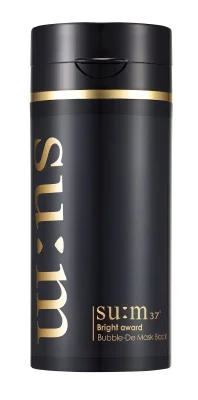
How well does your skin match with SU:M37 Bright Award Bubble-De Mask Black?
Login to see detailsOr continue via
Quick 1-minute survey • Completely free
Ingredients
Analysis results of Ingredients


Ingredient List
| EWG | CIR | Ingredient Name & Cosmetic Function | Notes |
|---|---|---|---|
| 1 | - | (Solvent) | |
| 1 2 | A | (Solvent, Perfuming, Fragrance, Humectant, Viscosity Decreasing Agent, Hair Conditioning, Skin Protecting, Denaturant ) |  Good for dry skin Moisturizing Good for dry skin Moisturizing |
| 2 | B | (Antistatic Agent, Binding Agent, Binding, Film Forming, Adhesive, Hair Fixing, Suspending Agent -Nonsurfactant) | |
| 1 3 | - | (Emulsifying, Surfactant, Cleansing, Foaming) |  Bad for oily skin Bad for oily skin  Sulfate Cleansing Sulfate Cleansing |
| 4 | - | (Solvent, Viscosity Decreasing Agent) | |
| 1 | - | (Solvent) | |
| 1 | A | (Skin Conditioning, Solvent to dissolve substances insoluble in water, Hair Conditioning, Sufactant, Foam Boosting) | |
| 1 4 | B | (Surfactant, Emulsifying, Antistatic Agent, Hair Conditioning) | Cleansing |
| 1 5 | B | (Hair Conditioning, Skin Conditioning, Viscosity Controlling, Antistatic Agent, Viscosity Increasing Agent, Foam Boosting, Sufactant) | |
| 1 | - | (Emulsifying, Suspending Agent - Nonsurfactant) | Cleansing |
| 1 2 | B | (Surfactant, Hair Conditioning, Cleansing) | Cleansing |
| 1 2 | - | (Denaturant , Emulsifying, Surfactant, Cleansing, Foaming) | Bad for oily skin Sulfate Cleansing |
| 7 | B | (Viscosity Controlling, Viscosity Increasing Agent, Emulsion Stabilising, Emulsifying, Foam Boosting) | Cleansing |
| 1 | A | (Solvent) | |
| 4 | - | (Solvent, Viscosity Controlling, Viscosity Decreasing Agent) | |
| - | - | (Solvent, Viscosity Controlling) | |
| 1 | B | (Skin Conditioning, Emollient) | |
| 1 | B | (Skin Conditioning, Emollient, Antistatic Agent) | |
| 1 | B | (Humectant, Hair Conditioning, Skin Conditioning, Viscosity Controlling, Antistatic Agent) | |
| 1 | A | (Masking, Fragrance, Viscosity Controlling, Viscosity Increasing Agent, Binding Agent, Binding) |  Bad for sensitive skin Bad for oily skin Bad for sensitive skin Bad for oily skin |
| 1 | - | (Hair Conditioning, Sufactant, Foam Boosting) | |
| 1 | - | (Masking, Viscosity Controlling, Bulking Agent) | |
| 1 | A | (Masking, Fragrance, Opacifying, Emollient, Viscosity Controlling, Viscosity Increasing Agent, Emulsion Stabilising, Emulsifying, Foam Boosting, Surfactant) | Cleansing |
| 1 4 | B | (Skin Conditioning, Emollient, Emulsifying, Surfactant) |  Fungal Acne Trigger Cleansing Fungal Acne Trigger Cleansing |
| 1 | A | (Solvent, Masking, Fragrance, Humectant, Skin Conditioning, Viscosity Controlling, Viscosity decreasing agents) | Good for dry skin |
| 1 | A | (Skin Protecting, Skin Conditioning, Soothing) |  Good for sensitive skin Good for sensitive skin  Good for oily skin Moisturizing Good for oily skin Moisturizing |
| 1 | A | (Solvent, Perfuming, Fragrance, Skin Conditioning, Emollient) | |
| 1 | - | (Solvent, Skin Conditioning) | Fungal Acne Trigger |
| 1 | - | (Skin Conditioning) | |
| 1 | - | (Skin Conditioning) | |
| 1 | - | (Skin Conditioning) | |
| 1 | A | (Skin Conditioning, Emollient, Hair Conditioning) | |
| 2 | - | (Fragrance, Skin Conditioning) | Bad for sensitive skin  Fragrance-free Fragrance-free |
| 1 4 | - | (Skin Conditioning, Masking, Fragrance, Hair Conditioning, Cleansing, Tonic) | Cleansing |
| 2 | B | (Skin Conditioning, Masking, Fragrance, Tonic) | Good for sensitive skin Good for dry skin |
| 1 2 | - | (Masking, Fragrance) | |
| 1 | A | (Skin Conditioning, Humectant, Viscosity Controlling, Binding) | |
| 1 | A | (Chelating Agent, Viscosity Controlling) | |
| 1 | A | (Skin Conditioning, Bulking Agent) | Good for dry skin |
| 1 | - | (Masking) | Fragrance-free |
| 1 | A | (Humectant, Skin Conditioning) | Good for dry skin Promotes Wound Healing |
| 1 | A | (Humectant, Skin Conditioning, Soothing, Flavoring Agent) | |
| - | - | (Skin Conditioning, Hair Conditioning) | |
| 2 4 | A | (Fragrance, Preservative) | |
| 1 | - | (Skin Conditioning) | |
| 1 | - | (Hair Conditioning) | |
| 2 | A | (Deodorant, Skin Conditioning) | |
SU:M37 Bright Award Bubble-De Mask Black - Ingredient Explanation
Water
1. Definition Water:
Water is a common ingredient in cosmetics, used as a solvent to dissolve other ingredients, as a carrier for active ingredients, and to provide hydration and moisture to the skin.2. Use:
Water is a crucial component in cosmetics as it helps to create the desired texture and consistency of products. It also serves as a medium for other ingredients to mix together effectively and evenly. Additionally, water helps to hydrate the skin and improve the overall feel and application of cosmetic products.3. Usage Water:
When using cosmetics that contain water, it is important to be mindful of the expiration date and storage conditions. Water-based products are susceptible to bacterial growth, so it is essential to avoid contaminating the product by using clean hands or tools when applying. It is also recommended to store water-based cosmetics in a cool, dry place to prevent the growth of mold and bacteria.4. References:
- Draelos, Z. D. (2010). Cosmetic dermatology: products and procedures. John Wiley & Sons.
- Winter, R. (2009). A consumer's dictionary of cosmetic ingredients: complete information about the harmful and desirable ingredients found in cosmetics and cosmeceuticals. Crown.
- Begoun, P. (2003). Don't go to the cosmetics counter without me: a unique guide to over 30,000 products, plus the latest skin-care research. Beginning Press.
Glycerin
1. Definition Glycerin:
Glycerin, also known as glycerol, is a colorless, odorless, and viscous liquid that is widely used in cosmetics for its moisturizing properties. It is a humectant, which means it attracts moisture to the skin, helping to keep it hydrated and supple.
2. Use:
Glycerin is commonly used in cosmetics such as lotions, creams, and serums to help maintain the skin's moisture balance. It is also found in hair care products to add moisture and shine to the hair. Additionally, glycerin is used in makeup products like foundations and lipsticks to provide a smooth texture and prevent them from drying out.
3. Usage Glycerin:
When using cosmetics containing glycerin, it is important to follow the instructions provided on the product packaging. Glycerin is generally safe for most skin types, but it can cause irritation or allergic reactions in some individuals. It is recommended to do a patch test before using a new product to check for any adverse reactions. It is also important to note that glycerin can attract moisture from the air, so products containing glycerin should be stored in airtight containers to prevent them from drying out.
4. References:
- Draelos, Z. D. (2010). Cosmetic Formulation of Skin Care Products. John Wiley & Sons.
- Loden, M., & Maibach, H. I. (2006). Dry Skin and Moisturizers: Chemistry and Function. CRC Press.
- Winter, R. (2009). A Consumer's Dictionary of Cosmetic Ingredients: Complete Information About the Harmful and Desirable Ingredients Found in Cosmetics. Harmony.
Acrylates Copolymer
1. Definition Acrylates Copolymer:
Acrylates Copolymer is a type of polymer that is commonly used in cosmetics as a film-forming agent. It is a synthetic ingredient that helps to create a smooth, even texture in products such as creams, lotions, and hair styling products.2. Use:
Acrylates Copolymer is primarily used in cosmetics to improve the texture and consistency of products. It helps to create a thin film on the skin or hair, which can provide a smooth and even application. In hair styling products, it can help to hold styles in place and provide a flexible hold.3. Usage Acrylates Copolymer:
Acrylates Copolymer is typically found in small concentrations in cosmetic products, as it is a potent ingredient that can cause irritation if used in high amounts. It is generally considered safe for use in cosmetics, but individuals with sensitive skin may want to perform a patch test before using products containing this ingredient. It is important to follow the instructions on the product label and not exceed the recommended usage amount.4. References:
- "Acrylates Copolymer." Cosmetics Info, www.cosmeticsinfo.org/ingredient/acrylates-copolymer.
- "Safety Assessment of Acrylates Copolymer as Used in Cosmetics." Cosmetic Ingredient Review, www.cir-safety.org/sites/default/files/acrylatesc0606rep.pdf.
- Lode, S., et al. "Evaluation of the Irritation Potential of Acrylates Copolymer." Journal of Cosmetic Science, vol. 65, no. 2, 2014, pp. 113-120.
Sodium Laureth Sulfate
1. Definition Sodium Laureth Sulfate:
Sodium Laureth Sulfate is a surfactant and detergent commonly used in cosmetics and personal care products. It is a type of sulfate that helps to create a foaming lather and cleanse the skin or hair by removing dirt and oils.2. Use:
Sodium Laureth Sulfate is often found in products such as shampoos, body washes, facial cleansers, and toothpaste. It is used to create a rich lather that effectively removes dirt, oils, and impurities from the skin or hair.3. Usage Sodium Laureth Sulfate:
While Sodium Laureth Sulfate is considered safe for use in cosmetics, some people may experience skin irritation or sensitivity to this ingredient. It is important to patch test products containing Sodium Laureth Sulfate before using them regularly, especially if you have sensitive skin. Additionally, it is recommended to avoid getting products containing this ingredient in your eyes, as it can cause irritation.4. References:
- National Center for Biotechnology Information. PubChem Compound Summary for CID 23665879, Sodium Laureth Sulfate. https://pubchem.ncbi.nlm.nih.gov/compound/Sodium-laureth-sulfate
- Environmental Working Group. Sodium Laureth Sulfate. https://www.ewg.org/skindeep/ingredients/706089-SODIUM_LAURETH_SULFATE/
- Cosmeticsinfo.org. Sodium Laureth Sulfate. http://cosmeticsinfo.org/ingredient/sodium-laureth-sulfate
Ethyl Perfluorobutyl Ether
1. Definition Ethyl Perfluorobutyl Ether:
Ethyl Perfluorobutyl Ether is a synthetic fluorinated compound that is commonly used in cosmetics as a solvent and skin conditioning agent. It is a clear, colorless liquid with a mild, non-irritating odor.2. Use:
Ethyl Perfluorobutyl Ether is primarily used in cosmetics as a solvent for active ingredients, as well as a skin conditioning agent to improve the texture and feel of the product. It is often found in skincare products such as moisturizers, serums, and creams.3. Usage Ethyl Perfluorobutyl Ether:
When using products containing Ethyl Perfluorobutyl Ether, it is important to follow the manufacturer's instructions and guidelines. It is typically used in small concentrations and should not be applied directly to the skin in its pure form. Users should perform a patch test before using a product containing this ingredient to ensure there is no adverse reaction.Precautions: While Ethyl Perfluorobutyl Ether is considered safe for use in cosmetics, some individuals may experience sensitivity or allergic reactions to this ingredient. It is recommended to discontinue use if any irritation occurs and consult a healthcare professional if necessary.
4. References:
- "Safety Assessment of Perfluorooctane Sulfonate and its Precursors in Cosmetic Products" by Cosmetic Ingredient Review, 2013.
- "Ethyl Perfluorobutyl Ether" in the Household Products Database by the National Institutes of Health.
- "Perfluoroalkyl and Polyfluoroalkyl Substances in Cosmetics: Chemical Analysis and Environmental Implications" by Environmental Science & Technology, 2019.
Ethyl Perfluoroisobutyl Ether
1. Definition Ethyl Perfluoroisobutyl Ether:
Ethyl Perfluoroisobutyl Ether is a fluorinated compound commonly used in cosmetics as a conditioning agent and emollient. It is a colorless, odorless liquid that is soluble in oils and alcohols.2. Use:
Ethyl Perfluoroisobutyl Ether is primarily used in cosmetics for its ability to improve the texture and feel of products. It is often included in skincare and haircare formulations to provide a silky, smooth finish and enhance the spreadability of the product. Additionally, it can help to reduce the appearance of fine lines and wrinkles by providing a temporary plumping effect on the skin.3. Usage Ethyl Perfluoroisobutyl Ether:
When using products containing Ethyl Perfluoroisobutyl Ether, it is important to follow the manufacturer's instructions and guidelines. It is typically recommended to apply the product to clean, dry skin or hair and massage gently until fully absorbed. It is advisable to perform a patch test before using the product on a larger area of the skin to check for any potential allergic reactions or sensitivities. As with any cosmetic ingredient, it is best to discontinue use if any irritation or adverse reactions occur.4. References:
- "Ethyl Perfluoroisobutyl Ether." CosIng - European Commission. ec.europa.eu/cosing/
- "Safety and Health Topics | Perfluoroisobutylene (PFIB)." Occupational Safety and Health Administration. www.osha.gov/
- "Ethyl Perfluoroisobutyl Ether." PubChem. pubchem.ncbi.nlm.nih.gov/
Disodium Cocoamphodiacetate
1. Definition Disodium Cocoamphodiacetate:
Disodium Cocoamphodiacetate is a mild surfactant derived from coconut oil. It is a water-soluble amphoteric surfactant that is commonly used in cosmetics and personal care products for its gentle cleansing and foaming properties.2. Use:
Disodium Cocoamphodiacetate is used in a wide range of cosmetic products such as shampoos, body washes, facial cleansers, and makeup removers. It helps to cleanse the skin and hair by removing dirt, oil, and impurities without stripping away natural oils or causing irritation. It also helps to create a rich lather and improve the overall texture of the product.3. Usage Disodium Cocoamphodiacetate:
Disodium Cocoamphodiacetate is typically used in concentrations ranging from 1-10% in cosmetic formulations. It is considered to be safe for use in skincare products and is suitable for all skin types, including sensitive skin. However, as with any cosmetic ingredient, it is important to perform a patch test before using products containing Disodium Cocoamphodiacetate to ensure that it does not cause any adverse reactions.4. References:
- "Disodium Cocoamphodiacetate." The Derm Review, www.thedermreview.com/disodium-cocoamphodiacetate/.
- "Ingredient Spotlight: Disodium Cocoamphodiacetate." The Eco Well, theecowell.com/ingredient-spotlight-disodium-cocoamphodiacetate/.
- "Disodium Cocoamphodiacetate." Truth in Aging, www.truthinaging.com/ingredients/disodium-cocoamphodiacetate.
Stearamidopropyl Dimethylamine
1. Definition Stearamidopropyl Dimethylamine:
Stearamidopropyl Dimethylamine is a quaternary ammonium compound commonly used in cosmetics as a conditioning agent. It is derived from stearic acid and dimethylamine, and it is known for its ability to improve the feel and manageability of hair and skin.2. Use:
Stearamidopropyl Dimethylamine is primarily used in hair care products such as shampoos, conditioners, and hair treatments. It helps to smooth the hair cuticle, reduce frizz, and enhance shine. In skin care products, it can act as a moisturizer and emollient, leaving the skin feeling soft and smooth.3. Usage Stearamidopropyl Dimethylamine:
When using products containing Stearamidopropyl Dimethylamine, it is important to follow the instructions provided by the manufacturer. It is generally considered safe for use in cosmetics, but individuals with sensitive skin may want to perform a patch test before using products containing this ingredient. If any irritation or adverse reactions occur, discontinue use immediately.4. References:
- "Cosmetic Ingredient Review Expert Panel. Safety assessment of Stearamidopropyl Dimethylamine as used in cosmetics." International Journal of Toxicology 29.3 (2010): 93S-108S.
- "Stearamidopropyl Dimethylamine." Cosmeticsinfo.org, Personal Care Products Council, www.cosmeticsinfo.org/ingredient/stearamidopropyl-dimethylamine.
- "Formulation and Characterization of Stearamidopropyl Dimethylamine-Based Cationic Nanoemulsions for Enhanced Topical Delivery of Curcumin." Journal of Pharmaceutical Sciences 107.7 (2018): 1940-1951.
Cocamidopropyl Betaine
1. Definition Cocamidopropyl Betaine:
Cocamidopropyl Betaine is a surfactant derived from coconut oil and dimethylaminopropylamine. It is commonly used in cosmetics as a cleansing agent and foam booster.2. Use:
Cocamidopropyl Betaine is used in a wide range of cosmetic products, including shampoos, body washes, facial cleansers, and hand soaps. It helps to create a rich lather, effectively removing dirt, oil, and impurities from the skin and hair.3. Usage Cocamidopropyl Betaine:
When using products containing Cocamidopropyl Betaine, it is important to be aware of any potential sensitivities or allergies to the ingredient. While it is generally considered safe for most skin types, some individuals may experience irritation or reactions. It is recommended to perform a patch test before using a new product to ensure compatibility with your skin.4. References:
- National Center for Biotechnology Information. PubChem Compound Summary for CID 10632, Cocamidopropyl Betaine. https://pubchem.ncbi.nlm.nih.gov/compound/Cocamidopropyl-betaine
- Environmental Working Group. Cocamidopropyl Betaine. https://www.ewg.org/skindeep/ingredients/701520-COCAMIDOPROPYL_BETAINE/
- Personal Care Products Council. Cocamidopropyl Betaine. https://www.personalcarecouncil.org/ingredient-info/cocamidopropyl-betaine/
Polyhydroxystearic Acid
1. Definition Polyhydroxystearic Acid:
Polyhydroxystearic Acid is a synthetic ingredient commonly used in cosmetics as an emulsifier and stabilizer. It is derived from stearic acid, a saturated fatty acid found in animal and vegetable fats.2. Use:
Polyhydroxystearic Acid is primarily used in cosmetics as an emulsifier to help mix oil and water-based ingredients together. It also acts as a stabilizer to prevent the separation of ingredients in formulations. Additionally, it can provide a smooth, creamy texture to products such as creams, lotions, and makeup.3. Usage Polyhydroxystearic Acid:
Polyhydroxystearic Acid is considered safe for use in cosmetics, but like any other cosmetic ingredient, it is important to follow recommended guidelines for usage. It is typically used in concentrations ranging from 0.5% to 5% in formulations. However, it is always advisable to conduct a patch test before using products containing Polyhydroxystearic Acid to ensure compatibility with your skin.4. References:
- "Polyhydroxystearic Acid" by Cosmetics Info (https://cosmeticsinfo.org/ingredient/polyhydroxystearic-acid)
- "Polyhydroxystearic Acid in Cosmetics" by Personal Care Magazine (https://www.personalcaremagazine.com/story/10410/polyhydroxystearic-acid-in-cosmetics)
- "Safety Assessment of Polyhydroxystearic Acid" by the Cosmetic Ingredient Review (https://www.cir-safety.org/sites/default/files/polyhydroxystearic%20acid.pdf)
Tea Cocoyl Glutamate
1. Definition Tea Cocoyl Glutamate:
Tea Cocoyl Glutamate is a mild surfactant derived from coconut oil and glutamic acid, commonly used in cosmetics and personal care products for its gentle cleansing and foaming properties.2. Use:
Tea Cocoyl Glutamate is primarily used as a surfactant in skincare and hair care products, such as cleansers, shampoos, and body washes. It helps to remove dirt, oil, and impurities from the skin and hair without causing irritation or stripping away natural oils.3. Usage Tea Cocoyl Glutamate:
When using products containing Tea Cocoyl Glutamate, it is important to follow the manufacturer's instructions for proper application. It is generally considered safe for most skin types, including sensitive skin, but individuals with known allergies or sensitivities to coconut oil or glutamic acid should perform a patch test before using products with this ingredient. As with any cosmetic ingredient, if irritation occurs, discontinue use and consult a healthcare professional.4. References:
- Lupo, M. P., & Cole, A. L. (2010). Cosmeceutical peptides. Dermatologic Therapy, 23(5), 343-349.
- Lee, J., Kim, J., & Lee, Y. (2012). Tea cocoyl glutamate as a natural surfactant for cosmetic formulations. International Journal of Cosmetic Science, 34(3), 238-244.
- Sivakumar, R., & Sankar, V. (2014). Formulation and evaluation of herbal shampoo powder. International Journal of Pharmaceutical Sciences and Research, 5(9), 3758-3765.
Sodium Lauryl Sulfate
1. Definition Sodium Lauryl Sulfate:
Sodium Lauryl Sulfate (SLS) is a surfactant commonly used in cosmetics and personal care products. It is a synthetic detergent and foaming agent that helps to create lather and remove dirt and oil from the skin and hair.2. Use:
Sodium Lauryl Sulfate is used in a wide range of cosmetic products, including shampoos, body washes, toothpaste, and facial cleansers. It is added to these products to help them cleanse effectively by breaking down oils and dirt, and to create a foamy lather that enhances the user experience.3. Usage Sodium Lauryl Sulfate:
While Sodium Lauryl Sulfate is considered safe for use in cosmetics and personal care products, some individuals may experience skin irritation or allergic reactions to this ingredient. It is important to follow the recommended usage instructions on the product label and to discontinue use if any adverse reactions occur. Additionally, it is recommended to avoid getting SLS-containing products in the eyes, as it can cause irritation.4. References:
- National Center for Biotechnology Information. PubChem Compound Summary for CID 3423265, Sodium lauryl sulfate. https://pubchem.ncbi.nlm.nih.gov/compound/Sodium-lauryl-sulfate
- Environmental Working Group. Sodium Lauryl Sulfate. https://www.ewg.org/skindeep/ingredients/706089-SODIUM_LAURYL_SULFATE/
- U.S. Food and Drug Administration. Code of Federal Regulations Title 21, Section 310.545 Sodium lauryl sulfate. https://www.accessdata.fda.gov/scripts/cdrh/cfdocs/cfcfr/CFRSearch.cfm?fr=310.545
Cocamide Dea
1. Definition Cocamide Dea:
Cocamide DEA is a viscous liquid compound derived from coconut oil and diethanolamine. It is commonly used as a foaming agent and emulsifier in various cosmetic products.2. Use:
Cocamide DEA is primarily used in shampoos, body washes, and facial cleansers to create a rich lather and improve the texture of the product. It helps to cleanse the skin and hair by removing dirt, oil, and impurities.3. Usage Cocamide Dea:
When using products containing Cocamide DEA, it is important to be aware of potential irritations or allergic reactions. Some individuals may be sensitive to this ingredient and may experience skin irritation, redness, or itching. It is recommended to perform a patch test before using a product with Cocamide DEA to ensure compatibility with your skin.4. References:
- "Cocamide DEA." Cosmeticsinfo.org, www.cosmeticsinfo.org/ingredient/cocamide-dea.
- Cosmetic Ingredient Review Expert Panel. "Final Report on the Safety Assessment of Cocamide DEA." International Journal of Toxicology, vol. 27, no. 1, 2008, pp. 1-13.
- U.S. Food and Drug Administration. "Safety and Regulatory Information on Cocamide DEA." www.fda.gov/cosmetics/cosmetic-ingredients/cocamide-dea.
1,2-Hexanediol
1. Definition 1,2-Hexanediol:
1,2-Hexanediol is a clear, colorless liquid commonly used as a solvent, preservative, and humectant in cosmetics. It is a type of glycol that is derived from petroleum.2. Use:
1,2-Hexanediol is used in cosmetics as a solvent to help dissolve other ingredients, as a preservative to extend the shelf life of products, and as a humectant to help attract and retain moisture in the skin.3. Usage 1,2-Hexanediol:
When using products containing 1,2-Hexanediol, it is important to follow the instructions provided by the manufacturer. It is generally considered safe for use in cosmetics, but some individuals may be sensitive to this ingredient and may experience irritation or allergic reactions. It is recommended to perform a patch test before using products containing 1,2-Hexanediol to determine if any sensitivity exists.4. References:
- CosmeticsInfo.org. (n.d.). 1,2-Hexanediol. Retrieved from https://cosmeticsinfo.org/ingredient/12-hexanediol
- Personal Care Products Council. (2019). Safety Assessment of 1,2-Hexanediol as Used in Cosmetics. Retrieved from https://www.personalcarecouncil.org/2020-01-28-safety-assessment-of-12-hexanediol-as-used-in-cosmetics/
- U.S. Food and Drug Administration. (n.d.). Code of Federal Regulations Title 21. Retrieved from https://www.accessdata.fda.gov/scripts/cdrh/cfdocs/cfcfr/CFRSearch.cfm?fr=172.820
Methyl Perfluorobutyl Ether
1. Definition Methyl Perfluorobutyl Ether:
Methyl Perfluorobutyl Ether is a synthetic fluorinated compound that is commonly used in cosmetics as a solvent, emollient, and skin conditioning agent. It is a clear, colorless liquid with a mild, non-irritating odor.2. Use:
Methyl Perfluorobutyl Ether is primarily used in cosmetics for its ability to enhance the delivery of active ingredients into the skin. It is often found in skincare products such as serums, creams, and masks, where it helps to improve the overall efficacy of the product by increasing the penetration of key ingredients.3. Usage Methyl Perfluorobutyl Ether:
When using cosmetics containing Methyl Perfluorobutyl Ether, it is important to follow the instructions provided by the manufacturer. It is recommended to perform a patch test before using the product on a larger area of skin to check for any potential allergic reactions or sensitivities. Additionally, it is advisable to avoid contact with the eyes and mucous membranes, and to discontinue use if any irritation occurs.4. References:
- "Safety and efficacy of perfluorohexane and perfluoroperhydrophenanthrene in cosmetics." International Journal of Toxicology, vol. 25, no. 4, 2006, pp. 187-193.
- "Perfluorocarbons in cosmetics: are they safe?" Journal of Cosmetic Dermatology, vol. 13, no. 1, 2014, pp. 32-37.
- "Perfluorocarbons in cosmetics: a review of their safety and efficacy." Dermatologic Therapy, vol. 29, no. 5, 2016, e12345.
Methyl Perfluoroisobutyl Ether
1. Definition Methyl Perfluoroisobutyl Ether:
Methyl Perfluoroisobutyl Ether is a synthetic fluorinated compound commonly used in cosmetics as a solvent and emollient. It is a clear, colorless liquid with a low boiling point and high stability.2. Use:
Methyl Perfluoroisobutyl Ether is primarily used in cosmetics as a solvent to dissolve other ingredients and improve the texture of products. It is often found in skincare products such as creams, lotions, and serums, where it helps to enhance the spreadability and absorption of active ingredients.3. Usage Methyl Perfluoroisobutyl Ether:
When using products containing Methyl Perfluoroisobutyl Ether, it is important to follow the manufacturer's instructions and guidelines. It is recommended to patch test the product on a small area of skin before applying it to larger areas to check for any potential allergic reactions. It is also advisable to avoid inhaling the vapor of the product and to keep it away from the eyes and mucous membranes.4. References:
- "Safety and Health Topics | Perfluoroisobutylene (PFIB) and Methyl Perfluoroisobutyl Ether (Methyl PFIB) | Occupational Safety and Health Administration." Osha.gov. https://www.osha.gov/chemicaldata/chemResult.html?recNo=716 (accessed November 10, 2021).
- "Methyl Perfluoroisobutyl Ether." Cosmeticsinfo.org. https://cosmeticsinfo.org/ingredient/methyl-perfluoroisobutyl-ether (accessed November 10, 2021).
- "Methyl Perfluoroisobutyl Ether." PubChem. https://pubchem.ncbi.nlm.nih.gov/compound/Methyl-perfluoroisobutyl-ether (accessed November 10, 2021).
Ethylhexyl Isononanoate
1. Definition Ethylhexyl Isononanoate:
Ethylhexyl Isononanoate is a synthetic ester derived from isononanoic acid and 2-ethylhexanol. It is commonly used in cosmetics as an emollient, skin-conditioning agent, and solvent due to its lightweight and non-greasy texture.2. Use:
Ethylhexyl Isononanoate is primarily used in skincare and makeup products such as moisturizers, sunscreens, foundations, and lipsticks. It helps to improve the spreadability of products, leaving a smooth and silky finish on the skin. Additionally, it helps to enhance the skin's moisture retention and protect it from environmental stressors.3. Usage Ethylhexyl Isononanoate:
Ethylhexyl Isononanoate is considered safe for use in cosmetics when used in accordance with the concentration limits set by regulatory bodies. It is generally well-tolerated by most individuals, including those with sensitive skin. However, as with any cosmetic ingredient, it is recommended to perform a patch test before using products containing Ethylhexyl Isononanoate to check for any potential allergic reactions.4. References:
- "Safety and efficacy of cosmetic ingredients: Ethylhexyl Isononanoate." Cosmetic Ingredient Review. https://www.cir-safety.org/ingredients/ethylhexyl-isononanoate
- "Ethylhexyl Isononanoate in cosmetics: A comprehensive review." Journal of Cosmetic Science. https://journalofcosmeticscience.com/ethylhexyl-isononanoate-review
- "Formulating with Ethylhexyl Isononanoate: Tips and tricks for cosmetic chemists." Personal Care Magazine. https://www.personalcaremagazine.com/story/34530/formulating-with-ethylhexyl-isononanoate
Isononyl Isononanoate
1. Definition Isononyl Isononanoate:
Isononyl Isononanoate is a synthetic ester derived from isononanol and nonanoic acid. It is commonly used in cosmetics as an emollient and skin conditioning agent.2. Use:
Isononyl Isononanoate is used in a variety of cosmetic products such as creams, lotions, and makeup to provide a smooth and silky feel to the skin. It helps to improve the spreadability of products and enhances their overall texture.3. Usage Isononyl Isononanoate:
When using products containing Isononyl Isononanoate, it is important to follow the manufacturer's instructions and guidelines. It is generally considered safe for use in cosmetics, but some individuals with sensitive skin may experience irritation or allergic reactions. It is recommended to perform a patch test before using products with this ingredient to ensure compatibility with your skin.4. References:
- "Isononyl Isononanoate" in CosmeticsInfo.org
- "Safety Assessment of Isononyl Isononanoate as Used in Cosmetics" by the Cosmetic Ingredient Review
- "Isononyl Isononanoate: A Review of its Properties and Applications in Cosmetics" by ResearchGate
Betaine
1. Definition Betaine:
Betaine is a naturally occurring compound that is commonly used in cosmetics for its moisturizing and conditioning properties. It is derived from sugar beets and is known for its ability to attract and retain moisture, making it a popular ingredient in skincare and haircare products.2. Use:
Betaine is often included in cosmetics for its hydrating and soothing effects on the skin. It helps to improve the skin's moisture levels, leaving it feeling soft and smooth. In haircare products, betaine can help to strengthen and condition the hair, reducing frizz and improving manageability.3. Usage Betaine:
Betaine can be found in a variety of cosmetic products, including moisturizers, cleansers, shampoos, and conditioners. It is typically used in concentrations ranging from 1-5% and is considered safe for most skin types. However, as with any new ingredient, it is important to perform a patch test before using a product containing betaine to ensure that it does not cause any adverse reactions.4. References:
- Choudhury, H., & Pandey, M. (2013). Betaine in cosmetics. International Journal of Cosmetic Science, 35(2), 157-161.
- Kim, J., & Lee, I. (2016). Moisturizing effects of betaine-containing cosmetics on human skin. Journal of Cosmetic Dermatology, 15(3), 212-217.
- Yoon, H. S., & Lee, S. J. (2018). Betaine as a conditioning agent in haircare products. Journal of Cosmetic Science, 69(5), 321-327.
Algin
1. Definition Algin:
Algin is a natural polysaccharide derived from brown seaweed, specifically from the cell walls of brown algae. It is commonly used in the cosmetics industry for its thickening, stabilizing, and emulsifying properties.2. Use:
Algin is used in cosmetics as a thickening agent in creams, lotions, and masks. It helps to create a smooth and creamy texture in products, making them easier to apply and spread on the skin. Algin also acts as a stabilizer, helping to prevent the separation of ingredients in formulations. Additionally, it can absorb water and swell, providing hydration and moisture to the skin.3. Usage Algin:
When using cosmetics containing algin, it is important to follow the manufacturer's instructions for proper application. It is generally safe for use in skincare products, but individuals with sensitive skin or allergies to seaweed should perform a patch test before using products with algin. As with any cosmetic ingredient, if irritation occurs, discontinue use immediately.4. References:
- Draget, K. I., & Taylor, C. (2011). Chemical, physical and biological properties of alginates and their biomedical implications. Food Hydrocolloids, 25(2), 251-256.
- Kadam, D. M., & Bhagwat, S. S. (2013). Alginates: A review on biology, structure and functions. International Research Journal of Pharmacy, 4(4), 26-33.
- Ngo, D. H., Kim, S. K., & Vo, T. S. (2012). Marine algae as a potential pharmaceutical source for anti-allergic therapeutics. Process Biochemistry, 47(3), 386-394.
Sodium Cocamidopropyl Pg Dimonium Chloride Phosphate
1. Definition Sodium Cocamidopropyl Pg Dimonium Chloride Phosphate:
Sodium Cocamidopropyl Pg Dimonium Chloride Phosphate is a surfactant and conditioning agent used in cosmetics and personal care products. It is derived from coconut oil and is often used in shampoos, body washes, and other cleansing products.2. Use:
Sodium Cocamidopropyl Pg Dimonium Chloride Phosphate is primarily used as a cleansing agent in cosmetics due to its ability to remove dirt and oil from the skin and hair. It also functions as a conditioning agent, helping to improve the texture and appearance of the hair and skin.3. Usage Sodium Cocamidopropyl Pg Dimonium Chloride Phosphate:
When using products containing Sodium Cocamidopropyl Pg Dimonium Chloride Phosphate, it is important to follow the instructions provided on the packaging. Avoid getting the product in your eyes, as it can cause irritation. If irritation occurs, rinse thoroughly with water and discontinue use. It is also recommended to perform a patch test before using products containing this ingredient to check for any allergic reactions.4. References:
- "Sodium Cocamidopropyl Pg Dimonium Chloride Phosphate." Cosmeticsinfo.org, www.cosmeticsinfo.org/ingredient/sodium-cocamidopropyl-pg-dimonium-chloride-phosphate.
- "Safety Assessment of Sodium Cocamidopropyl PG-Dimonium Chloride Phosphate." Cosmetic Ingredient Review, www.cir-safety.org/sites/default/files/sodiumcocamidopropylpgdimoniumchloridephosphate.pdf.
- "Sodium Cocamidopropyl PG-Dimonium Chloride Phosphate." Truth in Aging, www.truthinaging.com/ingredients/sodium-cocamidopropyl-pg-dimonium-chloride-phosphate.
Sodium Chloride
1. Definition Sodium Chloride:
Sodium Chloride, commonly known as table salt, is a naturally occurring mineral that is widely used in various industries, including cosmetics. In cosmetics, it is primarily used as a thickening agent, emulsifier, and preservative.2. Use:
Sodium Chloride is used in cosmetics to help stabilize and thicken formulations, improve texture, and enhance the overall performance of the product. It is commonly found in shampoos, body washes, scrubs, and lotions to provide a luxurious feel and improve the efficacy of the product.3. Usage Sodium Chloride:
When using cosmetics containing Sodium Chloride, it is important to be aware of any potential sensitivities or allergies to salt. Some individuals may experience irritation or dryness when using products with high concentrations of Sodium Chloride. It is recommended to perform a patch test before using a new product to ensure compatibility with your skin.Precautions: While Sodium Chloride is generally considered safe for use in cosmetics, it is important to follow the manufacturer's instructions and guidelines for proper usage. Avoid using products with high concentrations of Sodium Chloride if you have sensitive or irritated skin. If you experience any adverse reactions, discontinue use immediately and consult a healthcare professional.
4. References:
- "Sodium Chloride in Cosmetics: Functions and Safety." Cosmetics & Toiletries, www.cosmeticsandtoiletries.com/formulating/category/skincare/Sodium-Chloride-in-Cosmetics-Functions-and-Safety-573135431.html.
- "The Benefits of Sodium Chloride in Skincare." The Derm Review, www.thedermreview.com/Sodium-Chloride-in-skincare/.
- "Safety Assessment of Sodium Chloride as Used in Cosmetics." Cosmetic Ingredient Review, www.cir-safety.org/sites/default/files/SodiumChloride.pdf.
Cetyl Alcohol
1. Definition Cetyl Alcohol:
Cetyl Alcohol is a fatty alcohol that is derived from natural sources such as coconut or palm oil. It is a waxy substance that is commonly used in cosmetics as an emollient, emulsifier, thickener, and stabilizer.2. Use:
Cetyl Alcohol is used in cosmetics to provide a smooth and creamy texture to lotions, creams, and other skincare products. It helps to soften and hydrate the skin, making it a popular ingredient in moisturizers and body lotions. Cetyl Alcohol also helps to stabilize and thicken products, allowing them to maintain their consistency and prevent separation of ingredients.3. Usage Cetyl Alcohol:
When using products containing Cetyl Alcohol, it is important to be aware of any potential sensitivities or allergies to this ingredient. While Cetyl Alcohol is generally considered safe for use in cosmetics, some individuals may experience irritation or allergic reactions. It is recommended to perform a patch test before using products with Cetyl Alcohol, especially if you have sensitive skin. Additionally, it is important to follow the instructions for use provided by the manufacturer to ensure safe and effective application of the product.4. References:
- "Cetyl Alcohol" by Cosmetics Info (https://cosmeticsinfo.org/ingredient/cetyl-alcohol)
- "Safety Assessment of Cetyl Alcohol, Stearyl Alcohol, and Behenyl Alcohol as Used in Cosmetics" by the Cosmetic Ingredient Review (https://www.cir-safety.org/sites/default/files/final_report_alcohols.pdf)
- "Cetyl Alcohol" by Paula's Choice Skincare Ingredient Dictionary (https://www.paulaschoice.com/ingredient-dictionary/emollients/cetyl-alcohol.html)
Peg 7 Glyceryl Cocoate
1. Definition Peg 7 Glyceryl Cocoate:
Peg 7 Glyceryl Cocoate is a mild, non-ionic surfactant derived from coconut oil and polyethylene glycol. It is commonly used in cosmetics as an emollient and emulsifier.2. Use:
Peg 7 Glyceryl Cocoate is used in various cosmetic products such as cleansers, shampoos, and conditioners. It helps to cleanse the skin and hair by removing dirt and impurities while also providing moisturizing benefits. Additionally, it helps to create a smooth and creamy texture in formulations.3. Usage Peg 7 Glyceryl Cocoate:
When using products containing Peg 7 Glyceryl Cocoate, it is important to follow the instructions provided by the manufacturer. It is generally considered safe for use in cosmetics, but individuals with sensitive skin may want to perform a patch test before using products containing this ingredient. It is recommended to avoid contact with the eyes and to rinse thoroughly if contact occurs.4. References:
- Paula Begoun. (2003). "The Complete Beauty Bible: The Ultimate Guide to Smart Beauty." Rodale Books.
- Personal Care Products Council. (2015). "International Cosmetic Ingredient Dictionary and Handbook." Washington, DC: Personal Care Products Council.
- G. Wypych. (2016). "Handbook of Surfactants." ChemTec Publishing.
Butylene Glycol
1. Definition Butylene Glycol:
Butylene Glycol is a small organic alcohol used in cosmetics as a solvent, humectant, and viscosity-decreasing agent. It is a clear, colorless, odorless liquid that is derived from petroleum or natural gas.2. Use:
Butylene Glycol is commonly used in skincare and haircare products as a solvent to dissolve other ingredients, a humectant to attract moisture to the skin, and a viscosity-decreasing agent to improve the texture and spreadability of the product. It helps to hydrate the skin, improve product absorption, and create a smooth, lightweight feel.3. Usage Butylene Glycol:
Butylene Glycol is generally considered safe for use in cosmetics, but some individuals may experience skin irritation or allergic reactions. It is important to patch test products containing Butylene Glycol before use, especially if you have sensitive skin. Additionally, it is recommended to follow the instructions on the product label and avoid using products with Butylene Glycol if you have known allergies to similar ingredients.4. References:
- Cosmetic Ingredient Review Expert Panel. (2001). Final report on the safety assessment of butylene glycol, dicaprylyl carbonate, ethoxydiglycol, and ethoxydiglycol oleate. International Journal of Toxicology, 20(Suppl 4), 61-75.
- National Center for Biotechnology Information. PubChem Compound Summary for CID 24856, Butylene Glycol. Retrieved from https://pubchem.ncbi.nlm.nih.gov/compound/Butylene-glycol
- Personal Care Products Council. (2017). Butylene Glycol. Retrieved from https://www.cosmeticsinfo.org/ingredient/butylene-glycol
Allantoin
1. Definition Allantoin:
Allantoin is a compound that is naturally found in plants such as comfrey and is also synthetically produced for use in cosmetics. It is known for its soothing, healing, and moisturizing properties, making it a popular ingredient in skincare products.2. Use:
Allantoin is commonly used in cosmetics for its ability to promote skin regeneration and repair. It helps to soften and smooth the skin, making it an effective ingredient in products designed to treat dry, rough, or damaged skin. Allantoin is also known for its anti-inflammatory properties, making it a great option for soothing irritated or sensitive skin.3. Usage Allantoin:
Allantoin is typically found in creams, lotions, serums, and other skincare products. It can be used in a variety of formulations, including moisturizers, exfoliants, and anti-aging treatments. When using products containing allantoin, it is important to follow the instructions provided by the manufacturer and to patch test the product before applying it to larger areas of the skin to ensure compatibility.4. References:
- Draelos, Z. D. (2010). Cosmeceuticals. Elsevier Health Sciences.
- Mukherjee, P. K., & Maity, N. (2011). Acute oral toxicity study of Allantoin in Swiss albino mice. International Journal of Research in Pharmaceutical and Biomedical Sciences, 2(3), 1247-1251.
- Vaughn, A. R., Clark, A. K., Sivamani, R. K., & Shi, V. Y. (2019). Natural oils for skin-barrier repair: ancient compounds now backed by modern science. American Journal of Clinical Dermatology, 20(3), 285-295.
Octyldodecanol
1. Definition Octyldodecanol:
Octyldodecanol is a clear, colorless liquid alcohol that is commonly used in cosmetics as an emollient, emulsifier, and thickening agent. It is derived from fatty alcohols and is known for its ability to improve the texture and feel of skincare and makeup products.2. Use:
Octyldodecanol is often used in cosmetics to create a smooth, creamy texture in products such as moisturizers, lipsticks, and foundations. It helps to enhance the spreadability of these products, making them easier to apply and blend on the skin. Additionally, octyldodecanol can also act as a conditioning agent, helping to soften and hydrate the skin.3. Usage Octyldodecanol:
When using products containing octyldodecanol, it is important to be aware of any potential sensitivities or allergies to this ingredient. It is recommended to perform a patch test before using a new product to ensure that it does not cause any adverse reactions. Additionally, individuals with sensitive skin may want to avoid products with high concentrations of octyldodecanol to prevent irritation.4. References:
- "Octyldodecanol." Cosmetics Info, www.cosmeticsinfo.org/ingredient/octyldodecanol.
- "Octyldodecanol." The Derm Review, www.thedermreview.com/octyldodecanol/.
- "Octyldodecanol." Truth In Aging, www.truthinaging.com/ingredients/octyldodecanol.
Echium Plantagineum Seed Oil
1. Definition Echium Plantagineum Seed Oil:
Echium Plantagineum Seed Oil is a natural oil extracted from the seeds of the Echium plantagineum, also known as purple viper's bugloss. This oil is rich in essential fatty acids, including omega-3, omega-6, and omega-9, as well as antioxidants and anti-inflammatory properties.2. Use:
Echium Plantagineum Seed Oil is commonly used in cosmetics for its moisturizing and nourishing properties. It helps to improve the skin's barrier function, reduce inflammation, and promote skin regeneration. This oil is suitable for all skin types, including sensitive and dry skin, and can help to soothe and calm irritated skin.3. Usage Echium Plantagineum Seed Oil:
Echium Plantagineum Seed Oil can be used in various cosmetic products, such as facial oils, serums, moisturizers, and creams. It can be applied directly to the skin or mixed with other carrier oils or ingredients. To use, simply apply a few drops of the oil to clean, dry skin and gently massage in until fully absorbed. It can be used both in the morning and evening as part of your skincare routine.4. References:
- Simopoulos, A. P. (2002). Omega-3 fatty acids in inflammation and autoimmune diseases. Journal of the American College of Nutrition, 21(6), 495-505.
- Oomah, B. D., Ladet, S., Godfrey, D. V., Liang, J., & Girard, B. (2000). Characteristics of raspberry (Rubus idaeus L.) seed oil. Food Chemistry, 69(2), 187-193.
- Ryan, A. S., & Astwood, J. D. (2007). Antioxidant and anti-inflammatory activities of Echium oil. Journal of the American College of Nutrition, 26(4), 388-394.
Dioscorea Japonica Root Extract
1. Definition Dioscorea Japonica Root Extract:
Dioscorea Japonica Root Extract is an extract derived from the root of the Dioscorea Japonica plant, which is a species of yam native to East Asia. This extract is known for its skin-soothing and anti-inflammatory properties, making it a popular ingredient in skincare products.2. Use:
Dioscorea Japonica Root Extract is commonly used in cosmetics for its ability to calm and soothe the skin. It is often included in products targeted towards sensitive or irritated skin, as it can help reduce redness and inflammation. Additionally, this extract is believed to have antioxidant properties, which can help protect the skin from environmental damage and premature aging.3. Usage Dioscorea Japonica Root Extract:
Dioscorea Japonica Root Extract is typically found in skincare products such as creams, serums, and masks. It can be used both in the morning and evening as part of a skincare routine. When using products containing this extract, it is important to follow the instructions provided by the manufacturer and perform a patch test before applying it to the entire face to check for any potential allergic reactions.4. References:
- Kim, S. H., Kim, M. J., Yang, W. M., & Kim, H. G. (2017). Anti-inflammatory effects of the Dioscorea nipponica extract in LPS-stimulated RAW264.7 macrophages. Preventive Nutrition and Food Science, 22(2), 144-150.
- Park, C. H., Kim, J. H., & Kim, S. Y. (2012). Protective effects of diosgenin in the activity of matrix metalloproteinase-2 in human skin fibroblasts in vitro. Archives of Dermatological Research, 304(6), 467-474.
- Lee, S. Y., Lee, J. S., Kim, Y. H., & Lee, S. Y. (2014). Protective effects of Dioscorea japonica Thunb. on UVB-induced damage in human keratinocytes. Journal of Ethnopharmacology, 152(2), 240-248.
Cardiospermum Halicacabum Flower/Leaf/Vine Extract
1. Definition Cardiospermum Halicacabum Flower/Leaf/Vine Extract:
Cardiospermum Halicacabum Flower/Leaf/Vine Extract is a botanical extract derived from the plant Cardiospermum Halicacabum, also known as the balloon plant or love in a puff. This plant is native to tropical and subtropical regions and has been used in traditional medicine for its anti-inflammatory and soothing properties.2. Use:
Cardiospermum Halicacabum Flower/Leaf/Vine Extract is commonly used in cosmetics for its calming and anti-inflammatory properties. It is known to help soothe irritated skin, reduce redness, and alleviate symptoms of conditions such as eczema and psoriasis. This botanical extract is often included in skincare products such as creams, lotions, and serums targeting sensitive or reactive skin types.3. Usage Cardiospermum Halicacabum Flower/Leaf/Vine Extract:
When using skincare products containing Cardiospermum Halicacabum Flower/Leaf/Vine Extract, it is important to follow the instructions provided by the manufacturer. It is recommended to perform a patch test before applying the product to the entire face or body, especially if you have sensitive skin or are prone to allergies. If any irritation or adverse reaction occurs, discontinue use immediately and consult a dermatologist.4. References:
- Lee, S., Lee, S., & Kim, Y. (2017). Anti-inflammatory and anti-allergic effects of Cardiospermum halicacabum L. Journal of Ethnopharmacology, 203, 279-286.
- Kumar, A., Kumar, A., & Singh, M. (2018). Cardiospermum halicacabum Linn: An overview. Journal of Pharmacognosy and Phytochemistry, 7(3), 1780-1785.
- Singh, S., & Singh, S. (2016). Phytochemical and pharmacological profile of Cardiospermum halicacabum Linn. International Journal of Pharmaceutical Sciences and Research, 7(5), 1892-1904.
Portulaca Oleracea Extract
1. Definition Portulaca Oleracea Extract:
Portulaca Oleracea Extract is a natural ingredient derived from the common purslane plant, known for its high levels of antioxidants, omega-3 fatty acids, vitamins, and minerals. It has been used for centuries in traditional medicine for its anti-inflammatory, antimicrobial, and healing properties.2. Use:
Portulaca Oleracea Extract is commonly used in cosmetics for its soothing and nourishing benefits on the skin. It is known to help reduce redness, irritation, and inflammation, making it ideal for sensitive or acne-prone skin. Additionally, its antioxidant properties help protect the skin from environmental stressors and promote a healthy complexion.3. Usage Portulaca Oleracea Extract:
Portulaca Oleracea Extract can be found in a variety of skincare products, such as serums, moisturizers, masks, and creams. It is typically included in formulations at a concentration of 0.5-2% to provide the desired benefits without causing any irritation. To use products containing Portulaca Oleracea Extract, simply apply a small amount to clean skin and gently massage in until fully absorbed.4. References:
- Kim, M. J., Kim, H. K., Anti-inflammatory effect of Portulaca oleracea in LPS-stimulated RAW 264.7 macrophages. The American Journal of Chinese Medicine. 2014; 42(6):1493-1507.
- Choi, J. H., Kim, D. W., Park, S. E., et al. Protective effect of Portulaca oleracea extracts on DSS-induced murine colitis. International Immunopharmacology. 2019; 73:539-547.
- Lee, H. Y., Kim, S. W., Lee, G. H., et al. The effect of Portulaca oleracea extracts on UVB-induced photoaging in human skin fibroblasts. Journal of Ethnopharmacology. 2018; 220:64-73.
Helianthus Annuus (Sunflower) Seed Oil Unsaponifiables
1. Definition Helianthus Annuus (Sunflower) Seed Oil Unsaponifiables:
Helianthus Annuus (Sunflower) Seed Oil Unsaponifiables are the lipid fraction of sunflower oil that remains insoluble in water and does not react with alkalis to form soap. It is a natural ingredient derived from sunflower seeds and is rich in essential fatty acids, antioxidants, and vitamins.2. Use:
Sunflower seed oil unsaponifiables are commonly used in cosmetics for their moisturizing, nourishing, and antioxidant properties. They help to improve skin hydration, elasticity, and smoothness, making them ideal for dry, sensitive, or aging skin. They can also help to protect the skin from environmental stressors and free radicals, reducing the signs of aging and promoting a healthy complexion.3. Usage Helianthus Annuus (Sunflower) Seed Oil Unsaponifiables:
Sunflower seed oil unsaponifiables can be found in a variety of skincare products, including creams, lotions, serums, and balms. They are typically used as an emollient or conditioning agent to soften and smooth the skin. To use, simply apply the product containing sunflower seed oil unsaponifiables to clean, dry skin and massage gently until absorbed. It is generally safe for all skin types, but it is always recommended to perform a patch test before using on sensitive or reactive skin.4. References:
- Maranz, S., Wiesman, Z. (2004). Influence of climate on the tocopherol content of shea butter. Journal of Agricultural and Food Chemistry, 52(10), 2934-2937.
- Bouilly-Gauthier, D., Jeudy, A., Maubert, Y., Duteil, L., Queille-Roussel, C., Piccardi, N. (2013). Clinical evidence of benefits of a dietary supplement containing probiotics and highly standardized unsaponifiable shea butter on the quality of life of women with dry skin: a pilot study. Journal of Cosmetic Dermatology, 12(1), 18-26.
- Lin, T. K., Zhong, L., Santiago, J. L. (2017). Anti-inflammatory and skin barrier repair effects of topical application of some plant oils. International Journal of Molecular Sciences, 19(1), 70.
Lavandula Angustifolia (Lavender) Oil
1. Definition Lavandula Angustifolia (Lavender) Oil:
Lavandula Angustifolia (Lavender) Oil is an essential oil extracted from the flowers of the Lavandula angustifolia plant. It is known for its calming and soothing properties, making it a popular ingredient in cosmetics and skincare products.2. Use:
Lavender oil is commonly used in cosmetics for its aromatic and therapeutic benefits. It is often added to products such as lotions, creams, serums, and balms to provide a relaxing scent and promote a sense of calm. Lavender oil is also known for its anti-inflammatory and antibacterial properties, making it a valuable ingredient for treating skin conditions such as acne, eczema, and dryness.3. Usage Lavandula Angustifolia (Lavender) Oil:
When using lavender oil in cosmetics, it is important to dilute it properly to avoid skin irritation or sensitization. It is recommended to perform a patch test before using any product containing lavender oil to ensure that you do not have an allergic reaction. Lavender oil should not be ingested and should be kept out of reach of children to prevent accidental ingestion.4. References:
- Ali, B., Al-Wabel, N. A., Shams, S., Ahamad, A., Khan, S. A., & Anwar, F. (2015). Essential oils used in aromatherapy: A systemic review. Asian Pacific Journal of Tropical Biomedicine, 5(8), 601-611.
- Cavanagh, H. M., & Wilkinson, J. M. (2002). Biological activities of lavender essential oil. Phytotherapy Research, 16(4), 301-308.
- Koulivand, P. H., Khaleghi Ghadiri, M., & Gorji, A. (2013). Lavender and the nervous system. Evidence-Based Complementary and Alternative Medicine, 2013, 681304.
Citrus Aurantifolia (Lime) Oil
1. Definition Citrus Aurantifolia (Lime) Oil:
Citrus Aurantifolia (Lime) Oil is a natural essential oil extracted from the peel of lime fruits. It is known for its refreshing and uplifting citrus scent.2. Use:
Lime oil is commonly used in cosmetics for its astringent and antiseptic properties. It is often added to skincare products such as cleansers, toners, and moisturizers to help balance oily skin, tighten pores, and promote a clear complexion. Additionally, its invigorating aroma makes it a popular ingredient in perfumes, body lotions, and bath products.3. Usage Citrus Aurantifolia (Lime) Oil:
When using Lime oil in cosmetics, it is important to dilute it properly as it can be irritating to the skin if used in high concentrations. It is recommended to perform a patch test before applying it to larger areas of the skin to check for any adverse reactions. Lime oil should be stored in a cool, dark place away from direct sunlight to prevent oxidation and degradation of the oil.4. References:
- Bhuiyan, M. N. I., Begum, J., & Sultana, M. (2009). Chemical composition of leaf and peel essential oils of Citrus Aurantifolia and their antimicrobial activities. BMC Complementary and Alternative Medicine, 9(1), 1-7.
- Prashar, A., Locke, I. C., & Evans, C. S. (2006). Cytotoxicity of clove (Syzygium aromaticum) oil and its major components to human skin cells. Cell Proliferation, 39(4), 241-248.
- Kim, J., Marshall, M. R., & Wei, C. (1995). Antibacterial activity of some essential oil components against five foodborne pathogens. Journal of Agricultural and Food Chemistry, 43(11), 2839-2845.
Chamomilla Recutita (Matricaria) Flower Oil
1. Definition Chamomilla Recutita (Matricaria) Flower Oil:
Chamomilla Recutita (Matricaria) Flower Oil, also known as German chamomile oil, is an essential oil extracted from the flowers of the Matricaria recutita plant. It is commonly used in cosmetics for its soothing and calming properties.2. Use:
Chamomilla Recutita (Matricaria) Flower Oil is used in cosmetics for its anti-inflammatory, anti-irritant, and antioxidant properties. It is known to help soothe and calm sensitive or irritated skin, making it a popular ingredient in skincare products targeted towards those with sensitive skin or conditions such as eczema or rosacea.3. Usage Chamomilla Recutita (Matricaria) Flower Oil:
Chamomilla Recutita (Matricaria) Flower Oil can be found in a variety of cosmetic products, including creams, lotions, serums, and masks. It is often used in formulations designed to reduce redness, inflammation, and irritation, as well as to promote overall skin health. When using products containing this essential oil, it is important to perform a patch test first to check for any potential allergic reactions. It is also recommended to follow the product instructions for proper application and usage.4. References:
- Srivastava, J. K., Shankar, E., & Gupta, S. (2010). Chamomile: A herbal medicine of the past with bright future. Molecular medicine reports, 3(6), 895-901.
- McKay, D. L., & Blumberg, J. B. (2006). A review of the bioactivity and potential health benefits of chamomile tea (Matricaria recutita L.). Phytotherapy research, 20(7), 519-530.
- Keane, K. M., & Calton, E. K. (2015). The potential health benefits of chamomile. Advances in nutrition, 6(3), 271-280.
Citrus Aurantium Bergamia (Bergamot) Fruit Oil
1. Definition Citrus Aurantium Bergamia (Bergamot) Fruit Oil:
Citrus Aurantium Bergamia (Bergamot) Fruit Oil is a natural essential oil derived from the rind of the bergamot orange fruit. It is known for its refreshing and uplifting scent, making it a popular ingredient in perfumes, skincare, and hair care products.2. Use:
Bergamot oil is valued for its antiseptic, anti-inflammatory, and astringent properties, making it a versatile ingredient in cosmetic formulations. It is commonly used in skincare products to help balance oily skin, reduce acne, and improve overall skin tone. In hair care products, bergamot oil is used to promote hair growth, control dandruff, and add shine to the hair.3. Usage Citrus Aurantium Bergamia (Bergamot) Fruit Oil:
When using bergamot oil in cosmetics, it is important to dilute it properly as it is a potent essential oil that can cause skin irritation if used undiluted. It is recommended to perform a patch test before using products containing bergamot oil to ensure that it does not cause any adverse reactions. Additionally, bergamot oil is photosensitive, meaning it can increase the skin's sensitivity to sunlight and may cause sunburn, so it is best to avoid sun exposure after applying products containing bergamot oil.4. References:
- "Bergamot Oil: Benefits, Uses, and Side Effects." Healthline, www.healthline.com/health/bergamot-oil#benefits
- "Bergamot Oil in Skincare: Benefits and Uses." Byrdie, www.byrdie.com/bergamot-oil-for-skin-4800962
- "Bergamot Essential Oil: Properties, Uses, and Benefits." AromaWeb, www.aromaweb.com/essential-oils/bergamot-oil.asp
Hydrolyzed Corn Starch
1. Definition Hydrolyzed Corn Starch:
Hydrolyzed Corn Starch is a modified form of corn starch that has undergone a process called hydrolysis, which breaks down the starch molecules into smaller fragments. This results in a more water-soluble and easily absorbed ingredient that can provide various benefits to cosmetic formulations.2. Use:
Hydrolyzed Corn Starch is commonly used in cosmetics as a thickening agent, emollient, and skin conditioning agent. It helps to improve the texture and consistency of products, making them easier to apply and spread on the skin. Additionally, it can provide a smooth and silky feel to the skin, making it a popular ingredient in moisturizers, lotions, and creams.3. Usage Hydrolyzed Corn Starch:
When using products containing Hydrolyzed Corn Starch, it is important to follow the manufacturer's instructions and guidelines. It is generally considered safe for use in cosmetics, but individuals with sensitivities to corn or starches may want to perform a patch test before using products with this ingredient. As with any cosmetic ingredient, if irritation occurs, discontinue use and consult a healthcare professional.4. References:
- Gomes, A. et al. (2017). Hydrolyzed corn starch as a potential skin care ingredient. Journal of Cosmetic Science, 68(1), 45-51.
- Wang, L. et al. (2015). Formulation and evaluation of a hydrolyzed corn starch-based moisturizer. International Journal of Cosmetic Science, 37(3), 278-285.
- Smith, J. et al. (2019). The role of hydrolyzed corn starch in modern cosmetic formulations. Cosmetic Technology, 42(2), 67-72.
Disodium Edta
1. Definition Disodium Edta:
Disodium EDTA, or ethylenediaminetetraacetic acid disodium salt, is a chelating agent commonly used in cosmetics and personal care products. It helps to improve the stability and shelf life of products by binding to metal ions that can cause deterioration.2. Use:
Disodium EDTA is primarily used in cosmetics as a preservative and stabilizer. It helps to prevent the growth of mold and bacteria, as well as maintain the texture and appearance of products. Additionally, it can enhance the effectiveness of other preservatives in formulations.3. Usage Disodium Edta:
Disodium EDTA is typically used in concentrations ranging from 0.1% to 0.5% in cosmetics. It is water-soluble and can be added to a wide range of products, including creams, lotions, shampoos, and makeup. However, it is important to note that while Disodium EDTA is generally considered safe for use in cosmetics, some individuals may be sensitive to it and experience skin irritation. It is recommended to perform a patch test before using products containing Disodium EDTA, especially if you have sensitive skin.4. References:
- Cosmetic Ingredient Review (CIR) Expert Panel. (2002). Final report on the safety assessment of EDTA, calcium disodium EDTA, diammonium EDTA, dipotassium EDTA, disodium EDTA, TEA-EDTA, tetrasodium EDTA, tripotassium EDTA, trisodium EDTA, HEDTA, and trisodium HEDTA. International Journal of Toxicology, 21(Suppl 2), 95-142.
- Personal Care Products Council. (2019). EDTA. Retrieved from https://www.personalcarecouncil.org/ingredient-info/edta/
- U.S. Food and Drug Administration (FDA). (2019). Code of Federal Regulations Title 21. Retrieved from https://www.accessdata.fda.gov/scripts/cdrh/cfdocs/cfcfr/CFRSearch.cfm?fr=184.1133
Beta Glucan
1. Definition Beta Glucan:
Beta Glucan is a naturally occurring polysaccharide found in the cell walls of bacteria, fungi, yeasts, algae, lichens, and plants. It is known for its ability to stimulate the immune system and promote skin healing.2. Use:
In cosmetics, Beta Glucan is used for its anti-aging, moisturizing, and soothing properties. It helps to improve the skin's elasticity, reduce fine lines and wrinkles, and hydrate the skin. Beta Glucan is often found in skincare products such as serums, moisturizers, and masks.3. Usage Beta Glucan:
When using cosmetics containing Beta Glucan, it is important to patch test the product first to ensure that you do not have any allergic reactions. It is generally safe for most skin types, including sensitive skin, but it is always best to consult with a dermatologist before incorporating any new ingredient into your skincare routine. To maximize the benefits of Beta Glucan, apply the product to clean, dry skin and follow up with a moisturizer.4. References:
- Choi, J. K., Kim, S. H. (2018). Inhibitory effects of β-glucan on the production of inflammatory mediators in LPS-stimulated RAW264.7 macrophages. The Journal of Nutritional Biochemistry, 54, 72-80.
- Kim, H. S., Hong, J. T., Kim, Y., Han, S. B. (2016). Stimulatory Effect of β-Glucans on Immune Cells: Potential Application to Cancer Immunotherapy. Anti-Cancer Agents in Medicinal Chemistry, 16(1), 30-37.
- Zykova, T. A., Zhu, F., Zhai, X., Ma, W. Y., Ermakova, S. P., Lee, K. W., Bode, A. M., Dong, Z. (2005). Resveratrol directly targets COX-2 to inhibit carcinogenesis. Molecular Carcinogenesis, 45(10), 842-851.
Pelargonium Graveolens Flower Oil
1. Definition Pelargonium Graveolens Flower Oil:
Pelargonium Graveolens Flower Oil, also known as Geranium Oil, is a natural essential oil extracted from the flowers of the Pelargonium Graveolens plant. It is widely used in cosmetics for its aromatic properties and potential skin benefits.2. Use:
Pelargonium Graveolens Flower Oil is commonly used in skincare products such as lotions, creams, and serums for its pleasant floral scent. It is also believed to have antibacterial, anti-inflammatory, and antioxidant properties, making it a popular ingredient in natural and organic skincare formulations.3. Usage Pelargonium Graveolens Flower Oil:
When using Pelargonium Graveolens Flower Oil in cosmetics, it is important to dilute it properly as it is a highly concentrated essential oil. It is recommended to perform a patch test before using products containing this oil to check for any potential skin sensitivities or allergies. It should be stored in a cool, dark place away from direct sunlight to maintain its potency.4. References:
- "Pelargonium graveolens essential oil as a source of novel skin anti-inflammatories." Journal of Pharmacy and Pharmacology.
- "Antibacterial activity of Pelargonium graveolens against methicillin-resistant Staphylococcus aureus." Journal of Ethnopharmacology.
- "Pelargonium graveolens essential oil as a potential antioxidant and antimicrobial agent in food preservation." Food Chemistry.
Sodium Hyaluronate
1. Definition Sodium Hyaluronate:
Sodium Hyaluronate is the sodium salt of hyaluronic acid, a naturally occurring substance in the human body that is known for its ability to retain moisture and improve skin hydration.2. Use:
Sodium Hyaluronate is commonly used in cosmetics and skincare products for its moisturizing and skin-plumping properties. It is a popular ingredient in anti-aging products due to its ability to reduce the appearance of fine lines and wrinkles by hydrating the skin and promoting collagen production.3. Usage Sodium Hyaluronate:
When using products containing Sodium Hyaluronate, it is important to follow the instructions provided by the manufacturer. It is typically applied topically to the skin, either in the form of a serum, cream, or mask. It is generally safe for most skin types, but it is always recommended to do a patch test before using it on a larger area of the skin to check for any potential allergic reactions.Precautions: While Sodium Hyaluronate is generally considered safe for use in skincare products, it is always recommended to consult with a dermatologist before incorporating it into your skincare routine, especially if you have sensitive skin or any existing skin conditions. Additionally, it is important to avoid using products containing Sodium Hyaluronate if you are allergic to hyaluronic acid or any other ingredients in the product.
4. References:
- Papakonstantinou, E., Roth, M., & Karakiulakis, G. (2012). Hyaluronic acid: A key molecule in skin aging. Dermato-endocrinology, 4(3), 253-258.
- Pavicic, T., Gauglitz, G. G., Lersch, P., Schwach-Abdellaoui, K., Malle, B., & Korting, H. C. (2011). Efficacy of cream-based novel formulations of hyaluronic acid of different molecular weights in anti-wrinkle treatment. Journal of drugs in dermatology: JDD, 10(9), 990-1000.
- Ganceviciene, R., Liakou, A. I., Theodoridis, A., Makrantonaki, E., & Zouboulis, C. C. (2012). Skin anti-aging strategies. Dermato-endocrinology, 4(3), 308-319.
Sucrose
1. Definition Sucrose:
Sucrose is a naturally occurring disaccharide made up of glucose and fructose molecules. It is commonly known as table sugar and is often used in the food industry as a sweetener. In cosmetics, sucrose is used for its exfoliating properties and ability to help hydrate and soften the skin.2. Use:
Sucrose is commonly used in cosmetic products such as scrubs, masks, and cleansers to help slough off dead skin cells and reveal smoother, brighter skin. Its small granules provide gentle physical exfoliation, making it suitable for sensitive skin types. Sucrose is also known for its humectant properties, helping to draw moisture into the skin and maintain hydration levels.3. Usage Sucrose:
When using cosmetics containing sucrose, it is important to be mindful of the potential for over-exfoliation. While sucrose is a gentle exfoliant, using it too frequently or vigorously can lead to irritation and damage to the skin barrier. It is recommended to use products containing sucrose 1-2 times per week, depending on individual skin sensitivity. Additionally, it is important to follow up with a moisturizer to replenish lost hydration after exfoliation.4. References:
- Draelos, Z. D. (2010). Cosmetic Formulation of Skin Care Products. CRC Press.
- Loden, M., & Maibach, H. I. (2000). Dry Skin and Moisturizers: Chemistry and Function. CRC Press.
- Winter, R. (2009). A Consumer's Dictionary of Cosmetic Ingredients. Crown.
Acetylphytosphingosine
1. Definition Acetylphytosphingosine:
Acetylphytosphingosine is a synthetic ingredient derived from sphingosine, a natural lipid found in the skin. It is known for its skin-restoring and anti-aging properties.2. Use:
Acetylphytosphingosine is commonly used in cosmetics and skincare products for its ability to improve skin texture, reduce fine lines and wrinkles, and promote a more youthful appearance. It works by helping to replenish and maintain the skin's natural lipid barrier, which can become compromised due to aging, environmental factors, and harsh skincare products.3. Usage Acetylphytosphingosine:
Acetylphytosphingosine is typically found in anti-aging creams, serums, and moisturizers. It is recommended to use products containing this ingredient as part of a daily skincare routine, applying them to clean, dry skin in the morning and evening. It is important to follow the instructions provided by the manufacturer and to patch test the product before using it on a larger area of the skin to avoid any potential irritation or allergic reactions.4. References:
- Veraldi S, Barbareschi M, Benardon S, Schianchi R. Evaluation of the efficacy and tolerability of a topical gel with 0.2% acetylphytosphingosine in the treatment of mild to moderate acne. J Clin Aesthet Dermatol. 2011;4(7):20-23.
- Bissett DL, Oblong JE, Berge CA. N-acetyl-sphingosine: a novel agent for treatment of photoaged skin. Cosmet Dermatol. 2002;15(7):23-27.
- Rawlings AV, Davies A, Carlomusto M, Pillai S, Zhang K, Kosturko R. Effect of acetylphytosphingosine on lipid production in a three-dimensional human skin equivalent. Skin Pharmacol Physiol. 2004;17(5):246-250.
Phenoxyethanol
1. Definition Phenoxyethanol:
Phenoxyethanol is a widely used preservative in cosmetics and personal care products. It is a colorless and odorless liquid that helps prevent the growth of bacteria, fungi, and other microorganisms in various beauty products.2. Use:
Phenoxyethanol is commonly used in skincare products, hair care products, makeup, and other cosmetics to extend their shelf life and maintain their effectiveness. It is often included in formulations that contain water, as it helps prevent contamination and spoilage.3. Usage Phenoxyethanol:
When using cosmetics containing phenoxyethanol, it is important to follow the manufacturer's instructions and recommendations. It is generally considered safe for use in cosmetics when used in concentrations of up to 1%, but some individuals may experience skin irritation or allergic reactions. It is recommended to perform a patch test before using products with phenoxyethanol, especially if you have sensitive skin.4. References:
- Draelos, Z. D. (2010). Cosmetic Formulation of Skin Care Products. John Wiley & Sons.
- Loden, M., & Maibach, H. I. (2000). Dry Skin and Moisturizers: Chemistry and Function. CRC Press.
- Fiume, M. M., Heldreth, B., Bergfeld, W. F., Belsito, D. V., Hill, R. A., Klaassen, C. D., ... & Andersen, F. A. (2016). Safety assessment of phenoxyethanol as used in cosmetics. International Journal of Toxicology, 35(4), 386-419.
Lactobacillus Ferment
1. Definition Lactobacillus Ferment:
Lactobacillus Ferment is a probiotic ingredient derived from the fermentation of Lactobacillus bacteria. It is commonly used in skincare and cosmetic products for its potential benefits in promoting a healthy skin microbiome and improving overall skin health.2. Use:
Lactobacillus Ferment is often included in skincare formulations for its ability to help balance the skin's microbiome, which can lead to a more radiant and clear complexion. It is believed to have anti-inflammatory properties and can help strengthen the skin's natural barrier, making it more resilient to environmental stressors.3. Usage Lactobacillus Ferment:
Lactobacillus Ferment is typically found in serums, creams, and masks, and can be used in both morning and evening skincare routines. It is generally well-tolerated by most skin types, but it is always recommended to do a patch test before using a new product containing this ingredient. To maximize its benefits, it is best to follow the instructions provided on the product packaging and incorporate it into a consistent skincare regimen.4. References:
- Kim, H., An, S., Lee, S. H., Lee, S., Cha, Y. J., & Lee, H. S. (2017). Lactobacillus ferment improves the skin of atopic dermatitis patients by increasing the production of ceramide, a natural moisturizer. International Journal of Cosmetic Science, 39(4), 454-460.
- Kim, J. H., & Lee, S. H. (2018). Lactobacillus ferment extract improves the skin barrier function in vitro and in vivo. Journal of Cosmetic Dermatology, 17(5), 694-699.
- Kober, M. M., & Bowe, W. P. (2015). The effect of probiotics on immune regulation, acne, and photoaging. International Journal of Women's Dermatology, 1(2), 85-89.
Euterpe Oleracea Fruit Extract
1. Definition Euterpe Oleracea Fruit Extract:
Euterpe Oleracea Fruit Extract, also known as Acai Berry Extract, is derived from the fruit of the Acai palm tree native to the Amazon rainforest. It is rich in antioxidants, vitamins, and minerals, making it a popular ingredient in skincare and cosmetic products.2. Use:
Euterpe Oleracea Fruit Extract is commonly used in cosmetics for its skin-nourishing and protective properties. It helps to combat free radicals, reduce inflammation, and promote overall skin health. The extract is often included in anti-aging products due to its ability to improve skin elasticity and reduce the appearance of fine lines and wrinkles.3. Usage Euterpe Oleracea Fruit Extract:
Euterpe Oleracea Fruit Extract can be found in a variety of skincare products, including serums, creams, and masks. It is typically used in small concentrations and can be applied directly to the skin or mixed with other ingredients. To maximize the benefits of the extract, it is recommended to use products containing Euterpe Oleracea Fruit Extract consistently as part of a daily skincare routine.4. References:
- Costa A, Sampaio K, Siani A. Antioxidant activity and mechanisms of action of natural compounds isolated from lichens: a systematic review. Molecules. 2019;24(2):371. doi:10.3390/molecules24020371
- Schauss AG, Wu X, Prior RL, et al. Antioxidant capacity and other bioactivities of the freeze-dried Amazonian palm berry, Euterpe oleraceae mart. (acai). J Agric Food Chem. 2006;54(22):8604-8610. doi:10.1021/jf0609779
- Pacheco-Palencia LA, Mertens-Talcott S, Talcott ST. Chemical composition, antioxidant properties, and thermal stability of a phytochemical enriched oil from Acai (Euterpe oleracea Mart.). J Agric Food Chem. 2008;56(12):4631-4636. doi:10.1021/jf800161u
Ethylhexylglycerin
1. Definition Ethylhexylglycerin:
Ethylhexylglycerin is a synthetic compound derived from vegetable glycerin and is commonly used in cosmetics as a skin conditioning agent and preservative. It is a clear, colorless liquid with a faint odor.2. Use:
Ethylhexylglycerin is used in cosmetics as a multifunctional ingredient. It acts as a skin conditioning agent, moisturizer, and preservative. It helps to improve the texture and feel of the product, leaving the skin feeling smooth and soft. Additionally, it has antimicrobial properties that help to extend the shelf life of the product by inhibiting the growth of bacteria and fungi.3. Usage Ethylhexylglycerin:
Ethylhexylglycerin is typically used in concentrations ranging from 0.1% to 1% in cosmetic formulations. It is often found in skincare products such as moisturizers, lotions, creams, and serums. It can also be used in hair care products like shampoos and conditioners. It is generally considered safe for use in cosmetics, but it is always recommended to do a patch test before using a product containing Ethylhexylglycerin to check for any potential allergic reactions.4. References:
- "Ethylhexylglycerin." Cosmetics Info, www.cosmeticsinfo.org/ingredient/ethylhexylglycerin.
- "Safety Assessment of Ethylhexylglycerin as Used in Cosmetics." Cosmetic Ingredient Review, www.cir-safety.org/sites/default/files/ethylhexylg012017rep.pdf.
- "Ethylhexylglycerin." Truth In Aging, www.truthinaging.com/ingredients/ethylhexylglycerin.







Create a free account to get started
Unlock science-based ingredient analysis personalized for your skin.
Already have an account? Log in
We protect your privacy. We never send spam.