


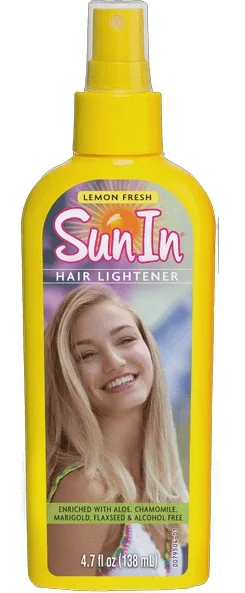
Analysis locked
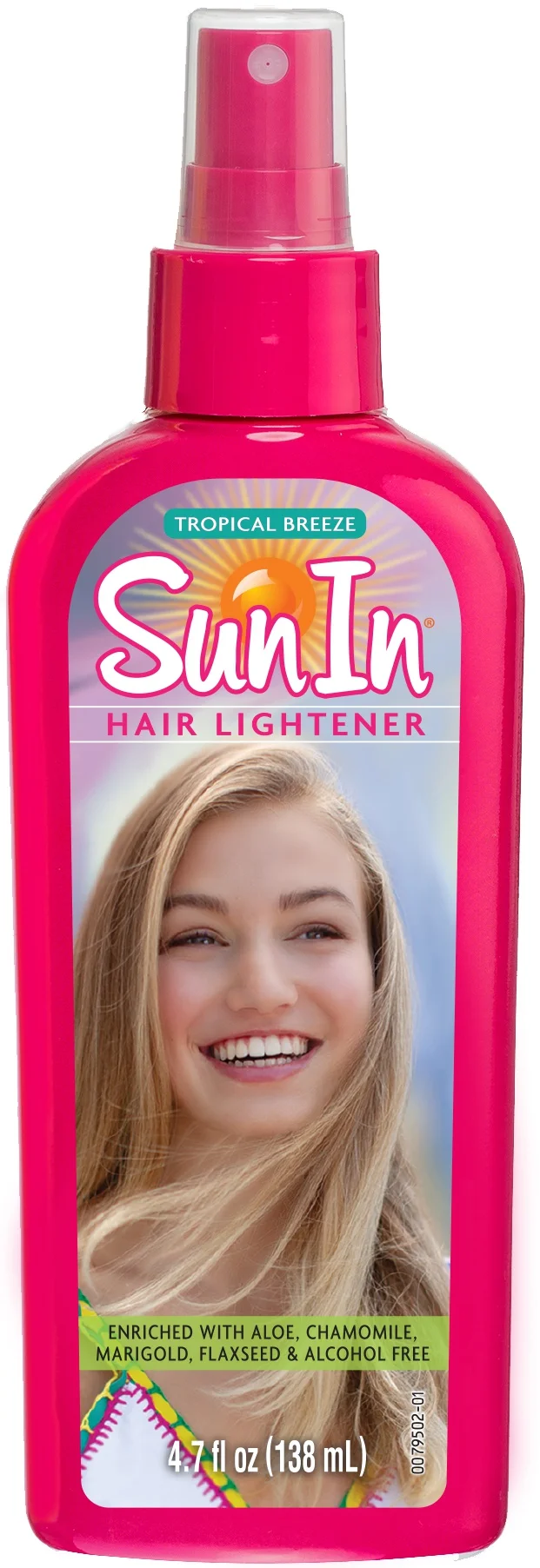
How well does your skin match with Sun-In Hair Lightener, Lemon?
Login to see detailsOr continue via
Quick 1-minute survey • Completely free
Ingredients
Analysis results of Ingredients


Ingredient List
| EWG | CIR | Ingredient Name & Cosmetic Function | Notes |
|---|---|---|---|
| 1 | - | (Solvent) | |
| 2 5 | - | (Antimicrobial Agent, Cosmetic Biocide) | |
| 1 3 | - | | |
| 1 2 | B |   |



Sun-In Hair Lightener, Lemon - Ingredient Explanation
Water
1. Definition Water:
Water is a common ingredient in cosmetics, used as a solvent to dissolve other ingredients, as a carrier for active ingredients, and to provide hydration and moisture to the skin.2. Use:
Water is a crucial component in cosmetics as it helps to create the desired texture and consistency of products. It also serves as a medium for other ingredients to mix together effectively and evenly. Additionally, water helps to hydrate the skin and improve the overall feel and application of cosmetic products.3. Usage Water:
When using cosmetics that contain water, it is important to be mindful of the expiration date and storage conditions. Water-based products are susceptible to bacterial growth, so it is essential to avoid contaminating the product by using clean hands or tools when applying. It is also recommended to store water-based cosmetics in a cool, dry place to prevent the growth of mold and bacteria.4. References:
- Draelos, Z. D. (2010). Cosmetic dermatology: products and procedures. John Wiley & Sons.
- Winter, R. (2009). A consumer's dictionary of cosmetic ingredients: complete information about the harmful and desirable ingredients found in cosmetics and cosmeceuticals. Crown.
- Begoun, P. (2003). Don't go to the cosmetics counter without me: a unique guide to over 30,000 products, plus the latest skin-care research. Beginning Press.
Hydrogen Peroxide
1. Definition Hydrogen Peroxide:
Hydrogen Peroxide is a chemical compound with the formula H2O2. It is a pale blue liquid that is commonly used as an antiseptic, bleaching agent, and oxidizer.2. Use:
Hydrogen Peroxide is widely used in the cosmetics industry for its antiseptic and bleaching properties. It is commonly found in hair dyes, teeth whitening products, and skin lightening creams. It is also used in acne treatments and as a disinfectant for wounds.3. Usage Hydrogen Peroxide:
When using Hydrogen Peroxide in cosmetics, it is important to follow the instructions provided on the product packaging. It is recommended to do a patch test before applying it to a larger area of skin to check for any allergic reactions. Hydrogen Peroxide should be used in moderation as excessive use can cause skin irritation and sensitivity. It is also important to avoid contact with the eyes and mouth when using products containing Hydrogen Peroxide.4. References:
- Draelos, Z. D. (2010). Cosmetic Dermatology: Products and Procedures. John Wiley & Sons.
- Winter, R. A. (2008). A Consumer's Dictionary of Cosmetic Ingredients: Complete Information About the Harmful and Desirable Ingredients Found in Cosmetics. Three Rivers Press.
- Baumann, L. (2009). Cosmetic Dermatology: Principles and Practice. McGraw-Hill Professional.
Aloe Barbadensis (Aloe Vera) Leaf Juice
1. Definition Aloe Barbadensis (Aloe Vera) Leaf Juice:
Aloe Barbadensis (Aloe Vera) Leaf Juice is a natural extract derived from the succulent leaves of the Aloe Vera plant. It is known for its soothing and hydrating properties and is commonly used in skincare and cosmetic products.2. Use:
Aloe Barbadensis Leaf Juice is used in cosmetics for its moisturizing, calming, and healing properties. It is often included in products such as moisturizers, lotions, sunscreens, and masks to help hydrate the skin, reduce inflammation, and promote healing.3. Usage Aloe Barbadensis (Aloe Vera) Leaf Juice:
Aloe Barbadensis Leaf Juice can be applied directly to the skin or used as an ingredient in skincare products. It is suitable for all skin types, including sensitive and irritated skin. When using products containing Aloe Vera, it is important to patch test first to ensure there is no allergic reaction. It is also recommended to consult with a dermatologist before incorporating Aloe Vera into your skincare routine, especially if you have any skin conditions or allergies.4. References:
- Surjushe, A., Vasani, R., & Saple, D. G. (2008). Aloe vera: A short review. Indian Journal of Dermatology, 53(4), 163–166.
- Radha, M. H., & Laxmipriya, N. P. (2015). Evaluation of biological properties and clinical effectiveness of Aloe vera: A systematic review. Journal of Traditional and Complementary Medicine, 5(1), 21–26.
- Choi, S., Chung, M. H., & Aeschbach, R. (2001). Antioxidant activity of Aloe vera in vitro study. Journal of Agricultural and Food Chemistry, 50(16), 3718–3722.
Citrus Limon (Lemon) Juice
1. Definition Citrus Limon (Lemon) Juice:
Lemon juice, derived from the Citrus Limon fruit, is a natural ingredient commonly used in cosmetics for its brightening, clarifying, and astringent properties. It is rich in vitamin C, citric acid, and antioxidants, making it a popular choice for skincare products.2. Use:
Lemon juice is often included in skincare products such as cleansers, toners, masks, and serums to help brighten and even out the skin tone. It can also be found in hair care products for its clarifying and scalp-balancing properties. Additionally, lemon juice is used in natural DIY beauty treatments for its ability to reduce inflammation, fight acne-causing bacteria, and promote a healthy glow.3. Usage Citrus Limon (Lemon) Juice:
When using cosmetics containing lemon juice, it is important to be cautious as it can cause skin irritation, especially for those with sensitive skin. It is recommended to do a patch test before applying products with lemon juice to the entire face or body. Additionally, lemon juice can make the skin more sensitive to sunlight, so it is crucial to wear sunscreen when using these products to prevent sun damage.4. References:
- Telang, P. S. (2013). Vitamin C in dermatology. Indian dermatology online journal, 4(2), 143–146. https://doi.org/10.4103/2229-5178.110593
- Khurana, S., Jain, S., & Mediratta, P. K. (2013). Citrus medica: A review of the health benefits, phytochemistry, and pharmacology. Journal of environmental science and health. Part C, Environmental carcinogenesis & ecotoxicology reviews, 31(3), 189–225. https://doi.org/10.1080/10590501.2013.811298
- Kim, T. H., Kim, J. K., Kim, H. J., Kim, J. H., & Lee, S. H. (2018). Lemon oil and its components inhibit RANKL-induced osteoclast differentiation by suppressing NF-κB and MAPK activation. International journal of molecular sciences, 19(1), 344. https://doi.org/10.3390/ijms19010344
Review
Didn't find
the information you need?




Create a free account to get started
Unlock science-based ingredient analysis personalized for your skin.
Already have an account? Log in
We protect your privacy. We never send spam.