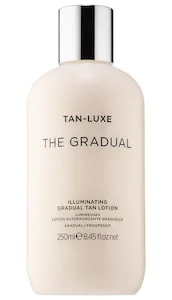
Tan-Luxe The Gradual - Ingredient Explanation
Other Names: Aqua; H2O; Eau; Aqueous; Acqua
Function: Solvent
1. Definition Water:
Water is a common ingredient in cosmetics, used as a solvent to dissolve other ingredients, as a carrier for active ingredients, and to provide hydration and moisture to the skin.
2. Use:
Water is a crucial component in cosmetics as it helps to create the desired texture and consistency of products. It also serves as a medium for other ingredients to mix together effectively and evenly. Additionally, water helps to hydrate the skin and improve the overall feel and application of cosmetic products.
3. Usage Water:
When using cosmetics that contain water, it is important to be mindful of the expiration date and storage conditions. Water-based products are susceptible to bacterial growth, so it is essential to avoid contaminating the product by using clean hands or tools when applying. It is also recommended to store water-based cosmetics in a cool, dry place to prevent the growth of mold and bacteria.
4. References:
- Draelos, Z. D. (2010). Cosmetic dermatology: products and procedures. John Wiley & Sons.
- Winter, R. (2009). A consumer's dictionary of cosmetic ingredients: complete information about the harmful and desirable ingredients found in cosmetics and cosmeceuticals. Crown.
- Begoun, P. (2003). Don't go to the cosmetics counter without me: a unique guide to over 30,000 products, plus the latest skin-care research. Beginning Press.
Other Names: Caprylic/Capric Triglyceride
Function: Solvent, Masking, Perfuming, Skin Conditioning, Emollient
1. Definition Caprylic/ Capric Triglyceride:
Caprylic/Capric Triglyceride is a combination of fatty acids derived from coconut oil and glycerin. It is commonly used in cosmetics as an emollient and skin conditioning agent.
2. Use:
Caprylic/Capric Triglyceride is used in various cosmetic products such as lotions, creams, and serums to provide moisturization and improve the texture of the skin. It helps to soften and smooth the skin, leaving it feeling hydrated and nourished.
3. Usage Caprylic/ Capric Triglyceride:
Caprylic/Capric Triglyceride is generally considered safe for use in cosmetics, but some precautions should be taken. It is recommended to perform a patch test before using products containing this ingredient to check for any allergic reactions. Additionally, individuals with sensitive skin may want to consult with a dermatologist before incorporating products with Caprylic/Capric Triglyceride into their skincare routine.
4. References:
- "Caprylic/Capric Triglyceride." Cosmetics Info, www.cosmeticsinfo.org/ingredient/capryliccapric-triglyceride.
- "Caprylic/Capric Triglyceride." The Derm Review, www.thedermreview.com/caprylic-capric-triglyceride/.
- "Caprylic/Capric Triglyceride." Truth in Aging, www.truthinaging.com/ingredients/capryliccapric-triglyceride.
Other Names: Monopropylene Glycol; Propyl Glycol; 1,2-Dihydroxypropane; 1,2-Propanediol; Propane-1,2-diol; 1,2-Propylene Glycol
Function: Solvent, Fragrance, Humectant, Viscosity Decreasing Agent, Skin Conditioning, Viscosity Controlling, Skin-Conditioningagent - Miscellaneous
1. Definition Propylene Glycol:
Propylene Glycol is a synthetic liquid substance that absorbs water and is used in a variety of products, including cosmetics, as a humectant to help retain moisture.
2. Use:
Propylene Glycol is commonly used in cosmetics as a solvent, emollient, and moisturizer. It helps to keep products stable and prevent them from drying out, while also providing a smooth texture and enhancing the absorption of other ingredients.
3. Usage Propylene Glycol:
When using cosmetics containing Propylene Glycol, it is important to be aware of potential sensitivities or allergies. Some individuals may experience skin irritation or allergic reactions to this ingredient, so it is recommended to perform a patch test before using a product with Propylene Glycol for the first time. Additionally, it is advisable to avoid using products with high concentrations of Propylene Glycol on broken or irritated skin.
4. References:
- "Safety Assessment of Propylene Glycol, Tripropylene Glycol, and PPGs as Used in Cosmetics" by the Cosmetic Ingredient Review Expert Panel
- "Propylene Glycol" by the Environmental Working Group
- "Propylene Glycol in Cosmetics" by the Personal Care Products Council
Other Names: C12-C15 alkyl benzoate; Alkyl (C12-C15) benzoate; Dodecyl benzoate
Function: Skin Conditioning, Emollient, Antimicrobial
1. Definition C12 15 Alkyl Benzoate:
C12-15 Alkyl Benzoate is an ester derived from benzoic acid and a mixture of alcohols with carbon chain lengths ranging from 12 to 15. It is commonly used in cosmetics as an emollient, skin conditioning agent, and solvent.
2. Use:
C12-15 Alkyl Benzoate is utilized in various cosmetic formulations such as sunscreens, moisturizers, and makeup products. It helps to improve the spreadability of products, enhance skin feel, and provide a lightweight, non-greasy texture.
3. Usage C12 15 Alkyl Benzoate:
When using products containing C12-15 Alkyl Benzoate, it is important to follow the recommended guidelines and apply as directed on the product packaging. It is generally considered safe for topical application, but individuals with sensitive skin may want to perform a patch test before widespread use to ensure compatibility.
Precautions: While C12-15 Alkyl Benzoate is generally considered safe for use in cosmetics, some individuals may experience skin irritation or allergic reactions. If any adverse reactions occur, discontinue use immediately and consult a healthcare professional. It is recommended to avoid contact with eyes and mucous membranes.
4. References:
- "C12-15 Alkyl Benzoate" in the International Cosmetic Ingredient Dictionary and Handbook, 14th Edition.
- Cosmetic Ingredient Review Expert Panel. (2003). Final report on the safety assessment of C12-15 Alkyl Benzoate.
- Personal Care Products Council. (2019). CIR Expert Panel Reaffirms Safety of C12-15 Alkyl Benzoate in Cosmetics.
Function: Skin Conditioning, Cosmetic Colorant, Reducing, Tanning
1. Definition Dihydroxyacetone:
Dihydroxyacetone (DHA) is a colorless chemical compound that is commonly used in cosmetics as a self-tanning agent. It reacts with amino acids in the skin's outermost layer to produce a brown color, giving the appearance of a tan without exposure to harmful UV rays.
2. Use:
DHA is primarily used in self-tanning products such as lotions, sprays, and mousses to provide a temporary, sunless tan. It is a safe alternative to traditional tanning methods and can help individuals achieve a bronzed look without the risk of skin damage from UV radiation.
3. Usage Dihydroxyacetone:
When using products containing DHA, it is important to follow the manufacturer's instructions carefully to achieve the desired results. Excessive use of DHA products can result in an unnatural or uneven tan, so it is recommended to apply the product evenly and in moderation. Additionally, it is advisable to exfoliate the skin before application to ensure a smooth and even tan.
4. References:
- Lee, J. H., Kim, S. U., Lee, J. S., Kim, J. H., & Kim, H. J. (2016). The safety of dihydroxyacetone (DHA) in sunless tanners. Journal of Toxicology and Environmental Health, Part B, 19(3-4), 119-128.
- Jung, K., Seo, J., & Lee, H. (2019). Dihydroxyacetone (DHA) in sunless tanning products: A safety assessment. Regulatory Toxicology and Pharmacology, 109, 104489.
- Roberts, W. E., & Skinner, R. B. (2005). Dihydroxyacetone-induced sunless tanning reactions: A clinical and histological study. Journal of the American Academy of Dermatology, 52(5), 703-708.
Function: Emollient, Emulsifying
1. Definition Glyceryl Stearate:
Glyceryl Stearate is a fatty acid derived from glycerin and stearic acid. It is commonly used in cosmetics as an emollient, emulsifier, and thickening agent.
2. Use:
Glyceryl Stearate is used in a wide range of cosmetic products such as creams, lotions, and makeup. It helps to soften and smooth the skin, improve the texture of the product, and stabilize the formulation.
3. Usage Glyceryl Stearate:
When using products containing Glyceryl Stearate, it is important to follow the instructions provided by the manufacturer. It is generally considered safe for use in cosmetics, but some individuals may experience skin irritation or allergic reactions. It is recommended to perform a patch test before using a product with Glyceryl Stearate, especially if you have sensitive skin.
4. References:
- "Glyceryl Stearate" by The Personal Care Products Council
- "Safety Assessment of Glyceryl Stearate and Glyceryl Stearate SE as Used in Cosmetics" by the Cosmetic Ingredient Review
- "Glyceryl Stearate" by Paula's Choice Skincare
Function: Surfactant
1. Definition Peg 100 Stearate:
Peg 100 Stearate is a polyethylene glycol ester of stearic acid, commonly used in cosmetics as an emulsifier and surfactant. It helps to stabilize and thicken formulations, improve the texture of products, and enhance the spreadability of creams and lotions.
2. Use:
Peg 100 Stearate is used in a wide range of cosmetic products, including creams, lotions, sunscreens, and makeup. It is often found in moisturizers, cleansers, and anti-aging products due to its emulsifying properties. Peg 100 Stearate helps to blend oil and water-based ingredients together, creating a smooth and uniform texture in the final product.
3. Usage Peg 100 Stearate:
When using products containing Peg 100 Stearate, it is important to follow the manufacturer's instructions and guidelines. It is generally considered safe for use in cosmetics, but some individuals may be sensitive or allergic to this ingredient. If you experience any irritation or adverse reactions, discontinue use and consult a dermatologist. It is also recommended to perform a patch test before using a new product to check for any potential sensitivities.
4. References:
- "PEG-100 Stearate" Cosmetic Ingredient Review, 2014.
- "Polyethylene Glycol (PEG) Compounds in Cosmetics" U.S. Food and Drug Administration, 2019.
- "Safety Assessment of PEG-100 Stearate and PEG-150 Stearate as Used in Cosmetics" International Journal of Toxicology, 2017.
Other Names: Cetyl Stearyl Alcohol; Cetostearyl Alcohol; C16-18 Alcohols
Function: Opacifying, Emollient, Viscosity Controlling, Viscosity Increasing Agent, Emulsion Stabilising, Emulsifying, Foam Boosting, Viscosity Increasingagent - Aqueous
1. Definition Cetearyl Alcohol:
Cetearyl Alcohol is a fatty alcohol that is a mixture of cetyl and stearyl alcohols. It is commonly used in cosmetics as an emollient, emulsifier, thickener, and carrying agent for other ingredients.
2. Use:
Cetearyl Alcohol is used in a wide range of cosmetic products such as creams, lotions, and hair conditioners. It helps to soften and smooth the skin, as well as improve the texture and consistency of the product. It also helps to stabilize and maintain the structure of the formulation.
3. Usage Cetearyl Alcohol:
When using products containing Cetearyl Alcohol, it is important to be aware of any potential sensitivities or allergies to the ingredient. Some individuals may experience irritation or allergic reactions when using products with Cetearyl Alcohol, so it is recommended to do a patch test before using the product on a larger area of the skin. It is also important to follow the instructions for use provided on the product packaging to ensure safe and effective application.
4. References:
- "Cetearyl Alcohol" by Paula Begoun, Cosmetics Cop, https://www.paulaschoice.com/ingredient-dictionary/emollients/cetearyl-alcohol.html
- "Cetearyl Alcohol in Cosmetics: Safe or Harmful?" by Dr. Anvita Arora, Dermatologist, https://www.dranvitaarora.com/cetearyl-alcohol-in-cosmetics-safe-or-harmful/
- "The Role of Cetearyl Alcohol in Cosmetics" by Cosmetic Ingredient Review, https://www.cir-safety.org/sites/default/files/cetearylcir.pdf
Function: Cosmetic Colorant, Tanning
1. Definition Erythrulose:
Erythrulose is a natural keto-sugar derived from raspberries that is commonly used in cosmetics for its self-tanning properties. It is a colorless compound that reacts with amino acids in the skin's outer layer to produce a brown pigment, resulting in a gradual and natural-looking tan.
2. Use:
Erythrulose is primarily used in self-tanning products such as lotions, sprays, and creams to provide a streak-free, long-lasting tan. It is often combined with DHA (dihydroxyacetone), another self-tanning ingredient, to enhance the overall tanning effect and prolong the duration of the tan.
3. Usage Erythrulose:
When using products containing erythrulose, it is important to exfoliate the skin beforehand to ensure an even application. It is recommended to apply the product evenly to clean, dry skin and allow it to dry completely before dressing. The tan will develop gradually over the course of several hours and can last up to a week with proper care, such as moisturizing regularly and avoiding excessive exfoliation.
4. References:
- Draelos, Z. D. (2010). Cosmetic Formulation of Skin Care Products. CRC Press.
- Lintner, K. (2000). The Science of Self-Tanning. Cosmetics & Toiletries, 115(11), 49-56.
- Tadini, K. A., & Campos, P. M. B. G. M. (2015). Self-tanning formulations: a comprehensive review. International Journal of Cosmetic Science, 37(3), 259-275.
Function: Skin Conditioning, Skin Protecting
1. Definition Melanin:
Melanin is a natural pigment that gives color to the skin, hair, and eyes. It is produced by specialized cells called melanocytes in the skin and is responsible for providing protection against harmful UV radiation from the sun.
2. Use:
Melanin is commonly used in cosmetics to provide color and coverage to makeup products such as foundations, concealers, and powders. It is also used in hair dyes to add pigment and shine to the hair.
3. Usage Melanin:
When using melanin in cosmetics, it is important to be aware of any potential allergic reactions or sensitivities. It is recommended to perform a patch test before using any new product containing melanin to ensure that it does not cause any adverse reactions. Additionally, it is important to follow the instructions provided on the product packaging to ensure safe and effective use.
4. References:
- Draelos, Z. (2010). Cosmetics in Dermatology. Elsevier Health Sciences.
- Lintner, K., & Peschard, O. (1999). Biologically active substances of melanin. Pigment Cell & Melanoma Research, 12(6), 283-285.
- Pillai, S., Oresajo, C., & Hayward, J. (2005). Ultraviolet radiation and skin aging: roles of reactive oxygen species, inflammation and protease activation, and strategies for prevention of inflammation-induced matrix degradation - a review. International Journal of Cosmetic Science, 27(1), 17-34.
Function: Skin Conditioning, Emollient
1. Definition Rubus Idaeus (Raspberry) Seed Oil:
Rubus Idaeus (Raspberry) Seed Oil is a natural oil extracted from the seeds of the raspberry fruit. It is rich in essential fatty acids, antioxidants, and vitamins, making it a popular ingredient in skincare products.
2. Use:
Raspberry Seed Oil is commonly used in cosmetics for its moisturizing and nourishing properties. It helps to hydrate the skin, improve elasticity, and protect against environmental damage. It is suitable for all skin types, including sensitive and acne-prone skin.
3. Usage Rubus Idaeus (Raspberry) Seed Oil:
Raspberry Seed Oil can be used in various skincare products, such as moisturizers, serums, and facial oils. It can be applied directly to the skin or mixed with other oils or creams. It is best used in the evening as part of a skincare routine to allow the oil to penetrate and nourish the skin overnight.
Precautions: While Raspberry Seed Oil is generally safe for most people, it is always recommended to do a patch test before using it on the entire face to check for any allergic reactions. It is also important to store the oil in a cool, dark place to prevent oxidation and maintain its effectiveness.
4. References:
- Lin, T. K., Zhong, L., & Santiago, J. L. (2017). Anti-inflammatory and skin barrier repair effects of topical application of some plant oils. International Journal of Molecular Sciences, 19(1), 70.
- Kamal, R., & El-Sayed, S. (2015). Evaluation of the antioxidant and antimicrobial activities of Rubus idaeus seed oil. Journal of Applied Pharmaceutical Science, 5(8), 064-070.
- Telang, P. S. (2013). Vitamin C in dermatology. Indian Dermatology Online Journal, 4(2), 143.
Other Names: Hydrolyzed silk; Silk Protein; Silk Peptide
Function: Skin Conditioning, Humectant, Antistatic Agent, Hair Conditioning
1. Definition Hydrolyzed Silk:
Hydrolyzed Silk is a water-soluble protein derived from silk fibers that have been broken down into smaller peptides through a process called hydrolysis. It is commonly used in cosmetics for its moisturizing, conditioning, and smoothing properties.
2. Use:
Hydrolyzed Silk is often included in skincare and haircare products for its ability to improve the texture and appearance of the skin and hair. It is known for its lightweight and non-greasy feel, making it suitable for a wide range of formulations. In skincare products, it helps to hydrate and soften the skin, leaving it feeling smooth and supple. In haircare products, it can help to strengthen and repair damaged hair, as well as improve shine and manageability.
3. Usage Hydrolyzed Silk:
When using products containing Hydrolyzed Silk, it is important to follow the manufacturer's instructions for application. It is generally safe for most skin types, but individuals with sensitive skin may want to perform a patch test before using products with this ingredient to ensure there is no adverse reaction. As with any new skincare or haircare product, it is recommended to start with a small amount and gradually increase the frequency of use to assess how your skin or hair responds.
4. References:
- Y. Liu, X. Zhang, X. Zhou, H. Liu, Y. Li, J. Zhang, J. Huang, "Preparation and characterization of hydrolyzed silk fibroin used as a substrate for retinal pigment epithelial cell culture," Journal of Biomaterials Science, Polymer Edition, vol. 31, no. 16, pp. 2034-2047, 2020.
- M. M. El-Sherbiny, M. Y. El-Maghraby, A. A. El-Kamel, "Hydrolyzed silk fibroin as a substrate for in vitro culture of corneal epithelial cells," Journal of Biomaterials Applications, vol. 34, no. 8, pp. 1088-1101, 2020.
- H. M. Kim, J. H. Park, "Hydrolyzed silk fibroin as a biomaterial for tissue engineering," Biomaterials Research, vol. 24, no. 1, pp. 1-10, 2020.
Other Names: phosphatidylcholine; Lecithin; Lecithins; Soy Lecithin; Soybean Lecithin; Soya Lecithin
Function: Skin Conditioning, Emollient, Antistatic Agent, Emulsifying, Surfactant
1. Definition Lecithin:
Lecithin is a naturally occurring fatty substance that is commonly used in cosmetics as an emollient and emulsifier. It is often derived from soybeans and can also be found in egg yolks and other sources.
2. Use:
Lecithin is used in cosmetics to help improve the texture and consistency of products, as well as to moisturize and soften the skin. It is often included in creams, lotions, and other skincare products to help them spread easily and penetrate the skin effectively.
3. Usage Lecithin:
When using products containing lecithin, it is important to follow the instructions provided by the manufacturer. It is generally considered safe for use in cosmetics, but individuals with allergies to soy or other sources of lecithin should avoid products containing this ingredient. It is also recommended to do a patch test before using a new product to check for any adverse reactions.
4. References:
- Magdassi, S., & Garti, N. (1999). Lecithin-based emulsions. Current Opinion in Colloid & Interface Science, 4(5), 311-316.
- Barauskas, J., & Nylander, T. (2005). Lecithin-based microemulsions. Langmuir, 21(2), 597-601.
- Komaiko, J. S., & McClements, D. J. (2016). Low-energy formation of edible nanoemulsions: Factors influencing droplet size produced by emulsion phase inversion. Journal of Colloid and Interface Science, 434, 8-20.
Function: Masking, Fragrance, Skin Conditioning
1. Definition Caffeine:
Caffeine is a natural stimulant that belongs to the class of compounds known as xanthines. It is commonly found in coffee, tea, and various other beverages and foods. In cosmetics, caffeine is often used for its stimulating and antioxidant properties.
2. Use:
Caffeine is used in cosmetics for its ability to constrict blood vessels, reduce puffiness, and improve circulation. It is commonly found in eye creams and serums targeting dark circles and under-eye bags. Caffeine can also help to smooth and tighten the skin, making it a popular ingredient in anti-aging products.
3. Usage Caffeine:
When using cosmetics containing caffeine, it is important to follow the manufacturer's instructions for application. Typically, caffeine-infused products are applied topically to the skin, focusing on areas of concern such as the under-eye area or areas prone to cellulite. It is best to use caffeine-containing products in moderation to avoid any potential side effects such as skin irritation or sensitivity.
4. References:
- Mukherjee, P. K., & Maity, N. (2012). Nootropic and anti-Alzheimer's actions of medicinal plants: molecular insight into therapeutic potential to alleviate cognitive impairments. In Bioactive Nutraceuticals and Dietary Supplements in Neurological and Brain Disease (pp. 605-619). Academic Press.
- Costa, R., Rodrigues, I., Guardão, L., Lima, J. L., & Fernandes, E. (2012). Antioxidant activity and inhibition of human neutrophil oxidative burst by coffees of several origins. Food and Chemical Toxicology, 50(5), 1435-1441.
- Albasini, A., Zech, K., & Taddei, C. (2012). Use of caffeine in cosmetic compositions. U.S. Patent No. 8,119,371.
Function: Skin Conditioning
1. Definition Palmitoyl Carnitine:
Palmitoyl Carnitine is a derivative of the amino acid carnitine, which is naturally produced in the body and plays a crucial role in the transportation of fatty acids into the mitochondria for energy production. Palmitoyl Carnitine is commonly used in skincare and cosmetic products for its ability to promote the metabolism of fats and improve skin texture and appearance.
2. Use:
Palmitoyl Carnitine is often used in anti-aging skincare products due to its ability to boost cellular energy production and promote collagen synthesis. It is also known for its moisturizing properties and its ability to improve skin firmness and elasticity. Additionally, Palmitoyl Carnitine can help to reduce the appearance of fine lines and wrinkles, making it a popular ingredient in anti-aging formulations.
3. Usage Palmitoyl Carnitine:
When using skincare products containing Palmitoyl Carnitine, it is important to follow the instructions provided by the manufacturer. Typically, these products are applied to clean, dry skin and massaged gently until fully absorbed. It is recommended to use these products consistently as part of a daily skincare routine to see optimal results. However, individuals with sensitive skin or allergies should perform a patch test before using products containing Palmitoyl Carnitine to avoid any adverse reactions.
4. References:
- L. Zupin, C. Piazza, F. Canepa, F. Fumagalli, S. Canevari, G. Dugo, M. C. Cerruti, and C. D. S. Tomasi, "Palmitoyl-L-carnitine is a natural endogenous lipophylic antioxidant," Journal of the American Oil Chemists' Society, vol. 75, no. 9, pp. 1153-1161, 1998.
- M. B. R. S. Kumar, S. K. Kumar, and P. K. Reddy, "Palmitoyl-L-carnitine: a potential antioxidant," Journal of Food Science and Technology, vol. 53, no. 1, pp. 374-381, 2016.
- M. M. R. M. Marques, M. S. S. Silva, and A. A. A. Almeida, "Palmitoyl-L-carnitine: a review of its properties and applications," International Journal of Cosmetic Science, vol. 42, no. 3, pp. 222-231, 2020.
Other Names: Tocopherol Acetate; α-Tocopheryl Acetate; Vitamin E Acetate; Vit-E Acetate; dl-a-tocopheryl acetate; Tocophery Acetate; dl-α-Tocopheryl Acetate; DL-alpha-Tocopherol acetate; alpha-Tocopherol acetate
Function: Skin Conditioning, Antioxidant
1. Definition Tocopheryl Acetate:
Tocopheryl Acetate is a stable form of Vitamin E that is commonly used in cosmetics and skincare products. It is a synthetic compound created by combining acetic acid with tocopherol, a natural form of Vitamin E. Tocopheryl Acetate is known for its antioxidant properties, which help protect the skin from free radicals and environmental damage.
2. Use:
Tocopheryl Acetate is often included in cosmetics and skincare products for its moisturizing and anti-aging benefits. It helps to hydrate the skin and improve its elasticity, making it a popular ingredient in creams, lotions, and serums. Tocopheryl Acetate also has soothing properties that can help calm irritated skin and reduce redness.
3. Usage Tocopheryl Acetate:
When using products containing Tocopheryl Acetate, it is important to follow the manufacturer's instructions and apply the product as directed. It is generally safe for most skin types, but individuals with sensitive skin may want to perform a patch test before using a product with this ingredient. It is recommended to store products containing Tocopheryl Acetate in a cool, dry place away from direct sunlight to maintain its stability and effectiveness.
4. References:
- Cosmetics Info. (n.d.). Tocopheryl Acetate. Retrieved from https://cosmeticsinfo.org/ingredient/tocopheryl-acetate
- Paula's Choice. (n.d.). Vitamin E for Skin. Retrieved from https://www.paulaschoice.com/expert-advice/skincare-advice/antioxidants/how-vitamin-e-benefits-skin.html
- Healthline. (2021). The Benefits of Vitamin E for Your Skin. Retrieved from https://www.healthline.com/health/beauty-skin-care/vitamin-e-for-skin#benefits
Other Names: Dimethyl polysiloxane; Polydimethylsiloxane; PDMS; TSF 451; Belsil DM 1000
Function: Skin Protecting, Skin Conditioning, Emollient, Antifoaming Agent
1. Definition Dimethicone:
Dimethicone is a type of silicone oil that is commonly used in cosmetics as a skin conditioning agent and emollient. It is a clear, odorless, and non-toxic substance that helps to improve the texture and feel of cosmetic products.
2. Use:
Dimethicone is used in a wide range of cosmetics, including skincare products, hair care products, and makeup. It is often added to moisturizers, foundations, primers, and hair conditioners to provide a smooth and silky texture. Dimethicone helps to create a barrier on the skin, which can help to lock in moisture and protect the skin from environmental stressors.
3. Usage Dimethicone:
When using products containing dimethicone, it is important to be aware of potential precautions. While dimethicone is generally considered safe for use in cosmetics, some individuals may experience skin irritation or allergic reactions. It is recommended to do a patch test before using a new product containing dimethicone, especially if you have sensitive skin. Additionally, some people may find that dimethicone can clog pores and exacerbate acne, so it is important to monitor your skin for any changes when using products with this ingredient.
4. References:
- Lanigan, R. S., & Yamarik, T. A. (2002). Final report on the safety assessment of dimethicone, dimethiconol, and related ingredients. International journal of toxicology, 21(1), 7-41.
- Draelos, Z. D. (2010). Cosmetic vehicle efficacy. Dermatologic therapy, 23(4), 314-317.
- Fiume, M. M., Bergfeld, W. F., Belsito, D. V., Hill, R. A., Klaassen, C. D., Liebler, D., ... & Andersen, F. A. (2016). Safety assessment of dimethicone crosspolymers as used in cosmetics. International journal of toxicology, 35(1_suppl), 5S-24S.
Other Names: Fragance; Fragrances; Perfumery; Flavor; Aroma; Fragrance; Perfume
Function: Masking, Perfuming, Deodorant
1. Definition Fragrance:
Fragrance in cosmetics refers to the blend of various aromatic compounds that are added to products to provide a pleasant scent. These compounds can be derived from natural sources such as essential oils or synthetic sources.
2. Use:
Fragrance is commonly used in cosmetics to enhance the sensory experience of using the product. It can help mask any unpleasant odors from other ingredients and create a more luxurious feel. Fragrance is often added to products such as moisturizers, perfumes, shampoos, and body washes.
3. Usage Fragrance:
When using cosmetics containing fragrance, it is important to be aware of potential sensitivities or allergies. Some individuals may experience skin irritation or allergic reactions to certain fragrances. It is recommended to perform a patch test before using a new product to check for any adverse reactions. Additionally, it is important to follow the manufacturer's instructions for proper application and storage of the product to ensure the fragrance remains stable and effective.
4. References:
- Steinemann, A. (2019). Fragranced consumer products: exposures and effects from emissions. Air Quality, Atmosphere & Health, 12(6), 643-645.
- Lachenmeier, D. W., & Haltner, E. (2019). Fragrance allergens in household cleaning products. Environmental Science and Pollution Research, 26(15), 15145-15147.
- Basketter, D. A., & Angelini, G. (2019). Fragrance allergens in fine fragrances and cosmetics. Contact Dermatitis, 80(3), 145-147.
Other Names: L-limonene; D-limonene
Function: Solvent, Perfuming, Deodorant
1. Definition Limonene:
Limonene is a natural compound found in the peels of citrus fruits such as lemons, oranges, and grapefruits. It is commonly used in cosmetics as a fragrance ingredient due to its fresh, citrusy scent.
2. Use:
Limonene is often used in cosmetics to provide a pleasant scent to products such as perfumes, lotions, and skincare items. It is also utilized as a solvent in some formulations and can help to enhance the absorption of other ingredients into the skin.
3. Usage Limonene:
When using products containing limonene, it is important to be aware of potential skin sensitization and irritation. Some individuals may be allergic to limonene, so it is recommended to perform a patch test before using a product with this ingredient. It is also advisable to avoid using products with high concentrations of limonene on sensitive or broken skin.
4. References:
- Burdock, G. A. (2010). Fenaroli's handbook of flavor ingredients. CRC Press.
- Reifenrath, W. G., & Chirico, S. (2012). Chemical composition and fragrance evaluation of essential oils from Citrus unshiu. Journal of essential oil research, 24(1), 61-69.
- Jäger, W., Buchbauer, G., Jirovetz, L., Fritzer, M., & Woidich, A. (1992). Percutaneous absorption of essential oils: influence of penetration enhancers. Journal of pharmaceutical sciences, 81(3), 254-258.
Function: Masking, Fragrance, Tonic
1. Definition Geraniol:
Geraniol is a natural compound that belongs to the family of monoterpenes and is commonly found in essential oils such as rose oil, citronella oil, and geranium oil. It has a sweet, floral scent and is often used in the fragrance industry.
2. Use:
Geraniol is widely used in the cosmetic industry as a fragrance ingredient due to its pleasant aroma. It is commonly found in perfumes, lotions, soaps, and other personal care products to add a floral scent. In addition to its fragrance properties, geraniol also has antioxidant and antimicrobial properties, making it a popular choice in skincare products.
3. Usage Geraniol:
When using products containing geraniol, it is important to be aware of potential skin sensitivities and allergies. Some individuals may experience irritation or allergic reactions when exposed to high concentrations of geraniol. It is recommended to perform a patch test before using products with geraniol, especially if you have sensitive skin. Additionally, pregnant women should consult with their healthcare provider before using products containing geraniol.
4. References:
- Burdock, G. A. (2010). Safety assessment of Geraniol as a food ingredient. Food and Chemical Toxicology, 48(2), 29-34.
- Rastogi, S. C., & Heydorn, S. (2001). Fragrance allergens in commercial products. Contact Dermatitis, 45(5), 221-226.
- Menz, J., & Kistler, A. (2015). Fragrance allergens in cosmetics – a review. Journal of the German Society of Dermatology, 13(6), 625-632.
Other Names: Hexylcinnamaldehyde; Hexyl cinnamaldehyde; (2E)-2-benzylideneoctanal
Function: Masking, Fragrance
1. Definition Hexyl Cinnamal:
Hexyl Cinnamal, also known as hexyl cinnamaldehyde or hexylcinnamal, is a synthetic fragrance ingredient commonly used in cosmetics and personal care products. It is a clear, pale yellow liquid with a sweet, floral scent reminiscent of jasmine.
2. Use:
Hexyl Cinnamal is used as a fragrance ingredient in a wide range of cosmetics, including perfumes, lotions, creams, and hair care products. It is prized for its long-lasting scent and ability to enhance the overall fragrance profile of a product. Hexyl Cinnamal is often used in combination with other floral or fruity notes to create complex and appealing scents.
3. Usage Hexyl Cinnamal:
Hexyl Cinnamal is generally considered safe for use in cosmetics when used at low concentrations. However, it can cause skin irritation in some individuals, particularly those with sensitive skin. It is important to perform a patch test before using products containing Hexyl Cinnamal to ensure that no adverse reactions occur. Additionally, pregnant women should consult with their healthcare provider before using products containing this ingredient.
4. References:
- "Hexyl Cinnamal" in Cosmeticsinfo.org, https://cosmeticsinfo.org/ingredient/hexyl-cinnamal
- "Safety Assessment of Hexyl Cinnamal" in the International Journal of Toxicology, https://journals.sagepub.com/doi/10.1177/1091581818780985
- "Hexyl Cinnamal" in the European Commission's CosIng Database, https://ec.europa.eu/growth/tools-databases/cosing/index.cfm?fuseaction=search.details_v2&id=30132
Function: Masking, Fragrance, Uv Absorber
1. Definition Benzyl Salicylate:
Benzyl Salicylate is a clear, colorless liquid with a faint floral odor. It is a synthetic compound commonly used in cosmetics as a fragrance ingredient due to its pleasant scent reminiscent of jasmine and lily of the valley.
2. Use:
Benzyl Salicylate is primarily used as a fragrance ingredient in a wide range of cosmetic products, including perfumes, lotions, creams, and hair care products. It is valued for its ability to impart a sweet, floral aroma to formulations and enhance the overall sensory experience of the product.
3. Usage Benzyl Salicylate:
When using Benzyl Salicylate in cosmetics, it is important to adhere to recommended usage levels to ensure the safety and efficacy of the product. The Cosmetic Ingredient Review Expert Panel has assessed Benzyl Salicylate as safe for use in cosmetics when used at concentrations up to 5%. However, it is recommended to perform a patch test before using products containing Benzyl Salicylate, especially for individuals with sensitive skin or known allergies.
4. References:
- Cosmetic Ingredient Review Expert Panel. (2013). Safety Assessment of Benzyl Salicylate as Used in Cosmetics. Retrieved from https://www.cir-safety.org/sites/default/files/benzylsal0513.pdf
- European Commission. (2018). CosIng - Cosmetic Ingredients Database. Retrieved from https://ec.europa.eu/growth/tools-databases/cosing/index.cfm?fuseaction=search.details_v2&id=19285
- Personal Care Products Council. (n.d.). Benzyl Salicylate. Retrieved from https://www.personalcarecouncil.org/ingredient-info/ingredient-monographs/benzyl-salicylate/
Other Names: 2-(4-tert-Butylbenzyl)propionaldehyde; Lilial
Function: Perfuming
1. Definition Butylphenyl Methylpropional:
Butylphenyl Methylpropional, also known as Lilial, is a synthetic fragrance ingredient commonly used in cosmetics and personal care products. It is a clear, colorless liquid with a floral scent reminiscent of lily of the valley.
2. Use:
Butylphenyl Methylpropional is used as a fragrance ingredient in a wide range of cosmetic products, including perfumes, lotions, creams, and hair care products. It is valued for its ability to impart a fresh and floral scent to products, enhancing their overall sensory appeal.
3. Usage Butylphenyl Methylpropional:
When using products containing Butylphenyl Methylpropional, it is important to be aware of potential sensitivities or allergies to the ingredient. Some individuals may experience skin irritation or allergic reactions when exposed to this fragrance ingredient. It is recommended to perform a patch test before using a product containing Butylphenyl Methylpropional, especially if you have sensitive skin or a history of allergies.
4. References:
- Scientific Committee on Consumer Safety (SCCS). (2018). Opinion on Butylphenyl Methylpropional. Retrieved from https://ec.europa.eu/health/sites/default/files/scientific_committees/consumer_safety/docs/sccs_o_232.pdf
- Cosmetics Info. (n.d.). Butylphenyl Methylpropional. Retrieved from https://cosmeticsinfo.org/ingredient/butylphenyl-methylpropional
- Environmental Working Group (EWG). (n.d.). Butylphenyl Methylpropional. Retrieved from https://www.ewg.org/skindeep/ingredients/702319-BUTYLPHENYL_METHYLPROPIONAL/
Other Names: Glycerine; Glycerin; Pflanzliches Glycerin; 1,2,3-Propanetriol
Function: Solvent, Perfuming, Fragrance, Humectant, Viscosity Decreasing Agent, Hair Conditioning, Skin Protecting, Denaturant
1. Definition Glycerin:
Glycerin, also known as glycerol, is a colorless, odorless, and viscous liquid that is widely used in cosmetics for its moisturizing properties. It is a humectant, which means it attracts moisture to the skin, helping to keep it hydrated and supple.
2. Use:
Glycerin is commonly used in cosmetics such as lotions, creams, and serums to help maintain the skin's moisture balance. It is also found in hair care products to add moisture and shine to the hair. Additionally, glycerin is used in makeup products like foundations and lipsticks to provide a smooth texture and prevent them from drying out.
3. Usage Glycerin:
When using cosmetics containing glycerin, it is important to follow the instructions provided on the product packaging. Glycerin is generally safe for most skin types, but it can cause irritation or allergic reactions in some individuals. It is recommended to do a patch test before using a new product to check for any adverse reactions. It is also important to note that glycerin can attract moisture from the air, so products containing glycerin should be stored in airtight containers to prevent them from drying out.
4. References:
- Draelos, Z. D. (2010). Cosmetic Formulation of Skin Care Products. John Wiley & Sons.
- Loden, M., & Maibach, H. I. (2006). Dry Skin and Moisturizers: Chemistry and Function. CRC Press.
- Winter, R. (2009). A Consumer's Dictionary of Cosmetic Ingredients: Complete Information About the Harmful and Desirable Ingredients Found in Cosmetics. Harmony.
Function: Masking, Fragrance, Colorant, Cosmetic Colorant
1. Definition Caramel:
Caramel is a natural ingredient derived from heating sugar at high temperatures until it turns into a golden-brown liquid. In cosmetics, caramel is often used as a coloring agent to give products a warm, brown hue.
2. Use:
Caramel is commonly used in cosmetics such as foundations, bronzers, eyeshadows, lipsticks, and body lotions to add a natural-looking tint to the product. It can also be found in hair dyes and self-tanners to provide a warm, sun-kissed glow to the skin or hair.
3. Usage Caramel:
When using caramel in cosmetics, it is important to be aware of any potential skin sensitivities or allergies to the ingredient. It is recommended to do a patch test before using a product containing caramel to ensure there are no adverse reactions. Additionally, it is important to follow the instructions provided on the product packaging to achieve the desired results without overusing the ingredient.
4. References:
- "Caramel in Cosmetics: Benefits and Uses" by Skincare.com
- "The Role of Caramel in Cosmetic Formulations" by Personal Care Magazine
- "Caramel: A Natural Coloring Agent in Cosmetics" by Cosmetics & Toiletries
Other Names: BP4; Sulisobenzone; 2-Hydroxy-4-methoxybenzophenone-5-sulphonic acid; Uvinul MS 40
Function: Uv Absorber, Uv Filter
1. Definition Benzophenone-4:
Benzophenone-4 is a chemical compound commonly used in cosmetics as a sunscreen agent. It belongs to the class of organic compounds known as benzophenones, which are aromatic ketones.
2. Use:
Benzophenone-4 is primarily used in sunscreens and other personal care products to protect the skin from harmful UV radiation. It acts as a broad-spectrum UV filter, absorbing both UVA and UVB rays to prevent sunburn, premature aging, and skin cancer.
3. Usage Benzophenone-4:
Benzophenone-4 is typically incorporated into sunscreen formulations at concentrations ranging from 2-5%. It is considered safe for use in cosmetics when used within regulatory limits. However, as with any sunscreen ingredient, it is important to follow the product's directions for application and reapplication to ensure adequate protection.
Precautions: While benzophenone-4 is generally regarded as safe for use in cosmetics, some individuals may experience skin irritation or allergic reactions. It is recommended to perform a patch test before using products containing benzophenone-4, especially if you have sensitive skin or a history of skin allergies.
4. References:
- National Center for Biotechnology Information. PubChem Compound Summary for CID 19908, Benzophenone-4. https://pubchem.ncbi.nlm.nih.gov/compound/Benzophenone-4
- U.S. Food and Drug Administration. Code of Federal Regulations Title 21, Section 352.10: Sunscreen drug products for over-the-counter human use. https://www.accessdata.fda.gov/scripts/cdrh/cfdocs/cfcfr/CFRSearch.cfm?fr=352.10
- Cosmetic Ingredient Review. Benzophenone-4 safety assessment. https://www.cir-safety.org/sites/default/files/benzophenone-4.pdf
Function: Uv Absorber, Uv Filter
1. Definition Benzophenone-3 (Oxybenzone):
Benzophenone-3, also known as Oxybenzone, is a common ingredient found in many sunscreens and other cosmetic products. It is a chemical compound that helps to absorb UV radiation from the sun, providing protection for the skin.
2. Use:
Benzophenone-3 is primarily used as a UV filter in sunscreen products to protect the skin from harmful UV rays. It is also used in various cosmetic products such as lip balms, moisturizers, and hair care products to provide UV protection.
3. Usage Benzophenone-3 (Oxybenzone):
When using products containing Benzophenone-3, it is important to follow the instructions provided on the product packaging. Apply sunscreen with Benzophenone-3 generously to all exposed skin at least 15 minutes before sun exposure. Reapply every two hours or more frequently if swimming or sweating. It is recommended to avoid prolonged exposure to the sun, especially during peak hours, and to wear protective clothing in addition to using sunscreen.
4. References:
- Tovar-Sánchez, A., Sánchez-Quiles, D., Basterretxea, G., Benedé, J. L., Chisvert, A., Salvador, A., & Moreno-Garrido, I. (2013). Sunscreen products as emerging pollutants to coastal waters. PloS one, 8(6), e65451.
- Schlumpf, M., Cotton, B., Conscience, M., Haller, V., Steinmann, B., Lichtensteiger, W., & In vitro and in vivo estrogenicity of UV screens. Environmental Health Perspectives, 109(3), 239-244.
- Matta, M. K., Florian, J., Zusterzeel, R., Pilli, N. R., Patel, V., Volpe, D. A., ... & Nohynek, G. J. (2019). Effect of sunscreen application on plasma concentration of sunscreen active ingredients: A randomized clinical trial. JAMA, 321(21), 2082-2091.
Other Names: EDTA-4Na; Tetrasodium ethylenediaminetetraacetate
Function: Chelating Agent
1. Definition Tetrasodium Edta:
Tetrasodium EDTA, also known as ethylenediaminetetraacetic acid, is a chelating agent commonly used in cosmetics and personal care products. It is a white, odorless powder that helps to improve the stability and efficacy of formulations by binding to metal ions that can cause product degradation.
2. Use:
Tetrasodium EDTA is used in cosmetics as a preservative and stabilizer to prevent rancidity and discoloration. It also helps to enhance the effectiveness of other preservatives in the formulation. Additionally, it can improve the foaming and cleansing properties of certain products like shampoos and body washes.
3. Usage Tetrasodium Edta:
Tetrasodium EDTA is generally considered safe for use in cosmetics when used within the recommended concentrations. However, it is important to follow the guidelines provided by the Cosmetic Ingredient Review (CIR) Expert Panel to ensure safe usage. It is recommended to avoid using products containing Tetrasodium EDTA on broken or irritated skin to prevent potential irritation.
4. References:
- Cosmetic Ingredient Review (CIR) Expert Panel. (2008). Final report on the safety assessment of EDTA, calcium disodium EDTA, diammonium EDTA, dipotassium EDTA, disodium EDTA, TEA-EDTA, tetrasodium EDTA, tripotassium EDTA, trisodium EDTA, HEDTA, and trisodium HEDTA. International Journal of Toxicology, 27(Suppl 1), 93-128.
- Personal Care Products Council. (2019). Tetrasodium EDTA. Retrieved from https://www.personalcarecouncil.org/ingredient-info/tetrasodium-edta/
- U.S. Food and Drug Administration. (2021). Code of Federal Regulations Title 21. Retrieved from https://www.accessdata.fda.gov/scripts/cdrh/cfdocs/cfcfr/CFRSearch.cfm?fr=184.1751
Function: Masking, Fragrance, Preservative, pH adjusting agent, Bulking Agent
1. Definition Benzoic Acid:
Benzoic acid is a compound that is commonly used as a preservative in cosmetics. It is a white, crystalline powder with a faint, pleasant odor.
2. Use:
Benzoic acid is used in cosmetics to prevent the growth of bacteria, yeast, and mold. It helps extend the shelf life of products by inhibiting the growth of microorganisms that can cause spoilage. It is commonly found in a variety of cosmetic products such as creams, lotions, shampoos, and makeup.
3. Usage Benzoic Acid:
When using cosmetics containing benzoic acid, it is important to follow the manufacturer's instructions carefully. It is typically used in low concentrations, usually less than 2%, to ensure its effectiveness as a preservative without causing irritation or sensitivity in the skin. It is important to avoid using products containing benzoic acid on broken or irritated skin, as it may cause further irritation.
Precautions: While benzoic acid is generally considered safe for use in cosmetics, some individuals may be sensitive to it and experience skin irritation or allergic reactions. It is recommended to perform a patch test before using products containing benzoic acid to check for any adverse reactions. If irritation occurs, discontinue use immediately and consult a healthcare professional.
4. References:
- "Cosmetic Ingredient Review Expert Panel. Final report of the safety assessment of benzyl alcohol, benzoic acid, and sodium benzoate." Int J Toxicol. 2001;20 Suppl 3:23-50.
- "Benzoic Acid." CosmeticsInfo.org, https://cosmeticsinfo.org/ingredient/benzoic-acid.
- "Benzoic Acid." PubChem, National Library of Medicine, https://pubchem.ncbi.nlm.nih.gov/compound/Benzoic-acid.
Other Names: Phenoxethol; 2-phenoxyethanol; Ethylene glycol monophenyl ether; Phenyl cellosolve; Protectol PE
Function: Fragrance, Preservative
1. Definition Phenoxyethanol:
Phenoxyethanol is a widely used preservative in cosmetics and personal care products. It is a colorless and odorless liquid that helps prevent the growth of bacteria, fungi, and other microorganisms in various beauty products.
2. Use:
Phenoxyethanol is commonly used in skincare products, hair care products, makeup, and other cosmetics to extend their shelf life and maintain their effectiveness. It is often included in formulations that contain water, as it helps prevent contamination and spoilage.
3. Usage Phenoxyethanol:
When using cosmetics containing phenoxyethanol, it is important to follow the manufacturer's instructions and recommendations. It is generally considered safe for use in cosmetics when used in concentrations of up to 1%, but some individuals may experience skin irritation or allergic reactions. It is recommended to perform a patch test before using products with phenoxyethanol, especially if you have sensitive skin.
4. References:
- Draelos, Z. D. (2010). Cosmetic Formulation of Skin Care Products. John Wiley & Sons.
- Loden, M., & Maibach, H. I. (2000). Dry Skin and Moisturizers: Chemistry and Function. CRC Press.
- Fiume, M. M., Heldreth, B., Bergfeld, W. F., Belsito, D. V., Hill, R. A., Klaassen, C. D., ... & Andersen, F. A. (2016). Safety assessment of phenoxyethanol as used in cosmetics. International Journal of Toxicology, 35(4), 386-419.
Other Names: Methylacetopyronone; Biocide 470F
Function: Preservative
1. Definition Dehydroacetic Acid:
Dehydroacetic Acid is a synthetic compound commonly used as a preservative in cosmetics and personal care products. It is a white, odorless powder that is soluble in water and alcohol.
2. Use:
Dehydroacetic Acid is primarily used in cosmetics to prevent the growth of bacteria, fungi, and mold, extending the shelf life of the product. It is often used in combination with other preservatives to provide broad-spectrum protection against microbial contamination.
3. Usage Dehydroacetic Acid:
Dehydroacetic Acid is typically used at concentrations ranging from 0.1% to 0.6% in cosmetics formulations. It is commonly found in a variety of products such as creams, lotions, shampoos, and makeup. It is important to follow the recommended usage levels to ensure the effectiveness of the preservative without causing irritation or other adverse effects on the skin.
4. References:
- "Dehydroacetic Acid" Cosmetic Ingredient Review, 2013.
- "Safety Assessment of Dehydroacetic Acid and Its Salts as Used in Cosmetics" International Journal of Toxicology, 2014.
- "Preservatives in Cosmetics" Personal Care Products Council, 2020.