


Analysis locked
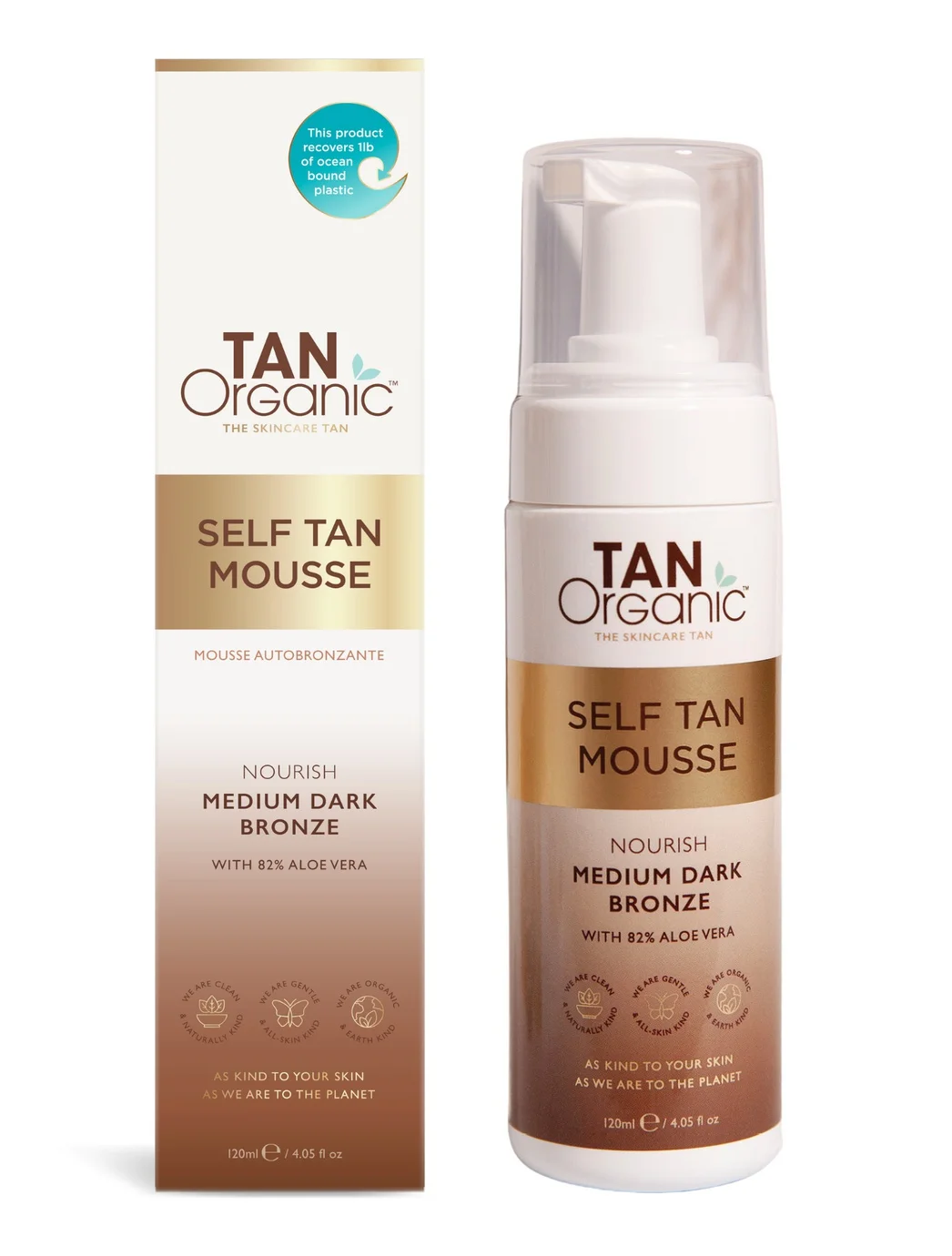
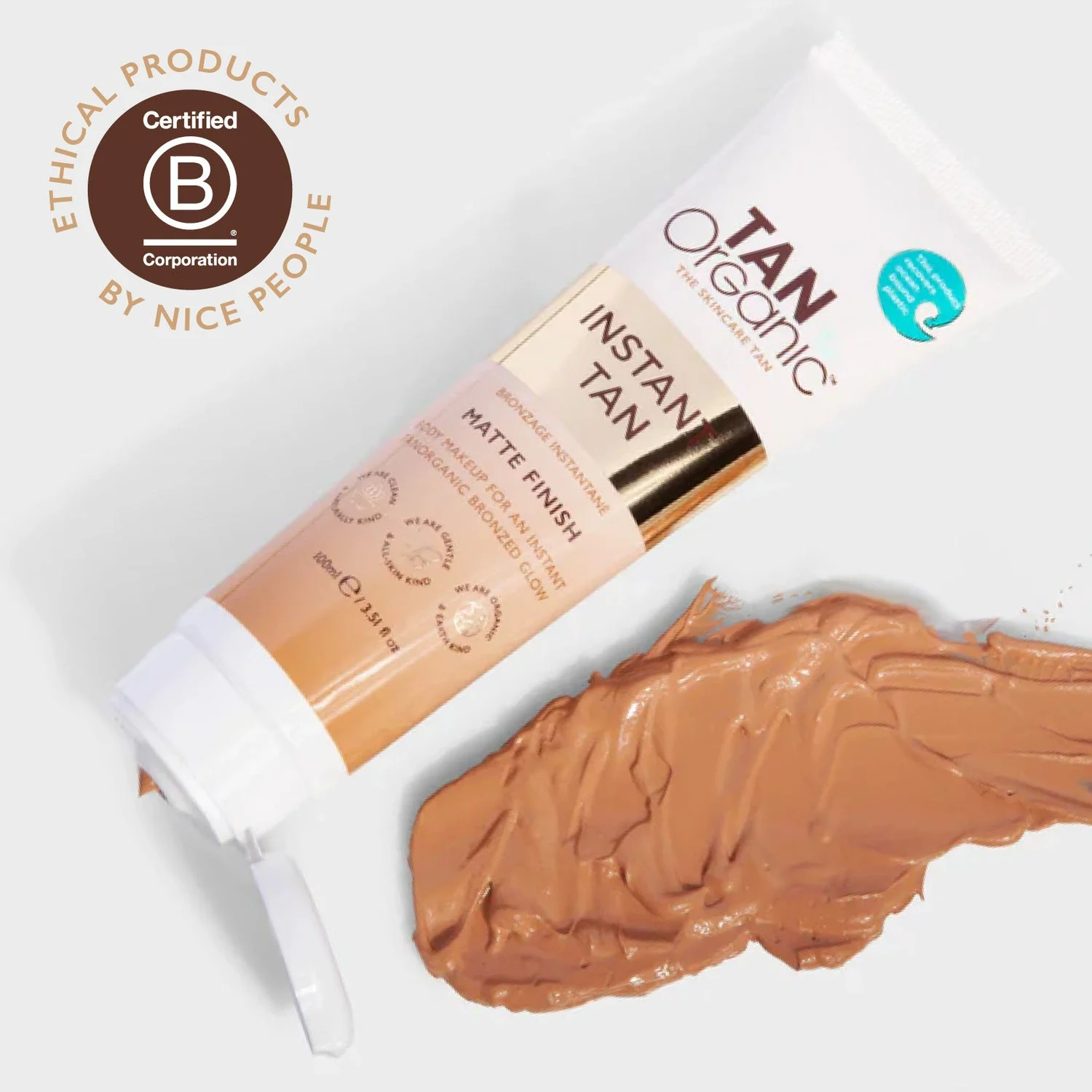
How well does your skin match with Tan Organic Tanorganic Self Tan Mousse?
Login to see detailsOr continue via
Quick 1-minute survey • Completely free
Ingredients
Analysis results of Ingredients


Ingredient List
| EWG | CIR | Ingredient Name & Cosmetic Function | Notes |
|---|---|---|---|
| 1 3 | - | (Skin Conditioning) | |
| 1 3 | - | (Skin Conditioning, Cosmetic Colorant, Reducing, Tanning) | |
| 1 | - | (Masking, Fragrance, Colorant, Cosmetic Colorant) | |
| 2 | - | (Solvent, Viscosity Decreasing Agent, Viscosity Controlling) | |


Tan Organic Tanorganic Self Tan Mousse - Ingredient Explanation
Aloe Barbadensis Gel*
1. Definition Aloe Barbadensis (Aloe Vera) Gel:
Aloe Barbadensis (Aloe Vera) Gel is a clear, gel-like substance extracted from the leaves of the Aloe Vera plant. It is known for its soothing and healing properties and is commonly used in skincare and cosmetic products.2. Use:
Aloe Vera gel is used in cosmetics for its moisturizing, anti-inflammatory, and healing properties. It is often included in products such as lotions, creams, serums, and masks to help hydrate the skin, reduce redness and inflammation, and promote healing of minor skin irritations.3. Usage Aloe Barbadensis (Aloe Vera) Gel:
Aloe Vera gel can be applied directly to the skin or mixed with other ingredients to create homemade skincare products. It is gentle enough for daily use and is suitable for all skin types, including sensitive skin. When using Aloe Vera gel, it is important to perform a patch test first to check for any allergic reactions. It should be stored in a cool, dry place and kept away from direct sunlight to maintain its effectiveness.4. References:
- Surjushe, A., Vasani, R., & Saple, D. G. (2008). Aloe Vera: A short review. Indian Journal of Dermatology, 53(4), 163–166. https://doi.org/10.4103/0019-5154.44785
- Radha, M. H., & Laxmipriya, N. P. (2015). Evaluation of biological properties and clinical effectiveness of Aloe Vera: A systematic review. Journal of Traditional and Complementary Medicine, 5(1), 21–26. https://doi.org/10.1016/j.jtcme.2014.10.006
- Reynolds, T. (2004). The compounds in Aloe Vera that contribute to its healing properties. International Immunopharmacology, 4(2), 175–182. https://doi.org/10.1016/j.intimp.2003.12.023
Dihydroxyacetone
1. Definition Dihydroxyacetone:
Dihydroxyacetone (DHA) is a colorless chemical compound that is commonly used in cosmetics as a self-tanning agent. It reacts with amino acids in the skin's outermost layer to produce a brown color, giving the appearance of a tan without exposure to harmful UV rays.2. Use:
DHA is primarily used in self-tanning products such as lotions, sprays, and mousses to provide a temporary, sunless tan. It is a safe alternative to traditional tanning methods and can help individuals achieve a bronzed look without the risk of skin damage from UV radiation.3. Usage Dihydroxyacetone:
When using products containing DHA, it is important to follow the manufacturer's instructions carefully to achieve the desired results. Excessive use of DHA products can result in an unnatural or uneven tan, so it is recommended to apply the product evenly and in moderation. Additionally, it is advisable to exfoliate the skin before application to ensure a smooth and even tan.4. References:
- Lee, J. H., Kim, S. U., Lee, J. S., Kim, J. H., & Kim, H. J. (2016). The safety of dihydroxyacetone (DHA) in sunless tanners. Journal of Toxicology and Environmental Health, Part B, 19(3-4), 119-128.
- Jung, K., Seo, J., & Lee, H. (2019). Dihydroxyacetone (DHA) in sunless tanning products: A safety assessment. Regulatory Toxicology and Pharmacology, 109, 104489.
- Roberts, W. E., & Skinner, R. B. (2005). Dihydroxyacetone-induced sunless tanning reactions: A clinical and histological study. Journal of the American Academy of Dermatology, 52(5), 703-708.
Caramel
1. Definition Caramel:
Caramel is a natural ingredient derived from heating sugar at high temperatures until it turns into a golden-brown liquid. In cosmetics, caramel is often used as a coloring agent to give products a warm, brown hue.2. Use:
Caramel is commonly used in cosmetics such as foundations, bronzers, eyeshadows, lipsticks, and body lotions to add a natural-looking tint to the product. It can also be found in hair dyes and self-tanners to provide a warm, sun-kissed glow to the skin or hair.3. Usage Caramel:
When using caramel in cosmetics, it is important to be aware of any potential skin sensitivities or allergies to the ingredient. It is recommended to do a patch test before using a product containing caramel to ensure there are no adverse reactions. Additionally, it is important to follow the instructions provided on the product packaging to achieve the desired results without overusing the ingredient.4. References:
- "Caramel in Cosmetics: Benefits and Uses" by Skincare.com
- "The Role of Caramel in Cosmetic Formulations" by Personal Care Magazine
- "Caramel: A Natural Coloring Agent in Cosmetics" by Cosmetics & Toiletries
Propanediol
1. Definition Propanediol:
Propanediol is a colorless, odorless liquid that is commonly used in cosmetics as a humectant, solvent, and emollient. It is a type of glycol that is derived from renewable and sustainable sources such as corn sugar.2. Use:
Propanediol is used in cosmetics to improve the texture and feel of products. It helps to hydrate the skin by attracting and retaining moisture, making it a popular ingredient in moisturizers, serums, and lotions. Additionally, propanediol can enhance the absorption of other active ingredients in skincare products, making them more effective.3. Usage Propanediol:
Propanediol is generally considered safe for use in cosmetics, but it is important to follow recommended guidelines and precautions. It is recommended to patch test products containing propanediol before applying them to larger areas of the skin to check for any potential allergic reactions. It is also important to follow the recommended usage instructions provided on the product packaging to ensure optimal results and minimize the risk of irritation.4. References:
- Zhang, X., Qian, H., & Tang, S. (2018). Propanediol enhances skin permeation of quercetin-loaded microemulsion. Drug Development and Industrial Pharmacy, 44(6), 1010-1016.
- Rigo, L. A., da Silva, D. F., & Sayer, C. (2019). Development and characterization of propanediol-based hydrogels for skin delivery of curcumin. International Journal of Biological Macromolecules, 132, 73-81.
- Huang, D., Zhang, Y., & Zhang, Z. (2017). Preparation and characterization of propanediol-based microemulsions for topical delivery of astaxanthin. Journal of Dispersion Science and Technology, 38(9), 1317-1323.
Review

Didn't find
the information you need?





Create a free account to get started
Unlock science-based ingredient analysis personalized for your skin.
Already have an account? Log in
We protect your privacy. We never send spam.