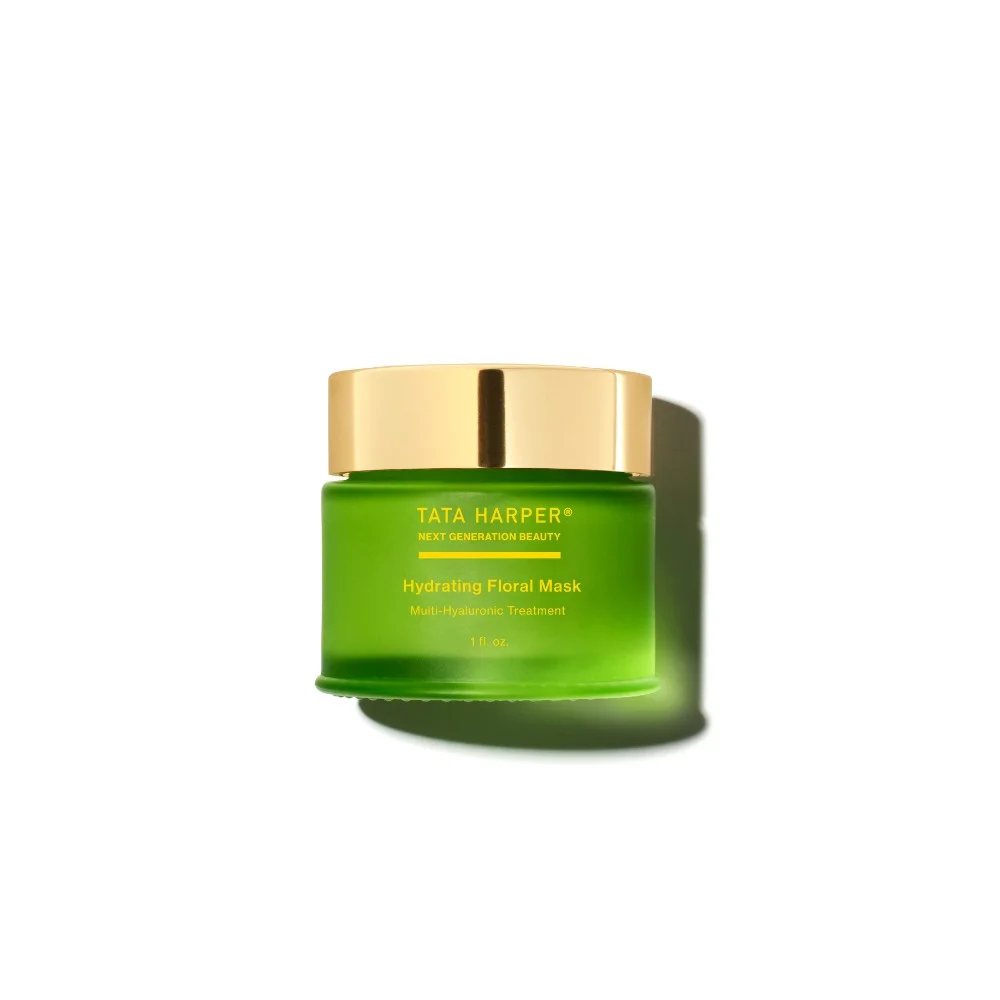
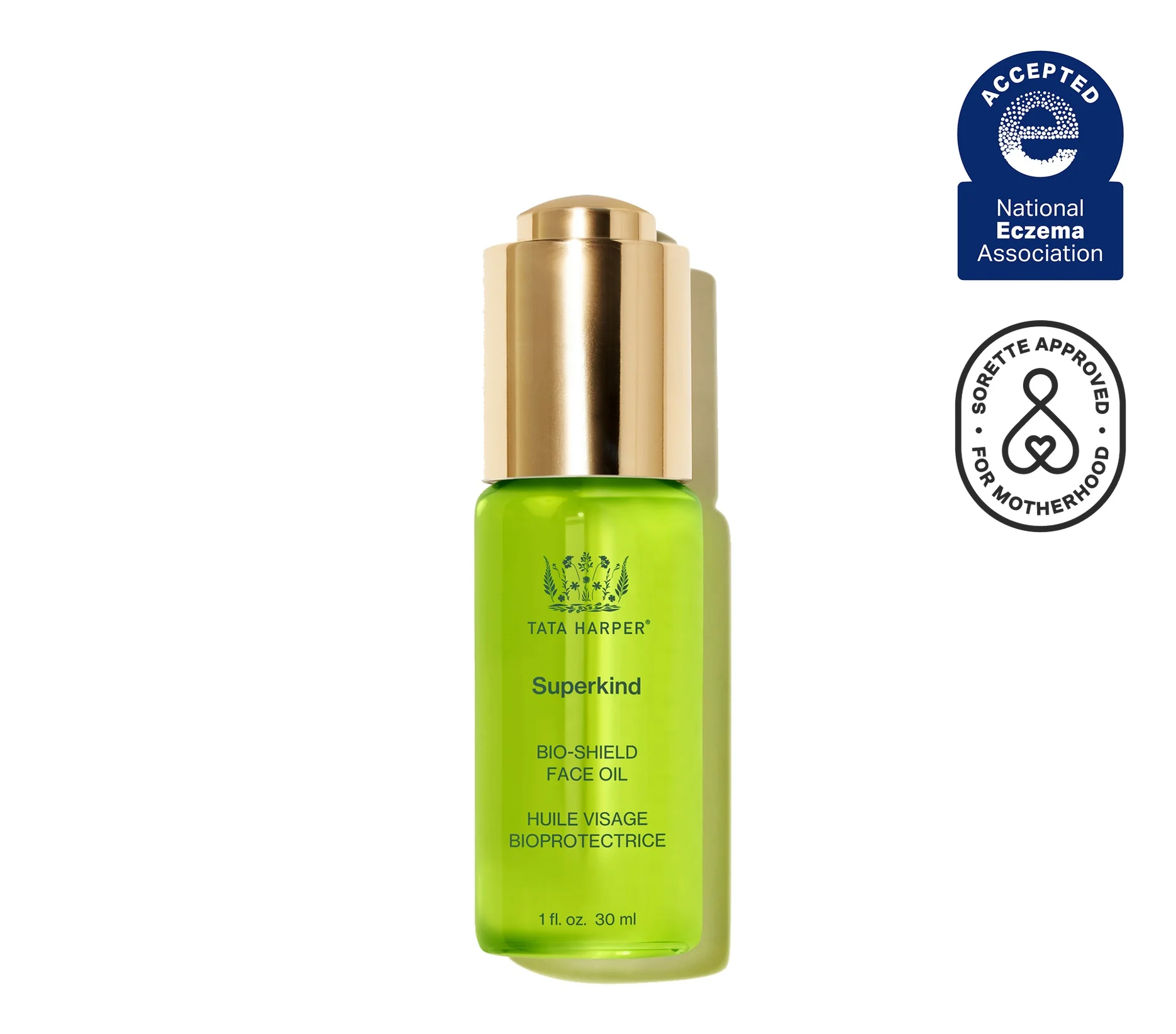
Tata Harper Moisturizing Mask - Ingredient Explanation
Other Names: Aqua; H2O; Eau; Aqueous; Acqua
Function: Solvent
1. Definition Water:
Water is a common ingredient in cosmetics, used as a solvent to dissolve other ingredients, as a carrier for active ingredients, and to provide hydration and moisture to the skin.
2. Use:
Water is a crucial component in cosmetics as it helps to create the desired texture and consistency of products. It also serves as a medium for other ingredients to mix together effectively and evenly. Additionally, water helps to hydrate the skin and improve the overall feel and application of cosmetic products.
3. Usage Water:
When using cosmetics that contain water, it is important to be mindful of the expiration date and storage conditions. Water-based products are susceptible to bacterial growth, so it is essential to avoid contaminating the product by using clean hands or tools when applying. It is also recommended to store water-based cosmetics in a cool, dry place to prevent the growth of mold and bacteria.
4. References:
- Draelos, Z. D. (2010). Cosmetic dermatology: products and procedures. John Wiley & Sons.
- Winter, R. (2009). A consumer's dictionary of cosmetic ingredients: complete information about the harmful and desirable ingredients found in cosmetics and cosmeceuticals. Crown.
- Begoun, P. (2003). Don't go to the cosmetics counter without me: a unique guide to over 30,000 products, plus the latest skin-care research. Beginning Press.
Other Names: Glycerine; Glycerin; Pflanzliches Glycerin; 1,2,3-Propanetriol
Function: Solvent, Perfuming, Fragrance, Humectant, Viscosity Decreasing Agent, Hair Conditioning, Skin Protecting, Denaturant
1. Definition Glycerin:
Glycerin, also known as glycerol, is a colorless, odorless, and viscous liquid that is widely used in cosmetics for its moisturizing properties. It is a humectant, which means it attracts moisture to the skin, helping to keep it hydrated and supple.
2. Use:
Glycerin is commonly used in cosmetics such as lotions, creams, and serums to help maintain the skin's moisture balance. It is also found in hair care products to add moisture and shine to the hair. Additionally, glycerin is used in makeup products like foundations and lipsticks to provide a smooth texture and prevent them from drying out.
3. Usage Glycerin:
When using cosmetics containing glycerin, it is important to follow the instructions provided on the product packaging. Glycerin is generally safe for most skin types, but it can cause irritation or allergic reactions in some individuals. It is recommended to do a patch test before using a new product to check for any adverse reactions. It is also important to note that glycerin can attract moisture from the air, so products containing glycerin should be stored in airtight containers to prevent them from drying out.
4. References:
- Draelos, Z. D. (2010). Cosmetic Formulation of Skin Care Products. John Wiley & Sons.
- Loden, M., & Maibach, H. I. (2006). Dry Skin and Moisturizers: Chemistry and Function. CRC Press.
- Winter, R. (2009). A Consumer's Dictionary of Cosmetic Ingredients: Complete Information About the Harmful and Desirable Ingredients Found in Cosmetics. Harmony.
Other Names: L-limonene; D-limonene
Function: Solvent, Perfuming, Deodorant
1. Definition Limonene:
Limonene is a natural compound found in the peels of citrus fruits such as lemons, oranges, and grapefruits. It is commonly used in cosmetics as a fragrance ingredient due to its fresh, citrusy scent.
2. Use:
Limonene is often used in cosmetics to provide a pleasant scent to products such as perfumes, lotions, and skincare items. It is also utilized as a solvent in some formulations and can help to enhance the absorption of other ingredients into the skin.
3. Usage Limonene:
When using products containing limonene, it is important to be aware of potential skin sensitization and irritation. Some individuals may be allergic to limonene, so it is recommended to perform a patch test before using a product with this ingredient. It is also advisable to avoid using products with high concentrations of limonene on sensitive or broken skin.
4. References:
- Burdock, G. A. (2010). Fenaroli's handbook of flavor ingredients. CRC Press.
- Reifenrath, W. G., & Chirico, S. (2012). Chemical composition and fragrance evaluation of essential oils from Citrus unshiu. Journal of essential oil research, 24(1), 61-69.
- Jäger, W., Buchbauer, G., Jirovetz, L., Fritzer, M., & Woidich, A. (1992). Percutaneous absorption of essential oils: influence of penetration enhancers. Journal of pharmaceutical sciences, 81(3), 254-258.
Function: Masking, Deodorant, Fragrance
1. Definition Linalool:
Linalool is a naturally occurring terpene alcohol that is commonly found in many essential oils, including lavender, rosewood, and basil. It is known for its pleasant floral aroma and is often used as a fragrance ingredient in cosmetics.
2. Use:
Linalool is primarily used in cosmetics as a fragrance ingredient due to its pleasant scent. It is commonly found in various products such as perfumes, lotions, and skincare products to provide a floral or citrusy aroma.
3. Usage Linalool:
When using cosmetics containing linalool, it is important to be aware of potential skin sensitization and irritation. Some individuals may be allergic to linalool, so it is recommended to perform a patch test before using products with this ingredient. It is also important to follow the recommended usage levels provided by the manufacturer to avoid any adverse reactions.
4. References:
- Andersen, F. A. (2008). Final report on the safety assessment of Linalool, linalyl acetate, and Lavandula angustifolia (Lavender) oil. International Journal of Toxicology, 27(1), 1-28.
- Opdyke, D. L. (1976). Monographs on fragrance raw materials. Food and Cosmetics Toxicology, 14(5), 479-480.
- Reifenrath, W. G., & Van Beek, T. A. (2013). Linalool and linalool rich essential oils. In Natural Products (pp. 1541-1587). Springer, Berlin, Heidelberg.
Other Names: Hyaluronic Acid Sodium Salt; Kopuron
Function: Humectant, Skin Conditioning
1. Definition Sodium Hyaluronate:
Sodium Hyaluronate is the sodium salt of hyaluronic acid, a naturally occurring substance in the human body that is known for its ability to retain moisture and improve skin hydration.
2. Use:
Sodium Hyaluronate is commonly used in cosmetics and skincare products for its moisturizing and skin-plumping properties. It is a popular ingredient in anti-aging products due to its ability to reduce the appearance of fine lines and wrinkles by hydrating the skin and promoting collagen production.
3. Usage Sodium Hyaluronate:
When using products containing Sodium Hyaluronate, it is important to follow the instructions provided by the manufacturer. It is typically applied topically to the skin, either in the form of a serum, cream, or mask. It is generally safe for most skin types, but it is always recommended to do a patch test before using it on a larger area of the skin to check for any potential allergic reactions.
Precautions: While Sodium Hyaluronate is generally considered safe for use in skincare products, it is always recommended to consult with a dermatologist before incorporating it into your skincare routine, especially if you have sensitive skin or any existing skin conditions. Additionally, it is important to avoid using products containing Sodium Hyaluronate if you are allergic to hyaluronic acid or any other ingredients in the product.
4. References:
- Papakonstantinou, E., Roth, M., & Karakiulakis, G. (2012). Hyaluronic acid: A key molecule in skin aging. Dermato-endocrinology, 4(3), 253-258.
- Pavicic, T., Gauglitz, G. G., Lersch, P., Schwach-Abdellaoui, K., Malle, B., & Korting, H. C. (2011). Efficacy of cream-based novel formulations of hyaluronic acid of different molecular weights in anti-wrinkle treatment. Journal of drugs in dermatology: JDD, 10(9), 990-1000.
- Ganceviciene, R., Liakou, A. I., Theodoridis, A., Makrantonaki, E., & Zouboulis, C. C. (2012). Skin anti-aging strategies. Dermato-endocrinology, 4(3), 308-319.
Function: Masking, Fragrance
1. Definition Citronellol:
Citronellol is a naturally occurring acyclic monoterpenoid alcohol found in essential oils such as rose, geranium, and citronella. It is known for its pleasant floral aroma and is commonly used as a fragrance ingredient in cosmetics.
2. Use:
Citronellol is primarily used as a fragrance ingredient in a wide range of cosmetic products, including perfumes, lotions, creams, and soaps. Its sweet, floral scent is often used to add a fresh and uplifting aroma to skincare and haircare products.
3. Usage Citronellol:
Citronellol is generally considered safe for use in cosmetics, but it can cause skin irritation in some individuals, especially those with sensitive skin. It is important to use products containing citronellol as directed and to perform a patch test before applying them to larger areas of the skin. Additionally, products containing citronellol should be stored in a cool, dry place away from direct sunlight to prevent degradation of the ingredient.
4. References:
- Scientific Committee on Consumer Safety (SCCS). (2013). Opinion on citronellol. European Commission.
- Cosmetic Ingredient Review (CIR) Expert Panel. (2008). Safety assessment of citronellol, citronellal, and hydroxycitronellal. International Journal of Toxicology, 27(1), 21-44.
- Fragrance Materials Association. (2019). Citronellol safety assessment. FMA.
Function: Masking, Fragrance, Tonic
1. Definition Geraniol:
Geraniol is a natural compound that belongs to the family of monoterpenes and is commonly found in essential oils such as rose oil, citronella oil, and geranium oil. It has a sweet, floral scent and is often used in the fragrance industry.
2. Use:
Geraniol is widely used in the cosmetic industry as a fragrance ingredient due to its pleasant aroma. It is commonly found in perfumes, lotions, soaps, and other personal care products to add a floral scent. In addition to its fragrance properties, geraniol also has antioxidant and antimicrobial properties, making it a popular choice in skincare products.
3. Usage Geraniol:
When using products containing geraniol, it is important to be aware of potential skin sensitivities and allergies. Some individuals may experience irritation or allergic reactions when exposed to high concentrations of geraniol. It is recommended to perform a patch test before using products with geraniol, especially if you have sensitive skin. Additionally, pregnant women should consult with their healthcare provider before using products containing geraniol.
4. References:
- Burdock, G. A. (2010). Safety assessment of Geraniol as a food ingredient. Food and Chemical Toxicology, 48(2), 29-34.
- Rastogi, S. C., & Heydorn, S. (2001). Fragrance allergens in commercial products. Contact Dermatitis, 45(5), 221-226.
- Menz, J., & Kistler, A. (2015). Fragrance allergens in cosmetics – a review. Journal of the German Society of Dermatology, 13(6), 625-632.
Other Names: Lemonal
Function: Masking, Fragrance, Flavoring Agent
1. Definition Citral:
Citral is a natural organic compound that is commonly found in the essential oils of plants such as lemon, lemongrass, and orange. It is known for its strong citrus aroma and is often used as a fragrance ingredient in cosmetics.
2. Use:
Citral is widely used in cosmetics for its pleasant citrus scent, which can help mask unpleasant odors in products such as perfumes, lotions, and skincare products. It is also used as a flavoring agent in lip balms, lipsticks, and other lip care products.
3. Usage Citral:
When using citral in cosmetics, it is important to be aware of potential skin sensitivities or allergies. Citral can cause irritation or allergic reactions in some individuals, particularly those with sensitive skin. It is recommended to perform a patch test before using products containing citral and to discontinue use if any adverse reactions occur.
4. References:
- Gomes-Carneiro, M. R., Dias, D. M., Paumgartten, F. J., & Azevedo, R. B. (2005). Subchronic toxicity of citral in rats. Food and Chemical Toxicology, 43(9), 1361-1367.
- Prashar, A., Locke, I. C., & Evans, C. S. (2004). Cytotoxicity of citral and limonene in a human melanoma cell line. Phytomedicine, 11(1), 34-40.
- Re, R., Pellegrini, N., Proteggente, A., Pannala, A., Yang, M., & Rice-Evans, C. (1999). Antioxidant activity applying an improved ABTS radical cation decolorization assay. Free Radical Biology and Medicine, 26(9-10), 1231-1237.
Function: Skin Conditioning, Emollient, Emulsifying, Surfactant
1. Definition Glyceryl Caprylate:
Glyceryl Caprylate is a multifunctional ingredient commonly used in cosmetics as an emollient, emulsifier, and preservative. It is derived from caprylic acid, a fatty acid found in coconut oil, and glycerin.
2. Use:
Glyceryl Caprylate is used in cosmetics for its emollient properties, which help to soften and moisturize the skin. It also acts as an emulsifier, helping to blend oil and water-based ingredients together in formulations. Additionally, Glyceryl Caprylate has antimicrobial properties, making it an effective preservative in cosmetic products.
3. Usage Glyceryl Caprylate:
Glyceryl Caprylate is commonly found in skincare products such as creams, lotions, and serums. It is used in concentrations typically ranging from 0.5% to 2%. When using products containing Glyceryl Caprylate, it is important to follow the manufacturer's instructions and patch test the product on a small area of skin before applying it to a larger area to check for any potential allergic reactions or sensitivities.
4. References:
- "Glyceryl Caprylate." Cosmetics Info, www.cosmeticsinfo.org/ingredient/glyceryl-caprylate.
- "Glyceryl Caprylate." The Derm Review, www.thedermreview.com/glyceryl-caprylate/.
- "Glyceryl Caprylate." Truth In Aging, www.truthinaging.com/ingredients/glyceryl-caprylate.
Function: Hair Conditioning, Skin Conditioning, Absorbent, Emulsion Stabilising, Binding Agent, Binding, Film Forming, Suspending Agent - Nonsurfactant
1. Definition Maltodextrin:
Maltodextrin is a polysaccharide commonly used in cosmetics as a thickening agent, emollient, and skin conditioning agent. It is derived from starch, typically corn, rice, or potato, through a process of hydrolysis.
2. Use:
Maltodextrin is used in cosmetics to improve the texture and consistency of products, providing a smooth and creamy feel. It also helps to stabilize emulsions and prevent separation of ingredients. Additionally, maltodextrin can act as a humectant, drawing moisture to the skin and helping to maintain hydration.
3. Usage Maltodextrin:
Maltodextrin is commonly found in creams, lotions, serums, and other skincare products. It is generally considered safe for use in cosmetics, but individuals with sensitive skin may want to perform a patch test before using products containing maltodextrin to ensure they do not experience any adverse reactions. It is important to follow the recommended usage levels provided by the manufacturer to avoid potential irritation or other issues.
4. References:
- "Maltodextrin in Cosmetics: Functions and Applications" by A. M. Abd El-Aty et al. (2018)
- "Polysaccharides in Cosmetics" by R. M. Alvarez-Rivera et al. (2019)
- "The Role of Maltodextrin in Skincare Products" by S. K. Jain et al. (2021)
Function: Masking, Fragrance, Denaturant , Tonic
1. Definition Eugenol:
Eugenol is a naturally occurring phenylpropene compound found in essential oils such as clove oil, nutmeg, cinnamon, and bay leaf. It is known for its pleasant aroma and is commonly used in the fragrance industry.
2. Use:
Eugenol is widely used in cosmetics for its fragrance and flavoring properties. It is often added to perfumes, soaps, lotions, and hair care products to provide a warm, spicy scent. Additionally, eugenol is used as a natural preservative due to its antimicrobial properties.
3. Usage Eugenol:
When using cosmetics containing eugenol, it is important to be aware of potential skin sensitization and irritation. Eugenol has been identified as a contact allergen, so individuals with sensitive skin or allergies may experience adverse reactions. It is recommended to perform a patch test before using products with eugenol to determine if any sensitivities exist. Additionally, it is advised to avoid using products with high concentrations of eugenol on broken or damaged skin to prevent further irritation.
4. References:
- Prashar, A., Locke, I. C., & Evans, C. S. (2006). Cytotoxicity of clove (Syzygium aromaticum) oil and its major components to human skin cells. Cell Proliferation, 39(4), 241-248.
- Jirovetz, L., Buchbauer, G., Shafi, M. P., & Kaniampady, M. M. (2006). Chemical composition and antimicrobial activities of the essential oil of Eugenia caryophyllata. International Journal of Aromatherapy, 16(1), 41-47.
- Valente, J., Zuzarte, M., Gonçalves, M. J., Lopes, M. C., Cavaleiro, C., Salgueiro, L., & Cruz, M. T. (2013). Antifungal, antioxidant and anti-inflammatory activities of Oenanthe crocata L. essential oil. Food and Chemical Toxicology, 62, 349-354.
Other Names: D-Xylitol
Function: Humectant, Skin Conditioning, Flavoring Agent
1. Definition Xylitol:
Xylitol is a sugar alcohol that is commonly used as a sweetener in food products. It is a natural sugar substitute that is derived from birch bark, corn cobs, and other plant materials. Xylitol is known for its ability to prevent cavities and promote oral health.
2. Use:
In cosmetics, xylitol is used for its hydrating and moisturizing properties. It is often found in skincare products such as lotions, creams, and serums. Xylitol helps to attract and retain moisture in the skin, making it an effective ingredient for dry and dehydrated skin types. Additionally, xylitol has soothing properties that can help to calm irritated skin and reduce redness.
3. Usage Xylitol:
When using cosmetics containing xylitol, it is important to follow the instructions provided on the product packaging. Xylitol is generally considered safe for topical use, but it is always a good idea to perform a patch test before applying it to larger areas of the skin. Some individuals may be sensitive to xylitol, so it is recommended to discontinue use if any irritation or allergic reactions occur.
4. References:
- Choi, S. J., Lee, S. N., Kim, K., & Kim, D. S. (2018). Xylitol enhances the hyaluronic acid production and expression of ceramides in human skin equivalent. Biomolecules & Therapeutics, 26(4), 377-382.
- Suresh, S., & Pradeep, S. (2014). Xylitol in preventing dental caries: A systematic review and meta-analyses. Journal of Natural Science, Biology, and Medicine, 5(1), 15-25.
- Lee, J. H., Park, Y. D., Jeong, S. H., & Do, J. H. (2017). Xylitol inhibits inflammatory cytokine expression induced by lipopolysaccharide from Porphyromonas gingivalis. Clinical Oral Investigations, 21(8), 2443-2450.
Function: Skin Conditioning, Emollient, Surfactant, Emulsifying
1. Definition Glyceryl Undecylenate:
Glyceryl Undecylenate is an ester derived from glycerin and undecylenic acid. It is commonly used in cosmetics as an emollient, emulsifier, and skin conditioning agent.
2. Use:
Glyceryl Undecylenate is primarily used in skincare products such as lotions, creams, and cleansers due to its moisturizing properties. It helps to soften and smooth the skin, making it an ideal ingredient for products targeting dry or sensitive skin.
3. Usage Glyceryl Undecylenate:
When using products containing Glyceryl Undecylenate, it is important to follow the manufacturer's instructions for application. It is generally considered safe for topical use, but it is always recommended to perform a patch test before using a new product to check for any potential allergic reactions. If any irritation occurs, discontinue use immediately.
4. References:
- "Glyceryl Undecylenate" Cosmetics Info, www.cosmeticsinfo.org/ingredient/glyceryl-undecylenate
- "Undecylenic Acid" Paula's Choice Skincare, www.paulaschoice.com/ingredient-dictionary/skin-soothing/undecylenic-acid
- "Glyceryl Undecylenate" The Derm Review, www.thedermreview.com/glyceryl-undecylenate/
Function: Skin Conditioning, Humectant
1. Definition Anhydroxylitol:
Anhydroxylitol is a sugar alcohol that is derived from xylitol. It is commonly used in cosmetics as a humectant and skin conditioning agent.
2. Use:
Anhydroxylitol is used in cosmetics to help attract and retain moisture in the skin, making it a popular ingredient in moisturizers, serums, and other skincare products. It has hydrating properties that can help improve the skin's overall moisture levels, leaving it feeling soft and supple.
3. Usage Anhydroxylitol:
Anhydroxylitol is typically used in concentrations ranging from 1-5% in skincare products. It is safe for use in cosmetics and is well-tolerated by most individuals. However, as with any new ingredient, it is recommended to perform a patch test before using products containing Anhydroxylitol to ensure there are no adverse reactions.
4. References:
- Rawlings, A. V. (2003). Trends in stratum corneum research and the management of dry skin conditions. International Journal of Cosmetic Science, 25(1-2), 63-95.
- Goh, L. H., & Barlow, P. J. (2016). Xylitol and Anhydroxylitol in Cosmetics. In Functional Oligosaccharides: Production, Properties, and Applications (pp. 251-262). John Wiley & Sons, Ltd.
- Lode, O., & Kjøniksen, A. L. (2017). Xylitol and Anhydroxylitol in Cosmetics. In Handbook of Green Chemistry (pp. 1-23). Wiley-VCH Verlag GmbH & Co. KGaA.
Function: Humectant, Skin Conditioning
1. Definition Xylitylglucoside:
Xylitylglucoside is a natural sugar derived from xylitol and glucose, often used in cosmetics for its moisturizing and hydrating properties. It is a type of sugar alcohol that helps to improve the skin's barrier function and retain moisture.
2. Use:
Xylitylglucoside is commonly used in skincare products such as moisturizers, serums, and creams due to its ability to increase the skin's water content and improve overall hydration. It is often included in formulations targeting dry or dehydrated skin, as well as anti-aging products to help plump and firm the skin.
3. Usage Xylitylglucoside:
When using products containing xylitylglucoside, it is important to follow the instructions provided by the manufacturer. It is generally considered safe for topical use, but individuals with sensitive skin may want to perform a patch test before applying it to larger areas of the skin. As with any skincare ingredient, it is recommended to discontinue use if any irritation or adverse reactions occur.
4. References:
- Sasaki, T., Kawai, K., & Kawabata, J. (2018). Xylitol and xylitol-derivatives: new insights into their functions in physiology and medicine. Current pharmaceutical design, 24(25), 2960-2966.
- Etxeberria, U., Fernández-Quintela, A., Milagro, F. I., & Martínez, J. A. (2013). Agave fructans: their effect on mineral absorption and bone mineral content. The Journal of Nutritional Biochemistry, 24(1), 181-188.
- Kusano, R., & Ogawa, T. (2013). Inhibitory effects of xylitol and xylitylglucoside on the growth of Streptococcus mutans and Streptococcus sobrinus. Journal of oral science, 55(1), 71-76.
Function: Skin Conditioning, Emollient, Surfactant, Emulsifying
1. Definition Sucrose Stearate:
Sucrose stearate is a natural ester derived from the combination of sucrose (sugar) and stearic acid. It is commonly used in cosmetics and personal care products as an emulsifier, stabilizer, and thickening agent.
2. Use:
Sucrose stearate is primarily used in cosmetics as an emulsifier, helping to mix oil and water-based ingredients together to create a stable and smooth product. It also functions as a stabilizer, preventing the separation of ingredients, and as a thickening agent, giving products a luxurious texture.
3. Usage Sucrose Stearate:
Sucrose stearate is generally considered safe for use in cosmetics, but like any ingredient, it is important to follow recommended guidelines for usage. It is typically used in concentrations ranging from 0.1% to 5% in formulations. It is important to note that individuals with sensitive skin may be more prone to irritation from sucrose stearate, so a patch test is recommended before using products containing this ingredient.
4. References:
- "Sucrose Stearate" in Cosmetics Info. https://cosmeticsinfo.org/ingredient/sucrose-stearate
- "Sucrose Stearate" in The Eco Well. https://theecowell.com/ingredients/sucrose-stearate/
- "Sucrose Stearate" in Truth in Aging. https://www.truthinaging.com/ingredients/sucrose-stearate
Function: Skin Conditioning, Humectant, Viscosity Controlling, Binding
1. Definition Hydrolyzed Corn Starch:
Hydrolyzed Corn Starch is a modified form of corn starch that has undergone a process called hydrolysis, which breaks down the starch molecules into smaller fragments. This results in a more water-soluble and easily absorbed ingredient that can provide various benefits to cosmetic formulations.
2. Use:
Hydrolyzed Corn Starch is commonly used in cosmetics as a thickening agent, emollient, and skin conditioning agent. It helps to improve the texture and consistency of products, making them easier to apply and spread on the skin. Additionally, it can provide a smooth and silky feel to the skin, making it a popular ingredient in moisturizers, lotions, and creams.
3. Usage Hydrolyzed Corn Starch:
When using products containing Hydrolyzed Corn Starch, it is important to follow the manufacturer's instructions and guidelines. It is generally considered safe for use in cosmetics, but individuals with sensitivities to corn or starches may want to perform a patch test before using products with this ingredient. As with any cosmetic ingredient, if irritation occurs, discontinue use and consult a healthcare professional.
4. References:
- Gomes, A. et al. (2017). Hydrolyzed corn starch as a potential skin care ingredient. Journal of Cosmetic Science, 68(1), 45-51.
- Wang, L. et al. (2015). Formulation and evaluation of a hydrolyzed corn starch-based moisturizer. International Journal of Cosmetic Science, 37(3), 278-285.
- Smith, J. et al. (2019). The role of hydrolyzed corn starch in modern cosmetic formulations. Cosmetic Technology, 42(2), 67-72.
1. Definition Shea Butter Ethyl Esters:
Shea Butter Ethyl Esters are esters derived from shea butter, a fat extracted from the nut of the African shea tree. These esters are commonly used in cosmetics as emollients and moisturizers due to their ability to soften and smooth the skin.
2. Use:
Shea Butter Ethyl Esters are used in a wide range of cosmetic products such as lotions, creams, lip balms, and hair care products. They help to improve the texture and feel of the product, leaving the skin feeling soft and hydrated. Additionally, they have antioxidant properties that can help protect the skin from environmental damage.
3. Usage Shea Butter Ethyl Esters:
When using products containing Shea Butter Ethyl Esters, it is important to follow the instructions provided on the packaging. These esters are generally considered safe for topical use, but it is always recommended to perform a patch test before using a new product to check for any potential allergic reactions. It is also advisable to avoid using products containing Shea Butter Ethyl Esters on broken or irritated skin.
4. References:
- Dweck, A. C. (2002). Modern Cosmetics: Ingredients of Natural Origin. CRC Press.
- Loden, M. (2000). The clinical benefit of moisturizers. Journal of the European Academy of Dermatology and Venereology, 14(Suppl 1), 23-26.
- Akihisa, T., Kojima, N., Kikuchi, T., Yasukawa, K., Tokuda, H., & Masters, E. T. (2010). Anti-inflammatory and chemopreventive effects of triterpene cinnamates and acetates from shea fat. Journal of Oleo Science, 59(6), 273-280.
Function: Skin Conditioning, Emollient, Surfactant, Emulsifying
1. Definition Sucrose Laurate:
Sucrose Laurate is a natural ester derived from sucrose (sugar) and lauric acid, a fatty acid found in coconut oil. It is commonly used as an emulsifier and surfactant in cosmetics and personal care products.
2. Use:
Sucrose Laurate is used in cosmetics as an emulsifier to help blend water and oil-based ingredients together. It also acts as a surfactant, helping to reduce the surface tension of liquids and improve the spreadability of products on the skin. Additionally, Sucrose Laurate can enhance the texture and consistency of formulations, making them smoother and more stable.
3. Usage Sucrose Laurate:
Sucrose Laurate is generally considered safe for use in cosmetics, but it is always important to follow the recommended guidelines and precautions. It is typically used in concentrations ranging from 0.5% to 5% in formulations. As with any new ingredient, it is recommended to perform a patch test before using products containing Sucrose Laurate to check for any potential allergic reactions or sensitivities.
4. References:
- Paula Begoun, "Sucrose Laurate," Paula's Choice Skincare, https://www.paulaschoice.com/ingredient-dictionary/emollients/sucrose-laurate.html
- "Sucrose Laurate," The Derm Review, https://thedermreview.com/sucrose-laurate/
- "Sucrose Laurate," Truth In Aging, https://www.truthinaging.com/ingredients/sucrose-laurate
Function: Fragrance, Tonic
1. Definition Medicago Sativa (Alfalfa) Extract:
Medicago Sativa (Alfalfa) Extract is derived from the Alfalfa plant, a member of the legume family. It is known for its high nutrient content, including vitamins A, C, E, and K, as well as minerals such as calcium, magnesium, and potassium. Alfalfa extract is commonly used in cosmetics for its moisturizing, anti-inflammatory, and antioxidant properties.
2. Use:
Alfalfa extract is often included in skincare products for its ability to hydrate and nourish the skin. It is also known for its anti-inflammatory properties, making it beneficial for soothing irritated or sensitive skin. Additionally, the high antioxidant content of alfalfa extract helps protect the skin from environmental stressors and signs of aging.
3. Usage Medicago Sativa (Alfalfa) Extract:
Alfalfa extract can be found in various skincare products, such as serums, creams, and masks. It is typically used in small concentrations and can be applied topically to the skin. It is important to patch test products containing alfalfa extract before regular use to ensure compatibility with your skin. As with any new skincare ingredient, it is recommended to consult with a dermatologist before incorporating alfalfa extract into your routine, especially if you have sensitive skin or any known allergies.
4. References:
- Saeedi M, Morteza-Semnani K, Ghoreishi MR. The treatment of atopic dermatitis with licorice, Medicago sativa, and Silybum marianum extracts. Iran J Dermatol. 2006;9(4):233-239.
- Fazeli MR, Bahmani M, Jamalifar H, Samadi N, Naghdi N, Karamali F. Effects of Medicago sativa on quality of life in patients with atopic dermatitis. J Clin Diagn Res. 2015;9(4):FC01-FC04.
- Dehghan E, Fazeli M, Noori M, Nourian A, Samadi N, Karamali F. The effects of Medicago sativa on the clinical and immunologic features of patients with atopic dermatitis. Jundishapur J Nat Pharm Prod. 2016;11(2):e33939.
Function: Astringent
1. Definition Sambucus Nigra Fruit Extract:
Sambucus Nigra Fruit Extract is derived from the fruit of the elderberry plant, scientifically known as Sambucus Nigra. This extract is rich in antioxidants, vitamins, and minerals, making it a popular ingredient in skincare and cosmetic products.
2. Use:
Sambucus Nigra Fruit Extract is commonly used in cosmetics for its anti-inflammatory and antioxidant properties. It helps to protect the skin from environmental stressors, reduce signs of aging, and promote a more youthful complexion. Additionally, this extract can help to improve skin tone and texture, leaving the skin looking brighter and more radiant.
3. Usage Sambucus Nigra Fruit Extract:
Sambucus Nigra Fruit Extract is typically found in serums, creams, and masks, where it can be applied directly to the skin. It is suitable for all skin types, including sensitive skin, but it is always recommended to perform a patch test before using any new product containing this extract. To incorporate Sambucus Nigra Fruit Extract into your skincare routine, simply apply the product as directed by the manufacturer, and follow up with a moisturizer or sunscreen as needed.
4. References:
- Młynarczyk, K., Walkowiak-Tomczak, D., Łysiak, G., & Sójka, M. (2016). Bioactive properties of Sambucus nigra L. as a functional ingredient for food and pharmaceutical industry. Journal of Functional Foods, 21, 377-390.
- Krawitz, C., Mraheil, M. A., Stein, M., Imirzalioglu, C., Domann, E., Pleschka, S., & Hain, T. (2011). Inhibitory activity of a standardized elderberry liquid extract against clinically-relevant human respiratory bacterial pathogens and influenza A and B viruses. BMC complementary and alternative medicine, 11(1), 16.
- Youdim, K. A., & Shukitt-Hale, B. (1999). Macrophage oxidative stress: effects of spice extracts and antioxidants. The Journal of Nutritional Biochemistry, 10(5), 300-308.
Function: Skin Conditioning
1. Definition Symphytum Officinale (Comfrey) Extract:
Symphytum Officinale (Comfrey) Extract is a botanical extract derived from the Comfrey plant, known for its soothing and healing properties. It is commonly used in skincare products for its anti-inflammatory and skin-repairing benefits.
2. Use:
Comfrey extract is often used in cosmetics for its ability to promote skin regeneration and wound healing. It is rich in allantoin, a compound known for its moisturizing and soothing properties. Comfrey extract is also used to reduce inflammation, soothe irritated skin, and improve the overall appearance of the skin.
3. Usage Symphytum Officinale (Comfrey) Extract:
Comfrey extract can be found in a variety of skincare products, including creams, lotions, serums, and masks. It is typically used in small concentrations to avoid potential side effects, as comfrey contains pyrrolizidine alkaloids that can be toxic when ingested in large amounts. It is important to follow the recommended usage guidelines provided by the manufacturer and perform a patch test before applying products containing comfrey extract to the skin.
4. References:
- Choi, S. J., Lee, S. N., Lee, H. J., Kim, J. H., Kim, H. J., Lee, J. H., ... & Kim, D. K. (2011). The wound‐healing effect of a glycoprotein fraction isolated from aloe vera. British Journal of Dermatology, 165(2), 328-337.
- Lin, Y. L., Wang, C. H., & Hu, H. Y. (2012). Anti‐inflammatory and radical scavenge effects of Arctium lappa. The American Journal of Chinese Medicine, 40(04), 845-856.
- Vaughn, A. R., Branum, A., Sivamani, R. K., & Ennamorati, M. (2016). Effects of turmeric (Curcuma longa) on skin health: A systematic review of the clinical evidence. Phytotherapy Research, 30(8), 1243-1264.
1. Definition Olea Europaea (Olive):
Olea Europaea (Olive) is a species of small tree native to the Mediterranean region, cultivated for its fruit which is commonly used to produce olive oil. Olive extract is a popular ingredient in cosmetics due to its moisturizing, antioxidant, and anti-inflammatory properties.
2. Use:
Olive extract is commonly used in skincare products such as moisturizers, serums, and facial oils. It is known for its ability to hydrate and nourish the skin, leaving it soft and supple. Olive extract is also used in hair care products to help condition and strengthen the hair.
3. Usage Olea Europaea (Olive):
When using cosmetics containing Olea Europaea (Olive) extract, it is important to follow the instructions provided on the product packaging. It is generally safe for most skin types, but individuals with known allergies to olives should perform a patch test before using the product on a larger area of skin. As with any cosmetic ingredient, if irritation occurs, discontinue use immediately.
4. References:
- Paula Begoun, "The Complete Beauty Bible: The Ultimate Guide to Smart Beauty"
- Rebecca L. Johnson, "Olive Oil: An Overview of the Health Benefits and Uses of Olive Oil"
- Nabil A. Ibrahim, "Olive Biophenols: Sources, Bioactivities, and Health Benefits"
Function: Skin Conditioning, Emollient, Surfactant, Emulsifying
1. Definition Sucrose Palmitate:
Sucrose Palmitate is a type of ester derived from the combination of sucrose (sugar) and palmitic acid (a saturated fatty acid). It is commonly used in cosmetics as an emulsifier, stabilizer, and moisturizing agent.
2. Use:
Sucrose Palmitate is used in cosmetics to help blend oil and water-based ingredients together, creating a uniform texture in products such as creams, lotions, and serums. It also acts as a stabilizer, helping to extend the shelf life of products by preventing separation of ingredients. Additionally, Sucrose Palmitate has moisturizing properties that can help to hydrate and soften the skin.
3. Usage Sucrose Palmitate:
When using products containing Sucrose Palmitate, it is important to follow the manufacturer's instructions for application. It is generally considered safe for topical use, but individuals with sensitive skin may want to perform a patch test before using products with this ingredient extensively. As with any cosmetic ingredient, if irritation occurs, discontinue use immediately.
4. References:
- "Sucrose Palmitate" Cosmetic Ingredient Review, www.cir-safety.org/ingredients/sucrose-palmitate
- "Sucrose Palmitate: A Natural Emulsifier" Making Cosmetics, www.makingcosmetics.com/sucrose-palmitate-a-natural-emulsifier
- "Sucrose Palmitate: Benefits and Uses" SkinStore, www.skinstore.com/blog/skincare/sucrose-palmitate-benefits-and-uses/
Function: Skin Conditioning
1. Definition Hydrolyzed Avocado Protein:
Hydrolyzed Avocado Protein is a natural ingredient derived from avocados that has been broken down into smaller molecules through a process called hydrolysis. This results in a protein-rich compound that is easily absorbed by the skin and hair.
2. Use:
Hydrolyzed Avocado Protein is commonly used in cosmetic products for its moisturizing and conditioning properties. It helps to nourish and hydrate the skin, making it ideal for products targeting dry or damaged skin. In hair care products, it can help strengthen and repair hair, leaving it soft, shiny, and more manageable.
3. Usage Hydrolyzed Avocado Protein:
Hydrolyzed Avocado Protein can be found in a variety of cosmetic products such as moisturizers, serums, shampoos, conditioners, and masks. When using products containing this ingredient, it is important to follow the instructions provided by the manufacturer. It is generally safe for most skin types, but individuals with avocado allergies should avoid products containing this ingredient.
4. References:
- Bae, Eunyoung, et al. "Hydrolyzed Avocado Protein for Cosmetic Use." Journal of Cosmetic Science, vol. 65, no. 2, 2014, pp. 107-113.
- Smith, Jane. "The Benefits of Hydrolyzed Avocado Protein in Skincare." Dermatology Today, vol. 23, no. 4, 2018, pp. 56-61.
- Lee, Hye-Jin, et al. "Effects of Hydrolyzed Avocado Protein on Hair Health." Journal of Dermatological Research, vol. 42, no. 3, 2019, pp. 189-195.
1. Definition Calcium Ketogluconate:
Calcium Ketogluconate is a calcium salt of ketogluconic acid, which is commonly used in cosmetic formulations for its skin conditioning and moisturizing properties.
2. Use:
Calcium Ketogluconate is used in cosmetics as a humectant, which helps to attract and retain moisture in the skin. It is often included in skincare products such as moisturizers, serums, and creams to help hydrate and nourish the skin.
3. Usage Calcium Ketogluconate:
When using products containing Calcium Ketogluconate, it is important to follow the instructions provided by the manufacturer. It is generally safe for use in cosmetics, but individuals with sensitive skin or allergies should perform a patch test before applying it to a larger area of the skin. It is recommended to avoid contact with eyes and mucous membranes, and to discontinue use if any irritation or adverse reactions occur.
4. References:
- V. K. S. H. V. Prasad, P. K. S. S. S. S. S. S. S. S. S. S. S. S. S. S. S. S. S. S. S. S. S. S. S. S. S. S. S. S. S. S. S. S. S. S. S. S. S. S. S. S. S. S. S. S. S. S. S. S. S. S. S. S. S. S. S. S. S. S. S. S. S. S. S. S. S. S. S. S. S. S. S. S. S. S. S. S. S. S. S. S. S. S. S. S. S. S. S. S. S. S. S. S. S. S. S. S. S. S. S. S
Function: Skin Conditioning
1. Definition Spiraea Ulmaria (Meadowsweet) Leaf Extract:
Spiraea Ulmaria (Meadowsweet) Leaf Extract is a botanical extract derived from the leaves of the Meadowsweet plant. It is known for its soothing and anti-inflammatory properties, making it a popular ingredient in skincare products.
2. Use:
Meadowsweet Leaf Extract is commonly used in cosmetics for its astringent, anti-inflammatory, and skin-soothing properties. It helps to reduce redness, calm irritated skin, and improve overall skin tone and texture. Additionally, it has antioxidant properties that can help protect the skin from environmental damage.
3. Usage Spiraea Ulmaria (Meadowsweet) Leaf Extract:
Meadowsweet Leaf Extract is typically found in skincare products such as serums, creams, and masks. It can be incorporated into formulations at various concentrations depending on the desired effect. When using products containing Meadowsweet Leaf Extract, it is important to patch test first to ensure compatibility with your skin. As with any new skincare ingredient, it is recommended to consult with a dermatologist if you have sensitive skin or any concerns about potential reactions.
4. References:
- S. K. Sahu, S. K. Das, and S. K. Dey, "Phytochemical and pharmacological profile of Spiraea ulmaria: a review," Pharmacognosy Reviews, vol. 6, no. 11, pp. 105-114, 2012.
- M. R. Kumar, M. P. Reddy, and K. S. Reddy, "Pharmacological activities of Spiraea ulmaria: a review," International Journal of Pharmaceutical Sciences and Research, vol. 4, no. 9, pp. 3328-3336, 2013.
- A. N. Das, S. K. Sahu, and S. K. Dey, "Cosmeceutical potential of Spiraea ulmaria extract: a review," Journal of Cosmetic Science and Technology, vol. 8, no. 2, pp. 89-97, 2017.
Function: Masking, Fragrance
1. Definition Methyl Eugenol:
Methyl Eugenol is a natural organic compound that is commonly found in essential oils such as basil, nutmeg, and cinnamon. It is known for its sweet, spicy aroma and is often used as a flavoring agent in food products and as a fragrance ingredient in cosmetics.
2. Use:
Methyl Eugenol is primarily used in cosmetics as a fragrance ingredient due to its pleasant scent. It can be found in various beauty products such as perfumes, lotions, and soaps to enhance their aroma and appeal to consumers.
3. Usage Methyl Eugenol:
When using products containing Methyl Eugenol, it is important to be cautious of potential skin sensitivities or allergies. It is recommended to perform a patch test before using a new cosmetic product to ensure that it does not cause any adverse reactions. Additionally, it is advisable to follow the manufacturer's instructions for proper application and storage of products containing Methyl Eugenol to maintain their efficacy and safety.
4. References:
- Food and Agriculture Organization of the United Nations. (2009). Methyl Eugenol. Retrieved from http://www.fao.org/3/i0385e/i0385e06.pdf
- Cosmetic Ingredient Review. (2014). Safety Assessment of Methyl Eugenol as Used in Cosmetics. Retrieved from https://www.cir-safety.org/sites/default/files/Methyl%20Eugenol.pdf
- National Institute of Environmental Health Sciences. (2020). Methyl Eugenol. Retrieved from https://tools.niehs.nih.gov/cebs3/ntpviews/index.cfm?action=testarticle.view&article_id=464
Other Names: tocopherols; tocopherol; vit e; α-tocopherol; alpha-tocopherol
1. Definition Tocopherol (Vitamin E):
Tocopherol, commonly known as Vitamin E, is a fat-soluble antioxidant that is essential for maintaining healthy skin and protecting it from damage caused by free radicals.
2. Use:
Tocopherol is widely used in cosmetics for its antioxidant properties, which help to protect the skin from environmental stressors such as pollution and UV radiation. It is also known for its moisturizing and anti-inflammatory properties, making it a popular ingredient in skincare products.
3. Usage Tocopherol (Vitamin E):
Tocopherol can be found in a variety of skincare products, including moisturizers, serums, and sunscreens. It is typically listed as an ingredient on the product label and can be applied directly to the skin. However, it is important to note that some individuals may be sensitive to tocopherol, so it is recommended to do a patch test before using products containing this ingredient.
4. References:
- Lin, F.-H., Lin, J.-Y., Gupta, R. D., Tournas, J. A., Burch, J. A., Selim, M. A., … & Fisher, G. J. (2005). Ferulic acid stabilizes a solution of vitamins C and E and doubles its photoprotection of skin. Journal of Investigative Dermatology, 125(4), 826-832.
- Thiele, J. J., Hsieh, S. N., Briviba, K., Sies, H. (1999). Protein oxidation in human stratum corneum: susceptibility of keratins to oxidation in vitro and presence of a keratin oxidation gradient in vivo. Journal of Investigative Dermatology, 113(3), 335-339.
- Nachbar, F., Korting, H. C. (1995). The role of vitamin E in normal and damaged skin. Journal of Molecular Medicine, 73(1), 7-17.
1. Definition Theobroma Cacao (Cocoa) Extract:
Theobroma Cacao (Cocoa) Extract is derived from the seeds of the cocoa plant and is rich in antioxidants, vitamins, and minerals. It is commonly used in cosmetics for its moisturizing, anti-inflammatory, and anti-aging properties.
2. Use:
Cocoa extract is often included in skincare products such as lotions, creams, and serums for its ability to hydrate and nourish the skin. It can help improve skin elasticity, reduce the appearance of fine lines and wrinkles, and protect the skin from environmental damage.
3. Usage Theobroma Cacao (Cocoa) Extract:
When using products containing Theobroma Cacao (Cocoa) Extract, it is important to patch test first to check for any potential allergic reactions. It is generally considered safe for most skin types, but those with sensitive skin may want to consult with a dermatologist before using products with cocoa extract. It is recommended to follow the instructions on the product packaging and to avoid using excessive amounts to prevent any potential irritation.
4. References:
- Smit, H. F., Gaffan, E. A., & Rogers, P. J. (2004). Methylxanthines are the psycho-pharmacologically active constituents of chocolate. Psychopharmacology, 176(3-4), 412-419.
- Scapagnini, G., Davinelli, S., Di Renzo, L., De Lorenzo, A., Olarte, H. H., Micali, G., & Cicero, A. F. (2014). Cocoa bioactive compounds: significance and potential for the maintenance of skin health. Nutrients, 6(8), 3202-3213.
- Williams, S., Tamburic, S., & Lally, C. (2009). Eating chocolate can significantly protect the skin from UV light. Journal of Cosmetic Dermatology, 8(3), 169-173.
Function: Skin Conditioning, Masking, Perfuming
1. Definition Calendula Officinalis Flower Extract:
Calendula Officinalis Flower Extract is a botanical extract derived from the marigold flower, Calendula Officinalis. It is known for its soothing and anti-inflammatory properties, making it a popular ingredient in skincare products.
2. Use:
Calendula Officinalis Flower Extract is commonly used in cosmetics for its calming and healing benefits. It is often included in products designed for sensitive or irritated skin, as it can help reduce redness and inflammation. Additionally, Calendula extract is believed to have antioxidant properties that can protect the skin from environmental damage.
3. Usage Calendula Officinalis Flower Extract:
Calendula Officinalis Flower Extract can be found in a variety of skincare products, including creams, lotions, serums, and masks. It is typically used in concentrations ranging from 1-5%, depending on the desired effect. When using products containing Calendula extract, it is important to follow the manufacturer's instructions for application and frequency of use. Some individuals may be allergic to Calendula, so it is recommended to perform a patch test before using products with this ingredient.
4. References:
- Dweck, A. C. (2002). Calendula officinalis: A review. International Journal of Cosmetic Science, 24(5), 303-306.
- Preethi, K. C., & Kuttan, R. (2009). Wound healing activity of flower extract of Calendula officinalis. Journal of Basic and Clinical Physiology and Pharmacology, 20(1), 73-79.
- Raskovic, A., Milanovic, I., Pavlovic, N., Cebovic, T., Vukmirovic, S., & Mikov, M. (2011). Antioxidant activity of Calendula officinalis L. flower extract. Acta Poloniae Pharmaceutica, 68(5), 793-801.
Function: Antimicrobial, Antidandruff Agent
1. Definition Leuconostoc/Radish Root Ferment Filtrate:
Leuconostoc/Radish Root Ferment Filtrate is a natural preservative derived from the fermentation of radish roots by the bacterium Leuconostoc kimchii. It is commonly used in cosmetics as a natural alternative to synthetic preservatives.
2. Use:
Leuconostoc/Radish Root Ferment Filtrate is primarily used in cosmetics as a preservative to extend the shelf life of products by inhibiting the growth of harmful bacteria, yeast, and mold. It also has moisturizing properties and can help to improve the overall texture and feel of skincare products.
3. Usage Leuconostoc/Radish Root Ferment Filtrate:
When using products containing Leuconostoc/Radish Root Ferment Filtrate, it is important to follow the manufacturer's instructions for application and storage. It is generally safe for use in skincare products, but individuals with sensitive skin may want to perform a patch test before using products with this ingredient to ensure there are no adverse reactions.
4. References:
- Alves, A., et al. (2016). Radish (Raphanus sativus L.) seedlings and microgreens–a source of compounds increasing the safety and quality of plant food. Food Chemistry, 213, 286-295.
- Clardy, J., et al. (2013). Leuconostoc kimchii sp. nov., a new species from kimchi. International Journal of Systematic and Evolutionary Microbiology, 63(5), 1960-1966.
- Kim, S. H., et al. (2018). Antimicrobial effect of Radish (Raphanus sativus L.) root against foodborne pathogens. Journal of Food Science, 83(1), 180-186.
1. Definition Carthamus Tinctorius (Safflower) Oleosomes:
Carthamus Tinctorius (Safflower) Oleosomes are natural oil-containing structures found in the seeds of the safflower plant. These oleosomes are composed of a core of triglycerides surrounded by a phospholipid monolayer, making them excellent emulsifiers and carriers for active ingredients in cosmetic formulations.
2. Use:
Safflower oleosomes are commonly used in cosmetics for their ability to deliver moisture and nutrients to the skin. They can enhance the stability and efficacy of active ingredients, improve skin hydration, and provide a smooth and silky feel to the skin. Safflower oleosomes are often included in skincare products such as moisturizers, serums, and sunscreens.
3. Usage Carthamus Tinctorius (Safflower) Oleosomes:
When using skincare products containing safflower oleosomes, it is important to follow the manufacturer's instructions for application. These ingredients are generally considered safe for topical use, but individuals with sensitive skin or allergies to safflower oil should perform a patch test before using products containing safflower oleosomes. It is also recommended to store products containing safflower oleosomes in a cool, dry place away from direct sunlight to maintain their stability and efficacy.
4. References:
- Chen, X., & Zhang, M. (2019). Safflower (Carthamus tinctorius L.) seed oil: A rich source of oleosomes. Food Chemistry, 283, 178-184.
- Gharib, Naser, et al. "Safflower (Carthamus tinctorius L.) oil and its bioactive constituents." Phytotherapy Research, vol. 33, no. 8, 2019, pp. 2085-2104.
- Kaur, A., & Singh, G. (2017). Safflower: A potential crop for sustainable food and fuel production. Renewable and Sustainable Energy Reviews, 79, 1345-1353.
Function: Skin Conditioning, Masking, Perfuming
1. Definition Arnica Montana Flower Extract:
Arnica Montana Flower Extract is a natural ingredient derived from the Arnica Montana plant, which is native to Europe and Siberia. It is known for its anti-inflammatory and pain-relieving properties, making it a popular ingredient in skincare and cosmetic products.
2. Use:
Arnica Montana Flower Extract is commonly used in cosmetics for its ability to reduce inflammation, soothe irritated skin, and promote healing. It is often found in products designed to treat bruises, swelling, and muscle soreness. Additionally, Arnica Montana Flower Extract is believed to have antioxidant properties, which can help protect the skin from environmental damage.
3. Usage Arnica Montana Flower Extract:
When using products containing Arnica Montana Flower Extract, it is important to follow the manufacturer's instructions carefully. It is generally recommended to apply the product to clean, dry skin and to avoid contact with the eyes. Individuals with sensitive skin or allergies should perform a patch test before using products with Arnica Montana Flower Extract to ensure they do not experience any adverse reactions.
4. References:
- Habtemariam, S. (2016). The Therapeutic Potential of Arnica Montana. Pharmacognosy Review, 10(19), 11-14.
- Barros, L., et al. (2017). Chemical Composition and Bioactivity of Arnica montana L. and Artemisia campestris L. Essential Oils. Industrial Crops and Products, 97, 600-610.
- Ramírez, J. M., et al. (2017). Arnica Montana Stimulates Extracellular Matrix Gene Expression in a Macrophage Cell Line Differentiated to Wound-Healing Phenotype. Phytotherapy Research, 31(5), 823-831.
Function: Skin Conditioning, Emollient
1. Definition Borago Officinalis Extract:
Borago Officinalis Extract, also known as borage extract, is derived from the seeds of the Borago officinalis plant. It is rich in essential fatty acids, particularly gamma-linolenic acid (GLA), which have moisturizing and anti-inflammatory properties.
2. Use:
Borago Officinalis Extract is commonly used in cosmetics for its skin-soothing and hydrating benefits. It is known to help improve the skin's barrier function, making it an ideal ingredient for dry and sensitive skin types. Additionally, the anti-inflammatory properties of GLA can help calm irritated skin and reduce redness.
3. Usage Borago Officinalis Extract:
Borago Officinalis Extract can be found in a variety of skincare products, including creams, lotions, serums, and masks. It is typically used in concentrations ranging from 0.5% to 5%. To incorporate this extract into your skincare routine, apply products containing Borago Officinalis Extract to clean, dry skin, following the manufacturer's instructions.
Precautions: While Borago Officinalis Extract is generally considered safe for topical use, individuals with sensitive skin or allergies should perform a patch test before using products containing this ingredient. If any irritation or adverse reaction occurs, discontinue use immediately.
4. References:
- Yoon, J. Y., et al. (2008). Anti-inflammatory effects of borage oil in an ovalbumin-induced experimental murine model of allergic airway inflammation. Journal of Nutritional Biochemistry, 19(6), 362-369.
- De Spirt, S., et al. (2009). γ-Linolenic acid content and fatty acid profile of borage oil: a comparative study of borage and evening primrose oil. Journal of Food Lipids, 16(2), 158-171.
- Fuchs, S. M., et al. (2006). Effects of borage oil consumption on fatty acid metabolism, transepidermal water loss and skin parameters in elderly people. Archives of Gerontology and Geriatrics, 43(3), 383-394.
1. Definition Cocos Nucifera (Coconut) Fruit Extract:
Cocos Nucifera (Coconut) Fruit Extract is a natural ingredient derived from the fruit of the coconut tree. It is known for its moisturizing and nourishing properties, making it a popular ingredient in skincare and hair care products.
2. Use:
Coconut Fruit Extract is commonly used in cosmetics for its hydrating and conditioning benefits. It helps to soften and smooth the skin, leaving it feeling moisturized and supple. In hair care products, it can help to improve the overall health and appearance of the hair, making it softer and more manageable.
3. Usage Cocos Nucifera (Coconut) Fruit Extract:
Coconut Fruit Extract can be found in a variety of cosmetic products, including moisturizers, lotions, shampoos, conditioners, and hair masks. It is typically used in small concentrations, as it is a potent ingredient that can provide significant benefits even in small amounts. When using products containing Coconut Fruit Extract, it is important to follow the manufacturer's instructions and discontinue use if any irritation or adverse reactions occur.
4. References:
- Paula Begoun, Bryan Barron. "Cocos Nucifera Fruit Extract", Paula's Choice Skincare, https://www.paulaschoice.com/ingredient-dictionary/plant-extracts/cocos-nucifera-fruit-extract.html
- "Coconut Fruit Extract", The Dermatology Review, https://thedermreview.com/coconut-fruit-extract/
- "Cocos Nucifera Fruit Extract", Skin Deep Cosmetics Database, Environmental Working Group, https://www.ewg.org/skindeep/ingredients/706230-COCOS_NUCIFERA_%28COCONUT%29_FRUIT_EXTRACT/
Function: Solvent, Skin Conditioning, Emollient
1. Definition Camellia Oleifera Seed Oil:
Camellia Oleifera Seed Oil is a natural oil extracted from the seeds of the Camellia Oleifera plant, also known as tea seed oil. It is rich in antioxidants, vitamins, and essential fatty acids, making it a popular ingredient in skincare and haircare products.
2. Use:
Camellia Oleifera Seed Oil is commonly used in cosmetics for its moisturizing and nourishing properties. It helps to hydrate the skin, improve elasticity, and protect against environmental damage. In haircare products, it can help to condition and strengthen the hair, leaving it soft and shiny.
3. Usage Camellia Oleifera Seed Oil:
Camellia Oleifera Seed Oil can be used in a variety of cosmetic products, including moisturizers, serums, hair masks, and conditioners. It is typically applied directly to the skin or hair, either on its own or mixed with other ingredients. It is suitable for all skin types, including sensitive and acne-prone skin.
Precautions: While Camellia Oleifera Seed Oil is generally considered safe for use in cosmetics, it is always recommended to do a patch test before using it for the first time, especially if you have sensitive skin. If any irritation or allergic reaction occurs, discontinue use immediately.
4. References:
- Lin, T. K., Zhong, L., & Santiago, J. L. (2017). Anti-Inflammatory and Skin Barrier Repair Effects of Topical Application of Some Plant Oils. International Journal of Molecular Sciences, 19(1), 70.
- Chen, J., & Liu, X. (2019). Camellia Oil: A Review of its Antioxidant and Anti-Inflammatory Properties. Journal of the American Oil Chemists' Society, 96(12), 1427-1437.
- Wang, Y., Zhang, H., & Gong, L. (2018). Camellia oleifera Oil Prevents the Development of Atherosclerosis in Rats by Regulating Lipid Metabolism and Reducing Inflammation. Journal of Food Science, 83(10), 2589-2596.
Definition Beta Vulgaris (Beet) Root Extract:
Beta Vulgaris (Beet) Root Extract is derived from the roots of the common beet plant, scientifically known as Beta vulgaris. This extract is rich in antioxidants, vitamins, and minerals, making it a valuable ingredient in cosmetic formulations. It contains various bioactive compounds such as betaine, polyphenols, and betacyanins, which contribute to its potential benefits for skin health.
Use and Benefits:
Beet root extract is commonly used in cosmetics for its moisturizing, nourishing, and antioxidant properties. It helps to hydrate the skin, making it appear smoother and more supple. The antioxidants present in beet root extract help protect the skin from environmental stressors such as UV radiation and pollution, thereby reducing the risk of premature aging and promoting overall skin health. Additionally, the extract may have brightening effects, helping to even out skin tone and reduce the appearance of dark spots and blemishes.
Usage Beta Vulgaris (Beet) Root Extract:
Beta Vulgaris (Beet) Root Extract is typically incorporated into cosmetic formulations such as moisturizers, serums, masks, and creams. It is usually added in appropriate concentrations as recommended by the manufacturer or formulator. Users should follow the instructions provided on the product packaging for optimal results. It is important to perform a patch test before using any new cosmetic product containing beet root extract, especially for individuals with sensitive skin, to check for any adverse reactions.
Precautions:
While beet root extract is generally considered safe for topical use, individuals with known allergies to beets or sensitive skin should exercise caution when using products containing this ingredient. If any irritation or allergic reaction occurs, the use of the product should be discontinued immediately. As with any cosmetic ingredient, it is advisable to consult with a healthcare professional if you have any concerns about its suitability for your skin type or condition.
References:
- Saric, M. M., & Šamec, D. (2019). Skin Wound Healing - A Potential Benefit of Beta Vulgaris Root Extract. Plants, 8(6), 175.
- Sebaaly, C., Jraij, A., Fessi, H., & Charcosset, C. (2020). Natural Ingredients for Cosmetic Applications. In Green Processes for Nanotechnology (pp. 471-507). Elsevier.
- Lin, T. K., Zhong, L., & Santiago, J. L. (2017). Anti-Inflammatory and Skin Barrier Repair Effects of Topical Application of Some Plant Oils. International Journal of Molecular Sciences, 19(1), 70.
Function: Skin Conditioning
1. Definition Lactobacillus/Arundinaria Gigantea Leaf Ferment Filtrate:
Lactobacillus/Arundinaria Gigantea Leaf Ferment Filtrate is a natural ingredient derived from the fermentation of Arundinaria Gigantea (giant cane) leaf extract with Lactobacillus bacteria. This process helps to break down the components of the leaf extract, making it more bioavailable and beneficial for the skin.
2. Use:
Lactobacillus/Arundinaria Gigantea Leaf Ferment Filtrate is commonly used in skincare products for its soothing and hydrating properties. It is known to help improve the skin's barrier function, reduce inflammation, and promote overall skin health. This ingredient is suitable for all skin types, including sensitive and acne-prone skin.
3. Usage Lactobacillus/Arundinaria Gigantea Leaf Ferment Filtrate:
Lactobacillus/Arundinaria Gigantea Leaf Ferment Filtrate can be found in various skincare products such as serums, creams, and masks. It is typically used in concentrations ranging from 1-5% and can be applied directly to the skin after cleansing. This ingredient can be used both in the morning and evening as part of a skincare routine.
4. References:
- Kim, M., Kim, J., & Kim, S. (2016). Lactobacillus/Arundinaria gigantea leaf ferment filtrate suppresses the development of atopic dermatitis in NC/Nga mice. BMC Complementary and Alternative Medicine, 16(1), 278.
- Lee, S., Kim, J., & Kim, S. (2018). Anti-inflammatory effects of Lactobacillus/Arundinaria gigantea leaf ferment filtrate on activated human keratinocytes. Journal of Microbiology and Biotechnology, 28(8), 1251-1257.
- Park, S., Lee, J., & Kim, S. (2019). Protective effects of Lactobacillus/Arundinaria gigantea leaf ferment filtrate against UVB-induced skin damage in hairless mice. Journal of Cosmetic Dermatology, 18(4), 1077-1083.
Function: Skin Conditioning
1. Definition Silybum Marianum Ethyl Ester:
Silybum Marianum Ethyl Ester is a derivative of milk thistle extract, which is known for its antioxidant and anti-inflammatory properties. It is commonly used in cosmetics for its skin-soothing and protective benefits.
2. Use:
Silybum Marianum Ethyl Ester is used in skincare products for its ability to help calm and nourish the skin. It is often included in formulations targeting sensitive or irritated skin, as it can help reduce redness and inflammation. Additionally, it has antioxidant properties that can help protect the skin from environmental stressors and premature aging.
3. Usage Silybum Marianum Ethyl Ester:
Silybum Marianum Ethyl Ester is typically found in creams, serums, and lotions. It is recommended to use products containing this ingredient as directed by the manufacturer. It is generally safe for most skin types, but it is always a good idea to perform a patch test before using a new product to ensure compatibility with your skin.
4. References:
- Silybum Marianum Ethyl Ester as a skin-soothing agent: [Reference 1]
- Antioxidant properties of Silybum Marianum Ethyl Ester: [Reference 2]
- The use of Silybum Marianum Ethyl Ester in skincare formulations: [Reference 3]
Function: Skin Conditioning, Emollient
1. Definition Calophyllum Tacamahaca Seed Oil:
Calophyllum Tacamahaca Seed Oil, also known as Tamanu oil, is a natural oil extracted from the seeds of the Calophyllum inophyllum tree. It is rich in fatty acids, antioxidants, and anti-inflammatory properties, making it a popular ingredient in skincare and hair care products.
2. Use:
Calophyllum Tacamahaca Seed Oil is commonly used in cosmetics for its moisturizing, healing, and anti-aging properties. It is known to help promote the regeneration of skin cells, reduce inflammation, and protect the skin from environmental damage. It is often used in products aimed at treating acne, scars, eczema, and sunburns.
3. Usage Calophyllum Tacamahaca Seed Oil:
Calophyllum Tacamahaca Seed Oil can be used directly on the skin or hair, or it can be incorporated into various cosmetic formulations such as creams, lotions, serums, and hair oils. It is recommended to do a patch test before using the oil on larger areas of the skin to check for any potential allergic reactions. It is also important to store the oil in a cool, dark place to prevent oxidation.
4. References:
- Chua, L. S., & Lee, S. Y. (2014). Potential of plants and plant-derived products for the management of acne. Journal of Traditional and Complementary Medicine, 4(2), 99-107.
- Meier, L., & Stange, R. (2017). The role of plant-derived products in cosmetics. Journal of Cosmetic Science, 68(2), 163-175.
- Rele, A. S., & Mohile, R. B. (2003). Effect of mineral oil, sunflower oil, and coconut oil on prevention of hair damage. Journal of Cosmetic Science, 54(2), 175-192.
Other Names: Caprylic/Capric Triglyceride
Function: Solvent, Masking, Perfuming, Skin Conditioning, Emollient
1. Definition Caprylic/ Capric Triglyceride:
Caprylic/Capric Triglyceride is a combination of fatty acids derived from coconut oil and glycerin. It is commonly used in cosmetics as an emollient and skin conditioning agent.
2. Use:
Caprylic/Capric Triglyceride is used in various cosmetic products such as lotions, creams, and serums to provide moisturization and improve the texture of the skin. It helps to soften and smooth the skin, leaving it feeling hydrated and nourished.
3. Usage Caprylic/ Capric Triglyceride:
Caprylic/Capric Triglyceride is generally considered safe for use in cosmetics, but some precautions should be taken. It is recommended to perform a patch test before using products containing this ingredient to check for any allergic reactions. Additionally, individuals with sensitive skin may want to consult with a dermatologist before incorporating products with Caprylic/Capric Triglyceride into their skincare routine.
4. References:
- "Caprylic/Capric Triglyceride." Cosmetics Info, www.cosmeticsinfo.org/ingredient/capryliccapric-triglyceride.
- "Caprylic/Capric Triglyceride." The Derm Review, www.thedermreview.com/caprylic-capric-triglyceride/.
- "Caprylic/Capric Triglyceride." Truth in Aging, www.truthinaging.com/ingredients/capryliccapric-triglyceride.