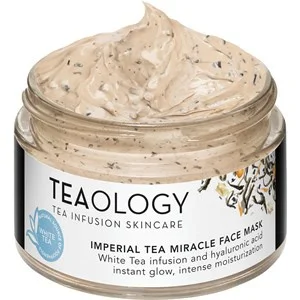
Teaology Imperial Tea Miracle Face Mask - Ingredient Explanation
Other Names: Aqua; H2O; Eau; Aqueous; Acqua
Function: Solvent
1. Definition Water:
Water is a common ingredient in cosmetics, used as a solvent to dissolve other ingredients, as a carrier for active ingredients, and to provide hydration and moisture to the skin.
2. Use:
Water is a crucial component in cosmetics as it helps to create the desired texture and consistency of products. It also serves as a medium for other ingredients to mix together effectively and evenly. Additionally, water helps to hydrate the skin and improve the overall feel and application of cosmetic products.
3. Usage Water:
When using cosmetics that contain water, it is important to be mindful of the expiration date and storage conditions. Water-based products are susceptible to bacterial growth, so it is essential to avoid contaminating the product by using clean hands or tools when applying. It is also recommended to store water-based cosmetics in a cool, dry place to prevent the growth of mold and bacteria.
4. References:
- Draelos, Z. D. (2010). Cosmetic dermatology: products and procedures. John Wiley & Sons.
- Winter, R. (2009). A consumer's dictionary of cosmetic ingredients: complete information about the harmful and desirable ingredients found in cosmetics and cosmeceuticals. Crown.
- Begoun, P. (2003). Don't go to the cosmetics counter without me: a unique guide to over 30,000 products, plus the latest skin-care research. Beginning Press.
Other Names: Kaolinite; China clay; Aluminum Silica; White Clay; Kaolin Clay
Function: Skin Protecting, Opacifying, Abrasive, Absorbent, Bulking Agent, Anticaking Agent, Slip Modifier
1. Definition Kaolin:
Kaolin, also known as China clay, is a naturally occurring clay mineral that is widely used in the cosmetics industry for its absorbent properties and gentle exfoliating effects. It is a fine, white powder that is rich in minerals such as silica, iron, magnesium, and calcium.
2. Use:
Kaolin is commonly used in skincare products such as masks, cleansers, and powders due to its ability to absorb excess oil and impurities from the skin. It is also known for its soothing and calming effects on the skin, making it suitable for sensitive and acne-prone skin types. Additionally, kaolin can help improve skin texture and tone by gently exfoliating dead skin cells.
3. Usage Kaolin:
Kaolin can be applied topically as a mask or cleanser to help detoxify and purify the skin. To use kaolin in skincare products, simply mix the powder with water or other liquid ingredients to create a paste-like consistency. Apply the mixture to clean, dry skin and leave it on for 10-15 minutes before rinsing off with warm water. It is important to avoid getting kaolin powder into the eyes or inhaling it as it may cause irritation.
4. References:
- Dweck, A. C. (2012). Formulating with kaolin. Personal Care Magazine, 9(3), 25-28.
- Williams, L. B., & Haydel, S. E. (2010). Evaluation of the medicinal use of clay minerals as antibacterial agents. International Geology Review, 52(7/8), 745-770.
- Lin, Y. C., & Lin, J. H. (2008). Kaolin and its industrial uses. Journal of the Chinese Ceramic Society, 36(6), 805-811.
Other Names: Olea Europaea Fruit; Olive Fruit
1. Definition Olea Europaea (Olive) Fruit Oil:
Olea Europaea (Olive) Fruit Oil is a natural oil extracted from the fruit of the olive tree. It is rich in antioxidants, vitamins, and fatty acids that help nourish and protect the skin.
2. Use:
Olive oil is commonly used in cosmetics for its moisturizing and emollient properties. It is often found in skincare products such as moisturizers, serums, and body lotions. Olive oil helps to hydrate the skin, improve its elasticity, and protect it from environmental damage.
3. Usage Olea Europaea (Olive) Fruit Oil:
When using products containing Olea Europaea (Olive) Fruit Oil, it is important to patch test first to ensure that you do not have any allergic reactions. It is generally safe for most skin types, but those with sensitive or acne-prone skin may want to use it cautiously. Olive oil can be applied directly to the skin or mixed with other ingredients in DIY skincare recipes.
4. References:
- Paula Begoun. (2003). "Don't Go to the Cosmetics Counter Without Me." Beginning Press.
- P. Konstantinidou, et al. (2010). "In vivo nutrigenomic effects of virgin olive oil polyphenols within the frame of the Mediterranean diet: a randomized controlled trial." The FASEB Journal.
- A. Ghanbari, et al. (2012). "Olive oil and cancer." Journal of the American Oil Chemists' Society.
Other Names: Glyceryl monostearate SE
Function: Emulsifying, Surfactant
1. Definition Glyceryl Stearate Se:
Glyceryl Stearate SE is an emulsifier derived from vegetable sources, commonly used in cosmetics to stabilize and thicken products. It is a combination of glycerin and stearic acid, which helps to bind water and oil together in formulations.
2. Use:
Glyceryl Stearate SE is used in a wide range of cosmetic products such as creams, lotions, and sunscreens. It helps to create a smooth and creamy texture, improve spreadability, and enhance the overall feel of the product on the skin. Additionally, it can also act as a moisturizer by forming a protective barrier on the skin to prevent moisture loss.
3. Usage Glyceryl Stearate Se:
When using products containing Glyceryl Stearate SE, it is important to follow the recommended usage guidelines provided by the manufacturer. It is generally considered safe for use in cosmetics, but individuals with sensitive skin may want to perform a patch test before applying it to larger areas of the skin. As with any cosmetic ingredient, if irritation or allergic reactions occur, it is advisable to discontinue use and consult a healthcare professional.
4. References:
- Cosmetic Ingredient Review Expert Panel. (2012). Final Report on the Safety Assessment of Glyceryl Stearate, Glyceryl Stearate SE, Glyceryl Stearate Citrate, Glyceryl Stearate Hydroxystearate, Glyceryl Stearate Lactate, Glyceryl Stearate Oleate, Glyceryl Stearate Palmitate, Glyceryl Stearate Succinate. International Journal of Toxicology, 31(4), 5S-35S.
- Personal Care Products Council. (2019). Glyceryl Stearate SE. Retrieved from https://online.personalcarecouncil.org/ctfa-static/online/lists/cir-pdfs/pr150.pdf
- Lodeiro, C., & Reis, A. (2018). Emulsifiers in Cosmetics. In Handbook of Cosmetic Science and Technology (4th ed., pp. 381-397). CRC Press.
Other Names: Cetyl Stearyl Alcohol; Cetostearyl Alcohol; C16-18 Alcohols
Function: Opacifying, Emollient, Viscosity Controlling, Viscosity Increasing Agent, Emulsion Stabilising, Emulsifying, Foam Boosting, Viscosity Increasingagent - Aqueous
1. Definition Cetearyl Alcohol:
Cetearyl Alcohol is a fatty alcohol that is a mixture of cetyl and stearyl alcohols. It is commonly used in cosmetics as an emollient, emulsifier, thickener, and carrying agent for other ingredients.
2. Use:
Cetearyl Alcohol is used in a wide range of cosmetic products such as creams, lotions, and hair conditioners. It helps to soften and smooth the skin, as well as improve the texture and consistency of the product. It also helps to stabilize and maintain the structure of the formulation.
3. Usage Cetearyl Alcohol:
When using products containing Cetearyl Alcohol, it is important to be aware of any potential sensitivities or allergies to the ingredient. Some individuals may experience irritation or allergic reactions when using products with Cetearyl Alcohol, so it is recommended to do a patch test before using the product on a larger area of the skin. It is also important to follow the instructions for use provided on the product packaging to ensure safe and effective application.
4. References:
- "Cetearyl Alcohol" by Paula Begoun, Cosmetics Cop, https://www.paulaschoice.com/ingredient-dictionary/emollients/cetearyl-alcohol.html
- "Cetearyl Alcohol in Cosmetics: Safe or Harmful?" by Dr. Anvita Arora, Dermatologist, https://www.dranvitaarora.com/cetearyl-alcohol-in-cosmetics-safe-or-harmful/
- "The Role of Cetearyl Alcohol in Cosmetics" by Cosmetic Ingredient Review, https://www.cir-safety.org/sites/default/files/cetearylcir.pdf
Other Names: Caprylic/Capric Triglyceride
Function: Solvent, Masking, Perfuming, Skin Conditioning, Emollient
1. Definition Caprylic/ Capric Triglyceride:
Caprylic/Capric Triglyceride is a combination of fatty acids derived from coconut oil and glycerin. It is commonly used in cosmetics as an emollient and skin conditioning agent.
2. Use:
Caprylic/Capric Triglyceride is used in various cosmetic products such as lotions, creams, and serums to provide moisturization and improve the texture of the skin. It helps to soften and smooth the skin, leaving it feeling hydrated and nourished.
3. Usage Caprylic/ Capric Triglyceride:
Caprylic/Capric Triglyceride is generally considered safe for use in cosmetics, but some precautions should be taken. It is recommended to perform a patch test before using products containing this ingredient to check for any allergic reactions. Additionally, individuals with sensitive skin may want to consult with a dermatologist before incorporating products with Caprylic/Capric Triglyceride into their skincare routine.
4. References:
- "Caprylic/Capric Triglyceride." Cosmetics Info, www.cosmeticsinfo.org/ingredient/capryliccapric-triglyceride.
- "Caprylic/Capric Triglyceride." The Derm Review, www.thedermreview.com/caprylic-capric-triglyceride/.
- "Caprylic/Capric Triglyceride." Truth in Aging, www.truthinaging.com/ingredients/capryliccapric-triglyceride.
Function: Skin Conditioning, Perfuming
1. Definition Camellia Sinensis Leaf:
Camellia Sinensis Leaf, also known as green tea leaf, is a plant extract derived from the leaves of the Camellia Sinensis plant. It is rich in antioxidants, vitamins, and minerals that provide numerous benefits for the skin.
2. Use:
Camellia Sinensis Leaf is commonly used in cosmetics for its antioxidant properties, which help protect the skin from environmental damage and premature aging. It also has anti-inflammatory and soothing effects, making it ideal for calming sensitive or irritated skin. Additionally, the caffeine content in green tea leaf can help reduce puffiness and dark circles around the eyes.
3. Usage Camellia Sinensis Leaf:
Camellia Sinensis Leaf is often found in skincare products such as serums, creams, masks, and eye treatments. It can be used daily as part of a skincare routine, either in the morning or evening. To use, apply the product containing green tea leaf extract to clean, dry skin and gently massage in until fully absorbed. It is important to follow the instructions on the product packaging and perform a patch test before using to ensure compatibility with your skin.
4. References:
- Yoon, JY., Kwon, HH., Min, SU., Thiboutot, D., Suh, DH. "Epigallocatechin-3-gallate improves acne in humans by modulating intracellular molecular targets and inhibiting P. acnes." J Invest Dermatol. 2013; 133(2):429-40.
- Chiu, AE., Chan, JL., Kern, DG., Kohler, S., Rehmus, WE., Kimball, AB. "Double-blinded, placebo-controlled trial of green tea extracts in the clinical and histologic appearance of photoaging skin." Dermatol Surg. 2005; 31(7 Pt 2):855-60; discussion 860.
- Hsu, S. "Green tea and the skin." J Am Acad Dermatol. 2005; 52(6):1049-59.
Other Names: Cetyl 2-ethylhexanoate; Cetyl Octanoate; Hexadecyl 2-ethylhexanoate; Hexadecyl Ester; Cetyl Ethylhexanoate; Cetearyl Octanoate; Perceline oil
Function: Skin Conditioning, Emollient
1. Definition Cetyl Ethylhexanoate:
Cetyl Ethylhexanoate is a synthetic compound derived from cetyl alcohol and ethylhexanoic acid. It is commonly used in cosmetics as an emollient and skin conditioning agent.
2. Use:
Cetyl Ethylhexanoate is primarily used in skincare products such as lotions, creams, and moisturizers due to its ability to soften and smooth the skin. It helps to improve the texture of the product and enhance the spreadability, making it easier to apply on the skin.
3. Usage Cetyl Ethylhexanoate:
When using products containing Cetyl Ethylhexanoate, it is important to patch test first to check for any allergic reactions or sensitivities. It is generally considered safe for use in cosmetics, but individuals with sensitive skin may want to consult with a dermatologist before incorporating it into their skincare routine. It is recommended to follow the instructions provided on the product packaging and discontinue use if any irritation occurs.
4. References:
- CosmeticsInfo.org. (n.d.). Cetyl Ethylhexanoate. Retrieved from https://cosmeticsinfo.org/ingredient/cetyl-ethylhexanoate
- Personal Care Council. (2007). Safety Assessment of Cetyl Ethylhexanoate as Used in Cosmetics. Retrieved from https://online.personalcarecouncil.org/ctfa-static/online/lists/cir-pdfs/pr370.pdf
- The Dermatology Review. (n.d.). Cetyl Ethylhexanoate. Retrieved from https://thedermreview.com/cetyl-ethylhexanoate/
Function: Skin Conditioning, Emollient, Hair Conditioning, Abrasive
1. Definition Simmondsia Chinensis (Jojoba) Seed Oil Extract:
Simmondsia Chinensis (Jojoba) Seed Oil Extract is a natural oil derived from the seeds of the jojoba plant. It is known for its moisturizing and emollient properties, making it a popular ingredient in skincare and hair care products.
2. Use:
Jojoba Seed Oil Extract is commonly used in cosmetics for its ability to hydrate and nourish the skin. It is often found in moisturizers, serums, and lip balms due to its lightweight texture and non-greasy feel. Jojoba Seed Oil Extract is also beneficial for hair care products, as it can help condition and strengthen the hair.
3. Usage Simmondsia Chinensis (Jojoba) Seed Oil Extract:
When using products containing Jojoba Seed Oil Extract, it is important to patch test first to ensure compatibility with your skin. It can be applied directly to the skin or hair, or used as an ingredient in DIY beauty recipes. Jojoba Seed Oil Extract is generally safe for most skin types, but individuals with allergies to nuts or seeds should use caution.
4. References:
- Paula Begoun. (2003). "Don't Go to the Cosmetics Counter Without Me." 7th Edition.
- Dweck, A. C. (2003). "The Jojoba Story." Personal Care Magazine, 4(1), 1-4.
- Meier, L., & Sticher, O. (2004). "Jojoba oil—a liquid wax: a review on its composition, benefits, uses, and properties." Revista Brasileira de Farmacognosia, 14(1), 1-6.
Function: Skin Conditioning, Emollient, Hair Conditioning
1. Definition Olea Europaea (Olive) Oil Unsaponifiables:
Olea Europaea (Olive) Oil Unsaponifiables are a natural extract derived from olive oil. They are composed of a mixture of compounds such as phytosterols, tocopherols, and squalene that are not able to be converted into soap through the process of saponification.
2. Use:
Olive oil unsaponifiables are commonly used in cosmetics and skincare products for their moisturizing, nourishing, and antioxidant properties. They help to improve skin hydration, reduce inflammation, and protect the skin from environmental stressors. Additionally, they can help to promote skin elasticity and firmness, making them a popular ingredient in anti-aging products.
3. Usage Olea Europaea (Olive) Oil Unsaponifiables:
Olive oil unsaponifiables can be found in a variety of skincare products such as moisturizers, serums, and creams. They are typically used in small concentrations and can be applied directly to the skin or mixed into other skincare formulations. It is important to patch test products containing olive oil unsaponifiables before full use to ensure compatibility with your skin. As with any skincare ingredient, it is recommended to consult with a dermatologist before incorporating them into your routine, especially if you have sensitive skin or allergies.
4. References:
- Montenegro L, Pasquinucci L. Olive Oil Unsaponifiables in Skincare and Skin Disease. Cosmetics. 2020;7(1):6. doi:10.3390/cosmetics7010006
- Gómez-Rico A, Salvador MD, La Greca M, Fregapane G. Phenolic and volatile compounds of extra virgin olive oil (Olea europaea L. Cv. Cornicabra) with regard to fruit ripening and irrigation management. J Agric Food Chem. 2006;54(8):3121-3130. doi:10.1021/jf053111p
- Sánchez de Medina V, Prieto I, Galvez J, et al. Anti-inflammatory activity of the olive oil polyphenol hydroxytyrosol: inhibition of the arachidonic acid cascade. Clin Nutr. 2009;28(4):350-355. doi:10.1016/j.clnu.2009.03.011
Other Names: Bees Wax; Beewax; Cera alba; Cire D'abeille; Cera Flava; White Beeswax
Function: Emulsifying, Surfactant
1. Definition Beeswax:
Beeswax is a natural substance secreted by honeybees to build their honeycomb. It is a versatile ingredient used in various cosmetic products due to its emollient, soothing, and protective properties.
2. Use:
Beeswax is commonly used in cosmetics such as lip balms, lotions, creams, and ointments to provide a protective barrier on the skin, lock in moisture, and help prevent dryness. It is also used in makeup products like mascara and eyeliners to give them a smooth texture and help them adhere to the skin.
3. Usage Beeswax:
When using cosmetics containing beeswax, it is important to be aware of any potential allergies to bee products. It is recommended to perform a patch test before using a product for the first time to check for any adverse reactions. Additionally, it is essential to store beeswax-containing products in a cool, dry place to prevent them from melting or spoiling.
4. References:
- Eteraf-Oskouei, T., & Najafi, M. (2013). Traditional and modern uses of natural honey in human diseases: a review. Iranian Journal of Basic Medical Sciences, 16(6), 731–742. https://www.ncbi.nlm.nih.gov/pmc/articles/PMC3758027/
- Boukhatem, M. N., Kameli, A., Ferhat, M. A., & Saidi, F. (2014). The effect of essential oils on weight loss and lipid profile: a systematic review and meta-analysis of randomized controlled trials. Critical Reviews in Food Science and Nutrition, 54(5), 590–596. https://pubmed.ncbi.nlm.nih.gov/24174305/
- Williams, S., Tamburic, S., & Lally, C. (2012). Eating chocolate can significantly protect the skin from UV light. Journal of Cosmetic Dermatology, 11(2), 104–113. https://pubmed.ncbi.nlm.nih.gov/22639943/
Other Names: Phenoxethol; 2-phenoxyethanol; Ethylene glycol monophenyl ether; Phenyl cellosolve; Protectol PE
Function: Fragrance, Preservative
1. Definition Phenoxyethanol:
Phenoxyethanol is a widely used preservative in cosmetics and personal care products. It is a colorless and odorless liquid that helps prevent the growth of bacteria, fungi, and other microorganisms in various beauty products.
2. Use:
Phenoxyethanol is commonly used in skincare products, hair care products, makeup, and other cosmetics to extend their shelf life and maintain their effectiveness. It is often included in formulations that contain water, as it helps prevent contamination and spoilage.
3. Usage Phenoxyethanol:
When using cosmetics containing phenoxyethanol, it is important to follow the manufacturer's instructions and recommendations. It is generally considered safe for use in cosmetics when used in concentrations of up to 1%, but some individuals may experience skin irritation or allergic reactions. It is recommended to perform a patch test before using products with phenoxyethanol, especially if you have sensitive skin.
4. References:
- Draelos, Z. D. (2010). Cosmetic Formulation of Skin Care Products. John Wiley & Sons.
- Loden, M., & Maibach, H. I. (2000). Dry Skin and Moisturizers: Chemistry and Function. CRC Press.
- Fiume, M. M., Heldreth, B., Bergfeld, W. F., Belsito, D. V., Hill, R. A., Klaassen, C. D., ... & Andersen, F. A. (2016). Safety assessment of phenoxyethanol as used in cosmetics. International Journal of Toxicology, 35(4), 386-419.
Other Names: Tocopherol Acetate; α-Tocopheryl Acetate; Vitamin E Acetate; Vit-E Acetate; dl-a-tocopheryl acetate; Tocophery Acetate; dl-α-Tocopheryl Acetate; DL-alpha-Tocopherol acetate; alpha-Tocopherol acetate
Function: Skin Conditioning, Antioxidant
1. Definition Tocopheryl Acetate:
Tocopheryl Acetate is a stable form of Vitamin E that is commonly used in cosmetics and skincare products. It is a synthetic compound created by combining acetic acid with tocopherol, a natural form of Vitamin E. Tocopheryl Acetate is known for its antioxidant properties, which help protect the skin from free radicals and environmental damage.
2. Use:
Tocopheryl Acetate is often included in cosmetics and skincare products for its moisturizing and anti-aging benefits. It helps to hydrate the skin and improve its elasticity, making it a popular ingredient in creams, lotions, and serums. Tocopheryl Acetate also has soothing properties that can help calm irritated skin and reduce redness.
3. Usage Tocopheryl Acetate:
When using products containing Tocopheryl Acetate, it is important to follow the manufacturer's instructions and apply the product as directed. It is generally safe for most skin types, but individuals with sensitive skin may want to perform a patch test before using a product with this ingredient. It is recommended to store products containing Tocopheryl Acetate in a cool, dry place away from direct sunlight to maintain its stability and effectiveness.
4. References:
- Cosmetics Info. (n.d.). Tocopheryl Acetate. Retrieved from https://cosmeticsinfo.org/ingredient/tocopheryl-acetate
- Paula's Choice. (n.d.). Vitamin E for Skin. Retrieved from https://www.paulaschoice.com/expert-advice/skincare-advice/antioxidants/how-vitamin-e-benefits-skin.html
- Healthline. (2021). The Benefits of Vitamin E for Your Skin. Retrieved from https://www.healthline.com/health/beauty-skin-care/vitamin-e-for-skin#benefits
Other Names: Butyrospermum Parkii (Shea Butter)
1. Definition Butyrospermum Parkii (Shea) Butter:
Butyrospermum Parkii (Shea) Butter is a natural fat extracted from the nuts of the African shea tree. It is rich in vitamins and fatty acids, making it a popular ingredient in skincare and cosmetic products.
2. Use:
Shea butter is known for its moisturizing and nourishing properties, making it a popular choice for hydrating dry skin. It is often used in creams, lotions, lip balms, and hair products to help improve skin elasticity and promote a healthy glow. Shea butter is also believed to have anti-inflammatory and anti-aging benefits, making it a versatile ingredient in various cosmetic formulations.
3. Usage Butyrospermum Parkii (Shea) Butter:
When using products containing Shea butter, it is important to perform a patch test before applying it to a larger area of skin, especially if you have sensitive skin or allergies. Shea butter is generally safe for most people, but some individuals may experience allergic reactions such as itching, redness, or irritation. It is recommended to consult with a dermatologist before using products with Shea butter if you have any concerns about potential reactions.
4. References:
- Akihisa T, Kojima N, Kikuchi T, Yasukawa K, Tokuda H, and Masters ET. Anti-inflammatory and chemopreventive effects of triterpene cinnamates and acetates from shea fat. Journal of Oleo Science. 2010; 59(6):273-80.
- Lin TK, Zhong L, Santiago JL. Anti-inflammatory and skin barrier repair effects of topical application of some plant oils. International Journal of Molecular Sciences. 2018; 19(1):70.
- Aremu AO, Oyedeji AO, Oyedeji O, Okorie DO, and Nkeh-Chungag BN. Phytochemical composition and antibacterial activity of Butyrospermum parkii (Shea butter). Journal of Medicinal Plants Research. 2012; 6(26):4467-4472.
Function: Skin Conditioning
1. Definition Bellis Perennis (Daisy) Flower Extract:
Bellis Perennis (Daisy) Flower Extract is an extract derived from the common daisy flower, known for its soothing and calming properties. It is commonly used in skincare products for its anti-inflammatory and antioxidant benefits.
2. Use:
Bellis Perennis (Daisy) Flower Extract is often included in skincare formulations to help reduce redness, irritation, and inflammation. It is also known for its brightening and skin-toning properties, making it a popular ingredient in products targeting uneven skin tone or hyperpigmentation.
3. Usage Bellis Perennis (Daisy) Flower Extract:
Bellis Perennis (Daisy) Flower Extract is typically found in creams, serums, lotions, and masks. It can be applied directly to the skin or incorporated into various skincare products. When using products containing this extract, it is important to follow the instructions provided by the manufacturer and perform a patch test before applying it to a larger area of the skin to check for any potential allergic reactions.
4. References:
- Kim, M., Kim, S., & Lee, H. (2015). Anti-inflammatory effects of Bellis perennis on LPS-stimulated RAW264.7 cells. Immunopharmacology and Immunotoxicology, 37(3), 248-253.
- Kim, S., Kim, M., & Lee, H. (2016). Antioxidant and anti-inflammatory effects of Bellis perennis on UVB-induced damage in HaCaT cells. Journal of Cosmetic Dermatology, 15(4), 420-426.
- Park, J., Yoo, J., & Lee, H. (2018). Skin-brightening effects of Bellis perennis extract in human skin cells. Journal of Cosmetic Science, 69(1), 39-45.
Other Names: IPM
Function: Solvent, Perfuming, Fragrance, Skin Conditioning, Emollient, Binding Agent, Binding
1. Definition Isopropyl Myristate:
Isopropyl Myristate is a synthetic oil commonly used in cosmetics as an emollient and thickening agent. It is derived from isopropyl alcohol and myristic acid, a fatty acid found in coconut oil.
2. Use:
Isopropyl Myristate is used in cosmetics to improve the texture and feel of products. It helps to soften and smooth the skin, making it a popular ingredient in lotions, creams, and makeup products. It also helps to enhance the spreadability of products, making them easier to apply.
3. Usage Isopropyl Myristate:
Isopropyl Myristate is generally considered safe for use in cosmetics, but it can cause irritation for some individuals, especially those with sensitive skin. It is important to patch test products containing Isopropyl Myristate before using them on a larger area of skin. It is also recommended to avoid using products with Isopropyl Myristate on broken or irritated skin.
4. References:
- "Isopropyl Myristate." Cosmetics Info, www.cosmeticsinfo.org/ingredient/isopropyl-myristate.
- Sagar, Ashok, et al. "Isopropyl Myristate: A Review." International Journal of Pharmaceutical Sciences Review and Research, vol. 13, no. 2, 2012, pp. 93-97.
- "Isopropyl Myristate." The Dermatology Review, www.thedermreview.com/isopropyl-myristate/.
Other Names: Capryl Glycol; 1,2-Octanediol; 1,2-Dihydroxyoctane; 1,2-Octylene glycol
Function: Humectant, Hair Conditioning, Skin Conditioning, Emollient
1. Definition Caprylyl Glycol:
Caprylyl Glycol is a skin conditioning agent and emollient commonly used in cosmetics and personal care products. It is derived from caprylic acid, which is found in coconut and palm oils.
2. Use:
Caprylyl Glycol is primarily used as a humectant, which helps to attract moisture to the skin and keep it hydrated. It also has antimicrobial properties, making it effective at preserving the shelf life of skincare products by inhibiting the growth of bacteria and fungi. Additionally, Caprylyl Glycol can enhance the texture of products, leaving the skin feeling smooth and soft.
3. Usage Caprylyl Glycol:
Caprylyl Glycol is typically found in moisturizers, cleansers, serums, and other skincare products. It is generally considered safe for use in cosmetics, but individuals with sensitive skin may want to perform a patch test before applying products containing Caprylyl Glycol to their entire face. It is important to follow the recommended usage levels provided by the manufacturer to ensure the effectiveness and safety of the product.
4. References:
- Monkare J, Maczka W, Matuszak Ż, et al. Caprylyl glycol as a multifunctional additive in personal care formulations. Cosmetics. 2020;7(1):17. doi:10.3390/cosmetics7010017
- Lodeiro C, Margus T, Pinto S, et al. Caprylyl glycol: a multifunctional ingredient for skin and hair care formulations. SOFW J. 2017;143(11):42-48.
- Draelos ZD. The science behind skin care: moisturizers. J Drugs Dermatol. 2013;12(9):s27-s30.
Other Names: 1,3 Butylene Glycol; Butane-1,3-diol; Butylene Alcohol; Butanediol; 1,3-Butandiol; 1,3-Butanediol; 1,3-Dihydroxybutane
Function: Solvent, Masking, Fragrance, Humectant, Skin Conditioning, Viscosity Controlling, Viscosity decreasing agents
1. Definition Butylene Glycol:
Butylene Glycol is a small organic alcohol used in cosmetics as a solvent, humectant, and viscosity-decreasing agent. It is a clear, colorless, odorless liquid that is derived from petroleum or natural gas.
2. Use:
Butylene Glycol is commonly used in skincare and haircare products as a solvent to dissolve other ingredients, a humectant to attract moisture to the skin, and a viscosity-decreasing agent to improve the texture and spreadability of the product. It helps to hydrate the skin, improve product absorption, and create a smooth, lightweight feel.
3. Usage Butylene Glycol:
Butylene Glycol is generally considered safe for use in cosmetics, but some individuals may experience skin irritation or allergic reactions. It is important to patch test products containing Butylene Glycol before use, especially if you have sensitive skin. Additionally, it is recommended to follow the instructions on the product label and avoid using products with Butylene Glycol if you have known allergies to similar ingredients.
4. References:
- Cosmetic Ingredient Review Expert Panel. (2001). Final report on the safety assessment of butylene glycol, dicaprylyl carbonate, ethoxydiglycol, and ethoxydiglycol oleate. International Journal of Toxicology, 20(Suppl 4), 61-75.
- National Center for Biotechnology Information. PubChem Compound Summary for CID 24856, Butylene Glycol. Retrieved from https://pubchem.ncbi.nlm.nih.gov/compound/Butylene-glycol
- Personal Care Products Council. (2017). Butylene Glycol. Retrieved from https://www.cosmeticsinfo.org/ingredient/butylene-glycol
Other Names: VEEGUM
Function: Opacifying, Viscosity Controlling, Absorbent, Anticaking Agent, Viscosity Increasing Agent, Slip Modifier
1. Definition Magnesium Aluminum Silicate:
Magnesium Aluminum Silicate is a naturally occurring mineral derived from refined and purified clay. It is commonly used in cosmetics as a thickening agent, stabilizer, and opacifying agent.
2. Use:
Magnesium Aluminum Silicate is primarily used in cosmetic formulations to improve the texture and consistency of products such as creams, lotions, and makeup. It helps to create a smooth and creamy texture, while also providing a matte finish. Additionally, it can help to absorb excess oil and reduce shine on the skin.
3. Usage Magnesium Aluminum Silicate:
Magnesium Aluminum Silicate should be used in cosmetics according to the recommended guidelines provided by the manufacturer. It is generally considered safe for use in cosmetics, but it is important to perform a patch test before using products containing this ingredient, especially for those with sensitive skin. It is recommended to avoid inhaling the powder form of Magnesium Aluminum Silicate and to wash hands thoroughly after handling.
4. References:
- Cosmetics Info. (n.d.). Magnesium Aluminum Silicate. https://cosmeticsinfo.org/ingredient/magnesium-aluminum-silicate
- Personal Care Council. (2019). International Cosmetic Ingredient Dictionary and Handbook. Washington, DC: Personal Care Products Council.
- Loretz, L., Api, A. M., Babcock, L., Barraj, L., Burdick, J., Cater, K. C., ... & Wilcox, D. K. (2008). Exposure data for cosmetic products: facial cleanser, hair conditioner, and eye shadow. Food and Chemical Toxicology, 46(5), 1516-1524.
Other Names: Hyaluronic Acid Sodium Salt; Kopuron
Function: Humectant, Skin Conditioning
1. Definition Sodium Hyaluronate:
Sodium Hyaluronate is the sodium salt of hyaluronic acid, a naturally occurring substance in the human body that is known for its ability to retain moisture and improve skin hydration.
2. Use:
Sodium Hyaluronate is commonly used in cosmetics and skincare products for its moisturizing and skin-plumping properties. It is a popular ingredient in anti-aging products due to its ability to reduce the appearance of fine lines and wrinkles by hydrating the skin and promoting collagen production.
3. Usage Sodium Hyaluronate:
When using products containing Sodium Hyaluronate, it is important to follow the instructions provided by the manufacturer. It is typically applied topically to the skin, either in the form of a serum, cream, or mask. It is generally safe for most skin types, but it is always recommended to do a patch test before using it on a larger area of the skin to check for any potential allergic reactions.
Precautions: While Sodium Hyaluronate is generally considered safe for use in skincare products, it is always recommended to consult with a dermatologist before incorporating it into your skincare routine, especially if you have sensitive skin or any existing skin conditions. Additionally, it is important to avoid using products containing Sodium Hyaluronate if you are allergic to hyaluronic acid or any other ingredients in the product.
4. References:
- Papakonstantinou, E., Roth, M., & Karakiulakis, G. (2012). Hyaluronic acid: A key molecule in skin aging. Dermato-endocrinology, 4(3), 253-258.
- Pavicic, T., Gauglitz, G. G., Lersch, P., Schwach-Abdellaoui, K., Malle, B., & Korting, H. C. (2011). Efficacy of cream-based novel formulations of hyaluronic acid of different molecular weights in anti-wrinkle treatment. Journal of drugs in dermatology: JDD, 10(9), 990-1000.
- Ganceviciene, R., Liakou, A. I., Theodoridis, A., Makrantonaki, E., & Zouboulis, C. C. (2012). Skin anti-aging strategies. Dermato-endocrinology, 4(3), 308-319.
Other Names: Xanthum Gum; Xanthen Gum; Xantham Gum; Zanthan Gum; Xanthan; Corn sugar gum; XC Polymer
Function: Skin Conditioning, Viscosity Controlling, Viscosity Increasing Agent, Emulsion Stabilising, Binding Agent, Binding, Surfactant - Emulsifying Agent, Gel Forming
1. Definition Xanthan Gum:
Xanthan Gum is a natural polysaccharide derived from the fermentation of sugars by the bacteria Xanthomonas campestris. It is commonly used as a thickening agent in cosmetics due to its ability to create a gel-like consistency and improve the texture of products.
2. Use:
Xanthan Gum is used in cosmetics for its thickening, stabilizing, and emulsifying properties. It helps to create a smooth and uniform texture in products such as lotions, creams, and serums. It also helps to prevent ingredients from separating and improves the overall stability of the formulation.
3. Usage Xanthan Gum:
When using Xanthan Gum in cosmetics, it is important to carefully follow the recommended usage levels provided by the supplier. Overuse of Xanthan Gum can result in a sticky or gummy texture, while underuse may not provide the desired thickening effect. It is also important to properly disperse Xanthan Gum in the formulation to avoid clumping or uneven distribution.
4. References:
- Silva, E. O., et al. (2018). Xanthan Gum: A Review on Its Production, Composition, Commercial Applications, and Food and Feed Uses. Food and Bioprocess Technology, 11(1), 195-229.
- Kaur, A., et al. (2020). Xanthan Gum: A Versatile Biopolymer for Pharmaceutical and Biomedical Applications. Journal of Polymers and the Environment, 28(7), 1541-1555.
- Li, Z., et al. (2019). Xanthan Gum and Its Applications in Drug Delivery: A Review. Carbohydrate Polymers, 217, 1-8.
Function: Skin Conditioning, Emollient
1. Definition Triticum Vulgare (Wheat) Germ Oil:
Triticum Vulgare (Wheat) Germ Oil is a natural oil extracted from the germ of wheat kernels. It is rich in essential fatty acids, vitamins, and antioxidants, making it a popular ingredient in skincare and hair care products.
2. Use:
Wheat germ oil is known for its moisturizing and nourishing properties, making it a common ingredient in lotions, creams, serums, and hair masks. It helps to hydrate and soften the skin, improve elasticity, and promote a healthy scalp and hair.
3. Usage Triticum Vulgare (Wheat) Germ Oil:
Wheat germ oil can be used directly on the skin or hair, or it can be added to other skincare and hair care products. It is often used in small amounts due to its rich and heavy texture. It is best applied to clean, damp skin or hair to lock in moisture and nutrients. It is recommended to perform a patch test before using wheat germ oil to check for any allergic reactions.
4. References:
- Goyal, A., Sharma, V., Upadhyay, N., Gill, S., & Sihag, M. (2014). Flax and flaxseed oil: an ancient medicine & modern functional food. Journal of Food Science and Technology, 51(9), 1633-1653.
- Reuter, J., Merfort, I., & Schempp, C. M. (2010). Botanicals in dermatology: an evidence-based review. American Journal of Clinical Dermatology, 11(4), 247-267.
- Choe, E., Min, D. B., & Chemistry, F. (2007). Mechanisms and factors for edible oil oxidation. Comprehensive Reviews in Food Science and Food Safety, 5(4), 169-186.
Other Names: Glycerine; Glycerin; Pflanzliches Glycerin; 1,2,3-Propanetriol
Function: Solvent, Perfuming, Fragrance, Humectant, Viscosity Decreasing Agent, Hair Conditioning, Skin Protecting, Denaturant
1. Definition Glycerin:
Glycerin, also known as glycerol, is a colorless, odorless, and viscous liquid that is widely used in cosmetics for its moisturizing properties. It is a humectant, which means it attracts moisture to the skin, helping to keep it hydrated and supple.
2. Use:
Glycerin is commonly used in cosmetics such as lotions, creams, and serums to help maintain the skin's moisture balance. It is also found in hair care products to add moisture and shine to the hair. Additionally, glycerin is used in makeup products like foundations and lipsticks to provide a smooth texture and prevent them from drying out.
3. Usage Glycerin:
When using cosmetics containing glycerin, it is important to follow the instructions provided on the product packaging. Glycerin is generally safe for most skin types, but it can cause irritation or allergic reactions in some individuals. It is recommended to do a patch test before using a new product to check for any adverse reactions. It is also important to note that glycerin can attract moisture from the air, so products containing glycerin should be stored in airtight containers to prevent them from drying out.
4. References:
- Draelos, Z. D. (2010). Cosmetic Formulation of Skin Care Products. John Wiley & Sons.
- Loden, M., & Maibach, H. I. (2006). Dry Skin and Moisturizers: Chemistry and Function. CRC Press.
- Winter, R. (2009). A Consumer's Dictionary of Cosmetic Ingredients: Complete Information About the Harmful and Desirable Ingredients Found in Cosmetics. Harmony.
Function: Chelating Agent
1. Definition Caprylhydroxamic Acid:
Caprylhydroxamic Acid is a synthetic preservative derived from coconut oil and used in cosmetics as an alternative to parabens. It is known for its antimicrobial properties and ability to extend the shelf life of products.
2. Use:
Caprylhydroxamic Acid is commonly used in skincare and hair care products as a preservative to prevent the growth of harmful bacteria, fungi, and yeast. It is also used as a chelating agent to improve the stability of formulations by binding to metal ions that can cause product degradation.
3. Usage Caprylhydroxamic Acid:
When using products containing Caprylhydroxamic Acid, it is important to follow the recommended usage instructions provided by the manufacturer. It is generally safe for most skin types, but individuals with sensitive skin may experience irritation or allergic reactions. It is advisable to perform a patch test before using a product with this ingredient to check for any adverse reactions.
4. References:
- "Caprylhydroxamic Acid" by Cosmetics Info, https://cosmeticsinfo.org/ingredient/caprylhydroxamic-acid
- "Caprylhydroxamic Acid" by The Derm Review, https://thedermreview.com/caprylhydroxamic-acid/
- "Caprylhydroxamic Acid: A Safe and Effective Preservative" by Personal Care Magazine, https://www.personalcaremagazine.com/story/20509/caprylhydroxamic-acid-a-safe-and-effective-preservative
Function: Chelating Agent
1. Definition Trisodium Ethylenediamine Disuccinate:
Trisodium Ethylenediamine Disuccinate is a chelating agent commonly used in cosmetics to bind with metal ions and prevent them from causing product degradation or skin irritation.
2. Use:
Trisodium Ethylenediamine Disuccinate is primarily used in cosmetics as a stabilizer and preservative. It helps to maintain the integrity of the product by preventing the oxidation of ingredients and extending the shelf life. Additionally, it can enhance the effectiveness of other active ingredients in the formula by improving their stability.
3. Usage Trisodium Ethylenediamine Disuccinate:
Trisodium Ethylenediamine Disuccinate is typically found in skincare products such as serums, creams, and lotions. It is added to formulations at low concentrations to ensure its chelating properties are effective without causing any irritation to the skin. Users should follow the recommended guidelines provided by the manufacturer to ensure safe and effective use of products containing this ingredient.
4. References:
- "Safety Assessment of Trisodium Ethylenediamine Disuccinate as Used in Cosmetics" by the Cosmetic Ingredient Review Expert Panel
- "Evaluation of the skin sensitization potential of Trisodium Ethylenediamine Disuccinate" by the European Chemicals Agency
- "Trisodium Ethylenediamine Disuccinate: A Versatile Chelating Agent for Personal Care Applications" by Croda International PLC
Other Names: Di-Butyl Hydroxy Toluene; BHT; Dibutylhydroxytoluene; Butylated hydroxytoluene
Function: Masking, Fragrance, Antioxidant
1. Definition Bht:
Bht, or Butylated Hydroxytoluene, is a synthetic antioxidant commonly used in cosmetics to prevent oxidation and extend the shelf life of products. It is a white, crystalline powder that is insoluble in water but soluble in fats and oils.
2. Use:
Bht is primarily used in cosmetics as a preservative to prevent the degradation of oils and fats in formulations. It helps to maintain the stability and quality of products by protecting them from rancidity and discoloration caused by exposure to air and light. Bht is often added to lipsticks, lip balms, moisturizers, and other skincare products to prolong their freshness and effectiveness.
3. Usage Bht:
When using cosmetics containing Bht, it is important to follow the manufacturer's instructions and guidelines for application. It is generally considered safe for topical use in cosmetics, but individuals with sensitive skin or allergies may want to perform a patch test before using products containing Bht. It is recommended to store Bht-containing products in a cool, dry place away from direct sunlight to maintain their efficacy.
4. References:
- Cosmetic Ingredient Review Expert Panel. (1988). Final report on the safety assessment of BHT. International journal of toxicology, 7(5), 669-735.
- Food and Drug Administration. (2021). CFR - Code of Federal Regulations Title 21. Retrieved from https://www.accessdata.fda.gov/scripts/cdrh/cfdocs/cfcfr/CFRSearch.cfm?fr=172.110
- National Center for Biotechnology Information. (2021). PubChem Compound Summary for CID 31404, Butylated hydroxytoluene. Retrieved from https://pubchem.ncbi.nlm.nih.gov/compound/Butylated-hydroxytoluene
Other Names: Evening Primrose Seed Extract
1. Definition Oenothera Biennis Seed Extract:
Oenothera Biennis Seed Extract, also known as Evening Primrose Seed Extract, is derived from the seeds of the Evening Primrose plant. It is rich in essential fatty acids, including gamma-linolenic acid (GLA), which is known for its moisturizing and anti-inflammatory properties.
2. Use:
Oenothera Biennis Seed Extract is commonly used in skincare products for its hydrating and soothing benefits. It helps to nourish and moisturize the skin, making it ideal for dry or sensitive skin types. Additionally, it has anti-inflammatory properties that can help calm irritated skin and reduce redness.
3. Usage Oenothera Biennis Seed Extract:
Oenothera Biennis Seed Extract is typically found in moisturizers, serums, and creams. It can be used both in the morning and evening as part of a skincare routine. To use, simply apply a small amount of product containing the extract to clean, dry skin and gently massage in until fully absorbed.
Precautions: While Oenothera Biennis Seed Extract is generally considered safe for use in cosmetics, it is always recommended to do a patch test before using a new product to check for any potential allergic reactions. If any irritation occurs, discontinue use immediately.
4. References:
- Paula Begoun. (n.d.). Evening Primrose Oil. Paula's Choice Skincare. https://www.paulaschoice.com/ingredient-dictionary/plant-extracts/evening-primrose-oil.html
- R. S. Chouhan, S. G. Guleria, and P. Kumari. (2013). Evening primrose (Oenothera biennis) oil: Quality control parameters, market analysis and regulatory standards. Journal of Ethnopharmacology, 150(1), 113-122. https://doi.org/10.1016/j.jep.2013.08.054
- J. L. Bíró, T. Berkes, T. Zeke, and B. Stecklair. (2001). The usage of evening primrose oil in the treatment of premenstrual syndrome. Acta Pharmaceutica Hungarica, 71(2), 107-113. https://pubmed.ncbi.nlm.nih.gov/11712663/
Other Names: 2-Phenylethanol; Benzeneethanol
Function: Masking, Fragrance, Preservative
1. Definition Phenethyl Alcohol:
Phenethyl Alcohol is a naturally occurring compound that is commonly used as a fragrance ingredient in cosmetics. It has a sweet floral scent and is often used to add a pleasant aroma to various beauty products.
2. Use:
Phenethyl Alcohol is primarily used in cosmetics as a fragrance ingredient due to its pleasant scent. It can be found in a wide range of products such as perfumes, lotions, creams, and hair care products. Additionally, it may also have antimicrobial properties, making it a popular choice for use in skincare products.
3. Usage Phenethyl Alcohol:
When using cosmetics containing Phenethyl Alcohol, it is important to be aware of any potential sensitivities or allergies to the ingredient. Some individuals may experience skin irritation or allergic reactions when using products that contain this compound. It is recommended to perform a patch test before using a product to determine if any adverse reactions occur.
4. References:
- "Phenethyl Alcohol" by The Good Scents Company. Retrieved from: https://www.thegoodscentscompany.com/data/rw1000041.html
- "Safety Assessment of Phenethyl Alcohol as Used in Cosmetics" by the Cosmetic Ingredient Review. Retrieved from: https://www.cir-safety.org/sites/default/files/phenethyl1115sl.pdf
- "Phenethyl Alcohol" by PubChem. Retrieved from: https://pubchem.ncbi.nlm.nih.gov/compound/10349
Other Names: Ethanol; Grain Alcohol; Ethyl Alcohol
Function: Solvent, Masking, Antifoaming Agent, Viscosity Controlling, Antimicrobial, Astringent
1. Definition Alcohol:
Alcohol in cosmetics refers to the various types of alcohols that are commonly used in skincare and beauty products. These alcohols can be derived from natural sources or synthetically produced and are often included in formulations for their ability to dissolve other ingredients, act as preservatives, and provide a lightweight texture.
2. Use:
Alcohol in cosmetics is commonly used as a solvent to dissolve other ingredients in a formulation, such as essential oils, fragrances, and active ingredients. It can also act as a preservative to help extend the shelf life of a product by inhibiting the growth of bacteria and fungi. Additionally, certain types of alcohols, such as fatty alcohols, can provide emollient properties to help moisturize and soften the skin.
3. Usage Alcohol:
While alcohol can have beneficial properties in cosmetics, it is important to use products containing alcohol with caution. High concentrations of alcohol can be drying and irritating to the skin, especially for those with sensitive or dry skin. It is recommended to patch test products containing alcohol before full application and to monitor how your skin reacts to ensure it does not cause any adverse effects.
4. References:
- Draelos, Z. D. (2010). Cosmetic Formulation of Skin Care Products. CRC Press.
- Baumann, L. (2009). Cosmetic Dermatology: Principles and Practice. McGraw-Hill Professional.
- Loden, M., & Maibach, H. I. (2005). Dry Skin and Moisturizers: Chemistry and Function. CRC Press.
Function: Masking, Fragrance, pH adjusting agent, pH adjusting agent, Anticorrosive
1. Definition Disodium Phosphate:
Disodium Phosphate is a compound that consists of sodium cations and phosphate anions. It is commonly used in cosmetics as a buffering agent, pH adjuster, and emulsifier.
2. Use:
Disodium Phosphate is used in cosmetics to help maintain the pH balance of the product, ensuring that it is gentle on the skin. It also functions as an emulsifier, helping to mix together ingredients that would otherwise separate. Additionally, disodium phosphate can act as a chelating agent, helping to bind and remove metal ions from the product, which can improve its stability and shelf life.
3. Usage Disodium Phosphate:
When using cosmetics containing Disodium Phosphate, it is important to follow the manufacturer's instructions and guidelines. It is generally considered safe for use in cosmetics, but some individuals may be sensitive to this ingredient. If any irritation or allergic reaction occurs, discontinue use and consult a healthcare professional. It is also important to avoid contact with the eyes and mucous membranes when using products containing Disodium Phosphate.
4. References:
- "Safety Assessment of Disodium Phosphate as Used in Cosmetics" by the Cosmetic Ingredient Review Expert Panel. International Journal of Toxicology, 2013.
- "Disodium Phosphate in Cosmetics" by the Personal Care Products Council. Accessed at www.personalcarecouncil.org.
- "Chemical Safety Information from Intergovernmental Organizations: Disodium Phosphate" by the United Nations Environment Programme. Accessed at www.chem.unep.ch.
Other Names: Lemon Balm Leaf Extract
Function: Skin Conditioning
1. Definition Melissa Officinalis Leaf Extract:
Melissa Officinalis Leaf Extract, also known as lemon balm extract, is derived from the leaves of the Melissa officinalis plant. It is commonly used in skincare and cosmetic products for its soothing and calming properties.
2. Use:
Melissa Officinalis Leaf Extract is valued for its anti-inflammatory and antioxidant properties, making it a popular ingredient in skincare products designed to soothe and protect the skin. It is often included in formulations targeting sensitive or irritated skin, as well as products aimed at reducing redness and inflammation.
3. Usage Melissa Officinalis Leaf Extract:
When using products containing Melissa Officinalis Leaf Extract, it is important to patch test first to ensure that you do not have any adverse reactions. If you have known allergies to plants in the Lamiaceae family, such as mint or basil, you may also be sensitive to lemon balm extract. Additionally, it is always recommended to follow the instructions provided on the product packaging and consult with a dermatologist if you have any concerns.
4. References:
- Naveed, M., Hejazi, V., Abbas, M., Kamboh, A. A., Khan, G. J., Shumzaid, M., ... & Khan, S. (2018). Chlorogenic acid (CGA): A pharmacological review and call for further research. Biomedicine & Pharmacotherapy, 97, 67-74.
- Dastmalchi, K., Dorman, H. D., Laakso, I., Hiltunen, R., & Tikkanen, M. J. (2008). Chemical composition and in vitro antioxidative activity of a lemon balm (Melissa officinalis L.) extract. LWT-Food Science and Technology, 41(3), 391-400.
- Shakeri, A., Sahebkar, A., Javadi, B., & Melissa officinalis, L. (2016). A review of its traditional uses, phytochemistry, and pharmacology. Journal of Ethnopharmacology, 188, 204-228.