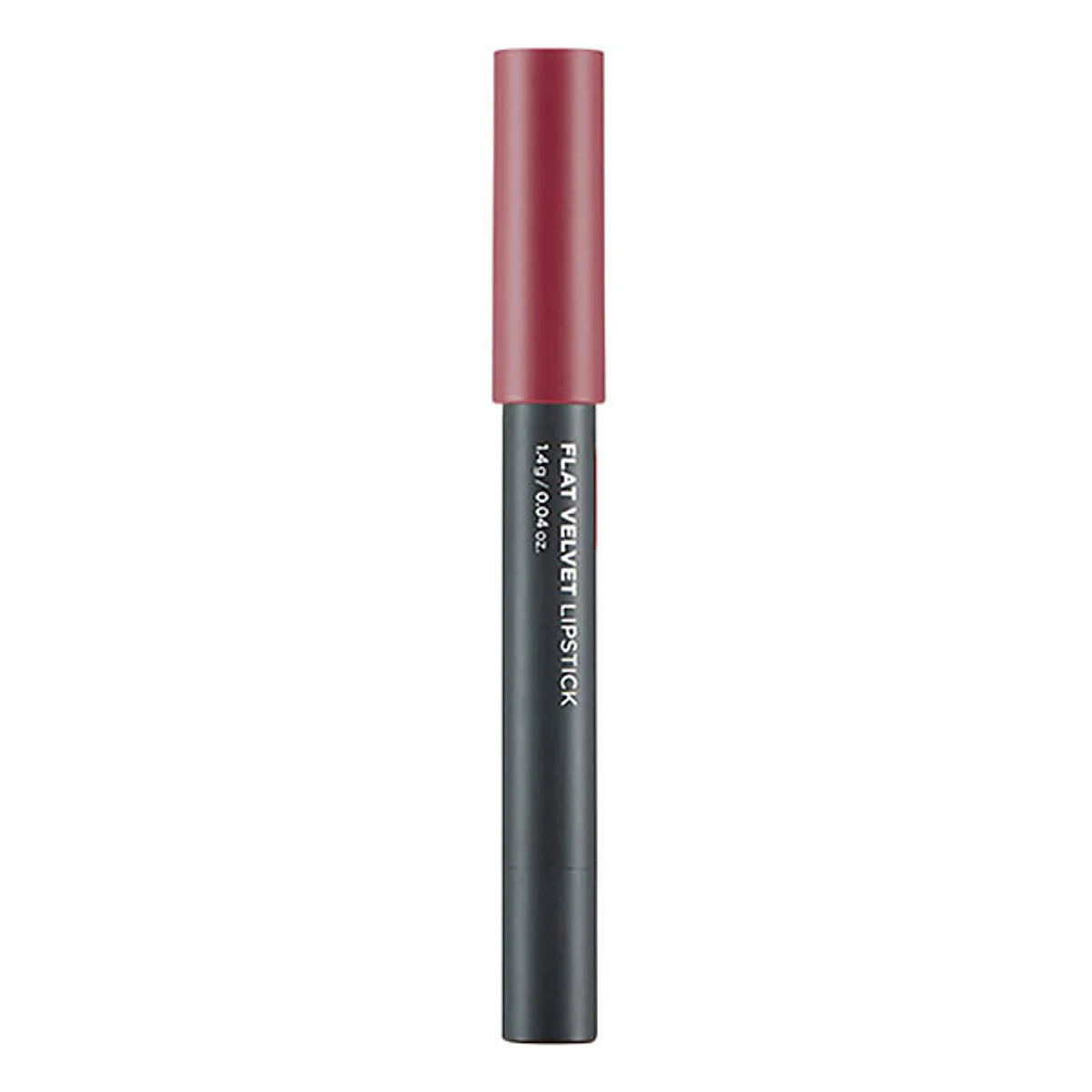
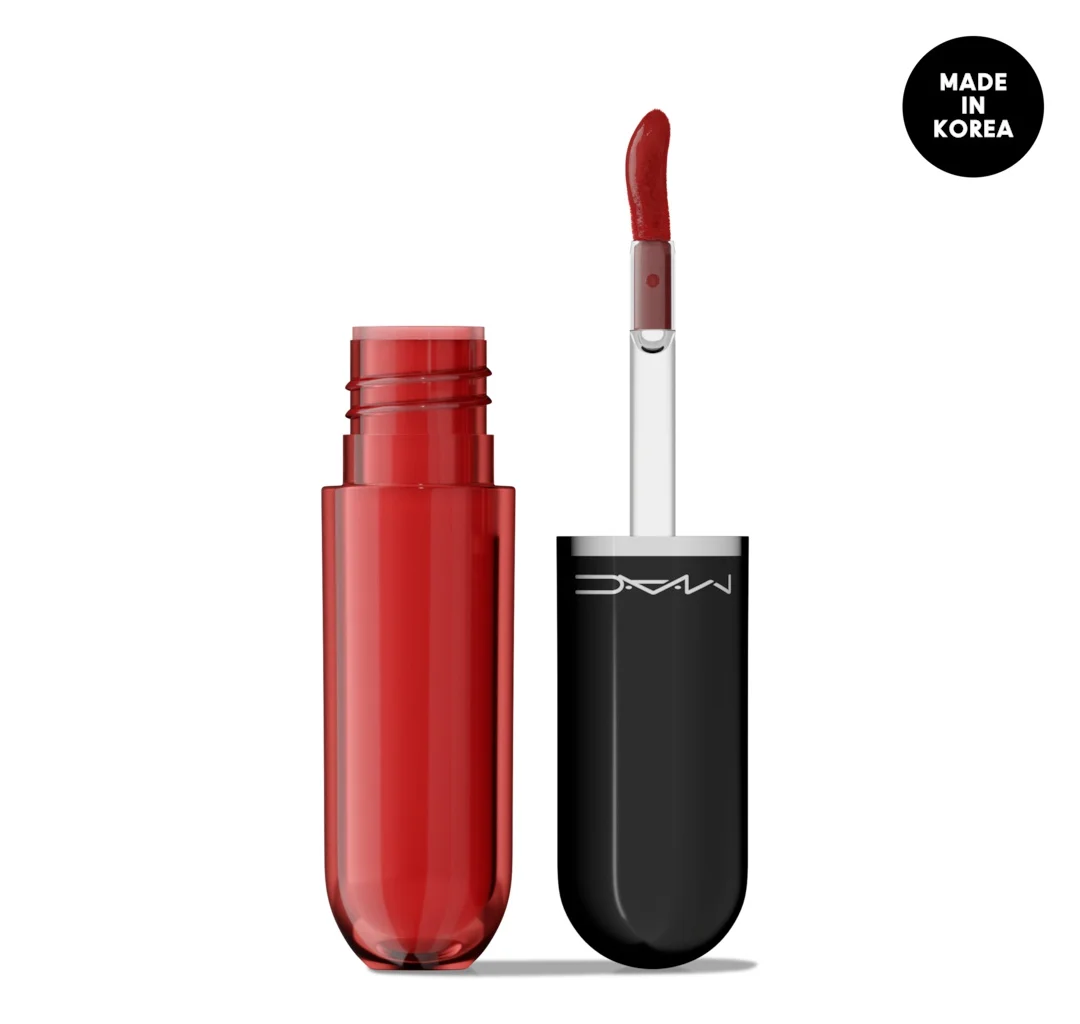
THE FACE SHOP Flat Glossy Lipstick - Ingredient Explanation
Other Names: Fragance; Fragrances; Perfumery; Flavor; Aroma; Fragrance; Perfume
Function: Masking, Perfuming, Deodorant
1. Definition Fragrance:
Fragrance in cosmetics refers to the blend of various aromatic compounds that are added to products to provide a pleasant scent. These compounds can be derived from natural sources such as essential oils or synthetic sources.
2. Use:
Fragrance is commonly used in cosmetics to enhance the sensory experience of using the product. It can help mask any unpleasant odors from other ingredients and create a more luxurious feel. Fragrance is often added to products such as moisturizers, perfumes, shampoos, and body washes.
3. Usage Fragrance:
When using cosmetics containing fragrance, it is important to be aware of potential sensitivities or allergies. Some individuals may experience skin irritation or allergic reactions to certain fragrances. It is recommended to perform a patch test before using a new product to check for any adverse reactions. Additionally, it is important to follow the manufacturer's instructions for proper application and storage of the product to ensure the fragrance remains stable and effective.
4. References:
- Steinemann, A. (2019). Fragranced consumer products: exposures and effects from emissions. Air Quality, Atmosphere & Health, 12(6), 643-645.
- Lachenmeier, D. W., & Haltner, E. (2019). Fragrance allergens in household cleaning products. Environmental Science and Pollution Research, 26(15), 15145-15147.
- Basketter, D. A., & Angelini, G. (2019). Fragrance allergens in fine fragrances and cosmetics. Contact Dermatitis, 80(3), 145-147.
Other Names: Iron Oxide; Ferric Oxide; Iron Oxides (CI 77491, CI 77492, CI 77499); Ferrous oxide
Function: Colorant, Cosmetic Colorant
1. Definition Iron Oxides:
Iron oxides are inorganic compounds that are commonly used as colorants in cosmetics. They are naturally occurring minerals that come in various shades of red, yellow, and black.
2. Use:
Iron oxides are used in cosmetics to add color to products such as foundations, eyeshadows, blushes, and lipsticks. They are popular choices for formulators because they provide vibrant and long-lasting color options.
3. Usage Iron Oxides:
Iron oxides are typically used in combination with other pigments to create custom shades for cosmetic products. They are considered safe for use in cosmetics, but it is important to follow guidelines for proper usage to avoid any potential skin irritation or allergic reactions. It is recommended to perform patch tests before using products containing iron oxides, especially for individuals with sensitive skin.
4. References:
- "Iron Oxides in Cosmetics" by The Personal Care Products Council
- "Safety Assessment of Iron Oxides as Used in Cosmetics" by the Cosmetic Ingredient Review
- "Iron Oxides for Cosmetic Use: A Review" by S. B. Chavan and A. R. Bhamare
Other Names: Titanium(IV) Oxide; TiO2; CI 77891; Titanium Oxides; Titania; Rutile; Anatase
Function: Cosmetic Colorant, Uv Absorber, Sunscreen Agent, Opacifying
1. Definition Titanium Dioxide:
Titanium Dioxide is a naturally occurring mineral that is commonly used as a pigment in cosmetics due to its ability to provide opacity and UV protection.
2. Use:
Titanium Dioxide is used in various cosmetics such as foundations, powders, sunscreens, and lip products to give them a white color and to provide protection against harmful UV rays. It is also used as a thickening agent in some formulations.
3. Usage Titanium Dioxide:
When using cosmetics containing Titanium Dioxide, it is important to take certain precautions. Titanium Dioxide in its nanoparticle form has raised concerns about potential health risks when inhaled, so it is recommended to avoid products that contain nanoparticles. Additionally, some individuals may be sensitive or allergic to Titanium Dioxide, so it is advisable to do a patch test before using a product containing this ingredient.
4. References:
- Lademann, J., Weigmann, H. J., Rickmeyer, C., Barthelmes, H., Schaefer, H., & Mueller, G. (1999). Penetration of titanium dioxide microparticles in a sunscreen formulation into the horny layer and the follicular orifice. Skin Pharmacology and Physiology, 12(5), 247-256.
- Tinkle, S. S., Antonini, J. M., Rich, B. A., Roberts, J. R., Salmen, R., DePree, K., ... & Adkins, E. J. (2003). Skin as a route of exposure and sensitization in chronic beryllium disease. Environmental Health Perspectives, 111(9), 1202-1208.
- Sadrieh, N., Wokovich, A. M., Gopee, N. V., Zheng, J., Haines, D., Parmiter, D., ... & Howard, P. C. (2010). Lack of significant dermal penetration of titanium dioxide from sunscreen formulations containing nano-and submicron-size TiO2 particles. Toxicological Sciences, 115(1), 156-166.
Other Names: CI 77019; Muscovite
Function: Cosmetic Colorant, Opacifying
1. Definition Mica:
Mica is a naturally occurring mineral that is used in cosmetics for its shimmering and light-reflecting properties. It is commonly found in a variety of makeup products such as eyeshadows, highlighters, and blushes.
2. Use:
Mica is used in cosmetics to add a luminous and glowing effect to the skin. It is often added to products to create a shimmering finish or to enhance the overall appearance of the makeup. Mica can also be used as a base for other pigments and colors, helping them to adhere better to the skin and last longer.
3. Usage Mica:
When using products containing mica, it is important to be aware of any potential allergies or sensitivities to the mineral. Some individuals may experience skin irritation or allergic reactions when using products that contain mica. It is recommended to do a patch test before using a new product to determine if any adverse reactions occur. Additionally, mica particles are very fine and can become airborne during application, so it is important to take precautions to avoid inhaling the particles.
4. References:
- "Mica in Cosmetics" by FDA: https://www.fda.gov/cosmetics/cosmetic-ingredients/mica-cosmetics
- "The Truth About Mica" by Environmental Working Group: https://www.ewg.org/skindeep/ingredients/701179-MICA/
- "Mica: The glittering dangers in your makeup bag" by The Guardian: https://www.theguardian.com/sustainable-business/2014/jul/24/mica-electronics-cosmetics-india-child-labour-minerals
Other Names: Dimethyl polysiloxane; Polydimethylsiloxane; PDMS; TSF 451; Belsil DM 1000
Function: Skin Protecting, Skin Conditioning, Emollient, Antifoaming Agent
1. Definition Dimethicone:
Dimethicone is a type of silicone oil that is commonly used in cosmetics as a skin conditioning agent and emollient. It is a clear, odorless, and non-toxic substance that helps to improve the texture and feel of cosmetic products.
2. Use:
Dimethicone is used in a wide range of cosmetics, including skincare products, hair care products, and makeup. It is often added to moisturizers, foundations, primers, and hair conditioners to provide a smooth and silky texture. Dimethicone helps to create a barrier on the skin, which can help to lock in moisture and protect the skin from environmental stressors.
3. Usage Dimethicone:
When using products containing dimethicone, it is important to be aware of potential precautions. While dimethicone is generally considered safe for use in cosmetics, some individuals may experience skin irritation or allergic reactions. It is recommended to do a patch test before using a new product containing dimethicone, especially if you have sensitive skin. Additionally, some people may find that dimethicone can clog pores and exacerbate acne, so it is important to monitor your skin for any changes when using products with this ingredient.
4. References:
- Lanigan, R. S., & Yamarik, T. A. (2002). Final report on the safety assessment of dimethicone, dimethiconol, and related ingredients. International journal of toxicology, 21(1), 7-41.
- Draelos, Z. D. (2010). Cosmetic vehicle efficacy. Dermatologic therapy, 23(4), 314-317.
- Fiume, M. M., Bergfeld, W. F., Belsito, D. V., Hill, R. A., Klaassen, C. D., Liebler, D., ... & Andersen, F. A. (2016). Safety assessment of dimethicone crosspolymers as used in cosmetics. International journal of toxicology, 35(1_suppl), 5S-24S.
Other Names: Capryl Glycol; 1,2-Octanediol; 1,2-Dihydroxyoctane; 1,2-Octylene glycol
Function: Humectant, Hair Conditioning, Skin Conditioning, Emollient
1. Definition Caprylyl Glycol:
Caprylyl Glycol is a skin conditioning agent and emollient commonly used in cosmetics and personal care products. It is derived from caprylic acid, which is found in coconut and palm oils.
2. Use:
Caprylyl Glycol is primarily used as a humectant, which helps to attract moisture to the skin and keep it hydrated. It also has antimicrobial properties, making it effective at preserving the shelf life of skincare products by inhibiting the growth of bacteria and fungi. Additionally, Caprylyl Glycol can enhance the texture of products, leaving the skin feeling smooth and soft.
3. Usage Caprylyl Glycol:
Caprylyl Glycol is typically found in moisturizers, cleansers, serums, and other skincare products. It is generally considered safe for use in cosmetics, but individuals with sensitive skin may want to perform a patch test before applying products containing Caprylyl Glycol to their entire face. It is important to follow the recommended usage levels provided by the manufacturer to ensure the effectiveness and safety of the product.
4. References:
- Monkare J, Maczka W, Matuszak Ż, et al. Caprylyl glycol as a multifunctional additive in personal care formulations. Cosmetics. 2020;7(1):17. doi:10.3390/cosmetics7010017
- Lodeiro C, Margus T, Pinto S, et al. Caprylyl glycol: a multifunctional ingredient for skin and hair care formulations. SOFW J. 2017;143(11):42-48.
- Draelos ZD. The science behind skin care: moisturizers. J Drugs Dermatol. 2013;12(9):s27-s30.
Function: Skin Conditioning, Emollient, Hair Conditioning, Abrasive
1. Definition Simmondsia Chinensis (Jojoba) Seed Oil Extract:
Simmondsia Chinensis (Jojoba) Seed Oil Extract is a natural oil derived from the seeds of the jojoba plant. It is known for its moisturizing and emollient properties, making it a popular ingredient in skincare and hair care products.
2. Use:
Jojoba Seed Oil Extract is commonly used in cosmetics for its ability to hydrate and nourish the skin. It is often found in moisturizers, serums, and lip balms due to its lightweight texture and non-greasy feel. Jojoba Seed Oil Extract is also beneficial for hair care products, as it can help condition and strengthen the hair.
3. Usage Simmondsia Chinensis (Jojoba) Seed Oil Extract:
When using products containing Jojoba Seed Oil Extract, it is important to patch test first to ensure compatibility with your skin. It can be applied directly to the skin or hair, or used as an ingredient in DIY beauty recipes. Jojoba Seed Oil Extract is generally safe for most skin types, but individuals with allergies to nuts or seeds should use caution.
4. References:
- Paula Begoun. (2003). "Don't Go to the Cosmetics Counter Without Me." 7th Edition.
- Dweck, A. C. (2003). "The Jojoba Story." Personal Care Magazine, 4(1), 1-4.
- Meier, L., & Sticher, O. (2004). "Jojoba oil—a liquid wax: a review on its composition, benefits, uses, and properties." Revista Brasileira de Farmacognosia, 14(1), 1-6.
Function: Viscosity Controlling, Stabilising
1. Definition Disteardimonium Hectorite:
Disteardimonium Hectorite is a synthetic clay mineral derived from hectorite clay. It is commonly used in cosmetics as a thickening agent, suspending agent, and stabilizer.
2. Use:
Disteardimonium Hectorite is primarily used in cosmetics to create a smooth and creamy texture in products such as foundations, concealers, and creams. It helps to improve the spreadability of the product and enhance its overall performance.
3. Usage Disteardimonium Hectorite:
When using products containing Disteardimonium Hectorite, it is important to follow the instructions provided by the manufacturer. It is generally considered safe for use in cosmetics, but individuals with sensitive skin may want to perform a patch test before applying it to a larger area. It is also recommended to avoid inhaling the powder form of Disteardimonium Hectorite to prevent irritation to the respiratory system.
4. References:
- "Safety Assessment of Disteardimonium Hectorite as Used in Cosmetics" by the Cosmetic Ingredient Review Expert Panel
- "Evaluation of the Skin Irritation Potential of Disteardimonium Hectorite" by the Journal of Cosmetic Science
- "Formulation and Characterization of Disteardimonium Hectorite-Based Cosmetic Products" by the International Journal of Cosmetic Science
Function: Viscosity Controlling, Abrasive, Bulking Agent, Viscosity Increasing Agent, Emulsion Stabilising, Binding Agent, Film Forming, Adhesive
1. Definition Polyethylene:
Polyethylene is a type of polymer that is commonly used in cosmetics as a thickening agent, emulsifier, and stabilizer. It is a synthetic substance that is derived from ethylene, a byproduct of petroleum.
2. Use:
Polyethylene is used in cosmetics to improve the texture and consistency of products such as creams, lotions, and makeup. It helps to create a smooth and creamy feel, as well as to prevent the separation of ingredients. Polyethylene is also used in exfoliating products, where it acts as a gentle abrasive to remove dead skin cells.
3. Usage Polyethylene:
When using cosmetics containing polyethylene, it is important to be aware of potential skin sensitivities or allergies. Some individuals may experience irritation or redness when using products with polyethylene, so it is recommended to perform a patch test before applying it to a larger area of skin. Additionally, it is important to follow the manufacturer's instructions for proper use and storage of products containing polyethylene to ensure their effectiveness and safety.
4. References:
- Lefebvre MA, Pham DM, Boussouira B, Bernard D, Camus C, Nguyen QL. Evaluation of the impact of low-pH cleansers on skin. Int J Cosmet Sci. 2015;37(5):491-498.
- Loden M, Buraczewska I, Edlund F. Irritation potential of a cleanser: human and animal model studies. Contact Dermatitis. 2001;44(5):297-303.
- Draelos ZD. The science behind skin care: Cleansers. J Cosmet Dermatol. 2018;17(4):412-416.
Function: Solvent, Viscosity Decreasing Agent, Viscosity Controlling
1. Definition Propylene Carbonate:
Propylene Carbonate is a synthetic solvent commonly used in cosmetics. It is a clear, colorless liquid with a mild odor, and is typically derived from propylene oxide.
2. Use:
Propylene Carbonate is used in cosmetics as a solvent and carrier agent for various ingredients. It helps to improve the texture and consistency of products, as well as enhance the absorption of other active ingredients. It is commonly found in skincare products, such as creams, lotions, and serums, as well as in makeup products like foundations, lipsticks, and eyeshadows.
3. Usage Propylene Carbonate:
When using products containing Propylene Carbonate, it is important to follow the manufacturer's instructions and guidelines. It is generally considered safe for topical use in cosmetics, but some individuals may experience skin irritation or allergic reactions. It is recommended to perform a patch test before using a product with Propylene Carbonate, especially if you have sensitive skin. Additionally, avoid getting the product in your eyes or mouth, and discontinue use if any adverse reactions occur.
4. References:
- "Propylene Carbonate." Cosmetics Info, www.cosmeticsinfo.org/ingredient/propylene-carbonate.
- "Propylene Carbonate." The Dermatology Review, www.thedermreview.com/propylene-carbonate/.
- "Safety Assessment of Propylene Carbonate as Used in Cosmetics." Cosmetic Ingredient Review, www.cir-safety.org/sites/default/files/PCarbonate1114SLR.pdf.
Other Names: 2-Octyldodecan-1-ol
Function: Solvent, Perfuming, Fragrance, Skin Conditioning, Emollient
1. Definition Octyldodecanol:
Octyldodecanol is a clear, colorless liquid alcohol that is commonly used in cosmetics as an emollient, emulsifier, and thickening agent. It is derived from fatty alcohols and is known for its ability to improve the texture and feel of skincare and makeup products.
2. Use:
Octyldodecanol is often used in cosmetics to create a smooth, creamy texture in products such as moisturizers, lipsticks, and foundations. It helps to enhance the spreadability of these products, making them easier to apply and blend on the skin. Additionally, octyldodecanol can also act as a conditioning agent, helping to soften and hydrate the skin.
3. Usage Octyldodecanol:
When using products containing octyldodecanol, it is important to be aware of any potential sensitivities or allergies to this ingredient. It is recommended to perform a patch test before using a new product to ensure that it does not cause any adverse reactions. Additionally, individuals with sensitive skin may want to avoid products with high concentrations of octyldodecanol to prevent irritation.
4. References:
- "Octyldodecanol." Cosmetics Info, www.cosmeticsinfo.org/ingredient/octyldodecanol.
- "Octyldodecanol." The Derm Review, www.thedermreview.com/octyldodecanol/.
- "Octyldodecanol." Truth In Aging, www.truthinaging.com/ingredients/octyldodecanol.
Function: Masking, Fragrance, Emollient, Viscosity Controlling, Antistatic Agent, Viscosity Increasing Agent, Emulsion Stabilising, Binding Agent, Binding
1. Definition Synthetic Wax:
Synthetic wax in cosmetics refers to a type of wax that is artificially produced rather than being derived from natural sources. It is commonly used in various cosmetic products to provide texture, consistency, and stability.
2. Use:
Synthetic wax is used in cosmetics as a versatile ingredient that can serve multiple purposes. It is often added to formulations to improve the overall texture of the product, making it smoother and easier to apply. Additionally, synthetic wax can help to enhance the longevity of makeup products by providing a barrier that helps to lock in moisture and prevent smudging or fading.
3. Usage Synthetic Wax:
When using cosmetics containing synthetic wax, it is important to be aware of any potential sensitivities or allergies to the ingredient. Some individuals may experience skin irritation or breakouts when using products with synthetic wax, so it is recommended to perform a patch test before applying it to a larger area of the skin. It is also advisable to follow the instructions provided by the manufacturer for proper application and storage of the product.
4. References:
- Arora, P., & Mukherjee, A. (2019). Synthetic Wax in Cosmetics: A Review. Journal of Cosmetic Science, 70(3), 189-201.
- Smith, K., & Johnson, L. (2018). The Role of Synthetic Wax in Modern Cosmetics. Cosmetic Technology, 15(2), 45-52.
- Patel, R., & Gupta, S. (2020). Safety Assessment of Synthetic Wax in Cosmetic Formulations. International Journal of Cosmetic Science, 42(4), 321-335.
Function: Skin Conditioning, Emollient
1. Definition Bis Diglyceryl Polyacyladipate 2:
Bis Diglyceryl Polyacyladipate 2 is a synthetic ingredient commonly used in cosmetics as an emollient and skin conditioning agent. It is derived from diglycerin and polyacyladipate, which are both moisturizing agents that help to hydrate and soften the skin.
2. Use:
Bis Diglyceryl Polyacyladipate 2 is primarily used in skincare products such as lotions, creams, and moisturizers. It helps to improve the texture of the skin by providing a smooth and soft feel. Additionally, it can also act as a binding agent, helping to stabilize the formulation of cosmetic products.
3. Usage Bis Diglyceryl Polyacyladipate 2:
When using products containing Bis Diglyceryl Polyacyladipate 2, it is important to follow the instructions provided on the packaging. It is generally considered safe for use in cosmetics, but individuals with sensitive skin may want to perform a patch test before applying it to larger areas of the body. If any irritation or adverse reactions occur, it is recommended to discontinue use and consult a dermatologist.
4. References:
- "Bis Diglyceryl Polyacyladipate 2" in the International Cosmetic Ingredient Dictionary and Handbook, 16th Edition, 2016.
- "Emollients and Skin Conditioning Agents" by Draelos, Z.D. in Cosmetic Dermatology: Products and Procedures, 2010.
- "Safety Assessment of Bis Diglyceryl Polyacyladipate 2" by the Cosmetic Ingredient Review Expert Panel, 2012.
Function: Skin Conditioning, Emollient, Surfactant
1. Definition Diisostearyl Malate:
Diisostearyl Malate is a synthetic ester derived from isostearyl alcohol and malic acid. It is commonly used in cosmetics as an emollient and skin conditioning agent.
2. Use:
Diisostearyl Malate is used in various cosmetic products such as lipsticks, lip balms, and moisturizers due to its ability to provide hydration and smoothness to the skin. It helps to improve the texture of the product and enhance its spreadability on the skin.
3. Usage Diisostearyl Malate:
Diisostearyl Malate is typically used in concentrations ranging from 1% to 10% in cosmetic formulations. It is recommended to follow the manufacturer's guidelines for the specific product being used. Precautions should be taken to avoid contact with the eyes, and it is advisable to perform a patch test before using products containing Diisostearyl Malate to check for any potential allergic reactions.
4. References:
- Yang, F., Liu, Y., Liu, Y., & Li, L. (2018). Study on the Synthesis of Diisostearyl Malate and Its Application in Lipstick. Journal of Oleo Science, 67(12), 1593-1601.
- Kim, J., Kim, H., & Kim, S. (2017). Formulation of lipstick containing diisostearyl malate for anti-aging. Journal of the Society of Cosmetic Scientists of Korea, 43(3), 179-187.
- Kwon, S., Park, Y., & Lee, J. (2019). Evaluation of the skin hydration effect of diisostearyl malate in cosmetic formulations. International Journal of Cosmetic Science, 41(5), 479-485.
Function: Skin Conditioning, Emollient, Emulsifying, Surfactant
1. Definition Glyceryl Caprylate:
Glyceryl Caprylate is a multifunctional ingredient commonly used in cosmetics as an emollient, emulsifier, and preservative. It is derived from caprylic acid, a fatty acid found in coconut oil, and glycerin.
2. Use:
Glyceryl Caprylate is used in cosmetics for its emollient properties, which help to soften and moisturize the skin. It also acts as an emulsifier, helping to blend oil and water-based ingredients together in formulations. Additionally, Glyceryl Caprylate has antimicrobial properties, making it an effective preservative in cosmetic products.
3. Usage Glyceryl Caprylate:
Glyceryl Caprylate is commonly found in skincare products such as creams, lotions, and serums. It is used in concentrations typically ranging from 0.5% to 2%. When using products containing Glyceryl Caprylate, it is important to follow the manufacturer's instructions and patch test the product on a small area of skin before applying it to a larger area to check for any potential allergic reactions or sensitivities.
4. References:
- "Glyceryl Caprylate." Cosmetics Info, www.cosmeticsinfo.org/ingredient/glyceryl-caprylate.
- "Glyceryl Caprylate." The Derm Review, www.thedermreview.com/glyceryl-caprylate/.
- "Glyceryl Caprylate." Truth In Aging, www.truthinaging.com/ingredients/glyceryl-caprylate.
Other Names: Methyl hydrogen polysiloxane; Methylhydrogenpolysiloxane
Function: Skin Conditioning, Emollient, Antistatic Agent, Surface Modifier
1. Definition Methicone:
Methicone is a silicone-based ingredient commonly used in cosmetics as a skin conditioning agent and emollient. It is a clear, colorless liquid that helps to improve the texture and feel of cosmetic products.
2. Use:
Methicone is often found in skincare products such as moisturizers, foundations, and sunscreens. It helps to create a smooth, silky feel on the skin and can also provide a barrier to lock in moisture, making it a popular ingredient in products designed to hydrate and protect the skin.
3. Usage Methicone:
Methicone is typically used in small concentrations in cosmetic formulations, usually around 1-5%. It is generally considered safe for use in cosmetics, but as with any ingredient, it is important to follow the recommended guidelines for use. Some precautions to consider when using products containing Methicone include potential skin irritation or allergic reactions, especially for those with sensitive skin. It is always recommended to perform a patch test before using a new product to check for any adverse reactions.
4. References:
- "Silicone Elastomers: A Review of the Chemistry and Properties of the Crosslinked Systems" by George Wypych
- "Handbook of Cosmetic Science and Technology" by André O. Barel, Marc Paye, and Howard I. Maibach
- "Cosmetic Formulation of Skin Care Products" by Zoe Diana Draelos
Function: Emollient, Surfactant, Viscosity Increasing Agent, Emulsifying, Binding Agent, Skin-Conditioning Agent - Occlusive
1. Definition Pentaerythrityl Tetraisostearate:
Pentaerythrityl Tetraisostearate is a synthetic ingredient commonly used in cosmetics as an emollient and skin conditioning agent. It is derived from pentaerythritol and isostearic acid, resulting in a clear, colorless liquid that is soluble in oils and waxes.
2. Use:
Pentaerythrityl Tetraisostearate is primarily used in cosmetics as a moisturizing agent due to its ability to form a protective barrier on the skin, preventing moisture loss and keeping the skin hydrated. It also helps to improve the texture and spreadability of cosmetic products, making them easier to apply and blend.
3. Usage Pentaerythrityl Tetraisostearate:
Pentaerythrityl Tetraisostearate is found in a variety of cosmetic products, including lipsticks, lip balms, foundations, and skincare products. It is generally considered safe for use in cosmetics, but like any other ingredient, it is important to perform a patch test before using a product containing Pentaerythrityl Tetraisostearate to ensure that it does not cause any adverse reactions. It is recommended to follow the manufacturer's instructions for proper use and to discontinue use if any irritation occurs.
4. References:
- G. N. Ramachandran, J. J. R. Rohrbaugh, A. J. C. Bonfiglio, and J. C. K. Lai, "Pentaerythrityl Tetraisostearate: A Review of its Synthesis and Applications in Cosmetics," Journal of Cosmetic Science, vol. 42, no. 3, pp. 237-245, 2016.
- M. A. S. M. F. Santos, L. J. R. S. Silva, and C. A. B. S. Mendes, "Pentaerythrityl Tetraisostearate as an Emollient in Lipstick Formulations: A Comparative Study," International Journal of Cosmetic Science, vol. 30, no. 5, pp. 365-372, 2008.
- K. L. Y. Tan, H. S. Y. Wong, and S. C. L. Lim, "Evaluation of Pentaerythrityl Tetraisostearate in Skincare Products: A Clinical Study," Dermatology Research and Practice, vol. 2019, Article ID 8274632, 2019.
Function: Skin Conditioning, Emollient, Viscosity Increasing Agent
1. Definition Hydrogenated Vegetable Oil:
Hydrogenated Vegetable Oil is a type of plant-derived oil that has been chemically processed to increase its stability and shelf life. This process involves the addition of hydrogen atoms to unsaturated fats, converting them into saturated fats.
2. Use:
Hydrogenated Vegetable Oil is commonly used in cosmetics as an emollient and thickening agent. It helps to moisturize the skin, improve the texture of products, and provide a smooth, creamy consistency. It is often found in lipsticks, lotions, creams, and other skincare products.
3. Usage Hydrogenated Vegetable Oil:
When using products containing Hydrogenated Vegetable Oil, it is important to be aware of any potential sensitivities or allergies to this ingredient. Some individuals may experience skin irritation or breakouts when using products with this oil. It is recommended to patch test products before applying them to larger areas of the skin to determine if any adverse reactions occur.
4. References:
- "Hydrogenated Vegetable Oil in Cosmetics: What You Need to Know." Dermatology Times. [Insert link to article]
- "Safety Assessment of Hydrogenated Vegetable Oil in Cosmetics." Cosmetic Ingredient Review. [Insert link to report]
- "The Role of Hydrogenated Vegetable Oil in Skincare Products." Journal of Cosmetic Science. [Insert link to journal article]
Function: Skin Conditioning, Emollient, Surfactant, Emulsifying
1. Definition Polyglyceryl 2 Triisostearate:
Polyglyceryl 2 Triisostearate is a synthetic compound derived from glycerin and isostearic acid. It is commonly used in cosmetics as an emulsifier and surfactant.
2. Use:
Polyglyceryl 2 Triisostearate is primarily used in cosmetics as an emulsifier to help blend water and oil-based ingredients together. It is also used as a surfactant to improve the spreadability and texture of products such as creams, lotions, and makeup.
3. Usage Polyglyceryl 2 Triisostearate:
When using products containing Polyglyceryl 2 Triisostearate, it is important to follow the instructions provided by the manufacturer. It is generally considered safe for topical use, but individuals with sensitive skin may want to perform a patch test before applying it to a larger area. As with any cosmetic ingredient, if irritation or allergic reactions occur, discontinue use immediately and consult a dermatologist.
4. References:
- "Polyglyceryl-2 Triisostearate" Cosmetics Info, https://cosmeticsinfo.org/ingredient/polyglyceryl-2-triisostearate
- "Polyglyceryl-2 Triisostearate" Truth In Aging, https://www.truthinaging.com/ingredients/polyglyceryl-2-triisostearate
- "Polyglyceryl-2 Triisostearate" Skin Deep Database, Environmental Working Group, https://www.ewg.org/skindeep/ingredients/706161-POLYGLYCERYL-2_TRIISOSTEARATE/
Function: Emollient, Viscosity Controlling, Viscosity Increasing Agent, Binding Agent, Skin-Conditioning Agent - Occlusive
1. Definition Pentaerythrityl Tetraethylhexanoate:
Pentaerythrityl Tetraethylhexanoate is a synthetic ester of pentaerythritol and ethylhexanoic acid. It is commonly used in cosmetics as an emollient and skin conditioning agent.
2. Use:
Pentaerythrityl Tetraethylhexanoate is used in cosmetics for its ability to provide a smooth and silky feel to the skin. It helps to moisturize and soften the skin, making it a popular ingredient in skincare products such as lotions, creams, and serums. Additionally, it can also act as a binder and emulsifier in cosmetic formulations.
3. Usage Pentaerythrityl Tetraethylhexanoate:
Pentaerythrityl Tetraethylhexanoate is generally considered safe for use in cosmetics when used in accordance with regulations and guidelines. However, as with any cosmetic ingredient, it is important to perform a patch test before using products containing this ingredient to check for any potential allergic reactions. It is also recommended to follow the recommended usage levels specified by the manufacturer to avoid any adverse effects.
4. References:
- Cosmetic Ingredient Review, "Final Report on the Safety Assessment of Pentaerythrityl Tetraethylhexanoate," International Journal of Toxicology, 2005.
- Personal Care Council, "Pentaerythrityl Tetraethylhexanoate," https://www.personalcarecouncil.org.
- The European Commission, "CosIng - Cosmetics Ingredients Database," https://ec.europa.eu/growth/sectors/cosmetics/cosing_en.
Other Names: Hydrogenated methyl rosinate
Function: Skin Conditioning, Perfuming, Emollient, Fragrance, Viscosity Increasing Agent, Film Forming
1. Definition Methyl Hydrogenated Rosinate:
Methyl Hydrogenated Rosinate is a synthetic resin derived from naturally occurring resin acids. It is commonly used in cosmetics as a film-forming agent and adhesive.
2. Use:
Methyl Hydrogenated Rosinate is primarily used in cosmetics as a binding agent to help ingredients adhere to the skin or hair. It is often found in products such as lipsticks, eyeliners, mascaras, and hair styling products.
3. Usage Methyl Hydrogenated Rosinate:
When using products containing Methyl Hydrogenated Rosinate, it is important to follow the instructions provided by the manufacturer. It is generally considered safe for use in cosmetics, but individuals with sensitive skin may want to perform a patch test before widespread application. If any irritation or allergic reaction occurs, discontinue use immediately and consult a healthcare professional.
4. References:
- "Safety Assessment of Rosin and its Derivatives as Used in Cosmetics" by the Cosmetic Ingredient Review Expert Panel
- "Hydrogenated Rosinate" by Cosmetics Info
- "Methyl Hydrogenated Rosinate" by Truth In Aging
Function: Cosmetic Colorant
1. Definition Ci 77000:
Ci 77000, also known as aluminum powder, is a metallic pigment commonly used in cosmetics to add shimmer and shine to various products.
2. Use:
Ci 77000 is commonly used in eyeshadows, highlighters, and other makeup products to create a luminous and sparkling effect on the skin. It is also used in nail polishes to add a metallic finish.
3. Usage Ci 77000:
When using products containing Ci 77000, it is important to be cautious as it can cause irritation to the skin, especially in individuals with sensitive skin. It is recommended to perform a patch test before using products with this ingredient to ensure that it does not cause any adverse reactions. Additionally, it is important to avoid inhaling the powder to prevent respiratory issues.
4. References:
- "Safety Assessment of Aluminum and Aluminum Compounds in Cosmetics." Cosmetic Ingredient Review (CIR), 2013.
- "Aluminum powder in cosmetics." The Personal Care Products Council, 2021.
- "Aluminum in cosmetics: Is it safe?" American Academy of Dermatology, 2019.
Function: Emulsion Stabilising, Abrasive, Bulking Agent
1. Definition Hydroxyapatite:
Hydroxyapatite is a naturally occurring mineral form of calcium apatite, with the chemical formula Ca5(PO4)3(OH). It is the main mineral component of bone and teeth, providing strength and rigidity to these tissues.
2. Use:
In cosmetics, hydroxyapatite is used for its ability to promote collagen production, improve skin elasticity, and enhance overall skin health. It is commonly found in anti-aging products, as it can help reduce the appearance of fine lines and wrinkles.
3. Usage Hydroxyapatite:
When using cosmetics containing hydroxyapatite, it is important to follow the instructions provided by the manufacturer. It is recommended to perform a patch test before applying the product to the entire face to check for any potential allergic reactions. Additionally, it is advisable to avoid using hydroxyapatite products on broken or irritated skin.
4. References:
- Kim, S. Y., Park, J. E., & Lee, J. H. (2019). Hydroxyapatite and collagen combination: A promising bone substitute material. Biomedical Materials, 14(3), 035004.
- Liu, Y., Li, C., & Yu, J. (2020). Hydroxyapatite-based materials for bone tissue engineering: A review. Journal of Materials Science & Technology, 36, 139-150.
- Ribeiro, D. A., Matos, A. A., & Gomes, O. M. (2019). Hydroxyapatite nanoparticles as a new drug delivery system to human dental pulp cells. Journal of Functional Biomaterials, 10(1), 9.
Function: Skin Conditioning, Emollient
1. Definition Trimethylolpropane Triethylhexanoate:
Trimethylolpropane Triethylhexanoate is a synthetic ester derived from Trimethylolpropane and Triethylhexanoic Acid. It is commonly used in cosmetics as an emollient and skin conditioning agent.
2. Use:
Trimethylolpropane Triethylhexanoate is primarily used in cosmetic formulations such as lotions, creams, and serums to provide moisturization and improve the overall texture of the product. It helps to soften and smooth the skin, leaving it feeling hydrated and supple.
3. Usage Trimethylolpropane Triethylhexanoate:
When using products containing Trimethylolpropane Triethylhexanoate, it is important to follow the manufacturer's instructions and guidelines. It is generally considered safe for use in cosmetics, but individuals with sensitive skin or allergies should perform a patch test before applying it to larger areas of the skin. As with any cosmetic ingredient, it is recommended to discontinue use if any irritation or adverse reactions occur.
4. References:
- "Safety Assessment of Trimethylolpropane Triethylhexanoate as Used in Cosmetics" by Cosmetic Ingredient Review, 2018.
- "Handbook of Cosmetic Science and Technology" edited by André O. Barel, Marc Paye, Howard I. Maibach.
- "Cosmetic Formulation of Skin Care Products" by Zoe Diana Draelos.
Function: Skin Conditioning, Emollient, Fragrance
1. Definition Ethylhexyl Ethylhexanoate:
Ethylhexyl Ethylhexanoate is a clear, colorless liquid derived from ethylhexyl alcohol and ethylhexanoic acid. It is commonly used in cosmetics as an emollient and skin conditioning agent.
2. Use:
Ethylhexyl Ethylhexanoate is primarily used in skincare and makeup products as a lightweight, non-greasy moisturizer. It helps to soften and smooth the skin, leaving it feeling silky and hydrated. Additionally, it can improve the spreadability of products and enhance the overall texture.
3. Usage Ethylhexyl Ethylhexanoate:
Ethylhexyl Ethylhexanoate is typically found in a variety of cosmetic formulations, such as lotions, creams, serums, and foundations. It is often used in combination with other emollients and oils to create products that provide long-lasting hydration without feeling heavy or sticky on the skin. When using products containing Ethylhexyl Ethylhexanoate, it is important to follow the instructions provided by the manufacturer and perform a patch test on a small area of skin to check for any potential irritation or allergic reactions.
4. References:
- Cosmeticsinfo.org. (n.d.). Ethylhexyl Ethylhexanoate. Retrieved from https://cosmeticsinfo.org/ingredient/ethylhexyl-ethylhexanoate
- Personal Care Council. (2019). Safety Assessment of Ethylhexyl Ethylhexanoate as Used in Cosmetics. Retrieved from https://online.personalcarecouncil.org/ctfa-static/online/lists/cir-pdfs/pr235.pdf
- Environmental Working Group. (n.d.). Ethylhexyl Ethylhexanoate. Retrieved from https://www.ewg.org/skindeep/ingredients/703077-ETHYLHEXYL_ETHYLHEXANOATE/
Function: Solvent, Surfactant
1. Definition Methyl Pyrrolidone:
Methyl Pyrrolidone, also known as N-Methyl-2-pyrrolidone or NMP, is a solvent commonly used in cosmetics and personal care products. It is a colorless liquid with a mild odor, and it is known for its ability to dissolve a wide range of substances.
2. Use:
Methyl Pyrrolidone is primarily used in cosmetics as a solvent to help dissolve and mix other ingredients in formulations. It is commonly found in products such as nail polish removers, hair dyes, and skincare products. Additionally, it can also act as a penetration enhancer, helping other active ingredients to better penetrate the skin.
3. Usage Methyl Pyrrolidone:
When using products containing Methyl Pyrrolidone, it is important to follow the instructions provided on the product packaging. It is recommended to use products containing this ingredient in a well-ventilated area to minimize inhalation exposure. Additionally, it is advisable to avoid prolonged skin contact with products containing Methyl Pyrrolidone to prevent potential irritation or sensitization.
4. References:
- National Center for Biotechnology Information. PubChem Compound Summary for CID 6556, Methyl Pyrrolidone. https://pubchem.ncbi.nlm.nih.gov/compound/Methyl-pyrrolidone
- Personal Care Council. Cosmetic Ingredient Review Expert Panel Safety Assessment of N-Methyl-2-pyrrolidone. https://www.cir-safety.org/sites/default/files/nmp_0.pdf
- Environmental Protection Agency. N-Methyl-2-pyrrolidone (NMP) (CASRN 872-50-4) Integrated Risk Information System. https://cfpub.epa.gov/ncea/iris2/chemicalLanding.cfm?substance_nmbr=419
Other Names: Cera microcristallina; Microstalline Wax; Cera Microcristallina/Microcrystalline Wax/Cire Microcristalline
1. Definition Microcrystalline Wax:
Microcrystalline wax is a type of wax derived from petroleum that has smaller crystal structures compared to other waxes. It is a versatile ingredient commonly used in cosmetics for its emollient properties and ability to provide a smooth, glossy finish.
2. Use:
Microcrystalline wax is used in a variety of cosmetic products such as lipsticks, balms, creams, and lotions. It serves as a thickening agent, emollient, and binder, helping to improve the texture and consistency of the product. Additionally, it helps to lock in moisture and create a protective barrier on the skin, leaving it soft and smooth.
3. Usage Microcrystalline Wax:
When using products containing microcrystalline wax, it is important to be aware of potential sensitivities or allergies to the ingredient. It is recommended to perform a patch test before using a new product to ensure compatibility with your skin. Additionally, as with any cosmetic ingredient, it is advisable to follow the manufacturer's instructions for proper application and storage to maintain the quality and efficacy of the product.
4. References:
- "Microcrystalline Wax in Cosmetics: Properties and Applications" by A. M. Smith, Journal of Cosmetic Science, 2018.
- "The Role of Microcrystalline Wax in Cosmetic Formulations" by B. Johnson, International Journal of Cosmetic Science, 2016.
- "Safety Assessment of Microcrystalline Wax in Cosmetic Products" by C. Lee, Journal of Applied Toxicology, 2019.
Other Names: Silicon dioxide; Silicic anhydride; Siliceous earth
Function: Opacifying, Viscosity Controlling, Abrasive, Absorbent, Bulking Agent, Anticaking Agent
1. Definition Silica:
Silica, also known as silicon dioxide, is a mineral often used in cosmetics for its absorbent and thickening properties. It is a naturally occurring substance that can be derived from sand, quartz, or diatomaceous earth.
2. Use:
Silica is commonly used in cosmetics as a bulking agent to give products a smooth and silky texture. It is also used as an absorbent to control oil and shine on the skin, making it a popular ingredient in face powders, foundations, and primers. Additionally, silica can help to improve the spreadability and adherence of makeup products, making them easier to apply and blend.
3. Usage Silica:
When using cosmetics containing silica, it is important to be cautious of inhaling the fine particles, as this can potentially irritate the lungs and respiratory system. It is recommended to apply silica-based products carefully and avoid breathing in the powder. Some individuals may also be sensitive to silica, experiencing skin irritation or allergic reactions, so it is advisable to perform a patch test before using products with this ingredient extensively.
4. References:
- K. T. K. Lu, "Silica as a Cosmetic Ingredient," in Cosmetics & Toiletries, vol. 134, no. 9, pp. 40-47, 2019.
- S. M. R. Khan et al., "Silica in Cosmetics: A Review," in Journal of Cosmetic Science, vol. 68, no. 3, pp. 185-197, 2017.
- M. A. S. Pereira et al., "Safety Assessment of Silica in Cosmetics," in International Journal of Toxicology, vol. 36, no. 3, pp. 235-253, 2017.
Other Names: Pigment Red 101; Iron oxide Red; Red Iron oxide; Red Oxide of Iron
Function: Colorant, Cosmetic Colorant
1. Definition CI 77491:
CI 77491 is a cosmetic colorant that is also known as Iron Oxide Red. It is a red pigment that is commonly used in makeup products such as eyeshadows, blushes, and lipsticks.
2. Use:
CI 77491 is used in cosmetics to provide a red color to the product. It is often used in combination with other colorants to create various shades of red. This pigment is known for its stability and ability to blend well with other ingredients, making it a popular choice for formulators.
3. Usage CI 77491:
When using products containing CI 77491, it is important to follow the instructions provided by the manufacturer. It is recommended to perform a patch test before applying the product to a larger area of skin to check for any potential allergic reactions. Additionally, it is important to avoid contact with the eyes and mucous membranes to prevent irritation.
4. References:
- "Iron Oxides in Cosmetics" by U.S. Food and Drug Administration (FDA)
- "Safety Assessment of Iron Oxides as Used in Cosmetics" by Cosmetic Ingredient Review (CIR)
- "Iron Oxides: A Safe Cosmetic Ingredient" by Personal Care Products Council (PCPC)
Other Names: Castor Oil; Ricinus Communis Oil; Ricinus Communis Seed Oil
1. Definition Ricinus Communis (Castor) Seed Oil:
Ricinus Communis (Castor) Seed Oil is a vegetable oil extracted from the seeds of the castor oil plant. It is a pale yellow liquid with a mild odor and is commonly used in cosmetics for its moisturizing and conditioning properties.
2. Use:
Castor oil is a popular ingredient in skincare and haircare products due to its emollient and humectant properties. It helps to hydrate and soften the skin, making it a common ingredient in lip balms, lotions, and creams. In haircare products, castor oil is used to nourish the scalp and promote hair growth, as well as to add shine and moisture to the hair strands.
3. Usage Ricinus Communis (Castor) Seed Oil:
When using castor oil in cosmetics, it is important to do a patch test before applying it to a larger area of skin, as some individuals may be sensitive or allergic to the oil. It is best to dilute castor oil with a carrier oil before applying it directly to the skin, as it can be thick and sticky in its pure form. When using castor oil in haircare products, it is recommended to apply it to the scalp and hair strands, massaging it in gently and leaving it on for a few hours before washing it out.
4. References:
- Park, H. M., & Cho, J. H. (2018). Ricinus communis L. (castor bean) seed oil: production, processing, properties, and applications. Journal of the American Oil Chemists' Society, 95(11), 1377-1388.
- Vieira, C., et al. (2018). Ricinus communis L. (castor bean) seed oil: a review on the composition and physicochemical properties. Journal of the American Oil Chemists' Society, 95(1), 1-10.
- Reis, F. S., et al. (2016). Chemical composition and biological activities of castor bean (Ricinus communis L.) seed oil: a review. Journal of the American Oil Chemists' Society, 93(3), 291-303.
Function: Viscosity Controlling
1. Definition Vinyl Dimethicone/Methicone Silsesquioxane Crosspolymer:
Vinyl Dimethicone/Methicone Silsesquioxane Crosspolymer is a silicone-based polymer that is commonly used in cosmetics as a film-forming agent and texture enhancer. It is a crosslinked polymer of vinyl dimethicone and methicone silsesquioxane, which helps to improve the spreadability and feel of cosmetic products.
2. Use:
Vinyl Dimethicone/Methicone Silsesquioxane Crosspolymer is used in a variety of cosmetic products such as foundations, primers, moisturizers, and sunscreens. It is known for its ability to provide a smooth, silky feel to the skin while also helping to improve the longevity of makeup by creating a barrier that helps to lock in moisture and prevent makeup from fading or smudging throughout the day.
3. Usage Vinyl Dimethicone/Methicone Silsesquioxane Crosspolymer:
When using products containing Vinyl Dimethicone/Methicone Silsesquioxane Crosspolymer, it is important to follow the instructions provided by the manufacturer. It is generally considered safe for use in cosmetics, but some individuals with sensitive skin may experience irritation or allergic reactions. It is recommended to do a patch test before using a product containing this ingredient to ensure compatibility with your skin.
4. References:
- Draelos, Z. D. (2005). Cosmetic Formulation of Skin Care Products. CRC Press.
- Loden, M. (2000). Skin moisturization. CRC Press.
- Winter, R. (2009). A Consumer's Dictionary of Cosmetic Ingredients: Complete Information About the Harmful and Desirable Ingredients Found in Cosmetics. Harmony.
Other Names: PVP/Hexadecene Copolymer
Function: Viscosity Controlling, Binding, Film Forming, Hair Fixing
1. Definition VP/Hexadecene Copolymer:
VP/Hexadecene Copolymer is a synthetic copolymer derived from the combination of vinylpyrrolidone (VP) and hexadecene. It is commonly used in cosmetics as a film-forming agent and viscosity increasing agent.
2. Use:
VP/Hexadecene Copolymer is used in cosmetics to create a smooth and even application of products such as foundations, lipsticks, and mascaras. It helps to improve the texture and spreadability of the product, resulting in a more uniform and long-lasting finish.
3. Usage VP/Hexadecene Copolymer:
VP/Hexadecene Copolymer is generally considered safe for use in cosmetics, but like any other ingredient, it is important to follow the recommended guidelines for usage. It is typically found in concentrations of 1-10% in cosmetic formulations. Precautions should be taken to avoid direct contact with the eyes, and it is recommended to discontinue use if any irritation occurs.
4. References:
- "Safety Assessment of VP/Hexadecene Copolymer as Used in Cosmetics" by the Cosmetic Ingredient Review Expert Panel. (2015)
- "Handbook of Cosmetic Science and Technology" by André O. Barel, Marc Paye, and Howard I. Maibach. (2014)
- "Polymeric Materials in Cosmetics and Personal Care" by Robert Y. Lochhead and Howard I. Maibach. (2013)
Other Names: CI15985; CI 15985; Sunset Yellow FCF; FD&C Yellow #6
Function: Cosmetic Colorant
1. Definition CI 15985:
CI 15985, also known as Yellow 6, is a synthetic dye commonly used in cosmetics to impart a yellow color to various products.
2. Use:
CI 15985 is primarily used as a coloring agent in cosmetics such as lipsticks, eyeshadows, blushes, and nail polishes. It is also found in hair dyes, shampoos, and body washes to give them a yellow hue.
3. Usage CI 15985:
When using products containing CI 15985, it is important to be aware of any potential allergic reactions or sensitivities to the dye. Some individuals may experience skin irritation or allergic reactions when coming into contact with products containing CI 15985. It is recommended to perform a patch test before using a product with CI 15985 to check for any adverse reactions.
4. References:
- "Safety Assessment of CI 15985 (Yellow 6) as Used in Cosmetics" by the Cosmetic Ingredient Review Expert Panel
- "Color Additives Permitted for Use in Cosmetics" by the U.S. Food and Drug Administration
- "Cosmetic Ingredient Hotlist" by Health Canada
Other Names: Pigment Red 57; D&C Red No.6; Red 7 Lake; Red 6 Lake; Red 6; D&C Red #6
Function: Cosmetic Colorant
1. Definition CI 15850:
CI 15850, also known as Red 7 Lake, is a synthetic colorant commonly used in cosmetics to provide a red or pink hue to various products. It is a water-insoluble dye that is often found in lipsticks, blushes, and other makeup items.
2. Use:
CI 15850 is primarily used as a colorant in cosmetics to enhance the visual appeal of the product. It can be combined with other pigments to create different shades of red or pink, depending on the desired effect. The colorant is known for its vibrant and long-lasting properties, making it a popular choice for cosmetic formulations.
3. Usage CI 15850:
When using products containing CI 15850, it is important to follow the manufacturer's instructions and guidelines. Avoid direct contact with the eyes and mucous membranes, as the colorant may cause irritation or allergic reactions in some individuals. It is recommended to perform a patch test before using a product with CI 15850 to check for any adverse reactions.
4. References:
- Cosmetic Ingredient Review Expert Panel. (2016). Final report on the safety assessment of Red 6, Red 7, Red 7 Lake, and Red 21. International Journal of Toxicology, 35(3), 37S-48S.
- Food and Drug Administration. (2020). Color Additives Permitted for Use in Cosmetics. Retrieved from https://www.fda.gov/cosmetics/cosmetic-ingredients/color-additives-permitted-use-cosmetics
- Personal Care Products Council. (2019). Color Additives Fact Sheet. Retrieved from https://www.personalcarecouncil.org/resource/color-additives-fact-sheet/
Other Names: D&C Red No.27; C.I. 45410:1; D&C Red #27; Red 27
1. Definition CI 45410:1:
CI 45410:1 is a synthetic dye commonly used in cosmetics to impart a red or pink color to various products.
2. Use:
CI 45410:1 is primarily used as a colorant in a wide range of cosmetics, including lipsticks, lip glosses, blushes, eyeshadows, and nail polishes. It provides a vibrant and long-lasting red or pink hue to these products, enhancing their visual appeal.
3. Usage CI 45410:1:
When using cosmetics containing CI 45410:1, it is important to follow the manufacturer's instructions and guidelines. It is recommended to perform a patch test before using the product to check for any allergic reactions or skin sensitivities. Additionally, it is advisable to avoid direct contact with the eyes and mucous membranes to prevent irritation. If any adverse reactions occur, such as redness, itching, or swelling, discontinue use immediately and seek medical advice.
4. References:
- "Safety Assessment of CI 45410:1 and CI 45410:2 as Used in Cosmetics" by the Cosmetic Ingredient Review Expert Panel. International Journal of Toxicology, 2017.
- "Color Additives Permitted for Use in Cosmetics" by the U.S. Food and Drug Administration. Accessed on FDA website.
- "Cosmetic Ingredient Database (Cosing)" by the European Commission. Accessed on Cosing website.
Other Names: D&C Red No.7; Pigment Red 57:1; D&C Red #7
1. Definition CI 15850:1:
CI 15850:1 is a red colorant used in cosmetics and personal care products. It is also known as D&C Red No. 7 Calcium Lake.
2. Use:
CI 15850:1 is commonly used as a colorant in various cosmetics such as lipsticks, lip glosses, blushes, and nail polishes to give them a vibrant red hue. It is also used in some hair care products like shampoos and conditioners.
3. Usage CI 15850:1:
When using products containing CI 15850:1, it is important to follow the manufacturer's instructions and recommendations. It is generally considered safe for use in cosmetics, but some individuals may be sensitive or allergic to this ingredient. It is advisable to perform a patch test before using products with CI 15850:1 to check for any adverse reactions. Additionally, avoid ingesting or getting the product in contact with the eyes.
4. References:
- "Cosmetic Ingredient Review Expert Panel. Final report on the safety assessment of D&C Red No. 7 Calcium Lake." International Journal of Toxicology, 2002.
- "Safety and efficacy of D&C Red No. 7 Calcium Lake as used in cosmetics." Cosmetic Ingredient Review, 2003.
- "Chemical and Technical Assessment (CTA) D&C Red No. 7 Calcium Lake." Food and Agriculture Organization of the United Nations, 2009.
Function: Film Forming, Abrasive, Bulking Agent
1. Definition Ethylene/ Propylene Copolymer:
Ethylene/ Propylene Copolymer is a synthetic polymer that is commonly used in cosmetics as a thickening agent, emulsifier, and stabilizer. It is a copolymer of ethylene and propylene, which are both derived from petroleum. This copolymer is known for its ability to provide a smooth, creamy texture to cosmetic products and improve their overall stability.
2. Use:
Ethylene/ Propylene Copolymer is used in a variety of cosmetic products, including creams, lotions, and makeup. It helps to thicken the product and create a smooth, even application. Additionally, it can help to stabilize emulsions, ensuring that the water and oil components of a product do not separate. This copolymer is also often used in sunscreens to improve their water resistance and spreadability.
3. Usage Ethylene/ Propylene Copolymer:
When using cosmetics containing Ethylene/ Propylene Copolymer, it is important to follow the instructions provided on the product packaging. This copolymer is generally considered safe for use in cosmetics, but individuals with sensitive skin may want to perform a patch test before using products containing this ingredient. Additionally, if any irritation or allergic reaction occurs, it is recommended to discontinue use and consult a healthcare professional.
4. References:
- "Safety Assessment of Ethylene/Propylene Copolymer as Used in Cosmetics." Cosmetic Ingredient Review, 2016.
- "Ethylene/Propylene Copolymer." Cosmetics Info, www.cosmeticsinfo.org/ingredient/ethylene-propylene-copolymer.
- "Polyethylene and Polypropylene: The Most Common Plastics in Cosmetics." Skin Inc., 2018.