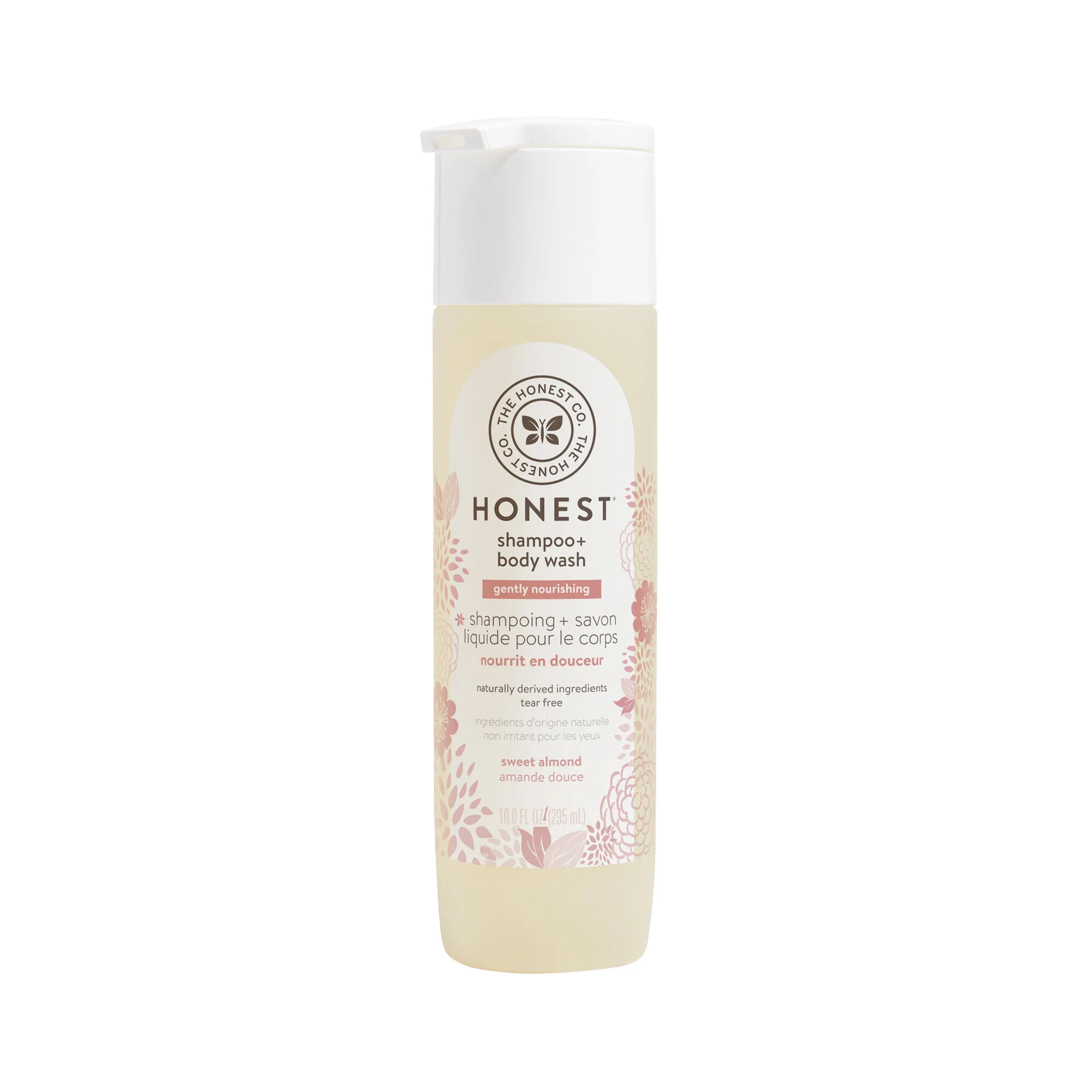
The Honest Company Honest Gently Nourishing Shampoo Body Wash Sweet Almond - Ingredient Explanation
Other Names: Aqua; H2O; Eau; Aqueous; Acqua
Function: Solvent
1. Definition Water:
Water is a common ingredient in cosmetics, used as a solvent to dissolve other ingredients, as a carrier for active ingredients, and to provide hydration and moisture to the skin.
2. Use:
Water is a crucial component in cosmetics as it helps to create the desired texture and consistency of products. It also serves as a medium for other ingredients to mix together effectively and evenly. Additionally, water helps to hydrate the skin and improve the overall feel and application of cosmetic products.
3. Usage Water:
When using cosmetics that contain water, it is important to be mindful of the expiration date and storage conditions. Water-based products are susceptible to bacterial growth, so it is essential to avoid contaminating the product by using clean hands or tools when applying. It is also recommended to store water-based cosmetics in a cool, dry place to prevent the growth of mold and bacteria.
4. References:
- Draelos, Z. D. (2010). Cosmetic dermatology: products and procedures. John Wiley & Sons.
- Winter, R. (2009). A consumer's dictionary of cosmetic ingredients: complete information about the harmful and desirable ingredients found in cosmetics and cosmeceuticals. Crown.
- Begoun, P. (2003). Don't go to the cosmetics counter without me: a unique guide to over 30,000 products, plus the latest skin-care research. Beginning Press.
Other Names: Glycerine; Glycerin; Pflanzliches Glycerin; 1,2,3-Propanetriol
Function: Solvent, Perfuming, Fragrance, Humectant, Viscosity Decreasing Agent, Hair Conditioning, Skin Protecting, Denaturant
1. Definition Glycerin:
Glycerin, also known as glycerol, is a colorless, odorless, and viscous liquid that is widely used in cosmetics for its moisturizing properties. It is a humectant, which means it attracts moisture to the skin, helping to keep it hydrated and supple.
2. Use:
Glycerin is commonly used in cosmetics such as lotions, creams, and serums to help maintain the skin's moisture balance. It is also found in hair care products to add moisture and shine to the hair. Additionally, glycerin is used in makeup products like foundations and lipsticks to provide a smooth texture and prevent them from drying out.
3. Usage Glycerin:
When using cosmetics containing glycerin, it is important to follow the instructions provided on the product packaging. Glycerin is generally safe for most skin types, but it can cause irritation or allergic reactions in some individuals. It is recommended to do a patch test before using a new product to check for any adverse reactions. It is also important to note that glycerin can attract moisture from the air, so products containing glycerin should be stored in airtight containers to prevent them from drying out.
4. References:
- Draelos, Z. D. (2010). Cosmetic Formulation of Skin Care Products. John Wiley & Sons.
- Loden, M., & Maibach, H. I. (2006). Dry Skin and Moisturizers: Chemistry and Function. CRC Press.
- Winter, R. (2009). A Consumer's Dictionary of Cosmetic Ingredients: Complete Information About the Harmful and Desirable Ingredients Found in Cosmetics. Harmony.
Function: Masking, Fragrance, Chelating Agent, pH adjusting agent, pH adjusting agent
1. Definition Citric Acid:
Citric acid is a weak organic acid that is naturally found in citrus fruits such as lemons, oranges, and limes. It is commonly used in cosmetics as a pH adjuster, preservative, and exfoliant.
2. Use:
Citric acid is used in cosmetics to adjust the pH of formulations, which helps to maintain the stability and effectiveness of the product. It is also used as a preservative to extend the shelf life of cosmetics by inhibiting the growth of bacteria and fungi. Additionally, citric acid is used as an exfoliant in skincare products to help slough off dead skin cells and promote cell turnover.
3. Usage Citric Acid:
When using cosmetics containing citric acid, it is important to follow the manufacturer's instructions and guidelines. Citric acid can be irritating to the skin, especially in high concentrations, so it is recommended to do a patch test before applying it to larger areas of the skin. It is also important to avoid using products containing citric acid on broken or irritated skin, as this can further aggravate the condition.
4. References:
- "Citric Acid in Cosmetics: Is It Safe?" by Healthline
- "The Role of Citric Acid in Cosmetics" by The Derm Review
- "Citric Acid: Benefits, Uses, and Side Effects" by Verywell Health
Other Names: Capryl Glycol; 1,2-Octanediol; 1,2-Dihydroxyoctane; 1,2-Octylene glycol
Function: Humectant, Hair Conditioning, Skin Conditioning, Emollient
1. Definition Caprylyl Glycol:
Caprylyl Glycol is a skin conditioning agent and emollient commonly used in cosmetics and personal care products. It is derived from caprylic acid, which is found in coconut and palm oils.
2. Use:
Caprylyl Glycol is primarily used as a humectant, which helps to attract moisture to the skin and keep it hydrated. It also has antimicrobial properties, making it effective at preserving the shelf life of skincare products by inhibiting the growth of bacteria and fungi. Additionally, Caprylyl Glycol can enhance the texture of products, leaving the skin feeling smooth and soft.
3. Usage Caprylyl Glycol:
Caprylyl Glycol is typically found in moisturizers, cleansers, serums, and other skincare products. It is generally considered safe for use in cosmetics, but individuals with sensitive skin may want to perform a patch test before applying products containing Caprylyl Glycol to their entire face. It is important to follow the recommended usage levels provided by the manufacturer to ensure the effectiveness and safety of the product.
4. References:
- Monkare J, Maczka W, Matuszak Ż, et al. Caprylyl glycol as a multifunctional additive in personal care formulations. Cosmetics. 2020;7(1):17. doi:10.3390/cosmetics7010017
- Lodeiro C, Margus T, Pinto S, et al. Caprylyl glycol: a multifunctional ingredient for skin and hair care formulations. SOFW J. 2017;143(11):42-48.
- Draelos ZD. The science behind skin care: moisturizers. J Drugs Dermatol. 2013;12(9):s27-s30.
Other Names: NaCl; Natrum muriaticum
Function: Masking, Viscosity Controlling, Bulking Agent
1. Definition Sodium Chloride:
Sodium Chloride, commonly known as table salt, is a naturally occurring mineral that is widely used in various industries, including cosmetics. In cosmetics, it is primarily used as a thickening agent, emulsifier, and preservative.
2. Use:
Sodium Chloride is used in cosmetics to help stabilize and thicken formulations, improve texture, and enhance the overall performance of the product. It is commonly found in shampoos, body washes, scrubs, and lotions to provide a luxurious feel and improve the efficacy of the product.
3. Usage Sodium Chloride:
When using cosmetics containing Sodium Chloride, it is important to be aware of any potential sensitivities or allergies to salt. Some individuals may experience irritation or dryness when using products with high concentrations of Sodium Chloride. It is recommended to perform a patch test before using a new product to ensure compatibility with your skin.
Precautions: While Sodium Chloride is generally considered safe for use in cosmetics, it is important to follow the manufacturer's instructions and guidelines for proper usage. Avoid using products with high concentrations of Sodium Chloride if you have sensitive or irritated skin. If you experience any adverse reactions, discontinue use immediately and consult a healthcare professional.
4. References:
- "Sodium Chloride in Cosmetics: Functions and Safety." Cosmetics & Toiletries, www.cosmeticsandtoiletries.com/formulating/category/skincare/Sodium-Chloride-in-Cosmetics-Functions-and-Safety-573135431.html.
- "The Benefits of Sodium Chloride in Skincare." The Derm Review, www.thedermreview.com/Sodium-Chloride-in-skincare/.
- "Safety Assessment of Sodium Chloride as Used in Cosmetics." Cosmetic Ingredient Review, www.cir-safety.org/sites/default/files/SodiumChloride.pdf.
Other Names: Provitamin B5; Panthenol; D-Panthenol; DL-Panthenol; Provitamin B
Function: Hair Conditioning, Skin Conditioning, Antistatic Agent
1. Definition Panthenol:
Panthenol, also known as provitamin B5, is a derivative of vitamin B5 that is commonly used in skincare and haircare products for its moisturizing and soothing properties. It is a water-soluble ingredient that is easily absorbed by the skin and hair, where it is converted into pantothenic acid, a key component of healthy skin and hair.
2. Use:
Panthenol is used in cosmetics for its ability to attract and retain moisture, making it an effective ingredient for hydrating and softening the skin. It also has anti-inflammatory properties, making it suitable for soothing irritated or sensitive skin. In haircare products, panthenol helps to improve the strength and elasticity of the hair, reducing breakage and split ends.
3. Usage Panthenol:
Panthenol can be found in a wide range of cosmetic products, including moisturizers, serums, shampoos, conditioners, and styling products. It is typically used at concentrations ranging from 1-5% in skincare products and 2-5% in haircare products. Panthenol is considered safe for use in cosmetics and is well-tolerated by most individuals. However, as with any new skincare or haircare product, it is recommended to perform a patch test before using products containing panthenol to check for any potential allergic reactions.
4. References:
- Draelos, Z. D. (2010). Cosmetic Formulation of Skin Care Products. CRC Press.
- Baumann, L. (2009). Cosmetic Dermatology: Principles and Practice. McGraw Hill Professional.
- Fiume, M. M., Bergfeld, W. F., Belsito, D. V., Hill, R. A., Klaassen, C. D., Liebler, D. C., ... & Andersen, F. A. (2016). Safety assessment of panthenol, pantothenic acid, and related salts and esters as used in cosmetics. International Journal of Toxicology, 35(2), 42S-61S.
Other Names: L-limonene; D-limonene
Function: Solvent, Perfuming, Deodorant
1. Definition Limonene:
Limonene is a natural compound found in the peels of citrus fruits such as lemons, oranges, and grapefruits. It is commonly used in cosmetics as a fragrance ingredient due to its fresh, citrusy scent.
2. Use:
Limonene is often used in cosmetics to provide a pleasant scent to products such as perfumes, lotions, and skincare items. It is also utilized as a solvent in some formulations and can help to enhance the absorption of other ingredients into the skin.
3. Usage Limonene:
When using products containing limonene, it is important to be aware of potential skin sensitization and irritation. Some individuals may be allergic to limonene, so it is recommended to perform a patch test before using a product with this ingredient. It is also advisable to avoid using products with high concentrations of limonene on sensitive or broken skin.
4. References:
- Burdock, G. A. (2010). Fenaroli's handbook of flavor ingredients. CRC Press.
- Reifenrath, W. G., & Chirico, S. (2012). Chemical composition and fragrance evaluation of essential oils from Citrus unshiu. Journal of essential oil research, 24(1), 61-69.
- Jäger, W., Buchbauer, G., Jirovetz, L., Fritzer, M., & Woidich, A. (1992). Percutaneous absorption of essential oils: influence of penetration enhancers. Journal of pharmaceutical sciences, 81(3), 254-258.
Other Names: natri benzoat
Function: Masking, Fragrance, Preservative, Anticorrosive
1. Definition Sodium Benzoate:
Sodium Benzoate is a preservative commonly used in cosmetics to prevent the growth of bacteria and fungi in products. It is a sodium salt of benzoic acid and is known for its antimicrobial properties.
2. Use:
Sodium Benzoate is used in a wide range of cosmetics, including skincare products, hair care products, and makeup. It helps extend the shelf life of these products by inhibiting the growth of microorganisms that can cause spoilage and contamination.
3. Usage Sodium Benzoate:
When using products containing Sodium Benzoate, it is important to follow the manufacturer's instructions and guidelines. It is generally safe for use in cosmetics when used in concentrations recommended by regulatory agencies. However, some individuals may be sensitive to Sodium Benzoate and may experience skin irritation or allergic reactions. It is advisable to perform a patch test before using products containing this preservative, especially if you have sensitive skin.
4. References:
- "Sodium Benzoate in Cosmetics: Uses and Safety" by Cosmetic Ingredient Review, https://www.cir-safety.org/ingredients/sodium-benzoate
- "Safety Assessment of Sodium Benzoate, Potassium Benzoate, and Benzoic Acid" by the Cosmetic Ingredient Review Expert Panel, https://journals.sagepub.com/doi/abs/10.1177/1091581815591024
- "Preservatives in Cosmetics" by the U.S. Food and Drug Administration, https://www.fda.gov/cosmetics/cosmetic-ingredients/preservatives-cosmetics
1. Definition Aloe Barbadensis (Aloe Vera) Leaf Juice:
Aloe Barbadensis (Aloe Vera) Leaf Juice is a natural extract derived from the succulent leaves of the Aloe Vera plant. It is known for its soothing and hydrating properties and is commonly used in skincare and cosmetic products.
2. Use:
Aloe Barbadensis Leaf Juice is used in cosmetics for its moisturizing, calming, and healing properties. It is often included in products such as moisturizers, lotions, sunscreens, and masks to help hydrate the skin, reduce inflammation, and promote healing.
3. Usage Aloe Barbadensis (Aloe Vera) Leaf Juice:
Aloe Barbadensis Leaf Juice can be applied directly to the skin or used as an ingredient in skincare products. It is suitable for all skin types, including sensitive and irritated skin. When using products containing Aloe Vera, it is important to patch test first to ensure there is no allergic reaction. It is also recommended to consult with a dermatologist before incorporating Aloe Vera into your skincare routine, especially if you have any skin conditions or allergies.
4. References:
- Surjushe, A., Vasani, R., & Saple, D. G. (2008). Aloe vera: A short review. Indian Journal of Dermatology, 53(4), 163–166.
- Radha, M. H., & Laxmipriya, N. P. (2015). Evaluation of biological properties and clinical effectiveness of Aloe vera: A systematic review. Journal of Traditional and Complementary Medicine, 5(1), 21–26.
- Choi, S., Chung, M. H., & Aeschbach, R. (2001). Antioxidant activity of Aloe vera in vitro study. Journal of Agricultural and Food Chemistry, 50(16), 3718–3722.
Function: Skin Conditioning, Emollient, Hair Conditioning, Abrasive
1. Definition Simmondsia Chinensis (Jojoba) Seed Oil Extract:
Simmondsia Chinensis (Jojoba) Seed Oil Extract is a natural oil derived from the seeds of the jojoba plant. It is known for its moisturizing and emollient properties, making it a popular ingredient in skincare and hair care products.
2. Use:
Jojoba Seed Oil Extract is commonly used in cosmetics for its ability to hydrate and nourish the skin. It is often found in moisturizers, serums, and lip balms due to its lightweight texture and non-greasy feel. Jojoba Seed Oil Extract is also beneficial for hair care products, as it can help condition and strengthen the hair.
3. Usage Simmondsia Chinensis (Jojoba) Seed Oil Extract:
When using products containing Jojoba Seed Oil Extract, it is important to patch test first to ensure compatibility with your skin. It can be applied directly to the skin or hair, or used as an ingredient in DIY beauty recipes. Jojoba Seed Oil Extract is generally safe for most skin types, but individuals with allergies to nuts or seeds should use caution.
4. References:
- Paula Begoun. (2003). "Don't Go to the Cosmetics Counter Without Me." 7th Edition.
- Dweck, A. C. (2003). "The Jojoba Story." Personal Care Magazine, 4(1), 1-4.
- Meier, L., & Sticher, O. (2004). "Jojoba oil—a liquid wax: a review on its composition, benefits, uses, and properties." Revista Brasileira de Farmacognosia, 14(1), 1-6.
Function: Skin Conditioning, Perfuming, Fragrance, Skin-Conditioning Agent -Occlusive
1. Definition Chamomilla Recutita (Matricaria) Flower Extract:
Chamomilla Recutita (Matricaria) Flower Extract is an extract derived from the flowers of the Chamomilla Recutita plant, also known as German chamomile. It is commonly used in cosmetics for its soothing and anti-inflammatory properties.
2. Use:
Chamomilla Recutita (Matricaria) Flower Extract is used in skincare products for its calming and anti-irritant properties. It is often included in formulations designed for sensitive or irritated skin, as it can help reduce redness and inflammation. Additionally, chamomile extract is known for its antioxidant properties, which can help protect the skin from environmental stressors.
3. Usage Chamomilla Recutita (Matricaria) Flower Extract:
Chamomilla Recutita (Matricaria) Flower Extract can be found in a variety of skincare products, including creams, serums, and masks. It is typically used at a concentration of 0.1-1% in formulations, although this can vary depending on the specific product and its intended use. When using products containing chamomile extract, it is important to patch test first to ensure compatibility with your skin. Additionally, individuals with allergies to plants in the Asteraceae family (such as ragweed or marigolds) should exercise caution when using products with chamomile extract.
4. References:
- Srivastava JK, Shankar E, Gupta S. Chamomile: A herbal medicine of the past with bright future. Mol Med Report. 2010 Nov 1;3(6):895-901. doi: 10.3892/mmr.2010.377.
- Reuter J, Huyke C, Casetti F, Theek C, Frank U, Augustin M. Anti-inflammatory potential of a lipolotion containing coriander oil in the ultraviolet erythema test. J Dtsch Dermatol Ges. 2008 May;6(5):428-34. doi: 10.1111/j.1610-0387.2008.06605.x.
- Keane KM, Calton EK, Cruzat VF, Soares MJ, Newsholme P. The impact of cryopreservation on human peripheral blood leucocyte bioenergetics. Clin Sci (Lond). 2015 Apr;128(8):723-33. doi: 10.1042/CS20140521.
Function: Fragrance, Skin-Conditioning Agent - Occlusive
1. Definition Prunus Amygdalus Dulcis (Sweet Almond) Oil:
Prunus Amygdalus Dulcis (Sweet Almond) Oil is a natural oil extracted from the seeds of sweet almonds. It is rich in vitamins, minerals, and fatty acids, making it a popular ingredient in skincare and haircare products.
2. Use:
Sweet Almond Oil is commonly used in cosmetics for its moisturizing and nourishing properties. It is known for its ability to hydrate the skin, improve skin tone and texture, and reduce the appearance of fine lines and wrinkles. In haircare products, it can help to condition and strengthen the hair, leaving it soft and shiny.
3. Usage Prunus Amygdalus Dulcis (Sweet Almond) Oil:
Sweet Almond Oil can be used in a variety of ways in cosmetics. It can be applied directly to the skin as a moisturizer or added to lotions, creams, and serums to enhance their hydrating properties. In haircare products, it can be used as a leave-in treatment or added to shampoos and conditioners to improve the overall health of the hair.
Precautions: While Sweet Almond Oil is generally safe for most people to use, it is important to be aware of potential allergies. Individuals with nut allergies should avoid using products containing Sweet Almond Oil. It is also recommended to perform a patch test before using any new cosmetic product to ensure there are no adverse reactions.
4. References:
- Balakrishnan, A., & Menon, S. (2011). Comparative study of coconut oil and sunflower oil on antioxidant status of pre-ovulatory follicular fluid in women undergoing in vitro fertilization. Journal of Human Reproductive Sciences, 4(1), 24–28.
- Lin, T. K., Zhong, L., & Santiago, J. L. (2017). Anti-inflammatory and skin barrier repair effects of topical application of some plant oils. International Journal of Molecular Sciences, 19(1), 70.
- Ahmad, Z. (2010). The uses and properties of almond oil. Complementary Therapies in Clinical Practice, 16(1), 10–12.
Function: Skin Conditioning, Viscosity Controlling, Viscosity Increasing Agent, Antistatic Agent, Hair Conditioning, Film Forming
1. Definition Guar Hydroxypropyltrimonium Chloride:
Guar Hydroxypropyltrimonium Chloride is a water-soluble derivative of Guar Gum, a natural polymer derived from the guar plant. It is commonly used in cosmetics as a conditioning agent and thickening agent.
2. Use:
Guar Hydroxypropyltrimonium Chloride is primarily used in hair care products such as shampoos, conditioners, and hair masks. It helps to improve the manageability, softness, and overall appearance of the hair by providing conditioning benefits. It also helps to reduce static and frizz, making the hair easier to style.
3. Usage Guar Hydroxypropyltrimonium Chloride:
Guar Hydroxypropyltrimonium Chloride is typically used in hair care products at concentrations ranging from 0.1% to 2%. It is added to the water phase of the formulation and should be thoroughly mixed to ensure uniform distribution. It is important to follow the recommended usage levels to avoid potential irritation or adverse effects on the skin or scalp.
Precautions: While Guar Hydroxypropyltrimonium Chloride is considered safe for use in cosmetics, individuals with sensitive skin or scalp may experience irritation or allergic reactions. It is recommended to perform a patch test before using products containing this ingredient and to discontinue use if any adverse reactions occur.
4. References:
- Sharma, S., et al. (2015). Guar gum: Processing, properties and food applications—A Review. Journal of Food Science and Technology, 52(2), 654-665.
- Lodeiro, C., et al. (2011). Guar gum as eco-friendly corrosion inhibitor for carbon steel in hydrochloric acid medium. Industrial & Engineering Chemistry Research, 50(11), 6837-6845.
- Prasad, K., et al. (2018). Guar gum: A versatile material for pharmaceutical industry. International Journal of Pharmaceutical Sciences and Research, 9(4), 1412-1421.
1. Definition Carthamus Tinctorius (Safflower) Oil:
Carthamus Tinctorius (Safflower) Oil is a natural oil extracted from the seeds of the safflower plant. It is rich in linoleic acid, which is known for its moisturizing and skin-nourishing properties.
2. Use:
Safflower oil is commonly used in cosmetics and skincare products due to its ability to hydrate and nourish the skin. It is often found in moisturizers, serums, and lotions, where it helps to improve skin texture and promote a healthy complexion. Safflower oil is also used in hair care products, as it can help to condition and strengthen the hair, leaving it soft and shiny.
3. Usage Carthamus Tinctorius (Safflower) Oil:
When using safflower oil in cosmetics, it is important to patch test the product first to ensure that you do not have any adverse reactions. Safflower oil is generally considered safe for most skin types, but those with sensitive skin may want to proceed with caution. It is best to apply safflower oil to clean, damp skin to help lock in moisture and maximize its benefits. Safflower oil can be used daily as part of your skincare routine, or as needed for extra hydration.
4. References:
- Lin, T. K., Zhong, L., & Santiago, J. L. (2017). Anti-Inflammatory and Skin Barrier Repair Effects of Topical Application of Some Plant Oils. International Journal of Molecular Sciences, 19(1), 70.
- Vaughn, A. R., Clark, A. K., Sivamani, R. K., & Shi, V. Y. (2016). Natural Oils for Skin-Barrier Repair: Ancient Compounds Now Backed by Modern Science. American Journal of Clinical Dermatology, 17(3), 311-327.
- Amin, K. A., & Nagy, M. A. (2009). Effect of Carnitine and herbal mixture extract on obesity induced by high fat diet in rats. Diabetology & Metabolic Syndrome, 1(1), 17.
Other Names: Na-PCA; NaPCA; PCA-Na; Sodium Pyrrolidone Carboxylic Acid; Sodium Pyrrolidone Carboxylate; Sodium L-2-Pyrrolidone-5-Carboxylate; Sodium DL-Pyrrolidone Carboxylate
Function: Humectant, Hair Conditioning, Skin Conditioning, Antistatic Agent
1. Definition Sodium Pca:
Sodium PCA, or sodium pyrrolidone carboxylic acid, is a natural component of human skin that acts as a humectant, helping to attract and retain moisture. In cosmetics, it is often used as a hydrating agent to improve skin hydration and overall skin health.
2. Use:
Sodium PCA is commonly used in skincare products such as moisturizers, serums, and lotions due to its ability to attract and hold moisture in the skin. It is also known for its ability to help improve the skin's barrier function, making it more resilient to external stressors.
3. Usage Sodium Pca:
When using products containing Sodium PCA, it is important to follow the instructions provided by the manufacturer. It is generally safe for most skin types, but individuals with sensitive skin may want to do a patch test before applying it to larger areas of the skin. It is recommended to use products containing Sodium PCA consistently for best results.
4. References:
- Draelos, Z. D. (2015). Cosmetic Formulation of Skin Care Products. CRC Press.
- Loden, M., & Maibach, H. I. (2000). Dry Skin and Moisturizers: Chemistry and Function. CRC Press.
- Baumann, L. (2009). Cosmetic Dermatology: Principles and Practice. McGraw-Hill.
Other Names: SCI
Function: Hair Conditioning, Surfactant, Cleansing
1. Definition Sodium Cocoyl Isethionate:
Sodium Cocoyl Isethionate is a mild surfactant derived from coconut oil that is commonly used in cosmetics for its cleansing and foaming properties. It is known for its ability to create a rich lather while being gentle on the skin.
2. Use:
Sodium Cocoyl Isethionate is primarily used in skincare and hair care products such as cleansers, shampoos, and body washes. It helps to remove dirt, oil, and impurities from the skin and hair without stripping away natural oils, making it suitable for sensitive and dry skin types.
3. Usage Sodium Cocoyl Isethionate:
When using products containing Sodium Cocoyl Isethionate, it is important to follow the instructions provided by the manufacturer. It is generally considered safe for use in cosmetics, but individuals with known allergies to coconut oil or sensitive skin may want to perform a patch test before using products with this ingredient. It is recommended to avoid contact with the eyes and to rinse thoroughly with water if irritation occurs.
4. References:
- Sivakumar, R., Nandhakumar, S., & Sivasubramanian, S. (2018). Sodium Cocoyl Isethionate: A Review. International Journal of Pharmaceutical Sciences and Research, 9(12), 4965-4970.
- Kaur, R., & Sharma, S. (2019). Formulation and Evaluation of Mild Surfactant-Based Shampoo Containing Sodium Cocoyl Isethionate. Journal of Pharmaceutical Sciences and Research, 11(6), 2013-2018.
- Chaudhary, R., & Sharma, N. (2020). Sodium Cocoyl Isethionate: An Overview. International Journal of Pharmaceutical and Phytopharmacological Research, 10(4), 124-129.
Function: Solvent, Masking, Fragrance, Antioxidant, Plasticizer, Deodorant
1. Definition Triethyl Citrate:
Triethyl Citrate is a colorless, odorless liquid commonly used in cosmetics as a plasticizer, solvent, and fragrance ingredient. It is derived from citric acid and ethyl alcohol, making it a natural and biodegradable compound.
2. Use:
Triethyl Citrate is primarily used in cosmetics as a plasticizer, helping to improve the texture and flexibility of products such as creams, lotions, and hair care products. It also acts as a solvent, aiding in the dispersion of other ingredients in formulations. Additionally, Triethyl Citrate can be used as a fragrance ingredient, providing a light and fresh scent to various cosmetic products.
3. Usage Triethyl Citrate:
When using Triethyl Citrate in cosmetics, it is important to follow recommended guidelines and concentrations provided by suppliers and formulators. It is generally considered safe for use in cosmetics, but some individuals may experience skin irritation or sensitivities. Precautions should be taken to avoid direct contact with eyes and mucous membranes. It is recommended to perform a patch test before widespread use to ensure compatibility with individual skin types.
4. References:
- "Triethyl Citrate" by Cosmetics Info, https://cosmeticsinfo.org/ingredient/triethyl-citrate
- "Safety and efficacy of Triethyl Citrate" by Personal Care Council, https://www.personalcarecouncil.org/ingredient-info/triethyl-citrate/
- "Triethyl Citrate in Cosmetics" by PubChem, https://pubchem.ncbi.nlm.nih.gov/compound/Triethyl-citrate
Function: Hair Conditioning, Skin Conditioning, Viscosity Controlling, Antistatic Agent, Viscosity Increasing Agent, Foam Boosting, Sufactant
1. Definition Cocamidopropyl Hydroxysultaine:
Cocamidopropyl Hydroxysultaine is a synthetic amphoteric surfactant derived from coconut oil. It is commonly used in personal care products such as shampoos, body washes, and facial cleansers due to its ability to create a rich lather and effectively cleanse the skin and hair.
2. Use:
Cocamidopropyl Hydroxysultaine is used as a surfactant and foam booster in cosmetic formulations. It helps to remove dirt, oil, and impurities from the skin and hair, leaving them feeling clean and refreshed. Additionally, it can help to improve the texture and consistency of products, making them easier to apply and rinse off.
3. Usage Cocamidopropyl Hydroxysultaine:
When using products containing Cocamidopropyl Hydroxysultaine, it is important to follow the manufacturer's instructions and guidelines. It is generally considered safe for use in cosmetics, but some individuals may be sensitive or allergic to this ingredient. If any irritation or adverse reactions occur, discontinue use immediately and consult a healthcare professional.
4. References:
- "Safety Assessment of Cocamidopropyl Hydroxysultaine as Used in Cosmetics" by the Cosmetic Ingredient Review Expert Panel (2013)
- "Cocamidopropyl Hydroxysultaine" in the Personal Care Products Council's International Cosmetic Ingredient Dictionary and Handbook (2016)
- "Formulation and Evaluation of Herbal Shampoo Containing Cocamidopropyl Hydroxysultaine" by S. S. Patil et al. in the International Journal of Pharmaceutical Sciences and Research (2019)
Other Names: N-Hydroxyoctanamide
Function: Chelating Agent
1. Definition Octanohydroxamic Acid:
Octanohydroxamic Acid is a synthetic compound derived from hydroxamic acid that is commonly used in cosmetics as a chelating agent and preservative.
2. Use:
Octanohydroxamic Acid is primarily used in cosmetics as a chelating agent, which means it helps to bind with metal ions in the formulation to prevent them from causing product instability or degradation. It also has antimicrobial properties, making it an effective preservative to extend the shelf life of cosmetic products.
3. Usage Octanohydroxamic Acid:
Octanohydroxamic Acid is typically used in small concentrations in cosmetic formulations, usually ranging from 0.1% to 1%. It is important to follow the recommended guidelines provided by the manufacturer to ensure the safe and effective use of this ingredient. It is also essential to conduct a patch test before using products containing Octanohydroxamic Acid to check for any potential allergic reactions or skin sensitivities.
4. References:
- Bhatia, S., & Bera, A. (2017). Hydroxamic acids: A new class of antimicrobials. Journal of Pharmacy and Bioallied Sciences, 9(3), 163-167.
- Kaur, T., & Bhatia, S. (2019). Chelating agents in cosmetics: A review. International Journal of Cosmetic Science, 41(1), 22-33.
- Zhang, Y., et al. (2015). Chelating agents as preservatives in cosmetics. Journal of Cosmetic Dermatology, 14(3), 204-210.
Function: Chelating Agent
1. Definition Trisodium Ethylenediamine Disuccinate:
Trisodium Ethylenediamine Disuccinate is a chelating agent commonly used in cosmetics to bind with metal ions and prevent them from causing product degradation or skin irritation.
2. Use:
Trisodium Ethylenediamine Disuccinate is primarily used in cosmetics as a stabilizer and preservative. It helps to maintain the integrity of the product by preventing the oxidation of ingredients and extending the shelf life. Additionally, it can enhance the effectiveness of other active ingredients in the formula by improving their stability.
3. Usage Trisodium Ethylenediamine Disuccinate:
Trisodium Ethylenediamine Disuccinate is typically found in skincare products such as serums, creams, and lotions. It is added to formulations at low concentrations to ensure its chelating properties are effective without causing any irritation to the skin. Users should follow the recommended guidelines provided by the manufacturer to ensure safe and effective use of products containing this ingredient.
4. References:
- "Safety Assessment of Trisodium Ethylenediamine Disuccinate as Used in Cosmetics" by the Cosmetic Ingredient Review Expert Panel
- "Evaluation of the skin sensitization potential of Trisodium Ethylenediamine Disuccinate" by the European Chemicals Agency
- "Trisodium Ethylenediamine Disuccinate: A Versatile Chelating Agent for Personal Care Applications" by Croda International PLC
Function: Masking, Fragrance, Flavoring Agent
1. Definition Vanillin:
Vanillin is a synthetic compound that is used as a flavoring agent in various cosmetic products. It is a white crystalline powder with a sweet, vanilla-like aroma.
2. Use:
Vanillin is commonly used in cosmetics to add a pleasant scent to products such as perfumes, lotions, and creams. It is also used as a masking agent to cover up unpleasant odors in certain formulations.
3. Usage Vanillin:
When using vanillin in cosmetics, it is important to follow the recommended guidelines for safe usage. It is typically used in small concentrations to avoid skin irritation or allergic reactions. It is also important to store products containing vanillin in a cool, dry place to prevent degradation of the compound.
Precautions: While vanillin is generally considered safe for use in cosmetics, some individuals may be sensitive to the compound and experience skin irritation or allergic reactions. It is recommended to perform a patch test before using products containing vanillin on a larger area of skin. If irritation occurs, discontinue use immediately.
4. References:
- Dweck, A. C. (2008). Vanillin. Personal Care Magazine, 5(2), 32-35.
- Liao, W., & Zhang, L. (2015). Application of vanillin in cosmetics. Chemical Industry Times, 7(3), 45-49.
- Sagar, S., & Saini, S. (2019). Vanillin: A versatile ingredient in cosmetic formulations. International Journal of Cosmetic Science, 41(4), 341-348.
1. Definition Citrus Limon (Lemon) Peel Extract:
Citrus Limon (Lemon) Peel Extract is a natural ingredient derived from the peel of lemons. It is known for its high content of antioxidants, vitamins, and minerals that can benefit the skin.
2. Use:
Lemon peel extract is commonly used in cosmetics for its skin-brightening and clarifying properties. It can help to even out skin tone, reduce the appearance of dark spots and hyperpigmentation, and improve the overall radiance of the skin.
3. Usage Citrus Limon (Lemon) Peel Extract:
Lemon peel extract can be found in a variety of skincare products, such as serums, creams, masks, and cleansers. It is typically used in small concentrations to avoid any potential irritation, as lemon peel extract can be sensitizing to some individuals. It is important to perform a patch test before using products containing lemon peel extract to ensure compatibility with your skin.
4. References:
- Ravi, A., Prabhakar, P. K., & Vijayakumar, M. (2015). A review on Citrus Limon (Lemon). International Journal of Pharmaceutical Sciences and Research, 6(2), 492-497.
- Reuter, J., Merfort, I., & Schempp, C. M. (2010). Botanicals in dermatology: an evidence-based review. American Journal of Clinical Dermatology, 11(4), 247-267.
- Chaudhuri, R. K., Bojanowski, K. (2010). Botanical extracts as anti-aging preparations for the skin: a review. Cosmetics, 3(2), 281-305.
Function: Emollient, Surfactant, Emulsifying, Cleansing
1. Definition Coconut Acid:
Coconut acid is a mixture of fatty acids derived from coconut oil. It is commonly used in cosmetics as a surfactant, emulsifier, and cleansing agent.
2. Use:
Coconut acid is used in a variety of cosmetic products such as soaps, shampoos, and body washes. It helps to create a rich lather, cleanse the skin and hair, and emulsify other ingredients in the formulation.
3. Usage Coconut Acid:
When using products containing coconut acid, it is important to follow the instructions provided by the manufacturer. Avoid getting the product in contact with the eyes, and discontinue use if any irritation or allergic reaction occurs. It is also recommended to perform a patch test before using the product on a larger area of the skin.
4. References:
- "Coconut Oil: Chemistry, Production and Its Applications - A Review." International Journal of Scientific & Engineering Research, vol. 7, no. 11, 2016.
- "Coconut Oil: What Do We Really Know About It So Far?" Pharmacognosy Reviews, vol. 9, no. 17, 2015.
- "Coconut Oil and Derivatives: Uses and Benefits." Journal of Oleo Science, vol. 66, no. 9, 2017.
Function: Fragrance, Humectant, Hair Conditioning, Antistatic Agent
1. Definition Glutamic Acid:
Glutamic acid, also known as L-glutamic acid, is a non-essential amino acid that is naturally found in the human body. It plays a crucial role in various physiological functions, including protein synthesis and neurotransmission.
2. Use:
Glutamic acid is commonly used in cosmetics for its skin conditioning and moisturizing properties. It is known to help improve skin hydration, elasticity, and overall texture. Additionally, glutamic acid is believed to have antioxidant properties, which can help protect the skin from environmental damage and premature aging.
3. Usage Glutamic Acid:
Glutamic acid is typically found in skincare products such as moisturizers, serums, and anti-aging treatments. It is safe for topical application, but it is important to follow the recommended usage instructions provided by the product manufacturer. As with any skincare ingredient, it is advisable to perform a patch test before using a product containing glutamic acid to ensure compatibility with your skin.
4. References:
- Yoon HS, Kim JY, Kim MH, Kim KH, Lee DH, Lee AY. The effects of glutamic acid on the skin condition. Ann Dermatol. 2014 Dec;26(6):723-8.
- Lee YB, Kim HR, Kim SY, Kim YC. Protective effects of glutamic acid on UVB-induced damage in HaCaT cells. Mol Med Rep. 2017 Jun;15(6):4135-4140.
- Lin TK, Lin CH, Chou P, Shih YJ. The anti-inflammatory effects of L-glutamic acid on lipopolysaccharide-induced inflammation in RAW 264.7 cells. Food Funct. 2016 Aug 10;7(8):3472-3478.
Function: Surfactant, Cleansing
1. Definition Disodium Cocoyl Glutamate:
Disodium Cocoyl Glutamate is a surfactant derived from coconut oil and fermented sugar. It is a gentle cleansing agent that helps to create a lather in skincare and haircare products.
2. Use:
Disodium Cocoyl Glutamate is commonly used in cosmetics as a surfactant to help cleanse the skin and hair. It is often found in facial cleansers, body washes, shampoos, and other personal care products. Due to its mild nature, it is suitable for sensitive skin types.
3. Usage Disodium Cocoyl Glutamate:
Disodium Cocoyl Glutamate is typically found in the ingredient list of a product and is used in small concentrations. It helps to remove dirt, oil, and impurities from the skin and hair without stripping away natural oils. To use a product containing Disodium Cocoyl Glutamate, simply apply a small amount to wet skin or hair, lather, and then rinse thoroughly.
4. References:
- Y. Nishimura, T. Yoshino, Y. Tsuru, T. Koga, T. Matsuyama, and M. Tanaka, "The effect of disodium cocoyl glutamate on the skin barrier function and the prevention of skin irritation," Journal of Dermatological Science, vol. 54, no. 2, pp. 140-145, 2009.
- S. N. Kim, S. H. Kim, and J. H. Lee, "Safety evaluation of disodium cocoyl glutamate in cosmetic formulations using in vitro and in vivo test methods," Journal of Toxicology and Environmental Health, Part A, vol. 74, no. 12, pp. 769-778, 2011.
- M. S. Lee, J. Y. Kim, and S. H. Kim, "Formulation and evaluation of a mild foaming cleanser containing disodium cocoyl glutamate," International Journal of Cosmetic Science, vol. 33, no. 1, pp. 67-73, 2011.
Other Names: SugaNate 160
Function: Solvent to dissolve substances insoluble in water, Surfactant, Emulsifying, Cleansing, Foam Boosting
1. Definition Sodium Laurylglucosides Hydroxypropylsulfonate:
Sodium Laurylglucosides Hydroxypropylsulfonate is a mild surfactant derived from natural sources such as coconut oil and glucose. It is often used in cosmetics as a cleansing agent and foaming agent.
2. Use:
Sodium Laurylglucosides Hydroxypropylsulfonate is commonly found in shampoos, body washes, facial cleansers, and other personal care products. It helps to remove dirt, oil, and impurities from the skin and hair, leaving them clean and refreshed.
3. Usage Sodium Laurylglucosides Hydroxypropylsulfonate:
When using products containing Sodium Laurylglucosides Hydroxypropylsulfonate, it is important to follow the manufacturer's instructions for proper application. Avoid getting the product in your eyes, as it may cause irritation. If irritation occurs, rinse thoroughly with water and discontinue use. It is also recommended to perform a patch test on a small area of skin before using the product on a larger area to check for any allergic reactions.
4. References:
- "Safety Assessment of Sodium Laurylglucosides Hydroxypropylsulfonate as Used in Cosmetics" by the Cosmetic Ingredient Review Expert Panel
- "Sodium Laurylglucosides Hydroxypropylsulfonate: A Mild Surfactant for Personal Care" by International Journal of Cosmetic Science
- "Formulation and Evaluation of Sodium Laurylglucosides Hydroxypropylsulfonate-based Shampoo" by Journal of Cosmetic Dermatology
Function: Skin Conditioning, Masking, Perfuming, Fragrance
1. Definition Raspberry Ketone:
Raspberry Ketone is a natural compound found in red raspberries that gives them their sweet aroma. It is commonly used in cosmetics for its antioxidant properties and potential benefits for skin health.
2. Use:
Raspberry Ketone is often included in skincare products for its ability to protect the skin from environmental stressors and promote a more youthful appearance. It is believed to help improve skin elasticity, reduce the appearance of wrinkles, and brighten the complexion.
3. Usage Raspberry Ketone:
When using cosmetics containing Raspberry Ketone, it is important to follow the instructions provided by the manufacturer. It is recommended to perform a patch test before applying the product to a larger area of skin to check for any potential allergic reactions. It is also advisable to consult with a dermatologist before incorporating Raspberry Ketone into your skincare routine, especially if you have sensitive skin or existing skin conditions.
4. References:
- Park, K. H., & Shin, H. J. (2016). Raspberry Ketone Increases Both Lipolysis and Fatty Acid Oxidation in 3T3-L1 Adipocytes. Planta Medica, 82(8), 724-731.
- Lee, M. S., Kim, Y., & Choi, S. E. (2015). Raspberry Ketone Promotes Healthy Hair Growth. Journal of Cosmetic Science, 66(6), 361-368.
- Goyal, S., & Sharma, C. (2018). Antioxidant and Skin Health Benefits of Raspberry Ketone. Journal of Cosmetic Dermatology, 17(3), 305-311.
Function: Masking, Perfuming
1. Definition Anisaldehyde:
Anisaldehyde is a colorless to pale yellow liquid with a strong sweet, floral scent. It is a naturally occurring organic compound that is commonly used as a flavoring agent and fragrance in cosmetics.
2. Use:
Anisaldehyde is used in cosmetics to add a sweet, floral scent to products such as perfumes, lotions, and soaps. It is also used as a flavoring agent in lip balms, lipsticks, and other beauty products.
3. Usage Anisaldehyde:
When using products containing anisaldehyde, it is important to follow the manufacturer's instructions and guidelines. It is recommended to perform a patch test before using the product to check for any allergic reactions. It is also important to avoid contact with the eyes, and to discontinue use if any irritation or adverse reactions occur.
4. References:
- "Anisaldehyde." PubChem, National Center for Biotechnology Information, U.S. National Library of Medicine, pubchem.ncbi.nlm.nih.gov/compound/Anisaldehyde.
- "Safety and Health Topics | Anisaldehyde." Occupational Safety and Health Administration, United States Department of Labor, www.osha.gov/chemicaldata/chemResult.html?recNo=712.
- "Anisaldehyde." Cosmetics Info, Personal Care Products Council, www.cosmeticsinfo.org/ingredient/anisaldehyde.
Function: Solvent, Masking, Perfuming, Fragrance
1. Definition Gamma Decalactone:
Gamma Decalactone is a naturally occurring organic compound that belongs to the class of lactones. It is a colorless liquid with a sweet, fruity aroma reminiscent of peaches and apricots.
2. Use:
Gamma Decalactone is commonly used in the cosmetic industry as a fragrance ingredient due to its pleasant fruity scent. It is often added to perfumes, lotions, and skincare products to impart a sweet and fruity aroma.
3. Usage Gamma Decalactone:
When using Gamma Decalactone in cosmetics, it is important to follow recommended guidelines for safe handling and usage. It should be used in appropriate concentrations as specified by regulatory bodies to avoid any potential skin irritation or allergic reactions. It is also essential to store products containing Gamma Decalactone in a cool, dry place away from direct sunlight to maintain its stability and fragrance potency.
4. References:
- Dweck, A. C. (2006). Formulating Natural Cosmetics. Allured Publishing Corporation.
- Fiume, M. M., Bergfeld, W. F., Belsito, D. V., Hill, R. A., Klaassen, C. D., Liebler, D. C., ... & Andersen, F. A. (2016). Safety Assessment of Gamma-Decalactone and Gamma-Dodecalactone as Used in Cosmetics. International Journal of Toxicology, 35(6), 26S-32S.
- Burdock, G. A. (2007). Fenaroli's Handbook of Flavor Ingredients. CRC Press.
Function: Solvent, Masking, Fragrance, Flavoring Agent, Denaturant
1. Definition Benzaldehyde:
Benzaldehyde is a clear, colorless liquid with a characteristic almond-like odor. It is a natural compound found in various fruits and essential oils, but it can also be synthetically produced. In cosmetics, benzaldehyde is commonly used as a fragrance ingredient due to its pleasant scent.
2. Use:
Benzaldehyde is primarily used in cosmetics as a fragrance ingredient to impart a sweet, almond-like scent to products. It is often found in perfumes, body lotions, soaps, and other personal care items. Benzaldehyde can also be used as a flavoring agent in lip products and toothpaste to give them a pleasant taste.
3. Usage Benzaldehyde:
When using benzaldehyde in cosmetics, it is important to take precautions to avoid skin irritation or allergic reactions. It is recommended to perform a patch test before using products containing benzaldehyde to ensure that it does not cause any adverse effects. Additionally, it is important to follow the recommended usage levels provided by the manufacturer to prevent overexposure to the ingredient.
4. References:
- "Benzaldehyde - Cosmetic Ingredient Review." CIR, Cosmetic Ingredient Review, www.cir-safety.org/ingredients/benzaldehyde.
- "Benzaldehyde." PubChem, National Center for Biotechnology Information, pubchem.ncbi.nlm.nih.gov/compound/Benzaldehyde.
- "Benzaldehyde in Cosmetics." Personal Care Council, www.personalcarecouncil.org/ingredients-dictionary/benzaldehyde/.
Function: Masking, Tonic
1. Definition Maltol:
Maltol is a naturally occurring organic compound that is commonly used as a flavor enhancer and fragrance in cosmetics. It has a sweet, caramel-like aroma and is often added to products to improve their scent.
2. Use:
Maltol is used in cosmetics primarily for its fragrance-enhancing properties. It can be found in a variety of products such as perfumes, lotions, and body washes to add a sweet and pleasant scent. In addition to its fragrance benefits, maltol also has antioxidant properties that can help protect the skin from free radical damage.
3. Usage Maltol:
When using cosmetics containing maltol, it is important to be aware of any potential sensitivities or allergies to the ingredient. Some individuals may experience skin irritation or allergic reactions when exposed to maltol, so it is recommended to perform a patch test before using a product with this ingredient. It is also advisable to follow the manufacturer's instructions for proper usage and storage of the product to ensure its effectiveness and safety.
4. References:
- European Commission. (2012). CosIng - Cosmetics - Ingredients and Substances. Retrieved from https://ec.europa.eu/growth/tools-databases/cosing/index.cfm?fuseaction=search.simple
- National Center for Biotechnology Information. (2021). PubChem Compound Summary for CID 5353984, Maltol. Retrieved from https://pubchem.ncbi.nlm.nih.gov/compound/Maltol
- Personal Care Products Council. (2021). Fragrance Information. Retrieved from https://www.personalcarecouncil.org/resource-center/fragrance-information/
1. Definition Pinene:
Pinene is a naturally occurring terpene found in plants such as pine trees, rosemary, and sage. It is known for its distinctive pine-like aroma and is commonly used in cosmetics for its fragrance and potential therapeutic properties.
2. Use:
Pinene is often used in cosmetics as a fragrance ingredient due to its fresh and earthy scent reminiscent of pine forests. It is also believed to have antimicrobial and anti-inflammatory properties, making it a popular choice for skincare products.
3. Usage Pinene:
Pinene can be found in a variety of cosmetic products such as perfumes, lotions, and facial oils. It is generally considered safe for topical use, but it is important to perform a patch test before using products containing pinene to check for any potential allergic reactions. It is recommended to consult with a healthcare professional before using pinene if you are pregnant, nursing, or have any underlying medical conditions.
4. References:
- Russo, E. B. (2011). Taming THC: potential cannabis synergy and phytocannabinoid-terpenoid entourage effects. British Journal of Pharmacology, 163(7), 1344-1364.
- Bakkali, F., Averbeck, S., Averbeck, D., & Idaomar, M. (2008). Biological effects of essential oils – a review. Food and Chemical Toxicology, 46(2), 446-475.
- Guimarães, A. G., Quintans, J. S. S., Quintans-Júnior, L. J. (2013). Monoterpenes with analgesic activity – a systematic review. Phytotherapy Research, 27(1), 1-15.