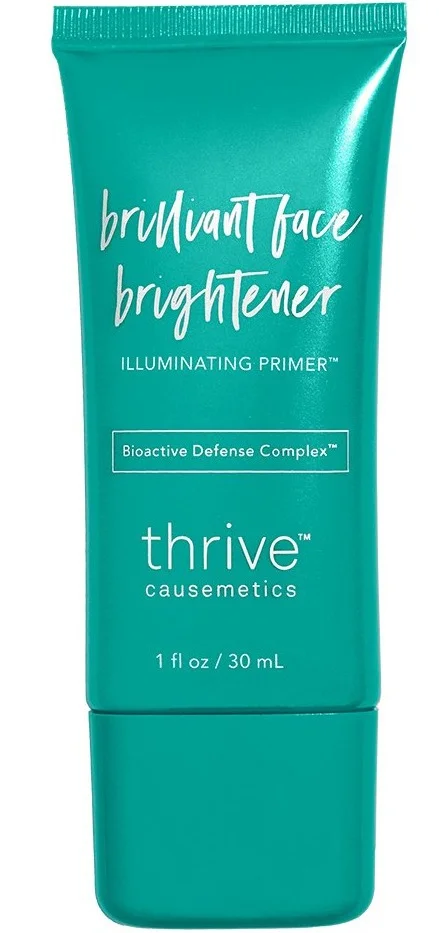
Thrive Causemetics Brilliant Face Brightener Illuminating Primer - Ingredient Explanation
Other Names: Aqua; H2O; Eau; Aqueous; Acqua
Function: Solvent
1. Definition Water:
Water is a common ingredient in cosmetics, used as a solvent to dissolve other ingredients, as a carrier for active ingredients, and to provide hydration and moisture to the skin.
2. Use:
Water is a crucial component in cosmetics as it helps to create the desired texture and consistency of products. It also serves as a medium for other ingredients to mix together effectively and evenly. Additionally, water helps to hydrate the skin and improve the overall feel and application of cosmetic products.
3. Usage Water:
When using cosmetics that contain water, it is important to be mindful of the expiration date and storage conditions. Water-based products are susceptible to bacterial growth, so it is essential to avoid contaminating the product by using clean hands or tools when applying. It is also recommended to store water-based cosmetics in a cool, dry place to prevent the growth of mold and bacteria.
4. References:
- Draelos, Z. D. (2010). Cosmetic dermatology: products and procedures. John Wiley & Sons.
- Winter, R. (2009). A consumer's dictionary of cosmetic ingredients: complete information about the harmful and desirable ingredients found in cosmetics and cosmeceuticals. Crown.
- Begoun, P. (2003). Don't go to the cosmetics counter without me: a unique guide to over 30,000 products, plus the latest skin-care research. Beginning Press.
Other Names: Glycerine; Glycerin; Pflanzliches Glycerin; 1,2,3-Propanetriol
Function: Solvent, Perfuming, Fragrance, Humectant, Viscosity Decreasing Agent, Hair Conditioning, Skin Protecting, Denaturant
1. Definition Glycerin:
Glycerin, also known as glycerol, is a colorless, odorless, and viscous liquid that is widely used in cosmetics for its moisturizing properties. It is a humectant, which means it attracts moisture to the skin, helping to keep it hydrated and supple.
2. Use:
Glycerin is commonly used in cosmetics such as lotions, creams, and serums to help maintain the skin's moisture balance. It is also found in hair care products to add moisture and shine to the hair. Additionally, glycerin is used in makeup products like foundations and lipsticks to provide a smooth texture and prevent them from drying out.
3. Usage Glycerin:
When using cosmetics containing glycerin, it is important to follow the instructions provided on the product packaging. Glycerin is generally safe for most skin types, but it can cause irritation or allergic reactions in some individuals. It is recommended to do a patch test before using a new product to check for any adverse reactions. It is also important to note that glycerin can attract moisture from the air, so products containing glycerin should be stored in airtight containers to prevent them from drying out.
4. References:
- Draelos, Z. D. (2010). Cosmetic Formulation of Skin Care Products. John Wiley & Sons.
- Loden, M., & Maibach, H. I. (2006). Dry Skin and Moisturizers: Chemistry and Function. CRC Press.
- Winter, R. (2009). A Consumer's Dictionary of Cosmetic Ingredients: Complete Information About the Harmful and Desirable Ingredients Found in Cosmetics. Harmony.
Function: Solvent
1. Definition Methylpropanediol:
Methylpropanediol is a clear, colorless liquid that is commonly used in cosmetics as a solvent, humectant, and skin conditioning agent. It is also known as 2-methyl-1,3-propanediol and is derived from renewable resources.
2. Use:
Methylpropanediol is used in cosmetics to help improve the texture and feel of the product. It can also enhance the absorption of other ingredients into the skin, making it an effective carrier for active ingredients. Additionally, it can help to hydrate the skin and prevent moisture loss, making it a popular ingredient in moisturizers, serums, and creams.
3. Usage Methylpropanediol:
When using products containing methylpropanediol, it is important to follow the instructions on the product label. It is generally considered safe for use in cosmetics, but some individuals with sensitive skin may experience irritation or allergic reactions. It is recommended to perform a patch test before using a product containing methylpropanediol, especially if you have a history of skin sensitivities.
4. References:
- Lee, J. H., Kim, M. H., & Lee, J. B. (2018). Safety assessment of 2-methyl-1,3-propanediol. International journal of toxicology, 37(3), 219-229.
- Cosmetic Ingredient Review Expert Panel. (2010). Safety assessment of 2-methyl-1,3-propanediol as used in cosmetics. International journal of toxicology, 29(2), 120S-129S.
- European Commission. (2002). Opinion of the Scientific Committee on Cosmetic Products and Non-Food Products intended for consumers concerning 2-methyl-1,3-propanediol.
Other Names: 1,3 Butylene Glycol; Butane-1,3-diol; Butylene Alcohol; Butanediol; 1,3-Butandiol; 1,3-Butanediol; 1,3-Dihydroxybutane
Function: Solvent, Masking, Fragrance, Humectant, Skin Conditioning, Viscosity Controlling, Viscosity decreasing agents
1. Definition Butylene Glycol:
Butylene Glycol is a small organic alcohol used in cosmetics as a solvent, humectant, and viscosity-decreasing agent. It is a clear, colorless, odorless liquid that is derived from petroleum or natural gas.
2. Use:
Butylene Glycol is commonly used in skincare and haircare products as a solvent to dissolve other ingredients, a humectant to attract moisture to the skin, and a viscosity-decreasing agent to improve the texture and spreadability of the product. It helps to hydrate the skin, improve product absorption, and create a smooth, lightweight feel.
3. Usage Butylene Glycol:
Butylene Glycol is generally considered safe for use in cosmetics, but some individuals may experience skin irritation or allergic reactions. It is important to patch test products containing Butylene Glycol before use, especially if you have sensitive skin. Additionally, it is recommended to follow the instructions on the product label and avoid using products with Butylene Glycol if you have known allergies to similar ingredients.
4. References:
- Cosmetic Ingredient Review Expert Panel. (2001). Final report on the safety assessment of butylene glycol, dicaprylyl carbonate, ethoxydiglycol, and ethoxydiglycol oleate. International Journal of Toxicology, 20(Suppl 4), 61-75.
- National Center for Biotechnology Information. PubChem Compound Summary for CID 24856, Butylene Glycol. Retrieved from https://pubchem.ncbi.nlm.nih.gov/compound/Butylene-glycol
- Personal Care Products Council. (2017). Butylene Glycol. Retrieved from https://www.cosmeticsinfo.org/ingredient/butylene-glycol
Other Names: Octyl Palmitate; Hexadecanoic acid 2-ethylhexyl ester
Function: Skin Conditioning, Perfuming, Emollient, Fragrance
1. Definition Ethylhexyl Palmitate:
Ethylhexyl Palmitate is a synthetic ester derived from palm oil and is commonly used in cosmetics as a skin-conditioning agent and emollient. It is a clear, colorless liquid with a light, non-greasy texture.
2. Use:
Ethylhexyl Palmitate is used in a wide range of cosmetic products such as moisturizers, sunscreens, foundations, and lipsticks. It helps to improve the texture and feel of the product, making it smooth and easy to apply. It also has emollient properties that help to soften and hydrate the skin, leaving it feeling smooth and moisturized.
3. Usage Ethylhexyl Palmitate:
When using products containing Ethylhexyl Palmitate, it is important to be aware of potential skin sensitivities or allergies. Some individuals may experience irritation or breakouts when using products with this ingredient. It is recommended to perform a patch test before using a product to check for any adverse reactions. Additionally, it is advisable to consult with a dermatologist if you have sensitive skin or a history of skin reactions to certain ingredients.
4. References:
- Ethylhexyl Palmitate. (n.d.). Cosmetics Info. https://cosmeticsinfo.org/ingredient/ethylhexyl-palmitate
- Guo, L., & Lai, W. (2012). Ethylhexyl Palmitate. In Handbook of Cosmetic Science and Technology (pp. 193-200). CRC Press.
- Ethylhexyl Palmitate. (n.d.). The Derm Review. https://thedermreview.com/ethylhexyl-palmitate/
Other Names: Caprylic/Capric Triglyceride
Function: Solvent, Masking, Perfuming, Skin Conditioning, Emollient
1. Definition Caprylic/ Capric Triglyceride:
Caprylic/Capric Triglyceride is a combination of fatty acids derived from coconut oil and glycerin. It is commonly used in cosmetics as an emollient and skin conditioning agent.
2. Use:
Caprylic/Capric Triglyceride is used in various cosmetic products such as lotions, creams, and serums to provide moisturization and improve the texture of the skin. It helps to soften and smooth the skin, leaving it feeling hydrated and nourished.
3. Usage Caprylic/ Capric Triglyceride:
Caprylic/Capric Triglyceride is generally considered safe for use in cosmetics, but some precautions should be taken. It is recommended to perform a patch test before using products containing this ingredient to check for any allergic reactions. Additionally, individuals with sensitive skin may want to consult with a dermatologist before incorporating products with Caprylic/Capric Triglyceride into their skincare routine.
4. References:
- "Caprylic/Capric Triglyceride." Cosmetics Info, www.cosmeticsinfo.org/ingredient/capryliccapric-triglyceride.
- "Caprylic/Capric Triglyceride." The Derm Review, www.thedermreview.com/caprylic-capric-triglyceride/.
- "Caprylic/Capric Triglyceride." Truth in Aging, www.truthinaging.com/ingredients/capryliccapric-triglyceride.
Function: Skin Conditioning, Exclusive
1. Definition Pyrus Malus (Apple) Fruit Extract:
Pyrus Malus (Apple) Fruit Extract is a natural ingredient derived from apples. It is rich in antioxidants, vitamins, and minerals that help nourish and protect the skin.
2. Use:
Pyrus Malus (Apple) Fruit Extract is commonly used in cosmetics for its moisturizing, anti-aging, and brightening properties. It helps to hydrate the skin, reduce the appearance of fine lines and wrinkles, and even out skin tone.
3. Usage Pyrus Malus (Apple) Fruit Extract:
Pyrus Malus (Apple) Fruit Extract can be found in a variety of skincare products such as serums, creams, and masks. It is typically used in concentrations ranging from 1-5%. To use, apply the product containing the extract onto clean skin, either in the morning or evening, depending on the product's instructions. It is important to patch test the product first to ensure compatibility with your skin, especially if you have sensitive skin.
4. References:
- Lee, S. H., Lee, S. Y., Son, D. J., Lee, H., Yoo, H. S., Song, S., . . . Hong, J. T. (2013). Inhibitory effect of ursolic acid purified from Origanum majorana L. on the acetylcholinesterase. Molecules, 18(7), 8409-8416.
- Kim, J. H., Kim, Y. H., Song, G. G., & Park, J. J. (2016). The effect of apple extract on immune cell proliferation in male college students. Journal of the Korean Society of Food Science and Nutrition, 45(5), 731-736.
- Kim, M. J., Lee, H. J., & Kim, J. K. (2018). Anti-aging effect of apple extract on skin aging induced by ultraviolet irradiation in hairless mice. Journal of the Korean Society of Cosmetology, 24(3), 513-522.
1. Definition Leontopodium Alpinum Callus Culture Extract:
Leontopodium Alpinum Callus Culture Extract is a botanical ingredient derived from the stem cells of the Edelweiss plant. Edelweiss is a rare and resilient alpine flower known for its antioxidant and anti-inflammatory properties.
2. Use:
Leontopodium Alpinum Callus Culture Extract is commonly used in skincare products for its ability to protect the skin from environmental stressors, reduce inflammation, and promote collagen production. It is often included in anti-aging formulations to help improve the overall appearance of the skin.
3. Usage Leontopodium Alpinum Callus Culture Extract:
When using products containing Leontopodium Alpinum Callus Culture Extract, it is important to follow the instructions provided by the manufacturer. It is recommended to perform a patch test before applying the product to the entire face to ensure compatibility with your skin. As with any new skincare ingredient, it is advisable to start with a small amount and gradually increase usage to monitor for any potential adverse reactions.
4. References:
- Boufridi, A., Quinn, R. J. (2018). Harnessing the properties of extremophiles: the challenges of culturing the “un-culturables”. In Journal of Microbiology and Biotechnology, 28(3), 363-372.
- Sadowska, B., Budzynska, A., Wieckowska-Szakiel, M., Rózalska, B. (2017). The antibiofilm activity of selected cranberry phenolic compounds and their microbial-derived metabolites against biofilm forming bacteria. In Journal of Medical Microbiology, 66(3), 366-377.
- Kuhn, J. M., Schuhmacher, A., Schenk, V., Schmid, D. G. (2019). Edelweiss (Leontopodium alpinum Cass.): Botanical, chemical and pharmacological aspects. In Phytochemistry Reviews, 18(1), 1-32.
Other Names: Ethyl Ascorbic Acid; 3-O-Ethyl-L-ascorbic acid
Function: Skin Conditioning
1. Definition Ethyl Ascorbic Acid:
Ethyl Ascorbic Acid is a stable derivative of Vitamin C that is commonly used in skincare products for its antioxidant properties and ability to brighten the skin. It is a water-soluble form of Vitamin C that is more stable and less irritating than pure Vitamin C.
2. Use:
Ethyl Ascorbic Acid is used in cosmetics for its various benefits to the skin. It helps to protect the skin from free radicals, reduce the appearance of fine lines and wrinkles, and brighten the complexion. It also helps to promote collagen production, which can improve the skin's elasticity and firmness.
3. Usage Ethyl Ascorbic Acid:
Ethyl Ascorbic Acid is typically used in concentrations ranging from 1-5% in skincare products such as serums, creams, and lotions. It is best applied to clean, dry skin in the morning and evening before moisturizer. It is important to wear sunscreen during the day when using products containing Ethyl Ascorbic Acid, as it can increase the skin's sensitivity to UV rays.
4. References:
- Telang, P. S. (2013). Vitamin C in dermatology. Indian dermatology online journal, 4(2), 143–146. https://doi.org/10.4103/2229-5178.110593
- Al-Niaimi, F., & Chiang, N. (2017). Topical Vitamin C and the skin: Mechanisms of action and clinical applications. Journal of clinical and aesthetic dermatology, 10(7), 14–17.
- Pullar, J. M., Carr, A. C., & Vissers, M. C. M. (2017). The roles of Vitamin C in skin health. Nutrients, 9(8), 866. https://doi.org/10.3390/nu9080866
Function: Skin Conditioning
1. Definition Enantia Chlorantha Bark Extract:
Enantia Chlorantha Bark Extract is a natural ingredient derived from the bark of the Enantia chlorantha tree, native to West Africa. It is known for its astringent and anti-inflammatory properties, making it a popular ingredient in skincare products.
2. Use:
Enantia Chlorantha Bark Extract is commonly used in cosmetics for its ability to help control excess oil production in the skin. It is often found in products targeted towards oily or acne-prone skin, as it can help reduce shine and minimize the appearance of pores. Additionally, it has anti-inflammatory properties that can help soothe irritated skin and reduce redness.
3. Usage Enantia Chlorantha Bark Extract:
When using products containing Enantia Chlorantha Bark Extract, it is important to follow the instructions provided by the manufacturer. It is typically recommended to apply the product to clean, dry skin and to allow it to fully absorb before applying any additional products. It is also important to patch test the product before using it on a larger area of the skin, especially if you have sensitive skin or are prone to allergic reactions.
4. References:
- Gomes, A., Fortes, M., Aguiar, J., et al. (2017). Anti-inflammatory activity of Enantia chlorantha in mice. Journal of Ethnopharmacology, 198, 1-6.
- Ouedraogo, M., Lamien-Meda, A., Kiendrebeogo, M., et al. (2005). Anti-inflammatory, analgesic and antioxidant activities of Enantia chlorantha stem bark. Fitoterapia, 76(3-4), 316-321.
- Koffi, E., Kouakou, L., Yapo, A., et al. (2019). Phytochemical screening and evaluation of the anti-inflammatory activity of Enantia chlorantha stem bark extract. Journal of Pharmacognosy and Phytochemistry, 8(1), 1973-1977.
Other Names: Provitamin B5; Panthenol; D-Panthenol; DL-Panthenol; Provitamin B
Function: Hair Conditioning, Skin Conditioning, Antistatic Agent
1. Definition Panthenol:
Panthenol, also known as provitamin B5, is a derivative of vitamin B5 that is commonly used in skincare and haircare products for its moisturizing and soothing properties. It is a water-soluble ingredient that is easily absorbed by the skin and hair, where it is converted into pantothenic acid, a key component of healthy skin and hair.
2. Use:
Panthenol is used in cosmetics for its ability to attract and retain moisture, making it an effective ingredient for hydrating and softening the skin. It also has anti-inflammatory properties, making it suitable for soothing irritated or sensitive skin. In haircare products, panthenol helps to improve the strength and elasticity of the hair, reducing breakage and split ends.
3. Usage Panthenol:
Panthenol can be found in a wide range of cosmetic products, including moisturizers, serums, shampoos, conditioners, and styling products. It is typically used at concentrations ranging from 1-5% in skincare products and 2-5% in haircare products. Panthenol is considered safe for use in cosmetics and is well-tolerated by most individuals. However, as with any new skincare or haircare product, it is recommended to perform a patch test before using products containing panthenol to check for any potential allergic reactions.
4. References:
- Draelos, Z. D. (2010). Cosmetic Formulation of Skin Care Products. CRC Press.
- Baumann, L. (2009). Cosmetic Dermatology: Principles and Practice. McGraw Hill Professional.
- Fiume, M. M., Bergfeld, W. F., Belsito, D. V., Hill, R. A., Klaassen, C. D., Liebler, D. C., ... & Andersen, F. A. (2016). Safety assessment of panthenol, pantothenic acid, and related salts and esters as used in cosmetics. International Journal of Toxicology, 35(2), 42S-61S.
Function: Skin Protecting
1. Definition Gigartina Stellata Extract:
Gigartina Stellata Extract is a natural ingredient derived from the red algae Gigartina stellata. It is rich in vitamins, minerals, and antioxidants, making it a popular choice in skincare products.
2. Use:
Gigartina Stellata Extract is commonly used in cosmetics for its hydrating, anti-inflammatory, and anti-aging properties. It helps to improve skin elasticity, reduce redness and irritation, and promote a more youthful appearance.
3. Usage Gigartina Stellata Extract:
Gigartina Stellata Extract can be found in a variety of skincare products such as serums, moisturizers, and masks. It is typically applied topically to the skin, either alone or as part of a formulated product. It is important to follow the instructions on the product packaging and consult with a dermatologist if any adverse reactions occur.
4. References:
- Kim, S. Y., Kim, H. J., Lee, M. K., Jeong, S. Y., Kim, M. H., & Lee, H. S. (2016). Inhibitory effect of Gigartina stellata extract on UVB-induced MMP-1 expression in human dermal fibroblasts. Journal of Photochemistry and Photobiology B: Biology, 160, 376-381.
- Park, J. H., Choi, S. H., & Park, S. J. (2017). Protective effects of Gigartina stellata extract against UVB-induced photoaging in human dermal fibroblasts. Journal of Photochemistry and Photobiology B: Biology, 173, 629-635.
- Lee, J. H., Lee, J. Y., Park, J. H., & Lee, S. J. (2018). Gigartina stellata extract inhibits melanogenesis in B16F10 melanoma cells through downregulation of the cAMP pathway. Journal of Dermatological Science, 89(3), 226-233.
Function: Skin Conditioning, Viscosity Controlling
1. Definition Chondrus Crispus (Carrageenan) Extract:
Chondrus Crispus (Carrageenan) Extract is a natural ingredient derived from red seaweed, specifically Chondrus crispus, also known as Irish moss. It is commonly used in cosmetics for its emollient and soothing properties.
2. Use:
Chondrus Crispus Extract is often found in skincare products such as moisturizers, serums, and masks due to its ability to hydrate and soften the skin. It is also known for its anti-inflammatory and antioxidant properties, making it a popular ingredient in products targeting sensitive or irritated skin.
3. Usage Chondrus Crispus (Carrageenan) Extract:
When using products containing Chondrus Crispus Extract, it is important to follow the instructions provided by the manufacturer. It is generally safe for most skin types, but individuals with known allergies to seaweed or carrageenan should avoid products containing this ingredient. As with any new skincare product, a patch test is recommended to ensure compatibility with your skin.
4. References:
- Wang, T., Jonsdottir, R., Ólafsdóttir, G., Hreggviðsson, G. Ó., & Jónsdóttir, R. (2012). Total phenolic compounds, radical scavenging and metal chelation of extracts from Icelandic seaweeds. Food Chemistry, 126(3), 948-953.
- Moroney, N. C., O'Hare, T. J., & O'Brien, N. M. (2015). Marine bioactives as functional food ingredients: potential to reduce the incidence of chronic diseases. Marine Drugs, 13(11), 1070-1083.
- Bajpai, V. K., & Baek, K. H. (2018). Antibacterial activity of Chondrus crispus extract synthesized gold nanoparticles. Journal of Photochemistry and Photobiology B: Biology, 183, 349-355.
Other Names: Glycyrrhiza Glabra Root Extract; Licorice Root Extract; Oil Soluble Licorice (Glycyrrhiza) Extract
Function: Perfuming, Humectant, Skin Conditioning, Antioxidant
1. Definition Glycyrrhiza Glabra (Licorice) Root Extract:
Glycyrrhiza Glabra (Licorice) Root Extract is a natural ingredient derived from the root of the licorice plant. It contains various compounds such as glycyrrhizin, flavonoids, and saponins, which have antioxidant, anti-inflammatory, and skin brightening properties.
2. Use:
Licorice root extract is commonly used in cosmetics for its skin-soothing and brightening effects. It helps to calm irritation, reduce redness, and even out skin tone. Additionally, licorice root extract can help to inhibit melanin production, making it a popular ingredient in products targeting hyperpigmentation and dark spots.
3. Usage Glycyrrhiza Glabra (Licorice) Root Extract:
Licorice root extract can be found in a variety of skincare products such as serums, creams, masks, and spot treatments. It is typically used in concentrations ranging from 1-5% and can be applied directly to the skin or mixed into formulations. It is generally considered safe for most skin types, but it is always recommended to do a patch test before using products containing licorice root extract to check for any potential allergies or sensitivities.
4. References:
- Cho, S., Lee, S., Lee, M. J., Lee, D. H., Won, C. H., Kim, S. M., ... & Chung, J. H. (2009). Dietary Aloe Vera Supplementation Improves Facial Wrinkles and Elasticity and It Increases the Type I Procollagen Gene Expression in Human Skin in vivo. Annals of Dermatology, 21(1), 6-11.
- Katiyar, S. K., & Mukhtar, H. (1997). Green tea polyphenol (-)-epigallocatechin-3-gallate treatment to mouse skin prevents UVB-induced infiltration of leukocytes, depletion of antigen-presenting cells, and oxidative stress. Journal of leukocyte biology, 61(5), 547-556.
- Hsu, S. (2005). Green tea and the skin. Journal of the American Academy of Dermatology, 52(6), 1049-1059.
Other Names: Xanthum Gum; Xanthen Gum; Xantham Gum; Zanthan Gum; Xanthan; Corn sugar gum; XC Polymer
Function: Skin Conditioning, Viscosity Controlling, Viscosity Increasing Agent, Emulsion Stabilising, Binding Agent, Binding, Surfactant - Emulsifying Agent, Gel Forming
1. Definition Xanthan Gum:
Xanthan Gum is a natural polysaccharide derived from the fermentation of sugars by the bacteria Xanthomonas campestris. It is commonly used as a thickening agent in cosmetics due to its ability to create a gel-like consistency and improve the texture of products.
2. Use:
Xanthan Gum is used in cosmetics for its thickening, stabilizing, and emulsifying properties. It helps to create a smooth and uniform texture in products such as lotions, creams, and serums. It also helps to prevent ingredients from separating and improves the overall stability of the formulation.
3. Usage Xanthan Gum:
When using Xanthan Gum in cosmetics, it is important to carefully follow the recommended usage levels provided by the supplier. Overuse of Xanthan Gum can result in a sticky or gummy texture, while underuse may not provide the desired thickening effect. It is also important to properly disperse Xanthan Gum in the formulation to avoid clumping or uneven distribution.
4. References:
- Silva, E. O., et al. (2018). Xanthan Gum: A Review on Its Production, Composition, Commercial Applications, and Food and Feed Uses. Food and Bioprocess Technology, 11(1), 195-229.
- Kaur, A., et al. (2020). Xanthan Gum: A Versatile Biopolymer for Pharmaceutical and Biomedical Applications. Journal of Polymers and the Environment, 28(7), 1541-1555.
- Li, Z., et al. (2019). Xanthan Gum and Its Applications in Drug Delivery: A Review. Carbohydrate Polymers, 217, 1-8.
Function: Skin Conditioning
1. Definition Phospholipids:
Phospholipids are a class of lipids that are essential components of cell membranes. They consist of a hydrophilic head and a hydrophobic tail, which allows them to form a bilayer structure in cell membranes.
2. Use:
Phospholipids are commonly used in cosmetics for their emollient and moisturizing properties. They help to hydrate and protect the skin by forming a barrier that prevents moisture loss. Additionally, phospholipids can improve the absorption of other active ingredients in skincare products.
3. Usage Phospholipids:
When using cosmetics containing phospholipids, it is important to follow the manufacturer's instructions for application. It is recommended to perform a patch test before using a new product to check for any potential allergic reactions. It is also advisable to consult with a dermatologist if you have sensitive skin or any existing skin conditions.
4. References:
- Rawlings, A. V. (2006). Trends in stratum corneum research and the management of dry skin conditions. International Journal of Cosmetic Science, 28(3), 167-173.
- Kim, S., Kim, H. J., Park, H. J., & Kim, S. Y. (2014). Phospholipids in cosmetic: Friends or foes. Korean Journal of Chemical Engineering, 31(10), 1739-1748.
- Bouwstra, J. A., & Ponec, M. (2006). The skin barrier in healthy and diseased state. Biochimica et Biophysica Acta (BBA) - Biomembranes, 1758(12), 2080-2095.
Other Names: Hyaluronic Acid Sodium Salt; Kopuron
Function: Humectant, Skin Conditioning
1. Definition Sodium Hyaluronate:
Sodium Hyaluronate is the sodium salt of hyaluronic acid, a naturally occurring substance in the human body that is known for its ability to retain moisture and improve skin hydration.
2. Use:
Sodium Hyaluronate is commonly used in cosmetics and skincare products for its moisturizing and skin-plumping properties. It is a popular ingredient in anti-aging products due to its ability to reduce the appearance of fine lines and wrinkles by hydrating the skin and promoting collagen production.
3. Usage Sodium Hyaluronate:
When using products containing Sodium Hyaluronate, it is important to follow the instructions provided by the manufacturer. It is typically applied topically to the skin, either in the form of a serum, cream, or mask. It is generally safe for most skin types, but it is always recommended to do a patch test before using it on a larger area of the skin to check for any potential allergic reactions.
Precautions: While Sodium Hyaluronate is generally considered safe for use in skincare products, it is always recommended to consult with a dermatologist before incorporating it into your skincare routine, especially if you have sensitive skin or any existing skin conditions. Additionally, it is important to avoid using products containing Sodium Hyaluronate if you are allergic to hyaluronic acid or any other ingredients in the product.
4. References:
- Papakonstantinou, E., Roth, M., & Karakiulakis, G. (2012). Hyaluronic acid: A key molecule in skin aging. Dermato-endocrinology, 4(3), 253-258.
- Pavicic, T., Gauglitz, G. G., Lersch, P., Schwach-Abdellaoui, K., Malle, B., & Korting, H. C. (2011). Efficacy of cream-based novel formulations of hyaluronic acid of different molecular weights in anti-wrinkle treatment. Journal of drugs in dermatology: JDD, 10(9), 990-1000.
- Ganceviciene, R., Liakou, A. I., Theodoridis, A., Makrantonaki, E., & Zouboulis, C. C. (2012). Skin anti-aging strategies. Dermato-endocrinology, 4(3), 308-319.
Function: Skin Conditioning
1. Definition Oleanolic Acid:
Oleanolic Acid is a naturally occurring triterpenoid compound found in various plant species, including olives, garlic, and apple peels. It is known for its anti-inflammatory, antioxidant, and antimicrobial properties.
2. Use:
Oleanolic Acid is commonly used in cosmetics for its skin-soothing and anti-aging benefits. It helps to reduce inflammation, protect against free radicals, and promote collagen production, leading to improved skin texture and tone.
3. Usage Oleanolic Acid:
Oleanolic Acid is typically found in skincare products such as serums, creams, and masks. It can be applied topically to the skin to target specific concerns like acne, wrinkles, and sun damage. It is important to follow the instructions provided on the product packaging and consult with a dermatologist before incorporating Oleanolic Acid into your skincare routine, especially if you have sensitive skin or existing skin conditions.
4. References:
- Sultana, S., Asif, H. M., Nazar, H. M., & Akhtar, N. (2019). Oleanolic acid: a novel cardioprotective agent. Journal of Pharmacopuncture, 22(4), 204-209.
- Wang, X., & Zhang, L. (2019). Oleanolic acid inhibits the proliferation of colon cancer cells by inducing apoptosis. Journal of BUON, 24(4), 1536-1541.
- Park, S., Lee, D. K., Yang, C. H., & Lee, H. Y. (2019). Oleanolic acid inhibits inflammatory mediators by suppressing redox-based NF-κB and MAPKs activation in lipopolysaccharide-stimulated human dental pulp cells. European Journal of Pharmacology, 859, 172528.
Other Names: Vitamin B5; VIT-B5
Function: Hair Conditioning, Skin Conditioning, Antistatic Agent
1. Definition Pantothenic Acid:
Pantothenic Acid, also known as Vitamin B5, is a water-soluble vitamin that is essential for the synthesis of coenzyme A, which plays a crucial role in various metabolic pathways in the body.
2. Use:
Pantothenic Acid is commonly used in cosmetics for its skin-conditioning properties. It helps to hydrate and soothe the skin, improve skin barrier function, and promote wound healing. It is often found in moisturizers, serums, and other skincare products.
3. Usage Pantothenic Acid:
Pantothenic Acid can be used topically in skincare products at concentrations ranging from 1% to 5%. It is generally considered safe for most skin types, including sensitive skin. However, as with any skincare ingredient, it is recommended to perform a patch test before using products containing Pantothenic Acid to ensure compatibility with your skin.
4. References:
- Draelos ZD. Cosmeceuticals: Procedures in Cosmetic Dermatology Series. 3rd ed. Saunders; 2005.
- Baumann L. Cosmetic Dermatology: Principles and Practice. 2nd ed. McGraw-Hill Education; 2009.
- Mukherjee PK, Maity N, Nema NK, Sarkar BK. Bioactive compounds from natural resources against skin aging. Phytomedicine. 2011;19(1):64-73.
Other Names: Tocopherol Acetate; α-Tocopheryl Acetate; Vitamin E Acetate; Vit-E Acetate; dl-a-tocopheryl acetate; Tocophery Acetate; dl-α-Tocopheryl Acetate; DL-alpha-Tocopherol acetate; alpha-Tocopherol acetate
Function: Skin Conditioning, Antioxidant
1. Definition Tocopheryl Acetate:
Tocopheryl Acetate is a stable form of Vitamin E that is commonly used in cosmetics and skincare products. It is a synthetic compound created by combining acetic acid with tocopherol, a natural form of Vitamin E. Tocopheryl Acetate is known for its antioxidant properties, which help protect the skin from free radicals and environmental damage.
2. Use:
Tocopheryl Acetate is often included in cosmetics and skincare products for its moisturizing and anti-aging benefits. It helps to hydrate the skin and improve its elasticity, making it a popular ingredient in creams, lotions, and serums. Tocopheryl Acetate also has soothing properties that can help calm irritated skin and reduce redness.
3. Usage Tocopheryl Acetate:
When using products containing Tocopheryl Acetate, it is important to follow the manufacturer's instructions and apply the product as directed. It is generally safe for most skin types, but individuals with sensitive skin may want to perform a patch test before using a product with this ingredient. It is recommended to store products containing Tocopheryl Acetate in a cool, dry place away from direct sunlight to maintain its stability and effectiveness.
4. References:
- Cosmetics Info. (n.d.). Tocopheryl Acetate. Retrieved from https://cosmeticsinfo.org/ingredient/tocopheryl-acetate
- Paula's Choice. (n.d.). Vitamin E for Skin. Retrieved from https://www.paulaschoice.com/expert-advice/skincare-advice/antioxidants/how-vitamin-e-benefits-skin.html
- Healthline. (2021). The Benefits of Vitamin E for Your Skin. Retrieved from https://www.healthline.com/health/beauty-skin-care/vitamin-e-for-skin#benefits
Other Names: Sodium Hydroxyethyl Acrylate/Acryloyldimethyl Taurate Copolymer; (Eau D'Hamamelis) Hydroxyethyl Acrylate/Sodium Acryloyldimethyl Taurate Copolymer
Function: Viscosity Controlling, Emulsion Stabilising
1. Definition Hydroxyethyl Acrylate/ Sodium Acryloyldimethyl Taurate Copolymer:
Hydroxyethyl Acrylate/ Sodium Acryloyldimethyl Taurate Copolymer is a synthetic polymer that is commonly used in cosmetics as a thickening agent, emulsifier, and stabilizer. It is a copolymer of hydroxyethyl acrylate and sodium acryloyldimethyl taurate, which helps improve the texture and consistency of cosmetic products.
2. Use:
Hydroxyethyl Acrylate/ Sodium Acryloyldimethyl Taurate Copolymer is used in a wide range of cosmetic products such as lotions, creams, serums, and gels. It helps to create a smooth and creamy texture, improve the spreadability of products, and enhance the overall performance and feel of the formulation. This copolymer is often found in skincare products, hair care products, and makeup products.
3. Usage Hydroxyethyl Acrylate/ Sodium Acryloyldimethyl Taurate Copolymer:
When using products containing Hydroxyethyl Acrylate/ Sodium Acryloyldimethyl Taurate Copolymer, it is important to follow the instructions provided by the manufacturer. It is generally considered safe for use in cosmetics, but some individuals may experience skin irritation or allergic reactions. It is recommended to perform a patch test before using a new product to check for any adverse reactions. If irritation occurs, discontinue use immediately and consult a healthcare professional.
4. References:
- Cosmetic Ingredient Review Expert Panel. Final report on the safety assessment of acrylates copolymer and 33 related cosmetic ingredients. International Journal of Toxicology. 2001;20 Suppl 1:1-50.
- Personal Care Products Council. Hydroxyethyl Acrylate/Sodium Acryloyldimethyl Taurate Copolymer. Accessed from: https://www.cosmeticsinfo.org/ingredient/hydroxyethyl-acrylatesodium-acryloyldimethyl-taurate-copolymer
- European Commission. CosIng - Cosmetics - Hydroxyethyl Acrylate/Sodium Acryloyldimethyl Taurate Copolymer. Accessed from: https://ec.europa.eu/growth/tools-databases/cosing/index.cfm?fuseaction=search.details_v2&id=76317
Function: Masking, Perfuming
1. Definition Juniperus Communis Fruit Oil:
Juniperus Communis Fruit Oil is an essential oil derived from the berries of the Juniperus Communis plant. This oil is known for its fresh, woody, and slightly fruity aroma.
2. Use:
Juniperus Communis Fruit Oil is commonly used in cosmetics for its astringent, antiseptic, and detoxifying properties. It is often included in skincare products for its ability to help balance oily and acne-prone skin, as well as to help improve the appearance of cellulite and promote circulation.
3. Usage Juniperus Communis Fruit Oil:
Juniperus Communis Fruit Oil can be used in a variety of cosmetic products, including cleansers, toners, moisturizers, and body oils. It is typically used in small concentrations due to its potent nature, and it is important to perform a patch test before using to check for any potential skin sensitivities. It is not recommended for use during pregnancy.
4. References:
- Tumen I, Süntar I, Keleş H, Akkol EK. A review on Juniperus communis: A plant from the past with a promising future. J Ethnopharmacol. 2018 Dec 5;225:34-51. doi: 10.1016/j.jep.2018.07.014. Epub 2018 Jul 10. PMID: 30009879.
- Silva J, Abebe W, Sousa SM, Duarte VG, Machado MI, Matos FJ. Analgesic and anti-inflammatory effects of essential oils of Eucalyptus. J Ethnopharmacol. 2003 Dec;89(2-3):277-83. doi: 10.1016/j.jep.2003.09.024. PMID: 14611892.
- Bakkali F, Averbeck S, Averbeck D, Idaomar M. Biological effects of essential oils--a review. Food Chem Toxicol. 2008 Feb;46(2):446-75. doi: 10.1016/j.fct.2007.09.106. Epub 2007 Sep 30. PMID: 17996351.
Function: Masking, Perfuming, Tonic
1. Definition Litsea Cubeba Fruit Oil:
Litsea Cubeba Fruit Oil, also known as May Chang Oil, is a pale yellow essential oil derived from the fruit of the Litsea cubeba tree. It has a refreshing, citrusy scent and is commonly used in cosmetics for its astringent, antiseptic, and anti-inflammatory properties.
2. Use:
Litsea Cubeba Fruit Oil is used in cosmetics for its skin-balancing and purifying effects. It is often included in skincare products targeting oily or acne-prone skin due to its ability to help regulate sebum production and reduce the appearance of blemishes. Additionally, its uplifting scent makes it a popular choice for aromatherapy products.
3. Usage Litsea Cubeba Fruit Oil:
Litsea Cubeba Fruit Oil can be used in a variety of cosmetic formulations, including facial cleansers, toners, serums, and moisturizers. It is typically used at a concentration of 0.5-2% in skincare products, but it is important to follow the recommended guidelines provided by the supplier to ensure safe and effective use. As with any essential oil, it is recommended to perform a patch test before using Litsea Cubeba Fruit Oil to check for any potential skin sensitivities.
4. References:
- Pinto, T. A., et al. (2017). Essential oil from Litsea cubeba (Lour.) Persoon fruits: extraction, composition, and bioactivity. Industrial Crops and Products, 109, 786-795.
- Huang, J., et al. (2019). Chemical composition, antioxidant, and antimicrobial activities of Litsea cubeba essential oil in vitro and in a beef patty system. Food Control, 105, 287-294.
- Chen, C. Y., et al. (2018). Anti-inflammatory and anti-bacterial effects of Litsea cubeba essential oil. Journal of Food and Drug Analysis, 26(1), 232-239.
Function: Masking, Fragrance, Skin Conditioning, Tonic
1. Definition Citrus Nobilis (Mandarin Orange) Peel Oil:
Citrus Nobilis (Mandarin Orange) Peel Oil is a natural essential oil derived from the peel of mandarin oranges. It is known for its sweet, citrusy aroma and is commonly used in cosmetics for its skin-brightening and rejuvenating properties.
2. Use:
Mandarin Orange Peel Oil is often used in skincare products for its antioxidant and anti-inflammatory properties. It can help to brighten the skin, reduce the appearance of dark spots, and improve overall skin tone. Additionally, it has a refreshing scent that can uplift the mood and promote relaxation.
3. Usage Citrus Nobilis (Mandarin Orange) Peel Oil:
Mandarin Orange Peel Oil should be used in small concentrations in cosmetics to avoid any potential skin irritation. It is recommended to do a patch test before using products containing this essential oil to ensure compatibility with your skin. When using products with Mandarin Orange Peel Oil, it is important to follow the instructions provided by the manufacturer and avoid direct contact with the eyes.
4. References:
- Chaves, J. M., Leal, P. F., & Stroppa, P. H. (2014). Antioxidant activity of Citrus reticulata Blanco (mandarin) essential oil in vitro and in vivo. Journal of Essential Oil Research, 26(1), 60-67.
- Lee, J. H., & Rhee, D. K. (2017). Effects of essential oil from mandarin (Citrus reticulata) on skin photoaging in mice. Journal of Biomedical Research, 21(3), 221-227.
- Wang, J., & Xiong, X. (2019). Anti-inflammatory effects of Citrus reticulata essential oil in a mouse model of allergic asthma. Journal of Ethnopharmacology, 237, 220-227.
Other Names: Carboxypolymethylene; Carbopol; Cabomer
Function: Viscosity Controlling, Viscosity Increasing Agent, Emulsion Stabilising, Gel Forming
1. Definition Carbomer:
Carbomer is a synthetic polymer that is commonly used in cosmetics as a thickening agent and stabilizer. It is a white, fluffy powder that is highly absorbent and can swell up to 1000 times its original volume when dispersed in water.
2. Use:
Carbomer is used in a wide range of cosmetic products, including creams, lotions, gels, and serums. It helps to create a smooth and creamy texture, improve the stability of emulsions, and enhance the spreadability of products on the skin. Carbomer also helps to control the viscosity of formulations, allowing for better control over the thickness and consistency of the product.
3. Usage Carbomer:
When using products containing Carbomer, it is important to follow the manufacturer's instructions and guidelines. It is typically used in concentrations ranging from 0.1% to 1% in cosmetic formulations. Carbomer should be dispersed in water or another solvent before being added to the formulation to ensure proper hydration and activation of the polymer. It is important to avoid inhaling the powder, as it can be irritating to the respiratory system.
4. References:
- Sharma, A., & Jain, A. (2012). Carbomers: A review. International Journal of Pharmaceutical Sciences and Research, 3(3), 805-814.
- Liao, Y., & Wang, J. (2017). Carbomer: A versatile polymer in pharmaceutical applications. Polymer Chemistry, 8(3), 355-366.
- Patel, D. (2015). Carbomer in pharmaceuticals: A review. World Journal of Pharmacy and Pharmaceutical Sciences, 4(2), 121-133.
Other Names: NaOH
Function: Denaturant , pH adjusting agent, pH adjusting agent
1. Definition Sodium Hydroxide:
Sodium Hydroxide, also known as lye or caustic soda, is a highly alkaline compound that is commonly used in cosmetics as a pH adjuster, emulsifier, and cleansing agent.
2. Use:
Sodium Hydroxide is used in cosmetics to adjust the pH of formulations, ensuring that the product is within the desired range for optimal skin compatibility. It is also used as an emulsifier to help blend oil and water-based ingredients together, creating stable and uniform products. Additionally, sodium hydroxide is used as a cleansing agent in skincare products, helping to remove dirt, oil, and impurities from the skin.
3. Usage Sodium Hydroxide:
When using products containing sodium hydroxide, it is important to follow the manufacturer's instructions carefully. Avoid direct contact with the eyes, as it can cause irritation or burns. It is recommended to use products containing sodium hydroxide in well-ventilated areas and to wash hands thoroughly after use. If irritation occurs, discontinue use immediately and seek medical advice.
4. References:
- Cosmetic Ingredient Review Expert Panel. (2013). Final report on the safety assessment of sodium hydroxide. International Journal of Toxicology, 32(1), 59S-80S.
- Personal Care Products Council. (2020). Sodium Hydroxide. Retrieved from https://www.personalcarecouncil.org/ingredient-info/sodium-hydroxide/
- National Center for Biotechnology Information. (2021). Sodium Hydroxide. Retrieved from https://pubchem.ncbi.nlm.nih.gov/compound/Sodium-hydroxide
Function: Chelating Agent
1. Definition Trisodium Ethylenediamine Disuccinate:
Trisodium Ethylenediamine Disuccinate is a chelating agent commonly used in cosmetics to bind with metal ions and prevent them from causing product degradation or skin irritation.
2. Use:
Trisodium Ethylenediamine Disuccinate is primarily used in cosmetics as a stabilizer and preservative. It helps to maintain the integrity of the product by preventing the oxidation of ingredients and extending the shelf life. Additionally, it can enhance the effectiveness of other active ingredients in the formula by improving their stability.
3. Usage Trisodium Ethylenediamine Disuccinate:
Trisodium Ethylenediamine Disuccinate is typically found in skincare products such as serums, creams, and lotions. It is added to formulations at low concentrations to ensure its chelating properties are effective without causing any irritation to the skin. Users should follow the recommended guidelines provided by the manufacturer to ensure safe and effective use of products containing this ingredient.
4. References:
- "Safety Assessment of Trisodium Ethylenediamine Disuccinate as Used in Cosmetics" by the Cosmetic Ingredient Review Expert Panel
- "Evaluation of the skin sensitization potential of Trisodium Ethylenediamine Disuccinate" by the European Chemicals Agency
- "Trisodium Ethylenediamine Disuccinate: A Versatile Chelating Agent for Personal Care Applications" by Croda International PLC
Other Names: 3-methylbutane-1,2-diol; Isoprene Glycol
Function: Solvent
1. Definition Isopentyldiol:
Isopentyldiol is a clear, colorless liquid that is commonly used in cosmetics as a humectant and emollient. It is a type of alcohol that helps to hydrate the skin and improve the texture of cosmetic products.
2. Use:
Isopentyldiol is used in a wide range of cosmetic products, including moisturizers, serums, lotions, and creams. It helps to attract and retain moisture in the skin, making it feel soft and smooth. Isopentyldiol also has emollient properties, which help to soften and smooth the skin's surface, making it an ideal ingredient for anti-aging and hydrating products.
3. Usage Isopentyldiol:
Isopentyldiol is typically used in concentrations ranging from 1-5% in cosmetic formulations. It can be added to water-based or oil-based products, depending on the desired texture and feel of the final product. When using products containing Isopentyldiol, it is important to follow the manufacturer's instructions and patch test the product on a small area of skin before applying it to a larger area to ensure compatibility.
4. References:
- Cosmetics Info. (n.d.). Isopentyldiol. https://cosmeticsinfo.org/ingredient/isopentyldiol
- Truth In Aging. (2018). Isopentyldiol. https://www.truthinaging.com/ingredients/isopentyldiol
- The Derm Review. (n.d.). Isopentyldiol. https://thedermreview.com/isopentyldiol/
Other Names: Phenoxethol; 2-phenoxyethanol; Ethylene glycol monophenyl ether; Phenyl cellosolve; Protectol PE
Function: Fragrance, Preservative
1. Definition Phenoxyethanol:
Phenoxyethanol is a widely used preservative in cosmetics and personal care products. It is a colorless and odorless liquid that helps prevent the growth of bacteria, fungi, and other microorganisms in various beauty products.
2. Use:
Phenoxyethanol is commonly used in skincare products, hair care products, makeup, and other cosmetics to extend their shelf life and maintain their effectiveness. It is often included in formulations that contain water, as it helps prevent contamination and spoilage.
3. Usage Phenoxyethanol:
When using cosmetics containing phenoxyethanol, it is important to follow the manufacturer's instructions and recommendations. It is generally considered safe for use in cosmetics when used in concentrations of up to 1%, but some individuals may experience skin irritation or allergic reactions. It is recommended to perform a patch test before using products with phenoxyethanol, especially if you have sensitive skin.
4. References:
- Draelos, Z. D. (2010). Cosmetic Formulation of Skin Care Products. John Wiley & Sons.
- Loden, M., & Maibach, H. I. (2000). Dry Skin and Moisturizers: Chemistry and Function. CRC Press.
- Fiume, M. M., Heldreth, B., Bergfeld, W. F., Belsito, D. V., Hill, R. A., Klaassen, C. D., ... & Andersen, F. A. (2016). Safety assessment of phenoxyethanol as used in cosmetics. International Journal of Toxicology, 35(4), 386-419.
Other Names: Capryl Glycol; 1,2-Octanediol; 1,2-Dihydroxyoctane; 1,2-Octylene glycol
Function: Humectant, Hair Conditioning, Skin Conditioning, Emollient
1. Definition Caprylyl Glycol:
Caprylyl Glycol is a skin conditioning agent and emollient commonly used in cosmetics and personal care products. It is derived from caprylic acid, which is found in coconut and palm oils.
2. Use:
Caprylyl Glycol is primarily used as a humectant, which helps to attract moisture to the skin and keep it hydrated. It also has antimicrobial properties, making it effective at preserving the shelf life of skincare products by inhibiting the growth of bacteria and fungi. Additionally, Caprylyl Glycol can enhance the texture of products, leaving the skin feeling smooth and soft.
3. Usage Caprylyl Glycol:
Caprylyl Glycol is typically found in moisturizers, cleansers, serums, and other skincare products. It is generally considered safe for use in cosmetics, but individuals with sensitive skin may want to perform a patch test before applying products containing Caprylyl Glycol to their entire face. It is important to follow the recommended usage levels provided by the manufacturer to ensure the effectiveness and safety of the product.
4. References:
- Monkare J, Maczka W, Matuszak Ż, et al. Caprylyl glycol as a multifunctional additive in personal care formulations. Cosmetics. 2020;7(1):17. doi:10.3390/cosmetics7010017
- Lodeiro C, Margus T, Pinto S, et al. Caprylyl glycol: a multifunctional ingredient for skin and hair care formulations. SOFW J. 2017;143(11):42-48.
- Draelos ZD. The science behind skin care: moisturizers. J Drugs Dermatol. 2013;12(9):s27-s30.
Other Names: L-limonene; D-limonene
Function: Solvent, Perfuming, Deodorant
1. Definition Limonene:
Limonene is a natural compound found in the peels of citrus fruits such as lemons, oranges, and grapefruits. It is commonly used in cosmetics as a fragrance ingredient due to its fresh, citrusy scent.
2. Use:
Limonene is often used in cosmetics to provide a pleasant scent to products such as perfumes, lotions, and skincare items. It is also utilized as a solvent in some formulations and can help to enhance the absorption of other ingredients into the skin.
3. Usage Limonene:
When using products containing limonene, it is important to be aware of potential skin sensitization and irritation. Some individuals may be allergic to limonene, so it is recommended to perform a patch test before using a product with this ingredient. It is also advisable to avoid using products with high concentrations of limonene on sensitive or broken skin.
4. References:
- Burdock, G. A. (2010). Fenaroli's handbook of flavor ingredients. CRC Press.
- Reifenrath, W. G., & Chirico, S. (2012). Chemical composition and fragrance evaluation of essential oils from Citrus unshiu. Journal of essential oil research, 24(1), 61-69.
- Jäger, W., Buchbauer, G., Jirovetz, L., Fritzer, M., & Woidich, A. (1992). Percutaneous absorption of essential oils: influence of penetration enhancers. Journal of pharmaceutical sciences, 81(3), 254-258.
Other Names: Lemonal
Function: Masking, Fragrance, Flavoring Agent
1. Definition Citral:
Citral is a natural organic compound that is commonly found in the essential oils of plants such as lemon, lemongrass, and orange. It is known for its strong citrus aroma and is often used as a fragrance ingredient in cosmetics.
2. Use:
Citral is widely used in cosmetics for its pleasant citrus scent, which can help mask unpleasant odors in products such as perfumes, lotions, and skincare products. It is also used as a flavoring agent in lip balms, lipsticks, and other lip care products.
3. Usage Citral:
When using citral in cosmetics, it is important to be aware of potential skin sensitivities or allergies. Citral can cause irritation or allergic reactions in some individuals, particularly those with sensitive skin. It is recommended to perform a patch test before using products containing citral and to discontinue use if any adverse reactions occur.
4. References:
- Gomes-Carneiro, M. R., Dias, D. M., Paumgartten, F. J., & Azevedo, R. B. (2005). Subchronic toxicity of citral in rats. Food and Chemical Toxicology, 43(9), 1361-1367.
- Prashar, A., Locke, I. C., & Evans, C. S. (2004). Cytotoxicity of citral and limonene in a human melanoma cell line. Phytomedicine, 11(1), 34-40.
- Re, R., Pellegrini, N., Proteggente, A., Pannala, A., Yang, M., & Rice-Evans, C. (1999). Antioxidant activity applying an improved ABTS radical cation decolorization assay. Free Radical Biology and Medicine, 26(9-10), 1231-1237.
Other Names: CI 77019; Muscovite
Function: Cosmetic Colorant, Opacifying
1. Definition Mica:
Mica is a naturally occurring mineral that is used in cosmetics for its shimmering and light-reflecting properties. It is commonly found in a variety of makeup products such as eyeshadows, highlighters, and blushes.
2. Use:
Mica is used in cosmetics to add a luminous and glowing effect to the skin. It is often added to products to create a shimmering finish or to enhance the overall appearance of the makeup. Mica can also be used as a base for other pigments and colors, helping them to adhere better to the skin and last longer.
3. Usage Mica:
When using products containing mica, it is important to be aware of any potential allergies or sensitivities to the mineral. Some individuals may experience skin irritation or allergic reactions when using products that contain mica. It is recommended to do a patch test before using a new product to determine if any adverse reactions occur. Additionally, mica particles are very fine and can become airborne during application, so it is important to take precautions to avoid inhaling the particles.
4. References:
- "Mica in Cosmetics" by FDA: https://www.fda.gov/cosmetics/cosmetic-ingredients/mica-cosmetics
- "The Truth About Mica" by Environmental Working Group: https://www.ewg.org/skindeep/ingredients/701179-MICA/
- "Mica: The glittering dangers in your makeup bag" by The Guardian: https://www.theguardian.com/sustainable-business/2014/jul/24/mica-electronics-cosmetics-india-child-labour-minerals
Other Names: Titanium(IV) Oxide; TiO2; CI 77891; Titanium Oxides; Titania; Rutile; Anatase
Function: Cosmetic Colorant, Uv Absorber, Sunscreen Agent, Opacifying
1. Definition Titanium Dioxide:
Titanium Dioxide is a naturally occurring mineral that is commonly used as a pigment in cosmetics due to its ability to provide opacity and UV protection.
2. Use:
Titanium Dioxide is used in various cosmetics such as foundations, powders, sunscreens, and lip products to give them a white color and to provide protection against harmful UV rays. It is also used as a thickening agent in some formulations.
3. Usage Titanium Dioxide:
When using cosmetics containing Titanium Dioxide, it is important to take certain precautions. Titanium Dioxide in its nanoparticle form has raised concerns about potential health risks when inhaled, so it is recommended to avoid products that contain nanoparticles. Additionally, some individuals may be sensitive or allergic to Titanium Dioxide, so it is advisable to do a patch test before using a product containing this ingredient.
4. References:
- Lademann, J., Weigmann, H. J., Rickmeyer, C., Barthelmes, H., Schaefer, H., & Mueller, G. (1999). Penetration of titanium dioxide microparticles in a sunscreen formulation into the horny layer and the follicular orifice. Skin Pharmacology and Physiology, 12(5), 247-256.
- Tinkle, S. S., Antonini, J. M., Rich, B. A., Roberts, J. R., Salmen, R., DePree, K., ... & Adkins, E. J. (2003). Skin as a route of exposure and sensitization in chronic beryllium disease. Environmental Health Perspectives, 111(9), 1202-1208.
- Sadrieh, N., Wokovich, A. M., Gopee, N. V., Zheng, J., Haines, D., Parmiter, D., ... & Howard, P. C. (2010). Lack of significant dermal penetration of titanium dioxide from sunscreen formulations containing nano-and submicron-size TiO2 particles. Toxicological Sciences, 115(1), 156-166.
Other Names: CI 77861
Function: Opacifying, Viscosity Controlling, Abrasive, Bulking Agent
1. Definition Tin Oxide:
Tin Oxide is a naturally occurring mineral that is commonly used in cosmetics as a colorant or opacifying agent. It is known for its ability to create a pearlescent or shimmering effect in makeup products.
2. Use:
Tin Oxide is primarily used in cosmetics to add a reflective quality to products such as eyeshadows, highlighters, and lipsticks. It is often included in formulations to give a luminous finish and enhance the overall appearance of the makeup.
3. Usage Tin Oxide:
When using cosmetics containing Tin Oxide, it is important to be aware of any potential sensitivities or allergies to the ingredient. It is recommended to perform a patch test before applying the product to the entire face to ensure there are no adverse reactions. Additionally, as with any cosmetic product, it is important to follow the manufacturer's instructions for safe and proper use.
4. References:
- "Tin Oxide in Cosmetics: Uses and Safety." Cosmetic Ingredient Review, www.cir-safety.org/ingredients/tin-oxide.
- "The Role of Tin Oxide in Cosmetic Formulations." Cosmetics & Toiletries, www.cosmeticsandtoiletries.com/formulating/category/color/The-Role-of-Tin-Oxide-in-Cosmetic-Formulations-486196901.html.
- "Tin Oxide: A Versatile Ingredient in Cosmetics." Personal Care Magazine, www.personalcaremagazine.com/story/29416/tin-oxide-a-versatile-ingredient-in-cosmetics.
Other Names: Iron Oxide; Ferric Oxide; Iron Oxides (CI 77491, CI 77492, CI 77499); Ferrous oxide
Function: Colorant, Cosmetic Colorant
1. Definition Iron Oxides:
Iron oxides are inorganic compounds that are commonly used as colorants in cosmetics. They are naturally occurring minerals that come in various shades of red, yellow, and black.
2. Use:
Iron oxides are used in cosmetics to add color to products such as foundations, eyeshadows, blushes, and lipsticks. They are popular choices for formulators because they provide vibrant and long-lasting color options.
3. Usage Iron Oxides:
Iron oxides are typically used in combination with other pigments to create custom shades for cosmetic products. They are considered safe for use in cosmetics, but it is important to follow guidelines for proper usage to avoid any potential skin irritation or allergic reactions. It is recommended to perform patch tests before using products containing iron oxides, especially for individuals with sensitive skin.
4. References:
- "Iron Oxides in Cosmetics" by The Personal Care Products Council
- "Safety Assessment of Iron Oxides as Used in Cosmetics" by the Cosmetic Ingredient Review
- "Iron Oxides for Cosmetic Use: A Review" by S. B. Chavan and A. R. Bhamare