Ingredients
Analysis results of Ingredients


Ingredient List
| EWG | CIR | Ingredient Name & Cosmetic Function | Notes |
|---|---|---|---|
| 1 | B | (Masking, Fragrance) | |
| 1 | A | (Fragrance, pH adjusting agent, pH adjusting agent) | |
| - | - | (Skin Conditioning) | |
| 1 | - | (Fragrance, Reducing) | |


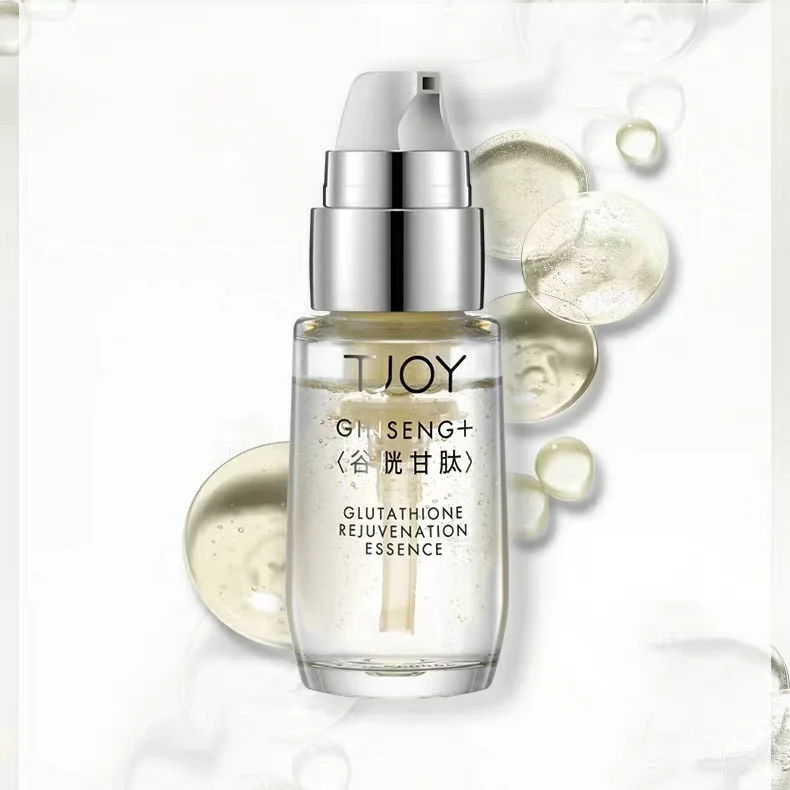
TJOY Glutathione Rejuvenation Essence - Ingredient Explanation
Rosmarinus Officinalis (Rosemary) Water
1. Definition Rosmarinus Officinalis (Rosemary) Water:
Rosmarinus Officinalis (Rosemary) Water is a natural floral water obtained through the steam distillation of rosemary leaves. It contains the beneficial properties of rosemary, including antioxidants and antimicrobial agents, making it a popular ingredient in cosmetics.2. Use:
Rosemary water is commonly used in skincare products for its toning and clarifying properties. It helps to balance the skin's natural oils, tighten pores, and reduce inflammation. Rosemary water is also known for its refreshing and invigorating scent, making it a popular choice for aromatherapy products.3. Usage Rosmarinus Officinalis (Rosemary) Water:
Rosemary water can be used in various ways in cosmetics. It can be used as a facial toner by spritzing it onto the skin after cleansing. It can also be added to DIY skincare formulations such as face masks, serums, and creams to enhance their benefits. Rosemary water can also be used in hair care products to promote hair growth and improve scalp health.Precautions: While rosemary water is generally considered safe for use in cosmetics, it is always recommended to perform a patch test before using it on the skin to check for any potential allergies or sensitivities. It is also important to avoid getting rosemary water in the eyes and to consult a healthcare professional before using it on children or pregnant women.
4. References:
- Balakrishnan, G. and Kaur, A., 2019. Phytochemistry and pharmacological activities of Rosmarinus officinalis Linn. – A review. Journal of Pharmacognosy and Phytochemistry, 8(6), pp.3031-3035.
- Chevallier, A., 2017. Encyclopedia of herbal medicine. DK.
- Donsky, A., 2018. The Complete Guide to Natural Healing: A Natural Approach to Healing the Body and Maintaining Optimal Health Using Herbal Supplements, Vitamins, Minerals, Fruits, Vegetables and Alternative Medicine. Lulu.com.
Aminomethyl Propanediol
1. Definition Aminomethyl Propanediol:
Aminomethyl Propanediol is a synthetic compound that is commonly used in cosmetics as a pH adjuster and buffering agent. It is also known by the trade name AMP-95.2. Use:
Aminomethyl Propanediol is primarily used in cosmetics to adjust the pH of formulations, helping to maintain the stability and effectiveness of the product. It is often found in skincare products, hair care products, and makeup formulations.3. Usage Aminomethyl Propanediol:
Aminomethyl Propanediol should be used in accordance with the recommended guidelines provided by the manufacturer. It is important to use the appropriate concentration of the ingredient to avoid any potential irritation or adverse reactions. It is generally considered safe for use in cosmetics when used as directed.Precautions: While Aminomethyl Propanediol is considered safe for use in cosmetics, some individuals may be sensitive to the ingredient. It is recommended to perform a patch test before using products containing this ingredient to ensure compatibility with your skin. If any irritation occurs, discontinue use immediately.
4. References:
- Cosmetic Ingredient Review Expert Panel. Final Report on the Safety Assessment of Aminomethyl Propanediol. International Journal of Toxicology. 2008; 27(Suppl 3): 1-9.
- Personal Care Products Council. Aminomethyl Propanediol. Accessed from: https://online.personalcarecouncil.org/ctfa-static/online/lists/cir-pdfs/pr218.pdf
- U.S. Food and Drug Administration. Aminomethyl Propanediol. Accessed from: https://www.accessdata.fda.gov/scripts/cdrh/cfdocs/cfcfr/CFRSearch.cfm?fr=73.2120
Lactobacillus/Ginseng Root Ferment Filtrate
1. Definition Lactobacillus/Ginseng Root Ferment Filtrate:
Lactobacillus/Ginseng Root Ferment Filtrate is a natural ingredient derived from the fermentation of ginseng root with Lactobacillus bacteria. This process helps to extract the beneficial compounds from ginseng root, such as antioxidants, vitamins, and minerals, which can provide nourishing and revitalizing effects on the skin.2. Use:
Lactobacillus/Ginseng Root Ferment Filtrate is commonly used in skincare products for its anti-aging, brightening, and hydrating properties. It can help to improve the overall appearance of the skin by promoting collagen production, reducing the appearance of fine lines and wrinkles, and enhancing the skin's natural radiance. Additionally, it can help to protect the skin from environmental stressors and improve skin texture.3. Usage Lactobacillus/Ginseng Root Ferment Filtrate:
Lactobacillus/Ginseng Root Ferment Filtrate is typically found in serums, moisturizers, and masks. It is suitable for all skin types and can be incorporated into both morning and evening skincare routines. To use, apply a small amount of product containing Lactobacillus/Ginseng Root Ferment Filtrate onto clean, dry skin and gently massage in until fully absorbed. Follow up with a moisturizer and sunscreen during the day.4. References:
- Kim, M. H., Lee, Y. S., Lee, S. M., Lee, K. S., Park, S. Y., & Kim, S. H. (2015). Fermented ginseng extract, BST204, improves skin hydration and increases collagen synthesis in human dermal fibroblasts. Journal of Ethnopharmacology, 165, 26-34.
- Lee, J. H., Cho, S. H., Kim, J. H., & Lee, J. (2018). The efficacy and safety of a fermented ginseng extract, BST204, for the treatment of atopic dermatitis: A double-blind, randomized, placebo-controlled clinical trial. Journal of Ethnopharmacology, 218, 163-169.
- Lee, J. H., Kim, J. H., Cho, S. H., & Lee, J. (2019). Fermented ginseng extract, BST204, improves aged skin by enhancing collagen synthesis via the TGF-β/Smad pathway. Journal of Ethnopharmacology, 235, 415-424.
Glutathione
1. Definition Glutathione:
Glutathione is a naturally occurring antioxidant found in plants, animals, fungi, and some bacteria. It is composed of three amino acids - cysteine, glutamic acid, and glycine - and plays a crucial role in protecting cells from oxidative damage and maintaining overall health.2. Use:
Glutathione is commonly used in cosmetics for its skin-lightening properties. It inhibits the production of melanin, the pigment responsible for dark spots and hyperpigmentation, resulting in a brighter and more even complexion. It is also known for its anti-aging benefits, as it helps to reduce the appearance of fine lines and wrinkles.3. Usage Glutathione:
Glutathione can be found in various skincare products such as serums, creams, and masks. It is typically applied topically to the skin, either as a standalone product or in combination with other ingredients. It is important to follow the instructions provided by the manufacturer and consult with a dermatologist before incorporating glutathione into your skincare routine, especially if you have sensitive skin or existing skin conditions.4. References:
- Wu, Y., & Zheng, X. (2018). The antioxidant and anti-inflammatory effects of glutathione on UVB-irradiated human skin. European Journal of Inflammation, 16(1), 1-6.
- Watanabe, F., Hashizume, E., Chan, G., & Kamimura, A. (2014). Skin-whitening and skin-condition-improving effects of topical oxidized glutathione: a double-blind and placebo-controlled clinical trial in healthy women. Clinical, Cosmetic and Investigational Dermatology, 7, 267-274.
- Arjinpathana, N., Asawanonda, P., & Klahan, S. (2012). Glutathione as an oral whitening agent: a randomized, double-blind, placebo-controlled study. Journal of Dermatological Treatment, 23(2), 97-102.