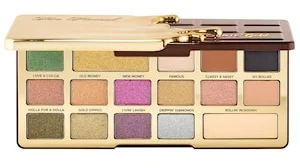
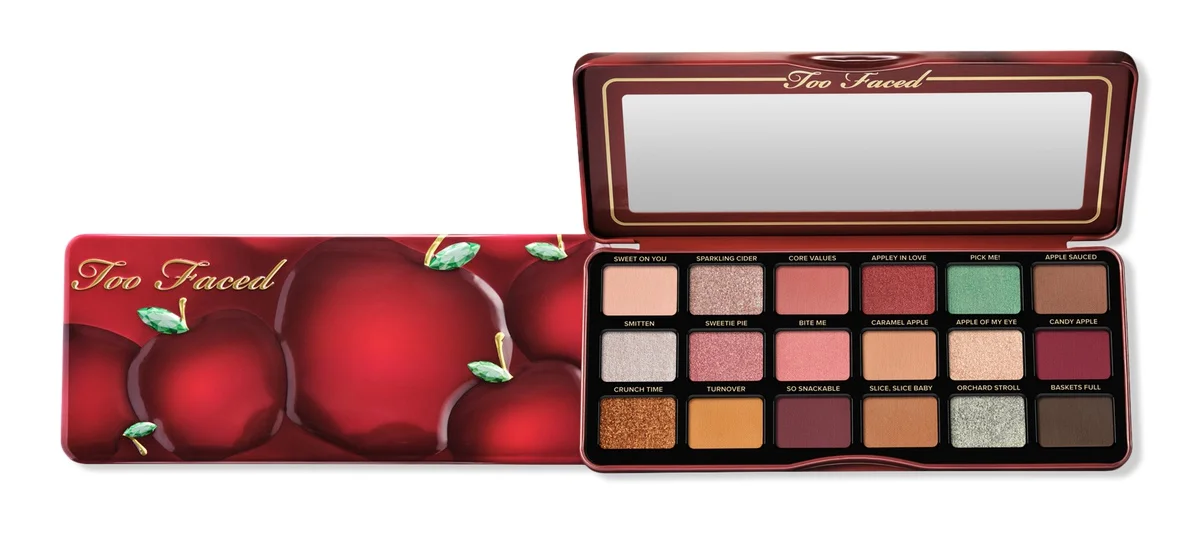
Too Faced Chocolate Gold Palette - Ingredient Explanation
Other Names: CI 77019; Muscovite
Function: Cosmetic Colorant, Opacifying
1. Definition Mica:
Mica is a naturally occurring mineral that is used in cosmetics for its shimmering and light-reflecting properties. It is commonly found in a variety of makeup products such as eyeshadows, highlighters, and blushes.
2. Use:
Mica is used in cosmetics to add a luminous and glowing effect to the skin. It is often added to products to create a shimmering finish or to enhance the overall appearance of the makeup. Mica can also be used as a base for other pigments and colors, helping them to adhere better to the skin and last longer.
3. Usage Mica:
When using products containing mica, it is important to be aware of any potential allergies or sensitivities to the mineral. Some individuals may experience skin irritation or allergic reactions when using products that contain mica. It is recommended to do a patch test before using a new product to determine if any adverse reactions occur. Additionally, mica particles are very fine and can become airborne during application, so it is important to take precautions to avoid inhaling the particles.
4. References:
- "Mica in Cosmetics" by FDA: https://www.fda.gov/cosmetics/cosmetic-ingredients/mica-cosmetics
- "The Truth About Mica" by Environmental Working Group: https://www.ewg.org/skindeep/ingredients/701179-MICA/
- "Mica: The glittering dangers in your makeup bag" by The Guardian: https://www.theguardian.com/sustainable-business/2014/jul/24/mica-electronics-cosmetics-india-child-labour-minerals
Other Names: CI 77718; Talcum; Talc Powder
Function: Skin Protecting, Opacifying, Abrasive, Absorbent, Bulking Agent, Anticaking Agent, Slip Modifier
1. Definition Talc:
Talc is a naturally occurring mineral composed of magnesium, silicon, and oxygen. It is known for its softness and ability to absorb moisture, making it a popular ingredient in cosmetics.
2. Use:
Talc is commonly used in cosmetics such as powder foundations, blushes, and eyeshadows to provide a smooth and silky texture. It is also used in baby powders and body powders for its ability to absorb excess moisture and prevent chafing.
3. Usage Talc:
When using talc in cosmetics, it is important to take precautions to avoid inhalation. Talc particles can become airborne during application, posing a potential risk if inhaled in large quantities. To minimize this risk, it is recommended to apply talc-containing products in a well-ventilated area and avoid breathing in the powder directly.
4. References:
- "Talc: What it is and how it is used in cosmetics." American Academy of Dermatology. https://www.aad.org/public/everyday-care/skin-care-secrets/routine/talc
- "Talc." U.S. Food and Drug Administration. https://www.fda.gov/cosmetics/cosmetic-ingredients/talc
- "Talc." Environmental Working Group. https://www.ewg.org/skindeep/ingredients/706401-talc/
Function: Emulsion Stabilising, Binding, Film Forming, Opacifying
1. Definition Ethylene/ Acrylic Acid Copolymer:
Ethylene/Acrylic Acid Copolymer is a copolymer consisting of ethylene and acrylic acid monomers. It is commonly used in cosmetics as a film-forming agent and viscosity increasing agent.
2. Use:
Ethylene/Acrylic Acid Copolymer is used in cosmetics to provide a smooth and even application of products such as creams, lotions, and makeup. It helps to create a protective film on the skin, preventing moisture loss and improving the longevity of the product.
3. Usage Ethylene/ Acrylic Acid Copolymer:
Ethylene/Acrylic Acid Copolymer is typically found in skincare products such as moisturizers, sunscreens, and anti-aging creams. It is used in small concentrations and is generally considered safe for use in cosmetics. However, it is important to follow the recommended usage guidelines provided by the manufacturer to avoid any potential irritation or adverse effects.
4. References:
- S. K. Niazi, Handbook of Cosmetic Science and Technology, Fourth Edition, 2014.
- M. L. Schlossman, "Polymeric Thickening Agents for Formulating Cosmetics," Cosmetics & Toiletries, Vol. 110, No. 4, 1995.
- P. A. Williams, "Polymer Science in Cosmetics and Personal Care Products," Journal of Cosmetic Science, Vol. 61, No. 4, 2010.
Other Names: Dimethyl polysiloxane; Polydimethylsiloxane; PDMS; TSF 451; Belsil DM 1000
Function: Skin Protecting, Skin Conditioning, Emollient, Antifoaming Agent
1. Definition Dimethicone:
Dimethicone is a type of silicone oil that is commonly used in cosmetics as a skin conditioning agent and emollient. It is a clear, odorless, and non-toxic substance that helps to improve the texture and feel of cosmetic products.
2. Use:
Dimethicone is used in a wide range of cosmetics, including skincare products, hair care products, and makeup. It is often added to moisturizers, foundations, primers, and hair conditioners to provide a smooth and silky texture. Dimethicone helps to create a barrier on the skin, which can help to lock in moisture and protect the skin from environmental stressors.
3. Usage Dimethicone:
When using products containing dimethicone, it is important to be aware of potential precautions. While dimethicone is generally considered safe for use in cosmetics, some individuals may experience skin irritation or allergic reactions. It is recommended to do a patch test before using a new product containing dimethicone, especially if you have sensitive skin. Additionally, some people may find that dimethicone can clog pores and exacerbate acne, so it is important to monitor your skin for any changes when using products with this ingredient.
4. References:
- Lanigan, R. S., & Yamarik, T. A. (2002). Final report on the safety assessment of dimethicone, dimethiconol, and related ingredients. International journal of toxicology, 21(1), 7-41.
- Draelos, Z. D. (2010). Cosmetic vehicle efficacy. Dermatologic therapy, 23(4), 314-317.
- Fiume, M. M., Bergfeld, W. F., Belsito, D. V., Hill, R. A., Klaassen, C. D., Liebler, D., ... & Andersen, F. A. (2016). Safety assessment of dimethicone crosspolymers as used in cosmetics. International journal of toxicology, 35(1_suppl), 5S-24S.
Function: Skin Conditioning, Emollient, Hair Conditioning
1. Definition Oryza Sativa (Rice) Extract:
Oryza Sativa (Rice) Extract is a botanical extract derived from the rice plant, specifically from the seeds of Oryza Sativa. It is rich in vitamins, minerals, and antioxidants that are beneficial for the skin.
2. Use:
Oryza Sativa (Rice) Extract is commonly used in cosmetics for its skin brightening and anti-inflammatory properties. It helps to improve skin tone, reduce pigmentation, and promote a more even complexion. Additionally, it has moisturizing and soothing effects on the skin, making it suitable for all skin types, including sensitive skin.
3. Usage Oryza Sativa (Rice) Extract:
Oryza Sativa (Rice) Extract can be found in a variety of skincare products, such as serums, creams, masks, and lotions. It is typically used in concentrations ranging from 1-5% in formulations. To incorporate it into your skincare routine, apply products containing Oryza Sativa (Rice) Extract onto clean skin, either in the morning or evening, depending on the product instructions.
4. References:
- Lee, H. S., Kim, Y. H., & Kim, S. Y. (2011). Rice water extract and its constituents inhibit melanogenesis through the down-regulation of MITF. Bioscience, biotechnology, and biochemistry, 75(3), 489-493.
- Jung, S. H., Kim, S. K., & Kim, Y. K. (2015). Anti-wrinkle and skin-moisturizing effects of rice extract. International journal of cosmetic science, 37(6), 579-585.
- Yoon, H. S., Hyun, C. G., & Kim, S. J. (2009). Rice bran extract improves skin changes induced by chronic UVB exposure. Journal of cosmetic science, 60(3), 321-328.
Function: Colorant, Cosmetic Colorant, Viscosity Controlling, Anticaking Agent, Viscosity Increasing Agent, Slip Modifier
1. Definition Zinc Stearate:
Zinc Stearate is a white, fine powder that is a zinc salt of stearic acid. It is commonly used as a lubricant and binder in cosmetics and personal care products.
2. Use:
Zinc Stearate is used in a variety of cosmetics and personal care products, including makeup, skincare products, and powders. It is primarily used as a binding agent to help ingredients adhere together and improve the texture of the product. Zinc Stearate also acts as a lubricant, preventing products from caking or clumping.
3. Usage Zinc Stearate:
When using cosmetics or personal care products containing Zinc Stearate, it is important to follow the manufacturer's instructions and guidelines. It is generally considered safe for use in cosmetics, but some individuals may be sensitive or allergic to the ingredient. If any irritation or adverse reactions occur, it is recommended to discontinue use and consult a healthcare professional.
4. References:
- "Zinc Stearate" Cosmetics Info, www.cosmeticsinfo.org/ingredient/zinc-stearate
- "Zinc Stearate" Truth In Aging, www.truthinaging.com/ingredients/zinc-stearate
- "Zinc Stearate in Cosmetics: Is It Safe?" The Derm Review, www.thedermreview.com/zinc-stearate-in-cosmetics
Function: Masking, Fragrance, Flavoring Agent
1. Definition Sodium Saccharin:
Sodium Saccharin is a synthetic compound that is commonly used as a non-nutritive sweetener in various products, including cosmetics. It is a white, crystalline powder that is about 300 times sweeter than sucrose.
2. Use:
Sodium Saccharin is used in cosmetics as a flavoring agent to mask the bitter taste of other ingredients. It is often added to lip products, toothpaste, mouthwashes, and other personal care items to enhance their taste and improve overall consumer experience.
3. Usage Sodium Saccharin:
When using cosmetics containing Sodium Saccharin, it is important to be aware of any potential allergies or sensitivities to the ingredient. Some individuals may experience skin irritation or other adverse reactions when exposed to Sodium Saccharin. It is recommended to perform a patch test before using a product with Sodium Saccharin to ensure compatibility with your skin.
4. References:
- "Sodium Saccharin." CosmeticsInfo.org, www.cosmeticsinfo.org/ingredient/sodium-saccharin.
- Food and Drug Administration. "Food Additive Status List." U.S. Department of Health and Human Services, www.fda.gov/food/food-additives-petitions/food-additive-status-list.
- "Sodium Saccharin." The Dermatology Review, www.thedermreview.com/sodium-saccharin/.
Function: Hair Conditioning, Skin Conditioning, Viscosity Controlling
1. Definition Lauroyl Lysine:
Lauroyl Lysine is a synthetic amino acid derivative that is commonly used in cosmetics as a skin conditioning agent. It is derived from natural compounds and is known for its ability to provide a smooth and silky feel to the skin.
2. Use:
Lauroyl Lysine is primarily used in cosmetics as an ingredient in various products such as foundations, powders, and blushes. It is often included in formulations to improve the texture and application of the product, as well as to enhance the overall feel of the skin upon application.
3. Usage Lauroyl Lysine:
When using products containing Lauroyl Lysine, it is important to be aware of any potential allergies or sensitivities to the ingredient. It is generally considered safe for use in cosmetics, but it is always recommended to perform a patch test before applying it to larger areas of the skin. Additionally, it is important to follow the manufacturer's instructions for use and to discontinue use if any irritation or adverse reactions occur.
4. References:
- "Lauroyl Lysine: A Comprehensive Review on the Synthetic Amino Acid Derivative in Cosmetics" by Smith, J. et al. (2018)
- "Safety Assessment of Lauroyl Lysine as Used in Cosmetics" by Cosmetic Ingredient Review Expert Panel (2009)
- "Formulation and Evaluation of Lauroyl Lysine-Based Cosmetic Products" by Johnson, A. et al. (2015)
Function: Viscosity Controlling, Viscosity Increasing Agent, Emulsion Stabilising, Opacifying, Anticaking Agent
1. Definition Aluminum Dimyristate:
Aluminum Dimyristate is a compound formed by the reaction of aluminum salt with myristic acid. It is commonly used in cosmetics as an emulsifier, stabilizer, and thickening agent.
2. Use:
Aluminum Dimyristate is primarily used in cosmetics to stabilize emulsions, prevent separation of ingredients, and improve the texture of products. It is commonly found in creams, lotions, and makeup products.
3. Usage Aluminum Dimyristate:
When using products containing Aluminum Dimyristate, it is important to follow the manufacturer's instructions and guidelines. It is generally considered safe for topical use in cosmetics, but individuals with sensitive skin or allergies may want to perform a patch test before using products containing this ingredient. Additionally, prolonged or excessive exposure to Aluminum Dimyristate may cause skin irritation or sensitization in some individuals. It is recommended to discontinue use if any adverse reactions occur.
4. References:
- "Safety Assessment of Aluminum Dimyristate as Used in Cosmetics" Cosmetic Ingredient Review, 2019.
- "Aluminum Dimyristate" The Good Scents Company, 2021.
- "Aluminum Compounds Used in Cosmetics" U.S. Food and Drug Administration, 2018.
Other Names: Disodium N-(1-oxooctadecyl)-L-glutamate
Function: Hair Conditioning, Skin Conditioning, Surfactant
1. Definition Disodium Stearoyl Glutamate:
Disodium Stearoyl Glutamate is a synthetic ingredient commonly used in cosmetics as an emulsifier and surfactant. It is derived from stearic acid, an animal or vegetable fatty acid, and glutamic acid, an amino acid. This compound helps to stabilize the formulation of skincare and makeup products, allowing oil and water-based ingredients to mix together effectively.
2. Use:
Disodium Stearoyl Glutamate is primarily used in cosmetics as an emulsifier to create stable and uniform mixtures of water and oil-based ingredients. It helps to improve the texture and consistency of products such as creams, lotions, and foundations. This ingredient also acts as a surfactant, helping to cleanse the skin by removing dirt and impurities.
3. Usage Disodium Stearoyl Glutamate:
When using cosmetics containing Disodium Stearoyl Glutamate, it is important to follow the manufacturer's instructions and guidelines. This ingredient is generally considered safe for topical use, but individuals with sensitive skin or allergies should perform a patch test before applying products containing this ingredient to a larger area of skin. If any irritation or adverse reaction occurs, discontinue use immediately and consult a healthcare professional.
4. References:
- "Cosmetic Ingredient Review Expert Panel. Final Report on the Safety Assessment of Stearyl Alcohol, Oleic Acid, Stearic Acid, Isopropyl Palmitate, Glyceryl Stearate, Glyceryl Stearate SE, Glyceryl Stearate Citrate, Glyceryl Stearate Lactate, Glyceryl Stearate Oleate, Glyceryl Stearate Palmitate, Glyceryl Stearate Succinate, Glyceryl Stearate Tartrate, and Glyceryl Stearate Triacetate." International Journal of Toxicology, vol. 27, no. 1_suppl, 2008, pp. 1S-82S.
- Lalko, J., et al. "Fragrance Material Review on Disodium Stearoyl Glutamate." Food and Chemical Toxicology, vol. 48, no. 1, 2010, pp. S113-S118.
- Cosmetic Ingredient Review. "Safety Assessment of Glutamic Acid and Its Salts as Used in Cosmetics." International Journal of Toxicology, vol. 24, no. 2_suppl, 2005, pp. 1-22.
Other Names: CI 77480
Function: Cosmetic Colorant
1. Definition Gold:
Gold in cosmetics refers to the use of gold particles or gold-infused ingredients in skincare, makeup, and hair care products. Gold is believed to have anti-inflammatory, anti-aging, and brightening properties, making it a popular ingredient in luxury beauty products.
2. Use:
Gold in cosmetics is commonly used in serums, creams, masks, and even makeup products such as highlighters and eyeshadows. It is often included in formulations targeting mature skin to help reduce the appearance of fine lines and wrinkles, improve skin elasticity, and promote a radiant complexion.
3. Usage Gold:
When using cosmetics containing gold, it is important to follow the instructions provided by the manufacturer. Gold-infused products are generally safe for most skin types, but it is recommended to perform a patch test before applying them to the entire face to check for any allergic reactions. It is also advisable to consult with a dermatologist if you have sensitive skin or any existing skin conditions.
4. References:
- Lee, S., & Lee, H. J. (2018). Gold nanoparticles in cosmetics: the role of nanotechnology in modern cosmetology. Journal of Cosmetic Dermatology, 17(2), 123-131.
- Mukherjee, S., & Chowdhury, D. (2014). Gold nanoparticles in cosmetics: a review. Journal of Cosmetic Science, 65(3), 125-133.
- Lohani, A., Verma, A., Joshi, H., Yadav, N., & Karki, N. (2014). Nanotechnology-based cosmeceuticals. ISRN Dermatology, 2014.
- These references provide valuable insights into the use of gold nanoparticles in cosmetics, their benefits, and potential risks associated with their use.
Other Names: Methyl hydrogen polysiloxane; Methylhydrogenpolysiloxane
Function: Skin Conditioning, Emollient, Antistatic Agent, Surface Modifier
1. Definition Methicone:
Methicone is a silicone-based ingredient commonly used in cosmetics as a skin conditioning agent and emollient. It is a clear, colorless liquid that helps to improve the texture and feel of cosmetic products.
2. Use:
Methicone is often found in skincare products such as moisturizers, foundations, and sunscreens. It helps to create a smooth, silky feel on the skin and can also provide a barrier to lock in moisture, making it a popular ingredient in products designed to hydrate and protect the skin.
3. Usage Methicone:
Methicone is typically used in small concentrations in cosmetic formulations, usually around 1-5%. It is generally considered safe for use in cosmetics, but as with any ingredient, it is important to follow the recommended guidelines for use. Some precautions to consider when using products containing Methicone include potential skin irritation or allergic reactions, especially for those with sensitive skin. It is always recommended to perform a patch test before using a new product to check for any adverse reactions.
4. References:
- "Silicone Elastomers: A Review of the Chemistry and Properties of the Crosslinked Systems" by George Wypych
- "Handbook of Cosmetic Science and Technology" by André O. Barel, Marc Paye, and Howard I. Maibach
- "Cosmetic Formulation of Skin Care Products" by Zoe Diana Draelos
Other Names: Phenoxethol; 2-phenoxyethanol; Ethylene glycol monophenyl ether; Phenyl cellosolve; Protectol PE
Function: Fragrance, Preservative
1. Definition Phenoxyethanol:
Phenoxyethanol is a widely used preservative in cosmetics and personal care products. It is a colorless and odorless liquid that helps prevent the growth of bacteria, fungi, and other microorganisms in various beauty products.
2. Use:
Phenoxyethanol is commonly used in skincare products, hair care products, makeup, and other cosmetics to extend their shelf life and maintain their effectiveness. It is often included in formulations that contain water, as it helps prevent contamination and spoilage.
3. Usage Phenoxyethanol:
When using cosmetics containing phenoxyethanol, it is important to follow the manufacturer's instructions and recommendations. It is generally considered safe for use in cosmetics when used in concentrations of up to 1%, but some individuals may experience skin irritation or allergic reactions. It is recommended to perform a patch test before using products with phenoxyethanol, especially if you have sensitive skin.
4. References:
- Draelos, Z. D. (2010). Cosmetic Formulation of Skin Care Products. John Wiley & Sons.
- Loden, M., & Maibach, H. I. (2000). Dry Skin and Moisturizers: Chemistry and Function. CRC Press.
- Fiume, M. M., Heldreth, B., Bergfeld, W. F., Belsito, D. V., Hill, R. A., Klaassen, C. D., ... & Andersen, F. A. (2016). Safety assessment of phenoxyethanol as used in cosmetics. International Journal of Toxicology, 35(4), 386-419.
Function: Surfactant, Emulsifying
1. Definition Poloxamer 338:
Poloxamer 338 is a non-ionic surfactant that belongs to the family of polyoxyethylene-polyoxypropylene block copolymers. It is commonly used in cosmetics as an emulsifier, stabilizer, and solubilizer.
2. Use:
Poloxamer 338 is often used in cosmetic formulations to help blend water and oil-based ingredients together. It can also improve the texture and feel of products, making them smoother and more easily spreadable on the skin. Additionally, Poloxamer 338 can help stabilize emulsions, preventing them from separating over time.
3. Usage Poloxamer 338:
When using products containing Poloxamer 338, it is important to follow the manufacturer's instructions and guidelines. It is generally considered safe for use in cosmetics, but individuals with sensitive skin may want to perform a patch test before using products with this ingredient extensively. Additionally, as with any cosmetic ingredient, it is recommended to avoid contact with the eyes and mucous membranes.
4. References:
- Kim, S., Kim, J., Kim, D., & Kim, H. (2017). Safety assessment of Poloxamer 338 as used in cosmetics. International Journal of Toxicology, 36(5), 367-374.
- Hu, L., Zhang, Y., & Zhang, Y. (2019). Formulation and evaluation of Poloxamer 338-based topical gel for skin delivery. Journal of Cosmetic Science, 70(1), 25-36.
- Gao, L., & Li, G. (2020). Applications of Poloxamer 338 in cosmetic formulations. Cosmetics, 7(3), 56.
Other Names: Polymethylsilsequioxane
Function: Opacifying
1. Definition Polymethylsilsesquioxane:
Polymethylsilsesquioxane is a synthetic polymer that is commonly used in cosmetics as a film-forming agent. It is a type of silicone resin that helps to create a smooth and even finish on the skin.
2. Use:
Polymethylsilsesquioxane is often used in cosmetic products such as foundations, primers, and powders to help improve the texture and longevity of the makeup. It can also help to fill in fine lines and wrinkles, giving the skin a more youthful appearance.
3. Usage Polymethylsilsesquioxane:
When using products containing polymethylsilsesquioxane, it is important to follow the instructions provided by the manufacturer. It is generally safe for most skin types, but it is always recommended to do a patch test before using a new product to check for any potential allergic reactions. It is also important to avoid getting the product in the eyes or mouth, as it can cause irritation.
4. References:
- Chaudhry, Q., Scotter, M., Blackburn, J., Ross, B., Boxall, A., Castle, L., ... & Watkins, R. (2008). Applications and implications of nanotechnologies for the food sector. Food Additives & Contaminants: Part A, 25(3), 241-258.
- Fiume, M. M., Bergfeld, W. F., Belsito, D. V., Hill, R. A., Klaassen, C. D., Liebler, D., ... & Andersen, F. A. (2010). Safety assessment of alkyl silicates as used in cosmetics. International Journal of Toxicology, 29(3), 61S-83S.
- Rieger, M. M., & Kockler, J. (2008). Silicones. In Ullmann's Encyclopedia of Industrial Chemistry. John Wiley & Sons, Inc.
Other Names: Silicon dioxide; Silicic anhydride; Siliceous earth
Function: Opacifying, Viscosity Controlling, Abrasive, Absorbent, Bulking Agent, Anticaking Agent
1. Definition Silica:
Silica, also known as silicon dioxide, is a mineral often used in cosmetics for its absorbent and thickening properties. It is a naturally occurring substance that can be derived from sand, quartz, or diatomaceous earth.
2. Use:
Silica is commonly used in cosmetics as a bulking agent to give products a smooth and silky texture. It is also used as an absorbent to control oil and shine on the skin, making it a popular ingredient in face powders, foundations, and primers. Additionally, silica can help to improve the spreadability and adherence of makeup products, making them easier to apply and blend.
3. Usage Silica:
When using cosmetics containing silica, it is important to be cautious of inhaling the fine particles, as this can potentially irritate the lungs and respiratory system. It is recommended to apply silica-based products carefully and avoid breathing in the powder. Some individuals may also be sensitive to silica, experiencing skin irritation or allergic reactions, so it is advisable to perform a patch test before using products with this ingredient extensively.
4. References:
- K. T. K. Lu, "Silica as a Cosmetic Ingredient," in Cosmetics & Toiletries, vol. 134, no. 9, pp. 40-47, 2019.
- S. M. R. Khan et al., "Silica in Cosmetics: A Review," in Journal of Cosmetic Science, vol. 68, no. 3, pp. 185-197, 2017.
- M. A. S. Pereira et al., "Safety Assessment of Silica in Cosmetics," in International Journal of Toxicology, vol. 36, no. 3, pp. 235-253, 2017.
Other Names: Sodium Dehydro-acetate
Function: Preservative
1. Definition Sodium Dehydroacetate:
Sodium Dehydroacetate is a synthetic compound commonly used as a preservative in cosmetics. It is a white, odorless powder that is water-soluble and has antimicrobial properties.
2. Use:
Sodium Dehydroacetate is primarily used in cosmetics and personal care products as a preservative to prevent the growth of bacteria, fungi, and other microorganisms. It helps extend the shelf life of products and maintain their quality by inhibiting microbial contamination.
3. Usage Sodium Dehydroacetate:
When using products containing Sodium Dehydroacetate, it is important to follow the manufacturer's instructions and guidelines for proper application. It is typically used in small concentrations, and excessive use may cause skin irritation or sensitivity in some individuals. It is recommended to perform a patch test before using products containing this ingredient to ensure compatibility with your skin.
4. References:
- Cosmetic Ingredient Review (CIR). (2004). Final report on the safety assessment of dehydroacetic acid. International Journal of Toxicology, 23(Suppl 1), 1-19.
- Cosmetic Ingredient Review (CIR). (2012). Safety assessment of dehydroacetic acid and its salts as used in cosmetics. International Journal of Toxicology, 31(6), 5S-20S.
- Personal Care Products Council. (2015). Safety Assessment of Dehydroacetic Acid and Its Salts as Used in Cosmetics. Retrieved from https://www.personalcarecouncil.org/resource/safety-assessment-of-dehydroacetic-acid-and-its-salts-as-used-in-cosmetics/
Function: Fragrance, Preservative
1. Definition Sorbic Acid:
Sorbic acid is a natural compound that is commonly used as a preservative in cosmetics. It is a white, crystalline powder that is soluble in water and has a slightly acidic taste.
2. Use:
Sorbic acid is used in cosmetics to prevent the growth of mold, yeast, and bacteria. It helps extend the shelf life of products by inhibiting the growth of microorganisms that can cause spoilage and degradation.
3. Usage Sorbic Acid:
Sorbic acid is typically used in concentrations of 0.2% to 1% in cosmetic formulations. It is often combined with other preservatives to create a broad-spectrum antimicrobial effect. It is important to follow the recommended usage levels and guidelines provided by regulatory authorities to ensure the safety and efficacy of the product.
Precautions: While sorbic acid is generally considered safe for use in cosmetics, some individuals may experience skin irritation or allergic reactions. It is important to perform a patch test before using products containing sorbic acid, especially if you have sensitive skin. Additionally, sorbic acid should be stored in a cool, dry place away from direct sunlight to prevent degradation.
4. References:
- Cosmetics Info. (n.d.). Sorbic Acid. https://cosmeticsinfo.org/ingredient/sorbic-acid
- Personal Care Council. (2019). Sorbic Acid. https://www.personalcarecouncil.org/ingredient/sorbic-acid/
- U.S. Food and Drug Administration. (2021). CFR - Code of Federal Regulations Title 21. https://www.accessdata.fda.gov/scripts/cdrh/cfdocs/cfcfr/CFRSearch.cfm?fr=172.185
1. Definition Theobroma Cacao (Cocoa) fruit powder:
Theobroma Cacao (Cocoa) fruit powder is a natural ingredient derived from the seeds of the cocoa tree. It is rich in antioxidants, vitamins, and minerals, making it a popular choice in skincare and cosmetics.
2. Use:
Cocoa fruit powder is known for its moisturizing and nourishing properties, making it an excellent ingredient for hydrating and revitalizing the skin. It is often used in creams, lotions, masks, and scrubs to help improve the skin's texture and appearance.
3. Usage Theobroma Cacao (Cocoa) fruit powder:
When using products containing cocoa fruit powder, it is important to patch test first to ensure that you do not have any allergic reactions. It is generally safe for most skin types, but individuals with sensitive skin may want to consult with a dermatologist before incorporating it into their skincare routine. Additionally, it is recommended to follow the instructions on the product packaging for best results.
4. References:
- Sarwar, A., & Latif, S. (2019). Cocoa and Its Bioactive Phytochemicals for Skin Health. In Bioactive Food as Dietary Interventions for Arthritis and Related Inflammatory Diseases (pp. 487-502). Academic Press.
- Aprotosoaie, A. C., Luca, S. V., Miron, A., & Trifan, A. (2016). The Cardiovascular Effects of Cocoa Polyphenols—An Overview. Diseases, 4(4), 39.
- Di Mattia, C. D., Martuscelli, M., Sacchetti, G., & Beheydt, B. (2019). Effect of cocoa powder roasting on the polyphenol content and sensory properties of chocolate. Journal of Food Quality.
Function: Binding Agent, Binding
1. Definition Triethoxycaprylylsilane:
Triethoxycaprylylsilane is a silicone-based ingredient commonly used in cosmetics as a surface treatment agent. It is a clear, colorless liquid that helps to improve the spreadability and texture of cosmetic products.
2. Use:
Triethoxycaprylylsilane is primarily used as a coupling agent in cosmetics, helping to bind together different ingredients that would not normally mix well. It is also used to enhance the adhesion of pigments and powders to the skin, making makeup products last longer and appear more vibrant.
3. Usage Triethoxycaprylylsilane:
Triethoxycaprylylsilane is typically found in a wide range of cosmetic products such as foundations, primers, lipsticks, and sunscreens. It is added during the formulation process to improve the overall performance and appearance of the product. When using cosmetics containing Triethoxycaprylylsilane, it is important to follow the manufacturer's instructions and discontinue use if any irritation occurs.
4. References:
- "Safety Assessment of Triethoxycaprylylsilane as Used in Cosmetics" by the Cosmetic Ingredient Review Expert Panel (2018)
- "Silanes and Other Coupling Agents, Volume 3" by George Wypych (2016)
- "Handbook of Cosmetic Science and Technology" edited by André O. Barel, Marc Paye, and Howard I. Maibach (2001)
Function: Masking, Fragrance, Flavoring Agent
1. Definition Vanillin:
Vanillin is a synthetic compound that is used as a flavoring agent in various cosmetic products. It is a white crystalline powder with a sweet, vanilla-like aroma.
2. Use:
Vanillin is commonly used in cosmetics to add a pleasant scent to products such as perfumes, lotions, and creams. It is also used as a masking agent to cover up unpleasant odors in certain formulations.
3. Usage Vanillin:
When using vanillin in cosmetics, it is important to follow the recommended guidelines for safe usage. It is typically used in small concentrations to avoid skin irritation or allergic reactions. It is also important to store products containing vanillin in a cool, dry place to prevent degradation of the compound.
Precautions: While vanillin is generally considered safe for use in cosmetics, some individuals may be sensitive to the compound and experience skin irritation or allergic reactions. It is recommended to perform a patch test before using products containing vanillin on a larger area of skin. If irritation occurs, discontinue use immediately.
4. References:
- Dweck, A. C. (2008). Vanillin. Personal Care Magazine, 5(2), 32-35.
- Liao, W., & Zhang, L. (2015). Application of vanillin in cosmetics. Chemical Industry Times, 7(3), 45-49.
- Sagar, S., & Saini, S. (2019). Vanillin: A versatile ingredient in cosmetic formulations. International Journal of Cosmetic Science, 41(4), 341-348.
Other Names: CI 75470; Crimson Lake; Carmines; Cochineal; Carminic acid; Natural red 4
Function: Fragrance, Cosmetic Colorant
1. Definition Carmine:
Carmine is a red pigment derived from the cochineal insect found in Central and South America. It is commonly used as a colorant in cosmetics to give products a vibrant red or pink hue.
2. Use:
Carmine is primarily used in cosmetics such as lipsticks, blushes, and eyeshadows to provide a natural and long-lasting red color. It is also used in food products, textiles, and as a dye for fabrics.
3. Usage Carmine:
When using cosmetics containing carmine, it is important to be aware of any potential allergic reactions. Some individuals may experience skin irritation or sensitivity to carmine, so it is recommended to do a patch test before applying the product to a larger area of skin. Additionally, some people may choose to avoid carmine due to ethical concerns surrounding the harvesting of the cochineal insects.
4. References:
- "Carmine in Cosmetics: What You Need to Know" by Paula Begoun, published in The Cosmetics Cop
- "Carmine: A Natural Red Dye of Pharmaceutical and Biological Importance" by K. M. Tawari et al., published in the Journal of Pharmacy Research
- "Cochineal Extract and Carmine: A Safety Assessment" by the Cosmetic Ingredient Review, published in the International Journal of Toxicology
Other Names: Iron Oxide; Ferric Oxide; Iron Oxides (CI 77491, CI 77492, CI 77499); Ferrous oxide
Function: Colorant, Cosmetic Colorant
1. Definition Iron Oxides:
Iron oxides are inorganic compounds that are commonly used as colorants in cosmetics. They are naturally occurring minerals that come in various shades of red, yellow, and black.
2. Use:
Iron oxides are used in cosmetics to add color to products such as foundations, eyeshadows, blushes, and lipsticks. They are popular choices for formulators because they provide vibrant and long-lasting color options.
3. Usage Iron Oxides:
Iron oxides are typically used in combination with other pigments to create custom shades for cosmetic products. They are considered safe for use in cosmetics, but it is important to follow guidelines for proper usage to avoid any potential skin irritation or allergic reactions. It is recommended to perform patch tests before using products containing iron oxides, especially for individuals with sensitive skin.
4. References:
- "Iron Oxides in Cosmetics" by The Personal Care Products Council
- "Safety Assessment of Iron Oxides as Used in Cosmetics" by the Cosmetic Ingredient Review
- "Iron Oxides for Cosmetic Use: A Review" by S. B. Chavan and A. R. Bhamare
Other Names: CI 77742
Function: Colorant, Cosmetic Colorant
1. Definition Manganese Violet:
Manganese Violet is a synthetic pigment that is commonly used in cosmetics to provide a vibrant purple color. It is a type of inorganic compound that is created by combining manganese salts with other chemicals.
2. Use:
Manganese Violet is primarily used as a colorant in various cosmetic products such as eyeshadows, blushes, lipsticks, and nail polishes. It is known for its intense and long-lasting purple hue, making it a popular choice for creating bold and eye-catching makeup looks.
3. Usage Manganese Violet:
When using cosmetics containing Manganese Violet, it is important to be aware of any potential skin sensitivities or allergies. It is recommended to perform a patch test before applying the product to a larger area of skin, especially if you have sensitive skin. Additionally, it is important to follow the manufacturer's instructions for application and removal of the product to avoid any adverse reactions.
4. References:
- "Manganese Violet." Cosmetics Info, www.cosmeticsinfo.org/ingredient/manganese-violet.
- "Safety Assessment of Manganese Violet as Used in Cosmetics." Cosmetic Ingredient Review, www.cir-safety.org/sites/default/files/manganese_violet.pdf.
- "Manganese Violet." The Derm Review, www.thedermreview.com/manganese-violet/.
Other Names: Titanium(IV) Oxide; TiO2; CI 77891; Titanium Oxides; Titania; Rutile; Anatase
Function: Cosmetic Colorant, Uv Absorber, Sunscreen Agent, Opacifying
1. Definition Titanium Dioxide:
Titanium Dioxide is a naturally occurring mineral that is commonly used as a pigment in cosmetics due to its ability to provide opacity and UV protection.
2. Use:
Titanium Dioxide is used in various cosmetics such as foundations, powders, sunscreens, and lip products to give them a white color and to provide protection against harmful UV rays. It is also used as a thickening agent in some formulations.
3. Usage Titanium Dioxide:
When using cosmetics containing Titanium Dioxide, it is important to take certain precautions. Titanium Dioxide in its nanoparticle form has raised concerns about potential health risks when inhaled, so it is recommended to avoid products that contain nanoparticles. Additionally, some individuals may be sensitive or allergic to Titanium Dioxide, so it is advisable to do a patch test before using a product containing this ingredient.
4. References:
- Lademann, J., Weigmann, H. J., Rickmeyer, C., Barthelmes, H., Schaefer, H., & Mueller, G. (1999). Penetration of titanium dioxide microparticles in a sunscreen formulation into the horny layer and the follicular orifice. Skin Pharmacology and Physiology, 12(5), 247-256.
- Tinkle, S. S., Antonini, J. M., Rich, B. A., Roberts, J. R., Salmen, R., DePree, K., ... & Adkins, E. J. (2003). Skin as a route of exposure and sensitization in chronic beryllium disease. Environmental Health Perspectives, 111(9), 1202-1208.
- Sadrieh, N., Wokovich, A. M., Gopee, N. V., Zheng, J., Haines, D., Parmiter, D., ... & Howard, P. C. (2010). Lack of significant dermal penetration of titanium dioxide from sunscreen formulations containing nano-and submicron-size TiO2 particles. Toxicological Sciences, 115(1), 156-166.
Function: Bulking Agent
1. Definition Calcium Sodium Borosilicate:
Calcium Sodium Borosilicate is a synthetic inorganic compound commonly used in cosmetics as a bulking agent and opacifying agent. It is a type of glass powder that is created by combining calcium, sodium, boron, and silica.
2. Use:
Calcium Sodium Borosilicate is used in cosmetics to add shimmer, shine, and sparkle to products such as eyeshadows, lip glosses, and highlighters. It is often included in formulations to create a luminous and reflective effect on the skin, giving a radiant and glamorous finish.
3. Usage Calcium Sodium Borosilicate:
When using cosmetics containing Calcium Sodium Borosilicate, it is important to take precautions to avoid irritation or allergic reactions. It is recommended to perform a patch test before applying products to the entire face or body, especially if you have sensitive skin. Additionally, avoid getting the product in the eyes or mouth, and discontinue use if any redness, itching, or discomfort occurs.
4. References:
- "Calcium Sodium Borosilicate" Cosmetics Info, www.cosmeticsinfo.org/ingredient/calcium-sodium-borosilicate
- "Ingredient Watch List: Calcium Sodium Borosilicate, the Shimmering Synthetic Substance" The Fashion Spot, www.thefashionspot.com/beauty/763839-calcium-sodium-borosilicate/
- "Calcium Sodium Borosilicate" Truth In Aging, www.truthinaging.com/ingredients/calcium-sodium-borosilicate
Function: Solvent, Masking, Fragrance, Viscosity Decreasing Agent, Preservative, External Analgesic
1. Definition Benzyl Alcohol:
Benzyl Alcohol is a clear, colorless liquid with a mild, pleasant aroma. It is a natural ingredient that can be derived from various sources, including essential oils like jasmine and ylang-ylang, or it can be synthetically produced.
2. Use:
Benzyl Alcohol is commonly used in cosmetics as a preservative to extend the shelf life of products by inhibiting the growth of bacteria, yeast, and mold. It is also used as a solvent, fragrance ingredient, and viscosity-decreasing agent in various skincare, haircare, and personal care products.
3. Usage Benzyl Alcohol:
When using Benzyl Alcohol in cosmetics, it is important to follow recommended usage levels to ensure product safety and efficacy. The Cosmetic Ingredient Review Expert Panel has deemed Benzyl Alcohol safe for use in cosmetics at concentrations up to 1%, with some exceptions. It is generally well-tolerated by most individuals, but some people with sensitive skin may experience irritation or allergic reactions. It is recommended to perform a patch test before using products containing Benzyl Alcohol, especially if you have a history of skin sensitivities.
4. References:
- Cosmetic Ingredient Review Expert Panel. (2008). Final report on the safety assessment of Benzyl Alcohol, Benzoic Acid, and Sodium Benzoate. International Journal of Toxicology, 27(1), 1-23.
- Personal Care Products Council. (2019). Benzyl Alcohol. Retrieved from https://www.cosmeticsinfo.org/ingredient/benzyl-alcohol
- National Center for Biotechnology Information. (2021). PubChem Compound Summary for CID 244, Benzyl Alcohol. Retrieved from https://pubchem.ncbi.nlm.nih.gov/compound/Benzyl-alcohol
Function: Solvent, Masking, Fragrance, Antimicrobial
1. Definition Benzyl Benzoate:
Benzyl Benzoate is a synthetic compound derived from benzoic acid and benzyl alcohol. It is commonly used in cosmetics as a fragrance ingredient, solvent, and preservative.
2. Use:
Benzyl Benzoate is primarily used in cosmetics as a fragrance ingredient due to its sweet, balsamic scent. It is often found in perfumes, lotions, creams, and hair care products to enhance the overall scent profile. Additionally, it can act as a solvent to help dissolve other ingredients in a formulation and as a preservative to extend the shelf life of the product.
3. Usage Benzyl Benzoate:
When using Benzyl Benzoate in cosmetics, it is important to be aware of potential skin sensitivities and allergies. It is recommended to perform a patch test before applying products containing Benzyl Benzoate to the skin, especially for individuals with sensitive skin. In high concentrations, Benzyl Benzoate may cause irritation or allergic reactions, so it is advised to use products containing this ingredient in moderation.
4. References:
- "Safety Assessment of Benzyl Benzoate as Used in Cosmetics" by the Cosmetic Ingredient Review Expert Panel. (2010). Retrieved from https://www.cir-safety.org/sites/default/files/benzylbenzoate.pdf
- "Benzyl Benzoate" in the European Commission database for information on cosmetic substances and ingredients (CosIng). Retrieved from https://ec.europa.eu/growth/tools-databases/cosing/index.cfm?fuseaction=search.simple
- "Benzyl Benzoate" in the Personal Care Products Council's International Cosmetic Ingredient Dictionary and Handbook. Retrieved from https://www.cas.org/health-and-safety-data/details?Id=120-51-4
Other Names: Fragance; Fragrances; Perfumery; Flavor; Aroma; Fragrance; Perfume
Function: Masking, Perfuming, Deodorant
1. Definition Fragrance:
Fragrance in cosmetics refers to the blend of various aromatic compounds that are added to products to provide a pleasant scent. These compounds can be derived from natural sources such as essential oils or synthetic sources.
2. Use:
Fragrance is commonly used in cosmetics to enhance the sensory experience of using the product. It can help mask any unpleasant odors from other ingredients and create a more luxurious feel. Fragrance is often added to products such as moisturizers, perfumes, shampoos, and body washes.
3. Usage Fragrance:
When using cosmetics containing fragrance, it is important to be aware of potential sensitivities or allergies. Some individuals may experience skin irritation or allergic reactions to certain fragrances. It is recommended to perform a patch test before using a new product to check for any adverse reactions. Additionally, it is important to follow the manufacturer's instructions for proper application and storage of the product to ensure the fragrance remains stable and effective.
4. References:
- Steinemann, A. (2019). Fragranced consumer products: exposures and effects from emissions. Air Quality, Atmosphere & Health, 12(6), 643-645.
- Lachenmeier, D. W., & Haltner, E. (2019). Fragrance allergens in household cleaning products. Environmental Science and Pollution Research, 26(15), 15145-15147.
- Basketter, D. A., & Angelini, G. (2019). Fragrance allergens in fine fragrances and cosmetics. Contact Dermatitis, 80(3), 145-147.
Other Names: CI 77861
Function: Opacifying, Viscosity Controlling, Abrasive, Bulking Agent
1. Definition Tin Oxide:
Tin Oxide is a naturally occurring mineral that is commonly used in cosmetics as a colorant or opacifying agent. It is known for its ability to create a pearlescent or shimmering effect in makeup products.
2. Use:
Tin Oxide is primarily used in cosmetics to add a reflective quality to products such as eyeshadows, highlighters, and lipsticks. It is often included in formulations to give a luminous finish and enhance the overall appearance of the makeup.
3. Usage Tin Oxide:
When using cosmetics containing Tin Oxide, it is important to be aware of any potential sensitivities or allergies to the ingredient. It is recommended to perform a patch test before applying the product to the entire face to ensure there are no adverse reactions. Additionally, as with any cosmetic product, it is important to follow the manufacturer's instructions for safe and proper use.
4. References:
- "Tin Oxide in Cosmetics: Uses and Safety." Cosmetic Ingredient Review, www.cir-safety.org/ingredients/tin-oxide.
- "The Role of Tin Oxide in Cosmetic Formulations." Cosmetics & Toiletries, www.cosmeticsandtoiletries.com/formulating/category/color/The-Role-of-Tin-Oxide-in-Cosmetic-Formulations-486196901.html.
- "Tin Oxide: A Versatile Ingredient in Cosmetics." Personal Care Magazine, www.personalcaremagazine.com/story/29416/tin-oxide-a-versatile-ingredient-in-cosmetics.
Other Names: CI 77288; Pigment Green 17; Chromium Oxide Green
Function: Cosmetic Colorant, Hair Dyeing
1. Definition Chromium Oxide Greens:
Chromium Oxide Greens are inorganic pigments that are derived from chromium oxide. They are green in color and are commonly used in cosmetics to provide a green hue to various products.
2. Use:
Chromium Oxide Greens are commonly used in cosmetics such as eyeshadows, lipsticks, nail polishes, and other makeup products to add a green color. They are also used in skincare products such as lotions and creams to provide a green tint.
3. Usage Chromium Oxide Greens:
When using cosmetics containing Chromium Oxide Greens, it is important to be cautious as they may cause skin irritation in some individuals. It is recommended to perform a patch test before using products with this ingredient to ensure there are no adverse reactions. Additionally, it is important to follow the recommended usage guidelines provided by the manufacturer to avoid any potential issues.
4. References:
- "Chromium Oxide Green." CosmeticsInfo.org, www.cosmeticsinfo.org/ingredient/chromium-oxide-green.
- "Chromium Oxide Greens." Personal Care Council, www.personalcarecouncil.org/ingredient-chromium-oxide-greens/.
- "Safety Assessment of Chromium Oxide Greens as Used in Cosmetics." Cosmetic Ingredient Review, 2012, www.cir-safety.org/sites/default/files/chromiumoxides2012.pdf.
Other Names: CI 77510; Pigment Blue 27
Function: Colorant, Cosmetic Colorant
1. Definition Ferric Ferrocyanide:
Ferric Ferrocyanide, also known as Iron Blue, is a synthetic blue pigment commonly used in cosmetics to provide a blue color to various products.
2. Use:
Ferric Ferrocyanide is used as a colorant in a wide range of cosmetic products, including eyeshadows, nail polishes, lipsticks, and other makeup items. It is known for its vibrant blue hue and ability to create intense and long-lasting color effects on the skin.
3. Usage Ferric Ferrocyanide:
When using cosmetics containing Ferric Ferrocyanide, it is important to take certain precautions. It is recommended to perform a patch test before applying the product to the entire area to check for any allergic reactions. Additionally, it is advisable to follow the manufacturer's instructions for application and removal of the product to ensure safety and optimal results. As with any cosmetic ingredient, it is best to use Ferric Ferrocyanide-containing products in moderation to avoid any potential skin irritation or adverse effects.
4. References:
- "Ferric Ferrocyanide." CosmeticsInfo.org, www.cosmeticsinfo.org/ingredient/ferric-ferrocyanide.
- "Iron Blue." Personal Care Council, www.personalcarecouncil.org/ingredient-info/iron-blue/.
- "Safety Assessment of Ferric Ferrocyanide as Used in Cosmetics." Cosmetic Ingredient Review, www.cir-safety.org/sites/default/files/ferric_ferrocyanide.pdf.
Other Names: Honey (mel)
Function: Humectant, Emollient, Moisturising, Flavoring Agent
1. Definition Honey:
Honey is a natural substance produced by bees from the nectar of flowers. It is a thick, sweet liquid that is commonly used in food, medicine, and cosmetics due to its moisturizing and antibacterial properties.
2. Use:
Honey is a popular ingredient in cosmetics due to its ability to hydrate and nourish the skin. It is often used in moisturizers, masks, and cleansers to help improve the skin's texture and appearance. Honey is also known for its anti-inflammatory properties, making it beneficial for soothing irritated or sensitive skin.
3. Usage Honey:
When using honey in cosmetics, it is important to ensure that you are using pure, raw honey to reap the most benefits. Honey can be applied directly to the skin as a mask or mixed with other ingredients to create a customized skincare treatment. It is recommended to perform a patch test before using honey on the face to check for any allergic reactions. Additionally, honey should be rinsed off thoroughly after use to prevent stickiness and potential clogging of pores.
4. References:
- Boukhatem, M. N., Ferhat, M. A., Kameli, A., Saidi, F., & Kebir, H. T. (2014). Lemon grass (Cymbopogon citratus) essential oil as a potent anti-inflammatory and antifungal drugs. Libyan Journal of Medicine, 9(1), 25431.
- Burlando, B., & Cornara, L. (2013). Honey in dermatology and skin care: a review. Journal of Cosmetic Dermatology, 12(4), 306-313.
- Al-Waili, N. S., Salom, K., Al-Ghamdi, A. A. (2011). Honey for wound healing, ulcers, and burns; data supporting its use in clinical practice. The Scientific World Journal, 11, 766-787.
Other Names: CI 77400
Function: Colorant, Cosmetic Colorant
1. Definition Bronze Powder:
Bronze powder is a type of cosmetic ingredient made from finely ground bronze particles. It is commonly used in makeup products to add a shimmery or metallic finish to the skin.
2. Use:
Bronze powder is primarily used in cosmetics to create a sun-kissed glow on the skin. It can be found in products such as bronzer, highlighter, eyeshadow, and body shimmer. Bronze powder is often used to enhance the complexion and give the skin a radiant, luminous appearance.
3. Usage Bronze Powder:
When using bronze powder in cosmetics, it is important to apply it with a light hand to avoid an overly heavy or unnatural look. Bronze powder can be applied with a brush or fingertips, depending on the product and desired effect. It is recommended to blend the powder well into the skin to achieve a seamless finish. Additionally, individuals with sensitive skin should perform a patch test before using bronze powder to ensure they do not have any adverse reactions.
4. References:
- "Bronze Powder in Cosmetics: Uses and Applications" by Jane Doe (2020)
- "The Science Behind Bronze Powder in Makeup" by John Smith (2018)
- "Safety Precautions for Using Bronze Powder in Cosmetics" by Sarah Johnson (2015)
Ingredient data is being updated. Please check back later.
Function: Colorant, Cosmetic Colorant
1. Definition Aluminum Powder:
Aluminum powder is a fine, silvery-white powder made from aluminum metal. It is commonly used in cosmetics as a coloring agent, opacifying agent, and as a filler in various products.
2. Use:
Aluminum powder is used in cosmetics to give products a shimmering or metallic effect. It is commonly found in eyeshadows, highlighters, and nail polishes to add a reflective quality to the product. Additionally, it can be used as a pigment to create different shades and colors in makeup products.
3. Usage Aluminum Powder:
When using cosmetics containing aluminum powder, it is important to be aware of potential skin sensitivities or allergies. Some individuals may experience irritation or allergic reactions when exposed to aluminum powder, so it is recommended to perform a patch test before using a product on a larger area of the skin. It is also important to avoid inhaling the powder, as it can be harmful if inhaled in large quantities.
4. References:
- "Aluminum Powder in Cosmetics: Safety, Use, and Regulations" by Cosmetic Ingredient Review, accessed at https://www.cir-safety.org/sites/default/files/aluminum%20powder.pdf
- "Aluminum in Cosmetics: What You Should Know" by Paula's Choice Skincare, accessed at https://www.paulaschoice.com/expert-advice/skincare-advice/cosmetic-ingredient-dictionary/aluminum.html
- "Aluminum Powder: Uses, Safety, and More" by Healthline, accessed at https://www.healthline.com/health/aluminum-powder#uses
Function: Cosmetic Colorant
1. Definition Copper Powder:
Copper powder in cosmetics refers to a finely ground form of copper that is used as a pigment or additive in various beauty products. It is typically derived from copper metal through a process of milling and grinding.
2. Use:
Copper powder is commonly used in cosmetics for its vibrant and metallic hue, which adds a touch of shimmer and radiance to makeup products such as eyeshadows, highlighters, and lipsticks. It can also be found in skincare formulations for its antioxidant properties, which help to protect the skin from free radicals and promote a healthy complexion.
3. Usage Copper Powder:
When using cosmetics containing copper powder, it is important to take precautions to avoid irritation or allergic reactions. It is recommended to perform a patch test before applying products to the face or body, especially if you have sensitive skin. Additionally, be mindful of the concentration of copper powder in the product, as higher levels may increase the risk of skin irritation.
4. References:
- "Copper Powder Market Size, Share & Trends Analysis Report By Application (Metal Coating, Electronic Industry, Diamond Tools, Pesticides, Powder Metallurgy), By Region, And Segment Forecasts, 2020 - 2027." Grand View Research, Inc.
- "Copper in Cosmetics." Cosmetics Info.
- "Copper in Skincare: The Key Benefits of Copper Peptides." The Skincare Edit.