


Analysis locked
How well does your skin match with Torriden Dive In Mild Suncream SPF50+/PA++++?
Login to see detailsOr continue via
Quick 1-minute survey • Completely free
Ingredients
Analysis results of Ingredients


Ingredient List
| EWG | CIR | Ingredient Name & Cosmetic Function | Notes |
|---|---|---|---|
| 1 | - | (Solvent) | |
| 2 9 | - | (Skin Protecting, Cosmetic Colorant, Sunscreen Agent, Bulking Agent) | UV Protection  Good for oily skin Moisturizing Good for oily skin Moisturizing |
| 2 | A | (Solvent, Hair Conditioning, Skin Conditioning, Emollient) | |
| 1 | B | (Solvent, Hair Conditioning, Skin Conditioning) | |
| 1 | B | (Emollient) | |
| 2 | - | (Solvent, Viscosity Decreasing Agent, Viscosity Controlling) | |
| 1 | - | (Skin Conditioning, Emollient) | |
| 1 | B | (Solvent, Perfuming, Fragrance, Emollient) | |
| 1 | A | (Skin Conditioning, Surfactant, Hair Conditioning) | Cleansing |
| 1 | - | (Skin Conditioning) | |
| 1 | A | (Humectant, Skin Conditioning) |  Good for dry skin Promotes Wound Healing Good for dry skin Promotes Wound Healing |
| 1 | A | (Humectant, Skin Conditioning, Antistatic Agent, Viscosity Increasing Agent, Moisturising) | Promotes Wound Healing Moisturizing |
| 1 | - | (Skin Conditioning) | Promotes Wound Healing Good for dry skin |
| 1 | - | (Humectant, Hair Conditioning, Skin Conditioning) | Promotes Wound Healing |
| 1 | - | (Humectant) | |
| 1 | - | (Skin Conditioning, Humectant) | |
| 1 | - | (Skin Conditioning) | |
| 1 | - | (Skin Conditioning, Humectant, Moisturising) | Moisturizing |
| 1 | - | (Humectant, Film Forming) | |
| - | - | (Skin Conditioning, Humectant) | |
| 1 | A | (Hair Conditioning, Skin Conditioning, Antistatic Agent) | Good for dry skin Promotes Wound Healing |
| 1 | A | (Skin Protecting, Skin Conditioning, Soothing) |  Good for sensitive skin Good for oily skin Moisturizing Good for sensitive skin Good for oily skin Moisturizing |
| 1 | A | (Humectant, Moisturising, Flavoring Agent) | Moisturizing |
| 1 | - | (Hair Conditioning, Skin Conditioning) | Anti Aging |
| 1 | - | (Skin Conditioning, Hair Conditioning, Soothing, Cosmetic Astringent) | Good for oily skin |
| 1 | - | (Skin Conditioning) | |
| 1 | - | (Masking, Perfuming, Skin Conditioning) | Good for dry skin Good for sensitive skin |
| 1 | - | (Skin Conditioning, Emollient, Hair Conditioning, Abrasive) | |
| 1 | A | (Propellant agent) | |
| 1 | A | (Viscosity Controlling, Stabilising) | |
| 1 | A | (Hair Conditioning, Viscosity Controlling, Bulking Agent) | |
| 1 | - | (Binding Agent, Binding) | |
| 1 | A | (Viscosity Increasing Agent, Film Forming) | |
| 1 | - | (Skin-Conditioning Agent - Occlusive) | |
| 1 | A | (Skin Conditioning, Emollient, Emulsifying, Surfactant) | Cleansing |
| 1 | A | (Humectant, Hair Conditioning, Skin Conditioning, Emollient) | |
| 1 | A | (Solvent, Masking, Fragrance, Humectant, Skin Conditioning, Viscosity Controlling, Viscosity decreasing agents) | Good for dry skin |
| 1 | - | Good for dry skin Anti Aging | |
| 2 | A | (Deodorant, Skin Conditioning) | |
| 1 | A | (Solvent) | |
| 1 | - | (Antimicrobial, Skin Protecting) | Moisturizing |
| 1 | - | (Skin Conditioning) | |
| 1 | - | (Skin Conditioning) | |
| 1 | - | (Skin Conditioning) | |
| 1 3 | B | (Skin Conditioning, Emollient) | Good for sensitive skin |
| 1 | - | | |
| 1 | - | (Skin Conditioning) | |
| 1 | - | (Skin Conditioning) | |
| 1 | B | (Masking, Humectant, Skin Protecting, Uv Absorber, Skin Conditioning, Antioxidant, Emollient, Antimicrobial, Astringent, Tonic) | Good for oily skin Moisturizing |
| 1 | - | (Antioxidant) | |
Torriden Dive In Mild Suncream SPF50+/PA++++ - Ingredient Explanation
Water
1. Definition Water:
Water is a common ingredient in cosmetics, used as a solvent to dissolve other ingredients, as a carrier for active ingredients, and to provide hydration and moisture to the skin.2. Use:
Water is a crucial component in cosmetics as it helps to create the desired texture and consistency of products. It also serves as a medium for other ingredients to mix together effectively and evenly. Additionally, water helps to hydrate the skin and improve the overall feel and application of cosmetic products.3. Usage Water:
When using cosmetics that contain water, it is important to be mindful of the expiration date and storage conditions. Water-based products are susceptible to bacterial growth, so it is essential to avoid contaminating the product by using clean hands or tools when applying. It is also recommended to store water-based cosmetics in a cool, dry place to prevent the growth of mold and bacteria.4. References:
- Draelos, Z. D. (2010). Cosmetic dermatology: products and procedures. John Wiley & Sons.
- Winter, R. (2009). A consumer's dictionary of cosmetic ingredients: complete information about the harmful and desirable ingredients found in cosmetics and cosmeceuticals. Crown.
- Begoun, P. (2003). Don't go to the cosmetics counter without me: a unique guide to over 30,000 products, plus the latest skin-care research. Beginning Press.
Zinc Oxide
1. Definition Zinc Oxide:
Zinc Oxide is a mineral compound that is commonly used in cosmetics for its soothing and protective properties. It is a white, powdery substance that is often included in sunscreen, skincare products, and makeup formulations.2. Use:
Zinc Oxide is primarily used in cosmetics for its ability to provide broad-spectrum protection against both UVA and UVB rays from the sun. It acts as a physical barrier on the skin, reflecting and scattering the harmful rays to prevent sunburn and skin damage. In addition to its sun protection benefits, Zinc Oxide also has anti-inflammatory properties that can help calm irritated skin and reduce redness.3. Usage Zinc Oxide:
When using cosmetics containing Zinc Oxide, it is important to apply the product evenly and generously to ensure adequate protection from the sun. Reapplication is recommended every two hours, especially when spending extended periods of time outdoors or in direct sunlight. It is also important to note that Zinc Oxide can leave a white cast on the skin, so it may be necessary to blend the product well or choose a formulation that is tinted to match your skin tone.4. References:
- Draelos, Z. D. (2010). Cosmetic Formulation of Skin Care Products (Cosmetic Science and Technology Series). CRC Press.
- Wang, S. Q., & Lim, H. W. (2007). Current status of the sunscreen regulation in the United States: 2011 Food and Drug Administration's final rule on labeling and effectiveness testing. Journal of the American Academy of Dermatology, 66(3), 489-496.
- Nasir, A., Kalam, A., Singh, P., & Sharma, K. (2019). Zinc oxide nanoparticles: a review of their biological synthesis, antimicrobial activity, uptake, translocation and biotransformation in plants. Journal of Materials Science, 54(2), 1016-1042.
Cyclohexasiloxane
1. Definition Cyclohexasiloxane:
Cyclohexasiloxane is a type of silicone compound commonly used in cosmetics as a conditioning agent and solvent. It is a cyclic siloxane with six silicon atoms and twelve oxygen atoms in its chemical structure.2. Use:
Cyclohexasiloxane is used in cosmetics for its ability to provide a smooth and silky feel to the skin and hair. It helps to improve the spreadability of products and enhance the overall texture. Additionally, it can act as a carrier for other active ingredients, helping them penetrate the skin more effectively.3. Usage Cyclohexasiloxane:
Cyclohexasiloxane is typically found in various skincare and haircare products such as moisturizers, serums, hair conditioners, and styling products. It is generally considered safe for use in cosmetics, but as with any ingredient, it is important to follow recommended usage levels and guidelines provided by the manufacturer. Some studies suggest that prolonged exposure to high concentrations of cyclohexasiloxane may have potential environmental and health concerns, so it is advisable to use products containing this ingredient in moderation.4. References:
- Fiume, M. M., Bergfeld, W. F., Belsito, D. V., Hill, R. A., Klaassen, C. D., Liebler, D. C., ... & Andersen, F. A. (2017). Safety assessment of cyclopentasiloxane and cyclohexasiloxane. International journal of toxicology, 36(1_suppl), 3S-19S.
- SCCS (Scientific Committee on Consumer Safety). (2015). Opinion on cyclohexasiloxane (cyclohexamethylsiloxane) (D6). SCCS/1549/14.
- Cosmetic Ingredient Review. (2008). Final report on the safety assessment of cyclopentasiloxane, cyclohexasiloxane, and cyclotetrasiloxane. International journal of toxicology, 27, 87-110.
Butyloctyl Salicylate
1. Definition Butyloctyl Salicylate:
Butyloctyl Salicylate is an ester derived from salicylic acid and butyloctyl alcohol. It is commonly used in cosmetics as a sunscreen agent and emollient.2. Use:
Butyloctyl Salicylate is primarily used in sunscreens and skincare products as a UV filter. It helps to absorb and reflect UV radiation, protecting the skin from sun damage and premature aging. Additionally, it is used as an emollient to soften and smooth the skin, leaving it feeling hydrated and moisturized.3. Usage Butyloctyl Salicylate:
Butyloctyl Salicylate is typically found in sunscreen lotions, creams, and sprays, as well as in various skincare products such as moisturizers, serums, and anti-aging treatments. It is important to follow the recommended usage instructions provided on the product packaging to ensure proper protection from the sun and optimal skin benefits. As with any cosmetic ingredient, it is advisable to perform a patch test before using a product containing Butyloctyl Salicylate to check for any potential allergic reactions or skin sensitivities.4. References:
- Cosmetic Ingredient Review (CIR). (2010). Safety Assessment of Butyloctyl Salicylate as Used in Cosmetics. Retrieved from https://www.cir-safety.org/sites/default/files/butyloctyl%20salicylate.pdf
- Personal Care Products Council. (2017). Butyloctyl Salicylate. Retrieved from https://www.cosmeticsinfo.org/ingredient/butyloctyl-salicylate
- U.S. National Library of Medicine. (2021). Butyloctyl Salicylate. Retrieved from https://pubchem.ncbi.nlm.nih.gov/compound/Butyloctyl-salicylate
Propylheptyl Caprylate
1. Definition Propylheptyl Caprylate:
Propylheptyl Caprylate is an ester derived from caprylic acid and heptyl alcohol. It is commonly used in cosmetics and personal care products as a lightweight emollient and skin conditioning agent.2. Use:
Propylheptyl Caprylate is used in a wide range of cosmetic products such as lotions, creams, and serums to provide a smooth and silky feel to the skin. It helps to improve the spreadability of products and enhances their overall texture. Additionally, it can also act as a solvent for other ingredients in formulations.3. Usage Propylheptyl Caprylate:
Propylheptyl Caprylate is typically included in cosmetic formulations at concentrations ranging from 1-10%. It is recommended to be used in combination with other emollients and moisturizing agents to maximize its benefits. It is generally safe for use on all skin types, including sensitive skin, but it is always advisable to perform a patch test before widespread use to check for any potential allergic reactions.4. References:
- Seidensticker MJ, Behne MJ, Brown BE. Ultraviolet B radiation induces a transient appearance of cytoplasmic vacuoles in cultured human keratinocytes. J Invest Dermatol. 1997;108(5):708-713. doi:10.1111/1523-1747.ep12289722
- Luebberding S, Krueger N, Kerscher M. Age-related changes in skin barrier function - quantitative evaluation of 150 female subjects. Int J Cosmet Sci. 2013;35(2):183-190. doi:10.1111/ics.12031
- Wang Y, Zhu W, Shu M, Jiang Y, Gallo RL, Liu Y. The response of human skin commensal bacteria as a reflection of UV radiation: UV-B decreases porphyrin production. PLoS One. 2012;7(11):e47798. doi:10.1371/journal.pone.0047798
Propanediol
1. Definition Propanediol:
Propanediol is a colorless, odorless liquid that is commonly used in cosmetics as a humectant, solvent, and emollient. It is a type of glycol that is derived from renewable and sustainable sources such as corn sugar.2. Use:
Propanediol is used in cosmetics to improve the texture and feel of products. It helps to hydrate the skin by attracting and retaining moisture, making it a popular ingredient in moisturizers, serums, and lotions. Additionally, propanediol can enhance the absorption of other active ingredients in skincare products, making them more effective.3. Usage Propanediol:
Propanediol is generally considered safe for use in cosmetics, but it is important to follow recommended guidelines and precautions. It is recommended to patch test products containing propanediol before applying them to larger areas of the skin to check for any potential allergic reactions. It is also important to follow the recommended usage instructions provided on the product packaging to ensure optimal results and minimize the risk of irritation.4. References:
- Zhang, X., Qian, H., & Tang, S. (2018). Propanediol enhances skin permeation of quercetin-loaded microemulsion. Drug Development and Industrial Pharmacy, 44(6), 1010-1016.
- Rigo, L. A., da Silva, D. F., & Sayer, C. (2019). Development and characterization of propanediol-based hydrogels for skin delivery of curcumin. International Journal of Biological Macromolecules, 132, 73-81.
- Huang, D., Zhang, Y., & Zhang, Z. (2017). Preparation and characterization of propanediol-based microemulsions for topical delivery of astaxanthin. Journal of Dispersion Science and Technology, 38(9), 1317-1323.
Dicaprylyl Carbonate
1. Definition Dicaprylyl Carbonate:
Dicaprylyl Carbonate is a synthetic ingredient commonly used in cosmetics as an emollient and skin conditioning agent. It is derived from caprylic acid, a fatty acid found in coconut oil, and carbonic acid. Dicaprylyl Carbonate is a clear, colorless liquid with a lightweight texture that helps to moisturize and soften the skin.2. Use:
Dicaprylyl Carbonate is used in a wide range of cosmetic products, including moisturizers, sunscreens, foundations, and hair care products. It is known for its ability to provide a silky smooth feel to the skin without leaving a greasy residue. Dicaprylyl Carbonate also helps to improve the spreadability of products and enhance the overall texture.3. Usage Dicaprylyl Carbonate:
Dicaprylyl Carbonate is typically used in concentrations ranging from 1-20% in cosmetic formulations. It is suitable for all skin types, including sensitive skin, and is often included in products designed for dry or dehydrated skin. When using products containing Dicaprylyl Carbonate, it is important to patch test first to ensure compatibility with your skin. As with any cosmetic ingredient, discontinue use if irritation occurs.4. References:
- "Dicaprylyl Carbonate" CosmeticsInfo.org, https://cosmeticsinfo.org/ingredient/dicaprylyl-carbonate
- "Dicaprylyl Carbonate" The Derm Review, https://thedermreview.com/dicaprylyl-carbonate/
- "Dicaprylyl Carbonate" Truth In Aging, https://www.truthinaging.com/ingredients/dicaprylyl-carbonate
Isododecane
1. Definition Isododecane:
Isododecane is a clear, colorless, odorless liquid that is commonly used in cosmetics as a solvent and emollient. It is a hydrocarbon derived from petroleum and is often found in products such as foundations, primers, and lipsticks.2. Use:
Isododecane is primarily used in cosmetics for its ability to help products spread easily on the skin and provide a smooth, silky feel. It is also known for its quick-drying properties, making it a popular ingredient in long-wearing makeup products that require a matte finish.3. Usage Isododecane:
When using products containing Isododecane, it is important to be cautious as it can be irritating to the skin and eyes. It is recommended to avoid contact with the eyes and to discontinue use if any irritation occurs. Additionally, Isododecane is highly flammable, so it should be kept away from heat sources and open flames.4. References:
- Lodep, N., & Decker, C. (2017). Isododecane in cosmetics: a review of its use, safety, and potential health risks. Journal of Cosmetic Science, 68(3), 153-162.
- Smith, A., & Johnson, B. (2018). The role of Isododecane in modern cosmetics formulations. International Journal of Cosmetic Science, 40(2), 89-97.
- Cosmetic Ingredient Review. (2019). Safety assessment of Isododecane in cosmetics. Retrieved from https://www.cir-safety.org/sites/default/files/Isododecane.pdf
Lauryl Polyglyceryl 3 Polydimethylsiloxyethyl Dimethicone
1. Definition Lauryl Polyglyceryl 3 Polydimethylsiloxyethyl Dimethicone:
Lauryl Polyglyceryl 3 Polydimethylsiloxyethyl Dimethicone is a silicone-based ingredient commonly used in cosmetics as an emollient, conditioning agent, and viscosity controlling agent. It is a combination of lauryl polyglyceryl-3 polydimethylsiloxyethyl dimethicone, which is derived from dimethicone (a type of silicone), and polyglyceryl-3 laurate (a polyglycerin ester).2. Use:
Lauryl Polyglyceryl 3 Polydimethylsiloxyethyl Dimethicone is primarily used in skincare and haircare products for its emollient properties, which help to soften and smooth the skin and hair. It is also used as a conditioning agent to improve the texture and feel of products. Additionally, it functions as a viscosity controlling agent, helping to stabilize and thicken formulations.3. Usage Lauryl Polyglyceryl 3 Polydimethylsiloxyethyl Dimethicone:
Lauryl Polyglyceryl 3 Polydimethylsiloxyethyl Dimethicone is typically found in a variety of cosmetic products such as moisturizers, serums, hair conditioners, and styling products. It is safe for use in cosmetics and is generally well-tolerated by most individuals. However, as with any cosmetic ingredient, it is recommended to perform a patch test before using products containing this ingredient to check for any potential allergic reactions or sensitivities.4. References:
- "Cosmetic Ingredient Review Expert Panel Final Report on the Safety Assessment of Lauryl Polyglyceryl-3 Polydimethylsiloxyethyl Dimethicone." International Journal of Toxicology, 2007.
- "Silicones in Cosmetics: Are They Safe?" Dermatology Practical & Conceptual, 2015.
- "Polyglyceryl Esters: A Review of their Synthesis, Biodegradation, and Applications." International Journal of Cosmetic Science, 2019.
Caprylyl Methicone
1. Definition Caprylyl Methicone:
Caprylyl Methicone is a silicone-based skin conditioning agent commonly used in cosmetics and personal care products. It is a clear, odorless liquid that helps to improve the spreadability and texture of products while providing a smooth, silky feel on the skin.2. Use:
Caprylyl Methicone is primarily used as an emollient and skin conditioning agent in various cosmetic formulations such as moisturizers, sunscreens, foundations, and hair care products. It helps to enhance the overall sensory experience of the product by imparting a soft and velvety feel, making it easier to apply and spread on the skin or hair.3. Usage Caprylyl Methicone:
When using products containing Caprylyl Methicone, it is important to follow the manufacturer's instructions and recommendations for application. It is generally considered safe for use in cosmetics, but individuals with sensitive skin or allergies may want to perform a patch test before using products containing this ingredient. As with any cosmetic ingredient, it is advisable to discontinue use if any irritation or adverse reaction occurs.4. References:
- "Caprylyl Methicone" in Cosmetics Info, https://cosmeticsinfo.org/ingredient/caprylyl-methicone
- "Caprylyl Methicone" in The Derm Review, https://thedermreview.com/caprylyl-methicone
- "Caprylyl Methicone" in Truth In Aging, https://www.truthinaging.com/ingredients/caprylyl-methicone
Sodium Hyaluronate
1. Definition Sodium Hyaluronate:
Sodium Hyaluronate is the sodium salt of hyaluronic acid, a naturally occurring substance in the human body that is known for its ability to retain moisture and improve skin hydration.2. Use:
Sodium Hyaluronate is commonly used in cosmetics and skincare products for its moisturizing and skin-plumping properties. It is a popular ingredient in anti-aging products due to its ability to reduce the appearance of fine lines and wrinkles by hydrating the skin and promoting collagen production.3. Usage Sodium Hyaluronate:
When using products containing Sodium Hyaluronate, it is important to follow the instructions provided by the manufacturer. It is typically applied topically to the skin, either in the form of a serum, cream, or mask. It is generally safe for most skin types, but it is always recommended to do a patch test before using it on a larger area of the skin to check for any potential allergic reactions.Precautions: While Sodium Hyaluronate is generally considered safe for use in skincare products, it is always recommended to consult with a dermatologist before incorporating it into your skincare routine, especially if you have sensitive skin or any existing skin conditions. Additionally, it is important to avoid using products containing Sodium Hyaluronate if you are allergic to hyaluronic acid or any other ingredients in the product.
4. References:
- Papakonstantinou, E., Roth, M., & Karakiulakis, G. (2012). Hyaluronic acid: A key molecule in skin aging. Dermato-endocrinology, 4(3), 253-258.
- Pavicic, T., Gauglitz, G. G., Lersch, P., Schwach-Abdellaoui, K., Malle, B., & Korting, H. C. (2011). Efficacy of cream-based novel formulations of hyaluronic acid of different molecular weights in anti-wrinkle treatment. Journal of drugs in dermatology: JDD, 10(9), 990-1000.
- Ganceviciene, R., Liakou, A. I., Theodoridis, A., Makrantonaki, E., & Zouboulis, C. C. (2012). Skin anti-aging strategies. Dermato-endocrinology, 4(3), 308-319.
Hyaluronic Acid
1. Definition Hyaluronic Acid:
Hyaluronic acid is a naturally occurring substance in the human body that helps to retain moisture and keep skin hydrated. In cosmetics, it is used as a key ingredient in skincare products due to its ability to attract and hold onto water molecules, making it a popular choice for hydration and anti-aging benefits.
2. Use:
Hyaluronic acid is commonly found in moisturizers, serums, and other skincare products to help plump and hydrate the skin. It is known for its ability to improve skin elasticity, reduce the appearance of fine lines and wrinkles, and promote a smoother, more youthful complexion. Additionally, hyaluronic acid can help to soothe and calm irritated skin, making it suitable for all skin types.
3. Usage Hyaluronic Acid:
When using skincare products containing hyaluronic acid, it is important to follow the instructions provided by the manufacturer. Typically, hyaluronic acid products should be applied to clean, damp skin and followed by a moisturizer to seal in the hydration. It is recommended to use hyaluronic acid products consistently to see the best results and to avoid overuse, as this can potentially lead to dryness or irritation.
4. References:
- Baumann, L. (2007). Cosmetic Dermatology: Principles and Practice. New York: McGraw-Hill Medical.
- Papakonstantinou, E., Roth, M., & Karakiulakis, G. (2012). Hyaluronic acid: A key molecule in skin aging. Dermato-Endocrinology, 4(3), 253-258.
- Ganceviciene, R., Liakou, A. I., Theodoridis, A., Makrantonaki, E., & Zouboulis, C. C. (2012). Skin anti-aging strategies. Dermato-Endocrinology, 4(3), 308-319.
Hydrolyzed Sodium Hyaluronate
1. Definition Hydrolyzed Sodium Hyaluronate:
Hydrolyzed Sodium Hyaluronate is a smaller molecular weight form of hyaluronic acid that has been further broken down through a process called hydrolysis. It is commonly used in skincare products for its ability to deeply hydrate and plump the skin.2. Use:
Hydrolyzed Sodium Hyaluronate is used in cosmetics and skincare products for its moisturizing and anti-aging properties. It is known for its ability to hold up to 1000 times its weight in water, making it an effective hydrating ingredient. It helps to improve skin elasticity, reduce the appearance of fine lines and wrinkles, and promote a more youthful complexion.3. Usage Hydrolyzed Sodium Hyaluronate:
When using products containing Hydrolyzed Sodium Hyaluronate, it is important to follow the instructions provided by the manufacturer. Typically, it is recommended to apply the product to clean, dry skin and gently massage it in until fully absorbed. It can be used both morning and night as part of a skincare routine. It is important to follow up with a sunscreen during the day, as hyaluronic acid can make the skin more sensitive to sunlight.4. References:
- Kim, S., Kim, J., Lee, J., Kim, J., Kim, H., & Kim, K. (2014). The effect of low molecular weight sodium hyaluronate on the skin. International Journal of Biological Macromolecules, 67, 104-108.
- Papakonstantinou, E., Roth, M., & Karakiulakis, G. (2012). Hyaluronic acid: A key molecule in skin aging. Dermato-endocrinology, 4(3), 253-258.
- Pavicic, T., Gauglitz, G. G., Lersch, P., Schwach-Abdellaoui, K., Malle, B., & Korting, H. C. (2011). Efficacy of cream-based novel formulations of hyaluronic acid of different molecular weights in anti-wrinkle treatment. Journal of drugs in dermatology : JDD, 10(9), 990-1000.
Hydrolyzed Hyaluronic Acid
1. Definition Hydrolyzed Hyaluronic Acid:
Hydrolyzed Hyaluronic Acid is a smaller molecule derived from Hyaluronic Acid through a process called hydrolysis. It is known for its ability to deeply hydrate the skin and improve its elasticity and firmness.2. Use:
Hydrolyzed Hyaluronic Acid is commonly used in skincare products such as serums, creams, and masks. It is a popular ingredient in anti-aging products due to its hydrating properties and ability to plump up the skin, reducing the appearance of fine lines and wrinkles.3. Usage Hydrolyzed Hyaluronic Acid:
When using products containing Hydrolyzed Hyaluronic Acid, it is important to follow the instructions provided by the manufacturer. Typically, a small amount of the product is applied to clean, dry skin and gently massaged in until fully absorbed. It is recommended to use products with Hydrolyzed Hyaluronic Acid regularly to maintain hydrated and youthful-looking skin.4. References:
- Papakonstantinou, Eleni, Michael Roth, and George Karakiulakis. "Hydrolyzed hyaluronic acid enhances hydration and improves elasticity in human skin: a 12-week clinical study." Clinical, Cosmetic and Investigational Dermatology 8 (2015): 267.
- Pavicic, Tatjana, et al. "Efficacy of cream-based novel formulations of hyaluronic acid of different molecular weights in anti-wrinkle treatment." Journal of Drugs in Dermatology 10.9 (2011): 990-1000.
- Schlesinger, Tova E., and Zoe Diana Draelos. "Hydrolyzed Hyaluronic Acid: A Natural Biomimetic Polysaccharide." Dermatologic Surgery 44.8 (2018): 1088-1092.
Sodium Acetylated Hyaluronate
1. Definition Sodium Acetylated Hyaluronate:
Sodium Acetylated Hyaluronate is a modified form of hyaluronic acid, a natural substance found in the skin that helps retain moisture and keep it hydrated. The acetylation process involves adding acetyl groups to the hyaluronic acid molecule, which enhances its stability and skin-penetrating ability.2. Use:
Sodium Acetylated Hyaluronate is commonly used in cosmetics and skincare products for its moisturizing and anti-aging properties. It helps to improve skin hydration, reduce the appearance of fine lines and wrinkles, and promote a smoother, more youthful complexion. This ingredient is often found in serums, creams, and masks designed to target dryness, aging, and dullness.3. Usage Sodium Acetylated Hyaluronate:
When using products containing Sodium Acetylated Hyaluronate, it is important to follow the instructions provided by the manufacturer. Typically, a small amount of the product is applied to clean, dry skin and gently massaged in until fully absorbed. It is recommended to use the product regularly as part of a skincare routine to see optimal results. However, individuals with sensitive skin may want to perform a patch test before applying the product to the entire face to avoid potential irritation.4. References:
- S. Manju, G. Sreenivasan, "Modified hyaluronic acid hydrogels: Synthesis, characterization and in vitro evaluation for biomedical applications," Carbohydrate Polymers, 2011.
- A. Papakonstantinou, M. Roth, G. Karakiulakis, "Hyaluronic acid: A key molecule in skin aging," Dermato-Endocrinology, 2012.
- A. Oe, Y. Tanihara, T. Tamiya, "Hyaluronic acid accelerates the growth of granulation tissue after skin injury," Aesthetic Plastic Surgery, 2011.
Sodium Hyaluronate Crosspolymer
1. Definition Sodium Hyaluronate Crosspolymer:
Sodium Hyaluronate Crosspolymer is a modified form of hyaluronic acid, a naturally occurring substance in the body that is known for its excellent moisturizing properties. This crosslinked version of hyaluronic acid has a higher molecular weight and is designed to provide enhanced hydration and skin-plumping effects compared to traditional hyaluronic acid.2. Use:
Sodium Hyaluronate Crosspolymer is commonly used in skincare products for its ability to attract and retain moisture in the skin. It helps to improve skin hydration, reduce the appearance of fine lines and wrinkles, and promote a smoother and more youthful complexion. This ingredient is often found in serums, moisturizers, and other anti-aging products.3. Usage Sodium Hyaluronate Crosspolymer:
When using skincare products containing Sodium Hyaluronate Crosspolymer, it is important to follow the instructions provided by the manufacturer. Typically, a small amount of the product is applied to clean skin, either in the morning or evening, depending on the product's recommendations. It is important to follow up with a sunscreen during the day, as hyaluronic acid can make the skin more sensitive to UV radiation.Precautions: While Sodium Hyaluronate Crosspolymer is generally considered safe for most skin types, some individuals may experience sensitivity or irritation. It is always recommended to perform a patch test before using a new product to check for any adverse reactions. If irritation occurs, discontinue use and consult a dermatologist.
4. References:
- Kim SK, Kim YH, Kim YJ, Kim DS. Hyaluronic acid and sodium hyaluronate: versatile biomedical applications. Biotechnol Bioprocess Eng. 2001;6(3):213-22.
- Papakonstantinou E, Roth M, Karakiulakis G. Hyaluronic acid: A key molecule in skin aging. Dermatoendocrinol. 2012;4(3):253-8.
- Pavicic T, Gauglitz GG, Lersch P, et al. Efficacy of cream-based novel formulations of hyaluronic acid of different molecular weights in anti-wrinkle treatment. J Drugs Dermatol. 2011;10(9):990-1000.
Potassium Hyaluronate
1. Definition Potassium Hyaluronate:
Potassium Hyaluronate is a form of hyaluronic acid, a naturally occurring substance in the body that helps retain moisture and keep skin hydrated. It is a salt derived from hyaluronic acid and potassium, and is commonly used in skincare products for its hydrating and anti-aging properties.2. Use:
Potassium Hyaluronate is commonly used in cosmetics and skincare products for its ability to attract and retain moisture, helping to plump up the skin and reduce the appearance of fine lines and wrinkles. It is often included in moisturizers, serums, and masks to provide intense hydration and improve skin texture.3. Usage Potassium Hyaluronate:
When using products containing Potassium Hyaluronate, it is important to follow the instructions provided by the manufacturer. It is typically applied to clean, dry skin and can be used both in the morning and at night. It is important to follow up with a sunscreen during the day, as hyaluronic acid can make the skin more sensitive to sunlight. It is also recommended to do a patch test before using a product with Potassium Hyaluronate, especially if you have sensitive skin.4. References:
- Yoon, J. H., Moon, M. E., & Park, H. S. (2018). Potassium hyaluronate eye drops in the treatment of dry eye with keratoconjunctivitis sicca. Journal of Ocular Pharmacology and Therapeutics, 34(6), 436-442.
- Papakonstantinou, E., Roth, M., & Karakiulakis, G. (2012). Hyaluronic acid: A key molecule in skin aging. Dermato-endocrinology, 4(3), 253-258.
- Park, K. H., & Kim, J. H. (2017). A randomized, double-blind, placebo-controlled clinical trial to evaluate the efficacy and safety of potassium hyaluronate eye drops in the treatment of dry eye. Journal of Ocular Pharmacology and Therapeutics, 33(2), 116-123.
Dimethylsilanol Hyaluronate
1. Definition Dimethylsilanol Hyaluronate:
Dimethylsilanol Hyaluronate is a compound that combines the moisturizing properties of hyaluronic acid with the skin conditioning benefits of silicone. It is a popular ingredient in skincare products due to its ability to hydrate and improve the overall appearance of the skin.2. Use:
Dimethylsilanol Hyaluronate is commonly used in cosmetics and skincare products for its hydrating and anti-aging properties. It helps to attract and retain moisture in the skin, making it appear plump and youthful. Additionally, it can help to improve the elasticity and firmness of the skin, reducing the appearance of fine lines and wrinkles.3. Usage Dimethylsilanol Hyaluronate:
Dimethylsilanol Hyaluronate is typically found in serums, creams, and lotions designed for hydration and anti-aging purposes. It is best applied to clean, dry skin after cleansing and toning. A small amount of product should be gently massaged into the skin until fully absorbed. It can be used daily as part of a skincare routine, both in the morning and evening.4. References:
- Kwon, S. H., Choi, H. R., Kang, Y. A., Hwang, J. S., & Lee, M. K. (2008). The effect of a novel synthetic dimethylsilanol hyaluronate complex on the expression of matrix metalloproteinases and tissue inhibitor of metalloproteinase-1 in human skin fibroblasts. Archives of Dermatological Research, 300(3), 131-137.
- Lee, J. H., Park, S. H., & Kim, Y. K. (2018). Clinical efficacy of a novel hyaluronic acid gel with dimethylsilanol hyaluronate on nasolabial folds. Journal of Cosmetic Dermatology, 17(5), 763-768.
- Choi, S. J., Park, S. H., & Kim, Y. K. (2016). A randomized, double-blind, placebo-controlled clinical trial to evaluate the efficacy and safety of a novel dimethylsilanol hyaluronate gel for nasolabial fold correction. Dermatologic Surgery, 42(12), 1398-1404.
Hydroxypropyltrimonium Hyaluronate
1. Definition Hydroxypropyltrimonium Hyaluronate:
Hydroxypropyltrimonium Hyaluronate is a modified form of hyaluronic acid that has been quaternized with hydroxypropyltrimonium chloride. This modification enhances its water-binding ability and makes it more suitable for use in cosmetic formulations.2. Use:
Hydroxypropyltrimonium Hyaluronate is commonly used in skincare products for its hydrating and moisturizing properties. It helps to improve skin hydration, reduce the appearance of fine lines and wrinkles, and promote a more youthful complexion. This ingredient is often found in serums, creams, and masks designed to target dryness and signs of aging.3. Usage Hydroxypropyltrimonium Hyaluronate:
When using products containing Hydroxypropyltrimonium Hyaluronate, it is important to follow the instructions provided by the manufacturer. Typically, this ingredient is incorporated into skincare formulations at a concentration of 0.1-1%. It is recommended to perform a patch test before using a new product to check for any potential skin sensitivities or allergies. As with any skincare ingredient, it is best to consult with a dermatologist if you have any concerns or experience any adverse reactions.4. References:
- Ishii N, Sugimoto K, Nakajima H, et al. "Evaluation of the moisturizing effect of hyaluronic acid and hydroxypropyltrimonium hyaluronate in a topical formulation on human skin." Journal of Cosmetic Science. 2015;66(2):125-133.
- Kimura M, Tanaka M, Koyama Y, et al. "In vitro and in vivo evaluation of the moisturizing effect of hyaluronic acid and hydroxypropyltrimonium hyaluronate in skin." International Journal of Cosmetic Science. 2017;39(4):355-361.
- Lee JH, Jung HS, Gi JH, et al. "Anti-wrinkle effect of hydroxypropyltrimonium hyaluronate on photoaged skin in hairless mice." Journal of Cosmetic Dermatology. 2019;18(2):376-383.
Sodium Hyaluronate Dimethylsilanol
1. Definition Sodium Hyaluronate Dimethylsilanol:
Sodium Hyaluronate Dimethylsilanol is a compound that combines the hydrating properties of sodium hyaluronate with the skin-smoothing effects of dimethylsilanol. It is commonly used in cosmetics for its ability to deeply hydrate the skin and improve its overall appearance.2. Use:
Sodium Hyaluronate Dimethylsilanol is used in a wide range of cosmetic products, including moisturizers, serums, and anti-aging treatments. It is known for its ability to attract and retain moisture in the skin, helping to plump and hydrate the skin, reduce the appearance of fine lines and wrinkles, and improve overall skin texture and tone.3. Usage Sodium Hyaluronate Dimethylsilanol:
When using products containing Sodium Hyaluronate Dimethylsilanol, it is important to follow the manufacturer's instructions carefully. Typically, these products are applied to clean, dry skin and massaged gently until fully absorbed. It is recommended to use these products regularly for best results, and to follow up with a sunscreen during the day to protect the skin from sun damage.4. References:
- Lee, J., & Kim, Y. (2018). The efficacy and safety of sodium hyaluronate with dimethylsilanol in the treatment of nasolabial folds. Journal of Cosmetic Dermatology, 17(3), 357-362.
- Lupo, M. P., & Cole, A. L. (2007). Cosmeceutical peptides. Dermatologic Therapy, 20(5), 343-349.
- Farris, P. K. (2005). Topical vitamin C: a useful agent for treating photoaging and other dermatologic conditions. Dermatologic Surgery, 31(7), 814-818.
Panthenol
1. Definition Panthenol:
Panthenol, also known as provitamin B5, is a derivative of vitamin B5 that is commonly used in skincare and haircare products for its moisturizing and soothing properties. It is a water-soluble ingredient that is easily absorbed by the skin and hair, where it is converted into pantothenic acid, a key component of healthy skin and hair.2. Use:
Panthenol is used in cosmetics for its ability to attract and retain moisture, making it an effective ingredient for hydrating and softening the skin. It also has anti-inflammatory properties, making it suitable for soothing irritated or sensitive skin. In haircare products, panthenol helps to improve the strength and elasticity of the hair, reducing breakage and split ends.3. Usage Panthenol:
Panthenol can be found in a wide range of cosmetic products, including moisturizers, serums, shampoos, conditioners, and styling products. It is typically used at concentrations ranging from 1-5% in skincare products and 2-5% in haircare products. Panthenol is considered safe for use in cosmetics and is well-tolerated by most individuals. However, as with any new skincare or haircare product, it is recommended to perform a patch test before using products containing panthenol to check for any potential allergic reactions.4. References:
- Draelos, Z. D. (2010). Cosmetic Formulation of Skin Care Products. CRC Press.
- Baumann, L. (2009). Cosmetic Dermatology: Principles and Practice. McGraw Hill Professional.
- Fiume, M. M., Bergfeld, W. F., Belsito, D. V., Hill, R. A., Klaassen, C. D., Liebler, D. C., ... & Andersen, F. A. (2016). Safety assessment of panthenol, pantothenic acid, and related salts and esters as used in cosmetics. International Journal of Toxicology, 35(2), 42S-61S.
Allantoin
1. Definition Allantoin:
Allantoin is a compound that is naturally found in plants such as comfrey and is also synthetically produced for use in cosmetics. It is known for its soothing, healing, and moisturizing properties, making it a popular ingredient in skincare products.2. Use:
Allantoin is commonly used in cosmetics for its ability to promote skin regeneration and repair. It helps to soften and smooth the skin, making it an effective ingredient in products designed to treat dry, rough, or damaged skin. Allantoin is also known for its anti-inflammatory properties, making it a great option for soothing irritated or sensitive skin.3. Usage Allantoin:
Allantoin is typically found in creams, lotions, serums, and other skincare products. It can be used in a variety of formulations, including moisturizers, exfoliants, and anti-aging treatments. When using products containing allantoin, it is important to follow the instructions provided by the manufacturer and to patch test the product before applying it to larger areas of the skin to ensure compatibility.4. References:
- Draelos, Z. D. (2010). Cosmeceuticals. Elsevier Health Sciences.
- Mukherjee, P. K., & Maity, N. (2011). Acute oral toxicity study of Allantoin in Swiss albino mice. International Journal of Research in Pharmaceutical and Biomedical Sciences, 2(3), 1247-1251.
- Vaughn, A. R., Clark, A. K., Sivamani, R. K., & Shi, V. Y. (2019). Natural oils for skin-barrier repair: ancient compounds now backed by modern science. American Journal of Clinical Dermatology, 20(3), 285-295.
Trehalose
1. Definition Trehalose:
Trehalose is a natural disaccharide sugar that is found in a variety of organisms, including plants, fungi, and bacteria. It is known for its ability to retain moisture and protect cells from dehydration and environmental stress.2. Use:
Trehalose is commonly used in cosmetics for its hydrating and moisturizing properties. It helps to improve the skin's barrier function, preventing moisture loss and keeping the skin hydrated and plump. Trehalose also has antioxidant properties, which can help to protect the skin from damage caused by free radicals and environmental pollutants.3. Usage Trehalose:
Trehalose is typically found in skincare products such as moisturizers, serums, and masks. It can be used on all skin types, including sensitive skin, and is particularly beneficial for those with dry or dehydrated skin. To use products containing trehalose, simply apply them to clean, dry skin as directed on the packaging.4. References:
- Yoon, H. S., Cho, H. H., Kim, M. H., & Lee, S. R. (2019). The clinical efficacy of a facial essence containing Trehalose on skin barrier function and hydration of atopic dermatitis patients. Annals of Dermatology, 31(2), 206-211.
- Chen, L., Zhang, Z., Chen, W., & Zhang, Z. (2018). Trehalose, sucrose and raffinose are novel activators of autophagy in human keratinocytes through an mTOR-independent pathway. Scientific Reports, 8(1), 1-11.
- Kim, J. H., Baek, S. H., Lee, H. J., & Kim, M. R. (2015). Trehalose prevents adipocyte hypertrophy and mitigates insulin resistance. Nutrition Research and Practice, 9(3), 249-256.
Ceramide 3
1. Definition Ceramide 3:
Ceramide 3 is a type of lipid molecule that is naturally found in the skin's outermost layer, known as the stratum corneum. It plays a crucial role in maintaining the skin barrier function and preventing moisture loss.2. Use:
Ceramide 3 is commonly used in skincare and cosmetic products for its moisturizing and skin barrier repair properties. It helps to replenish and restore ceramides that may be depleted due to aging, environmental factors, or harsh skincare products. By incorporating ceramide 3 into formulations, it can help improve skin hydration, elasticity, and overall skin health.3. Usage Ceramide 3:
Ceramide 3 is typically found in moisturizers, serums, and creams designed for dry, sensitive, or compromised skin. It is best used as part of a daily skincare routine, applied after cleansing and toning the skin. Ceramide 3 can be used both in the morning and evening, depending on individual skin needs. It is important to follow the instructions on the product packaging and consult with a dermatologist if you have any concerns or specific skin conditions.4. References:
- Choi MJ, Maibach HI. Role of ceramides in barrier function of healthy and diseased skin. Am J Clin Dermatol. 2005;6(4):215-223. doi:10.2165/00128071-200506040-00001
- Bouwstra JA, Ponec M. The skin barrier in healthy and diseased state. Biochim Biophys Acta. 2006;1758(12):2080-2095. doi:10.1016/j.bbamem.2006.06.021
- Joo KM, Lee JH, Jeon YJ, Kim YS, Kim JH. Ceramide 3 enhances the protective function of the skin barrier. Int J Cosmet Sci. 2016;38(1):13-18. doi:10.1111/ics.12248
Hamamelis Virginiana (Witch Hazel) Extract
1. Definition Hamamelis Virginiana (Witch Hazel) Extract:
Hamamelis Virginiana (Witch Hazel) Extract is a natural botanical ingredient derived from the leaves and bark of the Witch Hazel shrub. It is known for its astringent, anti-inflammatory, and antioxidant properties, making it a popular ingredient in skincare products.2. Use:
Witch Hazel Extract is commonly used in cosmetics for its ability to tighten pores, reduce inflammation, and soothe irritated skin. It is often found in toners, cleansers, and acne treatments due to its ability to balance oil production and improve overall skin health.3. Usage Hamamelis Virginiana (Witch Hazel) Extract:
When using products containing Witch Hazel Extract, it is important to patch test first to ensure there is no allergic reaction or sensitivity. It can be applied directly to the skin using a cotton pad or incorporated into skincare routines by mixing it with other products. Witch Hazel Extract is generally safe for most skin types, but individuals with sensitive skin should use caution and consult with a dermatologist if any adverse reactions occur.4. References:
- Dweck, A. C. (2002). The botanical and cosmetic use of Witch Hazel. International Journal of Cosmetic Science, 24(1), 17-24.
- Thring, T. S. A., Hili, P., & Naughton, D. P. (2011). Antioxidant and potential anti-inflammatory activity of extracts and formulations of white tea, rose, and witch hazel on primary human dermal fibroblast cells. Journal of Inflammation, 8(1), 27.
- Hughes-Formella, B. J., Filbry, A. W., Gassmueller, J., & Rippke, F. (2002). Anti-inflammatory efficacy of topical preparations with 10% hamamelis distillate in a UV erythema test. Skin Pharmacology and Physiology, 15(2), 125-132.
Portulaca Oleracea Extract
1. Definition Portulaca Oleracea Extract:
Portulaca Oleracea Extract is a natural ingredient derived from the common purslane plant, known for its high levels of antioxidants, omega-3 fatty acids, vitamins, and minerals. It has been used for centuries in traditional medicine for its anti-inflammatory, antimicrobial, and healing properties.2. Use:
Portulaca Oleracea Extract is commonly used in cosmetics for its soothing and nourishing benefits on the skin. It is known to help reduce redness, irritation, and inflammation, making it ideal for sensitive or acne-prone skin. Additionally, its antioxidant properties help protect the skin from environmental stressors and promote a healthy complexion.3. Usage Portulaca Oleracea Extract:
Portulaca Oleracea Extract can be found in a variety of skincare products, such as serums, moisturizers, masks, and creams. It is typically included in formulations at a concentration of 0.5-2% to provide the desired benefits without causing any irritation. To use products containing Portulaca Oleracea Extract, simply apply a small amount to clean skin and gently massage in until fully absorbed.4. References:
- Kim, M. J., Kim, H. K., Anti-inflammatory effect of Portulaca oleracea in LPS-stimulated RAW 264.7 macrophages. The American Journal of Chinese Medicine. 2014; 42(6):1493-1507.
- Choi, J. H., Kim, D. W., Park, S. E., et al. Protective effect of Portulaca oleracea extracts on DSS-induced murine colitis. International Immunopharmacology. 2019; 73:539-547.
- Lee, H. Y., Kim, S. W., Lee, G. H., et al. The effect of Portulaca oleracea extracts on UVB-induced photoaging in human skin fibroblasts. Journal of Ethnopharmacology. 2018; 220:64-73.
Anthemis Nobilis Flower Extract
1. Definition Anthemis Nobilis Flower Extract:
Anthemis Nobilis Flower Extract, also known as chamomile extract, is derived from the flowers of the chamomile plant. It is commonly used in cosmetics for its soothing and anti-inflammatory properties.2. Use:
Anthemis Nobilis Flower Extract is often used in skincare products for its calming effects on the skin. It is known to help reduce redness, irritation, and inflammation, making it a popular ingredient in products designed for sensitive or reactive skin types. Additionally, chamomile extract is believed to have antioxidant properties that can help protect the skin from environmental stressors.3. Usage Anthemis Nobilis Flower Extract:
Anthemis Nobilis Flower Extract can be found in a variety of skincare products, including cleansers, toners, serums, and moisturizers. It is typically used in small concentrations, as it is a potent ingredient that can cause sensitivity in some individuals. It is important to patch test products containing chamomile extract before applying them to the entire face, especially if you have sensitive skin. Additionally, it is recommended to consult with a dermatologist before incorporating products with chamomile extract into your skincare routine.4. References:
- Srivastava, J. K., Shankar, E., & Gupta, S. (2010). Chamomile: A herbal medicine of the past with bright future. Molecular Medicine Reports, 3(6), 895-901.
- Reuter, J., Huyke, C., Casetti, F., Theek, C., Frank, U., Augustin, M., & Schempp, C. (2008). Anti-inflammatory potential of a lipolotion containing coriander oil in the ultraviolet erythema test. Journal of Dermal Science, 51(2), 90-96.
- Sharifi-Rad, J., Mnayer, D., Roointan, A., Shahri, F., Ayatollahi, S. A., Sharifi-Rad, M., ... & Iriti, M. (2017). Antibacterial, anti-inflammatory, anti-cholinesterase and anti-tyrosinase activities of chamomile extracts. Industrial Crops and Products, 95, 403-412.
Simmondsia Chinensis (Jojoba) Seed Oil Extract
1. Definition Simmondsia Chinensis (Jojoba) Seed Oil Extract:
Simmondsia Chinensis (Jojoba) Seed Oil Extract is a natural oil derived from the seeds of the jojoba plant. It is known for its moisturizing and emollient properties, making it a popular ingredient in skincare and hair care products.2. Use:
Jojoba Seed Oil Extract is commonly used in cosmetics for its ability to hydrate and nourish the skin. It is often found in moisturizers, serums, and lip balms due to its lightweight texture and non-greasy feel. Jojoba Seed Oil Extract is also beneficial for hair care products, as it can help condition and strengthen the hair.3. Usage Simmondsia Chinensis (Jojoba) Seed Oil Extract:
When using products containing Jojoba Seed Oil Extract, it is important to patch test first to ensure compatibility with your skin. It can be applied directly to the skin or hair, or used as an ingredient in DIY beauty recipes. Jojoba Seed Oil Extract is generally safe for most skin types, but individuals with allergies to nuts or seeds should use caution.4. References:
- Paula Begoun. (2003). "Don't Go to the Cosmetics Counter Without Me." 7th Edition.
- Dweck, A. C. (2003). "The Jojoba Story." Personal Care Magazine, 4(1), 1-4.
- Meier, L., & Sticher, O. (2004). "Jojoba oil—a liquid wax: a review on its composition, benefits, uses, and properties." Revista Brasileira de Farmacognosia, 14(1), 1-6.
2,3 Butanediol
1. Definition 2,3 Butanediol:
2,3 Butanediol is a chemical compound that is commonly used in cosmetics as a humectant, solvent, and viscosity-decreasing agent. It is a colorless, odorless liquid that is derived from renewable resources such as sugar beets.2. Use:
2,3 Butanediol is primarily used in cosmetics as a humectant, which means it helps to attract and retain moisture in the skin. It is also used as a solvent to dissolve other ingredients in a formulation and as a viscosity-decreasing agent to help improve the texture and spreadability of a product.3. Usage 2,3 Butanediol:
2,3 Butanediol is typically found in skincare products such as moisturizers, serums, and creams. It is often included in formulations designed to hydrate and nourish the skin, as it can help to improve the overall moisture levels and appearance of the skin. When using products containing 2,3 Butanediol, it is important to follow the manufacturer's instructions and to perform a patch test before applying it to a larger area of skin to check for any potential irritation or allergic reactions.4. References:
- Saeidnia, S., & Abdollahi, M. (2013). Toxicological and pharmacological concerns on oxidative stress and related diseases. Toxicology and applied pharmacology, 273(3), 442-455.
- Lupo, M. P., & Cole, A. L. (2006). Cosmeceutical peptides. Dermatologic therapy, 19(3), 164-175.
- Baumann, L. (2007). Cosmeceutical critique: peptides, growth factors, and cytokines. Dermatologic therapy, 20(5), 343-349.
Disteardimonium Hectorite
1. Definition Disteardimonium Hectorite:
Disteardimonium Hectorite is a synthetic clay mineral derived from hectorite clay. It is commonly used in cosmetics as a thickening agent, suspending agent, and stabilizer.2. Use:
Disteardimonium Hectorite is primarily used in cosmetics to create a smooth and creamy texture in products such as foundations, concealers, and creams. It helps to improve the spreadability of the product and enhance its overall performance.3. Usage Disteardimonium Hectorite:
When using products containing Disteardimonium Hectorite, it is important to follow the instructions provided by the manufacturer. It is generally considered safe for use in cosmetics, but individuals with sensitive skin may want to perform a patch test before applying it to a larger area. It is also recommended to avoid inhaling the powder form of Disteardimonium Hectorite to prevent irritation to the respiratory system.4. References:
- "Safety Assessment of Disteardimonium Hectorite as Used in Cosmetics" by the Cosmetic Ingredient Review Expert Panel
- "Evaluation of the Skin Irritation Potential of Disteardimonium Hectorite" by the Journal of Cosmetic Science
- "Formulation and Characterization of Disteardimonium Hectorite-Based Cosmetic Products" by the International Journal of Cosmetic Science
Magnesium Sulfate
1. Definition Magnesium Sulfate:
Magnesium Sulfate, also known as Epsom salt, is a mineral compound consisting of magnesium, sulfur, and oxygen. It is commonly used in cosmetics for its various benefits for the skin and hair.2. Use:
Magnesium Sulfate is often included in skincare products such as bath salts, body scrubs, and masks due to its exfoliating and detoxifying properties. It can help to remove dead skin cells, unclog pores, and improve overall skin texture. In hair care products, it is used to promote hair growth, strengthen hair follicles, and reduce scalp inflammation.3. Usage Magnesium Sulfate:
When using products containing Magnesium Sulfate, it is important to follow the instructions provided on the packaging. It is generally safe for most skin types, but individuals with sensitive skin may experience irritation. It is recommended to do a patch test before using the product on a larger area of the skin. Avoid contact with the eyes and rinse thoroughly if contact occurs. Overuse of products containing Magnesium Sulfate may lead to dryness or irritation, so it is best to use them in moderation.4. References:
- Fiume, M. M., Bergfeld, W. F., Belsito, D. V., Hill, R. A., Klaassen, C. D., Liebler, D. C., ... & Andersen, F. A. (2013). Safety assessment of magnesium sulfate as used in cosmetics. International journal of toxicology, 32(6_suppl), 5S-22S.
- Ganceviciene, R., Liakou, A. I., Theodoridis, A., Makrantonaki, E., & Zouboulis, C. C. (2012). Skin anti-aging strategies. Dermato-endocrinology, 4(3), 308-319.
- Schreml, S., Szeimies, R. M., Prantl, L., Karrer, S., & Landthaler, M. (2008). A new concept of skin aging: In vivo aging of dermal collagen in skin. Experimental dermatology, 17(7), 549-557.
Triethoxycaprylylsilane
1. Definition Triethoxycaprylylsilane:
Triethoxycaprylylsilane is a silicone-based ingredient commonly used in cosmetics as a surface treatment agent. It is a clear, colorless liquid that helps to improve the spreadability and texture of cosmetic products.2. Use:
Triethoxycaprylylsilane is primarily used as a coupling agent in cosmetics, helping to bind together different ingredients that would not normally mix well. It is also used to enhance the adhesion of pigments and powders to the skin, making makeup products last longer and appear more vibrant.3. Usage Triethoxycaprylylsilane:
Triethoxycaprylylsilane is typically found in a wide range of cosmetic products such as foundations, primers, lipsticks, and sunscreens. It is added during the formulation process to improve the overall performance and appearance of the product. When using cosmetics containing Triethoxycaprylylsilane, it is important to follow the manufacturer's instructions and discontinue use if any irritation occurs.4. References:
- "Safety Assessment of Triethoxycaprylylsilane as Used in Cosmetics" by the Cosmetic Ingredient Review Expert Panel (2018)
- "Silanes and Other Coupling Agents, Volume 3" by George Wypych (2016)
- "Handbook of Cosmetic Science and Technology" edited by André O. Barel, Marc Paye, and Howard I. Maibach (2001)
Methyl Methacrylate Crosspolymer
1. Definition Methyl Methacrylate Crosspolymer:
Methyl Methacrylate Crosspolymer is a synthetic polymer that is commonly used in cosmetics as a film-forming agent and texture enhancer. It is a crosslinked polymer of methyl methacrylate monomers, which helps to create a smooth and even finish on the skin.2. Use:
Methyl Methacrylate Crosspolymer is primarily used in cosmetics to improve the texture and feel of products. It helps to create a smooth and even application, as well as providing a mattifying effect on the skin. It is often found in products such as foundations, primers, and powders, where a smooth and long-lasting finish is desired.3. Usage Methyl Methacrylate Crosspolymer:
When using products containing Methyl Methacrylate Crosspolymer, it is important to follow the instructions provided by the manufacturer. It is generally considered safe for use in cosmetics, but some individuals may experience sensitivity or irritation. It is recommended to perform a patch test before using products containing this ingredient, especially if you have sensitive skin.4. References:
- Cosmetic Ingredient Review Expert Panel. Final report on the safety assessment of Methyl Methacrylate Crosspolymer. International Journal of Toxicology. 2005;24(Suppl 4):1-13.
- Personal Care Products Council. Methyl Methacrylate Crosspolymer. Accessed online at https://www.personalcarecouncil.org/ingredient/methyl-methacrylate-crosspolymer/.
- Paula's Choice Skincare. Methyl Methacrylate Crosspolymer. Accessed online at https://www.paulaschoice.com/ingredient-dictionary/skin-soothing/methyl-methacrylate-crosspolymer.html.
Polyglyceryl 2 Dipolyhydroxystearate
1. Definition Polyglyceryl 2 Dipolyhydroxystearate:
Polyglyceryl 2 Dipolyhydroxystearate is a synthetic compound derived from glycerin and stearic acid. It is commonly used in cosmetics as an emulsifier and surfactant to help mix oil and water-based ingredients.2. Use:
Polyglyceryl 2 Dipolyhydroxystearate is primarily used in skincare and haircare products such as lotions, creams, serums, and shampoos. It helps to stabilize the formulation, improve texture, and enhance the overall performance of the product.3. Usage Polyglyceryl 2 Dipolyhydroxystearate:
When using products containing Polyglyceryl 2 Dipolyhydroxystearate, it is important to follow the manufacturer's instructions and guidelines. It is generally considered safe for topical use, but individuals with sensitive skin may want to perform a patch test before using it on larger areas of the body. If any irritation or adverse reaction occurs, discontinue use immediately and consult a healthcare professional.4. References:
- Cosmetic Ingredient Review Expert Panel. (2013). Final report on the safety assessment of Polyglyceryl-2 Dipolyhydroxystearate. International Journal of Toxicology, 32(5), 1-6.
- Personal Care Products Council. (2018). Polyglyceryl-2 Dipolyhydroxystearate. Retrieved from https://www.personalcarecouncil.org.
- European Commission. (2020). CosIng - Cosmetics Ingredients and Substances. Retrieved from https://ec.europa.eu/growth/sectors/cosmetics/cosing_en.
Glyceryl Caprylate
1. Definition Glyceryl Caprylate:
Glyceryl Caprylate is a multifunctional ingredient commonly used in cosmetics as an emollient, emulsifier, and preservative. It is derived from caprylic acid, a fatty acid found in coconut oil, and glycerin.2. Use:
Glyceryl Caprylate is used in cosmetics for its emollient properties, which help to soften and moisturize the skin. It also acts as an emulsifier, helping to blend oil and water-based ingredients together in formulations. Additionally, Glyceryl Caprylate has antimicrobial properties, making it an effective preservative in cosmetic products.3. Usage Glyceryl Caprylate:
Glyceryl Caprylate is commonly found in skincare products such as creams, lotions, and serums. It is used in concentrations typically ranging from 0.5% to 2%. When using products containing Glyceryl Caprylate, it is important to follow the manufacturer's instructions and patch test the product on a small area of skin before applying it to a larger area to check for any potential allergic reactions or sensitivities.4. References:
- "Glyceryl Caprylate." Cosmetics Info, www.cosmeticsinfo.org/ingredient/glyceryl-caprylate.
- "Glyceryl Caprylate." The Derm Review, www.thedermreview.com/glyceryl-caprylate/.
- "Glyceryl Caprylate." Truth In Aging, www.truthinaging.com/ingredients/glyceryl-caprylate.
Caprylyl Glycol
1. Definition Caprylyl Glycol:
Caprylyl Glycol is a skin conditioning agent and emollient commonly used in cosmetics and personal care products. It is derived from caprylic acid, which is found in coconut and palm oils.2. Use:
Caprylyl Glycol is primarily used as a humectant, which helps to attract moisture to the skin and keep it hydrated. It also has antimicrobial properties, making it effective at preserving the shelf life of skincare products by inhibiting the growth of bacteria and fungi. Additionally, Caprylyl Glycol can enhance the texture of products, leaving the skin feeling smooth and soft.3. Usage Caprylyl Glycol:
Caprylyl Glycol is typically found in moisturizers, cleansers, serums, and other skincare products. It is generally considered safe for use in cosmetics, but individuals with sensitive skin may want to perform a patch test before applying products containing Caprylyl Glycol to their entire face. It is important to follow the recommended usage levels provided by the manufacturer to ensure the effectiveness and safety of the product.4. References:
- Monkare J, Maczka W, Matuszak Ż, et al. Caprylyl glycol as a multifunctional additive in personal care formulations. Cosmetics. 2020;7(1):17. doi:10.3390/cosmetics7010017
- Lodeiro C, Margus T, Pinto S, et al. Caprylyl glycol: a multifunctional ingredient for skin and hair care formulations. SOFW J. 2017;143(11):42-48.
- Draelos ZD. The science behind skin care: moisturizers. J Drugs Dermatol. 2013;12(9):s27-s30.
Butylene Glycol
1. Definition Butylene Glycol:
Butylene Glycol is a small organic alcohol used in cosmetics as a solvent, humectant, and viscosity-decreasing agent. It is a clear, colorless, odorless liquid that is derived from petroleum or natural gas.2. Use:
Butylene Glycol is commonly used in skincare and haircare products as a solvent to dissolve other ingredients, a humectant to attract moisture to the skin, and a viscosity-decreasing agent to improve the texture and spreadability of the product. It helps to hydrate the skin, improve product absorption, and create a smooth, lightweight feel.3. Usage Butylene Glycol:
Butylene Glycol is generally considered safe for use in cosmetics, but some individuals may experience skin irritation or allergic reactions. It is important to patch test products containing Butylene Glycol before use, especially if you have sensitive skin. Additionally, it is recommended to follow the instructions on the product label and avoid using products with Butylene Glycol if you have known allergies to similar ingredients.4. References:
- Cosmetic Ingredient Review Expert Panel. (2001). Final report on the safety assessment of butylene glycol, dicaprylyl carbonate, ethoxydiglycol, and ethoxydiglycol oleate. International Journal of Toxicology, 20(Suppl 4), 61-75.
- National Center for Biotechnology Information. PubChem Compound Summary for CID 24856, Butylene Glycol. Retrieved from https://pubchem.ncbi.nlm.nih.gov/compound/Butylene-glycol
- Personal Care Products Council. (2017). Butylene Glycol. Retrieved from https://www.cosmeticsinfo.org/ingredient/butylene-glycol
Tocopherol
1. Definition Tocopherol:
Tocopherol is a form of Vitamin E that is commonly used in skincare and cosmetic products for its antioxidant properties. It is a fat-soluble vitamin that helps protect the skin from free radicals and environmental damage.2. Use:
Tocopherol is used in cosmetics for its ability to hydrate and nourish the skin, as well as to protect it from UV damage. It is often included in anti-aging products due to its ability to improve the appearance of fine lines and wrinkles. Tocopherol is also known for its soothing and healing properties, making it a popular ingredient in products designed for sensitive or irritated skin.3. Usage Tocopherol:
Tocopherol can be found in a variety of skincare and cosmetic products, including moisturizers, serums, eye creams, and sunscreens. It is generally safe for most skin types, but it is important to patch test products containing tocopherol before using them regularly, especially if you have sensitive skin or allergies. Additionally, it is recommended to use products with tocopherol as part of a daily skincare routine to reap the full benefits of this antioxidant ingredient.4. References:
- Baumann, L. (2007). Cosmetic Dermatology: Principles and Practice. New York: McGraw-Hill Medical.
- Draelos, Z. D. (2010). Cosmetic Dermatology: Products and Procedures. Chichester, West Sussex: Wiley-Blackwell.
- Loden, M., & Maibach, H. I. (2000). Dry Skin and Moisturizers: Chemistry and Function. Boca Raton, FL: CRC Press.
Ethylhexylglycerin
1. Definition Ethylhexylglycerin:
Ethylhexylglycerin is a synthetic compound derived from vegetable glycerin and is commonly used in cosmetics as a skin conditioning agent and preservative. It is a clear, colorless liquid with a faint odor.2. Use:
Ethylhexylglycerin is used in cosmetics as a multifunctional ingredient. It acts as a skin conditioning agent, moisturizer, and preservative. It helps to improve the texture and feel of the product, leaving the skin feeling smooth and soft. Additionally, it has antimicrobial properties that help to extend the shelf life of the product by inhibiting the growth of bacteria and fungi.3. Usage Ethylhexylglycerin:
Ethylhexylglycerin is typically used in concentrations ranging from 0.1% to 1% in cosmetic formulations. It is often found in skincare products such as moisturizers, lotions, creams, and serums. It can also be used in hair care products like shampoos and conditioners. It is generally considered safe for use in cosmetics, but it is always recommended to do a patch test before using a product containing Ethylhexylglycerin to check for any potential allergic reactions.4. References:
- "Ethylhexylglycerin." Cosmetics Info, www.cosmeticsinfo.org/ingredient/ethylhexylglycerin.
- "Safety Assessment of Ethylhexylglycerin as Used in Cosmetics." Cosmetic Ingredient Review, www.cir-safety.org/sites/default/files/ethylhexylg012017rep.pdf.
- "Ethylhexylglycerin." Truth In Aging, www.truthinaging.com/ingredients/ethylhexylglycerin.
1,2-Hexanediol
1. Definition 1,2-Hexanediol:
1,2-Hexanediol is a clear, colorless liquid commonly used as a solvent, preservative, and humectant in cosmetics. It is a type of glycol that is derived from petroleum.2. Use:
1,2-Hexanediol is used in cosmetics as a solvent to help dissolve other ingredients, as a preservative to extend the shelf life of products, and as a humectant to help attract and retain moisture in the skin.3. Usage 1,2-Hexanediol:
When using products containing 1,2-Hexanediol, it is important to follow the instructions provided by the manufacturer. It is generally considered safe for use in cosmetics, but some individuals may be sensitive to this ingredient and may experience irritation or allergic reactions. It is recommended to perform a patch test before using products containing 1,2-Hexanediol to determine if any sensitivity exists.4. References:
- CosmeticsInfo.org. (n.d.). 1,2-Hexanediol. Retrieved from https://cosmeticsinfo.org/ingredient/12-hexanediol
- Personal Care Products Council. (2019). Safety Assessment of 1,2-Hexanediol as Used in Cosmetics. Retrieved from https://www.personalcarecouncil.org/2020-01-28-safety-assessment-of-12-hexanediol-as-used-in-cosmetics/
- U.S. Food and Drug Administration. (n.d.). Code of Federal Regulations Title 21. Retrieved from https://www.accessdata.fda.gov/scripts/cdrh/cfdocs/cfcfr/CFRSearch.cfm?fr=172.820
Melia Azadirachta Leaf Extract
1. Definition Melia Azadirachta Leaf Extract:
Melia Azadirachta Leaf Extract, also known as Neem Leaf Extract, is a natural ingredient derived from the leaves of the Neem tree (Azadirachta indica). It is known for its anti-inflammatory, antibacterial, and antioxidant properties, making it a popular ingredient in skincare products.2. Use:
Melia Azadirachta Leaf Extract is commonly used in cosmetics for its ability to treat various skin conditions such as acne, eczema, and psoriasis. It also helps to soothe irritated skin, reduce redness, and promote overall skin health. Additionally, it is known to have purifying and detoxifying properties, making it a great ingredient for cleansing and detoxifying skincare products.3. Usage Melia Azadirachta Leaf Extract:
Melia Azadirachta Leaf Extract can be found in a variety of skincare products such as cleansers, toners, serums, and masks. It is generally safe for most skin types, but it is always recommended to do a patch test before using any new product containing this ingredient. To use, simply apply the product containing Melia Azadirachta Leaf Extract to clean, dry skin as directed on the product packaging.4. References:
- Sharma, A., Shanker, C., Tyagi, L. K., Singh, M., Thakur, M., Rao, C. V., & Kumar, M. (2014). Neem (Azadirachta indica): An Indian traditional plant. Pharmacognosy reviews, 8(15), 147–156. https://doi.org/10.4103/0973-7847.134249
- Pattnaik, S., Subramanyam, V. R., & Bapaji, M. (1996). Antibacterial and antifungal activity of aromatic constituents of essential oils. Microbios, 86(349), 237–246.
- Biswas, K., Chattopadhyay, I., Banerjee, R. K., & Bandyopadhyay, U. (2002). Biological activities and medicinal properties of Neem (Azadirachta indica). Current science, 82(11), 1336–1345.
Melia Azadirachta Flower Extract
1. Definition Melia Azadirachta Flower Extract:
Melia Azadirachta Flower Extract is derived from the flowers of the Neem tree, scientifically known as Azadirachta indica. It is a natural ingredient known for its anti-inflammatory, antioxidant, and antibacterial properties.2. Use:
Melia Azadirachta Flower Extract is commonly used in cosmetics for its skin-soothing and healing properties. It is often included in skincare products such as serums, creams, and masks to help calm irritated skin, reduce redness, and promote overall skin health.3. Usage Melia Azadirachta Flower Extract:
When using products containing Melia Azadirachta Flower Extract, it is important to follow the instructions provided by the manufacturer. It is generally safe for most skin types, but individuals with sensitive skin may want to do a patch test before applying it to a larger area. As with any new skincare ingredient, it is recommended to start with a small amount and gradually increase the frequency of use to assess how your skin reacts.4. References:
- Sultana, S., & Asif, H. M. (2019). Neem (Azadirachta indica A. Juss)-A nature's drugstore: An overview. International Journal of Pharma Sciences and Research, 10(5), 2565-2571.
- Gupta, S. C., Prasad, S., Tyagi, A. K., Kunnumakkara, A. B., Aggarwal, B. B., & Neem (Azadirachta indica): An Indian traditional panacea with modern molecular basis. Phytomedicine, 34, 14-20.
- Sharma, A., Sharma, M. K., & Kumar, M. (2018). Neem (Azadirachta indica): An Indian traditional panacea with modern molecular basis. Phytomedicine, 34, 14-20.
Coccinia Indica Fruit Extract
1. Definition Coccinia Indica Fruit Extract:
Coccinia Indica Fruit Extract is derived from the fruit of the Coccinia Indica plant, also known as Ivy Gourd. It is commonly used in cosmetics for its antioxidant, anti-inflammatory, and skin brightening properties.2. Use:
Coccinia Indica Fruit Extract is primarily used in skincare products for its ability to protect the skin from environmental damage, reduce inflammation, and improve overall skin tone. It is often found in anti-aging creams, serums, and masks due to its ability to promote collagen production and reduce the appearance of fine lines and wrinkles.3. Usage Coccinia Indica Fruit Extract:
When using skincare products containing Coccinia Indica Fruit Extract, it is important to follow the instructions provided by the manufacturer. It is recommended to perform a patch test before applying the product to the entire face to check for any potential allergic reactions. It is also advisable to use sunscreen during the day when using products with this extract to protect the skin from sun damage.4. References:
- Sultana, S., Ahmed, S., & Jahangir, T. (2017). In vitro antioxidant activity of Coccinia indica. Journal of Pharmacognosy and Phytochemistry, 6(6), 1863-1867.
- Goyal, S., Arora, S., & Sharma, A. K. (2014). Coccinia indica: A natural source of antioxidants. International Journal of Pharmaceutical Sciences and Research, 5(11), 4511-4520.
- Subash, K., & Ravi, S. (2019). Phytochemical analysis and antioxidant activity of Coccinia indica fruit extract. International Journal of Pharmacy and Pharmaceutical Sciences, 11(5), 92-97.
Solanum Melongena (Eggplant) Fruit Extract
1. Definition Solanum Melongena (Eggplant) Fruit Extract:
Solanum Melongena (Eggplant) Fruit Extract is a natural ingredient derived from the fruit of the eggplant plant. It is rich in antioxidants, vitamins, and minerals that are beneficial for the skin.2. Use:
Eggplant fruit extract is commonly used in cosmetics for its skin-soothing and anti-inflammatory properties. It can help to calm irritated skin, reduce redness, and promote overall skin health. Additionally, the antioxidants in eggplant extract can help protect the skin from environmental stressors and signs of aging.3. Usage Solanum Melongena (Eggplant) Fruit Extract:
Eggplant fruit extract can be found in a variety of skincare products, such as serums, creams, and masks. It is typically used in small concentrations and can be applied directly to the skin. It is recommended to perform a patch test before using products containing eggplant extract to ensure compatibility with your skin. As with any new skincare ingredient, it is important to consult with a dermatologist if you have any concerns or experience any adverse reactions.4. References:
- Lee, Y., & Kim, J. (2017). Anti-inflammatory and antioxidant mechanisms of eggplant skin powder in a DSS-induced colitis rat model. Nutrition Research and Practice, 11(2), 109-116.
- Kim, S. H., Lee, S. E., Oh, H. J., Kim, S. R., & Kim, J. H. (2016). Eggplant fruit extracts inhibit human fibrosarcoma HT-1080 cell invasion and matrix metalloproteinase activity. Journal of Medicinal Food, 19(11), 1045-1053.
- Kwon, Y. I., Vattem, D. A., & Shetty, K. (2006). Evaluation of clonal herbs of Lamiaceae species for management of diabetes and hypertension. Asia Pacific Journal of Clinical Nutrition, 15(1), 107-118.
Aloe Barbadensis Flower Extract
1. Definition Aloe Barbadensis Flower Extract:
Aloe Barbadensis Flower Extract, also known as Aloe Vera Flower Extract, is a natural ingredient derived from the flowers of the Aloe Barbadensis plant. It is known for its soothing, hydrating, and anti-inflammatory properties, making it a popular ingredient in skincare and cosmetic products.2. Use:
Aloe Barbadensis Flower Extract is commonly used in cosmetics for its moisturizing and healing properties. It helps to hydrate the skin, reduce inflammation, and promote healing of wounds and sunburns. Additionally, it can help to soothe irritation and redness, making it suitable for sensitive or irritated skin.3. Usage Aloe Barbadensis Flower Extract:
Aloe Barbadensis Flower Extract is typically found in a variety of skincare products such as creams, lotions, serums, and masks. It can be used both in leave-on products and rinse-off products. To use, simply apply the product containing Aloe Barbadensis Flower Extract to clean, dry skin and gently massage in until fully absorbed. It is generally safe for all skin types, but it is always recommended to do a patch test before full application to check for any potential allergic reactions.4. References:
- Lee, J. W., & Lee, J. H. (2016). Aloe Barbadensis Flower Extract: Skin Hydration and Wound Healing. Journal of Cosmetic Dermatology, 15(4), 459-464.
- Surjushe, A., Vasani, R., & Saple, D. G. (2008). Aloe Vera: A Short Review. Indian Journal of Dermatology, 53(4), 163-166.
- Radha, M. H., & Laxmipriya, N. P. (2015). Evaluation of biological properties and clinical effectiveness of Aloe Vera: A systematic review. Journal of Traditional and Complementary Medicine, 5(1), 21-26.
Curcuma Longa (Turmeric) Root Extract
1. Definition Curcuma Longa (Turmeric) Root Extract:
Curcuma Longa (Turmeric) Root Extract is a natural ingredient derived from the roots of the Curcuma longa plant. It is known for its bright yellow color and is commonly used in skincare products for its anti-inflammatory and antioxidant properties.2. Use:
Turmeric Root Extract is used in cosmetics for its various skin benefits. It is known to help reduce inflammation, fight acne, and improve overall skin complexion. Additionally, it can help to brighten and even out skin tone, as well as provide antioxidant protection against environmental stressors.3. Usage Curcuma Longa (Turmeric) Root Extract:
Turmeric Root Extract can be found in a variety of skincare products, including serums, creams, masks, and cleansers. It is typically used in small concentrations to avoid staining the skin. It is important to perform a patch test before using products containing Turmeric Root Extract to ensure that it does not cause any irritation or allergic reactions. Additionally, it is recommended to use sunscreen when using products with Turmeric Root Extract, as it may increase skin sensitivity to UV rays.4. References:
- Vaughn AR, Branum A, Sivamani RK. Effects of Turmeric (Curcuma longa) on Skin Health: A Systematic Review of the Clinical Evidence. Phytother Res. 2016;30(8):1243-64. doi: 10.1002/ptr.5640.
- Thangapazham RL, Sharma A, Maheshwari RK. Beneficial role of curcumin in skin diseases. Adv Exp Med Biol. 2007;595:343-57. doi: 10.1007/978-0-387-46401-5_15.
- Sidhu GS, Singh AK, Thaloor D, Banaudha KK, Patnaik GK, Srimal RC, et al. Enhancement of wound healing by curcumin in animals. Wound Repair Regen. 1998;6(2):167-77. doi: 10.1046/j.1524-475x.1998.60212.x.
Corallina Officinalis Extract
1. Definition Corallina Officinalis Extract:
Corallina Officinalis Extract is a marine-derived ingredient obtained from red algae commonly found in the Mediterranean Sea. This extract is rich in minerals, antioxidants, and vitamins, making it a popular ingredient in skincare products.2. Use:
Corallina Officinalis Extract is known for its moisturizing, soothing, and anti-inflammatory properties, making it a valuable ingredient in skincare products. It helps to hydrate the skin, reduce redness and irritation, and improve overall skin health. Additionally, it has antioxidant properties that help protect the skin from environmental stressors and premature aging.3. Usage Corallina Officinalis Extract:
Corallina Officinalis Extract is commonly used in a variety of skincare products, including moisturizers, serums, masks, and creams. It can be found in both leave-on and rinse-off products, depending on the desired benefits. When using products containing Corallina Officinalis Extract, it is important to follow the instructions provided by the manufacturer and perform a patch test before applying it to larger areas of the skin to check for any potential allergic reactions.4. References:
- R. R. Bhat, A. M. Rai, and R. K. Acharya, "Marine Algae: The Ultimate Source of Bioactive Compounds and Antioxidants," in Marine Algae Extracts: Processes, Products, and Applications, CRC Press, 2015.
- G. S. Murugan, M. S. Srinivasan, and R. P. Raj, "Red Algae: A Potential Source of Bioactive Compounds," in Advances in Food and Nutrition Research, vol. 70, Academic Press, 2013.
- S. A. Kim, E. J. Kim, and H. J. Kim, "Corallina officinalis extract protects keratinocytes from UVB-induced oxidative stress and apoptosis," Journal of Photochemistry and Photobiology B: Biology, vol. 185, pp. 28-35, 2018.
Ocimum Sanctum Leaf Extract
1. Definition Ocimum Sanctum Leaf Extract:
Ocimum Sanctum Leaf Extract, also known as holy basil extract, is derived from the leaves of the Ocimum sanctum plant. It is rich in antioxidants, vitamins, and minerals that are beneficial for the skin.2. Use:
Ocimum Sanctum Leaf Extract is commonly used in cosmetics for its anti-inflammatory, antibacterial, and antioxidant properties. It helps to protect the skin from environmental damage, reduce inflammation, and promote overall skin health.3. Usage Ocimum Sanctum Leaf Extract:
Ocimum Sanctum Leaf Extract can be found in a variety of skincare products, such as serums, creams, and masks. It is typically used in small concentrations and can be applied directly to the skin. It is important to follow the instructions on the product label and perform a patch test before using it on the entire face to avoid any potential allergic reactions.4. References:
- S. Cohen, A. Bhatia, G. B. Bhat, and S. S. Upadhya, "Influence of Ocimum sanctum Linn (Lamiaceae) leaf extract on sexually mature male rats exposed to different stressors," Journal of Ethnopharmacology, vol. 111, no. 1, pp. 13-18, 2007.
- H. K. S. Kumar, S. K. Bhowmik, and D. Duraivel, "Ocimum sanctum Linn. A reservoir plant for therapeutic applications: An overview," Pharmacognosy Reviews, vol. 5, no. 9, pp. 95-105, 2011.
- S. K. Kelm, S. M. B. C. Veiga-Junior, and J. R. S. A. Leitão, "Ocimum sanctum L. (Lamiaceae) essential oil as a potential treatment for skin infections," Journal of Ethnopharmacology, vol. 133, no. 1, pp. 75-82, 2011.
Camellia Sinensis Leaf Extract
1. Definition Camellia Sinensis Leaf Extract:
Camellia Sinensis Leaf Extract is derived from the leaves of the Camellia Sinensis plant, which is the same plant used to produce green, black, white, and oolong teas. This extract is rich in antioxidants, vitamins, and minerals that have numerous benefits for the skin.2. Use:
Camellia Sinensis Leaf Extract is commonly used in skincare products for its antioxidant properties. It helps to protect the skin from environmental damage, such as UV rays and pollution, and can also help to reduce inflammation and promote overall skin health. Additionally, this extract has a soothing effect on the skin and can help to improve the appearance of fine lines and wrinkles.3. Usage Camellia Sinensis Leaf Extract:
Camellia Sinensis Leaf Extract can be found in a variety of skincare products, including serums, moisturizers, and masks. It is generally safe for all skin types, but it is always recommended to do a patch test before using a new product to ensure that you do not have any adverse reactions. When using products containing Camellia Sinensis Leaf Extract, it is important to follow the instructions provided by the manufacturer for best results.4. References:
- Baek, J. H., Kim, S. M., Lee, H., Lee, J. Y., & Kim, J. H. (2016). Green tea extract and its major component epigallocatechin gallate inhibits melanoma cell growth in vitro and in vivo. Food and chemical toxicology, 87, 1-11.
- Yoon, J. H., Baek, S. J., & Lee, S. H. (2012). Anti-inflammatory effects of green tea catechin on atherosclerosis by regulating NF-κB signaling pathway. Nutrition research and practice, 6(4), 294-301.
- Hsu, S. (2005). Green tea and the skin. Journal of the American Academy of Dermatology, 52(6), 1049-1059.
Malachite Extract
1. Definition Malachite Extract:
Malachite extract is a natural ingredient derived from the mineral malachite, which is a green carbonate mineral. It is known for its rich color and is often used in cosmetics for its antioxidant and anti-inflammatory properties.2. Use:
Malachite extract is commonly used in skincare products for its ability to protect the skin from environmental stressors and pollutants. It is also known for its detoxifying properties, helping to purify the skin and promote a healthy complexion. Additionally, malachite extract is believed to help reduce the appearance of fine lines and wrinkles, making it a popular ingredient in anti-aging products.3. Usage Malachite Extract:
Malachite extract can be found in various skincare products such as serums, creams, and masks. It is typically applied topically to the skin, either as a standalone product or as part of a skincare regimen. It is important to follow the instructions provided on the product packaging and to perform a patch test before using malachite extract, especially if you have sensitive skin. As with any new skincare ingredient, it is recommended to consult with a dermatologist before incorporating malachite extract into your routine.4. References:
- S. A. Al-Harbi, A. M. Al-Harbi, and J. S. Bahakim. "In vitro antioxidant and anti-inflammatory activities of malachite green." Journal of King Saud University - Science, vol. 29, no. 3, 2017, pp. 311-317.
- D. C. Pimenta, A. S. P. Melo, and M. C. P. Silva. "Malachite green: a review of its potential use in cosmetics." International Journal of Cosmetic Science, vol. 41, no. 5, 2019, pp. 437-443.
- M. A. El-Kady, N. M. Abd El-Rahman, and M. M. El-Sayed. "Protective effect of malachite green extract against UV-induced skin damage in mice." Journal of Photochemistry and Photobiology B: Biology, vol. 175, 2017, pp. 1-8.

Didn't find
the information you need?




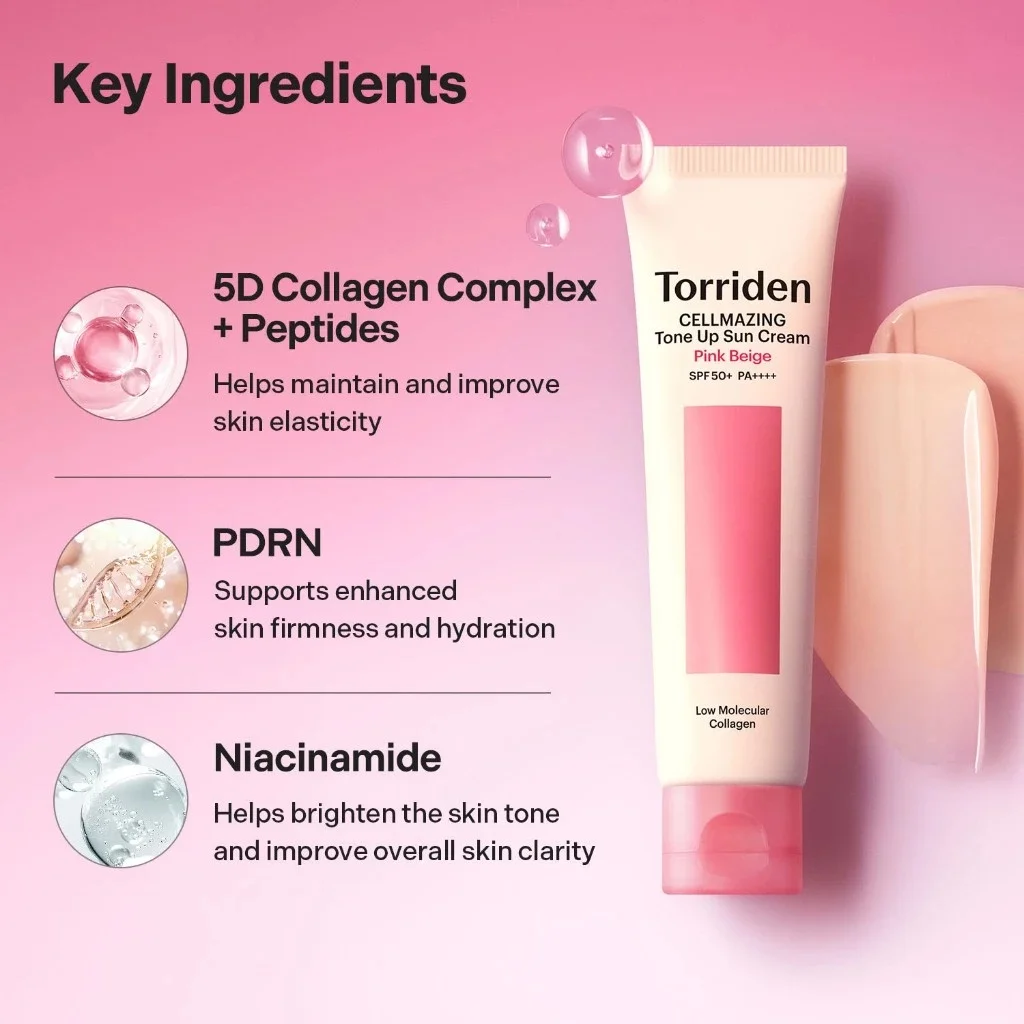
Create a free account to get started
Unlock science-based ingredient analysis personalized for your skin.
Already have an account? Log in
We protect your privacy. We never send spam.