


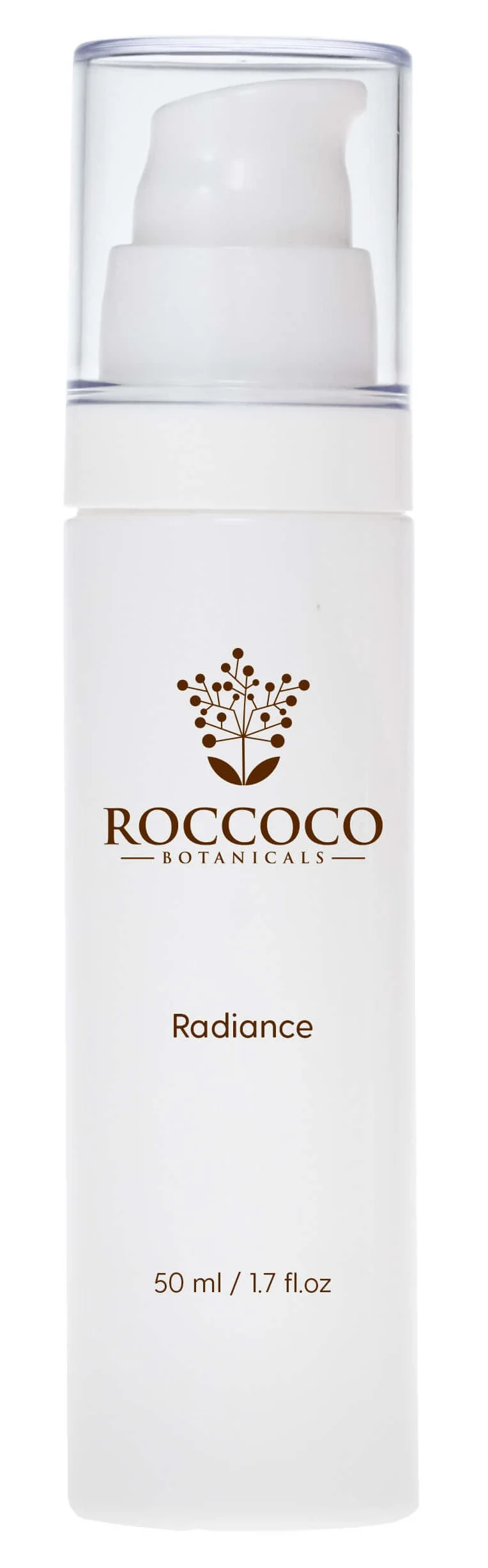
Analysis locked
How well does your skin match with Toskani Radiance?
Login to see detailsOr continue via
Quick 1-minute survey • Completely free
Ingredients
Analysis results of Ingredients


Ingredient List
| EWG | CIR | Ingredient Name & Cosmetic Function | Notes |
|---|---|---|---|
| 1 | - | (Solvent) | |
| 1 | - | (Skin Conditioning) | |
| 1 | - | (Abrasive) | |
| 1 | - | (Abrasive) | |


Toskani Radiance - Ingredient Explanation
Water
1. Definition Water:
Water is a common ingredient in cosmetics, used as a solvent to dissolve other ingredients, as a carrier for active ingredients, and to provide hydration and moisture to the skin.2. Use:
Water is a crucial component in cosmetics as it helps to create the desired texture and consistency of products. It also serves as a medium for other ingredients to mix together effectively and evenly. Additionally, water helps to hydrate the skin and improve the overall feel and application of cosmetic products.3. Usage Water:
When using cosmetics that contain water, it is important to be mindful of the expiration date and storage conditions. Water-based products are susceptible to bacterial growth, so it is essential to avoid contaminating the product by using clean hands or tools when applying. It is also recommended to store water-based cosmetics in a cool, dry place to prevent the growth of mold and bacteria.4. References:
- Draelos, Z. D. (2010). Cosmetic dermatology: products and procedures. John Wiley & Sons.
- Winter, R. (2009). A consumer's dictionary of cosmetic ingredients: complete information about the harmful and desirable ingredients found in cosmetics and cosmeceuticals. Crown.
- Begoun, P. (2003). Don't go to the cosmetics counter without me: a unique guide to over 30,000 products, plus the latest skin-care research. Beginning Press.
Croton Lechleri Resin Extract
1. Definition Croton Lechleri Resin Extract:
Croton Lechleri Resin Extract, also known as Sangre de Drago or Dragon's Blood, is a natural plant extract derived from the Croton Lechleri tree found in the Amazon rainforest. It is known for its healing properties and has been used for centuries by indigenous tribes for various medicinal purposes.2. Use:
Croton Lechleri Resin Extract is commonly used in cosmetics for its anti-inflammatory, antioxidant, and wound-healing properties. It is often included in skincare products such as serums, creams, and masks to help soothe and repair damaged skin, reduce redness and inflammation, and protect against environmental stressors.3. Usage Croton Lechleri Resin Extract:
When using products containing Croton Lechleri Resin Extract, it is important to follow the manufacturer's instructions for application. It is generally safe for topical use, but it is recommended to perform a patch test before using it on larger areas of the skin to check for any potential allergic reactions. It is also advisable to consult with a dermatologist before incorporating it into your skincare routine, especially if you have sensitive skin or existing skin conditions.4. References:
- Silva, J. R., Pereira, A. C., Silva, E. M., Souza, M. H., & Pedrosa, M. L. (2018). Dragon's blood Croton Lechleri extract protects against oxidative stress and inflammation, enhances DNA repair, and increases the expression of DNA repair enzymes. Journal of Photochemistry and Photobiology B: Biology, 183, 120-126.
- Yoon, J. Y., Al-Reza, S. M., Kang, S. C., & Kim, S. Y. (2010). Dragon's blood sap (Croton Lechleri) induces apoptosis in human gastric cancer cells. Journal of Medicinal Food, 13(6), 1466-1473.
- De Almeida, C. L., Falcao, E. P., Lima, G. R. M., Montenegro, C. A., Lemos, T. L. G., & Pessoa, O. D. L. (2008). Dragon's blood (Croton Lechleri): a review of its traditional uses, phytochemistry and pharmacology. Brazilian Journal of Pharmacognosy, 18(3), 472-481.
Rubus Idaeus Seed Extract
1. Definition Rubus Idaeus (Raspberry) Seed:
Rubus Idaeus (Raspberry) Seed is a natural ingredient derived from the seeds of the raspberry fruit. It is rich in antioxidants, essential fatty acids, and vitamins, making it a popular choice in cosmetics for its skin-nourishing properties.2. Use:
Raspberry seed is commonly used in skincare products for its moisturizing, anti-inflammatory, and anti-aging benefits. It helps to protect the skin from environmental stressors, improve skin elasticity, and promote a healthy complexion. Raspberry seed oil is also known for its ability to soothe irritated skin and reduce redness.3. Usage Rubus Idaeus (Raspberry) Seed:
Raspberry seed oil can be found in various skincare products such as serums, moisturizers, and facial oils. It is often used in formulations targeting dry, sensitive, or aging skin. To use raspberry seed oil, simply apply a few drops onto clean skin and gently massage in until fully absorbed. It can also be added to DIY skincare recipes for a nourishing boost.4. References:
- Jadoon S, Karim S, Bin Asad MH, Akram MR, Kalsoom Khan A, Malik A, Chen C, Murtaza G. Anti-Aging Potential of Phytoextract Loaded-Pharmaceutical Creams for Human Skin Cell Longetivity. Oxid Med Cell Longev. 2015;2015:709628. doi: 10.1155/2015/709628.
- Lin TK, Zhong L, Santiago JL. Anti-Inflammatory and Skin Barrier Repair Effects of Topical Application of Some Plant Oils. Int J Mol Sci. 2017 Dec 27;19(1):70. doi: 10.3390/ijms19010070.
- Oomah BD, Ladet S, Godfrey DV, Liang J, Girard B. Characteristics of raspberry (Rubus idaeus L.) seed oil. Food Chem. 2000;69(2):187-193. doi: 10.1016/S0308-8146(99)00260-5.
Actinidia Chinensis (Kiwi) Seed Extract
1. Definition Actinidia Chinensis (Kiwi) Seed Extract:
Actinidia Chinensis (Kiwi) Seed Extract is a natural extract derived from the seeds of the kiwi fruit. It is rich in antioxidants, vitamins, and fatty acids, making it a popular ingredient in skincare products.2. Use:
Actinidia Chinensis (Kiwi) Seed Extract is commonly used in cosmetics for its antioxidant properties, which help protect the skin from environmental stressors and free radicals. It is also known for its moisturizing and anti-inflammatory benefits, making it suitable for all skin types, including sensitive skin.3. Usage Actinidia Chinensis (Kiwi) Seed Extract:
Actinidia Chinensis (Kiwi) Seed Extract can be found in a variety of skincare products, such as serums, moisturizers, and masks. It is typically included in formulations to help improve the overall health and appearance of the skin, including reducing signs of aging, hydrating the skin, and soothing irritation. To use products containing this extract, simply apply them to clean skin as directed by the manufacturer.4. References:
- Lee, S., Lee, D. K., & Kim, Y. B. (2015). Kiwifruit seed oil enhances the skin barrier function and accelerates the skin barrier recovery process. Journal of Ethnopharmacology, 165, 73-76.
- Kim, H. S., & Hwang, I. K. (2018). Actinidia chinensis Planchon extracts protect against UVB-induced photoaging. Journal of Photochemistry and Photobiology B: Biology, 181, 130-137.
- Park, J., Kim, H., & Kim, J. (2020). Anti-inflammatory effects of Actinidia chinensis seed extract on human keratinocytes. Journal of Cosmetic Dermatology, 19(5), 1182-1187.
Review

Didn't find
the information you need?










Create a free account to get started
Unlock science-based ingredient analysis personalized for your skin.
Already have an account? Log in
We protect your privacy. We never send spam.