


Analysis locked
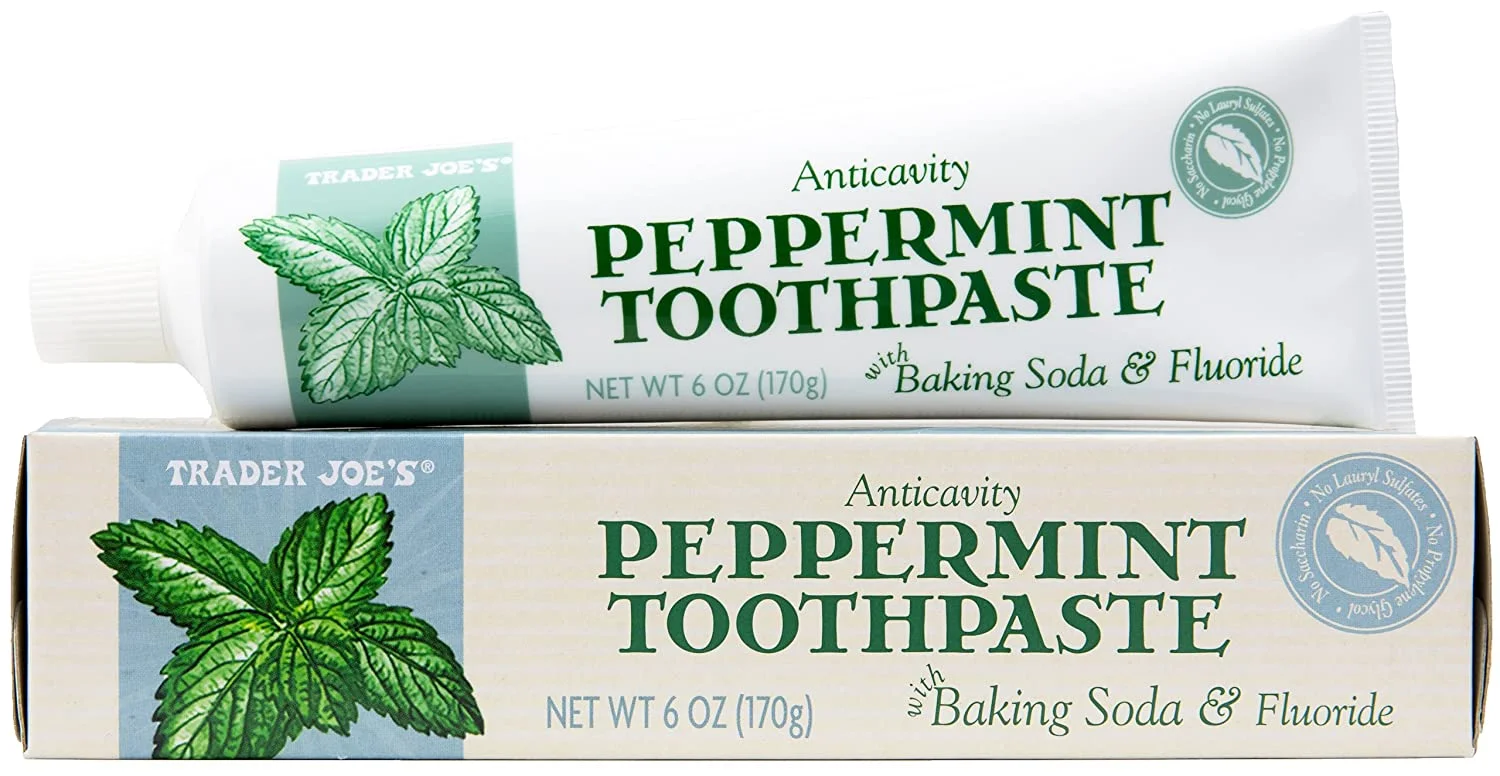
How well does your skin match with Trader Joe's Anticavity Toothpaste Peppermint?
Login to see detailsOr continue via
Quick 1-minute survey • Completely free
Ingredients
Analysis results of Ingredients


Ingredient List
| EWG | CIR | Ingredient Name & Cosmetic Function | Notes |
|---|---|---|---|
| 1 2 | - | (Anticaries Agent, Antiplaque) | |
Trader Joe's Anticavity Toothpaste Peppermint - Ingredient Explanation
Sodium Monofluorophosphate
1. Definition Sodium Monofluorophosphate:
Sodium Monofluorophosphate is a compound commonly used in oral care products, such as toothpaste, as a source of fluoride for preventing dental cavities. It is a white, odorless powder that is soluble in water.2. Use:
Sodium Monofluorophosphate is primarily used in oral care products for its ability to strengthen tooth enamel and protect against tooth decay. It works by remineralizing the enamel, making it more resistant to acid attacks from plaque bacteria. This compound is also known for its anti-bacterial properties, which help to reduce the growth of harmful bacteria in the mouth.3. Usage Sodium Monofluorophosphate:
In cosmetics, Sodium Monofluorophosphate is typically found in toothpaste formulations at concentrations ranging from 0.7% to 1.14%. It is important to follow the recommended usage instructions provided on the product packaging to ensure its effectiveness and safety. It is not recommended to swallow toothpaste containing Sodium Monofluorophosphate, as excessive ingestion of fluoride can lead to fluorosis, a condition characterized by discoloration of the teeth.4. References:
- Chandra, T. S., & Sivapathasundharam, B. (2011). Essentials of Oral Histology and Embryology: A Clinical Approach. Elsevier Health Sciences.
- Ganss, C., & Young, A. (2016). Handbook of Oral Care: Diagnosis and Treatment. Springer.
- Sharma, N. C., & Pradeep, A. R. (2011). Oral Microbiome: A New Biomarker Reservoir for Oral and Oropharyngeal Diseases. Springer.
Review
Didn't find
the information you need?





Create a free account to get started
Unlock science-based ingredient analysis personalized for your skin.
Already have an account? Log in
We protect your privacy. We never send spam.