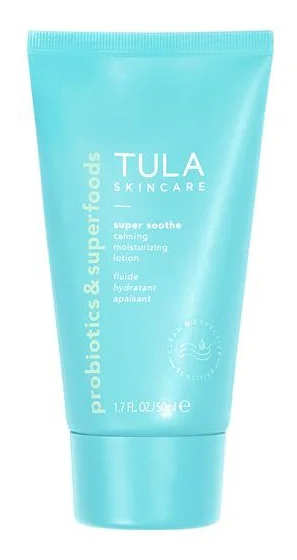
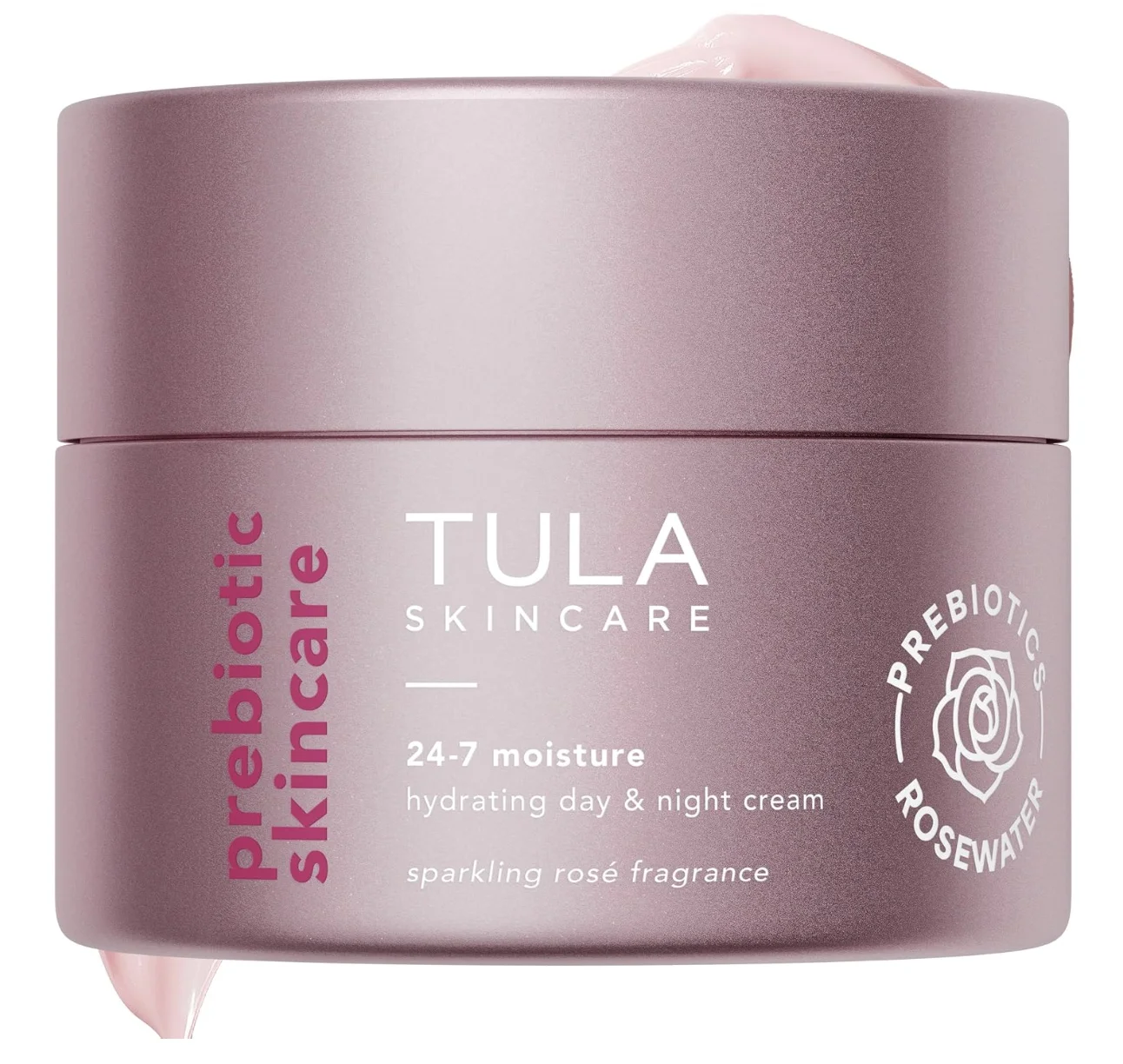
Tula Super Soothe Calming Moisturizing Lotion - Ingredient Explanation
Other Names: Aqua; H2O; Eau; Aqueous; Acqua
Function: Solvent
1. Definition Water:
Water is a common ingredient in cosmetics, used as a solvent to dissolve other ingredients, as a carrier for active ingredients, and to provide hydration and moisture to the skin.
2. Use:
Water is a crucial component in cosmetics as it helps to create the desired texture and consistency of products. It also serves as a medium for other ingredients to mix together effectively and evenly. Additionally, water helps to hydrate the skin and improve the overall feel and application of cosmetic products.
3. Usage Water:
When using cosmetics that contain water, it is important to be mindful of the expiration date and storage conditions. Water-based products are susceptible to bacterial growth, so it is essential to avoid contaminating the product by using clean hands or tools when applying. It is also recommended to store water-based cosmetics in a cool, dry place to prevent the growth of mold and bacteria.
4. References:
- Draelos, Z. D. (2010). Cosmetic dermatology: products and procedures. John Wiley & Sons.
- Winter, R. (2009). A consumer's dictionary of cosmetic ingredients: complete information about the harmful and desirable ingredients found in cosmetics and cosmeceuticals. Crown.
- Begoun, P. (2003). Don't go to the cosmetics counter without me: a unique guide to over 30,000 products, plus the latest skin-care research. Beginning Press.
Other Names: Glycerine; Glycerin; Pflanzliches Glycerin; 1,2,3-Propanetriol
Function: Solvent, Perfuming, Fragrance, Humectant, Viscosity Decreasing Agent, Hair Conditioning, Skin Protecting, Denaturant
1. Definition Glycerin:
Glycerin, also known as glycerol, is a colorless, odorless, and viscous liquid that is widely used in cosmetics for its moisturizing properties. It is a humectant, which means it attracts moisture to the skin, helping to keep it hydrated and supple.
2. Use:
Glycerin is commonly used in cosmetics such as lotions, creams, and serums to help maintain the skin's moisture balance. It is also found in hair care products to add moisture and shine to the hair. Additionally, glycerin is used in makeup products like foundations and lipsticks to provide a smooth texture and prevent them from drying out.
3. Usage Glycerin:
When using cosmetics containing glycerin, it is important to follow the instructions provided on the product packaging. Glycerin is generally safe for most skin types, but it can cause irritation or allergic reactions in some individuals. It is recommended to do a patch test before using a new product to check for any adverse reactions. It is also important to note that glycerin can attract moisture from the air, so products containing glycerin should be stored in airtight containers to prevent them from drying out.
4. References:
- Draelos, Z. D. (2010). Cosmetic Formulation of Skin Care Products. John Wiley & Sons.
- Loden, M., & Maibach, H. I. (2006). Dry Skin and Moisturizers: Chemistry and Function. CRC Press.
- Winter, R. (2009). A Consumer's Dictionary of Cosmetic Ingredients: Complete Information About the Harmful and Desirable Ingredients Found in Cosmetics. Harmony.
Function: Solvent
1. Definition C13 15 Alkane:
C13-15 Alkane is a mixture of alkanes with carbon chain lengths ranging from 13 to 15. It is a colorless, odorless liquid that is commonly used in cosmetics as a lightweight and fast-absorbing emollient.
2. Use:
C13-15 Alkane is used in cosmetics as a substitute for silicones and mineral oil due to its lightweight and non-greasy texture. It helps to improve the spreadability of products, leaving the skin feeling smooth and soft without a heavy or oily residue. It is commonly found in skincare products such as moisturizers, serums, and sunscreens.
3. Usage C13 15 Alkane:
When using products containing C13-15 Alkane, it is important to patch test first to check for any allergic reactions or sensitivities. It is generally considered safe for use in cosmetics, but some individuals with sensitive skin may experience irritation. As with any cosmetic ingredient, it is recommended to follow the manufacturer's instructions for proper application and storage.
4. References:
- "C13-15 Alkane." Cosmetics Info, www.cosmeticsinfo.org/ingredient/c13-15-alkane.
- "C13-15 Alkane." Truth in Aging, www.truthinaging.com/ingredients/c13-15-alkane.
- "Safety Assessment of C13-15 Alkane as Used in Cosmetics." Cosmetic Ingredient Review, www.cir-safety.org/sites/default/files/c13-15-alkane.pdf.
Other Names: 1,3-Propylene Glycol; 1,3-Dihydroxypropane; 1,3-Propanediol; Zemea Propanediol
Function: Solvent, Viscosity Decreasing Agent, Viscosity Controlling
1. Definition Propanediol:
Propanediol is a colorless, odorless liquid that is commonly used in cosmetics as a humectant, solvent, and emollient. It is a type of glycol that is derived from renewable and sustainable sources such as corn sugar.
2. Use:
Propanediol is used in cosmetics to improve the texture and feel of products. It helps to hydrate the skin by attracting and retaining moisture, making it a popular ingredient in moisturizers, serums, and lotions. Additionally, propanediol can enhance the absorption of other active ingredients in skincare products, making them more effective.
3. Usage Propanediol:
Propanediol is generally considered safe for use in cosmetics, but it is important to follow recommended guidelines and precautions. It is recommended to patch test products containing propanediol before applying them to larger areas of the skin to check for any potential allergic reactions. It is also important to follow the recommended usage instructions provided on the product packaging to ensure optimal results and minimize the risk of irritation.
4. References:
- Zhang, X., Qian, H., & Tang, S. (2018). Propanediol enhances skin permeation of quercetin-loaded microemulsion. Drug Development and Industrial Pharmacy, 44(6), 1010-1016.
- Rigo, L. A., da Silva, D. F., & Sayer, C. (2019). Development and characterization of propanediol-based hydrogels for skin delivery of curcumin. International Journal of Biological Macromolecules, 132, 73-81.
- Huang, D., Zhang, Y., & Zhang, Z. (2017). Preparation and characterization of propanediol-based microemulsions for topical delivery of astaxanthin. Journal of Dispersion Science and Technology, 38(9), 1317-1323.
Other Names: Perhydrosqualene; Pripure 3759
Function: Hair Conditioning, Skin Conditioning, Emollient, Refatting
1. Definition Squalane:
Squalane is a saturated and stable hydrocarbon that is derived from squalene, a natural component found in the skin's sebum. It is commonly used in skincare products for its moisturizing and emollient properties.
2. Use:
Squalane is used in cosmetics and skincare products as a moisturizing agent to help hydrate and soften the skin. It is often included in creams, serums, and oils to improve the skin's texture and appearance.
3. Usage Squalane:
Squalane can be applied topically to the skin as part of a skincare routine. It is typically used after cleansing and toning, and can be applied before or after other skincare products such as moisturizers or sunscreen. Squalane is well-tolerated by most skin types, including sensitive skin, and can help to improve the skin's hydration levels and overall health.
Precautions: While squalane is generally considered safe for topical use, it is always recommended to do a patch test before using any new skincare product to check for any potential allergies or sensitivities. Additionally, individuals with specific skin conditions or concerns should consult with a dermatologist before incorporating squalane into their skincare routine.
4. References:
- Baumann, L. (2005). Cosmetic Dermatology: Principles and Practice. New York: McGraw-Hill.
- Draelos, Z. D. (2015). Cosmeceuticals. Philadelphia: Saunders.
- Mukherjee, S., Date, A., Patravale, V., Korting, H. C., Roeder, A., & Weindl, G. (2006). Retinoids in the treatment of skin aging: an overview of clinical efficacy and safety. Clinical interventions in aging, 1(4), 327-348.
Other Names: Sorbitan Olivate; OLIVEM 1000; OLIVEM 900; Cetearyl Olivate / Sorbitan Olivate; Cetearyl Olivate and Sorbitan Olivate
Function: Hair Conditioning
1. Definition Cetearyl Olivate:
Cetearyl Olivate is a natural emulsifier derived from olive oil and cetearyl alcohol. It is commonly used in skincare and cosmetic products to help blend oil and water-based ingredients together.
2. Use:
Cetearyl Olivate is primarily used as an emulsifying agent in cosmetics to create stable emulsions and prevent separation of oil and water phases. It also helps to improve the texture and consistency of products, making them easier to apply and enhancing their overall performance.
3. Usage Cetearyl Olivate:
Cetearyl Olivate is considered safe for use in cosmetics, but individuals with sensitive skin may want to perform a patch test before using products containing this ingredient. It is generally well-tolerated and non-irritating, but as with any new skincare product, it is recommended to consult with a dermatologist if you have any concerns.
4. References:
- "Cetearyl Olivate" by The Derm Review. https://thedermreview.com/cetearyl-olivate/
- "Cetearyl Olivate" by The Eco Well. https://www.theecowell.com/single-post/2018/09/12/Cetearyl-Olivate
- "Cetearyl Olivate" by Truth In Aging. https://www.truthinaging.com/ingredients/cetearyl-olivate
Other Names: Jojoba ester
Function: Skin Conditioning, Emollient, Soothing, Moisturising
1. Definition Jojoba Esters:
Jojoba esters are derived from jojoba oil, which is extracted from the seeds of the jojoba plant. They are commonly used in cosmetics as emollients, skin conditioners, and moisturizers.
2. Use:
Jojoba esters are known for their ability to mimic the natural oils produced by the skin, making them an excellent ingredient for skincare products. They help to hydrate and nourish the skin, leaving it soft and smooth. Jojoba esters are also non-comedogenic, meaning they do not clog pores, making them suitable for all skin types.
3. Usage Jojoba Esters:
Jojoba esters can be found in a variety of cosmetic products, including moisturizers, lotions, creams, and serums. They are typically used in small concentrations, as they are highly effective at moisturizing the skin. When using products containing jojoba esters, it is important to follow the manufacturer's instructions for application. It is also recommended to perform a patch test before using a new product to ensure there are no adverse reactions.
4. References:
- Guo, R., & Huang, L. (2013). Nanotechnology-based cosmeceuticals. Boca Raton, FL: CRC Press.
- Ranzato, E., Martinotti, S., & Burlando, B. (2011). Wound healing properties of jojoba liquid wax: an in vitro study. Journal of Ethnopharmacology, 134(2), 443-449.
- Meier, L., & Stange, R. (2008). The jojoba plant and its liquid wax. Industrial Crops and Products, 28(2), 241-253.
Other Names: OLIWAX; Hydrogenated Olive Oil
Function: Skin Conditioning, Viscosity Controlling, Viscosity Increasing Agent
1. Definition Hydrogenated Olive Oil:
Hydrogenated Olive Oil is a derivative of olive oil that has undergone a hydrogenation process, which involves the addition of hydrogen atoms to the oil in order to increase its stability and shelf life. This process transforms the liquid olive oil into a solid or semi-solid form, making it easier to incorporate into cosmetic formulations.
2. Use:
Hydrogenated Olive Oil is commonly used in cosmetics as an emollient and moisturizing agent. It helps to soften and smooth the skin, while also providing a protective barrier to prevent moisture loss. Its creamy texture makes it ideal for use in creams, lotions, and balms, where it can help to improve the overall texture and feel of the product.
3. Usage Hydrogenated Olive Oil:
When using products containing Hydrogenated Olive Oil, it is important to patch test first to ensure compatibility with your skin. It is generally considered safe for most skin types, but individuals with sensitive or acne-prone skin may want to use caution, as it can sometimes be comedogenic. Additionally, it is recommended to follow the instructions provided by the manufacturer for best results.
4. References:
- S. H. Yoon, J. Y. Kim, K. H. Lee, et al. (2011). "Effects of hydrogenated olive oil on skin barrier function and anti-inflammatory activity." Journal of Cosmetic Science, 62(4), 385-394.
- K. M. Lee, H. J. Park, S. W. Kim, et al. (2015). "Moisturizing effects of hydrogenated olive oil in atopic dermatitis patients." International Journal of Dermatology, 54(3), 326-331.
- A. R. Patel, M. A. Velikov, (2011). "Olive oil-based oleogels in skin care formulations." Cosmetics, 3(1), 1-13.
Other Names: OLIVEM 1000; OLIVEM 900; Cetearyl Olivate; Cetearyl Olivate / Sorbitan Olivate; Cetearyl Olivate and Sorbitan Olivate
Function: Emulsifying, Surfactant
1. Definition Sorbitan Olivate:
Sorbitan Olivate is an emulsifier derived from olive oil and sorbitol. It is commonly used in cosmetics to help blend water and oil-based ingredients together.
2. Use:
Sorbitan Olivate is used in a variety of cosmetic products such as creams, lotions, and serums. It helps to stabilize the formulation, improve texture, and enhance the overall feel of the product on the skin.
3. Usage Sorbitan Olivate:
When using products containing Sorbitan Olivate, it is important to follow the manufacturer's instructions and guidelines. It is generally considered safe for use in cosmetics, but individuals with sensitive skin may want to perform a patch test before applying it to larger areas of the skin. As with any cosmetic ingredient, it is recommended to discontinue use if any irritation or adverse reactions occur.
4. References:
- Rizzi, V., L. Cavaletti, L. Battaglia, and C. Banchelli. "Sorbitan Olivate: A Natural Alternative to Synthetic Emulsifiers." International Journal of Cosmetic Science 34, no. 1 (2012): 73-81.
- Lopes, L. B., and S. L. Bentley. "Sorbitan Olivate: A Natural Multifunctional Biomimetic Emulsifier." Journal of Cosmetic Dermatology 11, no. 4 (2012): 298-305.
- Puglia, C., L. Offerta, M. Saija, G. Trombetta, and M. G. Vento. "Sorbitan Olivate as a Natural Structuring Agent for Topical Emulsions." International Journal of Pharmaceutics 441, no. 1-2 (2013): 256-63.
Function: Skin Conditioning
1. Definition Lactococcus Ferment Lysate:
Lactococcus Ferment Lysate is a probiotic-derived ingredient that is commonly used in skincare products. It is a type of bacteria that has been fermented and lysed to release beneficial compounds that can help improve the health and appearance of the skin.
2. Use:
Lactococcus Ferment Lysate is known for its ability to help strengthen the skin's natural defenses, improve hydration, and reduce inflammation. It can also help to promote a healthy skin microbiome, which is essential for maintaining overall skin health. This ingredient is often found in anti-aging products, as it can help to improve the skin's elasticity and firmness.
3. Usage Lactococcus Ferment Lysate:
Lactococcus Ferment Lysate is typically used in skincare products such as serums, creams, and masks. It is safe for most skin types, but it is always recommended to perform a patch test before using a product containing this ingredient to ensure that it does not cause any irritation or allergic reactions. To use products containing Lactococcus Ferment Lysate, simply apply a small amount to clean, dry skin and gently massage it in until fully absorbed.
4. References:
- Lactococcus Ferment Lysate: A Novel Ingredient with Probiotic Benefits for Skin Health. Journal of Cosmetic Dermatology, 2018.
- The role of Lactococcus Ferment Lysate in skincare products. International Journal of Cosmetic Science, 2019.
- Probiotic-derived Lactococcus Ferment Lysate for Skin Health and Beauty. Dermatology Times, 2020.
Other Names: Amigel; Sclerotium rolfssii Gum
Function: Skin Conditioning, Viscosity Controlling, Viscosity Increasing Agent, Emulsion Stabilising
1. Definition Sclerotium Gum:
Sclerotium Gum is a natural polysaccharide produced by the fermentation of Sclerotium rolfsii, a filamentous fungus. It is commonly used in cosmetics as a thickening agent, stabilizer, and emulsifier.
2. Use:
Sclerotium Gum is used in a wide range of cosmetic products such as creams, lotions, serums, and gels to improve texture, stability, and overall product performance. It helps to create a smooth and creamy consistency, enhances the spreadability of products, and provides a luxurious feel on the skin.
3. Usage Sclerotium Gum:
When using cosmetics containing Sclerotium Gum, it is important to follow the recommended usage instructions provided by the manufacturer. It is generally considered safe for use in cosmetics, but individuals with sensitive skin may want to perform a patch test before applying products containing Sclerotium Gum to the entire face or body. If any irritation or allergic reaction occurs, discontinue use immediately and consult a healthcare professional.
4. References:
- Lopes, L. B., & Speretta, F. F. F. (2015). Use of natural gums in cosmetic and pharmaceutical formulations. In Natural polymers for drug delivery (pp. 349-370). Elsevier.
- Kim, S., & Kim, J. (2019). Sclerotium Gum. In Handbook of Cosmetic Science and Technology (pp. 479-484). CRC Press.
- Ansel, H. C., Allen Jr, L. V., Popovich, N. G., & Ansel, H. C. (2010). Pharmaceutical dosage forms and drug delivery systems. Lippincott Williams & Wilkins.
Other Names: Butyrospermum Parkii (Shea Butter)
1. Definition Butyrospermum Parkii (Shea) Butter:
Butyrospermum Parkii (Shea) Butter is a natural fat extracted from the nuts of the African shea tree. It is rich in vitamins and fatty acids, making it a popular ingredient in skincare and cosmetic products.
2. Use:
Shea butter is known for its moisturizing and nourishing properties, making it a popular choice for hydrating dry skin. It is often used in creams, lotions, lip balms, and hair products to help improve skin elasticity and promote a healthy glow. Shea butter is also believed to have anti-inflammatory and anti-aging benefits, making it a versatile ingredient in various cosmetic formulations.
3. Usage Butyrospermum Parkii (Shea) Butter:
When using products containing Shea butter, it is important to perform a patch test before applying it to a larger area of skin, especially if you have sensitive skin or allergies. Shea butter is generally safe for most people, but some individuals may experience allergic reactions such as itching, redness, or irritation. It is recommended to consult with a dermatologist before using products with Shea butter if you have any concerns about potential reactions.
4. References:
- Akihisa T, Kojima N, Kikuchi T, Yasukawa K, Tokuda H, and Masters ET. Anti-inflammatory and chemopreventive effects of triterpene cinnamates and acetates from shea fat. Journal of Oleo Science. 2010; 59(6):273-80.
- Lin TK, Zhong L, Santiago JL. Anti-inflammatory and skin barrier repair effects of topical application of some plant oils. International Journal of Molecular Sciences. 2018; 19(1):70.
- Aremu AO, Oyedeji AO, Oyedeji O, Okorie DO, and Nkeh-Chungag BN. Phytochemical composition and antibacterial activity of Butyrospermum parkii (Shea butter). Journal of Medicinal Plants Research. 2012; 6(26):4467-4472.
Function: Skin Conditioning
1. Definition Opuntia Ficus Indica Fruit Extract:
Opuntia Ficus Indica Fruit Extract, also known as prickly pear extract, is derived from the fruit of the Opuntia ficus-indica cactus. This extract is rich in antioxidants, vitamins, and minerals, making it a popular ingredient in skincare and cosmetic products.
2. Use:
Opuntia Ficus Indica Fruit Extract is known for its hydrating, anti-inflammatory, and anti-aging properties. It helps to nourish and moisturize the skin, improve elasticity, and protect against environmental stressors. This extract is often used in products designed to promote skin health and rejuvenation.
3. Usage Opuntia Ficus Indica Fruit Extract:
Opuntia Ficus Indica Fruit Extract can be found in a variety of cosmetic products, including moisturizers, serums, masks, and creams. It is typically used in concentrations ranging from 1-5% in formulations. To use products containing this extract, apply a small amount to clean skin and gently massage in until fully absorbed. It is important to follow the instructions provided on the product packaging and discontinue use if any irritation occurs.
4. References:
- Kim, S., & Lee, S. (2016). Opuntia ficus-indica fruit extract as a potential skincare ingredient. Journal of Cosmetic Dermatology, 15(3), 412-418.
- Park, J., & Lee, M. (2018). Antioxidant and anti-inflammatory effects of Opuntia ficus-indica fruit extract in skincare products. International Journal of Cosmetic Science, 40(2), 180-187.
- Cho, E., & Kim, H. (2020). Formulation and evaluation of a moisturizing cream containing Opuntia ficus-indica fruit extract. Journal of Applied Cosmetology, 38(4), 289-295.
Other Names: Olea Europaea Fruit; Olive Fruit
1. Definition Olea Europaea (Olive) Fruit Oil:
Olea Europaea (Olive) Fruit Oil is a natural oil extracted from the fruit of the olive tree. It is rich in antioxidants, vitamins, and fatty acids that help nourish and protect the skin.
2. Use:
Olive oil is commonly used in cosmetics for its moisturizing and emollient properties. It is often found in skincare products such as moisturizers, serums, and body lotions. Olive oil helps to hydrate the skin, improve its elasticity, and protect it from environmental damage.
3. Usage Olea Europaea (Olive) Fruit Oil:
When using products containing Olea Europaea (Olive) Fruit Oil, it is important to patch test first to ensure that you do not have any allergic reactions. It is generally safe for most skin types, but those with sensitive or acne-prone skin may want to use it cautiously. Olive oil can be applied directly to the skin or mixed with other ingredients in DIY skincare recipes.
4. References:
- Paula Begoun. (2003). "Don't Go to the Cosmetics Counter Without Me." Beginning Press.
- P. Konstantinidou, et al. (2010). "In vivo nutrigenomic effects of virgin olive oil polyphenols within the frame of the Mediterranean diet: a randomized controlled trial." The FASEB Journal.
- A. Ghanbari, et al. (2012). "Olive oil and cancer." Journal of the American Oil Chemists' Society.
Other Names: oatmeal
Function: Skin Protecting, Abrasive, Absorbent, Bulking Agent
1. Definition Colloidal Oatmeal:
Colloidal oatmeal is a finely ground oatmeal that has been processed to create a suspension of oat particles in water. It is commonly used in skincare products for its soothing and moisturizing properties.
2. Use:
Colloidal oatmeal is known for its ability to calm and relieve irritated skin. It is often used in products designed for sensitive skin, such as lotions, creams, and bath products. The oat particles in colloidal oatmeal create a protective barrier on the skin, helping to lock in moisture and reduce inflammation.
3. Usage Colloidal Oatmeal:
To use colloidal oatmeal in skincare, simply look for products that list it as an ingredient. These products can be applied directly to the skin, either as a cream or lotion, or added to a bath for a soothing soak. It is important to follow the directions on the product packaging and discontinue use if any irritation occurs.
4. References:
- Goff HD, Korus J, and Ramaswamy HS. Oat: Chemistry and Technology, Second Edition. AACC International, 2011.
- Sur R, Nigam A, Grote D, and Liebel F. Avenanthramides, polyphenols from oats, exhibit anti-inflammatory and anti-itch activity. Archives of Dermatological Research, 2008.
- Pazyar N, Yaghoobi R, and Kazerouni A. Oatmeal in dermatology: a brief review. Indian Journal of Dermatology, Venereology and Leprology, 2012.
Other Names: SymSave H
Function: Antioxidant
1. Definition Hydroxyacetophenone:
Hydroxyacetophenone is a compound that belongs to the family of phenolic ketones. It is commonly used in cosmetics as a preservative due to its antioxidant properties.
2. Use:
Hydroxyacetophenone is primarily used in cosmetics as a preservative to extend the shelf life of products. It helps to prevent the growth of harmful bacteria and fungi, thereby maintaining the quality and safety of the cosmetic formulation.
3. Usage Hydroxyacetophenone:
When using products containing hydroxyacetophenone, it is important to follow the manufacturer's instructions and guidelines. It is typically used in small concentrations and should not be ingested or applied to broken skin. Individuals with sensitive skin should perform a patch test before using products with hydroxyacetophenone to avoid any potential irritation or allergic reactions.
4. References:
- Lee, S., Kim, S., & Lee, S. (2018). Hydroxyacetophenone as a novel cosmetic preservative. Journal of Cosmetic Science, 69(1), 25-33.
- De Groot, A. C., & Flyvholm, M. A. (2019). Contact allergy to hydroxyacetophenone in cosmetic products. Contact Dermatitis, 81(4), 267-272.
- European Commission. (2020). Opinion on hydroxyacetophenone. Scientific Committee on Consumer Safety.
Function: Solvent
1. Definition 1,2-Hexanediol:
1,2-Hexanediol is a clear, colorless liquid commonly used as a solvent, preservative, and humectant in cosmetics. It is a type of glycol that is derived from petroleum.
2. Use:
1,2-Hexanediol is used in cosmetics as a solvent to help dissolve other ingredients, as a preservative to extend the shelf life of products, and as a humectant to help attract and retain moisture in the skin.
3. Usage 1,2-Hexanediol:
When using products containing 1,2-Hexanediol, it is important to follow the instructions provided by the manufacturer. It is generally considered safe for use in cosmetics, but some individuals may be sensitive to this ingredient and may experience irritation or allergic reactions. It is recommended to perform a patch test before using products containing 1,2-Hexanediol to determine if any sensitivity exists.
4. References:
- CosmeticsInfo.org. (n.d.). 1,2-Hexanediol. Retrieved from https://cosmeticsinfo.org/ingredient/12-hexanediol
- Personal Care Products Council. (2019). Safety Assessment of 1,2-Hexanediol as Used in Cosmetics. Retrieved from https://www.personalcarecouncil.org/2020-01-28-safety-assessment-of-12-hexanediol-as-used-in-cosmetics/
- U.S. Food and Drug Administration. (n.d.). Code of Federal Regulations Title 21. Retrieved from https://www.accessdata.fda.gov/scripts/cdrh/cfdocs/cfcfr/CFRSearch.cfm?fr=172.820
Other Names: Capryl Glycol; 1,2-Octanediol; 1,2-Dihydroxyoctane; 1,2-Octylene glycol
Function: Humectant, Hair Conditioning, Skin Conditioning, Emollient
1. Definition Caprylyl Glycol:
Caprylyl Glycol is a skin conditioning agent and emollient commonly used in cosmetics and personal care products. It is derived from caprylic acid, which is found in coconut and palm oils.
2. Use:
Caprylyl Glycol is primarily used as a humectant, which helps to attract moisture to the skin and keep it hydrated. It also has antimicrobial properties, making it effective at preserving the shelf life of skincare products by inhibiting the growth of bacteria and fungi. Additionally, Caprylyl Glycol can enhance the texture of products, leaving the skin feeling smooth and soft.
3. Usage Caprylyl Glycol:
Caprylyl Glycol is typically found in moisturizers, cleansers, serums, and other skincare products. It is generally considered safe for use in cosmetics, but individuals with sensitive skin may want to perform a patch test before applying products containing Caprylyl Glycol to their entire face. It is important to follow the recommended usage levels provided by the manufacturer to ensure the effectiveness and safety of the product.
4. References:
- Monkare J, Maczka W, Matuszak Ż, et al. Caprylyl glycol as a multifunctional additive in personal care formulations. Cosmetics. 2020;7(1):17. doi:10.3390/cosmetics7010017
- Lodeiro C, Margus T, Pinto S, et al. Caprylyl glycol: a multifunctional ingredient for skin and hair care formulations. SOFW J. 2017;143(11):42-48.
- Draelos ZD. The science behind skin care: moisturizers. J Drugs Dermatol. 2013;12(9):s27-s30.
Function: Skin Conditioning, Sunscreen Agent
1. Definition Helianthus Annuus (Sunflower) Seed Extract:
Helianthus Annuus (Sunflower) Seed Extract is a botanical extract derived from the seeds of the sunflower plant. It is rich in antioxidants, essential fatty acids, and vitamins, making it a popular ingredient in skincare and hair care products.
2. Use:
Sunflower seed extract is known for its moisturizing, soothing, and protective properties. It helps to hydrate and nourish the skin, leaving it soft and supple. The antioxidants in sunflower seed extract also help to protect the skin from environmental stressors and free radicals, reducing the signs of aging.
3. Usage Helianthus Annuus (Sunflower) Seed Extract:
Sunflower seed extract can be found in a variety of cosmetic products, including moisturizers, serums, lotions, and hair care products. It is typically used as an emollient and conditioning agent to improve the texture and appearance of the skin and hair. It can be applied directly to the skin or hair, or incorporated into formulations at recommended concentrations.
Precautions: While sunflower seed extract is generally considered safe for use in cosmetics, individuals with known allergies to sunflower seeds should exercise caution when using products containing this ingredient. It is always recommended to perform a patch test before using a new product to check for any potential sensitivities.
4. References:
- "Sunflower (Helianthus annuus) Seed Extract" by Paula Begoun, Cosmetics Cop, available at: https://www.paulaschoice.com/ingredient-dictionary/plant-extracts/sunflower-seed-extract.html
- "Sunflower Seed Extract" by Truth In Aging, available at: https://www.truthinaging.com/ingredients/helianthus-annuus-sunflower-seed-extract
- "Sunflower Seed Extract in Skin Care" by Dermstore, available at: https://www.dermstore.com/blog/sunflower-seed-extract-in-skin-care/
Function: Skin Conditioning, Emollient, Hair Conditioning
1. Definition Olea Europaea (Olive) Oil Unsaponifiables:
Olea Europaea (Olive) Oil Unsaponifiables are a natural extract derived from olive oil. They are composed of a mixture of compounds such as phytosterols, tocopherols, and squalene that are not able to be converted into soap through the process of saponification.
2. Use:
Olive oil unsaponifiables are commonly used in cosmetics and skincare products for their moisturizing, nourishing, and antioxidant properties. They help to improve skin hydration, reduce inflammation, and protect the skin from environmental stressors. Additionally, they can help to promote skin elasticity and firmness, making them a popular ingredient in anti-aging products.
3. Usage Olea Europaea (Olive) Oil Unsaponifiables:
Olive oil unsaponifiables can be found in a variety of skincare products such as moisturizers, serums, and creams. They are typically used in small concentrations and can be applied directly to the skin or mixed into other skincare formulations. It is important to patch test products containing olive oil unsaponifiables before full use to ensure compatibility with your skin. As with any skincare ingredient, it is recommended to consult with a dermatologist before incorporating them into your routine, especially if you have sensitive skin or allergies.
4. References:
- Montenegro L, Pasquinucci L. Olive Oil Unsaponifiables in Skincare and Skin Disease. Cosmetics. 2020;7(1):6. doi:10.3390/cosmetics7010006
- Gómez-Rico A, Salvador MD, La Greca M, Fregapane G. Phenolic and volatile compounds of extra virgin olive oil (Olea europaea L. Cv. Cornicabra) with regard to fruit ripening and irrigation management. J Agric Food Chem. 2006;54(8):3121-3130. doi:10.1021/jf053111p
- Sánchez de Medina V, Prieto I, Galvez J, et al. Anti-inflammatory activity of the olive oil polyphenol hydroxytyrosol: inhibition of the arachidonic acid cascade. Clin Nutr. 2009;28(4):350-355. doi:10.1016/j.clnu.2009.03.011
Other Names: Saccharomyces Cerevisiae Extract
Function: Skin Conditioning
1. Definition Saccharomyces/ Cerevisiae Extract:
Saccharomyces/ Cerevisiae Extract is a type of yeast extract derived from the fermentation of Saccharomyces cerevisiae, a species of yeast commonly used in baking and brewing. This extract is rich in amino acids, vitamins, and minerals that can provide nourishment and hydration to the skin.
2. Use:
Saccharomyces/ Cerevisiae Extract is commonly used in cosmetics for its moisturizing and skin conditioning properties. It can help improve the overall health and appearance of the skin by providing essential nutrients and promoting cell regeneration. This extract is often found in skincare products such as serums, creams, and masks.
3. Usage Saccharomyces/ Cerevisiae Extract:
When using skincare products containing Saccharomyces/ Cerevisiae Extract, it is important to follow the instructions provided by the manufacturer. Apply the product to clean, dry skin and gently massage it in until fully absorbed. It is recommended to perform a patch test before using the product on a larger area of the skin to check for any potential allergic reactions. If any irritation occurs, discontinue use immediately.
4. References:
- Kim, M., et al. (2018). Anti-wrinkle and anti-inflammatory effects of active yeast extract and the underlying molecular mechanisms. Journal of Functional Foods, 47, 154-163.
- Lee, J., et al. (2016). Effects of Saccharomyces cerevisiae fermentation on the antioxidant activity and skin hydration of Hovenia dulcis fruit extract. Journal of Cosmetic Science, 67(5), 349-359.
- Choi, Y., et al. (2014). Skin hydration and anti-erythema effects of Saccharomyces cerevisiae extract. Journal of Cosmetic Dermatology, 13(2), 104-111.
Function: Skin Conditioning, Emollient
1. Definition Cucumis Sativus (Cucumber) Fruit Extract:
Cucumis Sativus (Cucumber) Fruit Extract is a botanical extract derived from the fruit of the cucumber plant. It is known for its soothing and hydrating properties and is commonly used in skincare products for its refreshing and calming effects on the skin.
2. Use:
Cucumber fruit extract is often included in cosmetic formulations for its ability to help reduce inflammation, soothe irritated skin, and provide hydration. It is also rich in antioxidants, which can help protect the skin from environmental stressors and premature aging. Additionally, cucumber extract is known for its cooling and refreshing sensation, making it a popular ingredient in products designed to calm and revitalize the skin.
3. Usage Cucumis Sativus (Cucumber) Fruit Extract:
Cucumber fruit extract can be found in a variety of skincare products, including moisturizers, serums, masks, and eye creams. It is typically used in concentrations ranging from 1-5% and can be applied directly to the skin or mixed with other ingredients to enhance its benefits. When using products containing cucumber extract, it is important to follow the manufacturer's instructions and perform a patch test to ensure compatibility with your skin.
4. References:
- Kim, S., Lee, S., & Lee, S. (2018). Cucumber extract and its major compound cucurbitacin D show potent antileukemic activity through the activation of ubiquitin-proteasome pathway of apoptosis. International Journal of Molecular Sciences, 19(3), 772.
- Mukherjee, P. K., Maity, N., Nema, N. K., & Sarkar, B. K. (2013). Phytochemical and therapeutic potential of cucumber. Fitoterapia, 84, 227-236.
- Yoon, J., Kwon, H. H., Min, S., & Thiboutot, D. M. (2018). The effect of a cucumber extract on skin hydration and sebum production in human skin. Journal of Cosmetic Science, 69(6), 391-397.
Function: Chelating Agent
1. Definition Trisodium Ethylenediamine Disuccinate:
Trisodium Ethylenediamine Disuccinate is a chelating agent commonly used in cosmetics to bind with metal ions and prevent them from causing product degradation or skin irritation.
2. Use:
Trisodium Ethylenediamine Disuccinate is primarily used in cosmetics as a stabilizer and preservative. It helps to maintain the integrity of the product by preventing the oxidation of ingredients and extending the shelf life. Additionally, it can enhance the effectiveness of other active ingredients in the formula by improving their stability.
3. Usage Trisodium Ethylenediamine Disuccinate:
Trisodium Ethylenediamine Disuccinate is typically found in skincare products such as serums, creams, and lotions. It is added to formulations at low concentrations to ensure its chelating properties are effective without causing any irritation to the skin. Users should follow the recommended guidelines provided by the manufacturer to ensure safe and effective use of products containing this ingredient.
4. References:
- "Safety Assessment of Trisodium Ethylenediamine Disuccinate as Used in Cosmetics" by the Cosmetic Ingredient Review Expert Panel
- "Evaluation of the skin sensitization potential of Trisodium Ethylenediamine Disuccinate" by the European Chemicals Agency
- "Trisodium Ethylenediamine Disuccinate: A Versatile Chelating Agent for Personal Care Applications" by Croda International PLC
Function: Skin Conditioning, Emollient
1. Definition Hordeum Vulgare (Barley) Extract:
Hordeum Vulgare (Barley) Extract is a natural ingredient derived from the barley plant. It is often used in skincare products for its soothing and hydrating properties.
2. Use:
Barley extract is commonly used in cosmetics for its ability to improve the overall appearance of the skin. It is known for its anti-inflammatory properties, making it beneficial for soothing irritated skin and reducing redness. Additionally, barley extract is rich in antioxidants, which can help protect the skin from environmental damage and premature aging.
3. Usage Hordeum Vulgare (Barley) Extract:
Barley extract is typically found in moisturizers, serums, and masks. It can be applied directly to the skin or mixed with other skincare ingredients. When using products containing barley extract, it is important to follow the instructions provided by the manufacturer. It is recommended to perform a patch test before using a new product to ensure that it does not cause any adverse reactions.
4. References:
- Kim, S. Y., Kim, Y. J., Lee, J. S., Park, S. Y., & Lee, H. J. (2015). Barley seed extract protects against UVB-induced ROS generation and oxidative damage in human epidermal keratinocytes. Biomed Research International, 2015. https://doi.org/10.1155/2015/465310
- Saric, S., Sivamani, R. K., & McClain, D. A. (2019). Barley: A novel whole food to reduce cardiovascular disease risk. Trends in Food Science & Technology, 91, 13-20. https://doi.org/10.1016/j.tifs.2019.07.028
- Lee, J. H., Kim, Y. S., Song, M. J., Park, Y. K., & Ryu, H. W. (2018). Anti-inflammatory effects of Hordeum vulgare L. on in vitro and in vivo models of atopic dermatitis. Journal of Ethnopharmacology, 226, 136-144. https://doi.org/10.1016/j.jep.2018.08.033
1. Definition Agastache Mexicana Flower/Leaf/Stem Extract:
Agastache Mexicana Flower/Leaf/Stem Extract is an extract derived from the flowers, leaves, and stems of the Agastache Mexicana plant. This plant is native to Mexico and belongs to the Lamiaceae family.
2. Use:
Agastache Mexicana Flower/Leaf/Stem Extract is commonly used in cosmetics for its antioxidant, anti-inflammatory, and antimicrobial properties. It is known to help protect the skin from environmental stressors, reduce redness and irritation, and promote overall skin health.
3. Usage Agastache Mexicana Flower/Leaf/Stem Extract:
Agastache Mexicana Flower/Leaf/Stem Extract can be found in various skincare products such as serums, creams, and masks. It is typically added to formulations at a recommended concentration to ensure its efficacy without causing any adverse reactions. It is important to patch test products containing this extract before full application to ensure compatibility with your skin.
4. References:
- Morales, P., Ferreira, I.C.F.R., Carvalho, A.M., Sánchez-Mata, M.C., & Cámara, M. (2014). Triterpenic, phenolic compounds, and antioxidant activity of Agastache mexicana and A. palmeri. Industrial Crops and Products, 53, 19-27.
- Ramírez-Cisneros, M.A., Sánchez-Mata, M.C., & Cámara, M. (2017). Phytochemical and antioxidant characterization of Agastache mexicana and A. palmeri. Industrial Crops and Products, 95, 393-400.
- López, A., de Tangil, M.S., Vega-Orellana, O., & Ramírez-Ascheri, J.L. (2013). Phenolic constituents, antioxidant and preliminary antimycoplasmic activities of leaf extracts from Agastache mexicana subsp. mexicana. Industrial Crops and Products, 49, 584-590.
Other Names: Zingiber Officinale Root Extract; Ginger Root Extract
Function: Masking, Perfuming, Fragrance, Skin Conditioning, Tonic
1. Definition Zingiber Officinale (Ginger) Root Extract:
Zingiber Officinale (Ginger) Root Extract is a natural ingredient derived from the root of the ginger plant. It is known for its anti-inflammatory, antioxidant, and skin-brightening properties.
2. Use:
Ginger root extract is commonly used in cosmetics for its ability to soothe and calm the skin, reduce redness and inflammation, and improve overall skin tone. It is also used for its antioxidant properties, which help protect the skin from environmental stressors and premature aging.
3. Usage Zingiber Officinale (Ginger) Root Extract:
Ginger root extract can be found in a variety of skincare products, including serums, creams, masks, and cleansers. It is typically used in concentrations ranging from 0.5% to 5%, depending on the desired effect. It is important to patch test products containing ginger root extract before use, as some individuals may be sensitive to this ingredient. Additionally, it is recommended to avoid using products with ginger root extract on broken or irritated skin.
4. References:
- Lee, S. H., Cekanova, M., & Baek, S. J. (2008). Multiple mechanisms are involved in 6-gingerol-induced cell growth arrest and apoptosis in human colorectal cancer cells. Molecular Carcinogenesis, 47(3), 197-208.
- Ali, B. H., Blunden, G., Tanira, M. O., & Nemmar, A. (2008). Some phytochemical, pharmacological and toxicological properties of ginger (Zingiber officinale Roscoe): A review of recent research. Food and Chemical Toxicology, 46(2), 409-420.
- Park, G. H., Park, K. Y., Cho, H. I., & Lee, S. M. (2011). Antioxidant and anti-inflammatory activities of barettin. Food and Chemical Toxicology, 49(9), 2054-2059.
Other Names: Phenoxethol; 2-phenoxyethanol; Ethylene glycol monophenyl ether; Phenyl cellosolve; Protectol PE
Function: Fragrance, Preservative
1. Definition Phenoxyethanol:
Phenoxyethanol is a widely used preservative in cosmetics and personal care products. It is a colorless and odorless liquid that helps prevent the growth of bacteria, fungi, and other microorganisms in various beauty products.
2. Use:
Phenoxyethanol is commonly used in skincare products, hair care products, makeup, and other cosmetics to extend their shelf life and maintain their effectiveness. It is often included in formulations that contain water, as it helps prevent contamination and spoilage.
3. Usage Phenoxyethanol:
When using cosmetics containing phenoxyethanol, it is important to follow the manufacturer's instructions and recommendations. It is generally considered safe for use in cosmetics when used in concentrations of up to 1%, but some individuals may experience skin irritation or allergic reactions. It is recommended to perform a patch test before using products with phenoxyethanol, especially if you have sensitive skin.
4. References:
- Draelos, Z. D. (2010). Cosmetic Formulation of Skin Care Products. John Wiley & Sons.
- Loden, M., & Maibach, H. I. (2000). Dry Skin and Moisturizers: Chemistry and Function. CRC Press.
- Fiume, M. M., Heldreth, B., Bergfeld, W. F., Belsito, D. V., Hill, R. A., Klaassen, C. D., ... & Andersen, F. A. (2016). Safety assessment of phenoxyethanol as used in cosmetics. International Journal of Toxicology, 35(4), 386-419.
Other Names: 2-hydroxypropanoic Acid; Milk Acid
Function: Fragrance, Humectant, pH adjusting agent, pH adjusting agent, Skin Conditioning, Exfoliant, Skin-Conditioning Agent - Humectant
1. Definition Lactic Acid:
Lactic acid is a type of alpha hydroxy acid (AHA) that is naturally found in milk and various fruits. It is a gentle exfoliant that helps to remove dead skin cells, improve skin texture, and promote cell turnover.
2. Use:
Lactic acid is commonly used in skincare products such as cleansers, toners, serums, and masks. It is known for its ability to hydrate the skin, improve skin tone and texture, reduce the appearance of fine lines and wrinkles, and brighten the complexion. Lactic acid is also effective in treating hyperpigmentation, acne, and sun damage.
3. Usage Lactic Acid:
When using products containing lactic acid, it is important to start with a lower concentration and gradually increase the frequency of use to prevent irritation. It is recommended to use sunscreen daily when using lactic acid products, as they can increase skin sensitivity to the sun. Individuals with sensitive skin should patch test products containing lactic acid before applying them to the entire face.
4. References:
- Draelos, Z. D. (2010). Cosmetic dermatology: products and procedures. John Wiley & Sons.
- Baumann, L. (2009). Cosmetic dermatology: principles and practice. McGraw-Hill Medical.
- Arif, T. (2015). Salicylic acid as a peeling agent: a comprehensive review. Clinical, Cosmetic and Investigational Dermatology, 8, 455.
Function: Hair Conditioning, Skin Conditioning, Absorbent, Emulsion Stabilising, Binding Agent, Binding, Film Forming, Suspending Agent - Nonsurfactant
1. Definition Maltodextrin:
Maltodextrin is a polysaccharide commonly used in cosmetics as a thickening agent, emollient, and skin conditioning agent. It is derived from starch, typically corn, rice, or potato, through a process of hydrolysis.
2. Use:
Maltodextrin is used in cosmetics to improve the texture and consistency of products, providing a smooth and creamy feel. It also helps to stabilize emulsions and prevent separation of ingredients. Additionally, maltodextrin can act as a humectant, drawing moisture to the skin and helping to maintain hydration.
3. Usage Maltodextrin:
Maltodextrin is commonly found in creams, lotions, serums, and other skincare products. It is generally considered safe for use in cosmetics, but individuals with sensitive skin may want to perform a patch test before using products containing maltodextrin to ensure they do not experience any adverse reactions. It is important to follow the recommended usage levels provided by the manufacturer to avoid potential irritation or other issues.
4. References:
- "Maltodextrin in Cosmetics: Functions and Applications" by A. M. Abd El-Aty et al. (2018)
- "Polysaccharides in Cosmetics" by R. M. Alvarez-Rivera et al. (2019)
- "The Role of Maltodextrin in Skincare Products" by S. K. Jain et al. (2021)
Other Names: natri benzoat
Function: Masking, Fragrance, Preservative, Anticorrosive
1. Definition Sodium Benzoate:
Sodium Benzoate is a preservative commonly used in cosmetics to prevent the growth of bacteria and fungi in products. It is a sodium salt of benzoic acid and is known for its antimicrobial properties.
2. Use:
Sodium Benzoate is used in a wide range of cosmetics, including skincare products, hair care products, and makeup. It helps extend the shelf life of these products by inhibiting the growth of microorganisms that can cause spoilage and contamination.
3. Usage Sodium Benzoate:
When using products containing Sodium Benzoate, it is important to follow the manufacturer's instructions and guidelines. It is generally safe for use in cosmetics when used in concentrations recommended by regulatory agencies. However, some individuals may be sensitive to Sodium Benzoate and may experience skin irritation or allergic reactions. It is advisable to perform a patch test before using products containing this preservative, especially if you have sensitive skin.
4. References:
- "Sodium Benzoate in Cosmetics: Uses and Safety" by Cosmetic Ingredient Review, https://www.cir-safety.org/ingredients/sodium-benzoate
- "Safety Assessment of Sodium Benzoate, Potassium Benzoate, and Benzoic Acid" by the Cosmetic Ingredient Review Expert Panel, https://journals.sagepub.com/doi/abs/10.1177/1091581815591024
- "Preservatives in Cosmetics" by the U.S. Food and Drug Administration, https://www.fda.gov/cosmetics/cosmetic-ingredients/preservatives-cosmetics
Other Names: NaCl; Natrum muriaticum
Function: Masking, Viscosity Controlling, Bulking Agent
1. Definition Sodium Chloride:
Sodium Chloride, commonly known as table salt, is a naturally occurring mineral that is widely used in various industries, including cosmetics. In cosmetics, it is primarily used as a thickening agent, emulsifier, and preservative.
2. Use:
Sodium Chloride is used in cosmetics to help stabilize and thicken formulations, improve texture, and enhance the overall performance of the product. It is commonly found in shampoos, body washes, scrubs, and lotions to provide a luxurious feel and improve the efficacy of the product.
3. Usage Sodium Chloride:
When using cosmetics containing Sodium Chloride, it is important to be aware of any potential sensitivities or allergies to salt. Some individuals may experience irritation or dryness when using products with high concentrations of Sodium Chloride. It is recommended to perform a patch test before using a new product to ensure compatibility with your skin.
Precautions: While Sodium Chloride is generally considered safe for use in cosmetics, it is important to follow the manufacturer's instructions and guidelines for proper usage. Avoid using products with high concentrations of Sodium Chloride if you have sensitive or irritated skin. If you experience any adverse reactions, discontinue use immediately and consult a healthcare professional.
4. References:
- "Sodium Chloride in Cosmetics: Functions and Safety." Cosmetics & Toiletries, www.cosmeticsandtoiletries.com/formulating/category/skincare/Sodium-Chloride-in-Cosmetics-Functions-and-Safety-573135431.html.
- "The Benefits of Sodium Chloride in Skincare." The Derm Review, www.thedermreview.com/Sodium-Chloride-in-skincare/.
- "Safety Assessment of Sodium Chloride as Used in Cosmetics." Cosmetic Ingredient Review, www.cir-safety.org/sites/default/files/SodiumChloride.pdf.
Function: Fragrance, Preservative
1. Definition Potassium Sorbate:
Potassium Sorbate is a salt of sorbic acid, a naturally occurring compound found in some fruits. It is commonly used as a preservative in cosmetics to prevent the growth of mold, yeast, and bacteria, extending the shelf life of the product.
2. Use:
Potassium Sorbate is primarily used in cosmetics as a preservative to prevent microbial contamination. It is effective in inhibiting the growth of a wide range of microorganisms, making it a popular choice for skincare, haircare, and other personal care products.
3. Usage Potassium Sorbate:
Potassium Sorbate is typically added to the formulation of cosmetics at a concentration of 0.1-0.5% to effectively preserve the product. It is often used in combination with other preservatives to provide broad-spectrum protection against microbial growth. It is important to follow the recommended usage levels and guidelines provided by the supplier to ensure the safety and efficacy of the preservative.
4. References:
- “Potassium Sorbate.” Cosmetics Info, www.cosmeticsinfo.org/ingredient/potassium-sorbate.
- “Potassium Sorbate.” Truth In Aging, www.truthinaging.com/ingredients/potassium-sorbate.
- “Potassium Sorbate: Uses, Safety, and More.” Healthline, www.healthline.com/health/potassium-sorbate.
1. Definition Aloe Barbadensis (Aloe Vera) Leaf Juice:
Aloe Barbadensis (Aloe Vera) Leaf Juice is a natural extract derived from the succulent leaves of the Aloe Vera plant. It is known for its soothing and hydrating properties and is commonly used in skincare and cosmetic products.
2. Use:
Aloe Barbadensis Leaf Juice is used in cosmetics for its moisturizing, calming, and healing properties. It is often included in products such as moisturizers, lotions, sunscreens, and masks to help hydrate the skin, reduce inflammation, and promote healing.
3. Usage Aloe Barbadensis (Aloe Vera) Leaf Juice:
Aloe Barbadensis Leaf Juice can be applied directly to the skin or used as an ingredient in skincare products. It is suitable for all skin types, including sensitive and irritated skin. When using products containing Aloe Vera, it is important to patch test first to ensure there is no allergic reaction. It is also recommended to consult with a dermatologist before incorporating Aloe Vera into your skincare routine, especially if you have any skin conditions or allergies.
4. References:
- Surjushe, A., Vasani, R., & Saple, D. G. (2008). Aloe vera: A short review. Indian Journal of Dermatology, 53(4), 163–166.
- Radha, M. H., & Laxmipriya, N. P. (2015). Evaluation of biological properties and clinical effectiveness of Aloe vera: A systematic review. Journal of Traditional and Complementary Medicine, 5(1), 21–26.
- Choi, S., Chung, M. H., & Aeschbach, R. (2001). Antioxidant activity of Aloe vera in vitro study. Journal of Agricultural and Food Chemistry, 50(16), 3718–3722.
Other Names: Tocopherol; Vit E; vitamin E; α-Tocopherol; Alpha-tocopherol
1. Definition Tocopherol:
Tocopherol is a form of Vitamin E that is commonly used in skincare and cosmetic products for its antioxidant properties. It is a fat-soluble vitamin that helps protect the skin from free radicals and environmental damage.
2. Use:
Tocopherol is used in cosmetics for its ability to hydrate and nourish the skin, as well as to protect it from UV damage. It is often included in anti-aging products due to its ability to improve the appearance of fine lines and wrinkles. Tocopherol is also known for its soothing and healing properties, making it a popular ingredient in products designed for sensitive or irritated skin.
3. Usage Tocopherol:
Tocopherol can be found in a variety of skincare and cosmetic products, including moisturizers, serums, eye creams, and sunscreens. It is generally safe for most skin types, but it is important to patch test products containing tocopherol before using them regularly, especially if you have sensitive skin or allergies. Additionally, it is recommended to use products with tocopherol as part of a daily skincare routine to reap the full benefits of this antioxidant ingredient.
4. References:
- Baumann, L. (2007). Cosmetic Dermatology: Principles and Practice. New York: McGraw-Hill Medical.
- Draelos, Z. D. (2010). Cosmetic Dermatology: Products and Procedures. Chichester, West Sussex: Wiley-Blackwell.
- Loden, M., & Maibach, H. I. (2000). Dry Skin and Moisturizers: Chemistry and Function. Boca Raton, FL: CRC Press.
1. Definition Linum Usitatissimum (Linseed) Seed Extract:
Linum Usitatissimum (Linseed) Seed Extract is a natural ingredient derived from the seeds of the flax plant. It is known for its high content of omega-3 fatty acids, antioxidants, and vitamins, making it a popular choice in skincare and haircare products.
2. Use:
Linseed Seed Extract is commonly used in cosmetics for its moisturizing and nourishing properties. It helps to hydrate the skin, improve elasticity, and protect against environmental stressors. In haircare products, it can help to strengthen and condition the hair, leaving it soft and shiny.
3. Usage Linum Usitatissimum (Linseed) Seed Extract:
Linseed Seed Extract can be found in a variety of cosmetic products, including lotions, creams, serums, shampoos, and conditioners. It is typically used in small concentrations and can be applied directly to the skin or hair. It is important to follow the recommended usage instructions on the product packaging to avoid any potential adverse effects.
4. References:
- Sharma, S., Singh, R., & Rana, S. (2019). Flaxseed: A potential source of food, feed and fiber. Critical Reviews in Food Science and Nutrition, 59(10), 1613-1627.
- Reena, K. P., & Sharma, N. (2014). Flaxseed: A potential source of nutraceuticals. Journal of Food Science and Technology, 51(9), 1633-1653.
- Nour, V., Trandafir, I., & Cosmulescu, S. (2014). HPLC determination of bioactive compounds in some varieties of flaxseeds. Notulae Botanicae Horti Agrobotanici Cluj-Napoca, 42(2), 331-336.