


Analysis locked
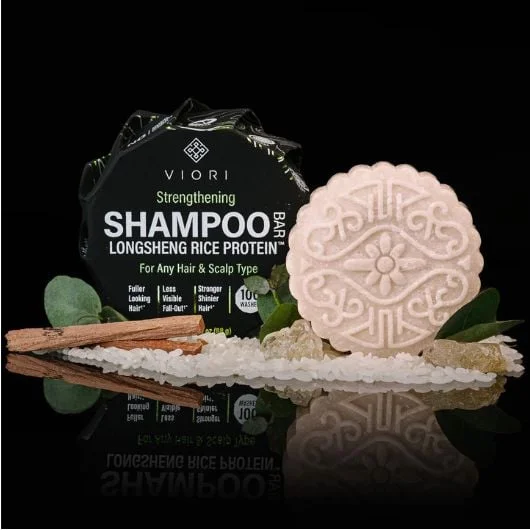
How well does your skin match with Viori Sunrise Mist Dry Shampoo?
Login to see detailsOr continue via
Quick 1-minute survey • Completely free
Ingredients
Analysis results of Ingredients


Ingredient List

Viori Sunrise Mist Dry Shampoo - Ingredient Explanation
Longsheng Rice Powder
Ingredient data is being updated. Please check back later.
Longsheng Rice Water
Ingredient data is being updated. Please check back later.
Sea Clay
1. Definition Sea Clay:
Sea clay, also known as sea mud or marine clay, is a type of clay that is harvested from the seabed. It is rich in minerals and nutrients, making it a popular ingredient in skincare and cosmetic products.2. Use:
Sea clay is commonly used in skincare products such as masks, cleansers, and exfoliants due to its detoxifying and purifying properties. It helps to draw out impurities from the skin, unclog pores, and improve overall skin tone and texture. Sea clay is also known for its ability to absorb excess oil, making it ideal for those with oily or combination skin.3. Usage Sea Clay:
When using products containing sea clay, it is important to follow the instructions provided on the packaging. Sea clay can be drying for some skin types, so it is recommended to use it in moderation and follow up with a hydrating moisturizer. It is also advisable to do a patch test before applying products with sea clay to the entire face to check for any potential allergic reactions.4. References:
- Charman, C. R., & Charman, W. N. (2003). Handbook of Cosmetic Science and Technology. CRC Press.
- Draelos, Z. D. (2010). Cosmetic Dermatology: Products and Procedures. John Wiley & Sons.
- Mammone, T., & Gan, D. (2015). Cosmeceuticals and Active Cosmetics: Drugs vs. Cosmetics. CRC Press.
Cocoa Powder
Ingredient data is being updated. Please check back later.
Review

Didn't find
the information you need?







Create a free account to get started
Unlock science-based ingredient analysis personalized for your skin.
Already have an account? Log in
We protect your privacy. We never send spam.