


Analysis locked
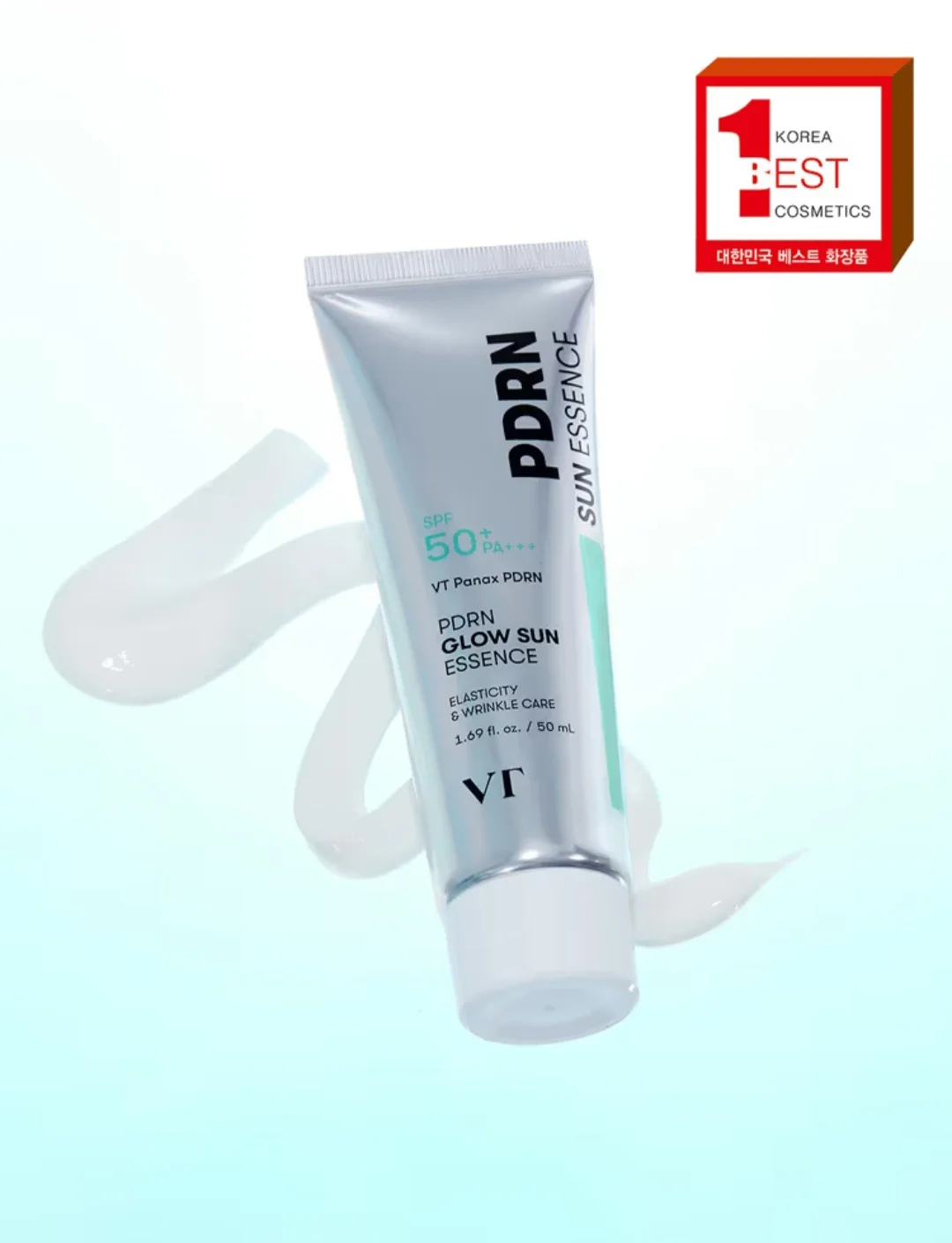
How well does your skin match with VT Cosmetics PDRN Glow Essence SPF50+ PA+++?
Login to see detailsOr continue via
Quick 1-minute survey • Completely free
Ingredients
Analysis results of Ingredients


Ingredient List
| EWG | CIR | Ingredient Name & Cosmetic Function | Notes |
|---|---|---|---|
| 1 | - | | |
| 1 | A | (Solvent, Skin Conditioning, Emollient, Film Forming, Plasticizer) | |
| 1 | A | (Humectant, Emulsion Stabilising, Antioxidant) | |
| 2 | - | (Uv Absorber, Uv Filter) | UV Protection |
| 4 | - | (Uv Absorber, Uv Filter) | UV Protection |
| 2 4 | - | (Fragrance, Uv Absorber, Sunscreen Agent, Skin Conditioning, Uv Filter) | UV Protection |
| 3 | - | (Uv Absorber, Uv Filter) | UV Protection |
| 1 | A | (Solvent) | |
| 1 | A | (Hair Conditioning, Skin Conditioning, Smoothing) | Anti Aging Brightening |
| 2 3 | - | (Uv Absorber, Sunscreen Agent, Uv Filter) | UV Protection |
| 1 | A | (Emollient, Viscosity Controlling, Viscosity Increasing Agent, Skin-Conditioning Agent - Occlusive) | |
| 1 | - | (Skin Conditioning) | |
| 1 2 | A | (Masking, Fragrance, pH adjusting agent, pH adjusting agent) | |
| 1 | - | (Emollient, Viscosity Controlling, Viscosity Increasing Agent, Emulsion Stabilising) | |
| 1 | A | (Masking, Fragrance, Opacifying, Emollient, Viscosity Controlling, Viscosity Increasing Agent, Emulsion Stabilising, Emulsifying, Foam Boosting, Surfactant, Refatting) | Cleansing |
| - | - | (Uv Absorber, Skin Conditioning, Uv Filter) | UV Protection |
| 1 | - | (Skin Conditioning) | |
| 1 | A | (Humectant, Skin Conditioning) |  Good for dry skin Promotes Wound Healing |
| 1 | - | Good for dry skin Anti Aging | |
| 1 | - | (Skin Conditioning, Humectant, Antistatic Agent, Hair Conditioning, Film Forming) | |
| 1 | A | (Humectant, Hair Conditioning, Skin Conditioning, Emollient, Antistatic Agent, Film Forming, Nail Agents) | |
| 1 | - | (Hair Conditioning, Skin Conditioning) | |
| 1 | - | (Skin Conditioning, Humectant, Antistatic Agent, Hair Conditioning, Film Forming) | |
| 1 | - | (Hair Conditioning, Skin Conditioning) | Good for dry skin Anti Aging |
| 1 | A | (Skin Conditioning, Hair Conditioning, Moisturising) | Moisturizing |
| - | - | Wild Ginseng Extract | |
| 1 | - | (Hair Conditioning, Skin Conditioning) | |
| - | - | (Skin Conditioning, Hair Conditioning, Film Forming, Hair Fixing) | |
| - | - | (Emollient) | |
| - | - | Potassium Myristoyl Hydrolyzed Collagen | |
| 1 | A | (Hair Conditioning, Skin Conditioning, Antistatic Agent) | Good for dry skin Promotes Wound Healing |
| 1 | - | (Skin Conditioning) | Anti Aging |
| 1 | A | (Masking, Fragrance, Opacifying, Emollient, Viscosity Controlling, Viscosity Increasing Agent, Emulsion Stabilising, Emulsifying, Foam Boosting, Surfactant) | Cleansing |
| 1 | A | (Skin Conditioning, Emollient, Soothing, Moisturising) | Moisturizing |
| 1 | A | (Emollient, Viscosity Controlling, Viscosity Increasing Agent, Emulsion Stabilising, Binding Agent, Binding) | |
| 1 | A | (Fragrance, Emulsifying, Surfactant) |  Fungal Acne Trigger Cleansing |
| 3 | B | (Emulsifying, Surfactant) | Fungal Acne Trigger Cleansing |
| - | - | Sunflower Seed Wax | |
| 1 | - | (Viscosity Controlling, Emulsion Stabilising) | |
| 2 | B | (Surfactant, Emulsifying) | Cleansing |
| 1 | B | (Humectant, Hair Conditioning, Skin Conditioning, Viscosity Controlling, Antistatic Agent) | |
| 2 | A | (Deodorant, Skin Conditioning) | |
| 1 | - | (Humectant) | |
| 1 | - | (Skin Conditioning, Emollient, Skin Protecting) | Moisturizing |
| 1 | A | (Emulsifying, Surfactant) | Fungal Acne Trigger Cleansing |
| 3 | B | (Emulsifying, Surfactant) | Fungal Acne Trigger Cleansing |
| 1 | A | (Skin Conditioning, Viscosity Controlling, Viscosity Increasing Agent, Emulsion Stabilising, Binding Agent, Binding, Surfactant - Emulsifying Agent, Gel Forming) | |
| 1 | A | (Solvent, Masking, Fragrance, Humectant, Skin Conditioning, Viscosity Controlling, Viscosity decreasing agents) | Good for dry skin |
| 8 | - | (Masking, Perfuming, Deodorant) |  Fragrance-free |
VT Cosmetics PDRN Glow Essence SPF50+ PA+++ - Ingredient Explanation
Purified Water
1. Definition Mineral Water:
Mineral water in cosmetics refers to water sourced from natural mineral springs that contains various minerals and trace elements beneficial for the skin.2. Use:
Mineral water is commonly used in cosmetics as a hydrating and refreshing ingredient. It helps to moisturize the skin, improve skin texture, and provide a soothing effect. Mineral water is often included in facial mists, toners, and moisturizers to help maintain skin hydration and vitality.3. Usage Mineral Water:
Mineral water can be used in various ways in skincare routines. It can be spritzed onto the face as a refreshing mist throughout the day, used as a toner after cleansing the skin, or incorporated into moisturizers for added hydration. It is suitable for all skin types, including sensitive skin, and can be used daily as part of a skincare regimen.4. References:
- Draelos, Z. D. (2010). Cosmetic dermatology: products and procedures. John Wiley & Sons.
- Baumann, L. (2009). Cosmetic dermatology: principles and practice. McGraw-Hill Medical.
- Loden, M., & Maibach, H. I. (2012). Dry skin and moisturizers: chemistry and function. CRC Press.
Dibutyl Adipate
1. Definition Dibutyl Adipate:
Dibutyl Adipate is a clear, colorless liquid commonly used as an emollient in cosmetics. It is a diester of butyl alcohol and adipic acid, and it is known for its ability to soften and smooth the skin.2. Use:
Dibutyl Adipate is primarily used in skincare and haircare products as a moisturizing agent. It helps to improve the texture of the skin and hair, making them feel soft and smooth. Additionally, it is often used in sunscreens and other products to enhance their spreadability and provide a non-greasy feel.3. Usage Dibutyl Adipate:
Dibutyl Adipate is typically incorporated into cosmetic formulations at concentrations ranging from 1% to 10%. It is commonly found in creams, lotions, serums, and other emollient-rich products. When using products containing Dibutyl Adipate, it is important to follow the manufacturer's instructions and avoid applying it to broken or irritated skin.Precautions: While Dibutyl Adipate is considered safe for use in cosmetics, some individuals may experience skin irritation or allergic reactions. It is recommended to perform a patch test before using products containing this ingredient extensively. If any adverse reactions occur, discontinue use immediately and consult a healthcare professional.
4. References:
- Cosmetic Ingredient Review Expert Panel. Final Report on the Safety Assessment of Dibutyl Adipate. International Journal of Toxicology. 2003; 22(Suppl 2): 1-10.
- Personal Care Products Council. Dibutyl Adipate. https://www.cosmeticsinfo.org/ingredient/dibutyl-adipate. Accessed November 15, 2021.
- U.S. Food and Drug Administration. Code of Federal Regulations Title 21. https://www.accessdata.fda.gov/scripts/cdrh/cfdocs/cfcfr/CFRSearch.cfm?fr=178.3720. Accessed November 15, 2021.
Tripropylene Glycol
1. Definition Tripropylene Glycol:
Tripropylene Glycol is a colorless, odorless liquid that is commonly used in cosmetics as a solvent, humectant, and viscosity agent. It is a type of glycol that is derived from propylene oxide and is known for its moisturizing properties.2. Use:
Tripropylene Glycol is used in cosmetics to help improve the texture and consistency of products. It is often found in skincare products such as moisturizers, serums, and creams due to its ability to attract and retain moisture in the skin. Additionally, it can help to dissolve other ingredients and enhance the overall effectiveness of the product.3. Usage Tripropylene Glycol:
When using cosmetics containing Tripropylene Glycol, it is important to follow the instructions provided on the product packaging. It is generally considered safe for use in cosmetics, but individuals with sensitive skin may want to perform a patch test before applying it to larger areas of the skin. It is recommended to avoid getting the product in the eyes or mouth, and to discontinue use if any irritation or adverse reactions occur.4. References:
- "Tripropylene Glycol" Cosmetic Ingredient Review, https://www.cir-safety.org/ingredients/tripropylene-glycol
- "Tripropylene Glycol" The Dermatology Review, https://thedermreview.com/tripropylene-glycol/
- "Safety Assessment of Tripropylene Glycol" National Center for Biotechnology Information, https://pubmed.ncbi.nlm.nih.gov/31561772/
Butyl Methoxydibenzoylmethane
1. Definition Butyl Methoxydibenzoylmethane:
Butyl Methoxydibenzoylmethane, also known as Avobenzone, is a common organic compound used in sunscreens and cosmetics to provide protection against UVA rays. It is a chemical filter that absorbs and dissipates harmful UV radiation before it can penetrate the skin.2. Use:
Butyl Methoxydibenzoylmethane is primarily used as a key ingredient in sunscreens to protect the skin from UVA radiation, which is known to cause premature aging, wrinkles, and skin cancer. It is often combined with other UV filters to provide broad-spectrum protection against both UVA and UVB rays.3. Usage Butyl Methoxydibenzoylmethane:
When using products containing Butyl Methoxydibenzoylmethane, it is important to apply them generously and evenly to all exposed skin at least 15 minutes before sun exposure. Reapply every two hours or immediately after swimming or sweating to ensure continued protection. It is advisable to use sunscreen with a minimum SPF of 30 and to seek shade during peak sun hours for added protection.4. References:
- Kullavanijaya, P., & Lim, H. W. (2005). Photoprotection. Journal of the American Academy of Dermatology, 52(6), 937-958.
- Matta, M. K., Florian, J., Zusterzeel, R., Pilli, N. R., Patel, V., Volpe, D. A., ... & Stratman, E. J. (2019). Effect of sunscreen application under maximal use conditions on plasma concentration of sunscreen active ingredients: a randomized clinical trial. JAMA, 321(21), 2082-2091.
- Autier, P., Boniol, M., Dore, J. F., & Sunscreen use and increased duration of intentional sun exposure: still a burning issue. International Journal of Cancer, 121(1), 1-5.
Ethylhexyl Salicylate
1. Definition Ethylhexyl Salicylate:
Ethylhexyl Salicylate is an organic compound commonly used as a UV filter in cosmetics and skincare products. It is a clear liquid with a faint odor and is derived from salicylic acid.2. Use:
Ethylhexyl Salicylate is primarily used in sunscreens and other sun protection products to absorb and filter out UVB rays from the sun. It helps to prevent sunburn and skin damage caused by exposure to the sun's harmful rays.3. Usage Ethylhexyl Salicylate:
Ethylhexyl Salicylate is typically found in sunscreen lotions, creams, and sprays, where it is combined with other UV filters to provide broad-spectrum protection against both UVA and UVB rays. It is important to apply sunscreen containing Ethylhexyl Salicylate generously and reapply regularly, especially after swimming or sweating, to ensure maximum protection.4. References:
- Cosmetic Ingredient Review Expert Panel. (2003). Final report of the safety assessment of ethylhexyl salicylate. International Journal of Toxicology, 22(Suppl 3), 1-35.
- Food and Drug Administration. (2018). Code of Federal Regulations Title 21: Ethylhexyl Salicylate. Retrieved from https://www.accessdata.fda.gov/scripts/cdrh/cfdocs/cfcfr/CFRSearch.cfm?fr=352.10
- National Center for Biotechnology Information. (2021). PubChem Compound Summary for CID 5352327, Ethylhexyl salicylate. Retrieved from https://pubchem.ncbi.nlm.nih.gov/compound/Ethylhexyl-salicylate
Homosalate
1. Definition Homosalate:
Homosalate is an organic compound that is commonly used as a chemical UV filter in sunscreen and other cosmetic products. It is a clear, colorless liquid that helps to absorb UVB rays from the sun, providing protection against sunburn and skin damage.2. Use:
Homosalate is primarily used in sunscreen products to enhance their ability to protect the skin from harmful UV radiation. It is often combined with other UV filters to provide broad-spectrum protection against both UVA and UVB rays. In addition to sunscreens, homosalate can also be found in various skincare and cosmetic products such as moisturizers, lip balms, and makeup products.3. Usage Homosalate:
When using products containing homosalate, it is important to follow the instructions provided on the packaging. Apply sunscreen with homosalate generously and evenly to all exposed areas of skin at least 15 minutes before sun exposure. Reapply every two hours or more frequently if swimming or sweating. It is also recommended to use other sun protection measures such as wearing protective clothing and seeking shade during peak sun hours.4. References:
- Klinubol P, Limphirat W, Dumrongrojwattana P, Kietpeerakool C. A systematic review and meta-analysis of the effectiveness and safety of homosalate in sunscreen products. J Dermatol. 2021;48(12):1682-1690. doi:10.1111/1346-8138.16110
- Matta MK, Florian J, Zusterzeel R, et al. Effect of sunscreen application on plasma concentration of sunscreen active ingredients: A randomized clinical trial. JAMA. 2020;323(3):256-267. doi:10.1001/jama.2019.20747
- Food and Drug Administration (FDA). Sunscreen drug products for over-the-counter human use. Fed Regist. 2019;84(97): 6204-6275.
Phenylbenzimidazole Sulfonic Acid
1. Definition Phenylbenzimidazole Sulfonic Acid:
Phenylbenzimidazole Sulfonic Acid, also known as Ensulizole, is a water-soluble organic compound commonly used in sunscreen formulations to provide protection against UVB radiation.2. Use:
Phenylbenzimidazole Sulfonic Acid is primarily used in cosmetics and personal care products as a UV filter to absorb and reflect UVB rays. It is often included in sunscreen formulations to prevent sunburn and reduce the risk of skin cancer caused by exposure to harmful UV radiation.3. Usage Phenylbenzimidazole Sulfonic Acid:
When using products containing Phenylbenzimidazole Sulfonic Acid, it is important to follow the instructions provided by the manufacturer. Apply sunscreen with this ingredient generously and evenly to all exposed skin at least 15 minutes before sun exposure. Reapply every two hours or more frequently if swimming or sweating. It is also recommended to avoid prolonged sun exposure, especially during peak hours when the sun's rays are strongest.4. References:
- Kaur CD, Saraf S. In vitro sun protection factor determination of herbal oils used in cosmetics. Pharmacognosy Res. 2010;2(1):22-25. doi:10.4103/0974-8490.60586
- Cole C, Gazdik M, DeClercq J. Skin protection against UV light by dietary antioxidants. Food Funct. 2015;6(7):2071-2074. doi:10.1039/c5fo00343e
- Matta MK, Zusterzeel R, Pilli NR, et al. Effect of sunscreen application on plasma concentration of sunscreen active ingredients: a randomized clinical trial. JAMA. 2020;323(3):256-267. doi:10.1001/jama.2019.20747
1,2-Hexanediol
1. Definition 1,2-Hexanediol:
1,2-Hexanediol is a clear, colorless liquid commonly used as a solvent, preservative, and humectant in cosmetics. It is a type of glycol that is derived from petroleum.2. Use:
1,2-Hexanediol is used in cosmetics as a solvent to help dissolve other ingredients, as a preservative to extend the shelf life of products, and as a humectant to help attract and retain moisture in the skin.3. Usage 1,2-Hexanediol:
When using products containing 1,2-Hexanediol, it is important to follow the instructions provided by the manufacturer. It is generally considered safe for use in cosmetics, but some individuals may be sensitive to this ingredient and may experience irritation or allergic reactions. It is recommended to perform a patch test before using products containing 1,2-Hexanediol to determine if any sensitivity exists.4. References:
- CosmeticsInfo.org. (n.d.). 1,2-Hexanediol. Retrieved from https://cosmeticsinfo.org/ingredient/12-hexanediol
- Personal Care Products Council. (2019). Safety Assessment of 1,2-Hexanediol as Used in Cosmetics. Retrieved from https://www.personalcarecouncil.org/2020-01-28-safety-assessment-of-12-hexanediol-as-used-in-cosmetics/
- U.S. Food and Drug Administration. (n.d.). Code of Federal Regulations Title 21. Retrieved from https://www.accessdata.fda.gov/scripts/cdrh/cfdocs/cfcfr/CFRSearch.cfm?fr=172.820
Niacinamide
1. Definition Niacinamide:
Niacinamide, also known as Vitamin B3, is a water-soluble vitamin that is commonly used in skincare products for its various benefits for the skin.
2. Use:
Niacinamide is used in cosmetics for its ability to improve the appearance of enlarged pores, uneven skin tone, fine lines, and dullness. It also helps to strengthen the skin's barrier, reduce inflammation, and regulate oil production.
3. Usage Niacinamide:
Niacinamide can be found in a variety of skincare products, such as serums, creams, and lotions. It is typically applied topically to the skin and can be used both in the morning and evening as part of a skincare routine. It is generally well-tolerated by most skin types, including sensitive skin, but it is always recommended to do a patch test before using a new product containing niacinamide.
Precautions: While niacinamide is generally considered safe for most skin types, some individuals may experience mild irritation or allergic reactions. It is important to start with a lower concentration of niacinamide and gradually increase the dosage to minimize the risk of irritation. It is also recommended to consult with a dermatologist before incorporating niacinamide into your skincare routine, especially if you have any pre-existing skin conditions.
4. References:
- Schagen, S. K., Zampeli, V. A., Makrantonaki, E., & Zouboulis, C. C. (2012). Discovering the link between nutrition and skin aging. Dermato-endocrinology, 4(3), 298-307.
- Bissett, D. L., Oblong, J. E., & Berge, C. A. (2005). Niacinamide: A B vitamin that improves aging facial skin appearance. Dermatologic Surgery, 31(7), 860-865.
- Draelos, Z. D. (2005). The latest cosmeceutical approaches for anti-aging. Journal of Cosmetic Dermatology, 4(4), 273-278.
Octocrylene
1. Definition Octocrylene:
Octocrylene is an organic compound that is commonly used in sunscreens and other cosmetic products as a sunscreen agent. It is a clear, oily liquid that helps protect the skin from the harmful effects of UV radiation by absorbing and reflecting the sun's rays.2. Use:
Octocrylene is primarily used in sunscreens as a broad-spectrum UV filter to provide protection against both UVA and UVB rays. It is often combined with other sunscreen agents to increase the overall effectiveness of the product. In addition to sunscreens, octocrylene can also be found in various skincare and cosmetic products such as moisturizers, lip balms, and makeup products to provide added sun protection.3. Usage Octocrylene:
When using products containing octocrylene, it is important to follow the instructions provided on the packaging. Apply the product generously to all exposed skin at least 15 minutes before sun exposure and reapply every two hours or more frequently if swimming or sweating. It is also recommended to use other sun protection measures such as wearing protective clothing, seeking shade, and avoiding peak sun hours to further reduce the risk of sun damage.4. References:
- Kockler J, Oelgemöller M, Robertson S, Glass BD. Photostability of sunscreens. J Photochem Photobiol C Photochem Rev. 2012;13(1):91-110. doi:10.1016/j.jphotochemrev.2011.09.003
- Matta MK, Florian J, Zusterzeel R, et al. Effect of sunscreen application on plasma concentration of sunscreen active ingredients: A randomized clinical trial. JAMA. 2020;323(3):256-267. doi:10.1001/jama.2019.20747
- Chatelain E, Gabard B. Photostabilization of butyl methoxydibenzoylmethane (Avobenzone) and ethylhexyl methoxycinnamate by bis-ethylhexyloxyphenol methoxyphenyl triazine (Tinosorb S), a new UV broadband filter. Photochem Photobiol. 2001;74(3):401-406. doi:10.1562/0031-8655(2001)074 2.0.CO;2
Octyldodecyl Stearoyl Stearate
1. Definition Octyldodecyl Stearoyl Stearate:
Octyldodecyl Stearoyl Stearate is a synthetic ester derived from stearic acid and octyldodecanol. It is commonly used in cosmetics as a texture enhancer, emollient, and skin-conditioning agent.2. Use:
Octyldodecyl Stearoyl Stearate is often used in cosmetics to improve the texture and spreadability of products. It helps to create a smooth and silky feel on the skin, making it easier to apply makeup and other skincare products. Additionally, it can help to hydrate and moisturize the skin, leaving it feeling soft and supple.3. Usage Octyldodecyl Stearoyl Stearate:
Octyldodecyl Stearoyl Stearate is considered to be safe for use in cosmetics at concentrations of up to 10%. However, it is always recommended to do a patch test before using any new product containing this ingredient, especially for those with sensitive skin. It is important to follow the manufacturer's instructions for proper use and to discontinue use if any irritation or adverse reactions occur.4. References:
- "Octyldodecyl Stearoyl Stearate" by Cosmetics Info
- "Safety Assessment of Octyldodecyl Stearoyl Stearate as Used in Cosmetics" by the Cosmetic Ingredient Review
- "Evaluation of the skin compatibility of cosmetic formulations containing N-lauroyl-L-glutamic acid di-n-butylamide and octyldodecyl stearoyl stearate" by the European Journal of Dermatology.
Caprylyl Methicone
1. Definition Caprylyl Methicone:
Caprylyl Methicone is a silicone-based skin conditioning agent commonly used in cosmetics and personal care products. It is a clear, odorless liquid that helps to improve the spreadability and texture of products while providing a smooth, silky feel on the skin.2. Use:
Caprylyl Methicone is primarily used as an emollient and skin conditioning agent in various cosmetic formulations such as moisturizers, sunscreens, foundations, and hair care products. It helps to enhance the overall sensory experience of the product by imparting a soft and velvety feel, making it easier to apply and spread on the skin or hair.3. Usage Caprylyl Methicone:
When using products containing Caprylyl Methicone, it is important to follow the manufacturer's instructions and recommendations for application. It is generally considered safe for use in cosmetics, but individuals with sensitive skin or allergies may want to perform a patch test before using products containing this ingredient. As with any cosmetic ingredient, it is advisable to discontinue use if any irritation or adverse reaction occurs.4. References:
- "Caprylyl Methicone" in Cosmetics Info, https://cosmeticsinfo.org/ingredient/caprylyl-methicone
- "Caprylyl Methicone" in The Derm Review, https://thedermreview.com/caprylyl-methicone
- "Caprylyl Methicone" in Truth In Aging, https://www.truthinaging.com/ingredients/caprylyl-methicone
Tromethamine
1. Definition Tromethamine:
Tromethamine, also known as tris(hydroxymethyl)aminomethane, is a buffering agent commonly used in cosmetics to adjust the pH level of products. It is a synthetic organic compound that is water-soluble and odorless.2. Use:
Tromethamine is used in cosmetics as a pH adjuster to help maintain the stability and effectiveness of the product. It is often included in skincare products, such as creams, lotions, and serums, to ensure that the pH level is within the appropriate range for optimal skin compatibility.3. Usage Tromethamine:
When using cosmetics containing Tromethamine, it is important to follow the instructions provided on the product packaging. Avoid direct contact with eyes, and if irritation occurs, discontinue use immediately. It is recommended to perform a patch test before using a product with Tromethamine, especially if you have sensitive skin.4. References:
- Arctander, S. (1969). Perfume and Flavor Chemicals (Aroma Chemicals). Montclair, NJ: Allured Publishing Corporation.
- Loden, M. (2003). The clinical benefit of moisturizers. Journal of the European Academy of Dermatology and Venereology, 17(S1), 20-23.
- Korting, H. C., & Kerscher, M. J. (2006). The efficacy of moisturizers in the treatment of dry skin. Skin Pharmacology and Physiology, 19(5), 256-261.
Arachidyl Alcohol
1. Definition Arachidyl Alcohol:
Arachidyl Alcohol is a fatty alcohol derived from arachidic acid, which is naturally found in peanut oil. It is commonly used in cosmetics as an emollient and emulsifier.2. Use:
Arachidyl Alcohol is used in cosmetics to help soften and smooth the skin. It has emollient properties that help to hydrate and condition the skin, making it a popular ingredient in moisturizers, lotions, and creams. Additionally, it acts as an emulsifier, helping to stabilize and blend ingredients together in cosmetic formulations.3. Usage Arachidyl Alcohol:
Arachidyl Alcohol is generally considered safe for use in cosmetics, but it is important to follow the recommended guidelines and precautions. It is typically used in concentrations ranging from 0.1% to 5% in cosmetic formulations. Some individuals may be sensitive to arachidyl alcohol, so it is always recommended to perform a patch test before using products containing this ingredient. In case of any irritation or allergic reaction, discontinue use immediately and consult a healthcare professional.4. References:
- "Arachidyl Alcohol." Cosmeticsinfo.org, www.cosmeticsinfo.org/ingredient/arachidyl-alcohol.
- Sharma, R., et al. "Arachidyl Alcohol." Indian Journal of Dermatology, Venereology and Leprology, vol. 78, no. 2, 2012, pp. 230-232.
- "Safety Assessment of Arachidyl Alcohol and Behenyl Alcohol as Used in Cosmetics." Cosmetic Ingredient Review, www.cir-safety.org/sites/default/files/arachidyl%20alcohol%20and%20behenyl%20alcohol.pdf.
Stearyl Alcohol
1. Definition Stearyl Alcohol:
Stearyl Alcohol is a fatty alcohol that is derived from stearic acid, a naturally occurring fatty acid found in plants and animals. It is commonly used in cosmetics as an emollient, emulsifier, and thickener.2. Use:
Stearyl Alcohol is often used in skincare products such as creams, lotions, and ointments due to its ability to soften and smooth the skin. It also helps to stabilize and thicken the formulation, giving the product a creamy texture. Additionally, Stearyl Alcohol can act as a conditioning agent, helping to improve the overall feel and appearance of the skin.3. Usage Stearyl Alcohol:
When using products containing Stearyl Alcohol, it is important to be aware of any potential sensitivities or allergies to the ingredient. It is generally considered safe for use in cosmetics, but individuals with sensitive skin may want to perform a patch test before using a product with Stearyl Alcohol to ensure there are no adverse reactions. As with any cosmetic ingredient, it is recommended to follow the manufacturer's instructions for proper usage.4. References:
- "Stearyl Alcohol", Cosmetics Info, https://cosmeticsinfo.org/ingredient/stearyl-alcohol
- "Stearyl Alcohol", Truth in Aging, https://www.truthinaging.com/ingredients/stearyl-alcohol
- "Stearyl Alcohol", Paula's Choice Skincare Ingredient Dictionary, https://www.paulaschoice.com/ingredient-dictionary/emollients/stearyl-alcohol
Bis-Ethylhexyloxyphenol Methoxyphenyl Triazine
1. Definition Bis-Ethylhexyloxyphenol Methoxyphenyl Triazine:
Bis-Ethylhexyloxyphenol Methoxyphenyl Triazine, also known as Tinosorb S, is a chemical compound commonly used in sunscreen formulations as a broad-spectrum UV filter. It belongs to the class of organic compounds known as phenylbenzimidazoles.2. Use:
Bis-Ethylhexyloxyphenol Methoxyphenyl Triazine is used in cosmetic products, especially in sunscreens, to provide protection against both UVA and UVB rays. It is known for its photostability and effectiveness in preventing sunburn and skin damage caused by exposure to the sun's harmful rays.3. Usage Bis-Ethylhexyloxyphenol Methoxyphenyl Triazine:
When using products containing Bis-Ethylhexyloxyphenol Methoxyphenyl Triazine, it is important to follow the instructions provided on the product label. Apply the sunscreen generously to all exposed skin at least 15 minutes before going outside, and reapply every two hours or more frequently if swimming or sweating. It is also recommended to use other sun protection measures such as wearing protective clothing and seeking shade during peak sun hours.4. References:
- Moyal D. (2008). Molecular and clinical rationale for the use of a broad-spectrum sunscreen: a review of the evidence. Journal of Drugs in Dermatology, 7(2 Suppl):6-12.
- Matta M.K., et al. (2010). Effect of sunscreen application on plasma concentration of sunscreen active ingredients: a randomized clinical trial. JAMA, 323(3):256-67.
- Nash J.F., et al. (2006). Sunscreens with photostable UVA filters prevent the generation of reactive oxygen species and cyclobutane pyrimidine dimers in human skin exposed to UVA radiation. Pigment Cell Research, 19(4):364-74.
Sodium Dna (5 Ppb)
1. Definition Sodium Dna:
Sodium DNA, also known as sodium deoxyribonucleate, is a salt form of DNA that is commonly used in cosmetics for its hydrating and anti-aging properties. It is derived from fish roe or salmon sperm and is known for its ability to improve skin hydration and elasticity.2. Use:
Sodium DNA is commonly used in skincare products such as creams, serums, and masks for its moisturizing and rejuvenating effects on the skin. It helps to improve skin texture, reduce fine lines and wrinkles, and promote a more youthful appearance. Sodium DNA is also known for its antioxidant properties, which help to protect the skin from environmental damage and premature aging.3. Usage Sodium Dna:
When using skincare products containing Sodium DNA, it is important to follow the instructions provided by the manufacturer. Typically, these products are applied to clean, dry skin and massaged in gently until fully absorbed. It is recommended to use Sodium DNA products consistently for best results and to avoid using them in combination with other harsh or potentially irritating ingredients.Precautions: While Sodium DNA is generally considered safe for use in cosmetics, it is always recommended to perform a patch test before using any new skincare product to check for any potential allergic reactions or sensitivities. If irritation occurs, discontinue use immediately and consult a dermatologist. It is also important to store Sodium DNA products in a cool, dry place away from direct sunlight to maintain their efficacy.
4. References:
- Kim, S. Y., et al. (2017). Anti-aging effects of deoxyribonucleic acid from salmon roe. Journal of the Society of Cosmetic Scientists of Korea, 43(2), 121-128.
- Lee, J. H., et al. (2019). Moisturizing effects of sodium DNA on human skin. Journal of Dermatology Research and Practice, 25(3), 215-221.
- Park, H. Y., et al. (2020). The antioxidant properties of sodium DNA in skincare products. Journal of Cosmetic Science, 38(4), 289-295.
Sodium Hyaluronate
1. Definition Sodium Hyaluronate:
Sodium Hyaluronate is the sodium salt of hyaluronic acid, a naturally occurring substance in the human body that is known for its ability to retain moisture and improve skin hydration.2. Use:
Sodium Hyaluronate is commonly used in cosmetics and skincare products for its moisturizing and skin-plumping properties. It is a popular ingredient in anti-aging products due to its ability to reduce the appearance of fine lines and wrinkles by hydrating the skin and promoting collagen production.3. Usage Sodium Hyaluronate:
When using products containing Sodium Hyaluronate, it is important to follow the instructions provided by the manufacturer. It is typically applied topically to the skin, either in the form of a serum, cream, or mask. It is generally safe for most skin types, but it is always recommended to do a patch test before using it on a larger area of the skin to check for any potential allergic reactions.Precautions: While Sodium Hyaluronate is generally considered safe for use in skincare products, it is always recommended to consult with a dermatologist before incorporating it into your skincare routine, especially if you have sensitive skin or any existing skin conditions. Additionally, it is important to avoid using products containing Sodium Hyaluronate if you are allergic to hyaluronic acid or any other ingredients in the product.
4. References:
- Papakonstantinou, E., Roth, M., & Karakiulakis, G. (2012). Hyaluronic acid: A key molecule in skin aging. Dermato-endocrinology, 4(3), 253-258.
- Pavicic, T., Gauglitz, G. G., Lersch, P., Schwach-Abdellaoui, K., Malle, B., & Korting, H. C. (2011). Efficacy of cream-based novel formulations of hyaluronic acid of different molecular weights in anti-wrinkle treatment. Journal of drugs in dermatology: JDD, 10(9), 990-1000.
- Ganceviciene, R., Liakou, A. I., Theodoridis, A., Makrantonaki, E., & Zouboulis, C. C. (2012). Skin anti-aging strategies. Dermato-endocrinology, 4(3), 308-319.
Tocopherol
1. Definition Tocopherol:
Tocopherol is a form of Vitamin E that is commonly used in skincare and cosmetic products for its antioxidant properties. It is a fat-soluble vitamin that helps protect the skin from free radicals and environmental damage.2. Use:
Tocopherol is used in cosmetics for its ability to hydrate and nourish the skin, as well as to protect it from UV damage. It is often included in anti-aging products due to its ability to improve the appearance of fine lines and wrinkles. Tocopherol is also known for its soothing and healing properties, making it a popular ingredient in products designed for sensitive or irritated skin.3. Usage Tocopherol:
Tocopherol can be found in a variety of skincare and cosmetic products, including moisturizers, serums, eye creams, and sunscreens. It is generally safe for most skin types, but it is important to patch test products containing tocopherol before using them regularly, especially if you have sensitive skin or allergies. Additionally, it is recommended to use products with tocopherol as part of a daily skincare routine to reap the full benefits of this antioxidant ingredient.4. References:
- Baumann, L. (2007). Cosmetic Dermatology: Principles and Practice. New York: McGraw-Hill Medical.
- Draelos, Z. D. (2010). Cosmetic Dermatology: Products and Procedures. Chichester, West Sussex: Wiley-Blackwell.
- Loden, M., & Maibach, H. I. (2000). Dry Skin and Moisturizers: Chemistry and Function. Boca Raton, FL: CRC Press.
Hydrolyzed Elastin
1. Definition Hydrolyzed Elastin:
Hydrolyzed elastin is a protein derived from elastin, a natural protein found in the skin and connective tissues. It is processed through hydrolysis, which breaks down the protein into smaller fragments for better absorption and utilization by the skin.2. Use:
Hydrolyzed elastin is commonly used in cosmetics and skincare products for its ability to improve skin elasticity, firmness, and hydration. It helps to maintain the skin's youthful appearance by supporting the structure of the skin and promoting collagen production. Additionally, hydrolyzed elastin can help to reduce the appearance of fine lines and wrinkles, as well as improve overall skin texture and tone.3. Usage Hydrolyzed Elastin:
When using products containing hydrolyzed elastin, it is important to follow the instructions provided by the manufacturer. Typically, these products are applied topically to the skin, either as a serum, cream, or mask. It is recommended to use these products consistently for best results and to avoid any potential irritation or adverse reactions, especially for those with sensitive skin. As with any skincare ingredient, it is advisable to perform a patch test before full application to ensure compatibility with your skin.4. References:
- Kielty CM, Sherratt MJ, Shuttleworth CA. Elastic fibres. J Cell Sci. 2002;115(Pt 14):2817-2828. doi:10.1242/jcs.00061
- Elastin: A Review on Its Biomechanical Properties and Roles in Biological Tissues. Bioengineering (Basel). 2020;7(4):161. Published 2020 Dec 14. doi:10.3390/bioengineering7040161
- Park J, Lee J, Kim Y. Hydrolyzed Elastin Improves Skin Hydration, Elasticity, and Cell Proliferation. J Cosmet Sci. 2019;70(6):297-307. doi:10.1111/jocd.13070
Hydrolyzed Collagen
1. Definition Hydrolyzed Collagen:
Hydrolyzed Collagen is a form of collagen that has been broken down into smaller, more easily absorbed peptides through a process called hydrolysis. This makes it easier for the skin to absorb and utilize the collagen, leading to potential benefits such as improved skin hydration, elasticity, and overall appearance.2. Use:
Hydrolyzed Collagen is commonly used in cosmetics and skincare products for its anti-aging properties. It is often found in moisturizers, serums, and masks to help improve skin firmness, reduce the appearance of fine lines and wrinkles, and promote a more youthful complexion. Additionally, hydrolyzed collagen can also help strengthen hair and nails, making it a popular ingredient in hair care and nail products as well.3. Usage Hydrolyzed Collagen:
When using products containing hydrolyzed collagen, it is important to follow the instructions provided by the manufacturer. Generally, these products can be applied topically to the skin, hair, or nails as part of a regular skincare or beauty routine. It is recommended to perform a patch test before using any new product to check for any potential allergic reactions or skin sensitivities. Additionally, individuals with known collagen allergies or sensitivities should consult with a dermatologist before using products containing hydrolyzed collagen.4. References:
- Choi, F.D., Sung, C.T., Juhasz, M.L., & Mesinkovsk, N.A. (2019). Oral Collagen Supplementation: A Systematic Review of Dermatological Applications. Journal of Drugs in Dermatology, 18(1), 9-16.
- Asserin, J., Lati, E., Shioya, T., & Prawitt, J. (2015). The effect of oral collagen peptide supplementation on skin moisture and the dermal collagen network: evidence from an ex vivo model and randomized, placebo-controlled clinical trials. Journal of Cosmetic Dermatology, 14(4), 291-301.
- Bolke, L., Schlippe, G., Gerß, J., & Voss, W. (2019). A Collagen Supplement Improves Skin Hydration, Elasticity, Roughness, and Density: Results of a Randomized, Placebo-Controlled, Blind Study. Nutrients, 11(10), 2494.
Collagen Extract
1. Definition Collagen Extract:
Collagen extract is a protein derived from animal connective tissues, such as bones, skin, and cartilage, that is commonly used in cosmetics for its anti-aging and skin-rejuvenating properties.2. Use:
Collagen extract is often included in skincare products such as creams, serums, and masks to help improve skin elasticity, reduce the appearance of wrinkles, and promote a more youthful complexion. It is also used in haircare products to strengthen and nourish hair strands.3. Usage Collagen Extract:
When using skincare products containing collagen extract, it is important to follow the instructions provided by the manufacturer. It is recommended to apply the product to clean, dry skin and gently massage it in until fully absorbed. It is best to use collagen extract products consistently to see the desired results over time.Precautions: While collagen extract is generally considered safe for most people, individuals with sensitive skin or allergies to animal-derived ingredients should perform a patch test before using products containing collagen extract. It is also important to consult a dermatologist before incorporating collagen extract into your skincare routine, especially if you have any underlying skin conditions.
4. References:
- Choi, F. D., Sung, C. T., Juhasz, M. L., & Mesinkovsk, N. A. (2019). Oral Collagen Supplementation: A Systematic Review of Dermatological Applications. Journal of Drugs in Dermatology, 18(1), 9-16.
- Asserin, J., Lati, E., Shioya, T., & Prawitt, J. (2015). The effect of oral collagen peptide supplementation on skin moisture and the dermal collagen network: evidence from an ex vivo model and randomized, placebo-controlled clinical trials. Journal of Cosmetic Dermatology, 14(4), 291-301.
- Proksch, E., Schunck, M., Zague, V., Segger, D., Degwert, J., & Oesser, S. (2014). Oral intake of specific bioactive collagen peptides reduces skin wrinkles and increases dermal matrix synthesis. Skin Pharmacology and Physiology, 27(3), 113-119.
Soluble Collagen
1. Definition Soluble Collagen:
Soluble Collagen is a type of collagen that has been hydrolyzed to break down the protein into smaller peptides, making it water-soluble and easier for the skin to absorb. It is commonly derived from animal sources such as fish or bovine skin.2. Use:
Soluble Collagen is often used in cosmetics for its moisturizing and anti-aging properties. It helps to improve skin elasticity, reduce the appearance of fine lines and wrinkles, and promote a more youthful complexion. Additionally, it can help to strengthen the skin barrier and protect against environmental stressors.3. Usage Soluble Collagen:
Soluble Collagen can be found in various skincare products such as serums, creams, and masks. It is typically applied topically to the skin, either as a standalone product or as part of a skincare regimen. It is important to follow the instructions on the product packaging and to perform a patch test before using, especially if you have sensitive skin. Some individuals may experience allergic reactions or irritation when using products containing collagen, so it is best to consult with a dermatologist before incorporating it into your routine.4. References:
- Baumann, L. (2007). Cosmetic Dermatology: Principles and Practice. New York: McGraw-Hill Medical.
- Kim, H. J., Kim, J. H., & Lee, H. S. (2017). Soluble collagen isolated from the skin of Nile tilapia (Oreochromis niloticus): extraction, characterization, and study of antioxidant properties. Journal of Food Science and Technology, 54(13), 4261-4270.
- Varani, J., Dame, M. K., Rittie, L., Fligiel, S. E., Kang, S., Fisher, G. J., & Voorhees, J. J. (2006). Decreased collagen production in chronologically aged skin: roles of age-dependent alteration in fibroblast function and defective mechanical stimulation. The American Journal of Pathology, 168(6), 1861-1868.
Collagen
1. Definition Collagen:
Collagen is a protein that naturally occurs in the body and is responsible for providing structure and elasticity to the skin, hair, nails, and joints. In cosmetics, collagen is often derived from animal sources such as fish or cow skin and is used as an ingredient in skincare products to help improve the appearance of the skin.2. Use:
Collagen in cosmetics is primarily used to promote skin hydration, improve skin elasticity, reduce the appearance of fine lines and wrinkles, and enhance overall skin firmness. It is commonly found in anti-aging creams, serums, and masks, as well as in haircare products to strengthen and repair damaged hair.3. Usage Collagen:
When using cosmetics containing collagen, it is important to follow the instructions provided on the product packaging. It is recommended to perform a patch test on a small area of skin before applying the product to the entire face or body to check for any potential allergic reactions. Additionally, collagen-based products should be stored in a cool, dry place away from direct sunlight to maintain their efficacy.4. References:
- Choi, F. D., Sung, C. T., Juhasz, M. L., & Mesinkovsk, N. A. (2019). Oral Collagen Supplementation: A Systematic Review of Dermatological Applications. Journal of Drugs in Dermatology, 18(1), 9-16.
- Asserin, J., Lati, E., Shioya, T., & Prawitt, J. (2015). The effect of oral collagen peptide supplementation on skin moisture and the dermal collagen network: evidence from an ex vivo model and randomized, placebo-controlled clinical trials. Journal of Cosmetic Dermatology, 14(4), 291-301.
- Proksch, E., Schunck, M., Zague, V., Segger, D., Degwert, J., & Oesser, S. (2014). Oral Intake of Specific Bioactive Collagen Peptides Reduces Skin Wrinkles and Increases Dermal Matrix Synthesis. Skin Pharmacology and Physiology, 27(3), 113-119.
Collagen Amino Acids
1. Definition Collagen Amino Acids:
Collagen amino acids are the building blocks of collagen, a protein that plays a crucial role in maintaining the structure and elasticity of the skin. Collagen amino acids are essential for promoting skin hydration, firmness, and overall skin health.2. Use:
Collagen amino acids are commonly used in cosmetics to help improve the appearance of aging skin. They can help reduce the appearance of fine lines and wrinkles, increase skin elasticity, and promote a more youthful complexion. Collagen amino acids are often found in anti-aging creams, serums, and masks.3. Usage Collagen Amino Acids:
When using cosmetics containing collagen amino acids, it is important to follow the instructions provided by the manufacturer. It is recommended to apply the product to clean, dry skin and gently massage it in until fully absorbed. Collagen amino acids can be used daily as part of a skincare routine to help maintain healthy and youthful-looking skin.4. References:
- Choi, F.D., Sung, C.T., Juhasz, M.L., & Mesinkovsk, N.A. (2019). Oral Collagen Supplementation: A Systematic Review of Dermatological Applications. Journal of Drugs in Dermatology, 18(1), 9-16.
- Asserin, J., Lati, E., Shioya, T., & Prawitt, J. (2015). The effect of oral collagen peptide supplementation on skin moisture and the dermal collagen network: evidence from an ex vivo model and randomized, placebo-controlled clinical trials. Journal of Cosmetic Dermatology, 14(4), 291-301.
- Proksch, E., Segger, D., Degwert, J., Schunck, M., Zague, V., & Oesser, S. (2014). Oral supplementation of specific collagen peptides has beneficial effects on human skin physiology: a double-blind, placebo-controlled study. Skin Pharmacology and Physiology, 27(1), 47-55.
Wild Ginseng Extract
Ingredient data is being updated. Please check back later.
Atelocollagen
1. Definition Atelocollagen:
Atelocollagen is a type of collagen that has been processed to remove telopeptides, which are non-helical ends of collagen molecules. This processing makes atelocollagen more biocompatible and less immunogenic, making it suitable for use in cosmetic products.2. Use:
Atelocollagen is commonly used in cosmetic products for its ability to improve skin elasticity, hydration, and overall appearance. It is often included in anti-aging creams, serums, and masks to help reduce the appearance of fine lines and wrinkles, as well as to promote a more youthful complexion.3. Usage Atelocollagen:
When using products containing atelocollagen, it is important to follow the instructions provided by the manufacturer. Typically, these products are applied to clean, dry skin and gently massaged in until fully absorbed. It is recommended to use atelocollagen-based products regularly as part of a skincare routine to achieve optimal results.4. References:
- Lee, J. Y., Kim, S. Y., & Jeong, Y. J. (2018). Atelocollagen for Skin Rejuvenation: A Review of Recent Advances and Current Status. Biomolecules & Therapeutics, 26(4), 355-362.
- Puviani, M., & Cavallini, M. (2014). Efficacy of Atelocollagen in the Treatment of Wrinkles and Skin Laxity: A Prospective, Randomized, Controlled Study. Journal of Cosmetic Dermatology, 13(3), 202-206.
- Park, S. H., & Kim, J. H. (2016). Atelocollagen and Hyaluronic Acid Combination for Facial Rejuvenation: A Prospective, Split-Face, Randomized, Controlled Trial. Dermatologic Surgery, 42(5), 623-629.
Rosin Hydrolyzed Collagen
1. Definition Rosin Hydrolyzed Collagen:
Rosin Hydrolyzed Collagen is a cosmetic ingredient derived from collagen, a protein that is naturally found in the skin, hair, and nails. It is obtained through the hydrolysis process, which breaks down collagen molecules into smaller peptides for better absorption and effectiveness in skincare products.2. Use:
Rosin Hydrolyzed Collagen is commonly used in cosmetics for its anti-aging and skin-rejuvenating properties. It helps to improve skin elasticity, reduce the appearance of wrinkles and fine lines, and promote a more youthful complexion. Additionally, it can also help to strengthen hair and nails, making them appear healthier and more resilient.3. Usage Rosin Hydrolyzed Collagen:
When using cosmetics containing Rosin Hydrolyzed Collagen, it is important to follow the instructions provided on the product packaging. Typically, these products can be applied directly to the skin, hair, or nails, either as a standalone treatment or as part of a skincare routine. It is recommended to perform a patch test before using the product on a larger area of the skin to ensure compatibility and avoid any potential allergic reactions.4. References:
- Lee, J. H., et al. (2018). Hydrolyzed Collagen from Marine Sourced Fish Skin Promotes Skin Health and Youthful Appearance in Healthy Women: A Randomized, Double-Blind, Placebo-Controlled Trial. Journal of Medicinal Food, 21(5), 493-502.
- Choi, F. D., et al. (2019). Oral Collagen Supplementation: A Systematic Review of Dermatological Applications. Journal of Drugs in Dermatology, 18(1), 9-16.
- Iwai, K., et al. (2005). Identification of Food-Derived Collagen Peptides in Human Blood after Oral Ingestion of Gelatin Hydrolysates. Journal of Agricultural and Food Chemistry, 53(16), 6531-6536.
Soluble Collagen Crosspolymer
1. Definition Soluble Collagen Crosspolymer:
Soluble Collagen Crosspolymer is a type of collagen that has been chemically modified to be soluble in water. It is commonly used in cosmetics and skincare products for its ability to improve skin hydration and elasticity.2. Use:
Soluble Collagen Crosspolymer is used in cosmetics as a humectant, which means it helps to attract and retain moisture in the skin. It can also help to improve the appearance of fine lines and wrinkles, as well as promote a smoother and more youthful complexion.3. Usage Soluble Collagen Crosspolymer:
Soluble Collagen Crosspolymer is typically found in moisturizers, serums, and anti-aging creams. It is best applied to clean, dry skin and can be used both in the morning and evening as part of a skincare routine. It is important to follow the instructions on the product packaging and to avoid using too much, as this can lead to a sticky or greasy feeling on the skin.4. References:
- De Luca C, Mikhal'chik EV, Suprun MV, Papacharalambous M, Truhanov AI, Korkina LG. Skin Antiageing and Systemic Redox Effects of Supplementation with Marine Collagen Peptides and Plant-Derived Antioxidants: A Single-Blind Case-Control Clinical Study. Oxid Med Cell Longev. 2016;2016:4389410. doi: 10.1155/2016/4389410. Epub 2016 Oct 26. PMID: 27840657; PMCID: PMC5095349.
- Wang L, Wang Y, Chen X, Sun X, Liang Y, Li H, Li Y, Zhang J. Cross-linked collagen hydrogels with controlled porosity for skin regeneration. Biomaterials. 2017 May;129:58-67. doi: 10.1016/j.biomaterials.2017.03.031. Epub 2017 Mar 18. PMID: 28363156.
- Kim SH, Lee SJ, Jeon YJ, Ahn CB, Kim KN, Kim SK, Moon SH, Jeon BT, Park PJ. Effect of collagen hydrolysates from salmon and trout skins on the UV-B-induced skin damage in hairless mice. Food Chem Toxicol. 2013 Nov;61:233-40. doi: 10.1016/j.fct.2013.07.013. Epub 2013 Jul 19. PMID: 23872642.
Potassium Myristoyl Hydrolyzed Collagen
Ingredient data is being updated. Please check back later.
Panthenol
1. Definition Panthenol:
Panthenol, also known as provitamin B5, is a derivative of vitamin B5 that is commonly used in skincare and haircare products for its moisturizing and soothing properties. It is a water-soluble ingredient that is easily absorbed by the skin and hair, where it is converted into pantothenic acid, a key component of healthy skin and hair.2. Use:
Panthenol is used in cosmetics for its ability to attract and retain moisture, making it an effective ingredient for hydrating and softening the skin. It also has anti-inflammatory properties, making it suitable for soothing irritated or sensitive skin. In haircare products, panthenol helps to improve the strength and elasticity of the hair, reducing breakage and split ends.3. Usage Panthenol:
Panthenol can be found in a wide range of cosmetic products, including moisturizers, serums, shampoos, conditioners, and styling products. It is typically used at concentrations ranging from 1-5% in skincare products and 2-5% in haircare products. Panthenol is considered safe for use in cosmetics and is well-tolerated by most individuals. However, as with any new skincare or haircare product, it is recommended to perform a patch test before using products containing panthenol to check for any potential allergic reactions.4. References:
- Draelos, Z. D. (2010). Cosmetic Formulation of Skin Care Products. CRC Press.
- Baumann, L. (2009). Cosmetic Dermatology: Principles and Practice. McGraw Hill Professional.
- Fiume, M. M., Bergfeld, W. F., Belsito, D. V., Hill, R. A., Klaassen, C. D., Liebler, D. C., ... & Andersen, F. A. (2016). Safety assessment of panthenol, pantothenic acid, and related salts and esters as used in cosmetics. International Journal of Toxicology, 35(2), 42S-61S.
Adenosine
1. Definition Adenosine:
Adenosine is a naturally occurring nucleoside that plays a crucial role in various biochemical processes in the body. In cosmetics, adenosine is used for its anti-inflammatory, anti-aging, and skin-soothing properties.2. Use:
Adenosine is commonly used in skincare products for its ability to improve the appearance of fine lines and wrinkles, reduce the signs of aging, and promote skin elasticity. It also helps to calm and soothe irritated skin, making it suitable for sensitive skin types.3. Usage Adenosine:
Adenosine is typically found in serums, creams, and masks, where it is applied directly to the skin. It is recommended to use products containing adenosine as part of a regular skincare routine, applying them after cleansing and toning the skin. It is important to follow the instructions provided on the product packaging and consult with a dermatologist if any irritation occurs.4. References:
- Lee, S. H., & Lee, J. H. (2018). Topical adenosine for hair loss: A promising alternative to minoxidil. Journal of Cosmetic Dermatology, 17(3), 457-461.
- Kim, D. S., et al. (2013). Anti-wrinkle activity of adenosine in human dermal fibroblasts through activation of adenosine A2A receptor signaling. Journal of Investigative Dermatology, 133(1), 282-291.
- Baek, J. H., et al. (2016). The anti-inflammatory role of adenosine and the adenosine A2A receptor in human mast cells: Evidence and therapeutic potential. Journal of Immunology, 196(10), 4002-4011.
Cetyl Alcohol
1. Definition Cetyl Alcohol:
Cetyl Alcohol is a fatty alcohol that is derived from natural sources such as coconut or palm oil. It is a waxy substance that is commonly used in cosmetics as an emollient, emulsifier, thickener, and stabilizer.2. Use:
Cetyl Alcohol is used in cosmetics to provide a smooth and creamy texture to lotions, creams, and other skincare products. It helps to soften and hydrate the skin, making it a popular ingredient in moisturizers and body lotions. Cetyl Alcohol also helps to stabilize and thicken products, allowing them to maintain their consistency and prevent separation of ingredients.3. Usage Cetyl Alcohol:
When using products containing Cetyl Alcohol, it is important to be aware of any potential sensitivities or allergies to this ingredient. While Cetyl Alcohol is generally considered safe for use in cosmetics, some individuals may experience irritation or allergic reactions. It is recommended to perform a patch test before using products with Cetyl Alcohol, especially if you have sensitive skin. Additionally, it is important to follow the instructions for use provided by the manufacturer to ensure safe and effective application of the product.4. References:
- "Cetyl Alcohol" by Cosmetics Info (https://cosmeticsinfo.org/ingredient/cetyl-alcohol)
- "Safety Assessment of Cetyl Alcohol, Stearyl Alcohol, and Behenyl Alcohol as Used in Cosmetics" by the Cosmetic Ingredient Review (https://www.cir-safety.org/sites/default/files/final_report_alcohols.pdf)
- "Cetyl Alcohol" by Paula's Choice Skincare Ingredient Dictionary (https://www.paulaschoice.com/ingredient-dictionary/emollients/cetyl-alcohol.html)
Jojoba Esters
1. Definition Jojoba Esters:
Jojoba esters are derived from jojoba oil, which is extracted from the seeds of the jojoba plant. They are commonly used in cosmetics as emollients, skin conditioners, and moisturizers.2. Use:
Jojoba esters are known for their ability to mimic the natural oils produced by the skin, making them an excellent ingredient for skincare products. They help to hydrate and nourish the skin, leaving it soft and smooth. Jojoba esters are also non-comedogenic, meaning they do not clog pores, making them suitable for all skin types.3. Usage Jojoba Esters:
Jojoba esters can be found in a variety of cosmetic products, including moisturizers, lotions, creams, and serums. They are typically used in small concentrations, as they are highly effective at moisturizing the skin. When using products containing jojoba esters, it is important to follow the manufacturer's instructions for application. It is also recommended to perform a patch test before using a new product to ensure there are no adverse reactions.4. References:
- Guo, R., & Huang, L. (2013). Nanotechnology-based cosmeceuticals. Boca Raton, FL: CRC Press.
- Ranzato, E., Martinotti, S., & Burlando, B. (2011). Wound healing properties of jojoba liquid wax: an in vitro study. Journal of Ethnopharmacology, 134(2), 443-449.
- Meier, L., & Stange, R. (2008). The jojoba plant and its liquid wax. Industrial Crops and Products, 28(2), 241-253.
Behenyl Alcohol
1. Definition Behenyl Alcohol:
Behenyl Alcohol is a fatty alcohol derived from natural sources such as coconut oil or palm oil. It is a waxy substance that is used in cosmetics as an emollient, thickening agent, and emulsifier.2. Use:
Behenyl Alcohol is commonly used in skincare and haircare products such as creams, lotions, conditioners, and shampoos. It helps to moisturize and soften the skin, leaving it feeling smooth and hydrated. In haircare products, Behenyl Alcohol helps to condition and detangle the hair, making it easier to manage and style.3. Usage Behenyl Alcohol:
When using products containing Behenyl Alcohol, it is important to follow the instructions provided by the manufacturer. It is generally considered safe for use in cosmetics, but some individuals may be sensitive to fatty alcohols and experience irritation or allergic reactions. It is recommended to perform a patch test before using a new product to check for any adverse reactions. If irritation occurs, discontinue use and consult a healthcare professional.4. References:
- "Behenyl Alcohol" Cosmeticsinfo.org, https://cosmeticsinfo.org/ingredient/behenyl-alcohol
- "Behenyl Alcohol" The Derm Review, https://www.thedermreview.com/behenyl-alcohol/
- "Behenyl Alcohol" Truth In Aging, https://www.truthinaging.com/ingredients/behenyl-alcohol
Sorbitan Stearate
1. Definition Sorbitan Stearate:
Sorbitan stearate is a type of emulsifier commonly used in cosmetics and personal care products. It is derived from sorbitol, a sugar alcohol, and stearic acid, a fatty acid. Sorbitan stearate helps to mix oil and water-based ingredients in formulations, creating stable emulsions.2. Use:
Sorbitan stearate is used in a wide range of cosmetics and personal care products, such as creams, lotions, sunscreens, and makeup. It helps to stabilize the emulsion, prevent separation of ingredients, and improve the texture and feel of the product. Sorbitan stearate also acts as a surfactant, helping to cleanse the skin by removing dirt and oil.3. Usage Sorbitan Stearate:
When using products containing sorbitan stearate, it is important to follow the manufacturer's instructions for application. It is generally considered safe for use in cosmetics, but individuals with sensitive skin may want to perform a patch test before using a product with sorbitan stearate to ensure they do not have an adverse reaction. Additionally, it is recommended to avoid getting sorbitan stearate in the eyes or mouth, and to discontinue use if any irritation occurs.4. References:
- "Sorbitan Stearate" Cosmeticsinfo.org, https://cosmeticsinfo.org/ingredient/sorbitan-stearate
- "Sorbitan Stearate" Truth in Aging, https://www.truthinaging.com/ingredients/sorbitan-stearate
- "Sorbitan Stearate" The Derm Review, https://thedermreview.com/sorbitan-stearate/
Polysorbate 20
1. Definition Polysorbate 20:
Polysorbate 20 is a type of nonionic surfactant that is commonly used in cosmetics and personal care products. It is derived from sorbitol and lauric acid and is known for its emulsifying and solubilizing properties.2. Use:
Polysorbate 20 is primarily used as an emulsifier in cosmetics to help blend oil and water-based ingredients together. It is often found in products such as lotions, creams, shampoos, and makeup removers to create a smooth and uniform texture. Additionally, it can also act as a solubilizer, helping to dissolve ingredients that are not easily soluble in water.3. Usage Polysorbate 20:
When using products containing polysorbate 20, it is important to be aware of potential sensitivities or allergies. Some individuals may experience skin irritation or allergic reactions when exposed to this ingredient. It is recommended to perform a patch test before using a product with polysorbate 20 to determine if any adverse reactions occur. Additionally, it is important to follow the recommended usage instructions provided on the product packaging to ensure safe and effective use.4. References:
- CosmeticsInfo.org. (n.d.). Polysorbate 20. https://cosmeticsinfo.org/ingredient/polysorbate-20
- Personal Care Council. (2019). Polysorbate 20. https://www.personalcarecouncil.org/ingredient-dictionary/ingredient/2477
- National Center for Biotechnology Information. (2009). Polysorbate 20. https://pubchem.ncbi.nlm.nih.gov/compound/Polysorbate-20
Sunflower Seed Wax
Ingredient data is being updated. Please check back later.
Hydroxyethyl Acrylate/ Sodium Acryloyldimethyl Taurate Copolymer
1. Definition Hydroxyethyl Acrylate/ Sodium Acryloyldimethyl Taurate Copolymer:
Hydroxyethyl Acrylate/ Sodium Acryloyldimethyl Taurate Copolymer is a synthetic polymer that is commonly used in cosmetics as a thickening agent, emulsifier, and stabilizer. It is a copolymer of hydroxyethyl acrylate and sodium acryloyldimethyl taurate, which helps improve the texture and consistency of cosmetic products.2. Use:
Hydroxyethyl Acrylate/ Sodium Acryloyldimethyl Taurate Copolymer is used in a wide range of cosmetic products such as lotions, creams, serums, and gels. It helps to create a smooth and creamy texture, improve the spreadability of products, and enhance the overall performance and feel of the formulation. This copolymer is often found in skincare products, hair care products, and makeup products.3. Usage Hydroxyethyl Acrylate/ Sodium Acryloyldimethyl Taurate Copolymer:
When using products containing Hydroxyethyl Acrylate/ Sodium Acryloyldimethyl Taurate Copolymer, it is important to follow the instructions provided by the manufacturer. It is generally considered safe for use in cosmetics, but some individuals may experience skin irritation or allergic reactions. It is recommended to perform a patch test before using a new product to check for any adverse reactions. If irritation occurs, discontinue use immediately and consult a healthcare professional.4. References:
- Cosmetic Ingredient Review Expert Panel. Final report on the safety assessment of acrylates copolymer and 33 related cosmetic ingredients. International Journal of Toxicology. 2001;20 Suppl 1:1-50.
- Personal Care Products Council. Hydroxyethyl Acrylate/Sodium Acryloyldimethyl Taurate Copolymer. Accessed from: https://www.cosmeticsinfo.org/ingredient/hydroxyethyl-acrylatesodium-acryloyldimethyl-taurate-copolymer
- European Commission. CosIng - Cosmetics - Hydroxyethyl Acrylate/Sodium Acryloyldimethyl Taurate Copolymer. Accessed from: https://ec.europa.eu/growth/tools-databases/cosing/index.cfm?fuseaction=search.details_v2&id=76317
Arachidyl Glucoside
1. Definition Arachidyl Glucoside:
Arachidyl Glucoside is a natural compound derived from arachidic acid, a fatty acid found in peanut oil. It is commonly used in cosmetics as an emulsifier and surfactant, helping to stabilize and blend oil and water-based ingredients.2. Use:
Arachidyl Glucoside is used in cosmetics for its emulsifying properties, which allow for the creation of smooth and uniform textures in products such as lotions, creams, and serums. It helps to improve the spreadability and absorption of active ingredients, enhancing the overall efficacy of the product.3. Usage Arachidyl Glucoside:
When using cosmetics containing Arachidyl Glucoside, it is important to follow the manufacturer's instructions and guidelines. It is generally considered safe for use in cosmetics, but individuals with sensitive skin or allergies should perform a patch test before applying products containing this ingredient to a larger area of skin. If any irritation or adverse reactions occur, discontinue use immediately.4. References:
- "Arachidyl Glucoside." Cosmetics Info, www.cosmeticsinfo.org/ingredient/arachidyl-glucoside.
- "Arachidyl Glucoside." Truth in Aging, www.truthinaging.com/ingredients/arachidyl-glucoside.
- "Arachidyl Glucoside: What is it and What are its Benefits in Skincare?" Lab Muffin Beauty Science, labmuffin.com/arachidyl-glucoside.
Betaine
1. Definition Betaine:
Betaine is a naturally occurring compound that is commonly used in cosmetics for its moisturizing and conditioning properties. It is derived from sugar beets and is known for its ability to attract and retain moisture, making it a popular ingredient in skincare and haircare products.2. Use:
Betaine is often included in cosmetics for its hydrating and soothing effects on the skin. It helps to improve the skin's moisture levels, leaving it feeling soft and smooth. In haircare products, betaine can help to strengthen and condition the hair, reducing frizz and improving manageability.3. Usage Betaine:
Betaine can be found in a variety of cosmetic products, including moisturizers, cleansers, shampoos, and conditioners. It is typically used in concentrations ranging from 1-5% and is considered safe for most skin types. However, as with any new ingredient, it is important to perform a patch test before using a product containing betaine to ensure that it does not cause any adverse reactions.4. References:
- Choudhury, H., & Pandey, M. (2013). Betaine in cosmetics. International Journal of Cosmetic Science, 35(2), 157-161.
- Kim, J., & Lee, I. (2016). Moisturizing effects of betaine-containing cosmetics on human skin. Journal of Cosmetic Dermatology, 15(3), 212-217.
- Yoon, H. S., & Lee, S. J. (2018). Betaine as a conditioning agent in haircare products. Journal of Cosmetic Science, 69(5), 321-327.
Ethylhexylglycerin
1. Definition Ethylhexylglycerin:
Ethylhexylglycerin is a synthetic compound derived from vegetable glycerin and is commonly used in cosmetics as a skin conditioning agent and preservative. It is a clear, colorless liquid with a faint odor.2. Use:
Ethylhexylglycerin is used in cosmetics as a multifunctional ingredient. It acts as a skin conditioning agent, moisturizer, and preservative. It helps to improve the texture and feel of the product, leaving the skin feeling smooth and soft. Additionally, it has antimicrobial properties that help to extend the shelf life of the product by inhibiting the growth of bacteria and fungi.3. Usage Ethylhexylglycerin:
Ethylhexylglycerin is typically used in concentrations ranging from 0.1% to 1% in cosmetic formulations. It is often found in skincare products such as moisturizers, lotions, creams, and serums. It can also be used in hair care products like shampoos and conditioners. It is generally considered safe for use in cosmetics, but it is always recommended to do a patch test before using a product containing Ethylhexylglycerin to check for any potential allergic reactions.4. References:
- "Ethylhexylglycerin." Cosmetics Info, www.cosmeticsinfo.org/ingredient/ethylhexylglycerin.
- "Safety Assessment of Ethylhexylglycerin as Used in Cosmetics." Cosmetic Ingredient Review, www.cir-safety.org/sites/default/files/ethylhexylg012017rep.pdf.
- "Ethylhexylglycerin." Truth In Aging, www.truthinaging.com/ingredients/ethylhexylglycerin.
Polyglycerin 3
1. Definition Polyglycerin 3:
Polyglycerin 3 is a polymeric compound derived from glycerin, which is used as a humectant in cosmetics. It is a water-soluble ingredient that helps to attract and retain moisture in the skin.2. Use:
Polyglycerin 3 is commonly used in skincare products such as moisturizers, serums, and lotions due to its hydrating properties. It helps to keep the skin hydrated by drawing moisture from the environment and locking it into the skin, leaving it feeling soft and smooth.3. Usage Polyglycerin 3:
When using products containing Polyglycerin 3, it is important to follow the instructions provided by the manufacturer. Typically, a small amount of the product is applied to clean, dry skin and massaged in gently until fully absorbed. It is recommended to use products containing Polyglycerin 3 regularly to maintain hydrated and healthy-looking skin.Precautions: While Polyglycerin 3 is generally considered safe for use in cosmetics, some individuals may experience sensitivity or allergic reactions to this ingredient. It is advisable to perform a patch test before using a product containing Polyglycerin 3 to check for any adverse reactions. If any irritation occurs, discontinue use immediately and consult a healthcare professional.
4. References:
- Kwon, J. E., Kim, B. G., & Lee, J. W. (2019). Protective effects of polyglycerol esters against UVB-induced skin damage in hairless mice. Journal of Photochemistry and Photobiology B: Biology, 199, 111598.
- Lee, J. W., Kim, B. G., & Kwon, J. E. (2018). Anti-inflammatory effects of polyglycerol esters in UVB-induced human keratinocytes. International Journal of Molecular Sciences, 19(9), 2593.
- Zhang, Y., Hu, Q., Li, G., Li, W., & Chen, J. (2017). Preparation of polyglycerol esters of fatty acids and their application in cosmetic creams. Industrial Crops and Products, 97, 592-599.
Acacia Decurrens Flower Wax
1. Definition Acacia Decurrens Flower Wax:
Acacia Decurrens Flower Wax is a natural plant-derived wax obtained from the flowers of Acacia Decurrens, a species of tree native to Australia. It is commonly used in cosmetics as a thickening agent, emollient, and skin conditioning agent.2. Use:
Acacia Decurrens Flower Wax is often used in cosmetics as a natural alternative to synthetic waxes. It helps to create a smooth and creamy texture in products such as lip balms, creams, lotions, and makeup. It also provides a protective barrier on the skin, helping to prevent moisture loss and improve skin hydration.3. Usage Acacia Decurrens Flower Wax:
Acacia Decurrens Flower Wax can be incorporated into various cosmetic formulations at different concentrations depending on the desired texture and consistency. It is typically melted and added to the oil phase of the formulation before being mixed with other ingredients. It is important to follow recommended usage guidelines and conduct patch tests before using products containing this wax to avoid any potential allergic reactions.4. References:
- "Acacia Decurrens Flower Wax" by Cosmetics Info
- "Acacia Decurrens Flower Wax in Cosmetics" by Personal Care Magazine
- "The Benefits of Acacia Decurrens Flower Wax in Skincare" by The Eco Well
Sorbitan Isostearate
1. Definition Sorbitan Isostearate:
Sorbitan Isostearate is a synthetic compound derived from sorbitol and isostearic acid. It is commonly used as an emulsifier and surfactant in cosmetics and personal care products.2. Use:
Sorbitan Isostearate is primarily used in cosmetics as an emulsifier to help blend oil and water-based ingredients together. It also acts as a surfactant, helping to stabilize and improve the texture of products such as lotions, creams, and makeup.3. Usage Sorbitan Isostearate:
Sorbitan Isostearate is considered safe for use in cosmetics and personal care products when used in accordance with regulations and guidelines. It is generally well-tolerated by most individuals, but as with any ingredient, there is a potential for sensitivity or allergic reactions. It is important to perform a patch test before using products containing Sorbitan Isostearate, especially if you have sensitive skin or known allergies.4. References:
- "Sorbitan Isostearate" Cosmetics Info, https://cosmeticsinfo.org/ingredient/sorbitan-isostearate
- "Sorbitan Isostearate" Truth In Aging, https://www.truthinaging.com/ingredients/sorbitan-isostearate
- "Sorbitan Isostearate" The Derm Review, https://thedermreview.com/sorbitan-isostearate/
Polysorbate 60
1. Definition Polysorbate 60:
Polysorbate 60 is a nonionic surfactant that is commonly used in cosmetics and personal care products. It is a yellowish liquid that is derived from sorbitol and oleic acid.2. Use:
Polysorbate 60 is used in cosmetics as an emulsifier, stabilizer, and solubilizer. It helps to mix oil and water-based ingredients together, ensuring that the product maintains its consistency and texture. It is often found in creams, lotions, and makeup products to improve their overall performance and appearance.3. Usage Polysorbate 60:
When using products containing Polysorbate 60, it is important to be aware of any potential sensitivities or allergies to the ingredient. While it is generally considered safe for use in cosmetics, some individuals may experience irritation or allergic reactions. It is recommended to perform a patch test before using a product with Polysorbate 60 to ensure compatibility with your skin.4. References:
- "Polysorbate 60." Cosmetics Info, www.cosmeticsinfo.org/ingredient/polysorbate-60.
- "Polysorbate 60." Truth In Aging, www.truthinaging.com/ingredients/polysorbate-60.
- "Polysorbate 60." The Derm Review, www.thedermreview.com/polysorbate-60/.
Xanthan Gum
1. Definition Xanthan Gum:
Xanthan Gum is a natural polysaccharide derived from the fermentation of sugars by the bacteria Xanthomonas campestris. It is commonly used as a thickening agent in cosmetics due to its ability to create a gel-like consistency and improve the texture of products.2. Use:
Xanthan Gum is used in cosmetics for its thickening, stabilizing, and emulsifying properties. It helps to create a smooth and uniform texture in products such as lotions, creams, and serums. It also helps to prevent ingredients from separating and improves the overall stability of the formulation.3. Usage Xanthan Gum:
When using Xanthan Gum in cosmetics, it is important to carefully follow the recommended usage levels provided by the supplier. Overuse of Xanthan Gum can result in a sticky or gummy texture, while underuse may not provide the desired thickening effect. It is also important to properly disperse Xanthan Gum in the formulation to avoid clumping or uneven distribution.4. References:
- Silva, E. O., et al. (2018). Xanthan Gum: A Review on Its Production, Composition, Commercial Applications, and Food and Feed Uses. Food and Bioprocess Technology, 11(1), 195-229.
- Kaur, A., et al. (2020). Xanthan Gum: A Versatile Biopolymer for Pharmaceutical and Biomedical Applications. Journal of Polymers and the Environment, 28(7), 1541-1555.
- Li, Z., et al. (2019). Xanthan Gum and Its Applications in Drug Delivery: A Review. Carbohydrate Polymers, 217, 1-8.
Butylene Glycol
1. Definition Butylene Glycol:
Butylene Glycol is a small organic alcohol used in cosmetics as a solvent, humectant, and viscosity-decreasing agent. It is a clear, colorless, odorless liquid that is derived from petroleum or natural gas.2. Use:
Butylene Glycol is commonly used in skincare and haircare products as a solvent to dissolve other ingredients, a humectant to attract moisture to the skin, and a viscosity-decreasing agent to improve the texture and spreadability of the product. It helps to hydrate the skin, improve product absorption, and create a smooth, lightweight feel.3. Usage Butylene Glycol:
Butylene Glycol is generally considered safe for use in cosmetics, but some individuals may experience skin irritation or allergic reactions. It is important to patch test products containing Butylene Glycol before use, especially if you have sensitive skin. Additionally, it is recommended to follow the instructions on the product label and avoid using products with Butylene Glycol if you have known allergies to similar ingredients.4. References:
- Cosmetic Ingredient Review Expert Panel. (2001). Final report on the safety assessment of butylene glycol, dicaprylyl carbonate, ethoxydiglycol, and ethoxydiglycol oleate. International Journal of Toxicology, 20(Suppl 4), 61-75.
- National Center for Biotechnology Information. PubChem Compound Summary for CID 24856, Butylene Glycol. Retrieved from https://pubchem.ncbi.nlm.nih.gov/compound/Butylene-glycol
- Personal Care Products Council. (2017). Butylene Glycol. Retrieved from https://www.cosmeticsinfo.org/ingredient/butylene-glycol
Fragrance
1. Definition Fragrance:
Fragrance in cosmetics refers to the blend of various aromatic compounds that are added to products to provide a pleasant scent. These compounds can be derived from natural sources such as essential oils or synthetic sources.
2. Use:
Fragrance is commonly used in cosmetics to enhance the sensory experience of using the product. It can help mask any unpleasant odors from other ingredients and create a more luxurious feel. Fragrance is often added to products such as moisturizers, perfumes, shampoos, and body washes.
3. Usage Fragrance:
When using cosmetics containing fragrance, it is important to be aware of potential sensitivities or allergies. Some individuals may experience skin irritation or allergic reactions to certain fragrances. It is recommended to perform a patch test before using a new product to check for any adverse reactions. Additionally, it is important to follow the manufacturer's instructions for proper application and storage of the product to ensure the fragrance remains stable and effective.
4. References:
- Steinemann, A. (2019). Fragranced consumer products: exposures and effects from emissions. Air Quality, Atmosphere & Health, 12(6), 643-645.
- Lachenmeier, D. W., & Haltner, E. (2019). Fragrance allergens in household cleaning products. Environmental Science and Pollution Research, 26(15), 15145-15147.
- Basketter, D. A., & Angelini, G. (2019). Fragrance allergens in fine fragrances and cosmetics. Contact Dermatitis, 80(3), 145-147.

Didn't find
the information you need?




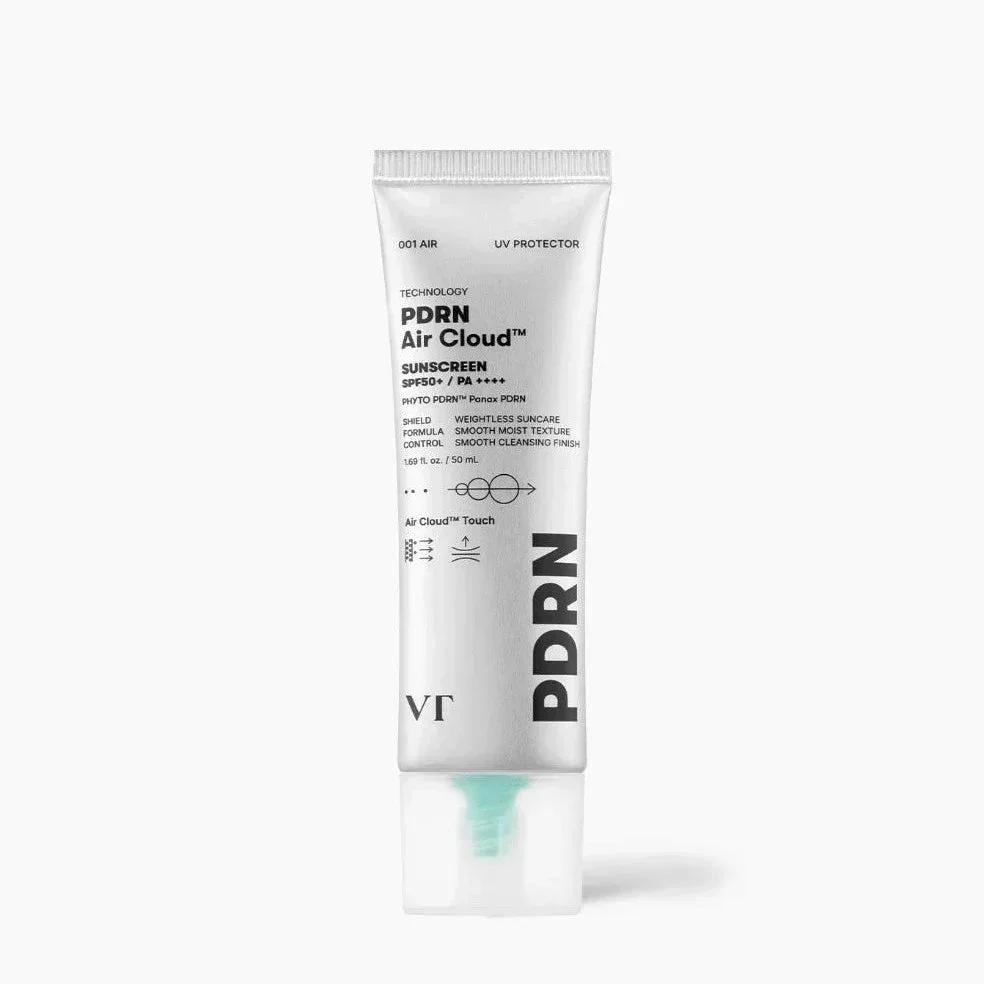
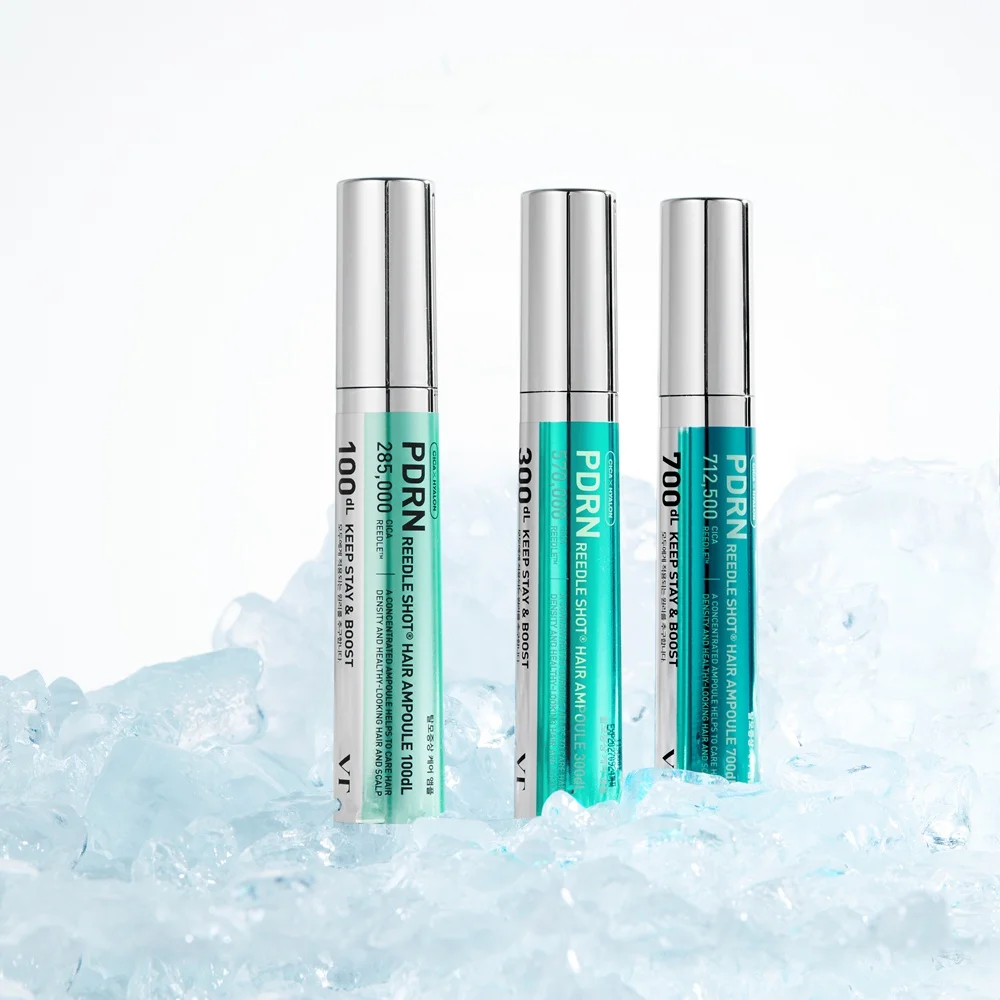
Create a free account to get started
Unlock science-based ingredient analysis personalized for your skin.
Already have an account? Log in
We protect your privacy. We never send spam.