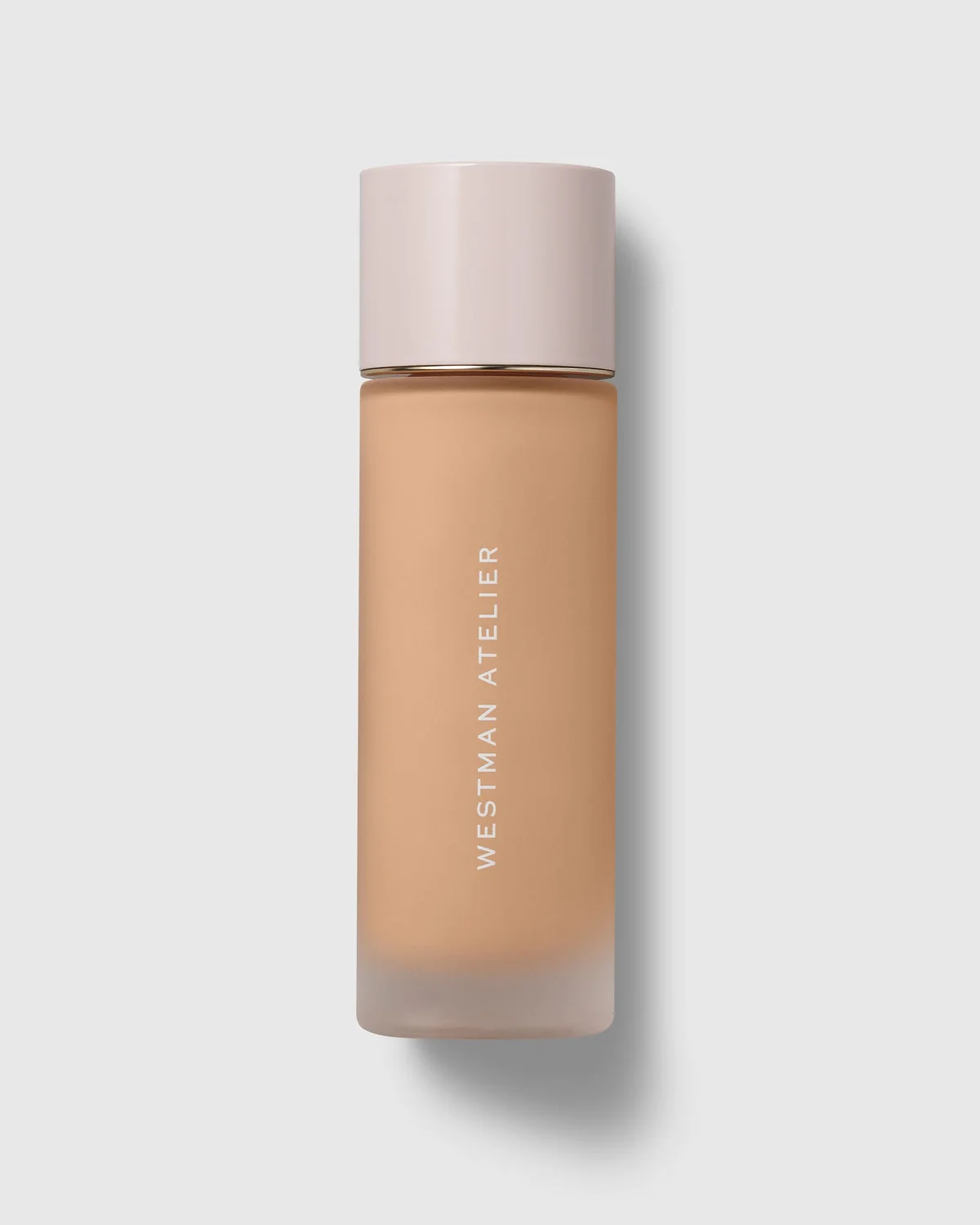
Westman Atelier Liquid Super Loaded Illuminator - Ingredient Explanation
Other Names: Perhydrosqualene; Pripure 3759
Function: Hair Conditioning, Skin Conditioning, Emollient, Refatting
1. Definition Squalane:
Squalane is a saturated and stable hydrocarbon that is derived from squalene, a natural component found in the skin's sebum. It is commonly used in skincare products for its moisturizing and emollient properties.
2. Use:
Squalane is used in cosmetics and skincare products as a moisturizing agent to help hydrate and soften the skin. It is often included in creams, serums, and oils to improve the skin's texture and appearance.
3. Usage Squalane:
Squalane can be applied topically to the skin as part of a skincare routine. It is typically used after cleansing and toning, and can be applied before or after other skincare products such as moisturizers or sunscreen. Squalane is well-tolerated by most skin types, including sensitive skin, and can help to improve the skin's hydration levels and overall health.
Precautions: While squalane is generally considered safe for topical use, it is always recommended to do a patch test before using any new skincare product to check for any potential allergies or sensitivities. Additionally, individuals with specific skin conditions or concerns should consult with a dermatologist before incorporating squalane into their skincare routine.
4. References:
- Baumann, L. (2005). Cosmetic Dermatology: Principles and Practice. New York: McGraw-Hill.
- Draelos, Z. D. (2015). Cosmeceuticals. Philadelphia: Saunders.
- Mukherjee, S., Date, A., Patravale, V., Korting, H. C., Roeder, A., & Weindl, G. (2006). Retinoids in the treatment of skin aging: an overview of clinical efficacy and safety. Clinical interventions in aging, 1(4), 327-348.
Other Names: Aqua; H2O; Eau; Aqueous; Acqua
Function: Solvent
1. Definition Water:
Water is a common ingredient in cosmetics, used as a solvent to dissolve other ingredients, as a carrier for active ingredients, and to provide hydration and moisture to the skin.
2. Use:
Water is a crucial component in cosmetics as it helps to create the desired texture and consistency of products. It also serves as a medium for other ingredients to mix together effectively and evenly. Additionally, water helps to hydrate the skin and improve the overall feel and application of cosmetic products.
3. Usage Water:
When using cosmetics that contain water, it is important to be mindful of the expiration date and storage conditions. Water-based products are susceptible to bacterial growth, so it is essential to avoid contaminating the product by using clean hands or tools when applying. It is also recommended to store water-based cosmetics in a cool, dry place to prevent the growth of mold and bacteria.
4. References:
- Draelos, Z. D. (2010). Cosmetic dermatology: products and procedures. John Wiley & Sons.
- Winter, R. (2009). A consumer's dictionary of cosmetic ingredients: complete information about the harmful and desirable ingredients found in cosmetics and cosmeceuticals. Crown.
- Begoun, P. (2003). Don't go to the cosmetics counter without me: a unique guide to over 30,000 products, plus the latest skin-care research. Beginning Press.
Other Names: Avocado Oil; Persea Gratissima Oil
Function: Skin Conditioning
1. Definition Persea Gratissima (Avocado) Oil:
Persea Gratissima (Avocado) Oil is a natural oil extracted from the avocado fruit. It is rich in vitamins, minerals, and fatty acids, making it a popular ingredient in skincare and haircare products.
2. Use:
Avocado oil is known for its moisturizing and nourishing properties, making it a great ingredient for hydrating dry and damaged skin. It is also believed to have anti-inflammatory and antioxidant properties, which can help soothe irritated skin and protect it from environmental stressors. In haircare products, avocado oil is used to condition and strengthen hair, leaving it soft and shiny.
3. Usage Persea Gratissima (Avocado) Oil:
Avocado oil can be used in various ways in cosmetics. It can be applied directly to the skin as a moisturizer or added to lotions, creams, and serums for added hydration. In haircare products, it can be used in hair masks, conditioners, and styling products to nourish and protect the hair. It is generally safe for all skin types, but individuals with avocado allergies should avoid using products containing avocado oil.
4. References:
- Paula Begoun. (2003). "Don't Go to the Cosmetics Counter Without Me." Beginning Press.
- Lorraine Dallmeier. (2016). "A Comprehensive Guide to Essential Oils." CreateSpace Independent Publishing Platform.
- R. Ranade, R. Nash, R. Dr. (2010). "Handbook of Cosmetic Science and Technology." Informa Healthcare.
Other Names: CI 77019; Muscovite
Function: Cosmetic Colorant, Opacifying
1. Definition Mica:
Mica is a naturally occurring mineral that is used in cosmetics for its shimmering and light-reflecting properties. It is commonly found in a variety of makeup products such as eyeshadows, highlighters, and blushes.
2. Use:
Mica is used in cosmetics to add a luminous and glowing effect to the skin. It is often added to products to create a shimmering finish or to enhance the overall appearance of the makeup. Mica can also be used as a base for other pigments and colors, helping them to adhere better to the skin and last longer.
3. Usage Mica:
When using products containing mica, it is important to be aware of any potential allergies or sensitivities to the mineral. Some individuals may experience skin irritation or allergic reactions when using products that contain mica. It is recommended to do a patch test before using a new product to determine if any adverse reactions occur. Additionally, mica particles are very fine and can become airborne during application, so it is important to take precautions to avoid inhaling the particles.
4. References:
- "Mica in Cosmetics" by FDA: https://www.fda.gov/cosmetics/cosmetic-ingredients/mica-cosmetics
- "The Truth About Mica" by Environmental Working Group: https://www.ewg.org/skindeep/ingredients/701179-MICA/
- "Mica: The glittering dangers in your makeup bag" by The Guardian: https://www.theguardian.com/sustainable-business/2014/jul/24/mica-electronics-cosmetics-india-child-labour-minerals
Other Names: Helianthus Annuus Seed oil; Sunflower Seed oil
1. Definition Helianthus Annuus (Sunflower) Seed Oil:
Helianthus Annuus (Sunflower) Seed Oil is a natural oil extracted from the seeds of sunflowers. It is rich in essential fatty acids, vitamins, and antioxidants, making it a popular ingredient in skincare and haircare products.
2. Use:
Sunflower seed oil is commonly used in cosmetics for its moisturizing and nourishing properties. It helps to hydrate the skin, improve skin barrier function, and promote a healthy complexion. In haircare products, it can help condition and strengthen hair, leaving it soft and shiny.
3. Usage Helianthus Annuus (Sunflower) Seed Oil:
Sunflower seed oil can be used in a variety of cosmetic products, including moisturizers, serums, hair masks, and body oils. It is suitable for all skin types, including sensitive and acne-prone skin. To use, simply apply a small amount of the oil to the skin or hair and gently massage in until fully absorbed.
Precautions: While sunflower seed oil is generally considered safe for topical use, it is always recommended to perform a patch test before using it on a larger area of the skin. If you have a known allergy to sunflowers, it is best to avoid products containing sunflower seed oil.
4. References:
- M. S. Khan, M. A. Ali, M. P. Alam, M. A. Parvez, and S. Ahmad, "Phyto-pharmacological perspective of Helianthus annuus L. seeds," Journal of Applied Pharmaceutical Science, vol. 1, no. 8, pp. 35-41, 2011.
- D. R. Kamimura, C. S. de Oliveira, and L. G. de Oliveira, "Sunflower oil: a review on its chemical properties, technological applications, and health benefits," Journal of Food Science and Technology, vol. 57, no. 1, pp. 388-398, 2020.
- L. M. de Souza, D. G. de Oliveira, M. M. M. A. Alves, and R. L. C. Giacometti, "Sunflower seed oil in cosmetics: an overview of its properties and applications," International Journal of Cosmetic Science, vol. 42, no. 4, pp. 313-321, 2020.
Other Names: Pomegranate seed oil
Function: Emollient
1. Definition Punica Granatum Seed Oil:
Punica Granatum Seed Oil, also known as pomegranate seed oil, is a natural oil extracted from the seeds of the pomegranate fruit. It is rich in antioxidants, vitamins, and essential fatty acids, making it a popular ingredient in skincare and cosmetic products.
2. Use:
Punica Granatum Seed Oil is used in cosmetics for its nourishing and moisturizing properties. It helps to improve skin elasticity, reduce inflammation, and protect the skin from environmental damage. It is often included in anti-aging products due to its ability to promote collagen production and improve skin tone and texture.
3. Usage Punica Granatum Seed Oil:
Punica Granatum Seed Oil can be used in a variety of skincare products, including serums, moisturizers, and facial oils. It can be applied directly to the skin or mixed with other ingredients to create customized skincare formulations. It is suitable for all skin types, including sensitive and acne-prone skin. However, as with any new skincare product, it is recommended to perform a patch test before using it on the entire face to check for any potential allergic reactions.
4. References:
- Lin, T. K., Zhong, L., & Santiago, J. L. (2017). Anti-inflammatory and skin barrier repair effects of topical application of some plant oils. International journal of molecular sciences, 19(1), 70.
- Afaq, F., & Mukhtar, H. (2005). Botanical antioxidants in the prevention of photocarcinogenesis and photoaging. Experimental dermatology, 14(11), 678-684.
- Aslam, M. N., Lansky, E. P., & Varani, J. (2006). Pomegranate as a cosmeceutical source: pomegranate fractions promote proliferation and procollagen synthesis and inhibit matrix metalloproteinase-1 production in human skin cells. Journal of ethnopharmacology, 103(3), 311-318.
Other Names: Camellia Oil; Tsubaki Oil
Function: Skin Conditioning, Emollient
1. Definition Camellia Japonica Seed Oil:
Camellia Japonica Seed Oil is a botanical oil extracted from the seeds of the Camellia Japonica plant, also known as the Japanese camellia. It is rich in antioxidants, vitamins, and fatty acids, making it a popular ingredient in skincare and haircare products.
2. Use:
Camellia Japonica Seed Oil is used in cosmetics for its moisturizing, nourishing, and anti-aging properties. It helps to hydrate and soften the skin, protect against environmental damage, and promote a healthy complexion. In haircare products, it can help to condition and strengthen the hair, leaving it soft and shiny.
3. Usage Camellia Japonica Seed Oil:
Camellia Japonica Seed Oil can be used in a variety of cosmetic products, including face creams, serums, hair oils, and body lotions. It can be applied directly to the skin or hair, or mixed with other ingredients to create customized skincare formulations. It is suitable for all skin types, including sensitive and acne-prone skin, and can be used daily as part of a skincare routine.
4. References:
- Kim, J., et al. (2012). Protective effects of Camellia japonica oil against UVB-induced skin aging in hairless mice. Journal of Ethnopharmacology, 144(2), 464-473.
- Hwang, E., et al. (2014). Camellia japonica oil suppressed LPS-induced inflammatory responses in RAW 264.7 macrophages and zebrafish. Journal of Functional Foods, 10, 225-235.
- Park, K., et al. (2017). Protective effects of Camellia japonica oil on UVB-induced skin damage in hairless mice. Journal of Cosmetic Dermatology, 16(3), 419-426.
Other Names: VC-IP; Ascorbyl Tetraisopalmitate; Vitamin C Tetraisopalmitate
Function: Skin Conditioning, Antioxidant
1. Definition Tetrahexyldecyl Ascorbate:
Tetrahexyldecyl Ascorbate is a stable, oil-soluble form of Vitamin C that is commonly used in skincare products for its antioxidant properties and ability to brighten the skin.
2. Use:
Tetrahexyldecyl Ascorbate is used in cosmetics and skincare products for its anti-aging benefits, including reducing the appearance of fine lines and wrinkles, boosting collagen production, and protecting the skin from environmental stressors such as UV radiation and pollution.
3. Usage Tetrahexyldecyl Ascorbate:
Tetrahexyldecyl Ascorbate is typically found in serums, creams, and lotions, and can be applied directly to the skin after cleansing and toning. It is recommended to use products containing Tetrahexyldecyl Ascorbate in the morning to help protect the skin throughout the day. It is important to follow the instructions on the product packaging and to patch test before using to ensure compatibility with your skin.
4. References:
- Telang PS. Vitamin C in dermatology. Indian Dermatol Online J. 2013;4(2):143-146. doi:10.4103/2229-5178.110593
- Pullar JM, Carr AC, Vissers MCM. The Roles of Vitamin C in Skin Health. Nutrients. 2017;9(8):866. Published 2017 Aug 12. doi:10.3390/nu9080866
- Al-Niaimi F, Chiang NYZ. Topical Vitamin C and the Skin: Mechanisms of Action and Clinical Applications. J Clin Aesthet Dermatol. 2017;10(7):14-17. Published 2017 Jul.
Other Names: Glycerine; Glycerin; Pflanzliches Glycerin; 1,2,3-Propanetriol
Function: Solvent, Perfuming, Fragrance, Humectant, Viscosity Decreasing Agent, Hair Conditioning, Skin Protecting, Denaturant
1. Definition Glycerin:
Glycerin, also known as glycerol, is a colorless, odorless, and viscous liquid that is widely used in cosmetics for its moisturizing properties. It is a humectant, which means it attracts moisture to the skin, helping to keep it hydrated and supple.
2. Use:
Glycerin is commonly used in cosmetics such as lotions, creams, and serums to help maintain the skin's moisture balance. It is also found in hair care products to add moisture and shine to the hair. Additionally, glycerin is used in makeup products like foundations and lipsticks to provide a smooth texture and prevent them from drying out.
3. Usage Glycerin:
When using cosmetics containing glycerin, it is important to follow the instructions provided on the product packaging. Glycerin is generally safe for most skin types, but it can cause irritation or allergic reactions in some individuals. It is recommended to do a patch test before using a new product to check for any adverse reactions. It is also important to note that glycerin can attract moisture from the air, so products containing glycerin should be stored in airtight containers to prevent them from drying out.
4. References:
- Draelos, Z. D. (2010). Cosmetic Formulation of Skin Care Products. John Wiley & Sons.
- Loden, M., & Maibach, H. I. (2006). Dry Skin and Moisturizers: Chemistry and Function. CRC Press.
- Winter, R. (2009). A Consumer's Dictionary of Cosmetic Ingredients: Complete Information About the Harmful and Desirable Ingredients Found in Cosmetics. Harmony.
Function: Solvent, Skin Conditioning
1. Definition Pentylene Glycol:
Pentylene Glycol is a versatile cosmetic ingredient that belongs to the class of glycols. It is a clear, colorless liquid with a slightly sweet odor. Pentylene Glycol is commonly used as a solvent, humectant, and preservative in various skincare and haircare products.
2. Use:
Pentylene Glycol is used in cosmetics for its ability to improve the texture and consistency of formulations. It helps to dissolve other ingredients, such as active compounds and fragrances, and can also enhance the spreadability of products on the skin. Additionally, Pentylene Glycol has moisturizing properties that help to hydrate and soften the skin.
3. Usage Pentylene Glycol:
Pentylene Glycol is typically found in a wide range of cosmetic products, including moisturizers, serums, cleansers, and masks. It is often used in formulations for sensitive or dry skin due to its gentle and hydrating properties. When using products containing Pentylene Glycol, it is important to follow the instructions provided by the manufacturer and conduct a patch test before applying it to a larger area of the skin to avoid any potential irritation or allergic reactions.
4. References:
- Ishikawa, A., Yamanaka, K., Sakata, K., & Lida, T. (2017). Effects of pentylene glycol on skin hydration. Journal of Dermatological Science, 86(2), e36.
- Lode, O., & Wohlrab, J. (2015). Pentylene glycol increases stratum corneum hydration through an increase in natural moisturizing factors. Skin Pharmacology and Physiology, 28(1), 47-55.
- Lee, J. H., Kim, S. H., & Han, S. H. (2019). Safety evaluation of pentylene glycol in cosmetic products. Journal of Toxicology and Environmental Health, Part B, 22(2), 83-91.
Function: Surfactant, Viscosity Increasing Agent, Emulsifying
1. Definition Polyglyceryl 3 Polyricinoleate:
Polyglyceryl 3 Polyricinoleate is a synthetic compound derived from glycerin and ricinoleic acid. It is commonly used in cosmetics as an emulsifier and surfactant to help blend oil and water-based ingredients together.
2. Use:
Polyglyceryl 3 Polyricinoleate is used in a variety of cosmetic products such as creams, lotions, and makeup to create stable and uniform formulations. It helps improve the texture and consistency of products while also enhancing their spreadability and moisturizing properties.
3. Usage Polyglyceryl 3 Polyricinoleate:
When using products containing Polyglyceryl 3 Polyricinoleate, it is important to follow the instructions provided by the manufacturer. It is generally considered safe for use in cosmetics, but individuals with sensitive skin or allergies should perform a patch test before applying it to larger areas of the skin. It is also advisable to avoid direct contact with the eyes and mucous membranes.
4. References:
- "Polyglyceryl-3 Polyricinoleate" - Cosmetics Info. (https://cosmeticsinfo.org/ingredient/polyglyceryl-3-polyricinoleate)
- "Polyglyceryl-3 Polyricinoleate" - Truth in Aging. (https://www.truthinaging.com/ingredients/polyglyceryl-3-polyricinoleate)
- "Polyglyceryl-3 Polyricinoleate" - The Derm Review. (https://thedermreview.com/polyglyceryl-3-polyricinoleate/)
Function: Emulsifying, Surfactant
1. Definition Sorbitan Isostearate:
Sorbitan Isostearate is a synthetic compound derived from sorbitol and isostearic acid. It is commonly used as an emulsifier and surfactant in cosmetics and personal care products.
2. Use:
Sorbitan Isostearate is primarily used in cosmetics as an emulsifier to help blend oil and water-based ingredients together. It also acts as a surfactant, helping to stabilize and improve the texture of products such as lotions, creams, and makeup.
3. Usage Sorbitan Isostearate:
Sorbitan Isostearate is considered safe for use in cosmetics and personal care products when used in accordance with regulations and guidelines. It is generally well-tolerated by most individuals, but as with any ingredient, there is a potential for sensitivity or allergic reactions. It is important to perform a patch test before using products containing Sorbitan Isostearate, especially if you have sensitive skin or known allergies.
4. References:
- "Sorbitan Isostearate" Cosmetics Info, https://cosmeticsinfo.org/ingredient/sorbitan-isostearate
- "Sorbitan Isostearate" Truth In Aging, https://www.truthinaging.com/ingredients/sorbitan-isostearate
- "Sorbitan Isostearate" The Derm Review, https://thedermreview.com/sorbitan-isostearate/
Function: Viscosity Controlling, Viscosity Increasing Agent, Bulking Agent
1. Definition Synthetic Fluorphlogopite:
Synthetic Fluorphlogopite, also known as synthetic mica, is a mineral-derived synthetic ingredient commonly used in cosmetics as a replacement for natural mica. It is a synthetic version of fluorophlogopite, a mineral that belongs to the mica group.
2. Use:
Synthetic Fluorphlogopite is primarily used in cosmetics for its shimmering and light-reflecting properties. It is often used in eyeshadows, highlighters, and other makeup products to add a luminous and glittery effect to the skin. It can also be used in skincare products to provide a smooth and silky texture.
3. Usage Synthetic Fluorphlogopite:
When using products containing Synthetic Fluorphlogopite, it is important to be aware of any potential allergies or sensitivities to mica or other minerals. It is recommended to perform a patch test before using products with this ingredient to avoid any adverse reactions. Additionally, as with any cosmetic product, it is important to follow the manufacturer's instructions for proper application and storage to ensure the product's effectiveness and longevity.
4. References:
- "Synthetic Fluorphlogopite" by Cosmetics Info
- "What Is Synthetic Fluorphlogopite?" by The Derm Review
- "Understanding the Role of Synthetic Fluorphlogopite in Cosmetics" by Personal Care Magazine
Function: Viscosity Controlling, Stabilising
1. Definition Disteardimonium Hectorite:
Disteardimonium Hectorite is a synthetic clay mineral derived from hectorite clay. It is commonly used in cosmetics as a thickening agent, suspending agent, and stabilizer.
2. Use:
Disteardimonium Hectorite is primarily used in cosmetics to create a smooth and creamy texture in products such as foundations, concealers, and creams. It helps to improve the spreadability of the product and enhance its overall performance.
3. Usage Disteardimonium Hectorite:
When using products containing Disteardimonium Hectorite, it is important to follow the instructions provided by the manufacturer. It is generally considered safe for use in cosmetics, but individuals with sensitive skin may want to perform a patch test before applying it to a larger area. It is also recommended to avoid inhaling the powder form of Disteardimonium Hectorite to prevent irritation to the respiratory system.
4. References:
- "Safety Assessment of Disteardimonium Hectorite as Used in Cosmetics" by the Cosmetic Ingredient Review Expert Panel
- "Evaluation of the Skin Irritation Potential of Disteardimonium Hectorite" by the Journal of Cosmetic Science
- "Formulation and Characterization of Disteardimonium Hectorite-Based Cosmetic Products" by the International Journal of Cosmetic Science
Function: Skin Conditioning, Hair Conditioning
1. Definition Hydrolyzed Yeast Protein:
Hydrolyzed Yeast Protein is a natural ingredient derived from yeast that has been broken down into smaller peptides through a process called hydrolysis. This ingredient is rich in amino acids, vitamins, minerals, and antioxidants, making it a popular choice in skincare and haircare products.
2. Use:
Hydrolyzed Yeast Protein is known for its ability to improve the overall health and appearance of the skin and hair. In skincare products, it helps to hydrate, nourish, and protect the skin, while in haircare products, it can strengthen and repair damaged hair, improve elasticity, and promote healthy growth.
3. Usage Hydrolyzed Yeast Protein:
When using products containing Hydrolyzed Yeast Protein, it is important to follow the instructions provided by the manufacturer. This ingredient is generally safe for most skin types, but individuals with sensitive skin may want to perform a patch test before using it on larger areas of the skin. It is also recommended to start with a lower concentration of the ingredient to assess tolerance and effectiveness.
4. References:
- Kim, S. K., & Wijesekara, I. (2010). Development and biological activities of marine-derived bioactive peptides: A review. Journal of Functional Foods, 2(1), 1-9.
- Park, P. J., Jung, W. K., & Byun, H. G. (2014). Fish hydrolysates and their bioactive peptides for health benefits. Marine Biotechnology, 16(4), 453-472.
- Senevirathne, M., & Kim, S. (2012). Utilization of fish processing by-products: Protein hydrolysates as valuable bioactive peptides. Advances in Food and Nutrition Research, 65, 495-512.
Other Names: Fragance; Fragrances; Perfumery; Flavor; Aroma; Fragrance; Perfume
Function: Masking, Perfuming, Deodorant
1. Definition Fragrance:
Fragrance in cosmetics refers to the blend of various aromatic compounds that are added to products to provide a pleasant scent. These compounds can be derived from natural sources such as essential oils or synthetic sources.
2. Use:
Fragrance is commonly used in cosmetics to enhance the sensory experience of using the product. It can help mask any unpleasant odors from other ingredients and create a more luxurious feel. Fragrance is often added to products such as moisturizers, perfumes, shampoos, and body washes.
3. Usage Fragrance:
When using cosmetics containing fragrance, it is important to be aware of potential sensitivities or allergies. Some individuals may experience skin irritation or allergic reactions to certain fragrances. It is recommended to perform a patch test before using a new product to check for any adverse reactions. Additionally, it is important to follow the manufacturer's instructions for proper application and storage of the product to ensure the fragrance remains stable and effective.
4. References:
- Steinemann, A. (2019). Fragranced consumer products: exposures and effects from emissions. Air Quality, Atmosphere & Health, 12(6), 643-645.
- Lachenmeier, D. W., & Haltner, E. (2019). Fragrance allergens in household cleaning products. Environmental Science and Pollution Research, 26(15), 15145-15147.
- Basketter, D. A., & Angelini, G. (2019). Fragrance allergens in fine fragrances and cosmetics. Contact Dermatitis, 80(3), 145-147.
Function: Skin Conditioning, Emollient, Surfactant, Emulsifying
1. Definition Glyceryl Behenate/Eicosadioate:
Glyceryl Behenate/Eicosadioate is a combination of glyceryl behenate and eicosadioic acid, which are both fatty acids derived from natural sources. It is commonly used in cosmetics as an emollient and thickening agent.
2. Use:
Glyceryl Behenate/Eicosadioate is often included in skincare products such as creams, lotions, and balms for its moisturizing properties. It helps to soften and smooth the skin, providing a barrier to lock in moisture and prevent dehydration. Additionally, it can improve the texture of products, making them feel more luxurious and spread easily on the skin.
3. Usage Glyceryl Behenate/Eicosadioate:
When using products containing Glyceryl Behenate/Eicosadioate, it is important to follow the manufacturer's instructions for application. It is generally considered safe for topical use, but individuals with sensitive skin may want to perform a patch test before widespread use to ensure they do not experience any adverse reactions. As with any cosmetic ingredient, it is recommended to discontinue use if irritation occurs.
4. References:
- S. S. Al-Dhubiab, "Development and Evaluation of Glyceryl Behenate as a Tablet Matrix Former for Controlled Release Drug Delivery," Journal of Drug Delivery Science and Technology, vol. 23, no. 6, 2013.
- H. K. Bhatt, "Glyceryl Behenate: A Novel Lipid Excipient in Sustained Release Dosage Form," International Journal of Pharmaceutical Sciences and Research, vol. 3, no. 7, 2012.
- N. R. Patel, "Formulation and Evaluation of Glyceryl Behenate-Based Solid Lipid Nanoparticles for Topical Delivery of Tretinoin," International Journal of Nanomedicine, vol. 12, 2017.
Function: Emollient, Emulsifying
1. Definition Glyceryl Caprylate/ Caprate:
Glyceryl Caprylate/ Caprate is a combination of glyceryl esters of caprylic and capric acids, which are derived from coconut oil. It is a multifunctional ingredient used in cosmetics for its emollient, moisturizing, and conditioning properties.
2. Use:
Glyceryl Caprylate/ Caprate is commonly used in skincare and hair care products as an emollient to soften and smooth the skin and hair. It also acts as a humectant, helping to attract and retain moisture in the skin. Additionally, it functions as a surfactant, helping to cleanse the skin by removing dirt and impurities.
3. Usage Glyceryl Caprylate/ Caprate:
Glyceryl Caprylate/ Caprate is typically used in concentrations ranging from 1-10% in cosmetic formulations. It is considered safe for use in skincare products, but it is always recommended to perform a patch test before using a product containing this ingredient to check for any potential allergic reactions or sensitivities.
4. References:
- "Glyceryl Caprylate/ Caprate" Cosmetics Info. https://cosmeticsinfo.org/ingredient/glyceryl-caprylate-caprate
- G. M. Zeng, L. Y. Huang, B. Liu, S. S. Zhou, Y. Liu, and Y. J. Wang, "Synthesis and characterization of a novel biodegradable glyceryl caprylate/caprate copolymer," Journal of Applied Polymer Science, vol. 125, no. 1, pp. 563-569, 2012.
- V. V. Badiger, B. A. Lohith, and S. K. Inamdar, "Synthesis and characterization of glyceryl caprylate/caprate copolymer for controlled release of 5-fluorouracil," Journal of Applied Polymer Science, vol. 109, no. 3, pp. 1992-1998, 2008.
Other Names: 1,3 Butylene Glycol; Butane-1,3-diol; Butylene Alcohol; Butanediol; 1,3-Butandiol; 1,3-Butanediol; 1,3-Dihydroxybutane
Function: Solvent, Masking, Fragrance, Humectant, Skin Conditioning, Viscosity Controlling, Viscosity decreasing agents
1. Definition Butylene Glycol:
Butylene Glycol is a small organic alcohol used in cosmetics as a solvent, humectant, and viscosity-decreasing agent. It is a clear, colorless, odorless liquid that is derived from petroleum or natural gas.
2. Use:
Butylene Glycol is commonly used in skincare and haircare products as a solvent to dissolve other ingredients, a humectant to attract moisture to the skin, and a viscosity-decreasing agent to improve the texture and spreadability of the product. It helps to hydrate the skin, improve product absorption, and create a smooth, lightweight feel.
3. Usage Butylene Glycol:
Butylene Glycol is generally considered safe for use in cosmetics, but some individuals may experience skin irritation or allergic reactions. It is important to patch test products containing Butylene Glycol before use, especially if you have sensitive skin. Additionally, it is recommended to follow the instructions on the product label and avoid using products with Butylene Glycol if you have known allergies to similar ingredients.
4. References:
- Cosmetic Ingredient Review Expert Panel. (2001). Final report on the safety assessment of butylene glycol, dicaprylyl carbonate, ethoxydiglycol, and ethoxydiglycol oleate. International Journal of Toxicology, 20(Suppl 4), 61-75.
- National Center for Biotechnology Information. PubChem Compound Summary for CID 24856, Butylene Glycol. Retrieved from https://pubchem.ncbi.nlm.nih.gov/compound/Butylene-glycol
- Personal Care Products Council. (2017). Butylene Glycol. Retrieved from https://www.cosmeticsinfo.org/ingredient/butylene-glycol
Function: Skin Conditioning, Emollient, Viscosity Controlling, Viscosity Increasing Agent, Hair Conditioning, Binding Agent, Binding, Skin-Conditioningagent - Occlusive
1. Definition Dimer Dilinoleyl Dimer Dilinoleate:
Dimer Dilinoleyl Dimer Dilinoleate is a synthetic compound derived from the reaction of dilinoleic acid, a fatty acid found in plant oils, with glycerin. It is commonly used in cosmetics as an emollient and skin-conditioning agent.
2. Use:
Dimer Dilinoleyl Dimer Dilinoleate is used in a variety of cosmetic products such as creams, lotions, and lipsticks due to its ability to moisturize and soften the skin. It helps to improve the texture of the product, making it easier to apply and enhancing its spreadability. Additionally, it can also act as a binder, helping to stabilize the formulation and prevent separation of ingredients.
3. Usage Dimer Dilinoleyl Dimer Dilinoleate:
When using products containing Dimer Dilinoleyl Dimer Dilinoleate, it is important to follow the instructions provided by the manufacturer. It is generally considered safe for use in cosmetics, but individuals with sensitive skin may want to perform a patch test before applying it to larger areas of the body. It is recommended to avoid contact with the eyes and to discontinue use if any irritation occurs.
4. References:
- "Dimer Dilinoleyl Dimer Dilinoleate." Cosmetics Info, www.cosmeticsinfo.org/ingredient/dimer-dilinoleyl-dimer-dilinoleate.
- "Safety and Health Topics: OSHA Occupational Chemical Database." Occupational Safety and Health Administration, www.osha.gov/chemicaldata.
- "Dimer Dilinoleyl Dimer Dilinoleate." Truth in Aging, www.truthinaging.com/ingredients/dimer-dilinoleyl-dimer-dilinoleate.
Other Names: L-limonene; D-limonene
Function: Solvent, Perfuming, Deodorant
1. Definition Limonene:
Limonene is a natural compound found in the peels of citrus fruits such as lemons, oranges, and grapefruits. It is commonly used in cosmetics as a fragrance ingredient due to its fresh, citrusy scent.
2. Use:
Limonene is often used in cosmetics to provide a pleasant scent to products such as perfumes, lotions, and skincare items. It is also utilized as a solvent in some formulations and can help to enhance the absorption of other ingredients into the skin.
3. Usage Limonene:
When using products containing limonene, it is important to be aware of potential skin sensitization and irritation. Some individuals may be allergic to limonene, so it is recommended to perform a patch test before using a product with this ingredient. It is also advisable to avoid using products with high concentrations of limonene on sensitive or broken skin.
4. References:
- Burdock, G. A. (2010). Fenaroli's handbook of flavor ingredients. CRC Press.
- Reifenrath, W. G., & Chirico, S. (2012). Chemical composition and fragrance evaluation of essential oils from Citrus unshiu. Journal of essential oil research, 24(1), 61-69.
- Jäger, W., Buchbauer, G., Jirovetz, L., Fritzer, M., & Woidich, A. (1992). Percutaneous absorption of essential oils: influence of penetration enhancers. Journal of pharmaceutical sciences, 81(3), 254-258.
Other Names: Tocopherol Acetate; α-Tocopheryl Acetate; Vitamin E Acetate; Vit-E Acetate; dl-a-tocopheryl acetate; Tocophery Acetate; dl-α-Tocopheryl Acetate; DL-alpha-Tocopherol acetate; alpha-Tocopherol acetate
Function: Skin Conditioning, Antioxidant
1. Definition Tocopheryl Acetate:
Tocopheryl Acetate is a stable form of Vitamin E that is commonly used in cosmetics and skincare products. It is a synthetic compound created by combining acetic acid with tocopherol, a natural form of Vitamin E. Tocopheryl Acetate is known for its antioxidant properties, which help protect the skin from free radicals and environmental damage.
2. Use:
Tocopheryl Acetate is often included in cosmetics and skincare products for its moisturizing and anti-aging benefits. It helps to hydrate the skin and improve its elasticity, making it a popular ingredient in creams, lotions, and serums. Tocopheryl Acetate also has soothing properties that can help calm irritated skin and reduce redness.
3. Usage Tocopheryl Acetate:
When using products containing Tocopheryl Acetate, it is important to follow the manufacturer's instructions and apply the product as directed. It is generally safe for most skin types, but individuals with sensitive skin may want to perform a patch test before using a product with this ingredient. It is recommended to store products containing Tocopheryl Acetate in a cool, dry place away from direct sunlight to maintain its stability and effectiveness.
4. References:
- Cosmetics Info. (n.d.). Tocopheryl Acetate. Retrieved from https://cosmeticsinfo.org/ingredient/tocopheryl-acetate
- Paula's Choice. (n.d.). Vitamin E for Skin. Retrieved from https://www.paulaschoice.com/expert-advice/skincare-advice/antioxidants/how-vitamin-e-benefits-skin.html
- Healthline. (2021). The Benefits of Vitamin E for Your Skin. Retrieved from https://www.healthline.com/health/beauty-skin-care/vitamin-e-for-skin#benefits
Other Names: Bisabolol; α-bisabolol; a-bisabolol; 1-Methyl-4-(1,5-dimethyl-1-hydroxyhex-4(5)-enyl)cyclohexene-1; Levomenol
1. Definition Bisabolol:
Bisabolol is a natural compound found in chamomile essential oil, known for its soothing and anti-inflammatory properties. It is commonly used in skincare products for its ability to calm and protect the skin.
2. Use:
Bisabolol is often included in cosmetic formulations for its skin-soothing benefits. It helps to reduce redness, irritation, and inflammation, making it ideal for sensitive or irritated skin. Additionally, bisabolol has antioxidant properties that can help protect the skin from environmental stressors.
3. Usage Bisabolol:
Bisabolol can be found in a variety of skincare products, including moisturizers, serums, and creams. It is typically used in concentrations of 0.1-1% in formulations. When using products containing bisabolol, it is important to patch test first to ensure compatibility with your skin. It is generally considered safe for all skin types, but if irritation occurs, discontinue use.
4. References:
- Sharifi-Rad, J., et al. (2018). Bisabolol: A monoterpenoid with therapeutic potential. BioMed Research International, 2018.
- Costa, R., et al. (2018). Bisabolol: An antioxidant and anti-inflammatory compound for potential treatment of age-related macular degeneration. European Journal of Pharmacology, 839, 134-141.
- Zeng, W., et al. (2020). Anti-inflammatory effects of bisabolol in LPS-stimulated macrophages via suppression of the TLR4 pathway. Molecular Medicine Reports, 21(2), 957-964.
Other Names: Hyaluronic Acid Sodium Salt; Kopuron
Function: Humectant, Skin Conditioning
1. Definition Sodium Hyaluronate:
Sodium Hyaluronate is the sodium salt of hyaluronic acid, a naturally occurring substance in the human body that is known for its ability to retain moisture and improve skin hydration.
2. Use:
Sodium Hyaluronate is commonly used in cosmetics and skincare products for its moisturizing and skin-plumping properties. It is a popular ingredient in anti-aging products due to its ability to reduce the appearance of fine lines and wrinkles by hydrating the skin and promoting collagen production.
3. Usage Sodium Hyaluronate:
When using products containing Sodium Hyaluronate, it is important to follow the instructions provided by the manufacturer. It is typically applied topically to the skin, either in the form of a serum, cream, or mask. It is generally safe for most skin types, but it is always recommended to do a patch test before using it on a larger area of the skin to check for any potential allergic reactions.
Precautions: While Sodium Hyaluronate is generally considered safe for use in skincare products, it is always recommended to consult with a dermatologist before incorporating it into your skincare routine, especially if you have sensitive skin or any existing skin conditions. Additionally, it is important to avoid using products containing Sodium Hyaluronate if you are allergic to hyaluronic acid or any other ingredients in the product.
4. References:
- Papakonstantinou, E., Roth, M., & Karakiulakis, G. (2012). Hyaluronic acid: A key molecule in skin aging. Dermato-endocrinology, 4(3), 253-258.
- Pavicic, T., Gauglitz, G. G., Lersch, P., Schwach-Abdellaoui, K., Malle, B., & Korting, H. C. (2011). Efficacy of cream-based novel formulations of hyaluronic acid of different molecular weights in anti-wrinkle treatment. Journal of drugs in dermatology: JDD, 10(9), 990-1000.
- Ganceviciene, R., Liakou, A. I., Theodoridis, A., Makrantonaki, E., & Zouboulis, C. C. (2012). Skin anti-aging strategies. Dermato-endocrinology, 4(3), 308-319.
Other Names: Lemonal
Function: Masking, Fragrance, Flavoring Agent
1. Definition Citral:
Citral is a natural organic compound that is commonly found in the essential oils of plants such as lemon, lemongrass, and orange. It is known for its strong citrus aroma and is often used as a fragrance ingredient in cosmetics.
2. Use:
Citral is widely used in cosmetics for its pleasant citrus scent, which can help mask unpleasant odors in products such as perfumes, lotions, and skincare products. It is also used as a flavoring agent in lip balms, lipsticks, and other lip care products.
3. Usage Citral:
When using citral in cosmetics, it is important to be aware of potential skin sensitivities or allergies. Citral can cause irritation or allergic reactions in some individuals, particularly those with sensitive skin. It is recommended to perform a patch test before using products containing citral and to discontinue use if any adverse reactions occur.
4. References:
- Gomes-Carneiro, M. R., Dias, D. M., Paumgartten, F. J., & Azevedo, R. B. (2005). Subchronic toxicity of citral in rats. Food and Chemical Toxicology, 43(9), 1361-1367.
- Prashar, A., Locke, I. C., & Evans, C. S. (2004). Cytotoxicity of citral and limonene in a human melanoma cell line. Phytomedicine, 11(1), 34-40.
- Re, R., Pellegrini, N., Proteggente, A., Pannala, A., Yang, M., & Rice-Evans, C. (1999). Antioxidant activity applying an improved ABTS radical cation decolorization assay. Free Radical Biology and Medicine, 26(9-10), 1231-1237.
Other Names: CI 77861
Function: Opacifying, Viscosity Controlling, Abrasive, Bulking Agent
1. Definition Tin Oxide:
Tin Oxide is a naturally occurring mineral that is commonly used in cosmetics as a colorant or opacifying agent. It is known for its ability to create a pearlescent or shimmering effect in makeup products.
2. Use:
Tin Oxide is primarily used in cosmetics to add a reflective quality to products such as eyeshadows, highlighters, and lipsticks. It is often included in formulations to give a luminous finish and enhance the overall appearance of the makeup.
3. Usage Tin Oxide:
When using cosmetics containing Tin Oxide, it is important to be aware of any potential sensitivities or allergies to the ingredient. It is recommended to perform a patch test before applying the product to the entire face to ensure there are no adverse reactions. Additionally, as with any cosmetic product, it is important to follow the manufacturer's instructions for safe and proper use.
4. References:
- "Tin Oxide in Cosmetics: Uses and Safety." Cosmetic Ingredient Review, www.cir-safety.org/ingredients/tin-oxide.
- "The Role of Tin Oxide in Cosmetic Formulations." Cosmetics & Toiletries, www.cosmeticsandtoiletries.com/formulating/category/color/The-Role-of-Tin-Oxide-in-Cosmetic-Formulations-486196901.html.
- "Tin Oxide: A Versatile Ingredient in Cosmetics." Personal Care Magazine, www.personalcaremagazine.com/story/29416/tin-oxide-a-versatile-ingredient-in-cosmetics.
Function: Masking, Deodorant, Fragrance
1. Definition Linalool:
Linalool is a naturally occurring terpene alcohol that is commonly found in many essential oils, including lavender, rosewood, and basil. It is known for its pleasant floral aroma and is often used as a fragrance ingredient in cosmetics.
2. Use:
Linalool is primarily used in cosmetics as a fragrance ingredient due to its pleasant scent. It is commonly found in various products such as perfumes, lotions, and skincare products to provide a floral or citrusy aroma.
3. Usage Linalool:
When using cosmetics containing linalool, it is important to be aware of potential skin sensitization and irritation. Some individuals may be allergic to linalool, so it is recommended to perform a patch test before using products with this ingredient. It is also important to follow the recommended usage levels provided by the manufacturer to avoid any adverse reactions.
4. References:
- Andersen, F. A. (2008). Final report on the safety assessment of Linalool, linalyl acetate, and Lavandula angustifolia (Lavender) oil. International Journal of Toxicology, 27(1), 1-28.
- Opdyke, D. L. (1976). Monographs on fragrance raw materials. Food and Cosmetics Toxicology, 14(5), 479-480.
- Reifenrath, W. G., & Van Beek, T. A. (2013). Linalool and linalool rich essential oils. In Natural Products (pp. 1541-1587). Springer, Berlin, Heidelberg.
Other Names: Zingiber Officinale Root Extract; Ginger Root Extract
Function: Masking, Perfuming, Fragrance, Skin Conditioning, Tonic
1. Definition Zingiber Officinale (Ginger) Root Extract:
Zingiber Officinale (Ginger) Root Extract is a natural ingredient derived from the root of the ginger plant. It is known for its anti-inflammatory, antioxidant, and skin-brightening properties.
2. Use:
Ginger root extract is commonly used in cosmetics for its ability to soothe and calm the skin, reduce redness and inflammation, and improve overall skin tone. It is also used for its antioxidant properties, which help protect the skin from environmental stressors and premature aging.
3. Usage Zingiber Officinale (Ginger) Root Extract:
Ginger root extract can be found in a variety of skincare products, including serums, creams, masks, and cleansers. It is typically used in concentrations ranging from 0.5% to 5%, depending on the desired effect. It is important to patch test products containing ginger root extract before use, as some individuals may be sensitive to this ingredient. Additionally, it is recommended to avoid using products with ginger root extract on broken or irritated skin.
4. References:
- Lee, S. H., Cekanova, M., & Baek, S. J. (2008). Multiple mechanisms are involved in 6-gingerol-induced cell growth arrest and apoptosis in human colorectal cancer cells. Molecular Carcinogenesis, 47(3), 197-208.
- Ali, B. H., Blunden, G., Tanira, M. O., & Nemmar, A. (2008). Some phytochemical, pharmacological and toxicological properties of ginger (Zingiber officinale Roscoe): A review of recent research. Food and Chemical Toxicology, 46(2), 409-420.
- Park, G. H., Park, K. Y., Cho, H. I., & Lee, S. M. (2011). Antioxidant and anti-inflammatory activities of barettin. Food and Chemical Toxicology, 49(9), 2054-2059.
Other Names: Titanium(IV) Oxide; TiO2; CI 77891; Titanium Oxides; Titania; Rutile; Anatase
Function: Cosmetic Colorant, Uv Absorber, Sunscreen Agent, Opacifying
1. Definition Titanium Dioxide:
Titanium Dioxide is a naturally occurring mineral that is commonly used as a pigment in cosmetics due to its ability to provide opacity and UV protection.
2. Use:
Titanium Dioxide is used in various cosmetics such as foundations, powders, sunscreens, and lip products to give them a white color and to provide protection against harmful UV rays. It is also used as a thickening agent in some formulations.
3. Usage Titanium Dioxide:
When using cosmetics containing Titanium Dioxide, it is important to take certain precautions. Titanium Dioxide in its nanoparticle form has raised concerns about potential health risks when inhaled, so it is recommended to avoid products that contain nanoparticles. Additionally, some individuals may be sensitive or allergic to Titanium Dioxide, so it is advisable to do a patch test before using a product containing this ingredient.
4. References:
- Lademann, J., Weigmann, H. J., Rickmeyer, C., Barthelmes, H., Schaefer, H., & Mueller, G. (1999). Penetration of titanium dioxide microparticles in a sunscreen formulation into the horny layer and the follicular orifice. Skin Pharmacology and Physiology, 12(5), 247-256.
- Tinkle, S. S., Antonini, J. M., Rich, B. A., Roberts, J. R., Salmen, R., DePree, K., ... & Adkins, E. J. (2003). Skin as a route of exposure and sensitization in chronic beryllium disease. Environmental Health Perspectives, 111(9), 1202-1208.
- Sadrieh, N., Wokovich, A. M., Gopee, N. V., Zheng, J., Haines, D., Parmiter, D., ... & Howard, P. C. (2010). Lack of significant dermal penetration of titanium dioxide from sunscreen formulations containing nano-and submicron-size TiO2 particles. Toxicological Sciences, 115(1), 156-166.
Other Names: Carmine; Crimson Lake; Carmines; Cochineal; Carminic acid; Natural red 4
Function: Cosmetic Colorant, Deodorant
1. Definition Ci 75470:
Ci 75470, also known as Carmine, Cochineal, or Natural Red 4, is a red pigment derived from the crushed bodies of female cochineal insects. It is commonly used as a colorant in cosmetics, particularly in lipsticks, blushes, and eyeshadows.
2. Use:
Ci 75470 is used in cosmetics to provide a vibrant red color. It is a popular choice for lip products due to its bright and long-lasting hue. Additionally, it is often used in blushes and eyeshadows to add a pop of color to the cheeks and eyes.
3. Usage Ci 75470:
When using products containing Ci 75470, it is important to be aware of potential allergic reactions. Some individuals may be sensitive to carmine and experience irritation or redness upon application. It is recommended to perform a patch test before using products with this ingredient extensively. Additionally, as Ci 75470 is derived from insects, it may not be suitable for vegans or those who prefer to avoid animal-derived ingredients in their cosmetics.
4. References:
- Choe, S. (2017). The role of carmine as a color additive in foods and beverages. Journal of Food Science, 82(12), 2905-2915.
- FDA. (2020). Color Additives Listed for Use in Cosmetics. Retrieved from https://www.fda.gov/cosmetics/potential-contaminants-cosmetics/color-additives-listed-use-cosmetics
- Klaassen, C. D., Watkins, J. B., & Casarett, L. J. (2019). Casarett & Doull's Essentials of Toxicology. McGraw-Hill Education.
Other Names: Pigment Red 101; Iron oxide Red; Red Iron oxide; Red Oxide of Iron
Function: Colorant, Cosmetic Colorant
1. Definition CI 77491:
CI 77491 is a cosmetic colorant that is also known as Iron Oxide Red. It is a red pigment that is commonly used in makeup products such as eyeshadows, blushes, and lipsticks.
2. Use:
CI 77491 is used in cosmetics to provide a red color to the product. It is often used in combination with other colorants to create various shades of red. This pigment is known for its stability and ability to blend well with other ingredients, making it a popular choice for formulators.
3. Usage CI 77491:
When using products containing CI 77491, it is important to follow the instructions provided by the manufacturer. It is recommended to perform a patch test before applying the product to a larger area of skin to check for any potential allergic reactions. Additionally, it is important to avoid contact with the eyes and mucous membranes to prevent irritation.
4. References:
- "Iron Oxides in Cosmetics" by U.S. Food and Drug Administration (FDA)
- "Safety Assessment of Iron Oxides as Used in Cosmetics" by Cosmetic Ingredient Review (CIR)
- "Iron Oxides: A Safe Cosmetic Ingredient" by Personal Care Products Council (PCPC)