


Analysis locked
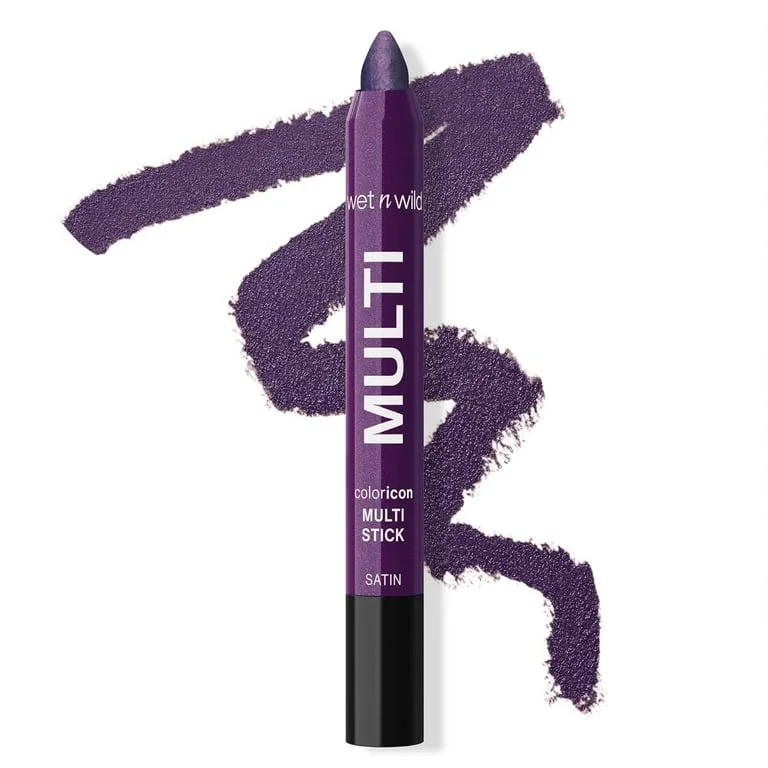
How well does your skin match with Wet N Wild Gem Face Mask 1230443 Goddess Glam?
Login to see detailsOr continue via
Quick 1-minute survey • Completely free
Analysis results of Ingredients


Ingredient List
| EWG | CIR | Ingredient Name & Cosmetic Function | Notes |
|---|---|---|---|
| 1 | - | (Skin Conditioning, Emollient) | |
| 1 | A | (Opacifying) | |
Wet N Wild Gem Face Mask 1230443 Goddess Glam - Ingredient Explanation
Epoxidized Soybean Oil Epoxidized Soybean Oil
1. Definition Epoxidized Soybean Oil Epoxidized Soybean Oil:
Epoxidized Soybean Oil (ESO) is a bio-based plasticizer and stabilizer derived from soybean oil through the process of epoxidation. It is commonly used in various industries such as cosmetics, food packaging, pharmaceuticals, and agriculture due to its versatility and eco-friendly nature.2. Use:
In cosmetics, Epoxidized Soybean Oil is primarily used as a plasticizer and stabilizer in various formulations such as lipsticks, creams, lotions, and sunscreens. It helps improve the texture, consistency, and shelf-life of products while also enhancing their overall performance.3. Usage Epoxidized Soybean Oil Epoxidized Soybean Oil:
When using Epoxidized Soybean Oil in cosmetics, it is important to take certain precautions to ensure safety and efficacy. It is recommended to follow the recommended dosage guidelines provided by the manufacturer to prevent any potential adverse effects. Additionally, it is advisable to conduct a patch test before using products containing ESO to check for any allergic reactions or sensitivities. Proper storage of ESO-containing products is also crucial to maintain their quality and stability.4. References:
- Kim, J. et al. (2018). Epoxidized soybean oil as a potential source of high-temperature lubricants. Industrial Crops and Products, 115, 251-258.
- Liu, H. et al. (2019). Epoxidized soybean oil-based polyurethane: Synthesis, characterization, and properties. European Polymer Journal, 121, 109310.
- Wang, X. et al. (2020). Preparation and characterization of epoxidized soybean oil-based polyurethane acrylate for UV-curable coatings. Progress in Organic Coatings, 140, 105515.
Styrene/Butadiene Copolymer
1. Definition Styrene/Butadiene Copolymer:
Styrene/Butadiene Copolymer is a synthetic polymer that is commonly used in cosmetics as a film-forming agent. It is a copolymer of styrene and butadiene, two monomers that combine to create a flexible and durable material.2. Use:
Styrene/Butadiene Copolymer is used in cosmetics to create a smooth and even application of products such as foundation, lipstick, and mascara. It helps to improve the texture and finish of these products, making them easier to apply and more long-lasting.3. Usage Styrene/Butadiene Copolymer:
When using cosmetics containing Styrene/Butadiene Copolymer, it is important to follow the instructions provided by the manufacturer. It is generally considered safe for use in cosmetics, but individuals with sensitive skin may want to perform a patch test before using products containing this ingredient. It is also recommended to avoid getting products containing Styrene/Butadiene Copolymer in the eyes or mouth.4. References:
- "Safety Assessment of Styrene/Butadiene Copolymer as Used in Cosmetics" by Cosmetic Ingredient Review Expert Panel
- "Styrene/Butadiene Copolymer" by The Personal Care Products Council
- "Evaluation of the skin sensitization potential of styrene-butadiene copolymer" by National Center for Biotechnology Information (NCBI)
Review
Didn't find
the information you need?






Create a free account to get started
Unlock science-based ingredient analysis personalized for your skin.
Already have an account? Log in
We protect your privacy. We never send spam.