



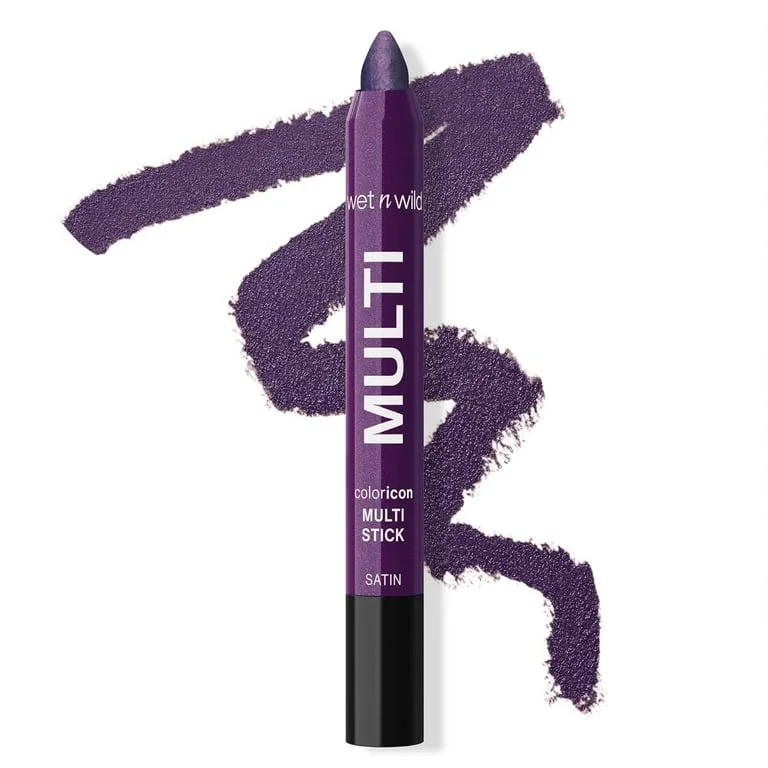
Wet N Wild Megalast Liquid Metallic Lipstick 1230009 Witch Please
Analysis locked
How well does your skin match with Wet N Wild Megalast Liquid Metallic Lipstick 1230009 Witch Please?
Login to see detailsOr continue via
Quick 1-minute survey • Completely free
Ingredients
Analysis results of Ingredients


Ingredient List
| EWG | CIR | Ingredient Name & Cosmetic Function | Notes |
|---|---|---|---|
| 2 4 | A | (Fragrance, Preservative) | |
| 1 | B | (Skin Conditioning, Emollient, Antifoaming Agent) | |
| 1 | A | (Solvent, Viscosity Decreasing Agent, Viscosity Controlling) | |
| 1 | A | (Skin Protecting, Opacifying, Abrasive, Absorbent, Bulking Agent, Anticaking Agent, Slip Modifier) |  |
Wet N Wild Megalast Liquid Metallic Lipstick 1230009 Witch Please - Ingredient Explanation
Phenoxyethanol
1. Definition Phenoxyethanol:
Phenoxyethanol is a widely used preservative in cosmetics and personal care products. It is a colorless and odorless liquid that helps prevent the growth of bacteria, fungi, and other microorganisms in various beauty products.2. Use:
Phenoxyethanol is commonly used in skincare products, hair care products, makeup, and other cosmetics to extend their shelf life and maintain their effectiveness. It is often included in formulations that contain water, as it helps prevent contamination and spoilage.3. Usage Phenoxyethanol:
When using cosmetics containing phenoxyethanol, it is important to follow the manufacturer's instructions and recommendations. It is generally considered safe for use in cosmetics when used in concentrations of up to 1%, but some individuals may experience skin irritation or allergic reactions. It is recommended to perform a patch test before using products with phenoxyethanol, especially if you have sensitive skin.4. References:
- Draelos, Z. D. (2010). Cosmetic Formulation of Skin Care Products. John Wiley & Sons.
- Loden, M., & Maibach, H. I. (2000). Dry Skin and Moisturizers: Chemistry and Function. CRC Press.
- Fiume, M. M., Heldreth, B., Bergfeld, W. F., Belsito, D. V., Hill, R. A., Klaassen, C. D., ... & Andersen, F. A. (2016). Safety assessment of phenoxyethanol as used in cosmetics. International Journal of Toxicology, 35(4), 386-419.
Trimethylsiloxysilicate
1. Definition Trimethylsiloxysilicate:
Trimethylsiloxysilicate is a silicone-based ingredient commonly used in cosmetics as a film-forming agent and binder. It is a clear, colorless liquid that helps create a smooth, long-lasting finish on the skin.2. Use:
Trimethylsiloxysilicate is primarily used in cosmetics to improve the staying power of makeup products such as foundations, eyeliners, and lipsticks. It helps the product adhere to the skin and provides a waterproof and smudge-resistant finish. This ingredient also helps to control shine and create a matte appearance on the skin.3. Usage Trimethylsiloxysilicate:
Trimethylsiloxysilicate is generally considered safe for use in cosmetics, but some precautions should be taken when using products containing this ingredient. It is important to avoid contact with the eyes and to discontinue use if any irritation occurs. Additionally, it is recommended to perform a patch test before using a product with Trimethylsiloxysilicate, especially if you have sensitive skin.4. References:
- Cosmetic Ingredient Review Expert Panel. (2011). Final report on the safety assessment of trimethylsiloxysilicate. International Journal of Toxicology, 30(2 Suppl), 95S-110S.
- Personal Care Products Council. (n.d.). Trimethylsiloxysilicate. Retrieved from https://www.cosmeticsinfo.org/ingredient/trimethylsiloxysilicate
- Luebberding, S., & Krueger, N. (2013). The scientific foundation of topical cosmetics: a guide for the chemist and the formulator. Springer Science & Business Media.
Propylene Carbonate
1. Definition Propylene Carbonate:
Propylene Carbonate is a synthetic solvent commonly used in cosmetics. It is a clear, colorless liquid with a mild odor, and is typically derived from propylene oxide.2. Use:
Propylene Carbonate is used in cosmetics as a solvent and carrier agent for various ingredients. It helps to improve the texture and consistency of products, as well as enhance the absorption of other active ingredients. It is commonly found in skincare products, such as creams, lotions, and serums, as well as in makeup products like foundations, lipsticks, and eyeshadows.3. Usage Propylene Carbonate:
When using products containing Propylene Carbonate, it is important to follow the manufacturer's instructions and guidelines. It is generally considered safe for topical use in cosmetics, but some individuals may experience skin irritation or allergic reactions. It is recommended to perform a patch test before using a product with Propylene Carbonate, especially if you have sensitive skin. Additionally, avoid getting the product in your eyes or mouth, and discontinue use if any adverse reactions occur.4. References:
- "Propylene Carbonate." Cosmetics Info, www.cosmeticsinfo.org/ingredient/propylene-carbonate.
- "Propylene Carbonate." The Dermatology Review, www.thedermreview.com/propylene-carbonate/.
- "Safety Assessment of Propylene Carbonate as Used in Cosmetics." Cosmetic Ingredient Review, www.cir-safety.org/sites/default/files/PCarbonate1114SLR.pdf.
Kaolin
1. Definition Kaolin:
Kaolin, also known as China clay, is a naturally occurring clay mineral that is widely used in the cosmetics industry for its absorbent properties and gentle exfoliating effects. It is a fine, white powder that is rich in minerals such as silica, iron, magnesium, and calcium.2. Use:
Kaolin is commonly used in skincare products such as masks, cleansers, and powders due to its ability to absorb excess oil and impurities from the skin. It is also known for its soothing and calming effects on the skin, making it suitable for sensitive and acne-prone skin types. Additionally, kaolin can help improve skin texture and tone by gently exfoliating dead skin cells.3. Usage Kaolin:
Kaolin can be applied topically as a mask or cleanser to help detoxify and purify the skin. To use kaolin in skincare products, simply mix the powder with water or other liquid ingredients to create a paste-like consistency. Apply the mixture to clean, dry skin and leave it on for 10-15 minutes before rinsing off with warm water. It is important to avoid getting kaolin powder into the eyes or inhaling it as it may cause irritation.4. References:
- Dweck, A. C. (2012). Formulating with kaolin. Personal Care Magazine, 9(3), 25-28.
- Williams, L. B., & Haydel, S. E. (2010). Evaluation of the medicinal use of clay minerals as antibacterial agents. International Geology Review, 52(7/8), 745-770.
- Lin, Y. C., & Lin, J. H. (2008). Kaolin and its industrial uses. Journal of the Chinese Ceramic Society, 36(6), 805-811.
Review







Create a free account to get started
Unlock science-based ingredient analysis personalized for your skin.
Already have an account? Log in
We protect your privacy. We never send spam.