


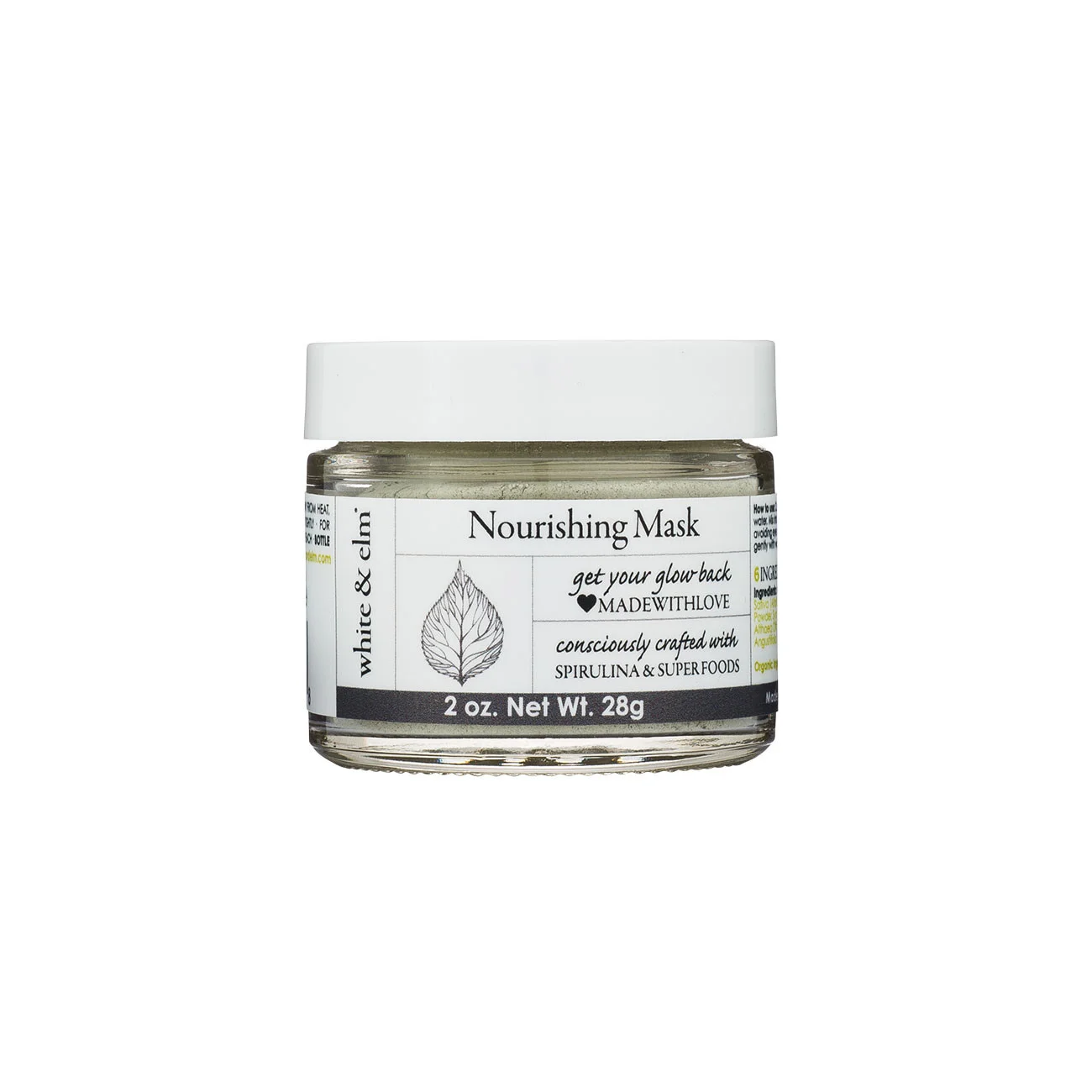
Analysis locked
How well does your skin match with White & Elm Nourishing Mask?
Login to see detailsOr continue via
Quick 1-minute survey • Completely free
Ingredients
Analysis results of Ingredients


Ingredient List
| EWG | CIR | Ingredient Name & Cosmetic Function | Notes |
|---|---|---|---|
| 1 | - | (Skin Conditioning) | |
| 1 | - | | |
| 1 | - | (Skin Protecting, Uv Absorber, Sunscreen Agent) | |
| 4 | - | (Skin Conditioning) | |
White & Elm Nourishing Mask - Ingredient Explanation
Althaea Officinalis (Marshmallow) Root
1. Definition Althaea Officinalis (Marshmallow) Root:
Althaea Officinalis, commonly known as Marshmallow root, is a perennial herb native to Europe, Western Asia, and North Africa. It has been used for centuries in traditional medicine for its soothing and healing properties.2. Use:
Marshmallow root is commonly used in cosmetics for its emollient and moisturizing properties. It helps to hydrate and soften the skin, making it a popular ingredient in lotions, creams, and masks. It is also known for its anti-inflammatory and soothing effects, making it beneficial for sensitive or irritated skin.3. Usage Althaea Officinalis (Marshmallow) Root:
Marshmallow root extract can be found in various cosmetic products such as moisturizers, serums, and masks. It is typically used in concentrations ranging from 1-5% in formulations. When using products containing Marshmallow root, it is important to do a patch test first to check for any potential allergic reactions. It is generally considered safe for most skin types, but individuals with known allergies to plants in the Malvaceae family should avoid products containing Marshmallow root.4. References:
- Chevallier, A. (2016). Encyclopedia of Herbal Medicine: The Definitive Home Reference Guide to 550 Key Herbs with all their Uses as Remedies for Common Ailments. DK.
- Bone, K., & Mills, S. (2013). Principles and Practice of Phytotherapy: Modern Herbal Medicine. Churchill Livingstone.
- Kusar, A., Zupančič, Š., Škerget, M., & Knez, Ž. (2010). Extraction of active ingredients from green tea (Camellia sinensis): A review. Acta Chimica Slovenica, 57(4), 617-631.
French Green Clay
1. Definition French Green Clay:
French Green Clay, also known as Illite Clay, is a type of mineral clay that is naturally occurring and rich in minerals such as magnesium, calcium, potassium, and silica. It gets its green color from the decomposed plant material and iron oxides present in the clay.2. Use:
French Green Clay is commonly used in cosmetics and skincare products for its detoxifying and purifying properties. It is known for its ability to absorb excess oil, dirt, and impurities from the skin, making it ideal for oily and acne-prone skin. The clay also helps to improve skin tone, reduce inflammation, and promote a healthy complexion.3. Usage French Green Clay:
French Green Clay can be used in various skincare products such as face masks, cleansers, scrubs, and bath soaks. To use the clay as a face mask, mix it with water or aloe vera gel to form a paste and apply it to the skin. Leave the mask on for about 10-15 minutes before rinsing it off with warm water. It is recommended to do a patch test before using the clay to check for any allergic reactions or skin sensitivities.4. References:
- "French Green Clay: Benefits and Uses for Skin" by Dr. Debra Rose Wilson, PhD, MSN, RN, IBCLC, AHN-BC, CHT (https://www.healthline.com/health/french-green-clay)
- "French Green Clay: The Natural Remedy for Skin" by Dr. Axe (https://draxe.com/nutrition/french-green-clay/)
- "French Green Clay Benefits and Uses" by Wellness Mama (https://wellnessmama.com/13370/french-green-clay-benefits-uses/)
Spirulina Platensis Powder
1. Definition Spirulina Platensis Powder:
Spirulina Platensis Powder is a type of blue-green algae that is rich in nutrients and antioxidants. It is commonly used in cosmetics for its skin-nourishing properties.2. Use:
Spirulina Platensis Powder is often used in skincare products such as masks, creams, and serums due to its ability to hydrate and revitalize the skin. It is known for its anti-inflammatory and anti-aging properties, making it a popular ingredient in natural and organic skincare formulations.3. Usage Spirulina Platensis Powder:
When using Spirulina Platensis Powder in cosmetics, it is important to follow the recommended guidelines provided by the manufacturer. It is typically used in small quantities and can be mixed with other ingredients to create a customized skincare product. It is important to perform a patch test before using any product containing Spirulina Platensis Powder to check for any potential allergic reactions.4. References:
- Gunes, S., Tamburaci, S., & Dalay, M. C. (2016). Spirulina and Chlorella as Potential Ingredients for Functional Foods. Trends in Food Science & Technology, 54, 1-10.
- Khan, Z., Bhadouria, P., & Bisen, P. S. (2005). Nutritional and Therapeutic Potential of Spirulina. Current Pharmaceutical Biotechnology, 6(5), 373-379.
- Dartsch, P. C. (2008). Antioxidant Potential of Selected Spirulina Platensis Extracts. Journal of Phycology, 44(4), 105-112.
Symphytum Officinale (Comfrey) Root
1. Definition Symphytum Officinale (Comfrey) Root:
Symphytum Officinale, commonly known as Comfrey, is a perennial herb native to Europe and Asia. It has been used for centuries in traditional medicine for its healing properties, particularly in treating wounds, bruises, and inflammatory conditions.2. Use:
Comfrey root is commonly used in cosmetics for its soothing and healing properties. It is rich in allantoin, a compound known for its ability to promote cell regeneration and repair damaged skin. Comfrey root is often included in skincare products such as creams, lotions, and serums to help calm irritated skin, reduce redness, and promote overall skin health.3. Usage Symphytum Officinale (Comfrey) Root:
When using Comfrey root in cosmetics, it is important to be cautious due to the presence of pyrrolizidine alkaloids, which can be toxic if ingested in large amounts. It is recommended to use Comfrey root extracts that have been properly processed to remove these alkaloids. As with any new ingredient, a patch test is recommended before using products containing Comfrey root to ensure that it does not cause any adverse reactions.4. References:
- Gruenwald, J., Brendler, T., & Jaenicke, C. (2007). PDR for Herbal Medicines (4th ed.). Montvale, NJ: Thomson Healthcare.
- Duke, J. A. (2002). Handbook of Medicinal Herbs (2nd ed.). Boca Raton, FL: CRC Press.
- Bone, K., & Mills, S. (2013). Principles and Practice of Phytotherapy: Modern Herbal Medicine (2nd ed.). Edinburgh: Churchill Livingstone.
Review







Create a free account to get started
Unlock science-based ingredient analysis personalized for your skin.
Already have an account? Log in
We protect your privacy. We never send spam.