Ingredients
Analysis results of Ingredients


Ingredient List
| EWG | CIR | Ingredient Name & Cosmetic Function | Notes |
|---|---|---|---|
| 1 | A | (Hair Conditioning, Foam Boosting, Sufactant, Foaming) | |
| 1 | B | (Surfactant, Cleansing, Foaming) |  |
| - | - | Undecylenoyl Oat Amino Acids | |
| 1 | - | (Skin Conditioning, Emulsion Stabilising, Hair Conditioning) | |

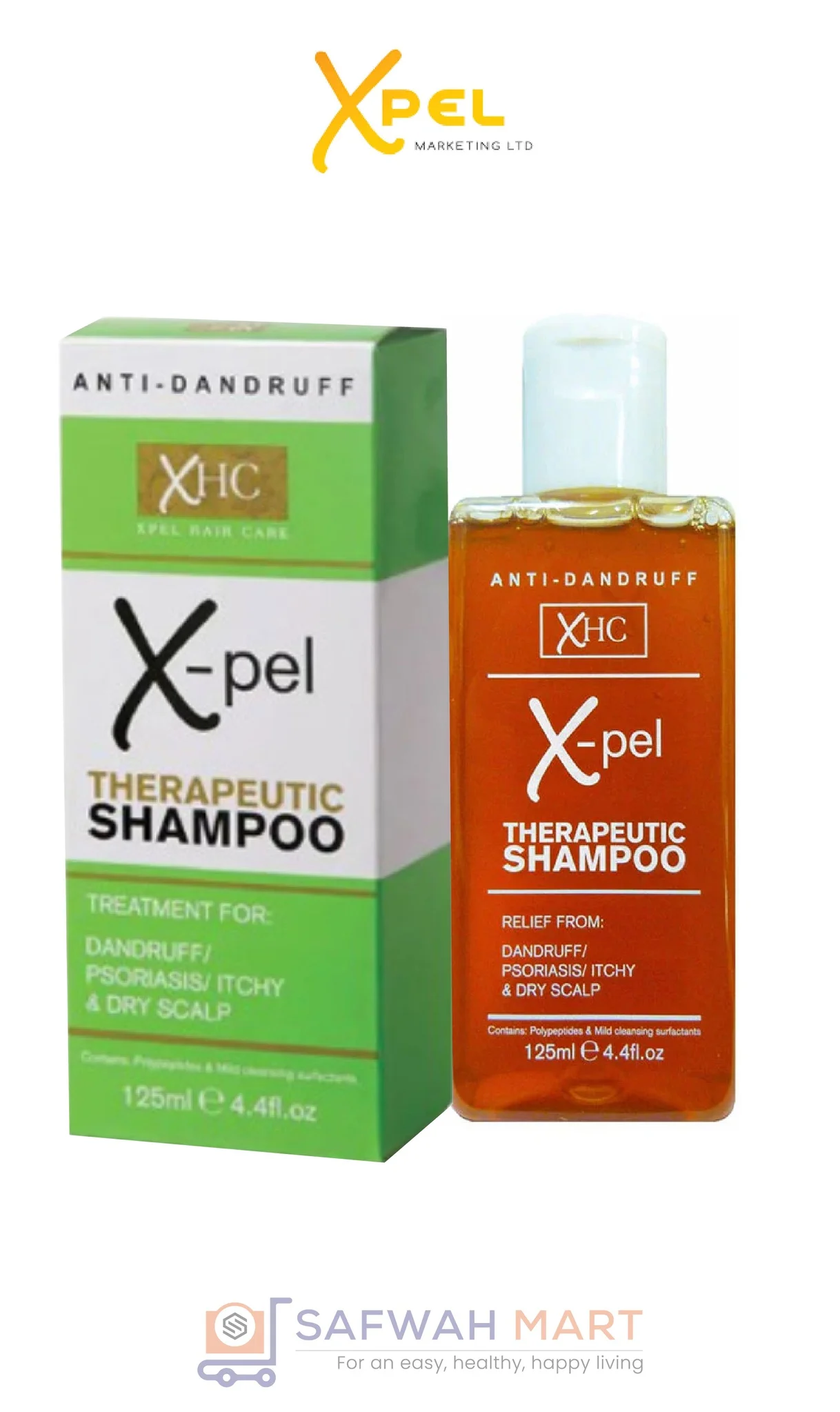
XHC X Pel Theraputic Shampoo - Ingredient Explanation
Sodium Cocoamphoacetate
1. Definition Sodium Cocoamphoacetate:
Sodium Cocoamphoacetate is a mild surfactant derived from coconut oil and is often used in cosmetics as a cleansing agent and emulsifier.2. Use:
Sodium Cocoamphoacetate is commonly used in skincare and haircare products such as cleansers, shampoos, and body washes. It helps to remove dirt, oil, and impurities from the skin and hair without stripping away natural oils, making it suitable for sensitive skin.3. Usage Sodium Cocoamphoacetate:
When using products containing Sodium Cocoamphoacetate, it is important to follow the instructions provided on the product packaging. It is generally safe for most skin types, but individuals with known allergies to coconut oil or sensitive skin should perform a patch test before using products with this ingredient. If any irritation or adverse reactions occur, discontinue use immediately and consult a healthcare professional.4. References:
- M. A. Raza, M. Tabassum, and S. A. Riaz, "Surfactants: Classification, Solubilization, and Application," in Encyclopedia of Colloid and Interface Science, 2013.
- A. O. Santos, M. P. P. de Melo, and E. S. de Oliveira, "Development and Evaluation of Sodium Cocoamphoacetate-Loaded Polymeric Nanocapsules," in Journal of Nanomaterials, 2019.
- H. A. Al-Suwayeh, N. A. Al-Qahtani, and A. H. Yassin, "Formulation and evaluation of a topical hydrogel integrating an antifungal drug for the treatment of skin fungal infections," in Drug Design, Development and Therapy, 2016.
Sodium Methyl Cocoyl Taurate
1. Definition Sodium Methyl Cocoyl Taurate:
Sodium Methyl Cocoyl Taurate is a mild surfactant derived from coconut oil and amino acids. It is commonly used in cosmetics as a cleansing agent and foaming agent.2. Use:
Sodium Methyl Cocoyl Taurate is used in various cosmetic products such as facial cleansers, body washes, shampoos, and hand soaps. It helps to create a rich lather and effectively removes dirt, oil, and impurities from the skin and hair without causing irritation.3. Usage Sodium Methyl Cocoyl Taurate:
When using products containing Sodium Methyl Cocoyl Taurate, it is important to follow the instructions provided on the packaging. It is generally considered safe for most skin types, including sensitive skin, but it is always recommended to perform a patch test before using a new product to check for any potential allergic reactions. Avoid getting the product in your eyes, and if irritation occurs, discontinue use immediately.4. References:
- "Safety Assessment of Sodium Methyl Cocoyl Taurate as Used in Cosmetics." Cosmetic Ingredient Review, 2015. https://www.cir-safety.org/sites/default/files/sodium-methyl-cocoyl-taurate.pdf
- "Sodium Methyl Cocoyl Taurate." The Derm Review, 2021. https://thedermreview.com/sodium-methyl-cocoyl-taurate/
- "Sodium Methyl Cocoyl Taurate." The Eco Well, 2021. https://theecowell.com/ingredient/sodium-methyl-cocoyl-taurate/
Undecylenoyl Oat Amino Acids
Ingredient data is being updated. Please check back later.
Potassium Undecylenoyl Hydrolyzed Soy Protein
1. Definition Potassium Undecylenoyl Hydrolyzed Soy Protein:
Potassium Undecylenoyl Hydrolyzed Soy Protein is a compound derived from soy protein that has been modified with undecylenic acid and potassium hydroxide. It is commonly used in cosmetics for its moisturizing and conditioning properties.2. Use:
Potassium Undecylenoyl Hydrolyzed Soy Protein is used in cosmetic formulations as an emollient and skin conditioning agent. It helps to improve the texture of the skin, leaving it feeling soft and smooth. Additionally, it has anti-inflammatory properties that can help to soothe irritated skin and reduce redness.3. Usage Potassium Undecylenoyl Hydrolyzed Soy Protein:
Potassium Undecylenoyl Hydrolyzed Soy Protein can be found in a variety of skincare products, including moisturizers, serums, and creams. It is typically used at concentrations of 1-5% in formulations. To use products containing this ingredient, apply a small amount to clean, dry skin and gently massage in until fully absorbed. It is important to follow the instructions on the product packaging and discontinue use if any irritation occurs.4. References:
- Pumori Saokham, et al. "Soy Protein and Skin Health: A Review of the Effects of Hydrolyzed Soy Protein on Skin Aging and Pigmentation." Cosmetics 2016, 3(3), 23.
- S. R. Kanth, et al. "A study on the anti-inflammatory activity of hydrolyzed soy protein." International Journal of Pharmaceutical Sciences and Research, 2015, 6(10), 4398-4402.
- D. A. Gopinath, et al. "Formulation and evaluation of a moisturizing cream containing potassium undecylenoyl hydrolyzed soy protein." Journal of Cosmetic Science, 2018, 69(2), 109-117.