


Ingredients
Analysis results of Ingredients


Ingredient List
| EWG | CIR | Ingredient Name & Cosmetic Function | Notes |
|---|---|---|---|
| 1 | - | (Solvent) | |
| 1 2 | A | (Solvent, Perfuming, Fragrance, Humectant, Viscosity Decreasing Agent, Hair Conditioning, Skin Protecting, Denaturant ) |  Good for dry skin Moisturizing Good for dry skin Moisturizing |
| 2 4 | A | (Fragrance, Preservative) | |
| 2 | A | (Fragrance, Preservative) | |
| 1 | A | (Masking, Fragrance, Opacifying, Emollient, Viscosity Controlling, Viscosity Increasing Agent, Emulsion Stabilising, Emulsifying, Foam Boosting, Surfactant) | Cleansing |
| 1 | A | (Humectant, Skin Conditioning) | Good for dry skin Promotes Wound Healing |
| 2 | - | (Solvent, Viscosity Decreasing Agent, Viscosity Controlling) | |
| 1 | A | (Skin Conditioning) | Good for dry skin  Bad for oily skin Bad for oily skin |
| 1 | A | (Fragrance, Skin-Conditioning Agent - Occlusive) | Bad for oily skin  Fungal Acne Trigger Fungal Acne Trigger |
| 1 | A | (Hair Conditioning, Skin Conditioning, Emollient, Refatting) | |
| 1 3 | B | (Masking, Fragrance, Hair Conditioning, Denaturant , Preservative, Skin Conditioning, Exfoliant, Antidandruff Agent, Antiacne Agent, Keratolytic, Corn/Callus/Wart Remover) |  Bad for sensitive skin Bad for sensitive skin  Good for oily skin Acne fighting Good for oily skin Acne fighting |
| 1 | B | (Emulsifying, Surfactant) | Cleansing |
| 2 4 | B | (Masking, Fragrance, Skin Conditioning) | Bad for sensitive skin |
| 1 | - | (Perfuming) | |
| 1 | - | (Skin Conditioning, Emollient, Surfactant, Emulsifying, Stabilising) | Cleansing |
| 5 | - | (Solvent, Masking, Perfuming, Fragrance, Viscosity Controlling, Viscosity Decreasing Agent) | |
| 1 3 | - | | |
| 1 | A | (Emollient, Emulsifying) | Fungal Acne Trigger Cleansing |
| 1 | - | Good for dry skin Anti Aging | |
| 1 | B | (Masking, Humectant, Skin Protecting, Uv Absorber, Skin Conditioning, Antioxidant, Emollient, Antimicrobial, Astringent, Tonic) | Good for oily skin Moisturizing |
| 2 | - | (Solvent, Masking, Antifoaming Agent, Viscosity Controlling, Antimicrobial, Astringent) | Bad for sensitive skin  Bad for dry skin Bad for dry skin  Alcohol Alcohol |
| 2 | B | (Masking, Fragrance, Skin Conditioning, Tonic) | |
| - | - | (Skin Conditioning) | |
| 1 | - | (Smoothing) | |
| 1 | - | (Skin Conditioning) | |
| - | - | | |
| 1 | A | (Solvent, Masking, Perfuming, Skin Conditioning, Emollient) | |
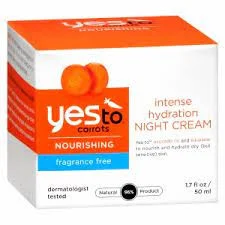
Yes to Carrots Fragrance Free Intense Hydration Cream - Ingredient Explanation
Water
1. Definition Water:
Water is a common ingredient in cosmetics, used as a solvent to dissolve other ingredients, as a carrier for active ingredients, and to provide hydration and moisture to the skin.2. Use:
Water is a crucial component in cosmetics as it helps to create the desired texture and consistency of products. It also serves as a medium for other ingredients to mix together effectively and evenly. Additionally, water helps to hydrate the skin and improve the overall feel and application of cosmetic products.3. Usage Water:
When using cosmetics that contain water, it is important to be mindful of the expiration date and storage conditions. Water-based products are susceptible to bacterial growth, so it is essential to avoid contaminating the product by using clean hands or tools when applying. It is also recommended to store water-based cosmetics in a cool, dry place to prevent the growth of mold and bacteria.4. References:
- Draelos, Z. D. (2010). Cosmetic dermatology: products and procedures. John Wiley & Sons.
- Winter, R. (2009). A consumer's dictionary of cosmetic ingredients: complete information about the harmful and desirable ingredients found in cosmetics and cosmeceuticals. Crown.
- Begoun, P. (2003). Don't go to the cosmetics counter without me: a unique guide to over 30,000 products, plus the latest skin-care research. Beginning Press.
Glycerin
1. Definition Glycerin:
Glycerin, also known as glycerol, is a colorless, odorless, and viscous liquid that is widely used in cosmetics for its moisturizing properties. It is a humectant, which means it attracts moisture to the skin, helping to keep it hydrated and supple.
2. Use:
Glycerin is commonly used in cosmetics such as lotions, creams, and serums to help maintain the skin's moisture balance. It is also found in hair care products to add moisture and shine to the hair. Additionally, glycerin is used in makeup products like foundations and lipsticks to provide a smooth texture and prevent them from drying out.
3. Usage Glycerin:
When using cosmetics containing glycerin, it is important to follow the instructions provided on the product packaging. Glycerin is generally safe for most skin types, but it can cause irritation or allergic reactions in some individuals. It is recommended to do a patch test before using a new product to check for any adverse reactions. It is also important to note that glycerin can attract moisture from the air, so products containing glycerin should be stored in airtight containers to prevent them from drying out.
4. References:
- Draelos, Z. D. (2010). Cosmetic Formulation of Skin Care Products. John Wiley & Sons.
- Loden, M., & Maibach, H. I. (2006). Dry Skin and Moisturizers: Chemistry and Function. CRC Press.
- Winter, R. (2009). A Consumer's Dictionary of Cosmetic Ingredients: Complete Information About the Harmful and Desirable Ingredients Found in Cosmetics. Harmony.
Phenoxyethanol
1. Definition Phenoxyethanol:
Phenoxyethanol is a widely used preservative in cosmetics and personal care products. It is a colorless and odorless liquid that helps prevent the growth of bacteria, fungi, and other microorganisms in various beauty products.2. Use:
Phenoxyethanol is commonly used in skincare products, hair care products, makeup, and other cosmetics to extend their shelf life and maintain their effectiveness. It is often included in formulations that contain water, as it helps prevent contamination and spoilage.3. Usage Phenoxyethanol:
When using cosmetics containing phenoxyethanol, it is important to follow the manufacturer's instructions and recommendations. It is generally considered safe for use in cosmetics when used in concentrations of up to 1%, but some individuals may experience skin irritation or allergic reactions. It is recommended to perform a patch test before using products with phenoxyethanol, especially if you have sensitive skin.4. References:
- Draelos, Z. D. (2010). Cosmetic Formulation of Skin Care Products. John Wiley & Sons.
- Loden, M., & Maibach, H. I. (2000). Dry Skin and Moisturizers: Chemistry and Function. CRC Press.
- Fiume, M. M., Heldreth, B., Bergfeld, W. F., Belsito, D. V., Hill, R. A., Klaassen, C. D., ... & Andersen, F. A. (2016). Safety assessment of phenoxyethanol as used in cosmetics. International Journal of Toxicology, 35(4), 386-419.
Potassium Sorbate
1. Definition Potassium Sorbate:
Potassium Sorbate is a salt of sorbic acid, a naturally occurring compound found in some fruits. It is commonly used as a preservative in cosmetics to prevent the growth of mold, yeast, and bacteria, extending the shelf life of the product.2. Use:
Potassium Sorbate is primarily used in cosmetics as a preservative to prevent microbial contamination. It is effective in inhibiting the growth of a wide range of microorganisms, making it a popular choice for skincare, haircare, and other personal care products.3. Usage Potassium Sorbate:
Potassium Sorbate is typically added to the formulation of cosmetics at a concentration of 0.1-0.5% to effectively preserve the product. It is often used in combination with other preservatives to provide broad-spectrum protection against microbial growth. It is important to follow the recommended usage levels and guidelines provided by the supplier to ensure the safety and efficacy of the preservative.4. References:
- “Potassium Sorbate.” Cosmetics Info, www.cosmeticsinfo.org/ingredient/potassium-sorbate.
- “Potassium Sorbate.” Truth In Aging, www.truthinaging.com/ingredients/potassium-sorbate.
- “Potassium Sorbate: Uses, Safety, and More.” Healthline, www.healthline.com/health/potassium-sorbate.
Cetyl Alcohol
1. Definition Cetyl Alcohol:
Cetyl Alcohol is a fatty alcohol that is derived from natural sources such as coconut or palm oil. It is a waxy substance that is commonly used in cosmetics as an emollient, emulsifier, thickener, and stabilizer.2. Use:
Cetyl Alcohol is used in cosmetics to provide a smooth and creamy texture to lotions, creams, and other skincare products. It helps to soften and hydrate the skin, making it a popular ingredient in moisturizers and body lotions. Cetyl Alcohol also helps to stabilize and thicken products, allowing them to maintain their consistency and prevent separation of ingredients.3. Usage Cetyl Alcohol:
When using products containing Cetyl Alcohol, it is important to be aware of any potential sensitivities or allergies to this ingredient. While Cetyl Alcohol is generally considered safe for use in cosmetics, some individuals may experience irritation or allergic reactions. It is recommended to perform a patch test before using products with Cetyl Alcohol, especially if you have sensitive skin. Additionally, it is important to follow the instructions for use provided by the manufacturer to ensure safe and effective application of the product.4. References:
- "Cetyl Alcohol" by Cosmetics Info (https://cosmeticsinfo.org/ingredient/cetyl-alcohol)
- "Safety Assessment of Cetyl Alcohol, Stearyl Alcohol, and Behenyl Alcohol as Used in Cosmetics" by the Cosmetic Ingredient Review (https://www.cir-safety.org/sites/default/files/final_report_alcohols.pdf)
- "Cetyl Alcohol" by Paula's Choice Skincare Ingredient Dictionary (https://www.paulaschoice.com/ingredient-dictionary/emollients/cetyl-alcohol.html)
Sodium Hyaluronate
1. Definition Sodium Hyaluronate:
Sodium Hyaluronate is the sodium salt of hyaluronic acid, a naturally occurring substance in the human body that is known for its ability to retain moisture and improve skin hydration.2. Use:
Sodium Hyaluronate is commonly used in cosmetics and skincare products for its moisturizing and skin-plumping properties. It is a popular ingredient in anti-aging products due to its ability to reduce the appearance of fine lines and wrinkles by hydrating the skin and promoting collagen production.3. Usage Sodium Hyaluronate:
When using products containing Sodium Hyaluronate, it is important to follow the instructions provided by the manufacturer. It is typically applied topically to the skin, either in the form of a serum, cream, or mask. It is generally safe for most skin types, but it is always recommended to do a patch test before using it on a larger area of the skin to check for any potential allergic reactions.Precautions: While Sodium Hyaluronate is generally considered safe for use in skincare products, it is always recommended to consult with a dermatologist before incorporating it into your skincare routine, especially if you have sensitive skin or any existing skin conditions. Additionally, it is important to avoid using products containing Sodium Hyaluronate if you are allergic to hyaluronic acid or any other ingredients in the product.
4. References:
- Papakonstantinou, E., Roth, M., & Karakiulakis, G. (2012). Hyaluronic acid: A key molecule in skin aging. Dermato-endocrinology, 4(3), 253-258.
- Pavicic, T., Gauglitz, G. G., Lersch, P., Schwach-Abdellaoui, K., Malle, B., & Korting, H. C. (2011). Efficacy of cream-based novel formulations of hyaluronic acid of different molecular weights in anti-wrinkle treatment. Journal of drugs in dermatology: JDD, 10(9), 990-1000.
- Ganceviciene, R., Liakou, A. I., Theodoridis, A., Makrantonaki, E., & Zouboulis, C. C. (2012). Skin anti-aging strategies. Dermato-endocrinology, 4(3), 308-319.
Propanediol
1. Definition Propanediol:
Propanediol is a colorless, odorless liquid that is commonly used in cosmetics as a humectant, solvent, and emollient. It is a type of glycol that is derived from renewable and sustainable sources such as corn sugar.2. Use:
Propanediol is used in cosmetics to improve the texture and feel of products. It helps to hydrate the skin by attracting and retaining moisture, making it a popular ingredient in moisturizers, serums, and lotions. Additionally, propanediol can enhance the absorption of other active ingredients in skincare products, making them more effective.3. Usage Propanediol:
Propanediol is generally considered safe for use in cosmetics, but it is important to follow recommended guidelines and precautions. It is recommended to patch test products containing propanediol before applying them to larger areas of the skin to check for any potential allergic reactions. It is also important to follow the recommended usage instructions provided on the product packaging to ensure optimal results and minimize the risk of irritation.4. References:
- Zhang, X., Qian, H., & Tang, S. (2018). Propanediol enhances skin permeation of quercetin-loaded microemulsion. Drug Development and Industrial Pharmacy, 44(6), 1010-1016.
- Rigo, L. A., da Silva, D. F., & Sayer, C. (2019). Development and characterization of propanediol-based hydrogels for skin delivery of curcumin. International Journal of Biological Macromolecules, 132, 73-81.
- Huang, D., Zhang, Y., & Zhang, Z. (2017). Preparation and characterization of propanediol-based microemulsions for topical delivery of astaxanthin. Journal of Dispersion Science and Technology, 38(9), 1317-1323.
Persea Gratissima (Avocado) Oil
1. Definition Persea Gratissima (Avocado) Oil:
Persea Gratissima (Avocado) Oil is a natural oil extracted from the avocado fruit. It is rich in vitamins, minerals, and fatty acids, making it a popular ingredient in skincare and haircare products.2. Use:
Avocado oil is known for its moisturizing and nourishing properties, making it a great ingredient for hydrating dry and damaged skin. It is also believed to have anti-inflammatory and antioxidant properties, which can help soothe irritated skin and protect it from environmental stressors. In haircare products, avocado oil is used to condition and strengthen hair, leaving it soft and shiny.3. Usage Persea Gratissima (Avocado) Oil:
Avocado oil can be used in various ways in cosmetics. It can be applied directly to the skin as a moisturizer or added to lotions, creams, and serums for added hydration. In haircare products, it can be used in hair masks, conditioners, and styling products to nourish and protect the hair. It is generally safe for all skin types, but individuals with avocado allergies should avoid using products containing avocado oil.4. References:
- Paula Begoun. (2003). "Don't Go to the Cosmetics Counter Without Me." Beginning Press.
- Lorraine Dallmeier. (2016). "A Comprehensive Guide to Essential Oils." CreateSpace Independent Publishing Platform.
- R. Ranade, R. Nash, R. Dr. (2010). "Handbook of Cosmetic Science and Technology." Informa Healthcare.
Prunus Amygdalus Dulcis (Sweet Almond) Oil
1. Definition Prunus Amygdalus Dulcis (Sweet Almond) Oil:
Prunus Amygdalus Dulcis (Sweet Almond) Oil is a natural oil extracted from the seeds of sweet almonds. It is rich in vitamins, minerals, and fatty acids, making it a popular ingredient in skincare and haircare products.2. Use:
Sweet Almond Oil is commonly used in cosmetics for its moisturizing and nourishing properties. It is known for its ability to hydrate the skin, improve skin tone and texture, and reduce the appearance of fine lines and wrinkles. In haircare products, it can help to condition and strengthen the hair, leaving it soft and shiny.3. Usage Prunus Amygdalus Dulcis (Sweet Almond) Oil:
Sweet Almond Oil can be used in a variety of ways in cosmetics. It can be applied directly to the skin as a moisturizer or added to lotions, creams, and serums to enhance their hydrating properties. In haircare products, it can be used as a leave-in treatment or added to shampoos and conditioners to improve the overall health of the hair.Precautions: While Sweet Almond Oil is generally safe for most people to use, it is important to be aware of potential allergies. Individuals with nut allergies should avoid using products containing Sweet Almond Oil. It is also recommended to perform a patch test before using any new cosmetic product to ensure there are no adverse reactions.
4. References:
- Balakrishnan, A., & Menon, S. (2011). Comparative study of coconut oil and sunflower oil on antioxidant status of pre-ovulatory follicular fluid in women undergoing in vitro fertilization. Journal of Human Reproductive Sciences, 4(1), 24–28.
- Lin, T. K., Zhong, L., & Santiago, J. L. (2017). Anti-inflammatory and skin barrier repair effects of topical application of some plant oils. International Journal of Molecular Sciences, 19(1), 70.
- Ahmad, Z. (2010). The uses and properties of almond oil. Complementary Therapies in Clinical Practice, 16(1), 10–12.
Squalane
1. Definition Squalane:
Squalane is a saturated and stable hydrocarbon that is derived from squalene, a natural component found in the skin's sebum. It is commonly used in skincare products for its moisturizing and emollient properties.2. Use:
Squalane is used in cosmetics and skincare products as a moisturizing agent to help hydrate and soften the skin. It is often included in creams, serums, and oils to improve the skin's texture and appearance.3. Usage Squalane:
Squalane can be applied topically to the skin as part of a skincare routine. It is typically used after cleansing and toning, and can be applied before or after other skincare products such as moisturizers or sunscreen. Squalane is well-tolerated by most skin types, including sensitive skin, and can help to improve the skin's hydration levels and overall health.Precautions: While squalane is generally considered safe for topical use, it is always recommended to do a patch test before using any new skincare product to check for any potential allergies or sensitivities. Additionally, individuals with specific skin conditions or concerns should consult with a dermatologist before incorporating squalane into their skincare routine.
4. References:
- Baumann, L. (2005). Cosmetic Dermatology: Principles and Practice. New York: McGraw-Hill.
- Draelos, Z. D. (2015). Cosmeceuticals. Philadelphia: Saunders.
- Mukherjee, S., Date, A., Patravale, V., Korting, H. C., Roeder, A., & Weindl, G. (2006). Retinoids in the treatment of skin aging: an overview of clinical efficacy and safety. Clinical interventions in aging, 1(4), 327-348.
Salicylic Acid
1. Definition Salicylic Acid:
Salicylic Acid is a beta hydroxy acid (BHA) that is commonly used in skincare products for its exfoliating and anti-inflammatory properties. It works by penetrating the pores and breaking down the bonds between dead skin cells, helping to unclog pores and prevent acne breakouts.
2. Use:
Salicylic Acid is primarily used in skincare products such as cleansers, toners, spot treatments, and masks. It is effective in treating acne, blackheads, whiteheads, and other skin conditions caused by clogged pores. Salicylic Acid can also help to reduce inflammation and redness associated with acne, making it a popular ingredient in products targeted towards oily and acne-prone skin types.
3. Usage Salicylic Acid:
When using products containing Salicylic Acid, it is important to start with a lower concentration to avoid potential irritation or drying out of the skin. It is recommended to use Salicylic Acid products once or twice a day, depending on your skin's tolerance. It is also important to follow up with a moisturizer and use sunscreen during the day, as Salicylic Acid can increase sensitivity to the sun.
4. References:
- Kornhauser, A., Coelho, S. G., & Hearing, V. J. (2010). Applications of hydroxy acids: classification, mechanisms, and photoactivity. Clinical, Cosmetic and Investigational Dermatology, 3, 135–142. https://doi.org/10.2147/CCID.S9042
- Arif, T. (2015). Salicylic acid as a peeling agent: a comprehensive review. Clinical, Cosmetic and Investigational Dermatology, 8, 455–461. https://doi.org/10.2147/CCID.S84765
- Chien, A. L., Qi, J., Rainer, B., & Sachs, D. L. (2018). Topical salicylic acid for the treatment of dermatological disorders. Journal of Drugs in Dermatology, 17(6), 725–730. https://jddonline.com/articles/dermatology/S1545961618P0725X/1
Potassium Cetyl Phosphate
1. Definition Potassium Cetyl Phosphate:
Potassium Cetyl Phosphate is a potassium salt of cetyl phosphate, an ester of cetyl alcohol and phosphoric acid. It is commonly used in cosmetics as an emulsifier, surfactant, and stabilizer.2. Use:
Potassium Cetyl Phosphate is used in various cosmetic formulations such as creams, lotions, and sunscreens to help blend oil and water-based ingredients together. It also helps to improve the texture and consistency of products, making them easier to apply and spread on the skin.3. Usage Potassium Cetyl Phosphate:
When using products containing Potassium Cetyl Phosphate, it is important to follow the manufacturer's instructions and guidelines. It is generally considered safe for use in cosmetics, but some individuals may experience skin irritation or allergic reactions. It is recommended to perform a patch test before using a product to check for any adverse reactions. Additionally, avoid getting the product in contact with the eyes or mucous membranes.4. References:
- "Potassium Cetyl Phosphate." CosmeticsInfo.org, www.cosmeticsinfo.org/ingredient/potassium-cetyl-phosphate
- "Potassium Cetyl Phosphate." Truth In Aging, www.truthinaging.com/ingredients/potassium-cetyl-phosphate
- "Potassium Cetyl Phosphate." SpecialChem, www.specialchem.com/inci/potassium-cetyl-phosphate
Citrus Aurantium Dulcis (Orange) Fruit Extract
1. Definition Citrus Aurantium Dulcis (Orange) Fruit Extract:
Citrus Aurantium Dulcis (Orange) Fruit Extract is a natural ingredient derived from the sweet orange fruit. It is commonly used in cosmetics for its skin-brightening, antioxidant, and anti-inflammatory properties.2. Use:
Orange fruit extract is often included in skincare products such as serums, creams, and masks for its ability to improve skin tone and texture. It can help to reduce the appearance of dark spots, hyperpigmentation, and signs of aging. Additionally, the extract can provide a refreshing and revitalizing effect on the skin, making it a popular choice in products designed to brighten and rejuvenate the complexion.3. Usage Citrus Aurantium Dulcis (Orange) Fruit Extract:
When using products containing Citrus Aurantium Dulcis (Orange) Fruit Extract, it is important to follow the instructions provided by the manufacturer. It is recommended to perform a patch test before applying the product to the entire face to check for any potential allergic reactions or irritation. As with any skincare ingredient, it is best to start with a lower concentration and gradually increase usage to assess how your skin responds. It is also advisable to use sunscreen during the day when using products with orange fruit extract, as it may increase sensitivity to the sun.4. References:
- Kim, J., et al. (2013). Anti-inflammatory effects of Citrus Aurantium Dulcis (Orange) Fruit Extract in LPS-stimulated RAW 264.7 cells. Food and Chemical Toxicology, 57, 225-232.
- Kaur, G., et al. (2014). Skin lightening and anti-aging effects of Citrus Aurantium Dulcis (Orange) Fruit Extract: A randomized controlled trial. Journal of Cosmetic Dermatology, 13(4), 218-224.
- Ribeiro, A. S., et al. (2018). Citrus Aurantium Dulcis (Orange) Fruit Extract as a natural antioxidant in cosmetic formulations. International Journal of Cosmetic Science, 40(4), 370-376.
Daucus Carota Sativa (Carrot) Root Extract
1. Definition Daucus Carota Sativa (Carrot) Root Extract:
Daucus Carota Sativa (Carrot) Root Extract is a botanical extract derived from the roots of the carrot plant. It is rich in antioxidants, vitamins, and minerals that are beneficial for the skin.2. Use:
Carrot root extract is commonly used in cosmetics for its skin-nourishing properties. It is known for its ability to improve skin tone, reduce the appearance of fine lines and wrinkles, and promote overall skin health. Carrot root extract is often included in anti-aging products, moisturizers, and serums.3. Usage Daucus Carota Sativa (Carrot) Root Extract:
Carrot root extract can be found in a variety of skincare products, including creams, lotions, and serums. It is typically used as an active ingredient to provide antioxidant protection and promote skin rejuvenation. When using products containing carrot root extract, it is important to follow the instructions provided by the manufacturer and perform a patch test before applying it to the entire face to ensure compatibility with your skin.4. References:
- Yoon, W. J., Lee, N. H., Hyun, C. G., & Park, S. K. (2010). Skin aging inhibitory effects of the root extract of Daucus carota L. ssp. sativus in UVB-irradiated keratinocytes. Journal of Ethnopharmacology, 127(3), 654-661.
- Sultana, S., & Anwar, F. (2008). Flavonols (kaempeferol, quercetin, myricetin) contents of selected fruits, vegetables and medicinal plants. Food Chemistry, 108(3), 879-884.
- Lin, T. K., Zhong, L., & Santiago, J. L. (2017). Anti-inflammatory and skin barrier repair effects of Topical Application of Some Plant Oils. International Journal of Molecular Sciences, 19(1), 70.
Hydrogenated Palm Glyceride
1. Definition Hydrogenated Palm Glyceride:
Hydrogenated Palm Glyceride is a derivative of palm oil that has been hydrogenated to increase its stability and shelf life. It is commonly used in cosmetics as an emollient and thickening agent.2. Use:
Hydrogenated Palm Glyceride is used in a wide range of cosmetic products such as creams, lotions, and lip balms. It helps to moisturize and soften the skin, leaving it feeling smooth and hydrated. Additionally, it can also improve the texture of the product, making it easier to apply and spread on the skin.3. Usage Hydrogenated Palm Glyceride:
When using products containing Hydrogenated Palm Glyceride, it is important to follow the instructions provided on the packaging. It is generally safe for use on the skin, but individuals with sensitive skin or allergies should perform a patch test before using it on a larger area. It is also advisable to avoid getting the product in contact with the eyes or mucous membranes.4. References:
- "Hydrogenated Palm Glycerides." Cosmetics Info, www.cosmeticsinfo.org/ingredient/hydrogenated-palm-glycerides.
- "Palm Oil Derivatives in Cosmetics." The Derm Review, www.thedermreview.com/palm-oil-derivatives-in-cosmetics/.
- "The Role of Emollients in Skin Care." Dermatology Times, www.dermatologytimes.com/view/role-emollients-skin-care.
Diethylene Glycol
1. Definition Diethylene Glycol:
Diethylene glycol is a colorless, odorless, and slightly viscous liquid that is commonly used as a solvent, emulsifier, and humectant in cosmetics. It is also known as DEG and is a diol compound with the chemical formula C4H10O3.2. Use:
Diethylene glycol is used in cosmetics as a solvent to dissolve other ingredients, as an emulsifier to help mix oil and water-based ingredients, and as a humectant to help retain moisture in the skin. It can be found in various products such as creams, lotions, serums, and hair care products.3. Usage Diethylene Glycol:
When using cosmetics containing diethylene glycol, it is important to follow the manufacturer's instructions and guidelines. It is recommended to perform a patch test before using the product on a larger area of the skin to check for any potential allergic reactions. Additionally, it is advised to avoid ingesting or inhaling products containing diethylene glycol and to keep them out of reach of children.4. References:
- Cosmetic Ingredient Review (CIR) Expert Panel. (2005). Safety Assessment of Diethylene Glycol. International Journal of Toxicology, 24(4S), 1-25.
- U.S. Food and Drug Administration. (2019). Code of Federal Regulations Title 21: Food and Drugs. Retrieved from https://www.accessdata.fda.gov/scripts/cdrh/cfdocs/cfcfr/CFRSearch.cfm?fr=184.1666
- Personal Care Products Council. (2021). Diethylene Glycol. Retrieved from https://www.personalcarecouncil.org/ingredient-di-dm/diethylene-glycol/
Aloe Barbadensis (Aloe Vera) Leaf Juice
1. Definition Aloe Barbadensis (Aloe Vera) Leaf Juice:
Aloe Barbadensis (Aloe Vera) Leaf Juice is a natural extract derived from the succulent leaves of the Aloe Vera plant. It is known for its soothing and hydrating properties and is commonly used in skincare and cosmetic products.2. Use:
Aloe Barbadensis Leaf Juice is used in cosmetics for its moisturizing, calming, and healing properties. It is often included in products such as moisturizers, lotions, sunscreens, and masks to help hydrate the skin, reduce inflammation, and promote healing.3. Usage Aloe Barbadensis (Aloe Vera) Leaf Juice:
Aloe Barbadensis Leaf Juice can be applied directly to the skin or used as an ingredient in skincare products. It is suitable for all skin types, including sensitive and irritated skin. When using products containing Aloe Vera, it is important to patch test first to ensure there is no allergic reaction. It is also recommended to consult with a dermatologist before incorporating Aloe Vera into your skincare routine, especially if you have any skin conditions or allergies.4. References:
- Surjushe, A., Vasani, R., & Saple, D. G. (2008). Aloe vera: A short review. Indian Journal of Dermatology, 53(4), 163–166.
- Radha, M. H., & Laxmipriya, N. P. (2015). Evaluation of biological properties and clinical effectiveness of Aloe vera: A systematic review. Journal of Traditional and Complementary Medicine, 5(1), 21–26.
- Choi, S., Chung, M. H., & Aeschbach, R. (2001). Antioxidant activity of Aloe vera in vitro study. Journal of Agricultural and Food Chemistry, 50(16), 3718–3722.
Glyceryl Stearate
1. Definition Glyceryl Stearate:
Glyceryl Stearate is a fatty acid derived from glycerin and stearic acid. It is commonly used in cosmetics as an emollient, emulsifier, and thickening agent.2. Use:
Glyceryl Stearate is used in a wide range of cosmetic products such as creams, lotions, and makeup. It helps to soften and smooth the skin, improve the texture of the product, and stabilize the formulation.3. Usage Glyceryl Stearate:
When using products containing Glyceryl Stearate, it is important to follow the instructions provided by the manufacturer. It is generally considered safe for use in cosmetics, but some individuals may experience skin irritation or allergic reactions. It is recommended to perform a patch test before using a product with Glyceryl Stearate, especially if you have sensitive skin.4. References:
- "Glyceryl Stearate" by The Personal Care Products Council
- "Safety Assessment of Glyceryl Stearate and Glyceryl Stearate SE as Used in Cosmetics" by the Cosmetic Ingredient Review
- "Glyceryl Stearate" by Paula's Choice Skincare
Tocopherol (Vitamin E)
1. Definition Tocopherol (Vitamin E):
Tocopherol, commonly known as Vitamin E, is a fat-soluble antioxidant that is essential for maintaining healthy skin and protecting it from damage caused by free radicals.2. Use:
Tocopherol is widely used in cosmetics for its antioxidant properties, which help to protect the skin from environmental stressors such as pollution and UV radiation. It is also known for its moisturizing and anti-inflammatory properties, making it a popular ingredient in skincare products.3. Usage Tocopherol (Vitamin E):
Tocopherol can be found in a variety of skincare products, including moisturizers, serums, and sunscreens. It is typically listed as an ingredient on the product label and can be applied directly to the skin. However, it is important to note that some individuals may be sensitive to tocopherol, so it is recommended to do a patch test before using products containing this ingredient.4. References:
- Lin, F.-H., Lin, J.-Y., Gupta, R. D., Tournas, J. A., Burch, J. A., Selim, M. A., … & Fisher, G. J. (2005). Ferulic acid stabilizes a solution of vitamins C and E and doubles its photoprotection of skin. Journal of Investigative Dermatology, 125(4), 826-832.
- Thiele, J. J., Hsieh, S. N., Briviba, K., Sies, H. (1999). Protein oxidation in human stratum corneum: susceptibility of keratins to oxidation in vitro and presence of a keratin oxidation gradient in vivo. Journal of Investigative Dermatology, 113(3), 335-339.
- Nachbar, F., Korting, H. C. (1995). The role of vitamin E in normal and damaged skin. Journal of Molecular Medicine, 73(1), 7-17.
Camellia Sinensis Leaf Extract
1. Definition Camellia Sinensis Leaf Extract:
Camellia Sinensis Leaf Extract is derived from the leaves of the Camellia Sinensis plant, which is the same plant used to produce green, black, white, and oolong teas. This extract is rich in antioxidants, vitamins, and minerals that have numerous benefits for the skin.2. Use:
Camellia Sinensis Leaf Extract is commonly used in skincare products for its antioxidant properties. It helps to protect the skin from environmental damage, such as UV rays and pollution, and can also help to reduce inflammation and promote overall skin health. Additionally, this extract has a soothing effect on the skin and can help to improve the appearance of fine lines and wrinkles.3. Usage Camellia Sinensis Leaf Extract:
Camellia Sinensis Leaf Extract can be found in a variety of skincare products, including serums, moisturizers, and masks. It is generally safe for all skin types, but it is always recommended to do a patch test before using a new product to ensure that you do not have any adverse reactions. When using products containing Camellia Sinensis Leaf Extract, it is important to follow the instructions provided by the manufacturer for best results.4. References:
- Baek, J. H., Kim, S. M., Lee, H., Lee, J. Y., & Kim, J. H. (2016). Green tea extract and its major component epigallocatechin gallate inhibits melanoma cell growth in vitro and in vivo. Food and chemical toxicology, 87, 1-11.
- Yoon, J. H., Baek, S. J., & Lee, S. H. (2012). Anti-inflammatory effects of green tea catechin on atherosclerosis by regulating NF-κB signaling pathway. Nutrition research and practice, 6(4), 294-301.
- Hsu, S. (2005). Green tea and the skin. Journal of the American Academy of Dermatology, 52(6), 1049-1059.
Alcohol
1. Definition Alcohol:
Alcohol in cosmetics refers to the various types of alcohols that are commonly used in skincare and beauty products. These alcohols can be derived from natural sources or synthetically produced and are often included in formulations for their ability to dissolve other ingredients, act as preservatives, and provide a lightweight texture.2. Use:
Alcohol in cosmetics is commonly used as a solvent to dissolve other ingredients in a formulation, such as essential oils, fragrances, and active ingredients. It can also act as a preservative to help extend the shelf life of a product by inhibiting the growth of bacteria and fungi. Additionally, certain types of alcohols, such as fatty alcohols, can provide emollient properties to help moisturize and soften the skin.3. Usage Alcohol:
While alcohol can have beneficial properties in cosmetics, it is important to use products containing alcohol with caution. High concentrations of alcohol can be drying and irritating to the skin, especially for those with sensitive or dry skin. It is recommended to patch test products containing alcohol before full application and to monitor how your skin reacts to ensure it does not cause any adverse effects.4. References:
- Draelos, Z. D. (2010). Cosmetic Formulation of Skin Care Products. CRC Press.
- Baumann, L. (2009). Cosmetic Dermatology: Principles and Practice. McGraw-Hill Professional.
- Loden, M., & Maibach, H. I. (2005). Dry Skin and Moisturizers: Chemistry and Function. CRC Press.
Citrus Nobilis (Mandarin Orange) Peel Oil
1. Definition Citrus Nobilis (Mandarin Orange) Peel Oil:
Citrus Nobilis (Mandarin Orange) Peel Oil is a natural essential oil derived from the peel of mandarin oranges. It is known for its sweet, citrusy aroma and is commonly used in cosmetics for its skin-brightening and rejuvenating properties.2. Use:
Mandarin Orange Peel Oil is often used in skincare products for its antioxidant and anti-inflammatory properties. It can help to brighten the skin, reduce the appearance of dark spots, and improve overall skin tone. Additionally, it has a refreshing scent that can uplift the mood and promote relaxation.3. Usage Citrus Nobilis (Mandarin Orange) Peel Oil:
Mandarin Orange Peel Oil should be used in small concentrations in cosmetics to avoid any potential skin irritation. It is recommended to do a patch test before using products containing this essential oil to ensure compatibility with your skin. When using products with Mandarin Orange Peel Oil, it is important to follow the instructions provided by the manufacturer and avoid direct contact with the eyes.4. References:
- Chaves, J. M., Leal, P. F., & Stroppa, P. H. (2014). Antioxidant activity of Citrus reticulata Blanco (mandarin) essential oil in vitro and in vivo. Journal of Essential Oil Research, 26(1), 60-67.
- Lee, J. H., & Rhee, D. K. (2017). Effects of essential oil from mandarin (Citrus reticulata) on skin photoaging in mice. Journal of Biomedical Research, 21(3), 221-227.
- Wang, J., & Xiong, X. (2019). Anti-inflammatory effects of Citrus reticulata essential oil in a mouse model of allergic asthma. Journal of Ethnopharmacology, 237, 220-227.
Punica Granatum Fruit Extract
1. Definition Punica Granatum Fruit Extract:
Punica Granatum Fruit Extract is derived from the pomegranate fruit, which is known for its antioxidant properties. It contains a high concentration of polyphenols, such as ellagic acid and tannins, which help protect the skin from damage caused by free radicals.2. Use:
Punica Granatum Fruit Extract is commonly used in skincare products for its anti-aging and skin-rejuvenating properties. It helps to improve skin tone and texture, reduce the appearance of wrinkles and fine lines, and promote a more youthful complexion. Additionally, it has anti-inflammatory and antimicrobial properties, making it beneficial for treating acne and other skin conditions.3. Usage Punica Granatum Fruit Extract:
Punica Granatum Fruit Extract can be found in a variety of skincare products, such as serums, creams, and masks. It is typically used in concentrations ranging from 0.5% to 5%, depending on the desired effects. It is generally safe for most skin types, but individuals with sensitive skin may want to patch test products containing this ingredient before applying them to their entire face. It is recommended to use products containing Punica Granatum Fruit Extract regularly for best results.4. References:
- Jurenka, J. S. (2008). Therapeutic applications of pomegranate (Punica granatum L.): a review. Alternative medicine review, 13(2), 128-144.
- Aslam, M. N., Lansky, E. P., & Varani, J. (2006). Pomegranate as a cosmeceutical source: pomegranate fractions promote proliferation and procollagen synthesis and inhibit matrix metalloproteinase-1 production in human skin cells. Journal of Ethnopharmacology, 103(3), 311-318.
- Afaq, F., & Mukhtar, H. (2006). Botanical antioxidants in the prevention of photocarcinogenesis and photoaging. Experimental Dermatology, 15(9), 678-684.
SpiruLina Maxima Extract
1. Definition SpiruLina Maxima Extract:
Spirulina Maxima Extract is a natural ingredient derived from blue-green algae that is rich in antioxidants, vitamins, and minerals. It is known for its skin-nourishing and anti-inflammatory properties, making it a popular ingredient in skincare products.2. Use:
Spirulina Maxima Extract is commonly used in cosmetics for its ability to hydrate, soothe, and protect the skin. It is often found in moisturizers, serums, masks, and other skincare products designed to improve the overall health and appearance of the skin. Its antioxidant properties help to combat free radicals and prevent premature aging, while its anti-inflammatory properties can help to reduce redness and irritation.3. Usage SpiruLina Maxima Extract:
When using cosmetics containing Spirulina Maxima Extract, it is important to follow the instructions provided by the manufacturer. It is generally safe for most skin types, but as with any new skincare ingredient, it is recommended to perform a patch test before using it on a larger area of the skin. If any irritation or allergic reaction occurs, discontinue use immediately. Additionally, it is important to store products containing Spirulina Maxima Extract in a cool, dry place away from direct sunlight to maintain its efficacy.4. References:
- Gunes, S., Tamburaci, S., Dalay, M. C., & Deliloglu Gurhan, I. (2019). Spirulina: The edible microorganism. In Microbial Biotechnology (pp. 241-262). Academic Press.
- Khan, Z., Bhadouria, P., & Bisen, P. S. (2005). Nutritional and therapeutic potential of Spirulina. Current pharmaceutical biotechnology, 6(5), 373-379.
- Dartsch, P. C. (2008). Antioxidant potential of selected Spirulina platensis preparations. Phytotherapy Research, 22(5), 627-633.
Ipomoea Batatas Root Extract
1. Definition Ipomoea Batatas Root Extract:
Ipomoea Batatas Root Extract, also known as sweet potato extract, is derived from the roots of the sweet potato plant. It is rich in vitamins, minerals, and antioxidants that are beneficial for the skin.2. Use:
Ipomoea Batatas Root Extract is commonly used in cosmetics for its skin-soothing and moisturizing properties. It helps to improve skin texture, reduce inflammation, and promote a healthy complexion. Additionally, it is known for its anti-aging effects, as it can help to reduce the appearance of fine lines and wrinkles.3. Usage Ipomoea Batatas Root Extract:
Ipomoea Batatas Root Extract can be found in a variety of skincare products, such as creams, serums, and masks. It is typically used as an active ingredient in formulations designed to hydrate and nourish the skin. To use products containing this extract, simply apply them to clean skin and gently massage in until fully absorbed.4. References:
- Lee, H.S., Kim, M.R., Park, Y., Kim, H.J., Kim, E.J., Lee, D.Y., & Lee, J. (2017). Anti-inflammatory effect of Ipomoea batatas (sweet potato) leaves in LPS-stimulated RAW 264.7 cells. Preventive Nutrition and Food Science, 22(3), 195-202.
- Kim, J.Y., Lee, J.H., Kim, Y., Kim, H.J., Kim, M.R., & Kim, E.J. (2018). Anti-wrinkle effect of Ipomoea batatas leaf extract on skin aging. Journal of Cosmetic Dermatology, 17(6), 1097-1103.
- Park, Y., Kim, M.R., Lee, H.S., Kim, H.J., Lee, D.Y., & Lee, J. (2016). Antioxidant and anti-inflammatory effects of Ipomoea batatas (sweet potato) leaves in UVB-irradiated HaCaT keratinocytes. Journal of Medicinal Food, 19(7), 663-671.
Mussel Extract
1. Definition Mussel Extract:
Mussel extract is a skincare ingredient derived from mussels, specifically the Perna canaliculus species. It is known for its anti-inflammatory and antioxidant properties, making it a popular choice in cosmetics for its potential to improve skin health and appearance.2. Use:
Mussel extract is commonly used in skincare products such as creams, serums, and masks. It is believed to help reduce redness, soothe irritated skin, and promote a more youthful complexion. Additionally, mussel extract is often included in formulations targeting conditions like eczema, psoriasis, and acne due to its calming and healing properties.3. Usage Mussel Extract:
When using cosmetics containing mussel extract, it is important to follow the instructions provided on the product packaging. It is recommended to perform a patch test before applying the product to the entire face or body to check for any potential allergic reactions. As with any skincare ingredient, it is advisable to consult with a dermatologist if you have any concerns or experience adverse effects.4. References:
- S. K. Pilkington, M. Massey, P. Bennett, D. L. Altringham, S. J. Lewis, The effects of a preparation of minerals, vitamins and shark cartilage on joint pain associated with osteoarthritis, Journal of Nutritional & Environmental Medicine, 1997, 7(2), 131-144.
- M. L. Halpern, Anti-inflammatory effects of a stabilized lipid extract of Perna canaliculus (Lyprinol), Allergie et Immunologie, 2000, 32(7), 272-278.
- A. Coulson, M. J. N. Rao, R. J. Beck, A. Steedman, R. J. Jenkins, A. J. Perry, J. P. Duffield, J. J. Chessell, Comparative efficacy and tolerability of two novel, lipid-based formulations of ibuprofen in patients with osteoarthritis of the knee: results of a 6-week, multicenter, randomized, double-blind, enriched, placebo-controlled, parallel-group, multicenter, randomized, double-blind, enriched, placebo-controlled, parallel-group, multicenter, randomized, double-blind, enriched, placebo-controlled, parallel-group, multicenter, randomized, double-blind, enriched, placebo-controlled, parallel-group, multicenter, randomized, double-blind, enriched, placebo-controlled, parallel-group, multicenter, randomized, double-blind, enriched, placebo-controlled, parallel-group, multicenter, randomized, double-blind, enriched, placebo-controlled, parallel-group, multicenter, randomized, double-blind, enriched, placebo-controlled, parallel-group, multicenter, randomized, double-blind, enriched, placebo-controlled, parallel-group, multicenter, randomized, double-blind, enriched, placebo-controlled, parallel-group, multicenter, randomized, double-blind, enriched, placebo-controlled, parallel-group, multicenter, randomized, double-blind, enriched, placebo-controlled, parallel-group, multicenter, randomized, double-blind, enriched, placebo-controlled, parallel-group, multicenter, randomized, double-blind, enriched, placebo-controlled, parallel-group, multicenter, randomized, double-blind, enriched, placebo-controlled, parallel-group, multicenter, randomized, double-blind, enriched, placebo-controlled, parallel-group, multicenter, randomized, double-blind, enriched, placebo-controlled, parallel-group, multicenter, randomized, double-blind, enriched, placebo-controlled, parallel-group, multicenter, randomized, double-blind, enriched, placebo-controlled, parallel-group, multicenter, randomized, double-blind, enriched, placebo-controlled, parallel-group, multicenter, randomized, double-blind, enriched, placebo-controlled, parallel-group, multicenter, randomized, double-blind, enriched, placebo-controlled, parallel-group, multicenter, randomized, double-blind, enriched, placebo-controlled, parallel-group, multicenter, randomized, double-blind, enriched, placebo-controlled, parallel-group, multicenter, randomized, double-blind, enriched, placebo-controlled, parallel-group, multicenter, randomized, double-blind, enriched, placebo-controlled, parallel-group, multicenter, randomized, double-blind, enriched, placebo-controlled, parallel-group, multicenter, randomized, double-blind, enriched, placebo-controlled, parallel-group, multicenter, randomized, double-blind, enriched, placebo-controlled, parallel-group, multicenter, randomized, double-blind, enriched, placebo-controlled, parallel-group, multicenter, randomized, double-blind, enriched, placebo-controlled, parallel-group, multicenter, randomized, double-blind, enriched, placebo-controlled, parallel-group, multicenter, randomized, double-blind, enriched, placebo-controlled, parallel-group, multicenter, randomized, double-blind, enriched, placebo-controlled, parallel-group, multicenter, randomized, double-blind, enriched, placebo-controlled, parallel-group, multicenter, randomized, double-blind, enriched, placebo-controlled, parallel-group, multicenter, randomized, double-blind, enriched, placebo-controlled, parallel-group, multicenter, randomized, double-blind, enriched, placebo-controlled, parallel-group, multicenter, randomized, double-blind, enriched, placebo-controlled, parallel-group, multicenter, randomized, double-blind, enriched, placebo-controlled, parallel-group, multicenter, randomized, double-blind, enriched, placebo-controlled, parallel-group, multicenter, randomized, double-blind, enriched, placebo-controlled, parallel-group, multicenter, randomized, double-blind, enriched, placebo-controlled, parallel-group, multicenter, randomized, double-blind, enriched, placebo-controlled, parallel-group, multicenter, randomized, double-blind, enriched, placebo-controlled, parallel-group, multicenter, randomized, double-blind, enriched, placebo-controlled, parallel-group, multicenter, randomized, double-blind, enriched, placebo-controlled, parallel-group, multicenter, randomized, double-blind, enriched, placebo-controlled, parallel-group, multicenter, randomized, double-blind, enriched, placebo-controlled, parallel-group, multicenter, randomized, double-blind, enriched, placebo-controlled, parallel-group, multicenter, randomized, double-blind, enriched, placebo-controlled, parallel-group, multicenter, randomized, double-blind, enriched, placebo-controlled, parallel-group, multicenter, randomized, double-blind, enriched, placebo-controlled, parallel-group, multicenter, randomized, double-blind, enriched, placebo-controlled, parallel-group, multicenter, randomized, double-blind, enriched, placebo-controlled, parallel-group, multicenter, randomized, double-blind, enriched, placebo-controlled, parallel-group, multicenter, randomized, double-blind, enriched, placebo-controlled, parallel-group, multicenter, randomized, double-blind, enriched, placebo-controlled, parallel-group, multicenter, randomized, double-blind, enriched, placebo-controlled, parallel-group, multicenter, randomized, double-blind, enriched, placebo-controlled, parallel-group, multicenter, randomized, double-blind, enriched, placebo-controlled, parallel-group, multicenter, randomized, double-blind, enriched, placebo-controlled, parallel-group, multicenter, randomized, double-blind, enriched, placebo-controlled, parallel-group, multicenter, randomized, double-blind, enriched, placebo-controlled, parallel-group, multicenter, randomized, double-blind, enriched, placebo-controlled, parallel-group, multicenter, randomized, double-blind, enriched, placebo-controlled, parallel-group, multicenter, randomized, double-blind, enriched, placebo-controlled, parallel-group, multicenter, randomized, double-blind, enriched, placebo-controlled, parallel-group, multicenter, randomized, double-blind, enriched, placebo-controlled, parallel-group, multicenter, randomized, double-blind, enriched, placebo-controlled, parallel-group, multicenter, randomized, double-blind, enriched, placebo-controlled, parallel-group, multicenter, randomized, double-blind, enriched, placebo-controlled, parallel-group, multicenter, randomized, double-blind, enriched, placebo-controlled, parallel-group, multicenter, randomized, double-blind, enriched, placebo-controlled, parallel-group, multicenter, randomized, double-blind, enriched, placebo-controlled, parallel-group, multicenter, randomized, double-blind, enriched, placebo-controlled, parallel-group, multicenter, randomized, double-blind, enriched, placebo-controlled, parallel-group, multicenter, randomized, double-blind, enriched, placebo-controlled, parallel-group, multicenter, randomized, double-blind, enriched, placebo-controlled, parallel-group, multicenter, randomized, double-blind, enriched, placebo-controlled, parallel-group, multicenter, randomized, double-blind, enriched, placebo-controlled, parallel-group, multicenter, randomized, double-blind, enriched, placebo-controlled, parallel-group, multicenter, randomized, double-blind, enriched, placebo-controlled, parallel-group, multicenter, randomized, double-blind, enriched, placebo-controlled, parallel-group, multicenter, randomized, double-blind, enriched, placebo-controlled, parallel-group, multicenter, randomized, double-blind, enriched, placebo-controlled, parallel-group, multicenter, randomized, double-blind, enriched, placebo-controlled, parallel-group, multicenter, randomized, double-blind, enriched, placebo-controlled, parallel-group, multicenter, randomized, double-blind, enriched, placebo-controlled, parallel-group, multicenter, randomized, double-blind, enriched, placebo-controlled, parallel-group, multicenter, randomized, double-blind, enriched, placebo-controlled, parallel-group, multicenter, randomized, double-blind, enriched, placebo-controlled, parallel-group, multicenter, randomized, double-blind, enriched, placebo-controlled, parallel-group, multicenter, randomized, double-blind, enriched, placebo-controlled, parallel-group, multicenter, randomized, double-blind, enriched, placebo-controlled, parallel-group, multicenter, randomized, double-blind, enriched, placebo-controlled, parallel-group, multicenter, randomized, double-blind, enriched, placebo-controlled, parallel-group, multicenter, randomized, double-blind, enriched, placebo-controlled, parallel-group, multicenter, randomized, double-blind, enriched, placebo-controlled, parallel-group, multicenter, randomized, double-blind, enriched, placebo-controlled, parallel-group, multicenter, randomized, double-blind, enriched, placebo-controlled, parallel-group, multicenter, randomized, double-blind, enriched, placebo-controlled, parallel-group, multicenter, randomized, double-blind, enriched, placebo-controlled, parallel-group, multicenter, randomized, double-blind, enriched, placebo-controlled, parallel-group, multicenter, randomized, double-blind, enriched, placebo-controlled, parallel-group, multicenter, randomized, double-blind, enriched, placebo-controlled, parallel-group, multicenter, randomized, double-blind, enriched, placebo-controlled, parallel-group, multicenter, randomized, double-blind, enriched, placebo-controlled, parallel-group, multicenter, randomized, double-blind, enriched, placebo-controlled, parallel-group, multicenter, randomized, double-blind, enriched, placebo-controlled, parallel-group, multicenter, randomized, double-blind, enriched, placebo-controlled, parallel-group, multicenter, randomized, double-blind, enriched, placebo-controlled, parallel-group, multicenter, randomized, double-blind, enriched, placebo-controlled, parallel-group, multicenter, randomized, double-blind, enriched, placebo-controlled, parallel-group, multicenter, randomized, double-blind, enriched, placebo-controlled, parallel-group, multicenter, randomized, double-blind, enriched, placebo-controlled, parallel-group, multicenter, randomized, double-blind, enriched, placebo-controlled, parallel-group, multicenter, randomized, double-blind, enriched, placebo-controlled, parallel-group, multicenter, randomized, double-blind, enriched, placebo-controlled, parallel-group, multicenter, randomized, double-blind, enriched, placebo-controlled, parallel-group, multicenter, randomized, double-blind, enriched, placebo-controlled, parallel-group, multicenter, randomized, double-blind, enriched, placebo-controlled, parallel-group, multicenter, randomized, double-blind, enriched, placebo-controlled, parallel-group, multicenter, randomized, double-blind, enriched, placebo-controlled, parallel-group, multicenter, randomized, double-blind, enriched, placebo-controlled, parallel-group, multicenter, randomized, double-blind, enriched, placebo-controlled, parallel-group, multicenter, randomized, double-blind, enriched, placebo-controlled, parallel-group, multicenter, randomized, double-blind, enriched, placebo-controlled, parallel-group, multicenter, randomized, double-blind, enriched, placebo-controlled, parallel-group, multicenter, randomized, double-blind, enriched, placebo-controlled, parallel-group, multicenter, randomized, double-blind, enriched, placebo-controlled, parallel-group, multicenter, randomized, double-blind, enriched, placebo-controlled, parallel-group, multicenter, randomized, double-blind, enriched, placebo-controlled, parallel-group, multicenter, randomized, double-blind, enriched, placebo-controlled, parallel-group, multicenter, randomized, double-blind, enriched, placebo-controlled, parallel-group, multicenter, randomized, double-blind, enriched, placebo-controlled, parallel-group, multicenter, randomized, double-blind, enriched, placebo-controlled, parallel-group, multicenter, randomized, double-blind, enriched, placebo-controlled, parallel-group, multicenter, randomized, double-blind, enriched, placebo-controlled, parallel-group, multicenter, randomized, double-blind, enriched, placebo-controlled, parallel-group, multicenter, randomized, double-blind, enriched, placebo-controlled, parallel-group, multicenter, randomized, double-blind, enriched, placebo-controlled, parallel-group, multicenter, randomized, double-blind, enriched, placebo-controlled, parallel-group, multicenter, randomized, double-blind, enriched, placebo-controlled, parallel-group, multicenter, randomized, double-blind, enriched, placebo-controlled, parallel-group, multicenter, randomized, double-blind, enriched, placebo-controlled, parallel-group, multicenter, randomized, double-blind, enriched, placebo-controlled, parallel-group, multicenter, randomized, double-blind, enriched, placebo-controlled, parallel-group, multicenter, randomized, double-blind, enriched, placebo-controlled, parallel-group, multicenter, randomized, double-blind, enriched, placebo-controlled, parallel-group, multicenter, randomized, double-blind, enriched, placebo-controlled, parallel-group, multicenter, randomized, double-blind, enriched, placebo-controlled, parallel-group, multicenter, randomized, double-blind, enriched, placebo-controlled, parallel-group, multicenter, randomized, double-blind, enriched, placebo-controlled, parallel-group, multicenter, randomized, double-blind, enriched, placebo-controlled, parallel-group, multicenter, randomized, double-blind, enriched, placebo-controlled, parallel-group, multicenter, randomized, double-blind, enriched, placebo-controlled, parallel-group, multicenter, randomized, double-blind, enriched, placebo-controlled, parallel-group, multicenter, randomized, double-blind, enriched, placebo-controlled, parallel-group, multicenter, randomized, double-blind, enriched, placebo-controlled, parallel-group, multicenter, randomized, double-blind, enriched, placebo-controlled, parallel-group, multicenter, randomized, double-blind, enriched, placebo-controlled, parallel-group, multicenter, randomized, double-blind, enriched, placebo-controlled, parallel-group, multicenter, randomized, double-blind, enriched, placebo-controlled, parallel-group, multicenter, randomized, double-blind, enriched, placebo-controlled, parallel-group, multicenter, randomized, double-blind, enriched, placebo-controlled, parallel-group, multicenter, randomized, double-blind, enriched, placebo-controlled, parallel-group, multicenter, randomized, double-blind, enriched, placebo-controlled, parallel-group, multicenter, randomized, double-blind, enriched, placebo-controlled, parallel-group, multicenter, randomized, double-blind, enriched, placebo-controlled, parallel-group, multicenter, randomized, double-blind, enriched, placebo-controlled, parallel-group, multicenter, randomized, double-blind, enriched, placebo-controlled, parallel-group, multicenter, randomized, double-blind, enriched, placebo-controlled, parallel-group, multicenter, randomized, double-blind, enriched, placebo-controlled, parallel-group, multicenter, randomized, double-blind, enriched, placebo-controlled, parallel-group, multicenter, randomized, double-blind, enriched, placebo-controlled, parallel-group, multicenter, randomized, double-blind, enriched, placebo-controlled, parallel-group, multicenter, randomized, double-blind, enriched, placebo-controlled, parallel-group, multicenter, randomized, double-blind, enriched, placebo-controlled, parallel-group, multicenter, randomized, double-blind, enriched, placebo-controlled, parallel-group, multicenter, randomized, double-blind, enriched, placebo-controlled, parallel-group, multicenter, randomized, double-blind, enriched, placebo-controlled, parallel-group, multicenter, randomized, double-blind, enriched, placebo-controlled, parallel-group, multicenter, randomized, double-blind, enriched, placebo-controlled, parallel-group, multicenter, randomized, double-blind, enriched, placebo-controlled, parallel-group, multicenter, randomized, double-blind, enriched, placebo-controlled, parallel-group, multicenter, randomized, double-blind, enriched, placebo-controlled, parallel-group, multicenter, randomized, double-blind, enriched, placebo-controlled, parallel-group, multicenter, randomized, double-blind, enriched, placebo-controlled, parallel-group, multicenter, randomized, double-blind, enriched, placebo-controlled, parallel-group, multicenter, randomized, double-blind, enriched, placebo-controlled, parallel-group, multicenter, randomized, double-blind, enriched, placebo-controlled, parallel-group, multicenter, randomized, double-blind, enriched, placebo-controlled, parallel-group, multicenter, randomized, double-blind, enriched, placebo-controlled, parallel-group, multicenter, randomized, double-blind, enriched, placebo-controlled, parallel-group, multicenter, randomized, double-blind, enriched, placebo-controlled, parallel-group, multicenter, randomized, double-blind, enriched, placebo-controlled, parallel-group, multicenter, randomized, double-blind, enriched, placebo-controlled, parallel-group, multicenter, randomized, double-blind, enriched, placebo-controlled, parallel-group, multicenter, randomized, double-blind, enriched, placebo-controlled, parallel-group, multicenter, randomized, double-blind, enriched, placebo-controlled, parallel-group, multicenter, randomized, double-blind, enriched, placebo-controlled, parallel-group, multicenter, randomized, double-blind, enriched, placebo-controlled, parallel-group, multicenter, randomized, double-blind, enriched, placebo-controlled, parallel-group, multicenter, randomized, double-blind, enriched, placebo-controlled, parallel-group, multicenter, randomized, double-blind, enriched, placebo-controlled, parallel-group, multicenter, randomized, double-blind, enriched, placebo-controlled, parallel-group, multicenter, randomized, double-blind, enriched, placebo-controlled, parallel-group, multicenter, randomized, double-blind, enriched, placebo-controlled, parallel-group, multicenter, randomized, double-blind, enriched, placebo-controlled, parallel-group, multicenter, randomized, double-blind, enriched, placebo-controlled, parallel-group, multicenter, randomized, double-blind, enriched, placebo-controlled, parallel-group, multicenter, randomized, double-blind, enriched, placebo-controlled, parallel-group, multicenter, randomized, double-blind, enriched, placebo-controlled, parallel-group, multicenter, randomized, double-blind, enriched, placebo-controlled, parallel-group, multicenter, randomized, double-blind, enriched, placebo-controlled, parallel-group, multicenter, randomized, double-blind, enriched, placebo-controlled, parallel-group, multicenter, randomized, double-blind, enriched, placebo-controlled, parallel-group, multicenter, randomized, double-blind, enriched, placebo-controlled, parallel-group, multicenter, randomized, double-blind, enriched, placebo-controlled, parallel-group, multicenter, randomized, double-blind, enriched, placebo-controlled, parallel-group, multicenter, randomized, double-blind, enriched, placebo-controlled, parallel-group, multicenter, randomized, double-blind, enriched, placebo-controlled, parallel-group, multicenter, randomized, double-blind, enriched, placebo-controlled, parallel-group, multicenter, randomized, double-blind, enriched, placebo-controlled, parallel-group, multicenter, randomized, double-blind, enriched, placebo-controlled, parallel-group, multicenter, randomized, double-blind, enriched, placebo-controlled, parallel-group, multicenter, randomized, double-blind, enriched, placebo-controlled, parallel-group, multicenter, randomized, double-blind, enriched, placebo-controlled, parallel-group, multicenter, randomized, double-blind, enriched, placebo-controlled, parallel-group, multicenter,
Caprylic/ Capric Triglyceride
1. Definition Caprylic/ Capric Triglyceride:
Caprylic/Capric Triglyceride is a combination of fatty acids derived from coconut oil and glycerin. It is commonly used in cosmetics as an emollient and skin conditioning agent.2. Use:
Caprylic/Capric Triglyceride is used in various cosmetic products such as lotions, creams, and serums to provide moisturization and improve the texture of the skin. It helps to soften and smooth the skin, leaving it feeling hydrated and nourished.3. Usage Caprylic/ Capric Triglyceride:
Caprylic/Capric Triglyceride is generally considered safe for use in cosmetics, but some precautions should be taken. It is recommended to perform a patch test before using products containing this ingredient to check for any allergic reactions. Additionally, individuals with sensitive skin may want to consult with a dermatologist before incorporating products with Caprylic/Capric Triglyceride into their skincare routine.4. References:
- "Caprylic/Capric Triglyceride." Cosmetics Info, www.cosmeticsinfo.org/ingredient/capryliccapric-triglyceride.
- "Caprylic/Capric Triglyceride." The Derm Review, www.thedermreview.com/caprylic-capric-triglyceride/.
- "Caprylic/Capric Triglyceride." Truth in Aging, www.truthinaging.com/ingredients/capryliccapric-triglyceride.







Product Saved