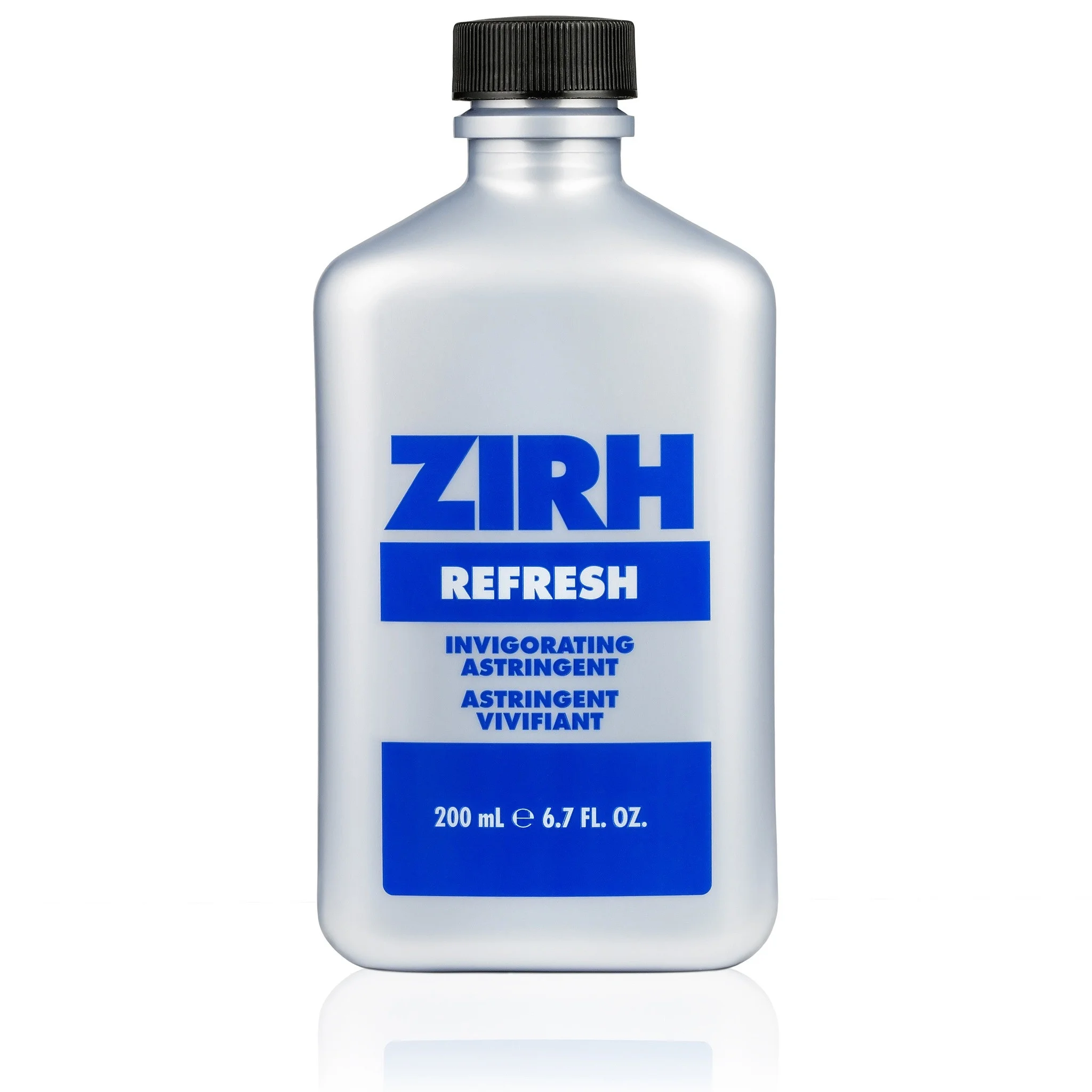
Zirh Refresh - Ingredient Explanation
Other Names: Aqua; H2O; Eau; Aqueous; Acqua
Function: Solvent
1. Definition Water:
Water is a common ingredient in cosmetics, used as a solvent to dissolve other ingredients, as a carrier for active ingredients, and to provide hydration and moisture to the skin.
2. Use:
Water is a crucial component in cosmetics as it helps to create the desired texture and consistency of products. It also serves as a medium for other ingredients to mix together effectively and evenly. Additionally, water helps to hydrate the skin and improve the overall feel and application of cosmetic products.
3. Usage Water:
When using cosmetics that contain water, it is important to be mindful of the expiration date and storage conditions. Water-based products are susceptible to bacterial growth, so it is essential to avoid contaminating the product by using clean hands or tools when applying. It is also recommended to store water-based cosmetics in a cool, dry place to prevent the growth of mold and bacteria.
4. References:
- Draelos, Z. D. (2010). Cosmetic dermatology: products and procedures. John Wiley & Sons.
- Winter, R. (2009). A consumer's dictionary of cosmetic ingredients: complete information about the harmful and desirable ingredients found in cosmetics and cosmeceuticals. Crown.
- Begoun, P. (2003). Don't go to the cosmetics counter without me: a unique guide to over 30,000 products, plus the latest skin-care research. Beginning Press.
Ingredient data is being updated. Please check back later.
Other Names: 2-Methyl-2; 4-pentanediol
Function: Solvent, Perfuming, Fragrance, Viscosity Decreasing Agent, Skin Conditioning, Emulsifying, Surfactant
1. Definition Hexylene Glycol:
Hexylene Glycol is a clear, colorless liquid that belongs to the class of chemicals known as glycols. It is commonly used in cosmetics as a solvent, emollient, and humectant.
2. Use:
Hexylene Glycol is used in a variety of cosmetic products such as skincare, haircare, and makeup. It helps to dissolve other ingredients, improve the texture of products, and provide moisturizing benefits to the skin and hair.
3. Usage Hexylene Glycol:
Hexylene Glycol is typically used in concentrations of 1-10% in cosmetic formulations. It is considered to be safe for use in cosmetics when used as directed. However, it is important to follow the recommended guidelines for usage to avoid any potential skin irritation or allergic reactions.
Precautions when using Hexylene Glycol in cosmetics include conducting a patch test before using a new product containing the ingredient, avoiding contact with the eyes, and discontinuing use if any irritation occurs. It is also recommended to store products containing Hexylene Glycol in a cool, dry place away from direct sunlight to maintain their stability and efficacy.
4. References:
- Cosmetic Ingredient Review Expert Panel. "Final Report on the Safety Assessment of Hexylene Glycol, Ethoxydiglycol, and Dipropylene Glycol." International Journal of Toxicology, vol. 20, no. 3, 2001, pp. 61-75.
- Personal Care Products Council. "Hexylene Glycol." The Personal Care Products Council, www.cosmeticsinfo.org/ingredient/hexylene-glycol.
- PubChem. "Hexylene Glycol." National Center for Biotechnology Information, U.S. National Library of Medicine, pubchem.ncbi.nlm.nih.gov/compound/hexylene_glycol.
Function: Skin Conditioning, Drug Astringent - Skin Protecting
1. Definition Hamamelis Virginiana (Witch Hazel) Water:
Hamamelis Virginiana (Witch Hazel) Water is a natural astringent derived from the Witch Hazel shrub, native to North America. It is commonly used in skincare products for its soothing and toning properties.
2. Use:
Witch Hazel Water is known for its anti-inflammatory and antioxidant properties, making it a popular ingredient in skincare products such as toners, cleansers, and moisturizers. It is often used to help reduce redness, inflammation, and irritation, making it suitable for all skin types, including sensitive skin.
3. Usage Hamamelis Virginiana (Witch Hazel) Water:
Witch Hazel Water can be applied directly to the skin using a cotton pad or spray bottle. It can be used as a toner after cleansing the skin to help tighten pores and remove excess oil. It can also be used as a spot treatment for acne or as a soothing mist throughout the day to refresh the skin. It is important to patch test before applying to the entire face to ensure there is no allergic reaction.
4. References:
- Lee, J. H., Choi, H. R., & Kim, H. K. (2017). Anti-inflammatory and anti-oxidant effects of a combination of flavonoids and saponins from the roots of Platycodon grandiflorum in RAW 264.7 cells. Journal of Pharmacy and Pharmacology, 69(10), 1349-1358.
- Thring, T. S., Hili, P., & Naughton, D. P. (2009). Antioxidant and potential anti-inflammatory activity of extracts and formulations of white tea, rose, and witch hazel on primary human dermal fibroblast cells. Journal of Inflammation, 6(1), 1-11.
- Yoon, J. Y., Kwon, H. H., Min, S. U., Thiboutot, D. M., & Suh, D. H. (2013). Epigallocatechin-3-gallate improves acne in humans by modulating intracellular molecular targets and inhibiting P. acnes. Journal of Investigative Dermatology, 133(2), 429-440.
Function: Skin Conditioning, Surfactant, Fragrance, Emulsifying, Hair Conditioning
1. Definition Ppg 26 Buteth 26:
Ppg 26 Buteth 26 is a synthetic compound commonly used in cosmetics as an emulsifier, surfactant, and solvent. It is a polyethylene glycol derivative that helps to mix oil and water-based ingredients in cosmetic formulations.
2. Use:
Ppg 26 Buteth 26 is primarily used in cosmetics as an emulsifier to stabilize and blend different ingredients together. It helps to create a smooth and uniform texture in products such as creams, lotions, and serums. Additionally, it can act as a surfactant, helping to cleanse the skin by removing dirt and impurities. Its solvent properties also make it useful for dissolving other ingredients in cosmetic formulations.
3. Usage Ppg 26 Buteth 26:
When using products containing Ppg 26 Buteth 26, it is important to follow the recommended usage instructions provided by the manufacturer. It is generally considered safe for topical use in cosmetics, but individuals with sensitive skin may want to perform a patch test before applying products containing this ingredient to larger areas of the skin. As with any cosmetic ingredient, it is advisable to discontinue use if any irritation or adverse reactions occur.
4. References:
- "Cosmetic Ingredient Review Expert Panel. Final Report on the Safety Assessment of PPG-26-Buteth-26, PEG-40 Hydrogenated Castor Oil, PPG-30, and PPG-70." International Journal of Toxicology, vol. 25, no. 6, 2006, pp. 29-43.
- "Ppg-26 Buteth-26." Cosmeticsinfo.org, https://cosmeticsinfo.org/ingredient/ppg-26-buteth-26. Accessed 15 Nov. 2021.
- "Polyethylene Glycol (PEG) Compounds in Cosmetics." U.S. Food and Drug Administration, https://www.fda.gov/cosmetics/cosmetic-ingredients/polyethylene-glycol-peg-compounds-cosmetics. Accessed 15 Nov. 2021.
Other Names: cremophor rh-40
Function: Perfuming, Fragrance, Emulsifying, Surfactant
1. Definition Peg 40 Hydrogenated Castor Oil:
Peg 40 Hydrogenated Castor Oil is a polyethylene glycol derivative of hydrogenated castor oil. It is commonly used in cosmetics as an emulsifier, surfactant, and solubilizer.
2. Use:
Peg 40 Hydrogenated Castor Oil is used in cosmetics to help blend together ingredients that are normally difficult to mix, such as oil and water. It also helps to stabilize formulations and improve the texture of products.
3. Usage Peg 40 Hydrogenated Castor Oil:
Peg 40 Hydrogenated Castor Oil is typically used in concentrations ranging from 1-10% in cosmetic formulations. It is often found in creams, lotions, serums, and other skincare products. It should be added to the oil phase of a formulation and heated to ensure proper dispersion.
Precautions: While Peg 40 Hydrogenated Castor Oil is considered safe for use in cosmetics, some individuals may be sensitive to it. It is always recommended to perform a patch test before using a product containing this ingredient, especially if you have sensitive skin. Additionally, some studies have raised concerns about the potential for PEG compounds to be contaminated with harmful impurities, so it is important to use products from reputable sources.
4. References:
- "PEG-40 Hydrogenated Castor Oil." Cosmetics Info, www.cosmeticsinfo.org/ingredient/peg-40-hydrogenated-castor-oil.
- "PEG-40 Hydrogenated Castor Oil." Truth In Aging, www.truthinaging.com/ingredients/peg-40-hydrogenated-castor-oil.
- "PEG-40 Hydrogenated Castor Oil." Paula's Choice Skincare, www.paulaschoice.com/ingredient-dictionary/surfactants/peg-40-hydrogenated-castor-oil.
Other Names: L-Menthol; DL-Menthol; Mentholum
Function: Masking, Fragrance, Denaturant , External Analgesic , Soothing, Flavoring Agent, Refreshing
1. Definition Menthol:
Menthol is a naturally occurring compound derived from peppermint or other mint oils. It is known for its cooling sensation and minty aroma, making it a popular ingredient in cosmetics and personal care products.
2. Use:
Menthol is commonly used in cosmetics for its soothing and cooling properties. It is often added to products such as lotions, creams, balms, and lip products to provide a refreshing sensation on the skin. Menthol can also help to relieve minor skin irritations and itching.
3. Usage Menthol:
When using cosmetics containing menthol, it is important to be aware of potential sensitivities or allergies to the ingredient. Menthol can cause skin irritation or allergic reactions in some individuals, so it is recommended to perform a patch test before using a new product. Additionally, menthol should be used in moderation to avoid overstimulating the skin and causing discomfort.
4. References:
- Yosipovitch, G., & Maibach, H. I. (1998). Sensitive Skin Syndrome. CRC Press.
- Rawlings, A. V., & Leyden, J. J. (2004). Skin Moisturization. CRC Press.
- Draelos, Z. D. (2010). Cosmetic Dermatology: Products and Procedures. John Wiley & Sons.
Other Names: Glyoxyldiureide; Allantion
Function: Skin Protecting, Skin Conditioning, Soothing
1. Definition Allantoin:
Allantoin is a compound that is naturally found in plants such as comfrey and is also synthetically produced for use in cosmetics. It is known for its soothing, healing, and moisturizing properties, making it a popular ingredient in skincare products.
2. Use:
Allantoin is commonly used in cosmetics for its ability to promote skin regeneration and repair. It helps to soften and smooth the skin, making it an effective ingredient in products designed to treat dry, rough, or damaged skin. Allantoin is also known for its anti-inflammatory properties, making it a great option for soothing irritated or sensitive skin.
3. Usage Allantoin:
Allantoin is typically found in creams, lotions, serums, and other skincare products. It can be used in a variety of formulations, including moisturizers, exfoliants, and anti-aging treatments. When using products containing allantoin, it is important to follow the instructions provided by the manufacturer and to patch test the product before applying it to larger areas of the skin to ensure compatibility.
4. References:
- Draelos, Z. D. (2010). Cosmeceuticals. Elsevier Health Sciences.
- Mukherjee, P. K., & Maity, N. (2011). Acute oral toxicity study of Allantoin in Swiss albino mice. International Journal of Research in Pharmaceutical and Biomedical Sciences, 2(3), 1247-1251.
- Vaughn, A. R., Clark, A. K., Sivamani, R. K., & Shi, V. Y. (2019). Natural oils for skin-barrier repair: ancient compounds now backed by modern science. American Journal of Clinical Dermatology, 20(3), 285-295.
Function: Skin Conditioning
1. Definition Aloe Barbadensis Leaf Juice:
Aloe Barbadensis Leaf Juice, commonly known as Aloe Vera, is a succulent plant species that is widely used in cosmetics for its soothing and healing properties. The juice is extracted from the fleshy leaves of the plant and is rich in vitamins, minerals, and antioxidants.
2. Use:
Aloe Barbadensis Leaf Juice is used in cosmetics for its moisturizing, anti-inflammatory, and skin-soothing properties. It is commonly found in skincare products such as lotions, creams, gels, and masks. Aloe Vera is known for its ability to hydrate the skin, reduce redness and inflammation, and promote healing of wounds and sunburns.
3. Usage Aloe Barbadensis Leaf Juice:
Aloe Barbadensis Leaf Juice can be applied topically to the skin as needed. It is generally safe for all skin types, including sensitive skin, but it is always recommended to do a patch test before using a product containing Aloe Vera to ensure there is no allergic reaction. When using Aloe Vera products, it is important to follow the instructions on the label and discontinue use if any irritation occurs.
4. References:
- Surjushe, A., Vasani, R., & Saple, D. G. (2008). Aloe Vera: A short review. Indian Journal of Dermatology, 53(4), 163–166.
- Radha, M. H., Laxmipriya, N. P., & Amin, M. (2015). Aloe Vera: A short review. Indian Journal of Dermatology, 60(3), 260–268.
- Reynolds, T., & Dweck, A. C. (1999). Aloe Vera leaf gel: a review update. Journal of Ethnopharmacology, 68(1-3), 3–37.
Function: Skin Conditioning, Emollient, Hair Conditioning
1. Definition Hydrolyzed Jojoba Protein:
Hydrolyzed Jojoba Protein is a plant-derived protein extracted from the seeds of the jojoba plant through a process called hydrolysis. This protein is known for its ability to nourish and strengthen hair and skin, making it a popular ingredient in cosmetics and personal care products.
2. Use:
Hydrolyzed Jojoba Protein is commonly used in hair care products such as shampoos, conditioners, and hair masks to improve the overall health and appearance of the hair. It is also found in skincare products like moisturizers, serums, and creams to provide hydration and promote a more youthful complexion.
3. Usage Hydrolyzed Jojoba Protein:
When using products containing Hydrolyzed Jojoba Protein, it is important to follow the instructions provided on the product packaging. Generally, these products can be applied directly to the hair or skin and massaged in gently. It is recommended to use these products regularly for best results.
4. References:
- Choudhary, R. K., Swarnkar, M. K., & Bhagat, A. (2019). Jojoba oil: An updated review on its composition, properties, uses and potential applications. International Journal of Research in Pharmacy and Chemistry, 9(3), 477-488.
- El-Mokadem, M. Y., & El-Massry, K. F. (2018). Jojoba oil and its derivatives: An overview. Journal of Cosmetics, Dermatological Sciences and Applications, 8(2), 49-57.
- Ranzato, E., Martinotti, S., & Burlando, B. (2011). Wound healing properties of jojoba liquid wax: an in vitro study. Journal of Ethnopharmacology, 134(2), 443-449.
Function: Skin Conditioning, Antistatic Agent, Hair Conditioning
1. Definition Hydrolyzed Oat Protein:
Hydrolyzed Oat Protein is a natural ingredient derived from oats that has been broken down into smaller peptides through a process called hydrolysis. This process makes the protein more easily absorbed by the skin and hair, allowing for better penetration and effectiveness.
2. Use:
Hydrolyzed Oat Protein is commonly used in cosmetics and personal care products for its moisturizing and conditioning properties. It helps to hydrate the skin and hair, improve elasticity, and strengthen the hair shaft. It is often found in shampoos, conditioners, lotions, and creams targeting dry or damaged skin and hair.
3. Usage Hydrolyzed Oat Protein:
When using products containing Hydrolyzed Oat Protein, it is important to follow the instructions provided on the packaging. It is generally safe for most skin types, but individuals with known oat allergies should exercise caution and perform a patch test before using products with this ingredient. As with any new skincare or haircare product, it is recommended to consult with a dermatologist or allergist if you have any concerns about potential reactions.
4. References:
- Barel, A., Paye, M., & Maibach, H. (2001). Handbook of Cosmetic Science and Technology. CRC Press.
- Draelos, Z. D. (2010). Cosmeceuticals. Elsevier Health Sciences.
- Loden, M., & Maibach, H. (1999). Dry Skin and Moisturizers: Chemistry and Function. CRC Press.
Function: Hair Conditioning, Film Forming, Hair Fixing
1. Definition Hydrolyzed Wheat Protein/ Pvp Crosspolymer:
Hydrolyzed Wheat Protein/ Pvp Crosspolymer is a cosmetic ingredient derived from wheat protein that has been hydrolyzed and combined with Pvp Crosspolymer, a film-forming agent. It is commonly used in hair care products for its conditioning and styling properties.
2. Use:
Hydrolyzed Wheat Protein/ Pvp Crosspolymer is used in hair care products such as shampoos, conditioners, and styling products to help improve the overall health and appearance of the hair. It is known for its ability to strengthen and repair damaged hair, while also providing a protective barrier to prevent further damage. Additionally, it can help to add volume and improve the manageability of the hair.
3. Usage Hydrolyzed Wheat Protein/ Pvp Crosspolymer:
When using products containing Hydrolyzed Wheat Protein/ Pvp Crosspolymer, it is important to follow the instructions provided on the product packaging. Typically, these products are applied to damp hair and worked through from root to tip. It is recommended to avoid applying excessive amounts of product to prevent buildup and weigh down the hair. It is also advisable to rinse thoroughly to ensure all product residue is removed.
4. References:
- "Hydrolyzed Wheat Protein." Cosmetics Info, www.cosmeticsinfo.org/ingredient/hydrolyzed-wheat-protein.
- "Pvp Crosspolymer." Cosmetics Info, www.cosmeticsinfo.org/ingredient/pvp-crosspolymer.
- "Hydrolyzed Wheat Protein/ Pvp Crosspolymer in Hair Care." Personal Care Magazine, www.personalcaremagazine.com/story/24954/hydrolyzed-wheat-protein-pvp-crosspolymer-in-hair-care.
Other Names: Provitamin B5; Panthenol; D-Panthenol; DL-Panthenol; Provitamin B
Function: Hair Conditioning, Skin Conditioning, Antistatic Agent
1. Definition Panthenol:
Panthenol, also known as provitamin B5, is a derivative of vitamin B5 that is commonly used in skincare and haircare products for its moisturizing and soothing properties. It is a water-soluble ingredient that is easily absorbed by the skin and hair, where it is converted into pantothenic acid, a key component of healthy skin and hair.
2. Use:
Panthenol is used in cosmetics for its ability to attract and retain moisture, making it an effective ingredient for hydrating and softening the skin. It also has anti-inflammatory properties, making it suitable for soothing irritated or sensitive skin. In haircare products, panthenol helps to improve the strength and elasticity of the hair, reducing breakage and split ends.
3. Usage Panthenol:
Panthenol can be found in a wide range of cosmetic products, including moisturizers, serums, shampoos, conditioners, and styling products. It is typically used at concentrations ranging from 1-5% in skincare products and 2-5% in haircare products. Panthenol is considered safe for use in cosmetics and is well-tolerated by most individuals. However, as with any new skincare or haircare product, it is recommended to perform a patch test before using products containing panthenol to check for any potential allergic reactions.
4. References:
- Draelos, Z. D. (2010). Cosmetic Formulation of Skin Care Products. CRC Press.
- Baumann, L. (2009). Cosmetic Dermatology: Principles and Practice. McGraw Hill Professional.
- Fiume, M. M., Bergfeld, W. F., Belsito, D. V., Hill, R. A., Klaassen, C. D., Liebler, D. C., ... & Andersen, F. A. (2016). Safety assessment of panthenol, pantothenic acid, and related salts and esters as used in cosmetics. International Journal of Toxicology, 35(2), 42S-61S.
Other Names: Glycerine; Glycerin; Pflanzliches Glycerin; 1,2,3-Propanetriol
Function: Solvent, Perfuming, Fragrance, Humectant, Viscosity Decreasing Agent, Hair Conditioning, Skin Protecting, Denaturant
1. Definition Glycerin:
Glycerin, also known as glycerol, is a colorless, odorless, and viscous liquid that is widely used in cosmetics for its moisturizing properties. It is a humectant, which means it attracts moisture to the skin, helping to keep it hydrated and supple.
2. Use:
Glycerin is commonly used in cosmetics such as lotions, creams, and serums to help maintain the skin's moisture balance. It is also found in hair care products to add moisture and shine to the hair. Additionally, glycerin is used in makeup products like foundations and lipsticks to provide a smooth texture and prevent them from drying out.
3. Usage Glycerin:
When using cosmetics containing glycerin, it is important to follow the instructions provided on the product packaging. Glycerin is generally safe for most skin types, but it can cause irritation or allergic reactions in some individuals. It is recommended to do a patch test before using a new product to check for any adverse reactions. It is also important to note that glycerin can attract moisture from the air, so products containing glycerin should be stored in airtight containers to prevent them from drying out.
4. References:
- Draelos, Z. D. (2010). Cosmetic Formulation of Skin Care Products. John Wiley & Sons.
- Loden, M., & Maibach, H. I. (2006). Dry Skin and Moisturizers: Chemistry and Function. CRC Press.
- Winter, R. (2009). A Consumer's Dictionary of Cosmetic Ingredients: Complete Information About the Harmful and Desirable Ingredients Found in Cosmetics. Harmony.
Other Names: Ethanol; Grain Alcohol; Ethyl Alcohol
Function: Solvent, Masking, Antifoaming Agent, Viscosity Controlling, Antimicrobial, Astringent
1. Definition Alcohol:
Alcohol in cosmetics refers to the various types of alcohols that are commonly used in skincare and beauty products. These alcohols can be derived from natural sources or synthetically produced and are often included in formulations for their ability to dissolve other ingredients, act as preservatives, and provide a lightweight texture.
2. Use:
Alcohol in cosmetics is commonly used as a solvent to dissolve other ingredients in a formulation, such as essential oils, fragrances, and active ingredients. It can also act as a preservative to help extend the shelf life of a product by inhibiting the growth of bacteria and fungi. Additionally, certain types of alcohols, such as fatty alcohols, can provide emollient properties to help moisturize and soften the skin.
3. Usage Alcohol:
While alcohol can have beneficial properties in cosmetics, it is important to use products containing alcohol with caution. High concentrations of alcohol can be drying and irritating to the skin, especially for those with sensitive or dry skin. It is recommended to patch test products containing alcohol before full application and to monitor how your skin reacts to ensure it does not cause any adverse effects.
4. References:
- Draelos, Z. D. (2010). Cosmetic Formulation of Skin Care Products. CRC Press.
- Baumann, L. (2009). Cosmetic Dermatology: Principles and Practice. McGraw-Hill Professional.
- Loden, M., & Maibach, H. I. (2005). Dry Skin and Moisturizers: Chemistry and Function. CRC Press.
Function: Skin Conditioning, Hair Conditioning
1. Definition Prunus Amygdalus Dulcis (Sweet Almond) Protein:
Prunus Amygdalus Dulcis (Sweet Almond) Protein is a plant-based protein derived from sweet almonds. It is commonly used in cosmetics for its nourishing and moisturizing properties.
2. Use:
Sweet Almond Protein is often included in skincare and haircare products for its ability to hydrate and soften the skin and hair. It is known for its emollient properties, making it an ideal ingredient for products aimed at improving skin and hair texture.
3. Usage Prunus Amygdalus Dulcis (Sweet Almond) Protein:
Sweet Almond Protein can be found in a variety of cosmetic products, such as moisturizers, serums, shampoos, and conditioners. When using products containing this protein, it is important to follow the manufacturer's instructions for application. It is generally safe for most skin types, but individuals with nut allergies should exercise caution when using products containing Sweet Almond Protein.
4. References:
- Yilmaz, E., & Gökmen, V. (2019). Bioavailability of Phenolic Compounds. Critical Reviews in Food Science and Nutrition, 59(2), 238-253.
- Reis, R. C., et al. (2018). Evaluation of the Antioxidant Activity of Phenolic Compounds. Journal of Food Science and Technology, 55(5), 1751-1758.
- Gao, Y., et al. (2017). Sweet Almond Protein: A Potential Ingredient for Cosmetic Formulations. International Journal of Cosmetic Science, 39(2), 189-196.
Function: Skin Conditioning, Hair Conditioning, Skin Protecting, Soothing
1. Definition Wheat Amino Acids:
Wheat Amino Acids are natural proteins derived from wheat that are commonly used in cosmetics for their moisturizing and conditioning properties. These amino acids are essential building blocks for healthy skin and hair.
2. Use:
Wheat Amino Acids are often included in cosmetic formulations such as shampoos, conditioners, lotions, and creams to help improve the overall health and appearance of the skin and hair. They work by hydrating and nourishing the skin, promoting elasticity, and strengthening hair strands.
3. Usage Wheat Amino Acids:
Wheat Amino Acids can be found in a variety of cosmetic products, and they are typically safe for use on all skin types. However, individuals with wheat allergies should exercise caution when using products containing Wheat Amino Acids to avoid potential allergic reactions. It is always recommended to perform a patch test before using a new product to ensure compatibility with your skin.
4. References:
- CIR (Cosmetic Ingredient Review). (2012). Final report on the safety assessment of wheat amino acids. International Journal of Toxicology, 31(5), 147S-159S.
- Baumann, L. (2009). Cosmetic dermatology: Principles and practice. New York: McGraw-Hill Medical.
- Draelos, Z. D. (2010). Cosmeceuticals (3rd ed.). Philadelphia: Saunders.
Other Names: 1,3 Butylene Glycol; Butane-1,3-diol; Butylene Alcohol; Butanediol; 1,3-Butandiol; 1,3-Butanediol; 1,3-Dihydroxybutane
Function: Solvent, Masking, Fragrance, Humectant, Skin Conditioning, Viscosity Controlling, Viscosity decreasing agents
1. Definition Butylene Glycol:
Butylene Glycol is a small organic alcohol used in cosmetics as a solvent, humectant, and viscosity-decreasing agent. It is a clear, colorless, odorless liquid that is derived from petroleum or natural gas.
2. Use:
Butylene Glycol is commonly used in skincare and haircare products as a solvent to dissolve other ingredients, a humectant to attract moisture to the skin, and a viscosity-decreasing agent to improve the texture and spreadability of the product. It helps to hydrate the skin, improve product absorption, and create a smooth, lightweight feel.
3. Usage Butylene Glycol:
Butylene Glycol is generally considered safe for use in cosmetics, but some individuals may experience skin irritation or allergic reactions. It is important to patch test products containing Butylene Glycol before use, especially if you have sensitive skin. Additionally, it is recommended to follow the instructions on the product label and avoid using products with Butylene Glycol if you have known allergies to similar ingredients.
4. References:
- Cosmetic Ingredient Review Expert Panel. (2001). Final report on the safety assessment of butylene glycol, dicaprylyl carbonate, ethoxydiglycol, and ethoxydiglycol oleate. International Journal of Toxicology, 20(Suppl 4), 61-75.
- National Center for Biotechnology Information. PubChem Compound Summary for CID 24856, Butylene Glycol. Retrieved from https://pubchem.ncbi.nlm.nih.gov/compound/Butylene-glycol
- Personal Care Products Council. (2017). Butylene Glycol. Retrieved from https://www.cosmeticsinfo.org/ingredient/butylene-glycol
Function: Skin Conditioning
1. Definition Cola Nitida Seed Extract:
Cola Nitida Seed Extract is derived from the seeds of the Cola nitida tree, also known as the kola nut tree. It is a natural ingredient that is rich in caffeine, theobromine, and tannins, which have antioxidant and stimulating properties.
2. Use:
Cola Nitida Seed Extract is commonly used in cosmetics for its energizing and revitalizing effects on the skin. It is often included in skincare products such as creams, lotions, and serums to help improve circulation, reduce puffiness, and brighten the complexion. The caffeine in the extract can also help to tighten and firm the skin, making it a popular ingredient in anti-aging products.
3. Usage Cola Nitida Seed Extract:
When using Cola Nitida Seed Extract in cosmetics, it is important to follow the recommended guidelines for concentration levels to avoid any potential irritation or sensitization. It is typically used at low concentrations in formulations, and it is recommended to perform a patch test before applying products containing the extract to the entire face or body.
4. References:
- Oboh, G., & Ademiluyi, A. O. (2012). Cola nut (Cola nitida) protects against lipid peroxidation in vitro. Food and Chemical Toxicology, 50(5), 1819-1825.
- Ojewole, J. A. O. (2005). Antiinflammatory and analgesic effects of Kolanut (Cola nitida (Vent.) Schott & Endl., Sterculiaceae) in mice. Journal of Ethnopharmacology, 97(2), 457-464.
- Okonkwo, C. O., & Okoye, T. C. (2014). Phytochemical and antimicrobial properties of Cola nitida bark extract. Journal of Medicinal Plants Research, 8(34), 1014-1019.
Function: Skin Conditioning, Emollient
1. Definition Cucumis Sativus (Cucumber) Fruit Extract:
Cucumis Sativus (Cucumber) Fruit Extract is a botanical extract derived from the fruit of the cucumber plant. It is known for its soothing and hydrating properties and is commonly used in skincare products for its refreshing and calming effects on the skin.
2. Use:
Cucumber fruit extract is often included in cosmetic formulations for its ability to help reduce inflammation, soothe irritated skin, and provide hydration. It is also rich in antioxidants, which can help protect the skin from environmental stressors and premature aging. Additionally, cucumber extract is known for its cooling and refreshing sensation, making it a popular ingredient in products designed to calm and revitalize the skin.
3. Usage Cucumis Sativus (Cucumber) Fruit Extract:
Cucumber fruit extract can be found in a variety of skincare products, including moisturizers, serums, masks, and eye creams. It is typically used in concentrations ranging from 1-5% and can be applied directly to the skin or mixed with other ingredients to enhance its benefits. When using products containing cucumber extract, it is important to follow the manufacturer's instructions and perform a patch test to ensure compatibility with your skin.
4. References:
- Kim, S., Lee, S., & Lee, S. (2018). Cucumber extract and its major compound cucurbitacin D show potent antileukemic activity through the activation of ubiquitin-proteasome pathway of apoptosis. International Journal of Molecular Sciences, 19(3), 772.
- Mukherjee, P. K., Maity, N., Nema, N. K., & Sarkar, B. K. (2013). Phytochemical and therapeutic potential of cucumber. Fitoterapia, 84, 227-236.
- Yoon, J., Kwon, H. H., Min, S., & Thiboutot, D. M. (2018). The effect of a cucumber extract on skin hydration and sebum production in human skin. Journal of Cosmetic Science, 69(6), 391-397.
Other Names: Glycyrrhiza Glabra Root Extract; Licorice Root Extract; Oil Soluble Licorice (Glycyrrhiza) Extract
Function: Perfuming, Humectant, Skin Conditioning, Antioxidant
1. Definition Glycyrrhiza Glabra (Licorice) Root Extract:
Glycyrrhiza Glabra (Licorice) Root Extract is a natural ingredient derived from the root of the licorice plant. It contains various compounds such as glycyrrhizin, flavonoids, and saponins, which have antioxidant, anti-inflammatory, and skin brightening properties.
2. Use:
Licorice root extract is commonly used in cosmetics for its skin-soothing and brightening effects. It helps to calm irritation, reduce redness, and even out skin tone. Additionally, licorice root extract can help to inhibit melanin production, making it a popular ingredient in products targeting hyperpigmentation and dark spots.
3. Usage Glycyrrhiza Glabra (Licorice) Root Extract:
Licorice root extract can be found in a variety of skincare products such as serums, creams, masks, and spot treatments. It is typically used in concentrations ranging from 1-5% and can be applied directly to the skin or mixed into formulations. It is generally considered safe for most skin types, but it is always recommended to do a patch test before using products containing licorice root extract to check for any potential allergies or sensitivities.
4. References:
- Cho, S., Lee, S., Lee, M. J., Lee, D. H., Won, C. H., Kim, S. M., ... & Chung, J. H. (2009). Dietary Aloe Vera Supplementation Improves Facial Wrinkles and Elasticity and It Increases the Type I Procollagen Gene Expression in Human Skin in vivo. Annals of Dermatology, 21(1), 6-11.
- Katiyar, S. K., & Mukhtar, H. (1997). Green tea polyphenol (-)-epigallocatechin-3-gallate treatment to mouse skin prevents UVB-induced infiltration of leukocytes, depletion of antigen-presenting cells, and oxidative stress. Journal of leukocyte biology, 61(5), 547-556.
- Hsu, S. (2005). Green tea and the skin. Journal of the American Academy of Dermatology, 52(6), 1049-1059.
Function: Skin Conditioning, Perfuming, Hair Conditioning
1. Definition Ilex Paraguariensis Leaf Extract:
Ilex Paraguariensis Leaf Extract, commonly known as yerba mate extract, is derived from the leaves of the yerba mate plant native to South America. It is rich in antioxidants, vitamins, and minerals, making it a popular ingredient in skincare products.
2. Use:
Ilex Paraguariensis Leaf Extract is known for its anti-inflammatory and antioxidant properties, which can help protect the skin from environmental stressors and reduce signs of aging. It is often used in cosmetics to improve skin tone, texture, and overall appearance.
3. Usage Ilex Paraguariensis Leaf Extract:
When using products containing Ilex Paraguariensis Leaf Extract, it is important to patch test first to ensure there is no allergic reaction. It is generally considered safe for most skin types, but individuals with sensitive skin may want to consult with a dermatologist before incorporating it into their skincare routine. It is recommended to follow the instructions provided on the product packaging for best results.
4. References:
- Park, S. J., & Kim, J. M. (2018). Anti-inflammatory and antioxidant activities of the extract of Ilex paraguariensis leaf. Journal of the Korean Society of Food Science and Nutrition, 47(2), 199-205.
- Gnoatto, S. C., Dassonville-Klimpt, A., Da Nascimento, S., Galéra, P., Boumediene, K., & Gosmann, G. (2008). Evaluation of ursolic acid isolated from Ilex paraguariensis and derivatives on aromatase inhibition. European Journal of Medicinal Chemistry, 43(9), 1865-1877.
- Heck, C. I., & de Mejia, E. G. (2007). Yerba Mate Tea (Ilex paraguariensis): a comprehensive review on chemistry, health implications, and technological considerations. Journal of Food Science, 72(9), R138-R151.
Function: Skin Conditioning, Tonic
1. Definition Paullinia Cupana Seed Extract:
Paullinia Cupana Seed Extract, also known as guarana extract, is derived from the seeds of the guarana plant native to the Amazon basin. It is rich in caffeine, tannins, and antioxidants, making it a popular ingredient in cosmetics for its stimulating and revitalizing properties.
2. Use:
Paullinia Cupana Seed Extract is commonly used in cosmetics for its energizing and anti-aging benefits. It helps to improve circulation, reduce puffiness, and brighten the skin, making it a popular ingredient in eye creams, serums, and facial masks. Additionally, its high caffeine content can help to tighten and firm the skin, making it a popular choice in anti-cellulite treatments.
3. Usage Paullinia Cupana Seed Extract:
When using products containing Paullinia Cupana Seed Extract, it is important to follow the recommended usage instructions provided by the manufacturer. As with any ingredient, it is recommended to perform a patch test before using a new product to check for any potential allergic reactions. Due to its caffeine content, it is best to avoid using products with guarana extract before bedtime to prevent any potential sleep disturbances.
4. References:
- Costa, A. F., et al. (2019). Guarana (Paullinia cupana Mart.) extract protects Caenorhabditis elegans models for Alzheimer disease and Huntington disease through activation of antioxidant and protein degradation pathways. Phytotherapy Research, 33(3), 715-725.
- Schimpl, F. C., et al. (2013). Guarana: revisiting a highly caffeinated plant from the Amazon. Journal of Ethnopharmacology, 150(1), 14-31.
- Moustakas, D., et al. (2015). Guarana provides additional stimulation over caffeine alone in the planarian model. PLoS One, 10(4), e0123310.
Function: Skin Protecting, Skin Conditioning
1. Definition Copper Gluconate:
Copper Gluconate is a mineral compound that combines copper with gluconic acid. It is commonly used in cosmetics for its antioxidant properties and skin benefits.
2. Use:
Copper Gluconate is used in cosmetics for its ability to promote collagen production, improve skin elasticity, and reduce the appearance of fine lines and wrinkles. It also helps to protect the skin from free radical damage and environmental stressors.
3. Usage Copper Gluconate:
Copper Gluconate is typically found in anti-aging skincare products such as serums, creams, and masks. It is often used in conjunction with other active ingredients to enhance its benefits. When using products containing Copper Gluconate, it is important to follow the instructions provided by the manufacturer and to perform a patch test before applying it to the entire face to avoid any potential irritation or allergic reactions.
4. References:
- Sarkar, R., Arora, P., & Garg, K. V. (2013). Cosmeceuticals for Hyperpigmentation: What is Available? Journal of Cutaneous and Aesthetic Surgery, 6(1), 4–11. https://doi.org/10.4103/0974-2077.110089
- Bissett, D. L., Chatterjee, R., Hannon, D. P., & Dennis, M. A. (2007). An antiaging skin care system containing alpha hydroxy acids and vitamins improves the biomechanical parameters of facial skin. Clinical, Cosmetic and Investigational Dermatology, 1, 55–60. https://doi.org/10.2147/ccid.s1133
- Borkow, G., & Gabbay, J. (2008). Copper, an ancient remedy returning to fight microbial, fungal and viral infections. Current Chemical Biology, 2(1), 272–278. https://doi.org/10.2174/2212796810802010272
Function: Skin Conditioning
1. Definition Magnesium Gluconate:
Magnesium Gluconate is a mineral compound that is derived from gluconic acid and magnesium. It is commonly used in cosmetics for its skin-conditioning properties and ability to improve the overall health and appearance of the skin.
2. Use:
Magnesium Gluconate is primarily used in cosmetics as a skin-conditioning agent. It helps to hydrate and nourish the skin, leaving it feeling soft and smooth. Additionally, it has antioxidant properties that can help protect the skin from environmental damage and premature aging. Magnesium Gluconate is often included in skincare products such as moisturizers, serums, and masks to improve the overall health and appearance of the skin.
3. Usage Magnesium Gluconate:
When using cosmetics containing Magnesium Gluconate, it is important to follow the instructions provided on the product packaging. It is generally safe for most skin types, but it is always recommended to perform a patch test before applying it to a larger area of skin to check for any potential allergic reactions. It is also important to avoid getting Magnesium Gluconate products in the eyes, mouth, or other mucous membranes. If irritation occurs, discontinue use and consult a healthcare professional.
4. References:
- "Magnesium Gluconate." Cosmeticsinfo.org, www.cosmeticsinfo.org/ingredient/magnesium-gluconate
- "Magnesium Gluconate." Truth In Aging, www.truthinaging.com/ingredients/magnesium-gluconate
- "The Benefits of Magnesium for Skin." Healthline, www.healthline.com/health/magnesium-for-skin
Function: Skin Conditioning
1. Definition Manganese Gluconate:
Manganese Gluconate is a mineral salt that is derived from the combination of manganese and gluconic acid. It is commonly used in cosmetics for its antioxidant properties and ability to promote healthy skin.
2. Use:
Manganese Gluconate is often included in skincare products such as serums, creams, and lotions due to its ability to help protect the skin from environmental stressors and free radicals. It is known to help improve the overall appearance of the skin by promoting a more youthful and radiant complexion.
3. Usage Manganese Gluconate:
When using skincare products containing Manganese Gluconate, it is important to follow the instructions provided by the manufacturer. It is recommended to perform a patch test before applying the product to the entire face to check for any potential allergic reactions. Additionally, it is best to consult with a dermatologist before incorporating any new skincare ingredient into your routine, especially if you have sensitive skin or existing skin conditions.
4. References:
- Al-Niaimi, F., & Chiang, N. (2017). Topical Vitamin C and the Skin: Mechanisms of Action and Clinical Applications. The Journal of Clinical and Aesthetic Dermatology, 10(7), 14–17.
- Draelos, Z. D. (2010). The ability of onion extract gel to improve the cosmetic appearance of postsurgical scars. Journal of Cosmetic Dermatology, 9(3), 196–201.
- Rinnerthaler, M., Bischof, J., Streubel, M. K., Trost, A., & Richter, K. (2015). Oxidative stress in aging human skin. Biomolecules, 5(2), 545–589.
Other Names: Saccharomyces Cerevisiae Extract
Function: Skin Conditioning
1. Definition Saccharomyces/ Cerevisiae Extract:
Saccharomyces/ Cerevisiae Extract is a type of yeast extract derived from the fermentation of Saccharomyces cerevisiae, a species of yeast commonly used in baking and brewing. This extract is rich in amino acids, vitamins, and minerals that can provide nourishment and hydration to the skin.
2. Use:
Saccharomyces/ Cerevisiae Extract is commonly used in cosmetics for its moisturizing and skin conditioning properties. It can help improve the overall health and appearance of the skin by providing essential nutrients and promoting cell regeneration. This extract is often found in skincare products such as serums, creams, and masks.
3. Usage Saccharomyces/ Cerevisiae Extract:
When using skincare products containing Saccharomyces/ Cerevisiae Extract, it is important to follow the instructions provided by the manufacturer. Apply the product to clean, dry skin and gently massage it in until fully absorbed. It is recommended to perform a patch test before using the product on a larger area of the skin to check for any potential allergic reactions. If any irritation occurs, discontinue use immediately.
4. References:
- Kim, M., et al. (2018). Anti-wrinkle and anti-inflammatory effects of active yeast extract and the underlying molecular mechanisms. Journal of Functional Foods, 47, 154-163.
- Lee, J., et al. (2016). Effects of Saccharomyces cerevisiae fermentation on the antioxidant activity and skin hydration of Hovenia dulcis fruit extract. Journal of Cosmetic Science, 67(5), 349-359.
- Choi, Y., et al. (2014). Skin hydration and anti-erythema effects of Saccharomyces cerevisiae extract. Journal of Cosmetic Dermatology, 13(2), 104-111.
Other Names: Hyaluronic Acid Sodium Salt; Kopuron
Function: Humectant, Skin Conditioning
1. Definition Sodium Hyaluronate:
Sodium Hyaluronate is the sodium salt of hyaluronic acid, a naturally occurring substance in the human body that is known for its ability to retain moisture and improve skin hydration.
2. Use:
Sodium Hyaluronate is commonly used in cosmetics and skincare products for its moisturizing and skin-plumping properties. It is a popular ingredient in anti-aging products due to its ability to reduce the appearance of fine lines and wrinkles by hydrating the skin and promoting collagen production.
3. Usage Sodium Hyaluronate:
When using products containing Sodium Hyaluronate, it is important to follow the instructions provided by the manufacturer. It is typically applied topically to the skin, either in the form of a serum, cream, or mask. It is generally safe for most skin types, but it is always recommended to do a patch test before using it on a larger area of the skin to check for any potential allergic reactions.
Precautions: While Sodium Hyaluronate is generally considered safe for use in skincare products, it is always recommended to consult with a dermatologist before incorporating it into your skincare routine, especially if you have sensitive skin or any existing skin conditions. Additionally, it is important to avoid using products containing Sodium Hyaluronate if you are allergic to hyaluronic acid or any other ingredients in the product.
4. References:
- Papakonstantinou, E., Roth, M., & Karakiulakis, G. (2012). Hyaluronic acid: A key molecule in skin aging. Dermato-endocrinology, 4(3), 253-258.
- Pavicic, T., Gauglitz, G. G., Lersch, P., Schwach-Abdellaoui, K., Malle, B., & Korting, H. C. (2011). Efficacy of cream-based novel formulations of hyaluronic acid of different molecular weights in anti-wrinkle treatment. Journal of drugs in dermatology: JDD, 10(9), 990-1000.
- Ganceviciene, R., Liakou, A. I., Theodoridis, A., Makrantonaki, E., & Zouboulis, C. C. (2012). Skin anti-aging strategies. Dermato-endocrinology, 4(3), 308-319.
Function: Skin Conditioning, Skin Bleaching Agent
1. Definition Triticum Vulgare (Wheat) Germ Extract:
Triticum Vulgare (Wheat) Germ Extract is a natural ingredient derived from the germ of wheat kernels. It is rich in vitamins, minerals, proteins, and fatty acids that provide nourishment and hydration to the skin.
2. Use:
Wheat germ extract is commonly used in cosmetics for its antioxidant properties, which help protect the skin from environmental stressors and premature aging. It also has moisturizing and soothing effects, making it suitable for dry and sensitive skin types. Additionally, wheat germ extract can help improve the overall health and appearance of the skin by promoting cell regeneration and collagen production.
3. Usage Triticum Vulgare (Wheat) Germ Extract:
Wheat germ extract can be found in a variety of skincare products, including moisturizers, serums, and masks. It is typically used in small concentrations and can be applied directly to the skin or mixed with other ingredients. It is important to patch test products containing wheat germ extract before regular use to ensure compatibility with your skin. Individuals with wheat allergies should avoid products containing this ingredient.
4. References:
- Calzavara-Pinton, P., Zane, C., Arisi, M., & Capezzera, R. (2005). Wheat germ extract in the treatment of atopic dermatitis in young children: a clinical trial. Pediatric dermatology, 22(3), 184-187.
- Saraf, S., & Jeswani, G. (2010). Triticum aestivum (wheatgrass) and its Nutritional Value. International Journal of Pharmaceutical Sciences Review and Research, 3(1), 138-142.
- Goyal, A., Sharma, V., Upadhyay, N., Gill, S., & Sihag, M. (2014). Flax and wheat germ: Composition and benefits to health. International Journal of Food Science & Technology, 1(4), 1-8.
Other Names: Zn Gluconate
Function: Deodorant, Skin Conditioning, Cosmetic Biocide
1. Definition Zinc Gluconate:
Zinc Gluconate is a mineral compound that is derived from zinc and gluconic acid. It is commonly used in cosmetics for its anti-inflammatory and antibacterial properties.
2. Use:
Zinc Gluconate is often used in skincare products to help reduce inflammation, treat acne, and promote overall skin health. It can also help regulate oil production and promote wound healing.
3. Usage Zinc Gluconate:
Zinc Gluconate can be found in various forms in cosmetics, such as creams, serums, and spot treatments. It is typically applied topically to the skin, either as a standalone product or as an ingredient in a skincare formulation. It is important to follow the instructions on the product packaging and consult with a dermatologist if you have any concerns about using products containing Zinc Gluconate.
4. References:
- Bhattacharjee, S., & Koley, J. (2018). Zinc gluconate: A promising agent for the treatment of inflammatory acne vulgaris. Indian Journal of Dermatology, 63(4), 332-336.
- Draelos, Z. D. (2010). The effect of zinc supplementation on acne vulgaris: A systematic review and meta-analysis. Journal of Drugs in Dermatology, 9(11), 1403-1408.
- Sharquie, K. E., & Al-Turfi, I. A. (2017). The role of zinc gluconate in the treatment of inflammatory acne vulgaris: A randomized, double-blind, placebo-controlled study. Journal of Cosmetic Dermatology, 16(4), e68-e73.
Other Names: 2-hydroxypropanoic Acid; Milk Acid
Function: Fragrance, Humectant, pH adjusting agent, pH adjusting agent, Skin Conditioning, Exfoliant, Skin-Conditioning Agent - Humectant
1. Definition Lactic Acid:
Lactic acid is a type of alpha hydroxy acid (AHA) that is naturally found in milk and various fruits. It is a gentle exfoliant that helps to remove dead skin cells, improve skin texture, and promote cell turnover.
2. Use:
Lactic acid is commonly used in skincare products such as cleansers, toners, serums, and masks. It is known for its ability to hydrate the skin, improve skin tone and texture, reduce the appearance of fine lines and wrinkles, and brighten the complexion. Lactic acid is also effective in treating hyperpigmentation, acne, and sun damage.
3. Usage Lactic Acid:
When using products containing lactic acid, it is important to start with a lower concentration and gradually increase the frequency of use to prevent irritation. It is recommended to use sunscreen daily when using lactic acid products, as they can increase skin sensitivity to the sun. Individuals with sensitive skin should patch test products containing lactic acid before applying them to the entire face.
4. References:
- Draelos, Z. D. (2010). Cosmetic dermatology: products and procedures. John Wiley & Sons.
- Baumann, L. (2009). Cosmetic dermatology: principles and practice. McGraw-Hill Medical.
- Arif, T. (2015). Salicylic acid as a peeling agent: a comprehensive review. Clinical, Cosmetic and Investigational Dermatology, 8, 455.
Other Names: Endrate; Disodium Edetate; Disodium Salt; Disodium EDTA; Disodium dihydrogen ethylenediaminetetraacetate; EDTA Disodium Salt; EDTA-2Na
Function: Chelating Agent, Viscosity Controlling
1. Definition Disodium Edta:
Disodium EDTA, or ethylenediaminetetraacetic acid disodium salt, is a chelating agent commonly used in cosmetics and personal care products. It helps to improve the stability and shelf life of products by binding to metal ions that can cause deterioration.
2. Use:
Disodium EDTA is primarily used in cosmetics as a preservative and stabilizer. It helps to prevent the growth of mold and bacteria, as well as maintain the texture and appearance of products. Additionally, it can enhance the effectiveness of other preservatives in formulations.
3. Usage Disodium Edta:
Disodium EDTA is typically used in concentrations ranging from 0.1% to 0.5% in cosmetics. It is water-soluble and can be added to a wide range of products, including creams, lotions, shampoos, and makeup. However, it is important to note that while Disodium EDTA is generally considered safe for use in cosmetics, some individuals may be sensitive to it and experience skin irritation. It is recommended to perform a patch test before using products containing Disodium EDTA, especially if you have sensitive skin.
4. References:
- Cosmetic Ingredient Review (CIR) Expert Panel. (2002). Final report on the safety assessment of EDTA, calcium disodium EDTA, diammonium EDTA, dipotassium EDTA, disodium EDTA, TEA-EDTA, tetrasodium EDTA, tripotassium EDTA, trisodium EDTA, HEDTA, and trisodium HEDTA. International Journal of Toxicology, 21(Suppl 2), 95-142.
- Personal Care Products Council. (2019). EDTA. Retrieved from https://www.personalcarecouncil.org/ingredient-info/edta/
- U.S. Food and Drug Administration (FDA). (2019). Code of Federal Regulations Title 21. Retrieved from https://www.accessdata.fda.gov/scripts/cdrh/cfdocs/cfcfr/CFRSearch.cfm?fr=184.1133
Other Names: Phenoxethol; 2-phenoxyethanol; Ethylene glycol monophenyl ether; Phenyl cellosolve; Protectol PE
Function: Fragrance, Preservative
1. Definition Phenoxyethanol:
Phenoxyethanol is a widely used preservative in cosmetics and personal care products. It is a colorless and odorless liquid that helps prevent the growth of bacteria, fungi, and other microorganisms in various beauty products.
2. Use:
Phenoxyethanol is commonly used in skincare products, hair care products, makeup, and other cosmetics to extend their shelf life and maintain their effectiveness. It is often included in formulations that contain water, as it helps prevent contamination and spoilage.
3. Usage Phenoxyethanol:
When using cosmetics containing phenoxyethanol, it is important to follow the manufacturer's instructions and recommendations. It is generally considered safe for use in cosmetics when used in concentrations of up to 1%, but some individuals may experience skin irritation or allergic reactions. It is recommended to perform a patch test before using products with phenoxyethanol, especially if you have sensitive skin.
4. References:
- Draelos, Z. D. (2010). Cosmetic Formulation of Skin Care Products. John Wiley & Sons.
- Loden, M., & Maibach, H. I. (2000). Dry Skin and Moisturizers: Chemistry and Function. CRC Press.
- Fiume, M. M., Heldreth, B., Bergfeld, W. F., Belsito, D. V., Hill, R. A., Klaassen, C. D., ... & Andersen, F. A. (2016). Safety assessment of phenoxyethanol as used in cosmetics. International Journal of Toxicology, 35(4), 386-419.
Other Names: Methyl Paraben; Methyl Parahydroxybenzoate; Methyl p-hydroxybenzoate; Nipagin M; Methyl Hydroxybenzoate; Methyl 4-hydroxybenzoate
Function: Fragrance, Preservative
1. Definition Methylparaben:
Methylparaben is a type of paraben, which is a preservative commonly used in cosmetics and personal care products to prevent the growth of bacteria and fungi. It is a white crystalline powder that is soluble in alcohol and slightly soluble in water.
2. Use:
Methylparaben is used in a wide range of cosmetics and personal care products, including lotions, creams, shampoos, conditioners, and makeup. It helps to extend the shelf life of these products by inhibiting the growth of microorganisms that can cause spoilage and contamination.
3. Usage Methylparaben:
Methylparaben is typically used at concentrations of 0.1% to 0.5% in cosmetics and personal care products. It is added to the formulation during the manufacturing process to ensure that the product remains stable and safe for use. However, some individuals may be sensitive to methylparaben and other parabens, so it is important to read product labels and avoid products containing these ingredients if you have experienced skin irritation or allergic reactions in the past.
4. References:
- Cosmetic Ingredient Review Expert Panel. (2008). Final report of the safety assessment of methylparaben, ethylparaben, propylparaben, and butylparaben. International Journal of Toxicology, 27(4), 1-82.
- SCCS (Scientific Committee on Consumer Safety). (2011). Opinion on parabens. European Commission, Health & Consumers Directorate-General.
- Soni, M. G., Carabin, I. G., & Burdock, G. A. (2005). Safety assessment of esters of p-hydroxybenzoic acid (parabens). Food and Chemical Toxicology, 43(7), 985-1015.
Other Names: Isopropyl 4-hydroxybenzoate
Function: Preservative
1. Definition Isopropylparaben:
Isopropylparaben is a type of paraben, which is a preservative commonly used in cosmetics and personal care products to prevent the growth of bacteria, mold, and yeast. Isopropylparaben is a derivative of parahydroxybenzoic acid and is typically found in products such as lotions, creams, shampoos, and makeup.
2. Use:
Isopropylparaben is used in cosmetics and personal care products to extend their shelf life and maintain their quality by inhibiting microbial growth. It helps prevent contamination and spoilage, ensuring that the products remain safe for use over an extended period of time.
3. Usage Isopropylparaben:
Isopropylparaben is typically added to products in small concentrations, usually ranging from 0.1% to 0.3%. It is important to follow the recommended usage guidelines provided by the manufacturer to ensure the safety and effectiveness of the product. It is also essential to store products containing isopropylparaben in a cool, dry place away from direct sunlight to maintain their stability and efficacy.
4. References:
- "Parabens." U.S. Food and Drug Administration, www.fda.gov/cosmetics/cosmetic-ingredients/parabens.
- Darbre, P. D. "Underarm antiperspirants/deodorants and breast cancer." Breast Cancer Research, vol. 7, no. 5, 2005.
- Soni, M. G., et al. "Safety assessment of propyl paraben: a review of the published literature." Food and Chemical Toxicology, vol. 39, no. 6, 2001.
Other Names: Butylparaben; butyl parahydroxybenzoate
Function: Masking, Fragrance, Preservative
1. Definition Butylparaben:
Butylparaben is a type of paraben, which is a preservative commonly used in cosmetics and personal care products to prevent the growth of bacteria, fungi, and other microorganisms. Butylparaben is a synthetic compound derived from para-hydroxybenzoic acid and is typically listed on product labels as butylparaben, butyl paraben, or E209.
2. Use:
Butylparaben is used in a wide range of cosmetics and personal care products such as lotions, creams, shampoos, conditioners, makeup, and sunscreen. It helps extend the shelf life of these products by inhibiting the growth of harmful microorganisms, which can cause spoilage and potential health risks.
3. Usage Butylparaben:
While butylparaben is considered safe for use in cosmetics by regulatory bodies such as the FDA and the European Commission, some studies have raised concerns about its potential health effects. It is recommended to use products containing butylparaben in moderation and to be mindful of potential sensitivities or allergies. Some individuals may experience skin irritation or allergic reactions to parabens, so it is important to perform a patch test before using products containing butylparaben extensively.
4. References:
- Darbre, P. D., Aljarrah, A., Miller, W. R., Coldham, N. G., Sauer, M. J., & Pope, G. S. (2004). Concentrations of parabens in human breast tumours. Journal of Applied Toxicology, 24(1), 5-13.
- SCCS (Scientific Committee on Consumer Safety). (2011). Opinion on parabens. European Commission, Health & Consumer Protection Directorate-General.
- Cosmetic Ingredient Review (CIR). (2008). Final report on the safety assessment of methylparaben, ethylparaben, propylparaben, and butylparaben. International Journal of Toxicology, 27(Suppl 4), 1-82.
Function: Preservative
1. Definition Isobutylparaben:
Isobutylparaben is a type of paraben, which is a preservative commonly used in cosmetics and personal care products to prevent the growth of bacteria, mold, and yeast. Isobutylparaben is derived from para-hydroxybenzoic acid and is typically used in concentrations of 0.3% to 0.8% in cosmetic formulations.
2. Use:
Isobutylparaben is primarily used as a preservative in cosmetics such as lotions, creams, makeup, and hair care products. It helps to extend the shelf life of these products by inhibiting the growth of microorganisms, which can cause spoilage and degradation. By preventing microbial contamination, isobutylparaben helps to maintain the safety and efficacy of cosmetic products.
3. Usage Isobutylparaben:
When using cosmetics containing isobutylparaben, it is important to follow the manufacturer's instructions and guidelines for application. It is recommended to perform a patch test before using a new product to check for any potential allergic reactions or sensitivities to the preservative. Additionally, individuals with sensitive skin or skin conditions may want to avoid products containing isobutylparaben to prevent any potential irritation or adverse reactions.
4. References:
- SCCS (Scientific Committee on Consumer Safety). (2011). Opinion on Parabens. European Commission.
- Cosmetic Ingredient Review. (2006). Final Report on the Safety Assessment of Methylparaben, Ethylparaben, Propylparaben, and Butylparaben. International Journal of Toxicology, 25(1), 1-82.
- National Institute of Environmental Health Sciences. (2020). Parabens. U.S. Department of Health and Human Services.