


Analysis locked
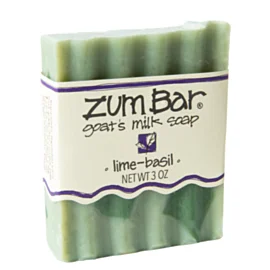
How well does your skin match with Zum Bar Goat's Milk Soap Lime Basil?
Login to see detailsOr continue via
Quick 1-minute survey • Completely free
Ingredients
Analysis results of Ingredients


Ingredient List
| EWG | CIR | Ingredient Name & Cosmetic Function | Notes |
|---|---|---|---|
| 2 | A |  | |
| 1 | A | | |
| 4 | - | | |
| 1 | - | (Skin Conditioning) | |
Zum Bar Goat's Milk Soap Lime Basil - Ingredient Explanation
Castor Oil
1. Definition Castor Oil:
Castor oil is a vegetable oil extracted from the seeds of the castor bean plant, scientifically known as Ricinus communis. It is a thick, pale yellow liquid with a distinct odor and is widely used in various industries, including cosmetics.2. Use:
Castor oil is commonly used in cosmetics for its moisturizing and conditioning properties. It is rich in fatty acids, particularly ricinoleic acid, which helps to hydrate and nourish the skin. Castor oil is often found in skincare products such as lotions, creams, and lip balms, as well as in hair care products like shampoos and conditioners.3. Usage Castor Oil:
When using castor oil in cosmetics, it is important to patch test first to check for any allergic reactions. To use castor oil on the skin, simply apply a small amount to the desired area and gently massage it in. For hair care, castor oil can be applied to the scalp and hair, left on for a period of time, and then washed out with shampoo. It is important to note that castor oil is a thick oil and may be too heavy for some skin types, so it is recommended to use it sparingly or mix it with lighter oils.4. References:
- Gavamukulya, Y., Abou-Elella, F., Wamunyokoli, F., & AEl-Shemy, H. (2014). Phytochemical, pharmacological and industrial potential of Ricinus communis Linn: A review. Pharmacognosy Reviews, 8(16), 157-162.
- Vieira, C., Evangelista, S., Cirillo, R., Lippi, A., & Maggi, C. A. (2001). Evaluation of ricinoleic acid esters in topical preparations for hair growth in mice. Journal of Cosmetic Science, 52(6), 321-326.
- Patel, V. R., Dumancas, G. G., Kasi Viswanath, L. C., Maples, R., Subong, B. J. J., & Castanares, M. (2016). Castor oil: Properties, uses, and optimization of processing parameters in commercial production. Lipid Insights, 9, 1-12.
Elaeis Guineensis (African Oil Palm) Oil
1. Definition Elaeis Guineensis (African Oil Palm) Oil:
Elaeis Guineensis (African Oil Palm) Oil is a type of vegetable oil derived from the fruit of the African oil palm tree. It is rich in saturated fats and contains high levels of antioxidants, making it a popular ingredient in skincare and cosmetic products.2. Use:
African Oil Palm Oil is commonly used in cosmetics for its moisturizing properties. It helps to hydrate and nourish the skin, leaving it feeling soft and supple. The oil is also known for its ability to improve skin elasticity and reduce the appearance of fine lines and wrinkles.3. Usage Elaeis Guineensis (African Oil Palm) Oil:
African Oil Palm Oil can be found in a variety of cosmetic products, including moisturizers, lotions, serums, and hair care products. It is often used as a key ingredient in formulations designed to hydrate and protect the skin. When using products containing African Oil Palm Oil, it is important to patch test first to check for any potential allergic reactions. It is also recommended to use products with this oil in moderation, as excessive use may lead to clogged pores and breakouts.4. References:
- Tchoumbougnang, F., Zollo, P. H., Dagne, E., & Mekonnen, Y. (2005). Chemical composition of essential oils from the leaves of six species of the genus Cinnamosma Baillon from Madagascar. Flavour and Fragrance Journal, 20(2), 139-142.
- Akihisa, T., Kojima, N., Kikuchi, T., Yasukawa, K., Tokuda, H., T Masters, E., ... & Manosroi, A. (2010). Anti-inflammatory and chemopreventive effects of triterpene cinnamates and acetates from shea fat. Journal of Oleo Science, 59(6), 273-280.
- Ong, A. S., & Goh, S. H. (1990). Palm oil: a healthful and cost-effective dietary component. Food and Nutrition Bulletin, 11(3), 1-6.
Unspecified Oils
1. Definition Unspecified Oils:
Unspecified oils in cosmetics refer to oils that are not specifically identified or labeled with a particular type or source. These oils may be a blend of different oils or simply listed as "oil" on the ingredient list.2. Use:
Unspecified oils are commonly used in cosmetics as emollients, moisturizers, and carriers for other active ingredients. They help to hydrate and soften the skin, improve the texture of products, and enhance the overall performance of the formulation.3. Usage Unspecified Oils:
When using cosmetics containing unspecified oils, it is important to be aware of any potential allergies or sensitivities to certain oils. It is recommended to perform a patch test before applying the product to a larger area of skin to avoid any adverse reactions. Additionally, individuals with oily or acne-prone skin may want to use products with unspecified oils sparingly to prevent clogged pores and breakouts.4. References:
- Fiume, M. M., et al. (2013). Safety assessment of glycerin as used in cosmetics. International Journal of Toxicology, 32(5S), 59S-83S.
- Loden, M. (2003). Role of topical emollients and moisturizers in the treatment of dry skin barrier disorders. American Journal of Clinical Dermatology, 4(11), 771-788.
- Draelos, Z. D. (2012). The science behind skin-care products. Journal of Cosmetic Dermatology, 11(4), 247-253.
Goat Milk
1. Definition Goat Milk:
Goat milk in cosmetics refers to the use of goat milk or its derivatives in skincare, haircare, and other beauty products. Goat milk is known for its moisturizing properties and is rich in vitamins, minerals, and fatty acids that are beneficial for the skin and hair.2. Use:
Goat milk is commonly used in cosmetics for its nourishing and hydrating properties. It can help to moisturize dry skin, soothe irritation, and improve the overall texture and appearance of the skin. Goat milk is also gentle and suitable for sensitive skin, making it a popular ingredient in products designed for those with skin conditions such as eczema or psoriasis.3. Usage Goat Milk:
When using cosmetics containing goat milk, it is important to patch test the product first to check for any allergic reactions or sensitivities. Goat milk products should be stored in a cool, dry place away from direct sunlight to maintain their efficacy. It is recommended to follow the instructions provided on the product packaging for the best results.4. References:
- Sharma, A., & Gupta, A. (2014). Goat milk as a potential ingredient in functional foods. International Journal of Dairy Technology, 67(2), 153-164.
- Park, Y. W. (2015). Goat milk—chemistry and nutrition. In Handbook of milk of non-bovine mammals (pp. 49-72). John Wiley & Sons.
- Yilmaz-Ersan, L., & Ozcan, T. (2019). Goat milk and its products: A review. European Journal of Dairy Science and Technology, 71(2), 136-147.
Review

Didn't find
the information you need?






Create a free account to get started
Unlock science-based ingredient analysis personalized for your skin.
Already have an account? Log in
We protect your privacy. We never send spam.