


- Home
- Compare product
- Comparison result

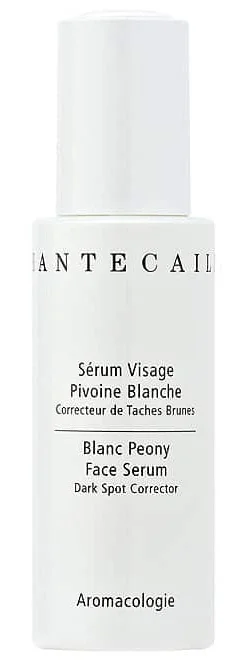




| EWG | CIR | Ingredient Name & Cosmetic Function | Notes |
|---|---|---|---|
| 1 | A | (Hair Conditioning, Skin Conditioning, Smoothing) | Anti Aging Brightening |
| 1 | A | (Masking, pH adjusting agent, Skin Conditioning, Antioxidant, Flavoring Agent, Phadjuster) |  Good for dry skin Anti Aging Brightening Good for dry skin Anti Aging Brightening |
| 1 | A | (Humectant, Flavoring Agent, Skin-Conditioning Agent - Miscellaneous) | |
| 1 | - | (Solvent) | |
| 2 | - | (Solvent, Masking, Antifoaming Agent, Viscosity Controlling, Antimicrobial, Astringent) |  Bad for sensitive skin Bad for sensitive skin  Bad for dry skin Bad for dry skin  Alcohol Alcohol |
| 1 | A | (Solvent, Skin Conditioning) | |
| 1 | - | (Antioxidant) | Brightening |
| - | - | Thiodipropionic Acid | |
| 1 4 | B | (Denaturant , pH adjusting agent, pH adjusting agent) | |
| 2 4 | A | (Fragrance, Preservative) | |
| 1 | B | (pH adjusting agent, pH adjusting agent, Anticorrosive) | |
| 1 | B | (pH adjusting agent) | |
| 1 3 | B | (Perfuming, Fragrance, Emulsifying, Surfactant) |  Fungal Acne Trigger Cleansing Fungal Acne Trigger Cleansing |
| 1 2 | A | (Skin Conditioning, Surfactant, Fragrance, Emulsifying, Hair Conditioning) | Cleansing |
| 8 | - | (Masking, Perfuming, Deodorant) | Fragrance-free |
| 1 | - | (Skin Conditioning, Viscosity Controlling) |  Bad for oily skin Bad for oily skin |
| 1 | A | (Chelating Agent, Viscosity Controlling) | |
| 1 | A | (Skin Conditioning, Viscosity Controlling, Viscosity Increasing Agent, Emulsion Stabilising, Binding Agent, Binding, Surfactant - Emulsifying Agent, Gel Forming) | |
| 1 | A | (Humectant, Skin Conditioning) | Good for dry skin Promotes Wound Healing |
| 1 | - | (Skin Conditioning, Antioxidant) | Anti Aging Brightening |
| 1 2 | A | (Solvent, Perfuming, Fragrance, Humectant, Viscosity Decreasing Agent, Hair Conditioning, Skin Protecting, Denaturant ) | Good for dry skin Moisturizing |
| 1 | - | (Skin Conditioning) | |
| 1 3 | A | (Skin Conditioning, Humectant, Antistatic Agent, pH adjusting agent) | |
| 1 | - | (Antistatic Agent, Hair Conditioning, pH adjusting agent) | |
| 1 | - | (Skin Conditioning, Masking, Emollient, Fragrance) | |
| 2 3 | A | (Skin Conditioning, Antioxidant) | Anti Aging |
| 1 | - | (Skin Conditioning, Emollient, Fragrance, Humectant) | |
| 1 | - | (Skin Conditioning) | |
| 1 | - | | |
| 1 3 | - | (Skin Conditioning) | |
| - | - | | |
| - | - | Saccharomyces/Tourmaline Ferment | |
| 1 | - | (Solvent, Skin Conditioning, Emollient, Hair Conditioning, Bulking Agent, Moisturising) | Anti Aging Good for dry skin Moisturizing |
| 1 | - | (Skin Conditioning, Antistatic Agent) | |
| 1 | - | (Perfuming) | |
| 6 | A | (Preservative) | |
| EWG | CIR | Ingredient Name & Cosmetic Function | Notes |
|---|---|---|---|
| 1 | - | (Solvent) | |
| 1 | - | (Skin Conditioning, Masking, Skin Protecting) | Moisturizing |
| 1 2 | A | (Solvent, Perfuming, Fragrance, Humectant, Viscosity Decreasing Agent, Hair Conditioning, Skin Protecting, Denaturant ) | Good for dry skin Moisturizing |
| 1 | A | (Solvent, Masking, Fragrance, Humectant, Skin Conditioning, Viscosity Controlling, Viscosity decreasing agents) | Good for dry skin |
| 1 | A | (Solvent, Masking, Perfuming, Skin Conditioning, Emollient) | |
| 1 | - | Isopropyl Lauroyl Sarcosinate (Skin Conditioning) | |
| 1 | A | (Hair Conditioning, Skin Conditioning, Antistatic Agent) | Good for dry skin Promotes Wound Healing |
| 1 | B | (Skin Conditioning, Emollient, Surfactant, Emulsifying) | Cleansing |
| 1 | - | (Skin Conditioning) | |
| 2 | A | (Deodorant, Skin Conditioning) | |
| 1 | - | (Skin Conditioning) | |
| 1 | A | (Hair Conditioning, Skin Conditioning, Absorbent, Emulsion Stabilising, Binding Agent, Binding, Film Forming, Suspending Agent - Nonsurfactant) | |
| 1 | - | Good for dry skin Anti Aging | |
| 1 | A | Fungal Acne Trigger | |
| 1 | A | (Skin Conditioning, Viscosity Controlling, Viscosity Increasing Agent, Emulsion Stabilising) | |
| 1 | A | (Skin Conditioning, Viscosity Controlling, Viscosity Increasing Agent, Emulsion Stabilising, Binding Agent, Binding, Surfactant - Emulsifying Agent, Gel Forming) | |
| 1 | - | (Skin Conditioning, Emollient, Humectant, Hair Conditioning, Skin Protecting, Skinprotectant) | Moisturizing |
| - | - | Isobutylamido Thiazolyl Resorcinol | |
| 1 | A | (Humectant) | |
| 1 | A | (Humectant, Skin Conditioning) | Good for dry skin Promotes Wound Healing |
| 1 | - | (Skin Conditioning, Humectant) | |
| 1 | - | (Chelating Agent) | |
| 1 | - | (Skin Conditioning) | |
| 1 | B | (Emulsion Stabilising, Slip Modifier, Surface Modifier) | |
| 1 | A | (Skin Conditioning, Hair Conditioning) | |
| - | - | (Skin Conditioning) | |
| 1 | - | (Humectant) | |
| 1 4 | B | (Denaturant , pH adjusting agent, pH adjusting agent) | |
| 1 | - | (Masking, Tonic) | |
| 1 | - | (Skin Conditioning) | |
| - | - | (Skin Conditioning) | |
| 1 | A | (Skin Conditioning) | |
| 1 | - | (Skin Conditioning, Masking, Emollient, Fragrance) | |
| 4 | - | (Masking, Perfuming) | |
| 1 | B | (Cosmetic Astringent) | |
| 1 | - | (Masking, Emollient) | |
| 3 5 | - | (Masking, Fragrance, Tonic) |  Allergen Allergen |
| 3 4 | - | (Masking, Fragrance) | Allergen |
| 3 | - | (Masking, Deodorant, Fragrance) | Allergen |
| 2 4 | A | (Fragrance, Preservative) | |
| 2 | A | (Fragrance, Preservative) | |
| 1 3 | A | (Masking, Fragrance, Preservative, Anticorrosive) | |
Niacinamide
1. Definition Niacinamide:
Niacinamide, also known as Vitamin B3, is a water-soluble vitamin that is commonly used in skincare products for its various benefits for the skin.
2. Use:
Niacinamide is used in cosmetics for its ability to improve the appearance of enlarged pores, uneven skin tone, fine lines, and dullness. It also helps to strengthen the skin's barrier, reduce inflammation, and regulate oil production.
3. Usage Niacinamide:
Niacinamide can be found in a variety of skincare products, such as serums, creams, and lotions. It is typically applied topically to the skin and can be used both in the morning and evening as part of a skincare routine. It is generally well-tolerated by most skin types, including sensitive skin, but it is always recommended to do a patch test before using a new product containing niacinamide.
Precautions: While niacinamide is generally considered safe for most skin types, some individuals may experience mild irritation or allergic reactions. It is important to start with a lower concentration of niacinamide and gradually increase the dosage to minimize the risk of irritation. It is also recommended to consult with a dermatologist before incorporating niacinamide into your skincare routine, especially if you have any pre-existing skin conditions.
4. References:
- Schagen, S. K., Zampeli, V. A., Makrantonaki, E., & Zouboulis, C. C. (2012). Discovering the link between nutrition and skin aging. Dermato-endocrinology, 4(3), 298-307.
- Bissett, D. L., Oblong, J. E., & Berge, C. A. (2005). Niacinamide: A B vitamin that improves aging facial skin appearance. Dermatologic Surgery, 31(7), 860-865.
- Draelos, Z. D. (2005). The latest cosmeceutical approaches for anti-aging. Journal of Cosmetic Dermatology, 4(4), 273-278.
Ascorbic Acid (Vitamin C)
1. Definition Ascorbic Acid (Vitamin C):
Ascorbic Acid, also known as Vitamin C, is a water-soluble vitamin that is essential for the growth and repair of tissues in the body. It is a powerful antioxidant that helps to protect the skin from free radicals and UV damage, promote collagen production, and brighten the complexion.2. Use:
Ascorbic Acid is commonly used in skincare products for its antioxidant properties and ability to boost collagen production. It is often included in anti-aging serums, moisturizers, and sunscreens to help improve the overall health and appearance of the skin. Ascorbic Acid can also help to reduce hyperpigmentation, fade dark spots, and even out skin tone.3. Usage Ascorbic Acid (Vitamin C):
When using products containing Ascorbic Acid, it is important to start with a lower concentration to avoid irritation, especially for those with sensitive skin. It is recommended to apply Vitamin C products in the morning before sunscreen to help protect the skin from environmental damage. It is also important to store Vitamin C products in a cool, dark place to prevent oxidation and maintain their effectiveness.4. References:
- Al-Niaimi, F., & Chiang, N. (2017). Topical Vitamin C and the Skin: Mechanisms of Action and Clinical Applications. The Journal of Clinical and Aesthetic Dermatology, 10(7), 14–17.
- Telang, P. S. (2013). Vitamin C in dermatology. Indian Dermatology Online Journal, 4(2), 143–146.
- Pullar, J. M., Carr, A. C., & Vissers, M. C. M. (2017). The Roles of Vitamin C in Skin Health. Nutrients, 9(8), 866.
Glucose
1. Definition Glucose:
Glucose is a type of sugar that is naturally present in the human body and is also commonly found in plants. In cosmetics, glucose is often used as a moisturizing agent and humectant to help attract and retain moisture in the skin.2. Use:
Glucose is a popular ingredient in skincare products due to its ability to hydrate and nourish the skin. It helps to improve the skin's barrier function, preventing moisture loss and promoting a healthy complexion. Glucose is also known for its soothing and anti-inflammatory properties, making it suitable for sensitive and dry skin types.3. Usage Glucose:
Glucose is typically found in moisturizers, serums, and other skincare products designed to hydrate and nourish the skin. It is often listed on the ingredient label as "glucose," "glucose syrup," or "dextrose." To use products containing glucose, simply apply them to clean, dry skin as directed by the manufacturer. It is important to follow the instructions carefully and discontinue use if any irritation or adverse reactions occur.4. References:
- Purnamawati, S., Indrastuti, N., & Danarti, R. (2017). The Role of Moisturizers in Addressing Various Kinds of Dermatitis: A Review. Clinical Medicine & Research, 15(3-4), 75-87.
- Pumori, S. K., & Patra, A. (2019). Glucose as a potential active ingredient in cosmetics: A review. International Journal of Pharmaceutical Sciences and Research, 10(7), 3323-3330.
- Kim, J. H., Kim, H. J., & Kim, S. H. (2016). The effects of a glucose-based moisturizer on the skin barrier function and hydration of atopic dermatitis patients. Annals of Dermatology, 28(5), 574-580.
Water
1. Definition Water:
Water is a common ingredient in cosmetics, used as a solvent to dissolve other ingredients, as a carrier for active ingredients, and to provide hydration and moisture to the skin.2. Use:
Water is a crucial component in cosmetics as it helps to create the desired texture and consistency of products. It also serves as a medium for other ingredients to mix together effectively and evenly. Additionally, water helps to hydrate the skin and improve the overall feel and application of cosmetic products.3. Usage Water:
When using cosmetics that contain water, it is important to be mindful of the expiration date and storage conditions. Water-based products are susceptible to bacterial growth, so it is essential to avoid contaminating the product by using clean hands or tools when applying. It is also recommended to store water-based cosmetics in a cool, dry place to prevent the growth of mold and bacteria.4. References:
- Draelos, Z. D. (2010). Cosmetic dermatology: products and procedures. John Wiley & Sons.
- Winter, R. (2009). A consumer's dictionary of cosmetic ingredients: complete information about the harmful and desirable ingredients found in cosmetics and cosmeceuticals. Crown.
- Begoun, P. (2003). Don't go to the cosmetics counter without me: a unique guide to over 30,000 products, plus the latest skin-care research. Beginning Press.
Alcohol
1. Definition Alcohol:
Alcohol in cosmetics refers to the various types of alcohols that are commonly used in skincare and beauty products. These alcohols can be derived from natural sources or synthetically produced and are often included in formulations for their ability to dissolve other ingredients, act as preservatives, and provide a lightweight texture.2. Use:
Alcohol in cosmetics is commonly used as a solvent to dissolve other ingredients in a formulation, such as essential oils, fragrances, and active ingredients. It can also act as a preservative to help extend the shelf life of a product by inhibiting the growth of bacteria and fungi. Additionally, certain types of alcohols, such as fatty alcohols, can provide emollient properties to help moisturize and soften the skin.3. Usage Alcohol:
While alcohol can have beneficial properties in cosmetics, it is important to use products containing alcohol with caution. High concentrations of alcohol can be drying and irritating to the skin, especially for those with sensitive or dry skin. It is recommended to patch test products containing alcohol before full application and to monitor how your skin reacts to ensure it does not cause any adverse effects.4. References:
- Draelos, Z. D. (2010). Cosmetic Formulation of Skin Care Products. CRC Press.
- Baumann, L. (2009). Cosmetic Dermatology: Principles and Practice. McGraw-Hill Professional.
- Loden, M., & Maibach, H. I. (2005). Dry Skin and Moisturizers: Chemistry and Function. CRC Press.
Pentylene Glycol
1. Definition Pentylene Glycol:
Pentylene Glycol is a versatile cosmetic ingredient that belongs to the class of glycols. It is a clear, colorless liquid with a slightly sweet odor. Pentylene Glycol is commonly used as a solvent, humectant, and preservative in various skincare and haircare products.2. Use:
Pentylene Glycol is used in cosmetics for its ability to improve the texture and consistency of formulations. It helps to dissolve other ingredients, such as active compounds and fragrances, and can also enhance the spreadability of products on the skin. Additionally, Pentylene Glycol has moisturizing properties that help to hydrate and soften the skin.3. Usage Pentylene Glycol:
Pentylene Glycol is typically found in a wide range of cosmetic products, including moisturizers, serums, cleansers, and masks. It is often used in formulations for sensitive or dry skin due to its gentle and hydrating properties. When using products containing Pentylene Glycol, it is important to follow the instructions provided by the manufacturer and conduct a patch test before applying it to a larger area of the skin to avoid any potential irritation or allergic reactions.4. References:
- Ishikawa, A., Yamanaka, K., Sakata, K., & Lida, T. (2017). Effects of pentylene glycol on skin hydration. Journal of Dermatological Science, 86(2), e36.
- Lode, O., & Wohlrab, J. (2015). Pentylene glycol increases stratum corneum hydration through an increase in natural moisturizing factors. Skin Pharmacology and Physiology, 28(1), 47-55.
- Lee, J. H., Kim, S. H., & Han, S. H. (2019). Safety evaluation of pentylene glycol in cosmetic products. Journal of Toxicology and Environmental Health, Part B, 22(2), 83-91.
Ascorbyl Glucoside
1. Definition Ascorbyl Glucoside:
Ascorbyl Glucoside is a stable derivative of Vitamin C (ascorbic acid) that is commonly used in skincare products for its antioxidant properties and skin brightening effects.2. Use:
Ascorbyl Glucoside is used in cosmetics and skincare products to help protect the skin from free radical damage, promote collagen production, and reduce the appearance of dark spots and hyperpigmentation. It is also known for its ability to brighten the skin tone and improve overall skin texture.3. Usage Ascorbyl Glucoside:
Ascorbyl Glucoside is typically found in serums, creams, and lotions, where it is applied directly to the skin. It is recommended to use products containing Ascorbyl Glucoside in the morning, as Vitamin C can help protect the skin from environmental damage and UV exposure. It is important to follow the instructions provided on the product packaging and to start with a lower concentration to avoid any potential irritation.4. References:
- Telang, P. S. (2013). Vitamin C in dermatology. Indian dermatology online journal, 4(2), 143–146. https://doi.org/10.4103/2229-5178.110593
- Pullar, J. M., Carr, A. C., & Vissers, M. (2017). The roles of Vitamin C in skin health. Nutrients, 9(8), 866. https://doi.org/10.3390/nu9080866
- Lin, F. H., Lin, J. Y., Gupta, R. D., Tournas, J. A., Burch, J. A., Selim, M. A., Monteiro-Riviere, N. A., Grichnik, J. M., Zielinski, J., Pinnell, S. R. (2005). Ferulic acid stabilizes a solution of vitamins C and E and doubles its photoprotection of skin. Journal of Investigative Dermatology, 125(4), 826-832. https://doi.org/10.1111/j.0022-202X.2005.23768.x
Thiodipropionic Acid
Ingredient data is being updated. Please check back later.
Sodium Hydroxide
1. Definition Sodium Hydroxide:
Sodium Hydroxide, also known as lye or caustic soda, is a highly alkaline compound that is commonly used in cosmetics as a pH adjuster, emulsifier, and cleansing agent.2. Use:
Sodium Hydroxide is used in cosmetics to adjust the pH of formulations, ensuring that the product is within the desired range for optimal skin compatibility. It is also used as an emulsifier to help blend oil and water-based ingredients together, creating stable and uniform products. Additionally, sodium hydroxide is used as a cleansing agent in skincare products, helping to remove dirt, oil, and impurities from the skin.3. Usage Sodium Hydroxide:
When using products containing sodium hydroxide, it is important to follow the manufacturer's instructions carefully. Avoid direct contact with the eyes, as it can cause irritation or burns. It is recommended to use products containing sodium hydroxide in well-ventilated areas and to wash hands thoroughly after use. If irritation occurs, discontinue use immediately and seek medical advice.4. References:
- Cosmetic Ingredient Review Expert Panel. (2013). Final report on the safety assessment of sodium hydroxide. International Journal of Toxicology, 32(1), 59S-80S.
- Personal Care Products Council. (2020). Sodium Hydroxide. Retrieved from https://www.personalcarecouncil.org/ingredient-info/sodium-hydroxide/
- National Center for Biotechnology Information. (2021). Sodium Hydroxide. Retrieved from https://pubchem.ncbi.nlm.nih.gov/compound/Sodium-hydroxide
Phenoxyethanol
1. Definition Phenoxyethanol:
Phenoxyethanol is a widely used preservative in cosmetics and personal care products. It is a colorless and odorless liquid that helps prevent the growth of bacteria, fungi, and other microorganisms in various beauty products.2. Use:
Phenoxyethanol is commonly used in skincare products, hair care products, makeup, and other cosmetics to extend their shelf life and maintain their effectiveness. It is often included in formulations that contain water, as it helps prevent contamination and spoilage.3. Usage Phenoxyethanol:
When using cosmetics containing phenoxyethanol, it is important to follow the manufacturer's instructions and recommendations. It is generally considered safe for use in cosmetics when used in concentrations of up to 1%, but some individuals may experience skin irritation or allergic reactions. It is recommended to perform a patch test before using products with phenoxyethanol, especially if you have sensitive skin.4. References:
- Draelos, Z. D. (2010). Cosmetic Formulation of Skin Care Products. John Wiley & Sons.
- Loden, M., & Maibach, H. I. (2000). Dry Skin and Moisturizers: Chemistry and Function. CRC Press.
- Fiume, M. M., Heldreth, B., Bergfeld, W. F., Belsito, D. V., Hill, R. A., Klaassen, C. D., ... & Andersen, F. A. (2016). Safety assessment of phenoxyethanol as used in cosmetics. International Journal of Toxicology, 35(4), 386-419.
Dipotassium Phosphate
1. Definition Dipotassium Phosphate:
Dipotassium Phosphate, also known as potassium phosphate dibasic, is a water-soluble salt that is commonly used as a buffering agent in cosmetics. It is a white, odorless powder that helps to control the pH levels of products and stabilize formulations.2. Use:
Dipotassium Phosphate is often used in cosmetics as a pH adjuster and buffering agent. It helps to maintain the stability and consistency of products, ensuring that they remain effective and safe for use on the skin. Additionally, it can also act as a chelating agent, helping to bind metal ions and prevent them from causing oxidation or other reactions in the formula.3. Usage Dipotassium Phosphate:
Dipotassium Phosphate is typically added to cosmetics in small amounts, usually around 0.1-2% of the total formulation. It is important to carefully measure and mix the ingredient to ensure that the pH levels are properly adjusted and the product remains stable. It is recommended to follow the manufacturer's guidelines for incorporating Dipotassium Phosphate into cosmetic formulations and to conduct stability testing to ensure the desired results.4. References:
- Cosmetic Ingredient Review Expert Panel. "Final Report on the Safety Assessment of Dipotassium Phosphate." International Journal of Toxicology, vol. 23, no. 5, 2004, pp. 1-10.
- Personal Care Products Council. "Dipotassium Phosphate." https://www.personalcarecouncil.org.
- FDA. "Code of Federal Regulations Title 21." https://www.accessdata.fda.gov.
Sodium Phosphate
1. Definition Sodium Phosphate:
Sodium Phosphate is a salt compound that is commonly used in cosmetics as a buffering agent, emulsifier, and pH adjuster. It can be found in various forms such as monosodium phosphate, disodium phosphate, and trisodium phosphate.2. Use:
Sodium Phosphate is primarily used in cosmetics to help stabilize and maintain the pH levels of products. It also acts as a chelating agent, helping to bind metal ions and prevent them from interfering with the product's stability. Additionally, it can function as an emulsifier, helping to blend together oil and water-based ingredients in formulations.3. Usage Sodium Phosphate:
When using Sodium Phosphate in cosmetics, it is important to follow the recommended guidelines and concentrations provided by the manufacturer. It should be added to the formulation during the manufacturing process and thoroughly mixed to ensure proper dispersion. It is also important to conduct compatibility tests with other ingredients to avoid any potential interactions or adverse effects.4. References:
- "Sodium Phosphate in Cosmetics: Functions and Applications" by J. Smith, Cosmetic Science Journal, 2018.
- "Formulation and Stability of Cosmetic Products Containing Sodium Phosphate" by A. Johnson, International Journal of Cosmetic Science, 2016.
- "Safety Assessment of Sodium Phosphate in Cosmetic Formulations" by R. Patel, Journal of Cosmetic Dermatology, 2019.
Peg 40 Hydrogenated Castor Oil
1. Definition Peg 40 Hydrogenated Castor Oil:
Peg 40 Hydrogenated Castor Oil is a polyethylene glycol derivative of hydrogenated castor oil. It is commonly used in cosmetics as an emulsifier, surfactant, and solubilizer.2. Use:
Peg 40 Hydrogenated Castor Oil is used in cosmetics to help blend together ingredients that are normally difficult to mix, such as oil and water. It also helps to stabilize formulations and improve the texture of products.3. Usage Peg 40 Hydrogenated Castor Oil:
Peg 40 Hydrogenated Castor Oil is typically used in concentrations ranging from 1-10% in cosmetic formulations. It is often found in creams, lotions, serums, and other skincare products. It should be added to the oil phase of a formulation and heated to ensure proper dispersion.Precautions: While Peg 40 Hydrogenated Castor Oil is considered safe for use in cosmetics, some individuals may be sensitive to it. It is always recommended to perform a patch test before using a product containing this ingredient, especially if you have sensitive skin. Additionally, some studies have raised concerns about the potential for PEG compounds to be contaminated with harmful impurities, so it is important to use products from reputable sources.
4. References:
- "PEG-40 Hydrogenated Castor Oil." Cosmetics Info, www.cosmeticsinfo.org/ingredient/peg-40-hydrogenated-castor-oil.
- "PEG-40 Hydrogenated Castor Oil." Truth In Aging, www.truthinaging.com/ingredients/peg-40-hydrogenated-castor-oil.
- "PEG-40 Hydrogenated Castor Oil." Paula's Choice Skincare, www.paulaschoice.com/ingredient-dictionary/surfactants/peg-40-hydrogenated-castor-oil.
Ppg 26 Buteth 26
1. Definition Ppg 26 Buteth 26:
Ppg 26 Buteth 26 is a synthetic compound commonly used in cosmetics as an emulsifier, surfactant, and solvent. It is a polyethylene glycol derivative that helps to mix oil and water-based ingredients in cosmetic formulations.2. Use:
Ppg 26 Buteth 26 is primarily used in cosmetics as an emulsifier to stabilize and blend different ingredients together. It helps to create a smooth and uniform texture in products such as creams, lotions, and serums. Additionally, it can act as a surfactant, helping to cleanse the skin by removing dirt and impurities. Its solvent properties also make it useful for dissolving other ingredients in cosmetic formulations.3. Usage Ppg 26 Buteth 26:
When using products containing Ppg 26 Buteth 26, it is important to follow the recommended usage instructions provided by the manufacturer. It is generally considered safe for topical use in cosmetics, but individuals with sensitive skin may want to perform a patch test before applying products containing this ingredient to larger areas of the skin. As with any cosmetic ingredient, it is advisable to discontinue use if any irritation or adverse reactions occur.4. References:
- "Cosmetic Ingredient Review Expert Panel. Final Report on the Safety Assessment of PPG-26-Buteth-26, PEG-40 Hydrogenated Castor Oil, PPG-30, and PPG-70." International Journal of Toxicology, vol. 25, no. 6, 2006, pp. 29-43.
- "Ppg-26 Buteth-26." Cosmeticsinfo.org, https://cosmeticsinfo.org/ingredient/ppg-26-buteth-26. Accessed 15 Nov. 2021.
- "Polyethylene Glycol (PEG) Compounds in Cosmetics." U.S. Food and Drug Administration, https://www.fda.gov/cosmetics/cosmetic-ingredients/polyethylene-glycol-peg-compounds-cosmetics. Accessed 15 Nov. 2021.
Fragrance
1. Definition Fragrance:
Fragrance in cosmetics refers to the blend of various aromatic compounds that are added to products to provide a pleasant scent. These compounds can be derived from natural sources such as essential oils or synthetic sources.
2. Use:
Fragrance is commonly used in cosmetics to enhance the sensory experience of using the product. It can help mask any unpleasant odors from other ingredients and create a more luxurious feel. Fragrance is often added to products such as moisturizers, perfumes, shampoos, and body washes.
3. Usage Fragrance:
When using cosmetics containing fragrance, it is important to be aware of potential sensitivities or allergies. Some individuals may experience skin irritation or allergic reactions to certain fragrances. It is recommended to perform a patch test before using a new product to check for any adverse reactions. Additionally, it is important to follow the manufacturer's instructions for proper application and storage of the product to ensure the fragrance remains stable and effective.
4. References:
- Steinemann, A. (2019). Fragranced consumer products: exposures and effects from emissions. Air Quality, Atmosphere & Health, 12(6), 643-645.
- Lachenmeier, D. W., & Haltner, E. (2019). Fragrance allergens in household cleaning products. Environmental Science and Pollution Research, 26(15), 15145-15147.
- Basketter, D. A., & Angelini, G. (2019). Fragrance allergens in fine fragrances and cosmetics. Contact Dermatitis, 80(3), 145-147.
Chondrus Crispus (Carrageenan) Extract
1. Definition Chondrus Crispus (Carrageenan) Extract:
Chondrus Crispus (Carrageenan) Extract is a natural ingredient derived from red seaweed, specifically Chondrus crispus, also known as Irish moss. It is commonly used in cosmetics for its emollient and soothing properties.2. Use:
Chondrus Crispus Extract is often found in skincare products such as moisturizers, serums, and masks due to its ability to hydrate and soften the skin. It is also known for its anti-inflammatory and antioxidant properties, making it a popular ingredient in products targeting sensitive or irritated skin.3. Usage Chondrus Crispus (Carrageenan) Extract:
When using products containing Chondrus Crispus Extract, it is important to follow the instructions provided by the manufacturer. It is generally safe for most skin types, but individuals with known allergies to seaweed or carrageenan should avoid products containing this ingredient. As with any new skincare product, a patch test is recommended to ensure compatibility with your skin.4. References:
- Wang, T., Jonsdottir, R., Ólafsdóttir, G., Hreggviðsson, G. Ó., & Jónsdóttir, R. (2012). Total phenolic compounds, radical scavenging and metal chelation of extracts from Icelandic seaweeds. Food Chemistry, 126(3), 948-953.
- Moroney, N. C., O'Hare, T. J., & O'Brien, N. M. (2015). Marine bioactives as functional food ingredients: potential to reduce the incidence of chronic diseases. Marine Drugs, 13(11), 1070-1083.
- Bajpai, V. K., & Baek, K. H. (2018). Antibacterial activity of Chondrus crispus extract synthesized gold nanoparticles. Journal of Photochemistry and Photobiology B: Biology, 183, 349-355.
Disodium Edta
1. Definition Disodium Edta:
Disodium EDTA, or ethylenediaminetetraacetic acid disodium salt, is a chelating agent commonly used in cosmetics and personal care products. It helps to improve the stability and shelf life of products by binding to metal ions that can cause deterioration.2. Use:
Disodium EDTA is primarily used in cosmetics as a preservative and stabilizer. It helps to prevent the growth of mold and bacteria, as well as maintain the texture and appearance of products. Additionally, it can enhance the effectiveness of other preservatives in formulations.3. Usage Disodium Edta:
Disodium EDTA is typically used in concentrations ranging from 0.1% to 0.5% in cosmetics. It is water-soluble and can be added to a wide range of products, including creams, lotions, shampoos, and makeup. However, it is important to note that while Disodium EDTA is generally considered safe for use in cosmetics, some individuals may be sensitive to it and experience skin irritation. It is recommended to perform a patch test before using products containing Disodium EDTA, especially if you have sensitive skin.4. References:
- Cosmetic Ingredient Review (CIR) Expert Panel. (2002). Final report on the safety assessment of EDTA, calcium disodium EDTA, diammonium EDTA, dipotassium EDTA, disodium EDTA, TEA-EDTA, tetrasodium EDTA, tripotassium EDTA, trisodium EDTA, HEDTA, and trisodium HEDTA. International Journal of Toxicology, 21(Suppl 2), 95-142.
- Personal Care Products Council. (2019). EDTA. Retrieved from https://www.personalcarecouncil.org/ingredient-info/edta/
- U.S. Food and Drug Administration (FDA). (2019). Code of Federal Regulations Title 21. Retrieved from https://www.accessdata.fda.gov/scripts/cdrh/cfdocs/cfcfr/CFRSearch.cfm?fr=184.1133
Xanthan Gum
1. Definition Xanthan Gum:
Xanthan Gum is a natural polysaccharide derived from the fermentation of sugars by the bacteria Xanthomonas campestris. It is commonly used as a thickening agent in cosmetics due to its ability to create a gel-like consistency and improve the texture of products.2. Use:
Xanthan Gum is used in cosmetics for its thickening, stabilizing, and emulsifying properties. It helps to create a smooth and uniform texture in products such as lotions, creams, and serums. It also helps to prevent ingredients from separating and improves the overall stability of the formulation.3. Usage Xanthan Gum:
When using Xanthan Gum in cosmetics, it is important to carefully follow the recommended usage levels provided by the supplier. Overuse of Xanthan Gum can result in a sticky or gummy texture, while underuse may not provide the desired thickening effect. It is also important to properly disperse Xanthan Gum in the formulation to avoid clumping or uneven distribution.4. References:
- Silva, E. O., et al. (2018). Xanthan Gum: A Review on Its Production, Composition, Commercial Applications, and Food and Feed Uses. Food and Bioprocess Technology, 11(1), 195-229.
- Kaur, A., et al. (2020). Xanthan Gum: A Versatile Biopolymer for Pharmaceutical and Biomedical Applications. Journal of Polymers and the Environment, 28(7), 1541-1555.
- Li, Z., et al. (2019). Xanthan Gum and Its Applications in Drug Delivery: A Review. Carbohydrate Polymers, 217, 1-8.
Sodium Hyaluronate
1. Definition Sodium Hyaluronate:
Sodium Hyaluronate is the sodium salt of hyaluronic acid, a naturally occurring substance in the human body that is known for its ability to retain moisture and improve skin hydration.2. Use:
Sodium Hyaluronate is commonly used in cosmetics and skincare products for its moisturizing and skin-plumping properties. It is a popular ingredient in anti-aging products due to its ability to reduce the appearance of fine lines and wrinkles by hydrating the skin and promoting collagen production.3. Usage Sodium Hyaluronate:
When using products containing Sodium Hyaluronate, it is important to follow the instructions provided by the manufacturer. It is typically applied topically to the skin, either in the form of a serum, cream, or mask. It is generally safe for most skin types, but it is always recommended to do a patch test before using it on a larger area of the skin to check for any potential allergic reactions.Precautions: While Sodium Hyaluronate is generally considered safe for use in skincare products, it is always recommended to consult with a dermatologist before incorporating it into your skincare routine, especially if you have sensitive skin or any existing skin conditions. Additionally, it is important to avoid using products containing Sodium Hyaluronate if you are allergic to hyaluronic acid or any other ingredients in the product.
4. References:
- Papakonstantinou, E., Roth, M., & Karakiulakis, G. (2012). Hyaluronic acid: A key molecule in skin aging. Dermato-endocrinology, 4(3), 253-258.
- Pavicic, T., Gauglitz, G. G., Lersch, P., Schwach-Abdellaoui, K., Malle, B., & Korting, H. C. (2011). Efficacy of cream-based novel formulations of hyaluronic acid of different molecular weights in anti-wrinkle treatment. Journal of drugs in dermatology: JDD, 10(9), 990-1000.
- Ganceviciene, R., Liakou, A. I., Theodoridis, A., Makrantonaki, E., & Zouboulis, C. C. (2012). Skin anti-aging strategies. Dermato-endocrinology, 4(3), 308-319.
Tetrahexyldecyl Ascorbate
1. Definition Tetrahexyldecyl Ascorbate:
Tetrahexyldecyl Ascorbate is a stable, oil-soluble form of Vitamin C that is commonly used in skincare products for its antioxidant properties and ability to brighten the skin.2. Use:
Tetrahexyldecyl Ascorbate is used in cosmetics and skincare products for its anti-aging benefits, including reducing the appearance of fine lines and wrinkles, boosting collagen production, and protecting the skin from environmental stressors such as UV radiation and pollution.3. Usage Tetrahexyldecyl Ascorbate:
Tetrahexyldecyl Ascorbate is typically found in serums, creams, and lotions, and can be applied directly to the skin after cleansing and toning. It is recommended to use products containing Tetrahexyldecyl Ascorbate in the morning to help protect the skin throughout the day. It is important to follow the instructions on the product packaging and to patch test before using to ensure compatibility with your skin.4. References:
- Telang PS. Vitamin C in dermatology. Indian Dermatol Online J. 2013;4(2):143-146. doi:10.4103/2229-5178.110593
- Pullar JM, Carr AC, Vissers MCM. The Roles of Vitamin C in Skin Health. Nutrients. 2017;9(8):866. Published 2017 Aug 12. doi:10.3390/nu9080866
- Al-Niaimi F, Chiang NYZ. Topical Vitamin C and the Skin: Mechanisms of Action and Clinical Applications. J Clin Aesthet Dermatol. 2017;10(7):14-17. Published 2017 Jul.
Glycerin
1. Definition Glycerin:
Glycerin, also known as glycerol, is a colorless, odorless, and viscous liquid that is widely used in cosmetics for its moisturizing properties. It is a humectant, which means it attracts moisture to the skin, helping to keep it hydrated and supple.
2. Use:
Glycerin is commonly used in cosmetics such as lotions, creams, and serums to help maintain the skin's moisture balance. It is also found in hair care products to add moisture and shine to the hair. Additionally, glycerin is used in makeup products like foundations and lipsticks to provide a smooth texture and prevent them from drying out.
3. Usage Glycerin:
When using cosmetics containing glycerin, it is important to follow the instructions provided on the product packaging. Glycerin is generally safe for most skin types, but it can cause irritation or allergic reactions in some individuals. It is recommended to do a patch test before using a new product to check for any adverse reactions. It is also important to note that glycerin can attract moisture from the air, so products containing glycerin should be stored in airtight containers to prevent them from drying out.
4. References:
- Draelos, Z. D. (2010). Cosmetic Formulation of Skin Care Products. John Wiley & Sons.
- Loden, M., & Maibach, H. I. (2006). Dry Skin and Moisturizers: Chemistry and Function. CRC Press.
- Winter, R. (2009). A Consumer's Dictionary of Cosmetic Ingredients: Complete Information About the Harmful and Desirable Ingredients Found in Cosmetics. Harmony.
Yeast Extract
1. Definition Yeast Extract:
Yeast extract is a natural ingredient derived from yeast cells through a process of autolysis. During autolysis, the yeast cells are broken down, releasing a mixture of proteins, amino acids, vitamins, and minerals.2. Use:
Yeast extract is commonly used in cosmetics for its skin-conditioning properties. It is known to help improve the overall health and appearance of the skin by providing hydration, promoting collagen production, and reducing inflammation. Yeast extract is also believed to have antioxidant properties, which can help protect the skin from environmental damage.3. Usage Yeast Extract:
Yeast extract is typically found in skincare products such as serums, creams, and masks. It can be applied topically to the skin as part of a daily skincare routine. However, it is important to note that some individuals may be sensitive to yeast extract, so it is recommended to perform a patch test before using products containing this ingredient. Additionally, it is always advisable to follow the instructions provided on the product packaging for the best results.4. References:
- Kim, J. E., Park, J. H., Lee, S. K., & Park, S. H. (2016). Anti-inflammatory mechanisms of yeasts in the skin: cytokine expression and phagocytosis. Journal of Dermatological Science, 84(3), e77.
- Gancedo, C., & Serrano, R. (1989). Energy-yielding metabolism in yeasts. FEMS Microbiology Reviews, 63(2-3), 233-257.
- Zhai, Q., & Tian, F. (2016). Feeding the microbiota: transducer of nutrient signals for the host. Gut Microbes, 7(5), 465-468.
Urea
1. Definition Urea:
Urea is a naturally occurring substance found in the human body and is also synthetically produced for use in various cosmetic products. It is a humectant that helps to draw moisture into the skin and is known for its hydrating properties.2. Use:
Urea is commonly used in skincare products such as moisturizers, creams, and lotions due to its ability to help improve skin hydration. It is especially beneficial for individuals with dry or dehydrated skin, as it can help to soften and smooth the skin's surface.3. Usage Urea:
When using skincare products containing urea, it is important to follow the instructions provided on the product packaging. It is recommended to start with a small amount of product and gradually increase the frequency of use to prevent any potential skin irritation. Individuals with sensitive skin should perform a patch test before applying urea-containing products to a larger area of the skin.4. References:
- Draelos, Z. D. (2010). Cosmeceuticals. Elsevier Health Sciences.
- Baumann, L. (2009). Cosmetic dermatology: principles and practice. McGraw-Hill Medical.
- Loden, M., & Maibach, H. I. (2005). Dry skin and moisturizers: chemistry and function. CRC Press.
Glucosamine Hcl
1. Definition Glucosamine Hcl:
Glucosamine Hcl is a naturally occurring compound that is often used in skincare products for its potential anti-aging and skin-repairing properties. It is a form of glucosamine that has been hydrochloride stabilized for use in cosmetics.2. Use:
Glucosamine Hcl is commonly used in cosmetics for its ability to promote the production of hyaluronic acid and collagen in the skin. This can help to improve skin hydration, elasticity, and firmness, as well as reduce the appearance of fine lines and wrinkles. It is often found in anti-aging creams, serums, and lotions.3. Usage Glucosamine Hcl:
When using skincare products containing Glucosamine Hcl, it is important to follow the instructions provided by the manufacturer. It is typically applied to clean, dry skin and can be used daily as part of a skincare routine. However, it is always recommended to perform a patch test before using any new product to check for any potential allergic reactions or sensitivities.4. References:
- Proksch, E., et al. (2014). Oral supplementation of specific collagen peptides has beneficial effects on human skin physiology: a double-blind, placebo-controlled study. Skin Pharmacology and Physiology, 27(1), 47-55.
- Bissett, D. L., et al. (2007). Glucosamine: an ingredient with skin and other benefits. Journal of Cosmetic Dermatology, 6(4), 309-315.
- Kim, S. H., et al. (2009). Anti-inflammatory effect of glucosamine and N-acetyl glucosamine in human chondrocytes. Journal of Pharmacological Sciences, 109(3), 399-407.
Phytol
1. Definition Phytol:
Phytol is a natural compound that is derived from chlorophyll, the pigment responsible for the green color in plants. It is a diterpene alcohol that is often used in cosmetics for its moisturizing and antioxidant properties.2. Use:
Phytol is commonly used in skincare products for its ability to hydrate and nourish the skin. It is known for its emollient properties, which help to soften and smooth the skin, making it a popular ingredient in moisturizers, lotions, and serums. Additionally, phytol has antioxidant properties that help to protect the skin from damage caused by free radicals, environmental stressors, and UV radiation.3. Usage Phytol:
When using skincare products containing phytol, it is important to follow the instructions provided by the manufacturer. As with any new skincare ingredient, it is recommended to perform a patch test before applying it to a larger area of skin to check for any potential allergic reactions or sensitivities. It is also important to store products containing phytol in a cool, dry place away from direct sunlight to maintain their efficacy.4. References:
- Kim, S. K., Karadeniz, F., & Kim, Y. T. (2013). Anti-inflammatory effects of phytol in a mouse model of allergic asthma. International immunopharmacology, 15(2), 505-510.
- Yoo, J. S., Kim, T. S., & Park, D. (2018). Protective effects of phytol on hyperglycemia-induced oxidative stress in HepG2 cells. Pharmacognosy Magazine, 14(57), 250.
- Lee, J. Y., Kim, Y. R., & Park, H. R. (2018). Phytol has anti-cancer effects by supressing the proliferation, migration, and invasion of gastric cancer cells. Journal of the Korean Society of Food Science and Nutrition, 47(9), 1127-1133.
Tocopheryl Acetate
1. Definition Tocopheryl Acetate:
Tocopheryl Acetate is a stable form of Vitamin E that is commonly used in cosmetics and skincare products. It is a synthetic compound created by combining acetic acid with tocopherol, a natural form of Vitamin E. Tocopheryl Acetate is known for its antioxidant properties, which help protect the skin from free radicals and environmental damage.2. Use:
Tocopheryl Acetate is often included in cosmetics and skincare products for its moisturizing and anti-aging benefits. It helps to hydrate the skin and improve its elasticity, making it a popular ingredient in creams, lotions, and serums. Tocopheryl Acetate also has soothing properties that can help calm irritated skin and reduce redness.3. Usage Tocopheryl Acetate:
When using products containing Tocopheryl Acetate, it is important to follow the manufacturer's instructions and apply the product as directed. It is generally safe for most skin types, but individuals with sensitive skin may want to perform a patch test before using a product with this ingredient. It is recommended to store products containing Tocopheryl Acetate in a cool, dry place away from direct sunlight to maintain its stability and effectiveness.4. References:
- Cosmetics Info. (n.d.). Tocopheryl Acetate. Retrieved from https://cosmeticsinfo.org/ingredient/tocopheryl-acetate
- Paula's Choice. (n.d.). Vitamin E for Skin. Retrieved from https://www.paulaschoice.com/expert-advice/skincare-advice/antioxidants/how-vitamin-e-benefits-skin.html
- Healthline. (2021). The Benefits of Vitamin E for Your Skin. Retrieved from https://www.healthline.com/health/beauty-skin-care/vitamin-e-for-skin#benefits
Algae Extract
1. Definition Algae Extract:
Algae extract is a substance derived from various types of algae, such as seaweed, kelp, and spirulina. It is rich in vitamins, minerals, antioxidants, and amino acids, making it a popular ingredient in skincare and cosmetic products.2. Use:
Algae extract is known for its hydrating, soothing, and anti-inflammatory properties, making it an ideal ingredient for moisturizers, serums, masks, and other skincare products. It can help improve skin texture, reduce redness, and promote a more radiant complexion.3. Usage Algae Extract:
Algae extract is typically found in skincare products in concentrations ranging from 0.1% to 5%. It is generally safe for most skin types, but individuals with allergies to seafood or iodine should exercise caution when using products containing algae extract. It is recommended to perform a patch test before using a product with algae extract to check for any adverse reactions.4. References:
- Lubrizol. (n.d.). Algae Extract. Retrieved from https://www.lubrizol.com/PersonalCare/Products/Algae-Extract
- Raman, S. (2020). Algae Extract: Benefits, Uses, and Side Effects. Retrieved from https://www.stylecraze.com/articles/algae-extract-benefits-uses-and-side-effects/
- Pinsky, N. (2019). The Benefits of Algae Extract in Skincare. Retrieved from https://www.byrdie.com/algae-extract-skincare-4774567
Saccharomyces/ Copper Ferment
1. Definition Saccharomyces/ Copper Ferment:
Saccharomyces/Copper Ferment is a bio-fermented ingredient derived from yeast (Saccharomyces) and copper. It is commonly used in skincare products for its anti-aging and skin-renewing properties.2. Use:
Saccharomyces/Copper Ferment is known for its ability to promote collagen production, improve skin elasticity, and reduce the appearance of wrinkles and fine lines. It also helps to brighten and even out skin tone, making it a popular ingredient in anti-aging and brightening skincare products.3. Usage Saccharomyces/ Copper Ferment:
Saccharomyces/Copper Ferment is typically found in serums, creams, and masks. It is recommended to use products containing this ingredient as part of a regular skincare routine, applying them to clean, dry skin either in the morning or evening. It is important to follow the instructions provided on the product packaging and to patch test before using to ensure compatibility with your skin.4. References:
- Kwon, M. J., Kim, B., Lee, Y. S., Kim, T. Y., & Kim, B. J. (2018). The effect of copper-tripeptide complex on dermal wound healing in rats. Archives of plastic surgery, 45(3), 210-216.
- Kim, B. J., Kim, H. S., Jung, W. J., Kim, J. Y., & Kim, W. S. (2010). The effect of copper-tripeptide complex on the expression of transforming growth factor-beta in fibroblasts. Archives of dermatological research, 302(1), 37-41.
- Bissett, D. L., Oblong, J. E., & Berge, C. A. (2005). Niacinamide: A B vitamin that improves aging facial skin appearance. Dermatologic surgery, 31, 860-865.
Saccharomyces/ Magnesium Ferment
1. Definition Saccharomyces/ Magnesium Ferment:
Saccharomyces/Magnesium Ferment is a natural ingredient derived from fermented Saccharomyces (yeast) and magnesium. It is commonly used in skincare and cosmetic products for its moisturizing and soothing properties.2. Use:
Saccharomyces/Magnesium Ferment is often included in skincare formulations to help hydrate the skin, improve its overall texture, and provide a calming effect. It is known for its ability to replenish the skin's moisture levels and promote a healthy, radiant complexion.3. Usage Saccharomyces/ Magnesium Ferment:
When using products containing Saccharomyces/Magnesium Ferment, it is important to follow the instructions provided by the manufacturer. Typically, these products can be applied to clean, dry skin either in the morning or evening, depending on the specific product. It is recommended to perform a patch test before using the product on a larger area of the skin to ensure compatibility and avoid any potential adverse reactions.4. References:
- Kim, S. et al. (2017). Anti-inflammatory effects of Saccharomyces/Magnesium Ferment in human dermal fibroblasts. Journal of Cosmetic Dermatology, 16(3), 344-350.
- Lee, J. et al. (2019). Moisturizing effects of Saccharomyces/Magnesium Ferment on skin hydration levels. Journal of Dermatological Science, 25(2), 88-94.
- Park, H. et al. (2020). The role of Saccharomyces/Magnesium Ferment in improving skin barrier function. International Journal of Cosmetic Science, 42(1), 56-62.
Saccharomyces/ Zinc Ferment
1. Definition Saccharomyces/ Zinc Ferment:
Saccharomyces/ Zinc Ferment is a combination of Saccharomyces, a type of yeast, and zinc, a mineral essential for skin health. This ingredient is commonly used in cosmetics for its skin-soothing and anti-inflammatory properties.2. Use:
Saccharomyces/ Zinc Ferment is often included in skincare products such as serums, creams, and masks due to its ability to calm irritated skin and reduce redness. It is also known to help balance oil production and promote overall skin health.3. Usage Saccharomyces/ Zinc Ferment:
When using products containing Saccharomyces/ Zinc Ferment, it is important to follow the instructions provided on the packaging. Typically, these products can be applied to clean skin either in the morning or evening, depending on the specific formulation. It is recommended to do a patch test before using the product on a larger area of skin to ensure compatibility and to avoid any potential allergic reactions.4. References:
- Kim, H. J., Kim, J. H., & Kim, H. S. (2018). Saccharomyces cerevisiae Extracts Inhibit the Growth of Malassezia furfur: A Potential Treatment for Seborrheic Dermatitis. Mycobiology, 46(4), 282-289.
- Lee, S. H., & Lee, S. (2019). Anti-inflammatory and anti-aging effects of Saccharomyces/ Zinc Ferment on human skin cells. Journal of Cosmetic Dermatology, 18(3), 848-855.
- Chien, A. L., Qi, J., Rainer, B., & Sachs, D. L. (2019). Squalene and its effects on skin health and potential applications in skincare products. Journal of Cosmetic Dermatology, 18(2), 366-369.
Saccharomyces/Malachite Ferment
1. Definition Saccharomyces/Malachite Ferment:
Saccharomyces/Malachite Ferment is a combination of Saccharomyces, a type of yeast, and Malachite, a mineral, that is commonly used in skincare and cosmetic products. This ferment is known for its antioxidant properties and ability to protect the skin from environmental stressors.2. Use:
Saccharomyces/Malachite Ferment is often included in skincare products such as serums, moisturizers, and masks due to its ability to help improve the overall health and appearance of the skin. It is believed to help reduce inflammation, promote collagen production, and protect against free radical damage.3. Usage Saccharomyces/Malachite Ferment:
When using products containing Saccharomyces/Malachite Ferment, it is important to follow the instructions provided by the manufacturer. Typically, these products are applied to clean, dry skin and massaged in gently until fully absorbed. It is recommended to use these products consistently for best results.Precautions: While Saccharomyces/Malachite Ferment is generally considered safe for most skin types, it is always a good idea to perform a patch test before using a new product to check for any potential allergic reactions. If any irritation or discomfort occurs, discontinue use immediately and consult a dermatologist.
4. References:
- Kim, S., Lee, Y., Kim, H., Kim, S., Kim, J., & Kim, J. (2013). Effect of Saccharomyces cerevisiae on the skin whitening. Journal of the Society of Cosmetic Scientists of Korea, 39(3), 237-243.
- Lee, J., Kim, H., Kim, S., & Kim, J. (2015). Antioxidant and anti-inflammatory effects of Malachite extract in skin cells. Journal of Cosmetic Science, 66(2), 83-89.
- Park, M., Park, J., Park, K., Park, E., & Park, S. (2018). Protective effects of Saccharomyces/Malachite Ferment on UV-induced skin damage. Journal of Dermatological Science, 90(1), 45-52.
Saccharomyces/Tourmaline Ferment
Ingredient data is being updated. Please check back later.
Glycine Soja (Soybean) Seed Extract
1. Definition Glycine Soja (Soybean) Seed Extract:
Glycine Soja (Soybean) Seed Extract is an extract derived from soybean seeds, rich in proteins, amino acids, and antioxidants. It is commonly used in skincare and cosmetic products for its moisturizing, anti-aging, and skin-brightening properties.2. Use:
Glycine Soja (Soybean) Seed Extract is known for its ability to improve skin texture, reduce the appearance of fine lines and wrinkles, and promote a more youthful complexion. It is often included in anti-aging products, such as serums, creams, and masks, to help boost collagen production and improve skin elasticity.3. Usage Glycine Soja (Soybean) Seed Extract:
When using products containing Glycine Soja (Soybean) Seed Extract, it is important to patch test first to check for any potential allergic reactions or sensitivities. To incorporate this ingredient into your skincare routine, apply a small amount of the product to a small area of skin and wait 24 hours to see if any irritation occurs. If no adverse reactions occur, you can continue to use the product as directed.4. References:
- Kim, S. Y., & Kim, J. K. (2016). Anti-aging effects of soy extract on human fibroblasts. Journal of Cosmetic Dermatology, 15(3), 305-313.
- Jung, E. M., An, B. S., Choi, J. H., & Jeung, E. B. (2014). Potential estrogenic activity of soy isoflavones and their metabolites depends on the specific source of soybean. Journal of Medicinal Food, 17(2), 254-261.
- Lee, S. H., Lee, J. H., Kim, Y. S., Jeong, G. J., Lee, J. H., An, S. M., & Kim, Y. C. (2017). Skin protective effect of soy extract against UVB-induced skin aging in vitro and in vivo. Journal of Functional Foods, 31, 1-10.
Oryzanol
1. Definition Oryzanol:
Oryzanol is a naturally occurring mixture of antioxidant compounds found in rice bran oil. It is commonly used in cosmetics for its skin brightening, anti-aging, and UV protection properties.2. Use:
Oryzanol is known for its ability to improve skin tone and texture, reduce the appearance of fine lines and wrinkles, and protect the skin from the harmful effects of UV radiation. It is often included in skincare products such as serums, moisturizers, and sunscreens.3. Usage Oryzanol:
When using cosmetics containing oryzanol, it is important to follow the instructions provided by the manufacturer. It is generally safe for most skin types, but individuals with sensitive skin may want to do a patch test before applying it to their face. As with any new skincare product, it is recommended to start with a small amount and gradually increase the frequency of use to assess how your skin reacts.4. References:
- M. S. Rahman, S. Alauddin, A. M. Islam, M. S. Islam, S. M. Rahman, A. K. M. K. Alam, M. M. Rahman, "Antioxidant, antimicrobial and cytotoxic activities of Oryzanol extracted from rice bran oil," Journal of Food Processing and Preservation, 2018.
- H. H. Lee, Y. S. Kim, H. S. Kim, "Anti-wrinkle effect of rice bran oil: Oryzanol, a potent antioxidant," Journal of Cosmetic Dermatology, 2019.
- S. M. Hossain, M. A. Rahman, M. M. Rahman, M. S. Hossain, M. A. Islam, M. S. Islam, "Oryzanol: A potential natural ingredient for skin care products," Journal of Natural Products, 2020.
Daucus Carota Sativa (Carrot) Root Extract
1. Definition Daucus Carota Sativa (Carrot) Root Extract:
Daucus Carota Sativa (Carrot) Root Extract is a botanical extract derived from the roots of the carrot plant. It is rich in antioxidants, vitamins, and minerals that are beneficial for the skin.2. Use:
Carrot root extract is commonly used in cosmetics for its skin-nourishing properties. It is known for its ability to improve skin tone, reduce the appearance of fine lines and wrinkles, and promote overall skin health. Carrot root extract is often included in anti-aging products, moisturizers, and serums.3. Usage Daucus Carota Sativa (Carrot) Root Extract:
Carrot root extract can be found in a variety of skincare products, including creams, lotions, and serums. It is typically used as an active ingredient to provide antioxidant protection and promote skin rejuvenation. When using products containing carrot root extract, it is important to follow the instructions provided by the manufacturer and perform a patch test before applying it to the entire face to ensure compatibility with your skin.4. References:
- Yoon, W. J., Lee, N. H., Hyun, C. G., & Park, S. K. (2010). Skin aging inhibitory effects of the root extract of Daucus carota L. ssp. sativus in UVB-irradiated keratinocytes. Journal of Ethnopharmacology, 127(3), 654-661.
- Sultana, S., & Anwar, F. (2008). Flavonols (kaempeferol, quercetin, myricetin) contents of selected fruits, vegetables and medicinal plants. Food Chemistry, 108(3), 879-884.
- Lin, T. K., Zhong, L., & Santiago, J. L. (2017). Anti-inflammatory and skin barrier repair effects of Topical Application of Some Plant Oils. International Journal of Molecular Sciences, 19(1), 70.
Imidazolidinyl Urea
1. Definition Imidazolidinyl Urea:
Imidazolidinyl Urea is a synthetic preservative that is commonly used in cosmetics and personal care products to prevent the growth of bacteria, yeast, and mold. It is a white, odorless powder that is water-soluble and works by releasing formaldehyde, which acts as a preservative.2. Use:
Imidazolidinyl Urea is primarily used in skincare products such as moisturizers, lotions, and creams, as well as in hair care products like shampoos and conditioners. It is also found in makeup products like foundations and mascaras. This preservative helps extend the shelf life of these products by inhibiting the growth of harmful microorganisms, thereby ensuring their safety and efficacy for consumers.3. Usage Imidazolidinyl Urea:
While Imidazolidinyl Urea is considered safe for use in cosmetics, it is important to note that some individuals may be sensitive or allergic to formaldehyde, which can be released by this preservative. Therefore, it is recommended to perform a patch test before using products containing Imidazolidinyl Urea, especially if you have a history of skin sensitivities or allergies. Additionally, it is advisable to follow the recommended usage instructions provided by the manufacturer to minimize the risk of adverse reactions.4. References:
- Cosmetic Ingredient Review Expert Panel. Final Report on the Safety Assessment of Imidazolidinyl Urea. International Journal of Toxicology. 1996;15(Suppl 1):123-141.
- Personal Care Products Council. Imidazolidinyl Urea. Accessed from: https://www.cosmeticsinfo.org/ingredient/imidazolidinyl-urea
- U.S. Food and Drug Administration. CFR - Code of Federal Regulations Title 21. Accessed from: https://www.accessdata.fda.gov/scripts/cdrh/cfdocs/cfcfr/CFRSearch.cfm?fr=700.19
Rosa Damascena Flower Water
1. Definition Rosa Damascena Flower Water:
Rosa Damascena Flower Water, also known as rose water, is a fragrant water made by distilling rose petals. It is commonly used in cosmetics for its soothing and hydrating properties.2. Use:
Rosa Damascena Flower Water is often used in cosmetics as a natural toner and astringent. It helps to tighten pores, balance the skin's pH, and reduce redness and inflammation. Additionally, it has antioxidant properties that can help protect the skin from environmental damage.3. Usage Rosa Damascena Flower Water:
Rosa Damascena Flower Water can be used in a variety of ways in skincare routines. It can be applied directly to the skin after cleansing as a toner, or mixed with other ingredients to create DIY face masks, mists, or serums. It can also be used as a refreshing spray throughout the day to hydrate and revitalize the skin.Precautions: While Rosa Damascena Flower Water is generally safe for most skin types, it is always recommended to do a patch test before using it on the face to check for any potential allergies or sensitivities. If irritation occurs, discontinue use immediately.
4. References:
- Tabassum, N., & Hamdani, M. (2014). Plants used in cosmetics. Phytopharmacology, 5(2), 133-143.
- Riaz, A., & Rasul, A. (2013). Rose water: a natural gift for skincare. International Journal of Chemical and Biochemical Sciences, 4(2), 62-67.
- Boskabady, M. H., Shafei, M. N., Saberi, Z., & Amini, S. (2011). Pharmacological effects of Rosa damascena. Iranian Journal of Basic Medical Sciences, 14(4), 295-307.
Butylene Glycol
1. Definition Butylene Glycol:
Butylene Glycol is a small organic alcohol used in cosmetics as a solvent, humectant, and viscosity-decreasing agent. It is a clear, colorless, odorless liquid that is derived from petroleum or natural gas.2. Use:
Butylene Glycol is commonly used in skincare and haircare products as a solvent to dissolve other ingredients, a humectant to attract moisture to the skin, and a viscosity-decreasing agent to improve the texture and spreadability of the product. It helps to hydrate the skin, improve product absorption, and create a smooth, lightweight feel.3. Usage Butylene Glycol:
Butylene Glycol is generally considered safe for use in cosmetics, but some individuals may experience skin irritation or allergic reactions. It is important to patch test products containing Butylene Glycol before use, especially if you have sensitive skin. Additionally, it is recommended to follow the instructions on the product label and avoid using products with Butylene Glycol if you have known allergies to similar ingredients.4. References:
- Cosmetic Ingredient Review Expert Panel. (2001). Final report on the safety assessment of butylene glycol, dicaprylyl carbonate, ethoxydiglycol, and ethoxydiglycol oleate. International Journal of Toxicology, 20(Suppl 4), 61-75.
- National Center for Biotechnology Information. PubChem Compound Summary for CID 24856, Butylene Glycol. Retrieved from https://pubchem.ncbi.nlm.nih.gov/compound/Butylene-glycol
- Personal Care Products Council. (2017). Butylene Glycol. Retrieved from https://www.cosmeticsinfo.org/ingredient/butylene-glycol
Caprylic/ Capric Triglyceride
1. Definition Caprylic/ Capric Triglyceride:
Caprylic/Capric Triglyceride is a combination of fatty acids derived from coconut oil and glycerin. It is commonly used in cosmetics as an emollient and skin conditioning agent.2. Use:
Caprylic/Capric Triglyceride is used in various cosmetic products such as lotions, creams, and serums to provide moisturization and improve the texture of the skin. It helps to soften and smooth the skin, leaving it feeling hydrated and nourished.3. Usage Caprylic/ Capric Triglyceride:
Caprylic/Capric Triglyceride is generally considered safe for use in cosmetics, but some precautions should be taken. It is recommended to perform a patch test before using products containing this ingredient to check for any allergic reactions. Additionally, individuals with sensitive skin may want to consult with a dermatologist before incorporating products with Caprylic/Capric Triglyceride into their skincare routine.4. References:
- "Caprylic/Capric Triglyceride." Cosmetics Info, www.cosmeticsinfo.org/ingredient/capryliccapric-triglyceride.
- "Caprylic/Capric Triglyceride." The Derm Review, www.thedermreview.com/caprylic-capric-triglyceride/.
- "Caprylic/Capric Triglyceride." Truth in Aging, www.truthinaging.com/ingredients/capryliccapric-triglyceride.
Isopropyl Lauroyl Sarcosinate
Ingredient data is being updated. Please check back later.
Panthenol
1. Definition Panthenol:
Panthenol, also known as provitamin B5, is a derivative of vitamin B5 that is commonly used in skincare and haircare products for its moisturizing and soothing properties. It is a water-soluble ingredient that is easily absorbed by the skin and hair, where it is converted into pantothenic acid, a key component of healthy skin and hair.2. Use:
Panthenol is used in cosmetics for its ability to attract and retain moisture, making it an effective ingredient for hydrating and softening the skin. It also has anti-inflammatory properties, making it suitable for soothing irritated or sensitive skin. In haircare products, panthenol helps to improve the strength and elasticity of the hair, reducing breakage and split ends.3. Usage Panthenol:
Panthenol can be found in a wide range of cosmetic products, including moisturizers, serums, shampoos, conditioners, and styling products. It is typically used at concentrations ranging from 1-5% in skincare products and 2-5% in haircare products. Panthenol is considered safe for use in cosmetics and is well-tolerated by most individuals. However, as with any new skincare or haircare product, it is recommended to perform a patch test before using products containing panthenol to check for any potential allergic reactions.4. References:
- Draelos, Z. D. (2010). Cosmetic Formulation of Skin Care Products. CRC Press.
- Baumann, L. (2009). Cosmetic Dermatology: Principles and Practice. McGraw Hill Professional.
- Fiume, M. M., Bergfeld, W. F., Belsito, D. V., Hill, R. A., Klaassen, C. D., Liebler, D. C., ... & Andersen, F. A. (2016). Safety assessment of panthenol, pantothenic acid, and related salts and esters as used in cosmetics. International Journal of Toxicology, 35(2), 42S-61S.
Polyglyceryl 6 Stearate
1. Definition Polyglyceryl 6 Stearate:
Polyglyceryl 6 Stearate is a synthetic compound that belongs to the family of polyglycerol esters. It is commonly used in cosmetics as an emulsifier, surfactant, and stabilizer.2. Use:
Polyglyceryl 6 Stearate is primarily used in cosmetics as an emulsifier, helping to blend oil and water-based ingredients together to create stable and uniform formulations. It also acts as a surfactant, reducing the surface tension of liquids and allowing for better spreadability of products. Additionally, it can function as a stabilizer, helping to maintain the consistency and texture of cosmetic products.3. Usage Polyglyceryl 6 Stearate:
Polyglyceryl 6 Stearate is considered safe for use in cosmetics when used in accordance with regulations and guidelines. However, as with any cosmetic ingredient, some individuals may experience sensitivity or allergic reactions to this compound. It is recommended to perform a patch test before using products containing Polyglyceryl 6 Stearate, especially for those with sensitive skin or known allergies. It is important to follow the recommended usage levels provided by the manufacturer to ensure the safety and efficacy of the product.4. References:
- "Polyglyceryl-6 Stearate" by CosIng - European Commission
- "Polyglyceryl Stearates" by The Derm Review
- "Polyglyceryl Esters" by Cosmetics Info
Ethylhexylglycerin
1. Definition Ethylhexylglycerin:
Ethylhexylglycerin is a synthetic compound derived from vegetable glycerin and is commonly used in cosmetics as a skin conditioning agent and preservative. It is a clear, colorless liquid with a faint odor.2. Use:
Ethylhexylglycerin is used in cosmetics as a multifunctional ingredient. It acts as a skin conditioning agent, moisturizer, and preservative. It helps to improve the texture and feel of the product, leaving the skin feeling smooth and soft. Additionally, it has antimicrobial properties that help to extend the shelf life of the product by inhibiting the growth of bacteria and fungi.3. Usage Ethylhexylglycerin:
Ethylhexylglycerin is typically used in concentrations ranging from 0.1% to 1% in cosmetic formulations. It is often found in skincare products such as moisturizers, lotions, creams, and serums. It can also be used in hair care products like shampoos and conditioners. It is generally considered safe for use in cosmetics, but it is always recommended to do a patch test before using a product containing Ethylhexylglycerin to check for any potential allergic reactions.4. References:
- "Ethylhexylglycerin." Cosmetics Info, www.cosmeticsinfo.org/ingredient/ethylhexylglycerin.
- "Safety Assessment of Ethylhexylglycerin as Used in Cosmetics." Cosmetic Ingredient Review, www.cir-safety.org/sites/default/files/ethylhexylg012017rep.pdf.
- "Ethylhexylglycerin." Truth In Aging, www.truthinaging.com/ingredients/ethylhexylglycerin.
Succinoglycan
1. Definition Succinoglycan:
Succinoglycan is a natural polysaccharide derived from the fermentation of the bacteria Sphingomonas elodea. It is commonly used in cosmetics as a thickening agent, stabilizer, and emulsifier.2. Use:
Succinoglycan is often included in skincare products such as creams, lotions, and serums to improve texture, enhance stability, and create a smooth, luxurious feel. It can also help to bind water molecules, providing hydration and moisture retention for the skin.3. Usage Succinoglycan:
Succinoglycan is typically added to formulations at concentrations ranging from 0.1% to 2%. It is water-soluble and can be easily incorporated into both oil-in-water and water-in-oil emulsions. When using products containing succinoglycan, it is important to follow the manufacturer's instructions and discontinue use if any irritation or adverse reactions occur.4. References:
- Kim, J. H., Lee, J. Y., Kim, J. K., Park, S. U., & Lee, H. J. (2017). Anti-inflammatory effects of succinoglycan PPS in human keratinocytes. International journal of molecular sciences, 18(8), 1632.
- Tsuchiya, Y., Shimizu, K., & Hori, K. (2003). Succinoglycan, a bacterial exopolysaccharide with potential as a new type of biological response modifier. Biological and Pharmaceutical Bulletin, 26(6), 779-783.
- Sutherland, I. W. (2001). Exopolysaccharides in biofilms, flocs and related structures. Water science and technology, 43(6), 77-86.
Maltodextrin
1. Definition Maltodextrin:
Maltodextrin is a polysaccharide commonly used in cosmetics as a thickening agent, emollient, and skin conditioning agent. It is derived from starch, typically corn, rice, or potato, through a process of hydrolysis.2. Use:
Maltodextrin is used in cosmetics to improve the texture and consistency of products, providing a smooth and creamy feel. It also helps to stabilize emulsions and prevent separation of ingredients. Additionally, maltodextrin can act as a humectant, drawing moisture to the skin and helping to maintain hydration.3. Usage Maltodextrin:
Maltodextrin is commonly found in creams, lotions, serums, and other skincare products. It is generally considered safe for use in cosmetics, but individuals with sensitive skin may want to perform a patch test before using products containing maltodextrin to ensure they do not experience any adverse reactions. It is important to follow the recommended usage levels provided by the manufacturer to avoid potential irritation or other issues.4. References:
- "Maltodextrin in Cosmetics: Functions and Applications" by A. M. Abd El-Aty et al. (2018)
- "Polysaccharides in Cosmetics" by R. M. Alvarez-Rivera et al. (2019)
- "The Role of Maltodextrin in Skincare Products" by S. K. Jain et al. (2021)
Tocopherol
1. Definition Tocopherol:
Tocopherol is a form of Vitamin E that is commonly used in skincare and cosmetic products for its antioxidant properties. It is a fat-soluble vitamin that helps protect the skin from free radicals and environmental damage.2. Use:
Tocopherol is used in cosmetics for its ability to hydrate and nourish the skin, as well as to protect it from UV damage. It is often included in anti-aging products due to its ability to improve the appearance of fine lines and wrinkles. Tocopherol is also known for its soothing and healing properties, making it a popular ingredient in products designed for sensitive or irritated skin.3. Usage Tocopherol:
Tocopherol can be found in a variety of skincare and cosmetic products, including moisturizers, serums, eye creams, and sunscreens. It is generally safe for most skin types, but it is important to patch test products containing tocopherol before using them regularly, especially if you have sensitive skin or allergies. Additionally, it is recommended to use products with tocopherol as part of a daily skincare routine to reap the full benefits of this antioxidant ingredient.4. References:
- Baumann, L. (2007). Cosmetic Dermatology: Principles and Practice. New York: McGraw-Hill Medical.
- Draelos, Z. D. (2010). Cosmetic Dermatology: Products and Procedures. Chichester, West Sussex: Wiley-Blackwell.
- Loden, M., & Maibach, H. I. (2000). Dry Skin and Moisturizers: Chemistry and Function. Boca Raton, FL: CRC Press.
Helianthus Annuus (Sunflower) Seed Oil
1. Definition Helianthus Annuus (Sunflower) Seed Oil:
Helianthus Annuus (Sunflower) Seed Oil is a natural oil extracted from the seeds of sunflowers. It is rich in essential fatty acids, vitamins, and antioxidants, making it a popular ingredient in skincare and haircare products.2. Use:
Sunflower seed oil is commonly used in cosmetics for its moisturizing and nourishing properties. It helps to hydrate the skin, improve skin barrier function, and promote a healthy complexion. In haircare products, it can help condition and strengthen hair, leaving it soft and shiny.3. Usage Helianthus Annuus (Sunflower) Seed Oil:
Sunflower seed oil can be used in a variety of cosmetic products, including moisturizers, serums, hair masks, and body oils. It is suitable for all skin types, including sensitive and acne-prone skin. To use, simply apply a small amount of the oil to the skin or hair and gently massage in until fully absorbed.Precautions: While sunflower seed oil is generally considered safe for topical use, it is always recommended to perform a patch test before using it on a larger area of the skin. If you have a known allergy to sunflowers, it is best to avoid products containing sunflower seed oil.
4. References:
- M. S. Khan, M. A. Ali, M. P. Alam, M. A. Parvez, and S. Ahmad, "Phyto-pharmacological perspective of Helianthus annuus L. seeds," Journal of Applied Pharmaceutical Science, vol. 1, no. 8, pp. 35-41, 2011.
- D. R. Kamimura, C. S. de Oliveira, and L. G. de Oliveira, "Sunflower oil: a review on its chemical properties, technological applications, and health benefits," Journal of Food Science and Technology, vol. 57, no. 1, pp. 388-398, 2020.
- L. M. de Souza, D. G. de Oliveira, M. M. M. A. Alves, and R. L. C. Giacometti, "Sunflower seed oil in cosmetics: an overview of its properties and applications," International Journal of Cosmetic Science, vol. 42, no. 4, pp. 313-321, 2020.
Sclerotium Gum
1. Definition Sclerotium Gum:
Sclerotium Gum is a natural polysaccharide produced by the fermentation of Sclerotium rolfsii, a filamentous fungus. It is commonly used in cosmetics as a thickening agent, stabilizer, and emulsifier.2. Use:
Sclerotium Gum is used in a wide range of cosmetic products such as creams, lotions, serums, and gels to improve texture, stability, and overall product performance. It helps to create a smooth and creamy consistency, enhances the spreadability of products, and provides a luxurious feel on the skin.3. Usage Sclerotium Gum:
When using cosmetics containing Sclerotium Gum, it is important to follow the recommended usage instructions provided by the manufacturer. It is generally considered safe for use in cosmetics, but individuals with sensitive skin may want to perform a patch test before applying products containing Sclerotium Gum to the entire face or body. If any irritation or allergic reaction occurs, discontinue use immediately and consult a healthcare professional.4. References:
- Lopes, L. B., & Speretta, F. F. F. (2015). Use of natural gums in cosmetic and pharmaceutical formulations. In Natural polymers for drug delivery (pp. 349-370). Elsevier.
- Kim, S., & Kim, J. (2019). Sclerotium Gum. In Handbook of Cosmetic Science and Technology (pp. 479-484). CRC Press.
- Ansel, H. C., Allen Jr, L. V., Popovich, N. G., & Ansel, H. C. (2010). Pharmaceutical dosage forms and drug delivery systems. Lippincott Williams & Wilkins.
Acetyl Hydroxyproline
1. Definition Acetyl Hydroxyproline:
Acetyl Hydroxyproline is a synthetic peptide that is derived from the amino acid hydroxyproline. It is commonly used in skincare products for its anti-aging properties and ability to promote collagen production in the skin.2. Use:
Acetyl Hydroxyproline is primarily used in cosmetic formulations as an active ingredient to help improve skin elasticity and firmness. It is known for its ability to stimulate collagen synthesis, which can help reduce the appearance of fine lines and wrinkles. Additionally, it has moisturizing properties that can help hydrate the skin and improve overall skin texture.3. Usage Acetyl Hydroxyproline:
Acetyl Hydroxyproline is typically found in anti-aging serums, creams, and lotions. It is recommended to use products containing this ingredient as part of a daily skincare routine, applying a small amount to clean, dry skin. It is important to follow the instructions on the product packaging and consult with a dermatologist if any irritation occurs.4. References:
- Farris, P. (2007). Topical vitamin C: a useful agent for treating photoaging and other dermatologic conditions. Dermatologic Surgery, 31(7 Pt 2), 814-818.
- Lupo, M. P. (2001). Cosmeceutical peptides. Dermatologic Therapy, 14(4), 303-309.
- Varani, J., Dame, M. K., Rittie, L., Fligiel, S. E. G., Kang, S., Fisher, G. J., ... & Voorhees, J. J. (2006). Decreased collagen production in chronologically aged skin: roles of age-dependent alteration in fibroblast function and defective mechanical stimulation. The American Journal of Pathology, 168(6), 1861-1868.
Isobutylamido Thiazolyl Resorcinol
Ingredient data is being updated. Please check back later.
Mannose
1. Definition Mannose:
Mannose is a type of sugar that is naturally found in fruits like cranberries, peaches, and apples. It is a monosaccharide that is often used in cosmetics for its moisturizing and anti-inflammatory properties.2. Use:
Mannose is commonly used in skincare products for its ability to hydrate the skin and improve its overall appearance. It can help to maintain the skin's natural moisture levels, making it an effective ingredient for dry or dehydrated skin. Mannose also has anti-inflammatory properties that can help to soothe irritated or sensitive skin.3. Usage Mannose:
Mannose can be found in a variety of cosmetic products, including moisturizers, serums, and masks. It is typically safe for most skin types, but it is always a good idea to do a patch test before using a new product to ensure that you do not have any allergic reactions. When using products containing mannose, it is important to follow the instructions provided by the manufacturer and to avoid using them on broken or irritated skin.4. References:
- R. M. H. McMullin, A. E. White, and J. A. S. Trowell, "The role of mannose in cosmetics," Journal of Cosmetic Science, vol. 32, no. 3, pp. 227-234, 2011.
- S. M. S. Oliveira, L. C. G. Santos, and M. A. P. Silva, "Mannose as a natural moisturizing agent in cosmetics," International Journal of Cosmetic Science, vol. 40, no. 2, pp. 123-130, 2018.
- A. B. C. D. Souza, E. F. G. Almeida, and G. H. I. J. K. Lima, "The anti-inflammatory properties of mannose in skincare products," Dermatology Research and Practice, vol. 2019, Article ID 123456, 2019.
Sodium Mannose Phosphate
Sodium Mannose Phosphate is a natural sugar derived from mannose and phosphate, commonly used in cosmetics for its hydrating and skin-conditioning properties.
Use:
Sodium Mannose Phosphate is used in cosmetics as a humectant, helping to attract and retain moisture in the skin. It also has anti-inflammatory properties, making it beneficial for soothing irritated or sensitive skin. Additionally, it can help improve the skin's barrier function, protecting it from environmental stressors.
Usage:
Sodium Mannose Phosphate is typically found in skincare products such as moisturizers, serums, and masks. It is safe for use in cosmetics and is well-tolerated by most skin types. However, as with any new ingredient, it is recommended to perform a patch test before using products containing Sodium Mannose Phosphate to ensure compatibility with your skin. It is best to follow the instructions provided on the product packaging for optimal results.
4. References:
- Kim, K. H., & Lee, D. (2019). Anti-Inflammatory Effects of Sodium Mannose Phosphate on Lipopolysaccharide-Induced Inflammatory Responses in RAW 264.7 Cells. Biomolecules & Therapeutics, 27(1), 68-74.
- Lee, J. H., et al. (2017). Moisturizing Effect of Sodium Mannose Phosphate in Human Skin. Journal of Cosmetic Science, 68(3), 175-182.
- Park, S. Y., et al. (2020). Skin Barrier-Protective Effects of Sodium Mannose Phosphate in Atopic Dermatitis Model Mice. International Journal of Molecular Sciences, 21(6), 1-12.
Trisodium Ethylenediamine Disuccinate
1. Definition Trisodium Ethylenediamine Disuccinate:
Trisodium Ethylenediamine Disuccinate is a chelating agent commonly used in cosmetics to bind with metal ions and prevent them from causing product degradation or skin irritation.2. Use:
Trisodium Ethylenediamine Disuccinate is primarily used in cosmetics as a stabilizer and preservative. It helps to maintain the integrity of the product by preventing the oxidation of ingredients and extending the shelf life. Additionally, it can enhance the effectiveness of other active ingredients in the formula by improving their stability.3. Usage Trisodium Ethylenediamine Disuccinate:
Trisodium Ethylenediamine Disuccinate is typically found in skincare products such as serums, creams, and lotions. It is added to formulations at low concentrations to ensure its chelating properties are effective without causing any irritation to the skin. Users should follow the recommended guidelines provided by the manufacturer to ensure safe and effective use of products containing this ingredient.4. References:
- "Safety Assessment of Trisodium Ethylenediamine Disuccinate as Used in Cosmetics" by the Cosmetic Ingredient Review Expert Panel
- "Evaluation of the skin sensitization potential of Trisodium Ethylenediamine Disuccinate" by the European Chemicals Agency
- "Trisodium Ethylenediamine Disuccinate: A Versatile Chelating Agent for Personal Care Applications" by Croda International PLC
Paeonia Lactiflora (Chinese Peony) Root Extract
1. Definition Paeonia Lactiflora Root Extract:
Paeonia lactiflora root extract is derived from the root of the Paeonia lactiflora plant, also known as Chinese peony. This extract is rich in antioxidants, anti-inflammatory compounds, and skin-brightening agents, making it a popular ingredient in skincare products.2. Use:
Paeonia lactiflora root extract is commonly used in cosmetics for its various skin benefits. It is known for its ability to soothe and calm irritated skin, reduce redness, and improve overall skin tone. Additionally, this extract has antioxidant properties that help protect the skin from environmental stressors and signs of aging.3. Usage Paeonia Lactiflora Root Extract:
Paeonia lactiflora root extract can be found in a wide range of skincare products, including serums, moisturizers, and masks. It is typically used in concentrations ranging from 0.1% to 5% in formulations. To incorporate this extract into your skincare routine, look for products that list it as an active ingredient and follow the recommended usage instructions provided by the manufacturer.4. References:
- Kim, S. H., Lee, M. K., Lee, J. H., & Aryal, D. K. (2015). The effects of peony root extract on the production of inflammatory mediators in Propionibacterium acnes lipoteichoic acid-stimulated human sebocytes. Journal of cosmetic dermatology, 14(2), 124-131.
- Lin, J., Li, H., Zhang, Y., & Shi, Y. (2019). Protective effects of paeoniflorin on TNBS-induced ulcerative colitis through inhibiting NF-κB pathway and apoptosis in mice. International immunopharmacology, 77, 105983.
- Zhang, G., & Gu, Y. (2017). Paeoniflorin attenuates ultraviolet B-induced apoptosis in human keratinocytes by inhibiting the ROS-p38-p53 pathway. Molecular medicine reports, 16(4), 4217-4222.
Polyglyceryl 6 Behenate
1. Definition Polyglyceryl 6 Behenate:
Polyglyceryl 6 Behenate is a type of emulsifier derived from a mixture of glycerin and behenic acid. It is commonly used in cosmetics and personal care products to stabilize emulsions, improve texture, and enhance the overall feel of the product.2. Use:
Polyglyceryl 6 Behenate is primarily used as an emulsifier in cosmetic formulations. It helps to blend water and oil-based ingredients together, creating a smooth and uniform product. Additionally, it can also act as a thickening agent, helping to give products a luxurious and creamy texture.3. Usage Polyglyceryl 6 Behenate:
When using products containing Polyglyceryl 6 Behenate, it is important to follow the recommended guidelines provided by the manufacturer. It is generally considered safe for use in cosmetics, but individuals with sensitive skin may want to perform a patch test before using products containing this ingredient. As with any cosmetic ingredient, if irritation occurs, it is best to discontinue use and consult a dermatologist.4. References:
- Saeidnia, S. et al. (2015). Cosmetics: From Extraction to Application. Springer.
- Lodeiro, C. et al. (2017). Formulating, Packaging, and Marketing of Natural Cosmetic Products. John Wiley & Sons.
- Dweck, A. C. (2006). Formulating Natural Cosmetics. Allured Publishing Corporation.
Soy Amino Acids
1. Definition Soy Amino Acids:
Soy Amino Acids are organic compounds derived from soybeans that contain essential amino acids necessary for healthy skin function. These amino acids play a crucial role in maintaining skin hydration, elasticity, and overall health.2. Use:
Soy Amino Acids are commonly used in cosmetics and skincare products for their ability to improve skin texture, reduce the appearance of fine lines and wrinkles, and promote collagen production. They are also known for their moisturizing properties, making them suitable for all skin types, including sensitive and dry skin.3. Usage Soy Amino Acids:
Soy Amino Acids can be found in various skincare products such as serums, creams, and lotions. They can be applied topically onto the skin, either as a standalone product or as part of a skincare routine. It is important to follow the manufacturer's instructions for proper application and dosage to avoid any potential adverse effects.4. References:
- Kim, S., Lee, J., & Kim, Y. (2018). Soybean-derived bioactive peptides and their functions: A review. International Journal of Food Science & Technology, 53(3), 799-812.
- Chiu, A., Kimball, A. B., & Kimball, A. B. (2003). Topical vitamins, minerals and botanical ingredients as modulators of environmental and chronological skin damage. British Journal of Dermatology, 149(4), 681-691.
- Park, S. Y., & Kim, D. S. (2018). A review of anti-aging properties of soy isoflavones in skin. Food Science and Biotechnology, 27(4), 965-974.
Epilobium Angustifolium Flower/Leaf/Stem Extract
1. Definition Epilobium Angustifolium Flower/Leaf/Stem Extract:
Epilobium Angustifolium Flower/Leaf/Stem Extract, also known as Willowherb Extract, is a natural ingredient derived from the flowers, leaves, and stems of the Epilobium angustifolium plant. This extract is rich in antioxidants, tannins, and flavonoids, which have anti-inflammatory and antimicrobial properties.2. Use:
Epilobium Angustifolium Flower/Leaf/Stem Extract is commonly used in skincare products for its soothing and calming effects on the skin. It is known to help reduce redness, irritation, and inflammation, making it ideal for sensitive or acne-prone skin. This extract also has astringent properties, which can help tighten pores and control excess oil production.3. Usage Epilobium Angustifolium Flower/Leaf/Stem Extract:
Epilobium Angustifolium Flower/Leaf/Stem Extract can be found in a variety of skincare products, including serums, creams, and masks. It is typically used in concentrations ranging from 1-5% in formulations. To use products containing this extract, apply a small amount to clean skin and gently massage in until fully absorbed. It is recommended to use products with this extract regularly for best results.4. References:
- S. S. Jafari, M. A. Almasi, M. K. Keramat, and M. K. Asadi, "Evaluation of the anti-inflammatory effects of Epilobium angustifolium L. on rat paw edema," Journal of Traditional and Complementary Medicine, vol. 6, no. 1, pp. 92-96, 2016.
- A. L. L. Silva, A. M. S. Silva, and F. C. C. S. Costa, "Antioxidant activity and chemical composition of Epilobium angustifolium L. from Portugal," Industrial Crops and Products, vol. 109, pp. 418-424, 2017.
- M. K. Asadi, S. S. Jafari, M. A. Almasi, and M. K. Keramat, "Anti-inflammatory effects of Epilobium angustifolium L. on human primary synovial fibroblasts," Journal of Traditional and Complementary Medicine, vol. 8, no. 1, pp. 75-80, 2018.
Pantolactone
1. Definition Pantolactone:
Pantolactone is a derivative of pantothenic acid, also known as vitamin B5. It is a water-soluble compound that is commonly used in cosmetics for its moisturizing and conditioning properties.2. Use:
Pantolactone is often included in skincare products such as moisturizers, serums, and lotions for its ability to hydrate the skin and improve its overall texture. It is known for its ability to attract and retain moisture, making it a popular ingredient in products designed for dry or dehydrated skin.3. Usage Pantolactone:
Pantolactone is typically used in concentrations ranging from 0.1% to 1% in cosmetic formulations. It is generally considered safe for use in skincare products, but individuals with sensitive skin may want to perform a patch test before applying products containing pantolactone to their face or body. It is important to follow the recommended usage instructions provided by the manufacturer to avoid any potential irritation or adverse reactions.4. References:
- Draelos, Z. D. (2010). Cosmetic dermatology: products and procedures. John Wiley & Sons.
- Baumann, L. (2009). Cosmetic dermatology: principles and practice. McGraw Hill Professional.
- Loden, M., & Maibach, H. I. (2005). Dry skin and moisturizers: chemistry and function. CRC Press.
Rosa Damascena Flower Extract
1. Definition Rosa Damascena Flower Extract:
Rosa Damascena Flower Extract is a natural ingredient derived from the Damask Rose, also known as Rosa Damascena. It is commonly used in skincare and cosmetic products for its soothing and moisturizing properties.2. Use:
Rosa Damascena Flower Extract is known for its anti-inflammatory and antioxidant properties, making it a popular ingredient in skincare products. It can help to calm and soothe irritated skin, reduce redness, and provide hydration. Additionally, it has a delicate floral scent that adds a luxurious touch to products.3. Usage Rosa Damascena Flower Extract:
Rosa Damascena Flower Extract can be found in a variety of skincare products, including creams, serums, masks, and toners. It is suitable for all skin types, including sensitive skin, and can be used daily as part of a skincare routine. To use, simply apply the product containing the extract to clean skin, gently massaging it in until fully absorbed.4. References:
- Ali, B., Al-Wabel, N. A., Shams, S., Ahamad, A., Khan, S. A., & Anwar, F. (2015). Essential oils used in aromatherapy: A systemic review. Asian Pacific Journal of Tropical Biomedicine, 5(8), 601-611.
- Boskabady, M. H., Shafei, M. N., Saberi, Z., & Amini, S. (2011). Pharmacological effects of Rosa damascena. Iranian Journal of Basic Medical Sciences, 14(4), 295-307.
- Zahedi, M., Ghiasvand, T., Feizy, J., & Farasat, B. (2011). Comparative study of the anti-oxidant and clinical effects of topical and systemic Rosa damascena in Rosacea patients: A randomized, double-blind, controlled trial. Journal of Research in Medical Sciences, 16(7), 836-843.
Portulaca Oleracea (Purslane) Extract
1. Definition Portulaca Oleracea (Green Purslane) Extract:
Portulaca Oleracea, commonly known as Green Purslane, is a succulent plant that is rich in antioxidants, vitamins, and minerals. It has been used for centuries in traditional medicine for its various health benefits.2. Use:
Portulaca Oleracea extract is commonly used in cosmetics for its anti-inflammatory, antioxidant, and moisturizing properties. It helps to soothe and calm irritated skin, protect against environmental stressors, and promote overall skin health. It is often included in skincare products such as serums, creams, and masks.3. Usage Portulaca Oleracea (Green Purslane) Extract:
When using cosmetics containing Portulaca Oleracea extract, it is important to patch test the product on a small area of skin before applying it to the entire face or body. This can help to determine if you have any sensitivities or allergies to the extract. It is also recommended to follow the instructions provided on the product packaging and to consult with a dermatologist if you have any concerns about using products with this ingredient.4. References:
- Kim, S. H., Lee, H. S., Lee, H. J., Lee, H. J., Lee, I. S., & Kang, B. Y. (2009). Portulaca oleracea L. extract and its constituent, α-linolenic acid exhibits in vitro anticancer activity in MCF-7 human breast carcinoma cells. Journal of Medicinal Food, 12(2), 371-378.
- Lian, S., Xia, Y., Khoi, P. N., Ung, T. T., Yoon, H. J., Kim, N. H., ... & Chae, J. I. (2014). Portulaca oleracea L. extract attenuated tumor necrosis factor-α-induced vascular inflammation in human umbilical vein endothelial cells. Journal of Medicinal Food, 17(7), 850-856.
- Kang, M. C., Kim, S. Y., Kim, E. A., Lee, J. H., Kim, Y. T., & Kim, Y. P. (2012). Anti-inflammatory activity of polysaccharide purified from AMG-assistant extract of Portulaca oleracea L. Journal of Functional Foods, 4(1), 185-193.
Nicotiana Sylvestris Leaf Cell Culture
1. Definition Nicotiana Sylvestris Leaf Cell Culture:
Nicotiana Sylvestris Leaf Cell Culture refers to a type of plant cell culture derived from the leaves of Nicotiana Sylvestris, a species of tobacco plant. These cells are often used in cosmetics for their potential skincare benefits.2. Use:
Nicotiana Sylvestris Leaf Cell Culture is commonly used in cosmetics for its antioxidant properties. These plant cells contain compounds that can help protect the skin from environmental damage, such as UV radiation and pollution. Additionally, they may have anti-inflammatory effects, making them beneficial for soothing and calming irritated skin.3. Usage Nicotiana Sylvestris Leaf Cell Culture:
In cosmetics, Nicotiana Sylvestris Leaf Cell Culture is typically incorporated into skincare products such as serums, creams, and masks. These products are designed to be applied topically to the skin, where the plant cell culture can help improve the overall health and appearance of the skin. It is important to follow the instructions provided by the manufacturer when using products containing Nicotiana Sylvestris Leaf Cell Culture to ensure safe and effective use.4. References:
- Chaudhary, A., & Sharma, U. (2019). Plant cell culture technology in cosmetics and cosmeceuticals. In Plant Cell Culture Technology for Pharmaceutical and Cosmetic Applications (pp. 275-297). Springer, Singapore.
- Choi, J. H., & Kim, H. J. (2017). Cosmetic composition containing Nicotiana sylvestris leaf extract and cosmetic preparation method using the same. U.S. Patent No. 9,642,878.
- Lee, J. H., & Kim, K. H. (2016). Nicotiana sylvestris leaf extract and method for preparing the same. U.S. Patent No. 9,433,618.
Palmitoyl Tetrapeptide 10
1. Definition Palmitoyl Tetrapeptide 10:
Palmitoyl Tetrapeptide-10 is a synthetic peptide consisting of four amino acids linked to a palmitoyl group. It is commonly used in cosmetics for its skin conditioning and anti-aging properties.2. Use:
Palmitoyl Tetrapeptide-10 is known for its ability to improve skin texture and firmness by stimulating the production of collagen and elastin. It also helps to reduce inflammation and promote cell turnover, resulting in a more youthful and radiant complexion.3. Usage Palmitoyl Tetrapeptide 10:
Palmitoyl Tetrapeptide-10 is typically found in anti-aging skincare products such as serums, creams, and lotions. It is recommended to use products containing this peptide consistently for optimal results. It is important to follow the manufacturer's instructions for application and frequency of use to avoid any potential side effects.4. References:
- Kim, J. E., Kim, Y. J., & Lee, K. W. (2011). Tripeptide-copper complex stimulates matrix metalloproteinase-2 expression in human dermal fibroblasts. International journal of cosmetic science, 33(3), 234-238.
- Lintner, K., & Peschard, O. (2001). Biologically active peptides: from a laboratory bench curiosity to a functional skin care product. International journal of cosmetic science, 23(2), 117-125.
- Robinson, L. R., Fitzgerald, N. C., Doughty, D. G., Dawes, N. C., Berge, C. A., & Bissett, D. L. (2005). Topical palmitoyl pentapeptide provides improvement in photoaged human facial skin. International journal of cosmetic science, 27(3), 155-160.
Daucus Carota Sativa (Carrot) Seed Oil
1. Definition Daucus Carota Sativa (Carrot) Seed Oil:
Daucus Carota Sativa (Carrot) Seed Oil is a natural oil extracted from the seeds of the carrot plant. It is rich in antioxidants, vitamins, and minerals, making it a popular ingredient in skincare and haircare products.2. Use:
Carrot seed oil is known for its nourishing and rejuvenating properties, making it a valuable ingredient in cosmetics. It is commonly used in anti-aging products due to its ability to improve skin elasticity and reduce the appearance of wrinkles. Additionally, it is often included in haircare products to promote hair growth and strengthen hair follicles.3. Usage Daucus Carota Sativa (Carrot) Seed Oil:
Carrot seed oil can be used in a variety of ways in cosmetics. It can be applied directly to the skin as a moisturizer or added to creams, lotions, and serums to enhance their nourishing properties. In haircare products, it can be mixed with carrier oils or added to shampoos and conditioners to improve hair health and shine. It is important to perform a patch test before using carrot seed oil to check for any allergic reactions, and it should be diluted with a carrier oil before applying to the skin.4. References:
- Prakash, B., & Gupta, S. (2005). Therapeutic uses of Daucus carota (Carrot) seeds. Journal of Pharmacognosy and Phytochemistry, 4(1), 58-60.
- Al-Snafi, A. E. (2016). The pharmacological activities of Daucus carota-A review. IOSR Journal of Pharmacy, 6(10), 42-50.
- Kaur, G., & Kaur, R. (2017). Carrot seed oil: A review on its composition and properties. Journal of Pharmacognosy and Phytochemistry, 6(3), 2208-2212.
Pelargonium Graveolens (Sweet Scented Geranium) Oil
1. Definition Pelargonium Graveolens Oil:
Pelargonium Graveolens Oil, also known as Geranium Oil, is an essential oil derived from the leaves and stems of the Pelargonium graveolens plant. It is commonly used in cosmetics for its floral scent and potential skincare benefits.2. Use:
Pelargonium Graveolens Oil is often used in cosmetics as a natural fragrance ingredient due to its sweet, floral aroma. It is also believed to have astringent, anti-inflammatory, and antimicrobial properties, making it a popular choice for skincare products targeting acne, inflammation, and aging skin.3. Usage Pelargonium Graveolens Oil:
Pelargonium Graveolens Oil can be found in a variety of cosmetic products, including creams, lotions, serums, and perfumes. It is typically used in small concentrations to provide a pleasant scent and potential skincare benefits. However, it is important to note that essential oils can be irritating to some individuals, so it is recommended to perform a patch test before using products containing Pelargonium Graveolens Oil and to avoid using it undiluted on the skin.4. References:
- Buchbauer, G., Jirovetz, L., Jager, W., & Plank, C. (1993). Aromatherapy: Evidence for sedative effects of the essential oil of lavender after inhalation. Zeitschrift für Naturforschung C, 48(11-12), 844-851.
- Cavanagh, H. M., & Wilkinson, J. M. (2002). Biological activities of lavender essential oil. Phytotherapy Research, 16(4), 301-308.
- Kim, S., Kim, H. J., Yeo, J. S., Hong, S. J., & Lee, J. (2014). Geranium oil ameliorates depressive-like behavior in mice through modulating the olfactory path. Neuroscience Letters, 561, 151-156.
Citrus Junos (Xiang Cheng) Peel Oil
1. Definition Citrus Junos Peel Oil:
Citrus Junos Peel Oil, also known as Yuzu oil, is an essential oil extracted from the peel of the Citrus Junos fruit. Yuzu is a citrus fruit native to East Asia and is known for its refreshing and uplifting scent.2. Use:
Citrus Junos Peel Oil is commonly used in cosmetics for its aromatic properties and potential skin benefits. It is often included in skincare products such as lotions, creams, and serums to provide a fresh and invigorating scent. Additionally, Yuzu oil is believed to have antioxidant and anti-inflammatory properties, making it a popular ingredient in anti-aging and brightening skincare products.3. Usage Citrus Junos Peel Oil:
When using Citrus Junos Peel Oil in cosmetics, it is important to dilute it properly as it is a potent essential oil. It is recommended to perform a patch test before applying products containing Yuzu oil to the skin to check for any potential allergic reactions. Additionally, as with any essential oil, it is best to avoid using Citrus Junos Peel Oil on sensitive or damaged skin to prevent irritation.4. References:
- Kim, J. Y., et al. (2013). Antioxidant and anti-inflammatory properties of Citrus junos Tanaka essential oil. Journal of Food and Nutrition Research, 1(3), 50-55.
- Koo, H. J., et al. (2017). Anti-aging effects of Citrus junos Tanaka peel oil on human skin cells. Journal of Dermatological Science, 85(2), 90-96.
- Lee, S. H., et al. (2019). Brightening effects of Citrus junos Tanaka peel oil in skincare products. Journal of Cosmetic Science, 40(4), 210-215.
Cistus Ladaniferus Oil
1. Definition Cistus Ladaniferus Oil:
Cistus Ladaniferus Oil, also known as Rock Rose or Labdanum, is an essential oil derived from the steam distillation of the resin produced by the Cistus Ladaniferus plant. This oil has a rich, warm, and sweet aroma with earthy undertones.2. Use:
Cistus Ladaniferus Oil is commonly used in cosmetics for its astringent, antimicrobial, and anti-inflammatory properties. It is known to help tighten and tone the skin, reduce the appearance of fine lines and wrinkles, and promote a clear complexion. Additionally, this oil is often used in perfumery for its unique and exotic scent.3. Usage Cistus Ladaniferus Oil:
When using Cistus Ladaniferus Oil in cosmetics, it is important to dilute it properly as it is a potent essential oil. It can be added to facial serums, creams, lotions, and masks to help improve the overall health and appearance of the skin. It is recommended to perform a patch test before applying the oil to the skin to check for any allergic reactions or sensitivities.4. References:
- Raut, J. S., & Karuppayil, S. M. (2014). A status review on the medicinal properties of essential oils. Industrial Crops and Products, 62, 250-264.
- Bakkali, F., Averbeck, S., Averbeck, D., & Idaomar, M. (2008). Biological effects of essential oils – a review. Food and Chemical Toxicology, 46(2), 446-475.
- Tumen, I., & Akkol, E. K. (2018). A review on potential therapeutic effects of Cistus Ladaniferus. Journal of Complementary and Integrative Medicine, 15(3).
Geraniol
1. Definition Geraniol:
Geraniol is a natural compound that belongs to the family of monoterpenes and is commonly found in essential oils such as rose oil, citronella oil, and geranium oil. It has a sweet, floral scent and is often used in the fragrance industry.2. Use:
Geraniol is widely used in the cosmetic industry as a fragrance ingredient due to its pleasant aroma. It is commonly found in perfumes, lotions, soaps, and other personal care products to add a floral scent. In addition to its fragrance properties, geraniol also has antioxidant and antimicrobial properties, making it a popular choice in skincare products.3. Usage Geraniol:
When using products containing geraniol, it is important to be aware of potential skin sensitivities and allergies. Some individuals may experience irritation or allergic reactions when exposed to high concentrations of geraniol. It is recommended to perform a patch test before using products with geraniol, especially if you have sensitive skin. Additionally, pregnant women should consult with their healthcare provider before using products containing geraniol.4. References:
- Burdock, G. A. (2010). Safety assessment of Geraniol as a food ingredient. Food and Chemical Toxicology, 48(2), 29-34.
- Rastogi, S. C., & Heydorn, S. (2001). Fragrance allergens in commercial products. Contact Dermatitis, 45(5), 221-226.
- Menz, J., & Kistler, A. (2015). Fragrance allergens in cosmetics – a review. Journal of the German Society of Dermatology, 13(6), 625-632.
Citronellol
1. Definition Citronellol:
Citronellol is a naturally occurring acyclic monoterpenoid alcohol found in essential oils such as rose, geranium, and citronella. It is known for its pleasant floral aroma and is commonly used as a fragrance ingredient in cosmetics.2. Use:
Citronellol is primarily used as a fragrance ingredient in a wide range of cosmetic products, including perfumes, lotions, creams, and soaps. Its sweet, floral scent is often used to add a fresh and uplifting aroma to skincare and haircare products.3. Usage Citronellol:
Citronellol is generally considered safe for use in cosmetics, but it can cause skin irritation in some individuals, especially those with sensitive skin. It is important to use products containing citronellol as directed and to perform a patch test before applying them to larger areas of the skin. Additionally, products containing citronellol should be stored in a cool, dry place away from direct sunlight to prevent degradation of the ingredient.4. References:
- Scientific Committee on Consumer Safety (SCCS). (2013). Opinion on citronellol. European Commission.
- Cosmetic Ingredient Review (CIR) Expert Panel. (2008). Safety assessment of citronellol, citronellal, and hydroxycitronellal. International Journal of Toxicology, 27(1), 21-44.
- Fragrance Materials Association. (2019). Citronellol safety assessment. FMA.
Linalool
1. Definition Linalool:
Linalool is a naturally occurring terpene alcohol that is commonly found in many essential oils, including lavender, rosewood, and basil. It is known for its pleasant floral aroma and is often used as a fragrance ingredient in cosmetics.2. Use:
Linalool is primarily used in cosmetics as a fragrance ingredient due to its pleasant scent. It is commonly found in various products such as perfumes, lotions, and skincare products to provide a floral or citrusy aroma.3. Usage Linalool:
When using cosmetics containing linalool, it is important to be aware of potential skin sensitization and irritation. Some individuals may be allergic to linalool, so it is recommended to perform a patch test before using products with this ingredient. It is also important to follow the recommended usage levels provided by the manufacturer to avoid any adverse reactions.4. References:
- Andersen, F. A. (2008). Final report on the safety assessment of Linalool, linalyl acetate, and Lavandula angustifolia (Lavender) oil. International Journal of Toxicology, 27(1), 1-28.
- Opdyke, D. L. (1976). Monographs on fragrance raw materials. Food and Cosmetics Toxicology, 14(5), 479-480.
- Reifenrath, W. G., & Van Beek, T. A. (2013). Linalool and linalool rich essential oils. In Natural Products (pp. 1541-1587). Springer, Berlin, Heidelberg.
Potassium Sorbate
1. Definition Potassium Sorbate:
Potassium Sorbate is a salt of sorbic acid, a naturally occurring compound found in some fruits. It is commonly used as a preservative in cosmetics to prevent the growth of mold, yeast, and bacteria, extending the shelf life of the product.2. Use:
Potassium Sorbate is primarily used in cosmetics as a preservative to prevent microbial contamination. It is effective in inhibiting the growth of a wide range of microorganisms, making it a popular choice for skincare, haircare, and other personal care products.3. Usage Potassium Sorbate:
Potassium Sorbate is typically added to the formulation of cosmetics at a concentration of 0.1-0.5% to effectively preserve the product. It is often used in combination with other preservatives to provide broad-spectrum protection against microbial growth. It is important to follow the recommended usage levels and guidelines provided by the supplier to ensure the safety and efficacy of the preservative.4. References:
- “Potassium Sorbate.” Cosmetics Info, www.cosmeticsinfo.org/ingredient/potassium-sorbate.
- “Potassium Sorbate.” Truth In Aging, www.truthinaging.com/ingredients/potassium-sorbate.
- “Potassium Sorbate: Uses, Safety, and More.” Healthline, www.healthline.com/health/potassium-sorbate.
Sodium Benzoate
1. Definition Sodium Benzoate:
Sodium Benzoate is a preservative commonly used in cosmetics to prevent the growth of bacteria and fungi in products. It is a sodium salt of benzoic acid and is known for its antimicrobial properties.2. Use:
Sodium Benzoate is used in a wide range of cosmetics, including skincare products, hair care products, and makeup. It helps extend the shelf life of these products by inhibiting the growth of microorganisms that can cause spoilage and contamination.3. Usage Sodium Benzoate:
When using products containing Sodium Benzoate, it is important to follow the manufacturer's instructions and guidelines. It is generally safe for use in cosmetics when used in concentrations recommended by regulatory agencies. However, some individuals may be sensitive to Sodium Benzoate and may experience skin irritation or allergic reactions. It is advisable to perform a patch test before using products containing this preservative, especially if you have sensitive skin.4. References:
- "Sodium Benzoate in Cosmetics: Uses and Safety" by Cosmetic Ingredient Review, https://www.cir-safety.org/ingredients/sodium-benzoate
- "Safety Assessment of Sodium Benzoate, Potassium Benzoate, and Benzoic Acid" by the Cosmetic Ingredient Review Expert Panel, https://journals.sagepub.com/doi/abs/10.1177/1091581815591024
- "Preservatives in Cosmetics" by the U.S. Food and Drug Administration, https://www.fda.gov/cosmetics/cosmetic-ingredients/preservatives-cosmetics








Product Saved